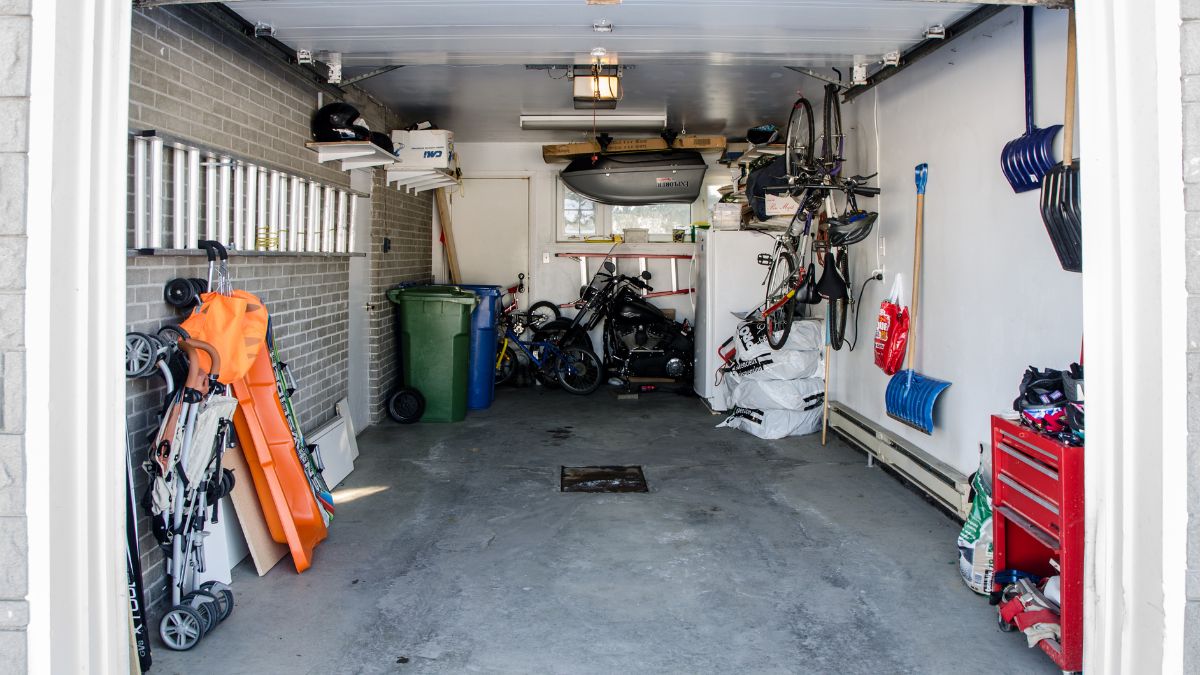
Many homeowners treat the garage as a catch-all storage space, stacking shelves and corners with items they rarely think twice about. What most people do not realize is that several common household and automotive products carry serious explosion or combustion risks when stored improperly. Temperature fluctuations, poor ventilation, and proximity to heat sources can turn everyday items into genuine hazards. Understanding what is sitting on those shelves is the first step toward keeping a home safe.
Gasoline
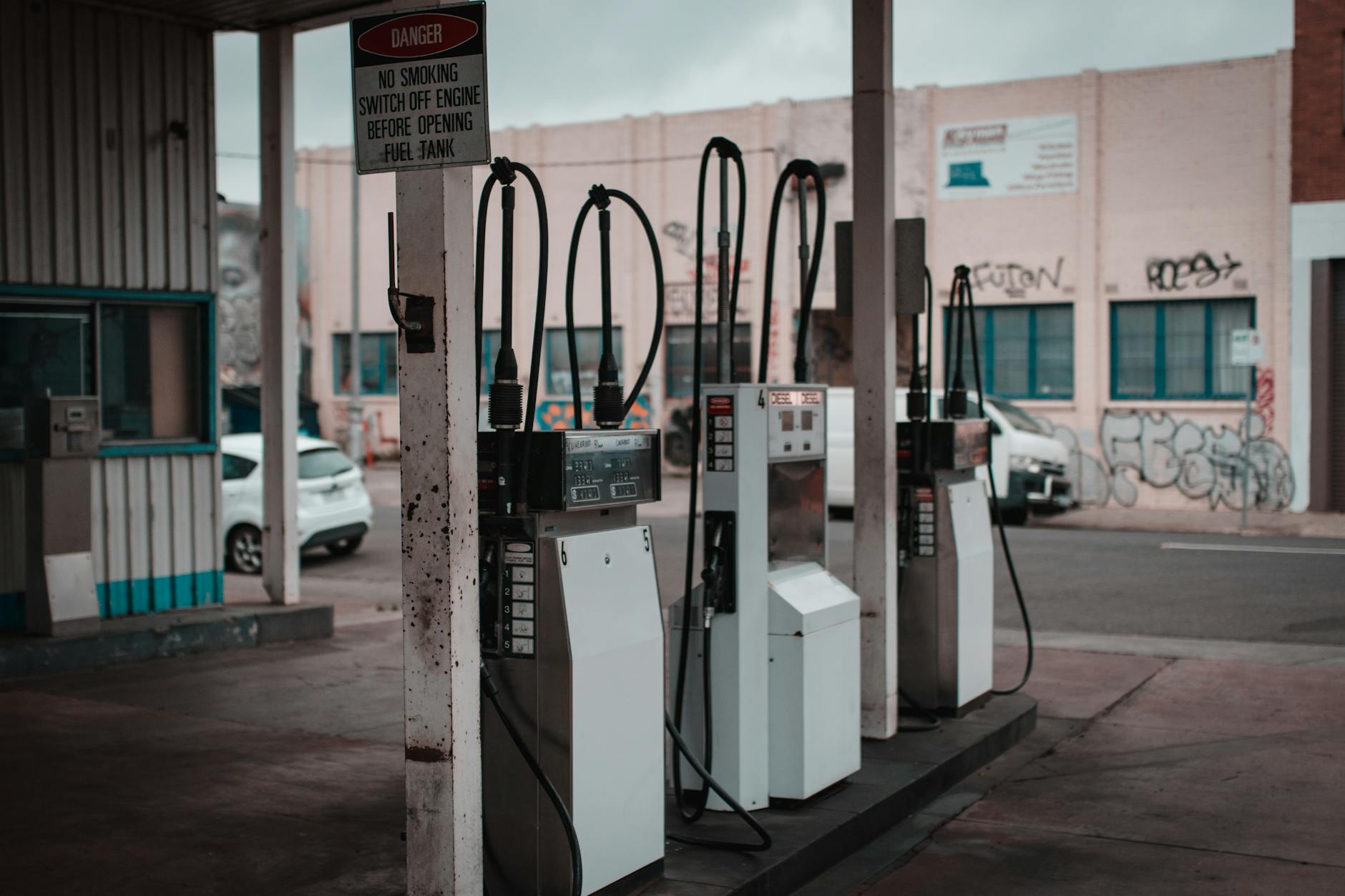
Gasoline is one of the most volatile substances commonly found in residential garages. Its fumes are heavier than air, meaning they sink and spread across the floor before reaching an ignition source. Even a small amount stored in an old or cracked container can release enough vapor to cause a devastating explosion. Gasoline should always be kept in an approved safety can with a tight-fitting lid, and quantities should be kept minimal.
Propane Tanks
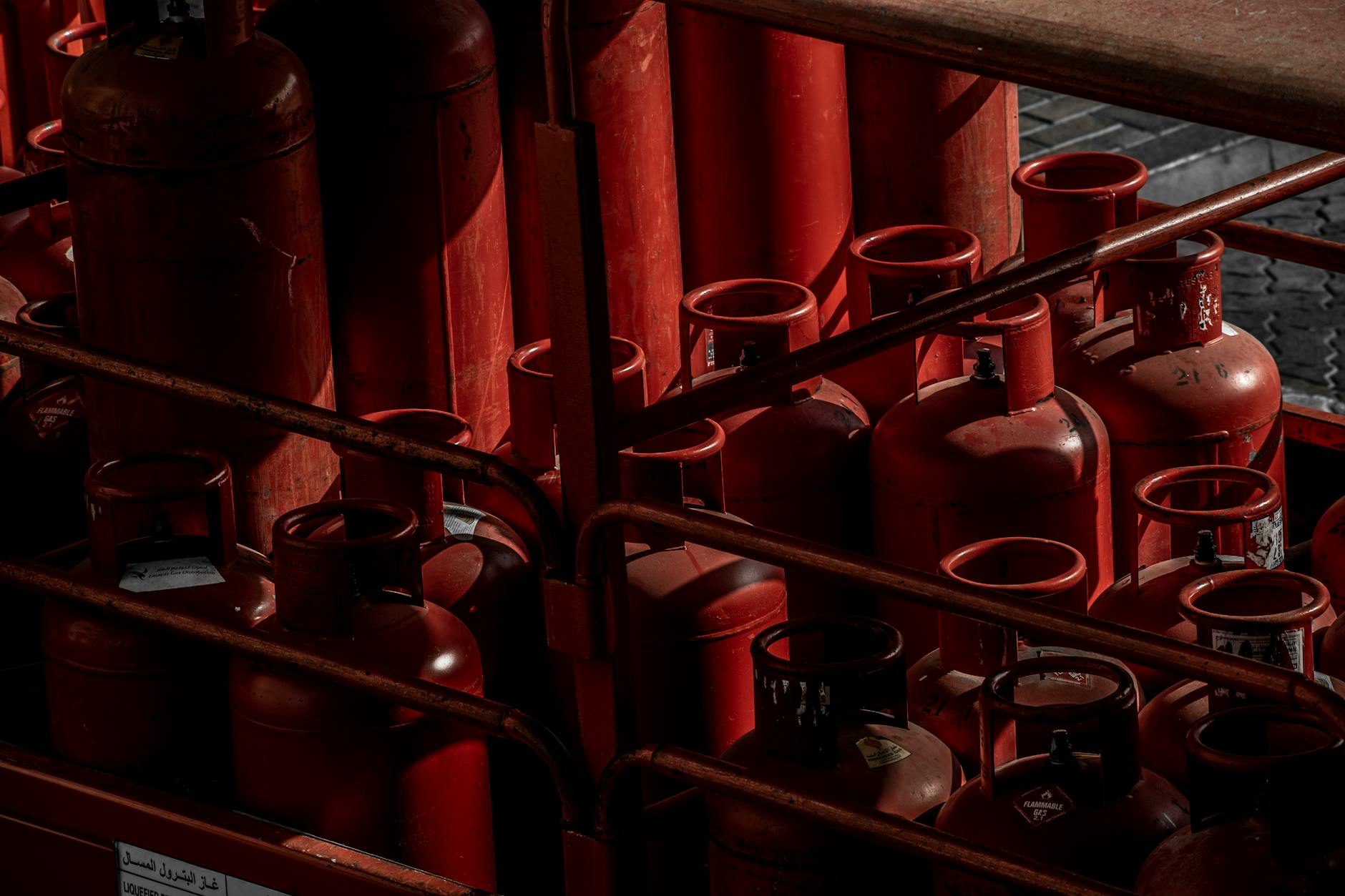
Propane tanks are pressurized containers that become extremely dangerous when exposed to heat or physical damage. A leak in a warm, enclosed garage can allow gas to accumulate to explosive concentrations within minutes. Even tanks believed to be empty retain residual gas that poses a risk. These cylinders should always be stored upright outdoors in a well-ventilated area away from direct sunlight.
Aerosol Cans
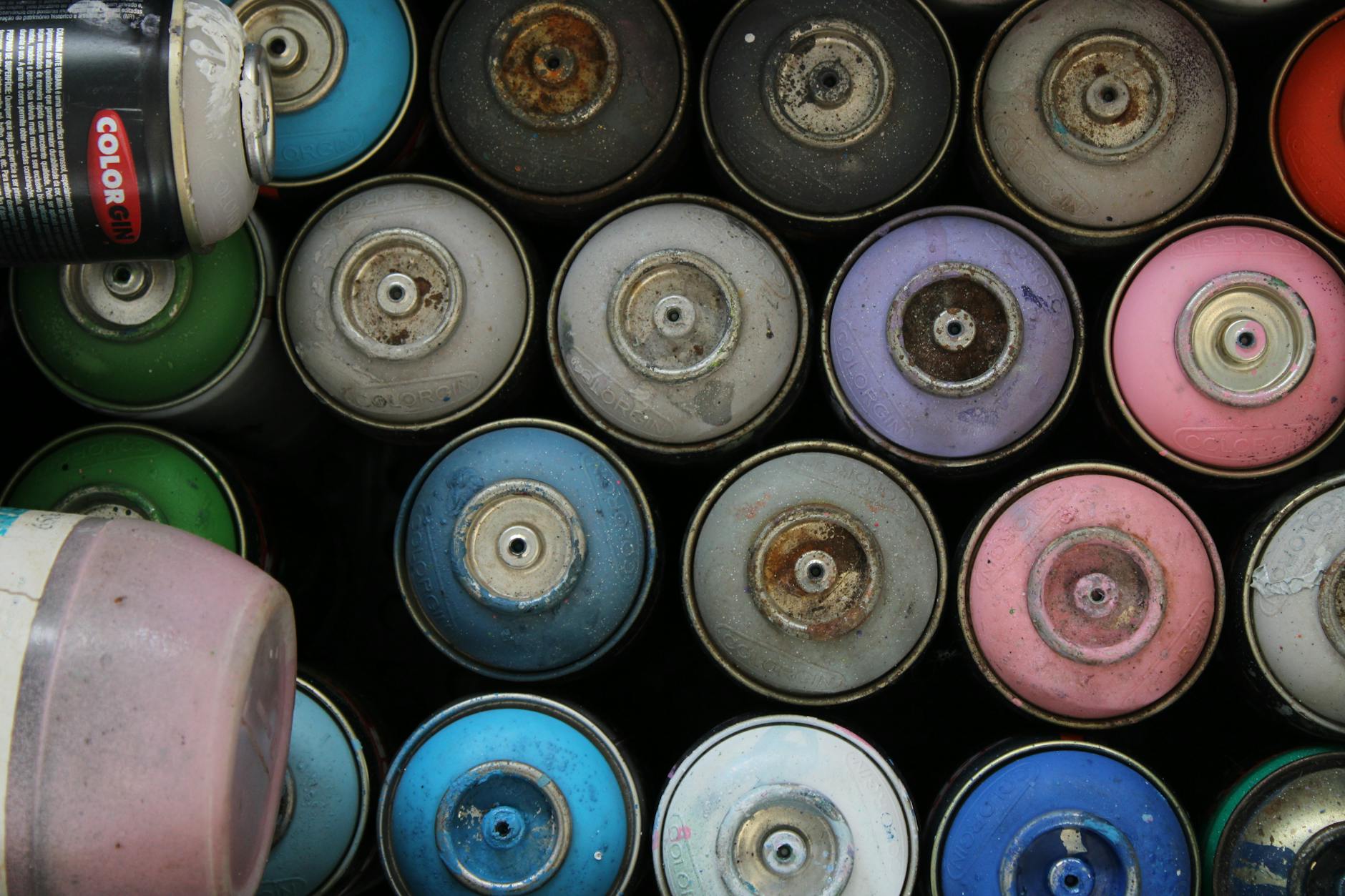
Aerosol cans contain pressurized contents that expand rapidly when temperatures rise, making a hot garage a particularly dangerous environment for them. Products such as spray paint, lubricants, insecticides, and hairspray all fall into this category. A can that overheats can rupture violently, sending shards of metal across the space. These products should be stored in a cool, shaded location and never left near a water heater or car engine.
Car Batteries
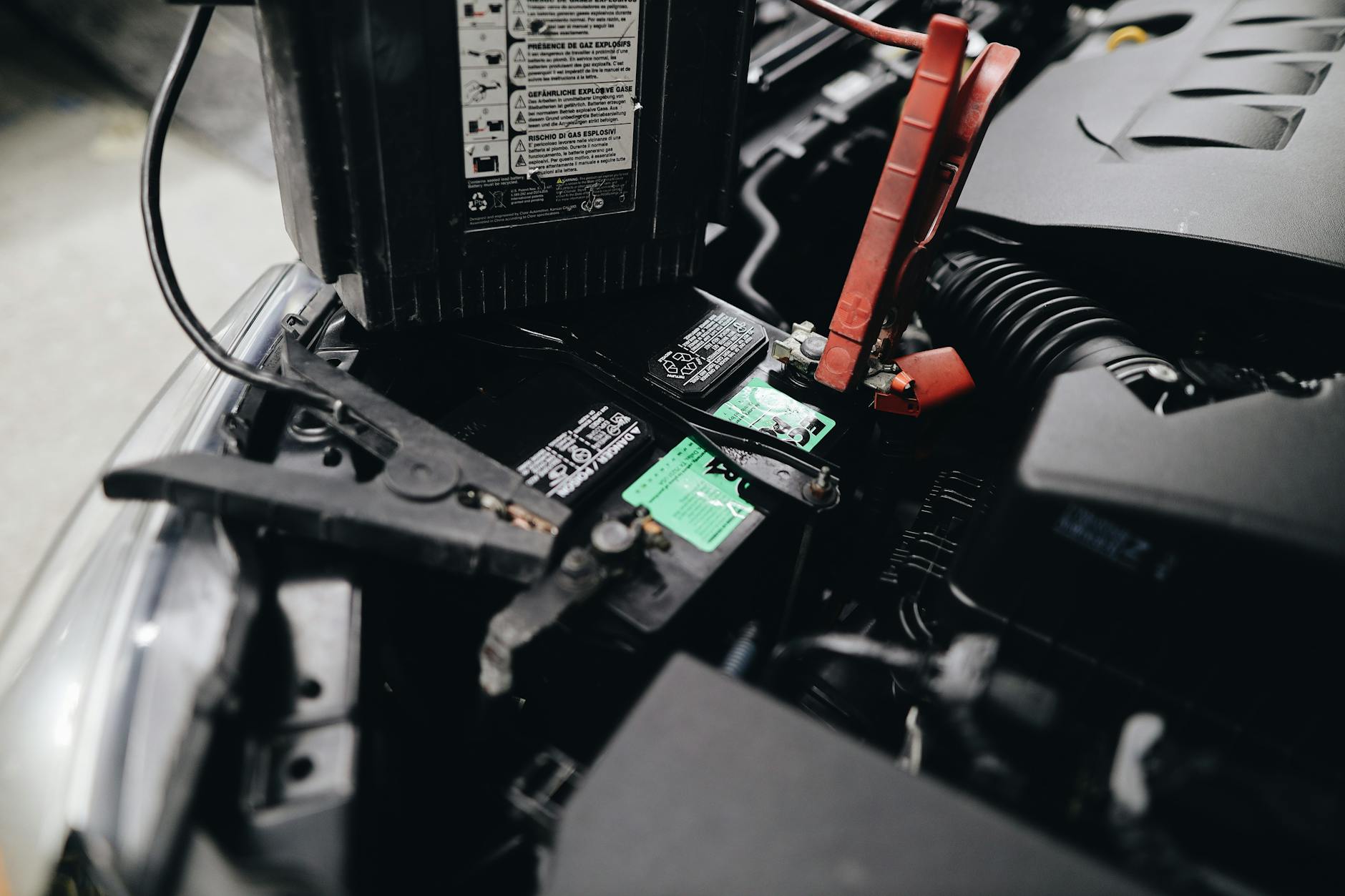
Car batteries contain sulfuric acid and produce hydrogen gas during the charging process, both of which present serious hazards. A spark near a charging or recently charged battery can ignite the hydrogen and cause a powerful explosion. Batteries that are cracked or leaking are especially dangerous and should be disposed of immediately at a certified facility. Charging should always take place in a well-ventilated area with no open flames nearby.
Pool Chemicals
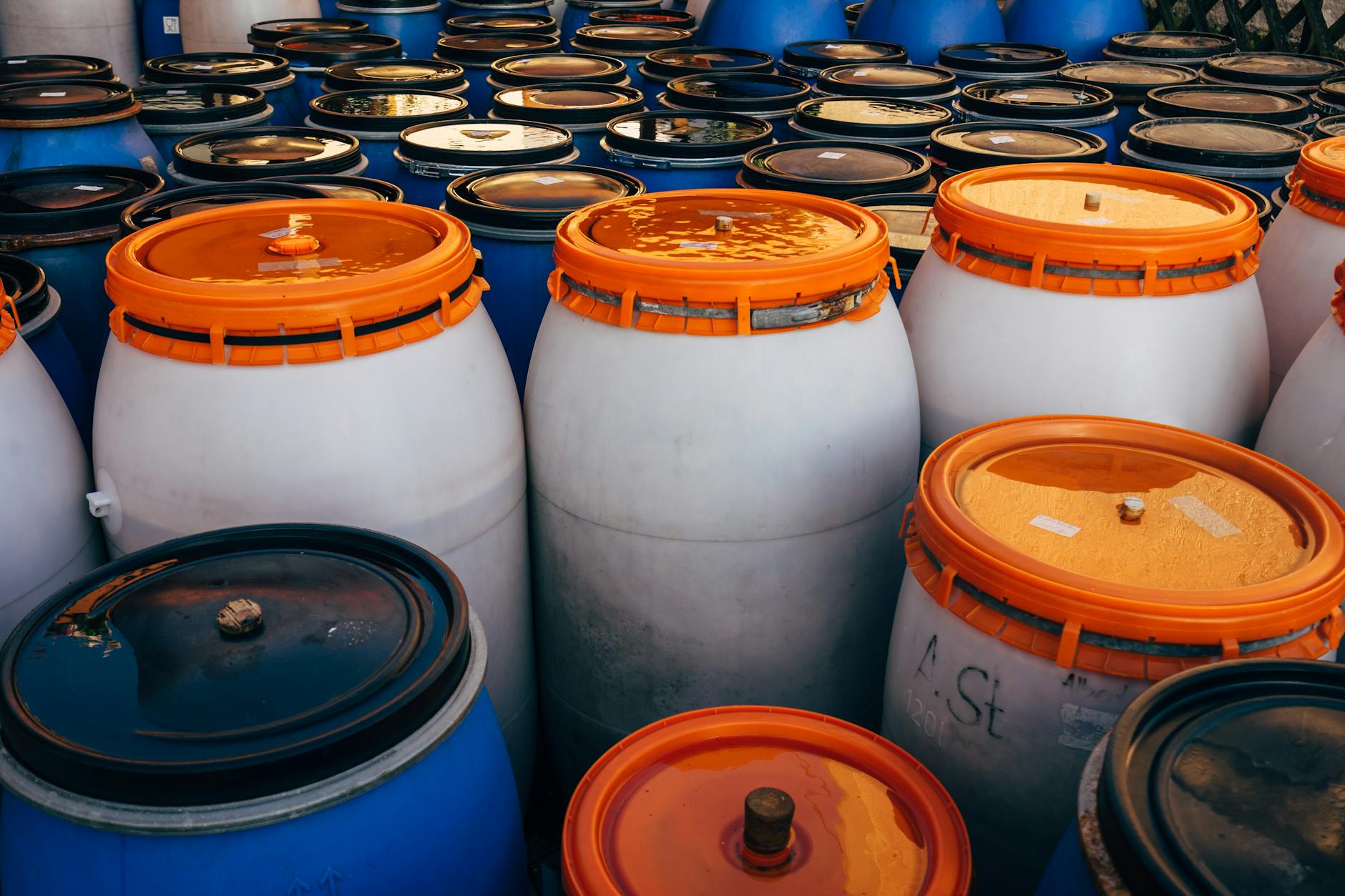
Pool chemicals such as chlorine tablets and shock treatments are strong oxidizers that can react violently with organic materials, oils, and other chemicals. Storing them in a garage alongside fuels, fertilizers, or cleaning products dramatically increases the risk of a dangerous reaction. Heat accelerates their instability, and a warm summer garage can push these substances toward combustion. They should be kept in their original sealed containers in a cool, dry, dedicated storage area.
Paint Thinner

Paint thinner and other solvent-based products release flammable vapors continuously, even through sealed containers. In an enclosed garage, these fumes can build up to levels that ignite from something as minor as a light switch being flipped. Old or partially used containers are particularly problematic because they are often stored casually without much thought. Disposing of excess quantities through a local hazardous waste program is the safest course of action.
Lithium Batteries

Lithium batteries found in power tools, e-bikes, electric scooters, and similar devices are prone to a process called thermal runaway, which can cause them to ignite or explode. Damaged, swollen, or improperly charged batteries are at the highest risk, and heat accelerates the likelihood of failure. Garages that become extremely hot in summer months are particularly unsuitable for storing these batteries. They should be kept at room temperature and inspected regularly for signs of swelling or damage.
Fertilizer
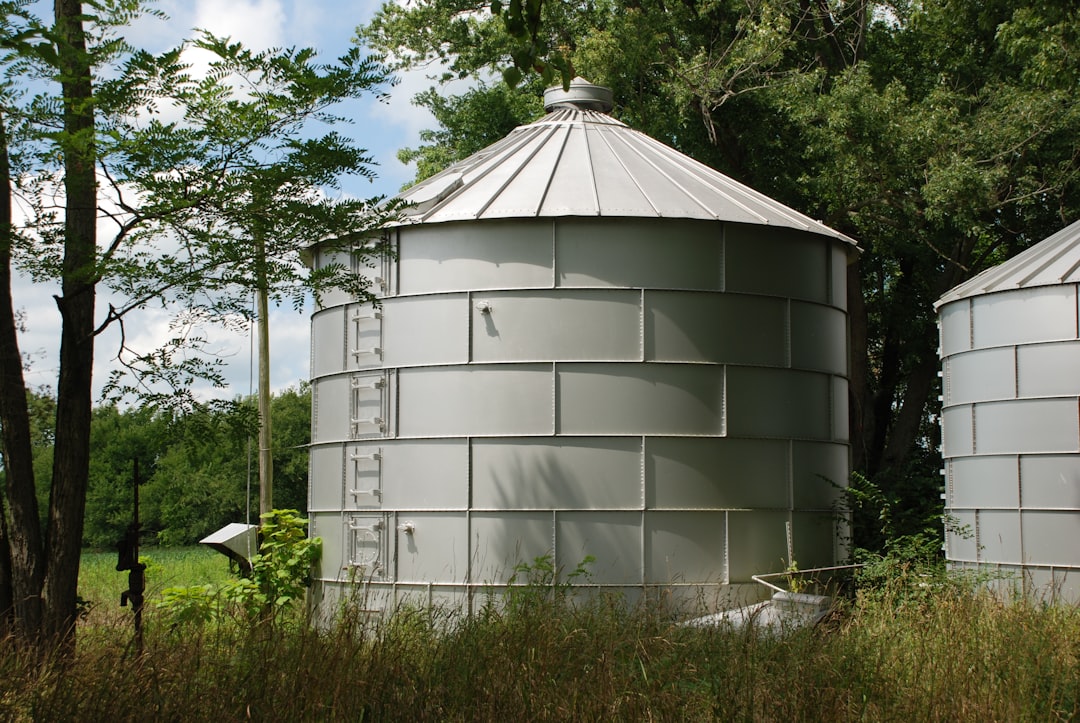
Ammonium nitrate-based fertilizers are powerful oxidizing agents that become explosive under the right conditions, particularly when contaminated with fuel or exposed to extreme heat. Many homeowners store bags of lawn and garden fertilizer in the garage without realizing the risk. Even small quantities can contribute to a serious fire or explosion when stored near combustible materials. Fertilizer should be kept in a cool, dry location away from fuels, oils, and any heat source.
Acetylene Cylinders
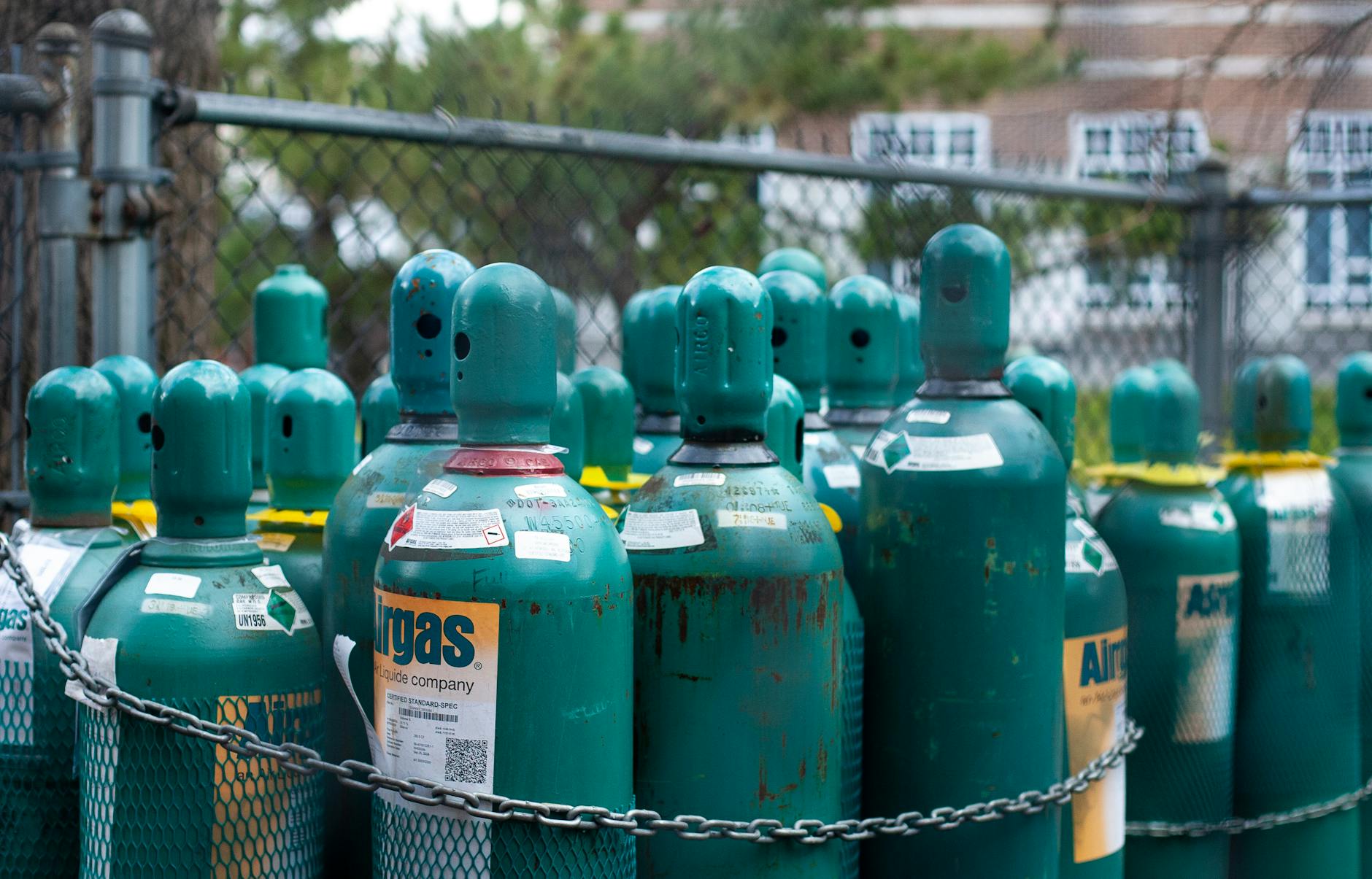
Acetylene cylinders used for welding and cutting are among the most pressure-sensitive gas containers found in home garages. Unlike other compressed gases, acetylene becomes unstable at pressures above a relatively low threshold, making mishandling extremely dangerous. These cylinders must always be stored upright, secured against tipping, and kept away from heat sources and flammable materials. They should never be stored in enclosed spaces without adequate ventilation.
Antifreeze
Antifreeze is a flammable liquid that many car owners store in large quantities in their garages, often near heat-producing appliances or vehicles. While it requires higher temperatures to ignite than gasoline, the risk should not be underestimated in a space that experiences significant temperature swings. Spilled antifreeze near a water heater pilot light or electrical panel creates a genuine fire and explosion hazard. Containers should be tightly sealed, stored away from ignition sources, and checked regularly for leaks.
Oxygen Tanks
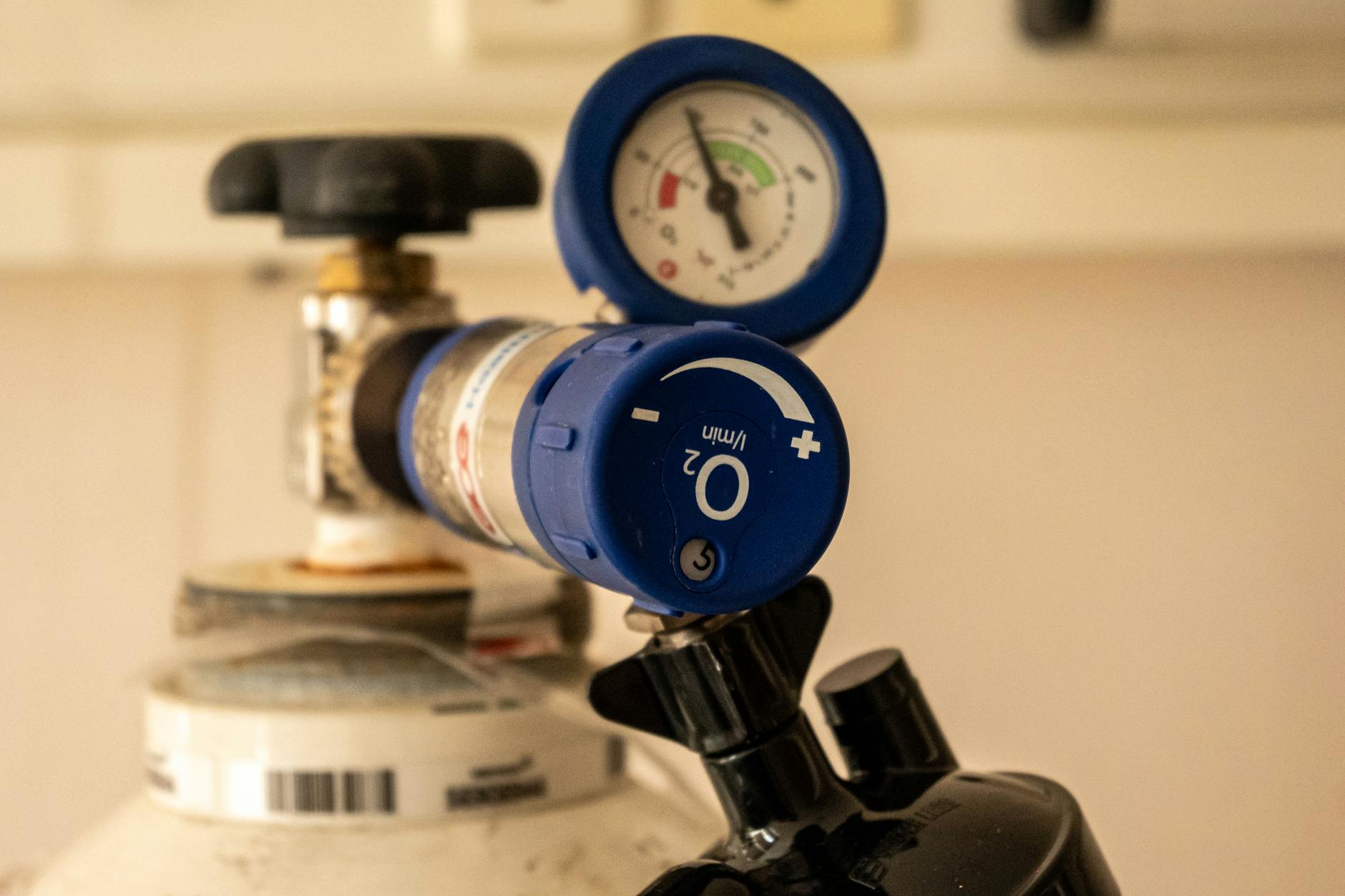
Compressed oxygen cylinders dramatically accelerate combustion and can cause materials that would normally smolder to burst violently into flames. Even a small leak in a garage containing any flammable material transforms the entire space into a high-risk environment. These tanks should be stored upright in a secured rack and never placed near oils, greases, or open flames. Any cylinder showing signs of damage or corrosion should be professionally inspected before further use.
Brake Fluid

Brake fluid is a hygroscopic and flammable liquid that absorbs moisture over time, which can increase its reactivity with other stored chemicals. It has a relatively low flash point, meaning it can ignite at temperatures that are easily reached in a poorly ventilated garage. Partially used bottles are commonly left on shelves for months or even years, increasing the chance of container degradation. Excess brake fluid should be disposed of properly rather than accumulated in storage.
Firelighters

Solid and liquid firelighters contain highly combustible compounds that are stable in normal conditions but become dangerous when exposed to heat or stored near flammable materials. Many people keep large quantities of these products in the garage near grills, outdoor furniture, and fuel cans without considering the cumulative risk. A single point of ignition in proximity to a stock of firelighters can trigger a rapid and uncontrollable fire. These products should be stored in small quantities in a sealed metal container away from heat sources.
Camping Fuel Canisters
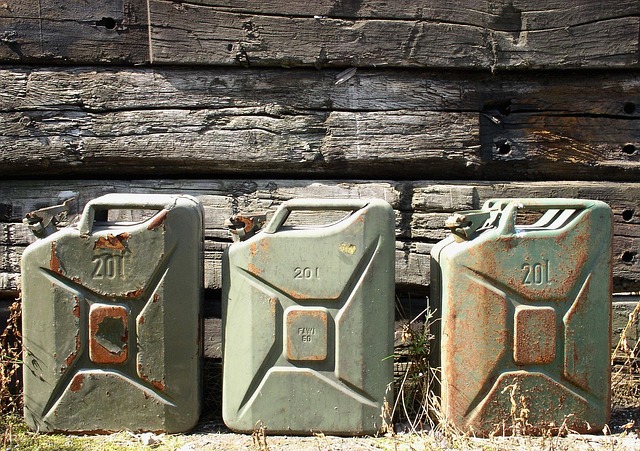
Small pressurized camping fuel canisters contain butane or isobutane and are frequently left in garages after outdoor trips. Even a canister that appears empty retains residual pressurized fuel that can ignite or rupture under heat. These canisters should never be stored in a hot car or a garage that is subject to high summer temperatures. Puncturing them to dispose of them is also dangerous and should be avoided in favor of dedicated hazardous waste disposal.
WD-40

WD-40 is a petroleum-based aerosol product that is highly flammable and found in almost every garage in the country. Its widespread presence often leads people to underestimate the risk it poses when stored near heat sources, open flames, or other reactive chemicals. The pressurized canister is also subject to the same explosion risk as other aerosols if temperatures become too high. Storing it in a cool cabinet away from the water heater, vehicle engines, and power tools significantly reduces the hazard.
If you have any of these items stored in your garage right now, share your thoughts on how you plan to address them in the comments.