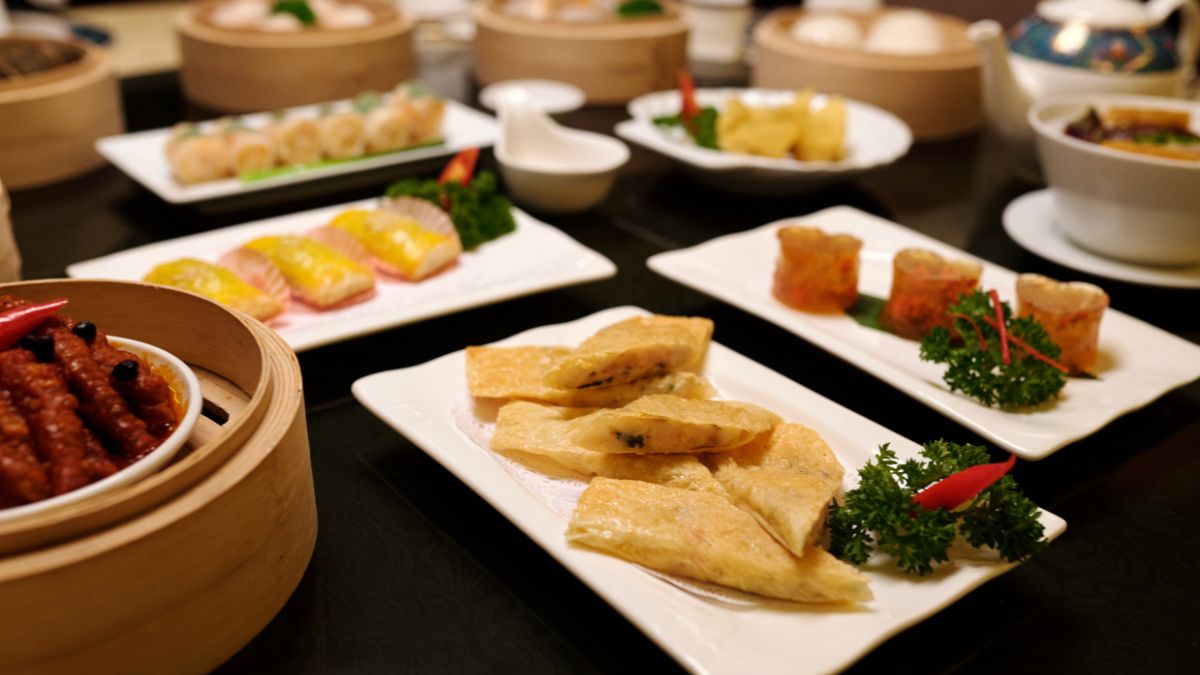
Hotel breakfast buffets project an image of freshness and abundance but the reality of how these stations are managed tells a very different story. Food service regulations in many regions allow hotels to hold certain buffet items at temperature for extended periods without discarding them. Cost-cutting practices in the hospitality industry mean that unsold food from one morning frequently reappears the next under slightly different presentation. Understanding what actually happens behind the scenes of a complimentary breakfast can permanently change the way you approach that inviting buffet spread.
Scrambled Eggs
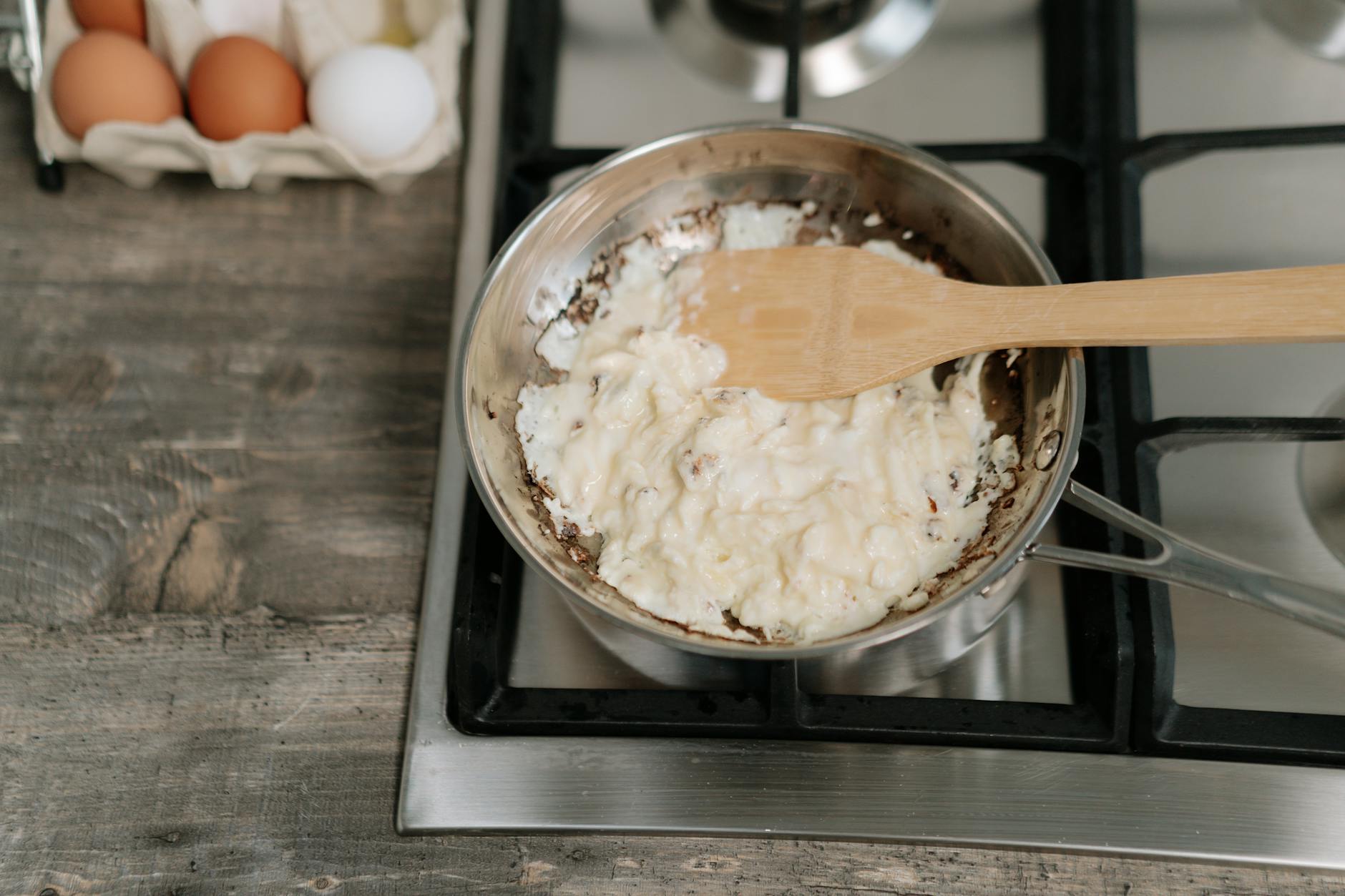
Hotel scrambled eggs are almost universally made from a liquid egg product that is mixed in large batches and cooked in bulk well before the breakfast service begins. The steam table they sit on keeps them at a holding temperature but does not prevent the texture from deteriorating significantly over time. In many properties the same egg mixture is replenished throughout the morning by adding fresh product on top of what remains from earlier. Food safety investigations at budget and mid-range hotels have repeatedly flagged scrambled eggs as one of the most commonly mishandled buffet items.
Bacon
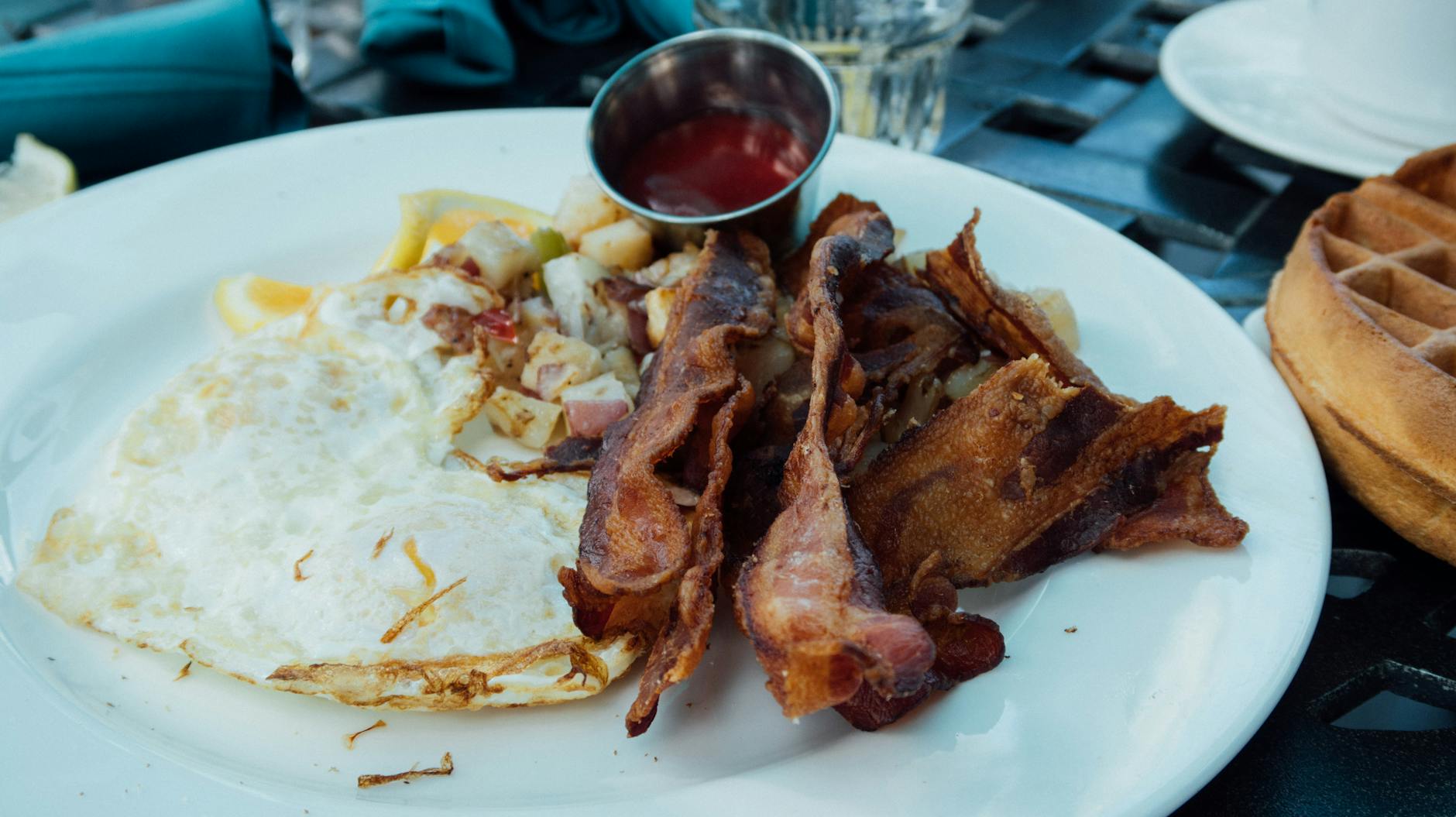
Hotel bacon is typically pre-cooked in large batches before the buffet opens and placed under heat lamps or in warming trays where it continues to cook and dry out over the course of several hours. Many hotels pre-cook their bacon supply for the entire week and refrigerate portions that are reheated each morning as needed. The crispy texture that guests assume indicates freshness is often the result of extended heat exposure rather than recent cooking. Bacon sitting in a warming tray loses moisture and nutritional quality with every additional hour it remains under the lamp.
Sausages
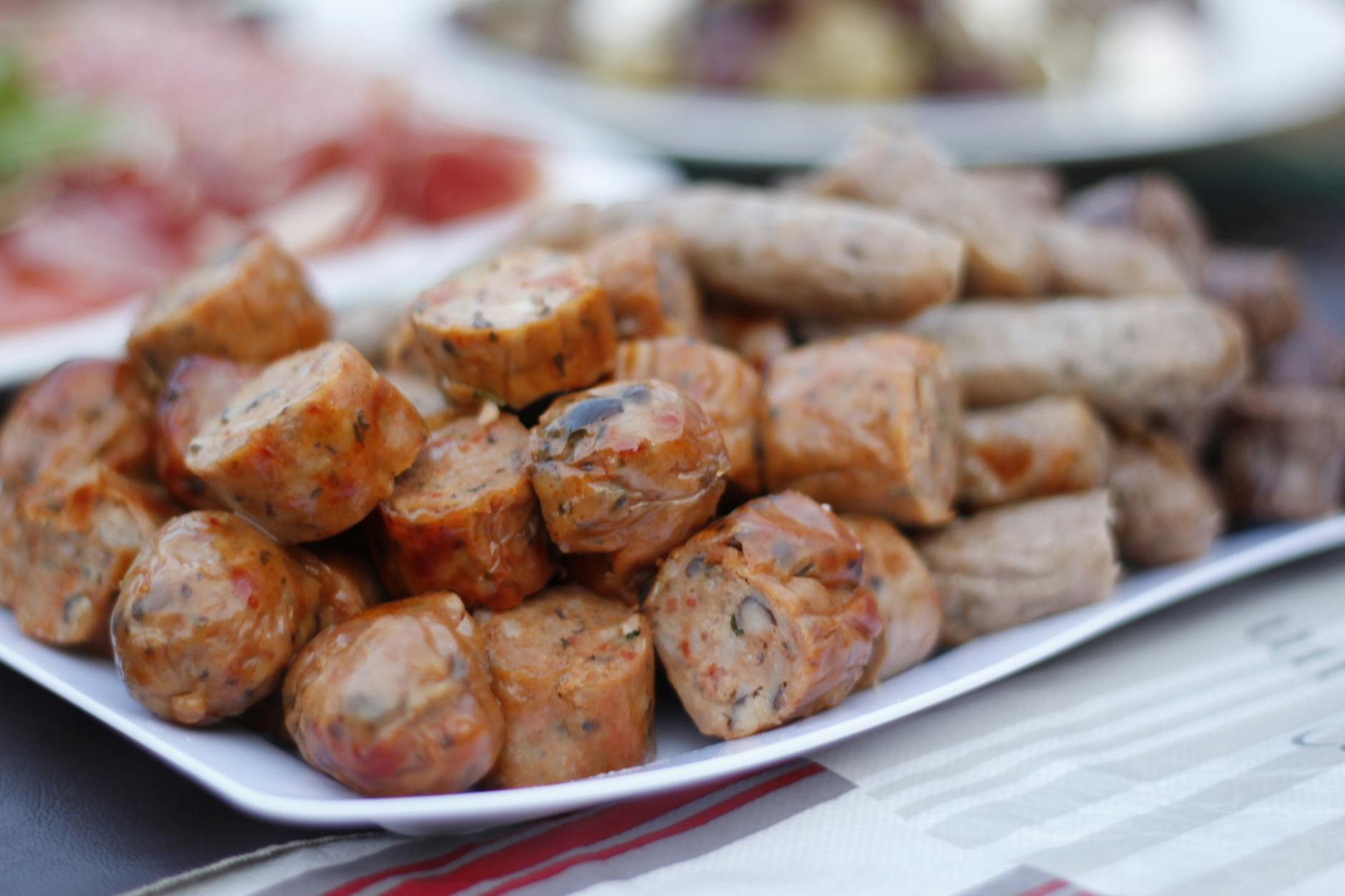
Pre-cooked sausage links and patties are among the easiest items for hotel kitchens to prepare in bulk and rotate across multiple days of service. The high sodium and preservative content of commercial hotel sausages allows them to be held and reheated repeatedly without showing obvious signs of spoilage. Guests rarely question the appearance of sausages on a buffet because their brown color and firm texture remain relatively consistent through multiple heating cycles. Behind most hotel buffet stations the sausages presented each morning were almost certainly prepared at least partially the day before.
Pastries
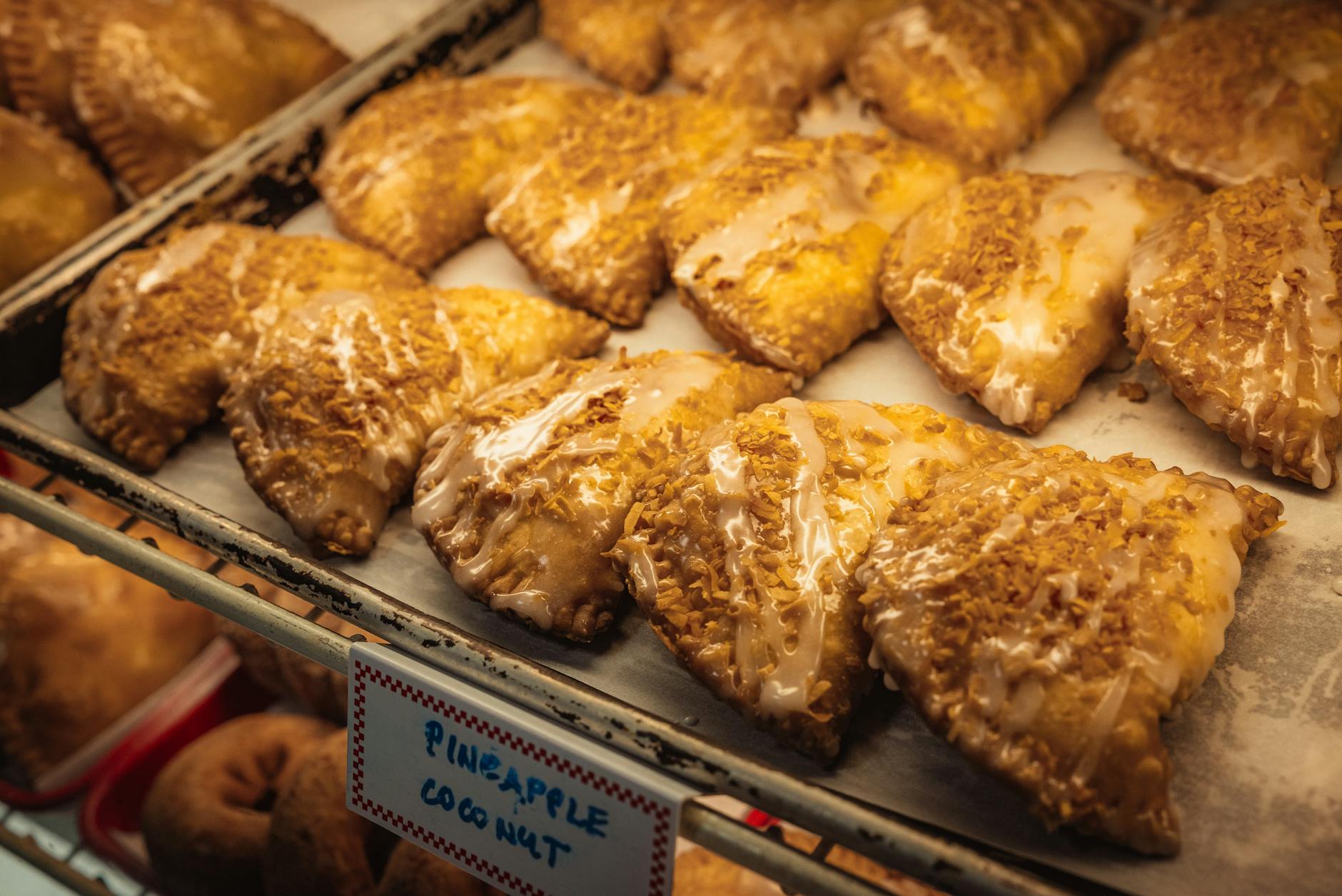
Packaged and bulk pastries at hotel breakfasts are ordered in large quantities and stored in dry conditions for multiple days before being placed on the buffet. The industrial preservatives in commercially produced croissants danishes and muffins allow them to maintain an acceptable appearance for far longer than their freshness would suggest. Hotels rarely date-stamp individual pastry items placed on open trays making it impossible for guests to assess how long they have been in rotation. Many properties also return uneaten pastries from the buffet to storage at the end of service and redistribute them the following morning.
Fruit Salad
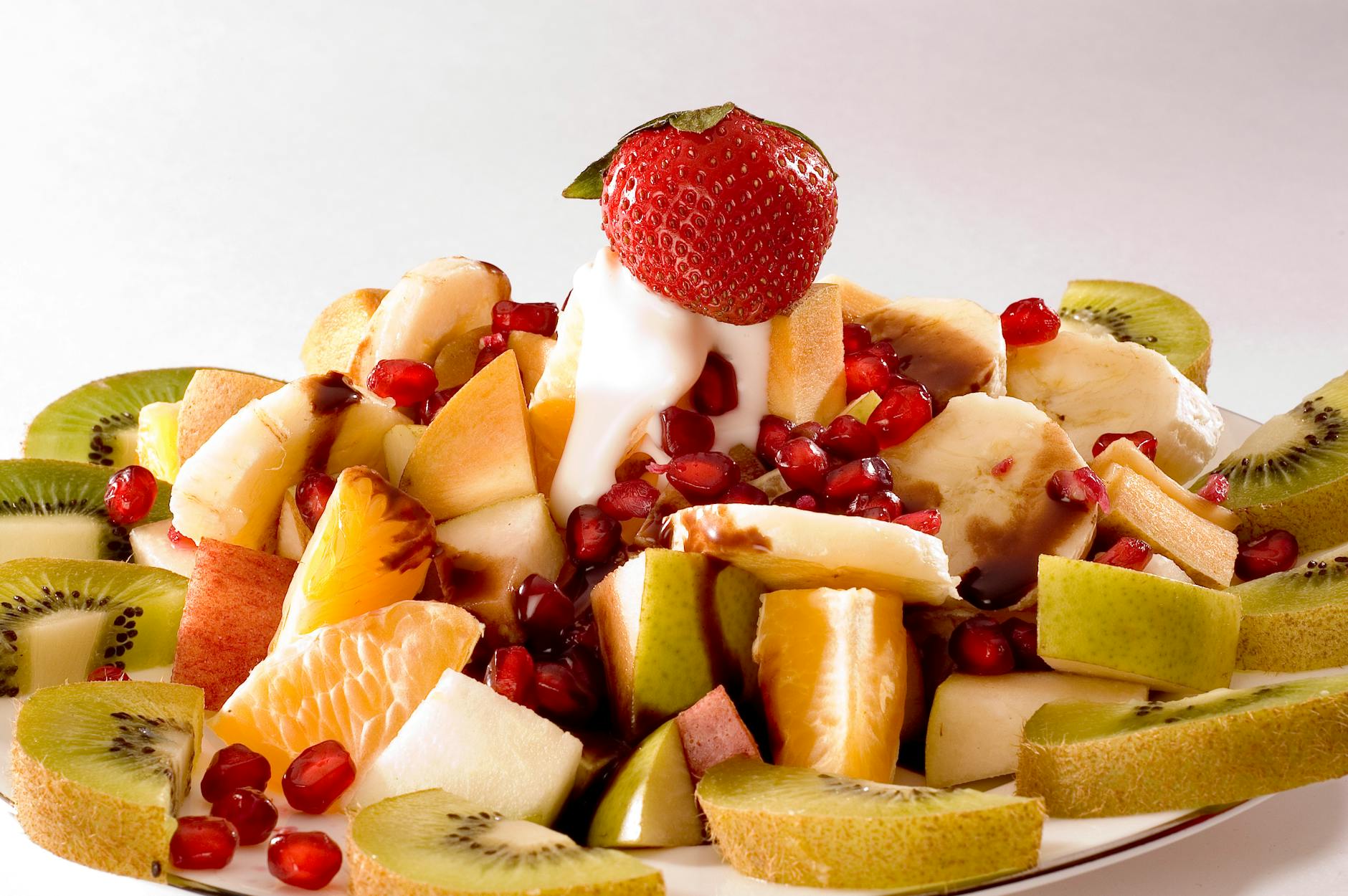
Pre-cut fruit salad at hotel buffets is often prepared in large batches by kitchen staff the evening before breakfast service begins. Once fruit is cut and mixed the oxidation process begins immediately causing nutrient loss and textural degradation that accelerates overnight in refrigeration. Melon pieces in particular are a known bacterial growth medium and have been linked to foodborne illness outbreaks when held beyond recommended timeframes. The colorful presentation of hotel fruit salad bowls frequently conceals pieces that are a full day or more past their optimal freshness window.
Yogurt

Bulk yogurt dispensers and pre-portioned tubs at hotel buffets are filled at the start of the week and replenished inconsistently depending on staff availability and management oversight. Open yogurt containers left on a buffet table are exposed to ambient temperature fluctuations and cross-contamination from shared serving spoons throughout the entire morning. Hotels that use large self-serve dispensers rarely clean and sanitize them between refills which allows old product to accumulate around the dispensing mechanism. The sealed individual cups appear safer but are often sourced from bulk purchases made days before the current breakfast service.
Oatmeal
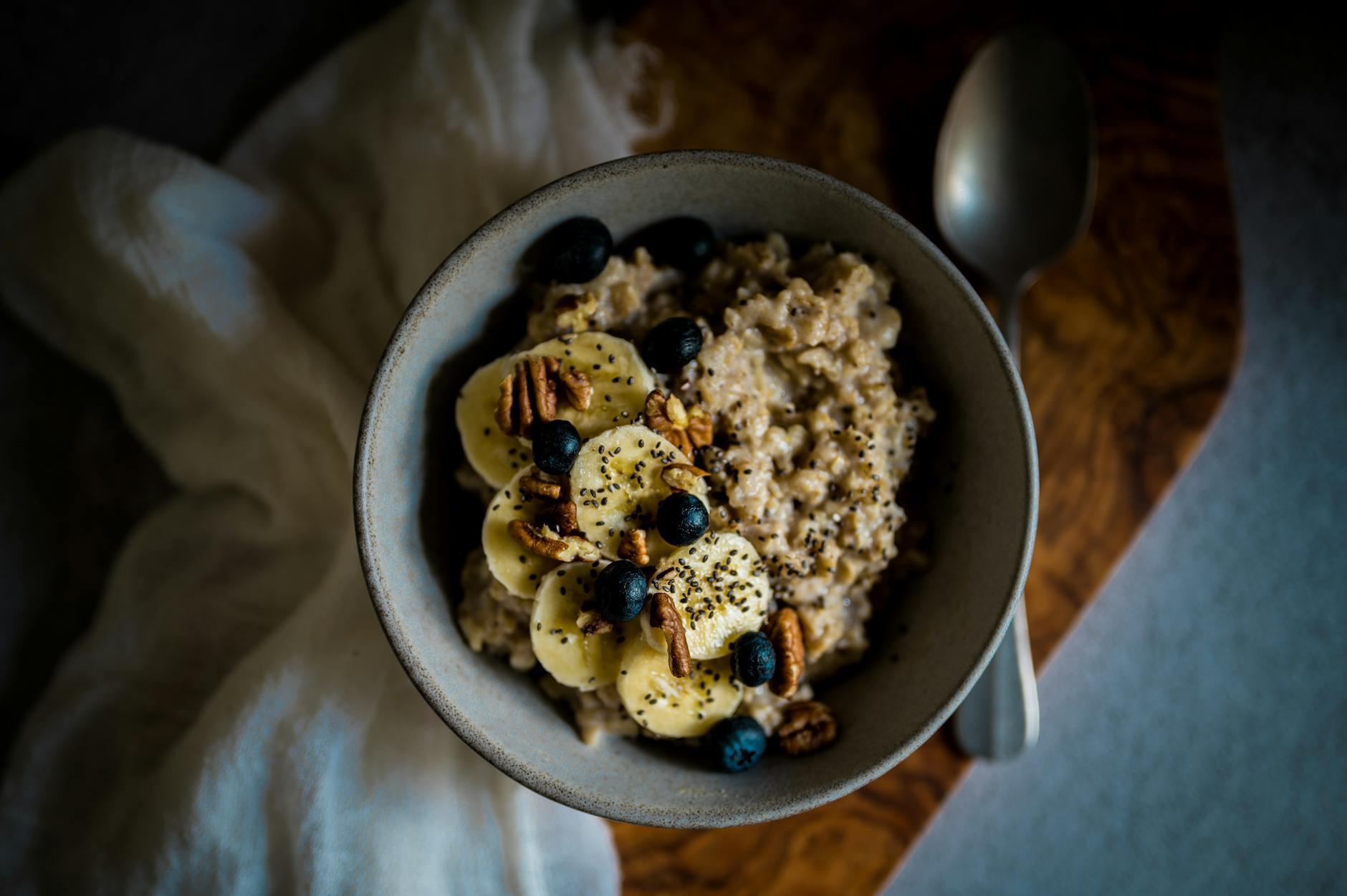
Hotel oatmeal is prepared in large pots before the breakfast buffet opens and left in warming containers throughout the service period where it continues to thicken and develop an unappetizing skin on the surface. Staff members typically stir the pot periodically and add water or milk to restore a more appealing consistency rather than replacing it with a freshly cooked batch. In many properties the same oatmeal pot is started with leftover oats from the previous day combined with a fresh portion to extend the supply. The neutral flavor and heavy texture of buffet oatmeal make it very difficult for guests to detect when the product is no longer truly fresh.
Waffles

The waffle batter available at hotel self-serve waffle stations is mixed in large quantities at the beginning of the week and stored in refrigerated dispensers that are refilled rather than replaced. Batter that sits in a dispenser for multiple days develops off flavors from fermentation and ingredient separation that alters the final product noticeably. The act of cooking the waffle fresh in front of the guest creates a powerful perception of freshness that has no bearing on the age of the batter being used. Many hotel guests mistake the novelty of operating the waffle iron themselves as a guarantee of ingredient quality.
Hard-Boiled Eggs
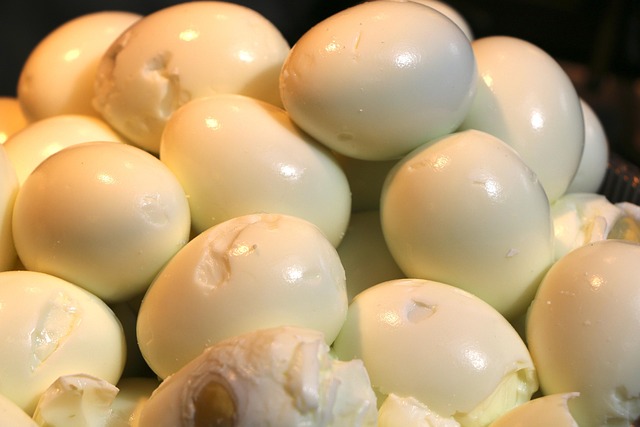
Hard-boiled eggs at hotel buffets are boiled in large batches and stored unpeeled in refrigeration for up to a week before being placed on the breakfast spread. Once peeled and set out in a bowl they are exposed to air and temperature changes that degrade their texture and flavor within hours. The rubbery whites and grayish-green yolk ring visible in many hotel hard-boiled eggs are signs of overcooking combined with extended storage rather than fresh preparation. Guests who eat these eggs without noticing any off-flavor may still be consuming a product that was cooked several days prior.
Cold Cuts
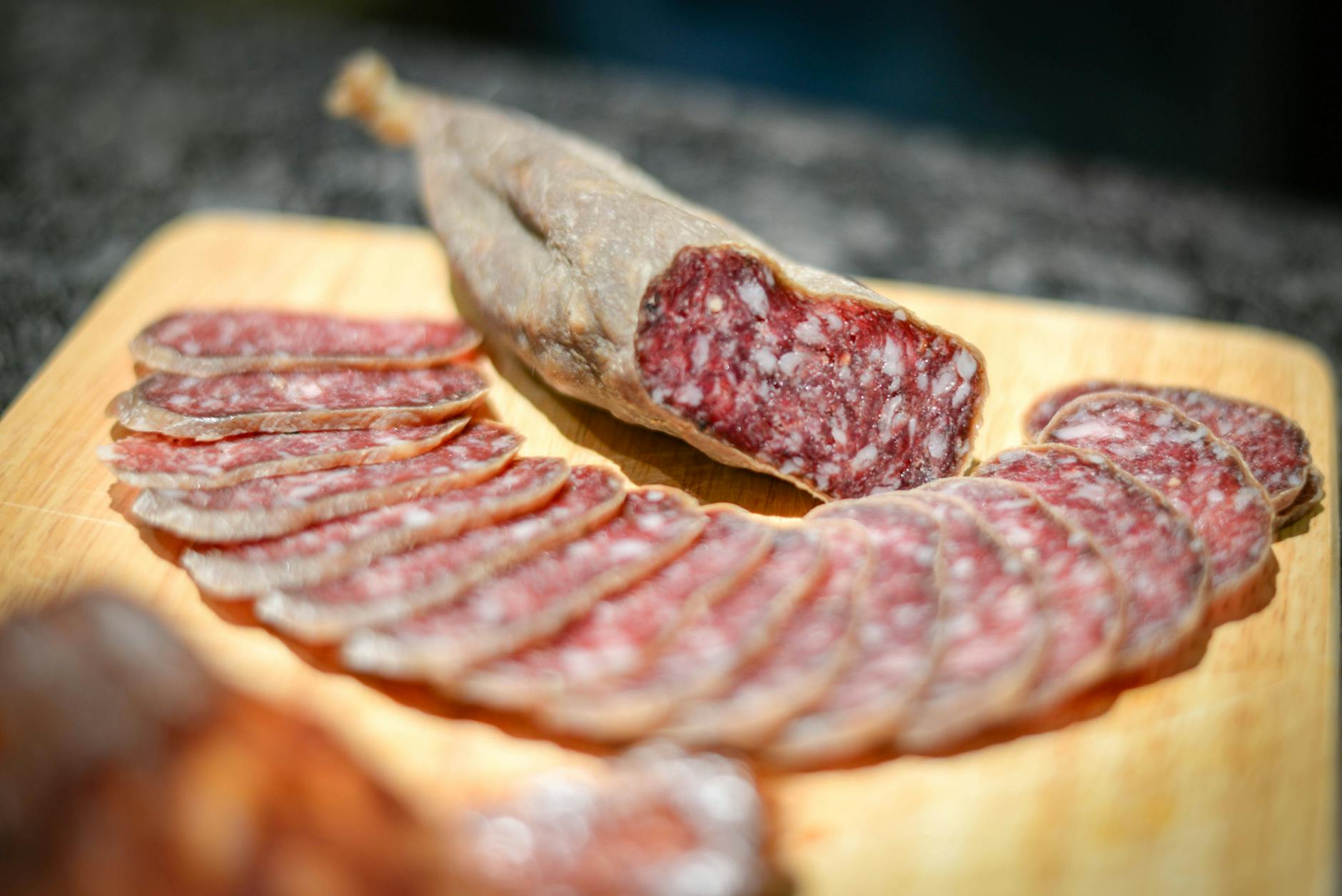
Sliced deli meats presented at hotel breakfast buffets are portioned from larger packages that are opened and kept in refrigerated display cases for multiple days throughout the week. Once sliced meats are exposed to air their surface begins to oxidize and the risk of bacterial growth increases with each passing hour they remain on the buffet. Hotels in many countries operate under food holding regulations that permit cold cut displays to remain in service for longer than most guests would find acceptable. The thin slicing and folded presentation of deli meats makes visual freshness assessment nearly impossible for the average hotel guest.
Cheese Slices

Pre-sliced cheese arranged on hotel buffet platters is cut from bulk blocks at the beginning of the week and layered on trays that are refreshed with new plastic wrap each morning rather than being replaced with freshly cut portions. The edges of cheese slices left on an open buffet dry out and harden within the first hour of service creating a textural change that staff members simply fold inward when rearranging the display. Cold buffet temperatures slow but do not stop the surface deterioration of exposed cheese slices over multiple days. Many guests who notice an unusual waxy or sharp flavor in hotel buffet cheese are detecting the result of extended air exposure rather than a quality attribute.
Cereal
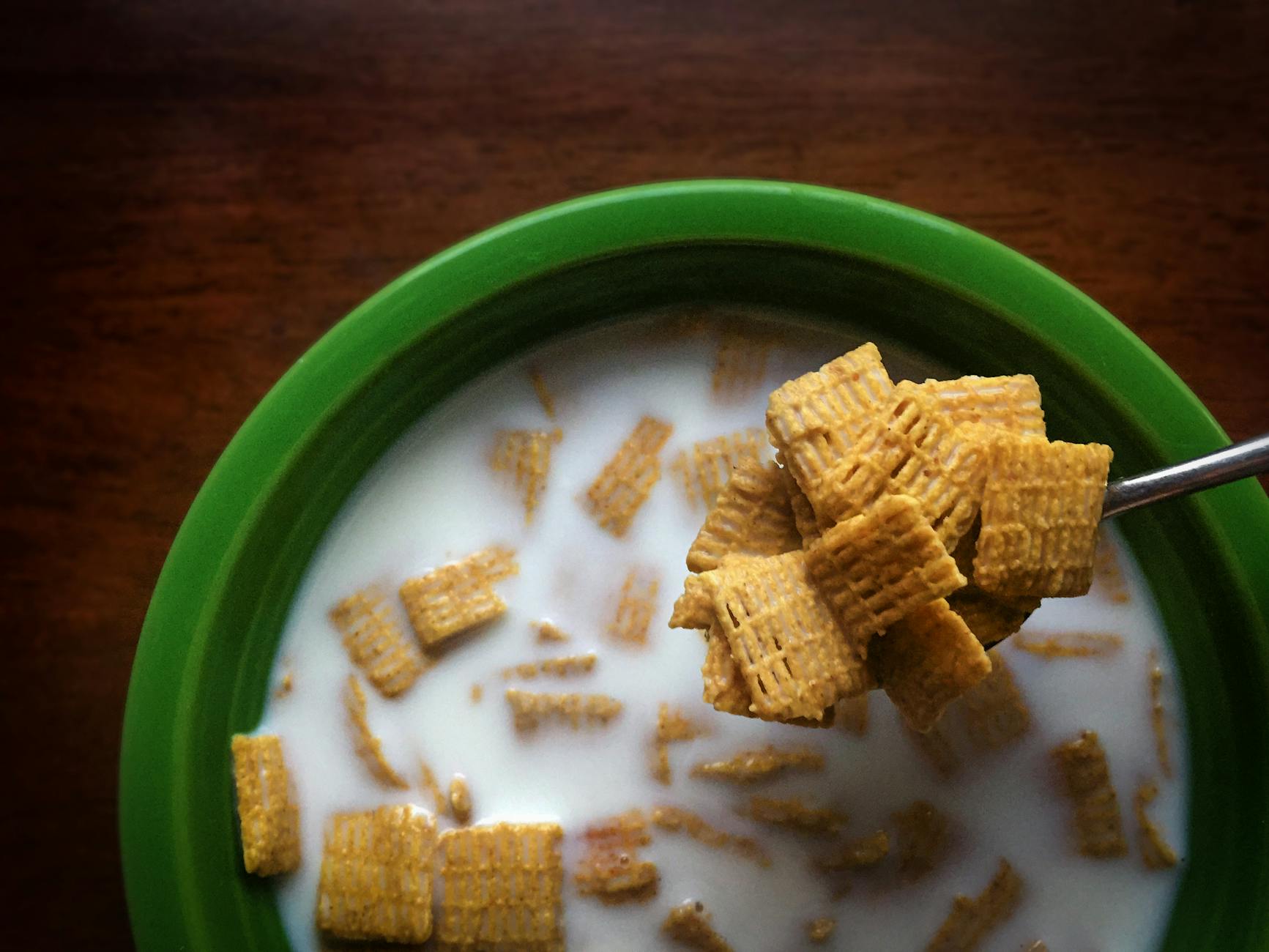
Bulk cereal dispensers at hotel buffets are among the least frequently sanitized pieces of equipment in the entire breakfast station. The dispensing mechanism traps residual cereal dust and small broken pieces that accumulate at the bottom and sides of the container between refills. Hotels rarely empty and fully clean these dispensers between restocking events meaning that fresh cereal is poured on top of older product routinely. Moisture from ambient humidity or proximity to hot food stations can cause cereal in these dispensers to go stale or begin clumping days before a guest encounters it.
Smoked Salmon
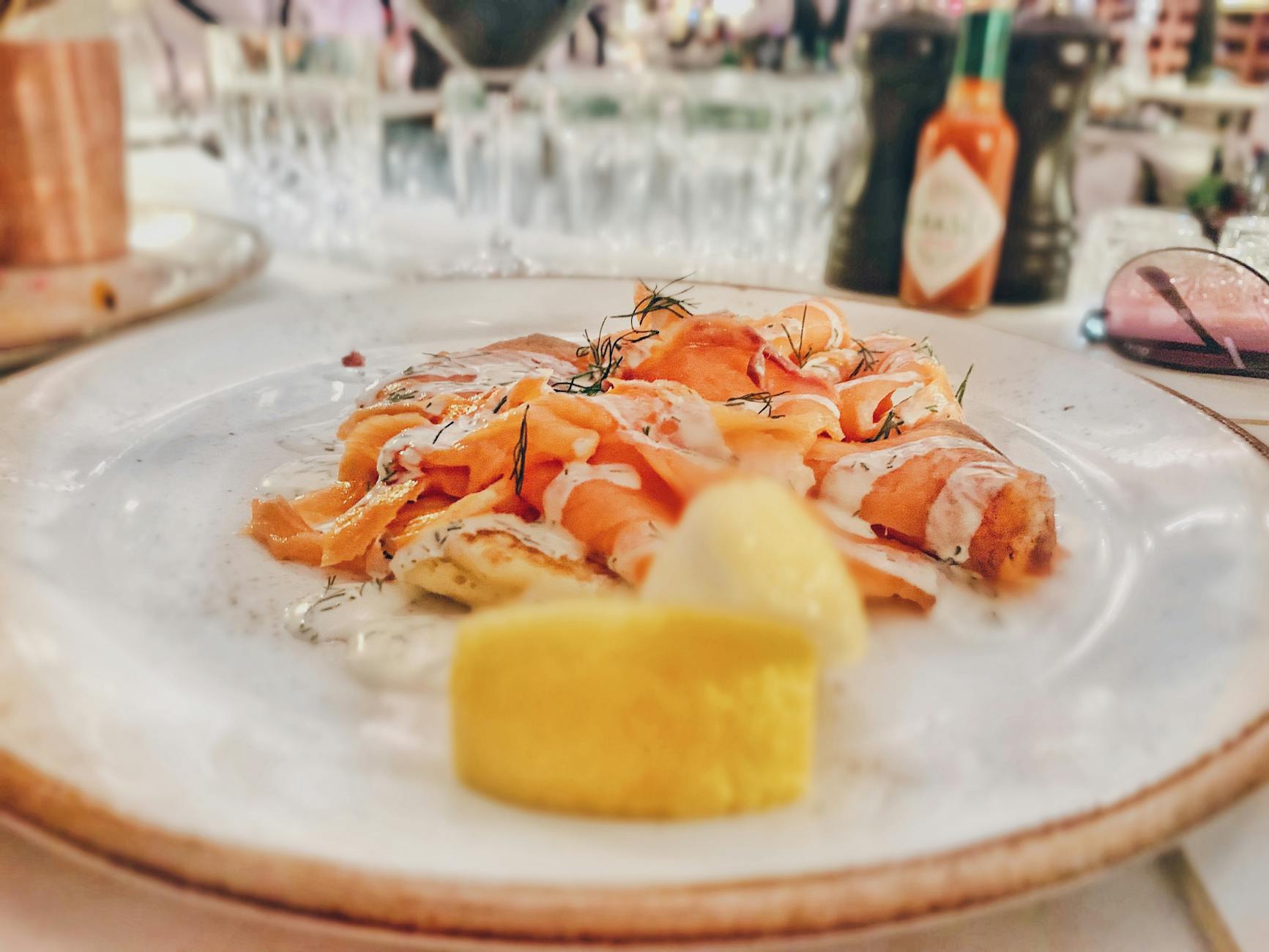
Smoked salmon at hotel buffets is presented as a premium offering but is typically sourced in vacuum-sealed bulk packages that are opened and displayed across multiple days of service. Once the vacuum seal is broken smoked salmon should ideally be consumed within a narrow window but buffet service extends its exposure far beyond what most food safety professionals would recommend. The strong natural flavor and smell of smoked salmon make it very difficult for guests to detect when the product has begun to deteriorate. Its placement on ice does not neutralize the bacterial risk that accumulates when the same opened portion sits on a buffet across several consecutive mornings.
Hash Browns

Frozen hash browns are delivered to hotel kitchens in bulk and cooked in large batches that are portioned throughout the morning service by reheating smaller amounts from a refrigerated holding container. The twice-cooked nature of most hotel hash browns results in a product that is significantly drier and less flavorful than freshly prepared versions. Kitchens that prepare hash browns the night before and reheat them under a salamander grill in the morning are following a cost-efficiency practice that is widespread in the hotel industry. The exterior crispness achieved through reheating mimics fresh cooking well enough that most guests do not question the preparation timeline.
Baked Beans
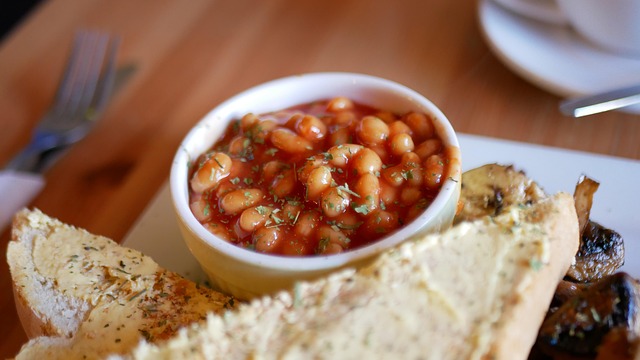
Hotel baked beans are cooked or opened from large commercial tins in quantities far exceeding what will be consumed in a single morning service. The excess is stored in refrigerated containers and reheated in portions over the following days with fresh product added to the top of existing stock rather than replacing it entirely. The thick sauce and uniform appearance of baked beans make it essentially impossible to visually distinguish a freshly prepared portion from one that has been cycled through multiple heating events. This practice is particularly common in hotels that serve a British-style breakfast where baked beans are considered a non-negotiable staple.
Bread Rolls
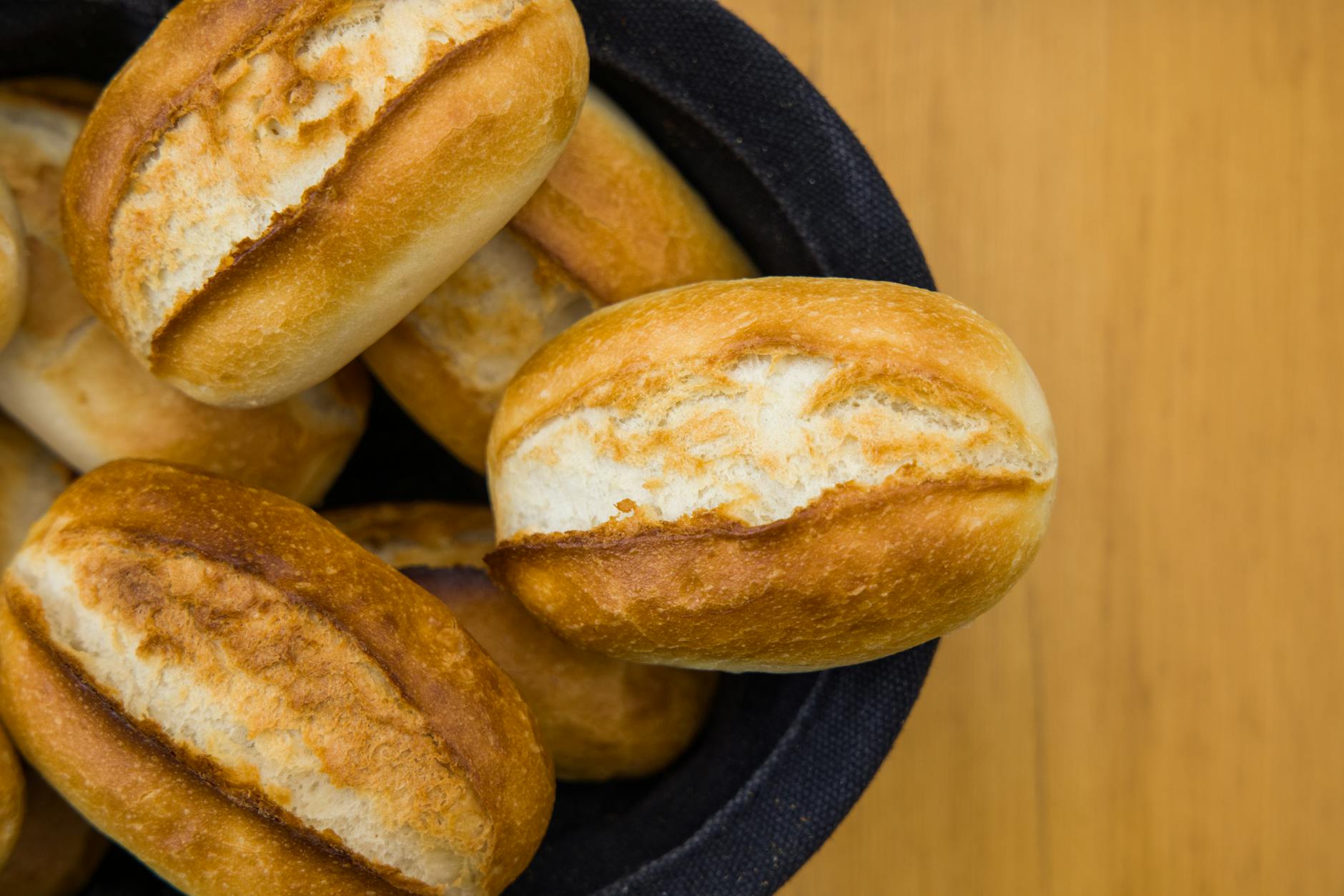
Bread rolls and sliced loaves placed in baskets at hotel buffets are typically baked or delivered in bulk at the beginning of the week and stored in humidity-controlled environments to slow visible staling. The rolls presented on Monday morning and those offered on Thursday are often sourced from the same weekly delivery with freshness maintained through professional storage techniques rather than daily baking. Hotels that advertise freshly baked bread are frequently referring to rolls that are par-baked industrially and finished in a hotel oven to create the aroma and appearance of fresh baking. The crust that forms overnight on stored rolls is softened by light reheating before service in a way that convincingly mimics same-day preparation.
Pancakes

Pre-made pancakes stacked in warming trays are a common sight at budget hotel buffets and represent one of the more obvious examples of food prepared well in advance of service. The batter for hotel pancakes is mixed in large batches and refrigerated for use across multiple mornings with batches cooked before the buffet opens to ensure volume availability at peak service times. Pancakes that sit in a covered warming tray absorb moisture from condensation and develop a gummy texture on their surfaces that distinguishes them clearly from freshly prepared versions. Guests who visit the buffet early in the morning are consuming pancakes from the same batch as those who arrive two hours later.
Juice

The juice dispensers found at hotel buffets are filled from large concentrate or bulk carton supplies that are opened and connected to the machine at the start of the service week. The interior tubing and dispensing nozzles of juice machines are cleaned on a schedule that varies widely between properties and is rarely as frequent as daily. Juice that sits in an open-top dispenser in a warm breakfast room begins to oxidize and lose vitamin content within hours of being poured in. Guests who consume multiple glasses of hotel orange or apple juice over a stay are often drinking from the same opened concentrate supply each morning.
Butter Portions
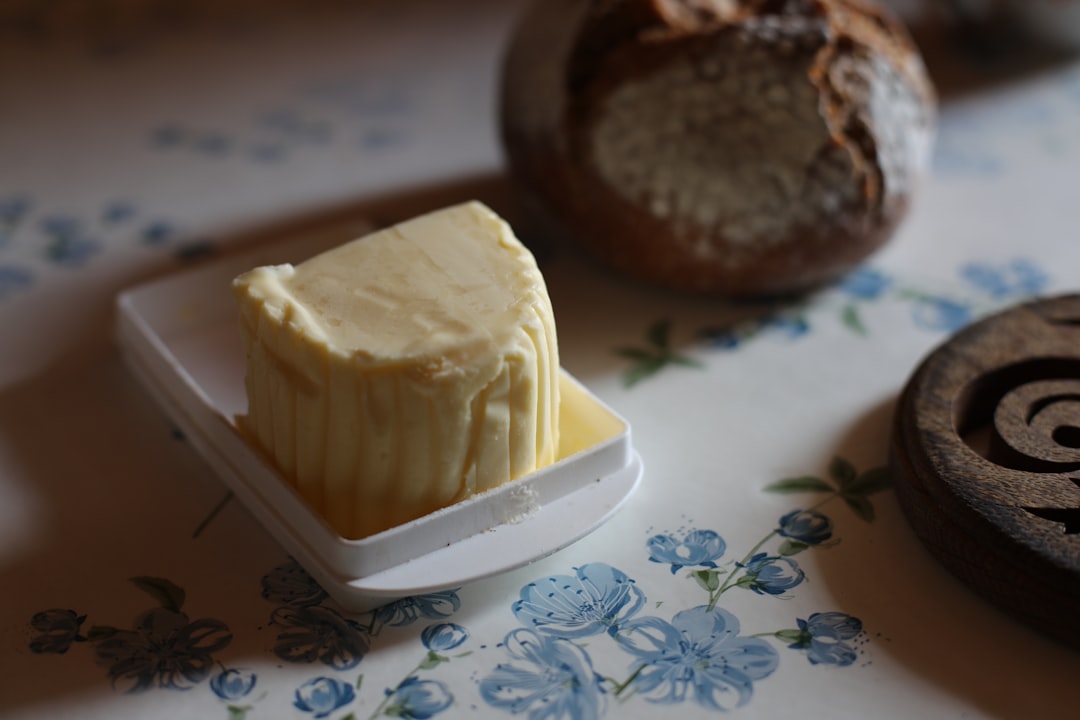
Individual foil-wrapped butter portions placed on hotel buffet tables are set out at the beginning of service and returned to storage at the end if they remain unused rather than being discarded. These portions are cycled between storage and the buffet repeatedly across the week with their sealed packaging making the practice invisible to guests. Butter that has been subjected to repeated temperature transitions between a warm buffet room and a refrigerated storage area develops textural and flavor changes that indicate compromised quality. The small size and familiar branding of individual butter packets give guests a false sense of portion freshness that does not reflect the actual handling history.
Muffins
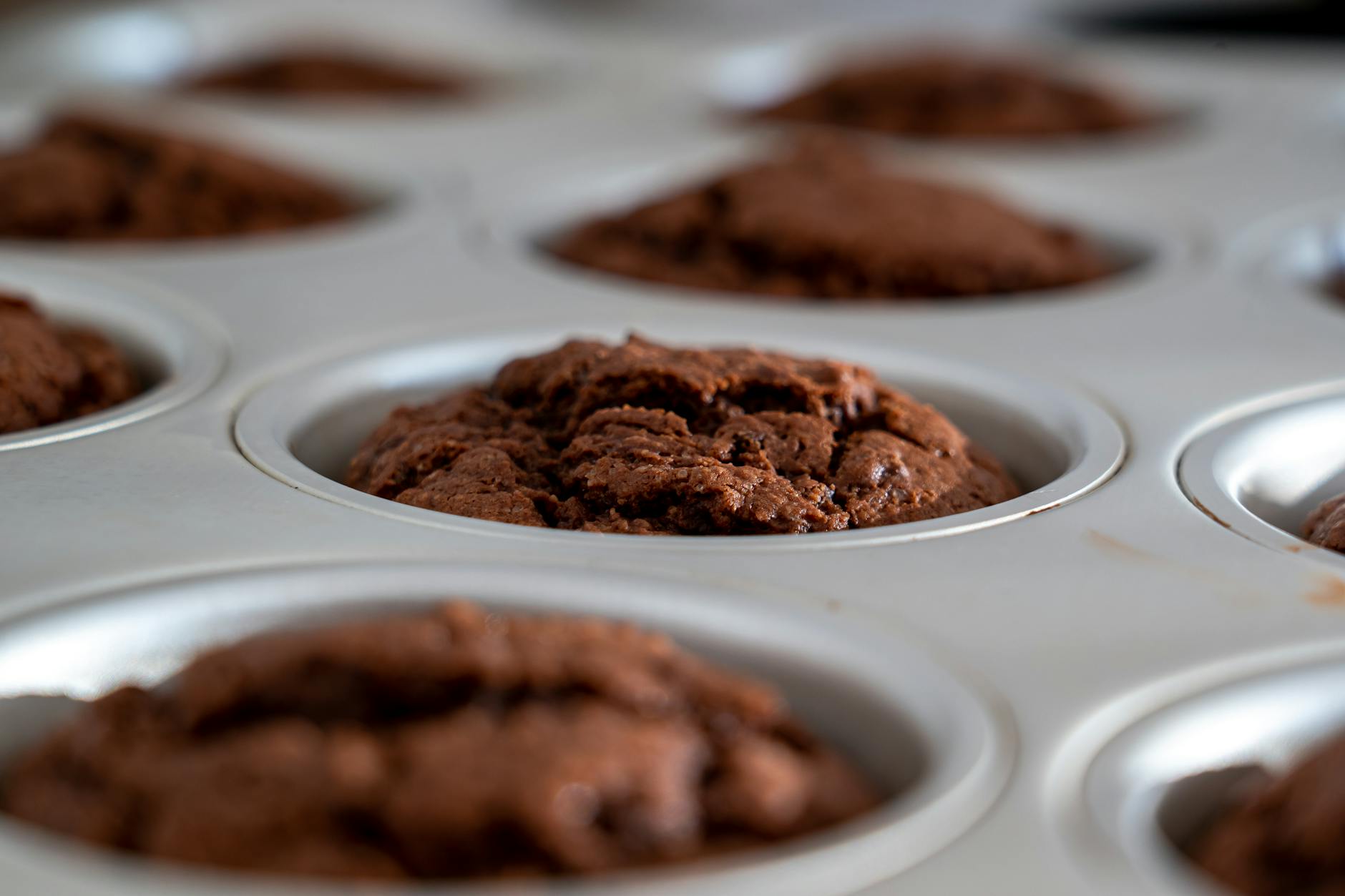
Hotel buffet muffins are purchased from commercial bakery suppliers in large weekly or bi-weekly orders and stored in sealed packaging until they are needed for display. The preservative content in industrially produced muffins allows them to maintain a soft texture and visual appeal for well beyond a week making it easy for hotels to stretch a single order across many days of breakfast service. Once placed on an open tray muffins are rarely removed from the display until they are visibly stale or hardened which often takes longer than guests would expect given their preservative load. A muffin sitting on the buffet on a Friday morning may have been baked and packaged more than two weeks prior.
Cream Cheese
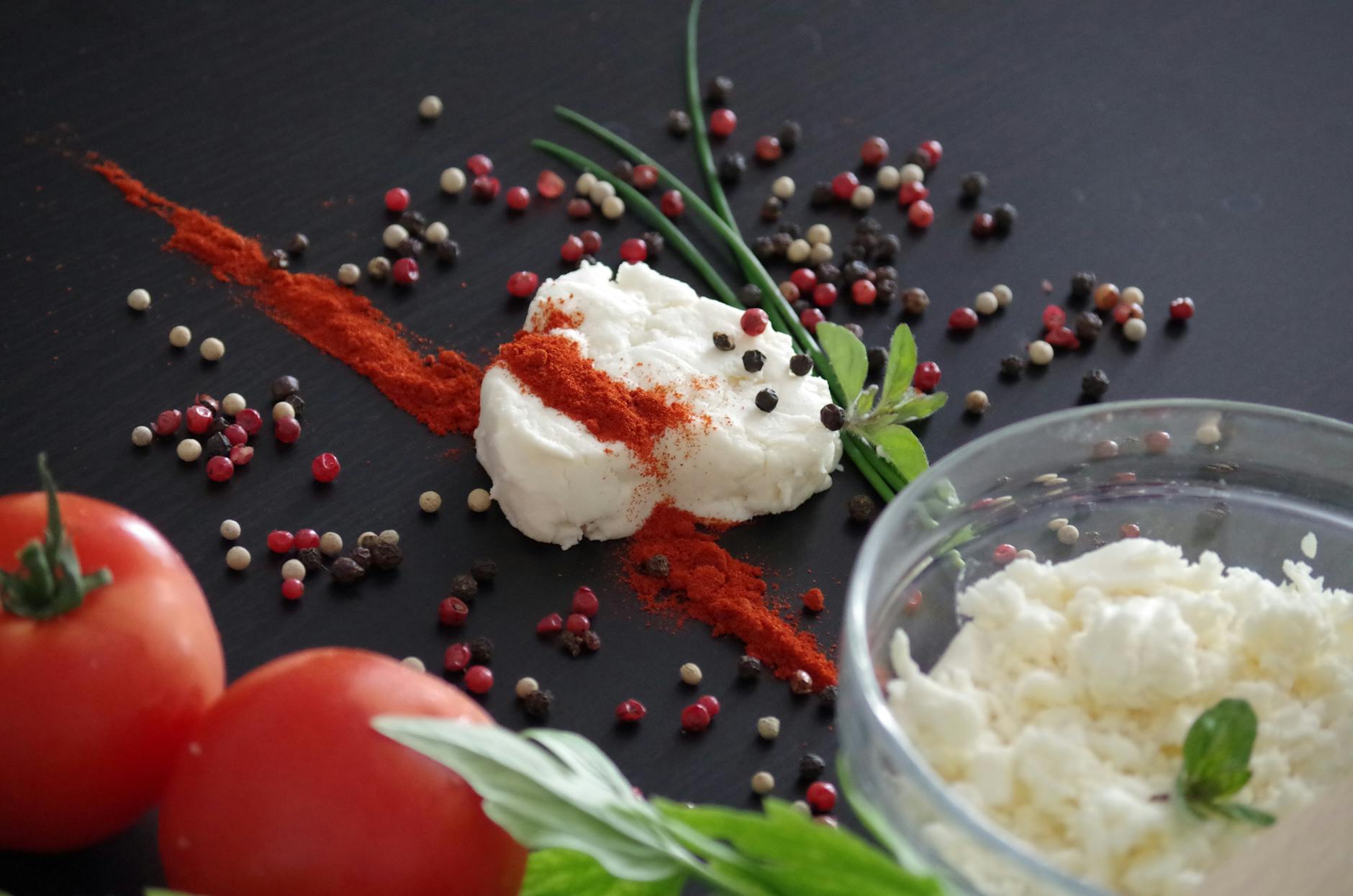
Bulk cream cheese at hotel buffets is scooped from large commercial tubs that are opened and kept in refrigerated display units for multiple days throughout the week. The surface of cream cheese that has been repeatedly exposed to a serving knife develops a slightly dried and discolored layer that staff members skim off and discard rather than replacing the entire container. Hotel kitchens routinely combine the remnants of a nearly empty cream cheese tub with a freshly opened one to reduce waste making the age of what is in the display container at any given moment difficult to determine. The mild flavor and smooth texture of cream cheese make it particularly challenging for guests to identify when the product has been in service for an extended period.
Tomatoes

Sliced tomatoes arranged on hotel breakfast buffet platters are cut in bulk during the kitchen’s evening prep shift the night before service begins. The cut surfaces of tomatoes begin releasing moisture and losing structural integrity within hours of slicing making next-morning buffet tomatoes noticeably softer and less flavorful than freshly cut ones. Hotels that present whole cherry tomatoes on the same platter as sliced varieties are often using the whole tomatoes to fill space while the sliced portions represent older stock prepared the previous day. The visual contrast between a bright platter of tomatoes and their actual preparation timeline is one of the more striking gaps in hotel breakfast freshness perception.
Granola
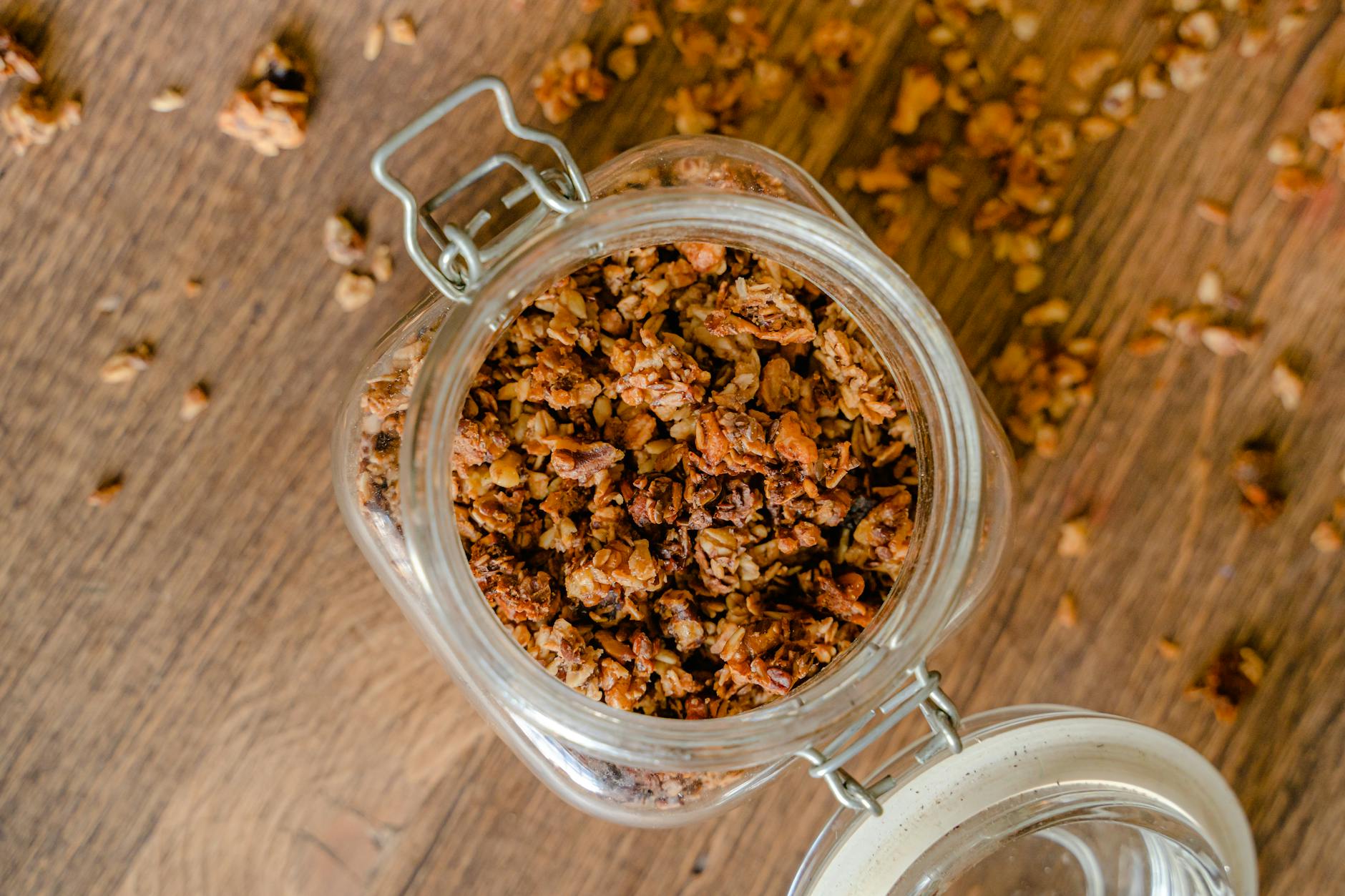
Hotel granola is stored in large containers or dispensers and filled at the beginning of the service week from bulk bags that may have been opened and partially used over several days before reaching the buffet station. The oats nuts and dried fruit in granola absorb ambient moisture quickly when stored in open-top dispensers causing the clusters to soften and lose their characteristic crunch within the first day of exposure. Hotels that use lidded dispensers slow this process but rarely replace the entire granola supply with a fresh batch until the container is visibly empty. Guests who notice an unusual chewiness or flat flavor in hotel buffet granola are experiencing the natural result of extended exposure to humidity and temperature fluctuation.
Share your most memorable hotel breakfast discoveries and the foods you now avoid in the comments.