The nightstand is one of the most personal and telling pieces of furniture in any home, holding the objects that feel essential enough to keep within arm’s reach during the most vulnerable hours of the day. What most people do not realize is that many of the items they consider comforting or practical companions for bedtime are actively working against the quality of rest they are trying to achieve. Sleep science has made significant advances in identifying the environmental, behavioral, and physiological triggers that fragment sleep cycles, delay the onset of rest, and reduce the restorative depth of sleep overall. Many of those triggers sit quietly on the nightstand every single night. Here are 25 common nightstand items that sleep researchers and health professionals consistently identify as disruptors of healthy, restorative sleep.
Smartphone
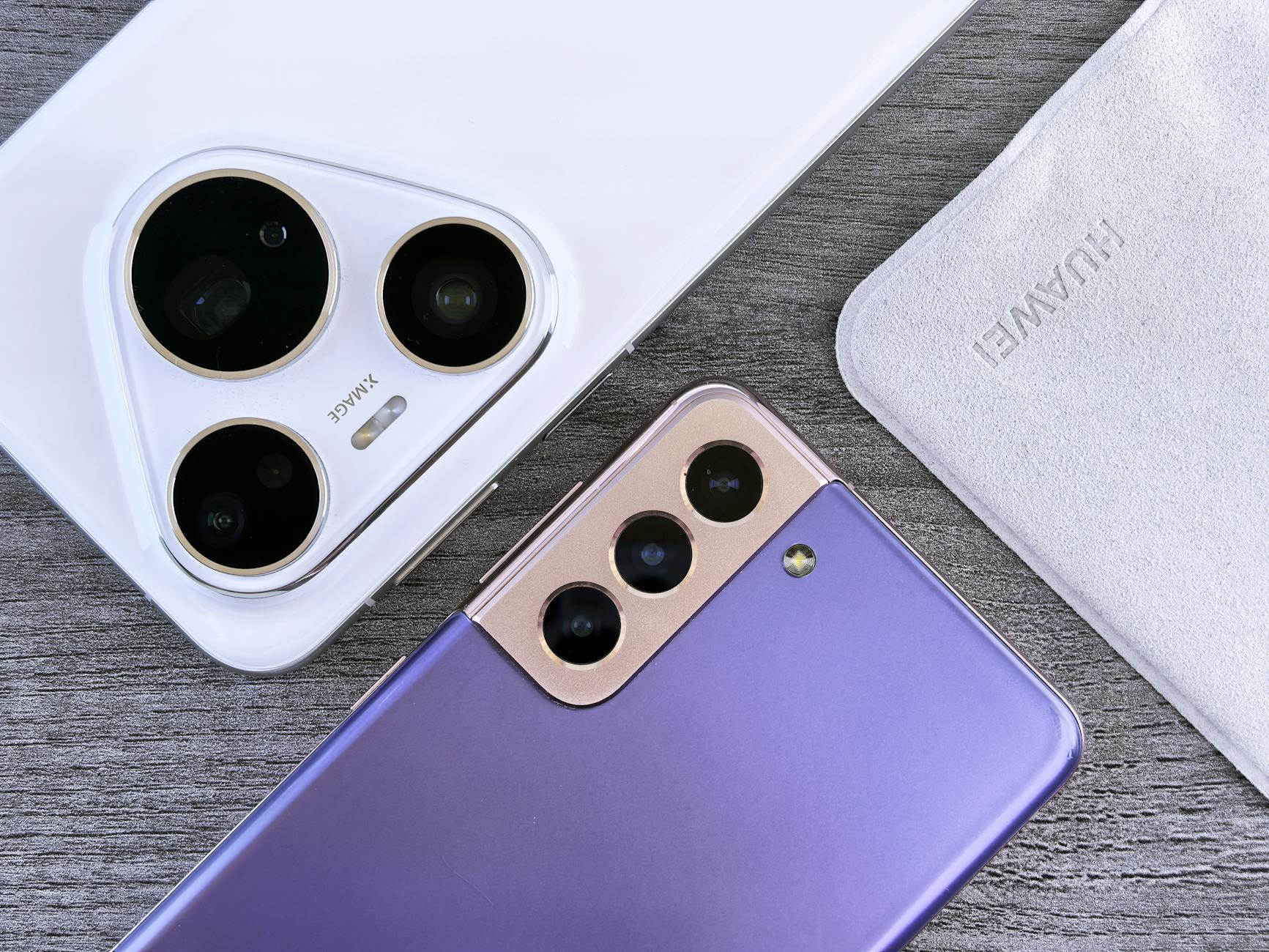
The smartphone is the single most studied and consistently identified disruptor of modern sleep across every age group and demographic. The blue light emitted by the screen suppresses melatonin production in a measurable way, signaling to the brain that it is still daytime and delaying the onset of natural drowsiness. Notifications arriving through the night create micro-arousals that fragment sleep architecture even when the sleeper does not fully wake and has no conscious memory of the disturbance in the morning. The psychological pull of the device also makes pre-sleep scrolling one of the most common and most damaging bedtime habits identified in contemporary sleep research. Charging the phone in another room entirely is the single most impactful change most people can make to their sleep environment.
Tablet

Tablets share every sleep-disrupting characteristic of smartphones while adding the additional problem of a larger screen that delivers a more intense and broader spread of blue light into the bedroom environment. Reading on a tablet before sleep has been directly compared in clinical studies to reading a printed book, with tablet readers taking significantly longer to fall asleep and reporting lower alertness the following morning. The immersive nature of tablet content including streaming video and interactive applications makes it considerably harder to disengage at a chosen bedtime than supporters of bedtime screen use typically anticipate. Even tablets set to night mode or equipped with blue-light filtering screen protectors reduce but do not eliminate the melatonin-suppressing effect of screen exposure before sleep. A physical book or an e-ink reader without a backlit display are the recommended alternatives for anyone who reads in bed regularly.
Bright Alarm Clock
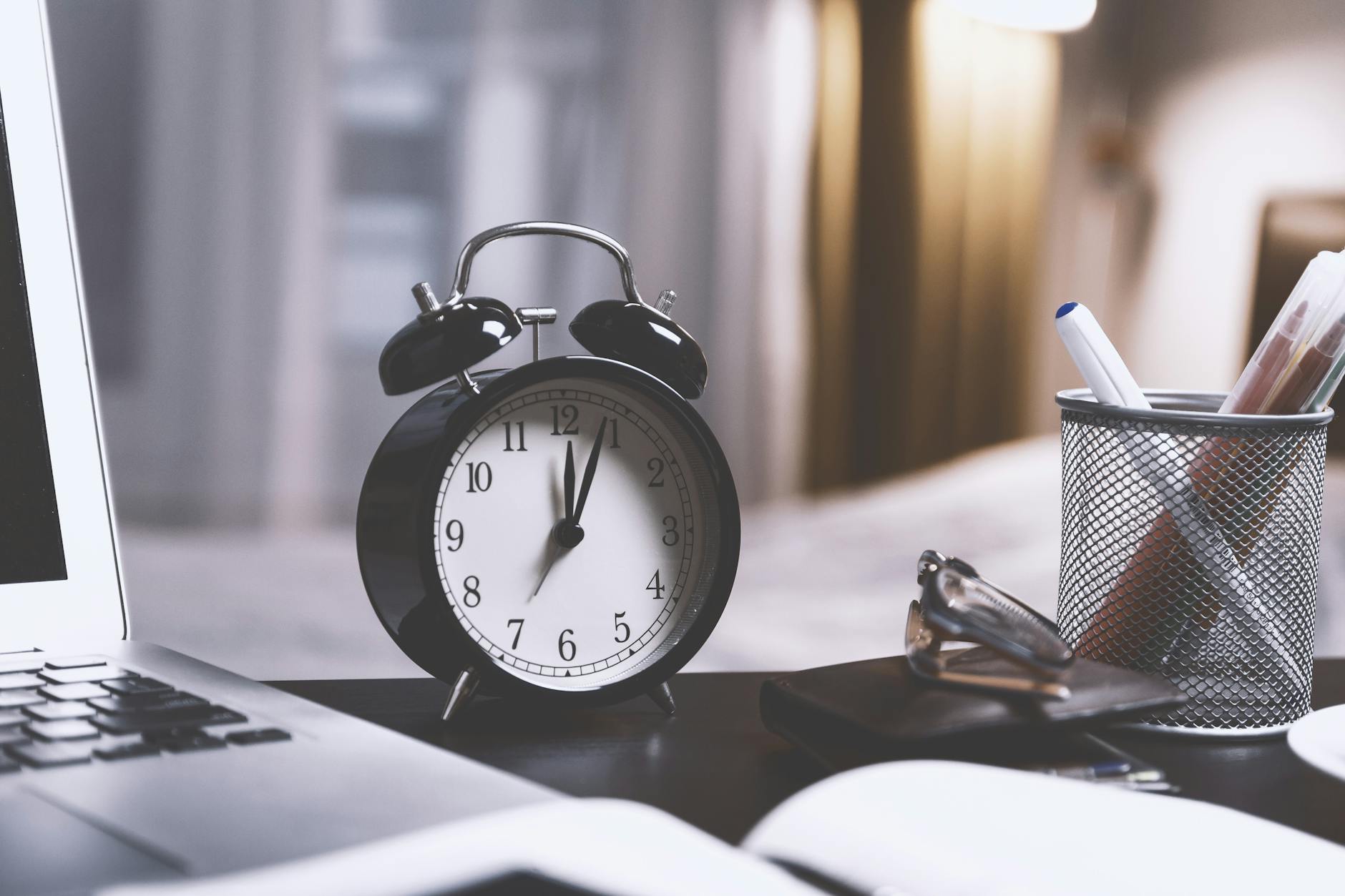
A digital alarm clock with a bright LED display contributes a consistent source of light pollution to the sleep environment throughout the entire night. Even low-level artificial light exposure during sleep has been shown in research to suppress melatonin and shift the body toward lighter and less restorative sleep stages. A bright display that the sleeper can read from their pillow without moving is by definition producing enough light to register in the visual system even through closed eyelids. Red LED displays are considered less disruptive than blue or white ones but any display bright enough to illuminate the surrounding area represents an unnecessary source of circadian interference. Replacing a bright clock with a model that dims automatically or can be manually adjusted to the lowest possible setting is a simple and effective upgrade.
Television Remote
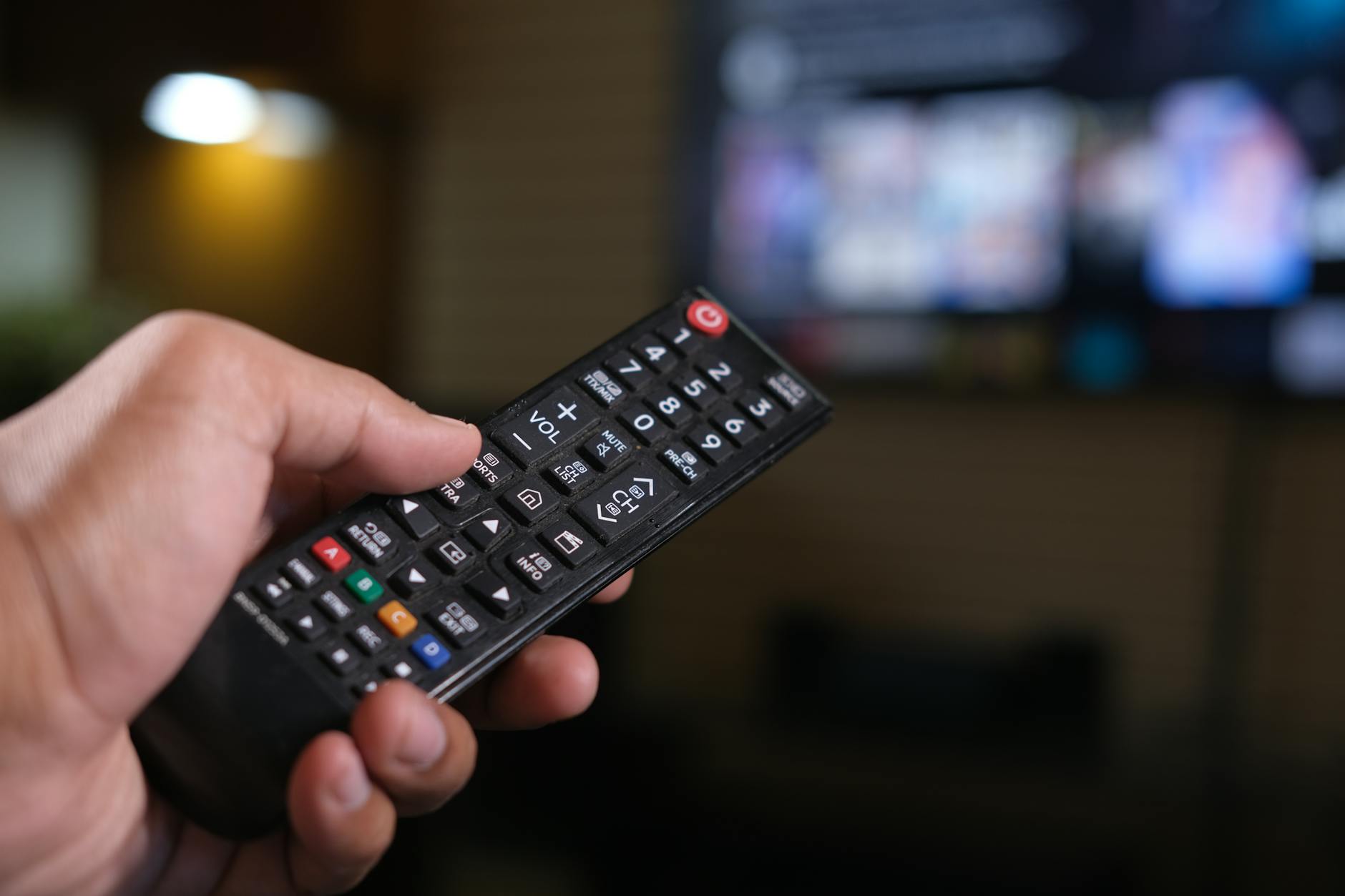
Keeping a television remote on the nightstand normalizes and enables the habit of watching television in bed, which sleep specialists consistently identify as one of the most counterproductive pre-sleep behaviors. Television content stimulates cognitive arousal through narrative engagement, emotional response, and audiovisual stimulation at precisely the time when the brain needs to be transitioning toward a state of reduced activity. The light from a television screen across the room contributes blue light exposure to the bedroom environment in a way that is difficult to regulate once the habit is established. News content and emotionally charged programming watched immediately before sleep has been specifically linked to increased anxiety, racing thoughts, and difficulty achieving deep sleep. Removing the remote from the nightstand creates a small but meaningful friction that interrupts the automatic reach for the television at bedtime.
Work Documents

Physical work documents, notebooks containing unresolved tasks, or printed reports kept on the nightstand create a persistent psychological association between the sleep environment and professional obligation. The mere visual presence of work-related material in the bedroom activates task-related cognitive processing that is fundamentally incompatible with the mental deceleration required for sleep onset. Research on cognitive arousal before sleep consistently shows that unfinished tasks occupy a disproportionate amount of pre-sleep mental activity, a phenomenon sometimes called the Zeigarnik effect. Keeping work material within view from the bed reinforces the association between the bedroom and problem-solving rather than rest. All work-related items belong in a dedicated workspace and should be physically removed from the sleep environment each evening as part of a deliberate wind-down routine.
Coffee Mug

A half-finished coffee mug or any caffeinated beverage kept on the nightstand is a straightforward sleep disruptor with a well-established physiological mechanism. Caffeine has a half-life of approximately five to six hours in the average adult, meaning that a coffee consumed in the late afternoon is still exerting a significant stimulant effect at bedtime for many people. Keeping a mug on the nightstand also perpetuates the habit of consuming caffeine later in the day than sleep science recommends, as it normalizes a pattern of casual late-day consumption. The presence of a coffee mug also subtly activates the cognitive associations between caffeine and alertness that can themselves contribute to arousal at a time when winding down is the goal. Herbal teas without caffeine are a sleep-neutral alternative for those who enjoy a warm drink as part of an evening routine.
Cluttered Books and Magazines
A towering and disorganized stack of books, magazines, and unread periodicals on the nightstand creates visual clutter that contributes to the psychological state researchers describe as cognitive load in the sleep environment. Studies examining the relationship between environmental disorder and sleep quality consistently find that cluttered spaces are associated with higher levels of pre-sleep anxiety and longer sleep onset times. An unread pile of books also serves as a visual reminder of tasks not yet completed, activating a mild but persistent sense of obligation that works against the mental quietness required for sleep. Limiting the nightstand to a single book currently being read and storing others elsewhere is a straightforward decluttering strategy with meaningful sleep benefits. A tidy sleep environment communicates to the nervous system that the space is dedicated to rest rather than productivity.
Scented Candles

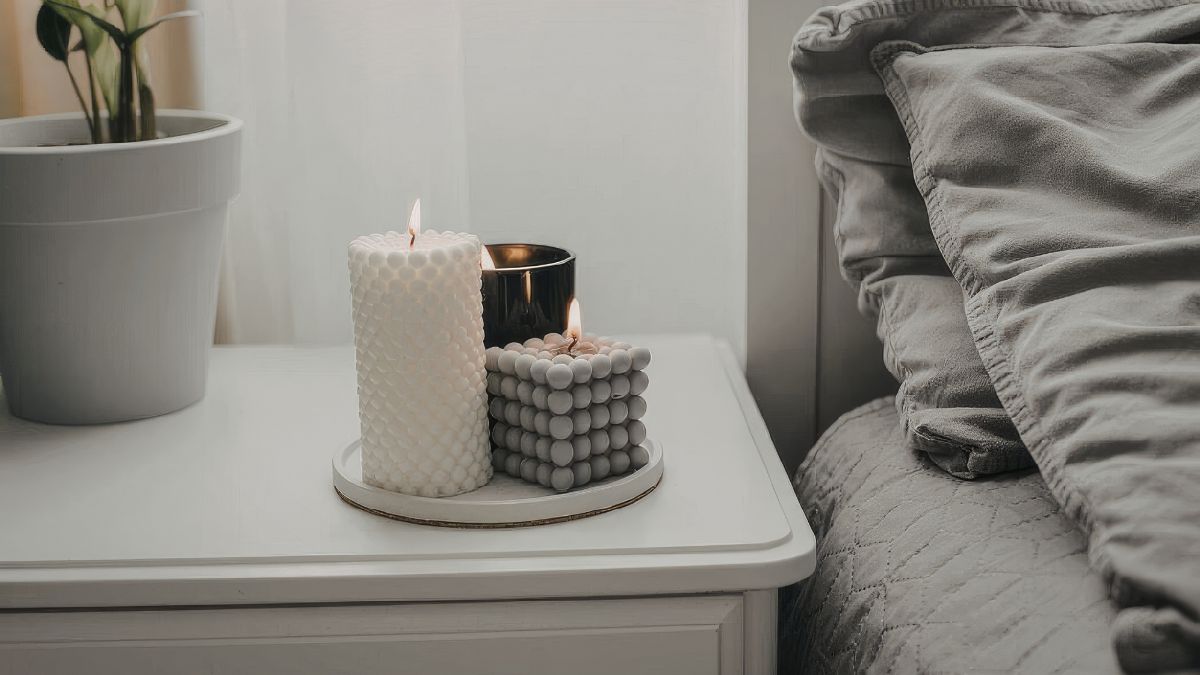
Strongly scented candles kept on the nightstand release volatile organic compounds and fragrance molecules into a small and enclosed sleep environment that can irritate the respiratory system during overnight breathing. Certain synthetic fragrance ingredients found in commercially produced candles have been associated with headaches and airway irritation that can fragment sleep without the sleeper identifying the cause. The act of burning candles before sleep also introduces particulate matter and carbon residue into the bedroom air, particularly in poorly ventilated rooms where windows are closed overnight. Essential oil-based candles are generally considered less chemically complex than synthetic alternatives but still introduce airborne compounds into a space where breathing is the primary physiological activity for eight hours. Unscented beeswax candles or diffuser-free ambient lighting are preferable options for those who enjoy a sensory wind-down ritual.
Financial Statements

Bank statements, credit card bills, investment reports, and any other financial documents kept within view of the bed introduce one of the most potent categories of pre-sleep cognitive arousal. Financial stress is consistently ranked among the top contributors to insomnia and sleep maintenance difficulty in population-level sleep research. Keeping physical evidence of financial obligations in the sleep space means that the last thing a person sees before closing their eyes and the first thing visible upon waking are both reminders of monetary pressure. Even for individuals who are not experiencing active financial difficulty, the presence of financial documents activates a planning and problem-solving mindset that is neurologically incompatible with sleep onset. All financial paperwork belongs in a dedicated filing location entirely outside the bedroom.
Energy Drinks

Energy drinks kept on or near the nightstand represent a particularly concentrated source of sleep disruption given their high caffeine content combined with additional stimulant ingredients such as taurine, guarana, and B vitamins. A single standard energy drink can contain between 80 and 300 milligrams of caffeine depending on the brand and format, an amount sufficient to delay sleep onset by several hours in individuals with average caffeine sensitivity. The presence of an energy drink on the nightstand also suggests a pattern of late-day stimulant consumption that progressively erodes sleep quality over time even when the individual does not feel acutely wired before bed. Sugar-containing varieties additionally spike blood glucose levels in a way that can cause a reactive energy dip and subsequent wakefulness in the early hours of the morning. Keeping any caffeinated product out of the bedroom entirely is the most straightforward solution.
Multiple Chargers and Cables
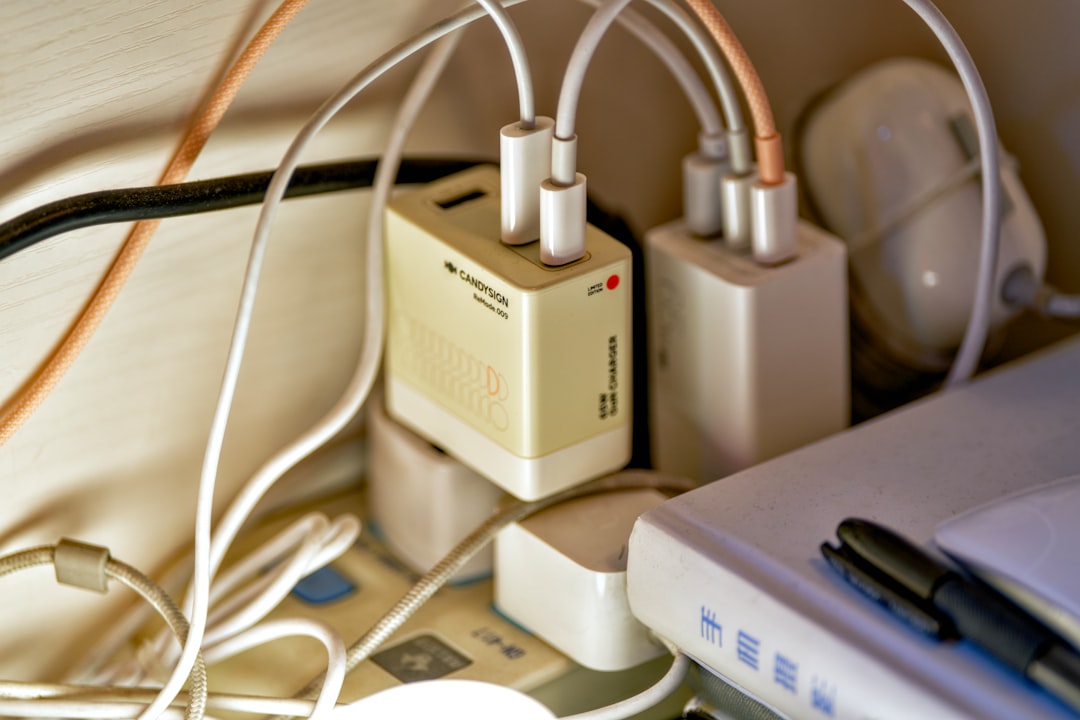
A tangle of charging cables, power strips, and adapters on the nightstand creates both visual clutter and a subtle electromagnetic environment that some researchers associate with disrupted sleep. The practical problem is more straightforward and better supported by evidence than the electromagnetic concern, as the presence of chargers normalizes keeping multiple electronic devices powered and accessible in the sleep space. Each device that is charged within arm’s reach of the bed is a device whose notifications, light emissions, and implicit availability can disrupt sleep through the night. A charging station located outside the bedroom eliminates the normalization of device presence in the sleep environment and removes the temptation for pre-sleep and middle-of-night device use simultaneously. Simplifying the nightstand to contain no charging equipment at all is a practical and immediately effective change.
Pain Medication
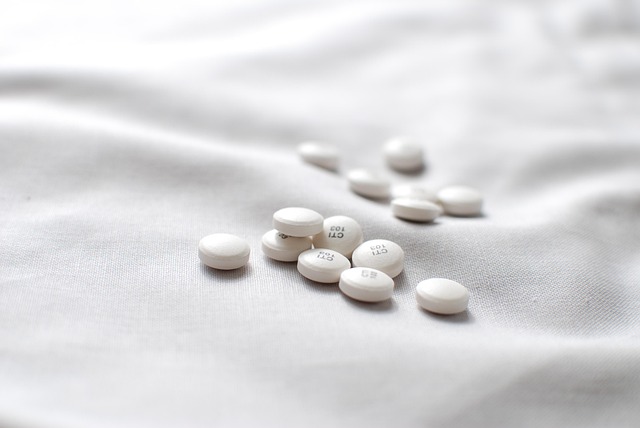
Keeping over-the-counter pain relief medication on the nightstand as a matter of habit rather than medical necessity is a pattern worth examining for its effect on sleep quality and overall health. Certain common pain medications including those containing caffeine as an active ingredient can directly interfere with sleep onset when taken in the evening hours. Regular reliance on any medication as a sleep-adjacent routine item without professional guidance also risks masking symptoms that deserve direct medical attention rather than nightly management. Antihistamine-based sleep aids kept on the nightstand are a specific category of concern as they reduce sleep quality over time and are associated with morning grogginess and reduced cognitive performance. Any medication kept on the nightstand should be reviewed with a healthcare professional to ensure it is appropriate for the time of day it is being taken.
Bright Flowers

Fresh cut flowers are a beautiful and seemingly wholesome addition to any bedroom but certain varieties release strong fragrances and emit carbon dioxide through the night that can subtly affect air quality in a closed sleeping environment. Strongly scented flowers including lilies, gardenias, and hyacinths release fragrance compounds continuously and at concentrated levels in an enclosed room overnight. Some individuals are sensitive to floral allergens that cause low-grade nasal irritation and disrupted breathing during sleep without presenting the obvious symptoms of a daytime allergic reaction. Plants that release oxygen during the day shift to carbon dioxide production at night, and while the volume produced by a single bunch of flowers is small, it contributes to the overall air quality balance in a sealed room. Opting for low-fragrance flowers or moving floral arrangements to another room at night is a simple adjustment for sensitive sleepers.
Reading Glasses

Reading glasses kept on the nightstand in a disorganized way are less a direct sleep disruptor and more an enabler of the late-night reading, screen-checking, and task-engagement habits that delay sleep onset and fragment rest. The immediate availability of reading glasses removes a practical barrier that would otherwise naturally limit extended late-night engagement with text, devices, and work material. They also frequently end up being used to read from devices or documents at times when the sleep environment should be fully dark and stimulus-free. Pairing reading glasses with a dedicated wind-down reading lamp that is timed to turn off automatically is a better configuration than simply placing them on the nightstand as an open invitation to visual engagement at any hour. The nightstand is not a storage solution for items that extend wakefulness.
Loud Mechanical Clock
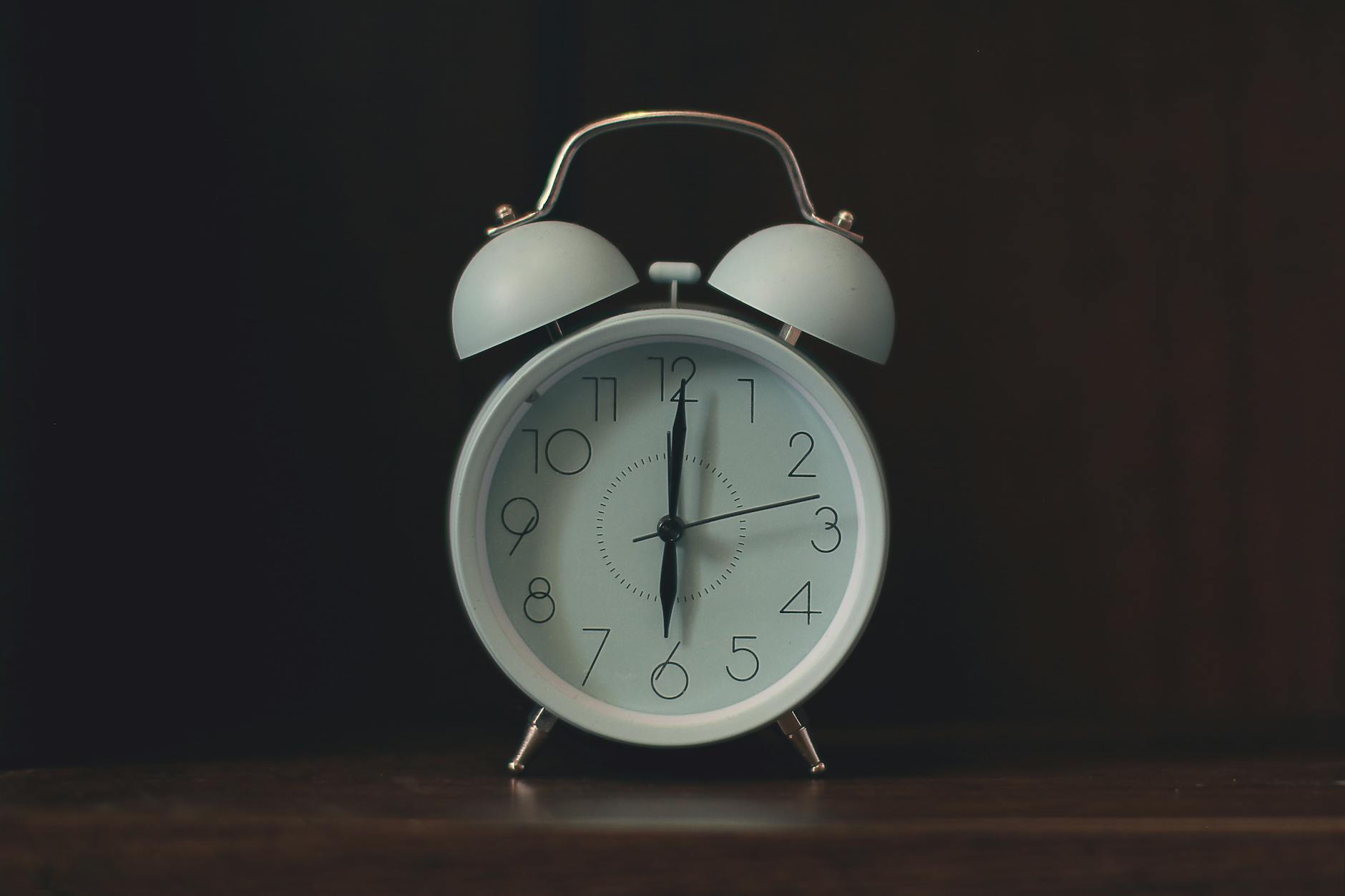
A ticking mechanical clock generates a repetitive auditory stimulus that many people habituate to consciously but that the sleeping brain continues to register throughout the night. Sleep research demonstrates that the brain maintains a degree of auditory monitoring during sleep as a primitive protective mechanism, meaning that regular sounds do not simply go unnoticed once a person is asleep. The brain continues to process and evaluate predictable sounds including ticking, which consumes neurological resources that would otherwise contribute to deeper and more restorative sleep stages. Individuals who believe they have habituated to clock noise often demonstrate measurably lighter sleep architecture on polysomnographic recordings compared to those sleeping in true silence. Replacing a mechanical clock with a silent digital model or a sunrise alarm clock eliminates this underappreciated source of nighttime auditory stimulation.
Alcohol

A glass of wine, a nightcap of spirits, or any alcoholic beverage kept on the nightstand as a sleep-onset aid is one of the most medically well-documented examples of a counterproductive sleep habit. Alcohol does reduce the time it takes to fall asleep initially, which is the basis for its persistent reputation as a sleep aid, but it simultaneously suppresses REM sleep and causes a rebound arousal effect in the second half of the night as the body metabolizes it. The result is a sleep that feels heavy and immediate at first but becomes fragmented, shallow, and unrefreshing in the early morning hours. Regular use of alcohol as a sleep aid is associated with tolerance development, meaning progressively larger amounts are required to achieve the same initial sedative effect. Any pattern of keeping alcohol on the nightstand as a nightly wind-down tool warrants a direct conversation with a healthcare professional.
Stress Ball or Fidget Toy

Stress balls, fidget spinners, and similar tactile distraction tools kept on the nightstand suggest and reinforce a pattern of pre-sleep anxiety management that, while well-intentioned, can actually maintain a state of alertness rather than reduce it. Physical engagement with a tactile object activates the sensorimotor system at a time when the body needs to be transitioning toward stillness and reduced physical awareness. The underlying anxiety that these tools are attempting to manage is better addressed through evidence-based techniques including progressive muscle relaxation and structured breathing that are designed to work with the sleep system rather than around it. Keeping fidget tools within reach also implies that the bedroom environment is not yet a place of safety and calm, which itself reinforces the anxious association rather than dismantling it. Addressing pre-sleep anxiety through behavioral and cognitive strategies is a longer-term solution that produces more durable sleep improvements.
Perfume Bottles

Perfume and cologne bottles kept open or loosely sealed on the nightstand release a continuous low-level stream of alcohol-based fragrance compounds into the bedroom air throughout the night. The respiratory system is in an extended state of relaxed and open breathing during sleep, making overnight inhalation of fragrance chemicals more prolonged and more intimate than any daytime exposure. Fragrance sensitivity during sleep can manifest as subtle airway irritation, mild headaches upon waking, and interrupted breathing patterns that reduce sleep quality without the sleeper identifying the source. Perfume bottles also tend to multiply over time on nightstands, compounding the cumulative fragrance load in the room. Storing perfumes and colognes in a bathroom, dressing room, or closet entirely separate from the sleep space is a simple and effective relocation.
Business Cards
A scattered collection of business cards, contact notes, and professional networking material on the nightstand creates a low-level but persistent association between the sleep environment and professional life and social obligation. The brain naturally processes social relationships and professional hierarchies as a category of unresolved concern, and visual cues related to networking and work contacts activate those processing systems at precisely the wrong time of day. Business cards also represent a form of visual and organizational clutter that contributes to the environment of incompleteness that researchers associate with elevated pre-sleep cognitive arousal. Maintaining a clear and purposeful nightstand containing only sleep-supportive items is a principle endorsed by both sleep medicine specialists and behavioral design researchers. Professional materials of all kinds belong in a workspace rather than in the most restorative room in the home.
Vitamins and Supplements

Certain vitamins and supplements kept on the nightstand and taken without professional guidance at bedtime can actively interfere with sleep quality in ways that are not widely understood by the general public. B vitamins including B6 and B12 have stimulating properties that make evening consumption counterproductive for many individuals, contributing to vivid dreams, difficulty settling, and early morning wakefulness. Vitamin D taken in the evening has been associated in some research with delayed sleep timing due to its role in regulating circadian rhythms. Iron supplements taken at night can cause gastrointestinal discomfort in some individuals that interrupts sleep maintenance. The timing of supplement intake deserves the same level of attention as the choice of supplement itself and is worth discussing with a healthcare professional if sleep quality is a concern.
Snacks

Keeping snacks on the nightstand as a habit introduces eating behavior into the sleep environment in a way that disrupts both sleep physiology and the psychological boundary between the bedroom and other activities. Eating close to sleep raises core body temperature through the thermic effect of digestion at a time when the body’s natural circadian rhythm is driving temperature downward as a signal for sleep onset. High-sugar snacks cause blood glucose fluctuations that can produce a reactive awakening in the early morning as glucose levels drop after the initial spike. The presence of food also introduces sensory stimuli including smell and the anticipatory reward response associated with eating, both of which activate the arousal system rather than supporting its deactivation. The bedroom environment is optimized for sleep when eating is reserved entirely for other rooms of the home.
Receipts and Shopping Lists

Receipts, shopping lists, household to-do notes, and errand reminders kept on the nightstand represent the domestic equivalent of work documents in terms of their effect on pre-sleep cognitive state. These items activate planning and task-management cognition at bedtime, which research on sleep and the default mode network shows is particularly disruptive because it engages the same mental processes that make rumination and worry so difficult to interrupt. The mundane nature of shopping lists and household reminders does not reduce their capacity to activate a problem-solving mental state that delays sleep onset. Transferring all task-related notes to a dedicated list or app located outside the bedroom as part of an evening wind-down ritual is an effective behavioral strategy supported by sleep hygiene research. The nightstand should contain only items that actively support the transition from wakefulness to rest.
Lumpy or Excessive Pillow Stack

An excessive accumulation of decorative and functional pillows piled on or beside the nightstand creates ergonomic complexity and physical disruption at bedtime that is easily overlooked as a sleep factor. Pillows that do not support spinal alignment correctly cause subtle and progressive physical discomfort that manifests as nighttime position changes, micro-awakenings, and morning stiffness. A nightstand crowded with extra pillows also reduces the usable surface space and creates a cluttered physical environment around the bed that contradicts the principles of a simplified and restorative sleep setting. Sleeping with too many pillows that prop the head at an unnatural angle has been specifically linked to neck pain, shoulder tension, and reduced sleep depth. A single supportive pillow suited to the sleeper’s preferred position is the recommendation of most sleep medicine specialists and physiotherapists.
Violent or Thriller Books

Thrillers, crime fiction, horror novels, and other high-tension narrative content kept on the nightstand as bedtime reading material elevate psychological arousal at precisely the moment when the nervous system should be decelerating. The immersive nature of compelling fiction creates what researchers call narrative transportation, a state of cognitive engagement that is neurologically incompatible with the parasympathetic dominance required for smooth sleep onset. Cliffhanger chapter endings, a structural feature that defines the genre, are specifically designed to create unresolved tension that makes stopping difficult and carries the emotional residue of the story into the pre-sleep mental state. Sleep researchers consistently recommend calm, non-stimulating, and preferably familiar reading material for bedtime and identify thriller and horror genres as among the least appropriate choices for the sleep environment. Reserving high-tension reading for daytime hours and keeping only gentle or reflective content on the nightstand is a simple and effective behavioral adjustment.
Dusty or Overloaded Nightstand Surfaces

A nightstand surface covered in accumulated dust, old tissues, expired medications, outdated receipts, and miscellaneous debris creates an air quality and allergen situation directly adjacent to the face during sleep. Dust mites thrive in the same temperature and humidity conditions that characterize a bedroom and their presence on nightstand surfaces contributes to the overall allergen load of the sleep environment. Nighttime nasal congestion, sneezing, and airway irritation caused by allergens are among the most common unidentified contributors to fragmented sleep and morning fatigue in adults who do not consider themselves allergy sufferers. An overloaded nightstand surface is also a visual representation of accumulated disorder that contributes to the cognitive load and environmental stress associated with poorer sleep quality. A weekly clearing and wiping of the nightstand surface is a minimal maintenance habit with a meaningful impact on the quality of the sleep environment.
If any of these nightstand habits sound familiar to you, share which ones you are planning to change first in the comments.