The relationship between hotel guests and housekeeping staff exists within a particular dynamic of trust that most travelers extend without a second thought, leaving personal belongings scattered across a room they consider temporarily theirs while strangers enter daily with master keys and unsupervised access. Former hotel employees, hospitality industry whistleblowers and travelers who have documented unexplained disappearances of items from rooms they believed were secure have collectively built a picture of a problem that the hotel industry has little incentive to publicize. The items most frequently reported missing are rarely the obvious valuables that guests protect instinctively, but rather everyday objects whose disappearance goes unreported because guests assume they misplaced them or forgot to pack them. What follows draws on documented accounts, former housekeeper testimony and hospitality industry reporting to examine the specific categories of items that disappear from hotel rooms with a frequency that exceeds coincidence.
Designer Toiletries
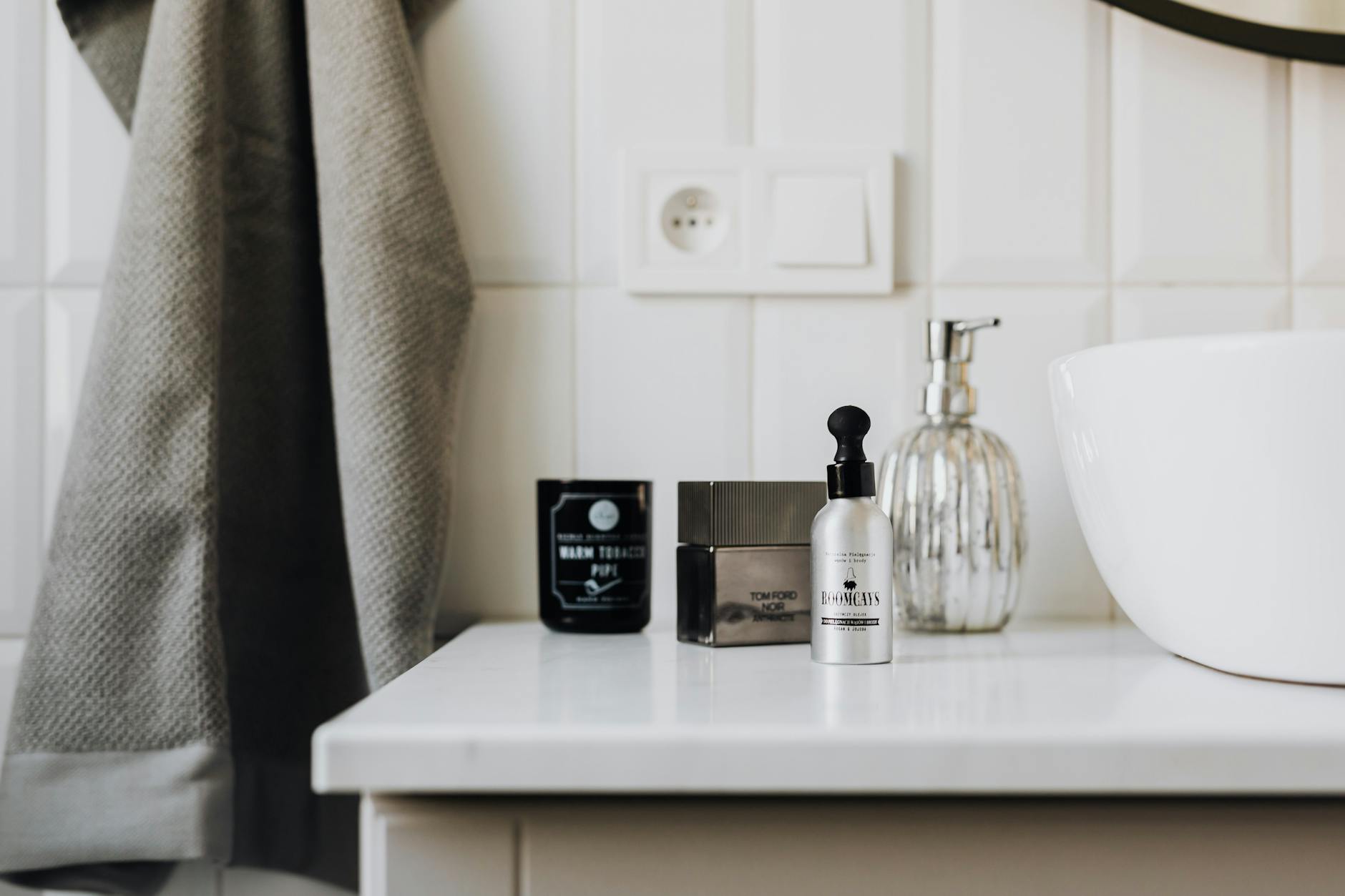
Guests who travel with premium skincare products, luxury perfumes and high-end grooming items left on bathroom counters or vanity surfaces report their disappearance with a consistency that hospitality forums and travel communities have documented extensively. The bathroom is the room in a hotel stay where guests are most likely to leave items behind during checkout and also the space where housekeeping staff spend the most time during the cleaning process, creating both opportunity and a degree of cover for items that go missing. Premium products in distinctive packaging including recognizable luxury skincare brands, expensive serums and high-end hair treatments represent a category of item where the value is immediately apparent to anyone who encounters them and where the original owner may not notice the absence until well after checkout. The normalization of guests leaving toiletries behind as unintentional gifts to housekeeping staff has created in some properties a cultural assumption about bathroom counter items that does not reflect the actual ownership intentions of travelers who fully plan to pack those items. Travel with decanted or repackaged premium products in unmarked containers eliminates the immediate recognizability that makes branded luxury toiletries a target.
Phone Chargers
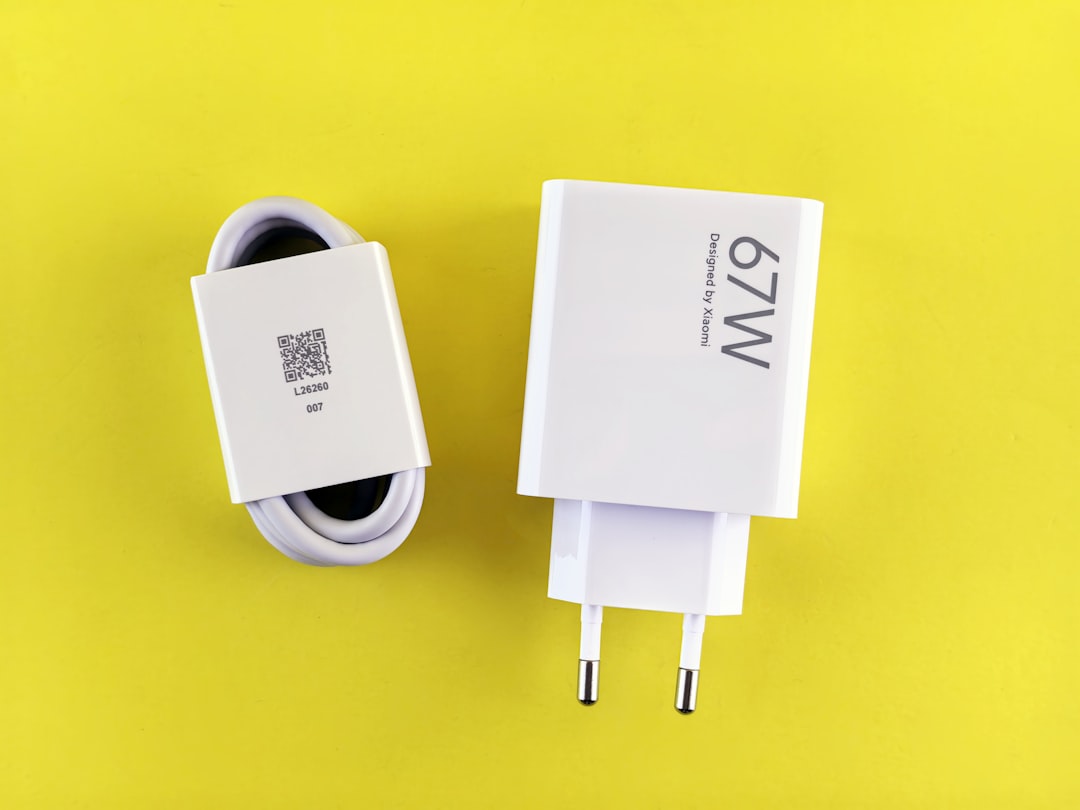
Phone chargers and charging cables left plugged into wall outlets behind beds, beside nightstands or near desks are among the single most commonly reported items to disappear from hotel rooms, a pattern consistent enough that major hotel chains maintain lost and found collections dominated by chargers recovered from rooms after guests have already departed. The specific dynamic that makes chargers vulnerable is the combination of their frequent use until the last moment before departure, their tendency to be plugged into outlets in locations not within the natural sightline of a packing guest and their universal utility to anyone who encounters them. Former housekeeping staff interviewed across multiple hospitality publications have acknowledged that chargers left in rooms represent a grey area in which the assumption of abandonment is easily invoked regardless of the item’s actual condition and value. A charging cable left plugged behind a bedside lamp is invisible during the room scan most travelers perform before departure but immediately visible to the housekeeper who moves furniture during deep cleaning. The practical solution used by frequent travelers is a colored cable clip or distinctive tape marking that creates both a visual reminder during packing and a clear ownership signal that distinguishes an intentionally left charger from a forgotten one.
Prescription Medications

Prescription medications left on hotel bathroom shelves, on nightstands or in bathroom bags accidentally left behind represent one of the most serious and least discussed categories of hotel room disappearance, with both the monetary value on secondary markets and the pharmacological appeal of certain medication categories creating incentives for their misappropriation. Sleep medications, anxiety medications, stimulants and certain pain management prescriptions have documented street values that make their unauthorized removal from a hotel room a more deliberate act than the casual opportunism that explains the disappearance of lower-value items. The guest who discovers a prescription medication missing faces particular difficulty in the reporting and replacement process, as the circumstances of the loss are awkward to document, the replacement requires physician involvement and the investigation implicates staff who may deny knowledge. Medications that are not schedule-controlled but are expensive or difficult to obtain including certain specialty injectables, branded allergy medications and hormone treatments have similarly been reported missing from hotel rooms in contexts that suggest deliberate rather than accidental removal. Keeping all medications in a toiletry bag that is placed inside a suitcase rather than on an open bathroom surface eliminates the visibility and accessibility that makes them a target.
Cash

Small amounts of cash left on dressers, nightstands, in open wallets or as anticipated tip money in visible locations disappear from hotel rooms in circumstances that guests frequently rationalize as their own miscounting or misremembering rather than theft, making cash one of the most underreported categories of hotel room disappearance. The untraceable nature of cash is precisely what makes it the preferred target in any theft scenario and why documented cases of cash going missing from hotel rooms almost never result in successful recovery or accountability regardless of the investigation that follows. Hotel industry training typically instructs housekeeping staff to leave any cash they find exactly where they found it and to report its presence to a supervisor, but the enforceability of this instruction in an unsupervised room entry is entirely dependent on individual integrity. Amounts under fifty dollars are particularly unlikely to be reported by guests who discover them missing because the discomfort of the accusation and the low probability of recovery make the report feel disproportionate to the loss. The use of hotel room safes for all cash beyond immediate pocket money is the practical response to a vulnerability that the cash’s physical form makes essentially impossible to prove or recover.
High-End Sunglasses
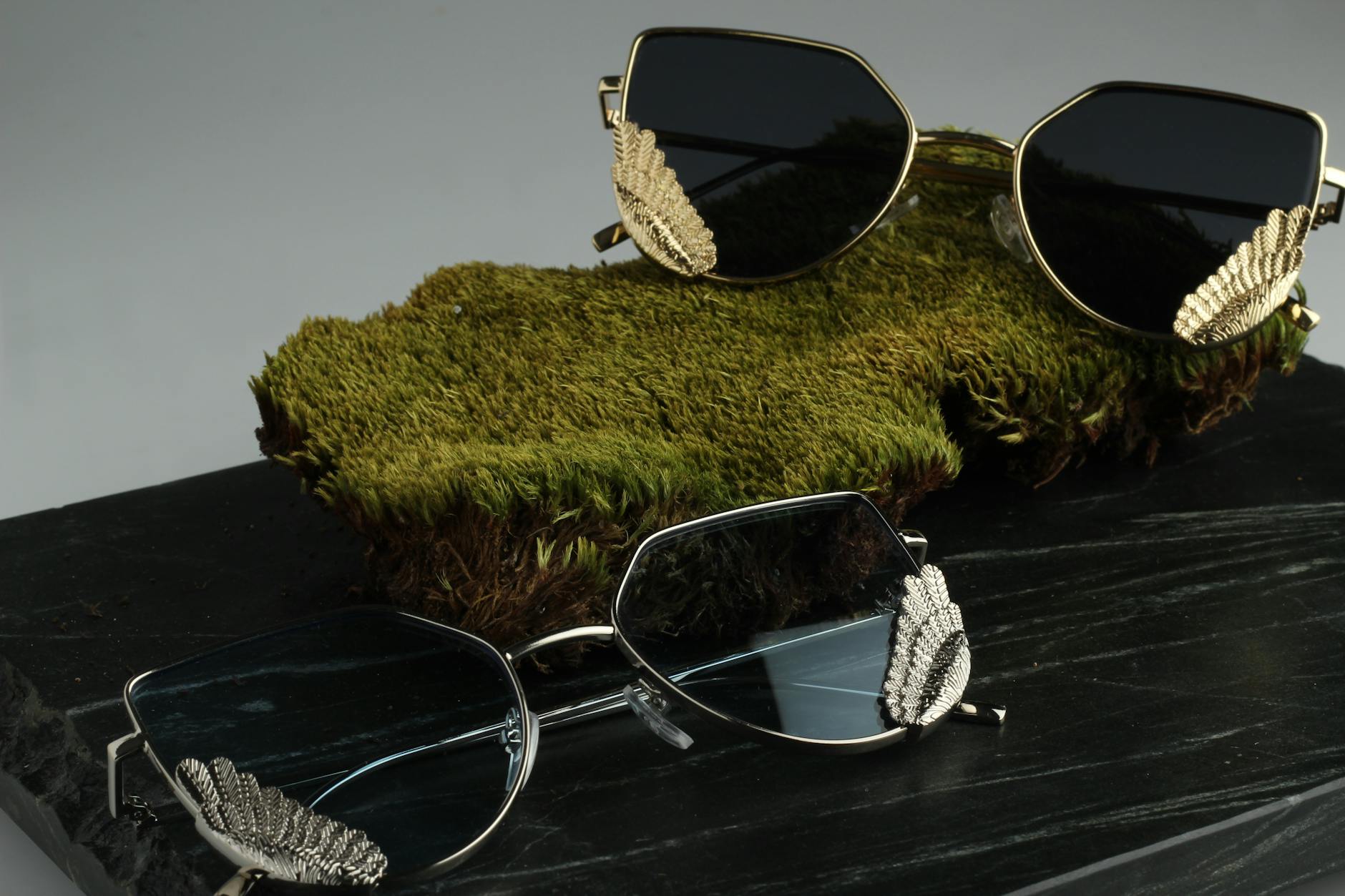
Designer sunglasses left on room surfaces, window ledges or in cases that are partially visible represent a category of portable high-value item that disappears from hotel rooms with a frequency disproportionate to the oversight that guests apply to their eyewear. The combination of immediate recognizability of luxury eyewear brands, the ease of carrying a single compact case and the ready secondary market for authentic designer frames creates the conditions under which sunglasses become a targeted rather than opportunistic item. Guests who set sunglasses down on a desk or dresser while unpacking and then leave the room for hotel activities return in some documented cases to find the sunglasses absent, with the cleaning visit that occurred during their absence providing the obvious but unprovable explanation. The difficulty of distinguishing a stolen pair of sunglasses from ones left behind during checkout means that the initial staff response to a theft report in this category is almost universally to check lost and found rather than to treat the report as a potential theft. Keeping eyewear in a case inside a bag when not in use rather than on open room surfaces is the single most effective protective habit for this category.
Alcohol from Minibars

The minibar itself is a hotel feature where the theft dynamic runs in both directions, with guests occasionally removing items without recording their consumption and with alcohol from personal supplies stored near the minibar sometimes disappearing alongside the hotel’s own inventory in ways that billing disputes cannot cleanly resolve. Guests who bring their own wine, spirits or specialty beverages and store them near the minibar or on the same surface report instances of their personal alcohol disappearing during housekeeping visits, with the circumstances making it impossible to distinguish between a staff member who helped themselves and an error in the minibar audit. The documented practice in some properties of minibar staff conducting inventory checks separately from housekeeping creates multiple unsupervised access points in a single room during a single day, increasing the number of individuals with opportunity to access personal items stored in the minibar area. Distinctive and unusual spirits that a guest has brought from home or purchased locally are particularly vulnerable because their value is immediately apparent while their guest ownership is less obviously marked than the hotel’s own labeled minibar inventory. Storing personal alcohol inside a suitcase or requesting that the minibar be locked or emptied upon arrival eliminates this category of vulnerability entirely.
Jewelry
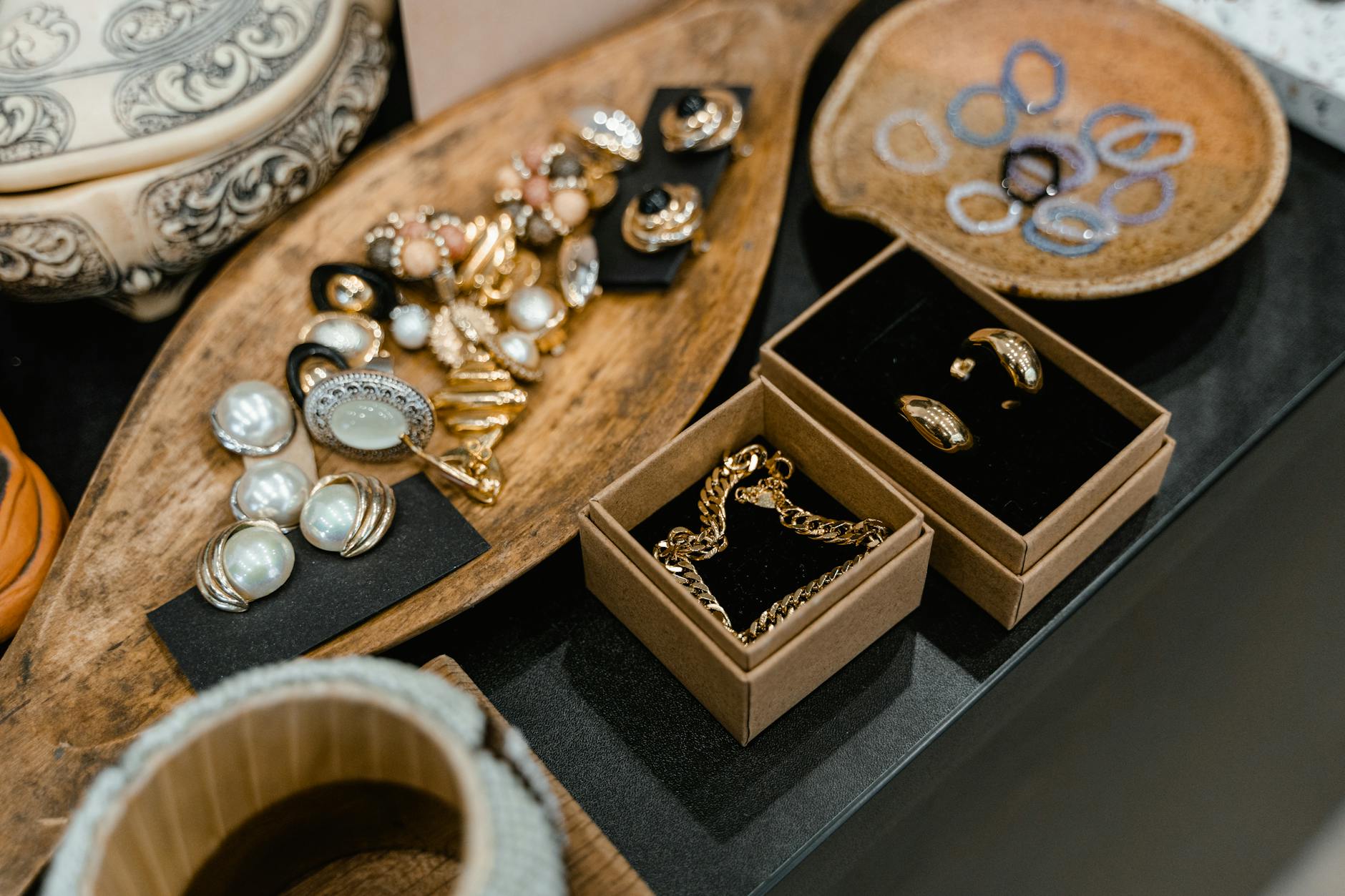
Jewelry left on bathroom counters, on room dressers or in the open compartments of cosmetic bags represents one of the highest-value and most frequently reported categories of hotel room theft, with the compactness and immediate pawnability of most jewelry items making them disproportionately attractive in any unsupervised room access scenario. The specific pieces most frequently reported missing tend not to be the most obviously expensive items that guests instinctively secure, but rather mid-value pieces including silver chains, stud earrings, fashion rings and charm bracelets that are taken off habitually during hotel room routines and left on surfaces without the protective instinct that expensive jewelry triggers. Former hotel employees have noted in published accounts that small jewelry items on bathroom counters are in the highest-risk category of all hotel room property because they are extremely easy to pocket, are often assumed by owners to have been misplaced rather than taken and have essentially no recovery pathway once removed from a room. Gold and silver pieces without distinctive identifying features are untraceable through any investigative mechanism available to either hotel management or local law enforcement. The hotel room safe was designed specifically for this category of item and its use for all jewelry not being actively worn represents the most straightforward available protection.
Snacks and Specialty Foods

Guests who travel with specialty snacks, dietary-specific foods, locally purchased treats or culturally specific food items stored in hotel room areas including desks, nightstands and room refrigerators report the disappearance of these items in circumstances that staff attribute to minibar restocking errors or accidental disposal with room waste. The cultural and personal specificity of some travelers’ food supplies, including foods purchased as gifts, regionally specific products unavailable at the destination and medically necessary dietary items, means that the loss extends beyond the monetary value to include the irreplaceability of the specific item. Distinctively packaged specialty food items left on room surfaces are in some documented cases assumed by staff to be samples or promotional products rather than personal guest property, an assumption that provides cover for their removal whether the assumption is genuine or convenient. Guests with dietary restrictions who rely on personally transported food supplies face a particular vulnerability because hotel communication about special dietary needs does not consistently extend to housekeeping instructions about room food items. Storing personal food supplies in a suitcase or clearly labeled reusable bag inside the room closet reduces their visibility and the likelihood of their being misidentified as disposable or unclaimed items.
Umbrellas

Compact travel umbrellas left in hotel room umbrella stands, hanging on door hooks or stored beside the entrance of the room are among the most consistently reported missing items across hospitality forums dedicated to travel experiences, with their disappearance typically occurring during rainy periods when their utility value is at its highest. The communal nature of umbrella use in hotel culture, where lobby umbrellas are provided for guest borrowing and the distinction between a guest’s personal umbrella and the hotel’s own supply can be visually ambiguous, creates a context in which a personal umbrella can be removed and redistributed without the act being treated as theft. Guests who leave rooms during wet weather and return to find their umbrella missing face the particular frustration of a loss that is both practically significant in the moment and too low in value to justify the investigation process. Quality travel umbrellas with distinctive colors, patterns or brand markings are somewhat more protected than generic black compact umbrellas that are visually indistinguishable from hotel property in the eyes of anyone who encounters them. Hanging a personal umbrella inside the room wardrobe or attaching a distinctive luggage tag to the handle creates both a visual ownership signal and a storage location that removes it from the entrance area where the ambiguity about hotel versus guest property is most likely to arise.
Adapters and Electronics Accessories
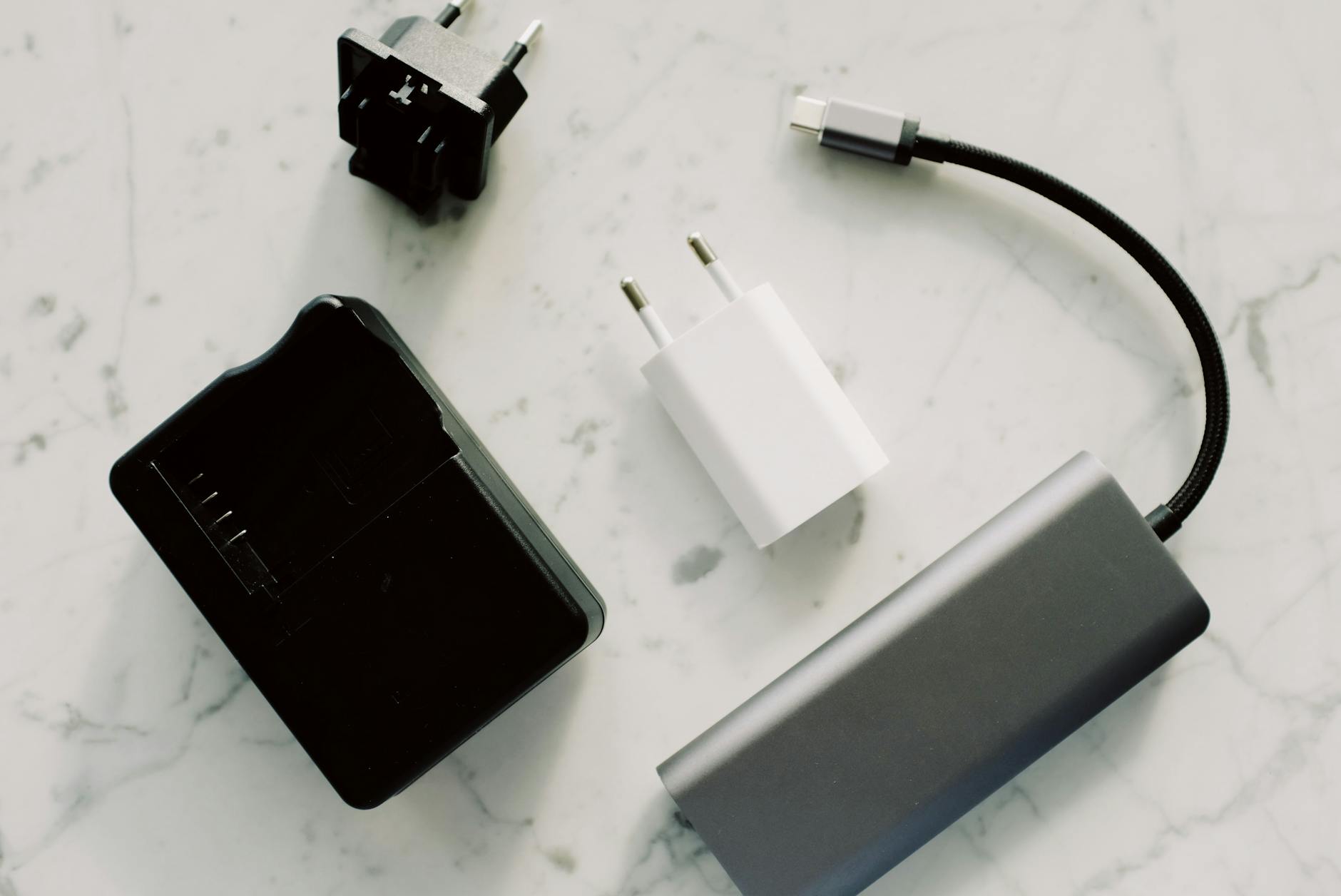
Universal travel adapters, international power converters, portable battery banks and multi-port USB charging hubs left in hotel rooms represent a category of useful and compact electronics accessory that disappears at rates that travel communities consistently document as higher than the misplacement rate that absent-mindedness could explain. The utility of these items to anyone who encounters them combined with their compact size, their lack of identifying features and their generic appearance that makes them indistinguishable from any similar item makes them particularly easy to pocket and difficult to trace. Portable battery banks in particular are reported missing with a frequency that exceeds their misplacement rate, as they tend to be left on charging surfaces in visible locations and are immediately functional and valuable to anyone who encounters them regardless of their brand or the traveler’s identity. Former hotel employees have observed that electronics accessories in this category represent a low-risk, high-utility target because the guest is unlikely to report them as stolen rather than lost and the items carry no identifying information linking them to their owner. Keeping all electronics accessories in a dedicated pouch inside a bag when not in active use and performing a specific electronics check as part of checkout procedure addresses the vulnerability that this category presents.
Books and Magazines
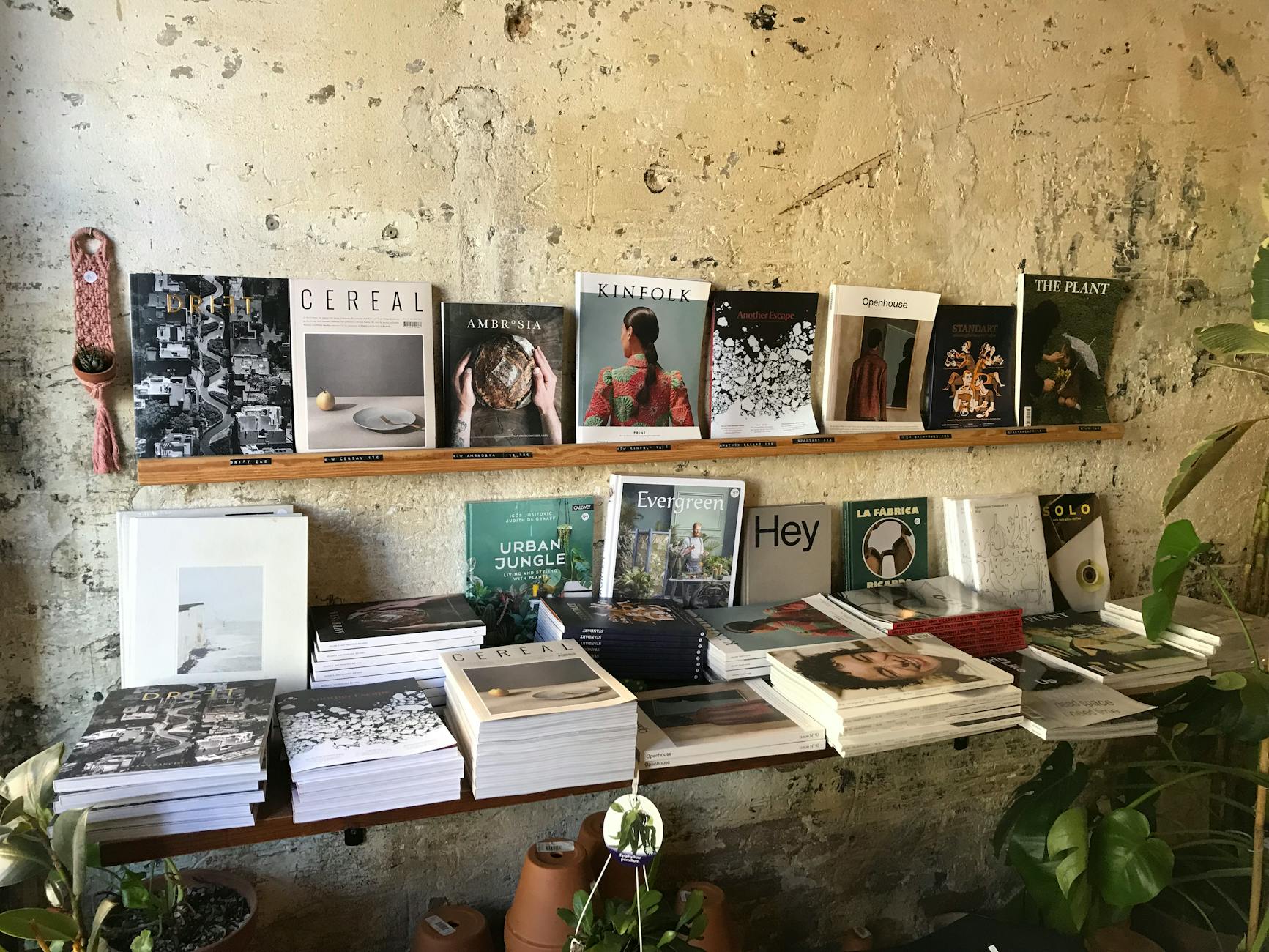
Guests traveling with quality hardcover books, current bestsellers or special interest publications leave these items on nightstands, desks and reading chairs in a way that signals potential availability in the informal hotel room library economy that exists alongside formal hotel book exchange programs. The specific vulnerability is not the casual taking of a paperback that a guest has visibly finished and left open-face on a surface, but rather the removal of books that guests fully intend to continue reading or to bring home as part of a travel reading project. Collectible editions, signed copies and books purchased as gifts at the destination represent a subcategory where the loss extends beyond the book’s cover price to encompass its specific personal significance. The normalized culture of leaving completed books in hotel rooms as an informal gift to subsequent guests or to hotel book collections creates an assumption about room books that does not distinguish between intentionally left items and temporarily set-aside personal property. Storing books inside a bag or leaving a prominent bookmark and reading glasses combination as a signal of active use rather than abandonment provides the clearest available indication of intended return.
Gym and Sports Equipment

Compact sports equipment including resistance bands, jump ropes, travel yoga mats and fitness accessories left in hotel rooms after workout sessions or stored in corners between uses disappear with a frequency that fitness-focused travelers document regularly across hotel review platforms. The utility of these items to staff who may use hotel gyms or to other guests who request them from lost and found collections creates a motivation for their removal that goes beyond random opportunism. Resistance bands in particular are inexpensive, compact and immediately useful, making them a low-consequence and high-utility target that guests are unlikely to report as stolen because the value does not justify the discomfort of the accusation. Travel yoga mats are bulky enough that their removal represents a more deliberate act than the pocketing of a small item, yet they continue to be reported missing from hotel rooms in numbers that exceed the forgetting rate for an item of that size. Storing sports equipment in a specific bag that is kept inside the main luggage and performing a dedicated sports equipment inventory as part of checkout routine reduces the vulnerability that this category presents.
Luxury Pens

Quality pens including branded executive pens, specialty writing instruments and pens with personal or sentimental significance left on hotel room desks are reported missing in numbers that suggest a targeted appreciation for quality writing instruments among the individuals who encounter them in unsupervised room access situations. The hotel room desk is the location where both guest property and hotel-provided stationery coexist, creating a visual context in which a quality pen sitting beside hotel notepaper can be assimilated into a category of items that are associated with communal rather than personal ownership. Fountain pens and specialty ink pens represent the highest-value end of this category and are reported missing with a disproportionate frequency relative to their population in hotel rooms, suggesting that the distinctive appearance of quality writing instruments attracts specific rather than opportunistic attention. The sentimental value of pens given as gifts, received as professional recognition or carried as personal objects of meaning extends the loss beyond the pen’s monetary replacement value in ways that a standard hotel theft report cannot document or compensate. Keeping quality pens in a dedicated case inside a bag rather than loose on room surfaces is the practical protection available for this category.
Specialty Coffee and Tea Supplies

Guests who travel with premium coffee pods, specialty loose-leaf teas, high-end instant coffee sachets or coffee accessories including hand grinders and pourover equipment stored in hotel room coffee station areas report these items being removed during housekeeping visits in contexts that suggest they were mistaken for or assimilated with hotel-provided room amenities. The hotel room coffee station creates a specific context where the boundary between hotel-provided consumables and personal guest supplies is visually ambiguous, particularly when personal items are stored in the same area as the kettle, in-room coffee maker and hotel coffee supplies. Premium coffee pods from specialty roasters that are visually similar in format to hotel-provided capsules are particularly vulnerable to being removed as part of minibar or amenity restocking routines, whether through deliberate appropriation or genuine confusion about their origin. Specialty tea tins and pouches that are more obviously personal items than capsules are nonetheless reported missing in numbers that suggest they attract deliberate attention rather than being accidentally removed. Storing personal coffee and tea supplies in a toiletry bag or marked pouch inside luggage rather than in the room coffee area eliminates the visual ambiguity that places them at risk.
Jewelry Boxes and Pouches
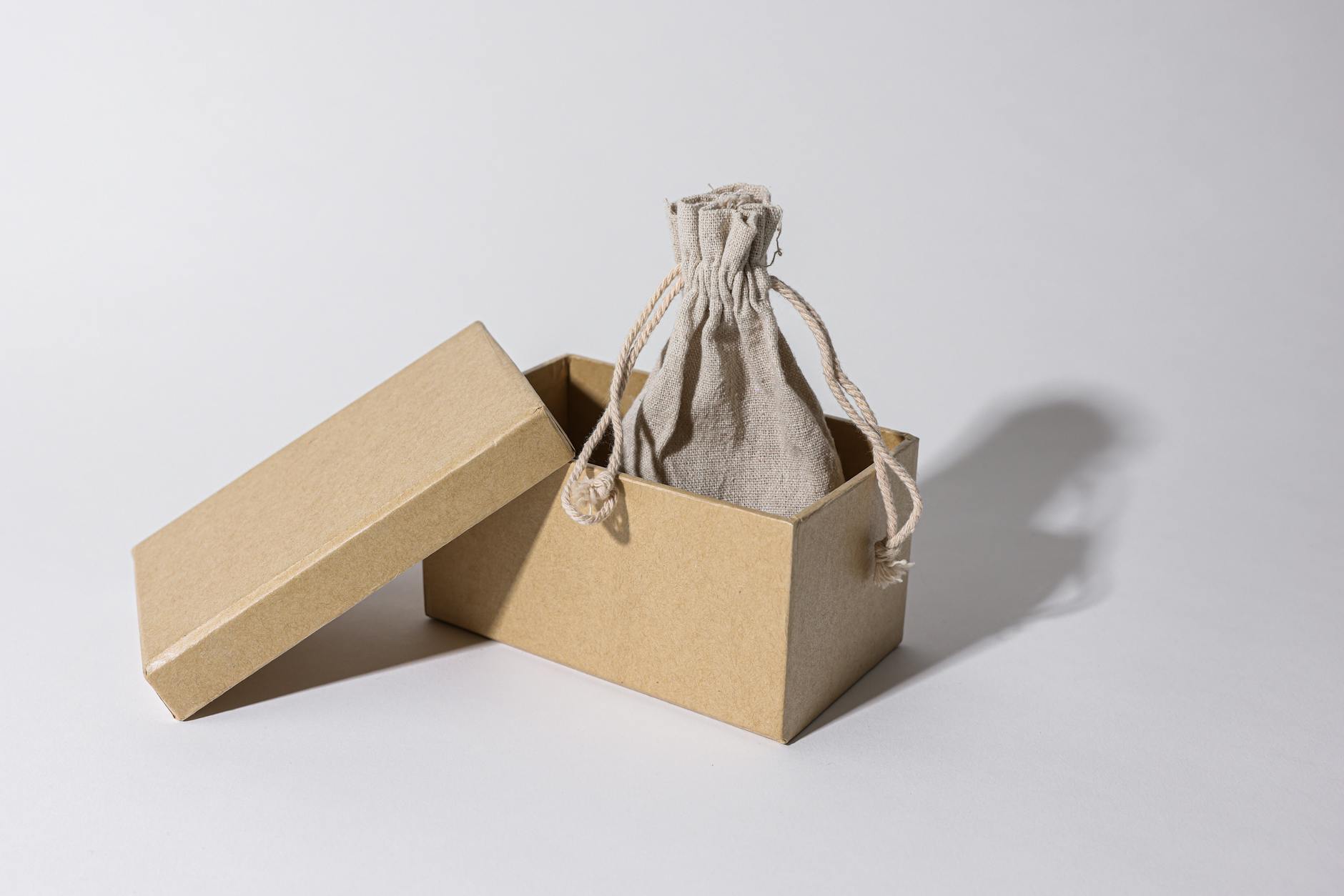
Empty or partially used jewelry storage cases, travel pouches and accessory organizers left in hotel rooms are reported missing in circumstances that suggest the containers themselves are valued independently of whatever jewelry they may or may not contain at the time of removal. Quality leather jewelry rolls, fabric-lined travel cases and branded accessory pouches represent a category of travel accessory with immediate recognizable value that makes them attractive even when guests have removed their jewelry for secure storage elsewhere. The specific risk scenario for jewelry storage containers occurs when guests move jewelry to the room safe or into their luggage but leave the container on a dresser or in the bathroom, creating a situation where the valuable container is separated from the items that prompted its careful handling. Custom or monogrammed jewelry cases have particular irreplaceability that extends the loss significantly beyond the item’s commercial value. Keeping jewelry storage cases inside luggage when they do not contain items that are being actively accessed eliminates the separation between container and contents that creates this specific vulnerability.
Portable Speakers
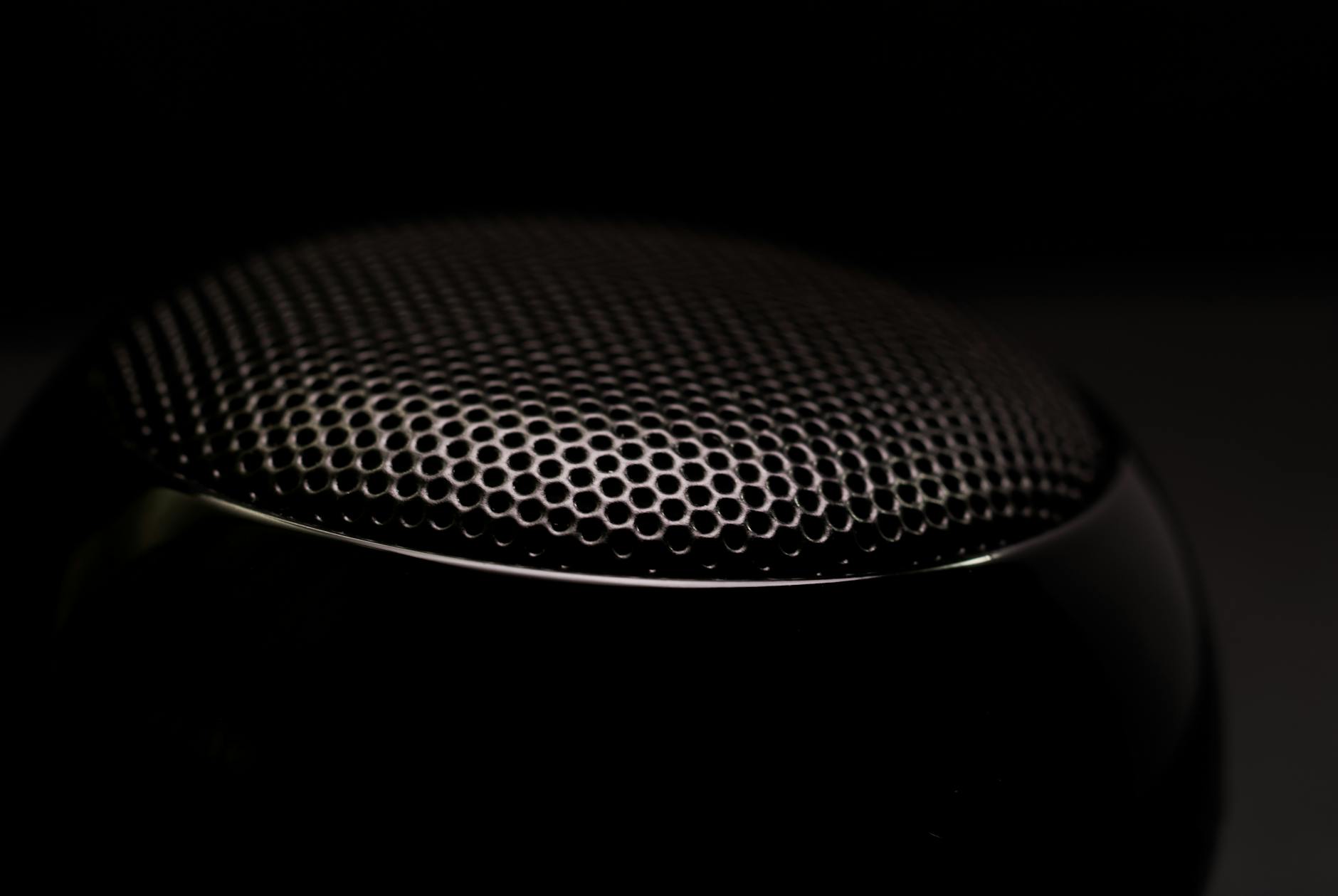
Compact Bluetooth speakers left on hotel room surfaces during or after use represent a high-value, easily concealed and immediately functional category of portable electronics that disappears from hotel rooms with a frequency that travel and technology forums document consistently. The combination of their modest size, significant market value, immediate usability by anyone who encounters them and the ease of pairing them to a new device without any ownership authentication makes portable speakers a particularly appealing target in any unsupervised room access scenario. Guests who use speakers during a hotel stay and leave them on desks, dressers or bathroom counters during day trips or checkout packing return to find them missing in numbers that exceed the misplacement rate for an item of that size and value. The absence of any identifying information on most portable speakers beyond a generic serial number that requires manufacturer cooperation to trace means that recovery of a missing speaker is essentially impossible through any mechanism available to hotel management. Keeping a portable speaker in its original case or a distinctive bag and including it in a specific electronics inventory check during checkout packing reduces the probability of its loss to either theft or forgetfulness.
Laptop Accessories

External mice, laptop stands, portable keyboards and other laptop peripherals left on hotel room work surfaces during hotel stays are reported missing in circumstances that suggest their small size and generic appearance make them easy targets in unsupervised room access situations. The work surface of a hotel room desk creates a context where multiple items of personal property are displayed in a way that makes them individually easy to overlook during the room scan that precedes departure, and housekeeping access to the room during the workday provides opportunity for removal of items whose absence the guest may not notice until reaching their next destination. External mice are the single most reported missing laptop peripheral in hotel contexts, combining small size, immediate utility, generic appearance and significant inconvenience-to-replacement-value ratio in a way that makes them disproportionately vulnerable. Wireless peripherals that are not visually associated with a specific laptop because they are not physically connected to it during room access are in a higher risk category than wired accessories that are more obviously part of a functioning setup. Packing all laptop peripherals into a dedicated electronics case when not in active use and performing a peripherals inventory as part of checkout routine provides the most effective available protection.
Silk Sleep Accessories
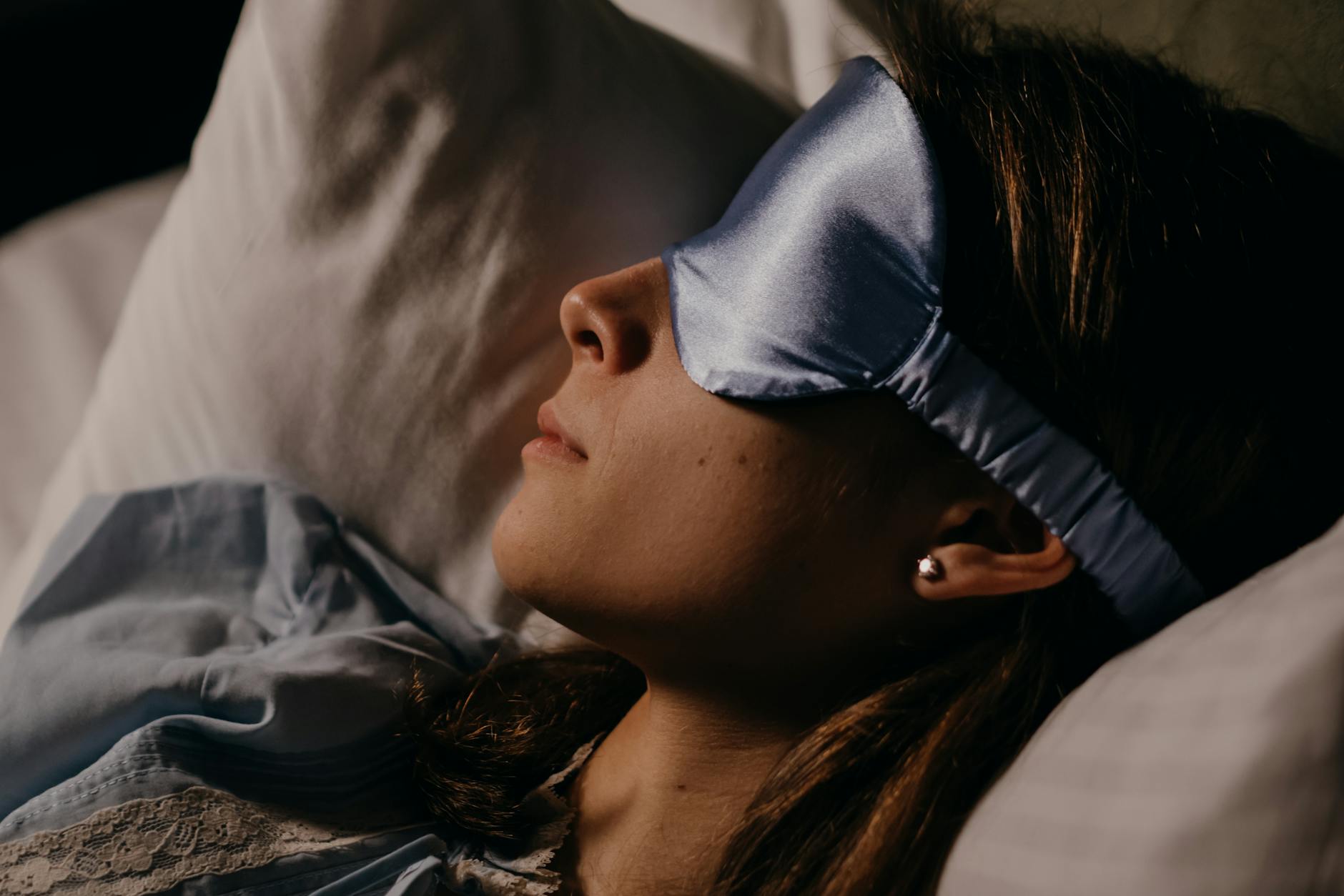
Silk sleep masks, travel pillowcases, luxury eye masks and high-end sleep accessories left on hotel beds or nightstands represent a category of personal item with a combination of immediate sensory appeal, clear luxury quality and compact portability that makes them attractive in unsupervised room access scenarios. The hotel bed creates a specific context where items placed on or near it can be assimilated into a category associated with hotel linen and bedding, and a high-quality silk sleep mask sitting on a pillow during bed-making may be handled in ways that result in its removal regardless of the intent behind that removal. Branded sleep accessories including those from luxury wellness brands or travel-specific luxury retailers have immediate recognizable value that makes their disappearance a deliberate rather than accidental act in most documented cases. Guests who invest in premium sleep accessories for travel report a disproportionate rate of loss in hotel environments compared to other travel contexts, suggesting that the hotel room setting creates specific vulnerabilities for this category. Storing sleep accessories in a dedicated pouch inside a bag each morning before housekeeping access rather than leaving them displayed on the bed surface is the straightforward protective response.
Travel Document Holders
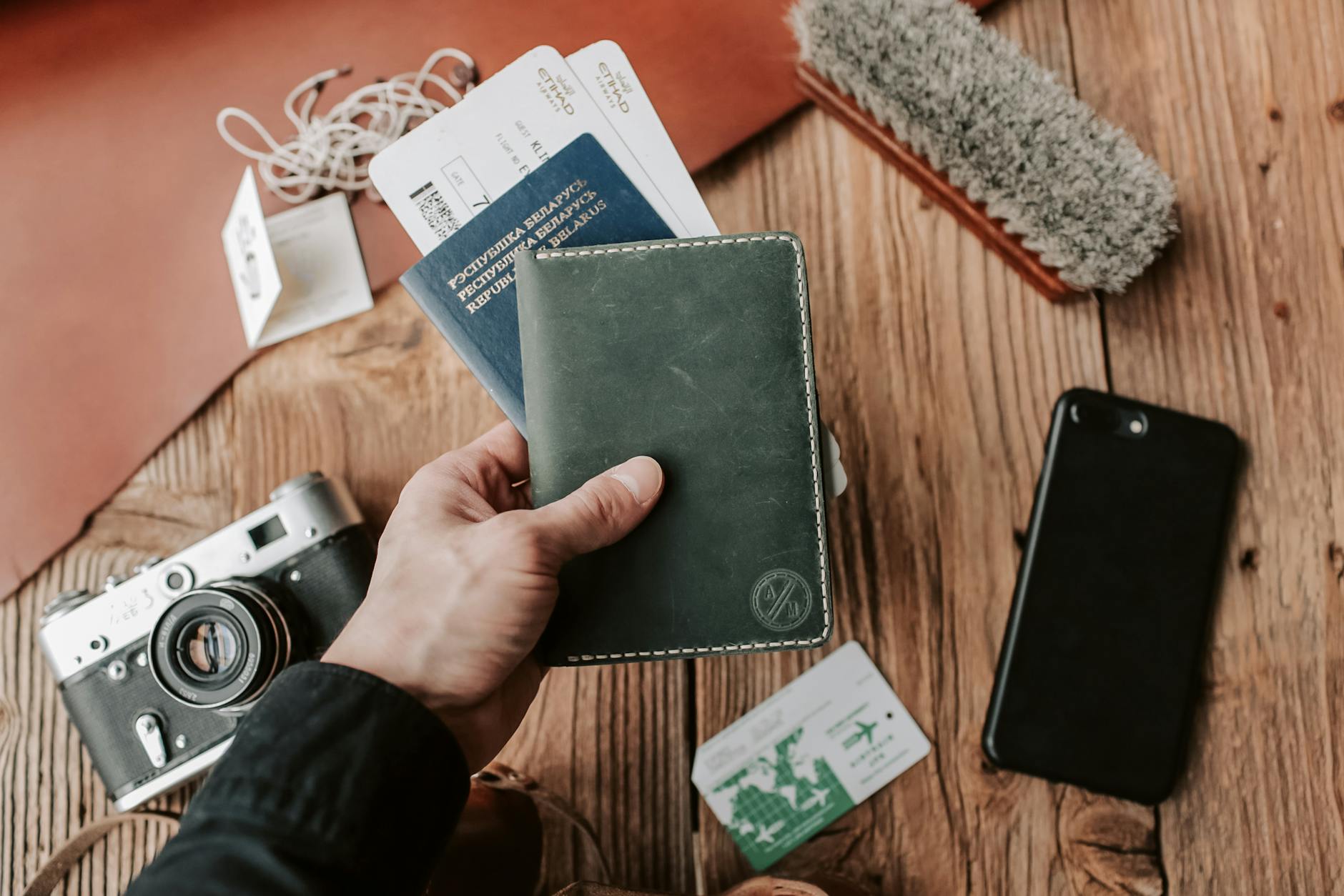
Passport wallets, travel document organizers and RFID-blocking card holders left on room surfaces represent a category where the container itself carries value independent of and sometimes exceeding the travel documents it holds, and where removal without the documents creates a loss that is reported as property theft rather than as the identity security concern that document exposure would represent. Quality leather or designer travel wallets left on dressers or desks during hotel stays are reported missing in contexts suggesting their obvious quality and utility makes them targeted items rather than incidental ones. The specific risk scenario for this category involves guests who transfer important documents to an in-room safe but leave the quality holder on a surface, creating the same container-content separation vulnerability that affects jewelry cases. Distinctive travel document holders with monogramming, unusual coloring or attached accessories are somewhat more protected than generic designs because their specificity makes them less easily rationalized as unclaimed property by someone who encounters them. Keeping document holders inside luggage whenever they do not contain documents actively being used eliminates the display period during which they are most vulnerable.
Dietary Supplements

Vitamin bottles, supplement containers, protein powder single-serve packets and specialty health products left on hotel room surfaces or in bathroom areas are reported missing in circumstances that suggest both opportunistic removal of items with high retail value and deliberate targeting of supplements with obvious market value. The retail price visibility of supplement products combined with their compact size and the frequency with which guests leave them on bathroom counters or beside the room coffee station creates conditions for their removal that are well documented across hospitality and travel communities. Protein supplement single-serve packets represent a particularly vulnerable format because their small size and individually wrapped format makes them easy to pocket in small numbers that the guest may not immediately notice as missing. Specialty health supplements including nootropics, hormone support products and specialty amino acid formulations have market values that are immediately apparent to anyone familiar with the supplement industry, creating a motivation for their targeted removal from hotel rooms. Storing all supplements in a toiletry bag inside luggage rather than on open room surfaces eliminates the visibility that makes this category vulnerable.
Reusable Water Bottles
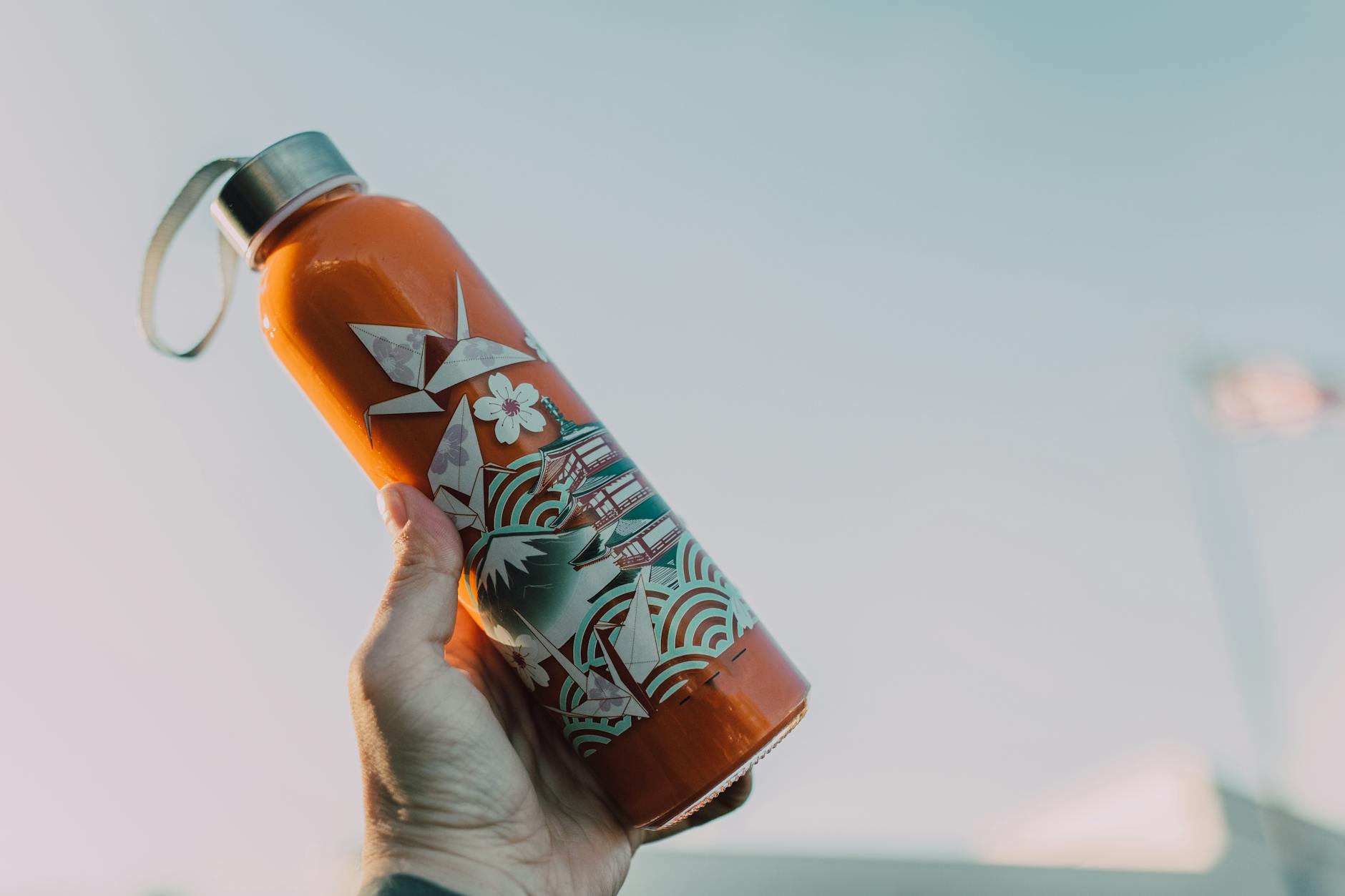
Quality reusable water bottles including insulated stainless steel bottles from premium brands left on hotel room surfaces or in the bathroom are reported missing in numbers that significantly exceed the rate at which guests forget items of that size, suggesting deliberate removal rather than housekeeping error in a meaningful proportion of reported cases. The premium insulated bottle market has produced a category of item with high brand recognition, immediate utility and significant retail value that translates directly into the same attractiveness that makes luxury toiletries and designer sunglasses targets in hotel room contexts. The normalized culture of leaving water bottles in hotel bathrooms to refill during a stay creates a display pattern that keeps them on visible surfaces throughout the hotel stay in a way that increases both their exposure and the opportunity for their removal. Bottles with distinctive colors, patterns or personalization are somewhat more protected than generic finishes but continue to be reported missing in numbers that suggest personalization is insufficient protection in itself. Keeping a reusable bottle in a bag when not in active use and including it in a specific non-electronic items checkout inventory reduces the loss rate for this category significantly.
Scarves and Wraps

Quality scarves, cashmere wraps and travel shawls left draped over chairs, hanging on hooks or folded on room surfaces are reported missing from hotel rooms in circumstances that suggest their obvious quality and immediate wearability makes them deliberately targeted rather than accidentally removed items. The specific vulnerability for scarves and wraps arises from their tendency to be removed and set aside in multiple locations during a hotel stay as guests move between climate-controlled spaces, creating multiple display points and a fragmented storage pattern that makes their collective presence harder to audit during checkout packing. Cashmere and high-quality wool travel wraps in particular represent a category where the tactile quality immediately communicates value to anyone who handles them, and their compact foldability when removed from their display position means their removal leaves no visible gap in the room that would signal the loss before departure. Scarves purchased as destination souvenirs or gifts that represent unique items unavailable at home carry an irreplaceability that makes their loss particularly significant beyond their retail value. Storing wraps and scarves in a specific bag compartment rather than draped over furniture creates both a consistent storage location that supports checkout inventory and a non-display condition that reduces their visibility during housekeeping access.
Gaming Accessories

Portable gaming devices, gaming headsets, specialized controllers and gaming accessories left on hotel room surfaces during stays represent a category of high-value, compact and immediately usable electronics that disappears from hotel rooms at rates consistent with deliberate rather than opportunistic removal. The portable gaming market has produced devices with retail values between several hundred and several hundred dollars that are compact enough to fit in a jacket pocket and that carry none of the tracking capability that smartphones use to support recovery after loss or theft. Gaming headsets left on hotel room desks or beds represent a specific vulnerability because their size makes them more obviously present than smaller accessories while their value is immediately apparent to anyone familiar with the gaming market. Specialized controllers for handheld gaming systems are reported missing from hotel rooms with a frequency that suggests targeted removal in contexts where the parent device has been secured but the accessories have been left in a less guarded location. Keeping all gaming accessories in a dedicated carrying case that is stored inside luggage when not in active use provides the same protection that any high-value compact electronics benefit from in hotel room contexts.
Workout Supplements

Pre-workout powders, post-workout recovery products, creatine containers and other workout-specific supplements left on hotel room surfaces represent a subcategory of the broader supplement vulnerability with specific additional factors including the high retail value of certain performance products, the immediate recognizability of premium supplement brand packaging and the practical utility of these products to anyone engaged in regular physical training. The hotel gym creates a specific behavioral pattern where guests transport workout supplements to and from their room, creating transition points during which supplements may be left on surfaces in both the room and the gym area, doubling the exposure opportunity relative to supplements that remain exclusively in the room. Single-serve stick packets of pre-workout or recovery supplements are particularly vulnerable because their small size and self-contained format makes them easy to remove in small quantities that may not be immediately noticed. Brand-name workout supplements with high retail visibility including premium protein blends and specialty recovery formulations have been documented as targeted items in hotel room access scenarios in fitness community forums. Transporting workout supplements in a sealed bag inside luggage and decanting single servings into unmarked containers for gym use reduces the brand visibility and open-surface exposure that makes packaged supplements vulnerable in hotel environments.
Sleep Aids and Relaxation Products
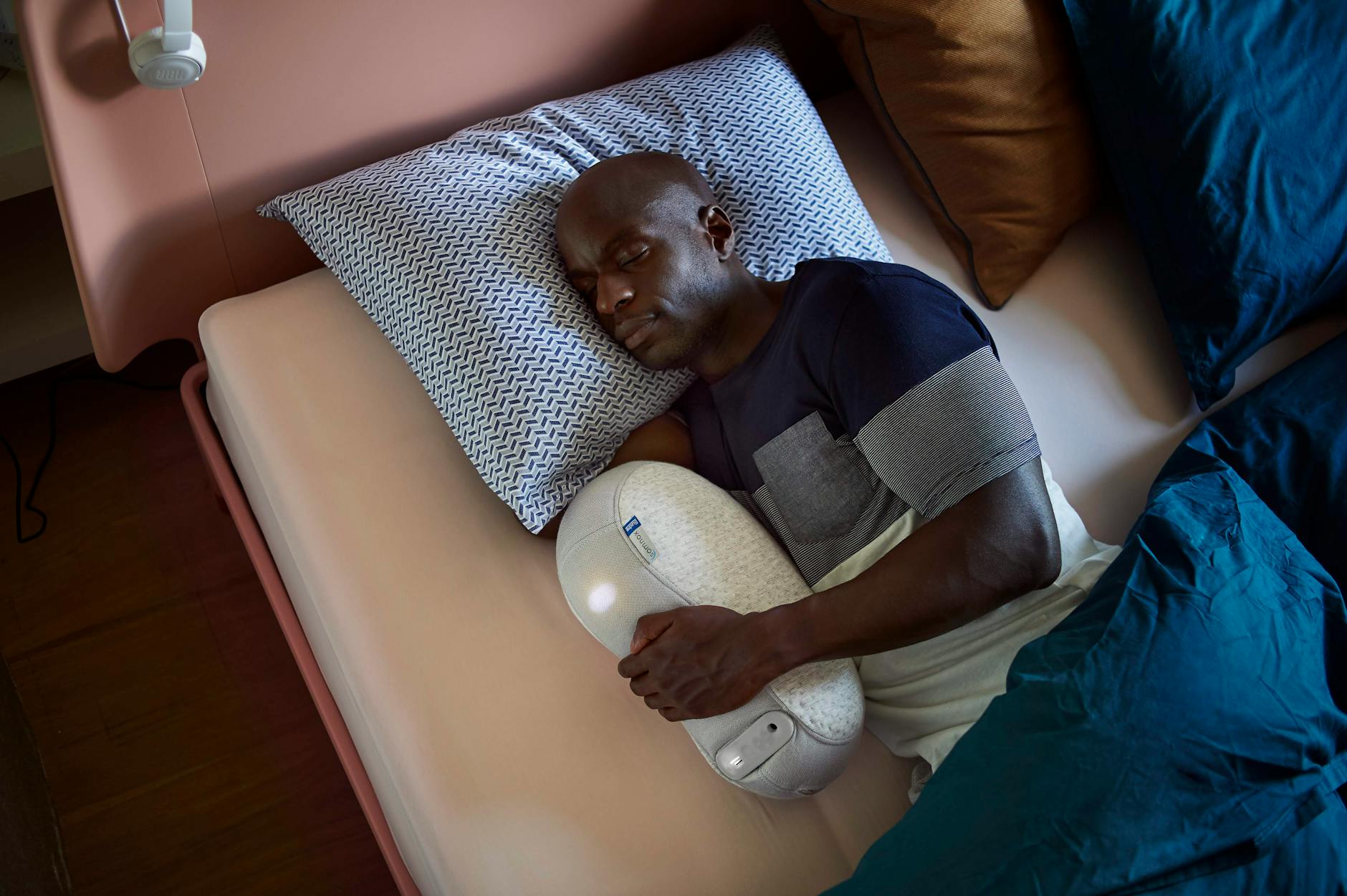
Melatonin gummies, sleep spray formulations, aromatherapy roll-ons, CBD products and other sleep and relaxation aids left on hotel nightstands or in bathroom areas are reported missing from hotel rooms in circumstances that reflect both their obvious personal care utility and the significant retail value that premium wellness products in this category carry. The nightstand placement that makes these products accessible for their intended use during a hotel stay is also the highest visibility location in the room for items that are noticed and handled during bed-making, pillow arrangement and nightstand surface cleaning during housekeeping visits. CBD and hemp-derived wellness products in particular represent a category with high retail value, immediate personal care utility and packaging that communicates their premium market position to anyone who encounters them, creating the conditions for targeted rather than opportunistic removal. Aromatherapy and essential oil products in quality packaging are similarly vulnerable, with their distinctive fragrance making them memorable to anyone who handles them and their compact size making them easy to conceal. Storing all sleep and relaxation aids in a toiletry bag inside luggage each morning rather than leaving them on the nightstand through the day when room access occurs is the straightforward protective response to a vulnerability that the bedside placement habit creates.
If these revelations about hotel room security have changed how you plan to pack and store your belongings during future stays or if you have a personal experience with unexplained item disappearance from a hotel room, share your story in the comments.