Airport security screening reveals a fascinating cross-section of human nature, from obsessive over-packers to blissfully unaware first-time flyers. TSA agents process thousands of bags every single day and have developed an acute sense of what travelers genuinely need versus what makes them shake their heads with quiet amusement. These are the 25 packing choices that consistently bring a knowing smile to the faces of the people scanning your luggage.
Full-Size Shampoo

Travelers routinely pack full-size shampoo bottles that dwarf the three-ounce liquid limit and are confiscated without exception at the security checkpoint. The 3-1-1 liquids rule has been in place since 2006 and is one of the most widely publicized travel regulations in existence. TSA agents remove these oversized bottles dozens of times per shift from passengers who appear genuinely surprised by the outcome. Travel-size toiletries are available at virtually every pharmacy and grocery store for minimal cost. The full-size bottle almost always ends up in the confiscation bin regardless of how carefully it has been packed or concealed.
Wrapped Gifts
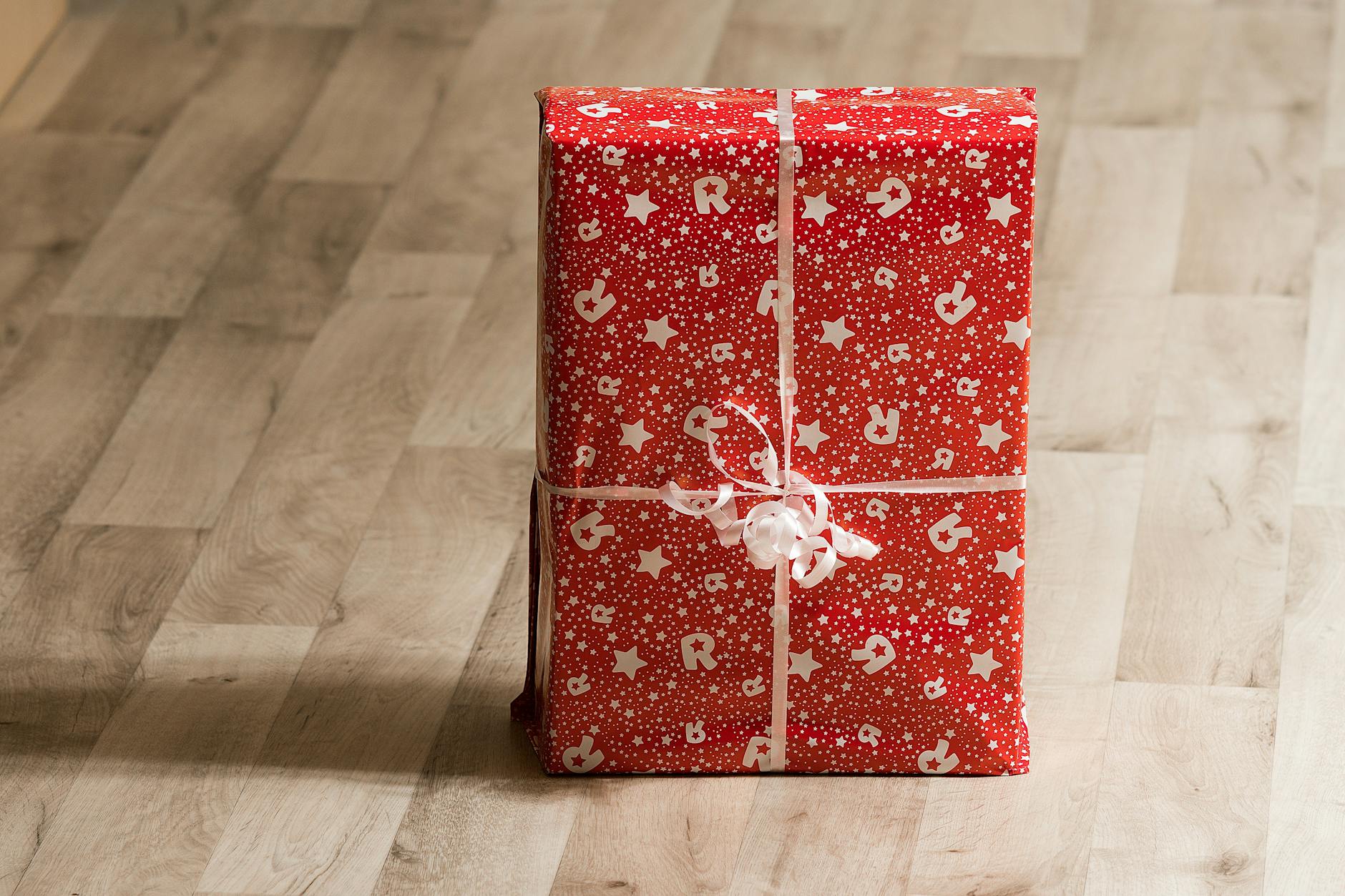
Beautifully wrapped holiday gifts packed inside checked or carry-on luggage create an immediate problem at the security checkpoint. TSA agents are required to inspect any package that produces an unclear image on the X-ray scanner, which wrapped items almost always do. Agents will unwrap the gift without hesitation if a physical inspection is deemed necessary, undoing ribbon bows and decorative paper without ceremony. The practice of wrapping gifts before travel is so counterproductive that the TSA officially advises against it on its own website. Shipping gifts directly to a destination or wrapping them upon arrival is the universally recommended alternative.
Neck Pillow
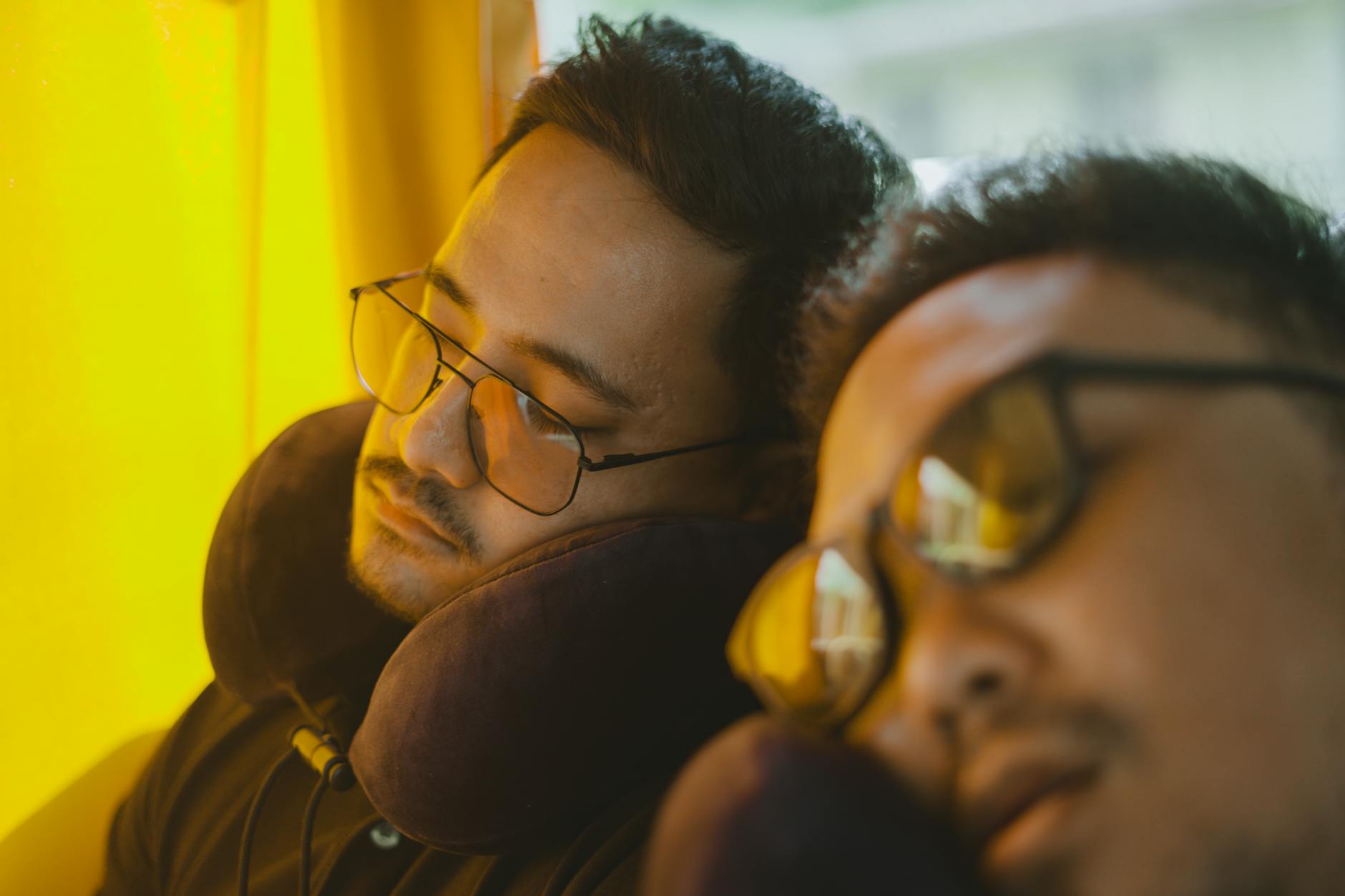
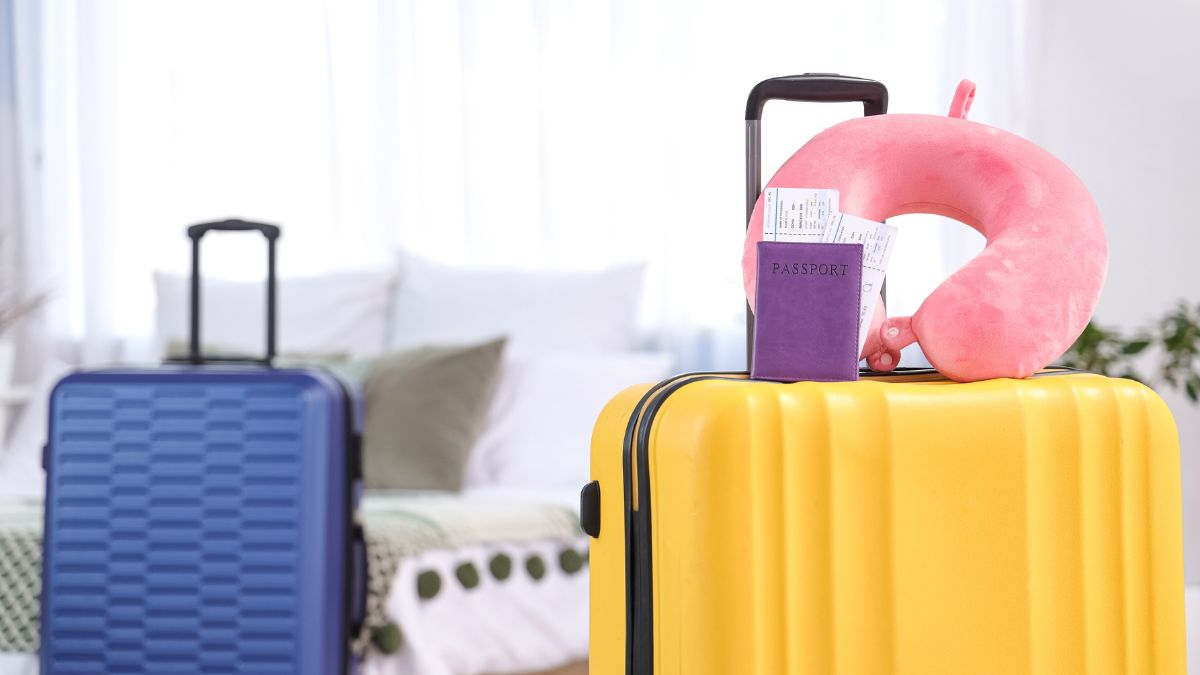
The horseshoe-shaped travel neck pillow is one of the most universally overpacked items in the airport ecosystem. Agents frequently observe passengers who have clipped enormous inflatable or memory foam neck pillows to the outside of already overstuffed carry-on bags. The pillow occupies significant volume and weight relative to the modest comfort improvement it provides on short to medium haul flights. Many experienced travelers report abandoning the neck pillow habit after realizing a rolled jacket accomplishes the same purpose. The sheer volume of neck pillows passing through checkpoints daily has made them a quiet symbol of the optimistic but inexperienced traveler.
Excessive Snacks
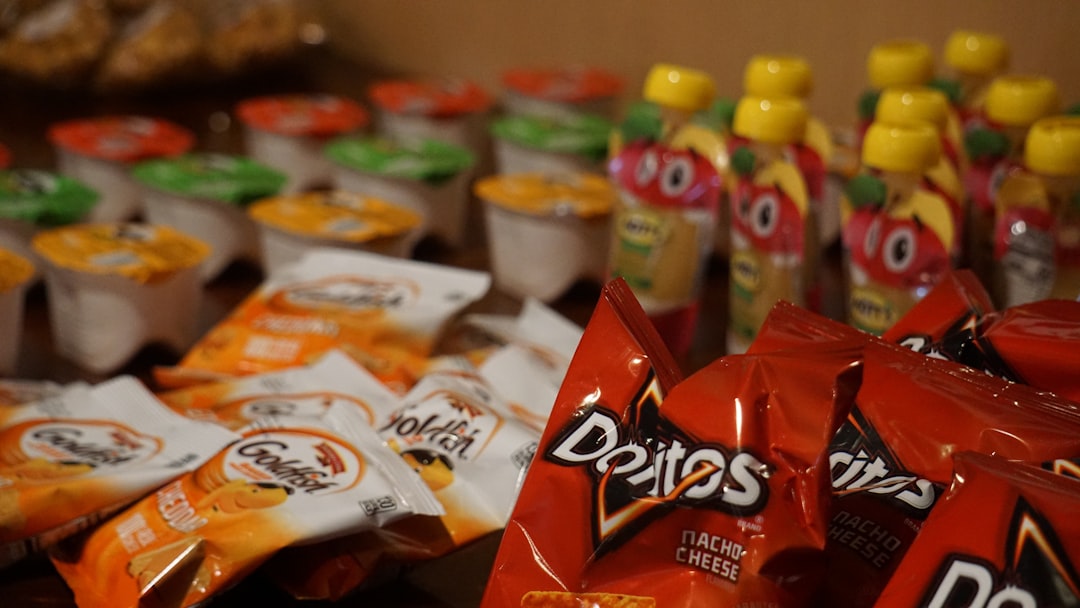
Carry-on bags routinely arrive at the X-ray belt stuffed with enough snacks to sustain a small expedition rather than a single flight. Agents frequently encounter bags packed with family-size chip bags, multiple boxes of crackers, full bunches of bananas and bulging ziplock bags of homemade food. While most solid snacks are permitted, the sheer quantity creates cluttered X-ray images that slow down the screening process considerably. Certain snack items including spreadable foods and dips fall under liquid rules and are confiscated despite the passenger’s confident certainty that they do not. Airport terminals and airline flights both offer food options that make industrial quantities of carry-on snacking largely unnecessary.
Outdated Guidebooks
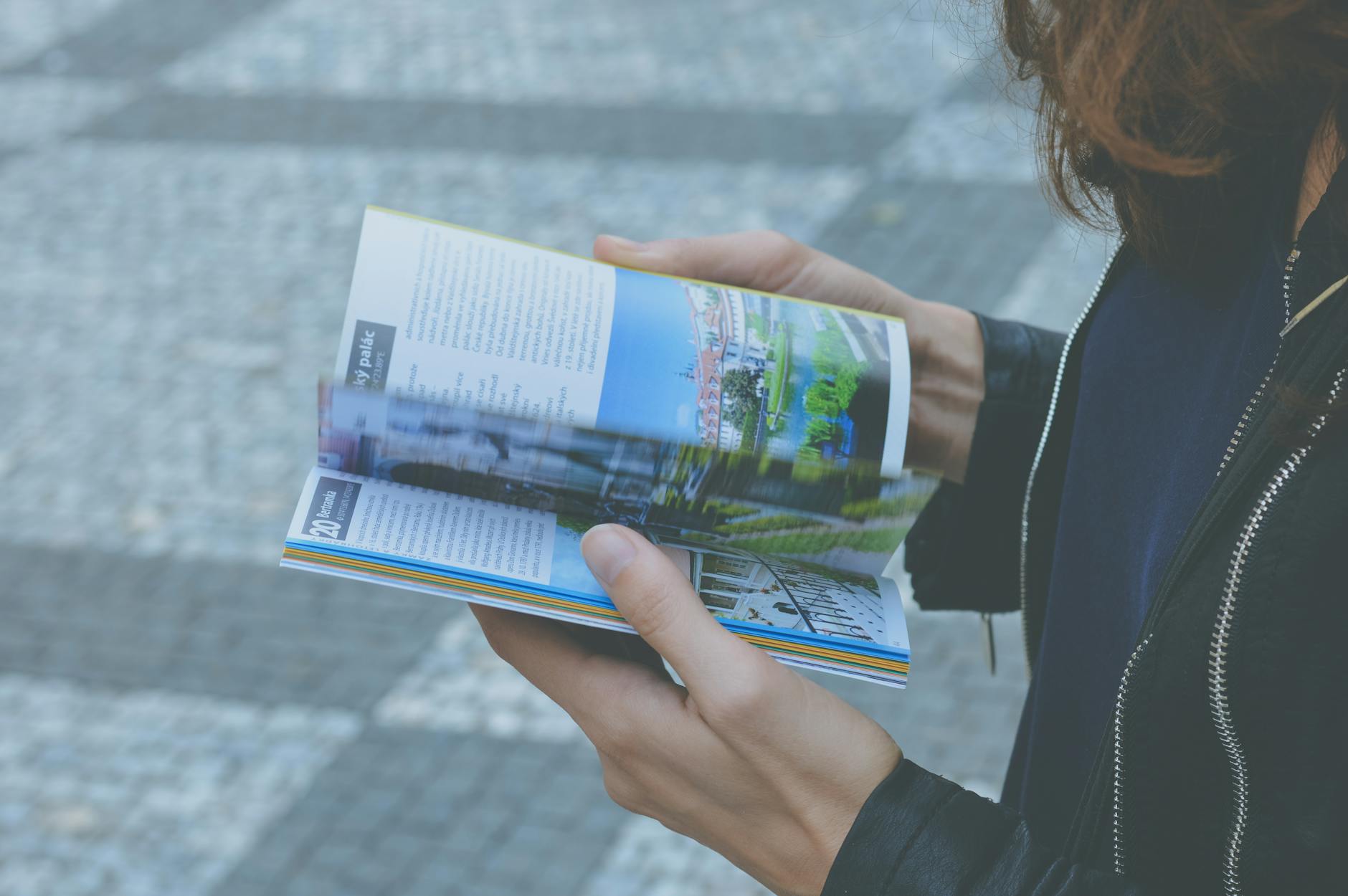
Heavy printed travel guidebooks from years or even decades past appear regularly in scanned luggage, adding significant dead weight to every bag they inhabit. A guidebook covering restaurant recommendations and hotel listings from several years ago contains information that is largely obsolete in fast-changing destinations. The combined weight of two or three guidebooks can consume a meaningful portion of a carry-on weight allowance on budget carriers. Free travel apps, offline maps and destination websites provide more current and searchable information than any printed volume. The sight of a well-worn guidebook from a previous decade is a recurring source of quiet amusement among agents who see contemporary travelers still attached to analog research.
Hair Dryer

Full-size household hair dryers are a staple of the overpacker’s luggage and one of the heaviest single non-essential items agents encounter. The vast majority of hotels worldwide provide hair dryers in guest rooms as a standard amenity, making the packed version entirely redundant in most cases. Household dryers are also frequently incompatible with the voltage standards of international destinations without a converter, rendering them functionally useless upon arrival. Travel-size dryers exist specifically for travelers with legitimate styling needs who cannot rely on hotel provisions. Agents who handle luggage observe the same bulky appliances cycling through the conveyor belt with predictable regularity throughout the year.
Entire Medicine Cabinet

Passengers frequently pack every medication they own into a toiletry bag that resembles a portable pharmacy rather than a travel kit. Bottles of every over-the-counter remedy imaginable appear alongside prescription medications for conditions the traveler has not experienced in years. While carrying necessary medication is entirely sensible and encouraged, the volume of pharmaceutical preparation many travelers bring suggests they anticipate a medical emergency in every time zone. Most common medications are available for purchase at pharmacies in virtually every major travel destination around the world. The rattling pharmacy bag is a recognizable fixture on X-ray screens throughout the year at every major airport.
Spare Shoes
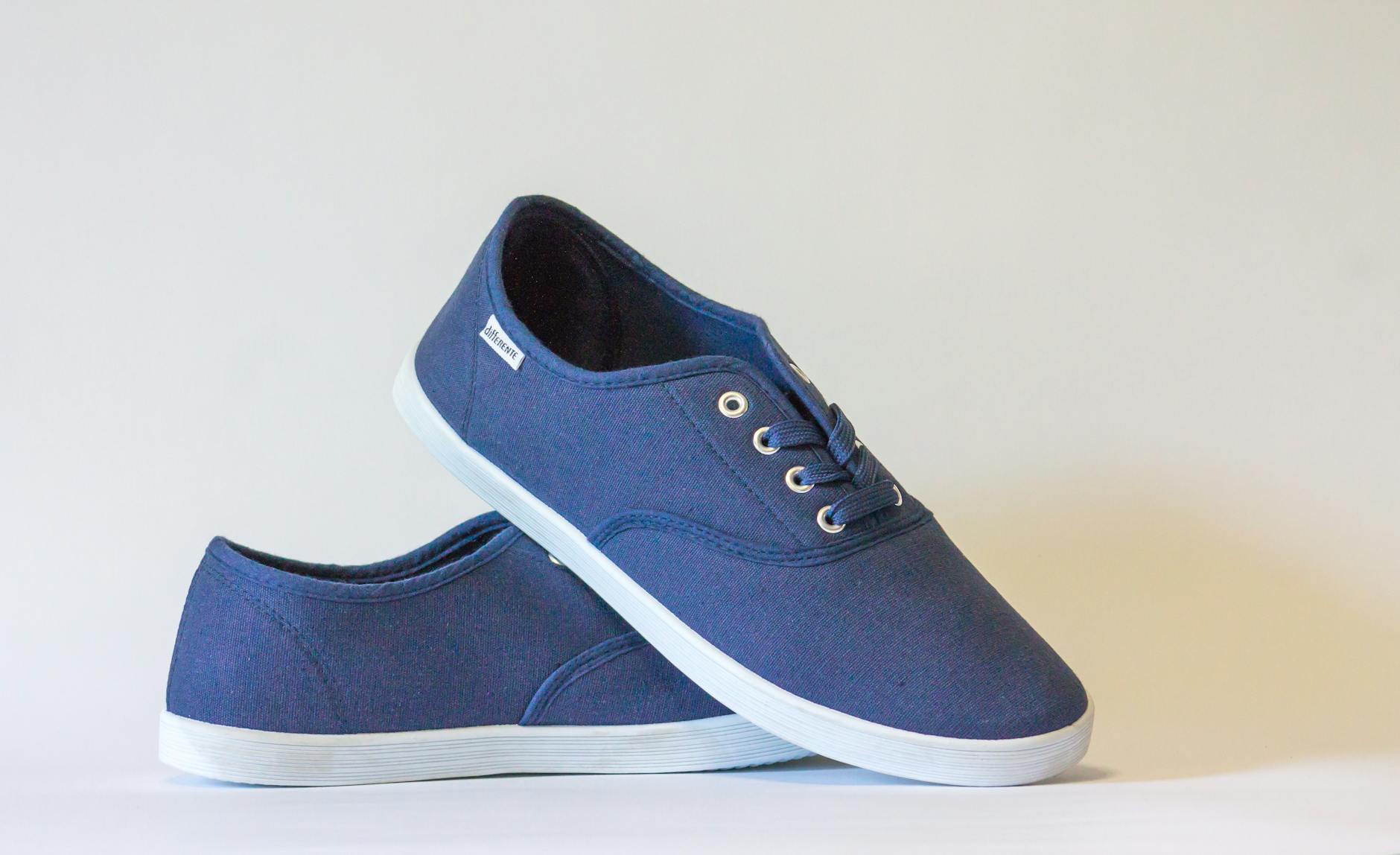
Luggage packed with four, five or six pairs of shoes for a long weekend trip is a scenario TSA agents encounter with striking regularity. Shoes are among the heaviest and most space-inefficient items in any suitcase and their bulk is immediately apparent on the X-ray screen. The mental calculus that leads a traveler to pack separate footwear for every conceivable activity and outfit combination rarely survives contact with the chaos of actual travel. Experienced travelers typically apply a strict two-to-three shoe maximum regardless of trip length. The architectural puzzle of fitting six shoe pairs into a carry-on bag alongside clothing and toiletries is something agents observe being attempted with impressive creative commitment.
Excessive Jewelry

Passengers who pack their full jewelry collection in a carry-on create predictable delays and security complications at the checkpoint. Metal-dense jewelry bags produce complex X-ray images that require additional scrutiny and frequently trigger manual inspection requests. Travelers are often observed unpacking necklaces tangled around bracelets nested inside rings scattered across the bottom of a bag in a way that makes individual identification difficult. Most travel occasions require only one or two accessory pieces rather than a rotating selection of the entire collection. The jewelry mountain that emerges during a manual bag check is a familiar and time-consuming sight for experienced screening agents.
Massive DSLR Setup
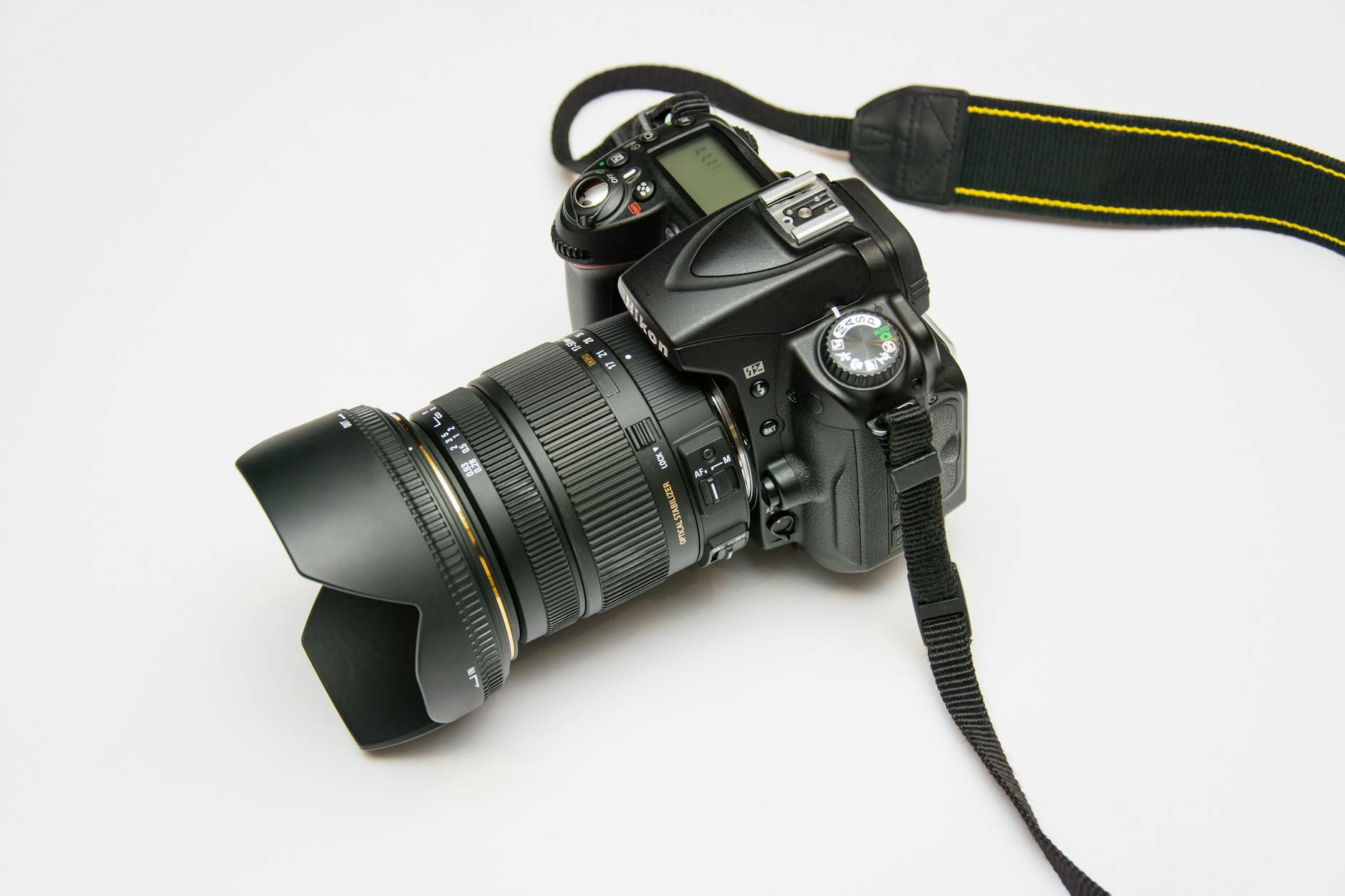
Photography enthusiasts frequently travel with camera bags containing multiple lenses, battery packs, external flashes, tripods and accessories that collectively rival professional film crew equipment. The X-ray profile of a densely packed camera bag is one of the more visually complex images agents encounter during a standard shift. Cables, chargers and battery banks woven between lenses create screening images that almost guarantee a request for manual inspection. The full professional camera setup is a common sight even among travelers heading to resorts and beach destinations where a smartphone camera would produce comparable results. Agents observe the full equipment unpack and repack process many times daily with quiet familiarity.
Unnecessary Formal Wear

Full formal attire including tuxedos, ball gowns and multiple suits packed in carry-on bags for casual or moderately dressed destinations is a recurring theme in luggage screening. The volume occupied by a suit jacket or structured formal dress leaves dramatically less room for practical essentials. Travelers who pack formal wear for a single anticipated occasion often sacrifice packing efficiency across the entire trip for one evening’s outfit. Many destinations and occasions that travelers anticipate as formal turn out in practice to be considerably more relaxed. Garment shipping services and hotel pressing facilities exist precisely to solve this problem without consuming the entire luggage allowance.
Ten-Step Skincare

Carry-on bags dedicated almost entirely to elaborate multi-step skincare routines are a well-established phenomenon in airport security lines. The collection of serums, essences, toners, mists, oils and creams required for a ten-step routine quickly exhausts the allowable liquid volume under TSA regulations. Agents regularly confiscate multiple products from meticulously assembled skincare systems because individual bottles exceed the three-ounce limit. A simplified travel routine using multi-purpose products accomplishes adequate skincare maintenance for the duration of most trips. The miniature skincare shelf that emerges from some passengers’ bags during liquid checks is a quietly impressive but routinely problematic sight.
Iron or Steamer
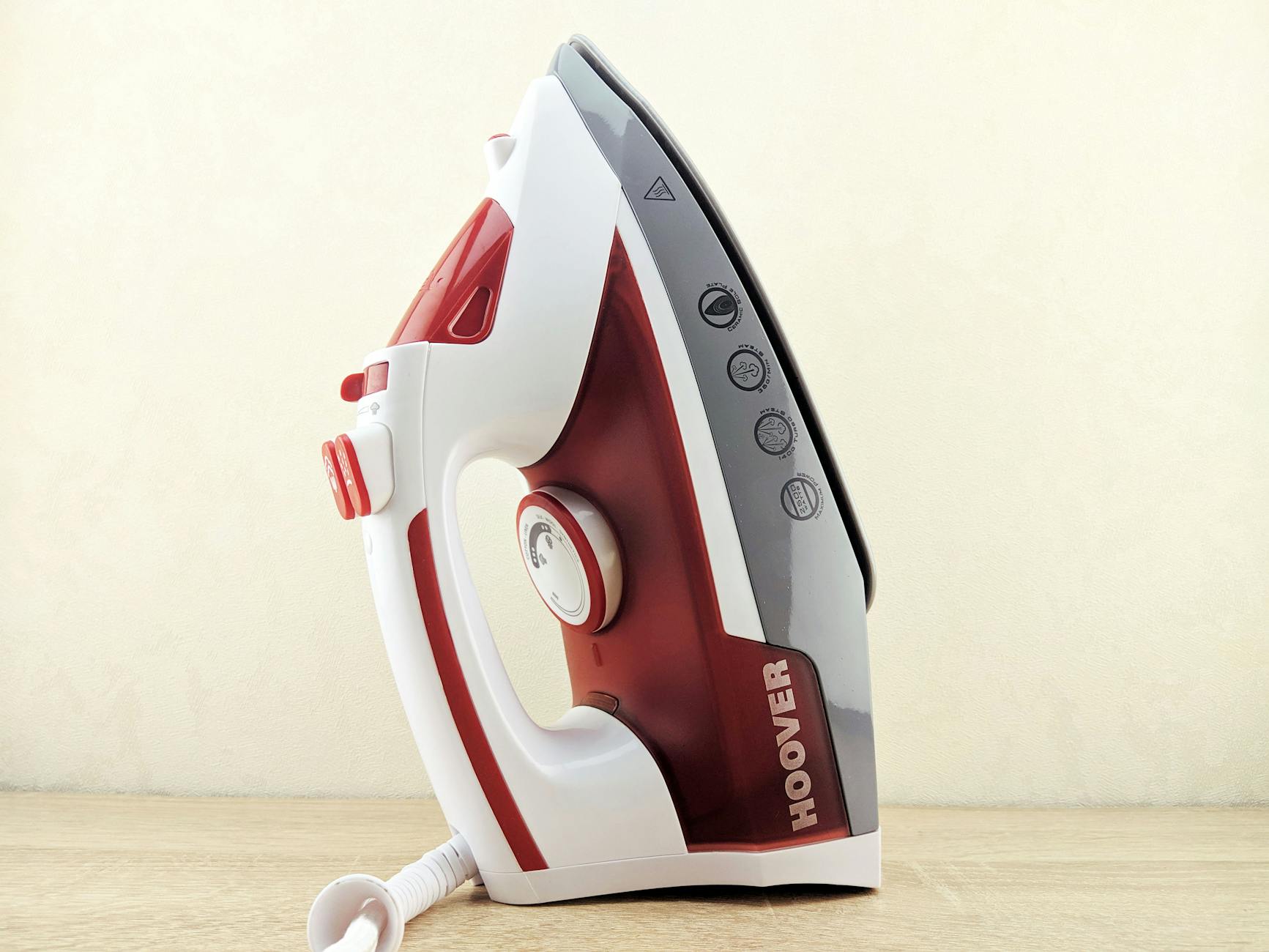
Portable clothing steamers and travel irons appear in scanned luggage far more often than their practical utility on most trips would justify. Hotels provide ironing equipment in rooms or through guest services at virtually every price point above budget hostel level. The additional weight and volume of packing a personal steamer represents a significant sacrifice of luggage real estate for a service freely available at the destination. TSA agents handle personal irons that are substantially heavier and bulkier than their owners seemed to anticipate when packing them. The steamer purchased specifically for travel often sees its first and only airport appearance before being left permanently in a hotel room or back at home.
Lucky Charms and Talismans
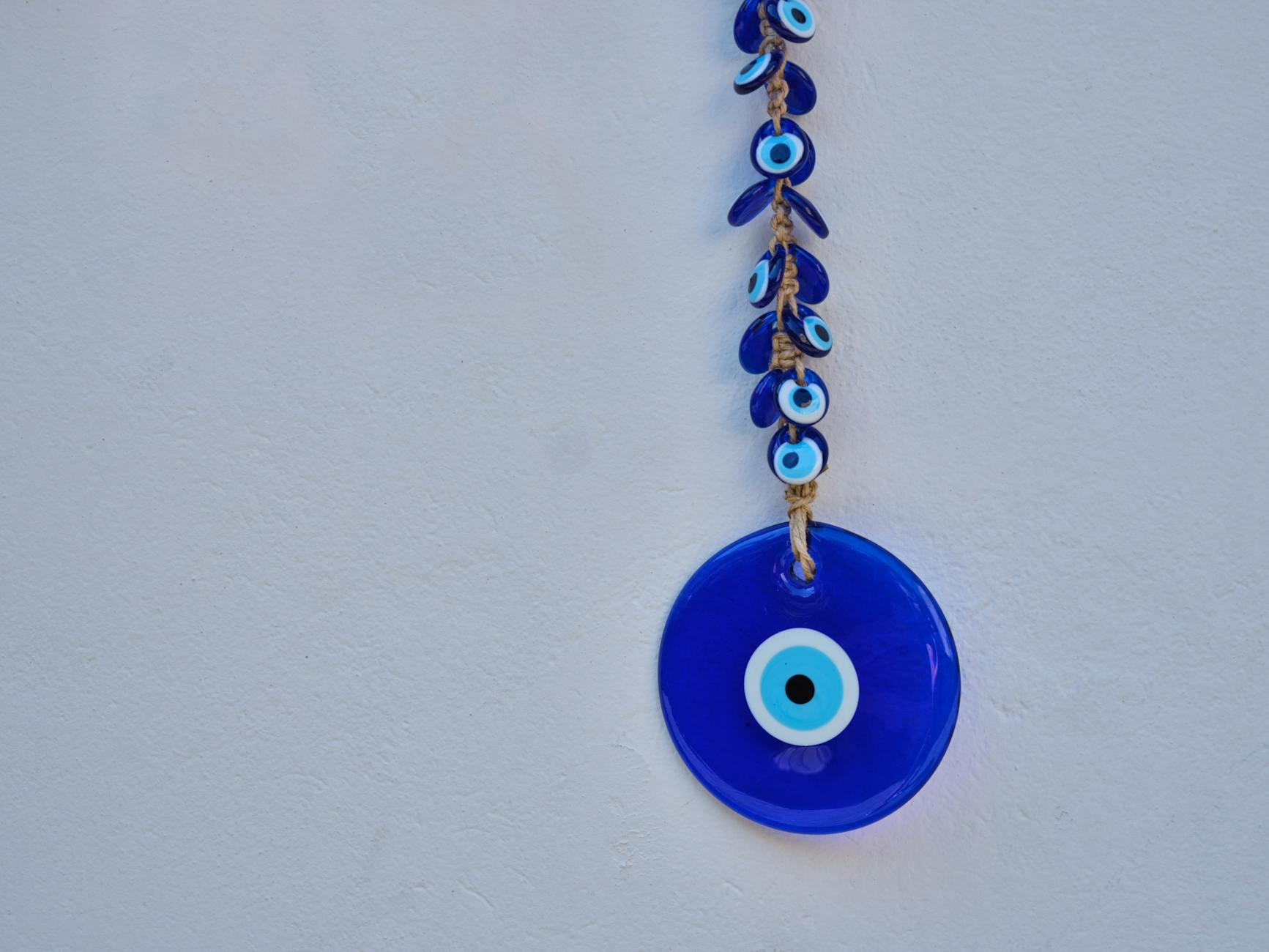
Collections of good luck charms, crystals, amulets and personal talismans packed in carry-on bags create genuinely unusual X-ray profiles that attract agent attention. Dense mineral crystals in particular produce confusing scan images that resemble unidentified solid masses and frequently prompt closer inspection. Travelers carrying substantial collections of protective crystals for a holiday or wellness retreat represent a recognizable and increasingly common airport archetype. The ritual significance of these items to their owners is entirely respected by agents who nonetheless note the screening complications they reliably produce. A bag of assorted crystals and charms sliding down the conveyor belt is something experienced agents can now identify at a glance.
Kid Activity Overload
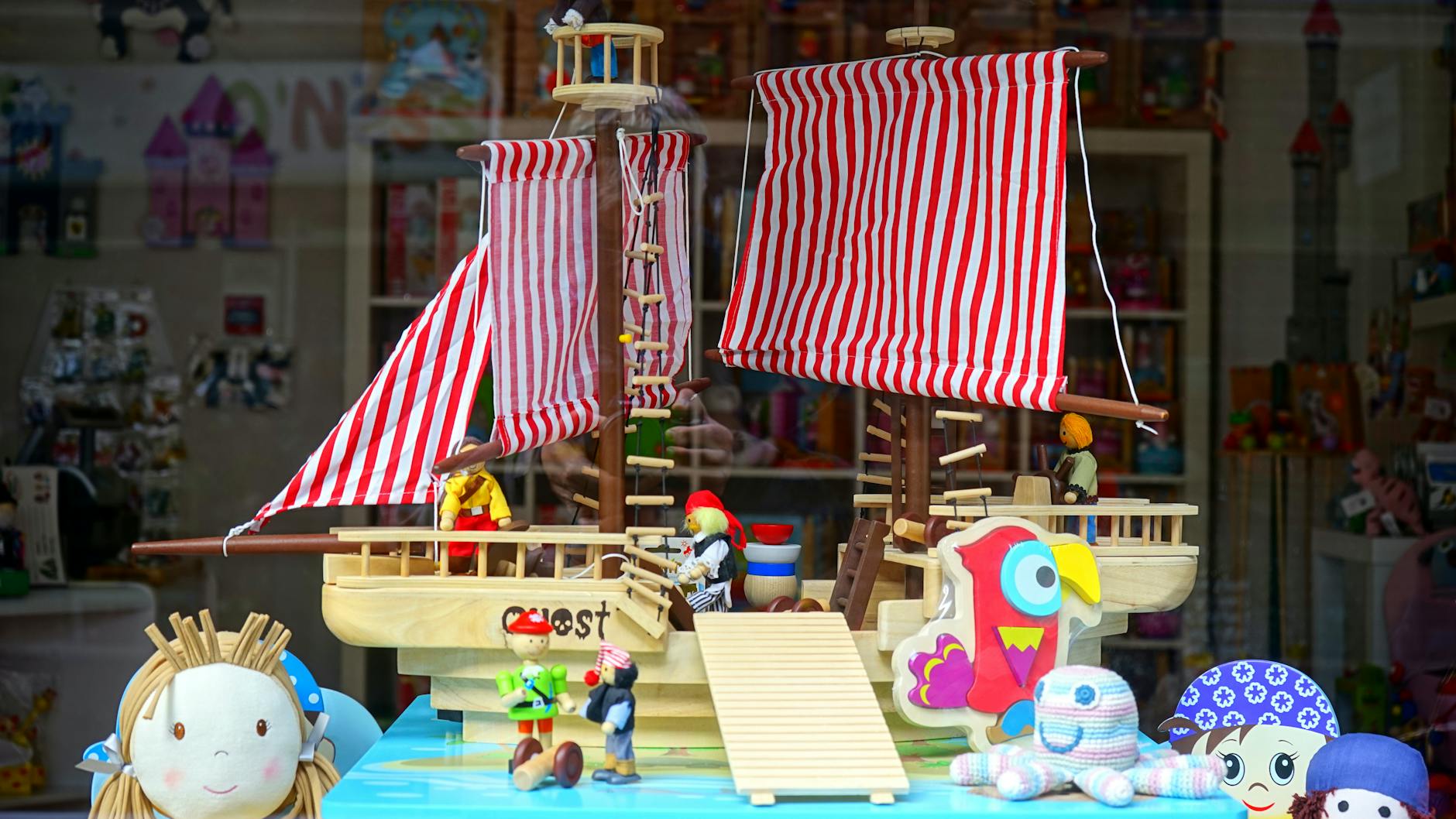
Parents traveling with children frequently pack activity bags so comprehensively stocked they could supply a small classroom for a semester. Coloring books, sticker sets, multiple tablet devices, handheld gaming systems, card games, magnetic drawing boards and plush toys all appear simultaneously in family carry-on bags. The combined electronic content of a family activity bag generates a dense X-ray image that almost always requires the bag to be set aside for additional screening. Most children on flights of moderate length engage with one or two activities before falling asleep or staring out the window. The heroic optimism of the fully stocked travel activity bag is something agents find genuinely endearing even as it reliably slows the line.
Travel Pillow Collection

Some travelers arrive at security with not one but two or three different travel comfort products designed to help them sleep on the plane. Combinations of neck pillows, lumbar supports, foot hammocks and eye mask sets clipped and strapped to carry-on bags create what agents describe as a walking sleep study. The engineering required to attach multiple comfort accessories to a single rolling bag is an achievement of logistical creativity that rarely translates into actual in-flight rest. Airlines have steadily improved seat comfort on major routes, reducing the practical need for supplementary personal equipment. The multi-pillow traveler is a consistent and recognizable figure at checkpoints during peak holiday travel periods.
Portable Blender
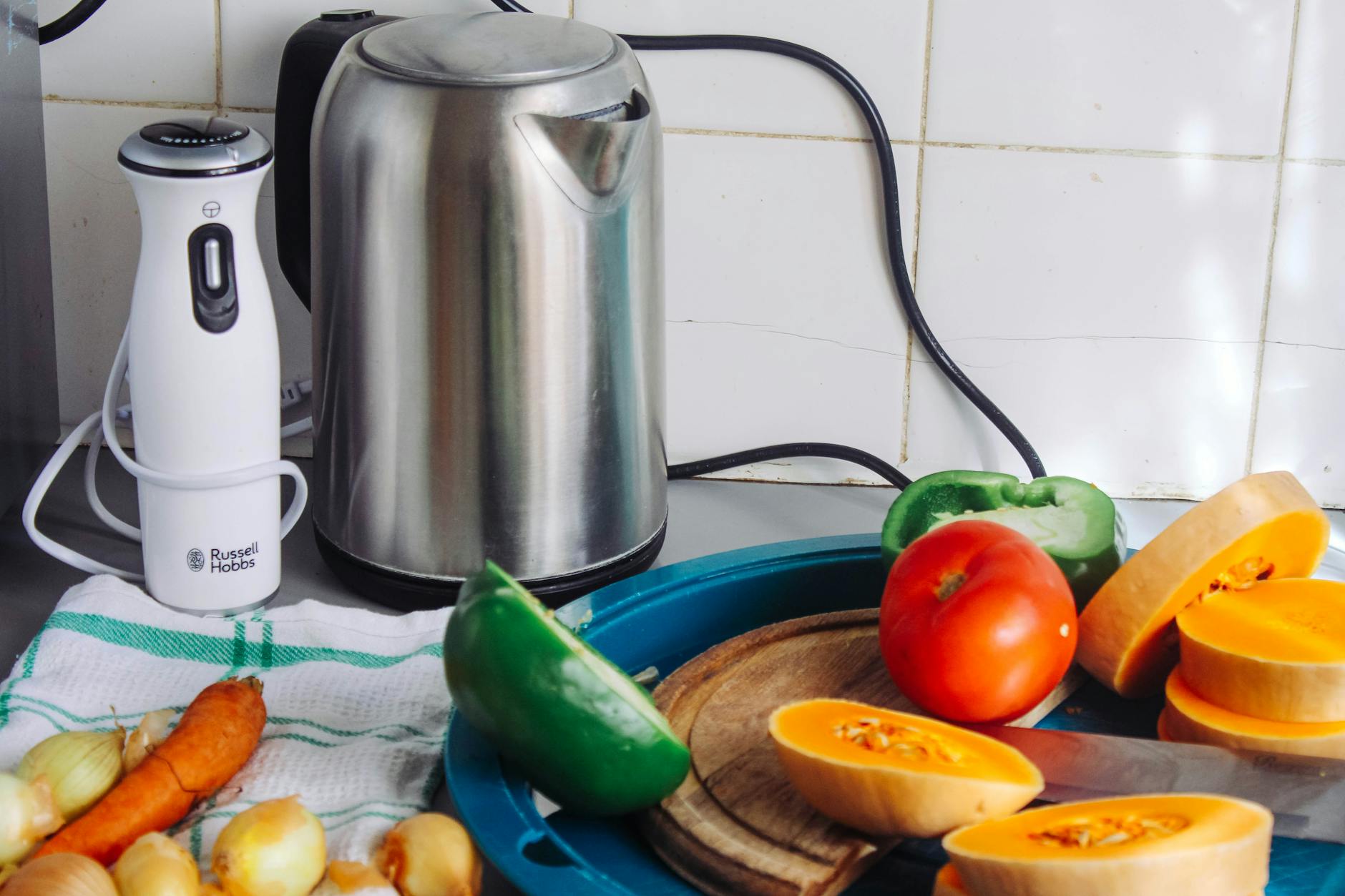
Personal portable blenders for making smoothies mid-travel appear in carry-on and checked bags with enough frequency to have earned their own category of agent familiarity. The blade assembly of a portable blender triggers automatic additional screening protocols regardless of how it has been packed or labeled. Passengers who pack blenders for short vacations to destinations with abundant fresh juice and smoothie availability are a recurring source of quiet bewilderment. The blade component must meet specific packing requirements and is often packed in ways that complicate rather than simplify the inspection process. Smoothie culture has made the travel blender a recognizable artifact of a specific and enthusiastic wellness traveler archetype.
Redundant Chargers
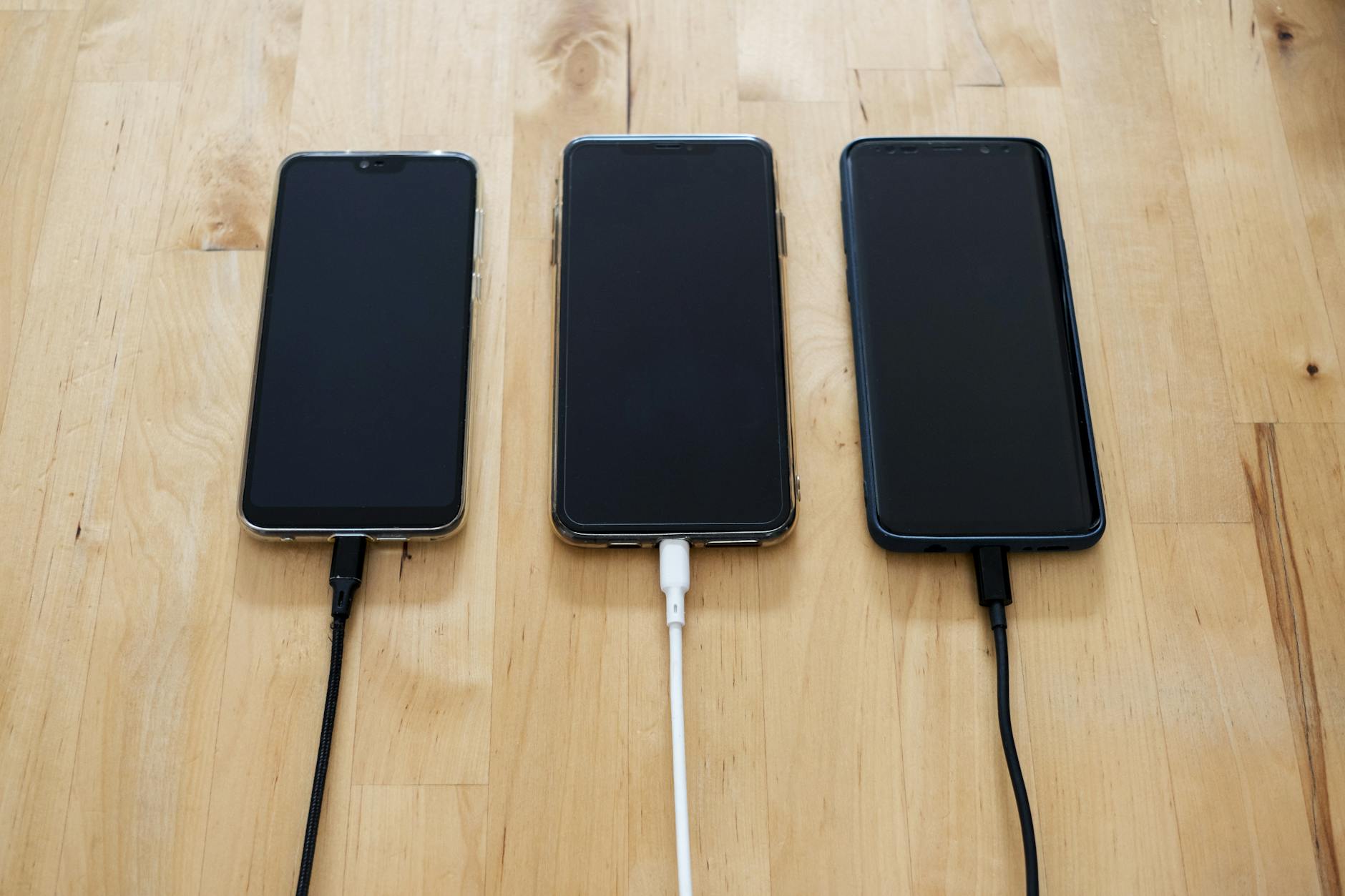
Bags containing four, five or six charging cables and multiple power bricks for devices that could share a single universal charger are a staple of the modern traveler’s carry-on. The tangle of cables that spills out during a manual bag inspection is a familiar and time-consuming complication at security checkpoints worldwide. Many travelers carry chargers for devices they have not brought on the trip, creating dead weight with no practical function. A single multi-port universal travel adapter handles the charging needs of the vast majority of travelers without requiring a dedicated bag compartment for power equipment. The charging cable nest is one of the most reliably present features of carry-on bags across all traveler demographics and trip types.
Full Toolkit
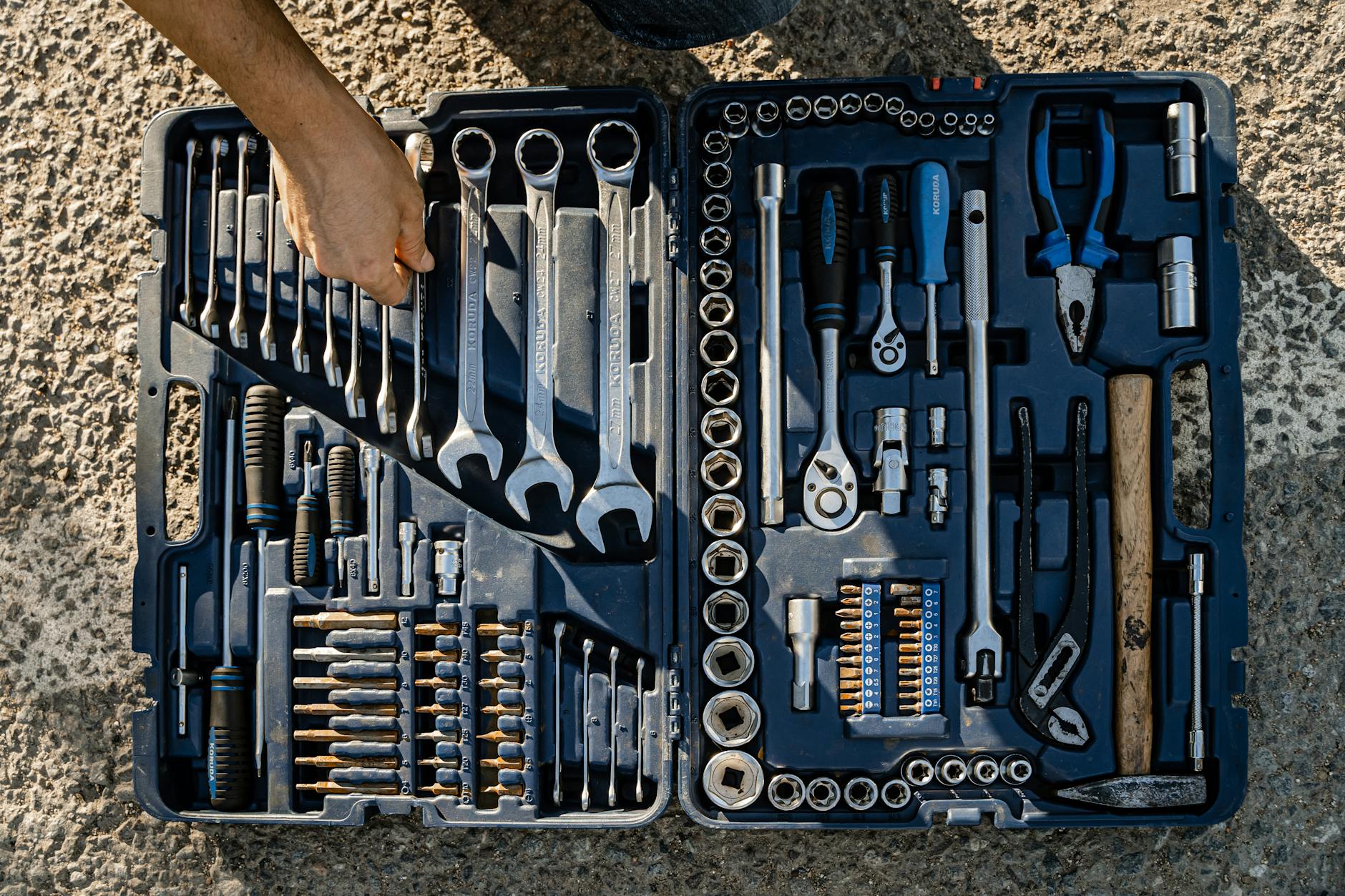
Personal toolkits containing screwdrivers, pliers, tape measures and utility knives appear in carry-on bags with a frequency that suggests a surprising number of travelers anticipate needing to perform repairs mid-flight. Most tools with blades or structural sharp edges are prohibited in carry-on luggage under TSA regulations and are confiscated at the checkpoint. Agents encounter passengers who are genuinely surprised that a multi-tool with a blade component cannot accompany them through security regardless of its size. Hardware stores, supermarkets and hotel maintenance staff are available at virtually every travel destination for any practical repair need that genuinely arises. The optimistic toolkit represents a category of confiscated item that agents process with practiced efficiency throughout the year.
Paperback Library
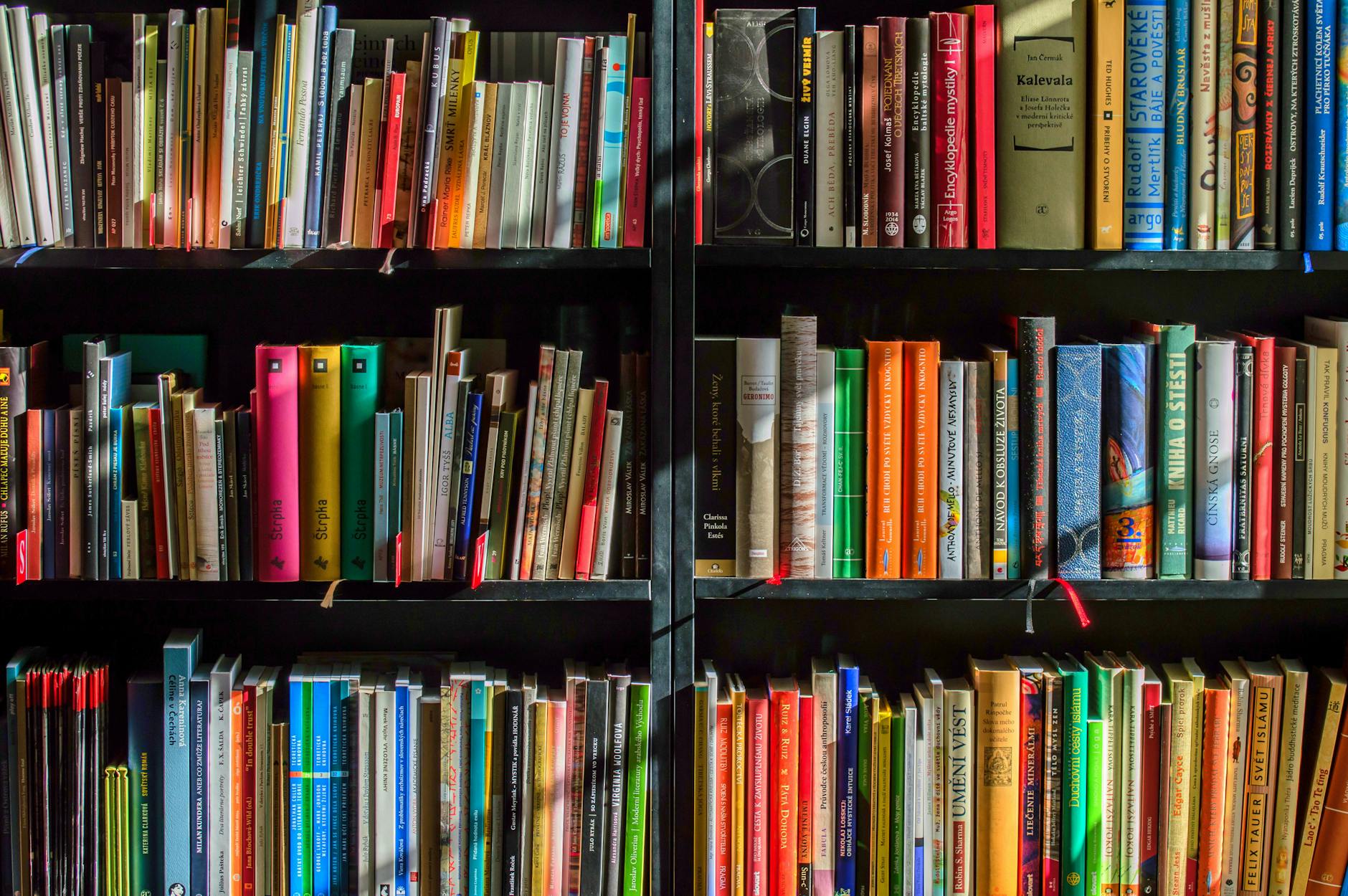
Carry-on bags containing five, six or seven paperback books for a week-long trip represent a weight and volume commitment that experienced travelers abandoned with the arrival of e-readers. The combined weight of a substantial paperback collection pushes personal item allowances toward their limits on carriers with strict enforcement policies. Travelers who pack a full reading library for a trip often complete one book at most before returning home with the remainder unread. A single e-reader device holds thousands of titles at a fraction of the weight and occupies minimal space in any bag configuration. The wall of paperbacks emerging from an overhead bin during boarding is a sight familiar to frequent flyers and gate agents in equal measure.
Enormous Stuffed Animal

Adult travelers carrying large plush stuffed animals as carry-on items appear at checkpoints more frequently than most non-travelers would expect. Oversized plush items occupy disproportionate space in overhead bins and frequently exceed personal item size restrictions on budget and regional carriers. The X-ray profile of a large stuffed animal sitting beside a laptop and a liquids bag is a genuinely distinctive security screen image. Agents approach the scanning of beloved travel companions with complete professionalism while the absurdity of the image is not entirely lost on them. The emotional attachment that motivates bringing a large plush toy on a business trip or international holiday is something agents observe without judgment and with some regularity.
Dish Soap and Sponge
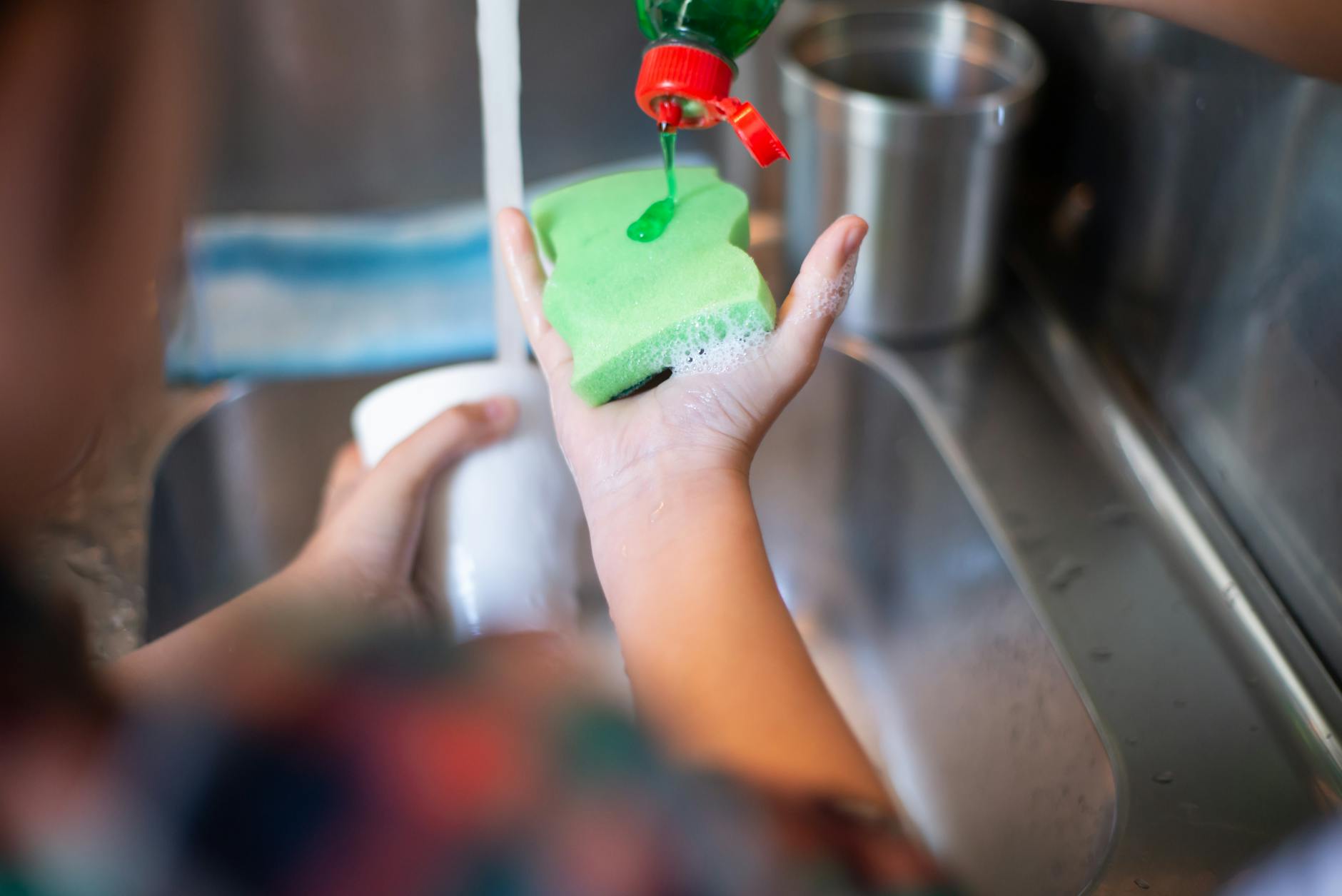
Travelers who pack full bottles of dish soap and dedicated kitchen sponges for hotel stays represent a category of cleanliness anxiety that TSA agents encounter on a regular basis. Hotel rooms do not typically require guests to wash their own dishes, making the packed cleaning kit an optimistic preparation for a situation that almost never materializes. The dish soap bottle frequently exceeds the three-ounce liquid limit and is confiscated at the checkpoint before it can fulfill its intended purpose. Agents observe the dish soap and sponge combination with the quiet recognition of a recurring character in the airport security story. The gap between the packer’s anticipated hotel experience and the reality of modern hotel amenities is wide enough to generate consistent amusement at the checkpoint.
Entire Spice Rack

Home cooks who pack personal spice collections for international trips produce some of the more visually distinctive X-ray images agents encounter during a standard screening shift. Rows of small glass jars or plastic containers filled with powders of various colors and densities create scan profiles that reliably attract closer inspection. Powders over twelve ounces in carry-on bags are subject to additional screening procedures under current TSA guidelines. The assumption that international dining destinations will lack access to garlic powder, cumin or paprika reflects a culinary anxiety that most travel experiences quickly dispel. The spice collection that survives the checkpoint faces the additional challenge of surviving the flight without breaking, leaking or co-mingling inside the bag.
Travel Games Overload
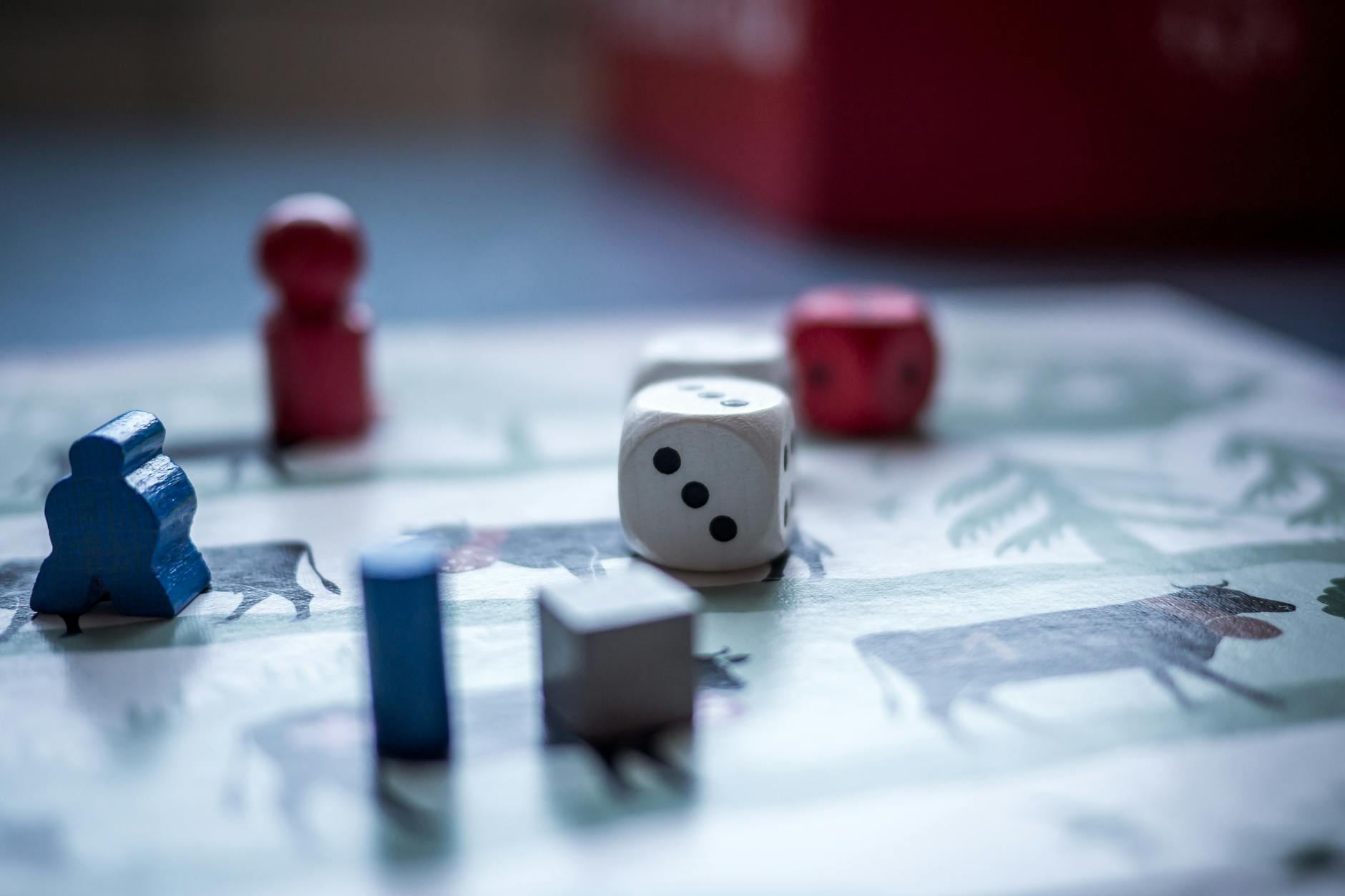
Families and friend groups frequently pack three, four or five physical board games or card game collections into carry-on luggage for trips where digital entertainment is freely available. The combined weight and volume of multiple boxed games consumes luggage space that clothing, toiletries and practical essentials genuinely need. Many popular travel games have compact travel editions or digital app versions that accomplish the same social function at zero luggage cost. Agents regularly observe the reassembly of scattered card decks and small game components that have escaped their packaging during X-ray conveyor transport. The physical board game collection heading to a beach resort is a specific and recognizable packing philosophy that experienced travelers tend to eventually leave behind.
Redundant Umbrellas
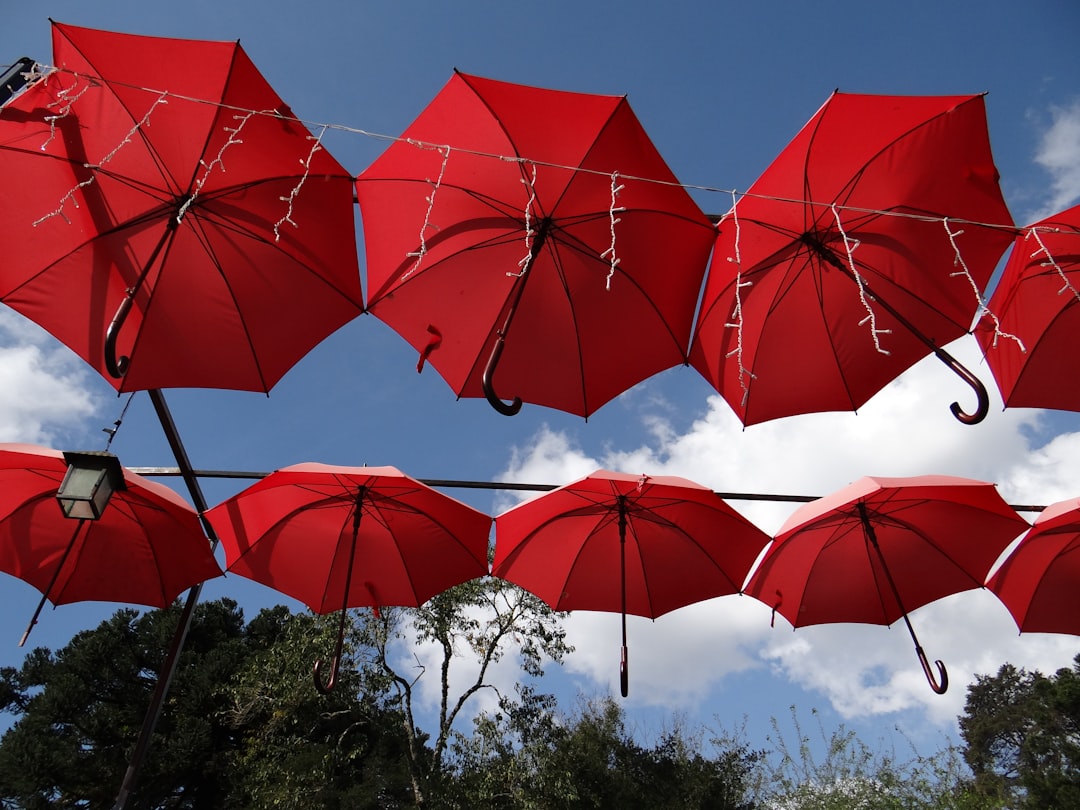
Passengers traveling with two or three umbrellas of different sizes for a single trip represent an extreme preparation for precipitation that agents observe with mild but genuine amusement. A single compact travel umbrella handles the vast majority of rain scenarios a typical traveler encounters and folds to a size that disappears into any bag. Full-size golf umbrellas in carry-on luggage create immediate size restriction complications that play out predictably at the gate. Weather apps providing accurate destination forecasts make the multi-umbrella defensive strategy an overcorrection that the data rarely supports. Umbrellas purchased locally at a destination are inexpensive and widely available in virtually any urban or tourist environment worldwide.
Have you ever had something confiscated or flagged at security that surprised you? Share your airport packing confessions in the comments.