Maintaining a hygienic home requires looking beyond the obvious chores like vacuuming floors or washing dishes. Microscopic germs and daily grime accumulate rapidly on high-touch surfaces that often escape our notice during routine tidying. Focusing on these small but significant areas can drastically reduce the spread of bacteria and improve overall household health. Integrating these quick tasks into your daily schedule ensures a cleaner living environment without requiring hours of effort.
Smartphone Screen
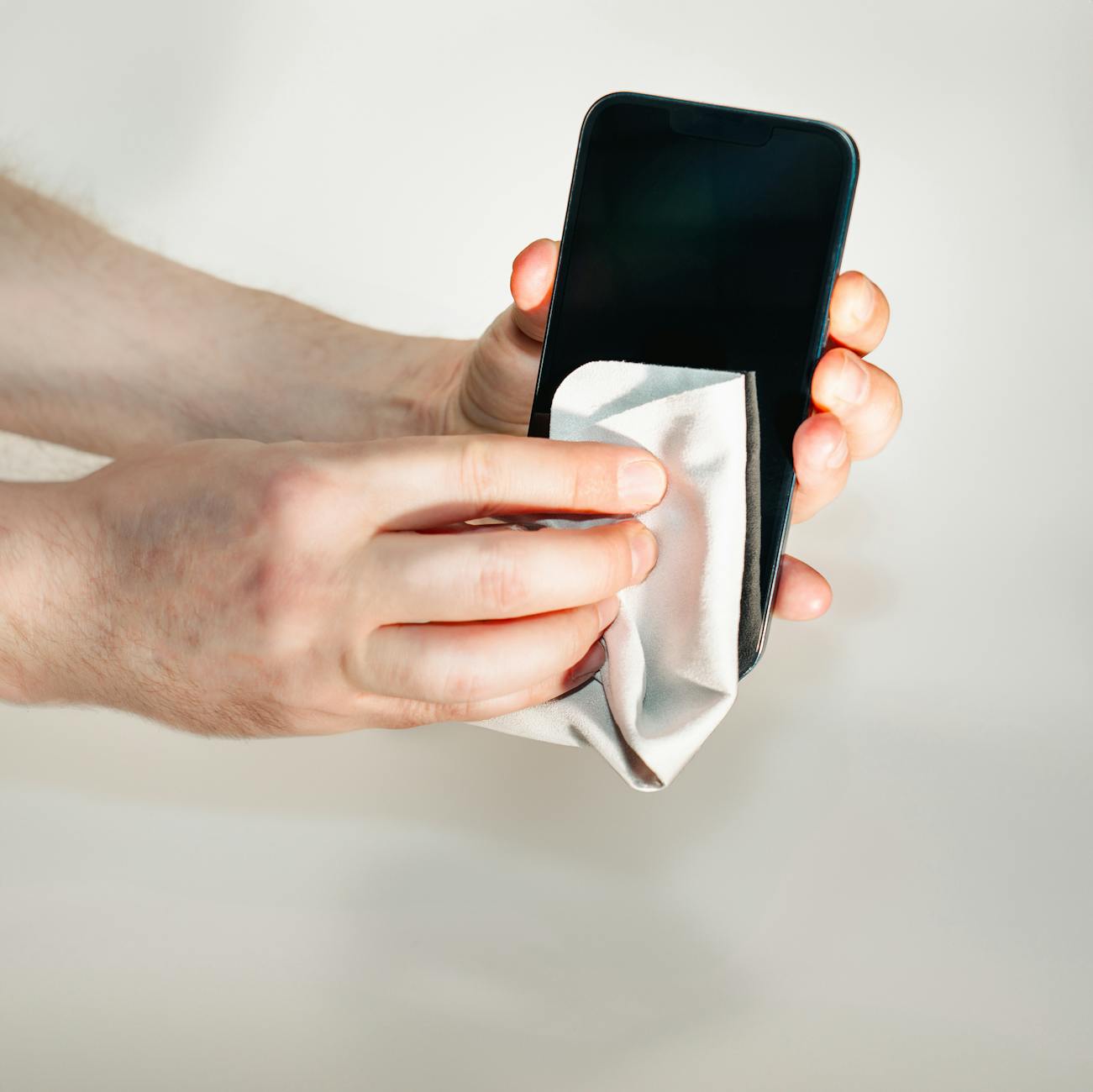
Your phone travels everywhere with you and collects bacteria from every surface it touches throughout the day. Facial oils and makeup transfer to the glass during calls and create a breeding ground for germs. A simple wipe with a microfiber cloth and disinfectant solution removes these invisible threats effectively. Doing this every evening prevents the transfer of accumulated bacteria back to your face or pillow. Regular cleaning also maintains the clarity of your display and ensures touch sensitivity remains optimal.
House Keys
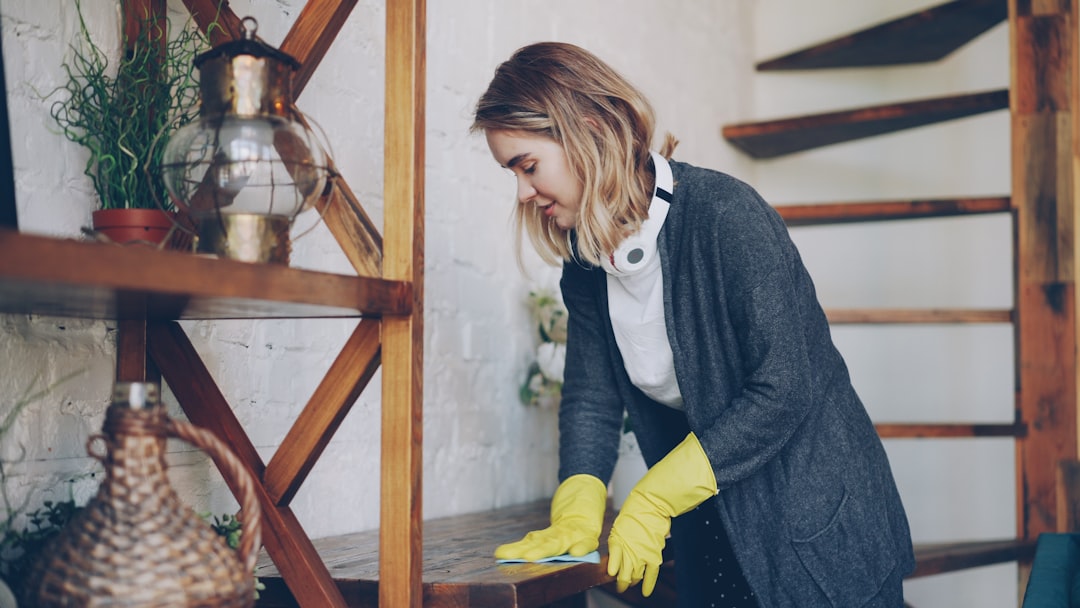
Keys are handled multiple times a day often immediately after touching public surfaces like subway poles or elevator buttons. They are tossed onto counters and tables or shoved into pockets where they gather lint and debris. Metal grooves on keys harbor bacteria and grime that can be transferred to clean hands effortlessly. A quick wipe with a disinfecting sheet or a wash with soapy water neutralizes this contamination. Keeping your keys clean prevents germs from entering your home the moment you walk through the door.
Kitchen Sponge
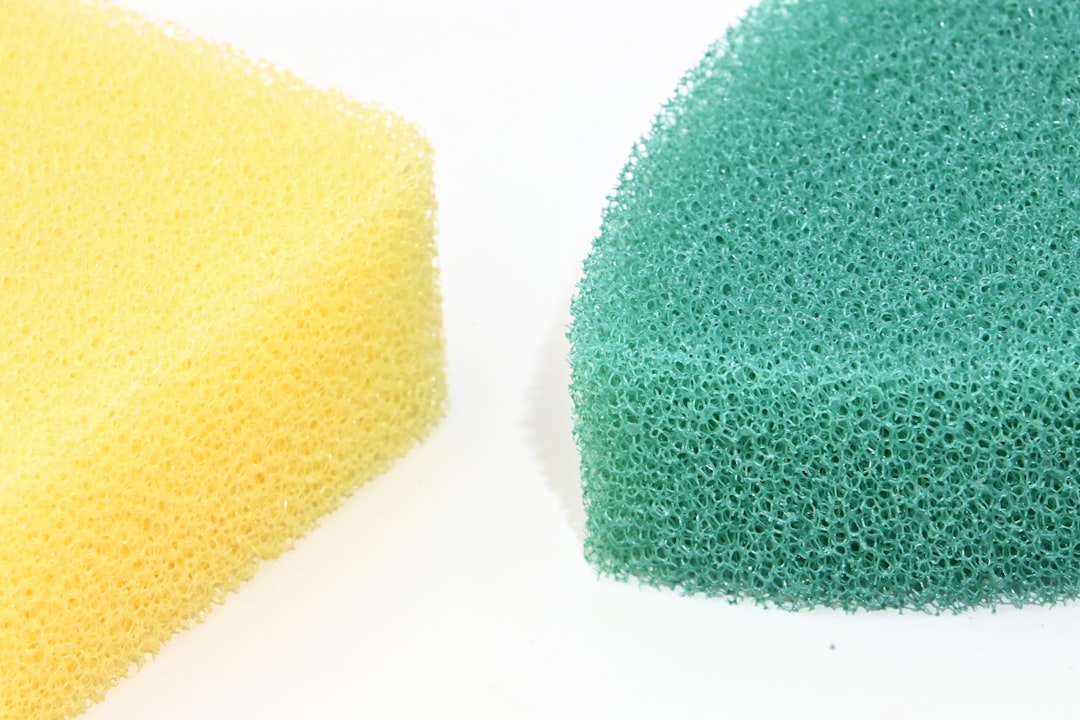
The item used to clean your dishes can easily become the dirtiest object in your entire house due to constant moisture. Food particles trapped in the porous material create an ideal environment for rapid bacterial growth. You should sanitize your sponge daily by microwaving it while damp or running it through a hot dishwasher cycle. Replacing the sponge frequently is necessary even with daily sanitization methods. Using a dirty sponge simply spreads bacteria across your plates rather than actually cleaning them.
Kitchen Sink
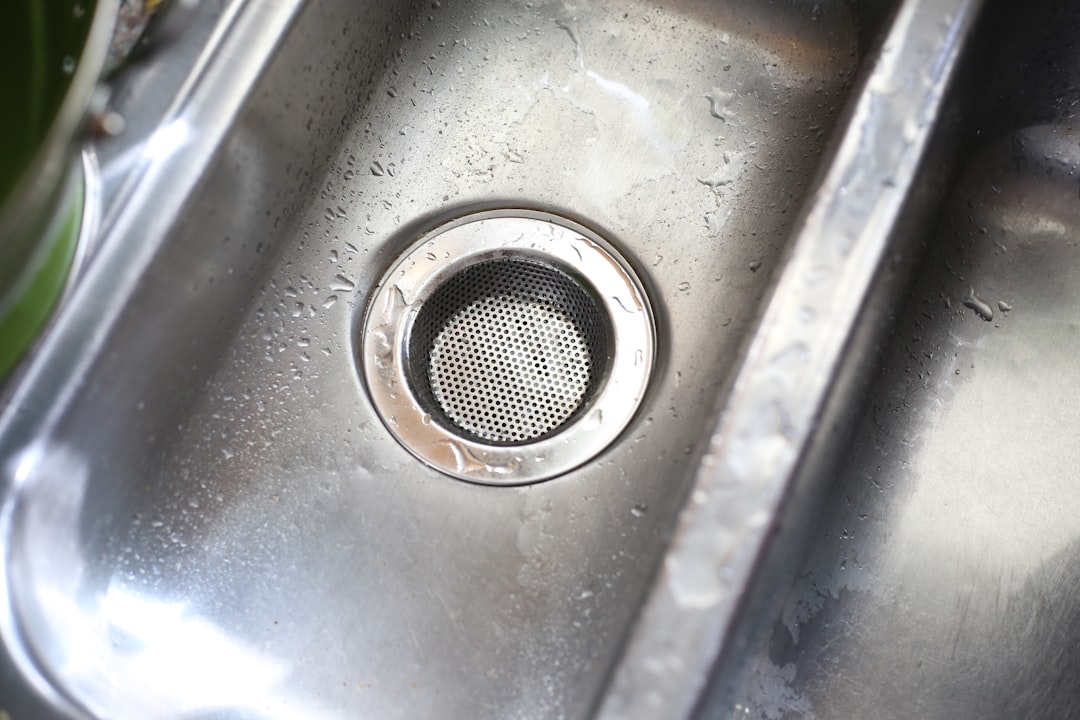
A kitchen sink actually contains more bacteria than most toilet seats because of raw food residue and moist conditions. Rinse the basin thoroughly after every use to remove visible debris and lingering sauces. Scrubbing the surface with a mild disinfectant each night prevents the formation of dangerous biofilms. Drying the sink after cleaning denies bacteria the moisture they need to multiply overnight. This simple habit keeps your food preparation area safe and eliminates unpleasant odors.
Reusable Water Bottle
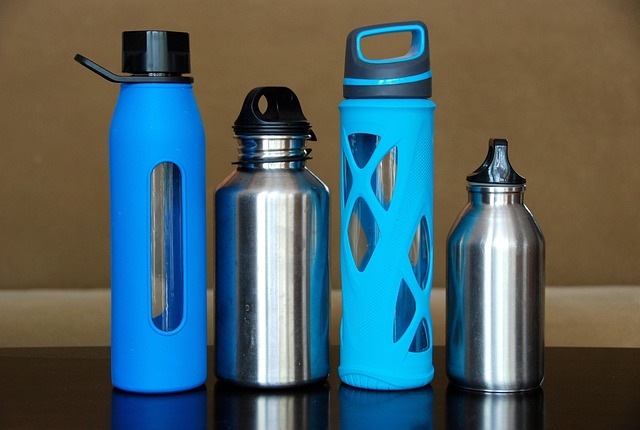
Refilling a water bottle without washing it leads to a buildup of algae and bacteria in the moist environment. Saliva transfers to the rim and creates a biofilm that is difficult to see with the naked eye. You must wash the bottle with hot soapy water and a bottle brush every single day. Special attention should be given to the cap and any straws or mouthpieces where germs hide. Allowing the bottle to air dry completely before reassembly prevents musty smells and mold growth.
Steering Wheel

Drivers constantly touch the steering wheel after handling gas pumps or money and often eat while in the car. Oils from your hands accumulate on the material and attract dust and grime that degrades the surface over time. Wiping down the wheel with an automotive-safe disinfectant wipe removes these contaminants effectively. This practice is especially important during cold and flu season to minimize germ transmission. A clean steering wheel also provides a better grip and improves the overall driving experience.
Remote Controls
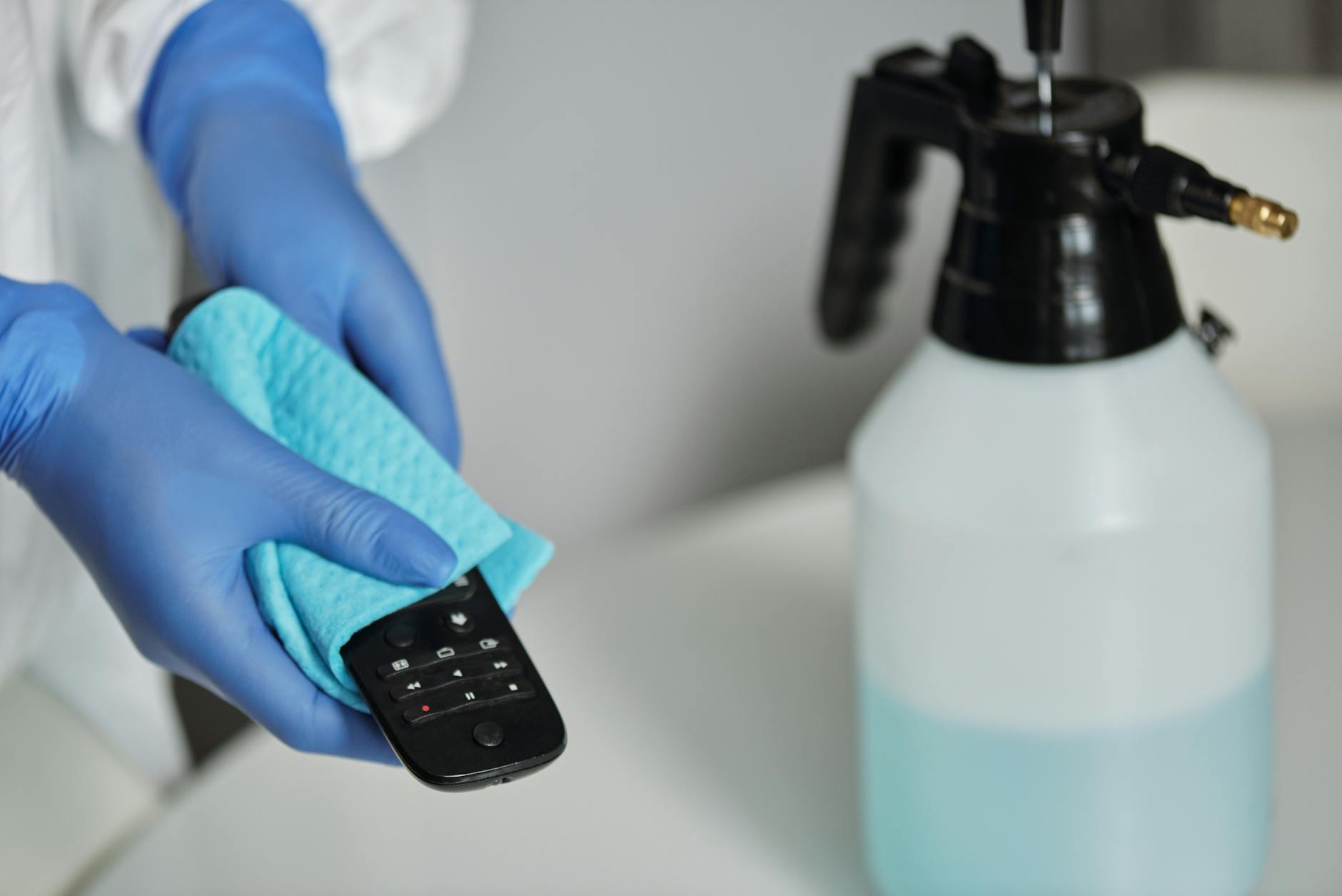
Remote controls are shared by everyone in the household and are frequently handled while snacking or coughing. They rarely receive the same cleaning attention as other high-touch electronics despite their constant use. You should wipe the buttons and the casing daily with a disinfectant cloth that is not too wet. Using a toothpick can help dislodge crumbs and dust trapped between the small rubber buttons. Regular cleaning prevents the remote from becoming a sticky vector for household illnesses.
Door Knobs
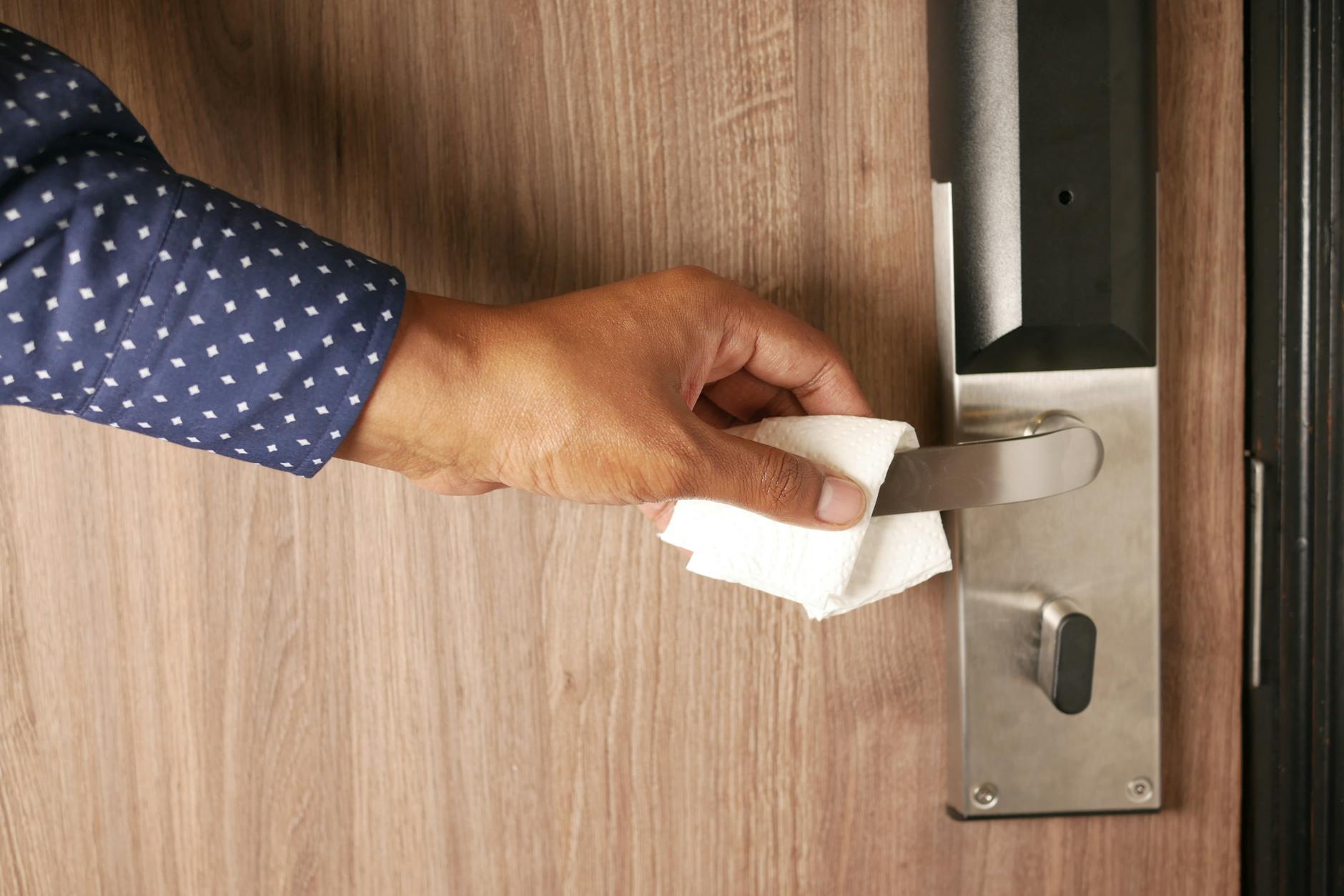
Hands touch door handles continuously throughout the day as people move between rooms and enter the house. Brass and metal knobs can collect pathogens that survive on hard surfaces for up to twenty-four hours. A quick pass with a disinfectant wipe on interior and exterior knobs significantly reduces germ transmission. Focusing on the bathroom and front door handles provides the most benefit for household hygiene. This task takes only seconds but serves as a crucial line of defense against sickness.
Light Switches
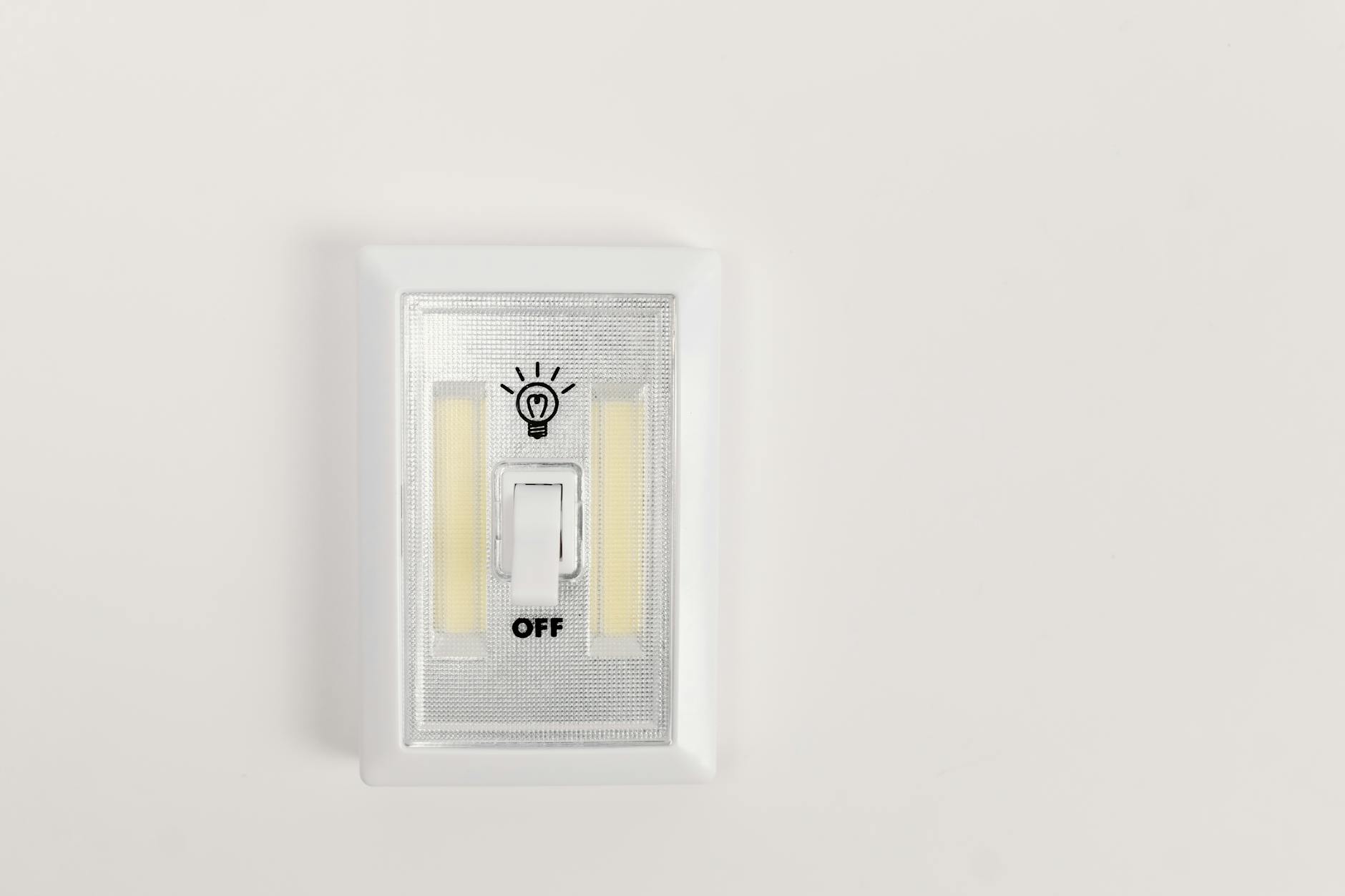
We manipulate light switches blindly when entering dark rooms and often with unwashed hands. The small surface area of the switch plate collects fingerprints and invisible bacteria rapidly. wiping these plates daily prevents the buildup of grime that eventually becomes visible as dark smudges. Be sure to use a cloth that is damp rather than soaking wet to avoid electrical issues. Clean switches contribute to a polished look for your walls while keeping high-traffic points sanitary.
Computer Keyboard
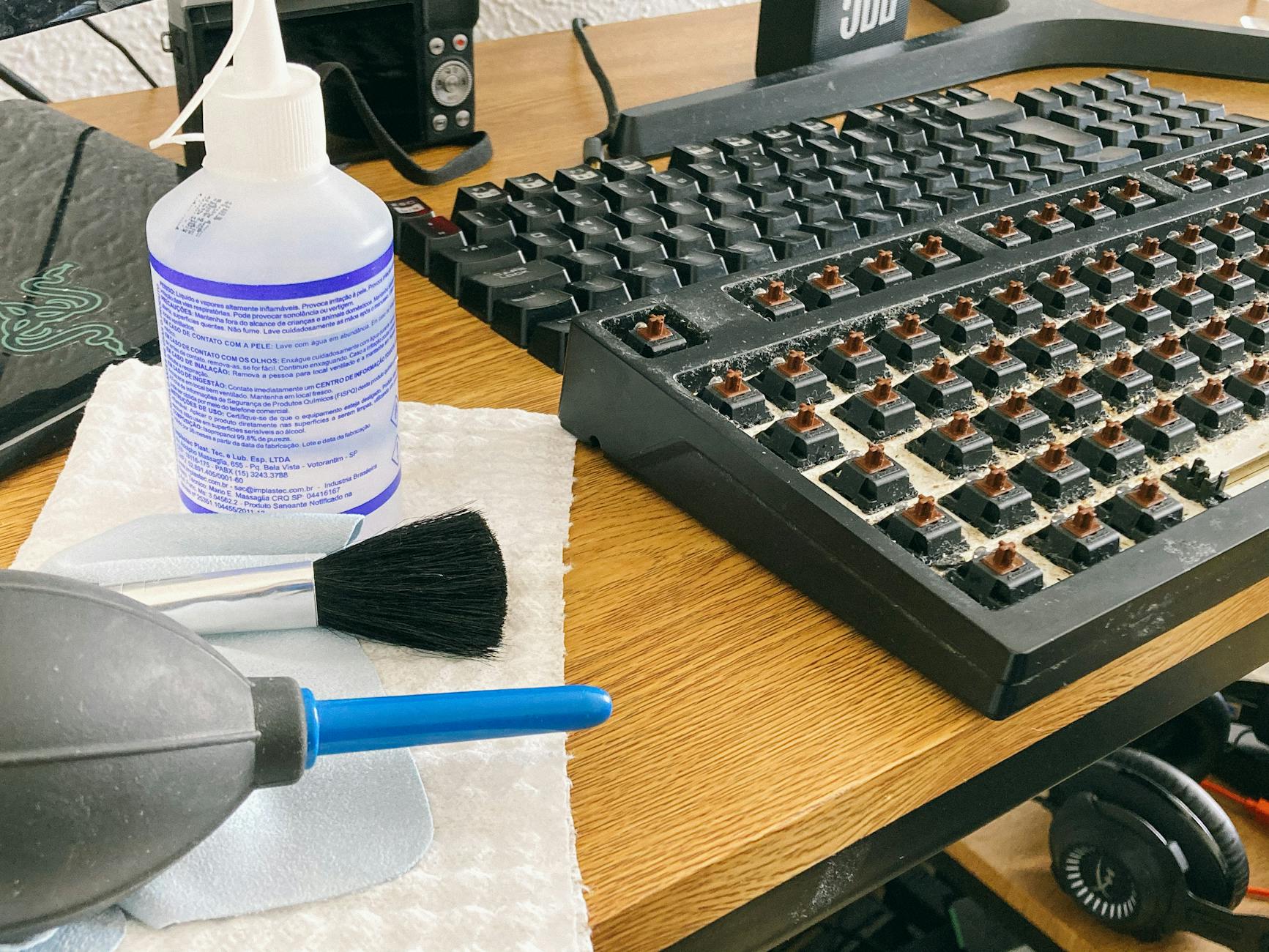
Crumbs and dust settle between the keys of your board while oils from your fingertips coat the surface. Studies show that keyboards can harbor high levels of bacteria if they are not maintained regularly. You should shake the keyboard upside down gently to dislodge loose debris before wiping the keys. Using a disinfectant wipe specifically designed for electronics ensures the lettering does not fade. Daily maintenance keeps the typing mechanism smooth and protects your health during long work sessions.
Computer Mouse
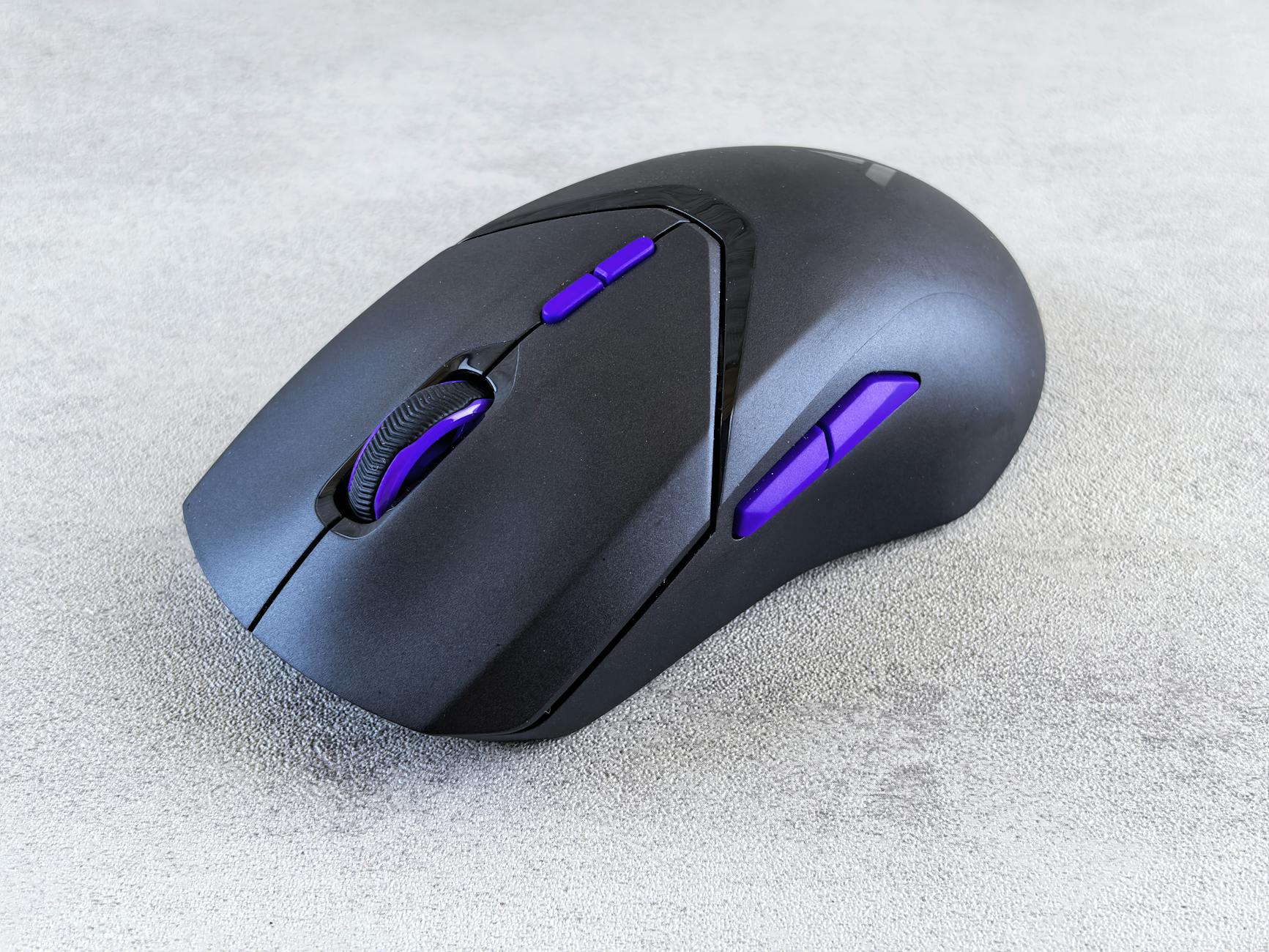
Your hand rests on the mouse for hours at a time creating a warm and moist environment for bacteria. Dead skin cells and sweat accumulate on the surface and in the crevices near the scroll wheel. A daily wipe with an alcohol-based cleaner removes this buildup and keeps the sensor clear. This simple action prevents the sticky feeling that develops on neglected peripherals. Keeping the mouse clean improves hygiene at your desk and ensures accurate tracking.
Earbuds
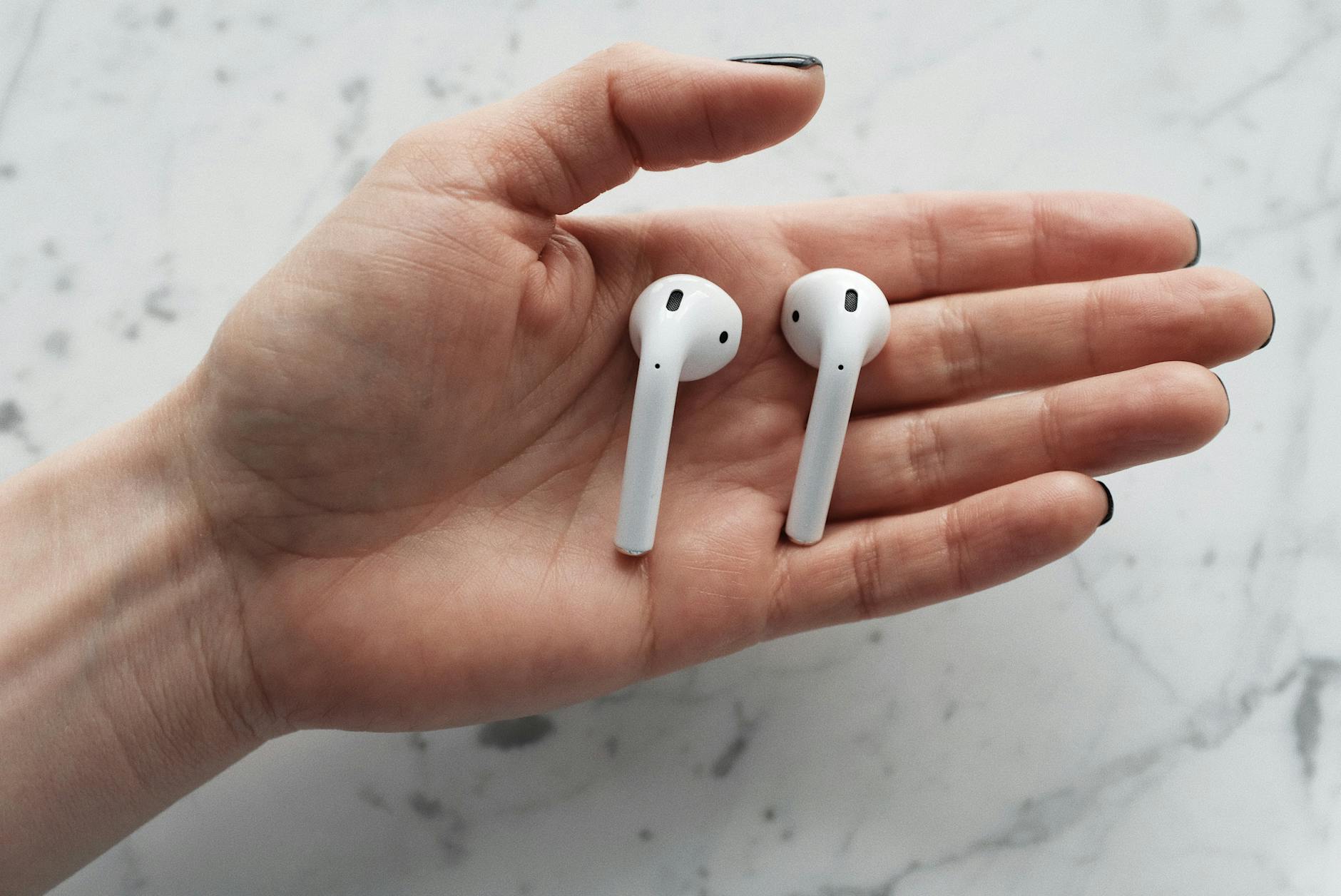
Earwax and sweat accumulate on earbuds after every use and can trap moisture against the delicate skin of the ear canal. This buildup can muffle sound quality and potentially lead to painful ear infections over time. You should gently wipe the mesh and the exterior housing with a soft cloth or a specialized tool. Cleaning the charging case is also vital as it can harbor debris that prevents proper charging. Daily maintenance preserves the audio fidelity and extends the lifespan of your audio devices.
Eyeglasses
Lenses collect dust and facial oils throughout the day which obscures vision and causes eye strain. Frames accumulate sweat and makeup where they rest on the bridge of the nose and behind the ears. Washing your glasses with warm water and a drop of dish soap removes grease effectively. Drying them with a clean microfiber cloth prevents scratches that can ruin the coatings. Daily cleaning ensures you see clearly and prevents skin irritation from dirty nose pads.
Wallet Handles
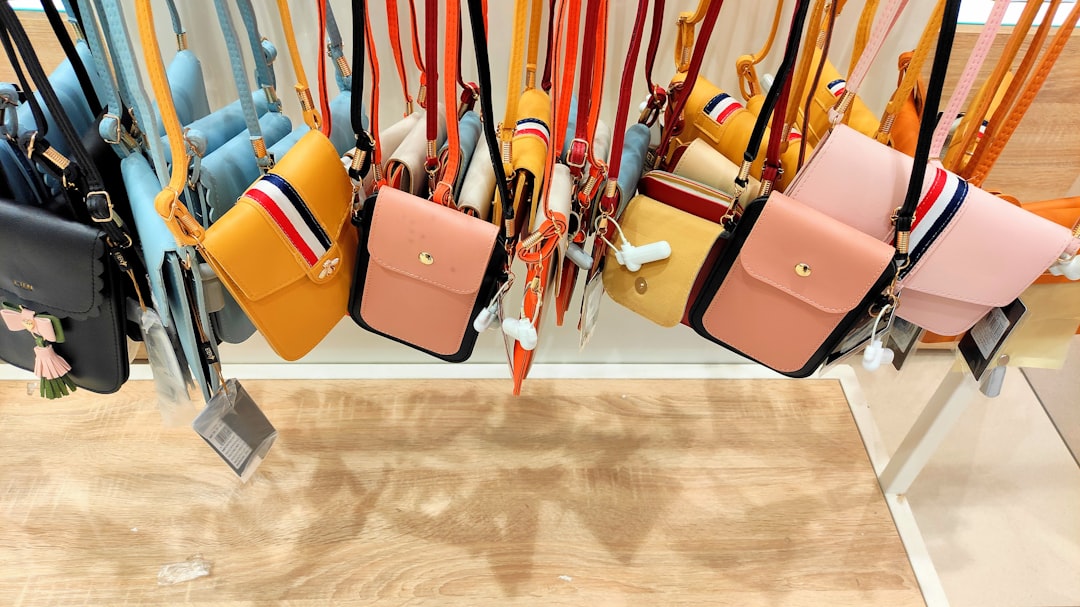
Purses and bags are set down on floors in restaurants or public restrooms and then carried into the home. The handles absorb sweat from your hands and collect bacteria from every environment they enter. Wiping down the straps and the base of the bag daily prevents outside germs from contaminating your living space. Leather handles require a gentle cleaner while synthetic materials can handle stronger disinfectants. This habit protects both the material of your bag and your personal health.
Credit Cards
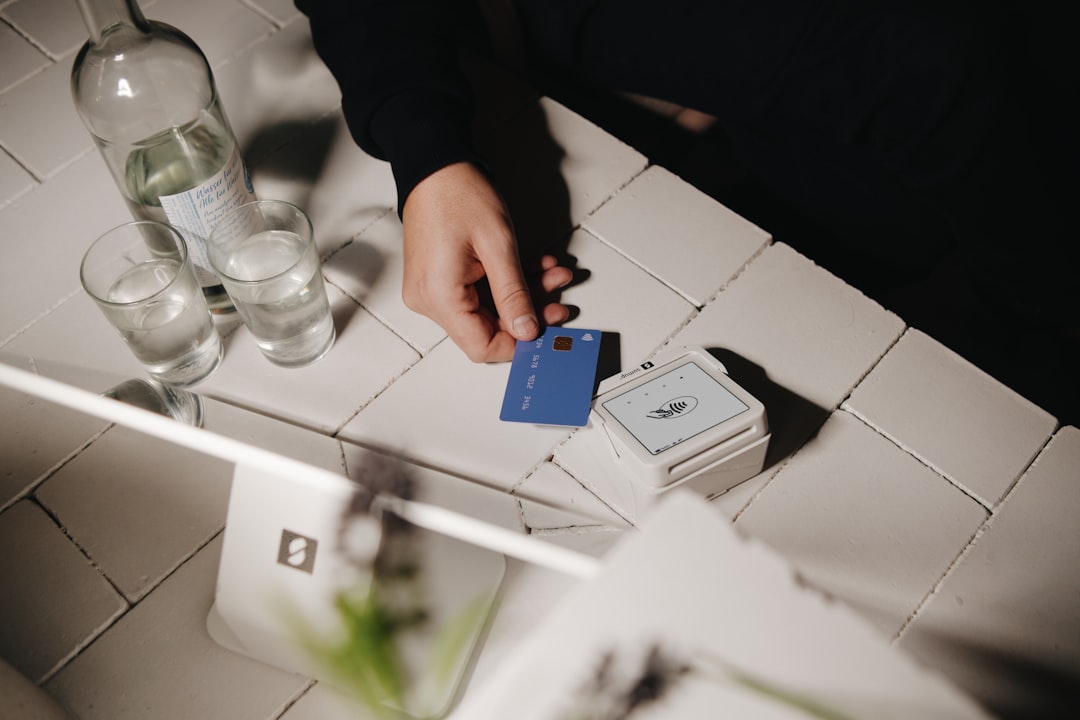
We hand credit cards to cashiers and insert them into dirty chip readers countless times without a second thought. These plastic cards collect grime from machines that thousands of other people have used. You should wipe your cards gently with a disinfectant wipe before placing them back into your wallet. This prevents the transfer of public germs into your purse or pocket. Regular cleaning also keeps the chip and magnetic strip free of debris for smoother transactions.
Microwave Handle
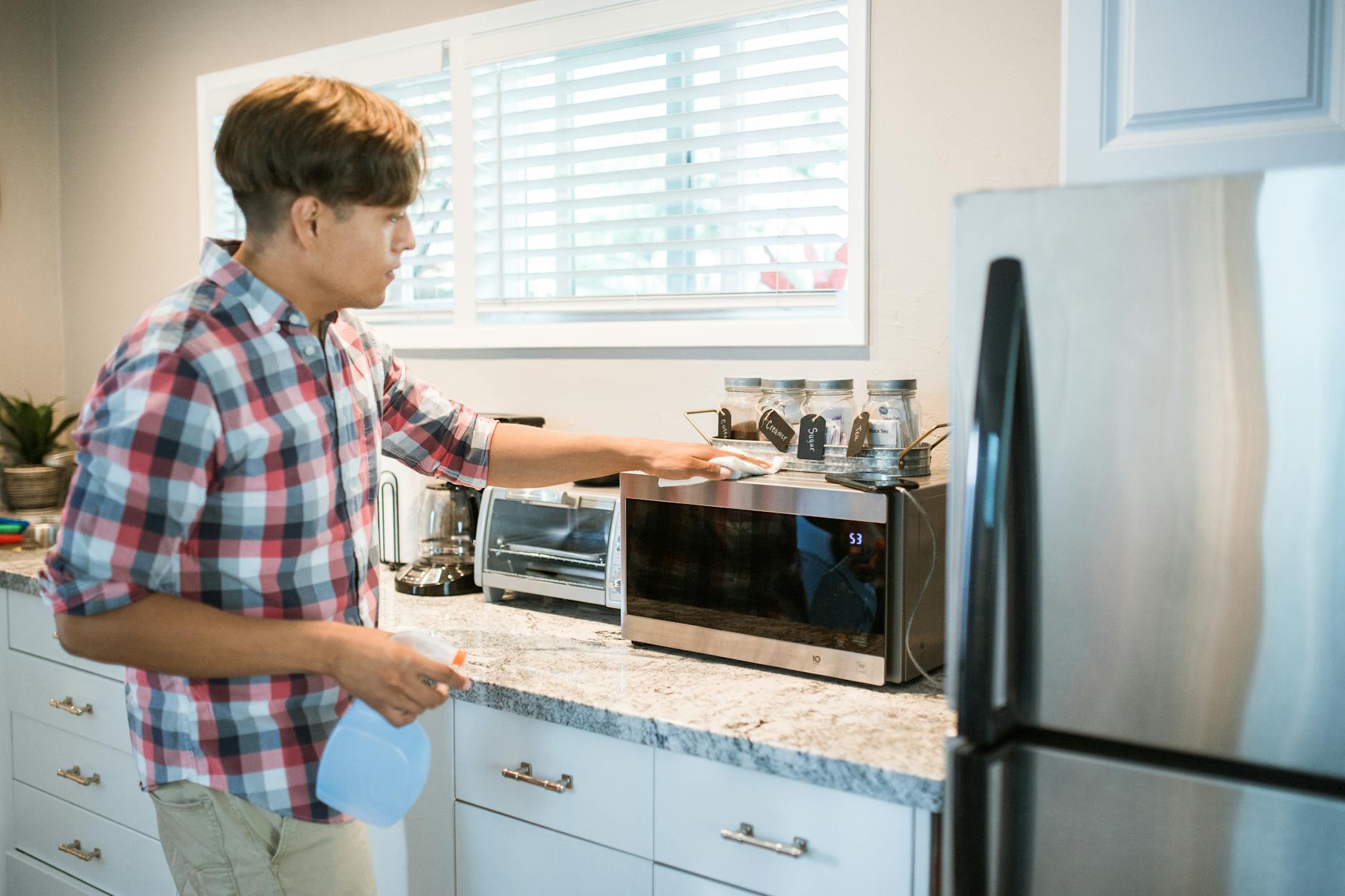
The microwave handle is often grabbed with greasy fingers while cooking or heating up leftovers. Food splatter and kitchen grease build up on this surface and attract dust. A quick wipe with a kitchen cleaner removes sticky residue and sanitizes the touchpoint. Neglecting this small area can lead to cross-contamination when you wash your hands before eating but touch the dirty handle. keeping it clean maintains the appliance’s appearance and ensures kitchen hygiene.
Refrigerator Door Handle
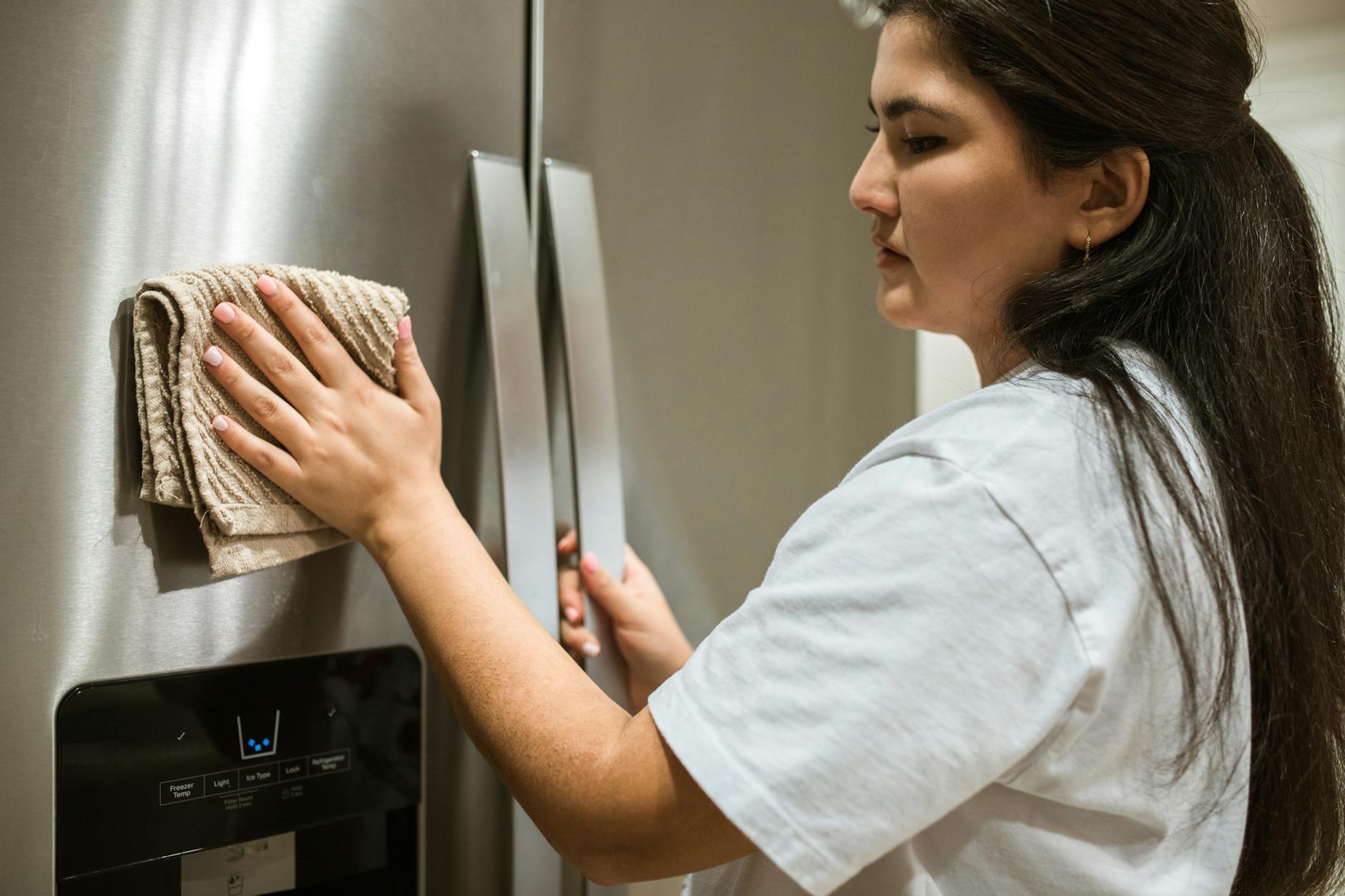
This is arguably the most frequently touched surface in the kitchen by every member of the family. Raw food residue from cooking preparations often ends up here as people reach for ingredients. You should sanitize the handle every evening to prevent the spread of salmonella and other foodborne pathogens. Stainless steel handles benefit from specialized cleaners that remove prints and kill germs simultaneously. A clean fridge handle sets the standard for a sanitary cooking environment.
Stove Knobs
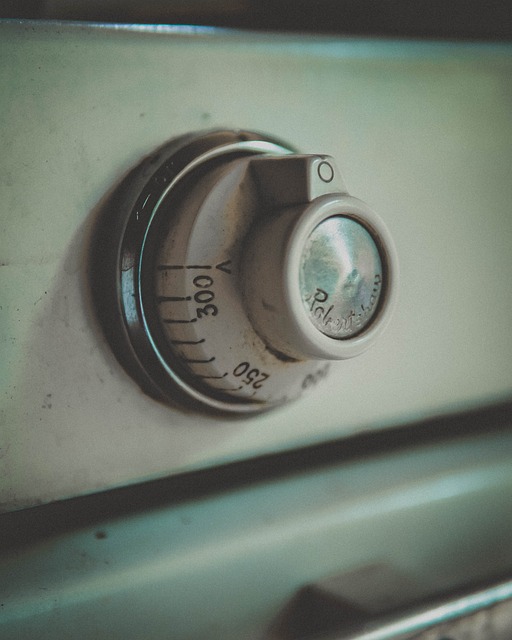
Grease splatters and sauce drips land on stove knobs during every cooking session. These knobs harbor bacteria and can become difficult to turn if the grime is allowed to harden. Wiping them down after doing the dishes ensures they remain free of sticky buildup. You can remove the knobs periodically for a deeper soak but a daily surface wipe is essential. Keeping controls clean prevents cross-contamination and maintains the function of your appliance.
Dishwasher Control Panel
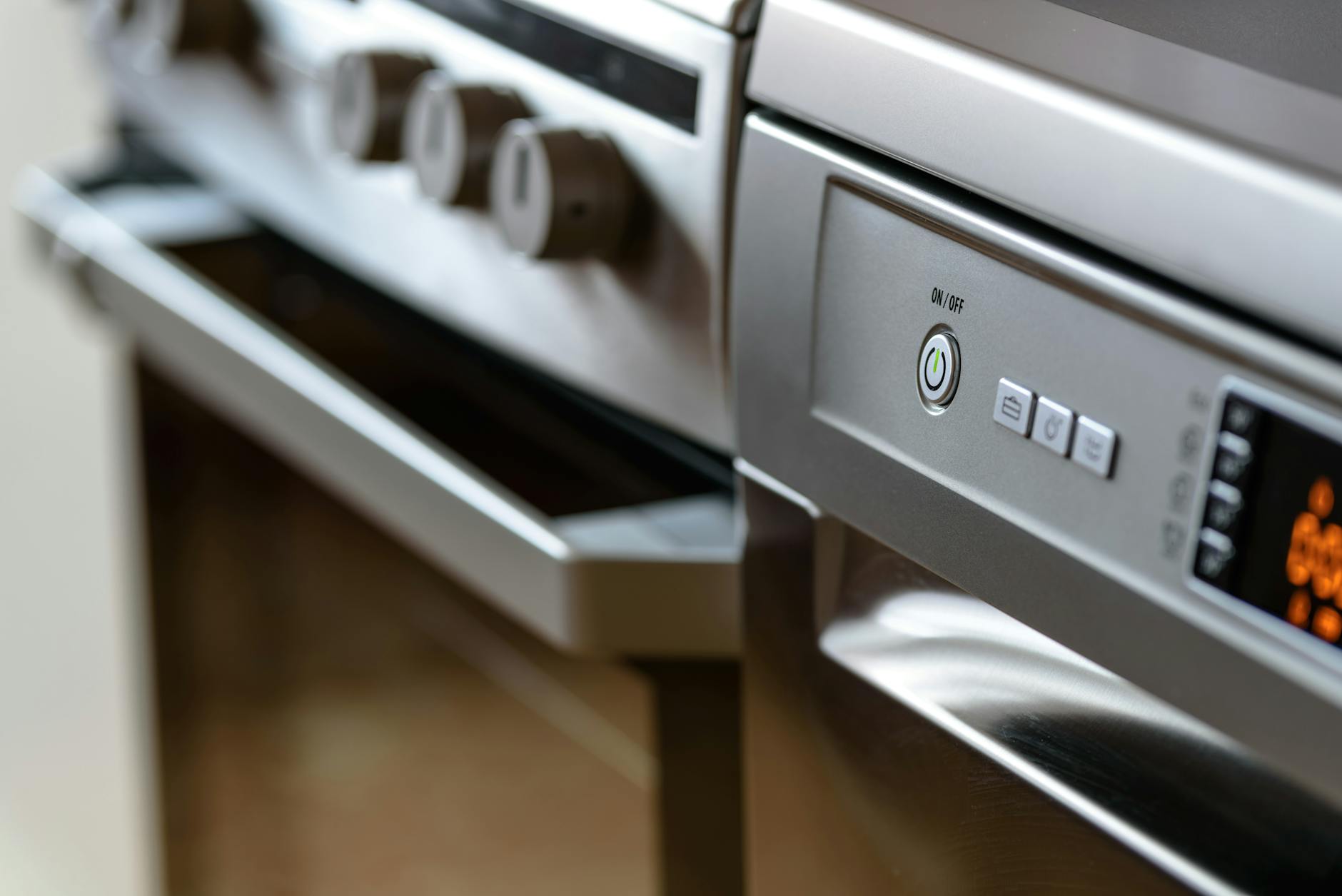
It is ironic that the machine used to clean dishes often has a dirty control panel from unwashed hands loading it. Fingerprints and food smears accumulate on the buttons and the handle area. A quick wipe with a damp cloth removes these marks and sanitizes the interface. This prevents bacteria from transferring back to your clean hands when you unload the machine. A sparkling control panel also makes the entire kitchen look tidier.
Trash Can Lid
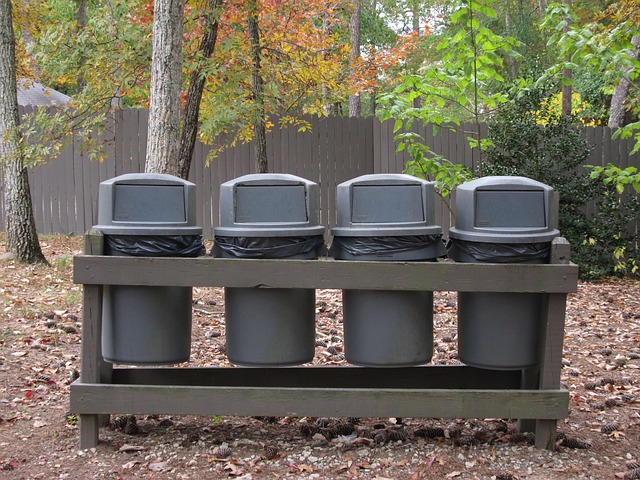
The lid of your trash can comes into contact with waste and is often touched by hands holding garbage. Even foot-pedal operated cans have lids that collect splashes and dust from the surrounding area. You should wipe the interior and exterior of the lid daily with a strong disinfectant. This habit helps control odors and prevents the growth of mold spores near your waste disposal. Keeping the bin clean discourages pests and maintains a sanitary kitchen.
Bathroom Faucet Handles
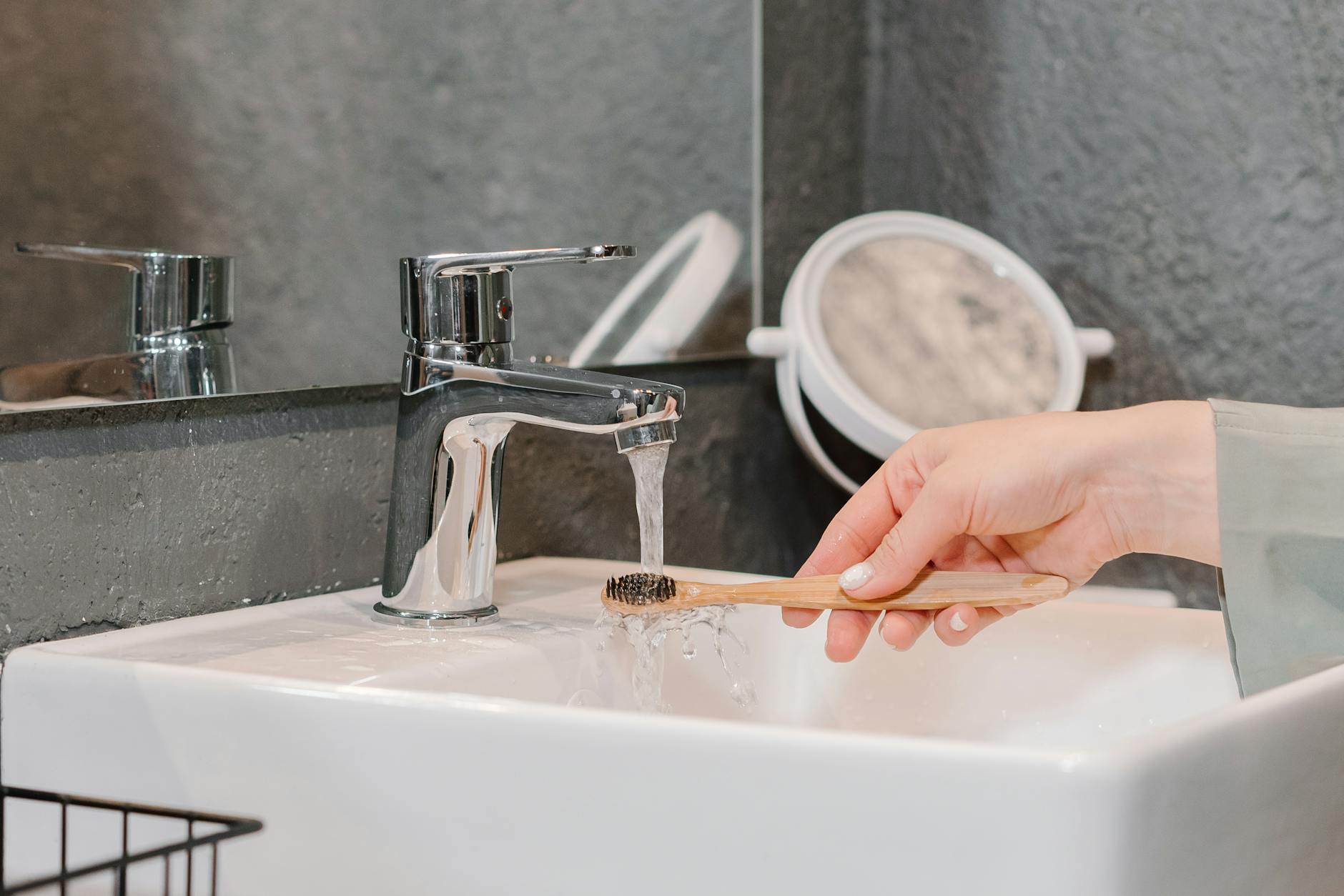
We turn on the faucet with dirty hands in order to wash them which leaves bacteria behind on the handles. These germs can survive and transfer back to your hands after you turn the water off. Wiping the handles with a disinfectant wipe should be the final step of your bathroom routine. This ensures that the fixture remains sanitary for the next user. Polishing the chrome simultaneously removes water spots and keeps the bathroom looking fresh.
Toilet Flush Handle
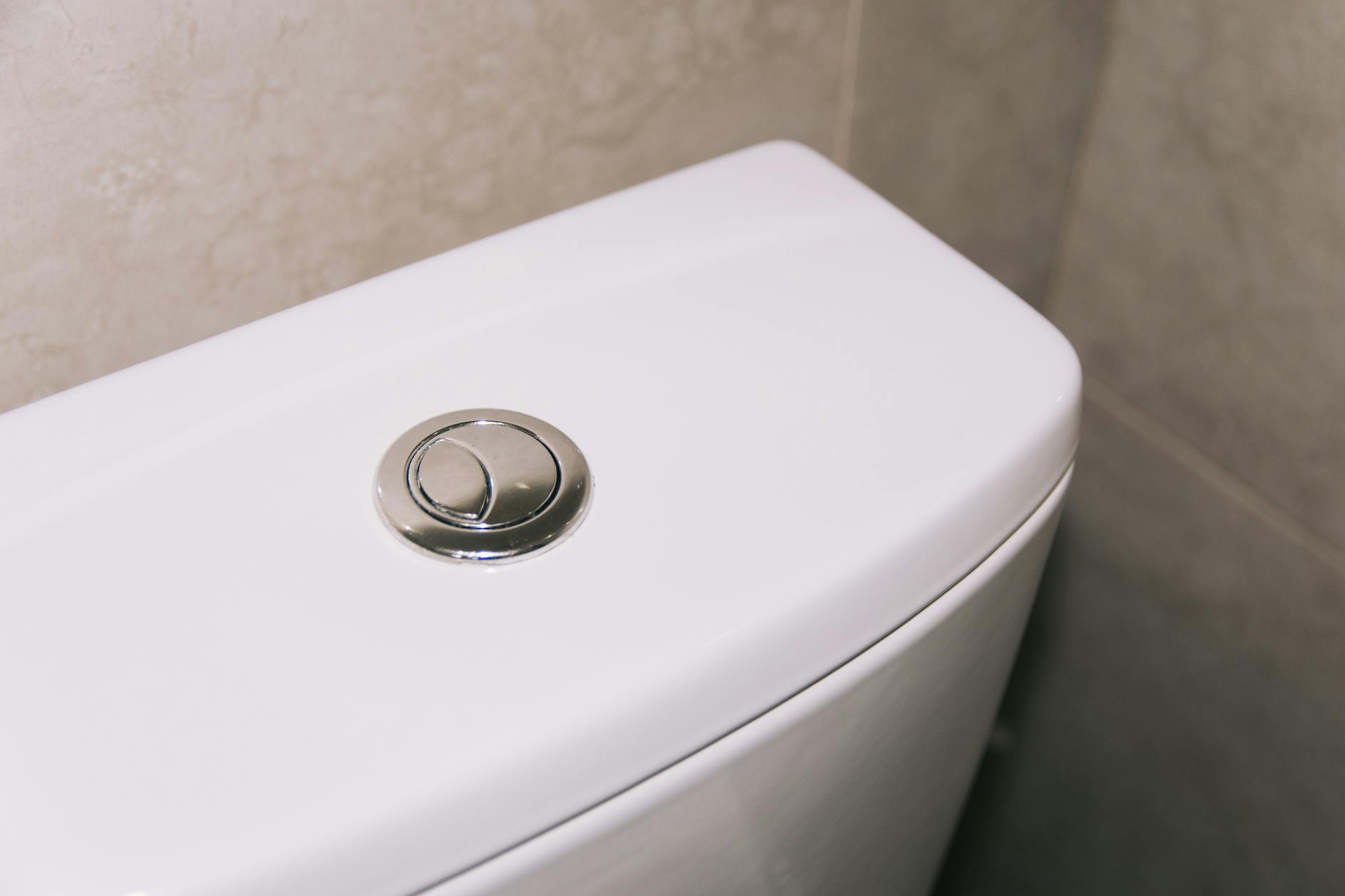
The flush handle is exposed to the aerosol spray of toilet water known as the toilet plume. It is also the very first thing touched after using the facilities before hand washing occurs. You must sanitize this handle daily to break the chain of germ transmission in the bathroom. Using a disposable disinfecting wipe is the most effective method for this specific task. Regular cleaning here is non-negotiable for maintaining a healthy household environment.
Toothbrush Handle
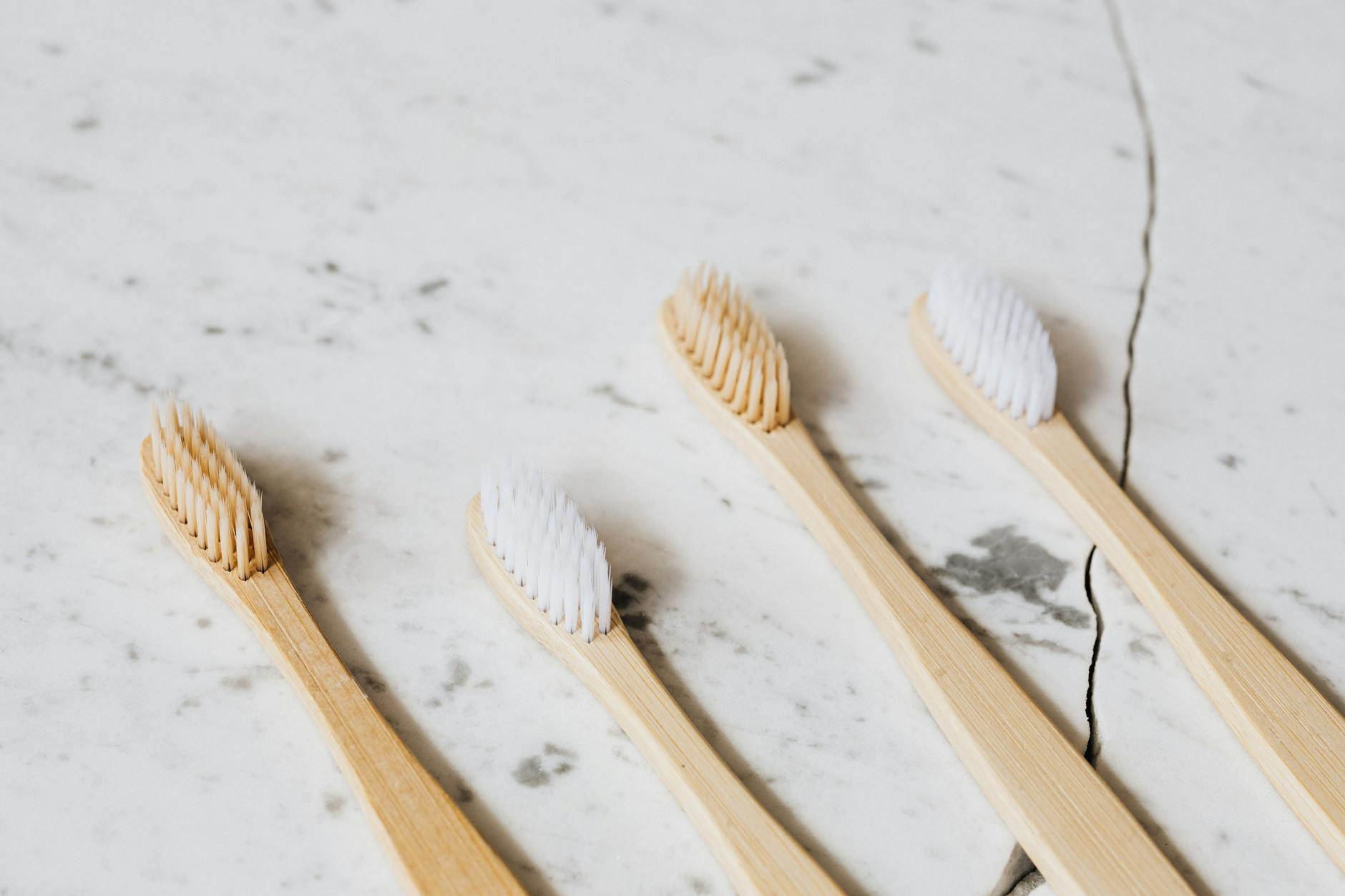
While we focus on the bristles the handle of the toothbrush sits in a cup that collects water and bacteria. Drips from your mouth travel down the handle during use and settle in the storage container. You should rinse the handle thoroughly and dry it off after every single brushing. This prevents the growth of pink mold and keeps the instrument you put in your mouth sanitary. A clean handle ensures your oral hygiene routine is actually effective.
Hairbrush
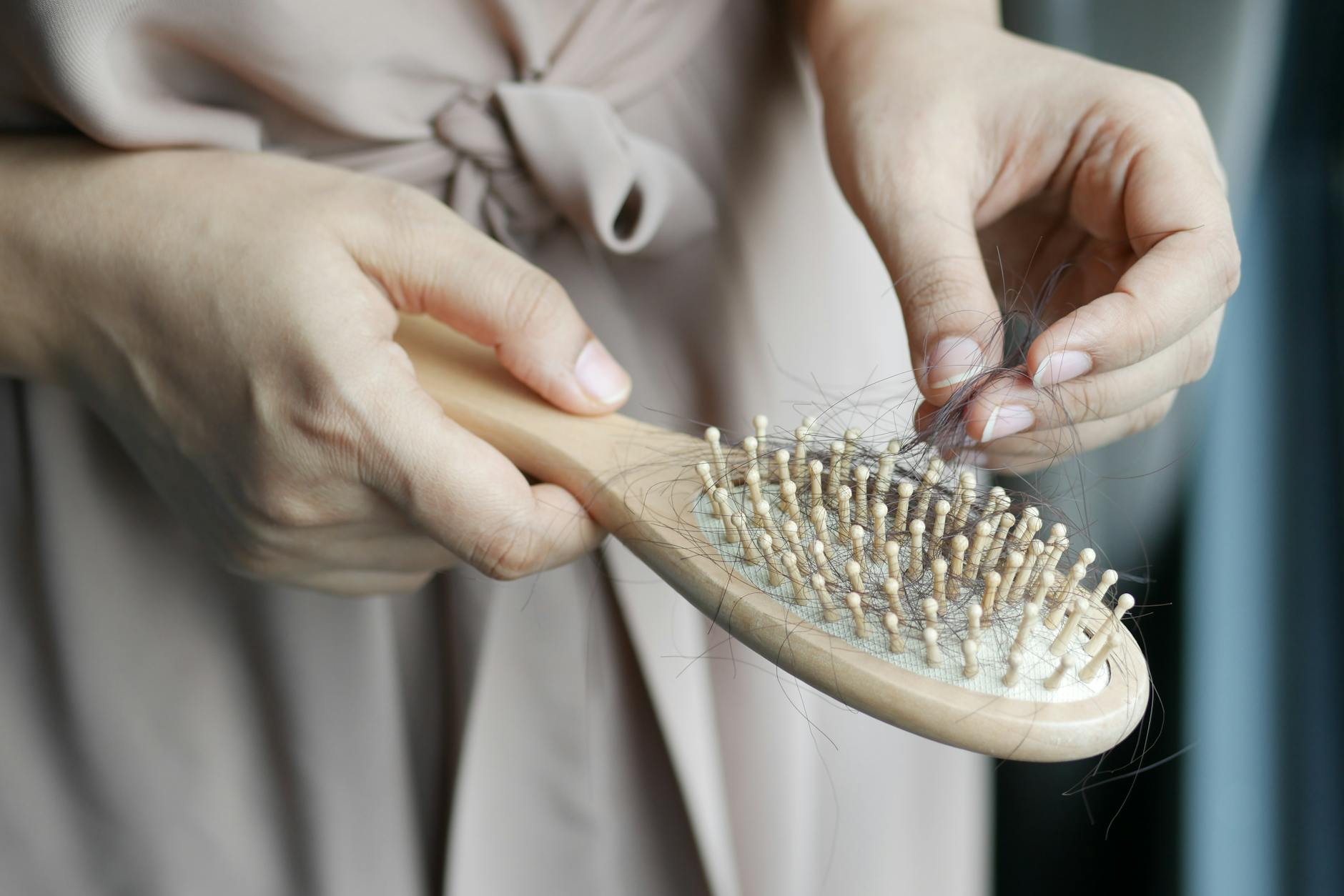
Hairbrushes trap loose strands along with dust and scalp oils and styling product buildup. Using a dirty brush redeposits this grime back onto your clean hair and scalp. You should remove loose hair from the bristles daily and rinse the brush with warm water. This simple maintenance prevents the brush from becoming a dusty mess that dulls your hair’s shine. Keeping styling tools clean extends their life and supports scalp health.
Makeup Sponges
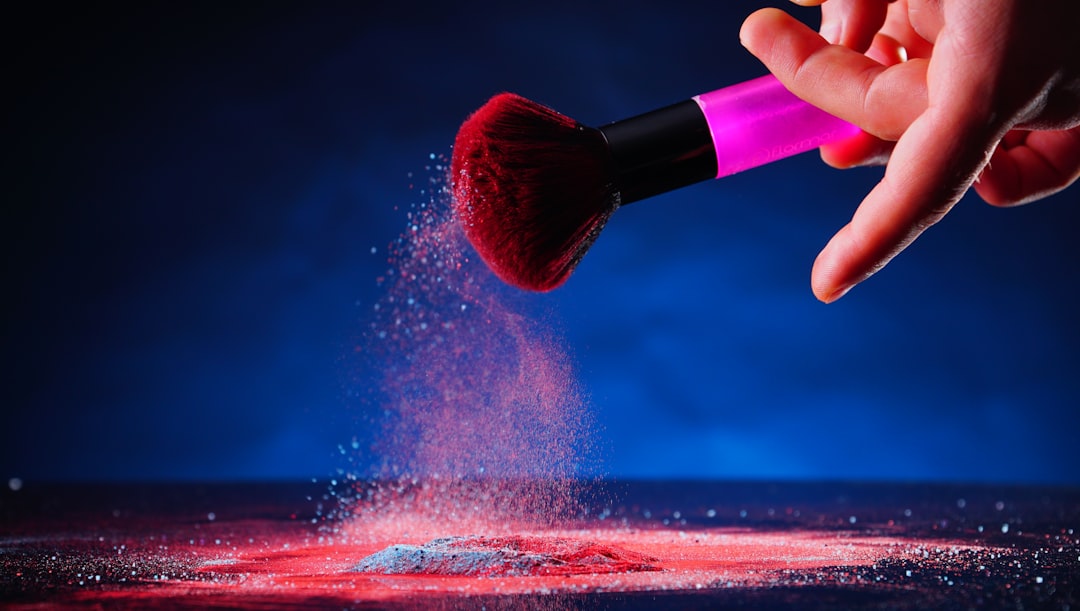
Makeup application tools absorb liquid foundation and skin oils which fosters rapid bacterial growth within the foam. Using a dirty sponge can lead to acne breakouts and skin irritation or infections. You must wash your sponge with warm water and a gentle cleanser after every application. Squeezing out all excess moisture and letting it air dry in an open space is crucial. Daily cleaning preserves the texture of the sponge and ensures flawless makeup application.
Pet Food Bowls
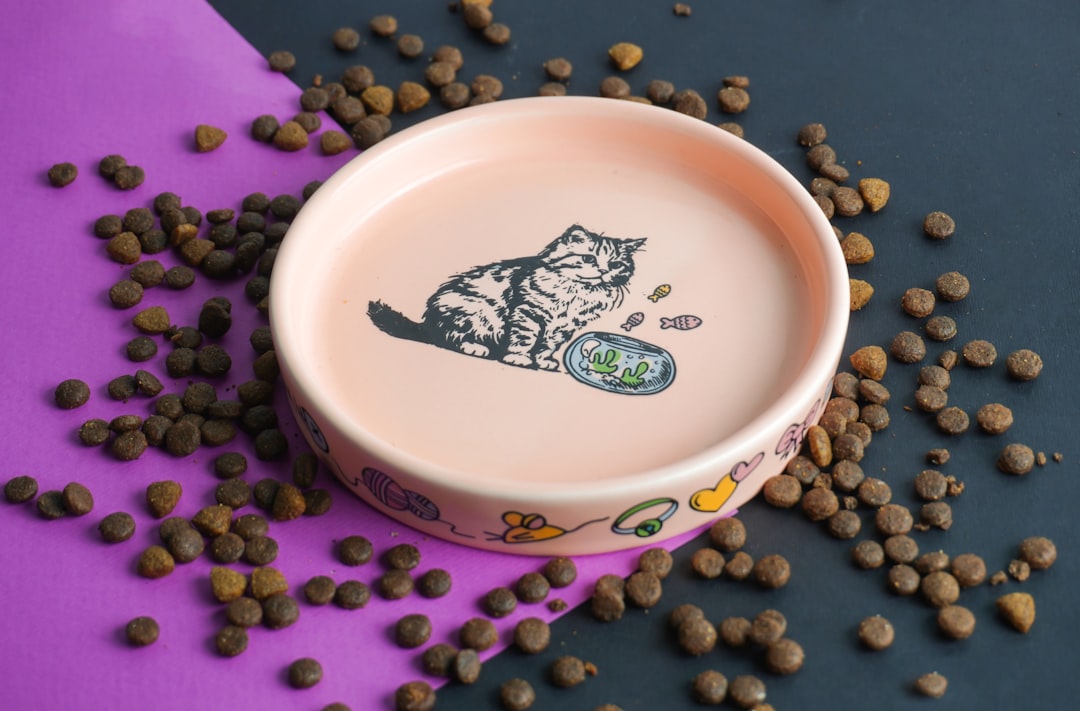
Pet bowls are often topped up with fresh food without being washed in between meals. Saliva and leftover food create a slime layer that creates a haven for bacteria like Salmonella and E. coli. You should wash these bowls with hot soapy water every day just as you would your own dinner plates. This protects your pet from digestive issues and prevents pests from being attracted to the area. Clean bowls are essential for the health and safety of your furry companions.
Yoga Mat
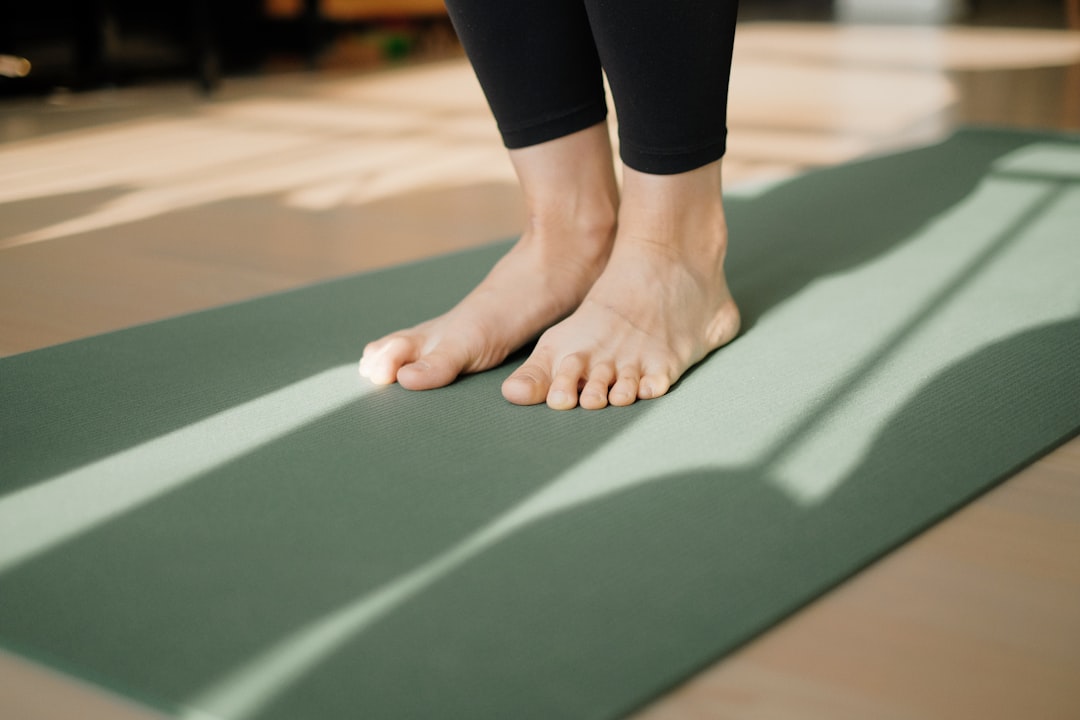
Sweat and dead skin cells are pressed into the porous surface of a yoga mat during every workout. Rolling up a damp mat creates a breeding ground for fungi and bacteria that cause odors. You should wipe down your mat with a specialized cleaner or a vinegar solution after every session. Letting it dry completely flat before storage prevents the material from degrading. A clean mat ensures your practice remains hygienic and pleasant.
Bedside Table Surface
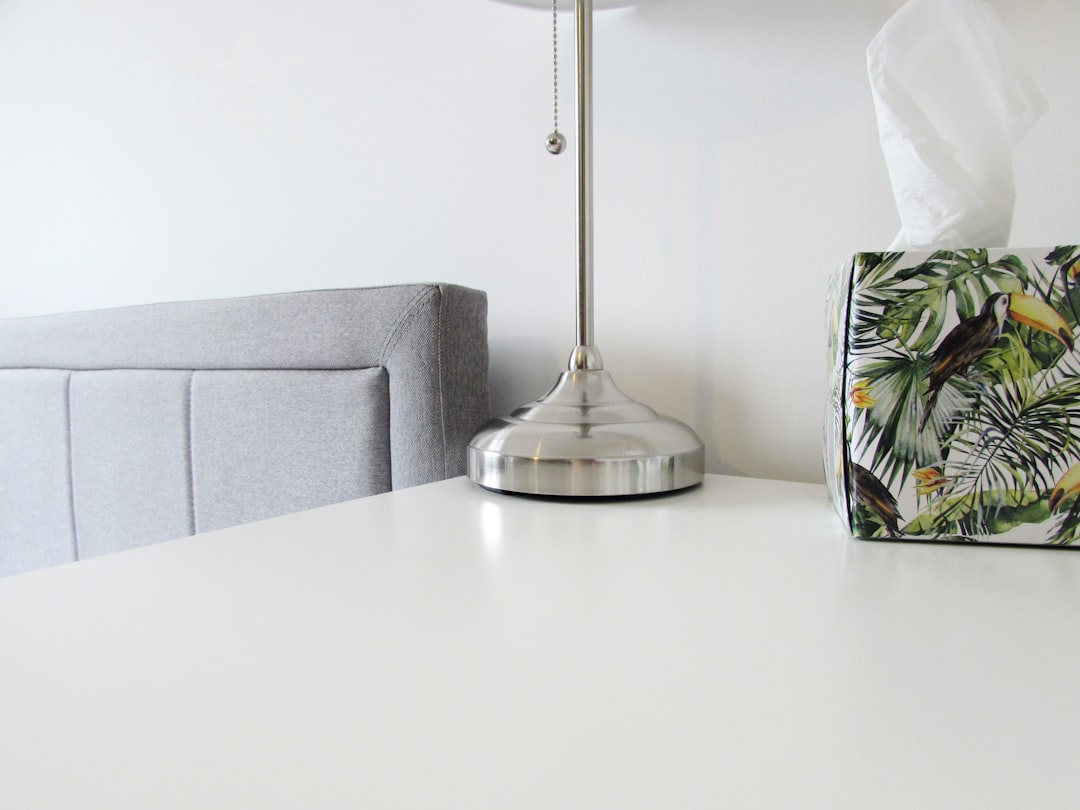
The nightstand collects dust rapidly and is often cluttered with glasses or phones and tissues. We breathe in the dust that settles here all night long while we sleep. A quick wipe with a microfiber cloth removes allergens and keeps the area beside your pillow fresh. This prevents dust mites from accumulating near your respiratory system during rest. A clear and clean bedside table promotes better sleep hygiene and relaxation.
Cutting Board

Even after rinsing a cutting board knife grooves can harbor microscopic food particles and bacteria. Wood and plastic boards alike require rigorous cleaning to prevent cross-contamination between raw meats and vegetables. You should scrub the board with hot soapy water and sanitize it daily if it sees heavy use. Drying the board vertically ensures moisture does not get trapped underneath. Proper maintenance prevents foodborne illness and extends the life of your kitchen tools.
Coffee Maker Drip Tray
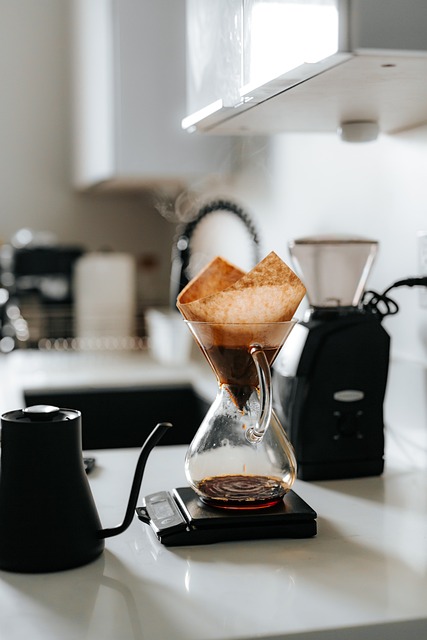
The reservoir below your coffee cup catches spills that sit and stagnate throughout the day. This warm and moist environment encourages mold and bacterial growth that is often overlooked. You should remove the tray and wash it with warm soapy water at the end of every day. Drying it thoroughly before reinserting it prevents musty odors from developing near your morning brew. Keeping this area clean ensures your coffee station remains an inviting part of your morning.
Please share which of these daily cleaning habits you find most essential in the comments.