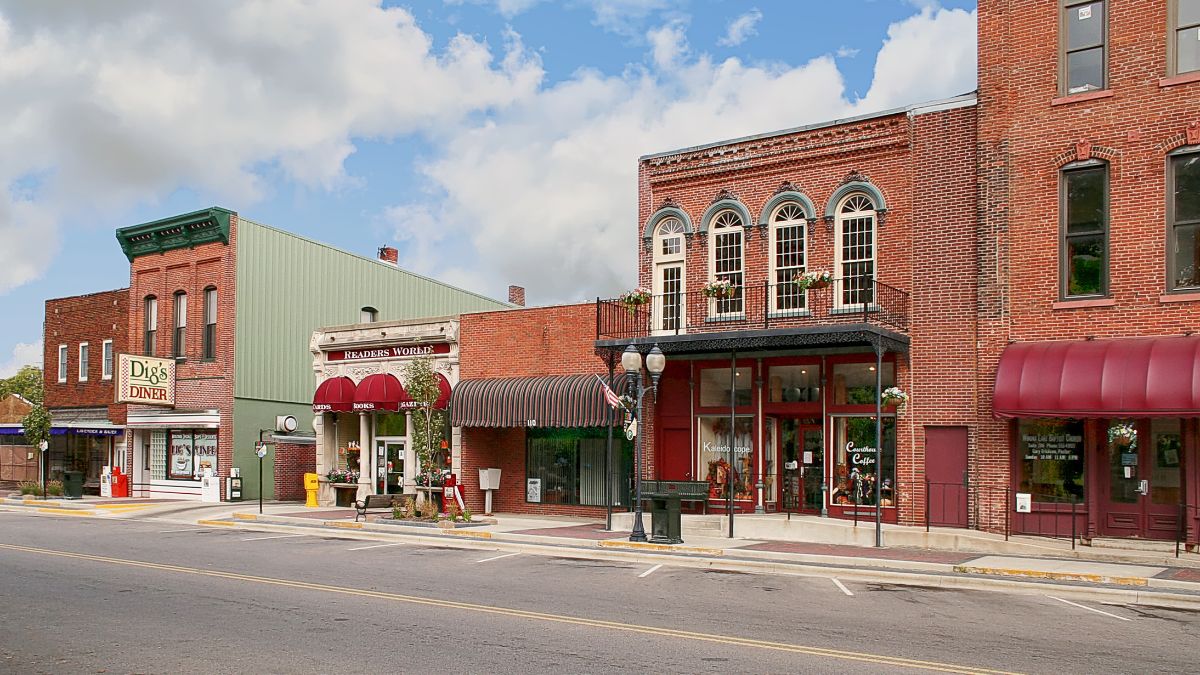
Relocating to a small town is one of the most significant lifestyle shifts a person can make, and it comes with a set of realities that no real estate listing will ever mention. The pace is slower, the faces become familiar quickly, and the sense of community can feel both deeply comforting and surprisingly intense. Understanding what lies ahead makes the transition far smoother and the experience far more rewarding. These are the essential things worth knowing before you pack up and head somewhere smaller.
Local Gossip

Information travels fast in a small town and nearly everyone knows everyone else’s business within a matter of days. New residents tend to attract a great deal of curiosity simply because unfamiliar faces stand out in a close-knit environment. Privacy becomes something you actively manage rather than something you naturally have. Building a trustworthy reputation early on matters enormously for how you are perceived for years to come.
The Commute

Many small towns are located a significant distance from major employment hubs, hospitals, and airports. Residents often drive thirty minutes or more just to reach a supermarket with a full selection of goods. Owning a reliable vehicle is less of a luxury and more of a basic necessity for daily functioning. Planning errands in batches becomes a practical skill that most small-town residents develop quickly.
Community Events

Local festivals, farmers markets, and town hall meetings form the social backbone of small-town life. Participation in these gatherings is often seen as a sign of respect and genuine investment in the community. Newcomers who show up and get involved tend to be welcomed far more warmly than those who keep to themselves. These events also serve as the primary way residents stay informed about local issues and changes.
Neighbor Relationships

In a small town your neighbors are not just the people next door but an active and present part of your daily life. People tend to check in on one another during difficult times and celebrate personal milestones together. Disputes and tensions carry more social weight than they would in a city because there is no anonymity to soften the friction. Investing time and genuine effort into these relationships pays off in meaningful and lasting ways.
Local Economy

Small towns often have a limited range of shops, restaurants, and professional services compared to urban centers. Supporting local businesses is considered a civic responsibility by many long-term residents. Online shopping and delivery services have made rural living far more practical than it was even a decade ago. Understanding where your money goes within the local economy helps you integrate more consciously into the community fabric.
Job Market

Employment opportunities in small towns tend to be concentrated in sectors like agriculture, education, healthcare, and local government. Remote work has opened the door for many professionals to enjoy small-town life without sacrificing career growth. Starting a small business can be particularly rewarding in an area where certain services are genuinely underrepresented. Researching the economic landscape of a specific town before committing is a step that should never be skipped.
School Quality

Public school systems in small towns vary widely in quality and available resources depending on the state and county funding structures. Class sizes tend to be smaller which can mean more individualized attention for students. Extracurricular offerings may be more limited but community involvement in school activities is typically very high. Families with children should visit local schools and speak directly with teachers and administrators before making a final decision.
Internet Access

Reliable high-speed internet is still not guaranteed in many rural and small-town areas across the country. Before committing to a specific location it is worth researching available providers and the average connection speeds in that area. Satellite internet services have improved considerably and now offer viable options where traditional broadband does not reach. For anyone working remotely or running an online business this is one of the most critical factors to investigate early.
Healthcare Access

Small towns frequently have limited medical facilities with the nearest specialist or hospital being a considerable drive away. Routine care through a local general practitioner is usually available but complex medical needs often require travel. Telehealth services have expanded access significantly and now supplement in-person care in many rural communities. Understanding the full picture of available healthcare before moving is especially important for older adults and families with ongoing medical needs.
Property Costs

Real estate in small towns is generally far more affordable than in urban or suburban markets. A larger home with outdoor space can often be purchased for a fraction of the price of a comparable urban property. Property taxes and the overall cost of living tend to be lower which allows many residents to save more each month. However it is important to factor in the additional costs of transportation and the potential need for home maintenance skills.
Seasonal Life

Small towns often experience the full force of seasonal changes in ways that urban environments cushion or mask entirely. Winters can be isolating if the town is remote and roads become difficult to navigate during heavy snowfall. Summers in many small towns bring a burst of community activity, outdoor events, and a noticeably warmer social atmosphere. Preparing practically and mentally for each season is an important part of thriving in a smaller community.
Local Politics
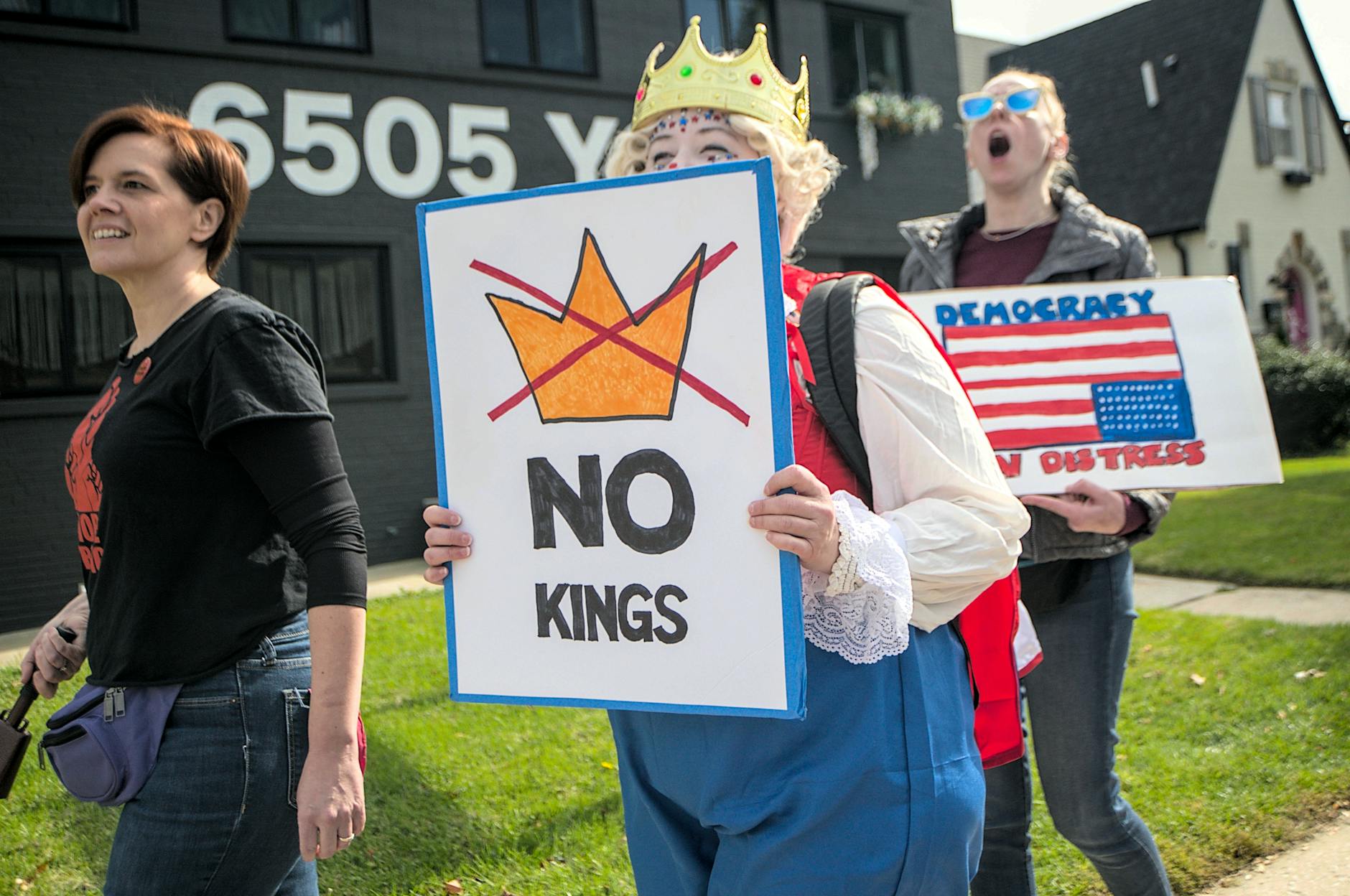
Town politics in a small community can be surprisingly passionate and highly personal in nature. Local elections, zoning decisions, and school board meetings carry real consequences that residents feel directly in their daily lives. Staying informed and engaged without becoming unnecessarily divisive is a skill that serves newcomers particularly well. Political opinions are rarely kept private in tight-knit environments so approaching conversations with respect and curiosity goes a long way.
Social Pace

The rhythm of social life in a small town is fundamentally different from what most city dwellers are used to experiencing. Spontaneous outings and late-night entertainment options are far more limited and planning ahead becomes a social norm. Friendships tend to develop more slowly but often carry greater depth and consistency over time. Embracing a quieter social calendar is something that many people find genuinely refreshing after an adjustment period.
Volunteerism

Volunteer culture is deeply embedded in the fabric of most small towns and communities rely on it to function well. Local fire departments, food banks, schools, and event organizations frequently depend on unpaid contributions from residents. Getting involved as a volunteer is one of the fastest and most genuine ways to build trust and belonging in a new community. The sense of purpose and connection that comes from contributing locally is something many small-town residents cite as deeply fulfilling.
Cultural Diversity

Small towns in many regions tend to be less ethnically and culturally diverse than major cities. This can mean fewer international restaurants, cultural festivals, or multilingual services than newcomers might be accustomed to. That said many small towns are becoming more diverse as remote work and shifting migration patterns bring new residents from varied backgrounds. Approaching the community with openness and a willingness to both share and learn creates richer connections for everyone involved.
Noise and Light

One of the most immediate and striking differences of small-town life is the dramatic reduction in noise and artificial light. Nights are darker and quieter in ways that genuinely affect sleep quality and overall sense of calm. The absence of constant urban stimulation can feel disorienting at first but most people adjust and come to deeply appreciate it. Stargazing becomes a real and regular pleasure rather than a once-a-year novelty trip to the countryside.
Wildlife Encounters

Living in or near a small town often means sharing space with wildlife in ways that urban living simply does not prepare you for. Deer, raccoons, foxes, and depending on the region larger animals may appear on your property with regularity. Understanding how to store food properly, secure garbage, and coexist respectfully with local wildlife is a practical skill to develop early. Many residents find that these encounters become one of the most cherished and unexpected joys of rural living.
Local Pride
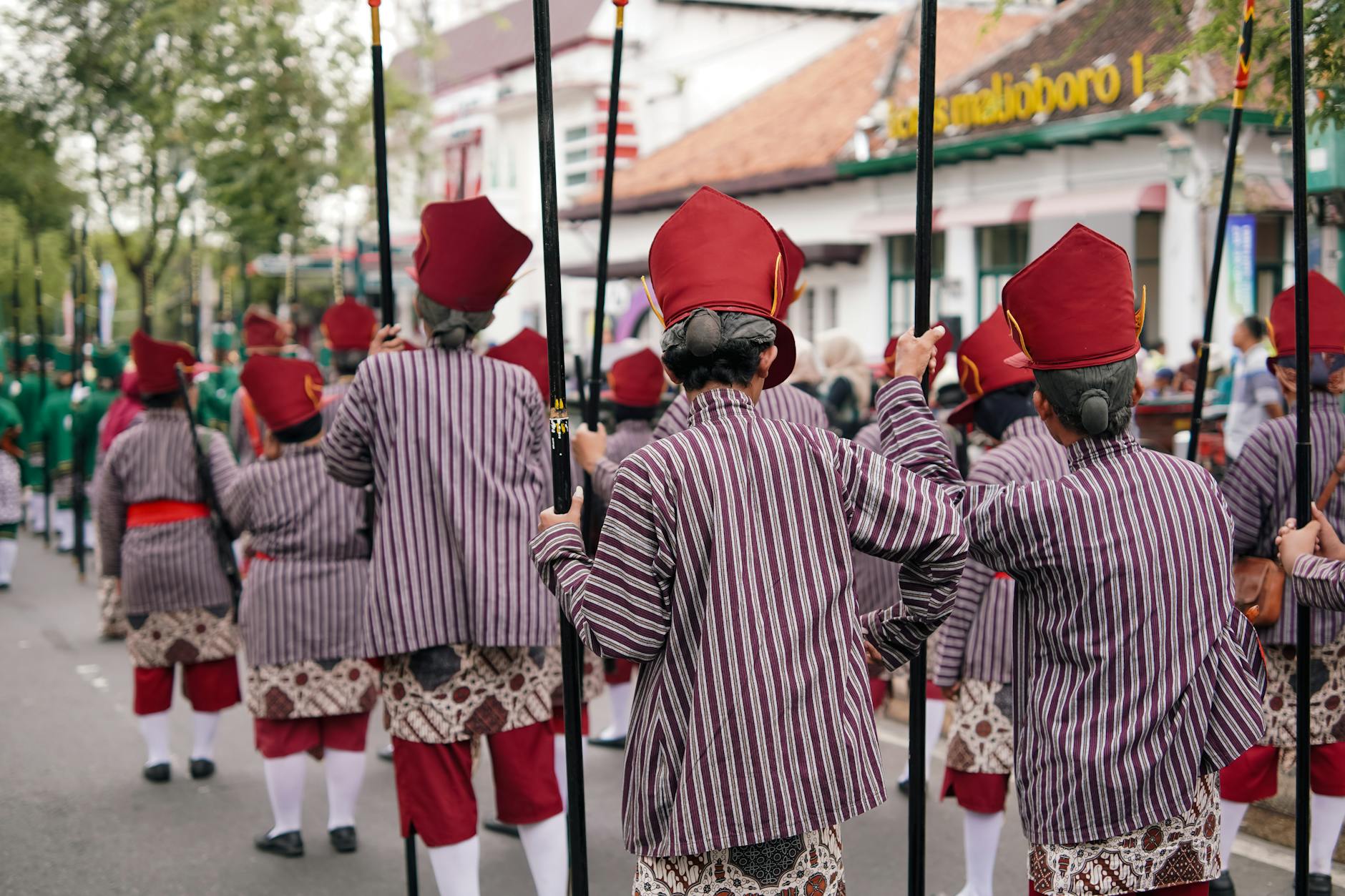
Small towns often carry a fierce and deeply rooted sense of local identity and pride. Long-term residents have strong attachments to local traditions, sports teams, landmarks, and shared history. Newcomers who show genuine interest and respect for that history are typically received with warmth and generosity. Dismissing or comparing local customs unfavorably to city life is one of the quickest ways to create lasting social friction.
Emergency Services

Response times for police, fire, and ambulance services can be considerably longer in small towns than in cities. This reality makes personal preparedness more important and residents often keep basic emergency supplies and first aid knowledge up to date. Neighbors frequently step in during emergencies before official services arrive which reinforces the importance of strong community bonds. Understanding the specific coverage and response capabilities of your area before moving helps you plan with realistic expectations.
Home Maintenance

Small-town homes and rural properties often require a higher level of hands-on maintenance than a city apartment or managed condo. Septic systems, well water, large yards, and older infrastructure are common realities that come with the territory. Learning basic repair and maintenance skills or knowing reliable local tradespeople is genuinely essential for day-to-day functioning. Many small-town residents develop a practical self-sufficiency that becomes a source of personal pride over time.
Shopping Options

Consumer choice is noticeably more limited in small towns and the shopping experience looks very different from city living. A single general store or small grocery may be the only option for daily necessities within a reasonable distance. Many residents supplement local shopping with planned bulk trips to larger nearby towns or through online delivery services. Adjusting expectations and developing a more intentional approach to purchasing is a mindset shift that most newcomers need to make.
Mental Adjustment

The psychological transition from city to small-town life is something that many people underestimate before making the move. The initial excitement of slower living can give way to feelings of isolation or understimulation during the first several months. Building a personal routine, nurturing new friendships, and finding meaningful local activities are the most effective ways to navigate this adjustment. Most people who push through the early challenges report a profound and lasting improvement in their overall sense of wellbeing.
Pet Ownership

Small-town and rural environments offer exceptional quality of life for pets especially dogs who benefit from open space and fresh air. Leash laws and pet regulations tend to be more relaxed although responsible ownership is still expected by neighbors. Wildlife in the surrounding area can pose occasional risks to smaller animals so awareness and basic precautions are important. Many people find that their pets visibly thrive after leaving an urban environment and this alone becomes one of the great joys of the transition.
Sense of Belonging

The feeling of truly belonging somewhere is one of the most powerful and frequently cited reasons people choose small-town life. Being known by name at the local diner, post office, and hardware store creates a texture of daily life that cities rarely offer. That sense of being seen and valued by a consistent community has measurable benefits for long-term mental and emotional health. It takes time and genuine effort to build but once established it becomes one of the most difficult things to imagine leaving behind.
Simplicity

At its core small-town living offers an invitation to strip life back to what genuinely matters most. Fewer distractions, lower financial pressure, and closer human connections create the conditions for a more intentional and grounded existence. Many people who make the move describe a gradual but profound reordering of their priorities and values. The simplicity is not always easy but for those who embrace it the rewards run deep and lasting.
If you are considering a move to a small town or have already made the leap share your experiences and questions in the comments.