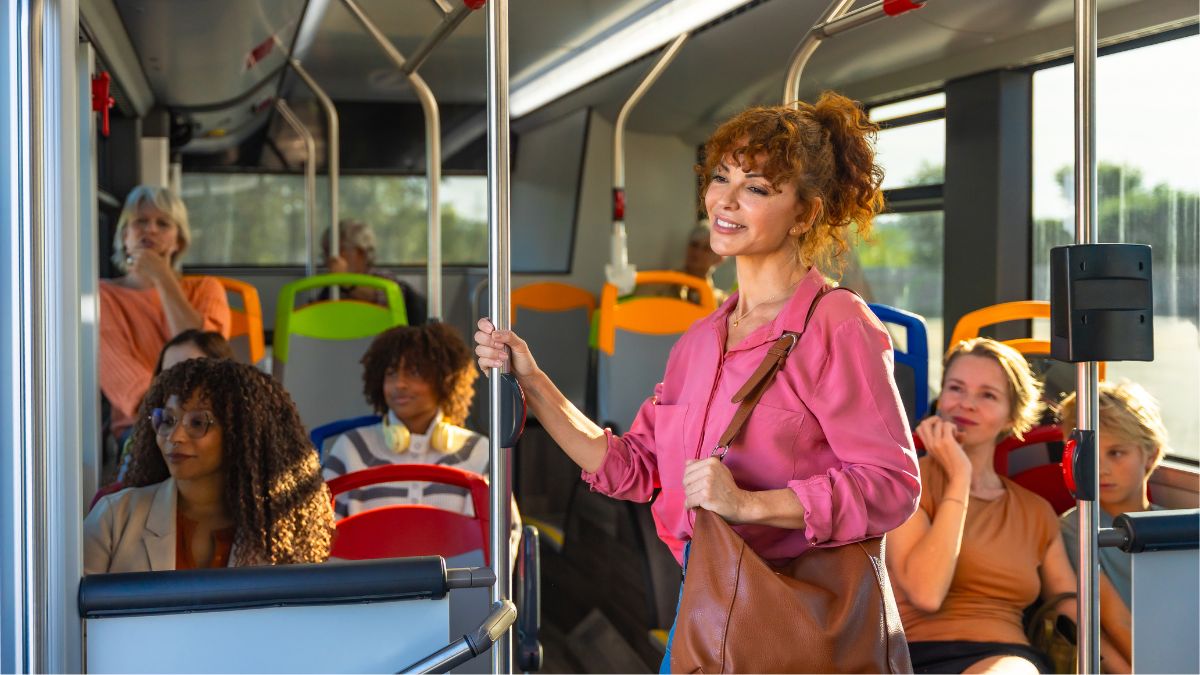
Navigating public transportation in a foreign country can be one of the most rewarding and cost-effective ways to experience a destination like a local. From bustling metro systems in major capitals to rural bus routes winding through scenic countryside, public transit opens up a world of authentic travel experiences. Understanding how these systems work before you arrive saves time, reduces stress, and helps you avoid common pitfalls that catch many travelers off guard. Whether you are a first-time international traveler or a seasoned explorer, a little preparation goes a long way when it comes to getting around confidently abroad.
Transit Cards
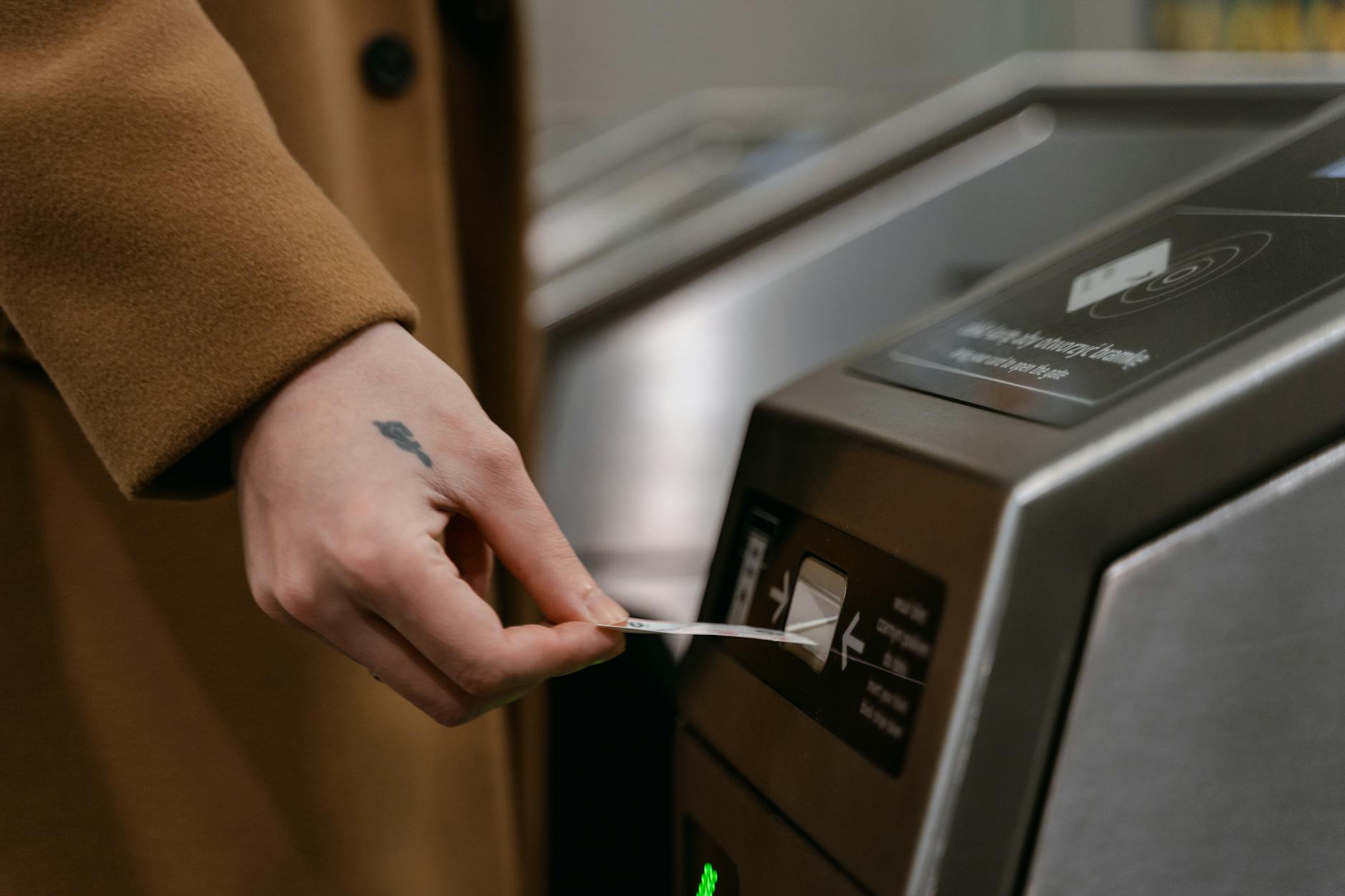
Most cities around the world have moved away from paper tickets in favor of rechargeable transit cards that work across buses, trains, and trams. These cards are typically available at airport kiosks, main train stations, or convenience stores near major transit hubs. Using one almost always saves money compared to buying single-use tickets and helps you avoid long queues at ticket machines. Some cities require a small deposit to obtain the card, which is refunded when you return it at the end of your trip. Picking one up as soon as you arrive is one of the smartest moves you can make on arrival day.
Local Apps
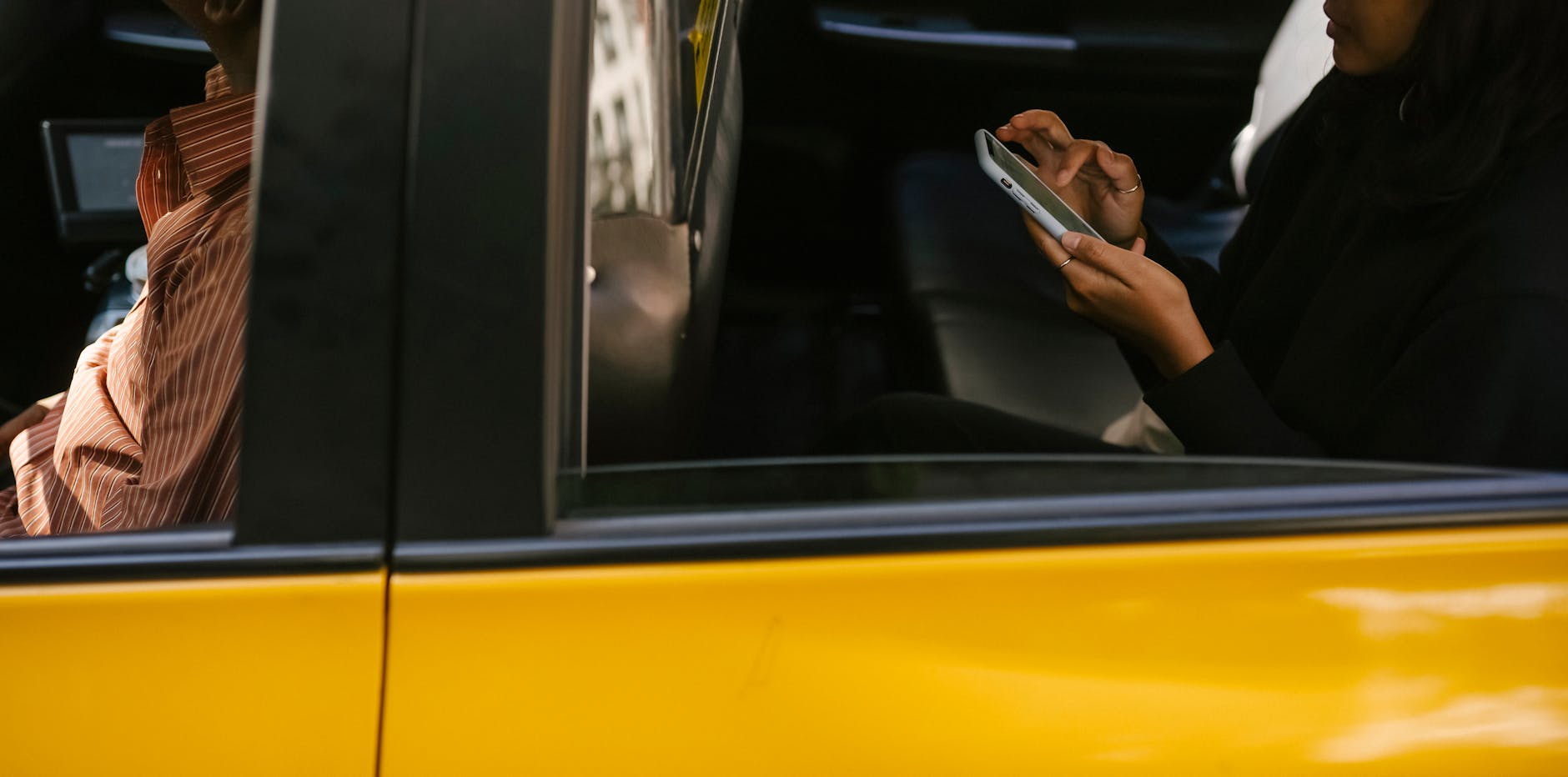
Many public transit systems around the world have official apps that provide real-time schedules, route planning, and fare information in multiple languages. Apps like Citymapper, Moovit, and Google Maps work well in dozens of cities and can be downloaded before departure while connected to Wi-Fi at home. Some cities have their own dedicated apps that integrate ticketing directly, allowing you to pay for rides without needing a physical card. It is worth researching which app is most widely used in your destination city before you leave. Downloading offline maps alongside transit apps ensures you stay connected even without a local data plan.
Validation Rules
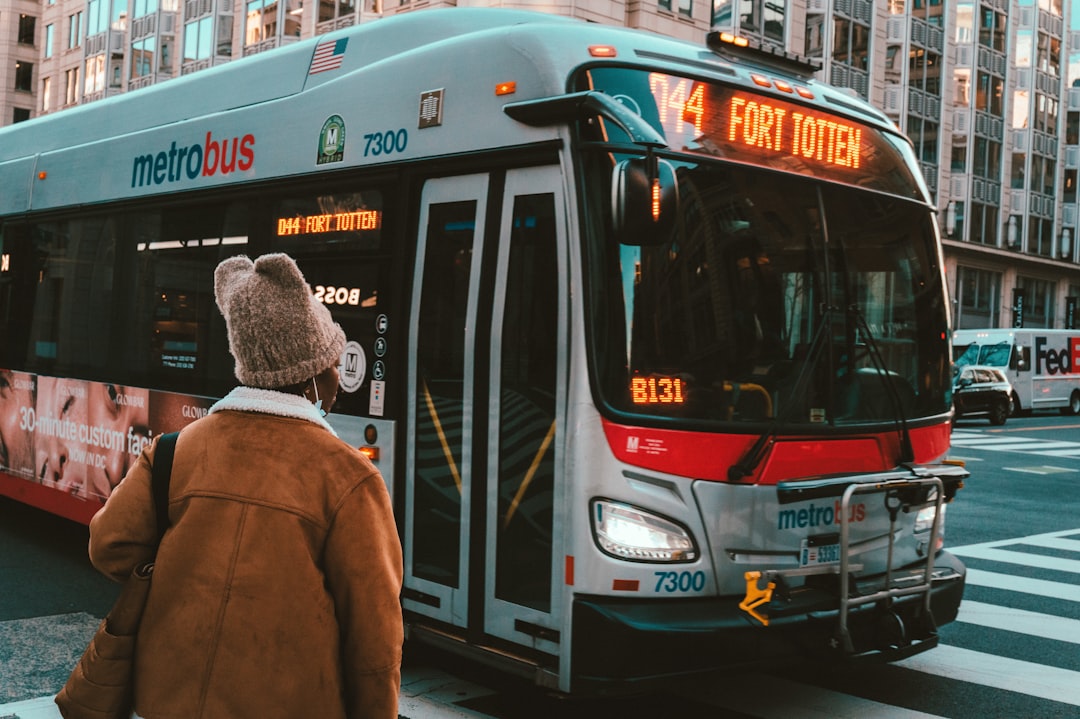
One of the most common mistakes foreign travelers make is failing to validate their ticket or transit card before boarding. In many European and Latin American cities, simply having a valid ticket is not enough as you must stamp or tap it at a designated machine to activate it for that journey. Inspectors conduct random checks and issue on-the-spot fines to passengers who cannot show a validated fare regardless of whether they purchased one. The validation machines are usually located on platforms, at station entrances, or inside the vehicle near the doors. Always look for posted instructions or watch what local commuters do if you are unsure of the process.
Rush Hour
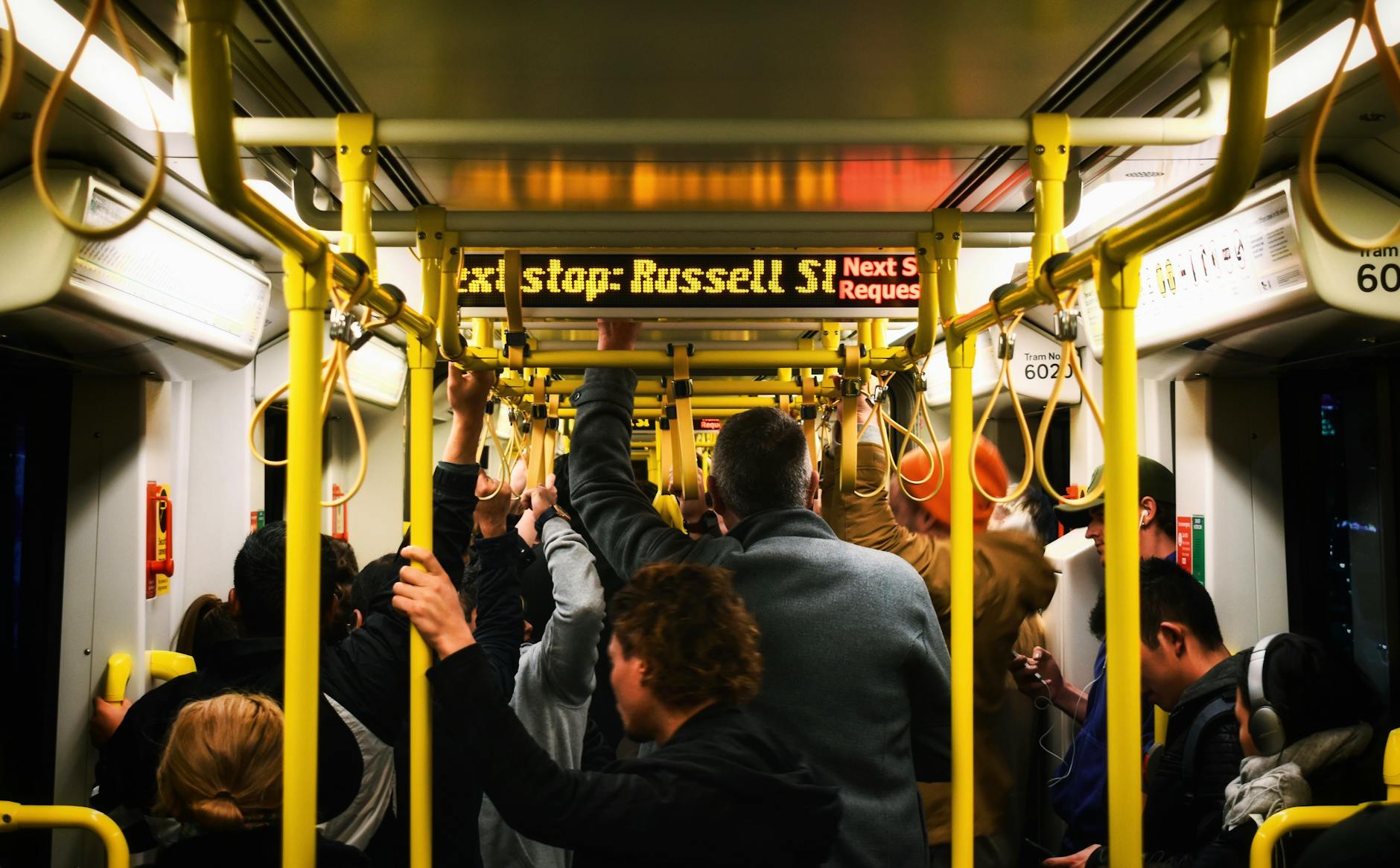
Public transportation in major cities experiences significant overcrowding during morning and evening peak hours, typically between 7 and 9 in the morning and 5 and 7 in the evening. Traveling during these windows can mean packed carriages, delayed services, and a far less comfortable experience for visitors carrying luggage or navigating an unfamiliar system for the first time. Where possible, planning sightseeing trips to start slightly later in the morning allows you to ride after the initial commuter surge has passed. Some cities charge higher fares during peak periods, so traveling off-peak can also save money. Adjusting your schedule by even an hour can make a noticeable difference in comfort and convenience.
Safety Awareness

Busy transit hubs and crowded vehicles are known hotspots for pickpocketing, particularly in popular tourist cities across Europe, Asia, and South America. Keeping bags zipped and worn at the front of the body, avoiding displaying expensive electronics openly, and staying alert in crowded carriages significantly reduces your risk. It is advisable to store your passport securely in your accommodation and carry only a photocopy while using public transit. Being aware of who is standing close to you during boarding and alighting is particularly important as this is when most theft occurs. Staying calm and observant rather than distracted by your phone is one of the simplest safety habits you can adopt.
Night Services
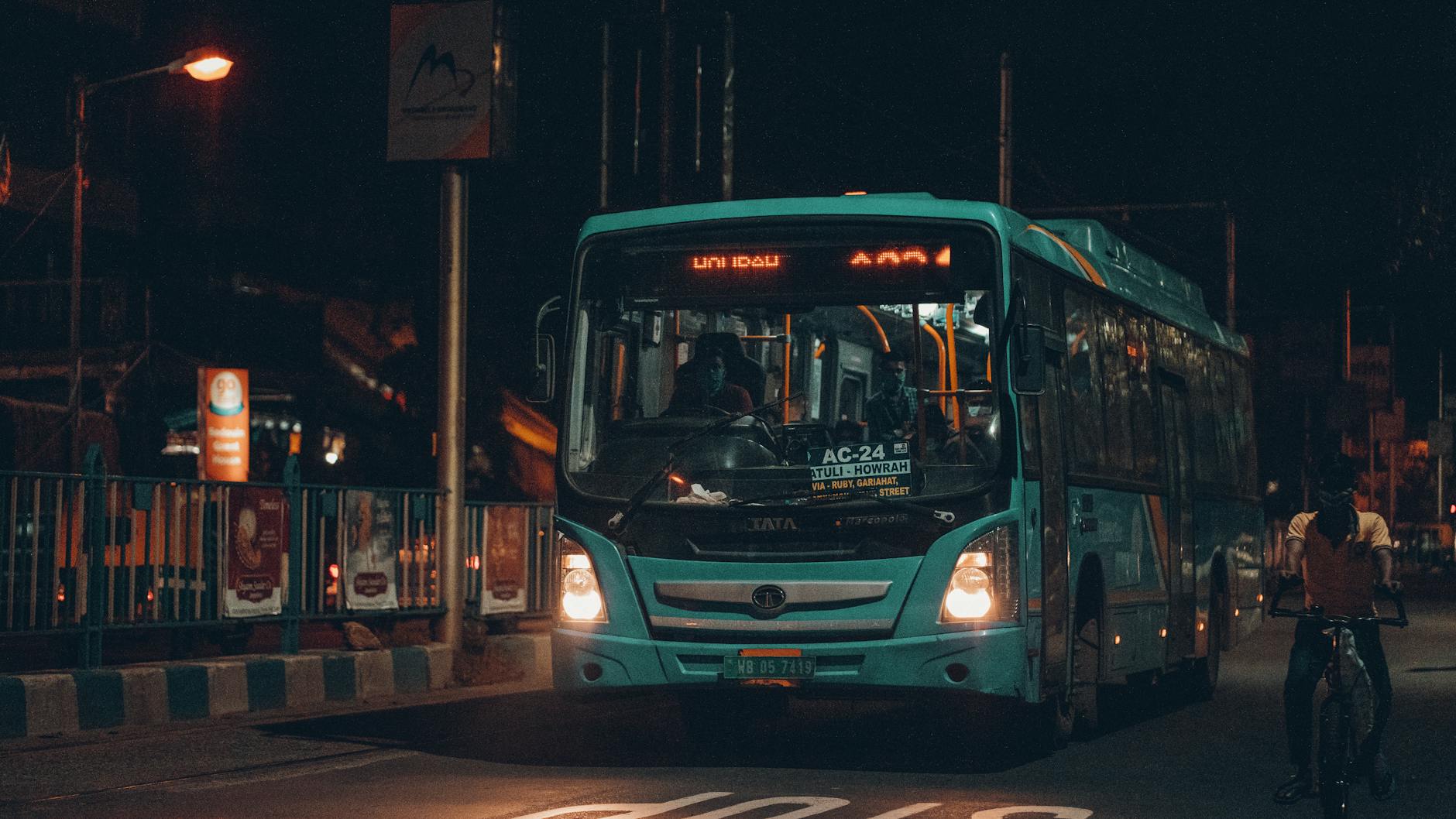
Not all transit systems operate around the clock, and many cities reduce services significantly or shut down entirely between midnight and 5 in the morning. Checking the last service time for your route before heading out for an evening avoids the stress of being stranded far from your accommodation. Some cities operate dedicated night bus networks that follow different routes from daytime services, requiring separate maps or apps to navigate effectively. In cities where transit stops entirely overnight, ride-hailing services or licensed taxis become the practical alternative. Planning your return journey before you go out is a simple habit that prevents costly and stressful late-night situations.
Priority Seating
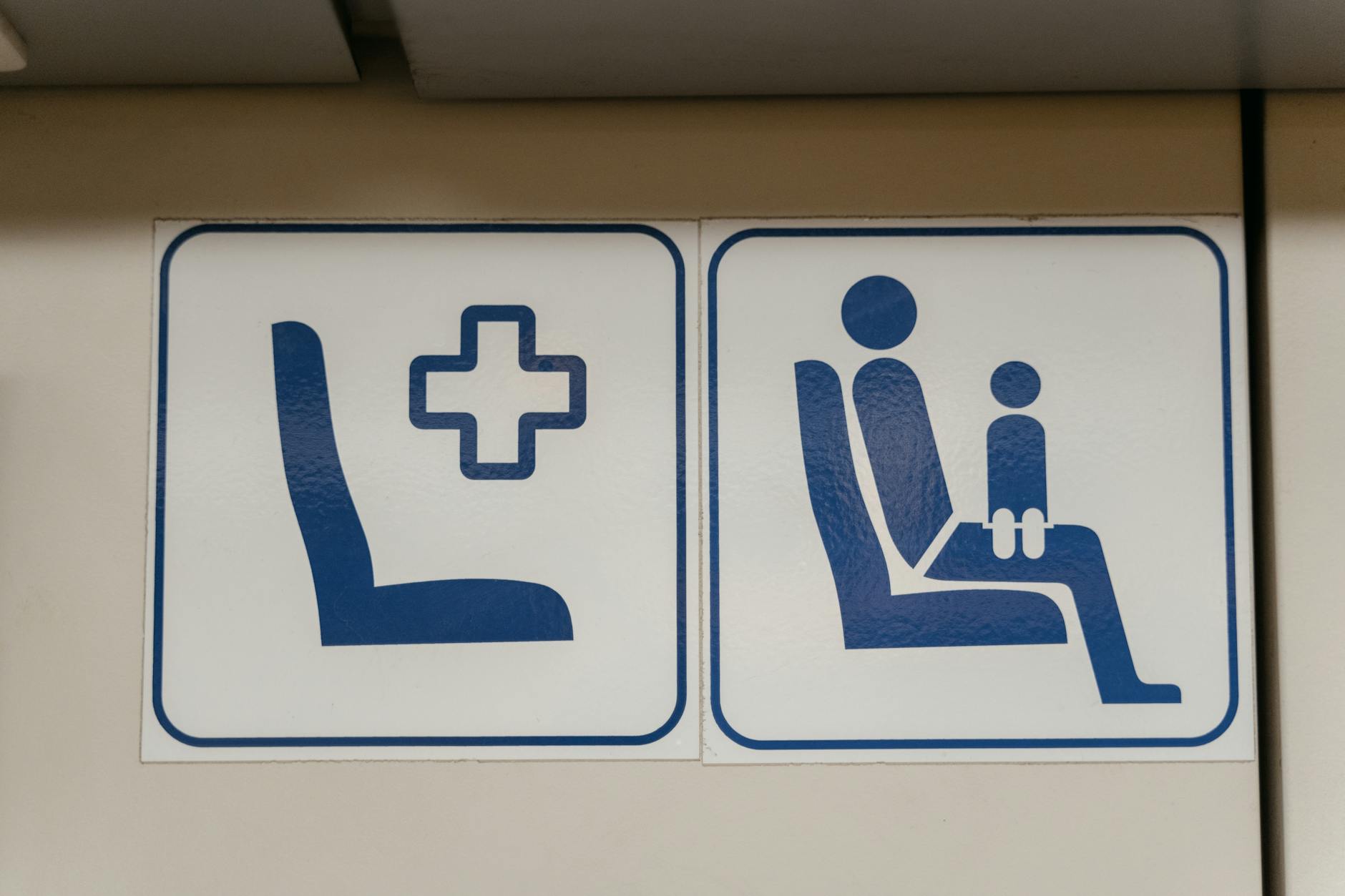
Most public transit systems worldwide designate certain seats for elderly passengers, pregnant women, people with disabilities, and those traveling with young children. These seats are usually marked with clear symbols and are considered a social obligation to vacate upon request in many cultures. In countries like Japan and South Korea, the expectation to give up priority seating is taken particularly seriously, and remaining seated when a qualifying passenger is standing can attract visible disapproval. Even if priority seats are empty during your journey, it is generally considered good etiquette to avoid occupying them during busy periods. Respecting these norms not only shows cultural awareness but also contributes to a more considerate travel experience overall.
Luggage Restrictions
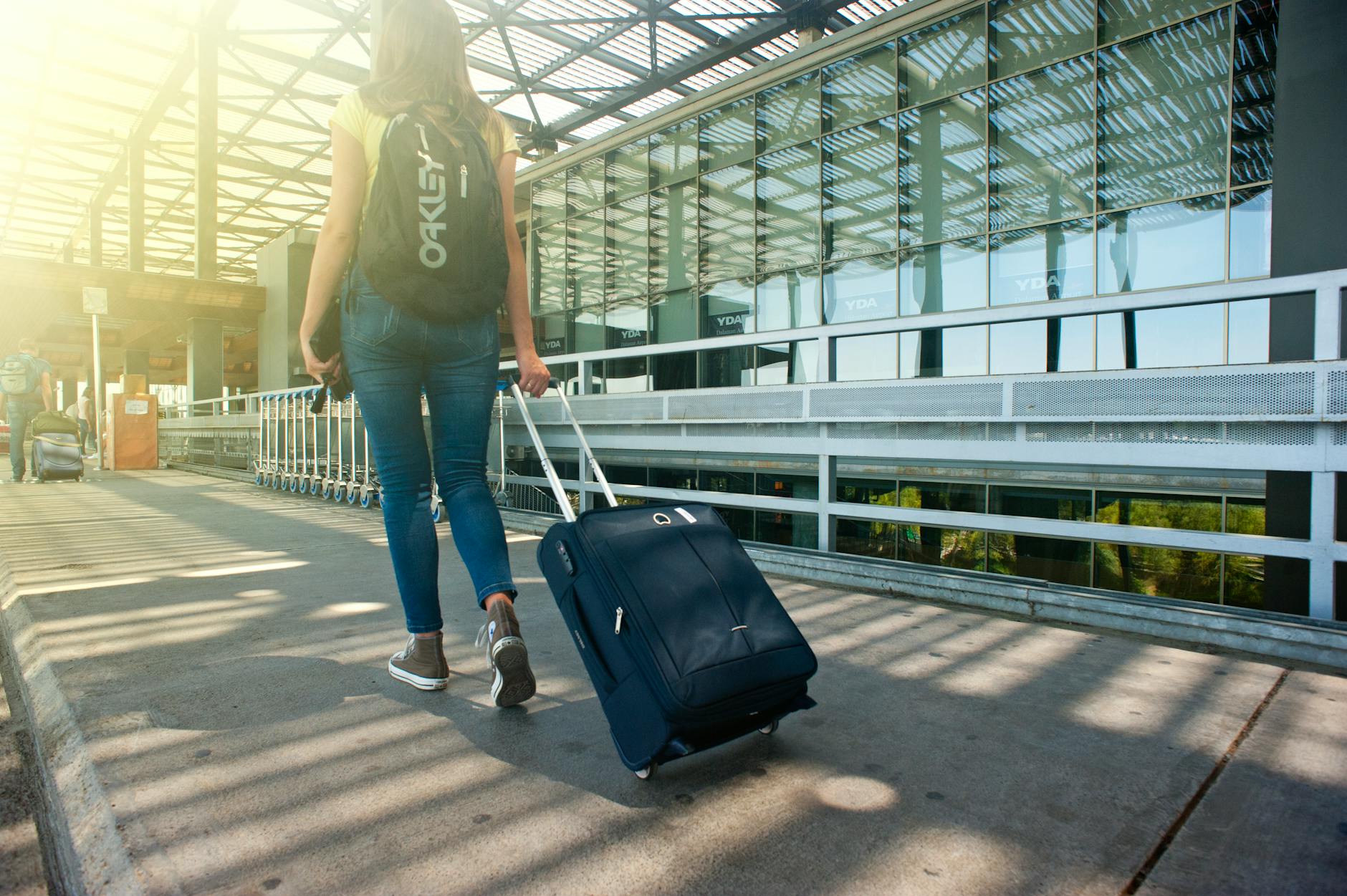
Many urban transit systems have informal or formal restrictions on large luggage, particularly during peak hours on metro and light rail networks. In cities like Paris and Tokyo, bringing oversized suitcases onto crowded carriages is strongly discouraged and can cause friction with other passengers. Some intercity rail services require advance luggage registration or charge additional fees for oversized bags, which can come as a surprise if you have not checked the terms in advance. Researching whether your destination city has specific luggage policies for its transit network is a worthwhile step during trip planning. Using luggage storage facilities near major stations is a practical solution if you need to travel light on your first or last day.
Zonal Fares

Many transit systems around the world are divided into fare zones, meaning the cost of your journey increases the further you travel from the city center. Failing to understand the zonal structure can result in underpaying your fare, which may lead to fines or barriers that refuse to let you exit at your destination. In cities like London and Berlin, travelers who only purchase a ticket for the inner zones and then travel beyond them are considered to be traveling without a valid fare. Studying the zone map of your destination city before your trip helps you budget accurately and avoid unpleasant surprises at the ticket barrier. Most transit authority websites provide clear zonal maps and fare calculators that are accessible in English.
Language Barriers
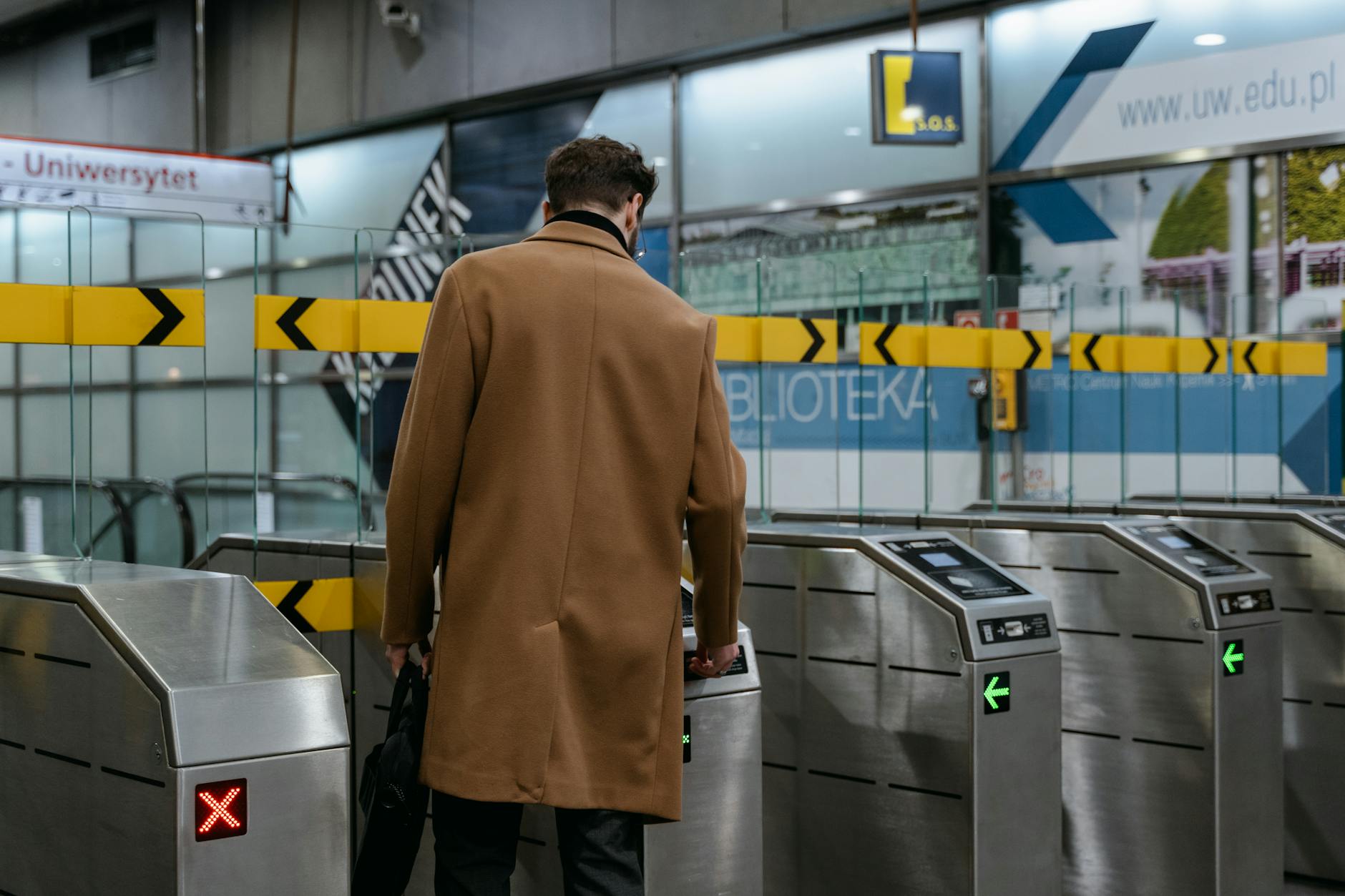
Announcements, signage, and ticketing machines in some countries are available exclusively in the local language, which can make navigation challenging for visitors who do not speak it. Learning a handful of key transit-related words such as the terms for exit, platform, destination, and line in the local language can make a significant difference. Taking screenshots of your route written in the local script is a practical strategy in countries that use non-Latin alphabets such as Japan, China, Russia, or Greece. Many transit systems in major tourist cities have introduced English signage and announcements in recent years, but this is far from universal across all routes and regions. Having a translation app installed and ready to use offline is a valuable backup tool in linguistically challenging environments.
Timetable Gaps
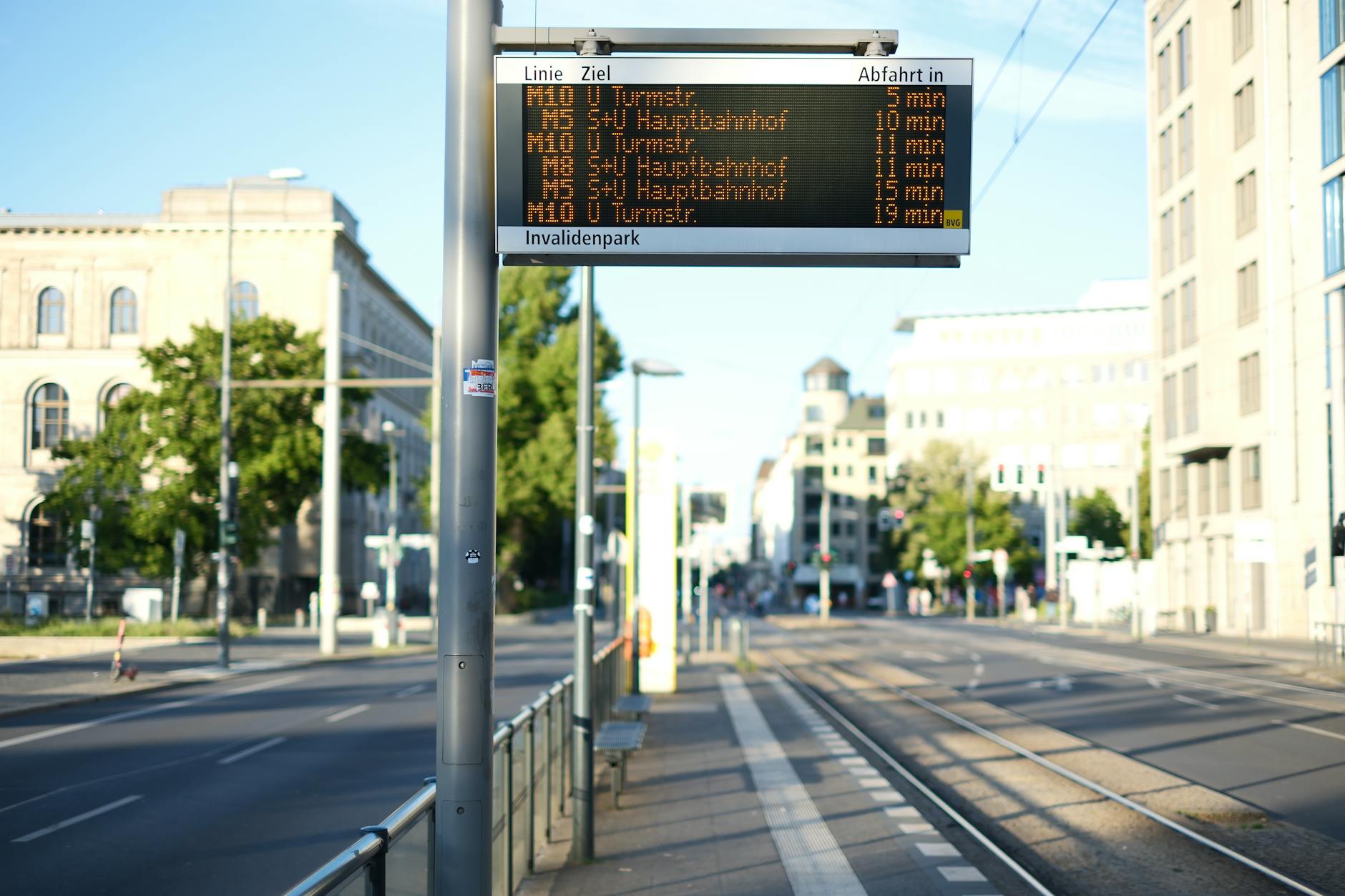
Unlike urban metros that run every few minutes, regional and rural bus or train services in many countries operate on limited timetables with long gaps between departures. Missing a rural connection can mean waiting several hours for the next service, which can derail carefully planned itineraries. Checking whether your journey involves any transfers that rely on timed connections is essential before you commit to a route. Building buffer time into your schedule when using infrequent services prevents a single delay from cascading into a much larger disruption. Downloading timetables in advance rather than relying on live data is recommended in areas with unreliable mobile coverage.
Contactless Payment
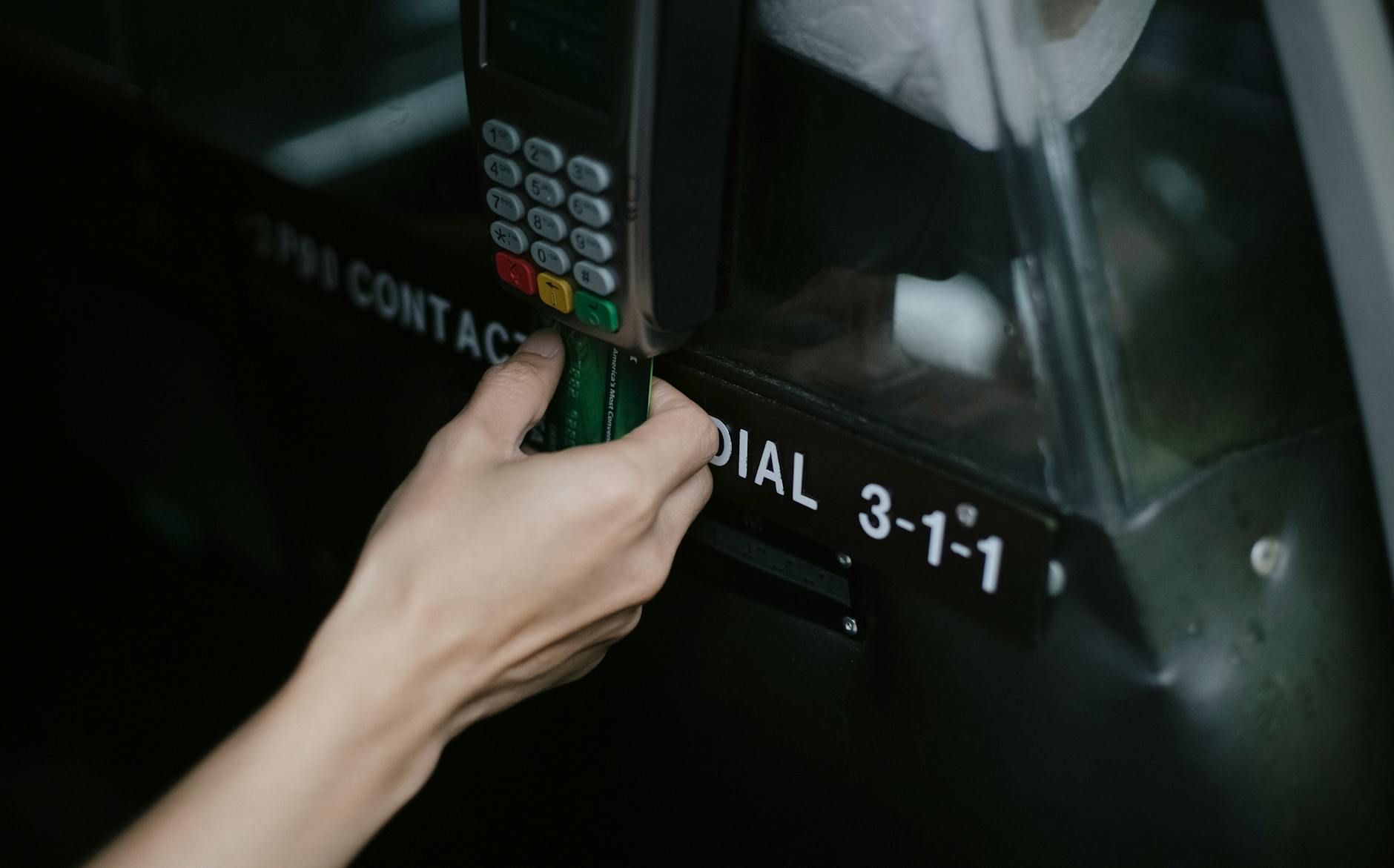
An increasing number of transit systems worldwide now accept contactless bank card and smartphone payments directly at tap-in points, eliminating the need for a separate transit card altogether. This is particularly convenient for short stays where purchasing and loading a dedicated card may not be cost-effective. However, contactless payment is not universally available and may be restricted to certain lines, stations, or vehicle types even within the same city. It is also important to check whether your bank charges foreign transaction fees on small payments, as these can add up quickly across multiple daily journeys. Confirming acceptance before you travel rather than assuming compatibility prevents awkward moments at busy ticket barriers.
Etiquette Norms
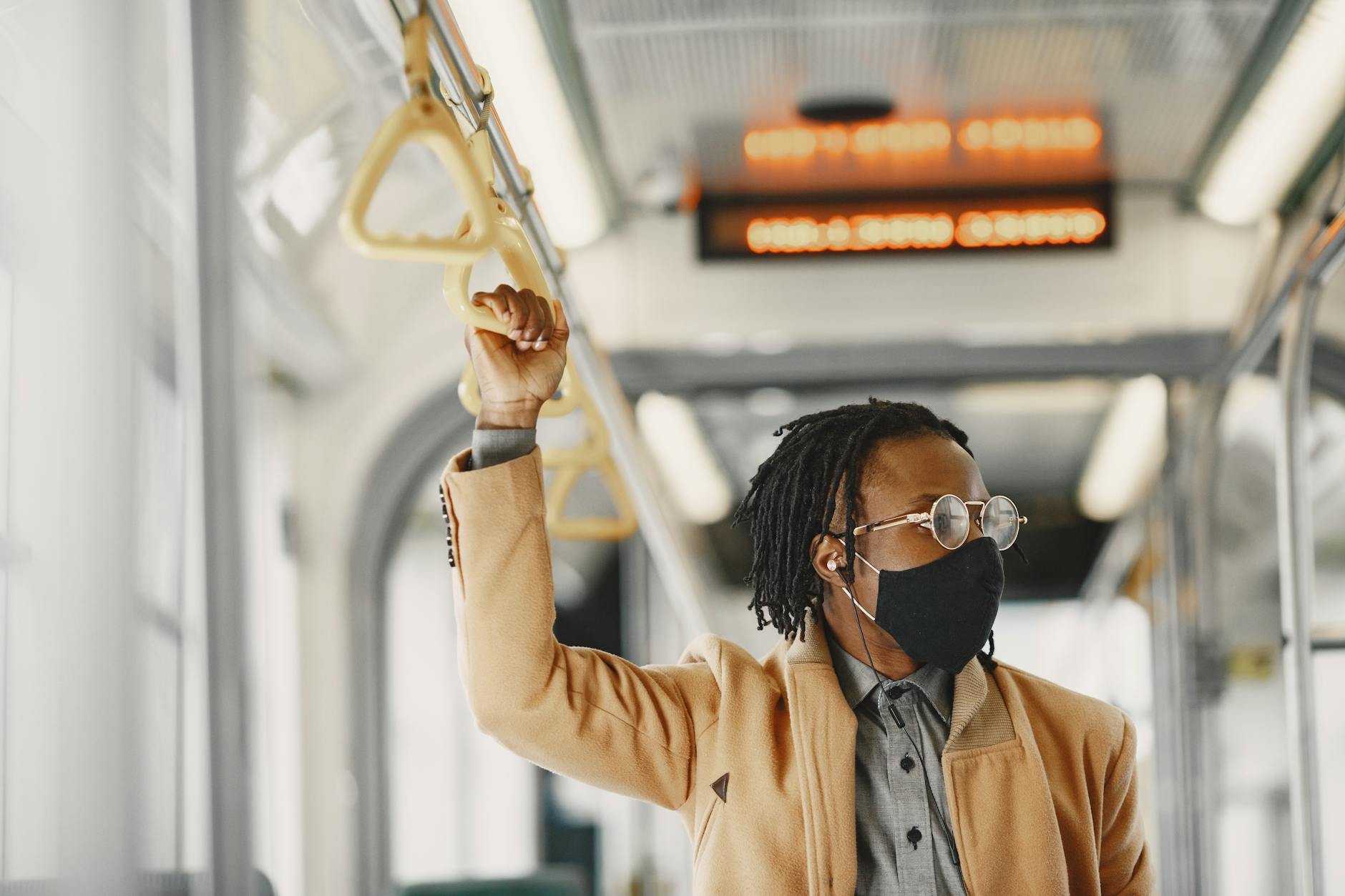
Public transit etiquette varies considerably from country to country and ignoring local norms can attract unwanted attention or cause unintentional offence. In Japan, phone calls are considered deeply impolite on trains and passengers are expected to set devices to silent and speak in hushed tones if at all. In contrast, the lively atmosphere on transit systems in parts of Latin America and the Middle East is far more socially relaxed and animated. Eating and drinking are prohibited on many transit networks including those in Singapore, Washington D.C. and parts of Tokyo, with fines enforced for violations. Observing how other passengers behave during your first few rides is one of the most effective ways to calibrate your own conduct to local expectations.
What tips have helped you navigate public transportation in a foreign country? Share your experiences in the comments.