
Navigating a real estate transaction can be overwhelming, and it is natural to lean heavily on an agent for guidance and support. However, there are certain requests that cross professional, ethical, or legal boundaries that every buyer and seller should be aware of. Understanding these limits protects the agent, the client, and the integrity of the entire transaction. Knowing what not to ask ensures a smoother, more respectful working relationship from start to finish.
Price Manipulation

Asking an agent to list a property at an artificially inflated price to “test the market” is one of the most counterproductive requests a seller can make. Overpriced homes sit on the market longer, accumulate days on market stigma, and often sell for less than they would have with accurate pricing from the start. A professional agent uses comparable sales data and market analysis to arrive at the most strategic price. Ignoring that expertise undermines the entire sales process and wastes valuable time for everyone involved.
Disclosure Omission

Requesting that an agent conceal known property defects from potential buyers is not only unethical but also illegal in most jurisdictions. Real estate agents are legally obligated to disclose material facts that could affect a buyer’s decision or the value of a property. Sellers who attempt to hide issues such as water damage, foundation problems, or pest infestations expose themselves to serious legal liability after closing. An agent who agrees to such a request risks losing their license and facing civil or criminal penalties.
Dual Representation Pressure
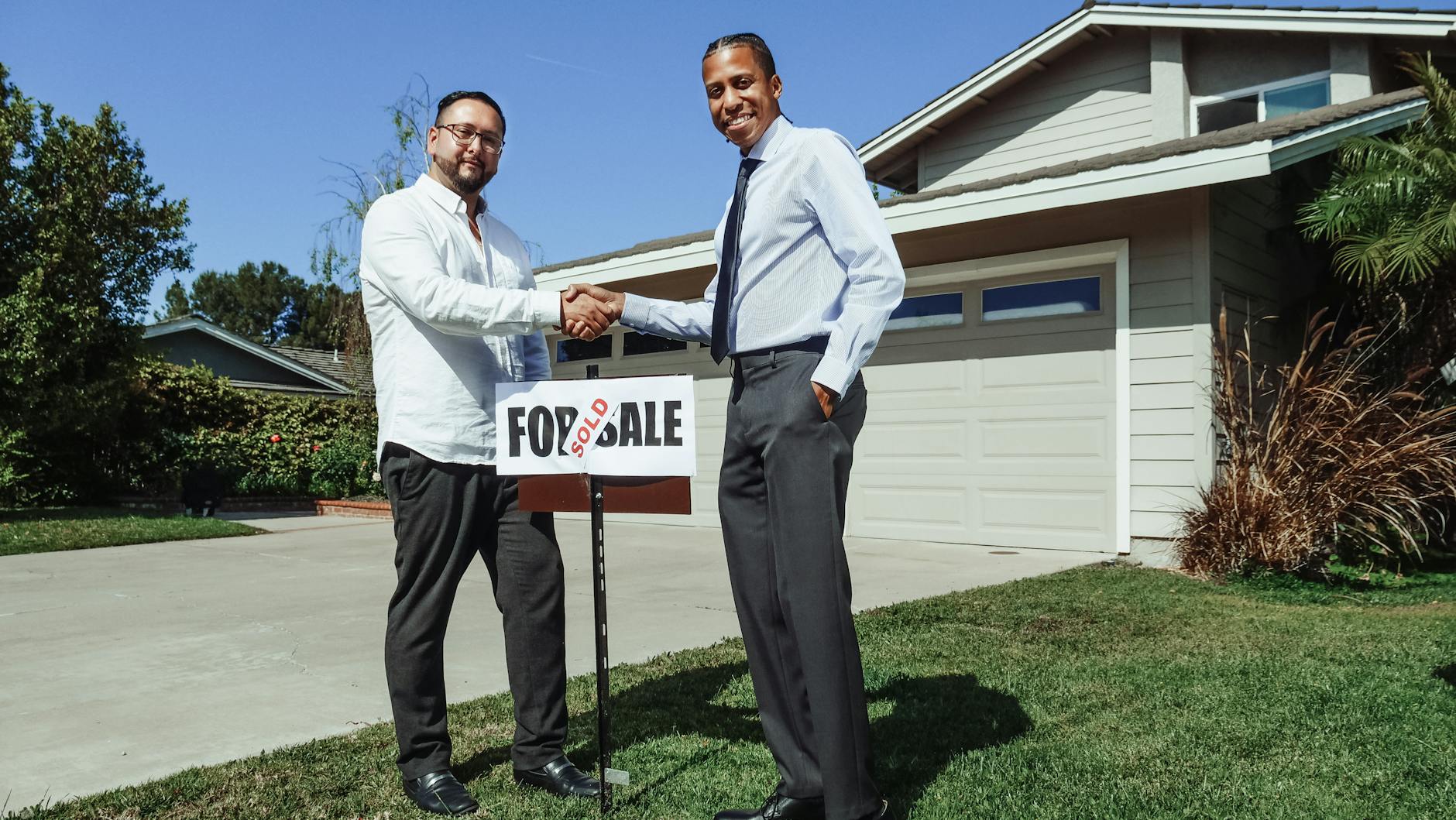
Pressuring an agent to secretly represent both the buyer and seller in a transaction without full disclosure is a serious breach of fiduciary duty. Dual agency is legal in many areas but only when all parties are fully informed and consent in writing before proceeding. An undisclosed dual agent cannot fully advocate for either side, creating significant conflicts of interest throughout negotiations. Clients should always understand the representation structure before signing any agreement.
Fair Housing Violations

Never ask an agent to steer you away from or toward certain neighborhoods based on the racial, ethnic, or religious composition of those communities. The Fair Housing Act prohibits discrimination in the sale, rental, and financing of housing based on protected characteristics. An agent who complies with such a request faces the loss of their license, heavy fines, and potential federal prosecution. Every buyer deserves to evaluate every neighborhood based on their own criteria without illegal influence.
Appraisal Interference

Asking an agent to influence or pressure an appraiser to hit a specific value is a federal offense and an ethical violation. Appraisers are independent professionals whose role is to provide an unbiased assessment of a property’s fair market value. Attempts to inflate appraisal values artificially can constitute mortgage fraud, which carries serious criminal consequences for all parties involved. Agents must maintain a strict separation between their advocacy role and the independent appraisal process.
Unlicensed Legal Advice

Requesting that an agent draft custom legal clauses, interpret contract law, or advise on tax consequences goes beyond the scope of their licensure. Real estate agents are trained in transactions and market conditions, not in the practice of law or tax planning. Providing legal advice without a law license is considered unauthorized practice of law in every state. Clients with complex legal or tax concerns should be directed to a qualified real estate attorney or certified tax professional.
Lowball Badmouthing

Asking an agent to deliberately speak negatively about a competing property to sway a buyer’s decision is both unprofessional and potentially fraudulent. Making false or misleading statements about another property can expose the agent and their brokerage to defamation claims and disciplinary action. A competent agent earns trust through honest, fact-based comparisons rather than disparaging competitors. Clients are better served by objective information that allows them to make informed decisions independently.
Inspection Skipping

Pressuring an agent to advise a buyer to waive a home inspection in order to make an offer more competitive is a request that creates significant risk. While waiving inspections has become more common in hot markets, it is a strategic decision that must rest entirely with the buyer after careful consideration. An agent who actively recommends skipping inspections to close a deal faster may not be acting in the client’s best interest. Undiscovered issues found after closing can result in costly repairs and potential legal disputes.
Document Falsification

Asking an agent to alter, backdate, or falsify any document related to a real estate transaction is a criminal act with severe consequences. Real estate paperwork including purchase agreements, disclosure forms, and closing documents are legal instruments that must be completed with full accuracy and honesty. Any agent who participates in document fraud risks criminal prosecution, civil lawsuits, and permanent loss of licensure. Clients who make such requests place themselves at equal legal risk and should seek independent legal counsel immediately.
Personal Errands

Expecting a real estate agent to run personal errands, manage unrelated scheduling tasks, or act as a general-purpose assistant falls well outside their professional role. Agents are hired to facilitate property transactions, conduct market research, negotiate on behalf of clients, and coordinate with other professionals in the deal. Their time and expertise are valuable resources best directed toward achieving the best possible outcome in a transaction. Maintaining professional boundaries ensures the agent can focus fully on what they are trained and licensed to do.
Kickback Arrangements

Requesting that an agent receive or pass along undisclosed referral fees or kickbacks in exchange for recommending specific vendors is a violation of federal law. The Real Estate Settlement Procedures Act prohibits undisclosed payments between service providers in a transaction. Agents who accept referral fees must disclose them in writing to all relevant parties before any agreement is finalized. Clients who suspect undisclosed kickbacks should consult a real estate attorney to review the transaction.
Unsolicited Access

Asking an agent to enter another party’s property without proper notice or permission is a trespass regardless of how eager a buyer may be to revisit a home. Most purchase agreements and local regulations require advance notice to sellers or tenants before any showing or walkthrough takes place. An agent who violates this requirement risks legal action and damages their professional reputation. Respecting access protocols protects everyone involved and maintains the professionalism of the transaction.
Negotiation Misrepresentation

Requesting that an agent lie to the other party about competing offers, financing status, or buyer motivation to gain a negotiating edge is a form of fraud. Agents are bound by codes of ethics that require honest dealing with all parties in a transaction, not just their own clients. Misrepresenting material facts during negotiations can unwind a deal entirely and expose both the agent and client to legal liability. Strong negotiation relies on strategy, timing, and market knowledge rather than deception.
Timeline Pressure
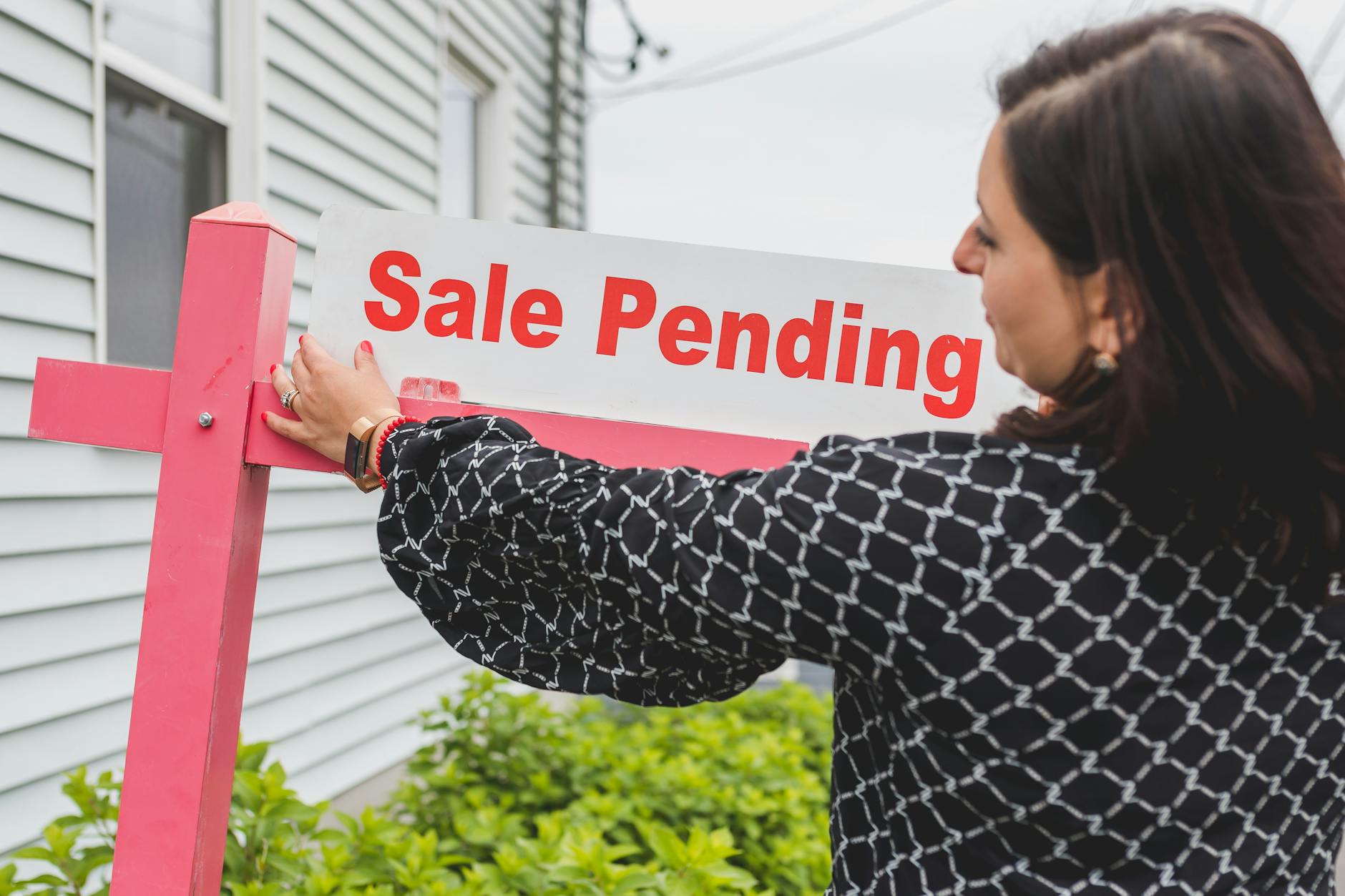
Pressuring an agent to rush lenders, title companies, or other third parties in ways that compromise accuracy or compliance is a common but damaging request. Closing timelines exist to protect all parties and allow time for proper title searches, underwriting, and legal review. Artificially compressing these timelines can result in errors, missed contingencies, or compliance violations that delay or destroy a closing. Patience and clear communication between all parties consistently produce better outcomes than pressure tactics.
Commission Concealment
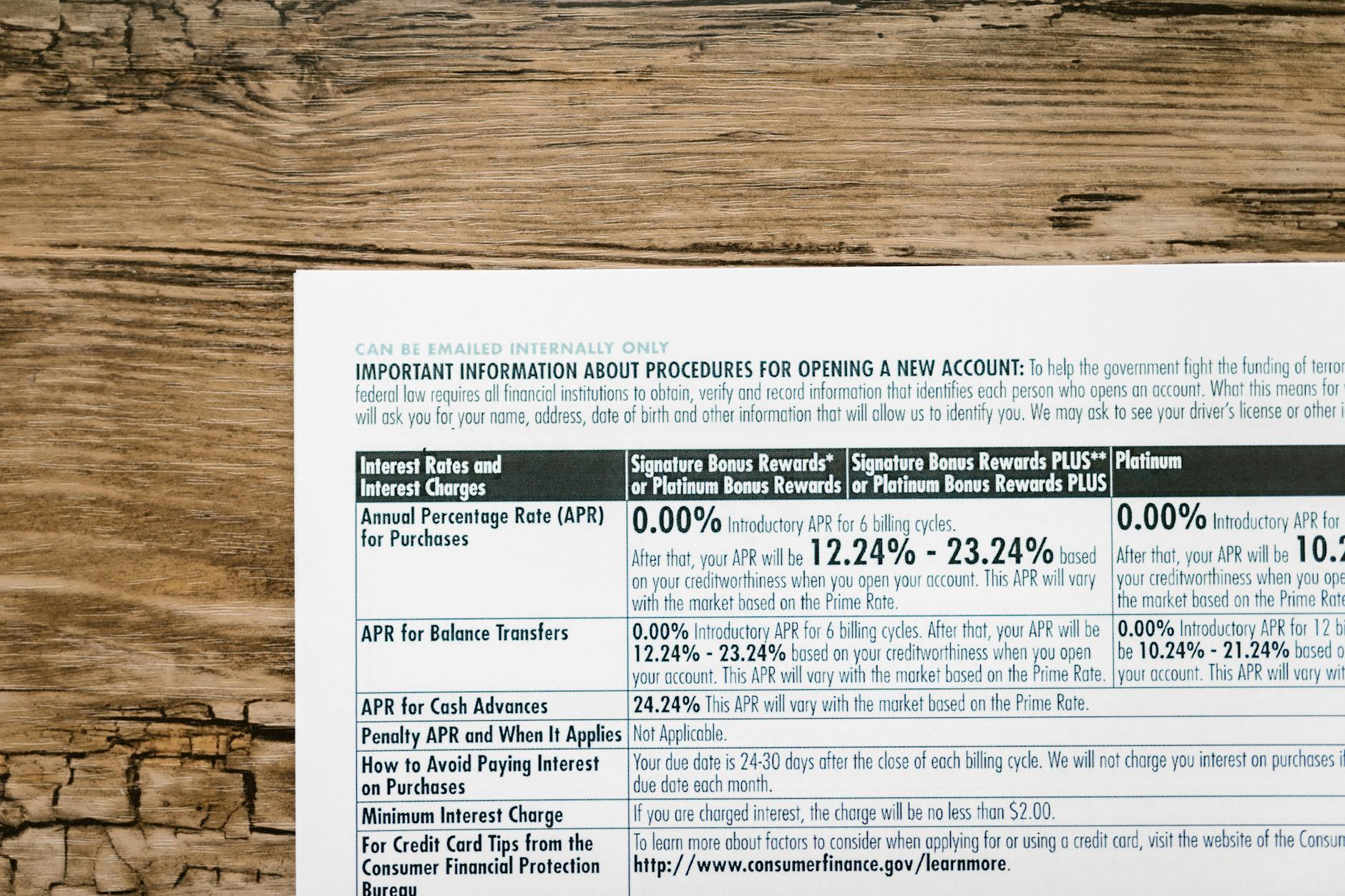
Asking an agent to hide or misrepresent their commission structure from other parties involved in a transaction is a breach of transparency and professional standards. Recent regulatory changes in many markets have increased the requirements around commission disclosure at every stage of the process. Buyers and sellers alike have the right to understand exactly what fees are being paid and to whom throughout a transaction. Open and honest compensation discussions build trust and ensure that all parties enter agreements with a clear and accurate understanding of the financial terms.
Have you ever had an unexpected experience with a real estate agent? Share your thoughts in the comments.