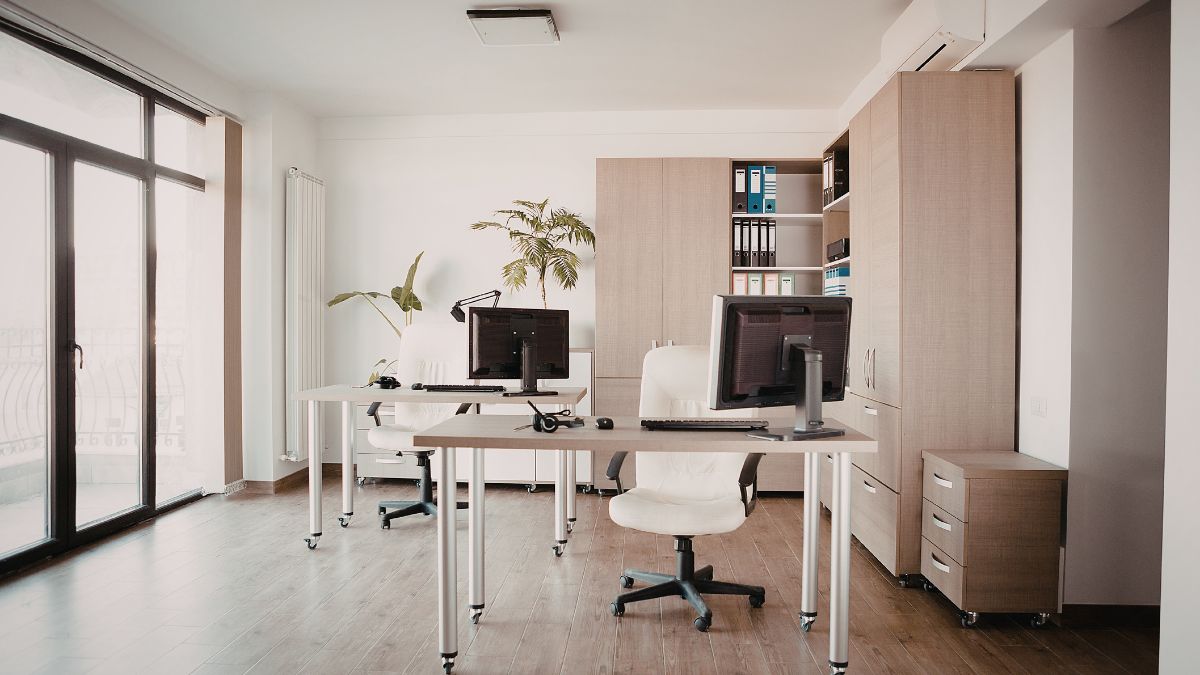
The home office has become one of the most consequential environments in modern working life and one of the most consistently misdesigned. Billions of dollars are spent annually on products marketed specifically to remote workers and home-based professionals with the overwhelming majority of purchasing decisions driven by aesthetic appeal, perceived productivity signaling or simple habit transfer from corporate office environments that were themselves rarely optimized for deep cognitive work. Environmental psychology and cognitive neuroscience have produced a substantial body of research demonstrating that the physical workspace exerts a continuous and largely unconscious influence on attentional capacity, decision fatigue, stress response and creative output. The following 25 purchases represent the most common and most costly mistakes made by home office builders who want focus but inadvertently buy its opposite.
Multifunction Printer
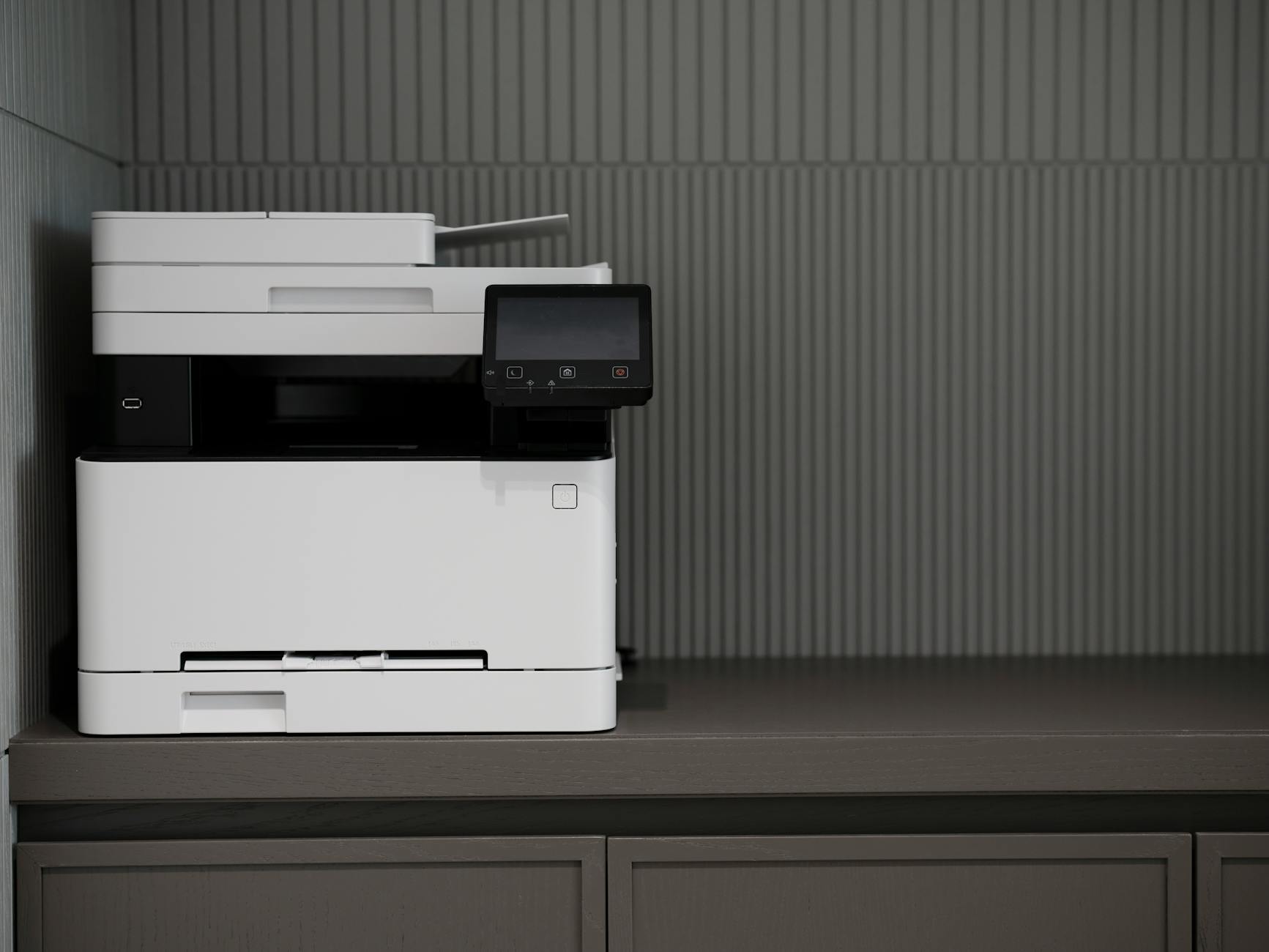
The multifunction printer represents one of the most reliable generators of low-grade ambient anxiety in the home office environment combining the visual bulk of a large machine with the acoustic intrusion of mechanical operation and the chronic psychological burden of a device that is perpetually demanding maintenance attention through flashing ink warnings paper jam notifications and firmware update requests. Research in environmental psychology identifies objects that make persistent low-level demands on attention as significant contributors to the background cognitive load that accumulates across a working day and degrades the quality of sustained concentration even when the object is not being actively used or consciously noticed. The functional justification for a multifunction printer in a home office has weakened dramatically with the digitization of document workflows with most scanning copying and faxing needs now more efficiently addressed through smartphone applications and cloud-based document services that produce no physical presence no noise and no maintenance burden in the workspace. The consumable dependency of printer ownership creates a specific category of task-switching interruption in which a working session is broken not by an important priority but by the discovery that ink or paper has run out at a moment of productive momentum. Professionals who remove multifunction printers from their home offices consistently report an improvement in workspace clarity and a reduction in the low-level administrative anxiety that printer maintenance generates without any meaningful reduction in their actual document handling capacity.
Smart Speaker
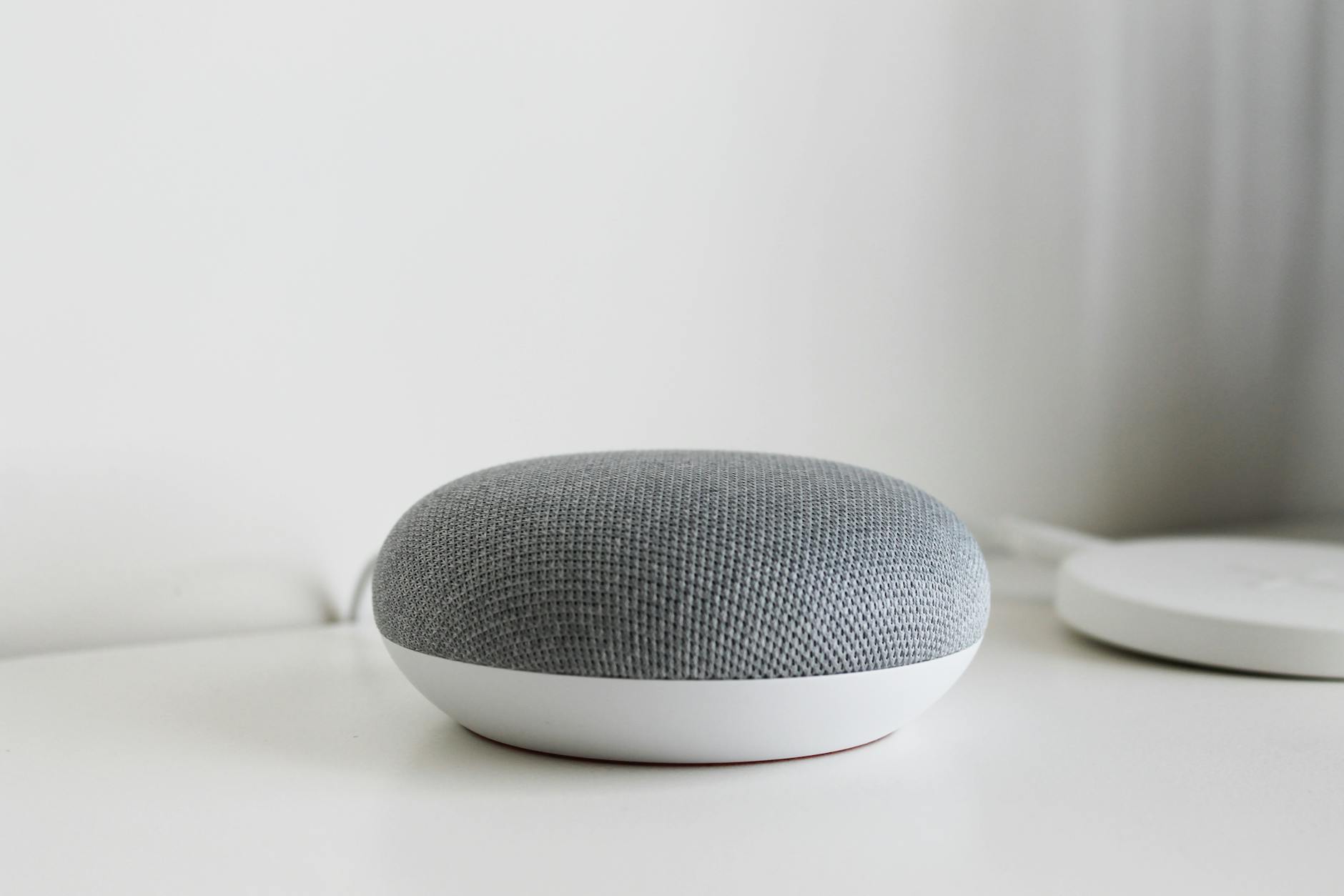
The smart speaker installed in a home office environment represents a architecturally permanent invitation for interruption that fundamentally conflicts with the attentional conditions required for deep cognitive work regardless of how disciplined the owner intends to be about its use. Cognitive science research on the mere presence effect demonstrates that the availability of a communication or entertainment device in a workspace reduces cognitive performance on demanding tasks even when the device is not activated because the brain allocates a portion of its attentional resources to monitoring and inhibiting the impulse to engage with the available stimulus. The wake word sensitivity of smart speakers creates an additional vulnerability in which ambient conversation or audio from video calls triggers unintended device activation that interrupts workflow with responses queries or music playback at precisely the moments of deepest concentration. The convenience functions that smart speakers perform in the home office including timer setting unit conversion and calendar checking are each available through existing computer interfaces that require no additional device presence and produce no independent acoustic or attentional intrusion in the workspace. Research on the relationship between ambient technology density and sustained attention consistently identifies the removal of non-essential connected devices from the primary work environment as one of the highest-return interventions available to knowledge workers seeking to improve their concentration quality.
Television
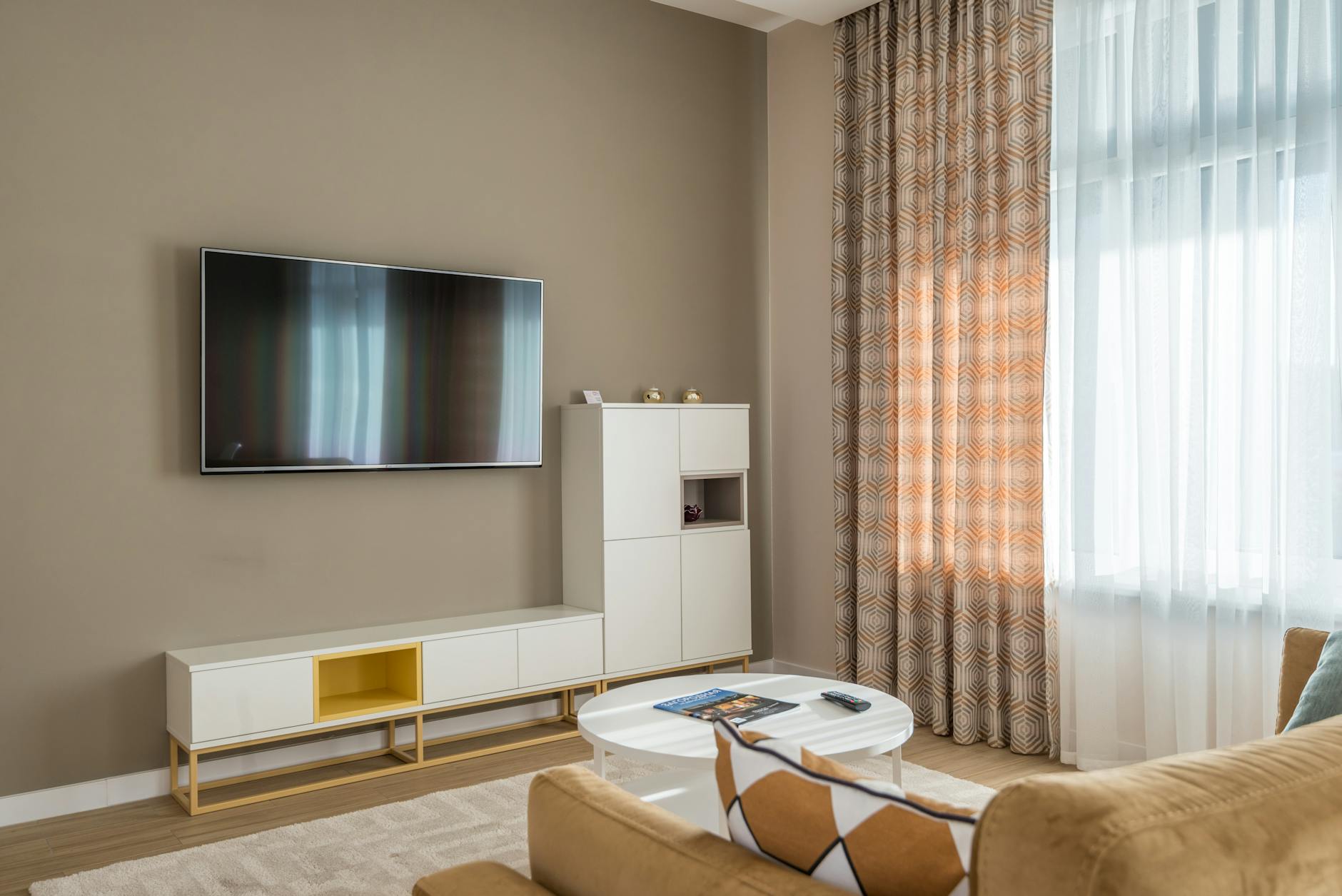
Installing a television in a home office creates a visual attentional anchor of exceptional power whose capacity to draw the eye and fragment concentration operates continuously regardless of whether the screen is active because the brain’s visual system automatically prioritizes large rectangular light-emitting surfaces in the visual field as potential sources of socially relevant information. Neuroscience research on involuntary attention capture identifies screens as among the most powerful environmental triggers of the orienting response a reflexive redirection of attention toward novel visual stimuli that evolved for survival purposes but that in the modern workspace operates as a perpetual tax on voluntary attentional control. The rationalization that a home office television will be used exclusively for background news or ambient content is contradicted by behavioral research on media multitasking which consistently demonstrates that background television degrades performance on reading comprehension writing quality and complex reasoning tasks to a degree that participants reliably underestimate when self-assessing. The physical presence of a television in the workspace also exerts a psychological effect on the perception of the space as a work environment with research in environmental cognition finding that the behavioral associations activated by workspace furniture and objects influence the cognitive and motivational states that workers bring to the space independent of whether those objects are being used. Home office designers who exclude television entirely report not only improved focus during working hours but a cleaner psychological separation between work and leisure states that reduces the chronic low-grade role confusion that hybrid work environments consistently produce.
Decorative Clutter

The accumulation of decorative objects in a home office environment including figurines awards souvenirs framed photographs and collectibles creates a visual complexity that cognitive neuroscience research identifies as a consistent source of attentional competition with the primary work task. Each decorative object in the visual field represents a potential attentional capture event whose probability increases with the object’s personal significance emotional associations or visual distinctiveness creating an environment in which emotionally meaningful decoration is paradoxically more disruptive to concentration than neutral visual noise. Research on the relationship between visual complexity and cognitive performance consistently finds that environments with higher object density in the visual field produce lower scores on tasks requiring sustained attention working memory and creative problem-solving with the effect being most pronounced for the subset of personality types characterized by high openness to experience who are also frequently the most motivated decorators of their personal workspaces. The specific category of awards and achievement memorabilia displayed in the workspace has been found in social psychology research to produce a complex motivational effect in which past achievement symbols can subtly reduce current effort by activating a psychological state of already having accomplished that attenuates the drive to continue performing. A workspace that maintains clear horizontal surfaces unobstructed sight lines and a minimal visual object count consistently produces better sustained attention outcomes than one that has been personalized with the full inventory of a person’s aesthetic and sentimental life.
Scented Candles

Scented candles purchased for the home office on the basis of their marketed concentration or relaxation benefits represent a category of workspace addition whose actual cognitive effects are considerably more complex and frequently counterproductive than their marketing suggests. The volatile organic compounds released during candle combustion including toluene benzene and formaldehyde accumulate in enclosed indoor spaces at concentrations that indoor air quality research has associated with impaired cognitive function headache and irritation of mucous membranes at exposure levels routinely achieved in a standard home office room during a typical candle-burning session. The olfactory stimulus of a strongly scented candle regardless of its chemical composition creates an additional sensory processing demand that competes with cognitive resources allocated to primary work tasks particularly for individuals engaged in language-intensive work where semantic processing and olfactory processing draw on partially overlapping neural resources. The fire safety management dimension of candle use in a workspace occupied by distracted and deeply focused workers creates a specific risk profile that insurance data on residential fire incidents involving candles consistently identifies as elevated during periods of concentrated mental activity when monitoring of the candle flame falls below the threshold of conscious attention. Diffusers using cold-process essential oil dispersion avoid the combustion chemistry concerns while delivering equivalent olfactory stimulation but the attentional competition and indoor air quality considerations of any strong olfactory stimulus in a small enclosed workspace apply regardless of the delivery mechanism.
Gaming Chair
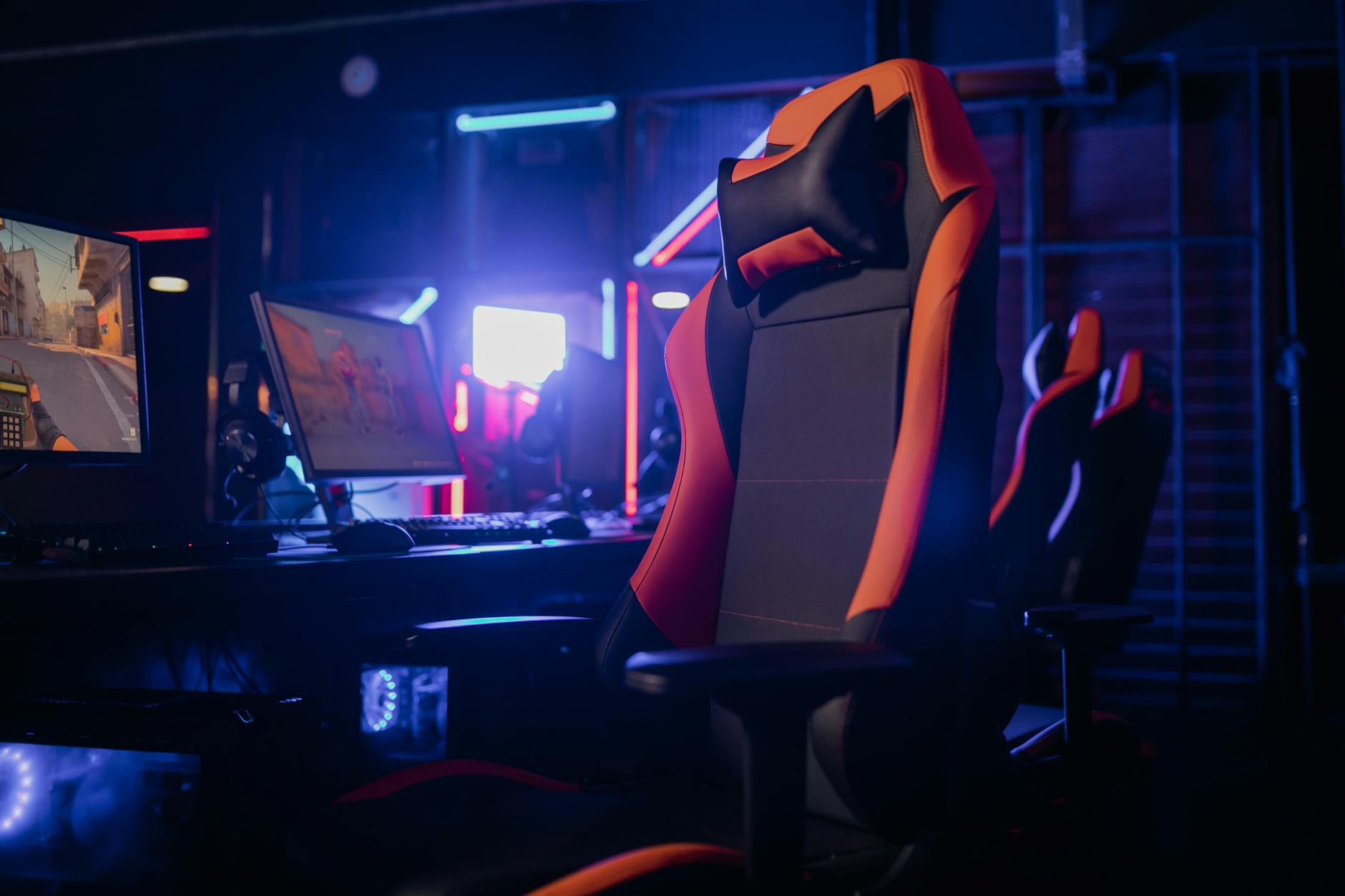
The gaming chair has achieved significant penetration in home office environments on the basis of its ergonomic marketing and its aesthetic association with high-performance computing environments despite substantial evidence that its design priorities are oriented toward extended recreational computer use rather than the sustained upright posture required for productive cognitive work across a standard professional day. Ergonomics research comparing seating categories consistently identifies the pronounced bucket seat design of gaming chairs with their elevated side bolsters fixed lumbar support positions and reclining orientation as producing spinal loading patterns that differ from clinical ergonomic recommendations for office seating in ways that accumulate as discomfort and postural fatigue across sessions exceeding two hours. The reclined seating angle encouraged by gaming chair design which positions the occupant at a greater than 90 degree torso-to-thigh angle reduces diaphragmatic breathing efficiency in ways that subtly reduce the oxygen exchange rate during extended sitting creating a physiological basis for the afternoon fatigue and reduced alertness that many gaming chair users attribute to other causes. Research on the relationship between seating posture and cognitive performance consistently finds that slightly forward-tilted or upright postures produce measurably better performance on attention and executive function tasks than reclined positions with the effect attributed to both physiological arousal differences and the activating psychological associations of upright versus reclined body orientation. The investment redirected from a gaming chair toward a genuinely clinically designed ergonomic office chair with adjustable lumbar support seat depth and armrest positioning produces both physical comfort and attentional benefits that home office workers consistently report as among the highest-return equipment decisions they have made.
Novelty Desk Toys
Fidget devices stress balls kinetic desk sculptures and other novelty objects marketed to home office workers on the basis of their purported concentration or stress-relief benefits represent a category whose actual cognitive effects have been examined in research that consistently produces more nuanced and frequently unflattering findings than the products’ marketing suggests. Research on fidget devices in adult knowledge worker populations finds that their effect on concentration depends critically on the nature of the primary task with motor-demanding fidgeting producing the most significant interference with language and reading tasks while showing neutral or modest benefits only for listening tasks that do not require visual or motor resources simultaneously. The presence of a visually interesting kinetic object on the desk surface creates an involuntary attention capture dynamic that operates continuously whether or not the object is being actively manipulated with the brain’s visual system automatically directing saccadic eye movements toward moving or visually complex objects in the peripheral field in ways that interrupt the attentional focus required for demanding cognitive work. The purchasing psychology surrounding desk toys frequently involves the substitution of object acquisition for the more cognitively demanding work of addressing the genuine sources of workplace stress or concentration difficulty creating a pattern in which each toy purchase provides a brief novelty-driven improvement followed by adaptation and a return to baseline difficulty that motivates the next purchase. Professionals who systematically clear novelty objects from their desk surfaces consistently report an initial experience of the workspace feeling bare or sterile followed within days by an adaptation to the reduced visual competition that produces measurably improved capacity for sustained single-task attention.
Mini Fridge
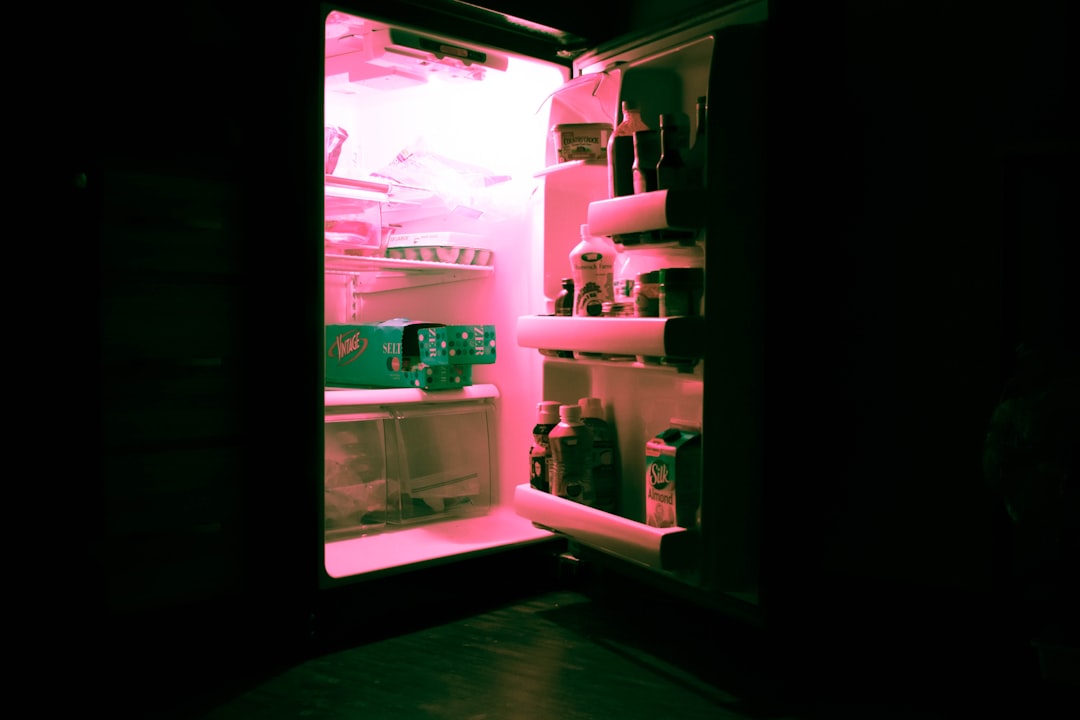
The installation of a mini refrigerator in the home office represents a purchasing decision that is rationalized as a time-saving convenience but that behavioral research on food proximity and consumption patterns reveals as a consistent source of productivity disruption through its effect on eating behavior decision fatigue and the blurring of activity-context boundaries within the workspace. Research on environmental eating cues consistently demonstrates that the proximity of food increases consumption frequency and total caloric intake independent of hunger signals with the effect being particularly pronounced for individuals engaged in cognitively demanding work where the brain’s glucose demands and stress-related appetite activation create a biological basis for increased food-seeking that proximity transforms into actual eating episodes. The decision-making burden associated with a mini fridge stocked with food options creates a specific category of low-stakes decision that behavioral economists identify as contributing to decision fatigue the progressive depletion of executive function resources by repeated choices that accumulates across the working day and degrades the quality of more important decisions made later in the session. The sound profile of a running mini refrigerator which produces a continuous low-frequency compressor hum and periodic cycling sounds represents a category of ambient noise that acoustic psychology research identifies as particularly disruptive to concentration because its irregular cycling pattern prevents the auditory habituation that continuous white noise produces. Establishing a physical separation between the work environment and food access points creates a natural microbreak structure and a context boundary that behavioral research on habit formation identifies as genuinely productive for both work focus and healthier eating patterns.
Lava Lamp
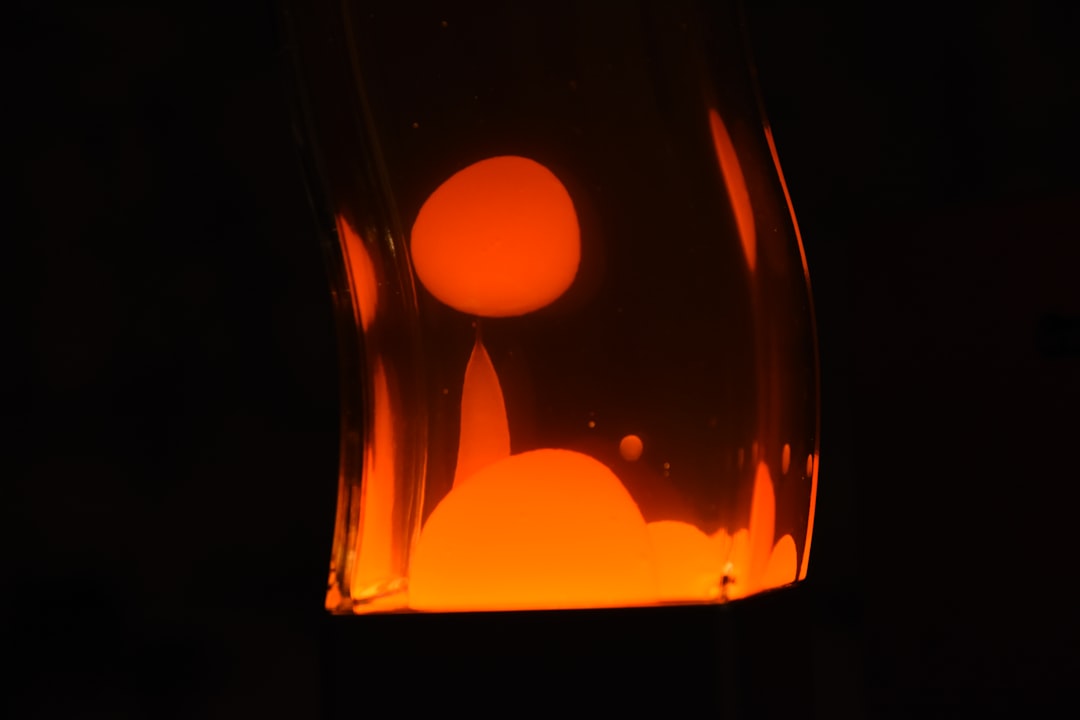
The lava lamp and its functional equivalents including plasma globes motion-fluid displays and other ambient visual devices represent purchases made on the basis of their stress-reducing aesthetic appeal but whose actual effect on the cognitive environment of a workspace involves a continuous source of involuntary visual attention capture that operates against the conditions required for sustained concentration. The movement of a lava lamp which is by design unpredictable and continuously variable activates the visual system’s motion detection pathway which evolved as a high-priority attentional system for tracking potential threats or prey and which cannot be fully suppressed by voluntary attention even when the observer is consciously directing focus toward a primary work task. Research in visual attention science identifies moving objects in the peripheral visual field as among the most potent triggers of involuntary attentional capture with the effect being significantly stronger for unpredictable motion patterns than for regular rhythmic movement because unpredictability maintains a higher level of the monitoring response that the motion detection system allocates to novel environmental events. The rationalization that ambient visual movement produces a meditative calming effect that supports concentration is partially supported by research on specific non-competitive visual environments but does not transfer to the workspace context where the lava lamp competes directly with a primary visual task for attention resources rather than filling an attentional vacuum as it does in a living room or waiting area. Professionals who have removed lava lamps and similar ambient visual devices from their workspaces consistently describe the change in attentional experience as immediately noticeable with a reduction in the effortful quality of sustained concentration that they had previously attributed to the difficulty of their work rather than to the visual competition in their environment.
Cheap Webcam
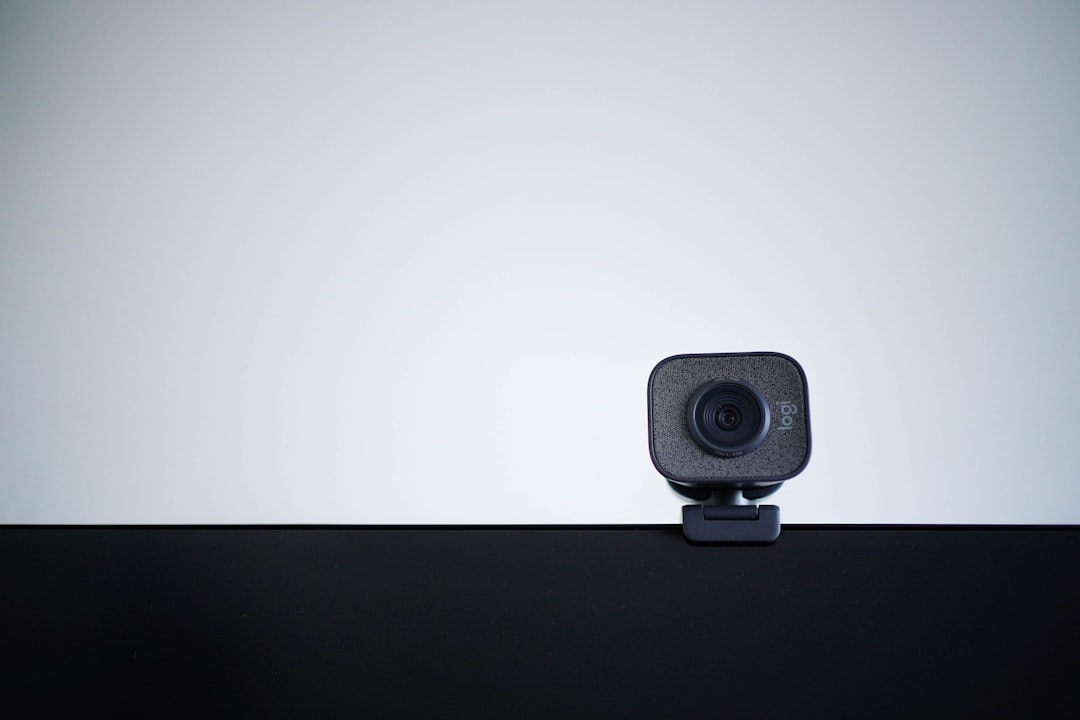
The purchase of a low-quality webcam for the home office represents a false economy whose costs are paid not in financial terms but in the subtle but consistent psychological and professional disadvantages produced by appearing as a low-resolution poorly lit and visually unstable presence in every video meeting and collaborative working session. Research in video communication psychology identifies image quality as a significant variable in how participants are perceived during video calls with lower image quality producing unconscious associations with reduced professionalism attentional disengagement from the conversation and a subtle but measurable reduction in the authority attributed to the speaker’s contributions. The cognitive burden of managing a poor webcam experience including adjusting positioning compensating for poor autofocus and monitoring one’s own appearance in the self-view window creates a consistent attentional tax on video meetings that compounds the already significant cognitive load of virtual communication and reduces the capacity available for the substantive content of the meeting itself. Poor webcam performance during collaborative sessions also affects the quality of the collaborative experience for all participants not only the owner of the substandard device with research on video meeting fatigue identifying visual quality inconsistency across participants as a specific contributor to the cognitive effort required to process communication in group video environments. The investment differential between a minimally adequate webcam and one that produces genuinely good image quality in typical home office lighting conditions has decreased substantially while the professional and cognitive benefits of consistent high-quality video presence accumulate across every video interaction in a working week.
Cluttered Cable Systems
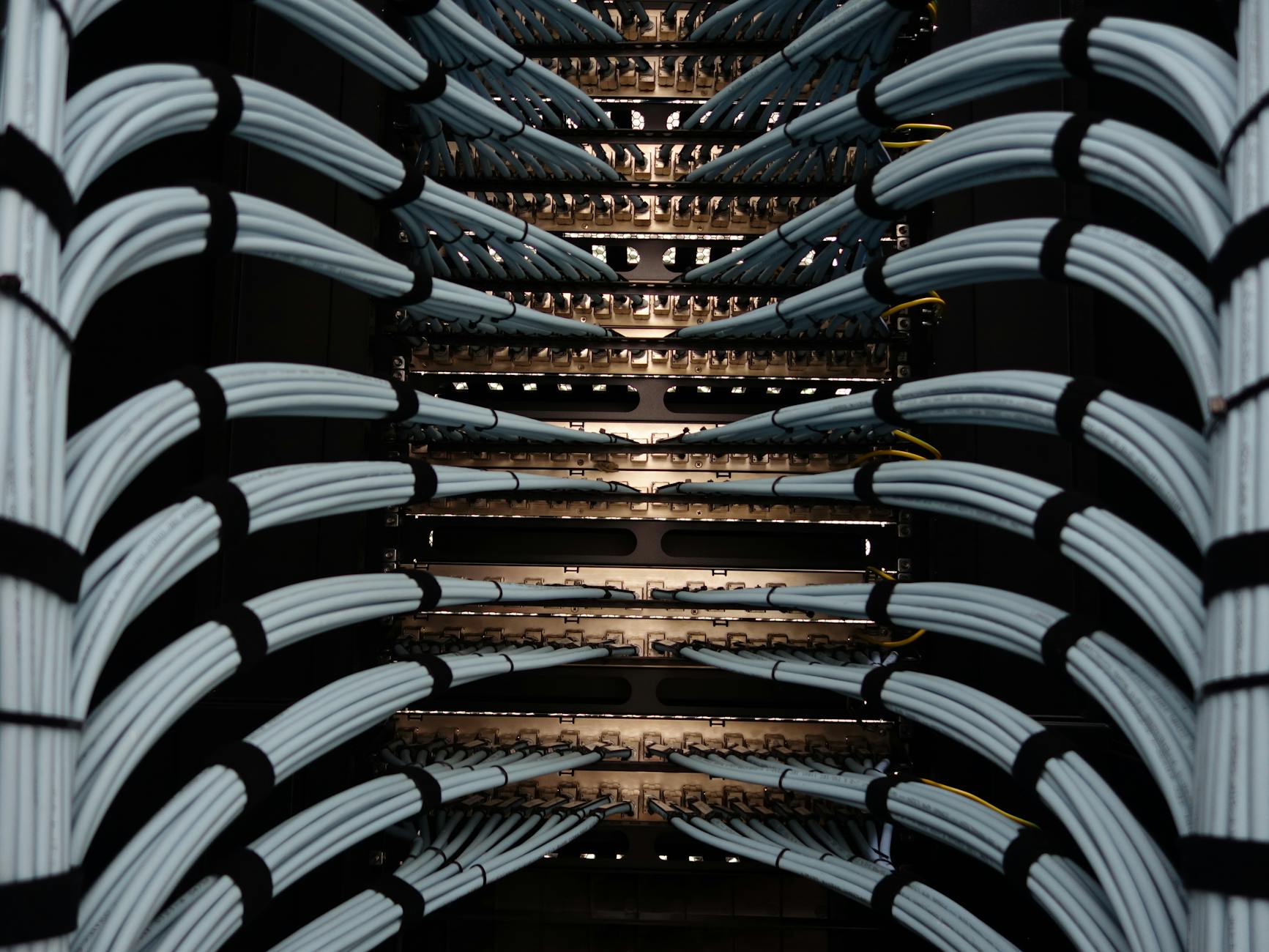
The proliferation of unmanaged power cables charging leads peripheral connection cables and extension cords across the home office desk surface and floor represents a physical manifestation of organizational disorder whose cognitive effects extend well beyond its aesthetic unpleasantness into documented impacts on the mental energy required to maintain focus in a visually complex environment. Research on the relationship between physical disorder and cognitive performance consistently identifies visual evidence of organizational incompleteness as a source of low-grade background stress that activates the same neural systems involved in unfinished task monitoring and that accumulates across the working day as a contributor to mental fatigue and reduced capacity for the type of relaxed sustained attention that deep work requires. The practical friction created by unmanaged cables including the physical untangling required to reconfigure equipment the tripping hazard of floor-level cables and the time cost of identifying the correct cable among a tangled collection creates a specific category of micro-frustration events that individually appear trivial but that behavioral research on friction costs identifies as disproportionately disruptive to productive working states when they occur during transitions between tasks. The fire and electrical safety implications of overcrowded power strips and damaged cables in an environment that may receive less regular safety inspection than a commercial office represent a genuine risk that home office workers routinely underestimate in the absence of the occupational health oversight that governs cable management standards in formal workplace environments. Systematic cable management using appropriate routing channels anchoring points and labeling produces an immediate and lasting improvement in both the visual clarity of the workspace and the practical efficiency of equipment interaction that home office workers consistently identify as producing a disproportionately large improvement in their experience of the space relative to the modest investment required.
Unnecessary Second Monitor
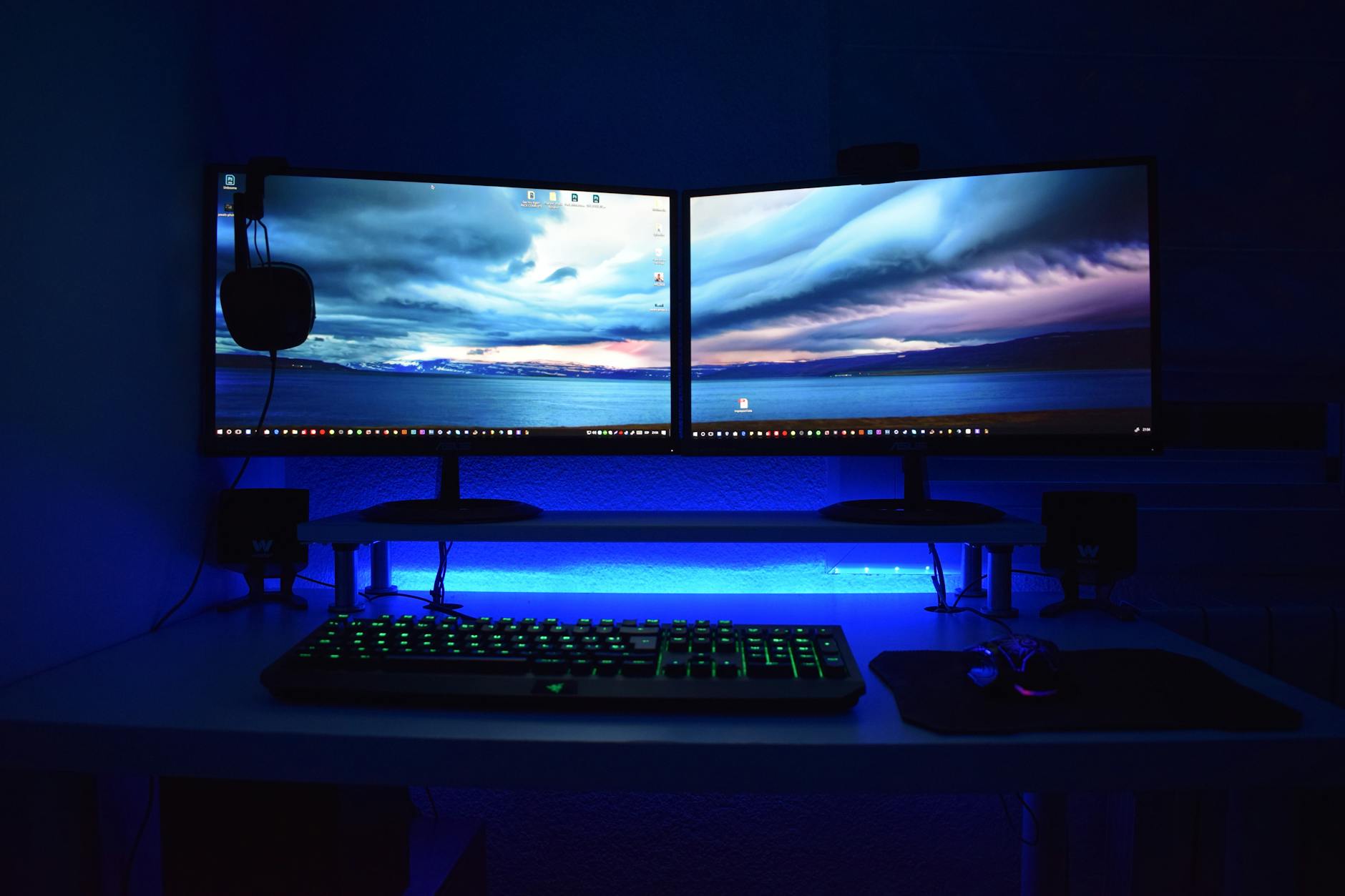
The addition of a second monitor to a home office setup is one of the most commonly recommended productivity investments in remote work culture and one of the most frequently counterproductive for knowledge workers whose primary work involves deep single-task concentration rather than the reference-intensive workflows for which dual monitor setups produce genuine benefits. Research on the productivity effects of multiple monitors consistently finds that the benefit is task-specific and highly variable with dual monitors producing clear advantages for tasks requiring simultaneous reference to multiple documents or applications and producing neutral or negative effects for tasks requiring sustained single-document focus where the additional screen surface primarily increases the available area for distraction. The expanded desktop real estate of a dual monitor setup increases the number of simultaneously visible application windows notifications and visual stimuli that compete for attention during focused work sessions creating an environment in which the discipline required to maintain single-task focus is actively undermined by the physical availability of multiple simultaneous visual contexts. The cognitive switching cost of having communication applications reference materials and work documents simultaneously visible rather than deliberately accessed is documented in task-switching research as one of the most significant and most underestimated productivity losses in knowledge work with the cost of each unplanned attentional shift between contexts accumulating as a substantial reduction in deep work capacity across a full day. Knowledge workers who use a single high-quality monitor with deliberate application management consistently report higher quality deep work output than those who attempt to leverage a dual monitor setup without the disciplined workflow structure that the configuration requires to produce genuine benefits rather than expanded distraction surface.
Notification Devices
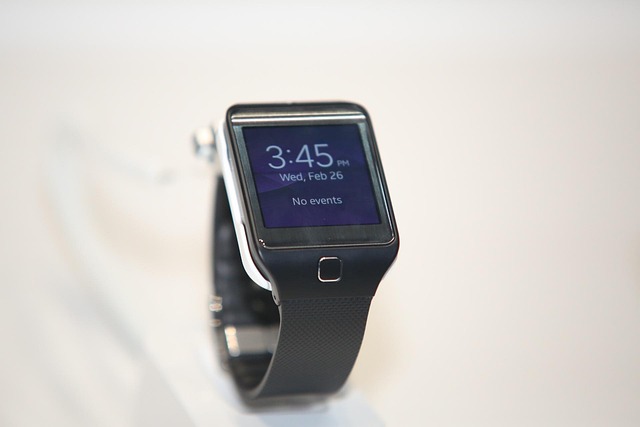
Smartwatches fitness trackers and dedicated notification display devices installed in the home office environment represent a category of purchase that converts the body or the peripheral visual field into a continuous notification delivery surface whose effect on attention is more comprehensively disruptive than the equivalent notifications delivered through a single managed computer interface. Research on the attentional cost of notifications consistently demonstrates that the disruption is not limited to the moment of notification receipt but extends to a pre-notification monitoring state in which the brain allocates background attentional resources to anticipating incoming notifications and a post-notification recovery period during which residual attention to the notification content competes with reengagement with the primary task. The physical intimacy of a wrist-worn notification device creates a specific attentional vulnerability in which the notification cannot be ignored through spatial separation strategies that are effective for managing desk-based devices because the stimulus is physically attached to the body of the worker and within the visual field regardless of desk configuration or physical workspace management. Productivity research on notification management consistently identifies the reduction of total notification surface area as a higher-return intervention than notification filtering or scheduling because each additional device that delivers notifications adds an independent attentional monitoring burden that compounds rather than substitutes for the burden of existing notification sources. Home office workers who limit notification delivery to a single managed channel and remove wrist-worn notification devices during deep work sessions consistently demonstrate both subjectively reported and objectively measured improvements in the duration and quality of their sustained attention periods.
Uncomfortable Visitor Chair
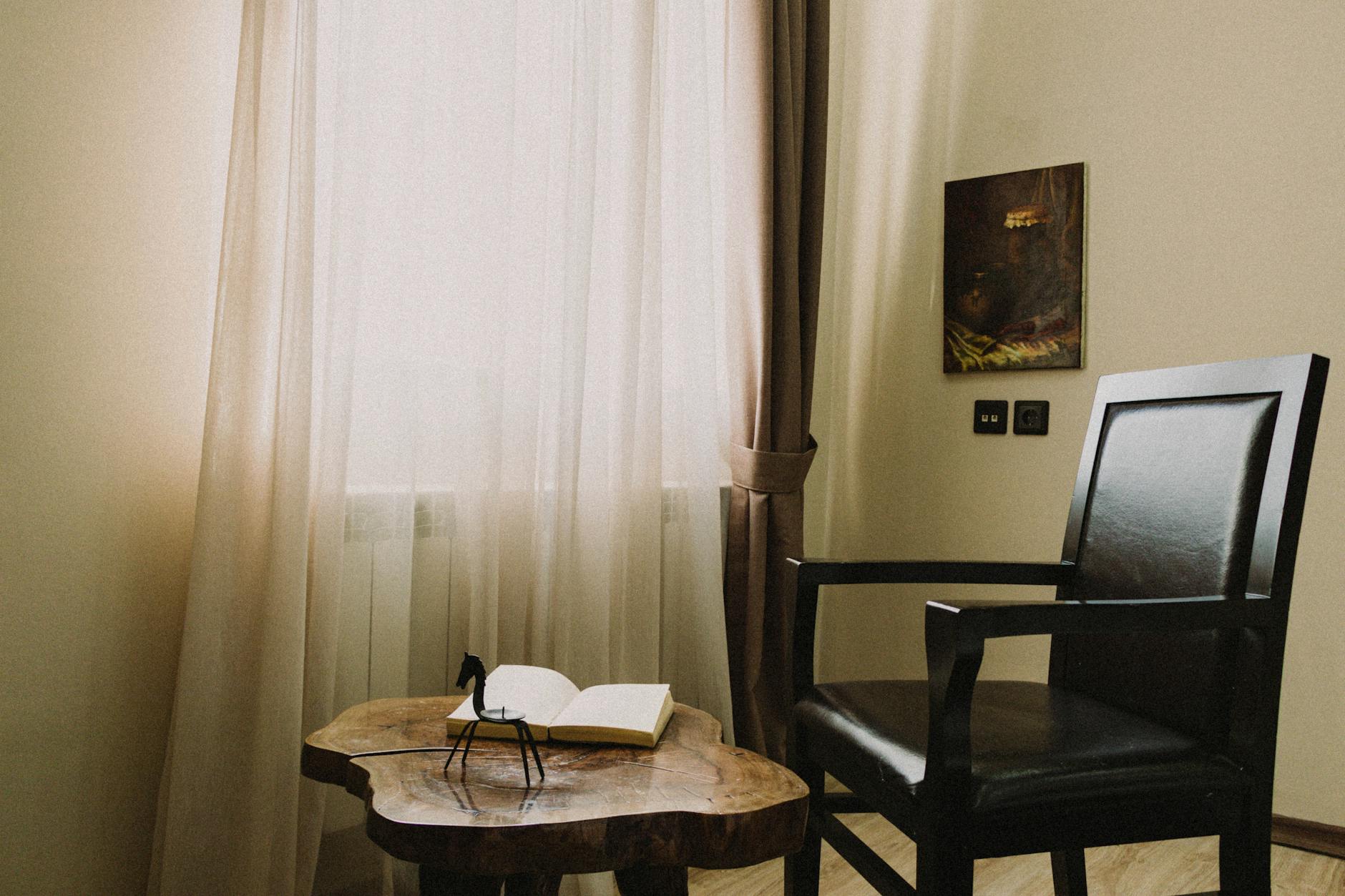
The installation of a visitor or guest chair in the home office represents a spatial decision that behavioral research on environmental invitation cues identifies as creating a persistent implicit pressure toward social availability that conflicts with the conditions required for focused independent work in a domestic environment. The presence of a comfortable additional seating option in the home office sends a consistent environmental signal to household members that the space is available for casual occupation and conversation creating an invitation dynamic that operates below the level of conscious communication and that produces more frequent casual interruptions than would occur if the workspace contained only the primary worker’s seating. Research on boundary management in home-based work consistently identifies physical space design as a more effective mechanism for communicating work mode to household members than verbal or rule-based communication alone with environmental cues proving more reliable than stated intentions in regulating the frequency of workspace interruptions across the full working day. The additional seating also creates a temptation for the primary worker to host informal meetings or collaborative sessions in the home office environment that would be more appropriately conducted in a shared household space with the workspace being designated and physically experienced as a zone of independent focused work rather than a general-purpose meeting location. Removing supplementary seating from the home office and establishing a clear single-occupant spatial identity for the room produces boundary effects that household members adapt to more readily than verbal or schedule-based communication of availability and produces a measurable reduction in unplanned social interruption across the working week.
Bright Overhead Lighting
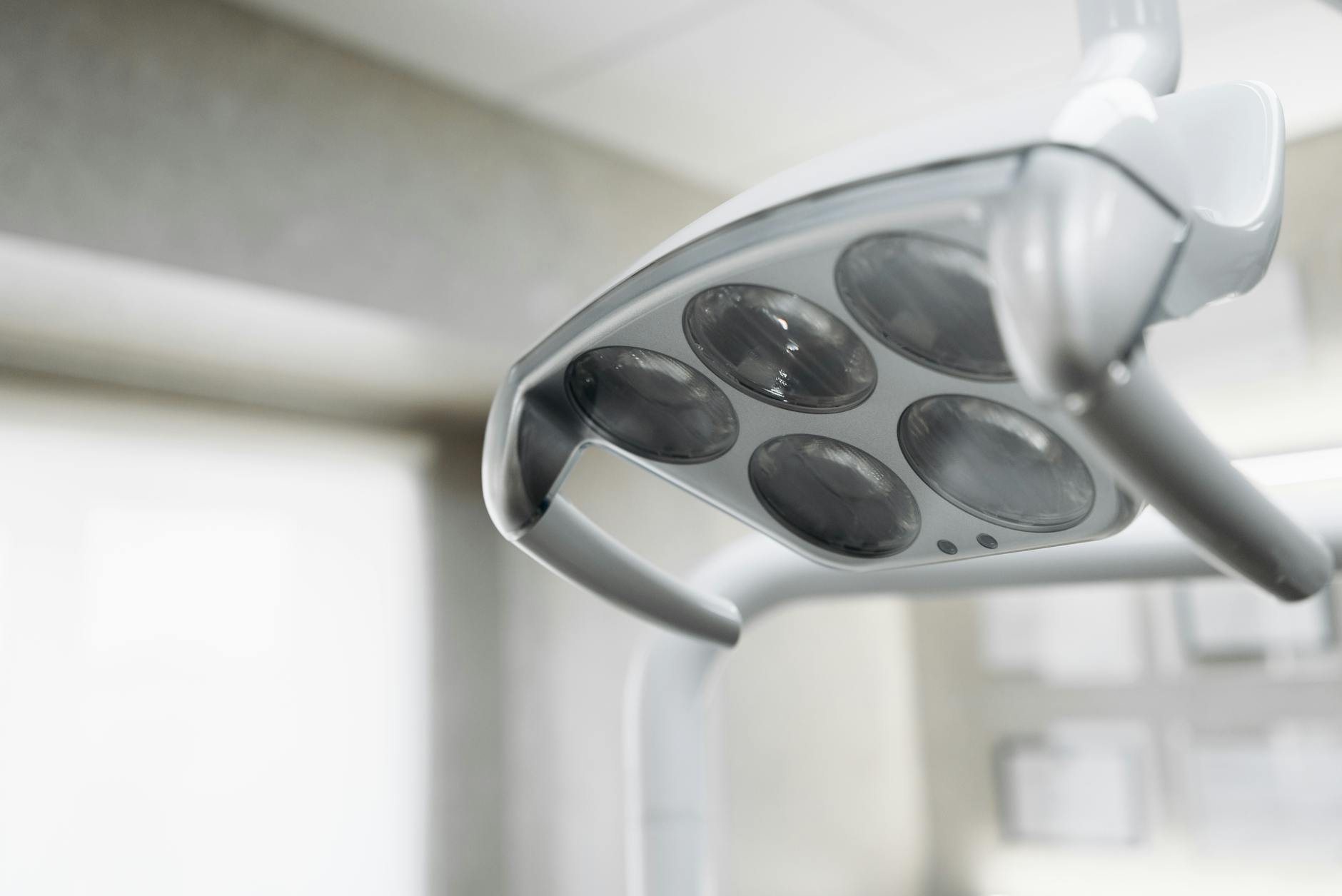
The installation of bright overhead fluorescent or cool-white LED lighting as the primary illumination source in a home office represents one of the most physiologically counterproductive decisions available to the home workspace designer with research in lighting psychology and chronobiology identifying high-intensity overhead cool-spectrum lighting as a significant contributor to visual fatigue glare-related attentional strain and circadian disruption across the working day. The vertical angle of overhead lighting creates unflattering shadows on both the worker’s face during video calls and on document and screen surfaces that increase the visual processing effort required to read and interpret information by reducing the contrast quality that optimal task lighting produces through directional illumination from a lower angle. Research on the relationship between lighting quality and cognitive performance consistently identifies layered lighting systems combining ambient task and accent sources at appropriate intensities and color temperatures as producing better sustained attention and lower end-of-day visual fatigue than single-source overhead illumination regardless of the lumen output of the overhead fixture. The cool white color temperature of most overhead office lighting fixtures which typically falls in the 5000 to 6500 Kelvin range suppresses melatonin production in ways that are appropriate for morning alertness support but that become physiologically costly for afternoon and evening work sessions by disrupting the circadian transition toward rest-preparation that the body’s hormonal systems begin in the early afternoon. A desk lamp with a warm to neutral color temperature of 2700 to 4000 Kelvin positioned to illuminate the primary work surface from the side rather than from above produces both better task lighting quality and more physiologically appropriate stimulation for sustained focused work across the full range of hours that home office work typically occupies.
Inspirational Poster

The motivational or inspirational poster installed in the home office environment represents a purchase that research in behavioral economics and environmental psychology reveals as producing the opposite of its intended effect through mechanisms that its buyers rarely anticipate at the point of purchase. Social psychology research on the effect of motivational messaging in performance environments consistently finds that the presence of explicit motivational content in a workspace produces a psychological licensing effect in which the mere presence of the aspiration-expressing object provides a subtle substitution for the actual pursuit of the aspired quality reducing rather than increasing the motivational drive it was intended to sustain. The attentional capture of a visually prominent poster in the workspace visual field creates an additional object competing for the limited attentional resources available during focused work with the irony that motivational content designed to increase productivity operates as a visual distraction from the productive work it is intended to encourage. Research on environmental design for high-performance work consistently favors neutral or functionally purposeful visual content over explicitly aspirational messaging with the distinction reflecting the difference between an environment that supports direct engagement with the work and one that mediates that engagement through symbolic representation of desired outcomes. Home office workers who replace motivational posters with either blank wall surfaces or functionally relevant reference materials consistently report both a reduction in the slightly effortful quality of their visual attention management and a more direct relationship with their actual work that they find more genuinely sustaining than the abstract inspiration of a poster’s message.
Loud Mechanical Keyboard
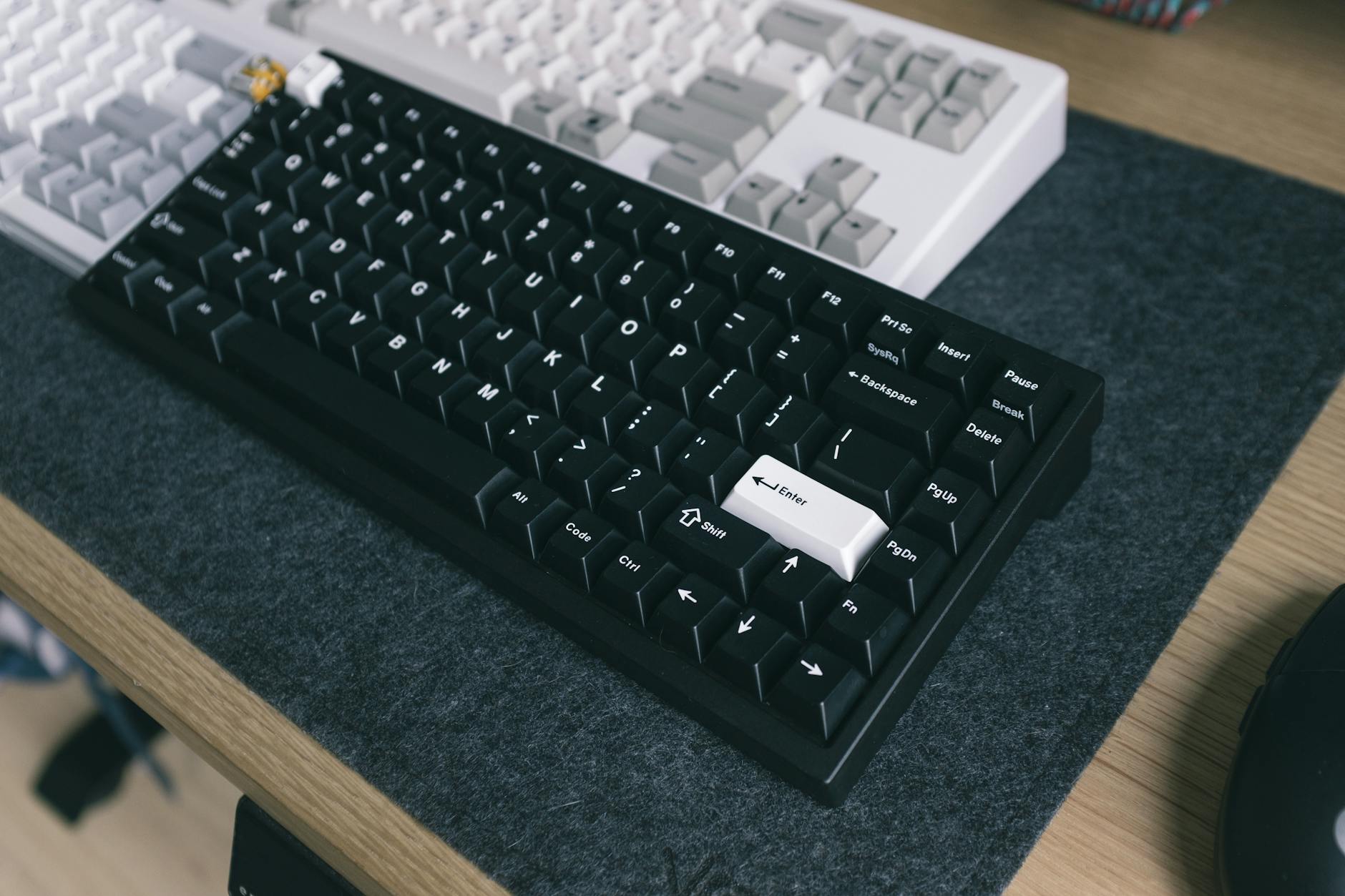
The high-actuation-force fully mechanical keyboard with audible tactile click feedback represents an audio environment decision whose costs fall disproportionately on the cognitive quality of home office work that involves any form of audio including video calls voice notes spoken concentration and the background acoustic environment that research consistently identifies as significantly affecting sustained attention quality. The acoustic profile of a loud mechanical keyboard in a home office room whose reflective surfaces including hard floors bare walls and large monitor screens create a reverberant environment produces a consistent high-intensity percussive soundscape that acoustic psychology research identifies as incompatible with the quiet focused environment that deep cognitive work requires particularly for language-intensive tasks where the phonological loop component of working memory is actively engaged and most vulnerable to acoustic interference. The social costs of loud mechanical keyboard use in a shared domestic environment are significant with the sound transmission characteristics of residential construction allowing the keyboard’s acoustic output to penetrate adjacent rooms at intensities that disturb other household members and create interpersonal friction that generates its own indirect productivity costs through relationship tension and resulting guilt or conflict management demands on the worker. Video call participants receiving audio from a home office using a loud mechanical keyboard experience the keyboard noise as a significant distraction that degrades communication quality and whose filtering by noise cancellation algorithms introduces its own audio processing artifacts that reduce the naturalness of the communication. Silent or tactile mechanical switches that preserve the ergonomic benefits of mechanical keyboard design without the acoustic output represent a straightforward solution that home office workers who make the transition consistently identify as producing immediate improvements in their working audio environment and their household relationships simultaneously.
Excessive Plant Collection

A modest number of plants in a home office environment produces documented wellbeing and air quality benefits that environmental psychology research supports as genuine contributors to workspace quality. However the accumulation of a large plant collection in the primary workspace creates a maintenance burden that behavioral researchers identify as generating a specific category of task-switching intrusion in which plant care needs compete with work priorities during the working day in ways that individually appear trivial but collectively represent a significant source of attentional fragmentation and decision demand. The visual complexity created by a dense plant collection produces the same attentional competition effects as other forms of decorative clutter with the additional dimension that living plants require monitoring in ways that inanimate decorative objects do not creating a dynamic visual environment that the brain’s object-tracking systems continue to process even when conscious attention is directed elsewhere. The moisture and organic matter associated with a large plant collection create indoor air quality considerations including mold risk from overwatering soil fungus from decomposing organic matter and the pest management challenges associated with fungus gnats and spider mites that introduce additional maintenance tasks and potential health considerations into the workspace environment. The practical care demands of a large plant collection including watering schedules pruning repotting and pest monitoring create a form of living to-do list whose presence in the workspace activates the same unfinished task monitoring response that incomplete work items produce contributing to the background cognitive load that accumulates as mental fatigue across the working day.
Clock with Audible Tick

The installation of an audible ticking clock in the home office environment represents a acoustic addition whose cognitive costs are consistently underestimated by buyers whose initial adaptation to the sound misleads them into believing that the auditory stimulus is no longer affecting their cognitive processing when research on habituation and residual cognitive load suggests a more complex picture. Acoustic psychology research on irrelevant sound effects demonstrates that sounds that carry temporal or rhythmic information including ticking clocks continue to occupy a portion of the phonological working memory system even after conscious awareness of the sound has diminished through habituation with the effect being most pronounced during tasks requiring temporal processing language comprehension or reading where the regular rhythmic input of the clock competes with the internal temporal processing of the primary task. The temporal salience of a ticking clock which continuously marks the passage of time in a format that the brain automatically tracks creates a specific form of time pressure awareness that research in performance psychology associates with elevated anxiety and reduced quality of creative and exploratory thinking relative to environments where time passage is not continuously signaled. The intermittent nature of a clock’s ticking which presents a regular pattern that is neither continuous enough for complete habituation nor irregular enough to be processed as random noise places it in an acoustic category that cognitive science identifies as particularly resistant to the attentional filtering that workers apply to steady-state background sounds. Digital displays or analog clocks with silent sweep movements provide equivalent time reference information without the acoustic intrusion and temporal salience effects that produce the documented cognitive costs of the audible tick in a focused work environment.
Overpowered Sound System
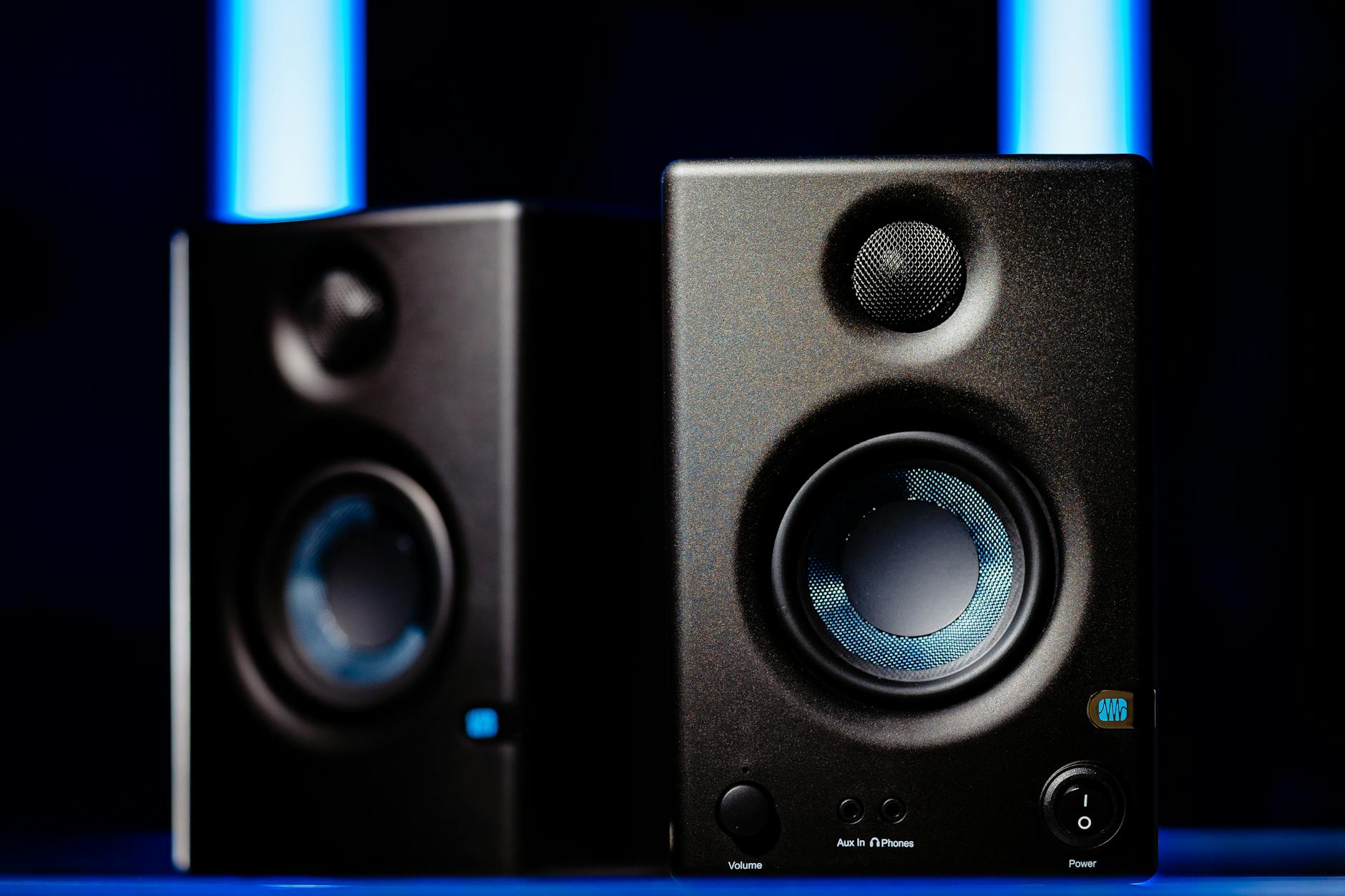
The installation of a high-fidelity multi-speaker audio system in the home office environment represents a purchase whose quality and capability actively undermine the focused work it is intended to support by creating an acoustic environment that is optimized for immersive listening rather than for the background audio conditions that cognitive research identifies as compatible with demanding knowledge work. Research on music and cognitive performance consistently finds that audio quality and immersive sound design are inversely related to concentration quality for language-intensive tasks with high-fidelity reproduction that captures the full dynamic range and spatial detail of recorded music producing more attentional competition than lower-fidelity background audio because the acoustic richness activates deeper engagement from the auditory processing systems. The investment in an impressive speaker system creates a psychological pull toward using the system in ways that justify its quality generating a tendency to select attention-capturing audio content and to increase volume toward the system’s demonstrative capabilities in ways that progressively shift the acoustic environment from supportive background toward competing foreground. The spatial audio characteristics of a properly positioned multi-speaker system in a typical home office room create an enveloping sound environment whose immersive quality research in environmental psychology identifies as more appropriate for the dissolution of task focus associated with leisure and creative incubation than for the directed sustained attention of structured knowledge work. A single quality desktop speaker or a good pair of headphones with deliberate audio selection discipline produces better cognitive outcomes for focused home office work than a system whose capabilities consistently exceed the attentional boundaries that productive work requires.
Decorative Rug with Complex Pattern

The installation of a visually complex patterned rug in the home office floor area represents a design decision whose aesthetic appeal at the point of purchase conceals a consistent source of peripheral visual complexity that environmental psychology research identifies as contributing to the background attentional load of the workspace in ways that accumulate as fatigue across extended working sessions. The human visual system’s pattern recognition circuitry which evolved for the detection of meaningful information in complex visual environments processes geometric and figurative rug patterns in the peripheral visual field continuously and without voluntary control extracting and attempting to interpret the spatial information of the pattern in a process that consumes visual processing resources that would otherwise be available for the primary work task. Research on floor-level visual elements in workspace design finds that complex flooring patterns produce measurably higher reported visual fatigue scores than plain or minimally patterned alternatives with the effect being particularly pronounced in workspaces where the desk configuration positions the worker facing the rug rather than having it in the posterior visual field. The practical maintenance demands of a decorative rug in a workspace including regular vacuuming stain management and the periodic deep cleaning required to maintain both appearance and air quality in a space where the worker spends extended hours represent a recurring task that adds to the home office maintenance burden without providing functional working benefits. A plain rug in a neutral tone that defines the workspace area without introducing visual complexity into the field of peripheral vision provides the acoustic dampening thermal comfort and spatial definition benefits of a floor covering while producing none of the attentional competition effects of its patterned equivalent.
Desktop Organizer Overload
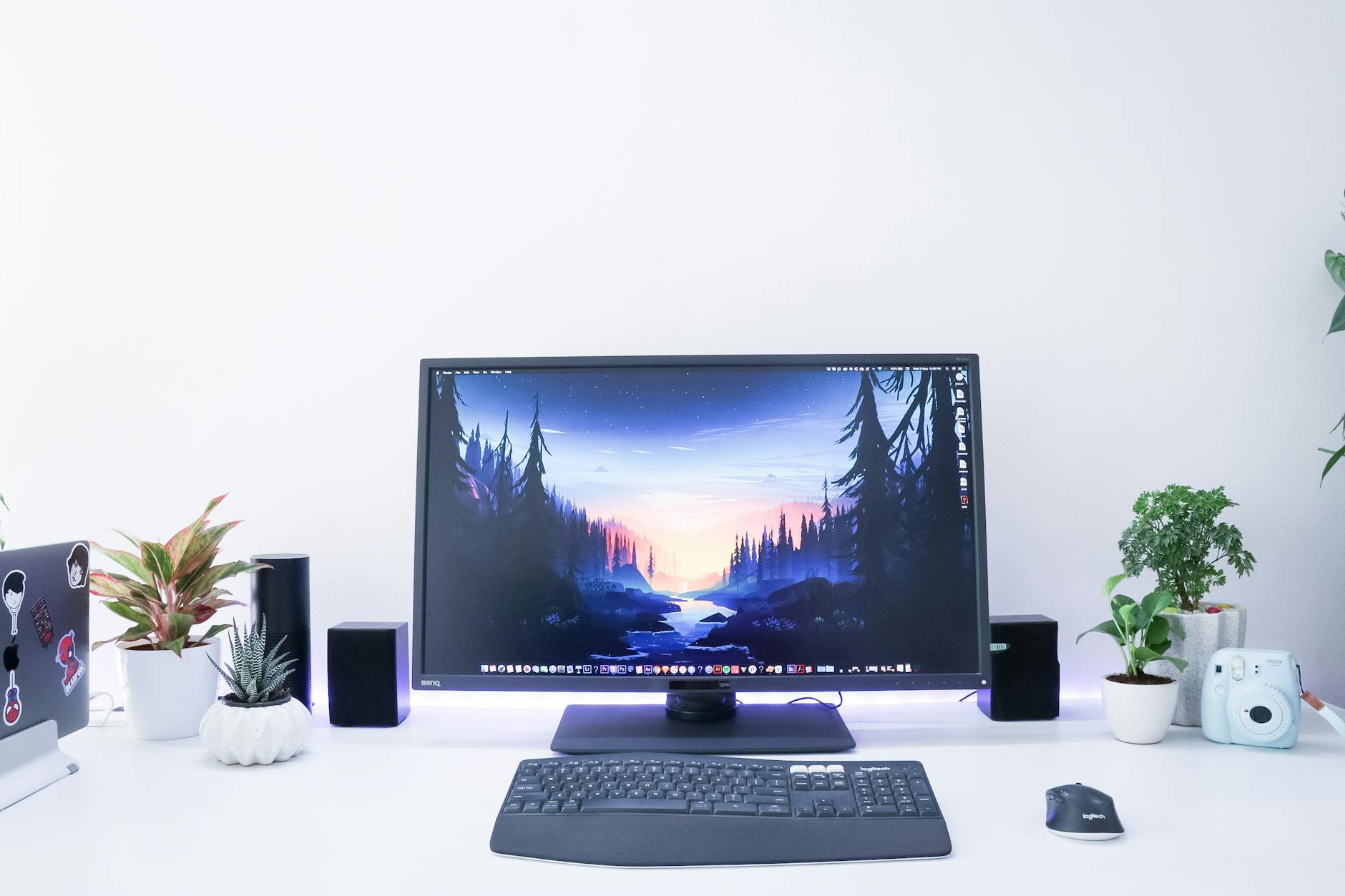
The purchase of multiple desktop organization systems including tiered document trays rotating pen holders business card displays compartmentalized drawer units and specialty item holders represents a category of office product whose acquisition is motivated by the desire for organizational clarity but whose physical effect in the workspace is frequently the creation of a more elaborate and permanently present form of visual complexity than the disorganization the products were intended to solve. Research on organizational system adoption in workplace environments finds that the proliferation of organizational accessories on the desk surface increases the total number of objects in the immediate visual field without necessarily reducing the cognitive burden of managing the information and materials those objects are intended to contain with the visual complexity of the organizational infrastructure itself becoming a source of attentional competition. The specific psychology of organizational product purchasing involves what behavioral researchers describe as the planning fallacy of organization in which the acquisition of the organizing system is experienced as progress toward the organized state it represents creating a premature sense of completion that reduces the motivation to engage in the actual behavioral change required to maintain the system in use. Desktop organization systems that are purchased without a concurrent reduction in the total volume of physical materials in the workspace simply redistribute existing clutter into more structured configurations while adding the visual presence of the organizational structures themselves to the desk surface object count. A minimal desk surface with deliberate curation of only currently active materials and a single simple storage solution for reference items produces better sustained attention outcomes than an elaborately organized desk whose organizational architecture has become its own form of visual complexity.
What changes have you already made to your own home office setup that improved your focus? Share your experiences in the comments.