
Bulk shopping promises savings yet certain items lose quality freshness or value long before you finish the giant pack. Smart consumers learn to spot these traps to protect both their wallet and their health. Understanding storage limits shelf life and actual usage rates prevents waste that cancels out any upfront discount. This guide highlights everyday products where buying smaller amounts often proves wiser in the long run.
Spices

Spices lose their vibrant aroma and potency within months once the container is opened. Ground varieties especially degrade faster due to exposure to air light and moisture in a typical kitchen cabinet. Large economy packs may sit unused for years resulting in flavorless meals that require extra seasoning. Purchasing smaller jars ensures peak taste and encourages more mindful cooking habits overall.
Fresh Herbs
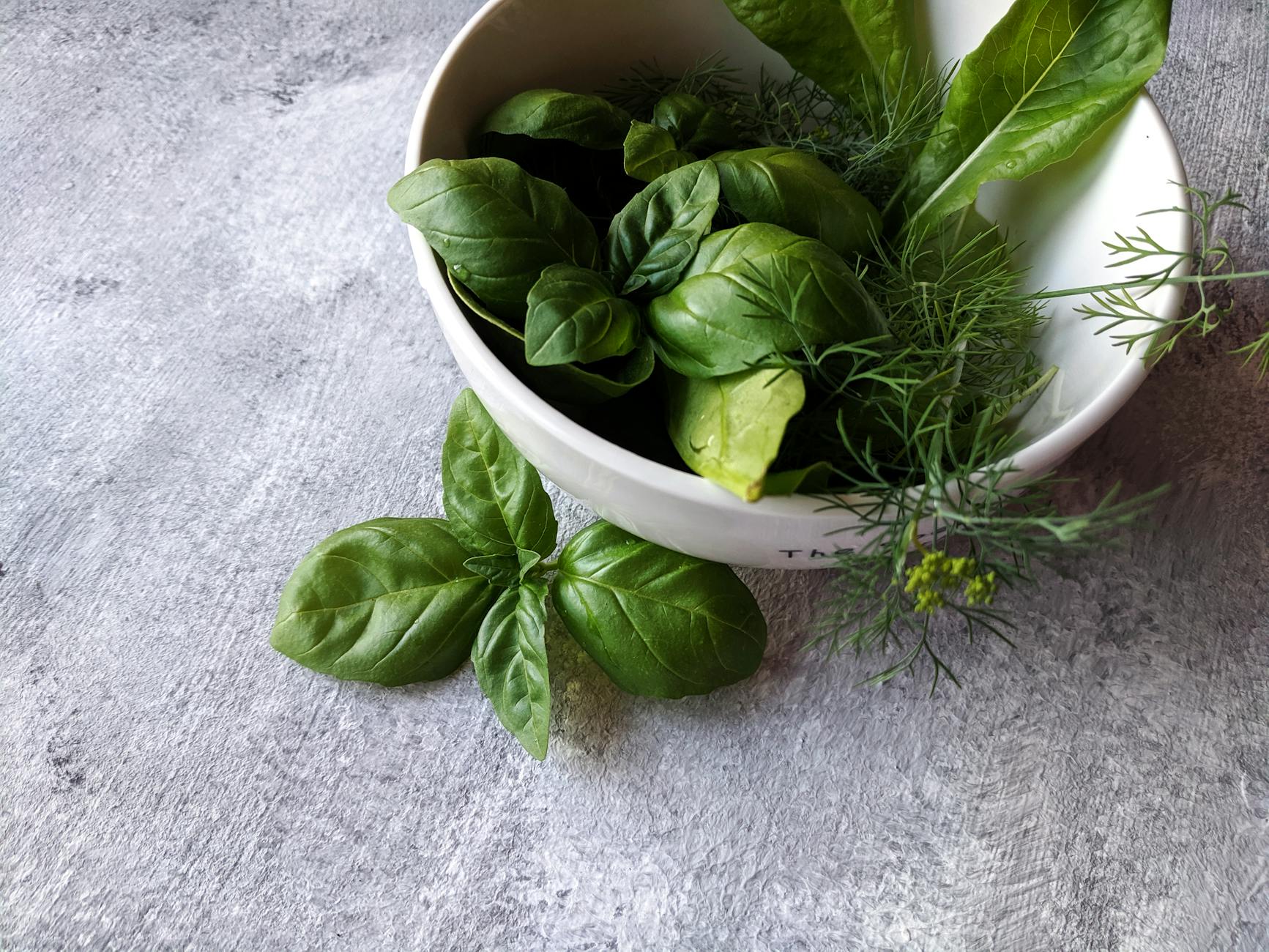
Fresh herbs wilt and turn slimy within days even when stored properly in the refrigerator. Bulk bundles from warehouse clubs often exceed what most households consume before spoilage sets in. The excess leads to unnecessary food waste and potential bacterial growth in the crisper drawer. Opting for smaller supermarket packs or growing a few pots on the windowsill provides better flavor and reduces throwaways.
Bread

Bread stales quickly and develops mold especially in humid climates or warm kitchens. Family sized loaves or multipacks from bulk stores frequently go uneaten before they reach their best by date. Freezing helps somewhat but repeated thawing changes texture and taste noticeably. Choosing daily or every other day purchases from a local bakery keeps slices soft and enjoyable for sandwiches or toast.
Milk

Milk spoils within seven to ten days past its printed date once opened regardless of the container size. Bulk gallons or multipacks tempt buyers with lower per unit cost yet often result in sour cartons poured down the drain. Plant based alternatives face similar short shelf lives after opening. Sticking to smaller cartons or using powdered and shelf stable options in moderation prevents waste and ensures fresh taste in coffee cereal and recipes.
Eggs

Eggs remain safe for several weeks but their quality declines with time as yolks flatten and whites thin out. Massive cartons from discount clubs encourage overbuying beyond typical household needs leading to forgotten eggs at the back of the fridge. Older eggs perform poorly in baking and delicate dishes like poached or fried eggs. Buying by the dozen or half dozen as needed maintains optimal freshness for breakfast and cooking.
Yogurt

Yogurt develops off flavors and separates after its expiration date even when refrigerated. Large multipacks or tubs often exceed consumption rates for individuals or small families resulting in wasted probiotic rich product. Flavored varieties lose sweetness and texture faster than plain options. Selecting smaller individual cups or modest tubs allows enjoyment at peak creaminess without the risk of spoilage.
Bananas

Bananas ripen rapidly and turn brown within a few days on the counter or in a fruit bowl. Bulk bags from wholesale clubs can overwhelm a kitchen leading to mushy overripe fruit suitable only for baking if spotted in time. The ethylene gas they release speeds up spoilage of nearby produce as well. Purchasing smaller bunches or green bananas that ripen gradually supports steadier snacking and smoothie routines.
Avocados

Avocados reach perfect ripeness for only a short window before becoming overly soft or brown inside. Buying in bulk increases the chance that several will spoil before they hit that ideal stage for toast or guacamole. Staggered ripening is hard to control with a large batch. Choosing two or three at different firmness levels from the regular produce section ensures a steady supply without waste.
Lettuce

Lettuce wilts and turns slimy quickly once the bag or head is opened despite best storage efforts in the crisper. Bulk packs of romaine or mixed greens often exceed what salads require in a week leading to sludgy leftovers. Pre washed varieties spoil even faster due to added moisture. Purchasing whole heads or smaller clamshells as needed keeps leaves crisp for sandwiches wraps and fresh meals.
Tomatoes
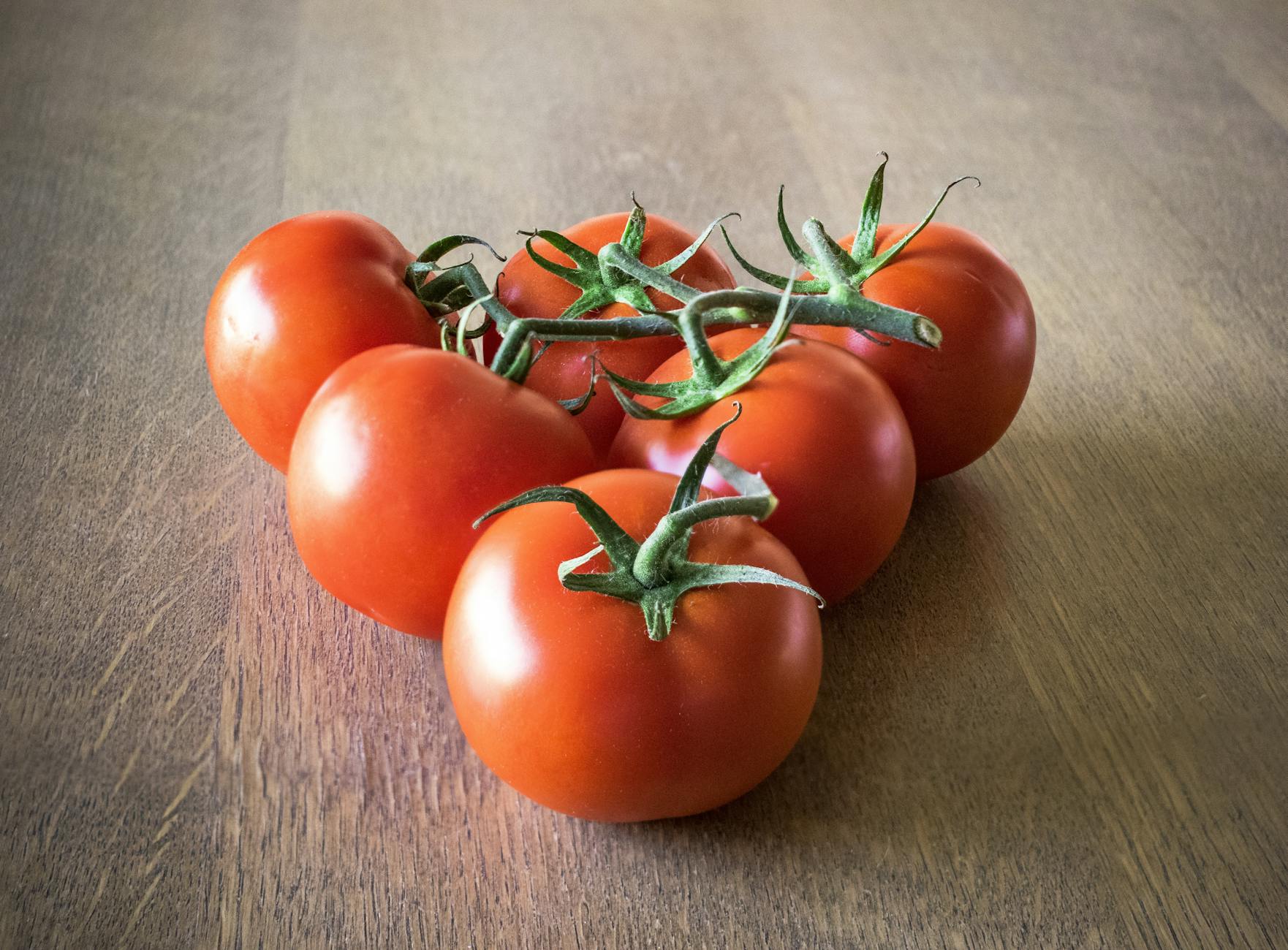
Tomatoes lose firmness and develop mold spots within days at room temperature or in the fridge. Large packs from bulk retailers frequently result in soft or split fruit that must be discarded. Their flavor peaks briefly before declining. Selecting loose tomatoes or smaller punnets allows picking firm ripe ones for salads sauces and snacking at the height of their taste.
Berries

Berries develop mold rapidly especially strawberries raspberries and blueberries in warm conditions or crowded containers. Bulk flats or large clamshells often contain fruit at varying ripeness levels causing chain reaction spoilage. Washing accelerates deterioration for most varieties. Buying smaller pints or handful amounts two to three times per week guarantees sweeter fresher berries for breakfast yogurt and desserts.
Fish

Fresh fish deteriorates in texture and safety within one to two days even when kept on ice in the refrigerator. Bulk frozen packs require careful portioning and can suffer freezer burn over months. Quality drops noticeably after the initial thaw. Choosing fresh fillets or smaller frozen portions from the seafood counter ensures optimal flavor and peace of mind for meals like grilled salmon or quick tacos.
Ground Meat

Ground meat harbors bacteria more readily than whole cuts and spoils faster once the package is opened. Large family packs or bulk rolls often lead to partial use with the remainder sitting too long in the fridge. Refreezing thawed portions further degrades quality and safety. Purchasing smaller trays or pre portioned amounts as meal plans dictate reduces risk and maintains better taste in burgers sauces and casseroles.
Deli Meats

Deli meats sliced thin dry out or develop slime within five to seven days after opening. Oversized packages from warehouse stores exceed typical sandwich consumption rates for most people. The high surface area increases exposure to air and contaminants. Buying quarter pound amounts fresh from the counter two or three times weekly keeps slices moist and flavorful for lunches and snacks.
Cheese

Soft cheeses like mozzarella or brie mold or harden quickly after opening while even hard varieties lose sharpness over time. Huge blocks or shredded bags from bulk outlets often go partially unused resulting in wasted expensive product. Proper wrapping helps but cannot extend life indefinitely. Selecting smaller wedges or packs ensures peak creaminess and tang for charcuterie boards pasta and everyday cooking.
Olive Oil

Olive oil oxidizes and turns rancid within months once exposed to light air and heat in the bottle. Large economy tins or bottles may sit half full for over a year losing their fruity notes and health benefits. Extra virgin varieties are especially sensitive. Purchasing smaller dark glass bottles every few months preserves flavor for dressings marinades and finishing dishes.
Coffee

Ground coffee loses its fresh aroma and complex flavors within weeks after the bag is opened even when stored in an airtight container. Bulk purchases encourage slower consumption leading to stale brews that taste flat or bitter. Whole beans fare slightly better yet still degrade. Opting for smaller bags or single origin subscriptions maintains a brighter cup each morning.
Tea Bags

Tea bags lose potency and absorb kitchen odors over time especially in large multipacks stored near spices or cleaners. Flavored or herbal varieties fade faster than plain black or green teas. The paper or mesh material allows gradual exposure to air. Buying modest boxes ensures lively infusions for afternoon breaks or evening wind downs without dull aftertaste.
Batteries
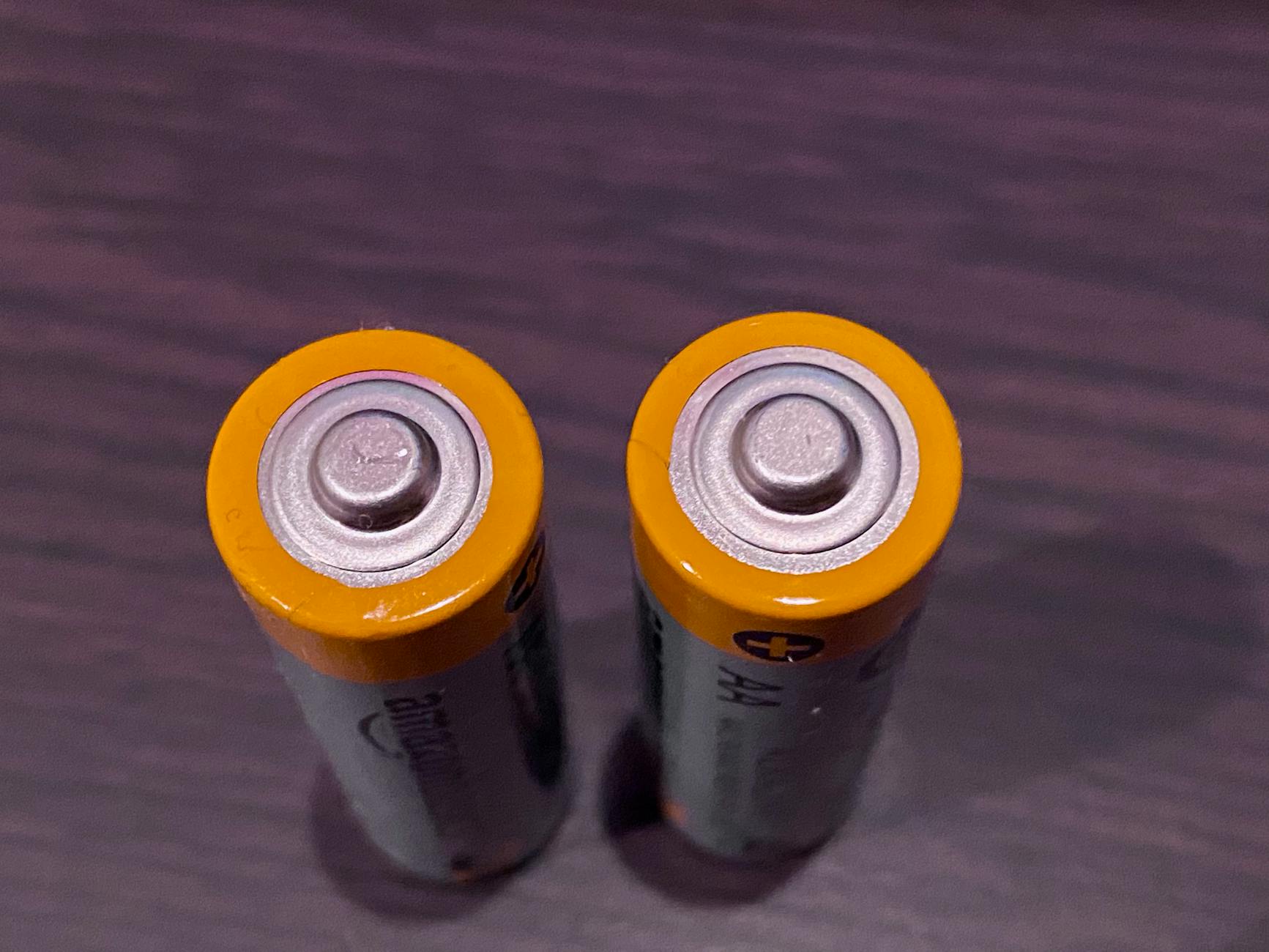
Batteries slowly lose charge even in unopened packaging over years due to self discharge especially alkaline types. Bulk multipacks from discount stores may include units already past their prime by the time they reach your drawer. Expiration dates matter for reliability in smoke detectors or remote controls. Purchasing smaller packs closer to actual need guarantees stronger performance when devices require power.
Light Bulbs

LED bulbs have long lifespans yet their packaging can degrade or internal components weaken if stored for extended periods in fluctuating temperatures. Massive bulk boxes often exceed replacement rates for most households leading to forgotten stock that underperforms later. Technology improves rapidly making older stock less efficient. Selecting only what is needed for immediate fixtures or one spare set keeps lighting bright and energy efficient.
Printer Ink

Printer ink cartridges dry out or clog if left unused for months regardless of the sealed package. Bulk multipacks tempt buyers during sales yet many printers sit idle between projects. Expired or aged ink produces streaky prints and may damage the machine. Buying single cartridges or smaller value packs as printing needs arise ensures crisp documents and photos without waste.
Sunscreen

Sunscreen loses its SPF effectiveness after one to two years even when stored properly and the bottle remains sealed. Bulk family sized tubes or multipacks often expire before full use especially with seasonal application. Active ingredients break down over time reducing protection against UV damage. Purchasing fresh smaller bottles each spring maintains reliable coverage for beach days hikes and daily wear.
Medications

Over the counter and prescription medications lose potency past their expiration dates with some becoming less effective or even harmful. Bulk bottles from warehouse clubs encourage stockpiling beyond actual needs leading to discarded pills. Storage conditions like heat and humidity accelerate degradation. Consulting a pharmacist and buying smaller quantities ensures full strength when treating headaches allergies or minor ailments.
Cleaning Products

Liquid cleaning products can separate or lose effectiveness over time especially those with natural enzymes or volatile ingredients. Large jugs or multipacks may sit unused in cabinets or garages resulting in watered down performance or strange odors. Concentrates require proper dilution that busy households often skip. Opting for smaller bottles or refill sizes as needed keeps surfaces sparkling without compromising safety or results.
Cosmetics

Cosmetics harbor bacteria after opening and many formulas expire within six to twelve months according to their period after opening symbol. Bulk kits or jumbo sizes of mascara foundation and lip products often lead to infections or skin irritation from aged items. Eye and lip areas are particularly sensitive. Purchasing travel sizes or modest amounts ensures fresh application and better color payoff for daily beauty routines.
What are your biggest bulk buying regrets or successes. Share your thoughts in the comments.