Purchasing second-hand items can be an economical and environmentally conscious choice for many lifestyle needs. However, certain products carry hidden risks that make buying them used an unwise decision regardless of their outward appearance. These items often involve health, safety, or hygiene concerns that aren’t visible to the naked eye. Understanding which products should always be purchased new helps protect your wellbeing and ensures you’re making truly smart consumer choices. The following categories represent items where the cost savings simply don’t justify the potential risks involved.
Mattresses
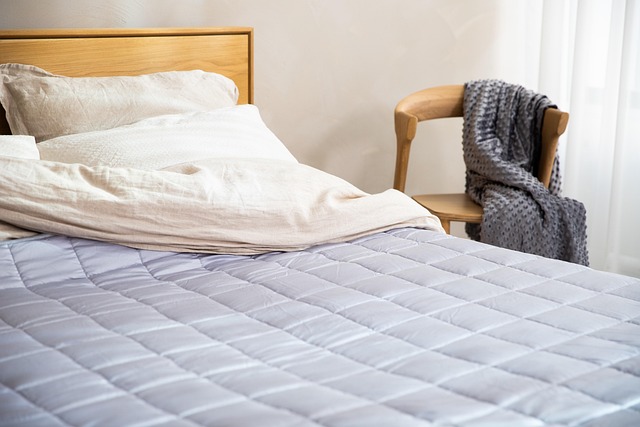
A used mattress may look clean and feel comfortable on the surface, but it can harbor dust mites, bed bugs, and their droppings throughout its interior layers. These microscopic pests and allergens accumulate over years of use and can transfer to your home regardless of how well the mattress was maintained. Bed bug infestations are notoriously difficult to eliminate once introduced into a living space and can spread to furniture and clothing quickly. The structural integrity of a used mattress is also compromised by the previous owner’s body weight and sleeping patterns, affecting your spinal alignment and sleep quality. Investing in a new mattress protects your health, sleep quality, and your entire home from potential pest contamination.
Pillows
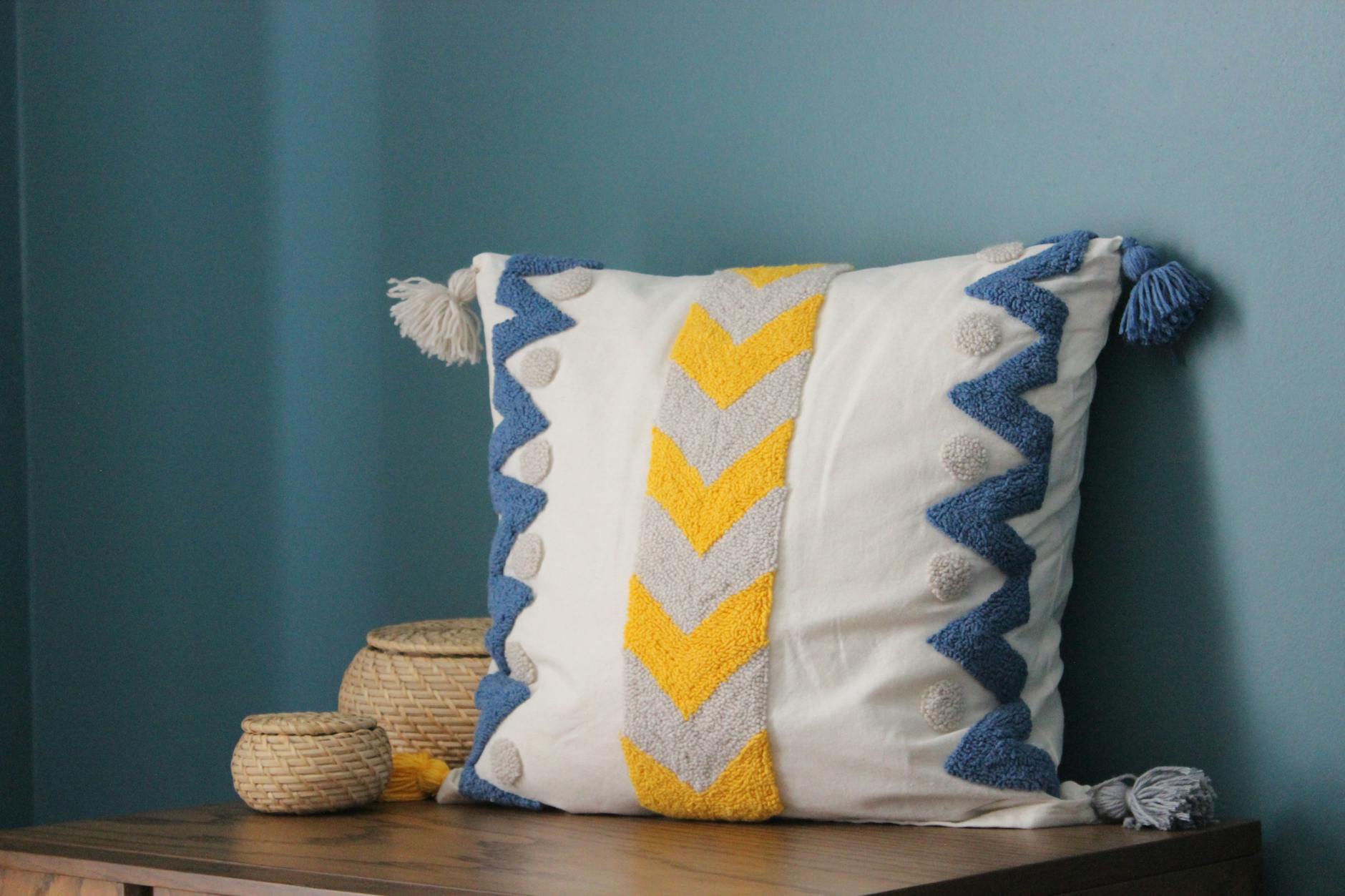
Used pillows accumulate dust mites, skin cells, sweat, and bodily fluids deep within their filling that normal washing cannot fully remove. The hygiene risks associated with sleeping on a pillow that has absorbed years of someone else’s bodily moisture are significant enough to warrant buying new. Pillow filling degrades over time and loses its supportive properties, meaning a used pillow won’t provide proper neck support or comfort. Allergies and respiratory issues can develop or worsen from exposure to the allergens trapped within old pillows. For the relatively low cost of new pillows compared to potential health issues, purchasing them unused is always the better choice.
Bicycle Helmets

A helmet that has experienced any impact, even a minor fall that seems harmless, may have microscopic cracks in its protective foam layer. These invisible fractures compromise the helmet’s ability to absorb impact energy during a collision, leaving your head vulnerable even though the helmet appears undamaged. You have no way of knowing the full history of a used helmet or whether it has already been in an accident. The protective foam material also degrades over time with exposure to sunlight, heat, and environmental factors, reducing its effectiveness year after year. Head safety is too critical to gamble on a helmet whose true condition and history remain unknown.
Running Shoes
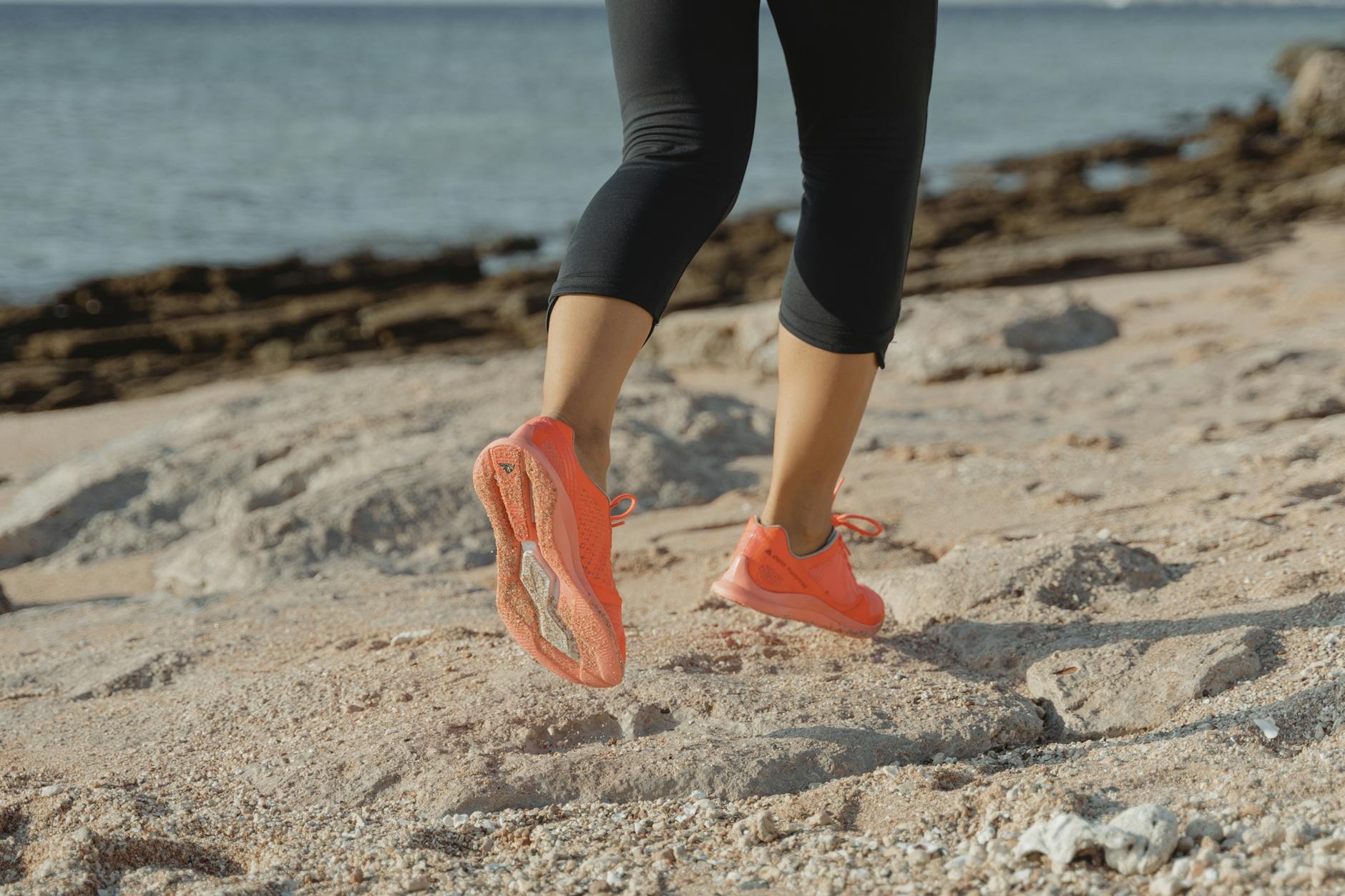
Worn running shoes have molded to the previous owner’s unique foot structure, gait pattern, and weight distribution in ways that won’t work for your feet. Purchasing shoes already broken in by someone else means you’ll experience improper support, alignment, and cushioning tailored to their biomechanics rather than yours. The midsole foam in running shoes breaks down with each stride, losing shock absorption that protects your joints from impact injury. Worn treads on the soles reduce traction and stability, increasing your risk of slipping or twisting an ankle during workouts. Custom shoe fitting is essential for athletic footwear, making new shoes a necessary investment for injury prevention and running performance.
Skincare and Cosmetics
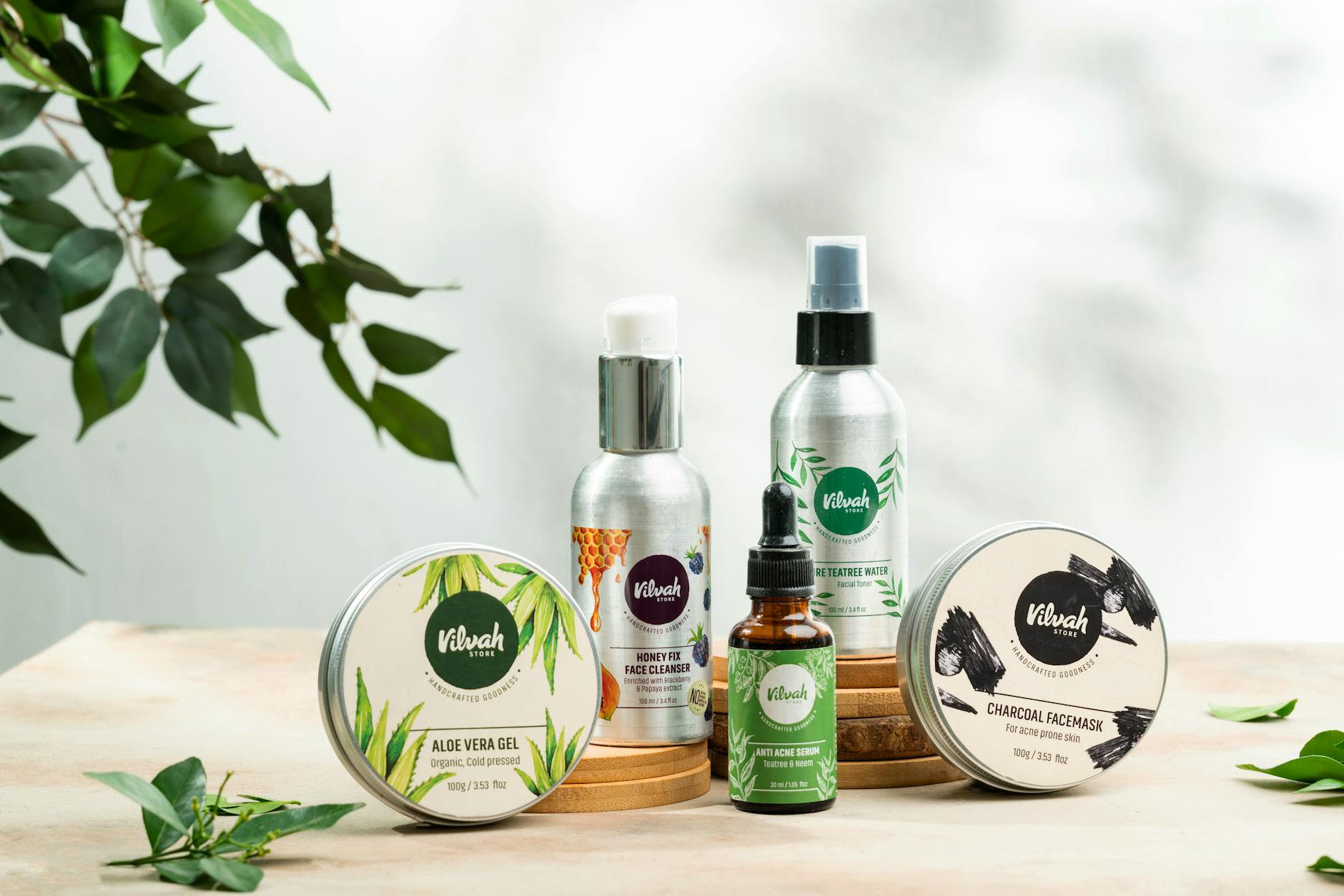
Used cosmetic products have been exposed to the bacteria and germs living on another person’s skin and fingers throughout their use. Opening a jar of cream or applying a used lipstick transfers pathogens directly to your face, increasing your risk of infections, breakouts, and skin irritation. You cannot see bacteria or mold growing inside a cosmetic product, and a used item may harbor microorganisms even if it appears perfectly fine. Cosmetic preservatives diminish over time, making old products even more susceptible to bacterial growth and contamination. The hygiene risks of sharing skincare products far outweigh any savings, and new cosmetics are affordable enough to make this an easy choice.
Car Seats for Children

A used car seat’s structural integrity cannot be visually assessed, and you have no way of knowing if it has been in a previous accident that compromised its safety features. Even minor car accidents can create invisible damage inside the plastic shell and internal components that make the seat unsafe for protecting a child during a collision. The harness system, buckles, and locking mechanisms may be worn or damaged in ways that aren’t immediately obvious but compromise safety performance. If a child safety seat is older than five to ten years, the plastic materials begin degrading and becoming brittle, reducing their protective capacity. A new car seat is one of the few items where cutting costs could directly endanger your child’s life in an emergency.
Stuffed Animals for Young Children
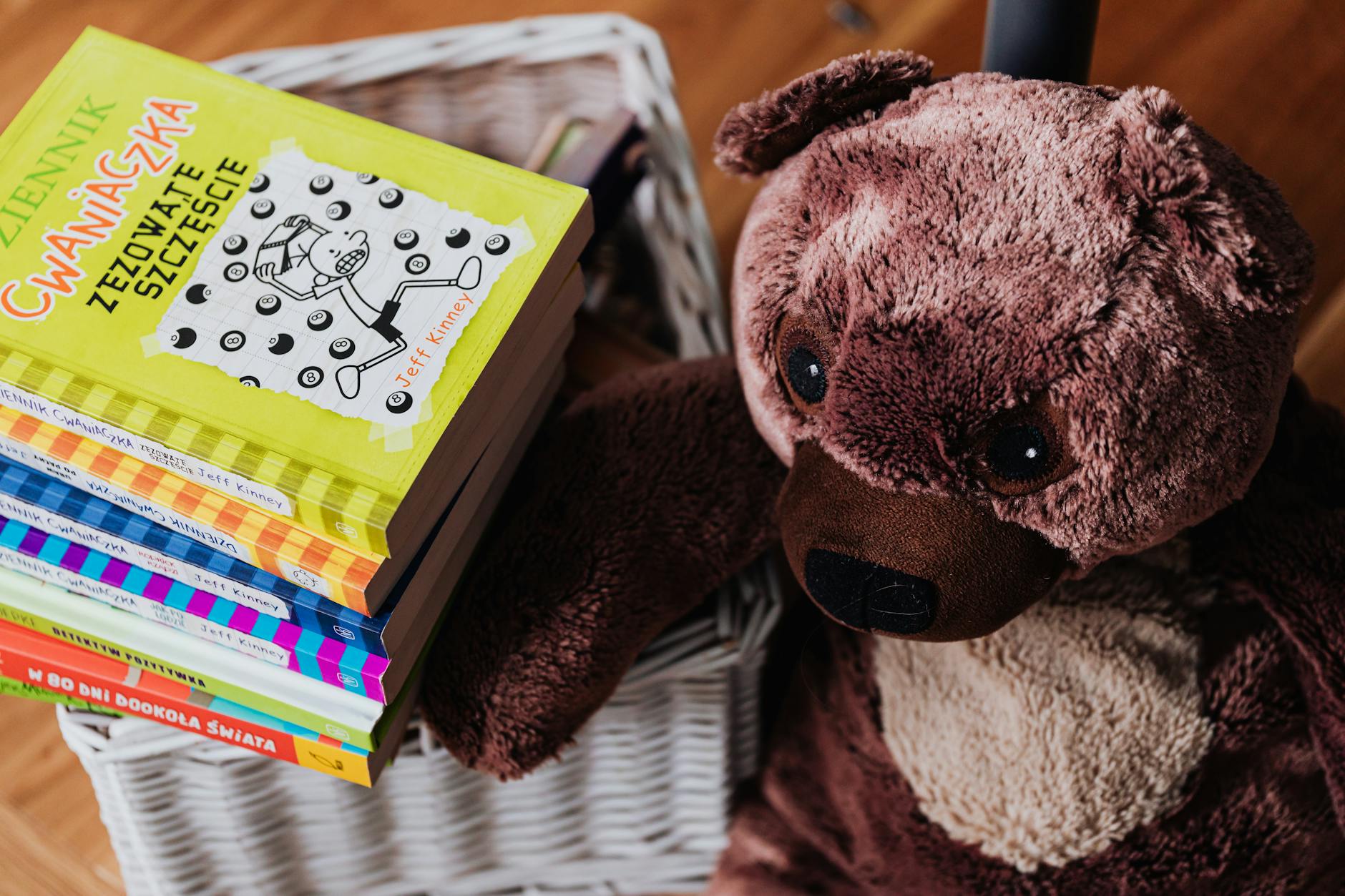
Used stuffed animals have been in contact with multiple hands, mouths, and faces over time, accumulating germs, dust mites, and allergens that washing cannot fully eliminate. Young children who still put toys in their mouths face infection risks from bacteria and pathogens living in the fabric fibers of a used stuffed animal. The stuffing materials in older toys may contain flame retardants or other chemicals that are no longer used in modern manufacturing due to safety concerns. Seams may be loose or coming apart on a used toy, creating choking hazards or allowing stuffing to escape where a child could ingest it. New stuffed animals are inexpensive and come with the assurance that they meet current safety standards and hygiene requirements.
Underwear and Socks

Intimate apparel worn close to your skin carries hygiene risks that make buying these items used an unhygienic choice regardless of how they appear. Even with washing, used underwear can harbor bacteria, yeast, and other pathogens that cause infections or skin irritation when worn. The elastic in used socks and underwear has already been stretched by someone else’s body and loses its supportive and comfortable properties. Microscopic tears or damage in the fabric aren’t always visible but can affect the garment’s integrity and comfort on your skin. For items this affordable, buying new ensures comfort, hygiene, and peace of mind.
Bras and Fitted Undergarments
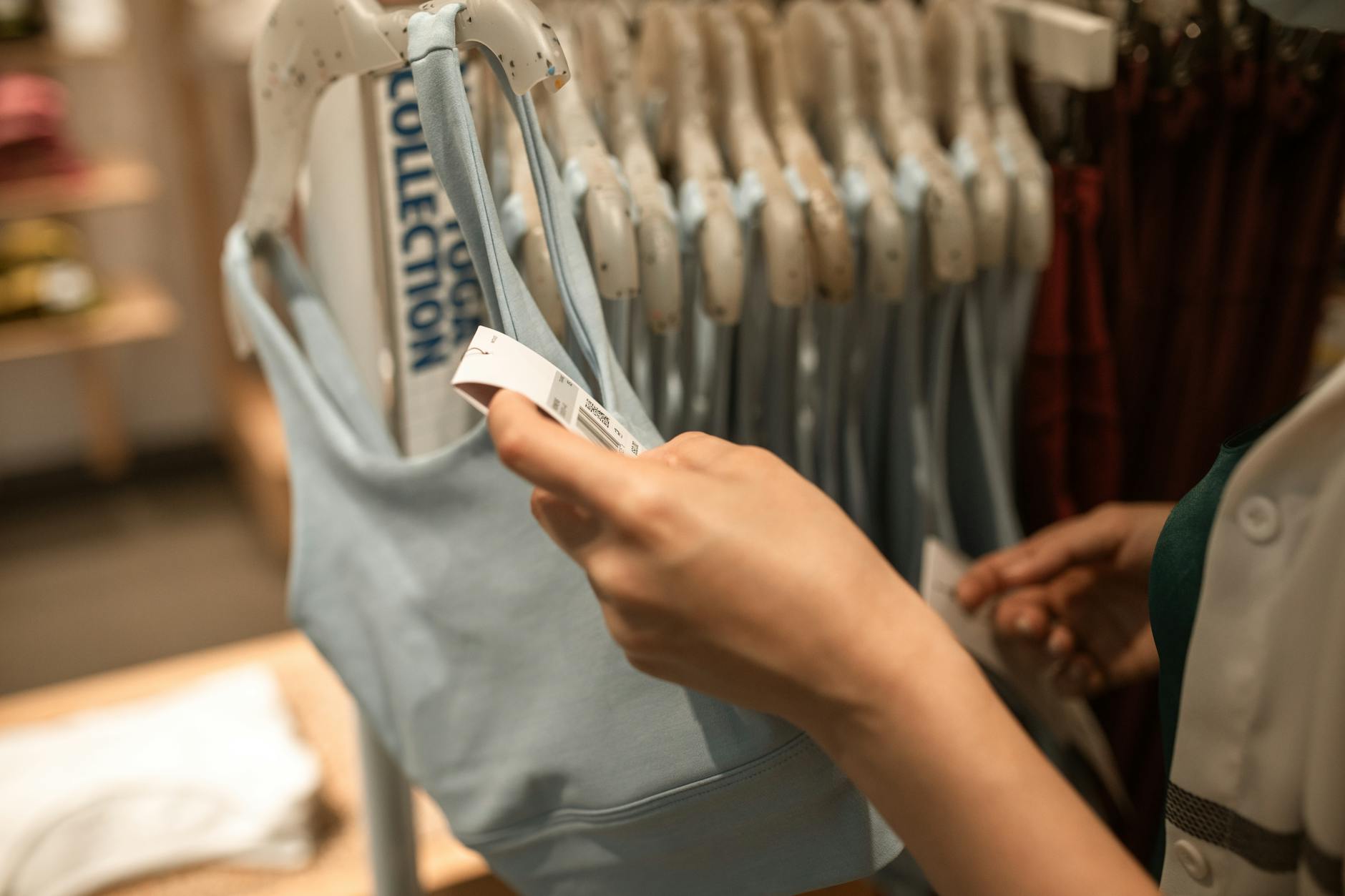
A used bra has been stretched and molded to fit someone else’s body shape and size, making it unlikely to provide proper support or fit for your unique frame. The elastic components in the band, straps, and cup have already lost much of their stretch and supportive capacity through years of wear and washing. Underwire bras, in particular, can develop broken wires or damage that isn’t visible from the outside but causes discomfort and reduces proper breast support. The fabric of used bras may have microscopic damage, pilling, or weakening that affects both comfort and the garment’s longevity. Proper fitting undergarments are crucial for comfort and posture, making new bras a worthwhile investment in your daily wellbeing.
Swimsuits

A used swimsuit has been exposed to chlorine, saltwater, sunscreen, and body fluids from its previous owner, all of which can compromise fabric integrity and hygiene. The elastic in swim trunks and bikinis deteriorates quickly from sun exposure and wet environments, meaning a used swimsuit will not stay securely fitted. Swimsuit fabric becomes thin and transparent in places after extended wear and washing, potentially creating uncomfortable or immodest situations. The chlorine and chemicals used in pools break down fabric fibers over time, so a used swimsuit is likely to tear or lose its shape more easily. Since swimsuits are relatively affordable and need regular replacement anyway, buying new ensures proper fit, durability, and hygiene.
Hairbrushes and Combs
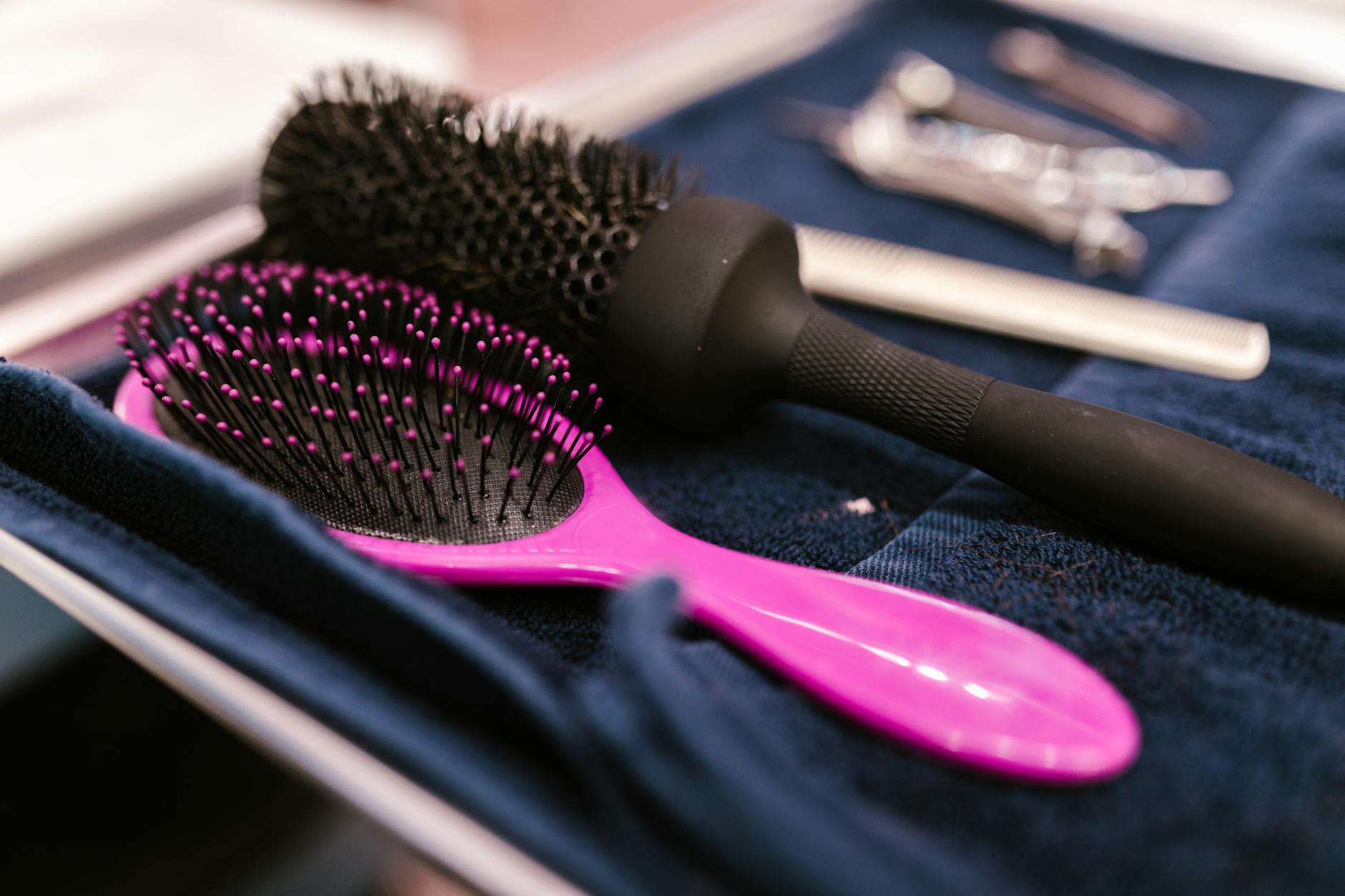
Used hairbrushes retain strands of the previous owner’s hair along with the bacteria, oils, and dead skin cells that accumulated on the bristles. Fungal infections and lice can live in the bristles of a hairbrush, and these parasites and fungi transfer to your scalp and hair when you use it. Even thorough cleaning cannot remove all microorganisms and buildup from the tight spaces between bristles where contamination hides. If the previous owner had any scalp condition, dandruff, or hair loss, their hairbrush poses additional hygiene risks to your hair and skin. Hairbrushes are inexpensive enough that purchasing new ones ensures your hair health and eliminates concerns about unknown contamination.
Toothbrushes
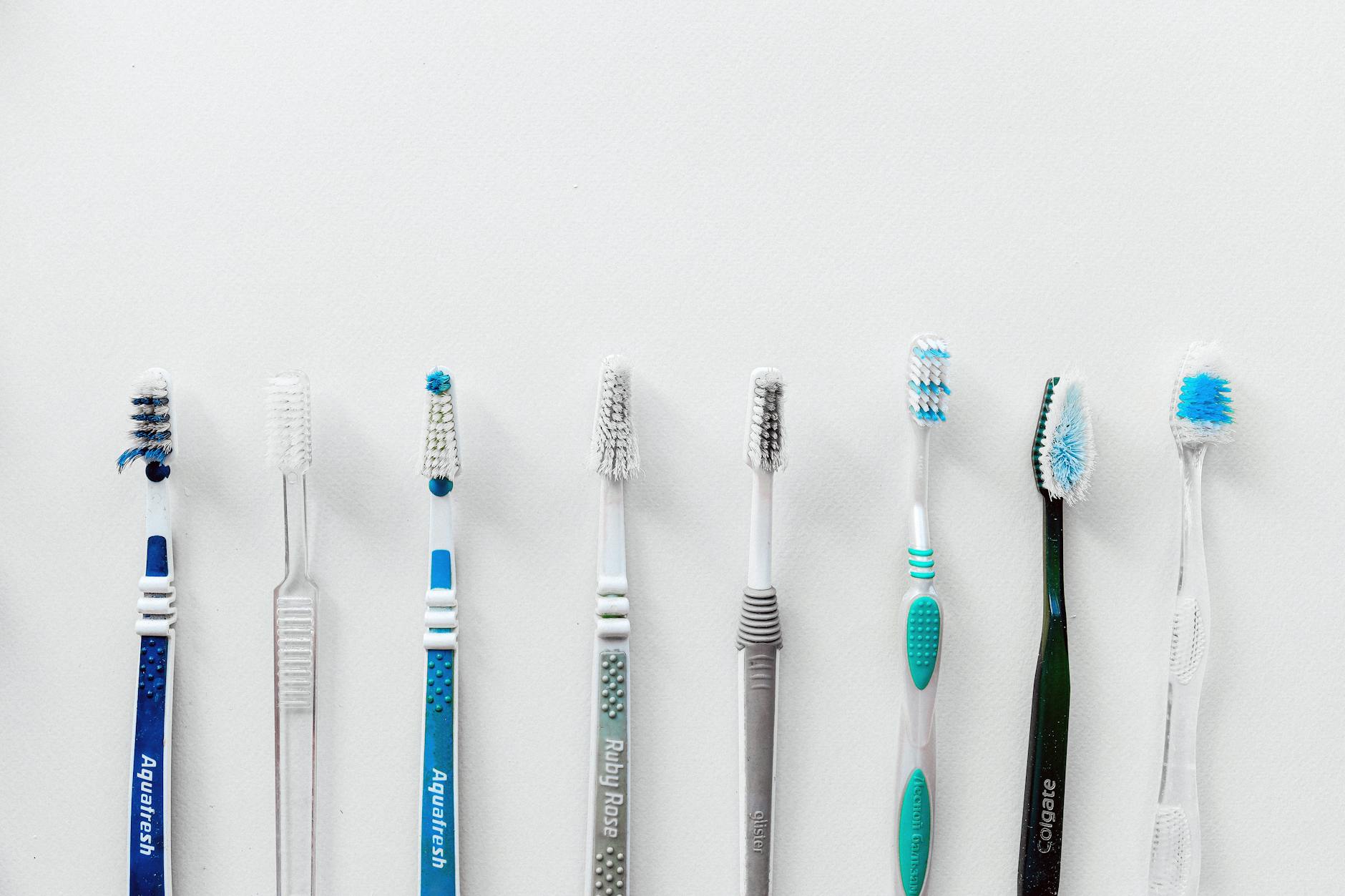
A used toothbrush has been in someone’s mouth and is contaminated with their saliva, bacteria, and any pathogens they carry, making it unsuitable for use. Even if visually cleaned, the bristles trap bacteria and biofilm in ways that cannot be fully sanitized through washing alone. The bristles of a used toothbrush may be frayed, bent, or damaged in ways that reduce their effectiveness at cleaning your teeth properly. Toothbrushes are breeding grounds for bacteria and mold, and a used one may harbor species that cause gum disease or oral infections. Since toothbrushes cost just a few dollars new, there is absolutely no reasonable justification for purchasing one that has been in someone else’s mouth.
Floss and Interdental Cleaners
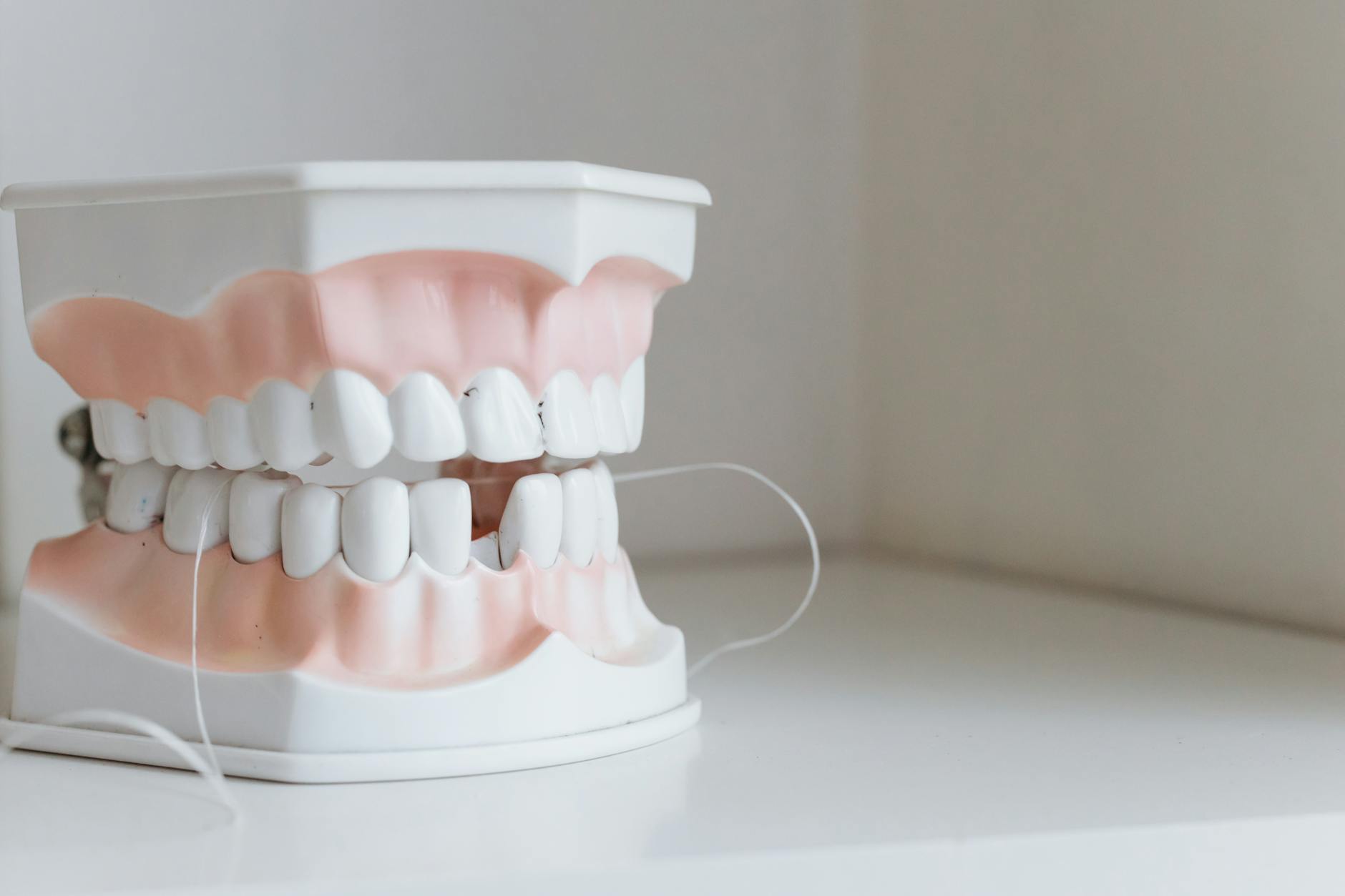
Used floss and interdental picks have been in someone’s mouth touching their teeth and gums, transferring their oral bacteria directly to your mouth. Floss works by removing plaque and food particles from between teeth, meaning it comes into intimate contact with gum tissue and bloodstreams. The bacteria present in another person’s mouth, including species that cause cavities and gum disease, transfer to your oral cavity through used floss. Interdental cleaners like water flossers or picks cannot be fully sanitized after use and retain microscopic debris and bacterial biofilm. Oral hygiene tools are inexpensive and essential for preventing serious dental infections, making buying new floss a basic health requirement.
Deodorant and Antiperspirant
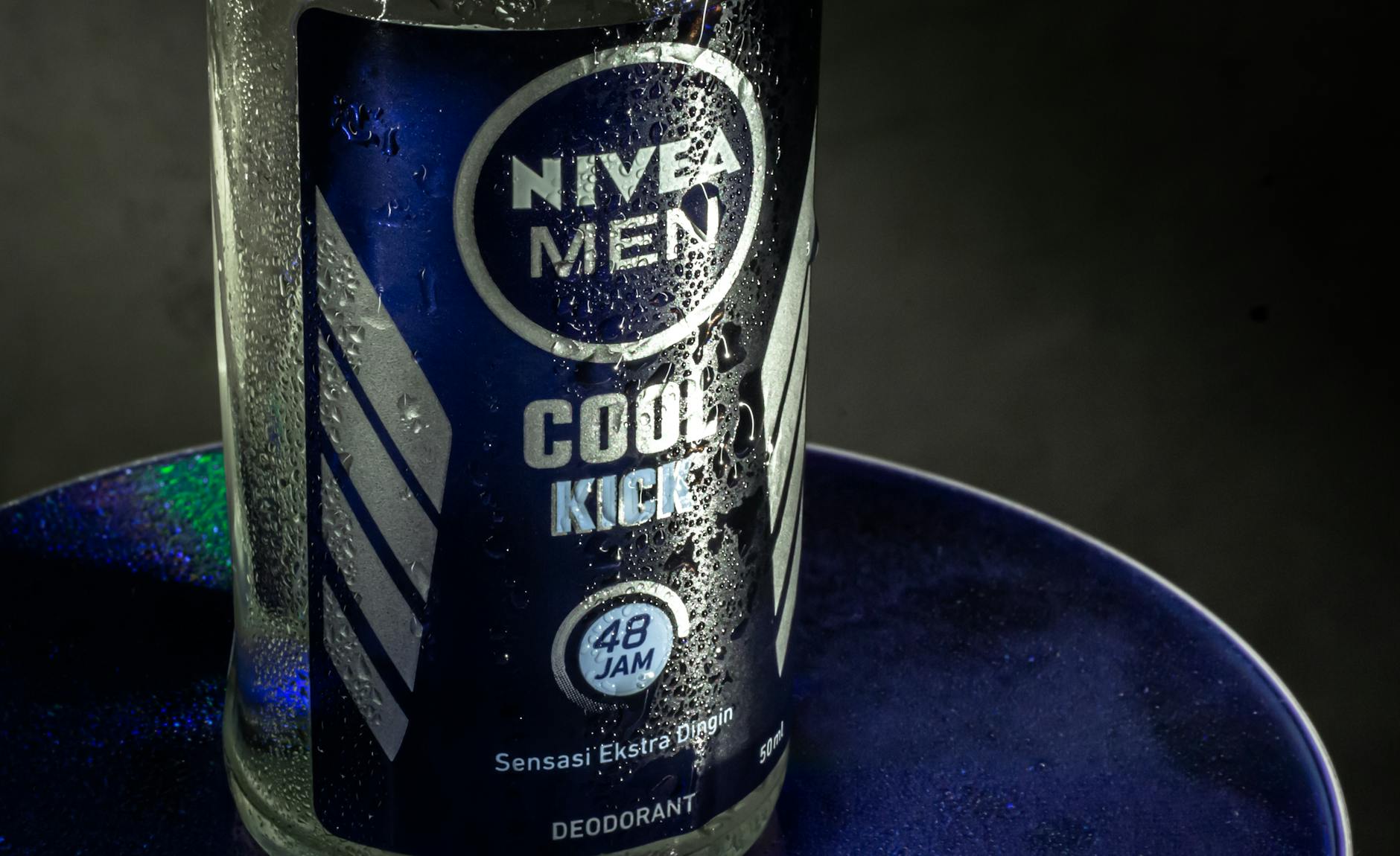
Used deodorant and antiperspirant products have been applied directly to someone else’s skin, transferring their bacteria and sweat to the product surface. Bacteria from underarms, including strains that cause body odor and skin infections, accumulate on and within stick deodorant or spray nozzles. Fungal infections like jock itch or other dermatological conditions can transfer through shared personal care products applied to skin areas. The product itself degrades in effectiveness over time as preservatives break down, making old deodorant less effective and potentially unsafe. Since deodorant is inexpensive and something you apply to your body daily, purchasing new ensures hygiene and effectiveness.
Razors and Shavers
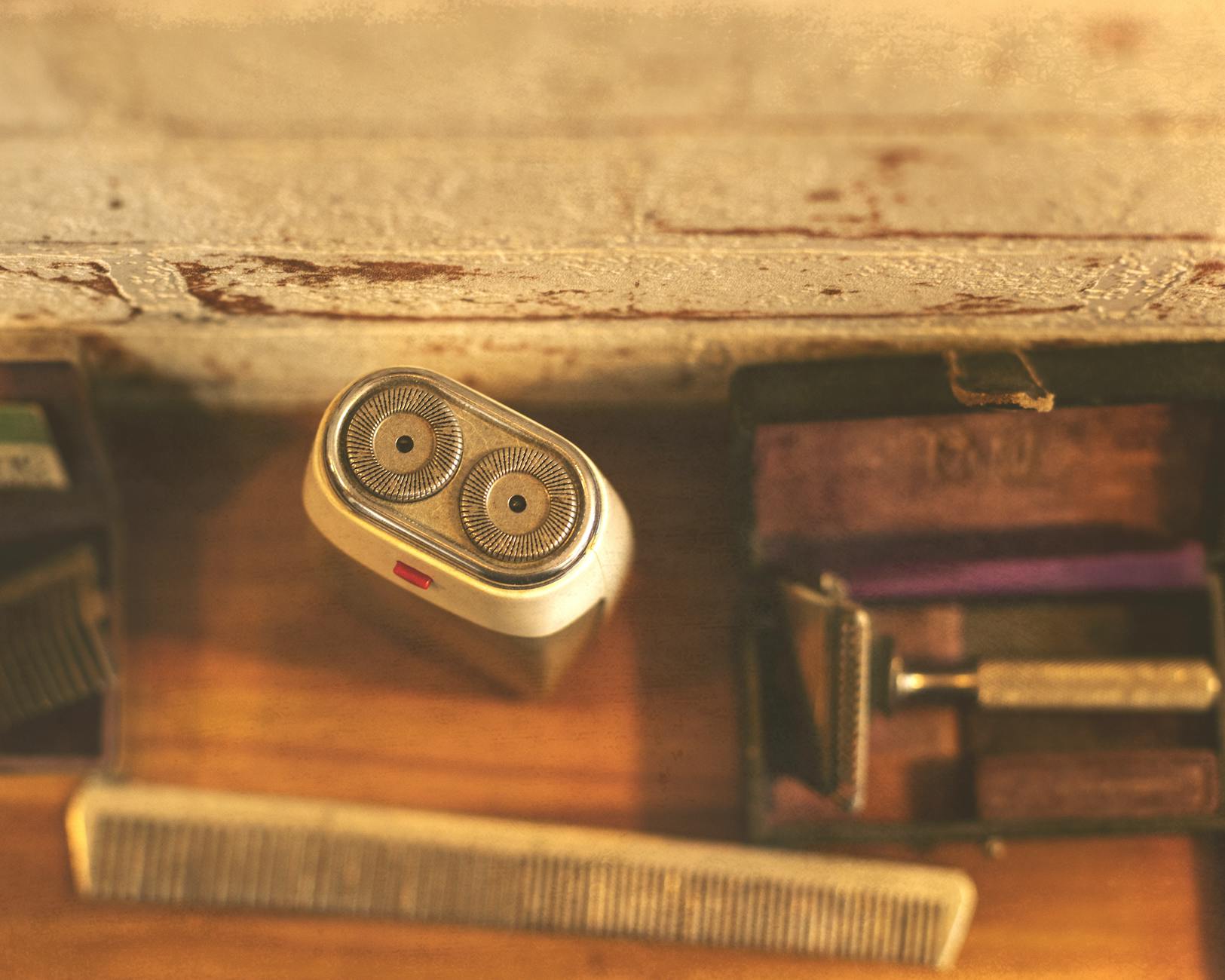
Used razors have been in direct contact with someone else’s skin and have accumulated microscopic cuts, bacteria, and blood on the blade surface. Fungal infections, bacterial infections, and skin conditions transfer through shared razors in ways that aren’t prevented by simple rinsing with water. The blade of a used razor is dull from previous use, meaning it requires more pressure and repeated strokes, increasing your risk of nicks and cuts. Small cuts from shaving create openings in your skin where bacteria from a contaminated blade can enter and cause infection. Razors are cheap enough that buying new ones for every person in a household is the only hygienic choice.
Toilet Seats
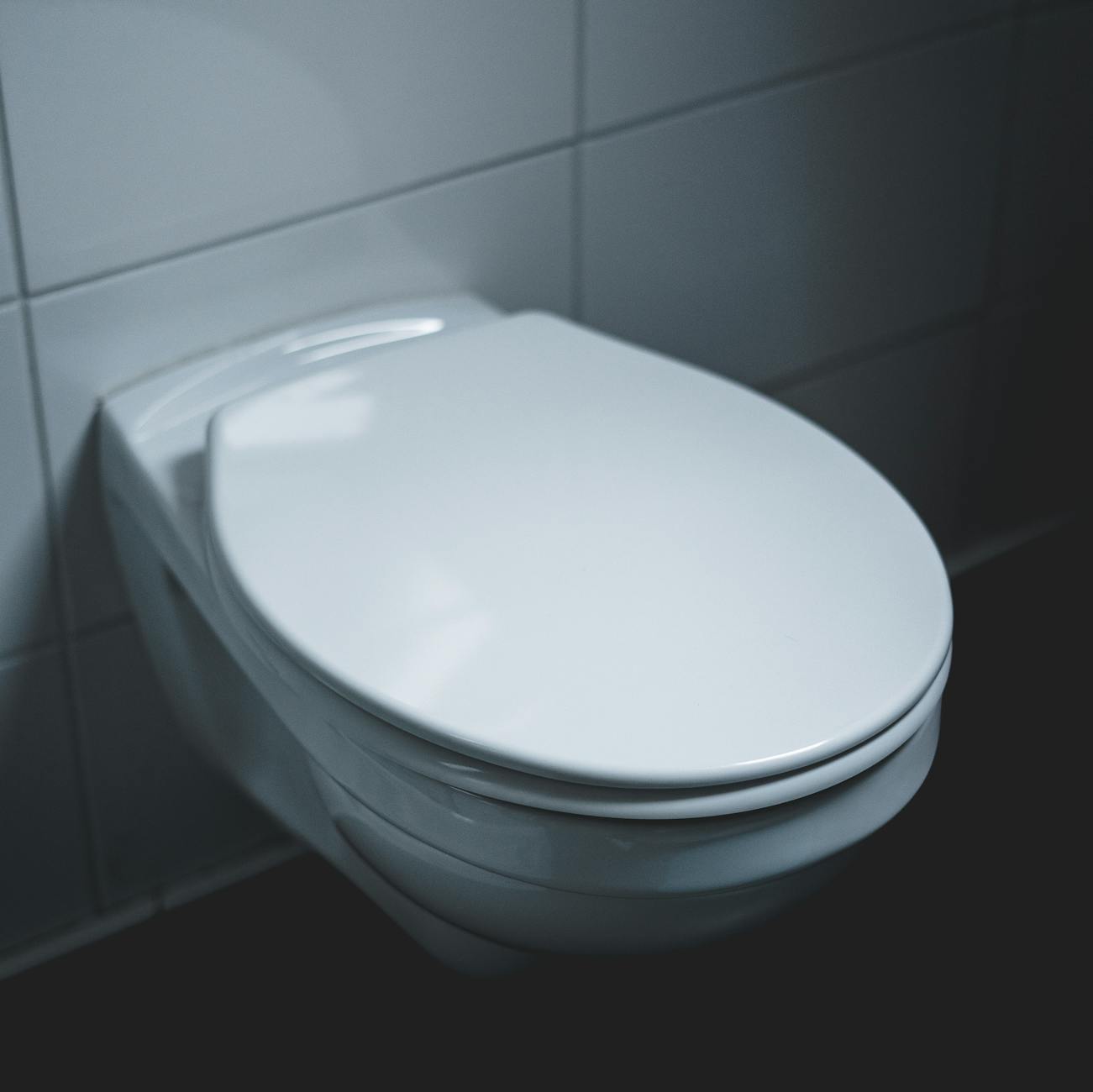
A used toilet seat has been in contact with the skin of multiple people and has absorbed urine, feces, and bacteria from years of use. Bacteria like E. coli and other pathogens that live in or around the toilet transfer to your skin when you sit on a used seat. Fungal infections, parasites, and viruses can survive on toilet seat surfaces and transfer to your body through small cuts or abrasions on your skin. Even vigorous cleaning cannot eliminate all microorganisms embedded in cracks, crevices, and the porous material of an old toilet seat. A new toilet seat is inexpensive and essential for maintaining bathroom hygiene and protecting your health from dangerous pathogens.
Thermometers
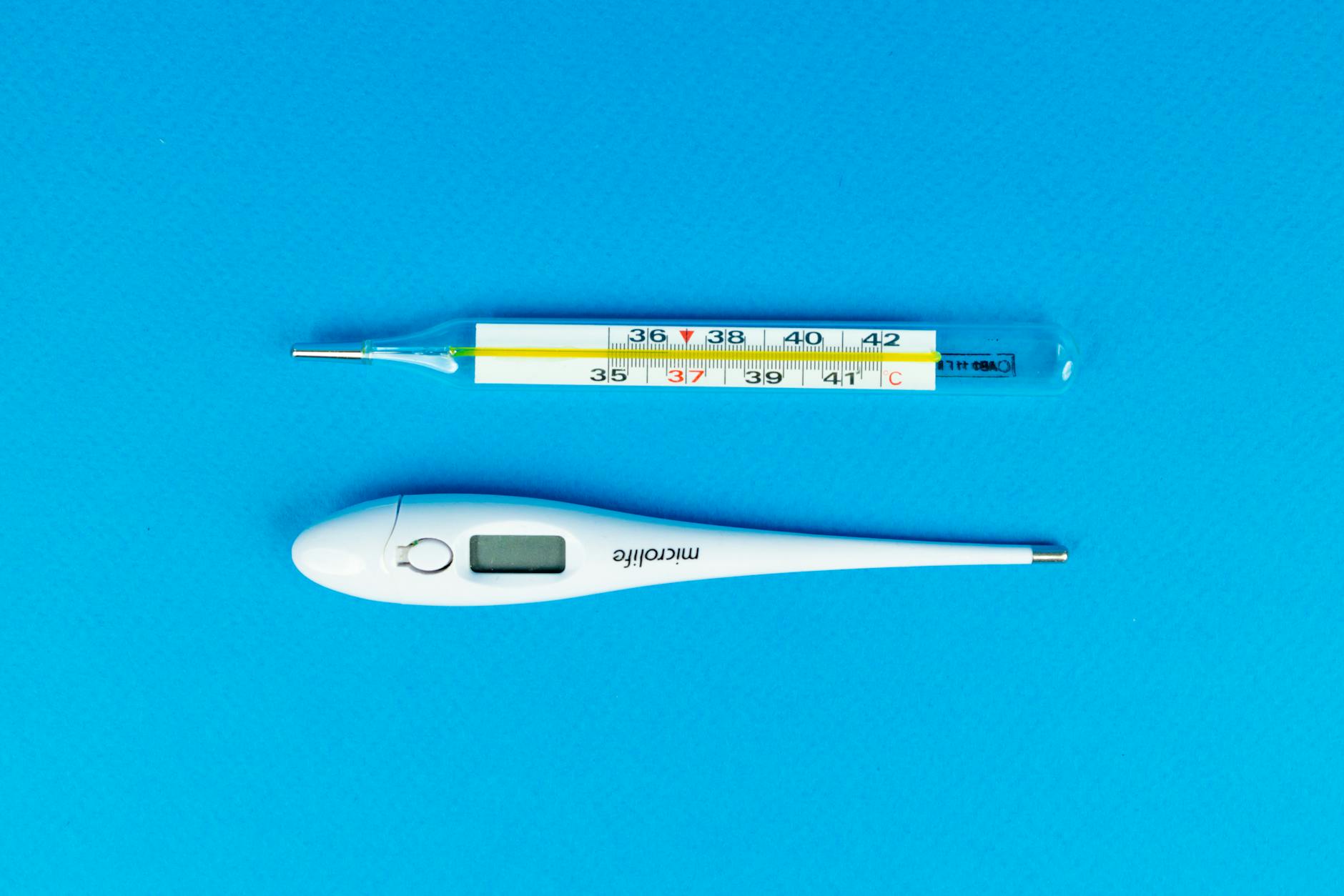
Used digital or glass thermometers have been placed in mouths, ears, or other body areas of sick people carrying contagious viruses and bacteria. The thermometer’s surface retains pathogens even after cleaning, and inserting it into your body or mouth introduces these germs into your system. If someone had a serious infection like strep throat, flu, or other contagious illness, the thermometer can transfer that illness to you. The accuracy of a used thermometer may also be compromised, giving you incorrect readings if you or a family member has a fever. Thermometers are inexpensive medical tools, and buying new ensures you get accurate readings without risking infection from previous users.
Beauty Blenders and Makeup Sponges
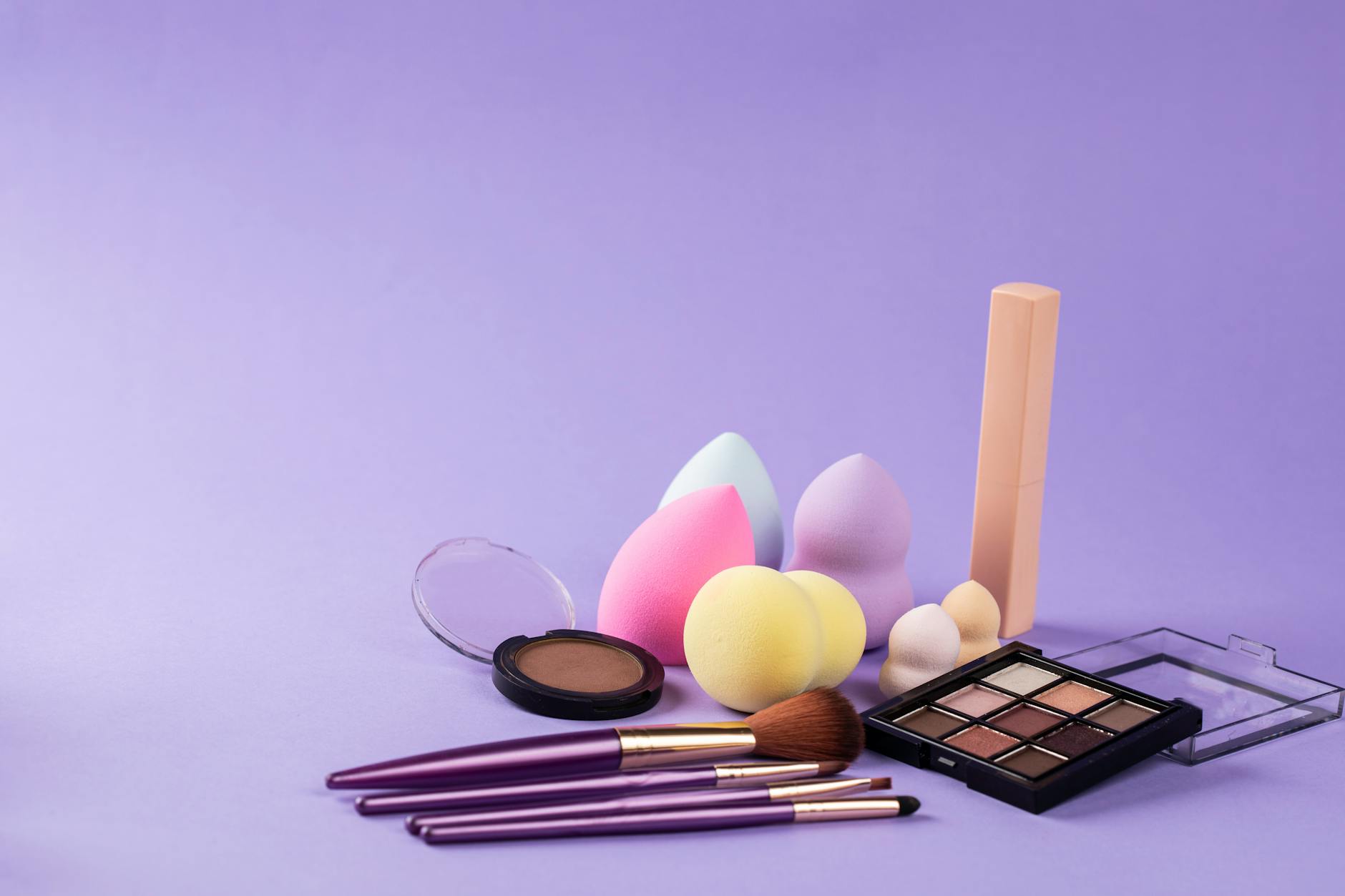
Used beauty sponges have absorbed makeup, oils, and bacteria from someone else’s skin for extended periods and cannot be fully sanitized through washing. The porous material of a beauty blender traps bacteria deep within its structure, and these microorganisms multiply in the damp environment where sponges are stored. Fungal infections, acne-causing bacteria, and skin irritation transfer directly to your face when you use a sponge contaminated with someone else’s skin flora. Sharing makeup application tools poses serious risks for spreading infections, breakouts, and skin conditions across your complexion. Beauty blenders are affordable, so purchasing new ones ensures clean makeup application and healthy skin.
Eyeglasses and Contacts Prescription
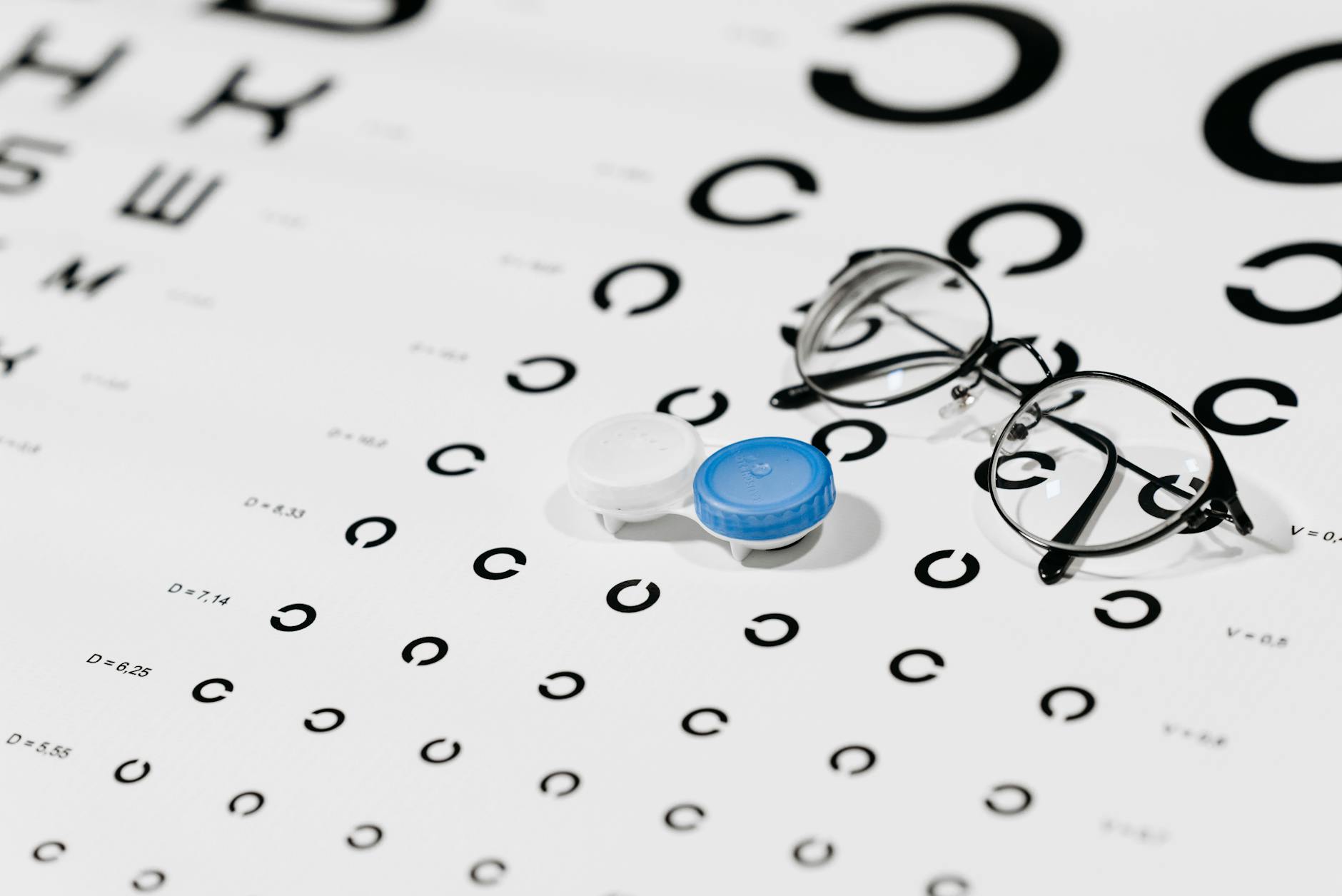
Used eyeglasses may be scratched, warped, or have lens coatings that have degraded, compromising your vision and causing eye strain. The optical prescription in someone else’s glasses is designed specifically for their eyes, and wearing the wrong prescription damages your vision and causes headaches. Contact lenses are medical devices that should never be shared, as they directly contact your eye tissue and can transfer infections and bacteria. Even if contacts appear clean, microscopic damage, deposits, or contamination make used contacts dangerous for your eye health. Vision correction requires proper fitting and a current prescription, making purchasing new eyewear a health necessity rather than optional.
Vitamins and Supplements
Used vitamin bottles may have been opened, exposing their contents to air, moisture, and bacteria that compromise product safety and effectiveness. Supplements deteriorate in potency over time, and a used bottle offers no way to know when it was opened or how it was stored. The ingredients in old supplements can oxidize or break down into compounds that are ineffective or potentially harmful when ingested. If supplements were stored in improper conditions like heat or humidity, their chemical composition may have changed in ways you cannot detect. Vitamins and supplements are health products meant to support your wellness, making it essential to purchase new ones with verified potency and safety.
Sunscreen
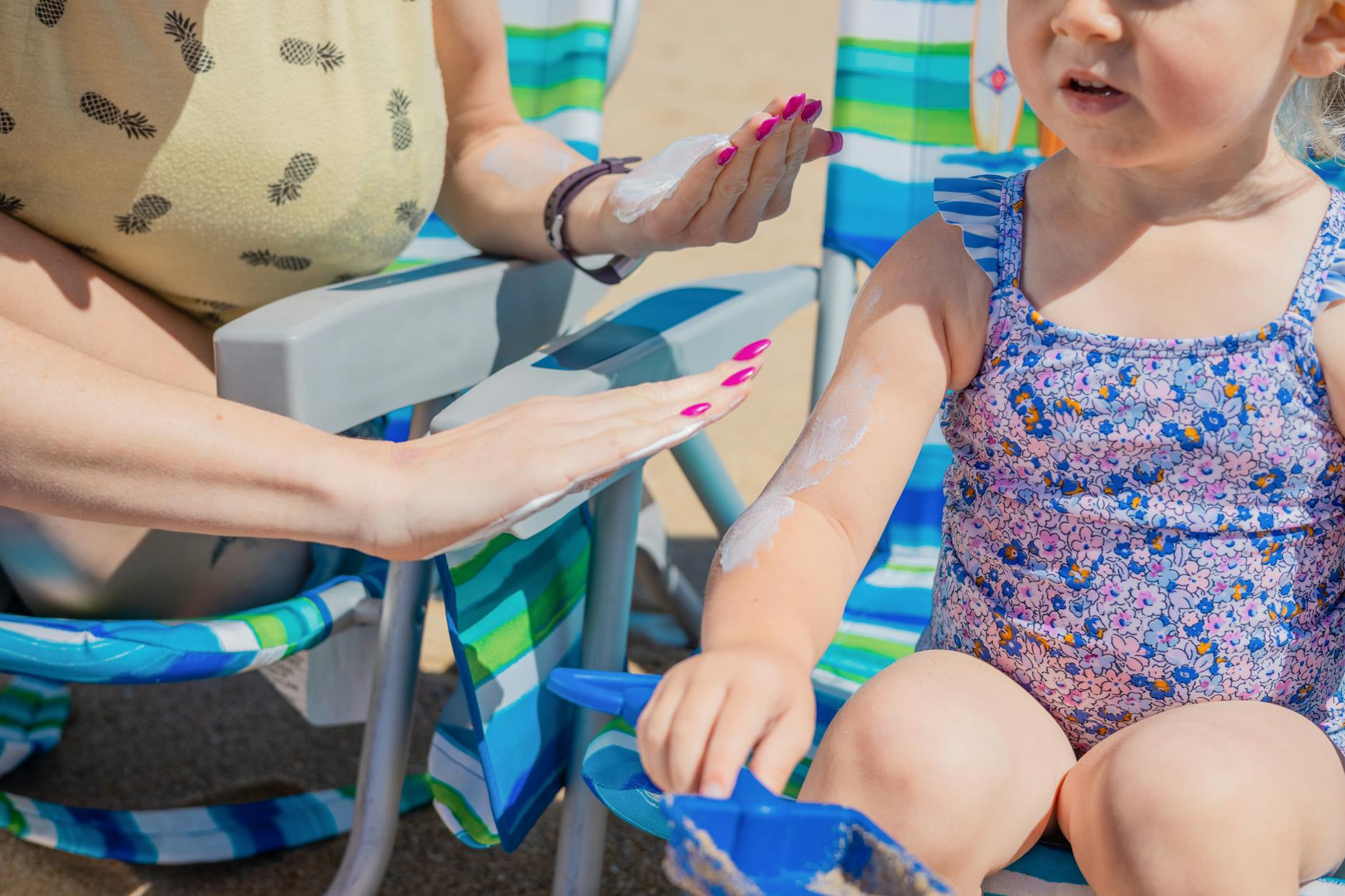
Used sunscreen bottles have been exposed to sun, heat, and air that break down the active UV-protective ingredients over time. The effectiveness of sunscreen degrades significantly after opening, and a used bottle offers no way to know its true protective capacity. Sunscreen stored in hot environments or left in the sun becomes less effective at preventing skin cancer and sun damage to your skin. If sunscreen has separated, changed color, or developed an unusual smell, its chemical composition has degraded and it no longer protects your skin. Protecting yourself from skin cancer and premature aging requires effective sunscreen, making new products worth the investment in your long-term skin health.
Contact Lens Solution
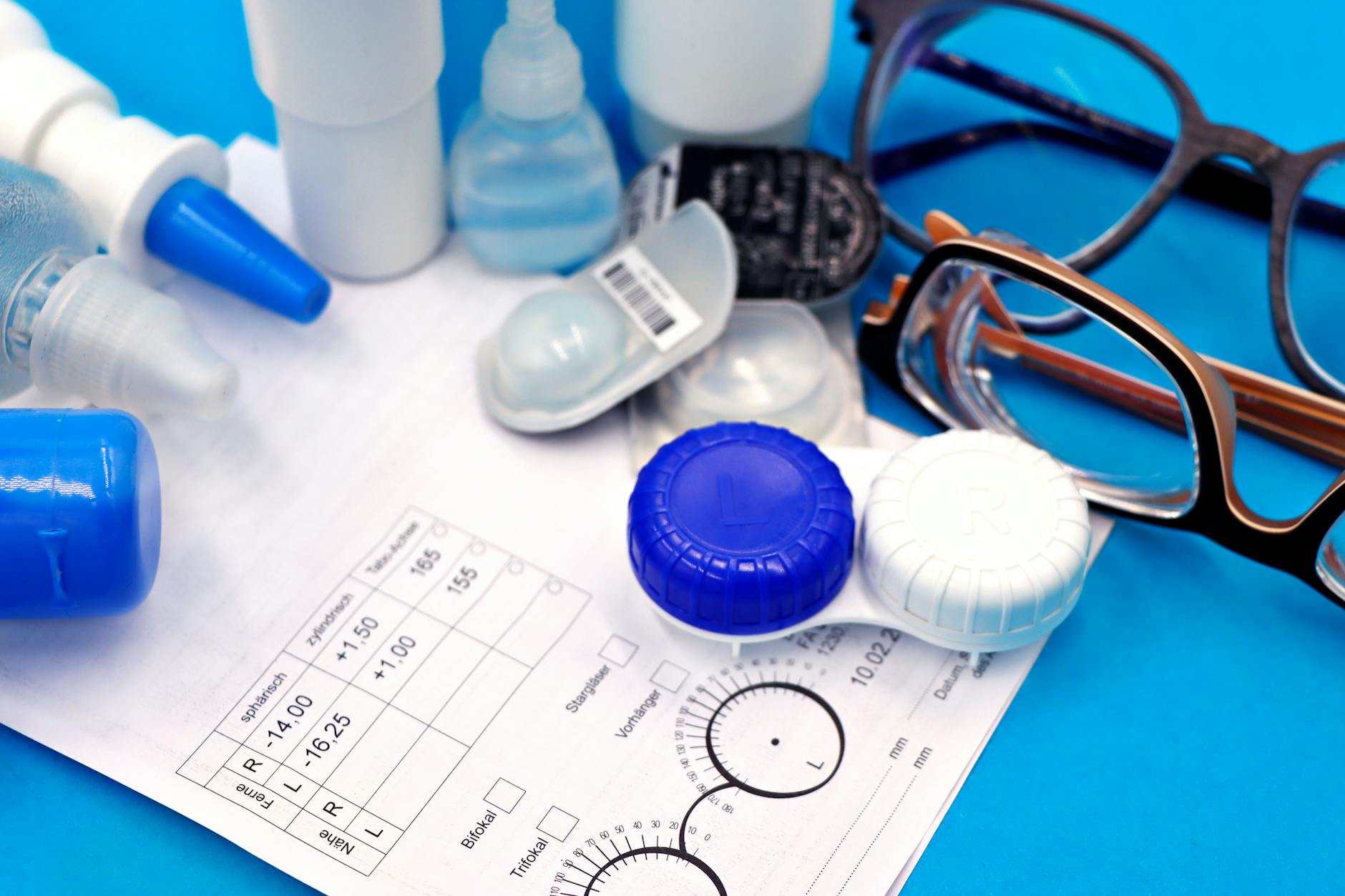
Used contact lens solution bottles may have been opened and exposed to contamination, air, and bacteria that compromise the solution’s sterile properties. Contact lens solution is specifically formulated to keep lenses clean and sterile, and old or contaminated solution defeats this purpose entirely. Protein deposits, bacteria, and fungi can grow in used solution bottles, transferring directly to your eyes when you insert your lenses. If solution has been sitting open or improperly stored, it no longer provides the disinfectant properties necessary to keep your contacts safe. Proper eye health requires fresh solution with verified sterility, making purchasing new bottles essential for preventing eye infections.
Infant Car Seats

Used infant car seats may have been in previous accidents that caused invisible structural damage compromising their protective capacity in a collision. The plastic shell of a damaged car seat may look fine externally while internal components are cracked or misaligned, reducing safety performance. The harness system in infant seats must function perfectly to protect a newborn, and worn or damaged components cannot be fully assessed by visual inspection. Expiration dates on infant car seats exist because the materials degrade over time, and old seats no longer meet modern safety standards. An infant car seat is too critical for your baby’s safety to purchase used, and this is one investment where cost should never be a consideration.
Baby Bottles and Feeding Supplies
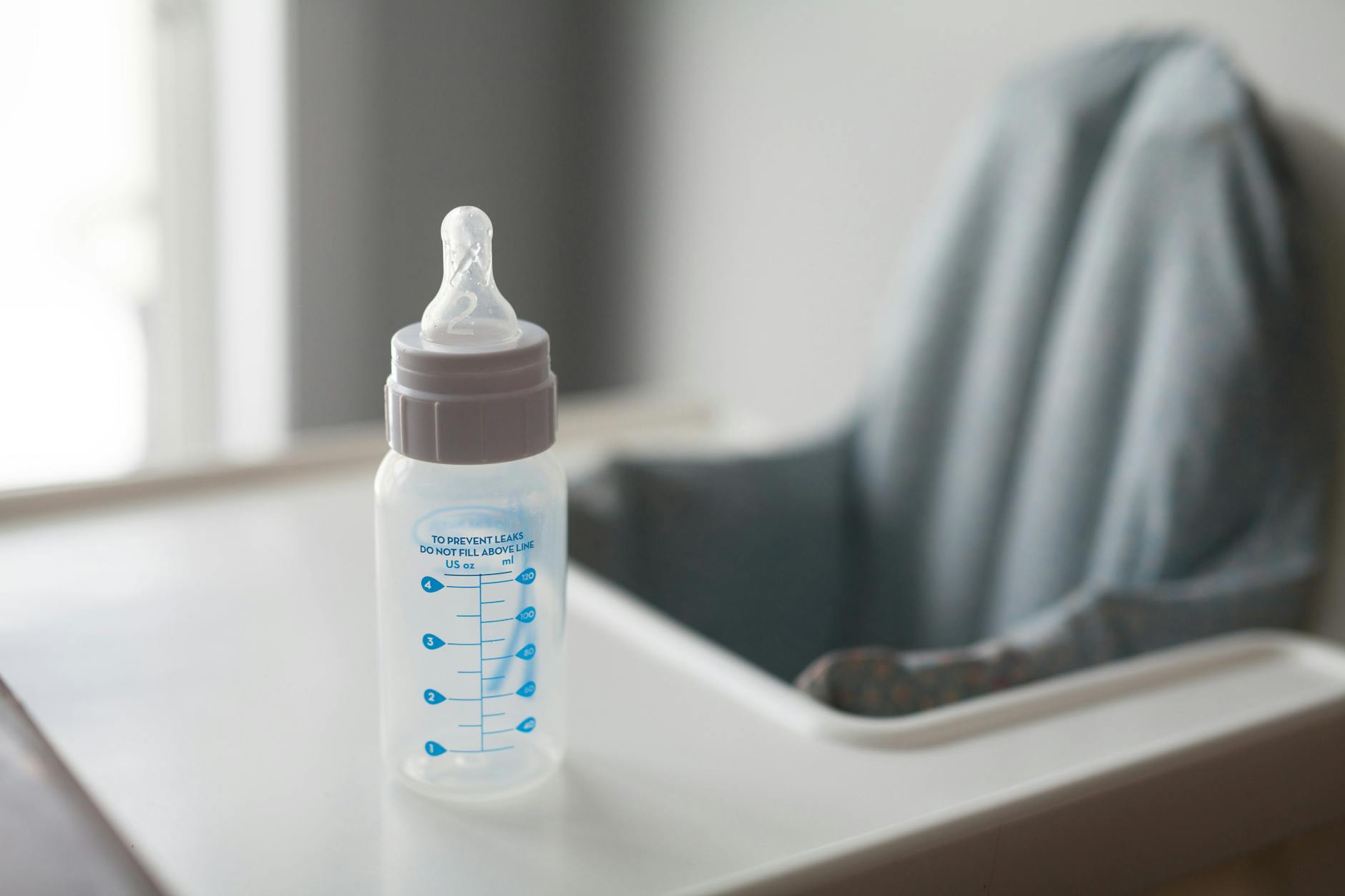
Used baby bottles may have microscopic cracks or damage to their plastic that harbor bacteria and cannot be fully sanitized through washing. Bottles used by a previous infant carry bacteria from that child’s mouth and saliva that can transfer to your baby’s digestive system. Certain plastics used in older bottles contain harmful chemicals like BPA that have been banned from new baby products due to health concerns. The nipples on used bottles may be cracked, torn, or compromised in ways that create choking hazards or allow bacteria to multiply. Baby feeding supplies come into direct contact with your infant’s mouth and digestive system, making new bottles essential for your baby’s health and safety.
Crib Mattresses

A used crib mattress poses the same bed bug and dust mite risks as regular mattresses but with added danger to an infant who is most vulnerable to these contaminants. Babies spend extended time in direct contact with mattresses, inhaling dust, allergens, and microscopic pests that accumulate in used bedding. The structural integrity of a crib mattress is critical for preventing suffocation, and a used one may have compressed areas or sagging that create safety hazards. If a previous child died of SIDS or any other cause while using a crib mattress, many parents choose never to use it again, and you cannot know this history. A baby’s sleep safety is paramount, making a new crib mattress a non-negotiable purchase for your infant’s wellbeing.
What thoughts do you have about second-hand shopping in your own lifestyle, and are there any items you’d add to this list in the comments?