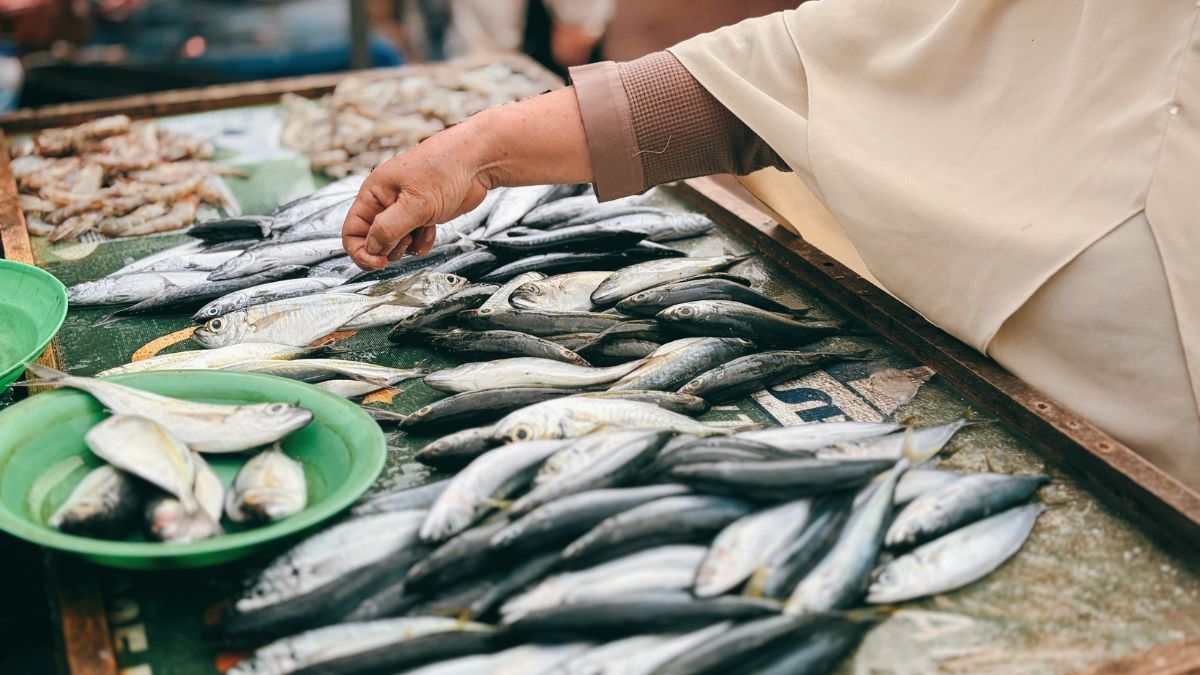
Cast iron skillets are revered kitchen staples known for their durability and heat retention properties. Many home cooks rely on them for searing steaks or baking cornbreads to achieve that perfect crust. Certain ingredients can actually damage the seasoning or react poorly with the iron itself. Understanding these limitations ensures the longevity of the pan and the quality of the food prepared in it. Avoiding specific foods helps maintain the nonstick surface that develops over years of careful use.
Tomato Sauce
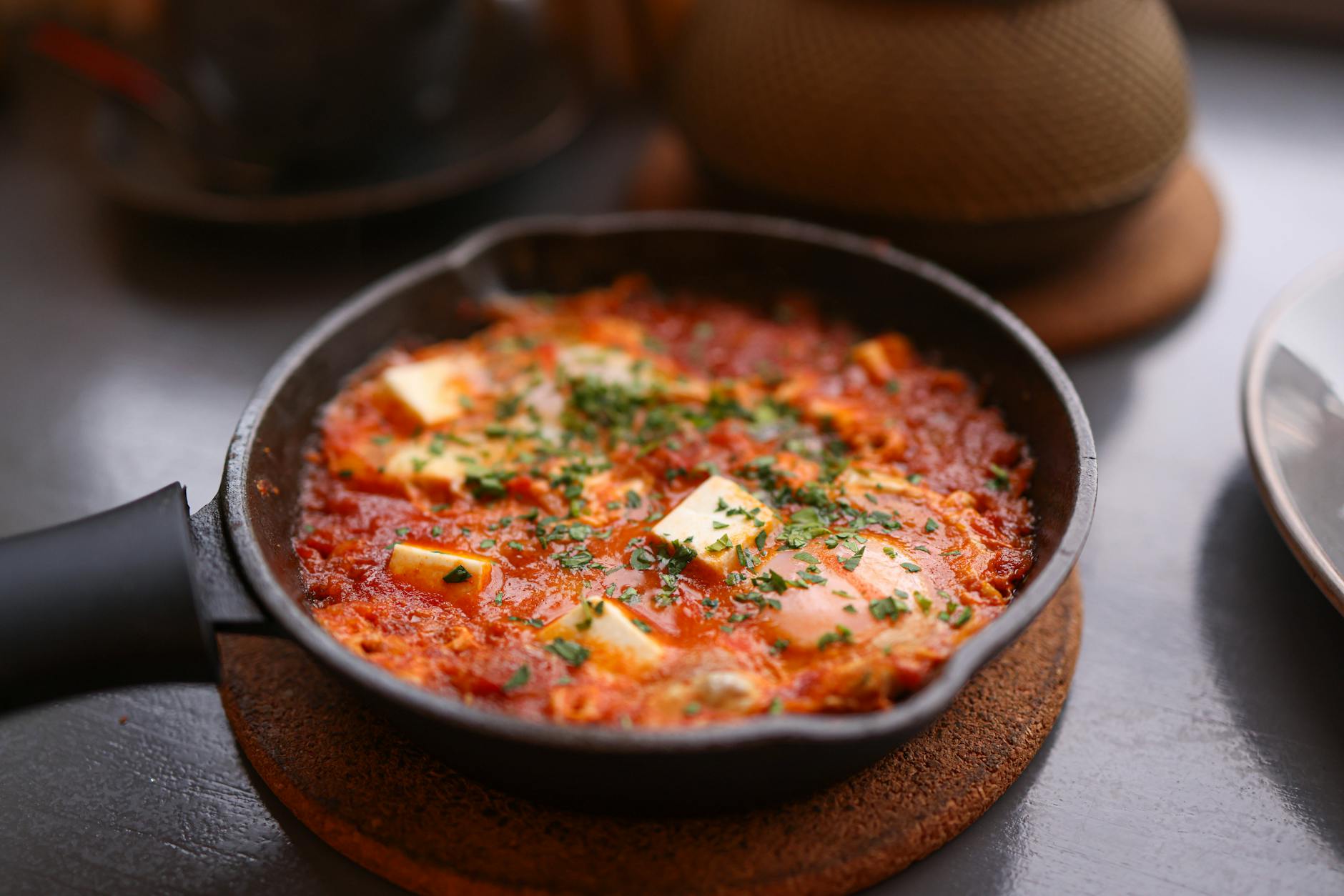
Acidic foods like tomato sauce can strip the seasoning off a pan if cooked for too long. The iron reacts with the acid and creates a metallic taste in the final dish. Short cooking times might be safe but simmering a sauce for hours is detrimental to the patina. Use stainless steel or enameled cookware for these types of recipes to preserve flavor integrity.
Wine Reductions
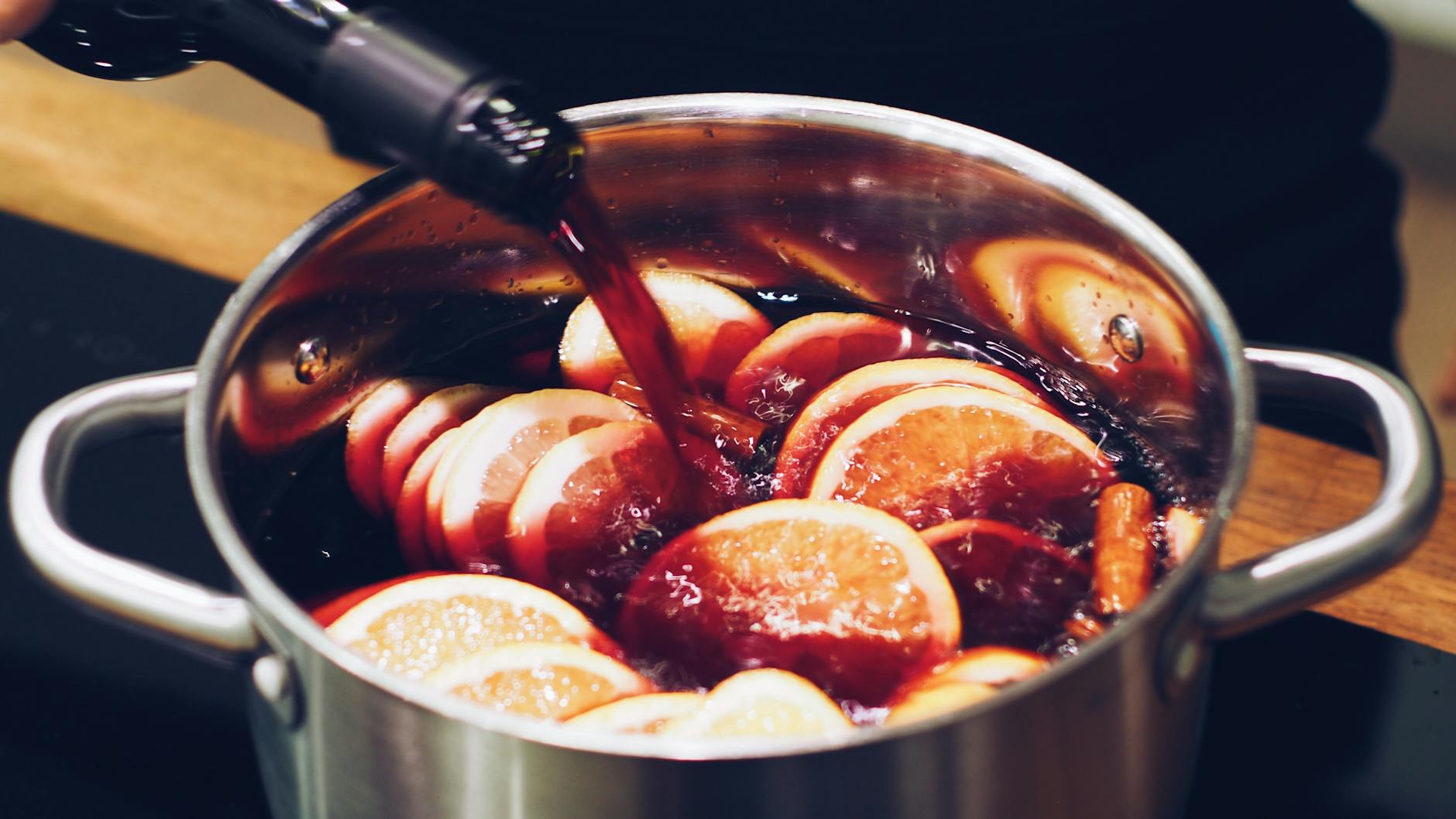
Simmering wine in cast iron poses similar risks to tomatoes due to high acidity levels. The pan may release iron into the sauce and alter the color or taste of the reduction. This process often leaves the skillet looking dull or stripped of its protective oil layer. Enamel coated pans are a much better choice for making delicate wine sauces or braises.
Delicate Flaky Fish
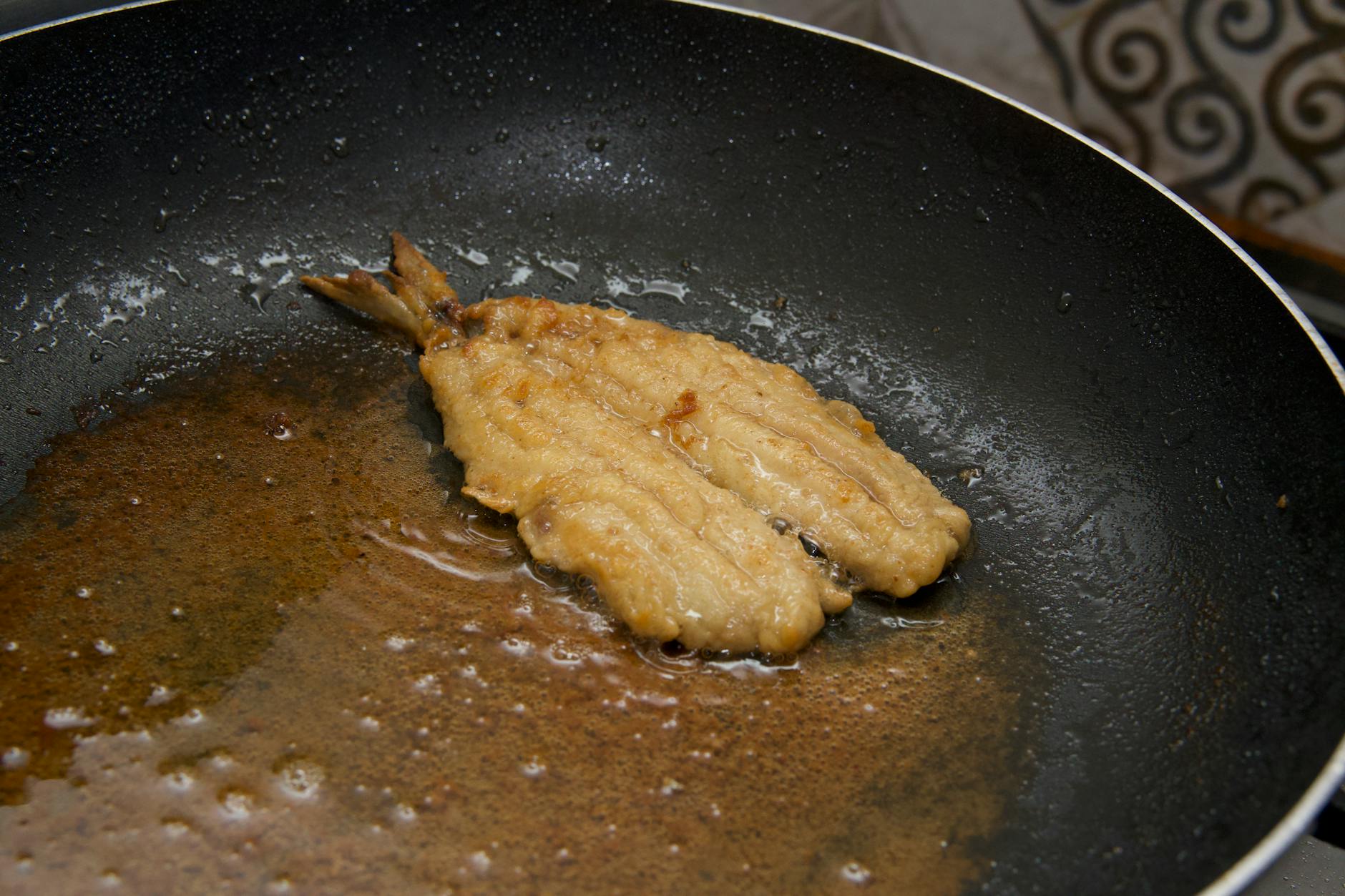
Thin fillets of fish like flounder or tilapia often break apart when flipped in heavy iron pans. The textured surface of cast iron creates friction that pulls the flesh away from the skin during cooking. Even a well-seasoned skillet may not be slick enough to release delicate proteins without damage. Nonstick pans provide the necessary slip to keep fragile fish fillets intact and presentable.
Sticky Desserts
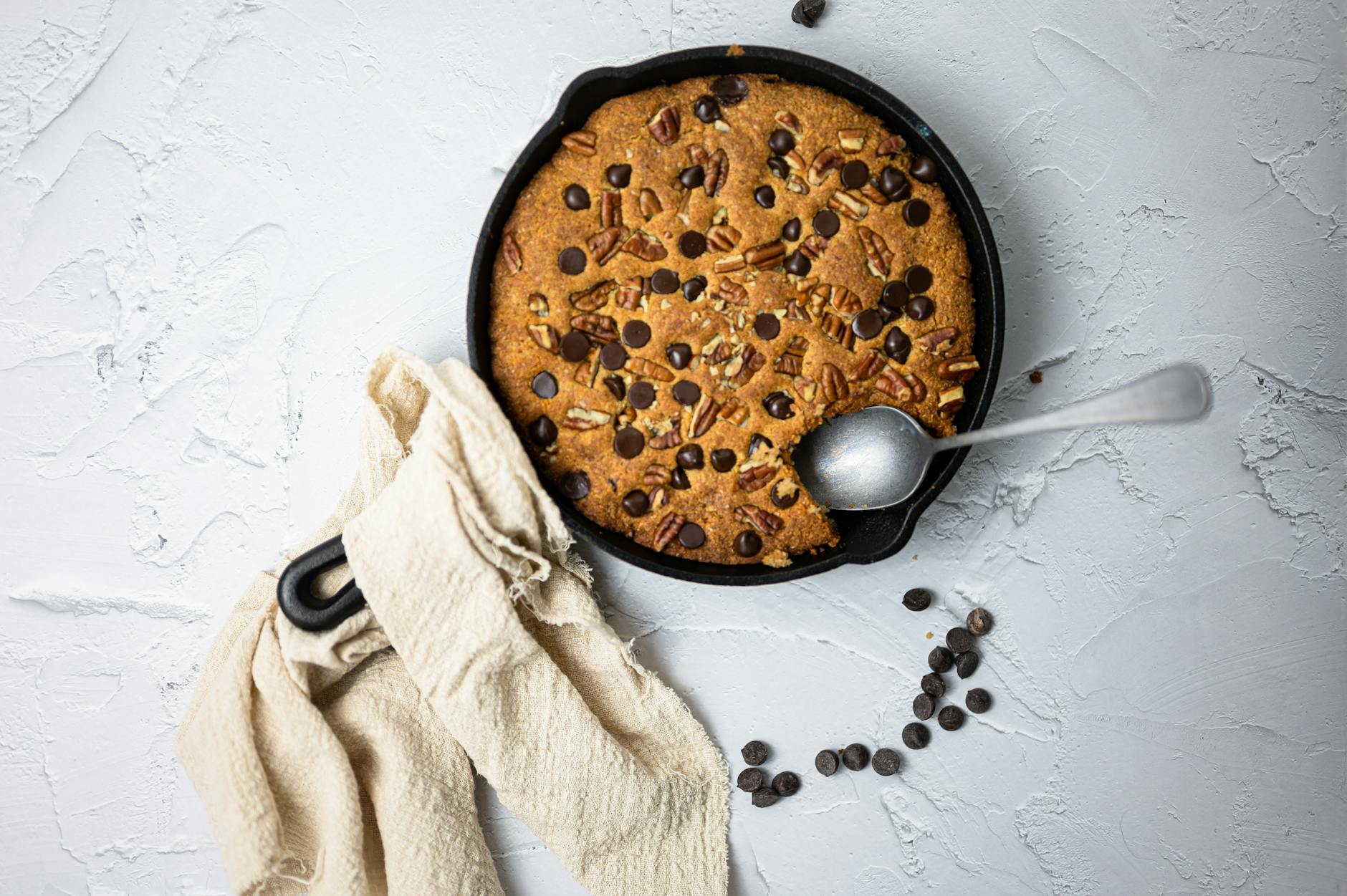
Sugary desserts can caramelize quickly and bond aggressively to the iron surface. Scrubbing off burnt sugar often requires abrasive cleaning methods that damage the accumulated seasoning. The residual flavors from savory dishes cooked previously might also seep into sweet treats. Using parchment paper or a different baking dish prevents these sticky situations and flavor clashes.
Omelets
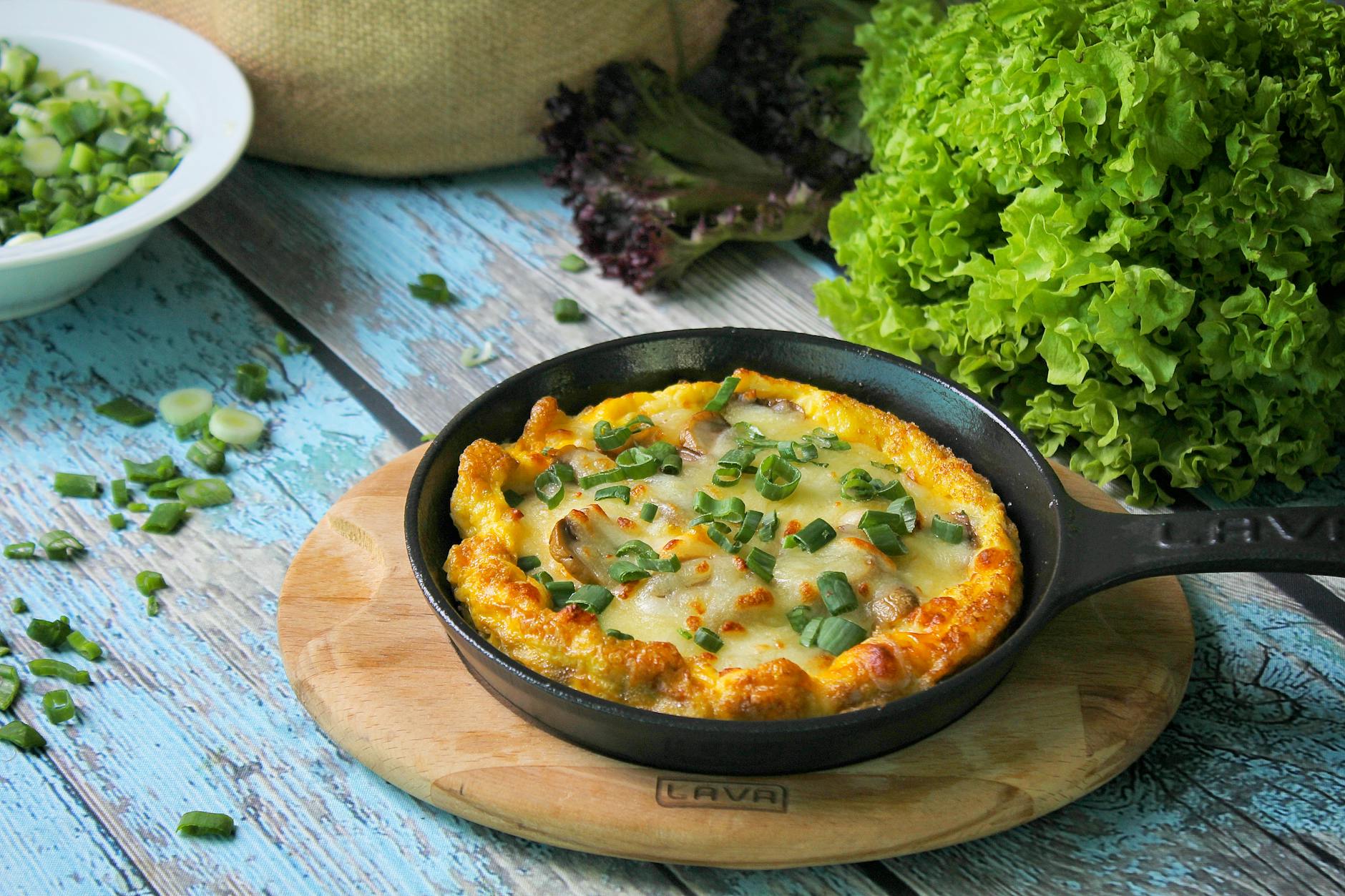
Eggs require a perfectly smooth surface to slide around without tearing or sticking to the bottom. Cast iron pans often have micro-textures that grip the egg proteins and result in a messy scramble. Residual heat retention can also lead to overcooking the eggs even after removing the pan from the burner. A dedicated nonstick skillet remains the superior tool for achieving fluffy and intact omelets.
Garlic and Onions
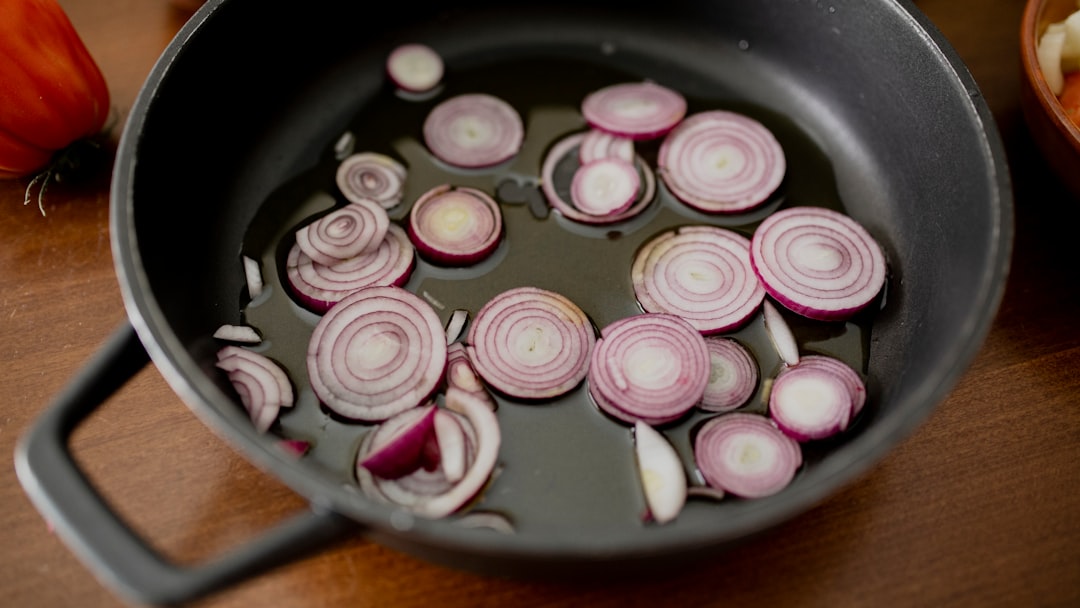
Cooking pungent aromatics can embed strong odors into the porous surface of the seasoning. These distinct flavors often transfer to the next dish and might ruin a sweet recipe like a skillet cookie. Regular cleaning does not always remove these potent oils completely from the iron pores. It helps to keep separate pans for savory and sweet cooking to avoid unexpected flavor profiles.
Boiling Water
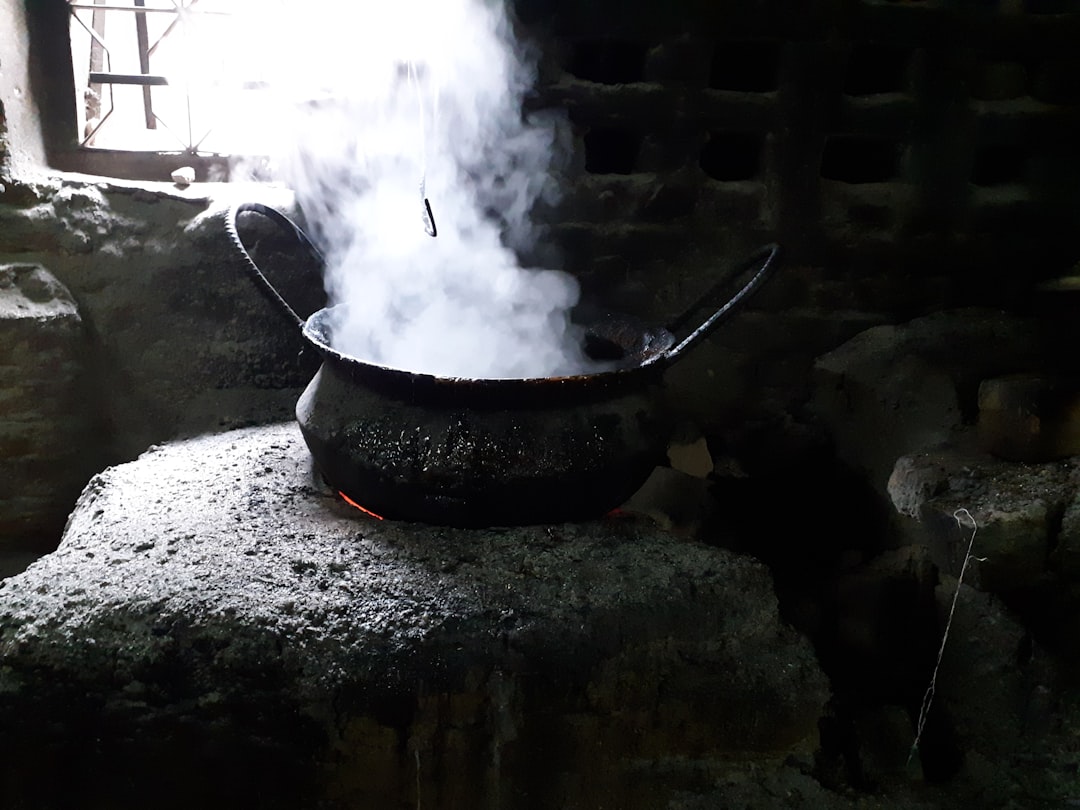
Bringing water to a boil in cast iron promotes rust formation and breaks down the polymer oil layer. The combination of high heat and moisture penetrates the seasoning to reach the raw metal underneath. This often results in a rusty water line or a patchy cooking surface that requires re-seasoning. Stainless steel pots handle boiling water much more effectively without risking the integrity of the cookware.
Vinegar Sauces
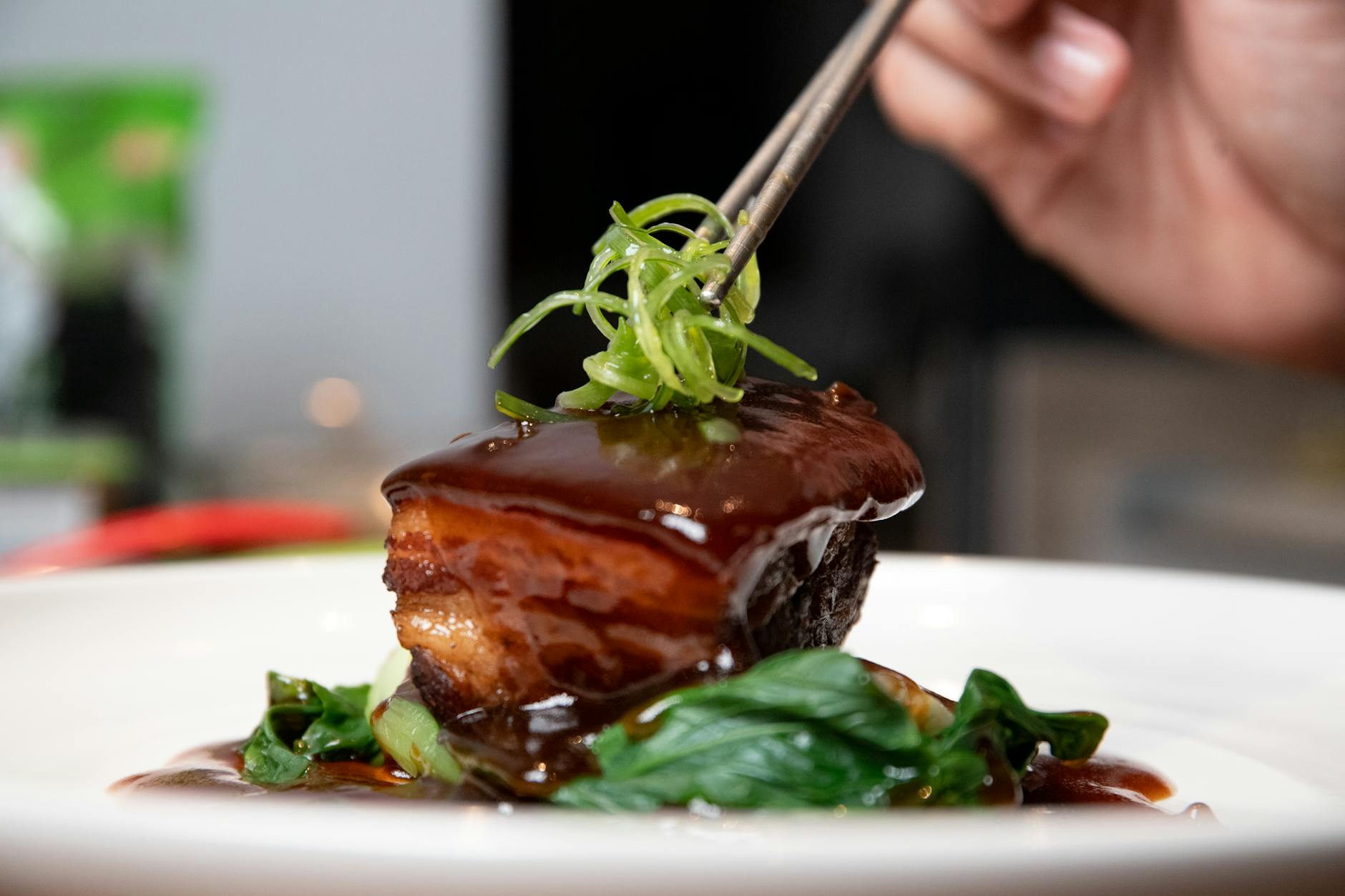
Vinegar is another highly acidic ingredient that eats away at the polymerized oil coating on the skillet. Preparing a gastrique or a vinegar-heavy barbecue sauce can leave the pan looking grey and dry. The metallic reaction also gives the sauce an unappealing tint and a sharp iron flavor. Reserve these tangy preparations for non-reactive cookware to ensure the best culinary results.
Cold Salmon
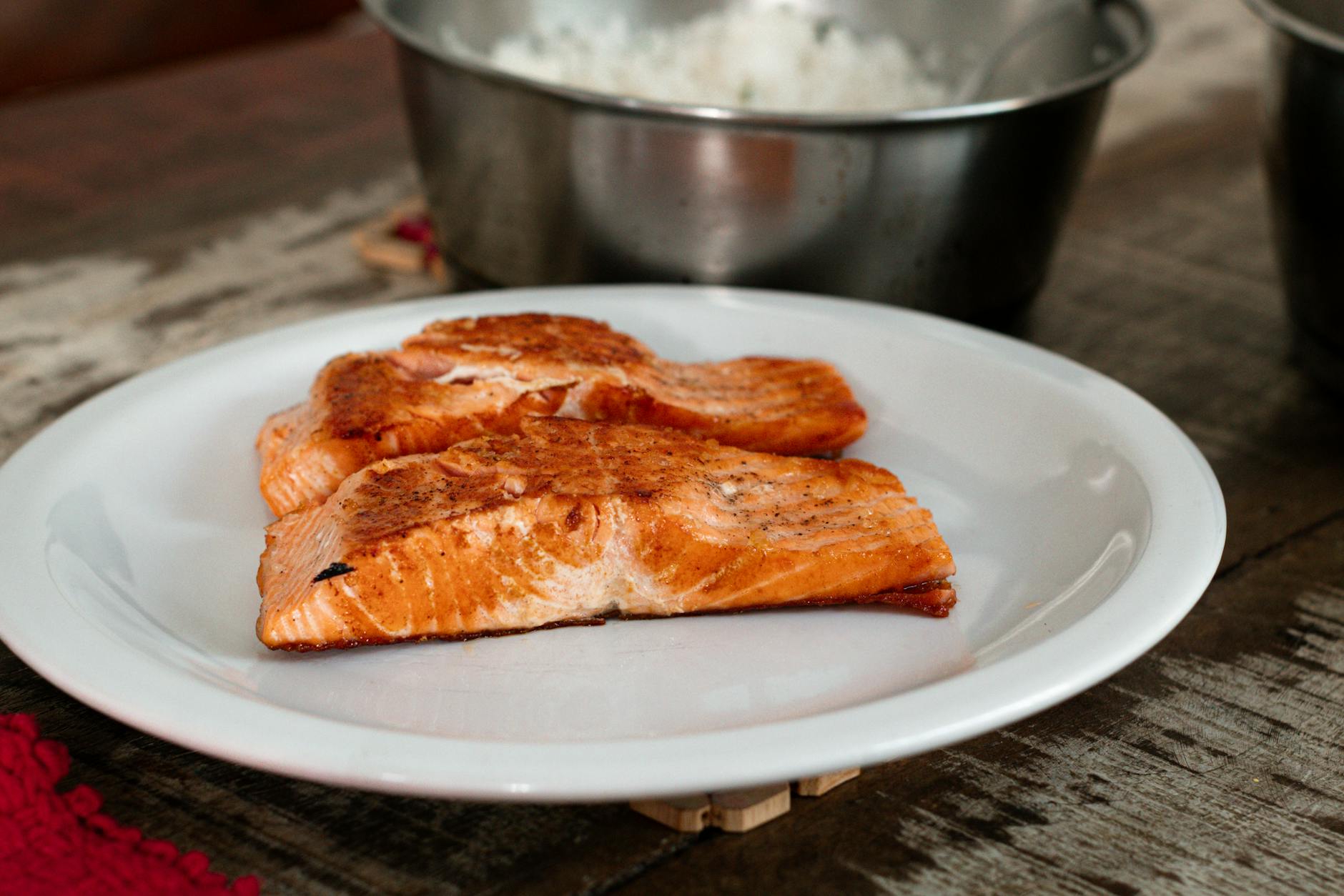
Placing a cold piece of salmon directly into a hot cast iron skillet causes the proteins to seize and stick. The skin will likely tear away from the flesh when you attempt to flip the fish. Allowing the fish to reach room temperature first helps but the risk remains high with this cookware. A nonstick surface or a well-oiled stainless steel pan offers better control for skin-on fish.
Fried Rice
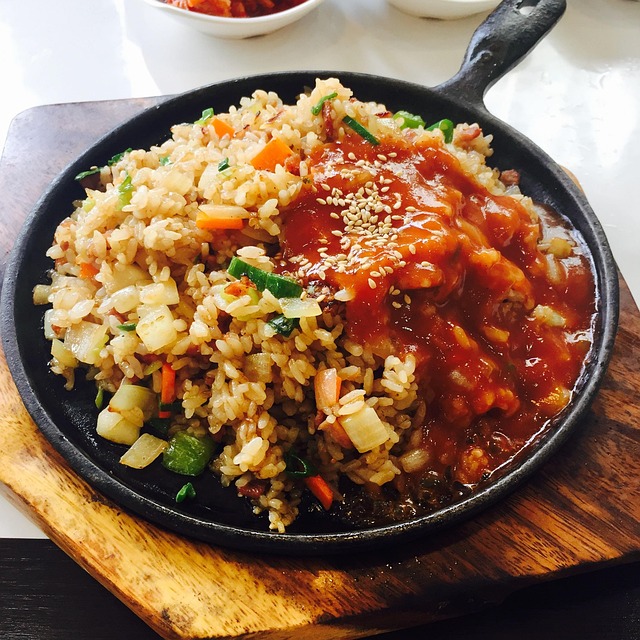
Starchy rice grains act like glue on the textured surface of most cast iron skillets. The intense heat needed for frying rice can cause the starch to burn before it crisps properly. Cleaning the stuck rice usually involves scraping that damages the essential nonstick patina. A carbon steel wok or a nonstick pan provides the smooth motion needed for this dish.
Lemon Chicken
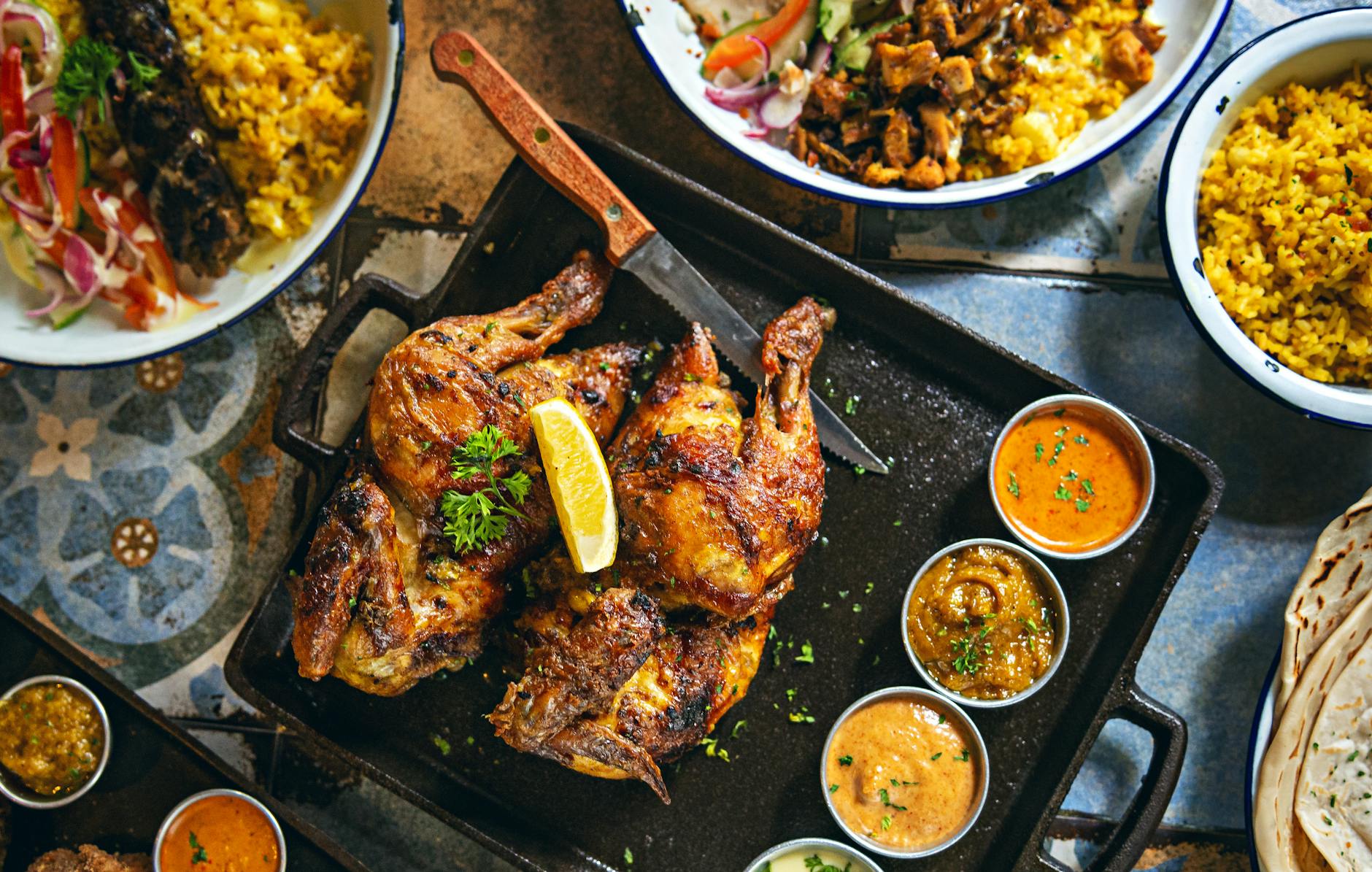
Braising chicken in a sauce heavy with lemon juice exposes the pan to prolonged acid contact. The citrus breaks down the seasoning and can ruin the hard work put into maintaining the skillet. You might notice dark flakes of seasoning peeling off into the food during the cooking process. Enameled cast iron provides the heat retention without the risk of acid damage.
Cheese Fondue
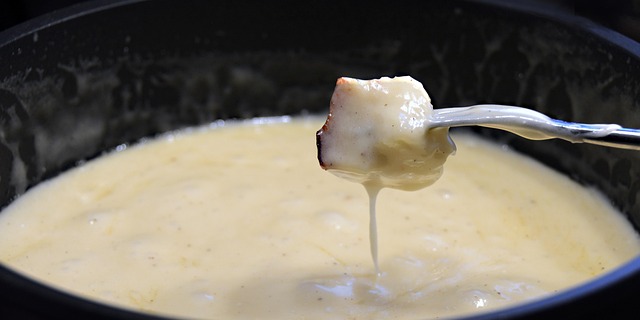
Melted cheese creates a thick and cohesive layer that clings stubbornly to cast iron surfaces. As the cheese cools it hardens into a residue that is incredibly difficult to remove without soaking. Soaking the pan to remove the cheese introduces moisture that leads to rust. Ceramic or enameled pots are designed specifically to handle melted cheese without the cleanup struggle.
Crepes
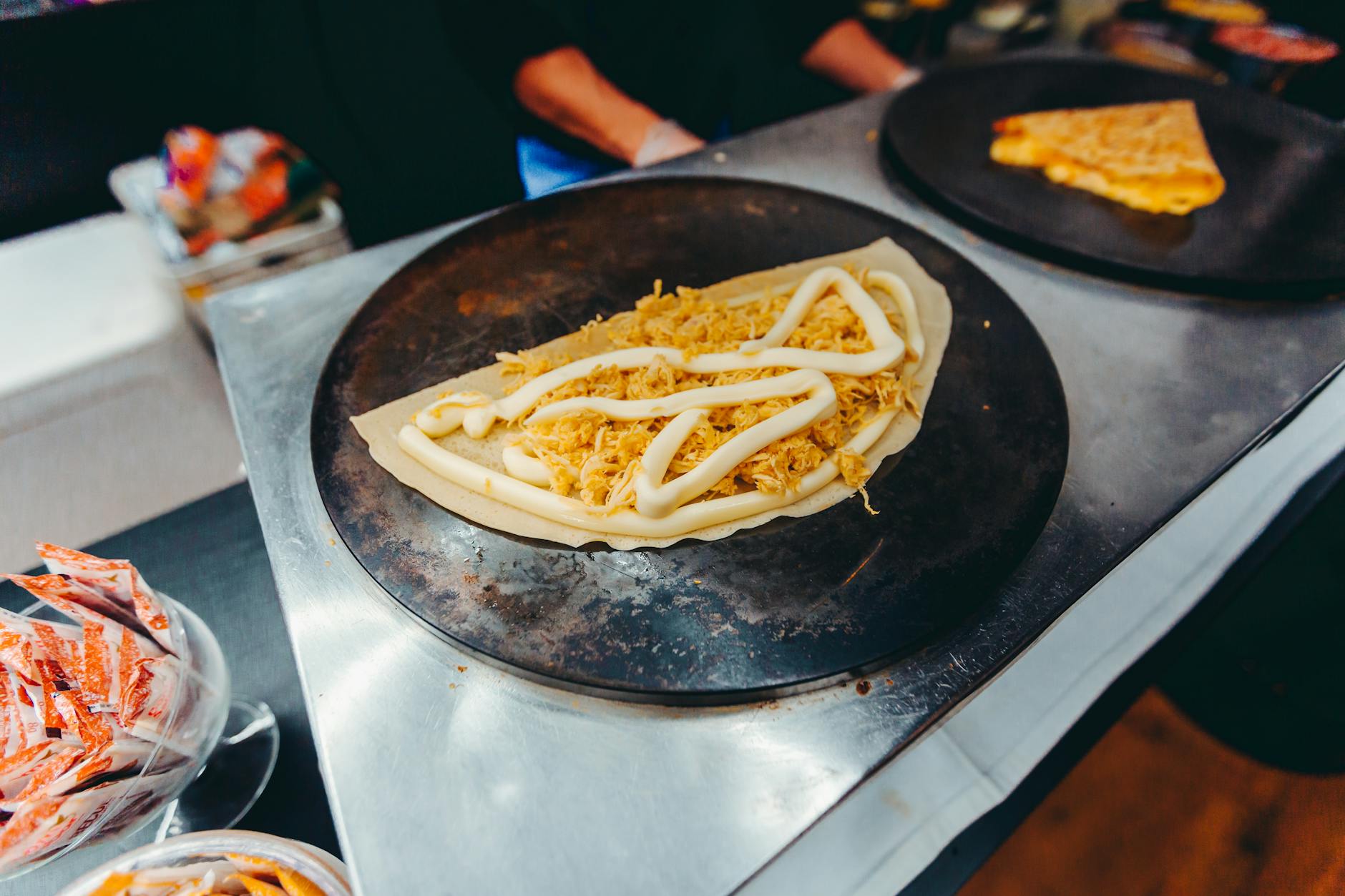
These thin pancakes require immediate release and agile flipping to maintain their delicate structure. The weight of a cast iron pan makes it difficult to swirl the batter evenly across the bottom. The surface texture also hinders the smooth release needed for a paper-thin crepe. A specialized crepe pan or a lightweight nonstick skillet ensures the batter spreads and flips easily.
Frozen Foods
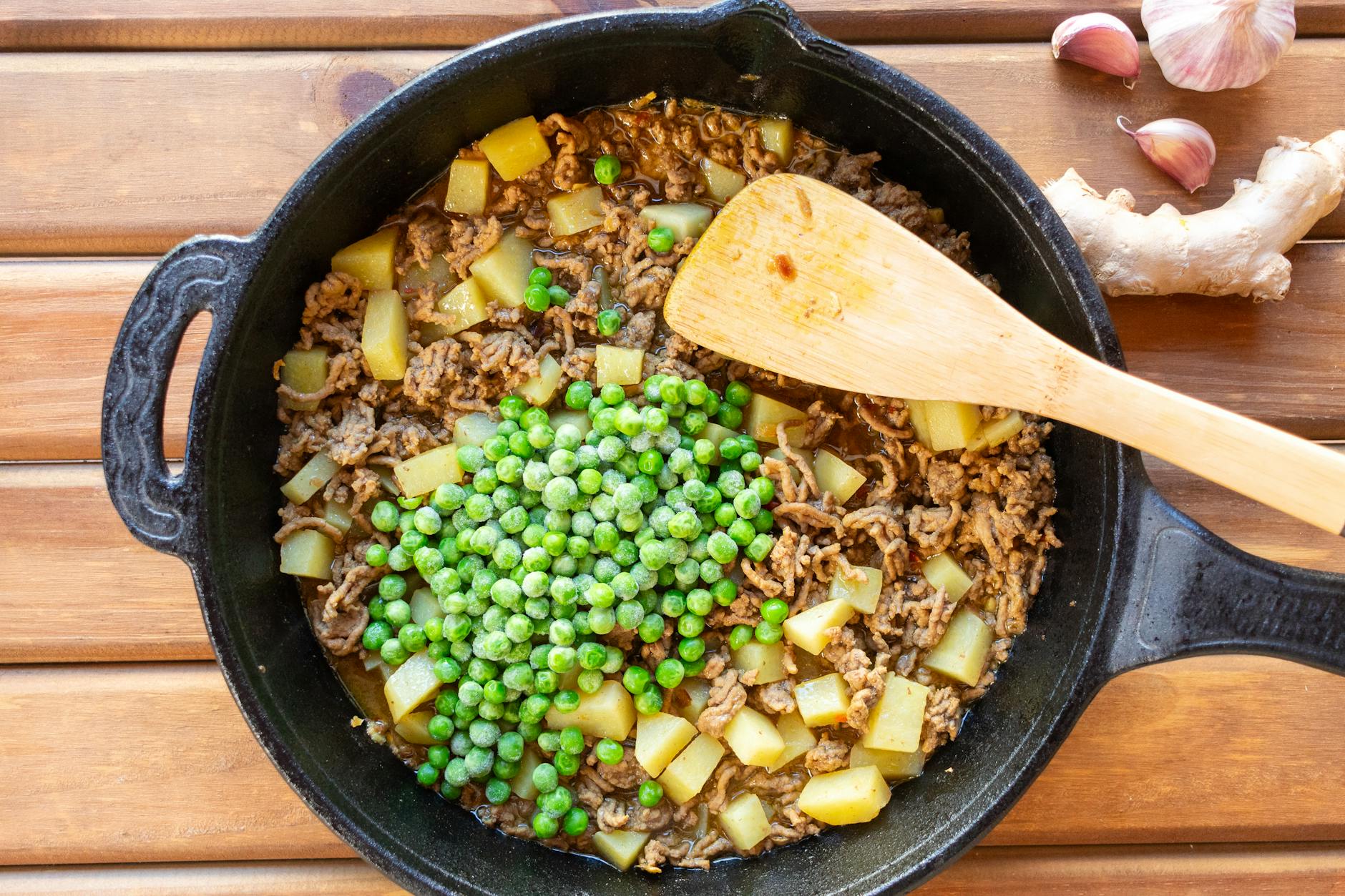
Putting frozen ingredients directly into a hot skillet can cause thermal shock and potentially crack the iron. The water released from thawing food also lowers the pan temperature too rapidly and leads to steaming rather than searing. This moisture creates a gummy layer that sticks to the seasoning and prevents browning. Thawing food completely before cooking ensures safety for the pan and better texture for the meal.
Balsamic Glaze
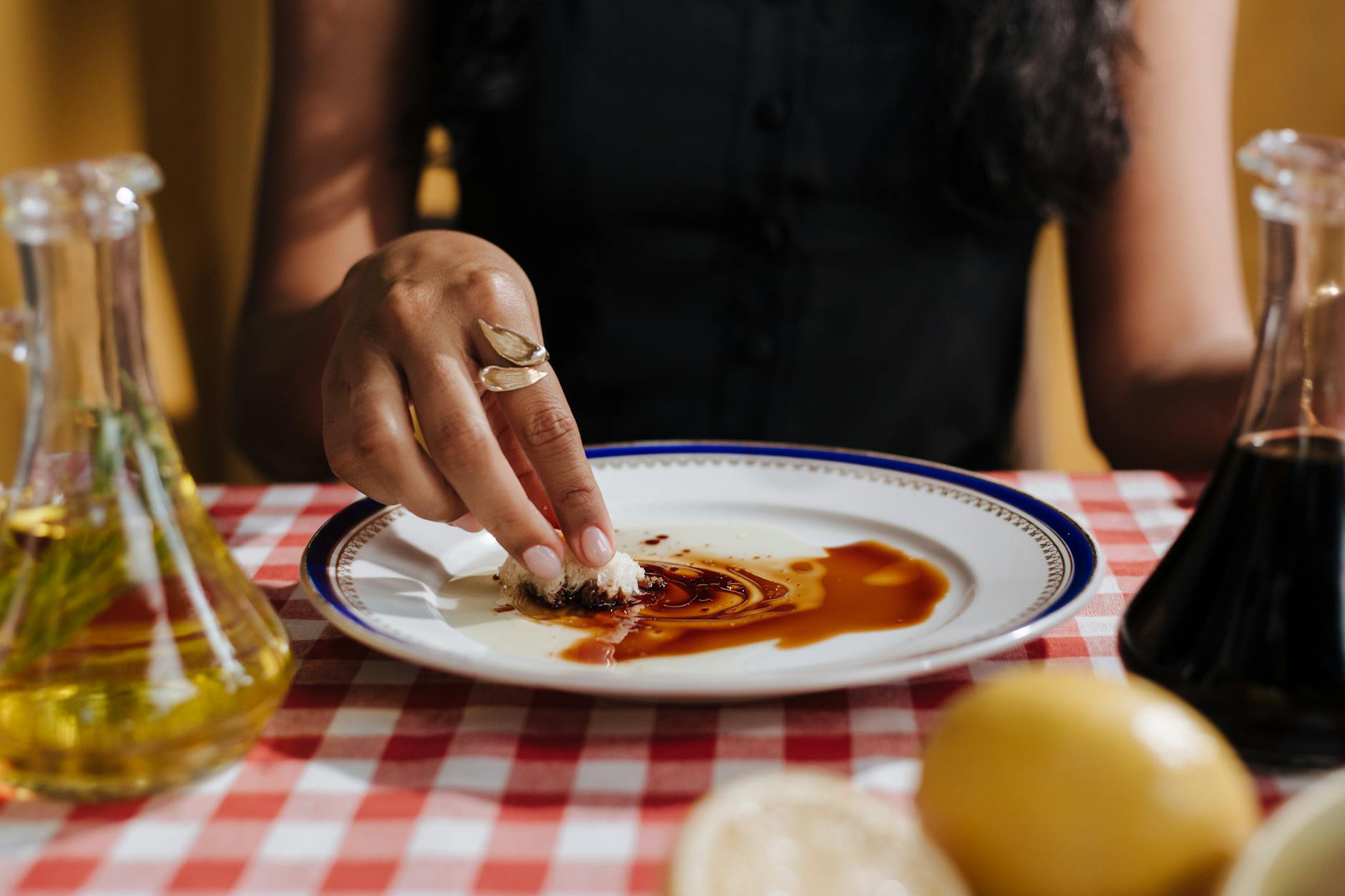
Reducing balsamic vinegar concentrates its acidity and sugar content simultaneously. This potent combination strips the seasoning while the sugars burn onto the iron. The resulting mess is difficult to clean and leaves the pan vulnerable to future rusting. Stainless steel saucepans are much better suited for reducing acidic and sugary liquids.
Scrambled Eggs
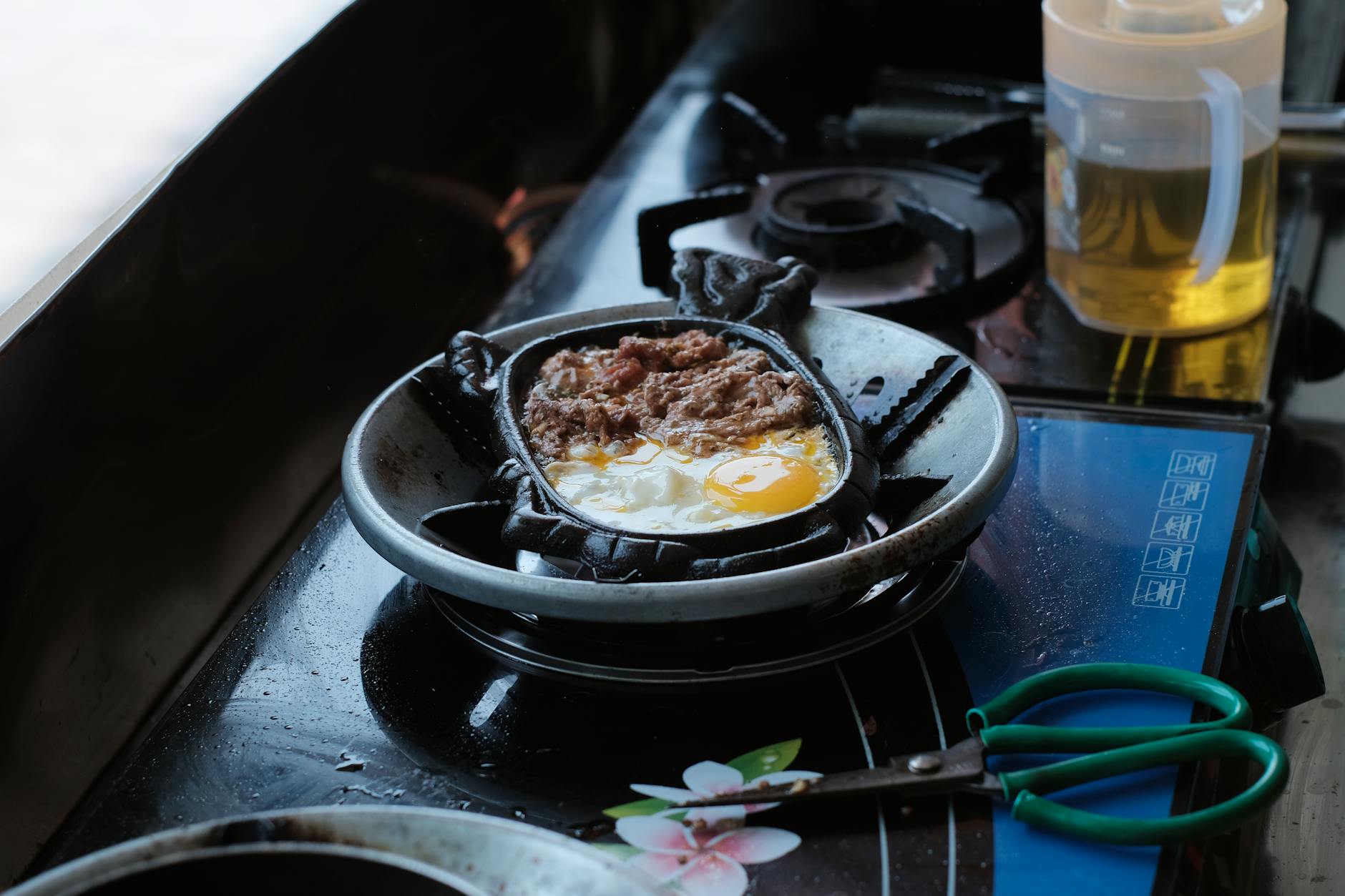
Soft scrambled eggs have a tendency to fill the small pores of the iron and adhere to the surface. This results in a layer of egg that burns while the rest of the mixture cooks unevenly. You lose a significant portion of the eggs to the pan and face a tough cleanup job. Nonstick cookware remains the gold standard for achieving soft and creamy scrambled eggs.
Cranberry Sauce
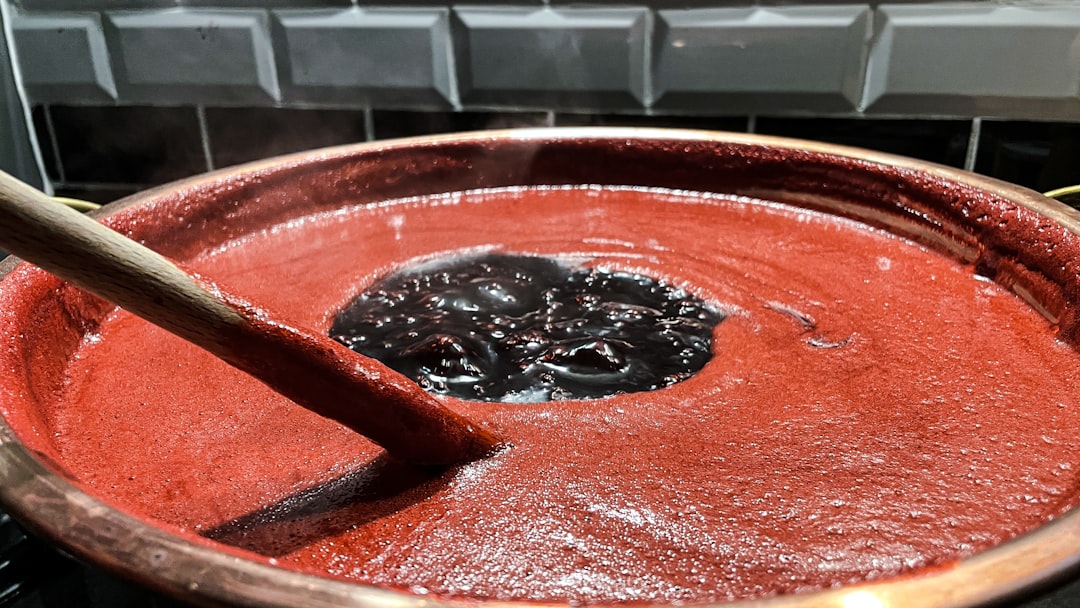
The natural acidity of cranberries poses a threat to the seasoned surface of the skillet. Cooking this festive side dish in iron can turn the vibrant red sauce into a muddy brown color. The sauce picks up a metallic taste that overpowers the natural tartness of the berries. Use a non-reactive saucepan to preserve both the color and flavor of the fruit.
Risotto
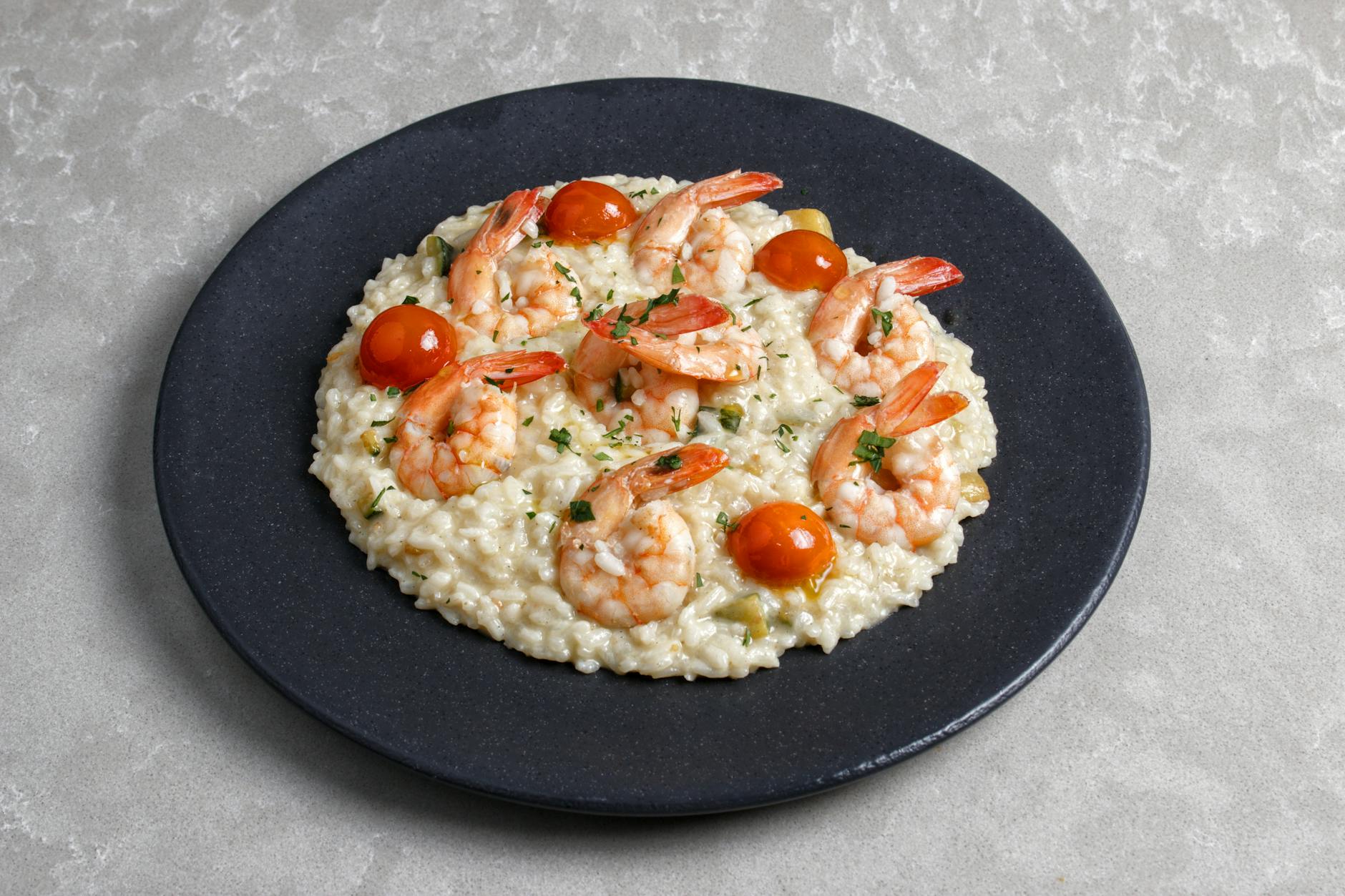
The slow cooking process of risotto releases large amounts of starch that bind to cast iron. You need constant agitation for risotto but the rough surface drags against the rice grains. The pan may also react with the white wine usually added at the start of the process. A heavy-bottomed stainless steel pot or Dutch oven provides the best environment for creamy risotto.
Curry
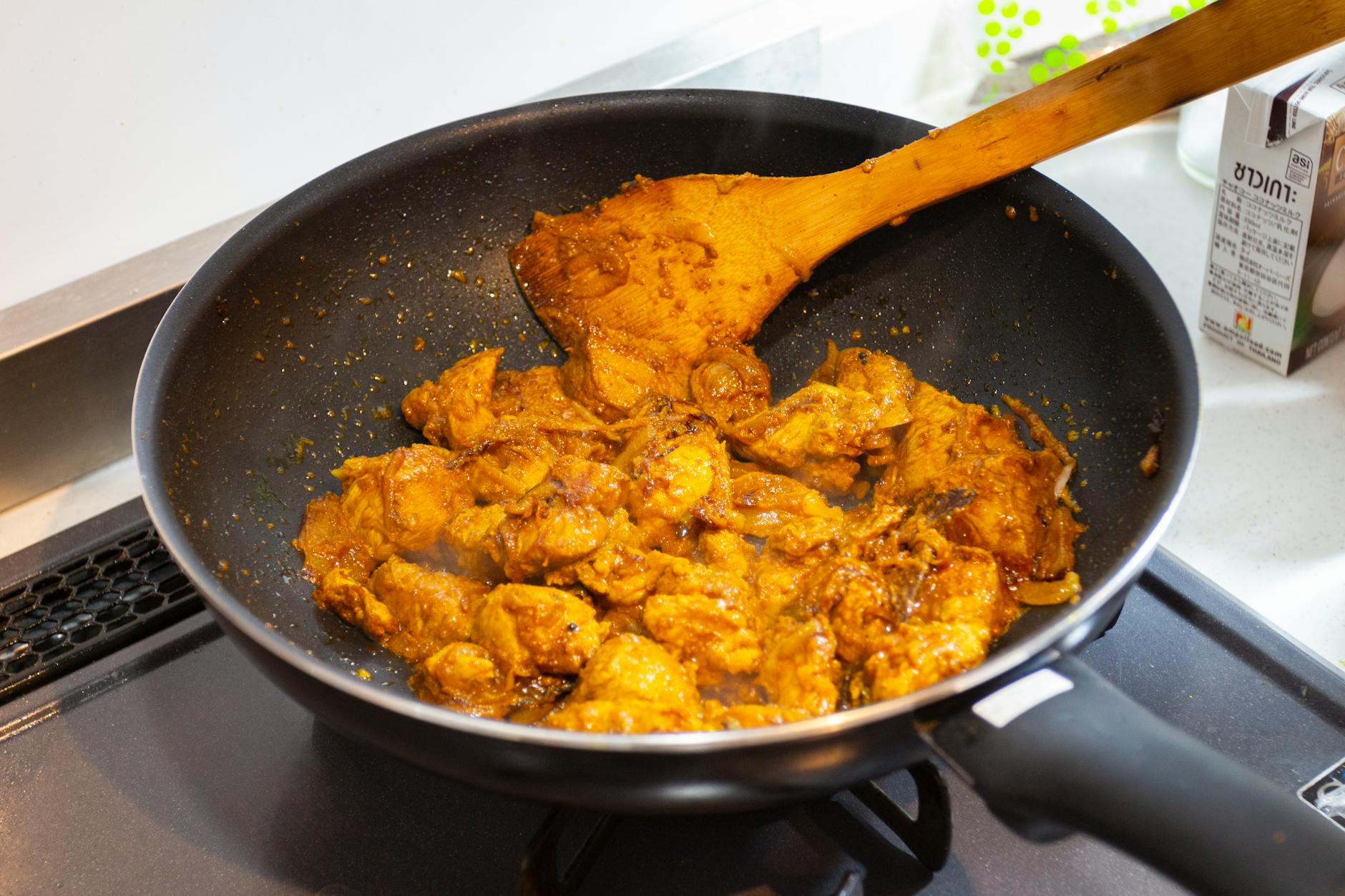
Curries often contain acidic ingredients like tamarind or tomatoes that react with the metal. The complex spice blends can also permeate the seasoning and linger for weeks after cooking. This flavor retention might clash with milder dishes prepared in the same skillet later. Enameled cookware is ideal for long-simmered curries as it prevents flavor transfer and acid reaction.
Chocolate
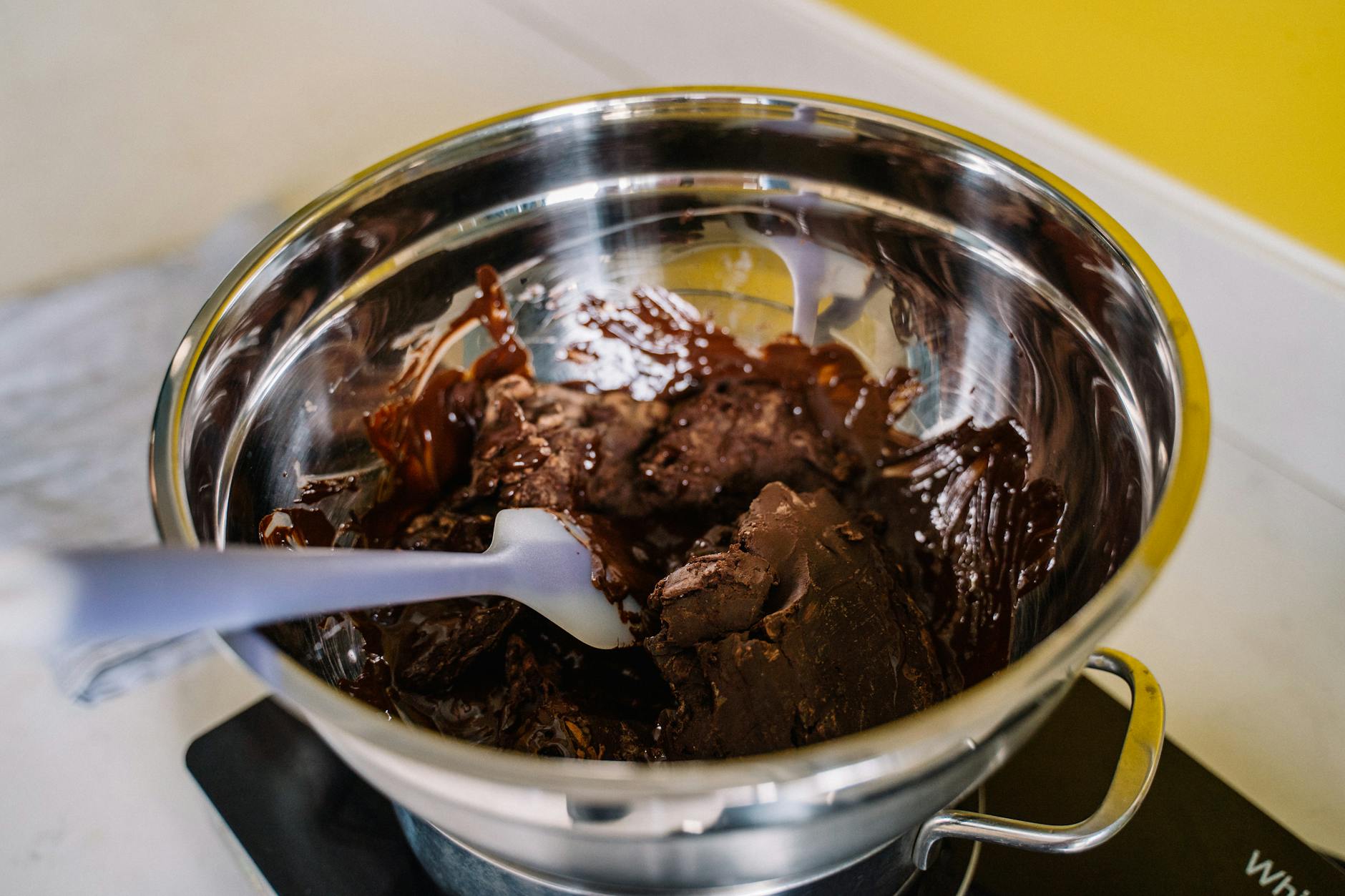
Melting chocolate in cast iron is risky because the pan holds heat long after being removed from the stove. This residual heat can easily scorch the delicate cocoa solids and ruin the smooth texture. The porous surface may also impart savory flavors from previous meals into the chocolate. A double boiler or a glass bowl over water is the safest method for melting chocolate.
Pasta
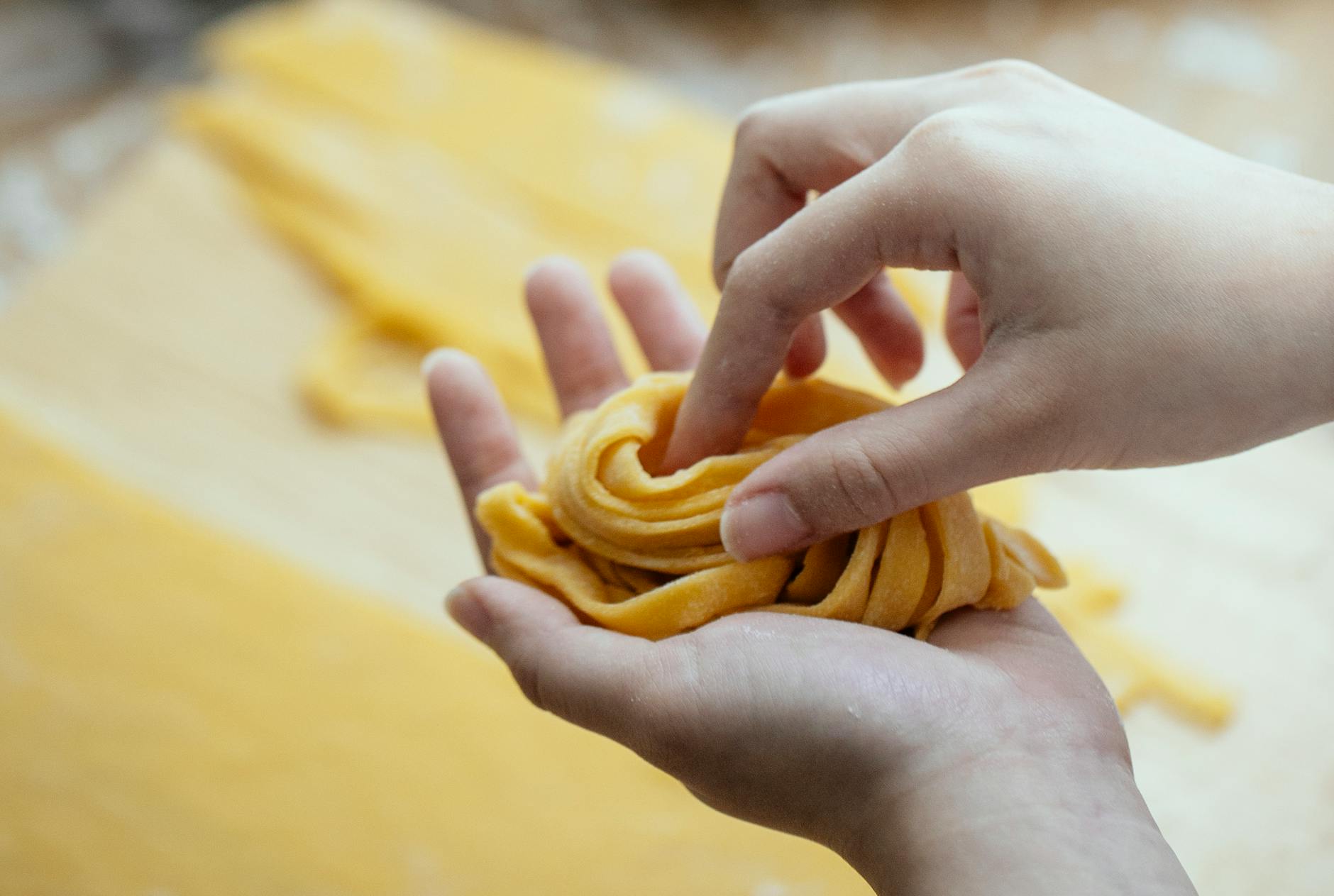
Boiling water for pasta in a skillet is inefficient and harmful to the seasoning layer. The starch water creates a film that dulls the finish and invites rust formation. It takes a long time to heat the water and the heavy pan is cumbersome to drain. A large stockpot allows for proper water circulation and easier draining.
Marinated Meats
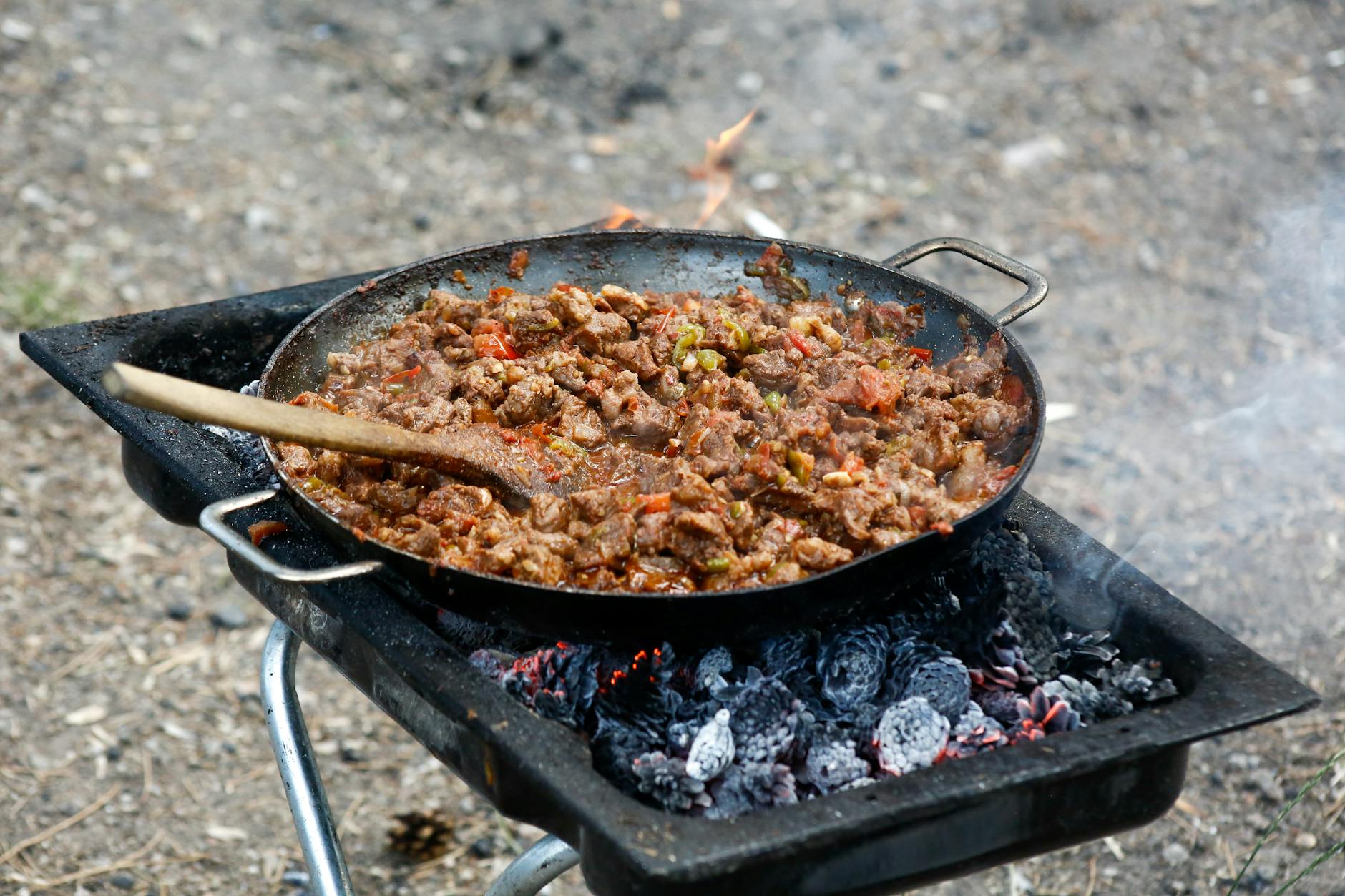
Meats soaked in sugary marinades tend to char excessively on the hot iron surface. The sugar burns before the meat is fully cooked and creates a bitter crust. This burnt sugar residue is notoriously difficult to scrub away without stripping the seasoning. Wiping off excess marinade before cooking or using a grill pan helps mitigate this issue.
Beurre Blanc
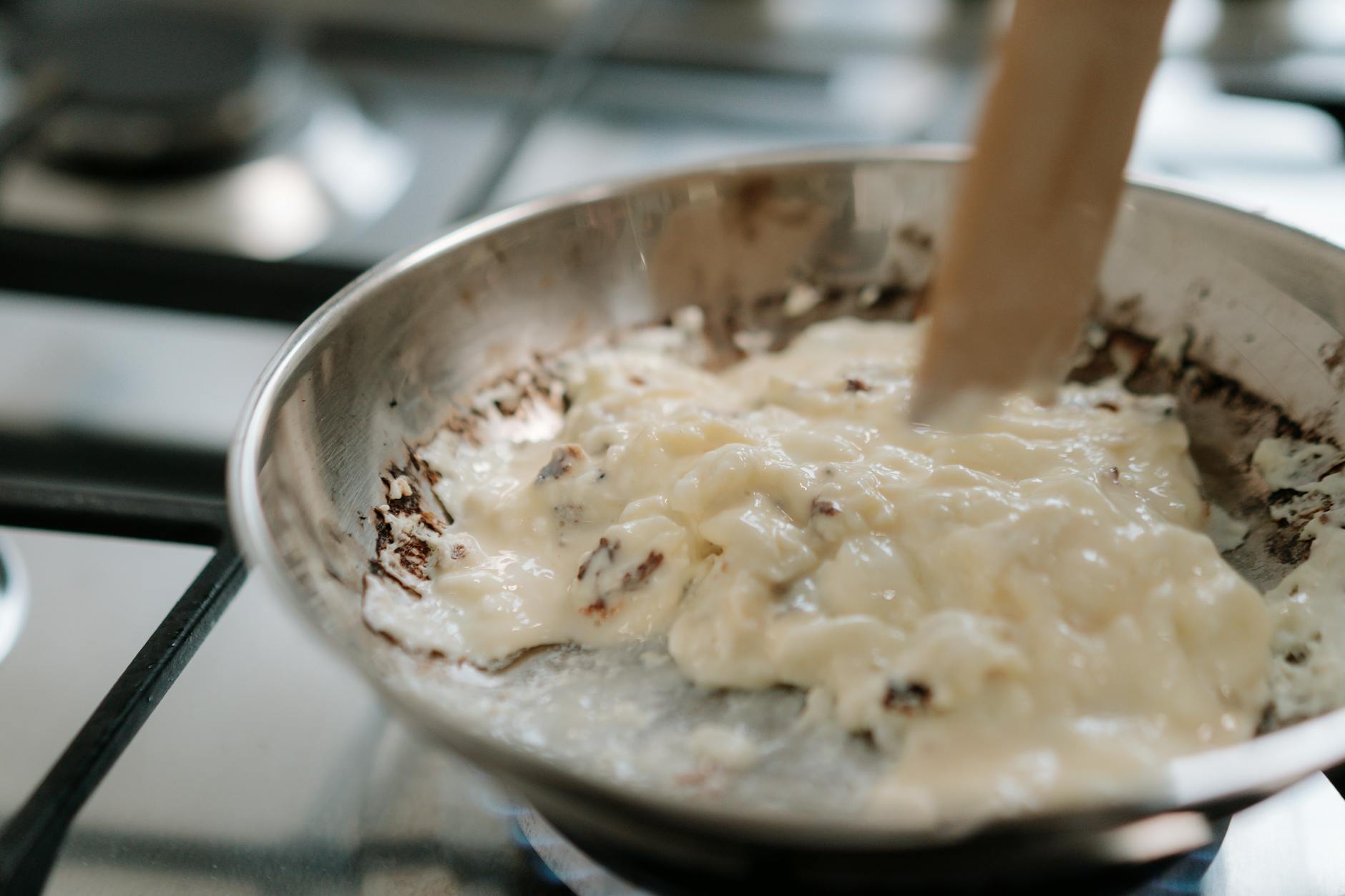
This delicate butter sauce relies on precise temperature control and a non-reactive surface. The dark color of cast iron makes it impossible to see the subtle color changes of the butter solids. Iron reaction can turn this white sauce into a grey and unappetizing mixture. A light-colored stainless steel pan allows you to monitor the sauce properly.
Cobblers
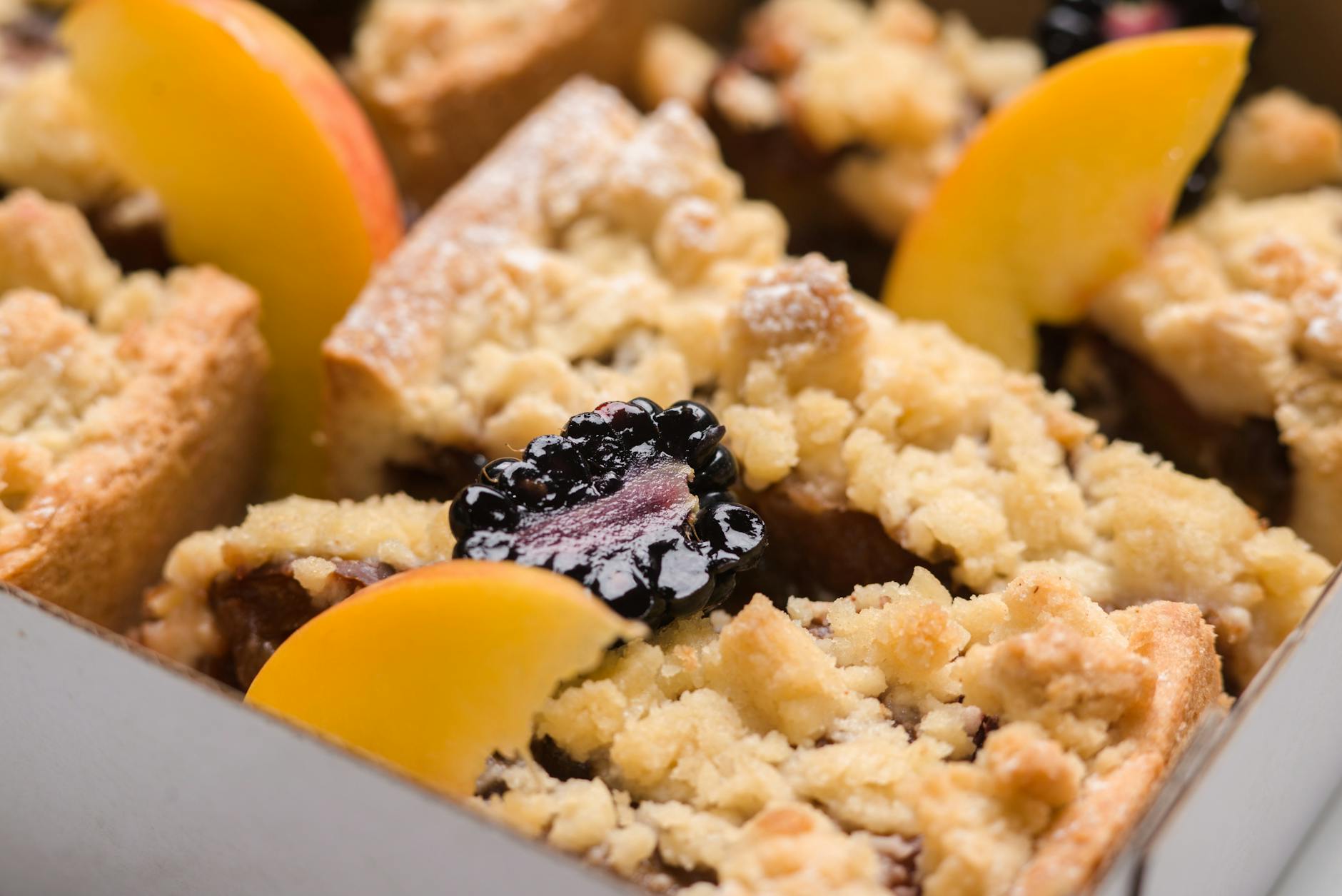
While often recommended the acidic fruit fillings in cobblers can degrade the pan lining over time. The sticky fruit sugars bake onto the sides and require vigorous scrubbing to remove. Any metallic taste absorbed by the fruit ruins the dessert experience. Enameled cast iron or ceramic baking dishes offer the same rustic look without the downsides.
Pot Stickers
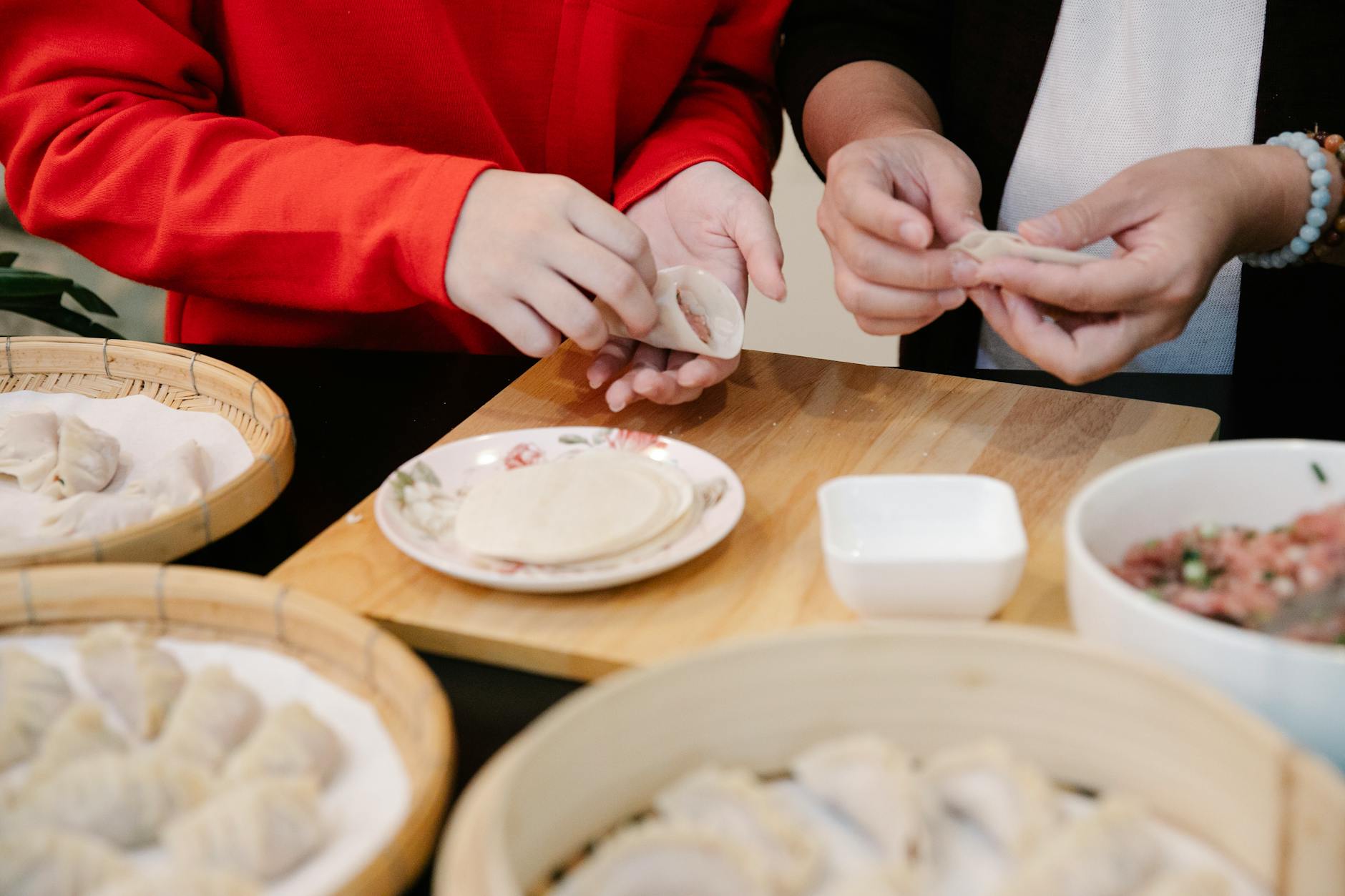
These dumplings require a steaming phase that involves adding water to the hot pan. The combination of dough and water frequently creates a gummy bond with the iron surface. Removing the dumplings often results in tearing the wrappers and losing the filling. A nonstick pan or a well-oiled carbon steel wok handles the steam-fry method much better.
Tell us about your biggest cast iron cooking mishap in the comments.