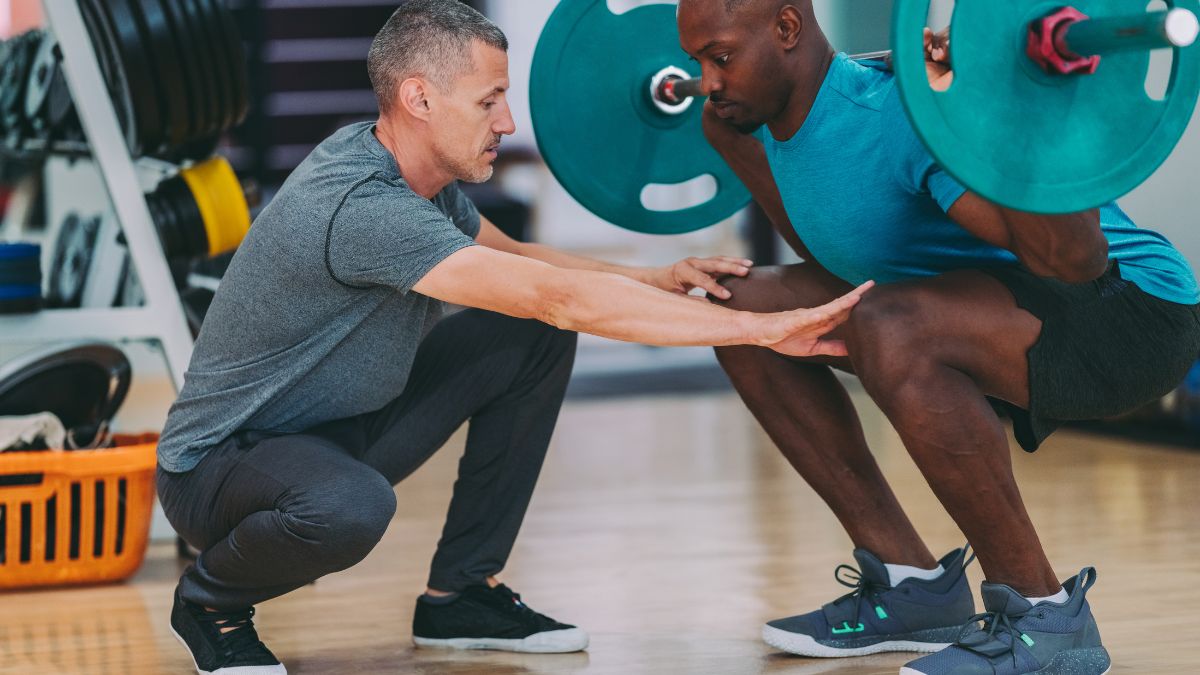
Your personal trainer is there to help you reach your fitness goals, and the relationship works best when it stays focused and professional. Certain topics can blur boundaries, create awkward dynamics, or simply distract from the work you are both there to do. Knowing what to keep off the training floor helps protect the relationship and keeps your sessions productive. Here are 24 things best left out of your conversations with your personal trainer.
Other Clients
Personal trainers work with many different people, and asking about other clients crosses a clear professional boundary. Details about someone else’s body, progress, or routine are entirely confidential. Probing for this kind of information puts your trainer in an uncomfortable position. A good trainer will never share it, and a good client will never ask.
Relationship Problems
Offloading emotional stress about a partner or romantic situation is better suited for a friend or theraptor. Your trainer is focused on your physical progress and is not equipped or paid to provide emotional counseling. Extended personal venting can eat into valuable session time and shift the dynamic in unhelpful ways. Keep the energy directed toward your workout and save the relationship talk for someone in your personal circle.
Salary Details
Bringing up how much you earn or asking what your trainer charges other clients creates unnecessary tension. Financial comparisons can make the professional relationship feel transactional in a distracting way. Your trainer has set their rates for reasons that are entirely their own business. Keeping money talk to your own billing and payment is the cleanest approach.
Medical Diagnoses

Sharing a passing mention of a relevant injury or physical limitation is appropriate, but going deep into complex medical history is not a trainer’s domain. Trainers are not doctors and cannot responsibly advise on conditions like autoimmune disorders, chronic illness, or post-surgical recovery without proper referral. Misplaced medical conversations can lead to poorly adapted programming. Always involve a qualified healthcare provider for anything beyond general fitness guidance.
Diet Obsessions

Discussing basic nutrition in the context of performance is reasonable, but fixating on extreme dieting, calorie restriction, or obsessive food rules is a different matter entirely. Trainers are not registered dietitians and are limited in how far they can ethically advise on food. Conversations that veer into disordered eating territory require a specialist. A trainer’s role is to support healthy movement, not validate restrictive food behavior.
Political Opinions

The gym floor is not the place for political debate or opinion sharing. Strong views on current events or political figures can create friction and discomfort in what should be a focused, neutral environment. Trainers work with a wide range of people and are there to serve all of them professionally. Keeping politics out of the session protects both the working relationship and the atmosphere of the space.
Religious Beliefs

Faith and spirituality are deeply personal subjects that have no natural place in a fitness training session. Trainers come from diverse backgrounds and hold a wide range of beliefs themselves. Introducing religion into the conversation risks creating division where there should only be shared focus. The session works best when the common ground is simply the goal of improving physical health.
Other Trainers

Criticizing or comparing your current trainer to a previous one is rarely constructive and often comes across as dismissive. Every trainer has their own methodology, and constant comparison undermines trust. If you have genuine concerns about your program, raise them directly and professionally. Speaking poorly of other fitness professionals reflects badly on the conversation and adds nothing useful to your progress.
Family Conflicts

Lengthy stories about disputes with parents, siblings, or extended family members pull the session far off course. While a brief check-in about general stress levels is natural, detailed family drama takes up time and emotional bandwidth. Your trainer is not a mediator or family therapist and cannot offer meaningful guidance in that space. Use the workout itself as a healthy outlet for that stress instead.
Body Shaming

Comments that shame your own body or someone else’s are counterproductive in a fitness environment. Negative self-talk about your appearance can undermine motivation and create a toxic internal narrative. Remarks about another person’s size, shape, or physical appearance are simply inappropriate. A professional trainer will redirect these conversations, and it is better not to start them at all.
Financial Struggles

While it is fine to discuss your session package or payment schedule with your trainer, sharing detailed accounts of debt, financial anxiety, or money problems is unnecessary. It can unintentionally create awkward power dynamics in a paid professional relationship. Your trainer is not in a position to offer financial advice or support. Keep financial conversations strictly practical and limited to your training agreement.
Workplace Drama

Venting at length about office politics, a difficult boss, or colleague conflicts belongs in a different conversation entirely. While it is human to carry stress from work into the gym, processing it verbally through your trainer is not their role. Extended workplace stories cut into the time and focus you are paying for. Channel that frustration into your reps instead.
Competitor Gyms
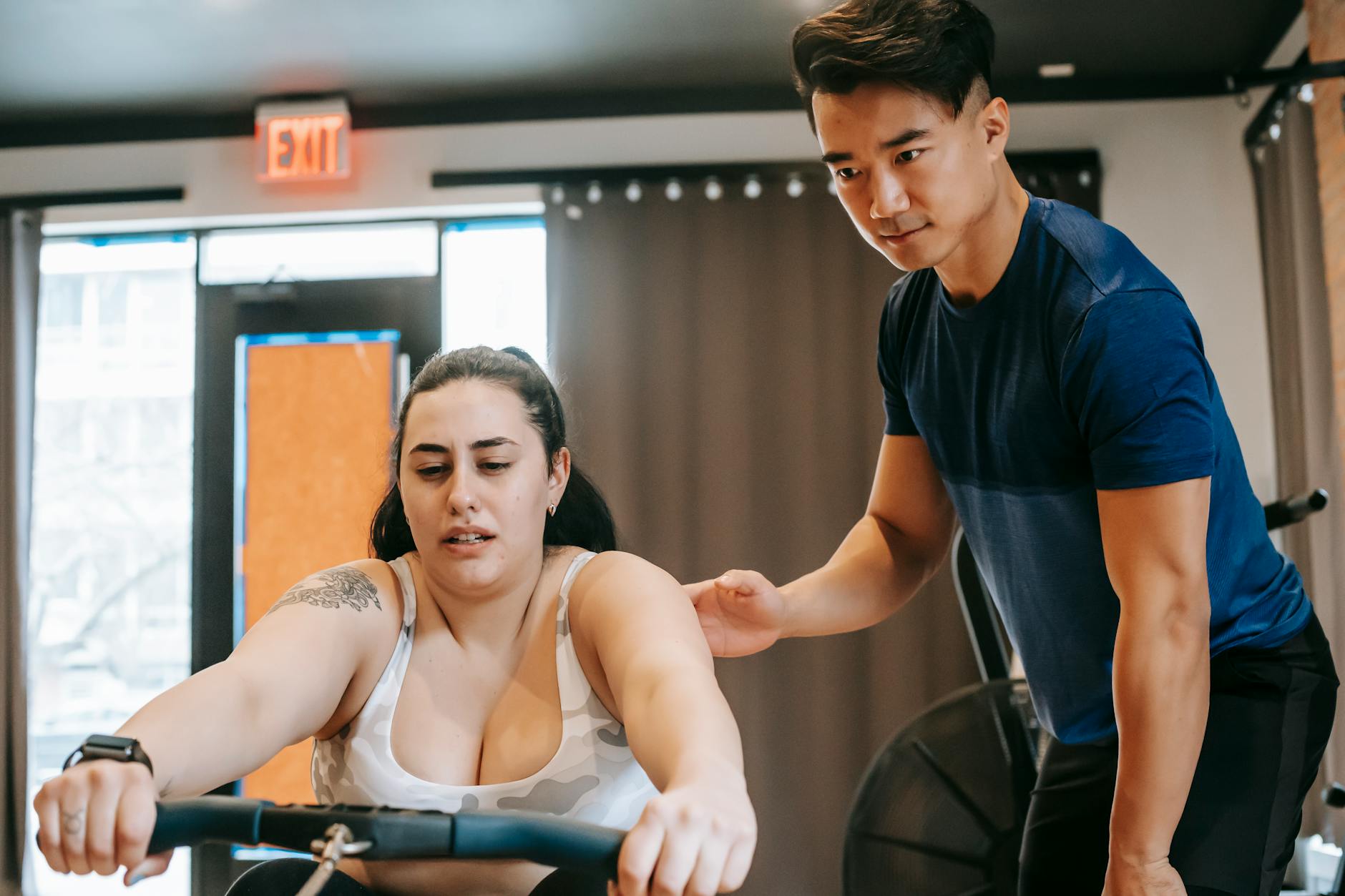
Speaking negatively about other gyms or fitness facilities puts your trainer in an uncomfortable position, particularly if they have colleagues or professional ties there. The fitness industry is smaller and more connected than it appears. Disparaging remarks about competing spaces can come across as unprofessional and add nothing to your own experience. Focus on the environment you are actually in.
Personal Insecurities

There is an important difference between discussing a physical limitation that affects training and unloading deep-seated personal insecurities at length. Trainers are not psychologists, and sessions focused heavily on self-esteem issues require a qualified mental health professional. While encouragement is part of good coaching, ongoing emotional support around identity and self-worth is a different kind of work. Seek out that support through the appropriate channels.
Gossip

Sharing rumors or gossip about people in your social circle, workplace, or community is a habit best left outside the gym entirely. It distracts from the session and can create an unprofessional tone. A good trainer will not engage with it, and spending session time on it is simply a waste. Invest that energy into the work in front of you.
Romantic Interest

Developing or expressing a romantic interest in your personal trainer puts the entire professional relationship at risk. The dynamic is inherently unequal, with one person in a position of authority and trust. Crossing into personal territory of this kind almost always results in the breakdown of an effective training relationship. Maintaining clear professional boundaries benefits both parties far more in the long run.
Social Media

Asking your trainer to follow you on personal social platforms or pressing them to engage with your content blurs professional lines. Trainers often keep their personal and professional online lives separate for good reason. Repeated requests can make the working relationship feel uncomfortable. Appreciate the connection you have in the training context and let it exist there.
Alcohol Habits

Casually mentioning that you had a drink over the weekend is one thing, but detailed conversations about drinking habits, frequency, or excess belong elsewhere. If alcohol is genuinely affecting your training, a brief mention is relevant, but it should not become a recurring talking point. Trainers are not addiction counselors and cannot meaningfully address problematic drinking. Speak to a healthcare professional if this is a real concern.
Sleep Problems

Flagging that you slept poorly and feel low energy is useful context for your trainer to adjust the session. However, extended conversations about chronic insomnia, sleep disorders, or irregular sleep patterns go beyond a trainer’s expertise. These are medical issues that deserve proper clinical attention. Keep sleep mentions brief and relevant to your performance that day.
Past Traumas

Sharing personal trauma, whether physical, emotional, or psychological, requires a level of care and professional training that a fitness coach does not have. While building rapport with your trainer is natural, the gym floor is not a safe therapeutic space for trauma processing. Well-meaning trainers may engage out of compassion, but they are not equipped to support this work properly. A qualified therapist is the right person for those conversations.
Drug Use

Any discussion of recreational or performance-enhancing drug use places your trainer in a professionally and legally complicated position. Most certified trainers have codes of conduct that prohibit them from advising on or endorsing such substances. Raising the topic can damage trust and put their professional standing at risk. It is simply not a conversation that belongs in this context.
Unsolicited Advice
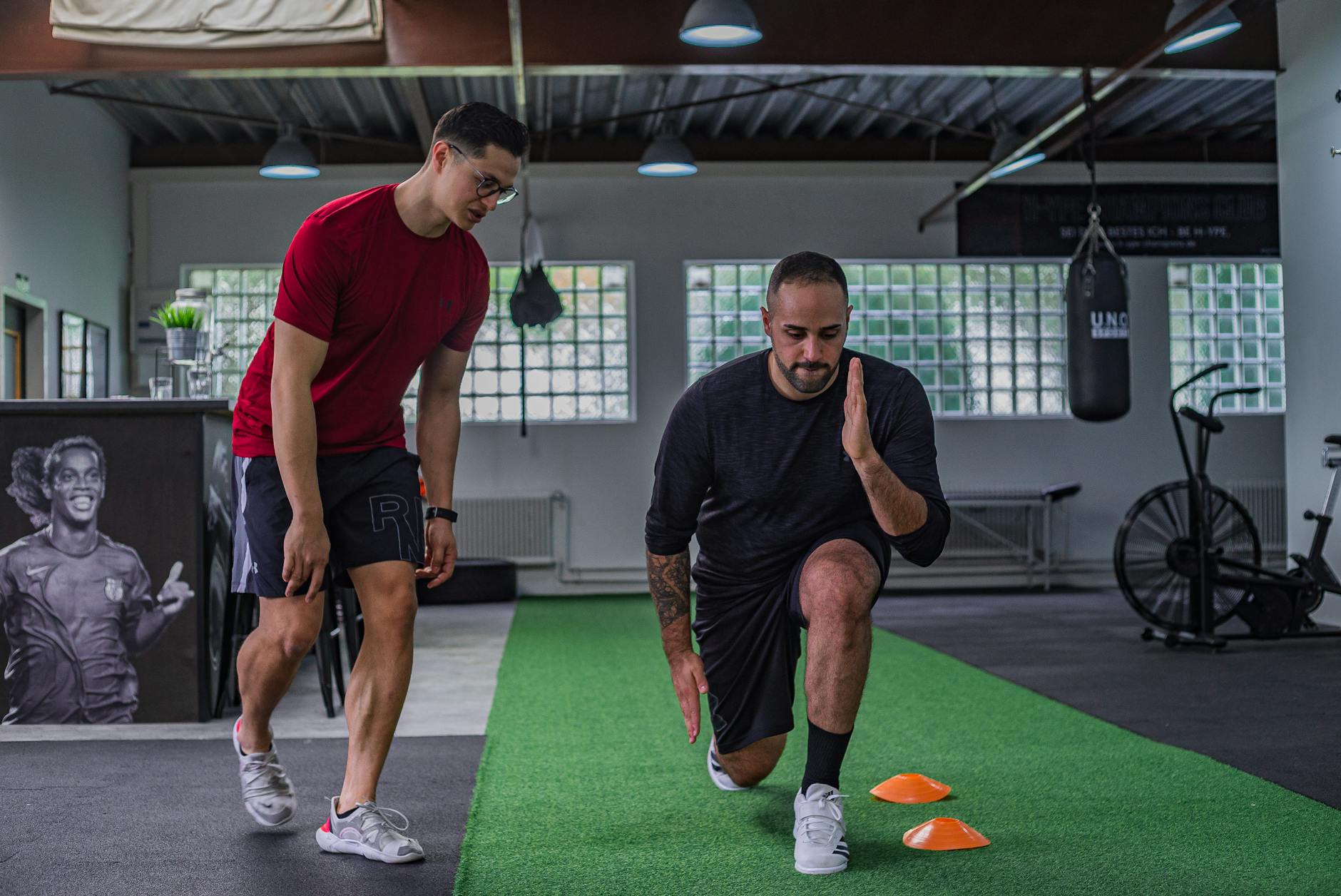
Offering your trainer tips on how to do their job, suggesting alternative methods unprompted, or questioning their qualifications mid-session undermines the professional dynamic. You hired them for their expertise, and constant second-guessing disrupts the flow and effectiveness of the session. Constructive feedback about your experience is always appropriate, but there is a clear difference between feedback and instruction. Trust the process you signed up for.
Extremist Views

Sharing extreme ideological views, whether political, social, or cultural, creates immediate discomfort and has no place in a professional fitness setting. Trainers are there to serve a diverse range of clients and cannot engage with divisive content in good conscience. These conversations can make the entire gym environment feel unsafe for others. The training floor is a space for focus, respect, and shared effort.
Personal Appearance

Commenting directly on your trainer’s physical appearance, clothing choices, or body in a personal way crosses a professional line. Even well-intentioned compliments can become inappropriate depending on tone and context. Trainers deserve the same respect and professionalism they extend to their clients. Keep the focus on the work, the progress, and the goals you share.
What topics do you think belong off-limits with a personal trainer? Share your thoughts in the comments.