Planning a children’s birthday party sounds simple until the details start to unravel in ways nobody anticipated. The difference between a magical celebration and a chaotic disaster often comes down to a handful of avoidable mistakes that well-meaning adults make repeatedly. Child development experts, event planners, and parents with hard-won experience all point to the same patterns of poor decision-making that derail these occasions. Understanding what not to do is every bit as valuable as knowing what to do when the guest list includes children.
Alcohol

Serving or consuming alcohol in the presence of children at a party normalizes behavior that child psychologists consistently advise against in environments designed for young people. Even moderate adult drinking at a children’s event shifts the atmosphere in ways children detect and internalize without being able to articulate. Parents dropping off their children reasonably expect a sober and attentive supervisory environment throughout the duration of the event. Reserving adult celebrations for separate occasions is a straightforward way to keep the focus entirely where it belongs.
Piñatas
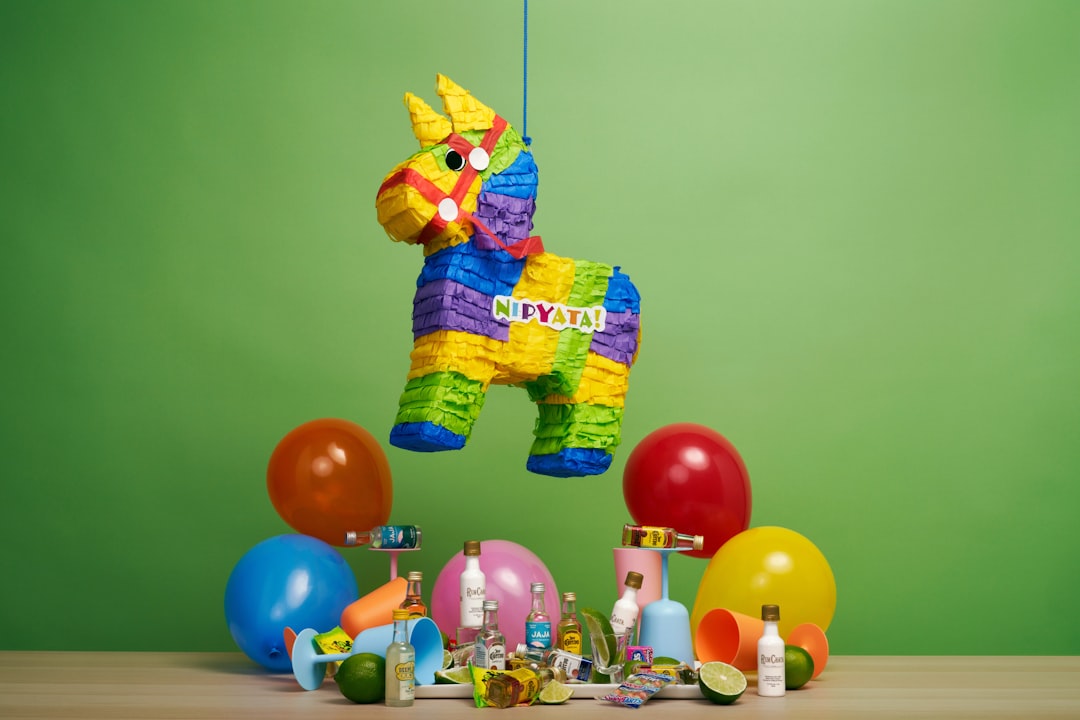
Unsupervised piñata activities are among the most statistically common sources of injury at children’s parties due to the combination of a swinging implement and excited unpredictable movement from surrounding children. Many child safety organizations recommend against traditional stick-based piñatas entirely in favor of pull-string alternatives. The chaos that erupts when candy scatters across the floor creates additional hazards as children lunge and collide without awareness of their surroundings. What feels like a classic party tradition carries genuine physical risks that are easily avoided with minor adjustments to the format.
Clowns

Research into childhood fear responses consistently identifies clowns as one of the most common triggers of genuine distress among children between the ages of three and ten. The phenomenon known as coulrophobia affects a significant proportion of children and can transform what was intended as entertainment into a traumatic memory. Even children who do not experience outright fear often find the exaggerated appearance of clowns unsettling in ways that disrupt the party atmosphere. Confirming comfort levels with both the birthday child and invited guests before booking any character performer is a basic step that avoids unnecessary distress.
Uninvited Adults
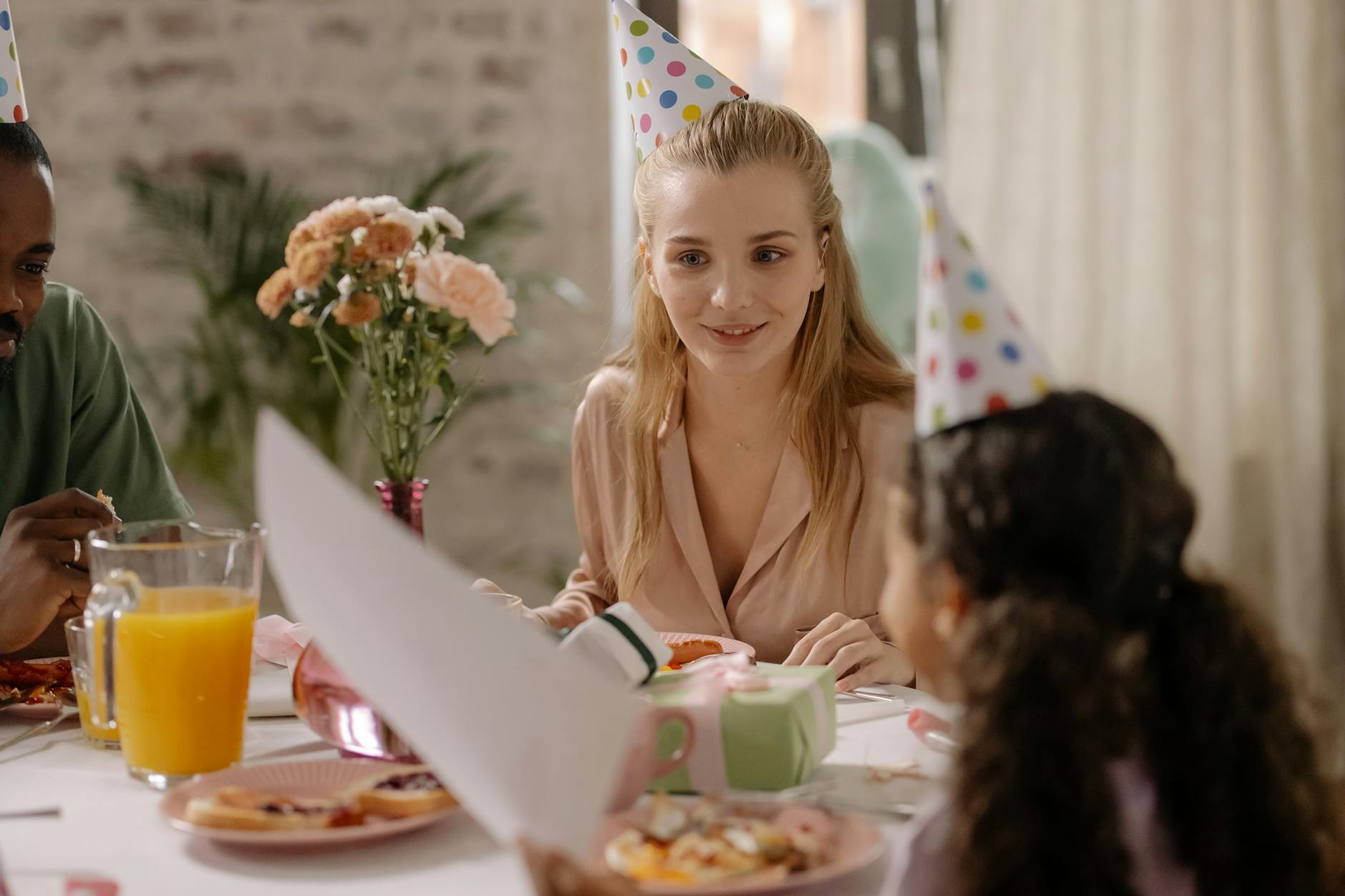
Allowing uninvited or unexpected adults to attend a children’s party creates supervision complications and raises legitimate safeguarding concerns that responsible hosts must take seriously. Guest lists for children’s events exist for practical and protective reasons that go beyond simple headcount management. Unknown adults introduce an unpredictable social dynamic that can make both children and their parents uncomfortable. Clear communication about who is expected and who is not is a fundamental part of responsible party planning.
Competitive Games

Highly competitive games with obvious winners and losers introduced too early in a party can result in tears, conflict, and a negative emotional atmosphere that is difficult to recover from. Young children in particular do not yet possess the emotional regulation skills required to lose gracefully in a social setting with peers watching. Party games designed around participation and shared fun rather than individual victory are consistently better received across all age groups. Keeping activities cooperative or gently structured avoids the meltdowns that competitive formats reliably produce in young groups.
Allergy Oversight

Failing to collect and act on allergy information from all attending families before the event is one of the most serious oversights a party host can make. Food allergies in children range from mild sensitivities to life-threatening anaphylactic conditions that can escalate with frightening speed. Hosts are not required to be medical professionals but they are responsible for ensuring that no child unknowingly consumes something harmful at an event in their care. Sending a brief information request to all families during the invitation process takes minutes and can prevent a genuine medical emergency.
Bouncy Castles
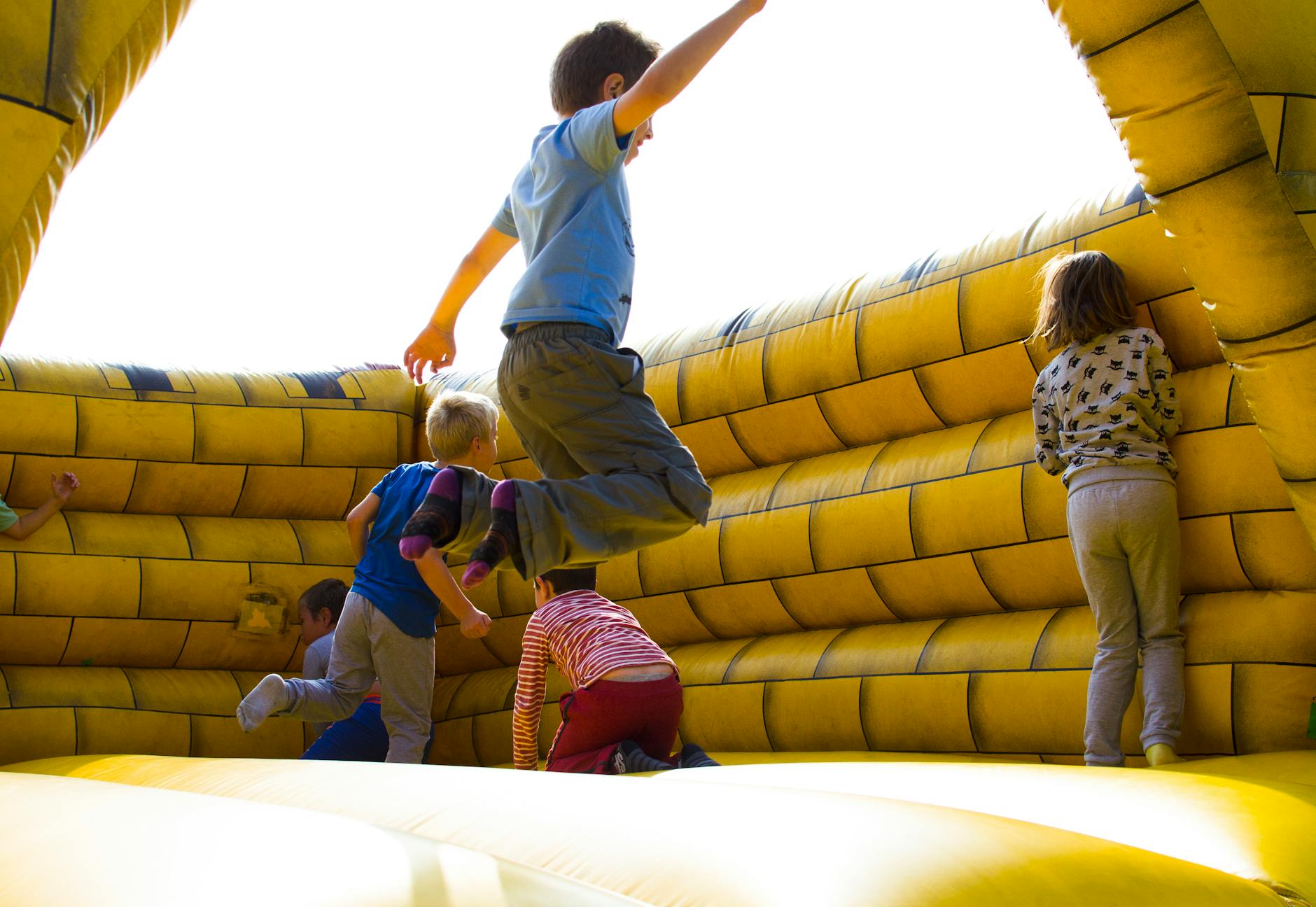
Inflatable bouncy castles present a significantly higher injury risk than their ubiquity at children’s parties might suggest. Pediatric emergency departments treat thousands of bouncy castle injuries annually including fractures, concussions, and soft tissue damage resulting from collisions between children of mismatched sizes and ages. Safe use requires constant adult supervision, strict limits on the number of children inside simultaneously, and age or size restrictions that are difficult to enforce in an excited party environment. Many professional event insurers now impose specific conditions or exclusions related to inflatable equipment at private events.
Screen Time
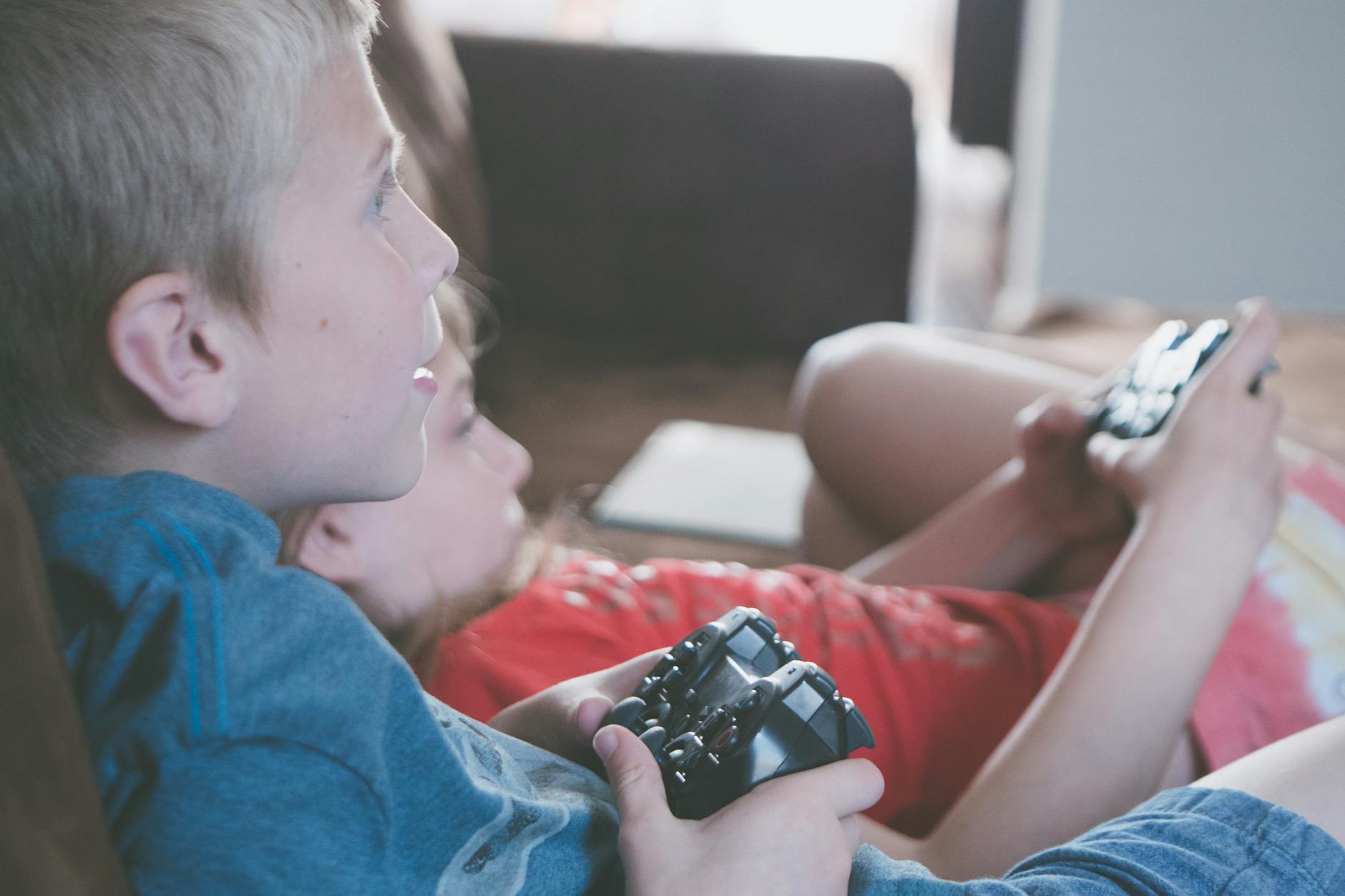
Defaulting to screens as entertainment at a children’s party replaces the active social interaction that these events are specifically designed to encourage. Children sitting in front of a television or individual devices at a party miss the developmental opportunities that come from navigating group play and face-to-face communication. Parents who bring their children to social celebrations generally hope those children will engage with others rather than replicate the screen habits available at home. Planned activities that require presence and participation deliver far greater value to every child in attendance.
Late Catering

Allowing meal or snack service to run significantly behind schedule at a children’s party is a reliable path to collective meltdowns across the guest list. Children’s blood sugar regulation is far less stable than that of adults and hunger manifests quickly as emotional dysregulation, crying, and behavioral deterioration. Party timelines should build in buffer time around food service and ensure that light snacks are available even before the main food is served. Keeping children fed and hydrated is among the most effective tools for maintaining a positive atmosphere throughout the event.
Party Bags
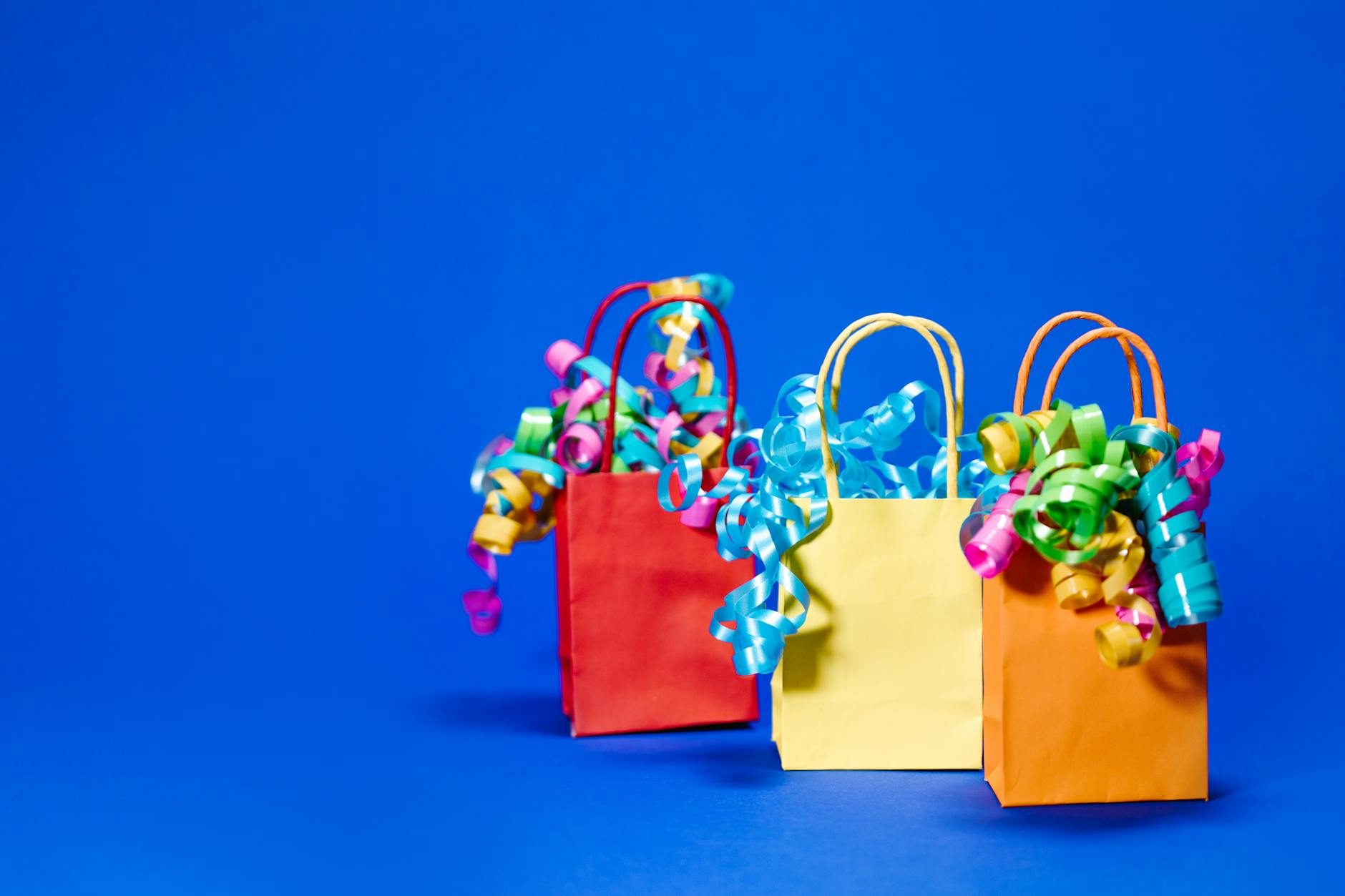
Filling party bags with cheap plastic toys that break within minutes of opening creates immediate disappointment and contributes meaninglessly to household waste. Children notice and vocalize the quality of what they receive and poor party bag contents can overshadow positive memories of the event itself. Edible treats, activity-based items, or small books represent better value in terms of both cost per item and the lasting impression they leave. Thoughtful curation of even a modest party bag signals care and consideration that children and their parents both appreciate.
Overinviting

Inviting more children than the venue and supervisory capacity can comfortably accommodate is one of the most common structural mistakes made in party planning. Overcrowded spaces elevate noise levels, reduce adult oversight effectiveness, and increase the likelihood of accidents and interpersonal conflict among guests. Child development professionals consistently note that smaller gatherings produce higher quality social interactions and more positive memories than large overwhelming events. Matching the guest count to the realistic supervisory capacity of the adults present is a foundational planning decision.
Surprise Performers
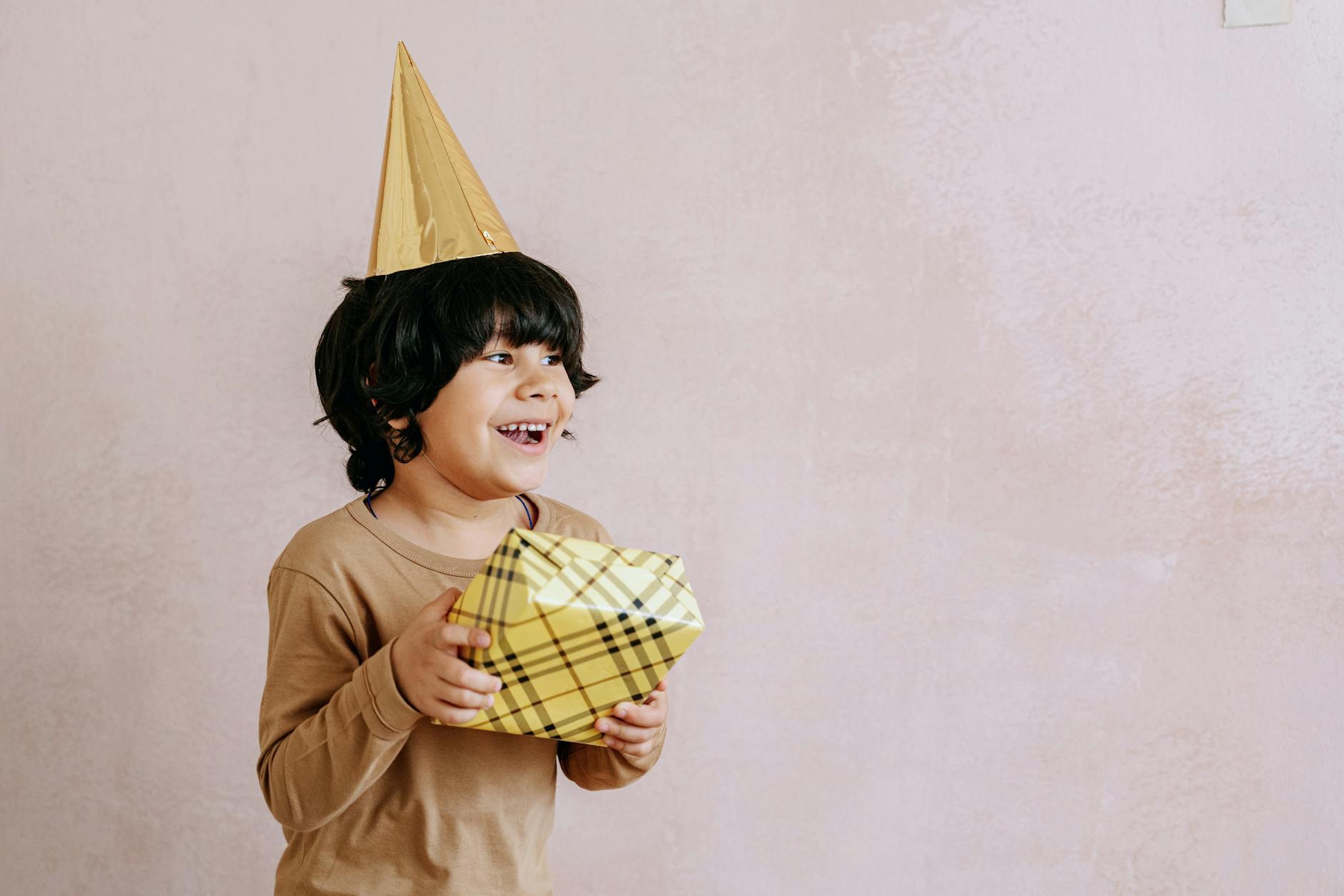
Booking surprise entertainment without checking the birthday child’s preferences or comfort levels in advance risks producing the opposite of the intended effect. A child who is shy, sensory-sensitive, or simply uninterested in a particular type of performer may react with distress rather than delight when something unexpected is introduced. The birthday child’s enjoyment is the central purpose of the event and that enjoyment is best protected by involving them in key decisions rather than attempting to engineer their emotional response. Surprises that go wrong at children’s parties tend to become the defining memory of the occasion.
Dietary Assumptions
Assuming that all children eat the same foods and have the same dietary preferences leads to situations where guests are unable to eat what is served. Religious dietary requirements, vegetarian or vegan households, and personal texture or flavor sensitivities mean that the typical party spread can exclude multiple children without the host realizing it. Offering a range of simple options and confirming dietary needs in advance ensures that every child at the table can eat comfortably and feel included. Food exclusion at a social event is a surprisingly impactful experience for young children and one that is entirely preventable.
Older Siblings

Allowing significantly older siblings to participate in activities designed for younger children frequently disrupts the pace, fairness, and emotional safety of the group dynamic. A ten-year-old in a game designed for five-year-olds dominates by default and often without malicious intent, which frustrates younger participants and diminishes their experience. Separate activity spaces or designated roles for older attendees such as helpers or scorekeepers channels their energy productively without compromising the main event. Clear and kind communication about this boundary before the party begins prevents awkwardness in the moment.
Rushed Cake
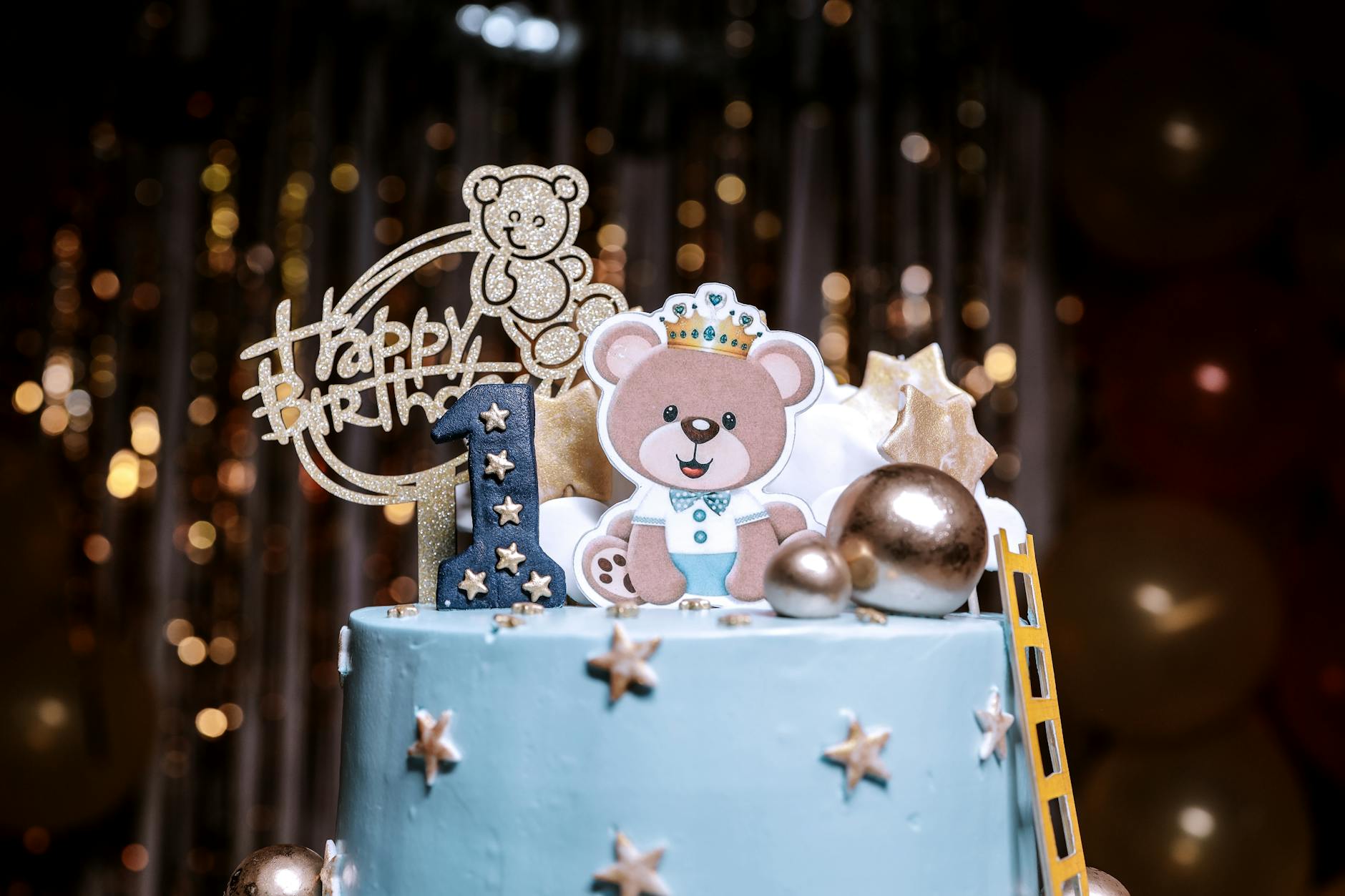
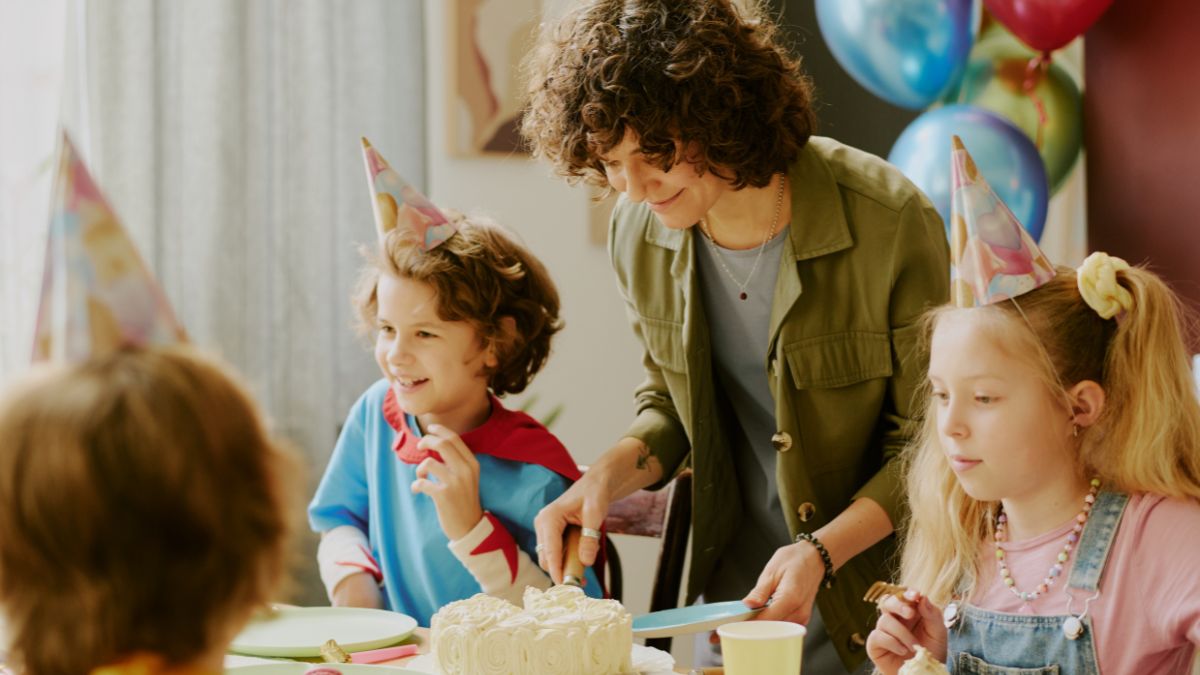
Cutting and distributing the birthday cake before the child is emotionally ready or before sufficient guests have gathered removes one of the most anticipated and symbolic moments of the entire celebration. The cake ritual carries significant emotional weight for young children and deserves to be treated as a genuine highlight rather than a logistical task to be completed. Dimming the lights, gathering everyone together, and allowing the birthday child to fully experience the moment creates the kind of memory that lasts far beyond the party itself. Rushing this moment to accommodate an adult schedule is a common and unnecessary mistake.
Goody Bag Inequality
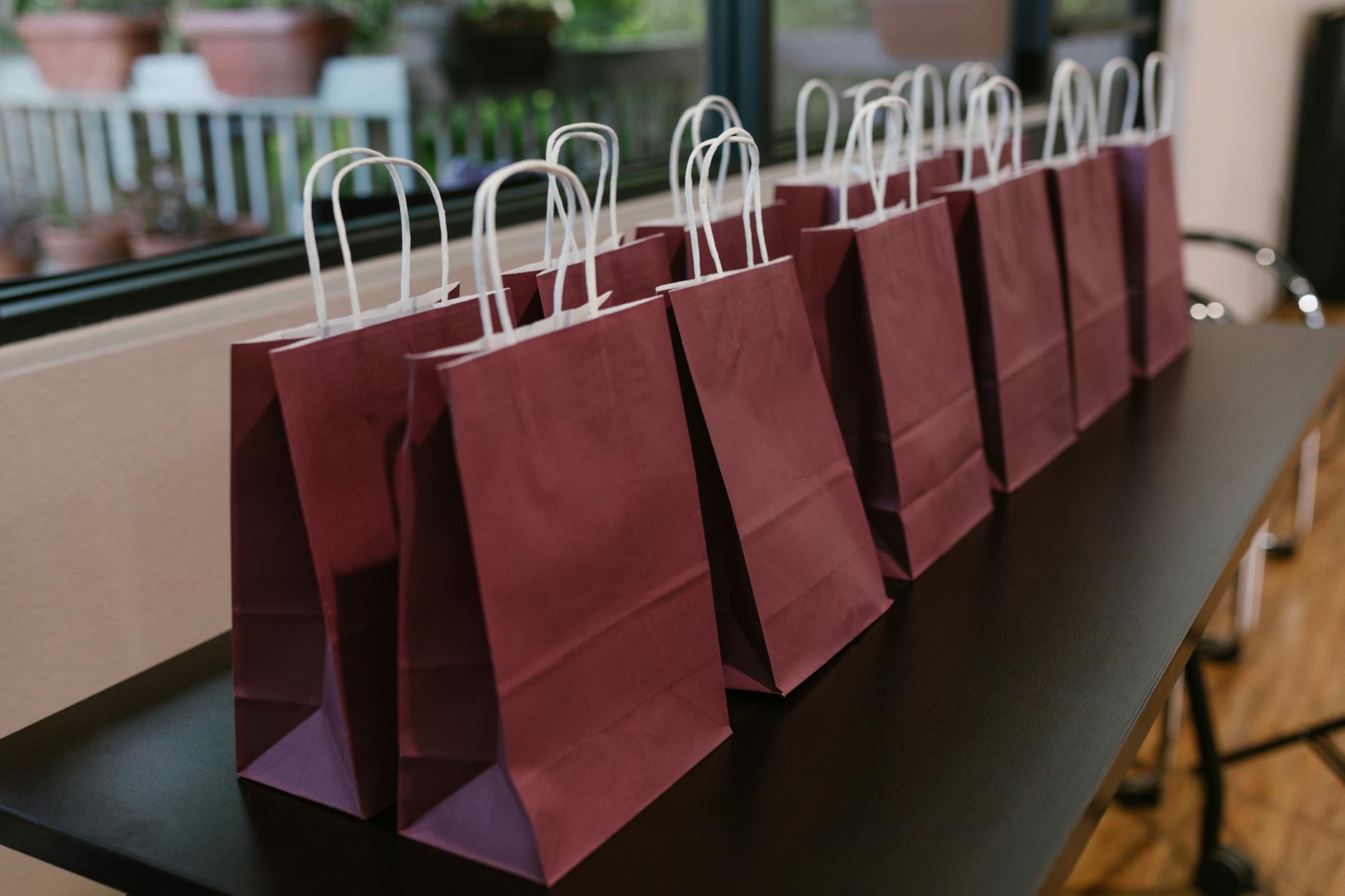
Distributing party favors of noticeably different quality or quantity to different children creates immediate social tension and tears that derail the closing moments of the event. Children are acutely attuned to fairness in ways that adults often underestimate and perceived inequality in what each guest receives registers as a serious social wrong. Preparing identical party bags for every attending child regardless of age or gender eliminates this risk entirely. The effort invested in standardizing party favors pays off immediately in a calm and positive departure experience for every family present.
Overambitious Themes
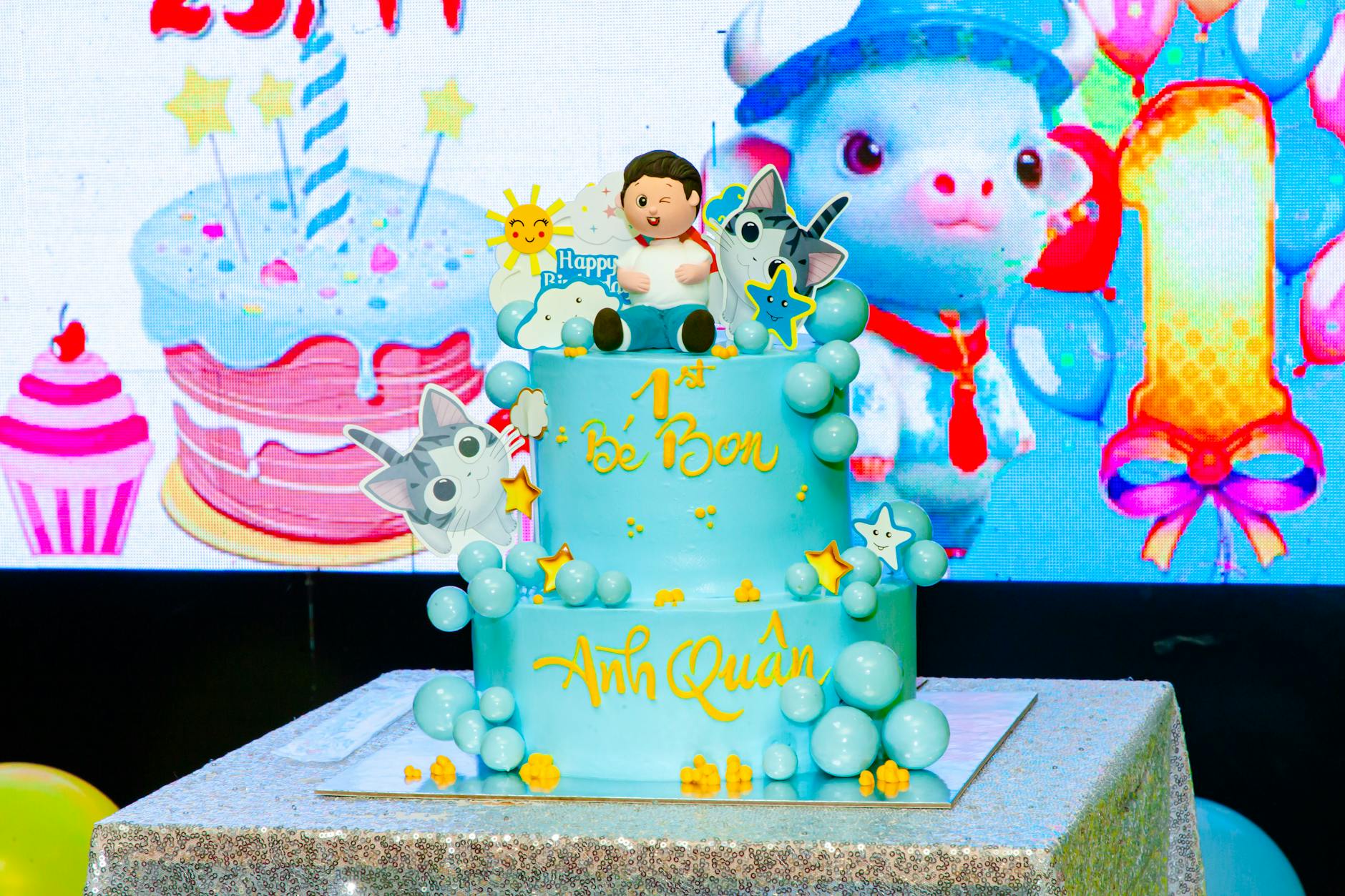
Committing to an elaborate party theme beyond the realistic budget and time available to execute it properly results in a stressed host and a visibly incomplete aesthetic that children and parents notice. Simplicity executed well consistently outperforms complexity executed poorly in terms of overall party atmosphere and guest experience. A tightly delivered simple theme with quality food, engaged supervision, and well-paced activities will be remembered more fondly than an ambitious concept that falls apart under execution pressure. Honest assessment of available resources at the planning stage protects both the host and the guests from disappointment.
Ignoring Nap Times

Scheduling a party for very young children during a time that cuts directly into typical nap or rest windows guarantees an audience of overtired and emotionally fragile guests. Toddlers and preschool-aged children become significantly harder to manage and easier to upset when they are tired and overstimulated simultaneously. Consulting the general nap schedules of invited families before finalizing the start time is a small courtesy that yields significant practical benefits. A well-rested group of young children is a fundamentally different hosting challenge than a tired one.
Unmanaged Sugar

Serving large quantities of high-sugar food and drinks early in the party without pacing the intake throughout the event produces predictable behavioral consequences in the second half of the gathering. The energy spike and subsequent crash cycle associated with excessive sugar consumption is particularly pronounced and fast in young children. Distributing sweet items across the party timeline and offering water and savory options alongside them moderates this effect without eliminating the treats children expect and enjoy. Timing the cake and sweeter elements for later in the event rather than the beginning keeps energy levels more stable throughout.
Early Departure Pressure

Subtly or overtly rushing guests to leave before they are ready creates an abrupt and uncomfortable ending to what should be a warm and memorable occasion. Children who are forcibly separated from an enjoyable social environment before they feel ready often carry that frustration home and it colors their overall memory of the event. Building a generous wind-down period into the end of the party timeline allows departures to happen naturally and at a pace that respects the emotional state of young guests. How a party ends shapes how it is remembered and a calm unhurried close is one of the simplest gifts a host can offer.
If you have experienced any of these party pitfalls firsthand or have tips of your own to add, share your thoughts in the comments.