Navigating the social expectations of a funeral home requires a high degree of sensitivity and awareness of proper etiquette. These environments are designed for mourning and quiet reflection so behaviors that might be acceptable elsewhere can cause significant distress here. Respecting the grief of others involves adhering to unwritten rules that preserve the solemnity of the occasion. Understanding what actions to avoid ensures you provide support rather than distraction during a difficult time.
Taking Selfies Near the Casket

Capturing images of yourself with the deceased is widely considered the ultimate breach of funeral etiquette. This action shifts the focus from honoring the dead to curating your own social media presence. Many families feel violated when they see guests prioritizing vanity over shared grief. Funeral directors often have to intervene when guests attempt to take photos in the viewing room. It is best to leave your phone in your pocket and focus entirely on paying your respects.
Dressing in Revealing Clothing

Wearing attire that exposes too much skin can draw unnecessary attention away from the purpose of the gathering. Traditional etiquette suggests modest clothing that blends in rather than stands out. Bright colors or flashy patterns may be interpreted as a lack of seriousness about the occasion. The goal is to show solidarity with the mourning family through respectful presentation. Checking the dress code or defaulting to conservative business casual is always the safest approach.
Answering Your Phone

A ringing cellphone shatters the quiet atmosphere and interrupts crucial moments of reflection or prayer. Even a vibrating phone can be audible and distracting in a silent chapel. Answering a call inside the viewing area signals to others that your conversation is more important than their grief. You should turn your device completely off or leave it in your car before entering the building. If an emergency arises you must step outside the facility entirely to handle the situation.
Letting Children Run Unsupervised

Funeral homes contain heavy equipment and delicate displays that can be dangerous for unattended children. Loud playing or running through the hallways disrupts the somber mood required for other mourners. Parents are responsible for ensuring their children remain calm and seated during the service. If a child becomes restless or noisy it is polite to take them to the lobby or outside immediately. This consideration allows other guests to focus on their farewells without chaotic interruptions.
Eating Inside the Chapel

Consuming food or beverages in the main viewing room is generally prohibited to protect the furnishings and maintain dignity. The sound of crinkling wrappers or chewing can be incredibly loud in a quiet room. Most funeral homes provide a designated lounge area specifically for refreshments and breaks. bringing coffee or snacks near the casket shows a lack of regard for the formality of the setting. You should finish all food and drinks before entering the primary gathering spaces.
Asking About the Will or Inheritance
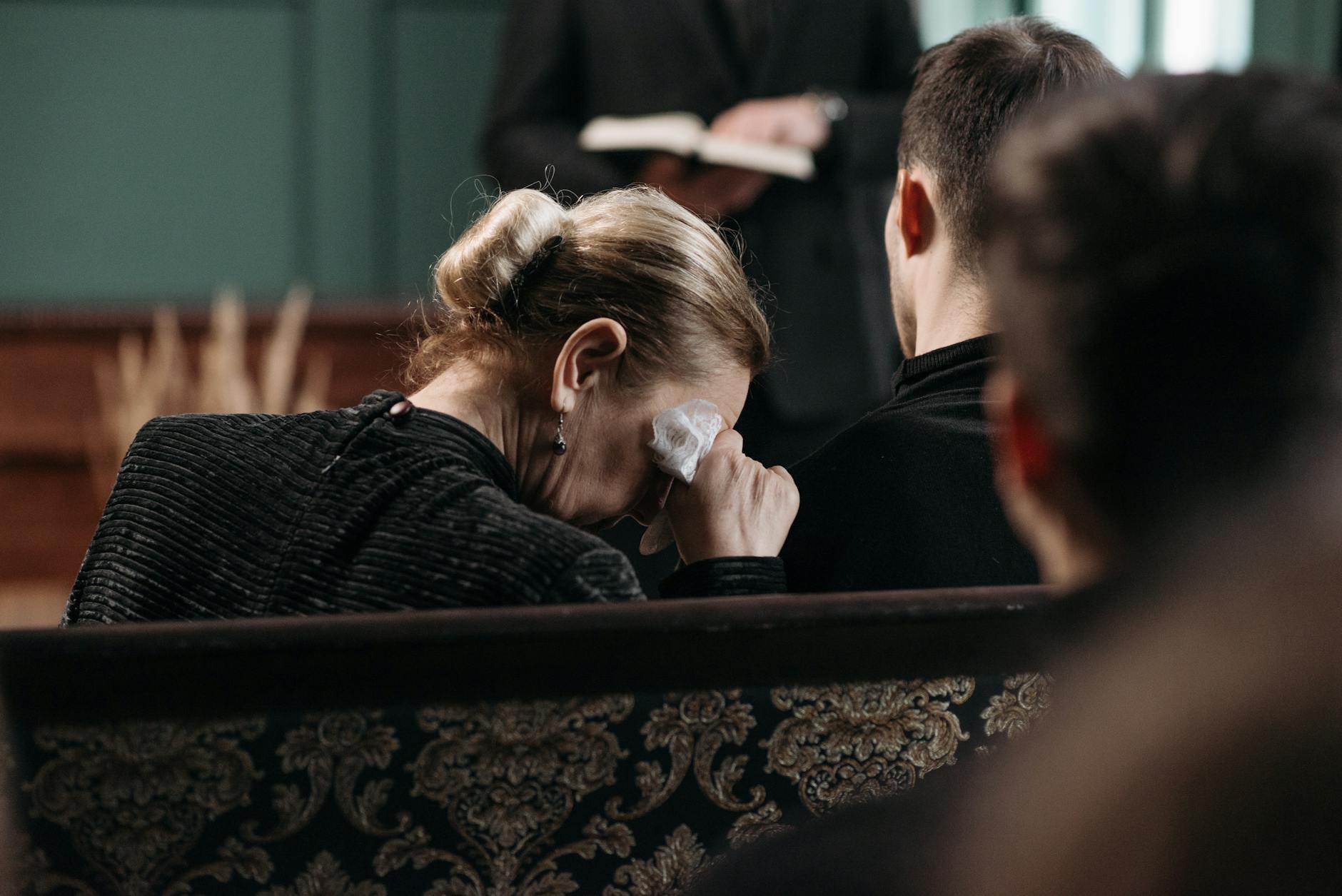
Inquiring about financial assets or the reading of the will during a viewing is extremely insensitive. The immediate family is often in a state of shock and not ready to discuss legal or monetary logistics. This behavior creates tension and implies that you are more interested in material gain than the loss of life. Such discussions belong in a private setting weeks after the services have concluded. keeping the conversation focused on memories and condolences is the only appropriate choice.
Laughing Loudly

While sharing fond memories can bring a smile it is important to modulate your volume in a funeral home. Boisterous laughter can jar those who are in the throes of deep sorrow nearby. The acoustics in these facilities often carry sound further than expected. You must remain mindful of the mix of emotions present in the room at any given time. A gentle demeanor respects those who are not yet ready to find humor in the situation.
Criticizing the Deceased
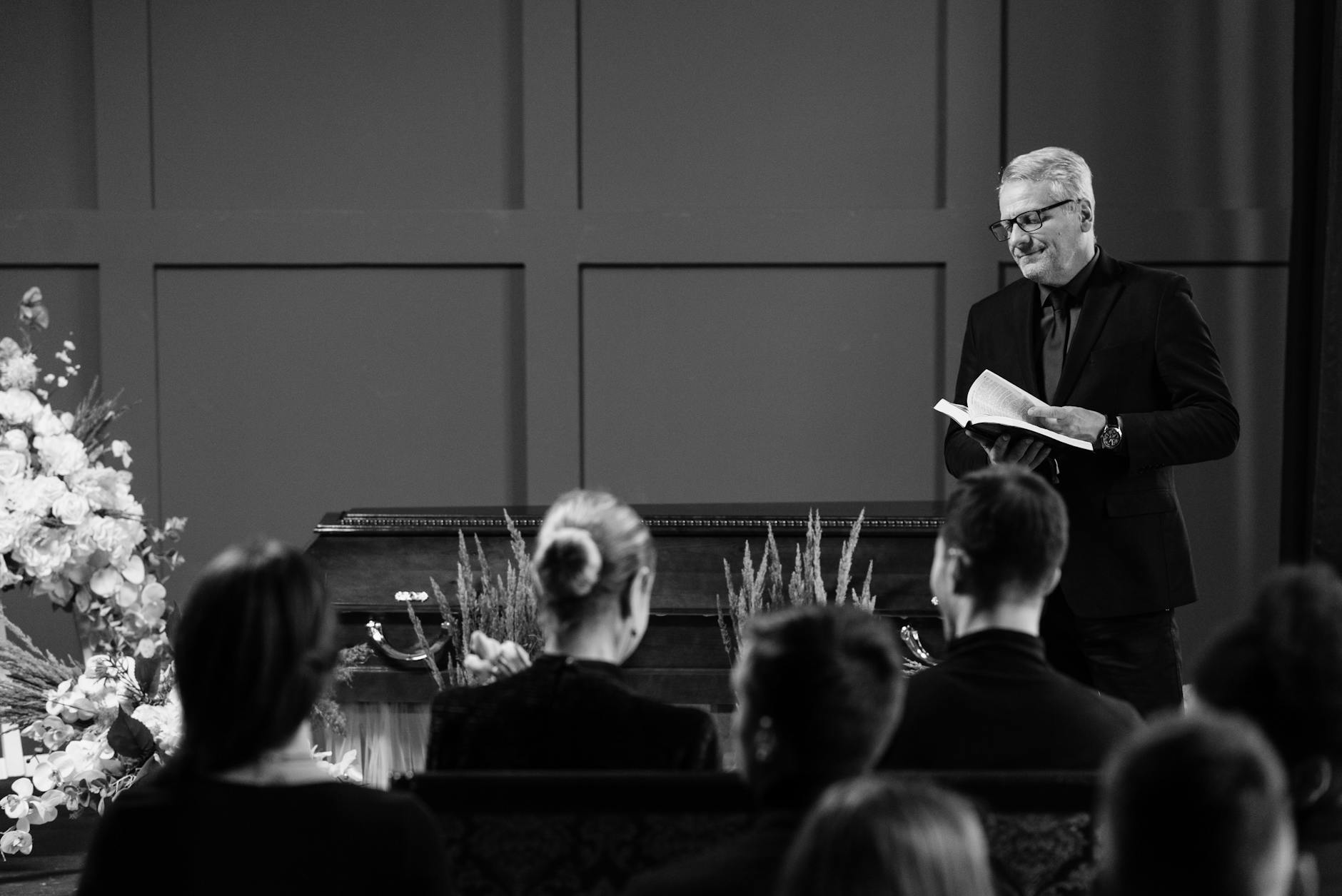
Speaking ill of the person who has passed away is strictly taboo while attending their services. Even if you had a complicated relationship with them the funeral home is not the place to air grievances. Family members need support and comfort rather than hearing negative opinions about their loved one. Keeping negative thoughts to yourself preserves the peace and prevents unnecessary conflict. If you cannot say something kind it is better to remain silent and offer a generic condolence.
Pestering the Immediate Family
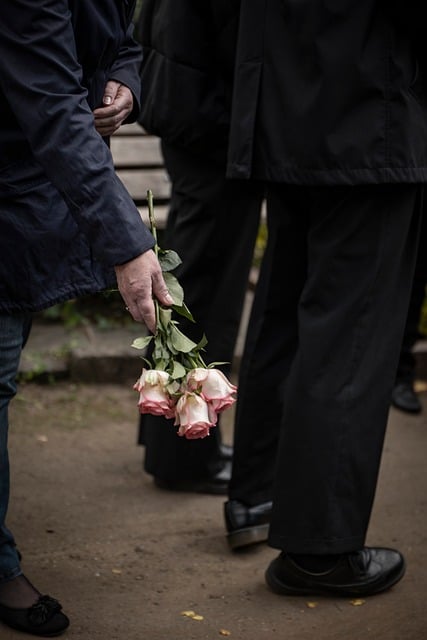
Monopolizing the time of the grieving family prevents other guests from offering their sympathies. The chief mourners are often exhausted and emotionally drained from the planning process. You should keep your interaction brief and meaningful before moving on to allow others to speak. Treating the receiving line as a place for a long catch-up session is selfish and inconsiderate. A short expression of sorrow and a hug is usually sufficient.
Trying to Sell Services or Network
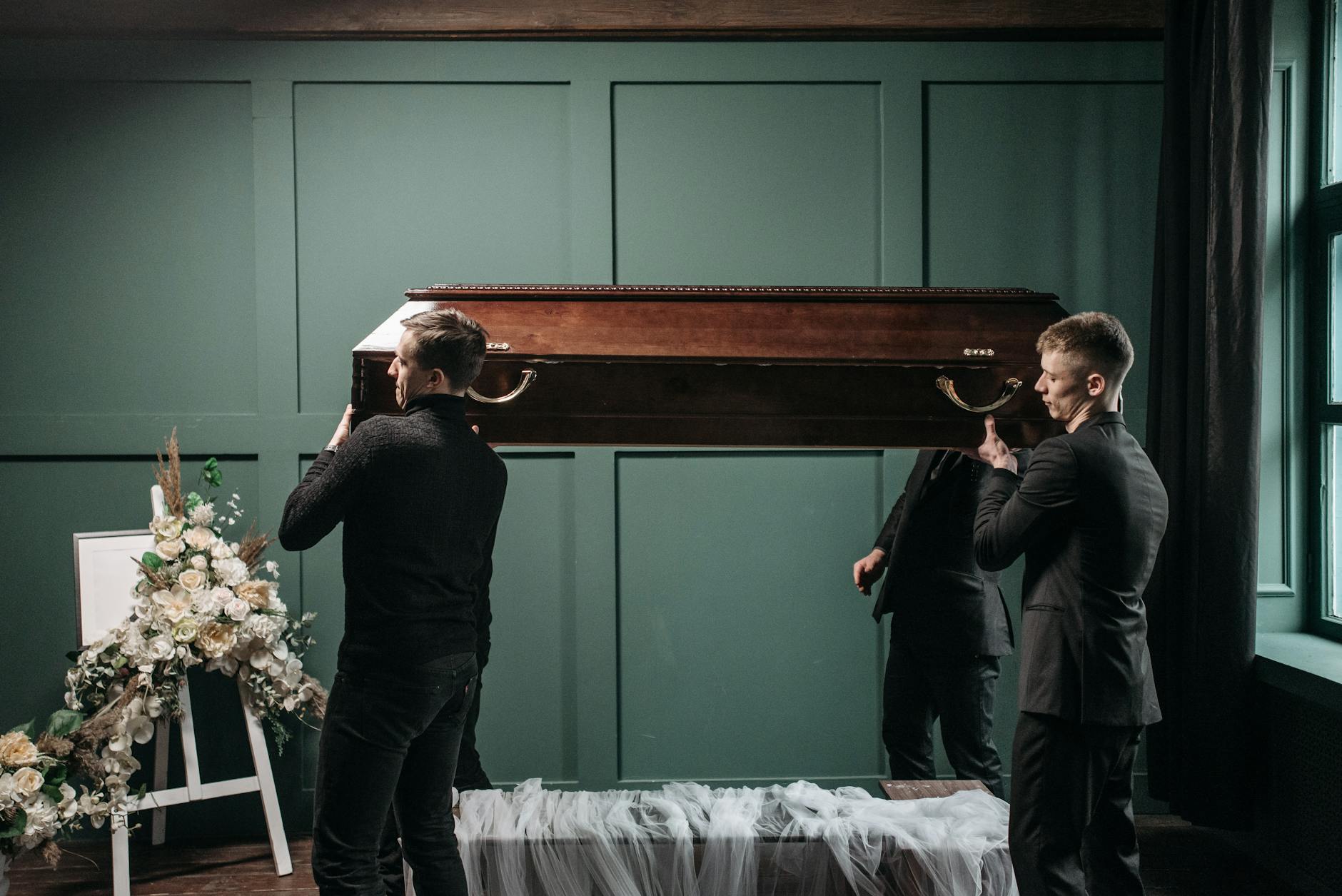
Using a funeral as a networking opportunity is viewed as predatory and deeply unprofessional. Handing out business cards or pitching your company during a wake violates the sanctity of the event. People are there to mourn a loss rather than look for new business connections. You must separate your professional ambitions from your personal obligations to the deceased. Save business discussions for a standard workplace environment or a scheduled meeting.
Touching the Body Inappropriately
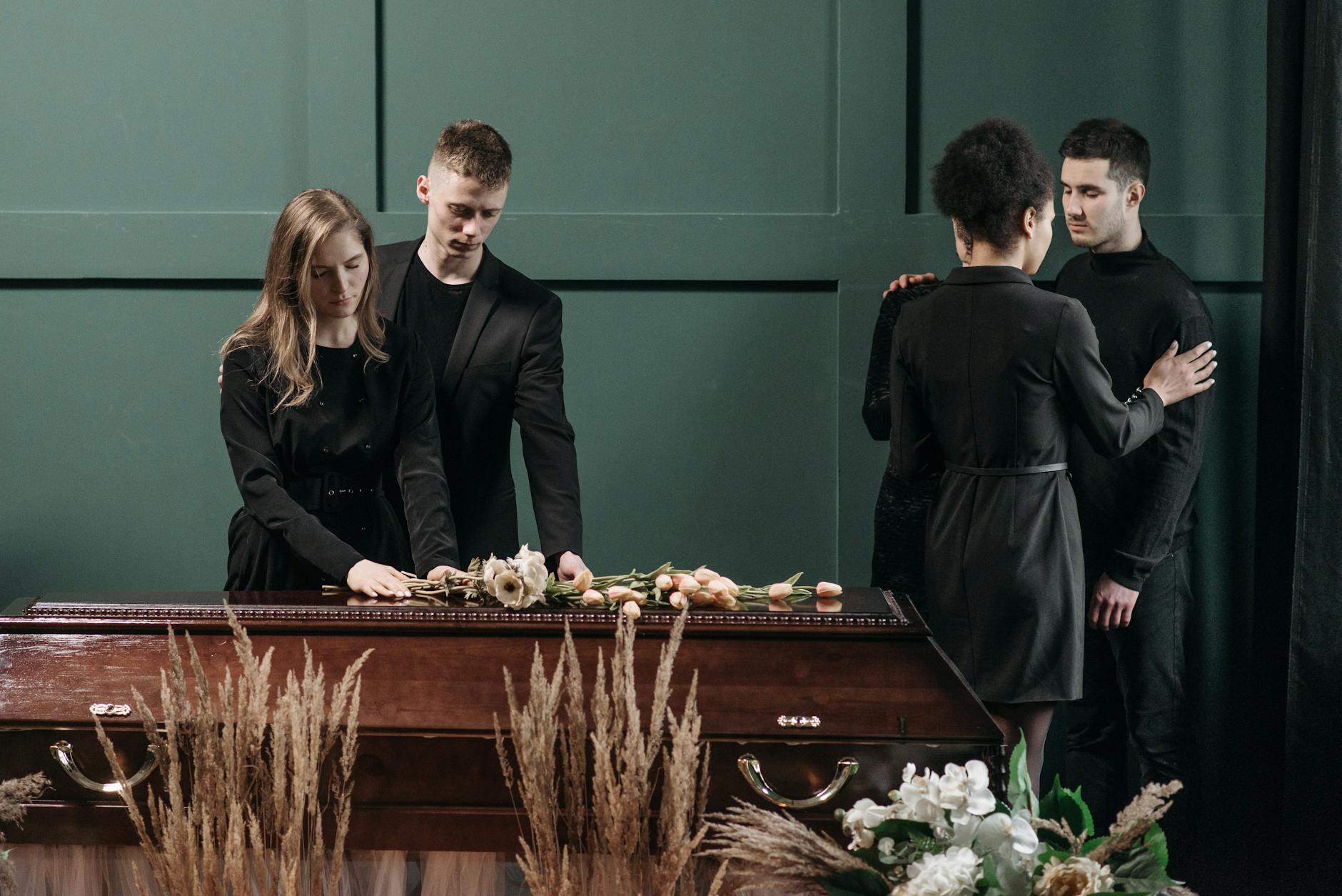
Physical contact with the deceased should be limited to a gentle touch on the hand if you feel compelled. Rearranging the clothing or hair of the deceased is the sole responsibility of the mortuary staff. Touching the face or moving the body can disturb the careful preparation done by the funeral director. It creates an uncomfortable scene for other viewers who witness the interference. You should respect the physical boundaries of the casket area at all times.
Complaining About the Service

Voicing dissatisfaction with the flowers or the music or the sermon is hurtful to the family who planned it. They made choices based on their budget and the wishes of the deceased. Criticism of the logistics adds stress to an already difficult day for the organizers. You are there as a guest to witness the ceremony rather than to critique the production value. Keeping your opinions on the arrangements to yourself is a mark of maturity and kindness.
Arriving noticeably Late
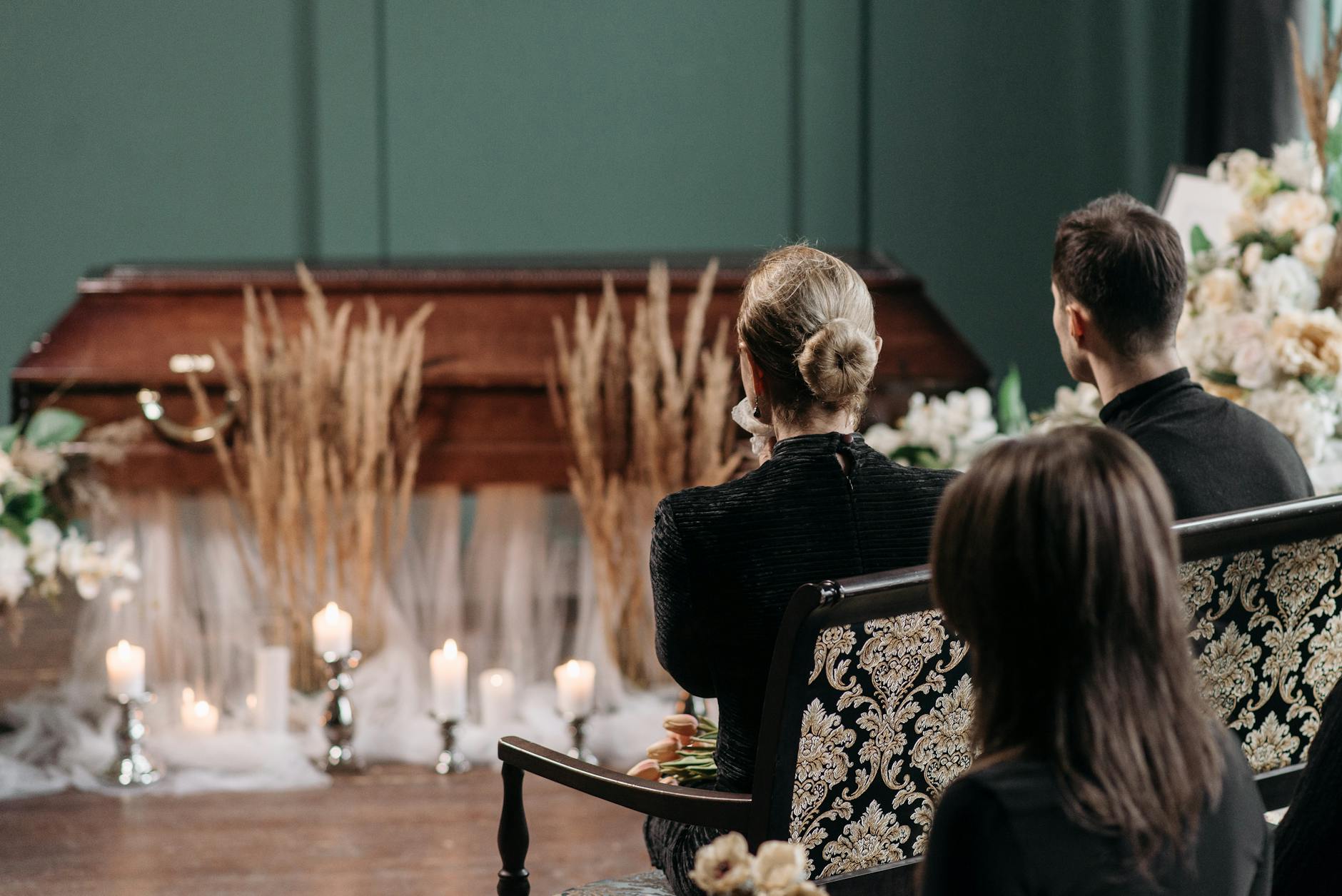
Walking into a service after it has begun draws attention away from the officiant and the family. The noise of opening doors and finding a seat disrupts the flow of the ceremony. If you are unavoidably delayed you should enter as quietly as possible and stand in the back. It is disrespectful to expect ushers to seat you in the front once the program is underway. Planning your travel time to arrive early ensures a smooth start for everyone involved.
Oversharing Your Own Grief
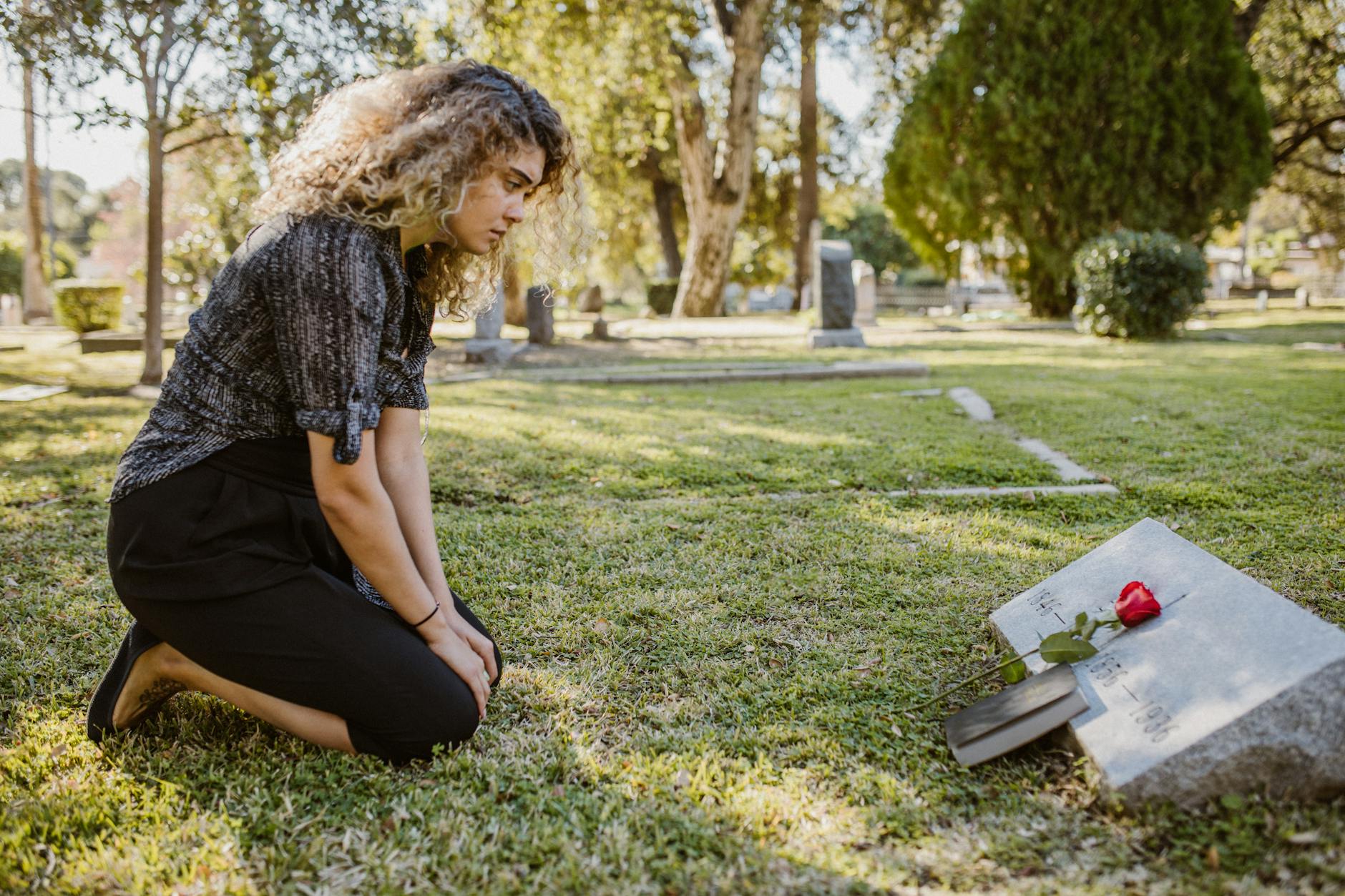
Making the event about your own past losses takes emotional energy away from the immediate family. While empathy is good you should avoid turning the conversation into a monologue about your personal tragedies. The primary focus must remain on the specific loss being commemorated that day. Comparisons often fail to provide comfort because every grief journey is unique. Listening more than you speak is the best way to be a supportive presence.
Asking the Cause of Death Explicitly
Pressing the family for graphic details about how the person died is intrusive and morbid. If the family has not volunteered this information it is likely because they wish to keep it private. Speculating on the cause of death with other guests fuels the rumor mill and disrespects the deceased. You should accept that some details are not for public consumption. Focusing on the life lived rather than the manner of death is the respectful path.
Please share your own experiences with funeral etiquette in the comments to help others navigate these difficult moments.