Air travel comes with its own unwritten rulebook, and whether you fly once a year or several times a month, there are behaviors that can make the experience worse for you and everyone around you. Some of these mistakes are matters of safety, others of health, and many of basic courtesy in a confined shared space. The cabin environment is unlike any other setting, with its recycled air, limited personal space, and the reality that you are sharing a pressurized tube with hundreds of strangers for hours at a time. Being aware of what not to do can make a meaningful difference to your comfort, your wellbeing, and the experience of every passenger around you.
Bare Feet

Walking barefoot through an airplane cabin or to the lavatory exposes your feet to a surface that is cleaned far less frequently than most passengers assume. The floor collects spilled liquids, bacteria, and debris across dozens of flights before a thorough clean takes place. Removing shoes is understandable during a long flight but keeping socks on at minimum is a basic hygiene measure. The lavatory floor in particular harbors a concentration of germs that makes bare-foot visits genuinely risky. Slip-on shoes or travel socks make it easy to stay comfortable without sacrificing basic cleanliness.
Overhead Bin Hoarding
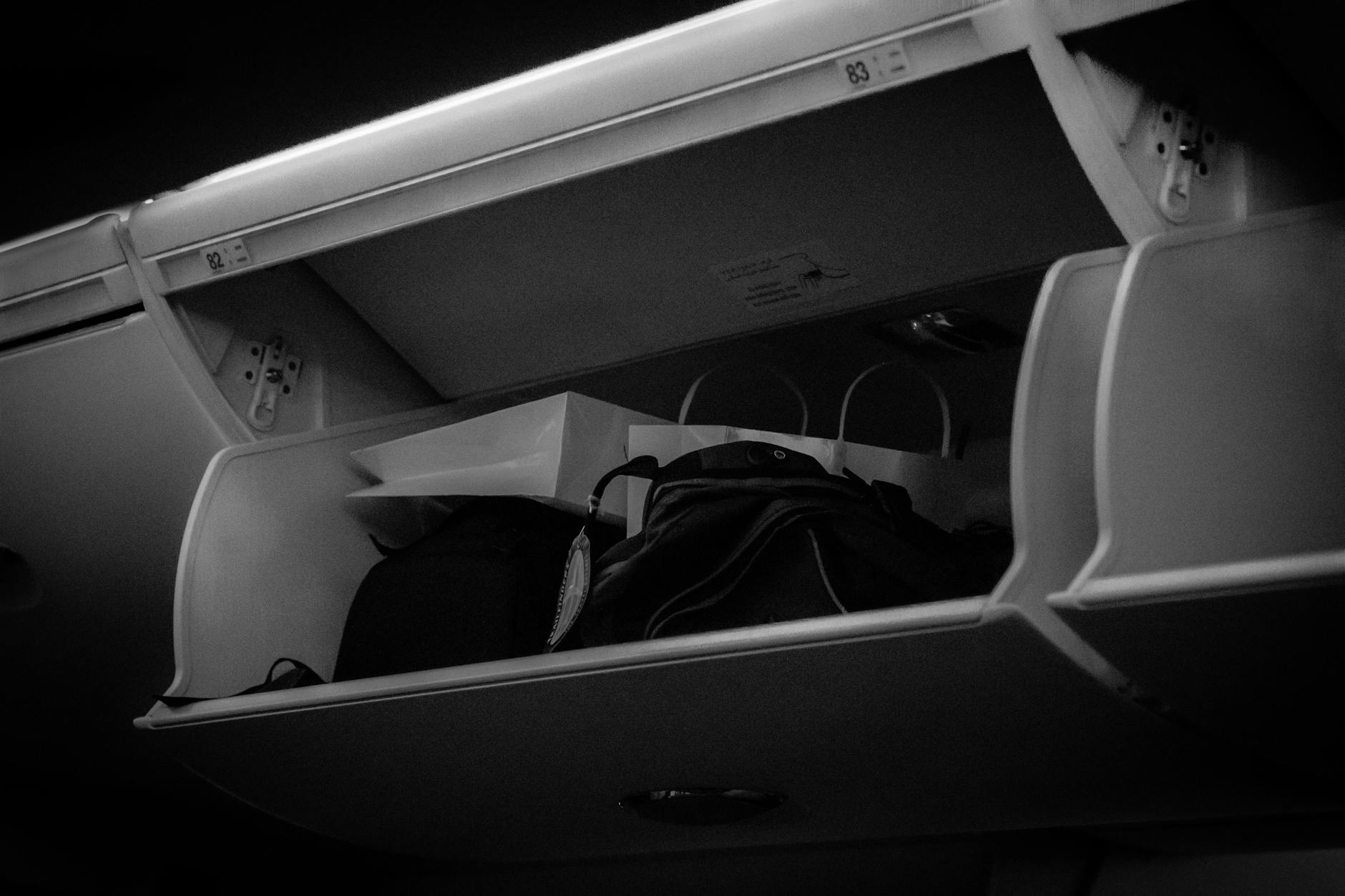
Placing oversized bags, multiple items, or personal belongings that belong under the seat in the overhead bin takes up storage space that other passengers are equally entitled to use. Bins fill quickly on full flights and passengers who board later often find no available space for their legitimate carry-on luggage. Airlines assign overhead bin space on a shared basis and it is not an extension of your personal seat area. Placing coats, small backpacks, and duty-free shopping bags in the overhead bin ahead of proper carry-on luggage creates unnecessary friction and delays. Stowing personal items under the seat in front of you frees up shared space for everyone on board.
Reclining Without Checking
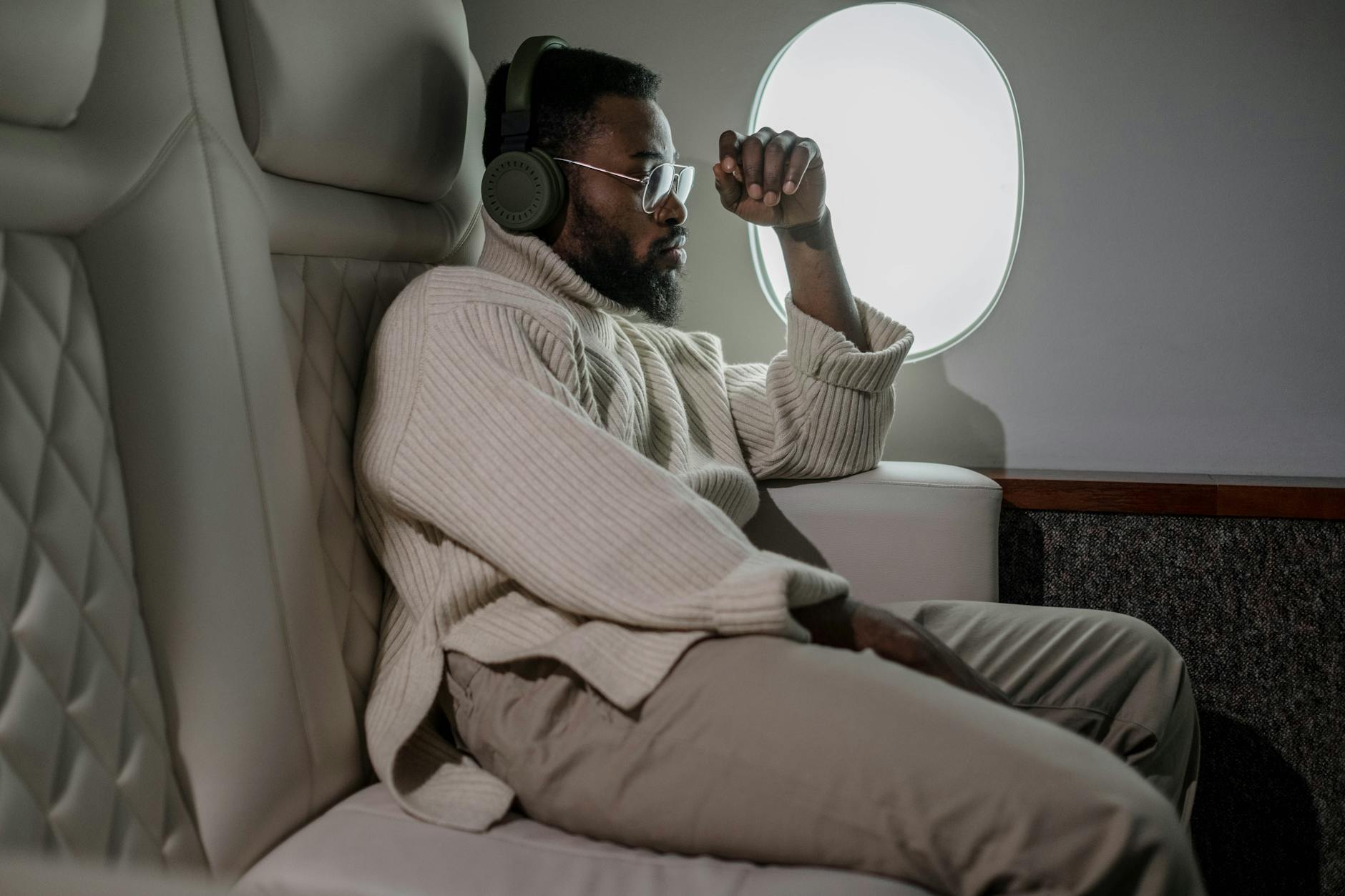
Snapping your seat fully back without a glance at the person behind you can send their tray table lurching, spill their drink, or trap their knees in an already tight space. Economy seating has continued to shrink in pitch over the years, meaning the impact of a reclined seat is more significant than it was a decade ago. Reclining slowly and being mindful during meal service, when tray tables are in use, is a reasonable consideration that costs nothing. Many passengers choose not to recline at all on short flights simply out of courtesy to the person behind them. If you do recline, a brief acknowledgment to your neighbor goes a long way in maintaining goodwill for the duration of the flight.
Ignoring Flight Crew

Dismissing or talking over cabin crew during the safety demonstration, ignoring instructions during turbulence, or responding curtly to crew members creates unnecessary tension in an environment where cooperation matters enormously. Flight attendants are trained safety professionals whose primary role is to manage emergencies, and their instructions carry legal weight during a flight. Treating them as servers rather than safety personnel is both disrespectful and practically unwise. A pleasant and cooperative attitude toward the crew typically results in a far smoother experience for the passenger as well. The small courtesies of eye contact, a thank you, and simple compliance make a genuine difference to cabin atmosphere.
Drinking Too Much Alcohol
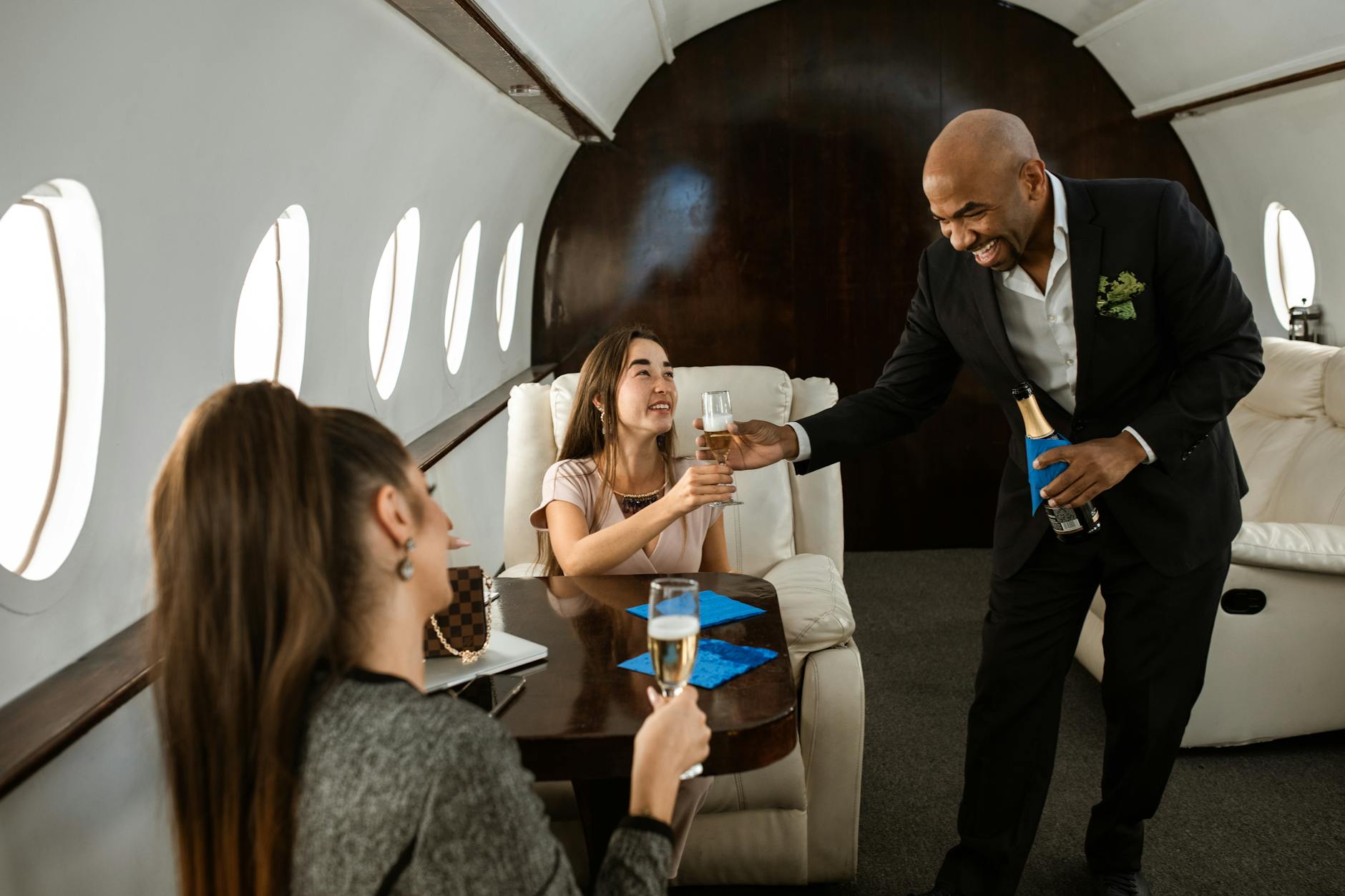
Alcohol affects the body more intensely at altitude due to lower cabin pressure and reduced oxygen levels, meaning drinks hit harder and faster than they would at ground level. Overindulgence leads to dehydration, impaired judgment, disruptive behavior, and in serious cases has resulted in passengers being restrained and flights being diverted. Airlines and crew have the authority to refuse service to passengers they believe are intoxicated, and being offloaded mid-journey carries legal consequences. Enjoying a drink or two during a long flight is perfectly reasonable but monitoring your intake is essential in this particular environment. Alternating alcoholic drinks with water is a simple strategy that keeps the experience pleasant rather than problematic.
Blocking the Aisle
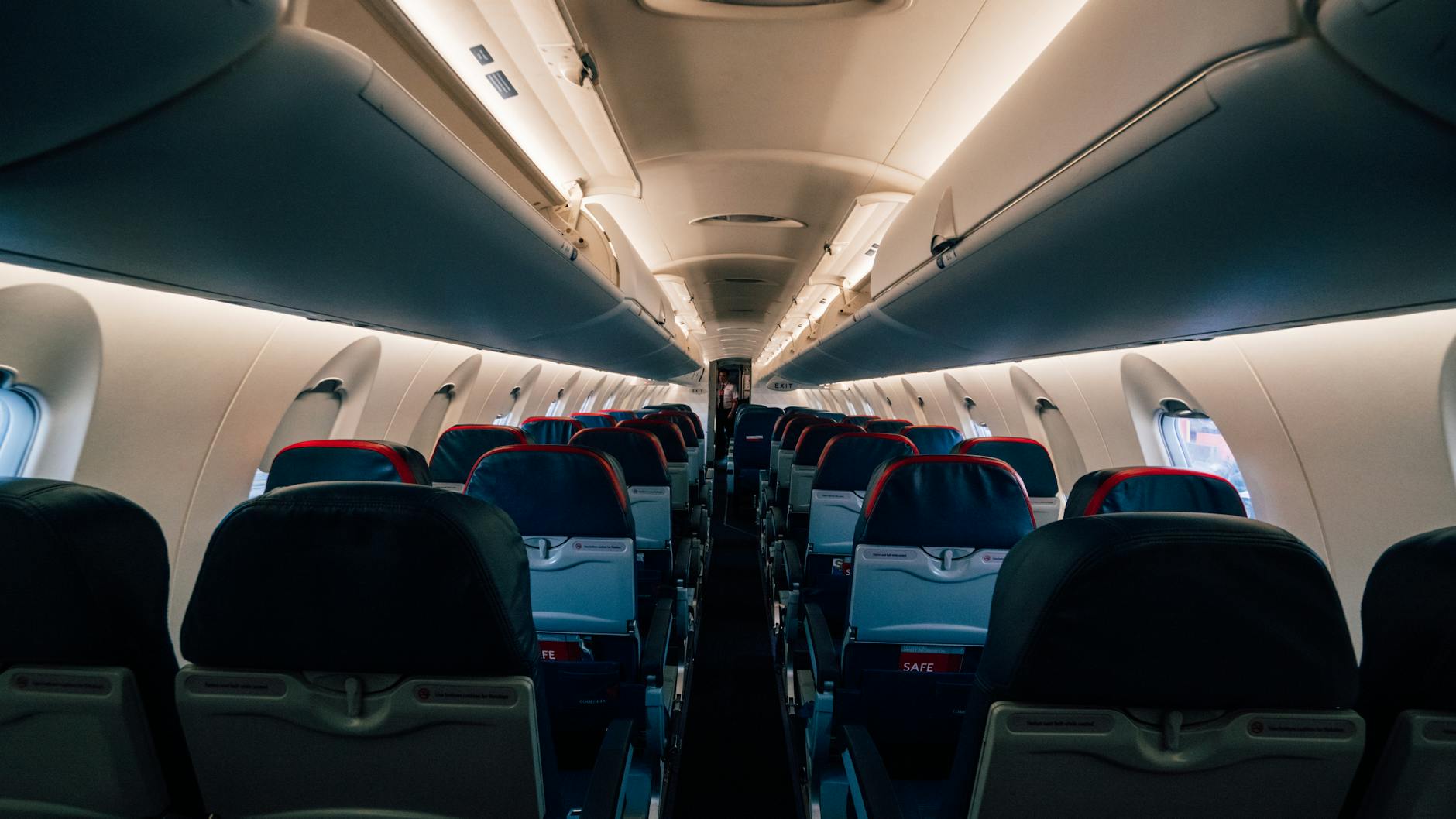
Standing in the aisle during boarding or deplaning without moving to allow others through, conducting extended conversations while blocking the path, or leaving bags sprawled across the aisle floor creates congestion that slows the entire process. Boarding and deplaning are among the most logistically complex moments of any flight and unnecessary obstructions extend discomfort for hundreds of people. Crew members need clear aisle access during the flight for service and during emergencies for evacuation purposes. Being conscious of your position and moving promptly when the aisle is needed is one of the most impactful courtesies a passenger can practice. Even a momentary awareness of how much physical space you are occupying in a shared corridor can prevent significant frustration.
Skipping Hand Hygiene
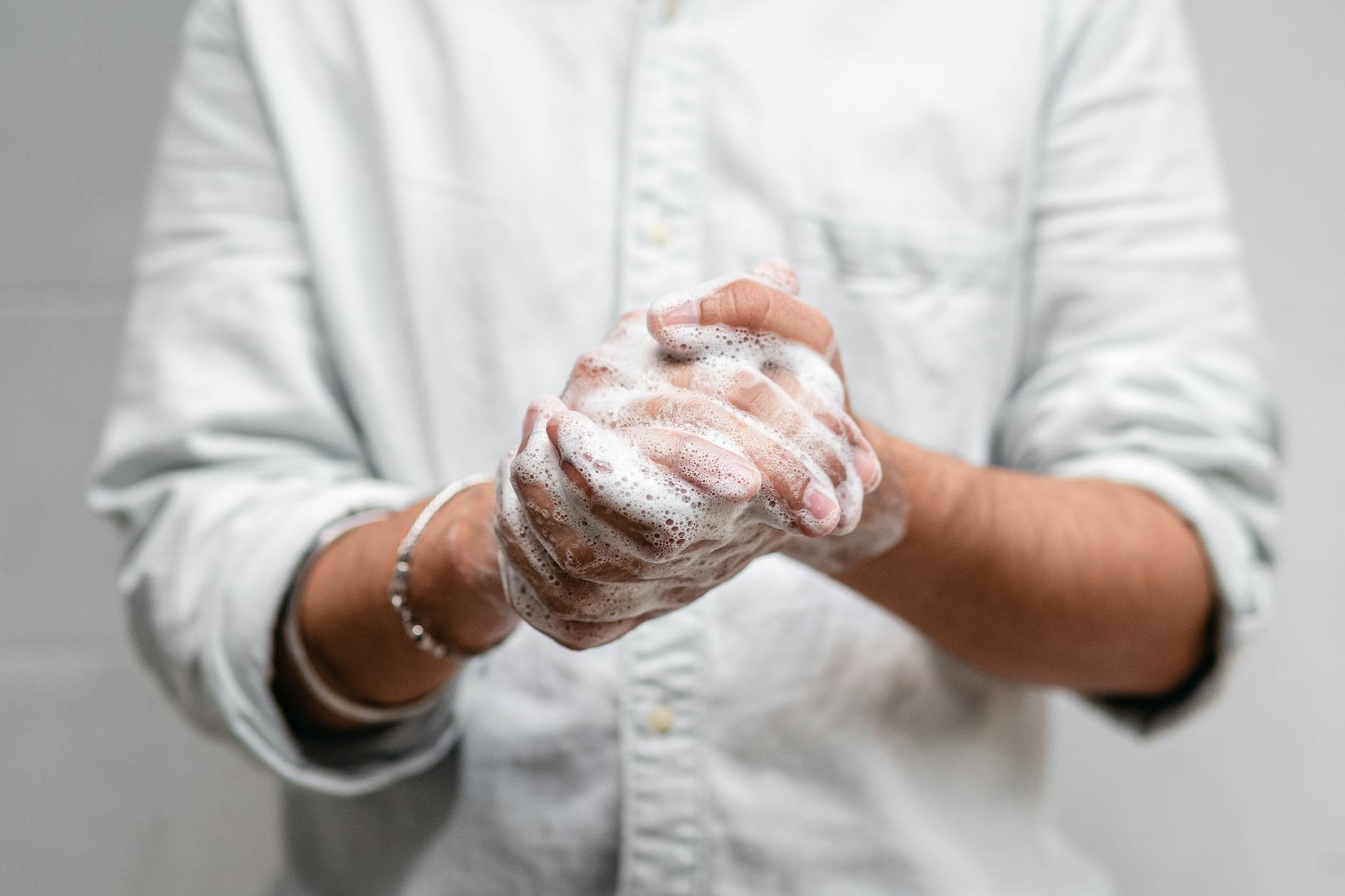
An airplane cabin is one of the highest-risk environments for the transmission of respiratory and gastrointestinal illness due to the density of passengers and the frequency with which surfaces are touched. Tray tables, seatbelt buckles, armrests, and lavatory handles are among the most contaminated surfaces in the travel environment. Washing hands thoroughly before eating, after using the lavatory, and after touching commonly shared surfaces is a basic protective measure. Hand sanitizer with at least sixty percent alcohol content is a practical alternative when sink access is limited. Neglecting hand hygiene on a flight significantly raises your chances of arriving at your destination already unwell.
Phone Use During Takeoff
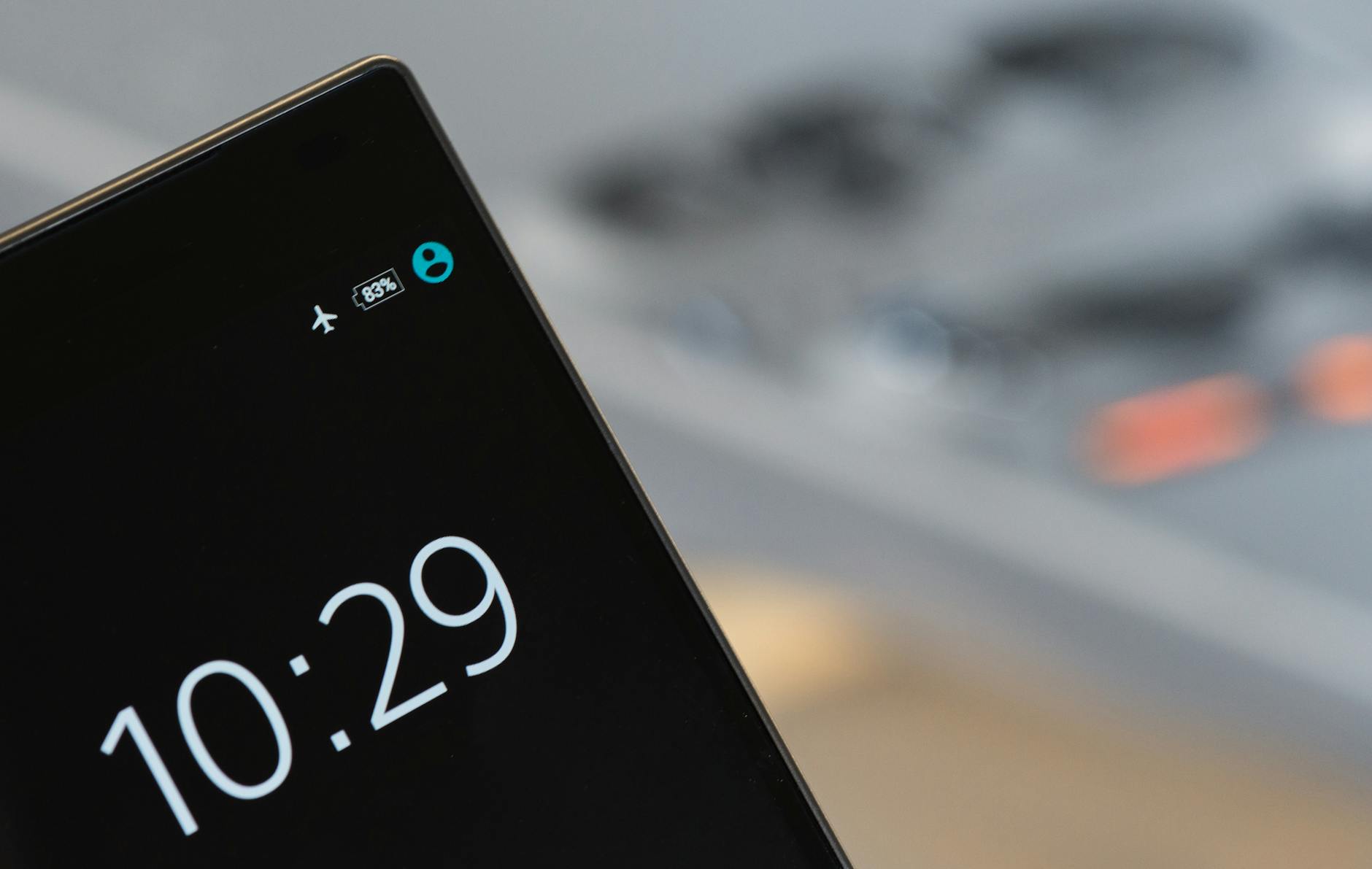
Ignoring the instruction to switch devices to airplane mode during takeoff and landing is not just a bureaucratic formality. Aviation authorities require this as a precautionary measure because active cellular signals can theoretically interfere with cockpit communication systems in certain aircraft. Beyond the technical concern, keeping your attention on the environment during takeoff and landing is simply sensible given that these are the most critical phases of any flight. Most airlines now permit Wi-Fi and device use at cruise altitude, which means the restriction applies only to a short window of time. Respecting that window is a minor inconvenience with disproportionate safety implications.
Strong Perfume

Spraying perfume or cologne generously before boarding or while seated on the aircraft exposes every nearby passenger to a scent they have no ability to escape for the duration of the flight. Many travelers experience headaches, nausea, or allergic reactions to strong fragrances, and the recycled air of a cabin amplifies the concentration of any scent. Individuals with asthma or severe fragrance sensitivities can experience genuine medical distress in a confined space with no ventilation options. The enclosed nature of air travel makes fragrance etiquette far more consequential than it would be in any open environment. Keeping fragrance use minimal or entirely absent before a flight is a straightforward act of consideration.
Talking Loudly
Holding loud conversations, watching videos without headphones, or laughing at high volume in a cabin where many passengers are trying to sleep or concentrate is a common source of genuine frustration during flights. The ambient noise of an aircraft engine creates a baseline that many people already find tiring, and additional noise on top of it compounds the strain significantly. Volume awareness is especially important during overnight or long-haul flights where sleep is both needed and difficult to achieve. Using earphones for all audio content and keeping conversations at a considerate level costs nothing and affects the wellbeing of everyone seated nearby. Cabin noise is one of the top complaints raised in passenger experience surveys, and it is almost entirely preventable.
Touching Other Passengers
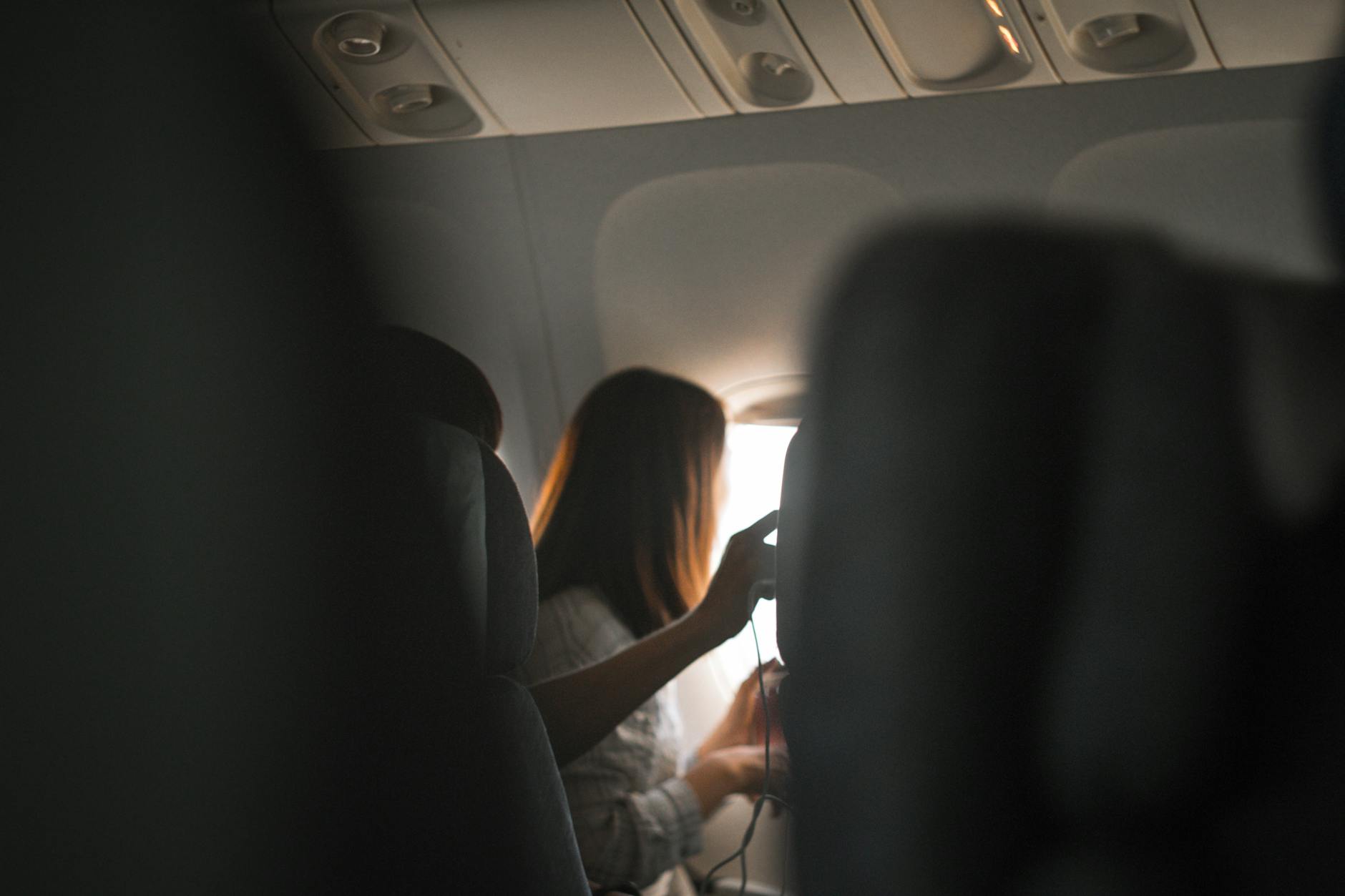
Leaning against a sleeping stranger, allowing limbs to spill consistently into adjacent seat space, or making physical contact without acknowledgment crosses a basic boundary of personal space. The middle seat passenger has an implicit claim to both armrests as partial compensation for the most constrained position on the aircraft. Being conscious of where your elbows, knees, and shoulders extend during the flight prevents the low-level but persistent discomfort that makes long journeys feel much longer. Adjusting your position when you notice it is encroaching on someone else requires only a moment of awareness. Respecting physical boundaries in a cramped shared environment is a fundamental courtesy of air travel.
Misusing the Call Button
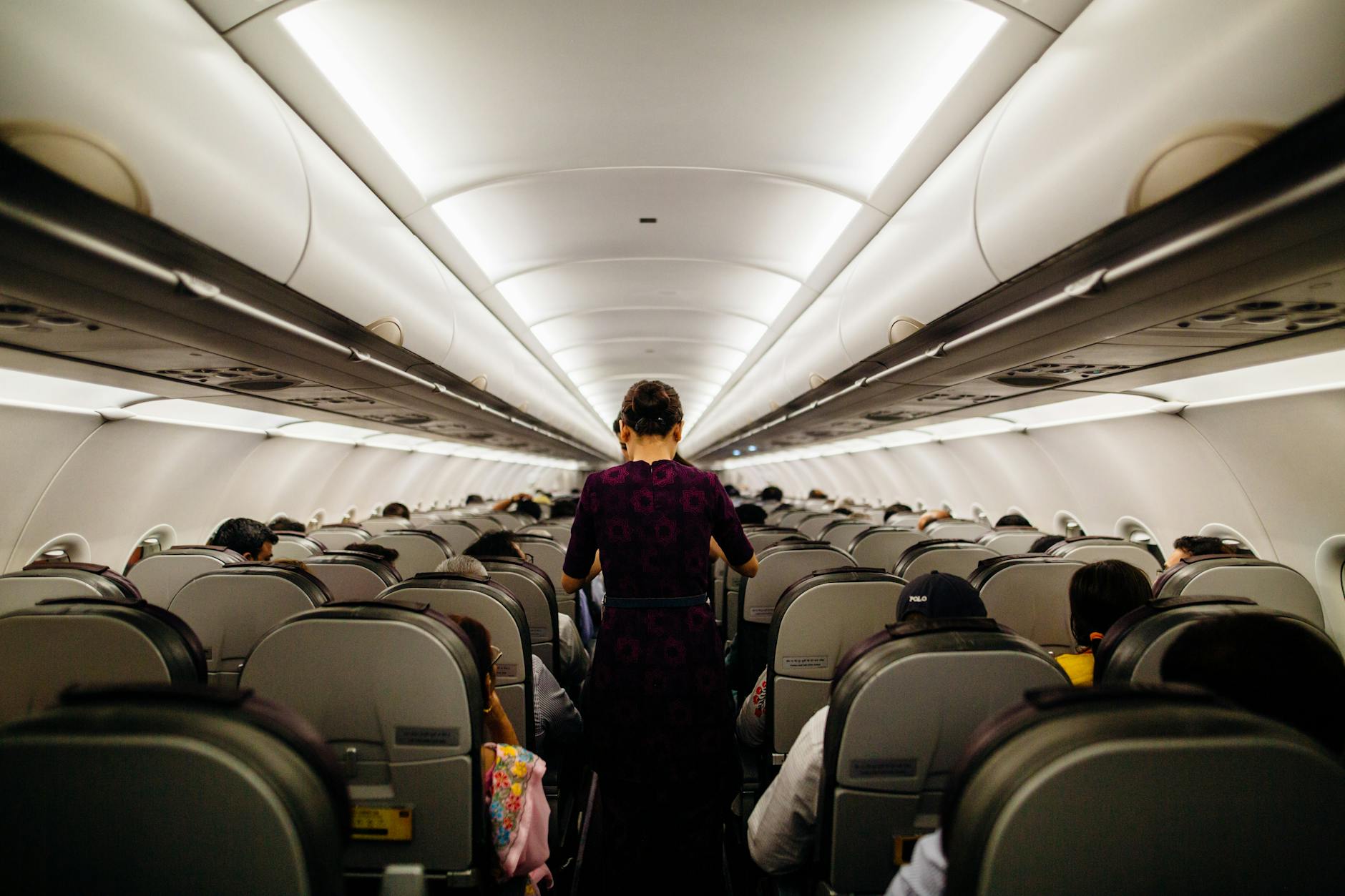
Pressing the flight attendant call button for requests that can easily wait or are not genuinely urgent removes crew availability for passengers who may have pressing needs. The call button exists primarily to handle situations that require immediate attention and cannot wait for a standard service round. Asking for a second snack or requesting a blanket that is readily available in the overhead locker does not typically meet that threshold. Crew members manage the needs of an entire cabin simultaneously and unnecessary interruptions create cumulative pressure on their ability to respond when something genuinely matters. Observing the natural service rhythm of the flight and saving the call button for actual needs is a practical act of consideration.
Gate Rushing
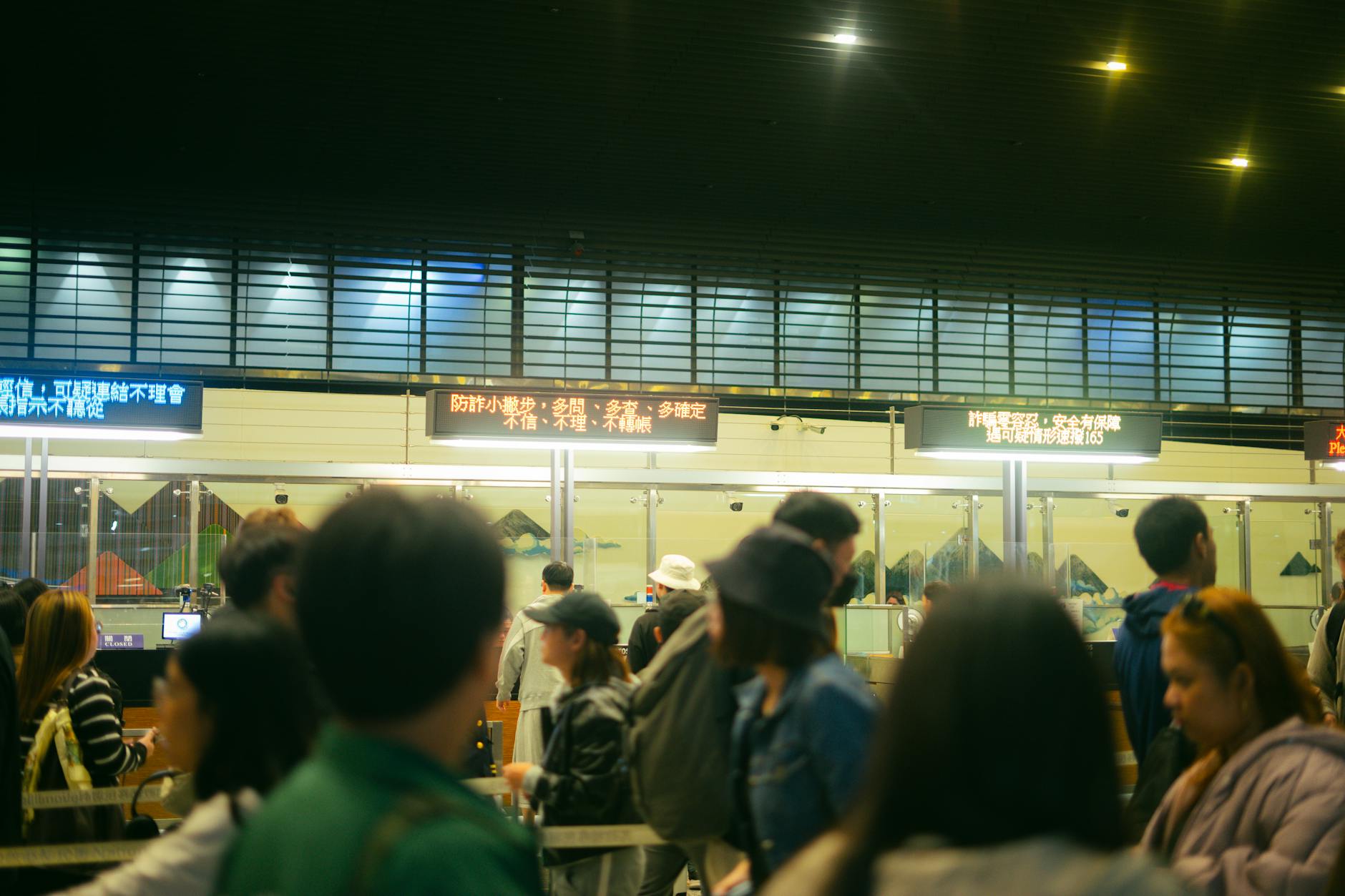
Standing up the moment the seatbelt sign switches off and crowding the aisle before the jet bridge is even attached creates a compressed, uncomfortable mass of people who collectively go nowhere faster. Airlines board by zone for a reason and the same logic applies in reverse during deplaning. Passengers rushing to the front from middle or rear rows add congestion without gaining meaningful time, particularly when connections are not at stake. Remaining seated for a moment after landing and allowing the natural flow of deplaning to proceed reduces stress for everyone in the cabin. The minutes saved by rushing to the front of a deplaning aircraft are almost never significant enough to justify the friction involved.
Ignoring Turbulence Warnings
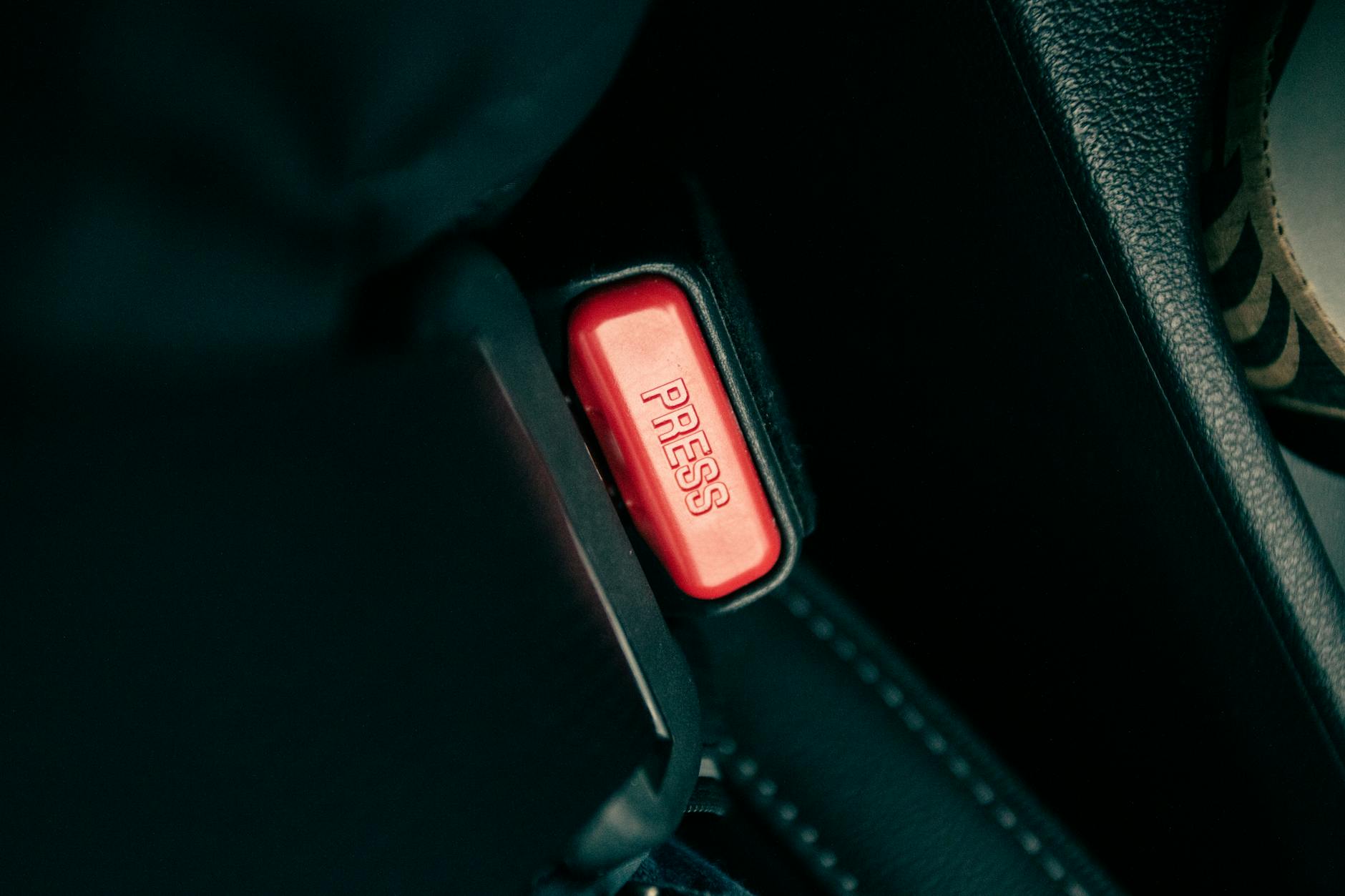
Remaining unbuckled when the seatbelt sign is illuminated during turbulence is a decision that has resulted in serious injuries even on routine flights. Unexpected turbulence can occur with no warning and the forces involved are capable of throwing an unbuckled passenger against the ceiling of the cabin. Keeping your seatbelt loosely fastened throughout the flight even when the sign is off is a widely recommended practice among aviation safety professionals. The inconvenience of a lap belt is negligible compared to the protection it provides during sudden and severe air movement. Turbulence injuries among passengers are almost exclusively sustained by those who were not wearing their seatbelt when the event occurred.
Poor Lavatory Etiquette
Leaving the lavatory in an unacceptable state, spending excessive time inside during busy periods, or failing to lock the door properly are all behaviors that affect other passengers directly and significantly. The lavatory is among the most frequently used shared spaces on any flight and its condition deteriorates quickly when users are careless. Wiping down the sink area, disposing of paper products correctly, and ensuring the space is reasonably presentable before exiting takes less than thirty seconds. Long queues form quickly on a full flight and extended lavatory occupancy for non-essential purposes adds unnecessary frustration to passengers who are waiting. Treating a shared lavatory with the same basic respect you would apply in any public setting is a reasonable standard.
What do you think is the most overlooked piece of airplane etiquette? Share your thoughts in the comments.