
Social media has become a constant backdrop to modern life, shaping how people connect, communicate, and perceive the world around them. While these platforms offer genuine opportunities for community and creativity, certain habits can quietly erode mental well-being over time. Research consistently points to a handful of behaviors that tend to fuel anxiety, comparison, and emotional exhaustion. Understanding what to avoid is just as important as knowing how to engage intentionally.
Late-Night Scrolling
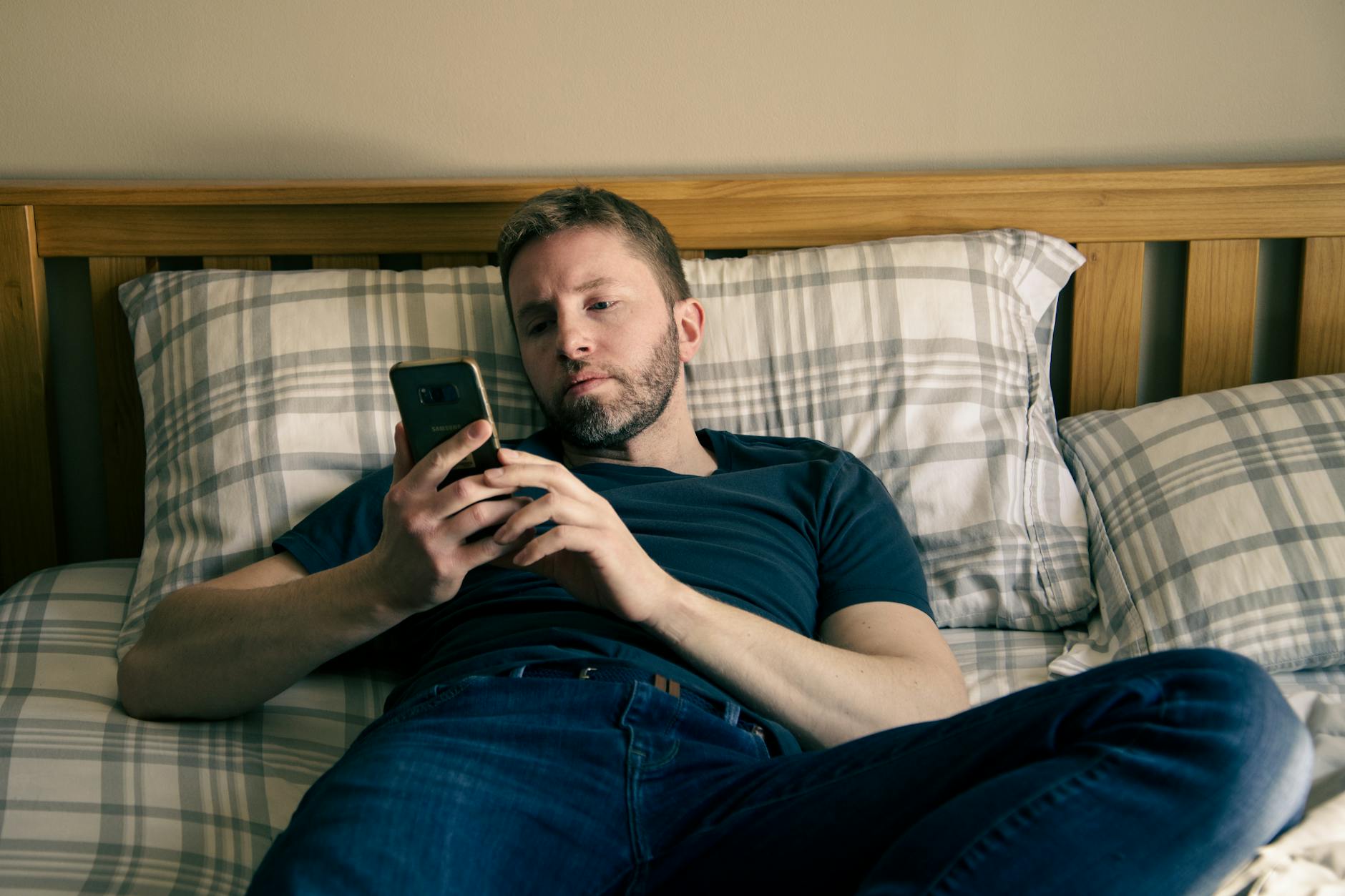
Using social media in the final hour before bed disrupts the body’s natural wind-down process and interferes with melatonin production. The constant stream of stimulating content keeps the brain in an alert state when it should be preparing for rest. Exposure to emotionally charged posts right before sleep can carry stress into dreams and affect overall sleep quality. Consistently poor sleep compounds mental health challenges over time and reduces emotional resilience. Establishing a screen-free window before bed is one of the most effective ways to protect both sleep and mental clarity.
Comparison Scrolling
Spending extended time viewing the curated highlight reels of others creates a distorted benchmark for measuring one’s own life. Most social media content is carefully selected to present the most flattering version of a person’s experiences and achievements. This type of passive consumption activates feelings of inadequacy and self-doubt even in people who are otherwise confident. The psychological gap between perceived reality and actual life circumstances is a well-documented driver of anxiety and low self-esteem. Recognizing that what appears online rarely reflects the full picture is an essential step toward healthier engagement.
Vague-Posting

Publishing deliberately cryptic or ambiguous posts designed to provoke concern or curiosity creates unnecessary emotional tension. This behavior often functions as a bid for attention or validation without directly communicating a need. It tends to attract responses that feel unsatisfying and can leave the person feeling more isolated rather than supported. Vague-posting can also damage relationships by creating confusion or putting others in uncomfortable positions. Direct communication in private conversations is far more effective for processing emotions and building genuine connection.
Oversharing Personal Information
Broadcasting intimate details about relationships, health struggles, financial situations, or family conflicts to a broad audience carries significant risks. Once information is shared publicly, control over how it is received and interpreted is lost entirely. Audiences online are diverse and not all responses will be empathetic or constructive. Oversharing can also create lasting digital footprints that affect professional reputation and personal relationships in unexpected ways. Thoughtful boundaries around what is kept private are a cornerstone of sustainable mental wellness online.
Engaging With Trolls
Responding to hostile or provocative comments draws a person into an energy-draining cycle that rarely leads to resolution. Trolls are typically motivated by the reaction itself rather than by any genuine desire for dialogue or understanding. Engaging with bad-faith criticism validates the behavior and signals that it is an effective way to command attention. Each interaction with a provocative account can elevate stress hormones and leave a lingering sense of agitation long after the conversation ends. Blocking, muting, or simply scrolling past is always the more protective choice for mental peace.
Doom-Scrolling News

Consuming an unbroken feed of distressing news stories and crisis content triggers a prolonged stress response in the body. The algorithm-driven nature of most platforms ensures that emotionally charged content surfaces repeatedly because it generates the highest engagement. This creates a feedback loop in which a person feels compelled to keep reading even as their anxiety climbs. Chronic exposure to negative news has been linked to heightened feelings of helplessness and a distorted sense of how dangerous the world actually is. Scheduling limited, intentional news check-ins rather than open-ended browsing is a practical protective measure.
Chasing Validation

Repeatedly posting content with the primary motivation of accumulating likes, comments, or followers ties self-worth to external metrics that are inherently unstable. Platform algorithms determine the reach of any post, meaning visibility has little to do with personal value or quality of work. When a post underperforms, the emotional response can be disproportionately negative and difficult to shake. This cycle of posting and waiting for approval keeps attention anchored to an external source rather than an internal one. Building a sense of identity and accomplishment that exists independently of online feedback is essential for long-term mental health.
Subtweeting

Posting indirect criticism or commentary clearly aimed at a specific person without naming them is a form of conflict avoidance that tends to backfire. The targeted individual almost always recognizes the post, and other followers often do too. This approach generates social tension and can escalate conflict in ways that feel impossible to control or walk back. It also models passive-aggressive communication patterns that carry over into offline relationships. Choosing to address grievances directly and privately is consistently better for both relationships and personal peace of mind.
Posting While Emotional

Sharing content in moments of intense anger, grief, or humiliation frequently leads to regret once emotions have settled. The impulse to process pain publicly can feel urgent in the moment but rarely provides the relief it promises. Posts made in emotional peaks can permanently alter how a person is perceived by colleagues, family members, and broader online communities. The speed of digital sharing means that content can spread or be screenshotted before any retraction is possible. Implementing a personal waiting period before posting during difficult emotional moments is a habit that protects both reputation and inner stability.
Checking Metrics Obsessively

Refreshing pages repeatedly to monitor likes, follower counts, or view statistics throughout the day fragments attention and creates a low-grade state of anxiety. This behavior conditions the brain to seek frequent micro-rewards and makes it harder to sustain focus on meaningful offline tasks. The numbers themselves fluctuate constantly for reasons entirely unrelated to the quality of the content or the value of the person posting it. Tying daily mood to these figures means surrendering emotional regulation to a system designed to maximize platform engagement rather than human wellbeing. Limiting analytics checks to once a day or less significantly reduces this particular strain on mental resources.
Joining Pile-Ons

Participating in mass criticism or public shaming of an individual online feels socially bonded in the moment but carries significant psychological costs. Research suggests that engaging in hostile group behavior online can increase aggression and desensitize a person to the emotional impact of their words. The target of a pile-on is a real person experiencing genuine distress regardless of what they may have said or done. Participation also creates an association with mob behavior that can affect how others perceive the participant over time. Choosing not to engage preserves both empathy and personal integrity.
Faking a Persona

Maintaining a version of oneself online that significantly diverges from one’s actual values, appearance, or life circumstances is psychologically exhausting to sustain. The constant management of an inauthentic identity requires ongoing mental energy that would otherwise be available for genuine connection and creative expression. Over time the gap between the performed self and the real self can deepen feelings of loneliness and disconnection. Audiences built around a fabricated persona also offer feedback and affirmation that does not genuinely nourish the real person behind the profile. Authenticity online is not only healthier but tends to attract more meaningful and lasting engagement.
Sleeping With Notifications On
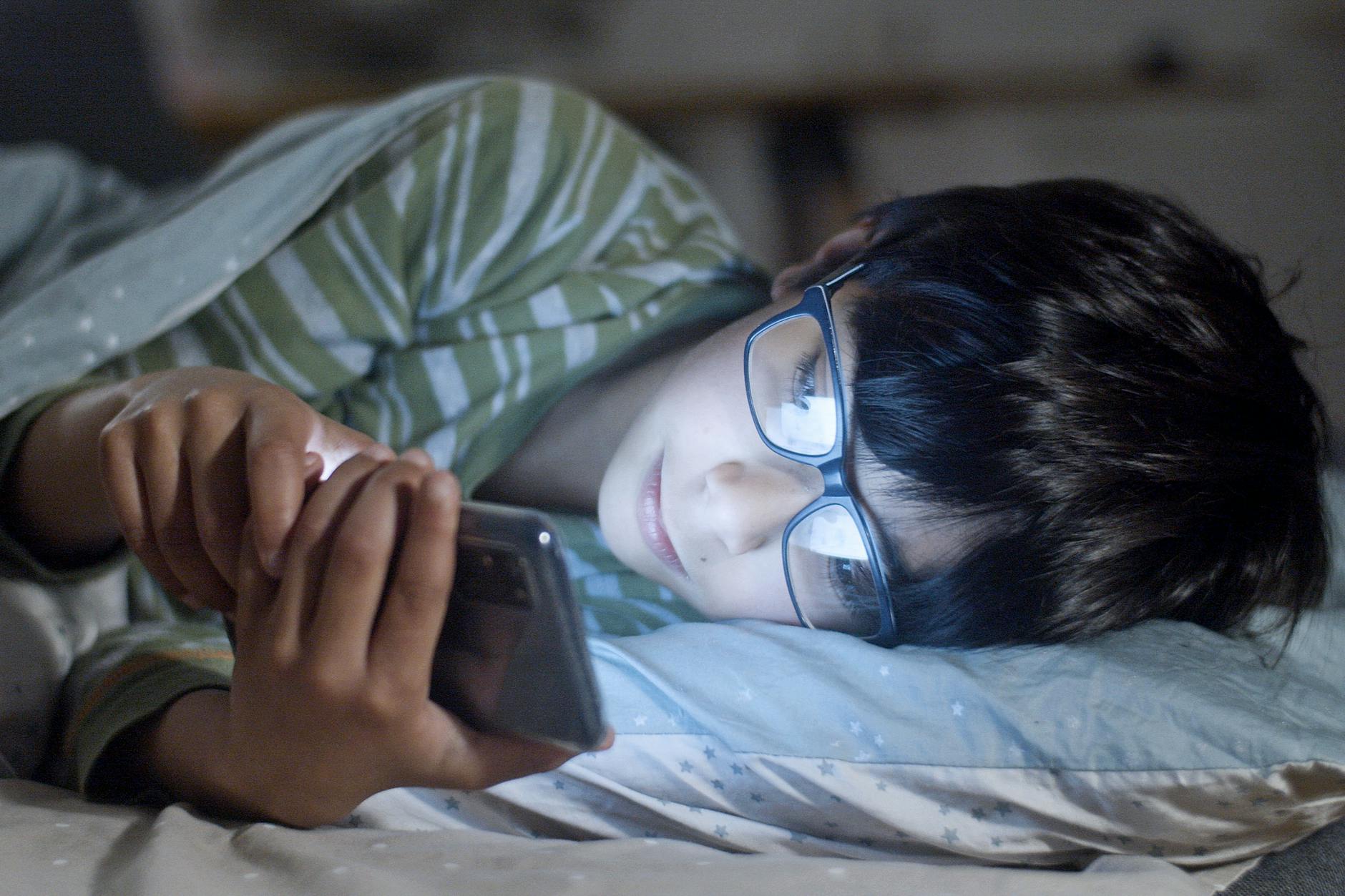
Allowing social media notifications to arrive around the clock means the nervous system never fully disengages from the stimulation of the platform. Each ping interrupts the quiet mental state needed for restoration and reflection. Even notifications that go unread register at a subconscious level and can pull attention away from fully present moments with family, friends, or personal pursuits. The expectation of always being reachable creates chronic low-level stress that accumulates in ways that are difficult to trace back to their source. Turning off notifications outside of designated hours is a simple but transformative boundary.
Following Accounts That Trigger Insecurity
Deliberately continuing to follow accounts that consistently provoke feelings of inadequacy or self-doubt is a habit that quietly undermines mental health over time. The relationship between the content a person consumes and the way they feel about themselves is more direct than most people recognize. No account is so informative or entertaining that it is worth the psychological cost of ongoing comparison or shame. Auditing a following list with honesty about which accounts genuinely uplift rather than deflate is an act of intentional self-care. A curated feed that reflects one’s actual values and aspirations creates a meaningfully different daily experience on any platform.
Ignoring Digital Boundaries

Failing to establish and maintain clear rules around when and how social media is used allows the platforms to dictate the rhythm of daily life. Without boundaries around usage times, content types, and interaction norms, engagement tends to expand to fill all available time and mental space. This erosion of structure makes it harder to prioritize the offline relationships and activities that research consistently identifies as the most reliable sources of life satisfaction. Boundaries do not require total abstinence from social media but do require deliberate intention about what role these tools play in a person’s overall lifestyle. Treating social media as something that serves the individual rather than the other way around is the foundation of genuinely healthy use.
What habits have you been working on changing when it comes to your social media use? Share your experience in the comments.