
The hours before sleep are more powerful than most people realize. Small habits performed in the lead-up to bedtime can dramatically affect sleep quality, mood, and even long-term health. Science continues to reveal just how sensitive the body and mind are to pre-sleep stimulation, light exposure, and nutrition. Understanding what to avoid in the evening is one of the simplest ways to transform how rested and restored you feel each morning. These are the twenty-five things you should drop from your nighttime routine for better sleep.
Screen Time

The blue light emitted by phones, tablets, and laptops actively suppresses melatonin production in the brain. This tricks the body into thinking it is still daytime, making it significantly harder to fall asleep. The stimulating nature of scrolling through social media or watching intense content also keeps the nervous system alert and activated. Experts consistently identify screen exposure as one of the leading disruptors of modern sleep quality. Putting devices away at least an hour before bed makes a measurable difference in how quickly and deeply sleep arrives.
Caffeine

Caffeine has a half-life of approximately five to seven hours in the average adult body. A coffee consumed at four in the afternoon can still be actively affecting the nervous system well past ten at night. Even teas and sodas contain enough caffeine to delay the onset of sleep and reduce time spent in deep sleep stages. Many people underestimate how sensitive they are to caffeine because its effects can be subtle rather than obvious. Cutting off all caffeine intake after two in the afternoon is a widely recommended baseline for healthier sleep.
Alcohol

Alcohol is commonly mistaken for a sleep aid because it induces drowsiness in the short term. However it significantly disrupts the architecture of sleep by suppressing REM cycles throughout the night. This leads to lighter and more fragmented rest even when total hours in bed appear adequate. People who drink before bed often wake up feeling unrested despite a full night of sleep. The body spends much of the night metabolizing alcohol rather than moving through the restorative stages it needs most.
Heavy Meals

Eating a large or rich meal close to bedtime forces the digestive system to remain highly active during hours it would otherwise begin to wind down. This can cause discomfort, acid reflux, and general restlessness that makes falling asleep difficult. The body temperature also rises slightly during digestion which works against the natural cooling process that signals sleep onset. High-fat and high-protein meals are particularly demanding on the digestive system and take the longest to process. Finishing the last substantial meal of the day at least three hours before bed gives the body adequate time to shift focus toward rest.
Intense Exercise

Vigorous physical activity raises heart rate, body temperature, and levels of adrenaline in the bloodstream. While regular exercise is strongly linked to improved sleep quality over time, timing plays a crucial role. Engaging in intense workouts within two hours of bedtime can leave the body in a state of physiological arousal that is difficult to reverse quickly. Many people find it harder to fall asleep and report lighter sleep on evenings following late high-intensity sessions. Moving demanding workouts to the morning or early afternoon removes this conflict entirely.
Heated Arguments

Engaging in conflict or emotionally charged conversations shortly before bed elevates cortisol levels and activates the stress response. The mind becomes preoccupied with replaying the exchange and formulating responses long after the conversation has ended. This mental activation is particularly disruptive to sleep because it is difficult to consciously switch off. Research on emotional regulation shows that unresolved conflict before sleep tends to consolidate negative emotional memories. Choosing to pause difficult conversations until the following day is a practical and widely supported strategy.
News Consumption

Consuming news content in the hour before bed floods the mind with information that is often distressing or emotionally stimulating. The brain continues to process and react to news content during the transition into sleep which can cause difficulty relaxing. Negative news cycles in particular trigger threat-detection responses that are incompatible with the calm state required for sleep. Regular late-night news consumption has been linked to increased anxiety and poorer overall sleep quality. Replacing this habit with lighter reading or audio content makes the transition to sleep considerably smoother.
Hot Showers

While a warm bath or brief shower can aid relaxation, water that is too hot close to bedtime can have the opposite effect. The body requires a slight drop in core temperature to initiate and sustain sleep effectively. Extremely hot showers raise body temperature significantly and the body then has to work to bring it back down before sleep can begin properly. This delay can push back sleep onset by thirty minutes or more in some individuals. A lukewarm shower taken about ninety minutes before bed is considered the more sleep-compatible option.
Napping

A long or poorly timed nap in the late afternoon or evening depletes the sleep pressure that naturally builds throughout the day. This pressure known as adenosine accumulation is what drives the feeling of sleepiness at a normal bedtime. When it is reduced by a nap taken too close to sleep time the body simply does not register a strong enough drive to sleep at the usual hour. This can shift the entire sleep schedule and contribute to a cycle of late nights and fatigue. Keeping naps to twenty minutes and scheduling them before three in the afternoon preserves nighttime sleep drive.
Work Emails

Checking work emails before bed reactivates problem-solving and planning modes in the brain. The mind begins preparing responses, anticipating challenges, and rehearsing conversations rather than transitioning into rest. Even reading without responding creates cognitive arousal that can persist for a significant time after the screen is closed. The psychological boundary between work and rest is essential for sleep quality and overall mental health. Setting a clear digital boundary by switching off work notifications at a fixed evening hour protects this transition.
Sugary Snacks

Consuming foods high in refined sugar before bed causes a rapid spike and subsequent crash in blood glucose levels. This instability can wake the body during the night as blood sugar drops and stress hormones are released to compensate. Sugar also contributes to elevated energy levels in the short term which interferes with the natural winding-down process. Research has associated high sugar intake in the evening with more fragmented and less restorative sleep overall. If a bedtime snack is needed choosing something protein-based or complex-carbohydrate-focused is a far more sleep-friendly alternative.
Bright Lights
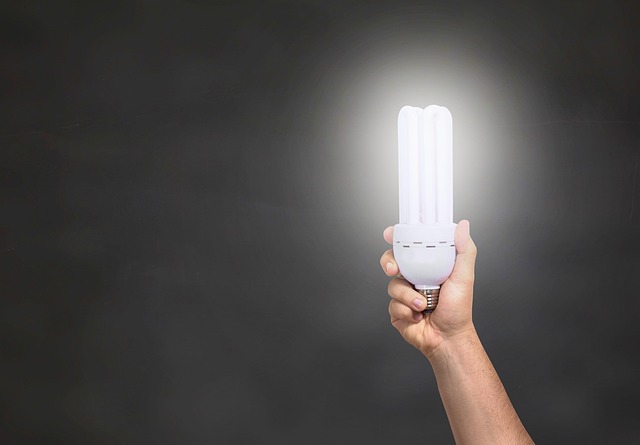
Exposure to bright overhead lighting in the evening suppresses the release of melatonin just as effectively as screen light does. The brain interprets bright white or cool-toned lighting as a signal that it is still daytime and delays the preparation for sleep accordingly. Dimming the lights in the home after sunset is one of the most accessible and well-supported sleep hygiene recommendations available. Warm amber-toned bulbs or lamps placed lower in the room create an environment that aligns with the body’s natural circadian rhythm. This simple environmental shift can meaningfully advance the onset of sleepiness at an appropriate hour.
Vigorous Debates

Engaging in strongly opinionated debates or discussions about divisive topics activates the argumentative and analytical regions of the brain. Even when these conversations occur in a friendly context they create a level of mental engagement that is difficult to release quickly. The emotional investment involved in debating tends to replay in the mind during the quiet transition toward sleep. This intrusive thinking delays sleep onset and can contribute to a more restless night overall. Reserving complex or contentious discussions for earlier in the day creates space for genuine mental winding down.
Smoking

Nicotine is a stimulant that raises heart rate and increases alertness regardless of the hour it is consumed. Smoking close to bedtime introduces nicotine into the bloodstream at precisely the moment the body is trying to reduce its arousal levels. Research consistently shows that smokers take longer to fall asleep and spend less time in deep sleep stages than non-smokers. Nicotine withdrawal can also cause brief arousals during the night that disrupt sleep continuity even when the smoker is unaware of waking. The period before bed is among the most impactful times to avoid nicotine use for anyone working toward better sleep.
Thriller Content

Watching thriller films or television series with tense and unpredictable narratives keeps the threat-detection system of the brain highly engaged. Suspenseful content triggers the same physiological stress responses as real-world threats including elevated cortisol and a faster heart rate. The mind often continues processing unresolved narrative tension after the content has ended making relaxation difficult to achieve. Horror and crime content in particular have been linked to increased nighttime wakefulness and more vivid or disturbing dreams. Choosing calm and undemanding entertainment in the evening hours leads to a notably smoother transition into sleep.
Overhydrating

Drinking large quantities of water or other fluids immediately before bed increases the likelihood of waking during the night to use the bathroom. These interruptions fragment sleep and make it harder to re-enter deep sleep stages after returning to bed. Even one or two nighttime wakings can meaningfully reduce the restorative quality of sleep over time. The ideal approach is to maintain consistent hydration throughout the day so that fluid needs in the evening are minimal. Tapering fluid intake in the two hours before bed is a straightforward way to reduce nighttime disruptions.
Overthinking Tomorrow

Mentally rehearsing the following day’s schedule or obligations in the period before sleep activates the planning and problem-solving circuits of the brain. This is a very common habit but it is also one of the most significant contributors to sleep-onset insomnia. The brain in this activated state produces thoughts that generate anxiety about what could go wrong or what might be forgotten. Keeping a notepad beside the bed to briefly write down tomorrow’s priorities is a technique widely recommended by sleep specialists as a way to offload these thoughts. Once they are written down the brain can more readily release the need to hold onto them.
Social Media

Beyond the blue light issue social media platforms are specifically designed to create ongoing engagement and emotional responses. Reading comments reading posts and watching short videos keeps the reward and comparison centers of the brain highly stimulated. Negative social comparisons that occur during late-night scrolling are associated with increased anxiety and reduced feelings of wellbeing. The endless scroll format means there is no natural stopping point which makes it particularly easy to lose significant time that should be reserved for winding down. Placing a phone in another room entirely is the most effective way to remove this barrier to good sleep.
Cold Environments

While a slightly cool bedroom does support better sleep an environment that is genuinely cold can make it difficult for the body to reach the comfortable temperature needed to fall and stay asleep. Shivering or persistent physical discomfort from cold keeps the body in a low-level alert state rather than the deeply relaxed state needed for quality rest. The ideal sleep temperature for most adults falls between 16 and 19 degrees Celsius according to sleep research. Layers of breathable bedding are generally more effective than a single heavy cover for maintaining consistent warmth throughout the night. Addressing cold sleeping environments is one of the more straightforward physical adjustments available for improving sleep quality.
Late Gaming

Video gaming before bed combines multiple sleep-disrupting elements including screen light cognitive stimulation and emotional activation from competitive or narrative-driven gameplay. The problem-solving and reaction demands of gaming keep the prefrontal cortex highly active at precisely the time it needs to transition into a quieter state. Competitive online gaming in particular introduces social pressure and frustration responses that elevate stress hormones. Studies have found that adolescents and adults who game in the hour before bed report significantly delayed sleep onset times. Finishing gaming sessions at least ninety minutes before the intended sleep time gives the brain adequate time to decelerate.
Stressful Conversations

Discussing stressful topics whether financial worries relationship concerns or health anxieties in the period before bed introduces high levels of emotional arousal at the worst possible time. The brain processes emotionally significant conversations with particular intensity and this processing continues well into the sleep period. People who have stressful conversations before bed are more likely to experience disrupted sleep and wake up feeling as though they have not fully rested. There is also evidence that unresolved emotional content before sleep can intensify negative dream content. Creating a household norm around keeping heavy conversations to earlier parts of the day protects the bedtime environment for both partners and individuals alike.
Irregular Schedules

Going to bed at widely varying times each night destabilizes the circadian rhythm which is the internal biological clock that regulates sleep and wakefulness. The body thrives on predictability and begins preparing for sleep through hormonal shifts that occur at consistent times each day. When bedtime shifts by several hours from one night to the next these preparatory processes are disrupted and falling asleep becomes harder. This pattern is sometimes referred to as social jet lag and it carries many of the same effects as crossing time zones repeatedly. Setting a consistent bedtime and maintaining it even on weekends is one of the highest-impact changes available for improving overall sleep quality.
Midnight Snacking

Eating anything substantial in the final hour before bed diverts biological resources toward digestion during a time they would otherwise support sleep and cellular repair. The gut operates on its own circadian rhythm and late-night eating sends conflicting signals that can disrupt this cycle over time. Chronic late-night eating has been associated with poorer sleep quality as well as metabolic disruption and weight management challenges. Even snacks perceived as light such as crackers or toast contribute meaningfully to digestive activity at an hour when the system benefits most from rest. If genuine hunger is present before bed a very small protein-focused snack is the least disruptive option available.
Loud Music

Listening to music with fast tempos high volumes or intense emotional content before bed activates the auditory and emotional processing centers of the brain in ways that are counterproductive to sleep preparation. The body’s heart rate and breathing can unconsciously synchronize with fast-paced music which works directly against the slowing-down process needed for sleep onset. Lyrics in particular engage the language processing areas of the brain which tend to remain active after the music stops. If music is part of a bedtime routine slow instrumental compositions with tempos below sixty beats per minute are considered the most sleep-compatible choices. Silence or very gentle ambient sound tends to be the most universally effective auditory environment for quality sleep.
Negative Self-Talk

Ending the day with a mental review focused on personal failures disappointments or self-critical thoughts activates stress pathways in the brain and elevates emotional arousal. This habit is common but it consistently prolongs sleep onset and is associated with higher rates of anxiety and depression over time. The brain gives particular weight to emotionally negative content which makes these thoughts especially persistent once they begin before sleep. Psychologists recommend replacing this pattern with a brief and genuine gratitude reflection which has measurable effects on mood and sleep quality. Even noting three small positive observations from the day creates a meaningfully different neurological environment in which to close out the evening.
What habits are you working on changing before bed? Share your experience in the comments.