Maintaining optimal ear health requires understanding the delicate nature of the auditory system and avoiding common harmful habits. Many everyday hygiene routines actually cause unintended damage to the sensitive structures deep within the ear canal. Medical professionals consistently warn against certain widely accepted practices that compromise hearing and increase the risk of serious infections. Learning about these specific actions can prevent irreversible damage and preserve natural ear function for decades. This guide explores fifteen specific things people often do to their ears that require immediate behavioral changes.
Cotton Swabs
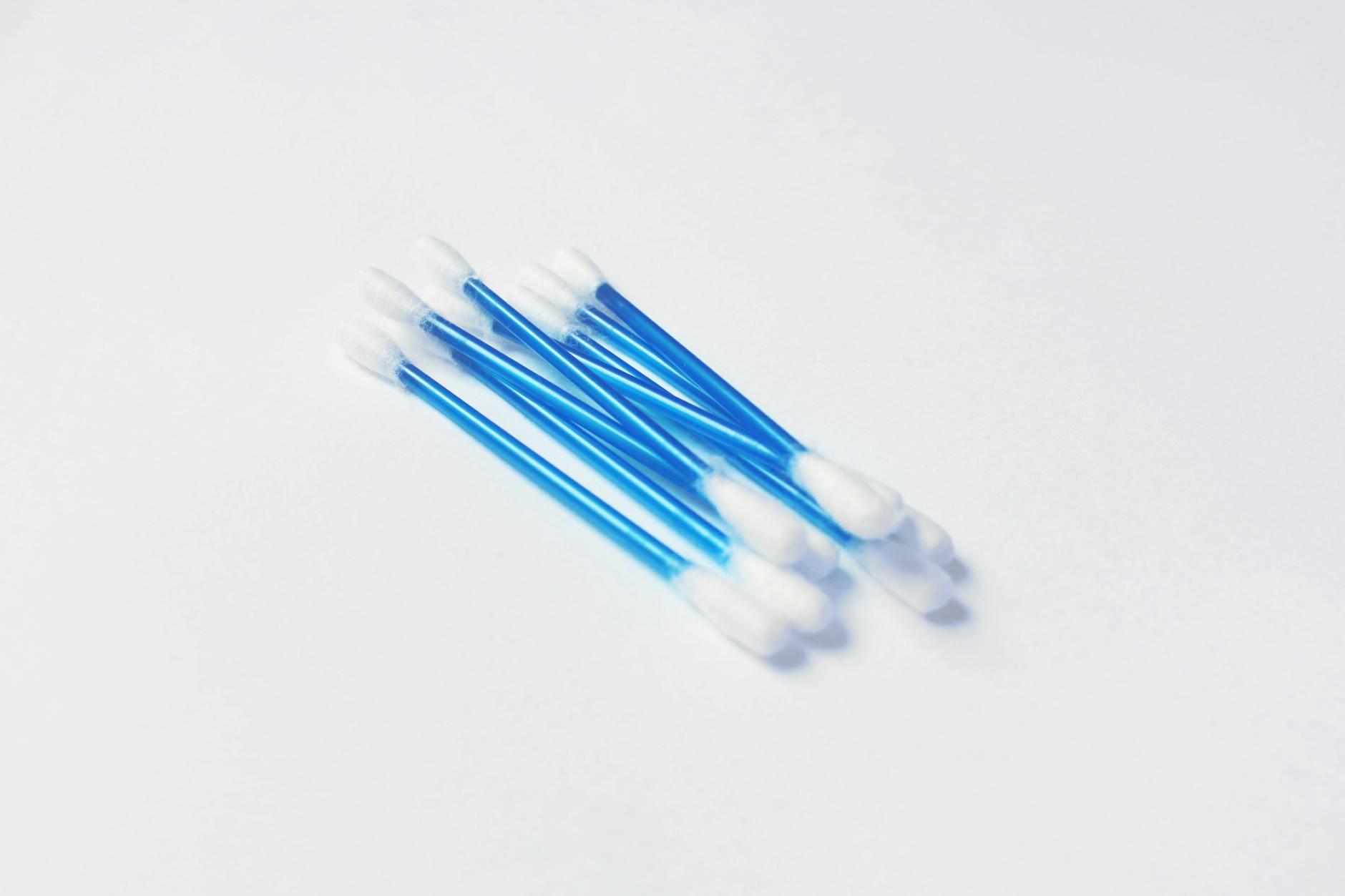
Using small cotton applicators to clean the ear canal pushes wax deeper against the eardrum and creates painful blockages. The delicate skin lining the inner ear easily tears when scraped by these tightly wound tips. Such microabrasions introduce dangerous bacteria into the ear canal and often lead to severe outer ear infections. Medical experts emphasize that ears are completely self cleaning and naturally expel excess wax without any external assistance. The only safe way to use these products is on the external folds of the ear structure itself.
Ear Candling
This popular alternative therapy involves placing a lit hollow candle into the ear canal to draw out impurities. The practice presents severe burn risks to the face and the extremely sensitive eardrum. Melted wax frequently drips backward down the candle and creates permanent blockages deep inside the ear cavity. Clinical studies consistently prove that this method completely fails to create any vacuum effect or remove impacted wax. Doctors strongly advise against spending the average 30 dollars on these dangerous kits and recommend clinical extraction instead.
Maximum Volume Listening
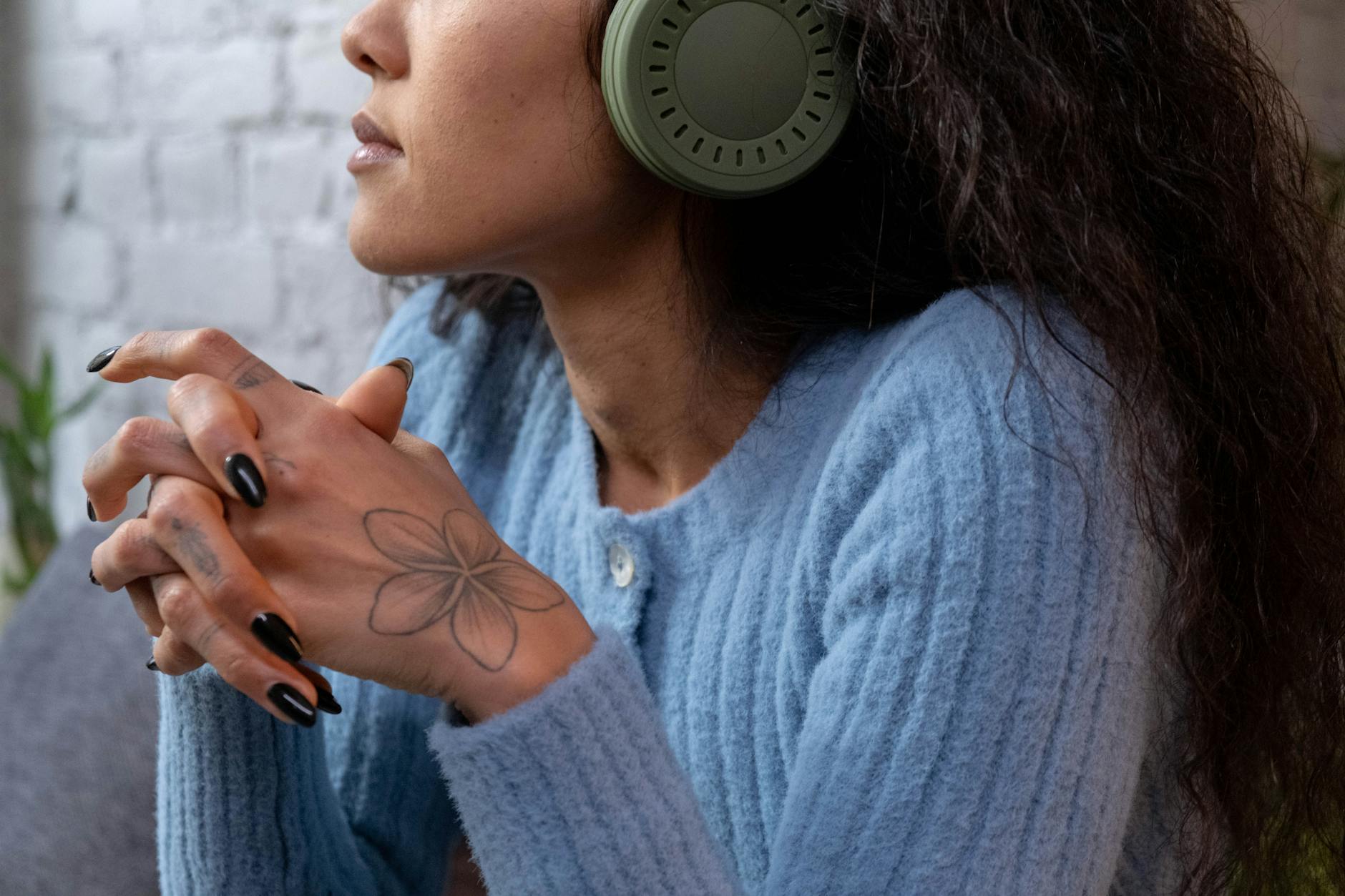
Listening to music at maximum volume through headphones exposes delicate inner ear hairs to devastating acoustic trauma. Sound levels exceeding 85 decibels for prolonged periods cause these vital sensory cells to permanently die off. Modern smartphones often output sound up to 110 decibels which damages the inner ear in less than five minutes. Audiologists recommend the standard rule of keeping the volume at 60 percent for no more than 60 minutes daily. Investing in quality noise canceling headphones helps listeners enjoy audio at safe volumes in loud environments.
Bobby Pins
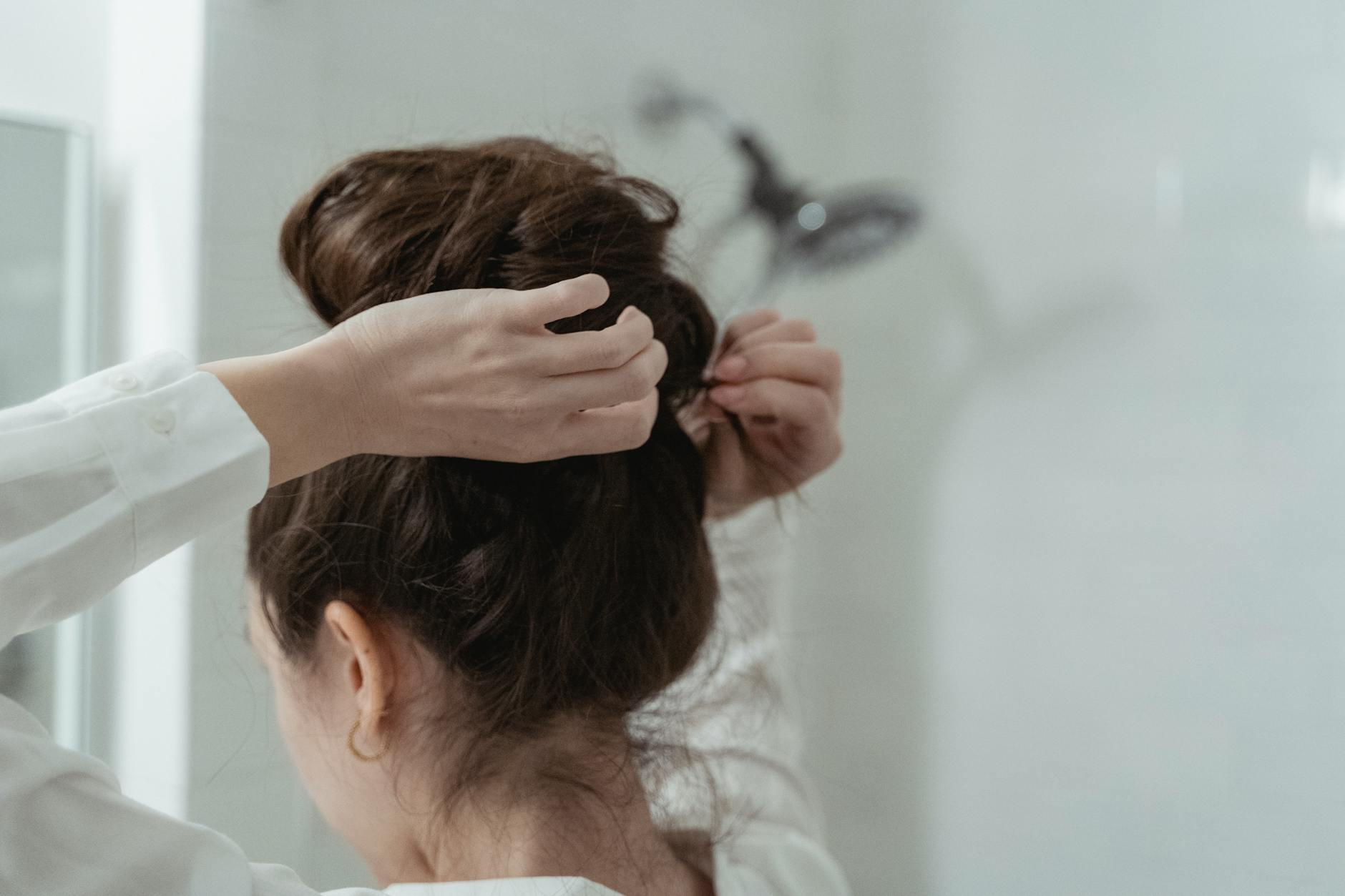
People frequently reach for small hair accessories to scratch sudden itches deep inside their ear canals. The rigid metal prongs easily puncture the tympanic membrane with just a tiny amount of unexpected pressure. An eardrum perforation requires painful surgery to repair and sometimes leads to permanent hearing loss. The metal surface also harbors millions of microscopic bacteria that transfer directly into the warm ear canal environment. Individuals experiencing persistent itching should consult a physician for medicated drops rather than inserting sharp foreign objects.
Piercing Guns

Getting cartilage piercings at standard mall kiosks utilizing spring loaded mechanical guns causes immense tissue trauma. The intense blunt force shatters the rigid ear cartilage and creates noticeable deformities known as cauliflower ear. These reusable devices cannot undergo proper autoclave sterilization which dramatically increases the transmission risk of bloodborne pathogens. Professional body piercers use single use hollow needles that cleanly remove a small crescent of tissue for safer healing. A proper needle piercing might cost around 50 dollars but saves patients hundreds in medical bills for cartilage infections.
Unwashed Earbuds
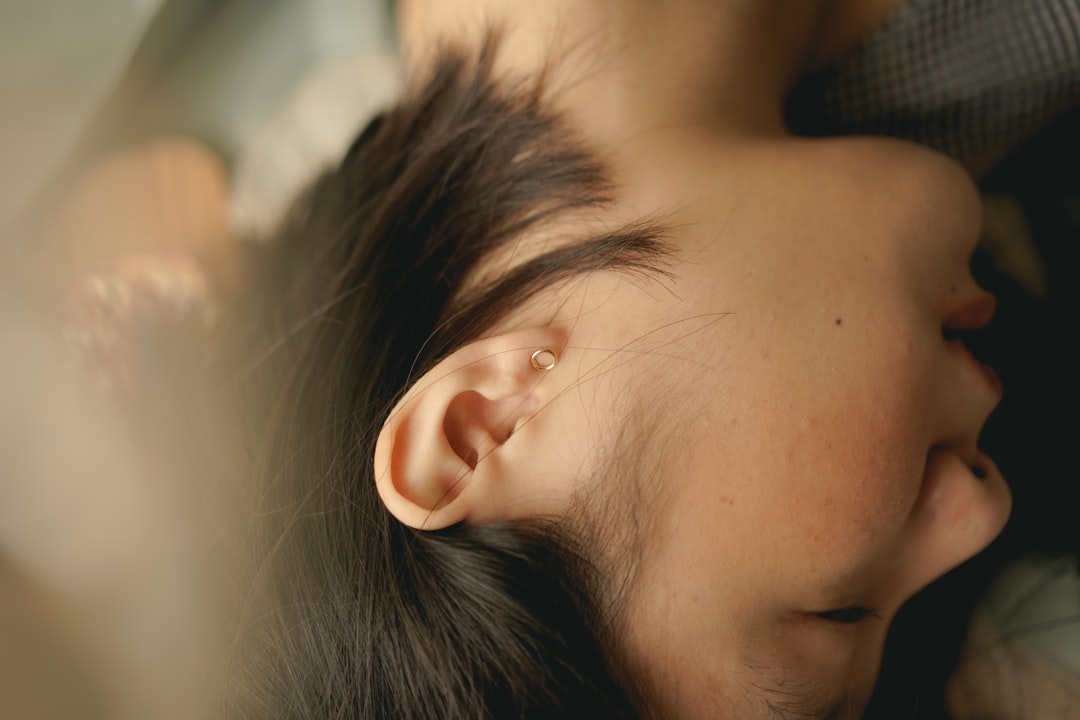
Wearing uncleaned silicone or foam earbuds introduces massive colonies of bacteria right into the dark ear canal. Sweat and dead skin cells accumulate on the speaker mesh every time these devices sit inside the ear. The warm environment creates a perfect incubator for fungal infections that cause intense pain and thick discharge. Wiping the earpieces with a simple alcohol prep pad completely eliminates this common hygienic hazard. Establishing a daily cleaning routine prevents painful otitis externa and extends the operational lifespan of expensive audio equipment.
Hydrogen Peroxide Overuse
Pouring concentrated chemical solutions directly into the ear removes vital protective oils from the delicate skin barrier. The harsh bubbling action severely irritates the ear canal and leaves the tissue extremely vulnerable to fungal overgrowth. While doctors sometimes use diluted versions for severe wax impaction it remains dangerous for daily home maintenance. The constant removal of natural wax actually signals the body to overproduce sticky secretions to compensate. Warm water rinsing during a regular shower safely washes away loose debris without stripping essential moisture.
Sleeping With Earplugs

Wearing dense foam plugs every single night traps moisture inside the ear cavity for eight straight hours. This chronic lack of airflow creates an ideal breeding ground for harmful bacterial and yeast populations. The constant physical pressure against the ear canal walls also restricts normal blood circulation and causes severe tenderness. Pushing the foam deep into the cavity packs dead skin cells tightly against the eardrum over time. People struggling with loud nocturnal noises should consider white noise machines positioned a few feet from the bed instead.
Ignoring Ear Infections

Leaving a persistent earache untreated allows aggressive bacterial infections to spread into the surrounding skull bones. The resulting mastoiditis requires intravenous antibiotics and lengthy hospital stays to prevent life threatening complications. Unchecked fluid buildup behind the eardrum causes the membrane to burst and creates severe scar tissue. Any dull throbbing pain lasting longer than 48 hours requires immediate professional medical evaluation and prescription drops. Early intervention absolutely prevents the permanent structural damage that leads to irreversible conductive hearing loss later in life.
Syringing At Home
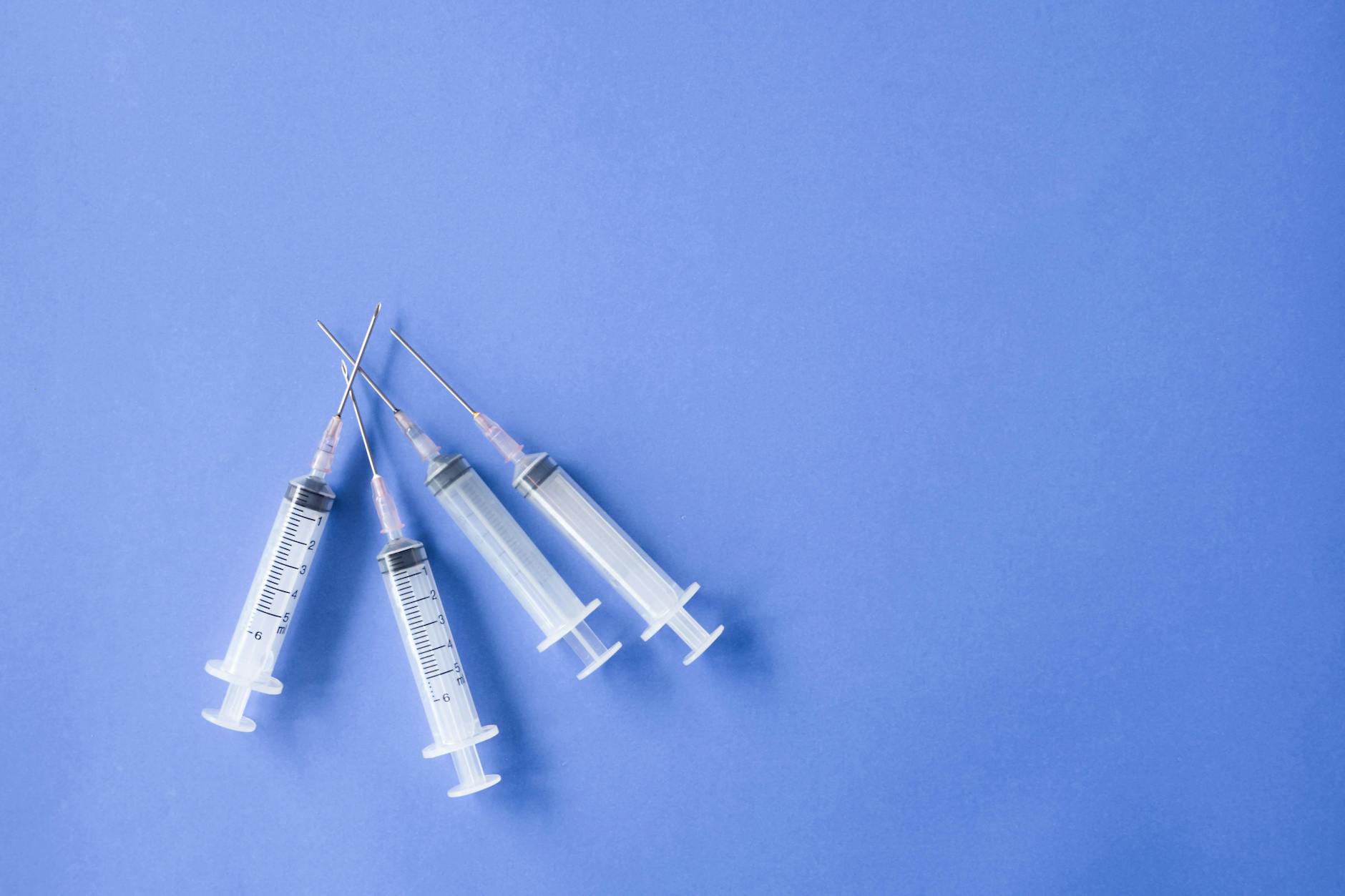
Using large plastic syringes from the pharmacy to forcefully flush the ears pushes water past the protective barrier. The immense hydraulic pressure easily ruptures the thin tympanic membrane when users squeeze the plunger too aggressively. Trapped tap water introduces strange amoebas and bacteria into the middle ear cavity behind the impacted wax. Clinical irrigation utilizes specially calibrated machines that gently swirl warm water around the blockage at safe pressures. Patients should leave this specific procedure to trained nurses equipped with proper otoscopes and specialized extraction tools.
Undiluted Essential Oils
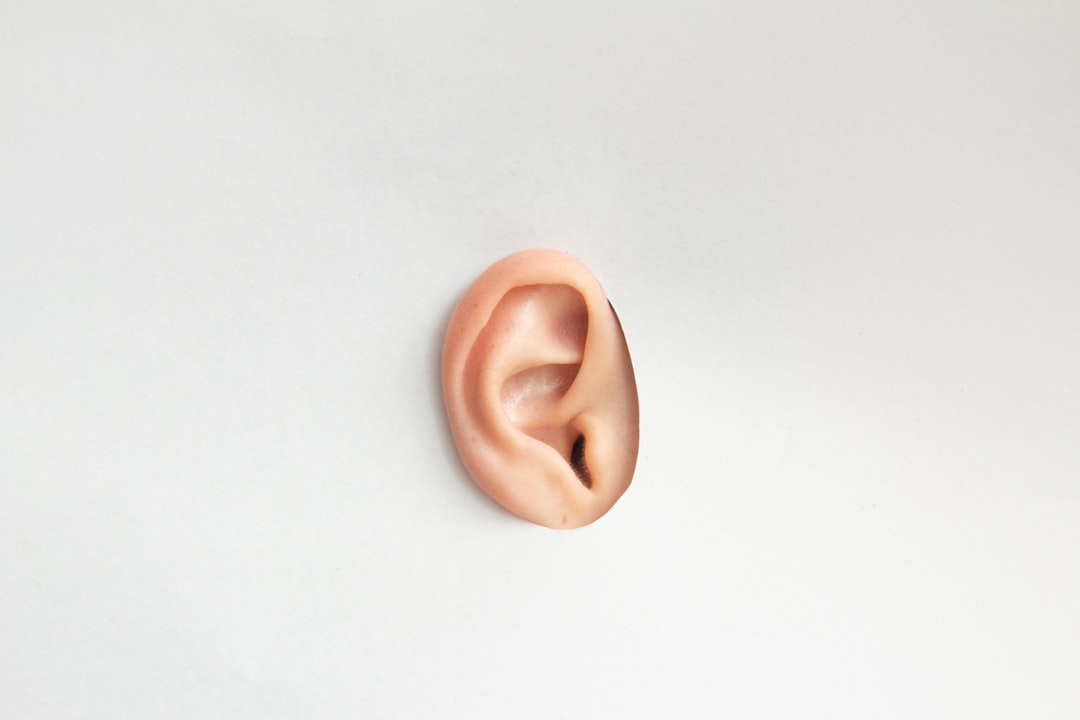
Dropping pure plant extracts directly into the ear canal causes immediate chemical burns on the sensitive epithelial lining. Ingredients like tea tree or oregano oil are incredibly caustic when applied without a proper carrier oil. The intense irritation triggers massive swelling that completely swells the ear canal shut within a few hours. Dermatologists frequently treat severe contact dermatitis resulting from these misguided holistic remedies meant to cure simple earaches. Medical grade olive oil drops remain the only safe alternative for softening stubborn wax prior to clinical removal.
Swimming Without Protection

Diving into public pools or natural lakes exposes the ears to harsh chemicals and aggressive aquatic pathogens. This common condition develops when contaminated water sits trapped in the canal and breaks down protective barriers. Custom molded silicone swimming plugs completely seal the opening and keep the interior environment completely dry during aquatic activities. Drying the outer ear gently with a clean towel immediately after swimming removes residual moisture from the external folds. Enthusiastic swimmers should never ignore the early warning signs of itching and redness after spending time in the water.
Ignoring Sudden Hearing Loss

Waking up with a sudden inability to hear in one ear represents an absolute neurological emergency requiring swift action. Many patients mistakenly assume they simply have a wax blockage and wait weeks before seeking professional help. Viral attacks on the auditory nerve require powerful steroid interventions within the first 72 hours to rescue remaining hearing. Delaying this critical treatment window significantly reduces the chances of ever recovering the lost sensory frequencies. An immediate trip to an audiologist for a comprehensive hearing test confirms the diagnosis and accelerates emergency medical protocols.
Sharing Earbuds
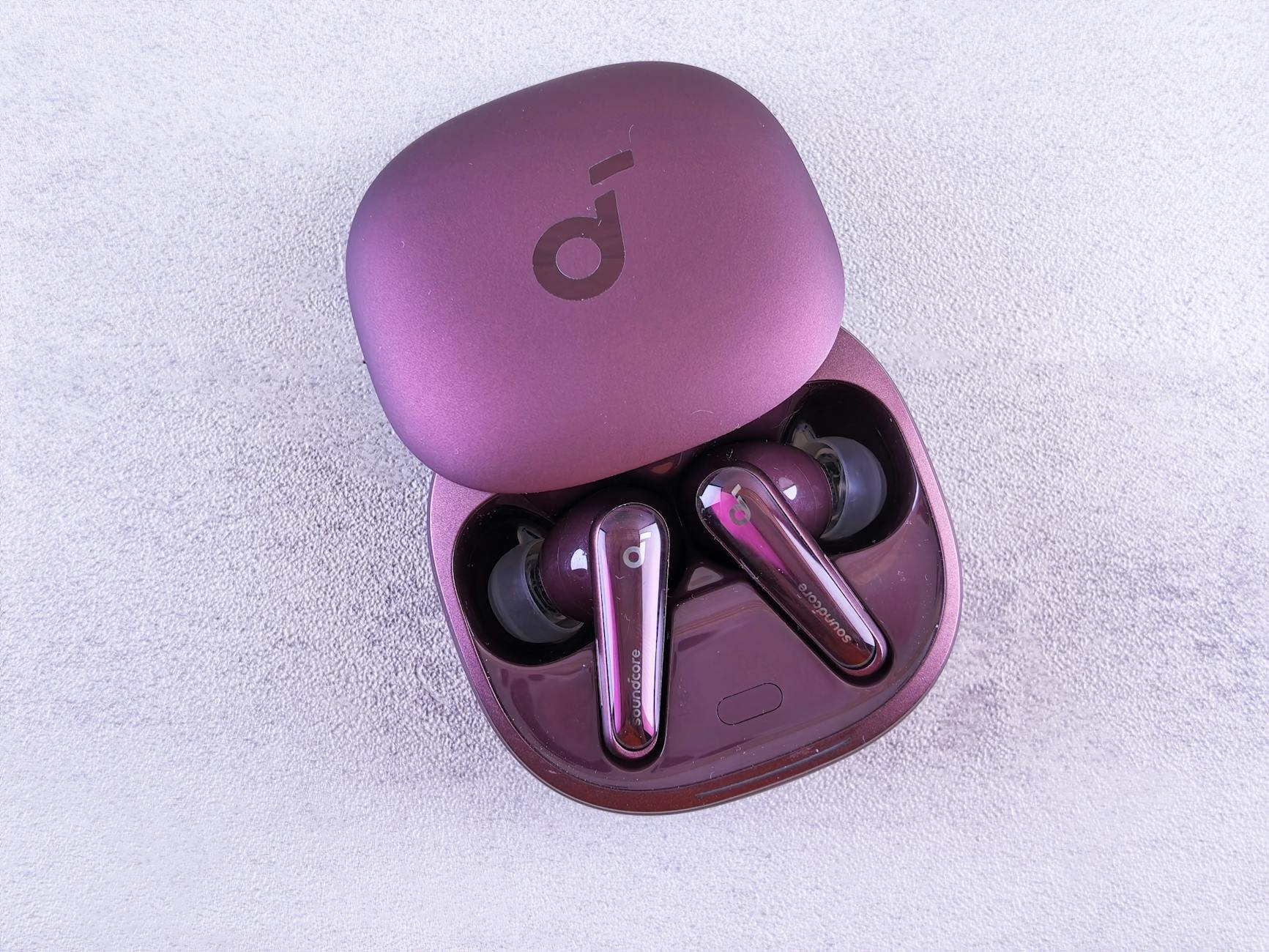
Borrowing wireless audio equipment from friends transfers distinct and unfamiliar bacterial strains directly into your ears. Every individual possesses a completely unique ear flora that exists in perfect harmony with their own immune system. Introducing foreign microbes disrupts this delicate balance and rapidly initiates painful outer ear infections. A recent study found that a single shared earbud transfers over one hundred thousand bacterial colonies in just ten minutes. Keeping your personal audio devices completely private serves as the best defense against easily preventable dermatological issues.
Cold Air Exposure

Walking outside in freezing winter temperatures without proper ear coverings triggers painful bone growths deep inside the ear. The body naturally attempts to protect the ear canal from cold winds by developing tiny bony lumps called exostoses. These irreversible growths trap water and wax inside the ear which leads to endless cycles of chronic infection. Wearing a warm fleece hat or thick earmuffs completely blocks the freezing wind and prevents this structural adaptation. Surgeons must utilize tiny drills to remove these bony obstructions if they eventually cause total deafness.
Please share your thoughts on these critical ear care habits and let us know which daily routines you plan to change in the comments.