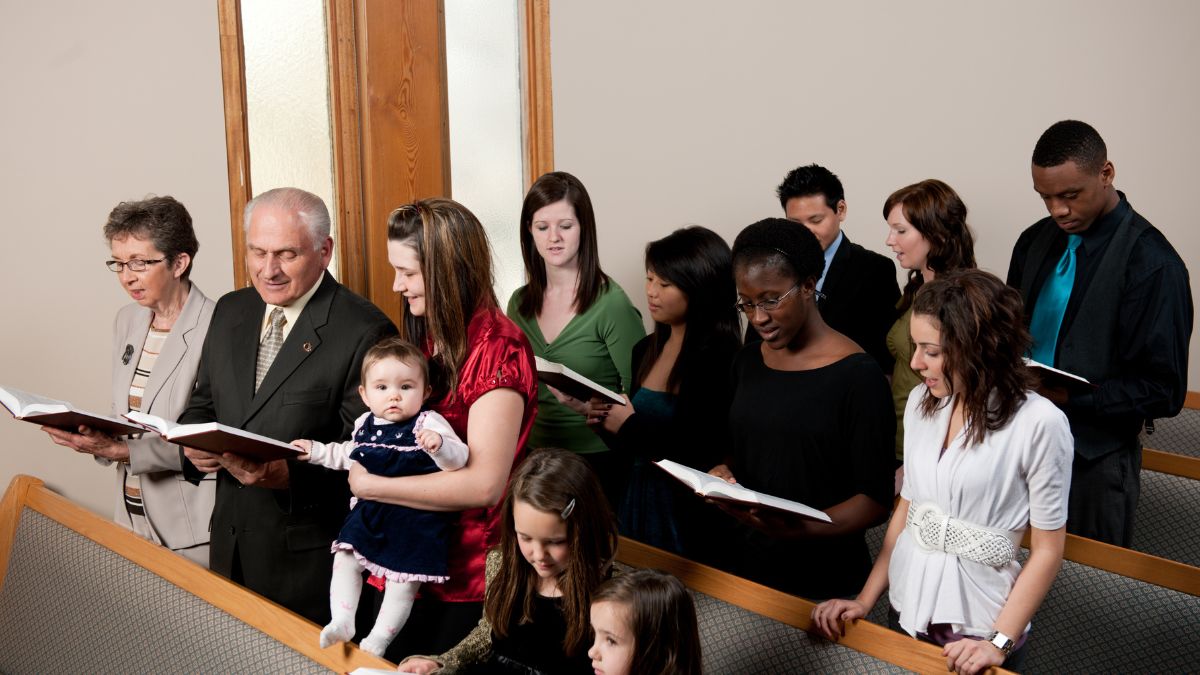
Attending a religious service is a meaningful experience that calls for thoughtfulness, awareness, and genuine respect for the space and the people within it. Whether visiting a familiar place of worship or stepping into one for the first time, certain behaviors can disrupt the atmosphere or cause unintended offense. Understanding what to avoid ensures that everyone present can engage in the experience with comfort and dignity. These are the key things to leave at the door before entering a house of worship.
Late Arrival
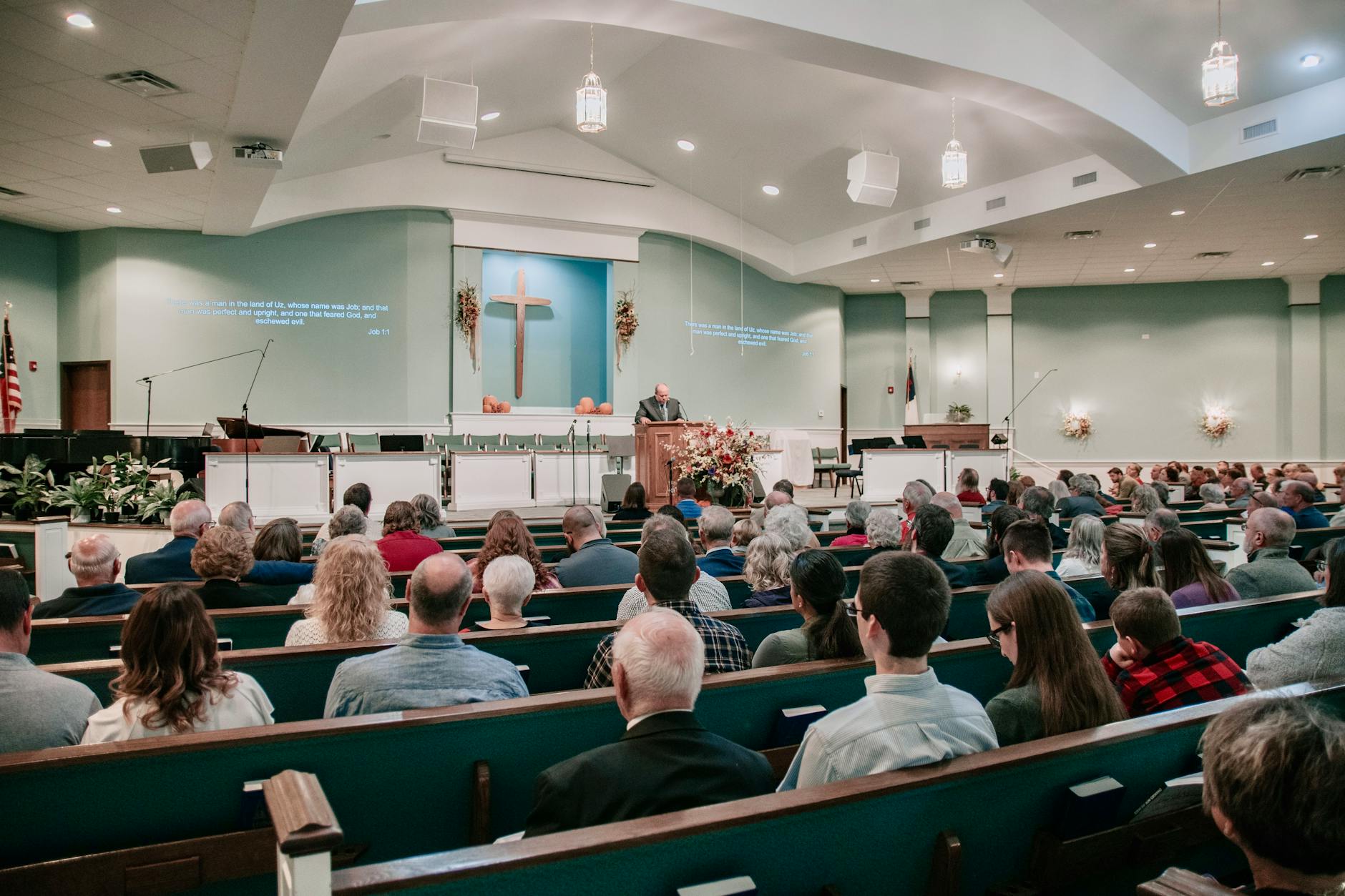
Arriving after a service has begun can be deeply disruptive to both the congregation and the officiants leading the ceremony. In many traditions, specific moments of prayer or ritual are considered sacred and require silence and full attention from those present. Walking in during these moments draws attention away from the proceedings and can be seen as a sign of disrespect. If punctuality is not possible, it is often better to wait outside until an appropriate pause allows for a quiet entrance. Checking the start time in advance and planning accordingly is always the considerate choice.
Phone Use

Using a mobile phone during a religious service is widely considered one of the most disrespectful behaviors a visitor can display. Notifications, ringtones, and screen brightness can interrupt prayers, sermons, and moments of communal reflection. Many places of worship have explicit policies asking attendees to silence or switch off their devices entirely before entering. Photography and video recording are also prohibited in many sacred spaces unless explicit permission has been granted. Silencing the phone before arrival rather than after sitting down is a simple but important gesture of respect.
Inappropriate Dress

Clothing choices communicate a great deal about a person’s intention and awareness when entering a place of worship. Many religious traditions have specific dress codes that reflect values of modesty, reverence, or cultural identity. Wearing revealing, casual, or provocative clothing to a religious service can signal a lack of preparation and sensitivity toward the community. Researching the dress expectations of a particular tradition before attending ensures that no offense is caused unintentionally. When in doubt, choosing more conservative attire is always the safer and more respectful option.
Loud Talking
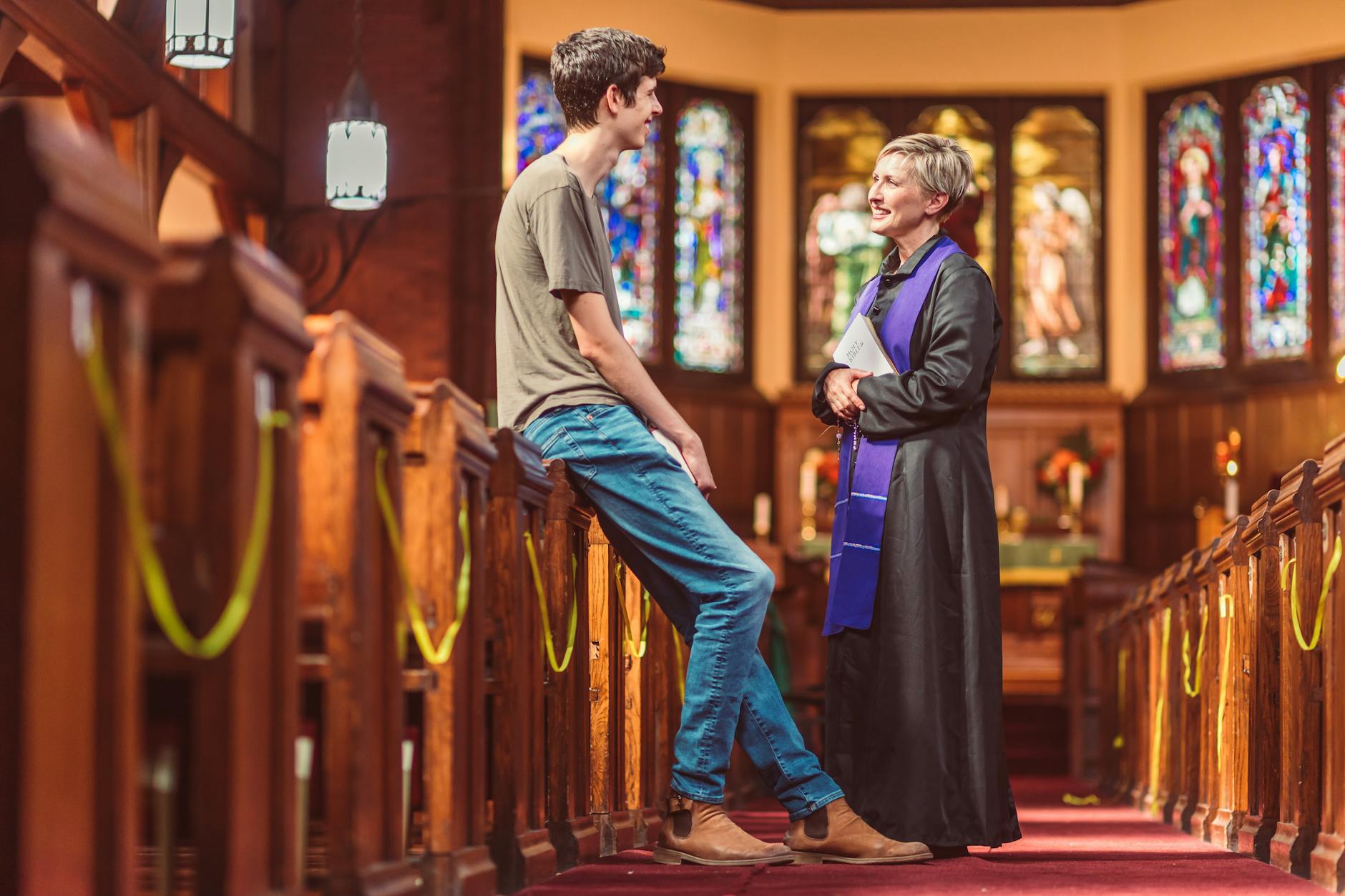
Engaging in casual conversation at normal volume inside a place of worship disrupts the atmosphere of quiet reflection that most religious settings cultivate. Even before a service officially begins, many attendees use that time for personal prayer or meditation. Whispering briefly when necessary is generally acceptable, but sustained conversation is not. In some traditions, complete silence is expected from the moment one enters the sacred space. Being mindful of voice levels shows awareness of the communal nature of worship and the varied needs of those present.
Uninvited Participation
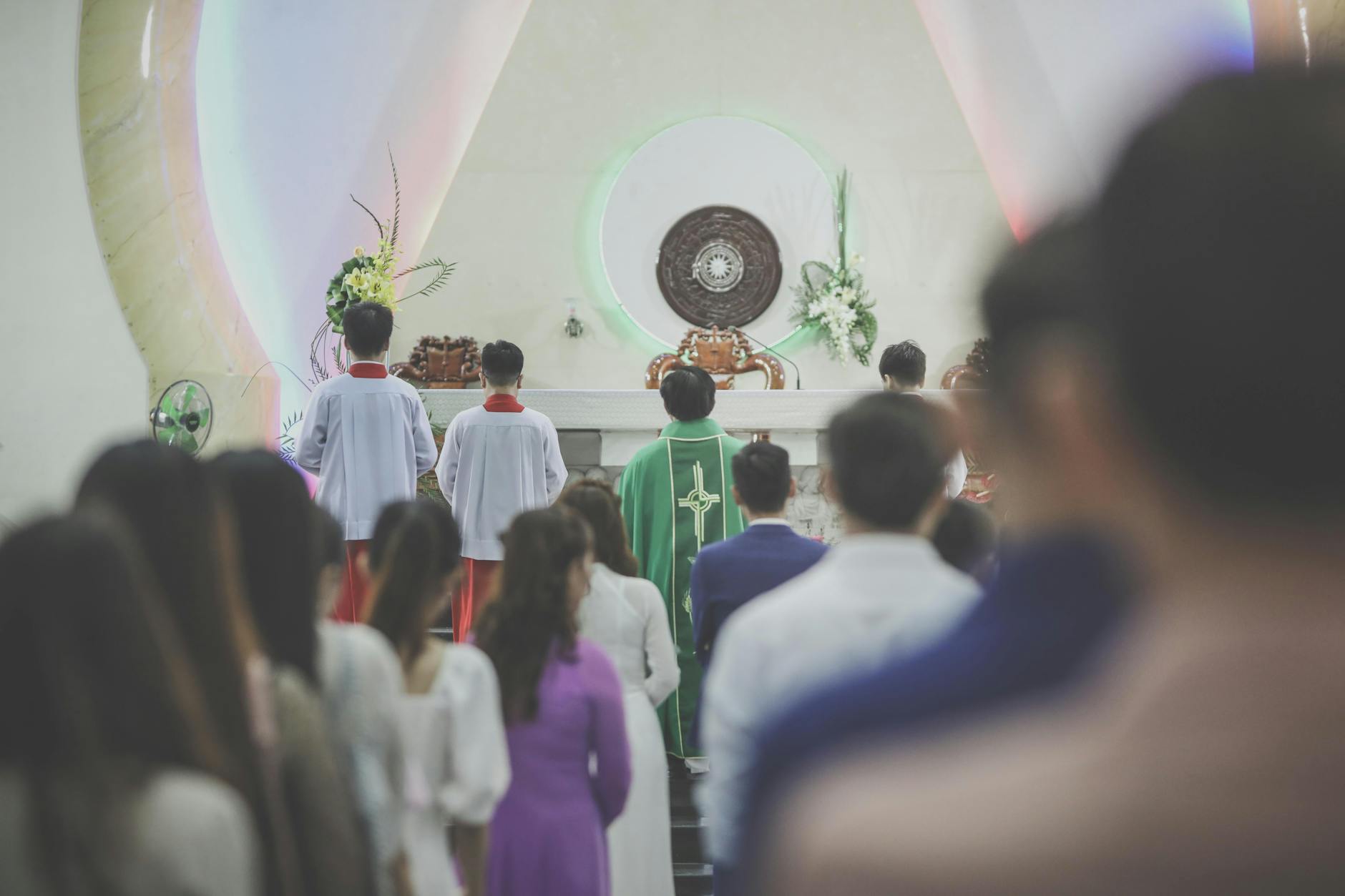
Joining in rituals, prayers, or ceremonial practices without understanding their meaning or without being invited to participate can cause confusion and offense. Many traditions have specific rites that are reserved for initiated members, confirmed believers, or those who have undergone particular religious preparation. Observing rather than participating is always appropriate for guests who are unfamiliar with the customs of a given faith. Following the lead of those around you is a useful guide when unsure about whether a specific action is open to all. Asking questions respectfully before or after the service is far preferable to guessing in the moment.
Eating and Drinking
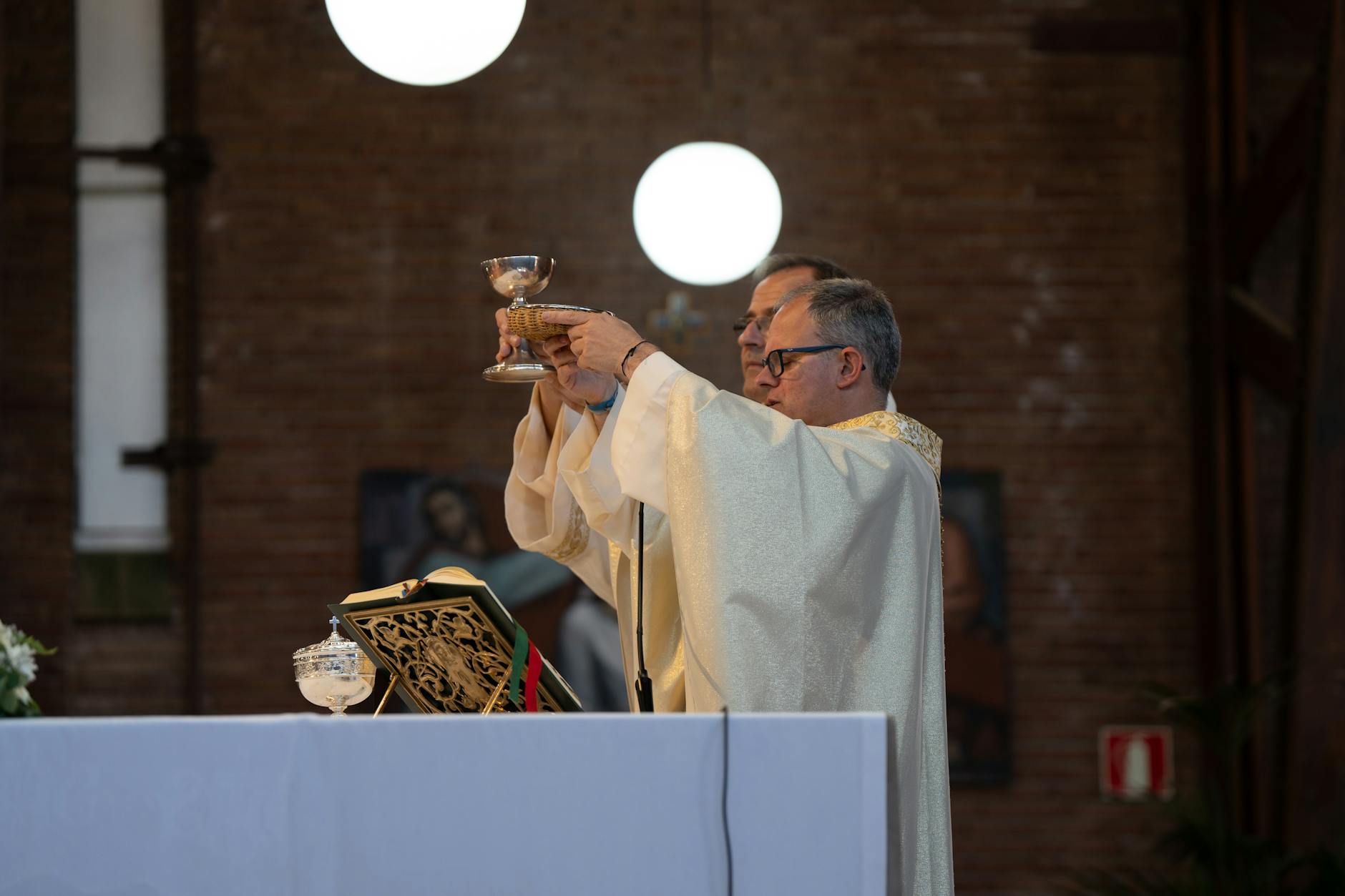
Bringing food or beverages into a worship space is considered inappropriate in the vast majority of religious traditions around the world. Many sacred spaces are treated as environments of spiritual focus where physical consumption is seen as a distraction or even a desecration. Some traditions do incorporate ritual food or drink as part of ceremonial practice, but these are always guided by officiants and not initiated by attendees. Chewing gum is also generally discouraged, as it projects an air of casualness that is at odds with the solemnity of the setting. Finishing any snacks or drinks before entering the building is a simple way to avoid this common misstep.
Disrespecting Symbols
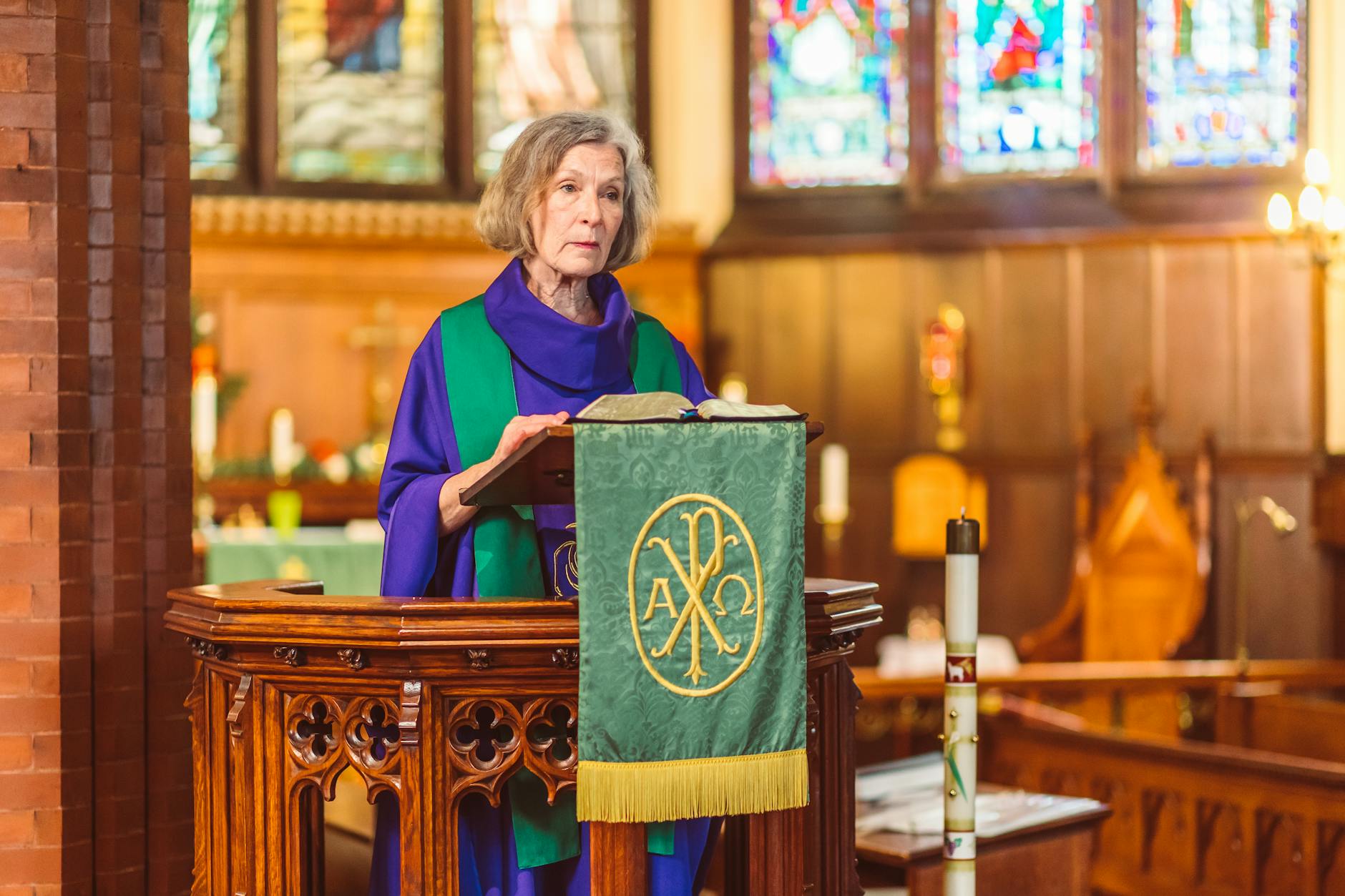
Religious symbols, altars, statues, texts, and sacred objects hold deep spiritual significance for the communities that honor them. Touching, moving, or handling these objects without permission is considered highly disrespectful and in some cases may be strictly forbidden by religious law. Taking photographs of sacred items without authorization is another common error made by well-meaning visitors who are simply unaware of the rules. Treating all items within a place of worship as untouchable unless explicitly told otherwise is the safest approach. Curiosity is natural, but it should always be expressed through questions rather than physical interaction.
Arguing or Debating
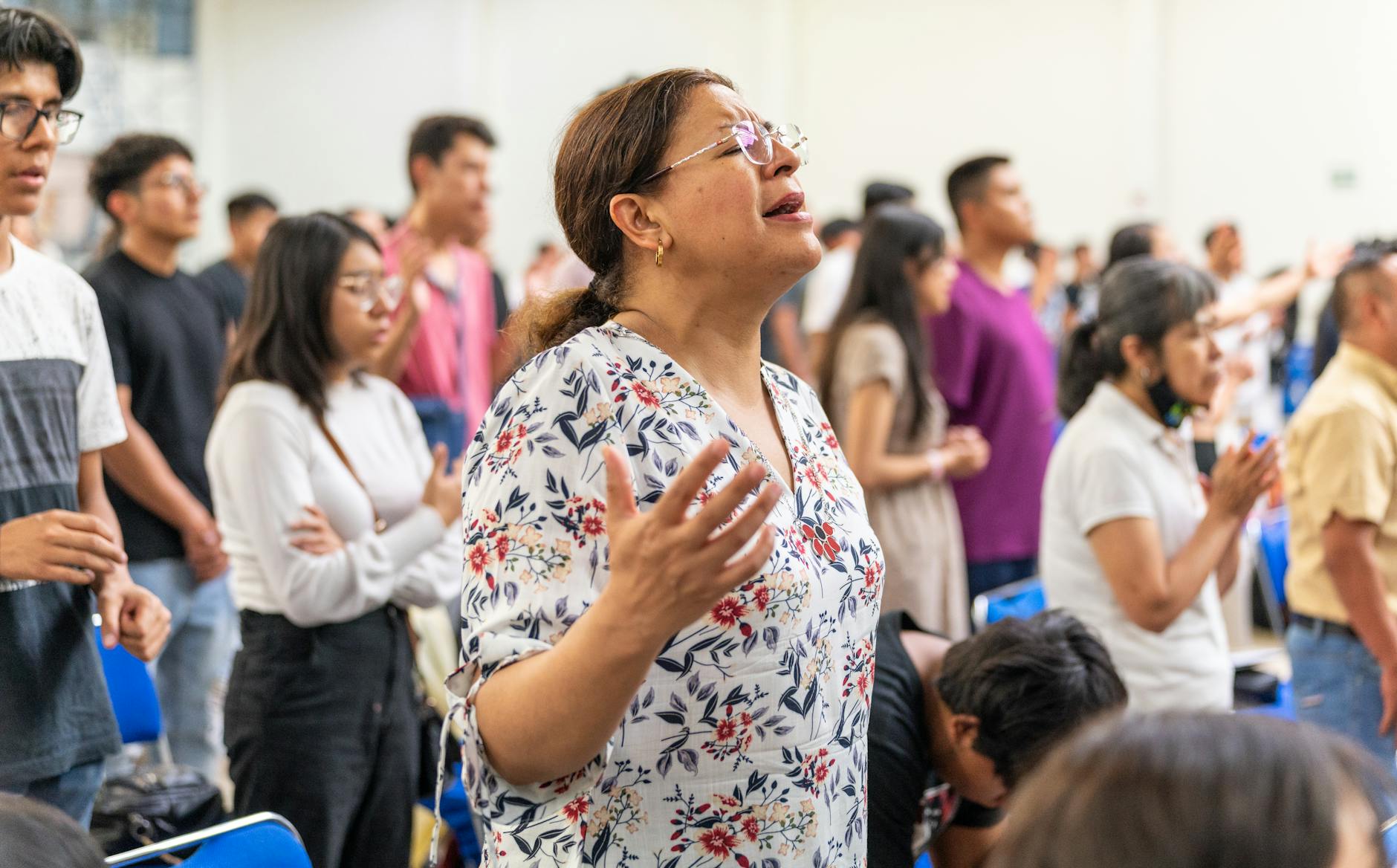
A religious service is not an appropriate setting for theological debate, personal disagreement, or the expression of skepticism about the beliefs being practiced. Many attendees are present for deeply personal reasons related to grief, celebration, spiritual need, or communal identity. Voicing dissenting opinions or engaging in debates about doctrine within the worship space is considered a serious breach of etiquette. Respectful curiosity and genuine questions are welcome in most traditions, but the appropriate time for those conversations is outside of the service itself. Treating the space as one deserving of intellectual as well as behavioral respect reflects maturity and cultural awareness.
Disruptive Children
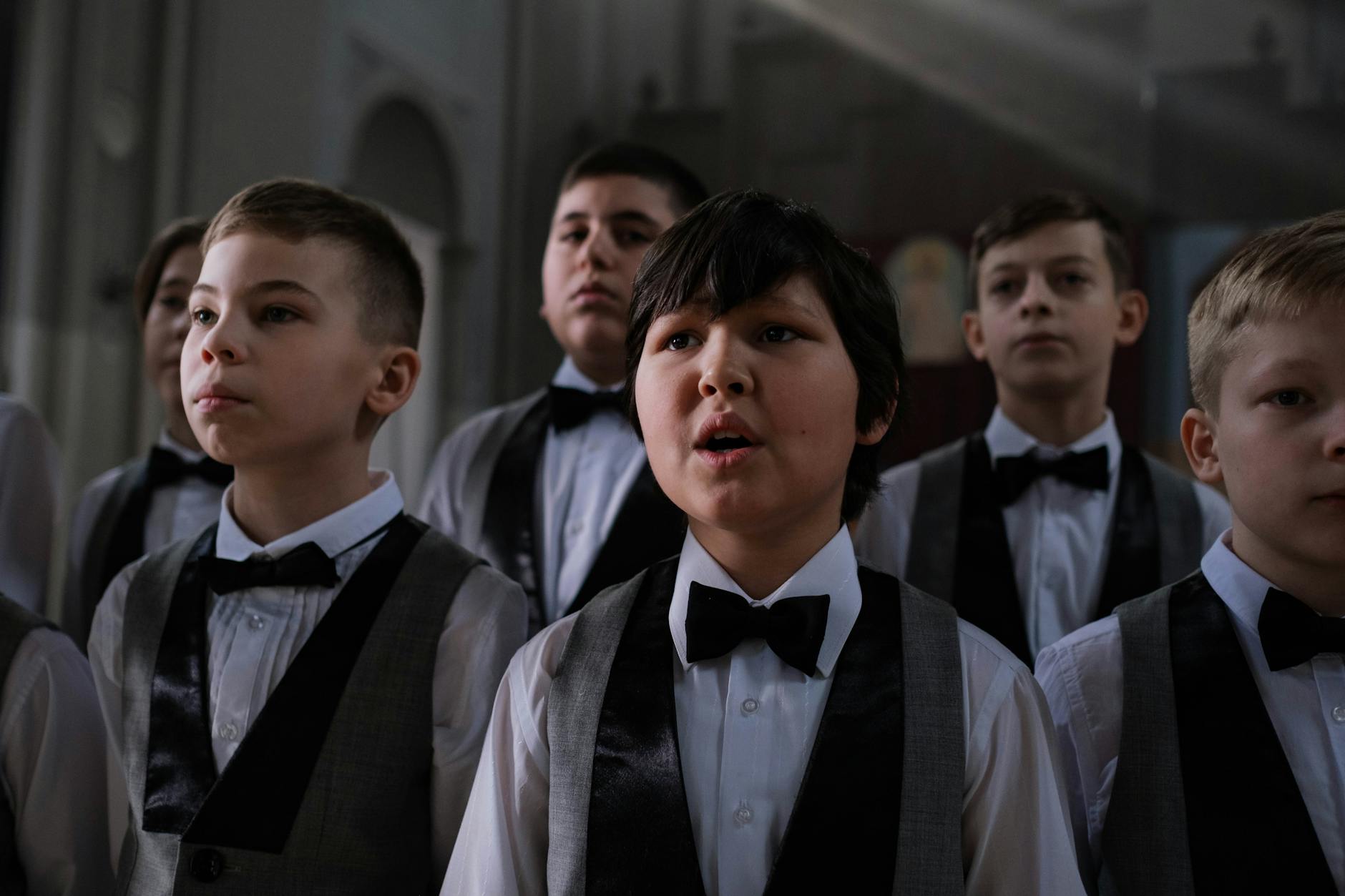
Bringing young children to a religious service is a beautiful and meaningful choice, but it comes with added responsibilities for the accompanying adult. Children who are not yet able to sit quietly for extended periods can create significant disruptions during moments of prayer, silence, or sacred ritual. Many places of worship offer dedicated family rooms, children’s programs, or quieter viewing areas that allow families to participate without disturbing others. Preparing children in advance by explaining what to expect and how to behave helps set them up for a respectful experience. Stepping outside briefly if a child becomes upset is always a considerate option that most congregations deeply appreciate.
Leaving Early
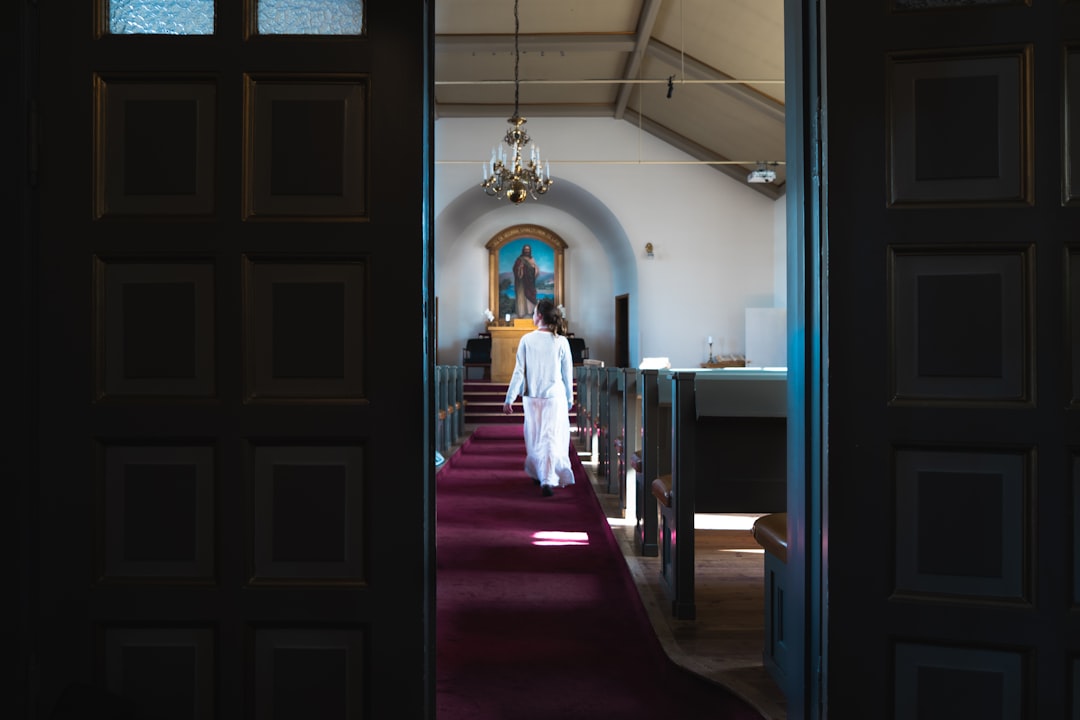
Departing before a religious service has officially concluded can be seen as disrespectful to the officiants, the congregation, and the tradition being honored. In many faiths, the closing prayers, blessings, or ceremonies are considered just as sacred as the opening rituals and carry specific spiritual significance. Leaving in the middle of a service can also create physical disruption as attendees shuffle past others who are still engaged in worship. If an early departure is unavoidable, sitting near the back or an aisle seat and leaving during a natural pause is the most considerate approach. Whenever possible, staying for the full duration of the service is the simplest way to show genuine respect for the experience.
Whether you practice a faith or are simply visiting out of curiosity or support, share your own experiences and tips for respectful attendance in the comments.