
Staying in an Airbnb comes with a unique set of unwritten rules that separate considerate guests from problematic ones. Hosts invest significant time and money into their spaces and trust strangers to treat their homes with care and respect. Guests who understand proper Airbnb etiquette consistently receive better reviews and enjoy smoother travel experiences. This guide covers twenty common mistakes that travelers make and exactly why avoiding them matters for everyone involved.
Extra Guests

Bringing additional people beyond the number listed in your booking is one of the most serious violations a guest can commit. Hosts set occupancy limits based on local regulations, safety codes and the wear capacity of their property. Insurance policies and rental agreements are often voided the moment unauthorized guests enter the space. Many properties now use noise monitors and occupancy sensors that alert hosts in real time.
Late Checkout
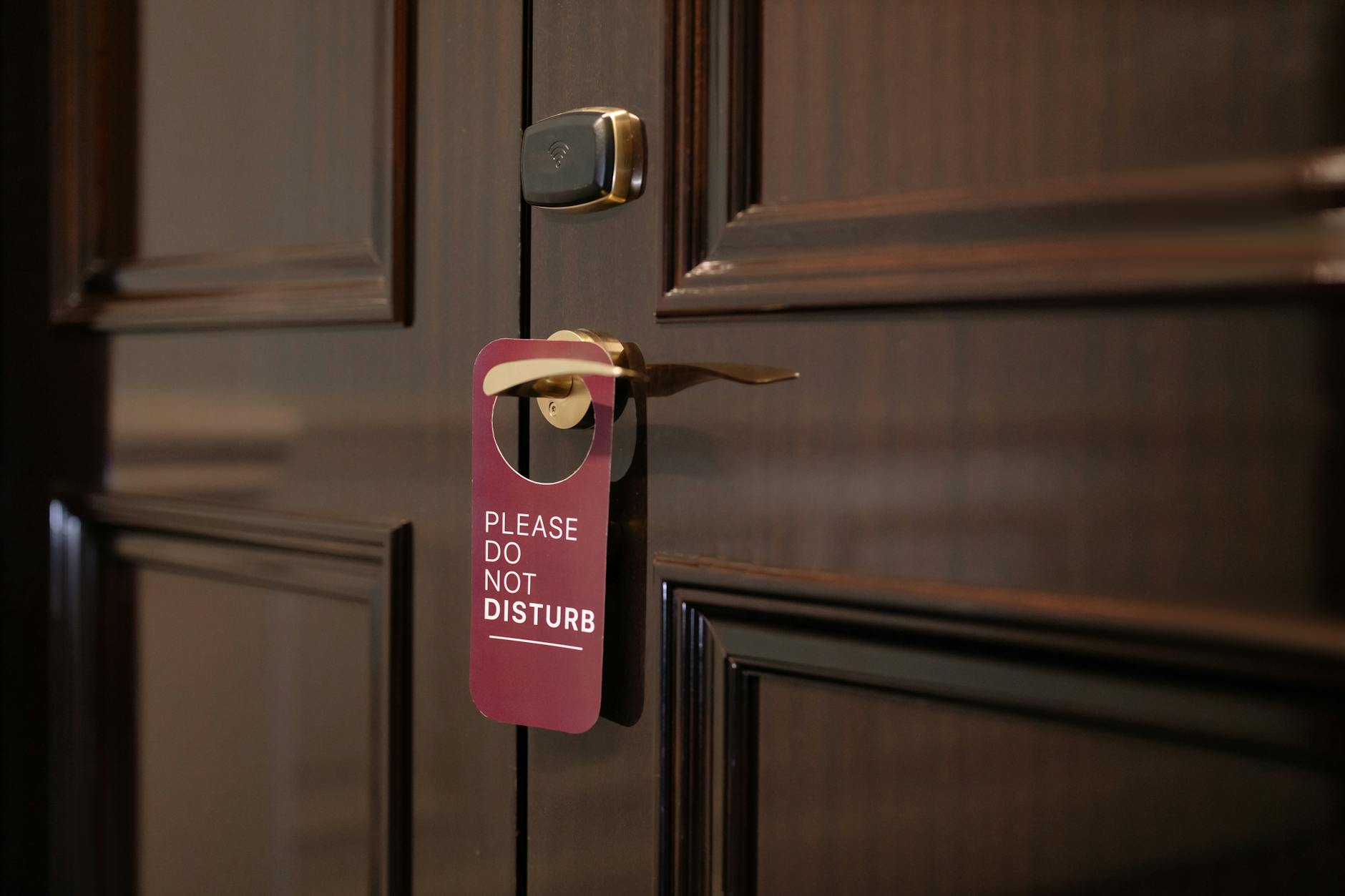
Ignoring the stated checkout time creates a stressful chain reaction for hosts who operate on tight turnaround schedules. Cleaning crews are booked in advance and a late departure can delay an incoming guest’s arrival and damage the host’s reputation. Most listings clearly display checkout times during the booking process and again in the welcome message. Communicating in advance if you need extra time gives the host a chance to accommodate the request properly.
Unreported Damage
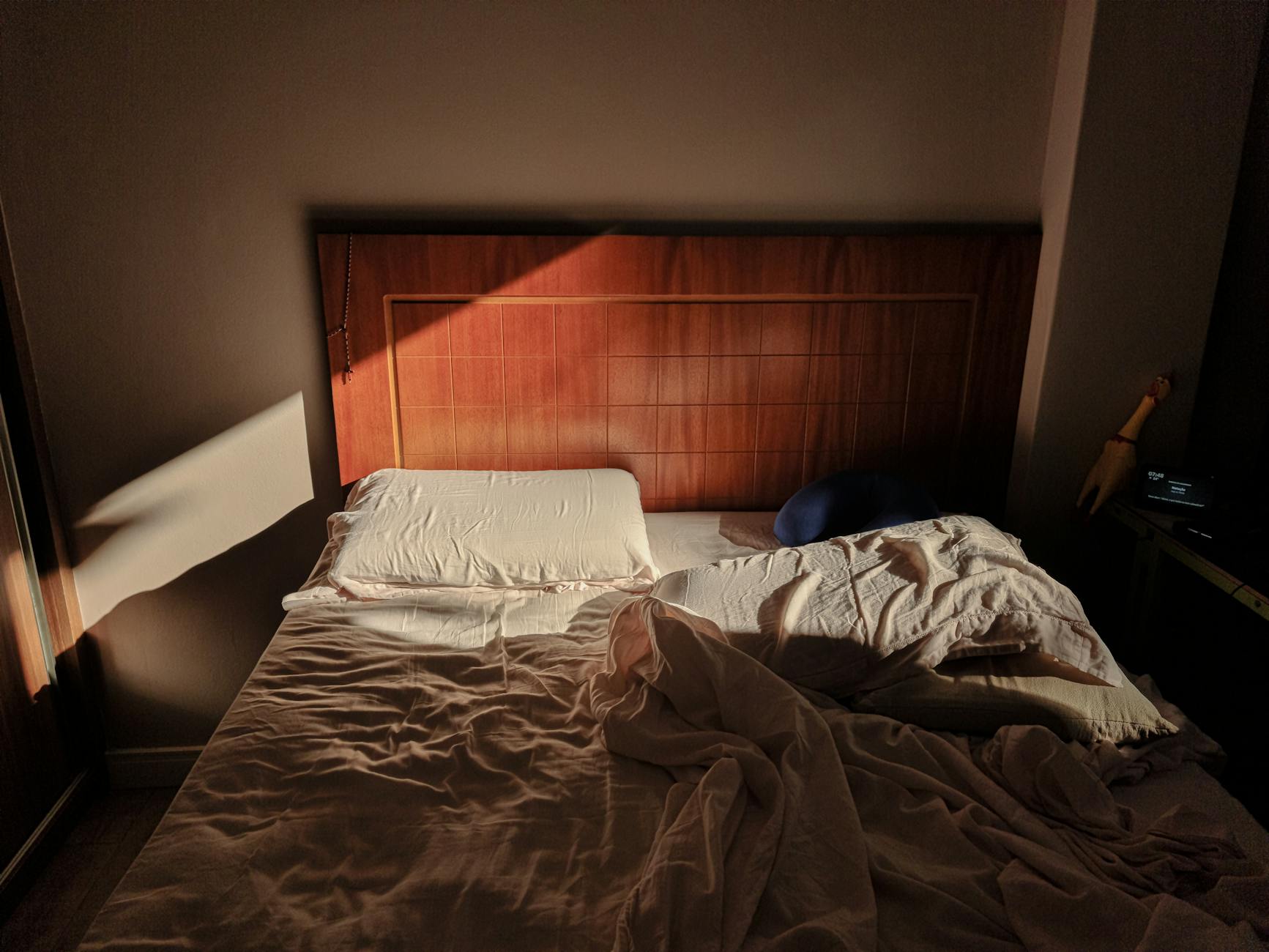
Accidentally breaking something and saying nothing about it is one of the fastest ways to receive a negative review and a damage claim. Hosts conduct thorough inspections between stays and will notice even minor issues like stained linens or cracked tiles. Reporting damage honestly and promptly almost always results in a far more understanding response from the host. The Airbnb resolution center exists specifically to handle these situations fairly for both parties.
Party Hosting

Throwing a party in a rented space violates Airbnb’s global anti-party policy introduced after years of property damage complaints. Even a small gathering that generates noise complaints can result in immediate removal from the platform. Hosts who allow events typically list their property specifically for that purpose and charge accordingly. Residential neighbors are also directly affected and have legal avenues to escalate disturbances to local authorities.
Smoking Indoors

Smoking inside a property that has a no-smoking rule leaves behind an odor that requires professional remediation costing hundreds of dollars. Most non-smoking policies extend to vapes and e-cigarettes as the residue still affects air quality and surfaces. Hosts are entitled to charge guests for deep cleaning fees when evidence of indoor smoking is found. Always check the house rules and step outside to a designated area if smoking is necessary.
Pet Violations

Bringing a pet into a no-pets listing puts both the animal and the host’s property at an unfair disadvantage. Allergies among future guests can be triggered by pet dander that lingers in upholstery and carpets for weeks after a stay. Some properties are located in buildings with strict no-animal bylaws that hosts are legally obligated to enforce. Airbnb has a clear process for booking pet-friendly listings and using it protects everyone involved.
Thermostat Abuse
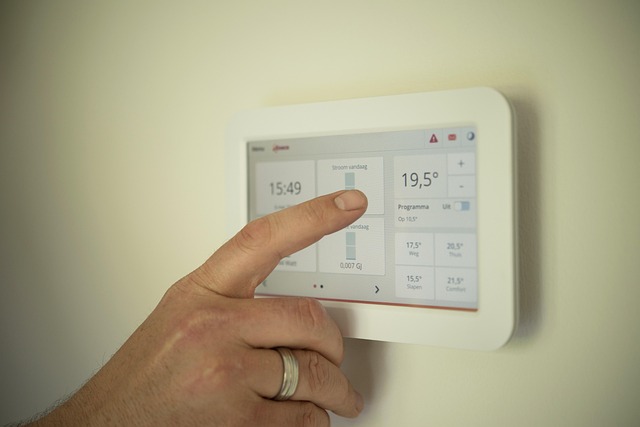
Running the air conditioning or heating at extreme settings for extended periods drives up utility costs significantly. Many hosts factor average energy use into their pricing and excessive consumption disrupts that balance unfairly. Smart thermostats in many modern listings allow hosts to monitor usage remotely and flag unusual patterns. Setting temperatures to reasonable levels and adjusting clothing layers is the considerate approach for any stay.
Dish Neglect

Leaving dirty dishes stacked in the sink or scattered around the kitchen is one of the most common complaints hosts report after a stay. Even when a cleaning fee is included in the booking cost it rarely covers deep kitchen cleaning beyond basic maintenance. Food residue left overnight attracts insects and can create hygiene issues that affect the next guests. A quick wash or loading the dishwasher before checkout takes minutes and makes a meaningful difference.
Negative Reviews
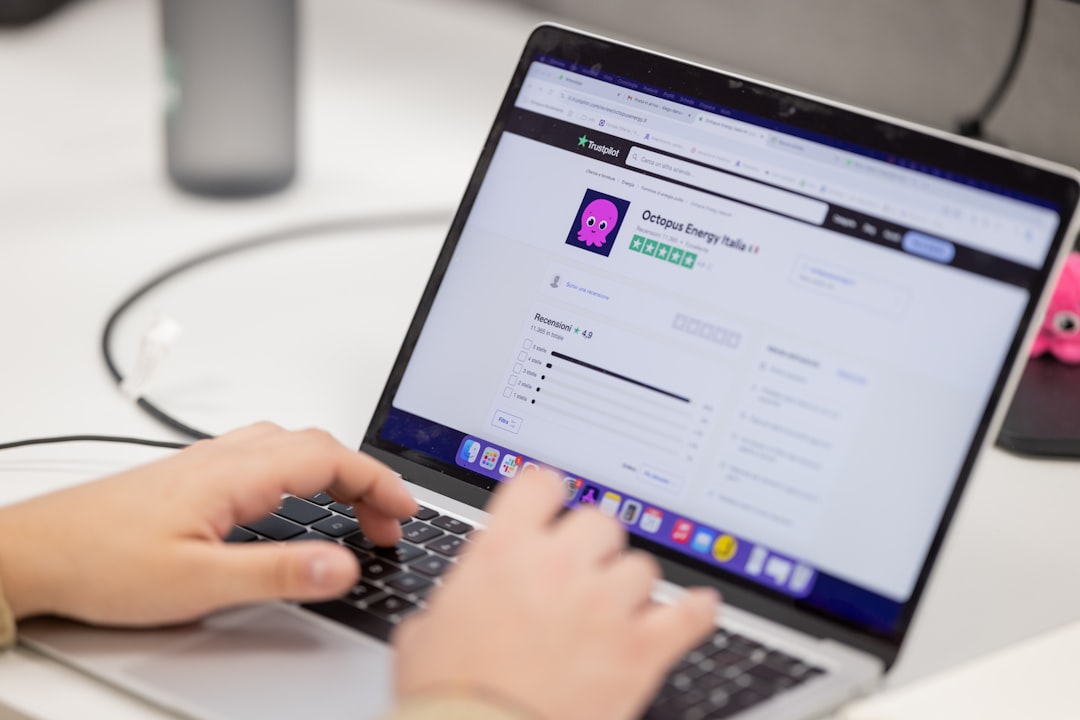
Leaving an unfair or retaliatory review after a minor misunderstanding causes lasting reputational harm to a host’s livelihood. Reviews on Airbnb are public permanent records that influence booking decisions for thousands of future travelers. The platform encourages guests to contact the host or reach out to support before escalating frustrations publicly. Honest and proportionate feedback is always more valuable to the community than emotionally charged complaints.
Lockbox Misuse
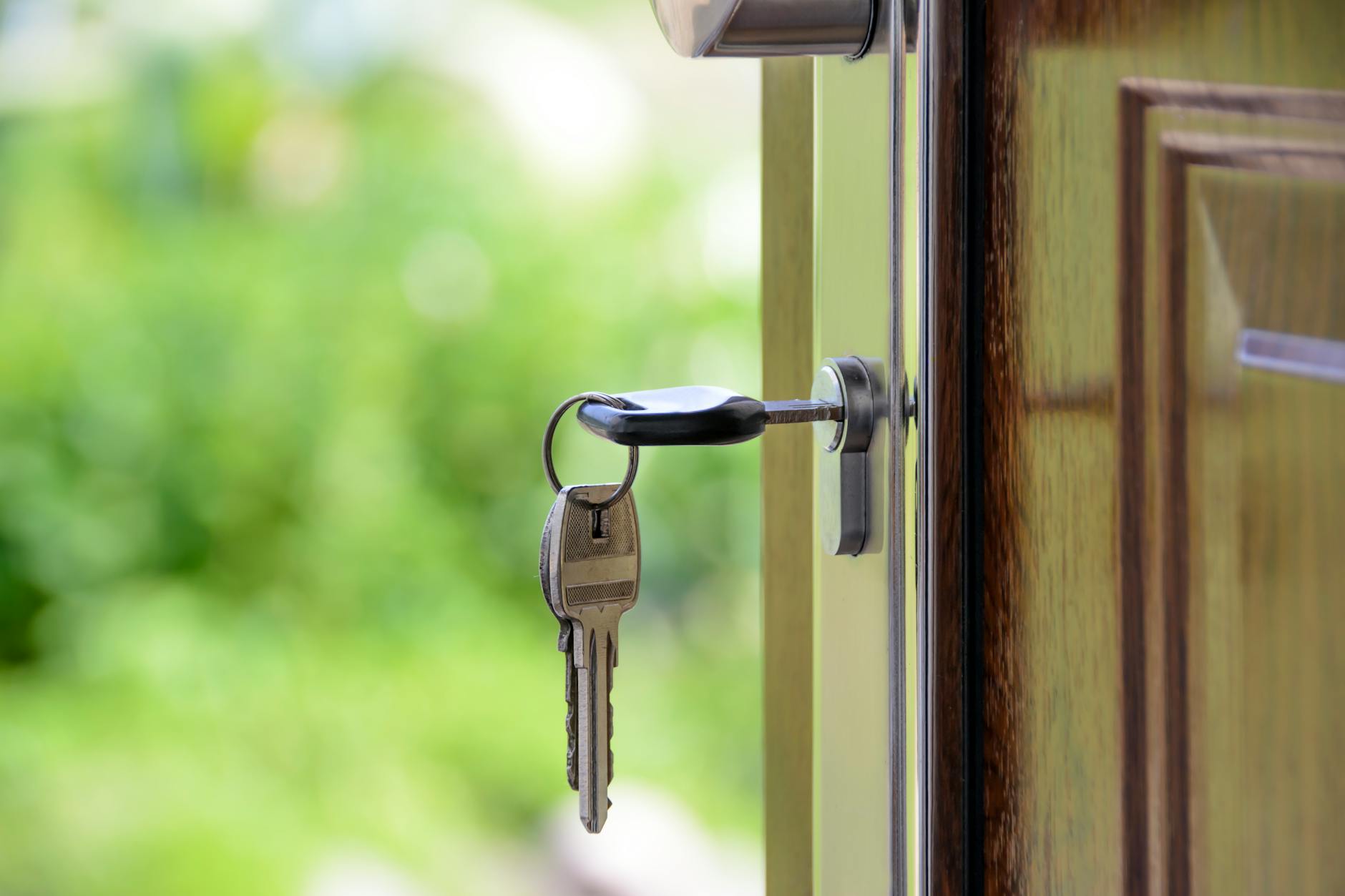
Failing to return keys or lockbox codes to their correct position after entry creates security risks for the host and future guests. Some listings use keypads or smart locks that automatically log access times and detect when protocols are not followed. A lockbox left open or a key left in the wrong place can delay the next guest’s check-in significantly. Always read the check-in and checkout instructions carefully and follow them exactly as written.
Furniture Moving

Rearranging furniture significantly without asking creates logistical headaches for hosts who have organized their space intentionally. Interior arrangements are often photographed and listed in a specific way for marketing and practical purposes. Moving heavy furniture also risks scratching floors and scuffing walls which can result in deduction from the security deposit. If a rearrangement would genuinely improve the stay it is always worth asking the host directly before making changes.
Excessive Noise

Creating loud noise late at night or early in the morning disturbs neighbors and can result in formal complaints to the host. Many Airbnb properties are located in residential buildings or neighborhoods governed by local noise ordinances. Repeat noise complaints can lead to a listing being shut down entirely by local authorities or the platform itself. Treating the surrounding community with the same respect as the property itself is a basic expectation of any responsible guest.
Checkout Mess

Leaving the property in a dramatically worse state than it was found goes beyond what any cleaning fee reasonably covers. Hosts set cleaning fees to account for standard turnover tasks like vacuuming changing linens and wiping surfaces. Excessive mess including overflowing trash spills and disheveled rooms requires additional paid labor and delays the next booking. Tidying the space to a reasonable standard before leaving is one of the most appreciated things a guest can do.
Parking Violations
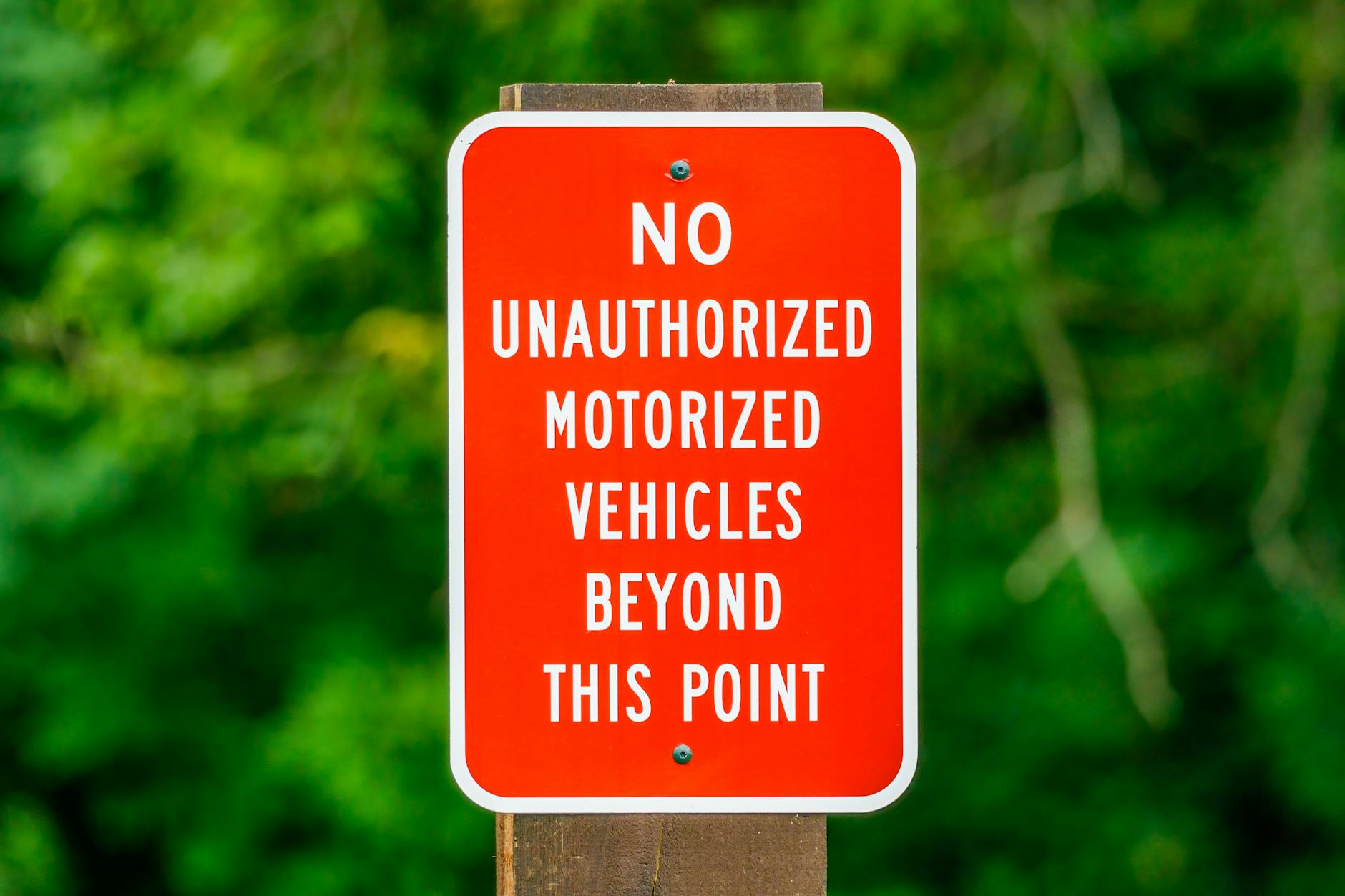
Parking in unauthorized spaces or blocking driveways causes friction with neighbors and can result in fines or towing. Many listings specify parking rules in the house manual and those instructions exist for very specific legal or community reasons. Overflow parking in residential areas is a common source of noise complaints that ultimately hurt the host’s standing. Always confirm the parking arrangements before arrival especially in dense urban or gated community settings.
Photograph Sharing

Posting detailed interior photos or the exact address of a private listing on social media without permission raises real safety and privacy concerns. Hosts share their home’s location with verified guests only and widespread public sharing removes that layer of protection. Some listings specifically prohibit photography clauses in their house rules as a condition of the booking. Sharing general impressions of a stay publicly is fine but precise location data and interior layouts should remain private.
Supply Waste

Using excessive amounts of toiletries towels or kitchen supplies beyond reasonable personal use puts an unfair burden on hosts. Starter supplies provided in a listing are intended to cover basic needs for the duration of a short stay. Hosts who offer generous amenities rely on guests treating those resources with the same care they would show in their own home. If supplies run low during an extended stay it is completely acceptable to ask the host where to purchase more locally.
Check-In Early
Arriving significantly before the agreed check-in time without prior approval puts hosts in a difficult and stressful position. Cleaning and inspection are typically scheduled to finish precisely at the listed check-in time with no buffer built in. An early arrival interrupts the cleaning team and may mean the property is not yet ready to the standard the host intended. Contacting the host the day before to ask about early check-in options is the respectful way to handle this situation.
Review Pressure

Pressuring a host for a five-star review or threatening a bad review in exchange for extras is a violation of platform policies. Airbnb has mechanisms in place to identify coercive review behavior and can suspend accounts found engaging in it. Reviews are intended to be an honest reflection of the experience rather than a negotiating tool between guests and hosts. Allowing the review process to unfold naturally after checkout protects the integrity of the entire platform.
Airbnb Policies

Ignoring the platform’s official policies because they seem overly formal is a mistake that can result in permanent account suspension. Rules around unauthorized third-party subletting payment outside the platform and identity verification exist to protect all users. Guests who attempt to bypass official channels often find themselves without recourse if something goes wrong during the stay. Staying within the platform’s framework ensures access to customer support travel insurance and dispute resolution services.
House Rules

Overlooking the house rules document that every host is required to provide is the root cause of most Airbnb disputes. Rules around shoes quiet hours kitchen use and guest access are not suggestions but conditions of the rental agreement. Hosts have the right to request early checkout or pursue compensation for any rules that are knowingly broken during a stay. Reading the full house rules document before and upon arrival takes only a few minutes and prevents the vast majority of avoidable conflicts.
What mistakes have you made or witnessed during an Airbnb stay? Share your experiences and tips in the comments.