Visiting a newborn is an exciting event that requires careful consideration of the family and their new environment. Parents are adjusting to demanding schedules while recovering from the physical and emotional exhaustion of childbirth. Guests must prioritize the health and comfort of the infant over their own desire to interact with the baby. Following specific etiquette ensures that your presence is supportive rather than burdensome to the growing family.
Showing Up Unannounced
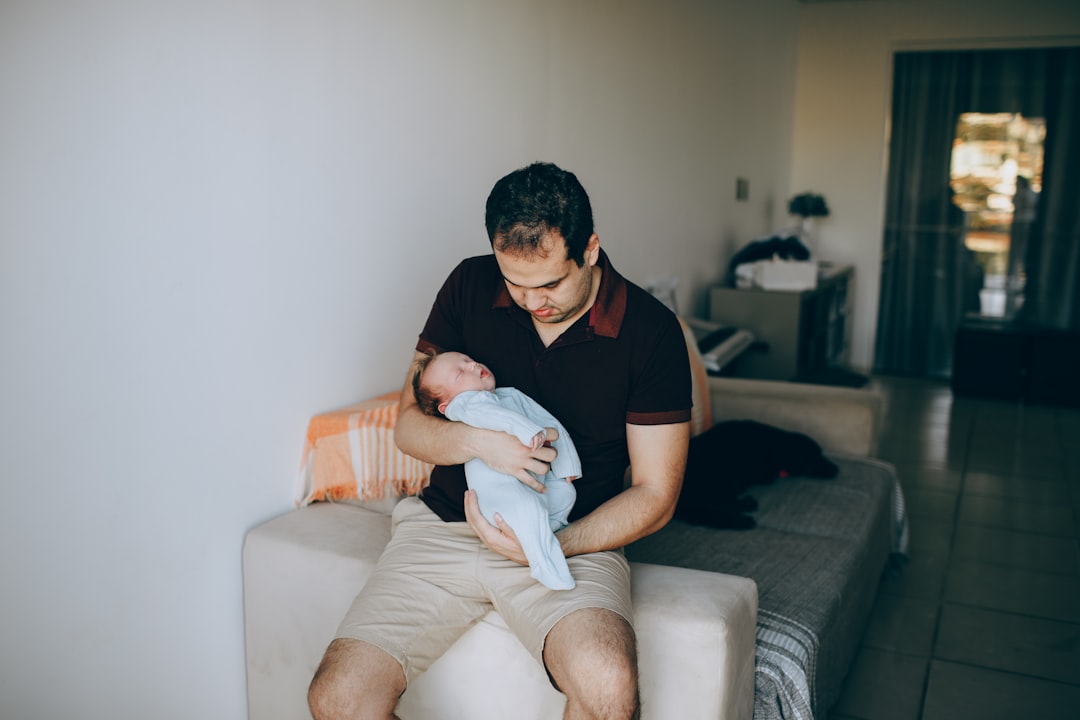
Arriving without prior notice disrupts the fragile routine of a new family. Parents often sleep at unpredictable times and may not be prepared to host unexpected guests. A spontaneous visit creates unnecessary stress for tired parents who might be feeding or soothing a crying infant. Scheduling a precise time allows the family to prepare and ensures they are actually awake to receive visitors.
Overstaying Your Welcome
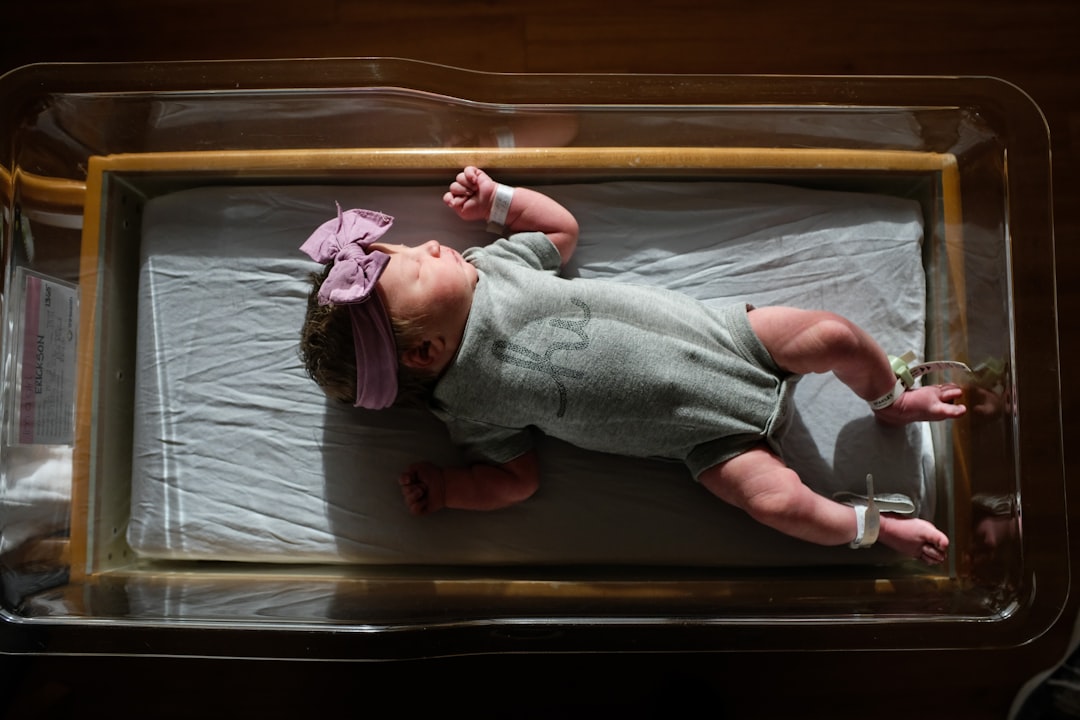
Newborn visits should be brief to prevent exhausting the new parents. A standard courtesy involves keeping your visit under thirty minutes unless the parents explicitly request that you stay longer. Prolonged socializing drains the limited energy reserves of the family and interferes with the baby resting. Short visits demonstrate respect for the delicate transition period the household is experiencing.
Visiting While Sick
Infants possess developing immune systems that cannot easily fight off common pathogens. Entering a home with even a mild sniffle or scratchy throat puts the newborn at significant risk for serious illness. Postponing the visit until you are completely healthy is the only acceptable course of action. Parents will deeply appreciate your commitment to keeping their new child safe from preventable infections.
Forgetting To Wash Hands

Hands carry invisible bacteria and viruses collected from everyday surfaces. Washing hands immediately upon entering the home establishes a sanitary baseline before any potential interaction with the baby occurs. Using warm water and soap for at least twenty seconds removes harmful germs that could compromise the health of the infant. This simple hygienic practice is a nonnegotiable requirement for anyone stepping into a newborn environment.
Kissing The Baby
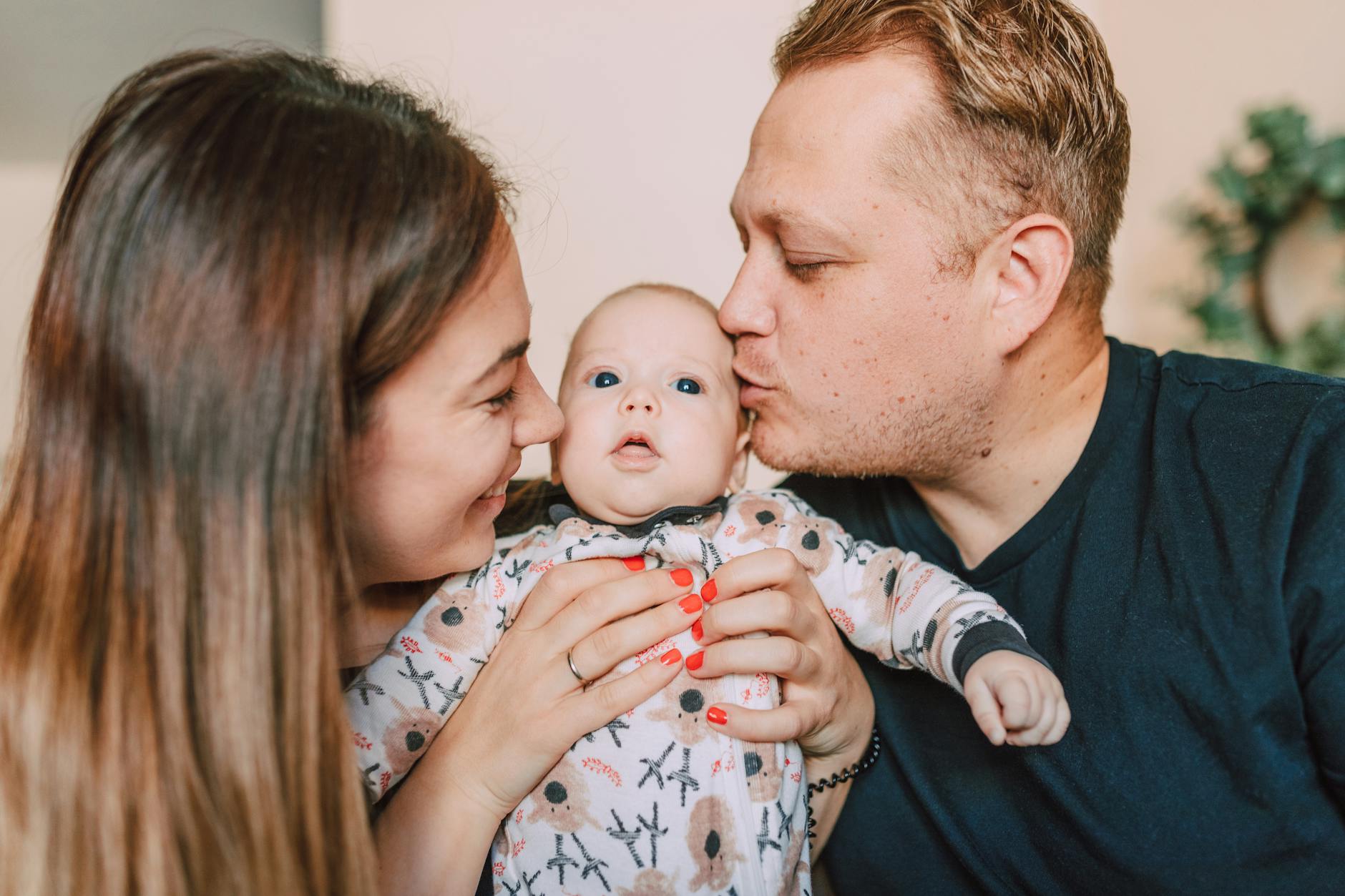
Kissing a newborn introduces dangerous bacteria and viruses directly to the infant. Illnesses like the herpes simplex virus can be transmitted through a simple kiss and are potentially fatal to young babies. Parents often feel uncomfortable asking guests to refrain from this affectionate gesture. Abstaining from kissing entirely removes this burden from the parents and guarantees the safety of the child.
Demanding To Hold The Infant
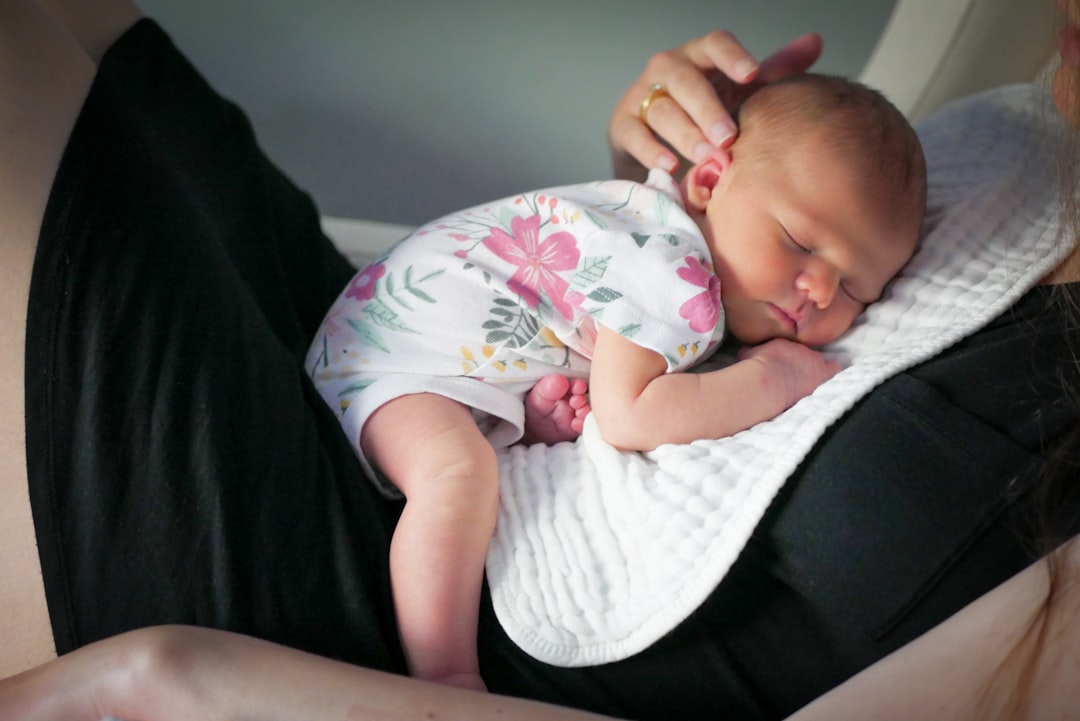
Insisting on physical contact with the baby ignores the boundaries established by the parents. Sometimes infants need to remain in their bassinet or in the arms of their primary caregiver to feel secure. Waiting for an explicit invitation to hold the child shows respect for parental authority. If the baby is sleeping or feeding you should never ask to disrupt their peace for a cuddle.
Bringing Uninvited Guests

Adding extra people to a scheduled visit overwhelms the parents and crowds their space. Extended family members or friends should coordinate their own separate visits rather than tagging along with you. A quiet house quickly becomes loud and chaotic when multiple unfamiliar faces arrive at once. Limiting the visiting party to the agreed upon individuals keeps the environment calm and manageable.
Expecting To Be Entertained
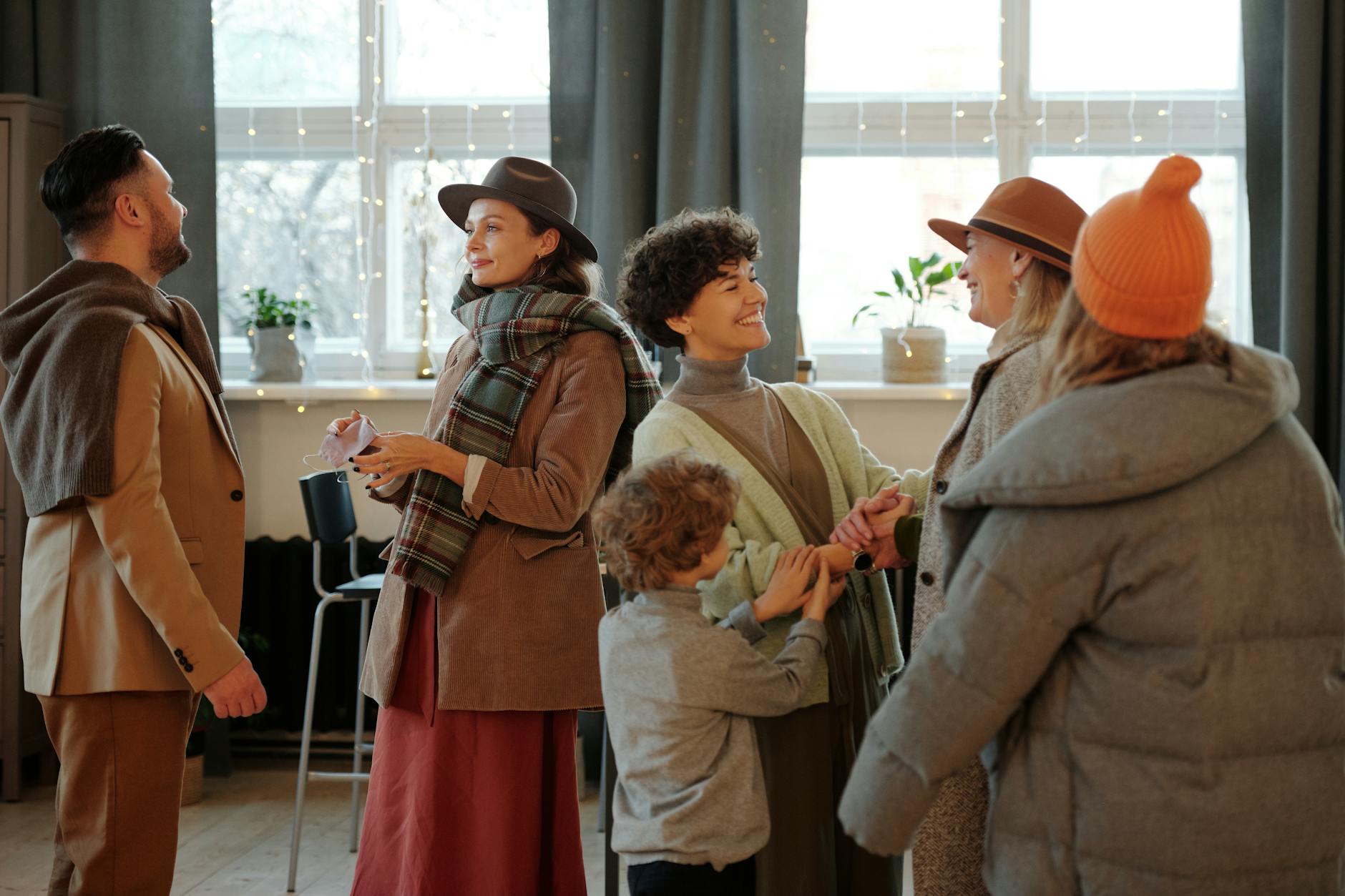
New parents lack the time and energy to act as traditional hosts. Expecting them to provide beverages or prepare snacks places an unfair burden on an already exhausted household. Guests should arrive self sufficient and require zero effort from the family. Bringing your own coffee or offering to pour a glass of water for the parents flips the dynamic to a supportive one.
Waking A Sleeping Baby
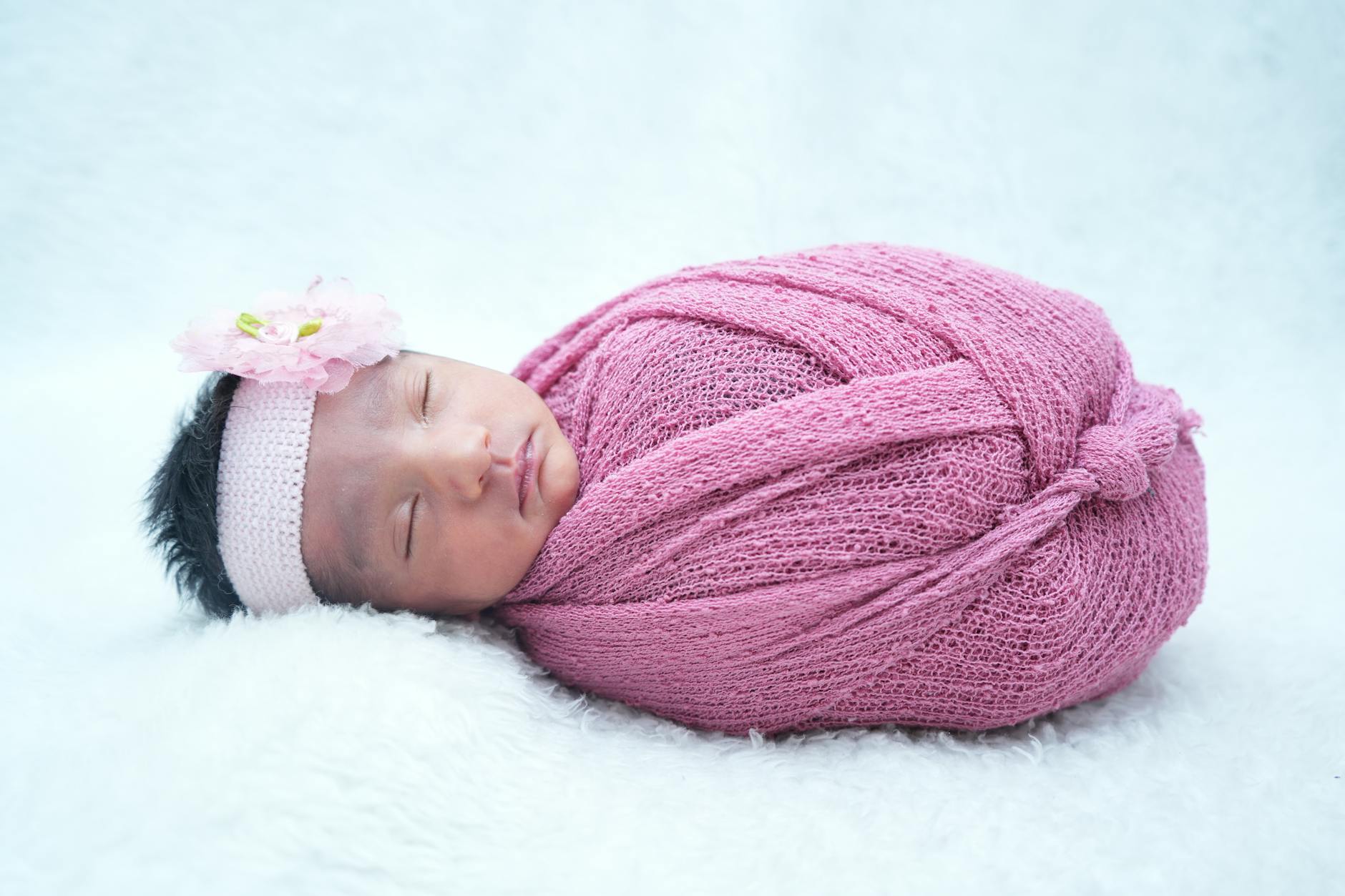
Sleep is absolutely critical for the physical development and neurological growth of a newborn. Rousing an infant simply because you want to see their eyes open disrupts vital rest cycles. Parents work tirelessly to soothe their children to sleep and will be frustrated by any interference. Observing the sleeping infant quietly from a distance is the only appropriate response when visiting during nap time.
Offering Unsolicited Advice
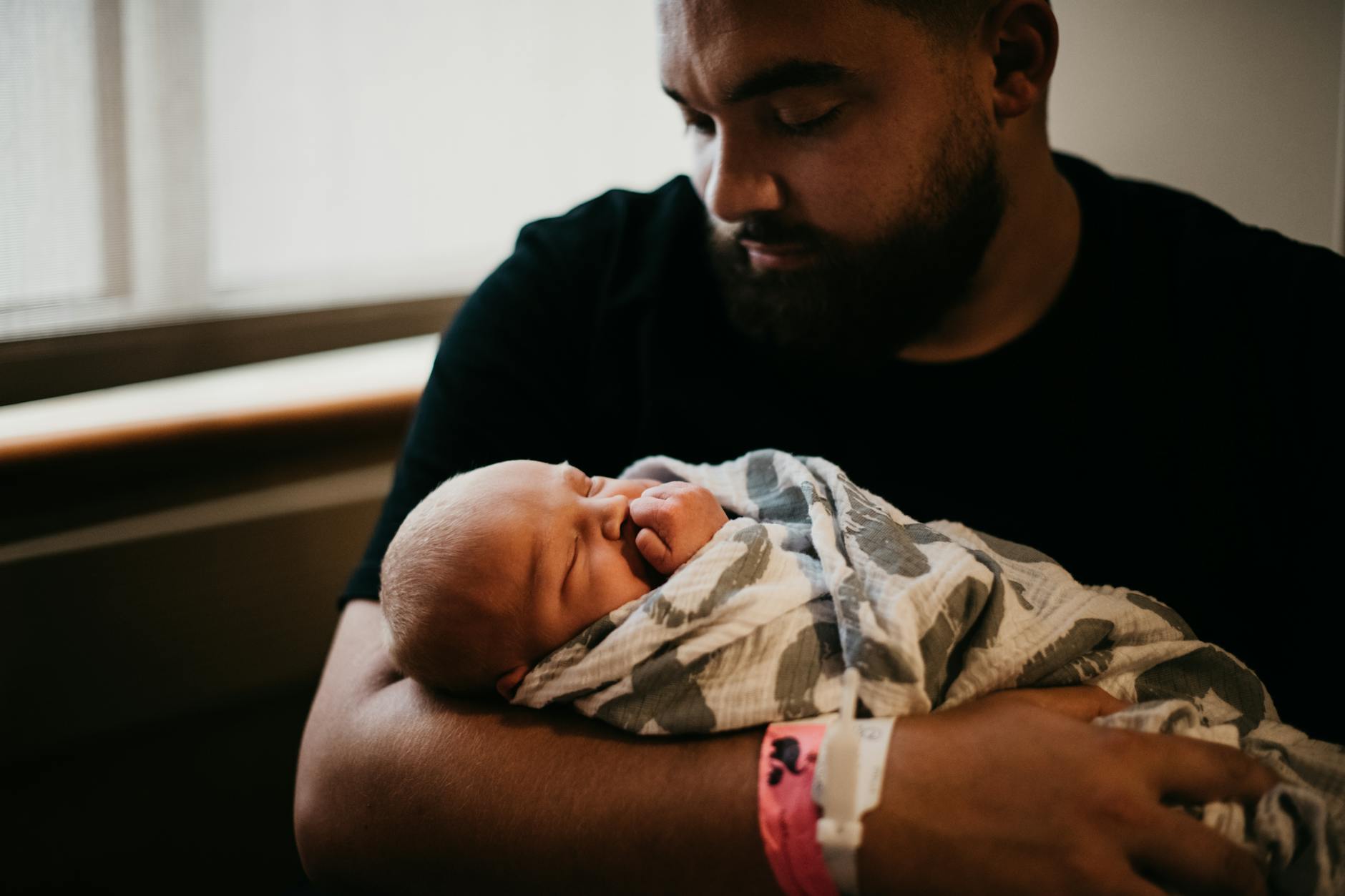
New parents face an overwhelming amount of information and often struggle with self doubt. Providing unsolicited opinions on feeding methods or sleep training implies they are doing something incorrectly. Every baby is completely different and what worked for one family might fail completely for another. Offering encouragement and validating their current efforts is far more helpful than dispensing unwanted childcare theories.
Taking Unapproved Photographs

Snapping pictures without asking violates the privacy of the parents and the child. Camera flashes startle newborns and can hurt their developing eyes. Many families also have strict rules regarding digital privacy and social media sharing. Securing verbal permission before pulling out a camera ensures you respect their personal boundaries regarding image distribution.
Wearing Strong Fragrances

Newborns possess extremely sensitive olfactory systems that are easily overwhelmed by heavy scents. Perfumes and colognes cause respiratory irritation and can make the baby noticeably uncomfortable or fussy. The scent often lingers on the infant and their clothing long after the guest has departed. Arriving completely fragrance free ensures the baby only smells their parents and their natural environment.
Commenting On The House Mess
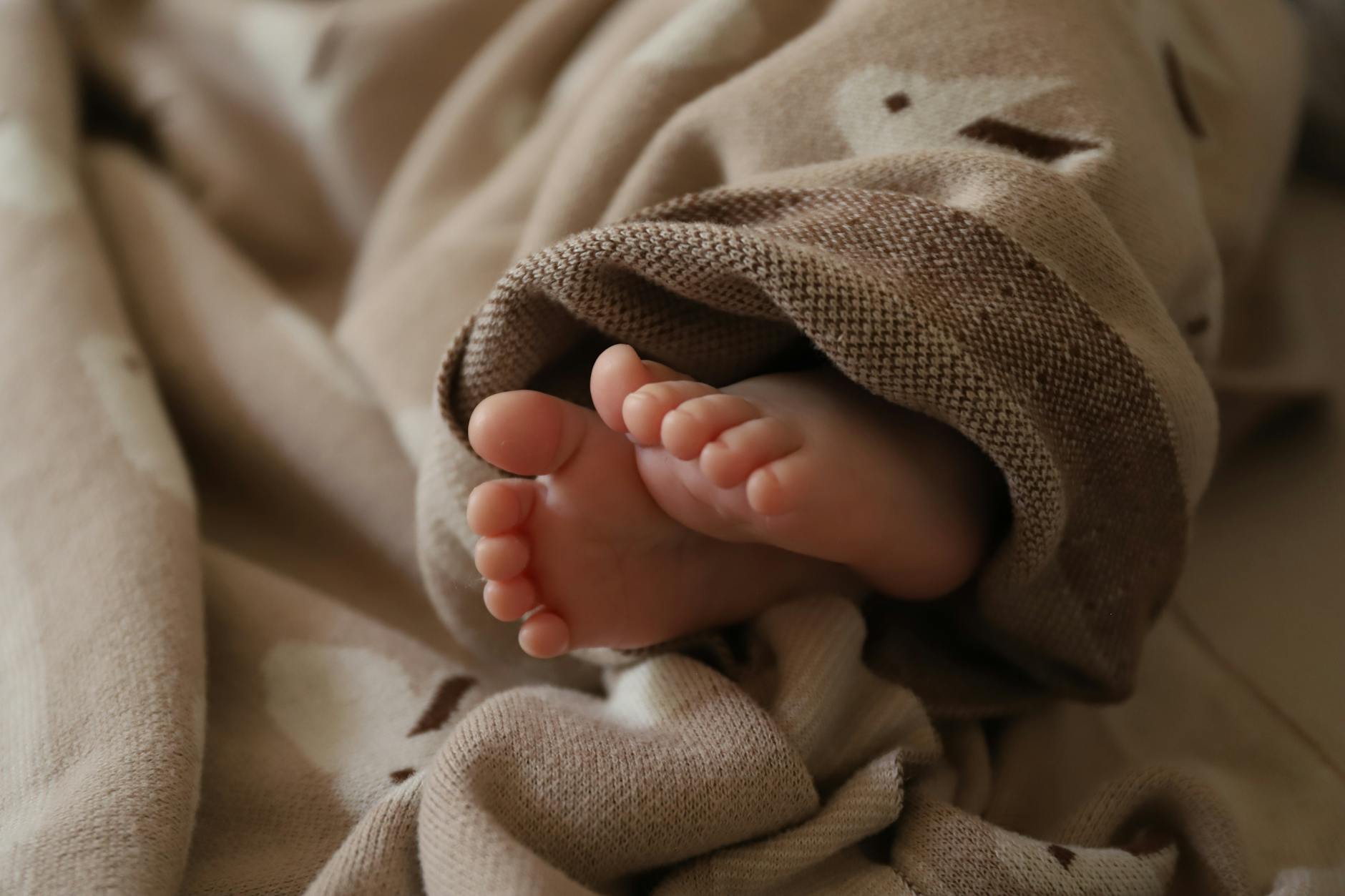
A messy home is a natural byproduct of prioritizing newborn care over daily chores. Pointing out clutter or dirty dishes induces unnecessary guilt and embarrassment for the parents. Their complete focus is currently directed toward keeping a tiny human alive and healthy. Overlooking the state of the house demonstrates understanding and compassion for their chaotic new reality.
Letting Children Run Wild

Older children accompanying you must be strictly supervised to protect the tranquil environment. Loud noises and sudden movements easily startle infants and disrupt their crucial sleep cycles. Toddlers may lack the impulse control necessary to interact safely with a fragile newborn. Ensuring your children remain calm and seated guarantees the visit remains pleasant for the exhausted hosts.
Holding The Baby While Drinking Hot Liquids
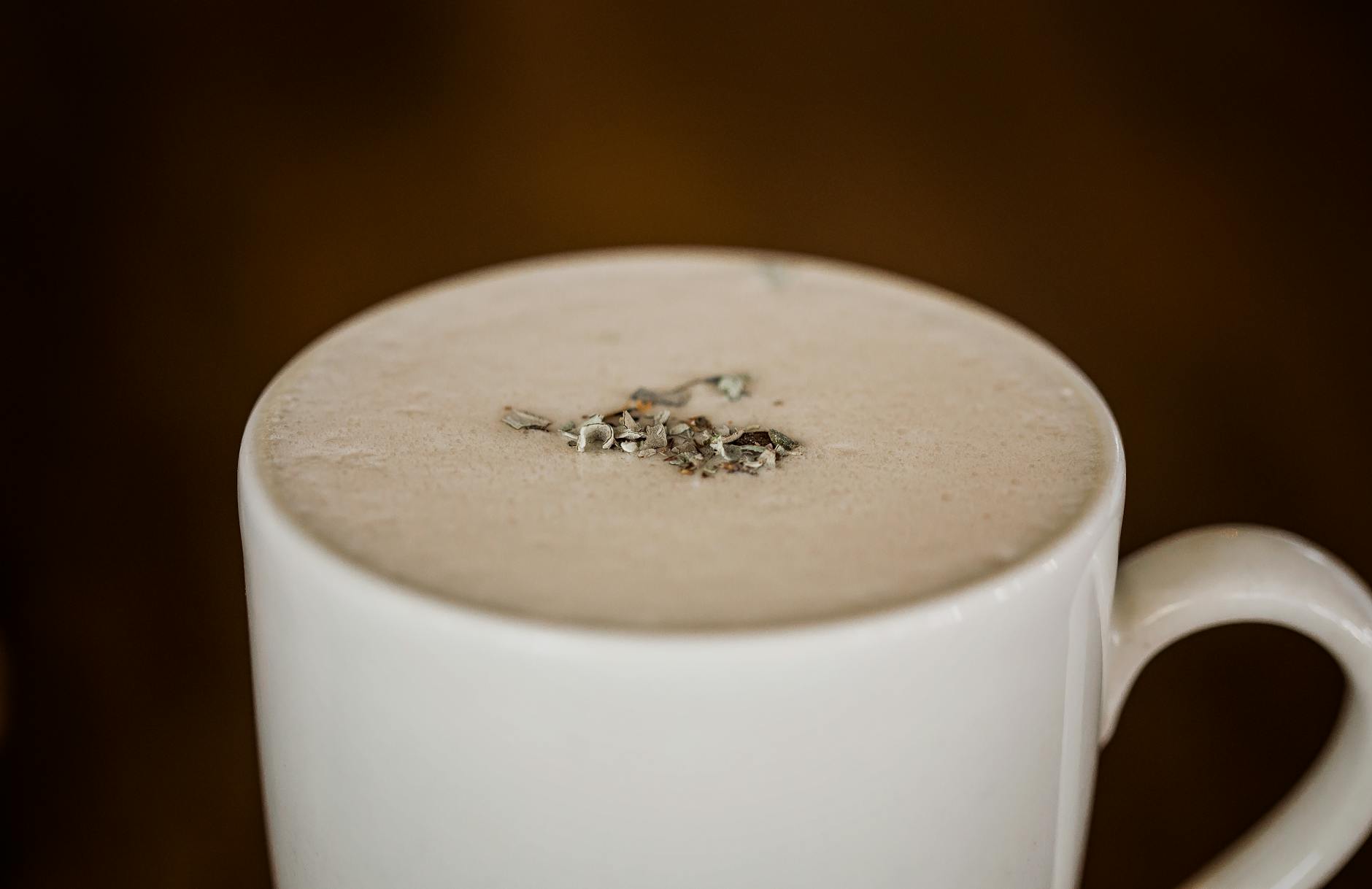
Consuming hot beverages while holding an infant creates an immediate physical hazard. A sudden movement from the baby or a slight stumble can result in devastating spills and severe burns. Keeping hot coffee or tea far away from the child eliminates this entirely preventable risk. Enjoying your beverage while sitting completely separate from the baby is the safest approach.
Bringing Pets Along
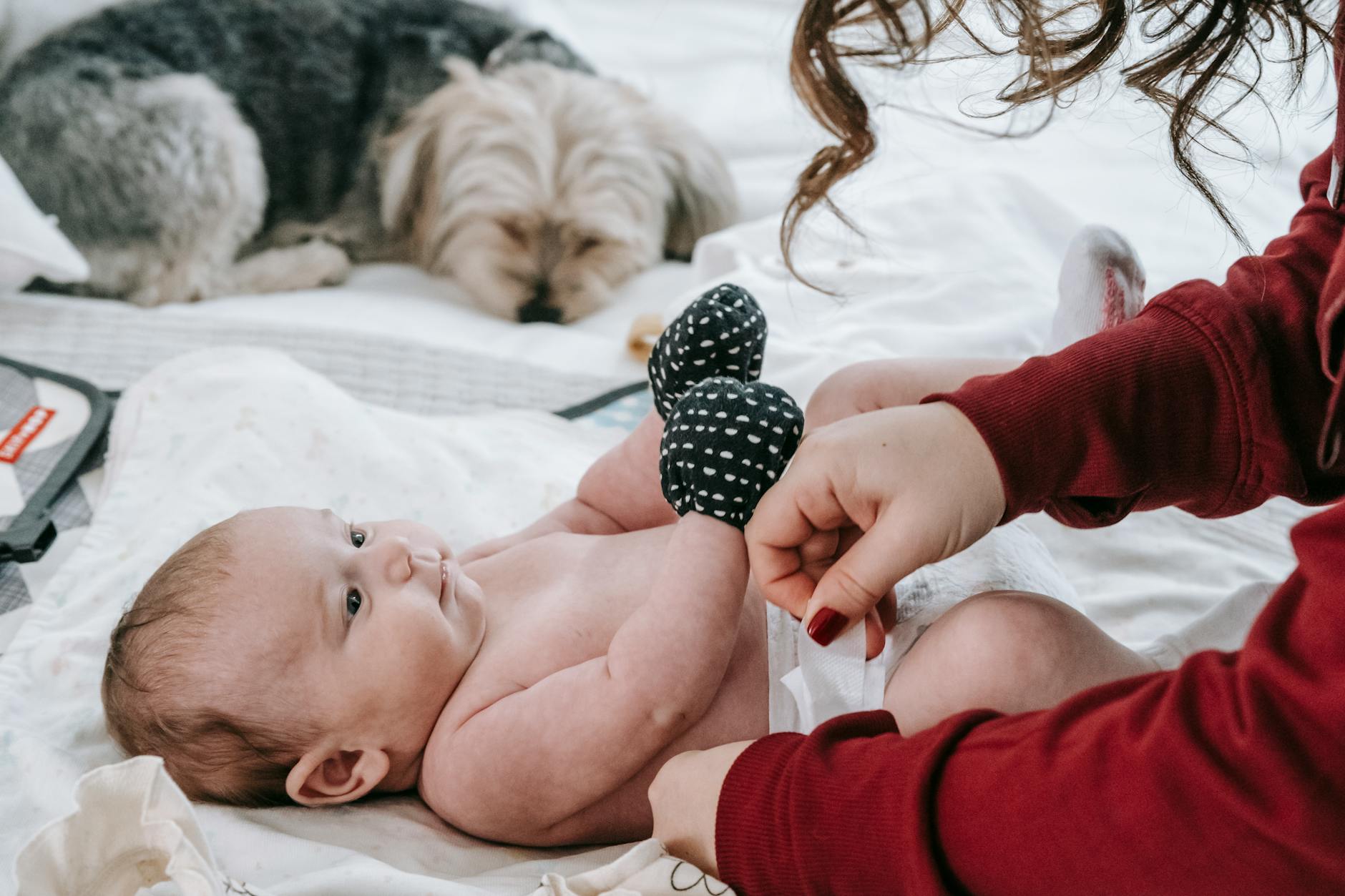
Introducing outside animals into a home with a newborn creates unpredictable and potentially dangerous scenarios. Even the most well behaved dog or cat might react poorly to the strange sounds and smells of a baby. The family is also focused on the infant and cannot monitor a visiting pet. Leaving your animals at home prevents unnecessary stress and ensures a safe atmosphere.
Monopolizing The Conversation
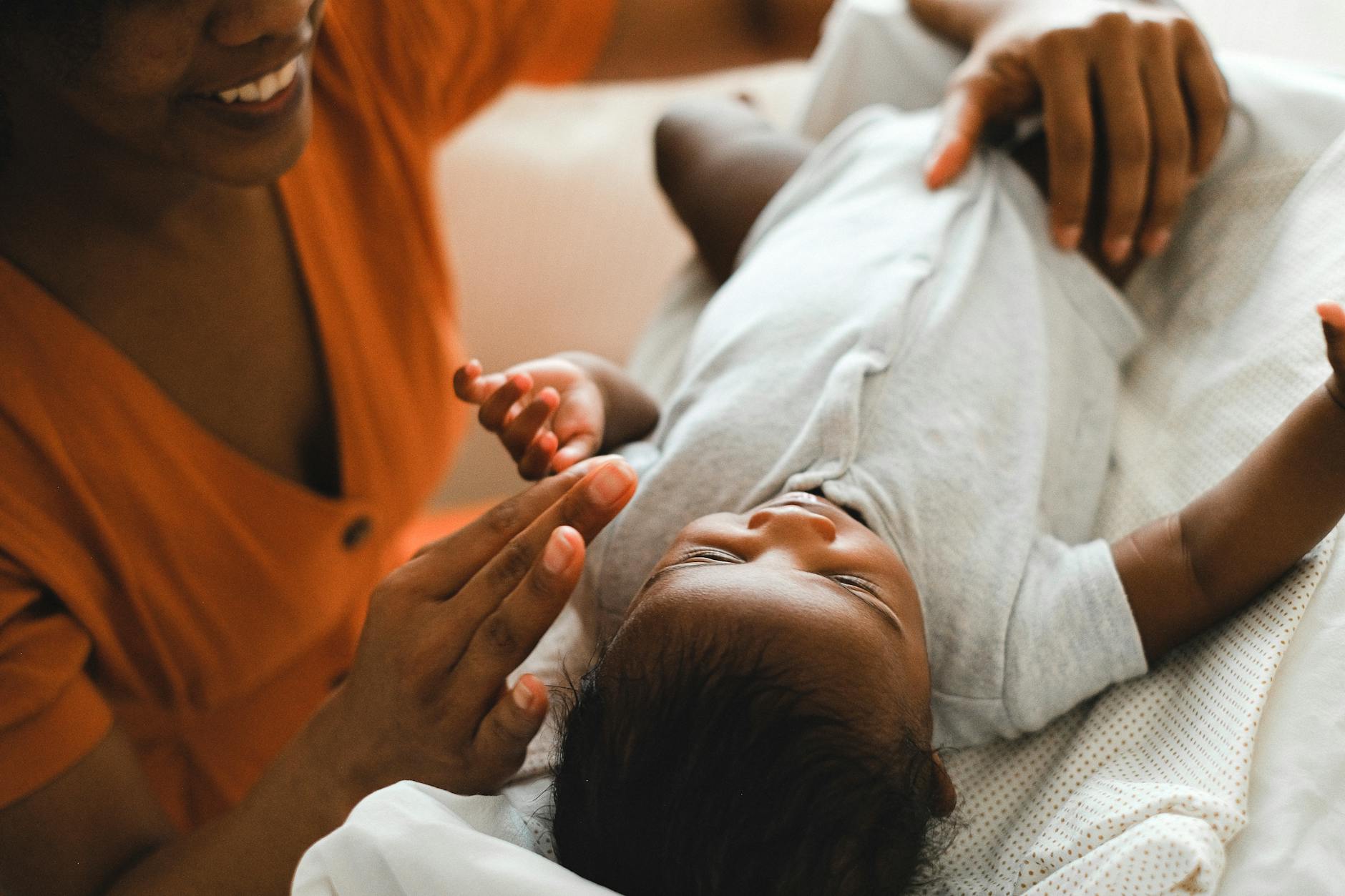
Parents of newborns often feel socially isolated and may want to talk but they also lack mental energy. Dominating the discussion with long stories about your own life prevents them from sharing their experiences. Listening actively allows the parents to vent their frustrations or share their joy at their own pace. Keeping the conversation light and focused on their current needs makes the visit emotionally supportive.
Showing Up Empty Handed

Arriving without a small contribution misses a prime opportunity to truly help the family. Bringing a hot meal or a box of healthy snacks saves the parents from having to cook. Practical gifts like fresh fruit or paper towels are often more appreciated than another stuffed animal. This thoughtful gesture provides immediate relief and tangible support to a busy household.
Ignoring The Siblings
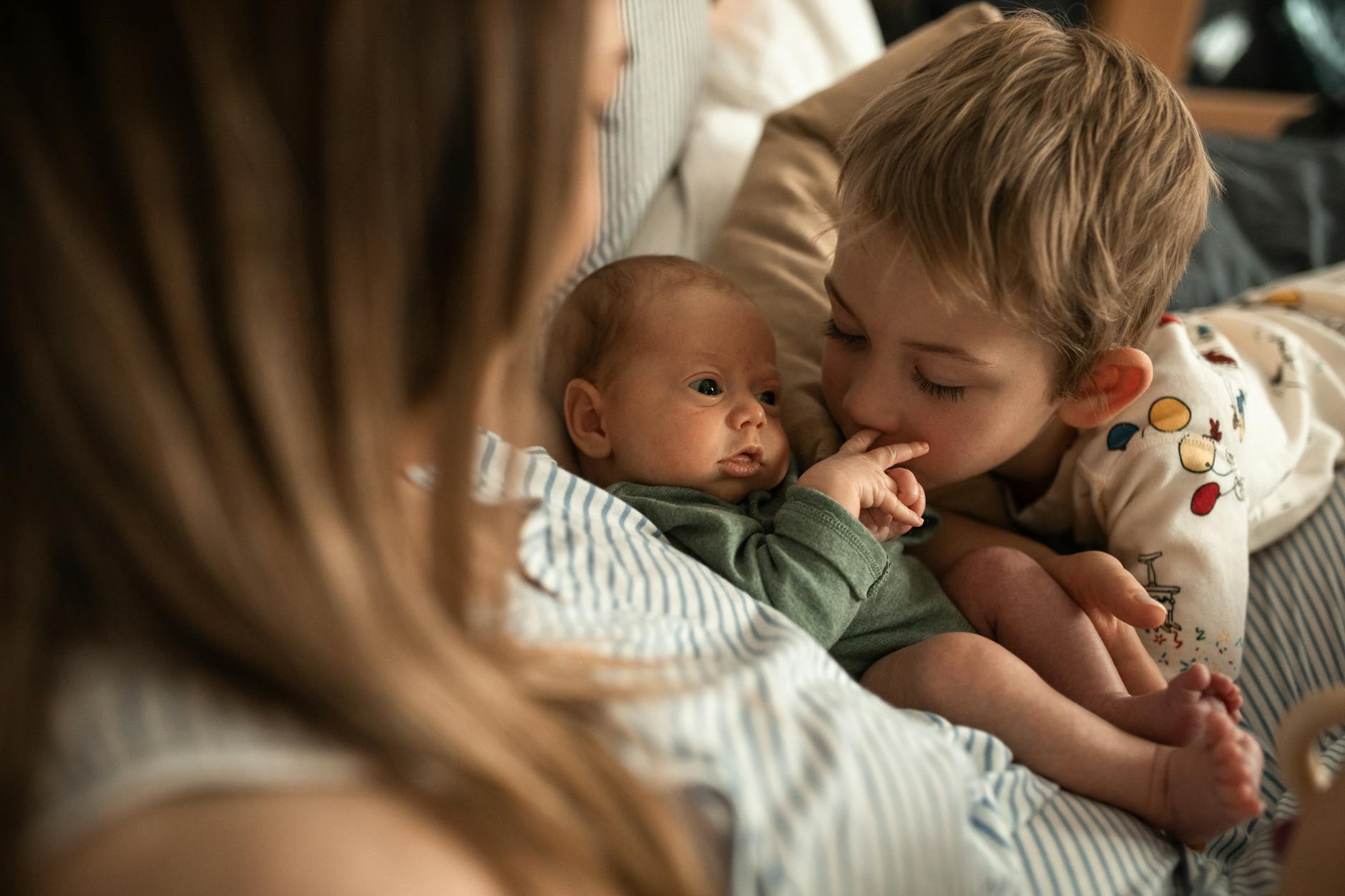
Older brothers and sisters often feel displaced and neglected when a new baby arrives. Directing all your attention solely to the newborn exacerbates their feelings of jealousy and confusion. Greeting the older children first and bringing them a small activity makes them feel valued and important. Spending a few minutes playing with the siblings provides the parents with a much needed break.
Forgetting To Leave Quickly
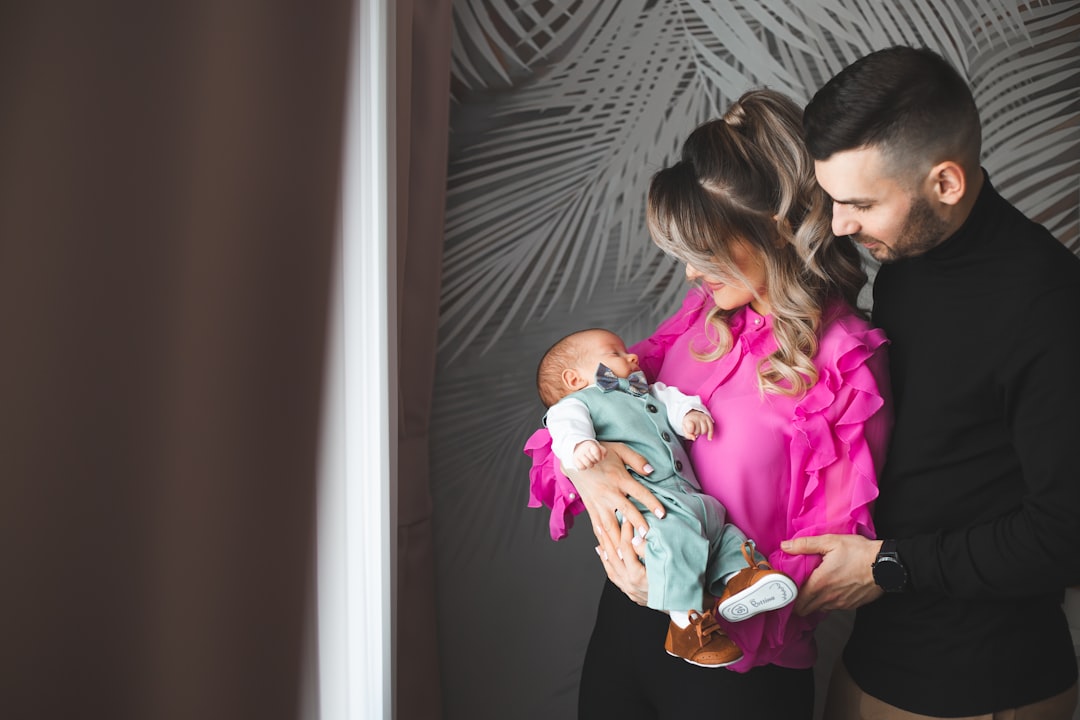
Recognizing the social cues of exhausted parents is crucial for a successful visit. When the conversation lulls or the baby begins to fuss it is time to make a graceful exit. Lingering near the door or dragging out goodbyes prolongs the disruption to their routine. A prompt departure leaves the parents feeling supported rather than drained by your presence.
Please share your own thoughts and experiences regarding newborn visiting etiquette in the comments.