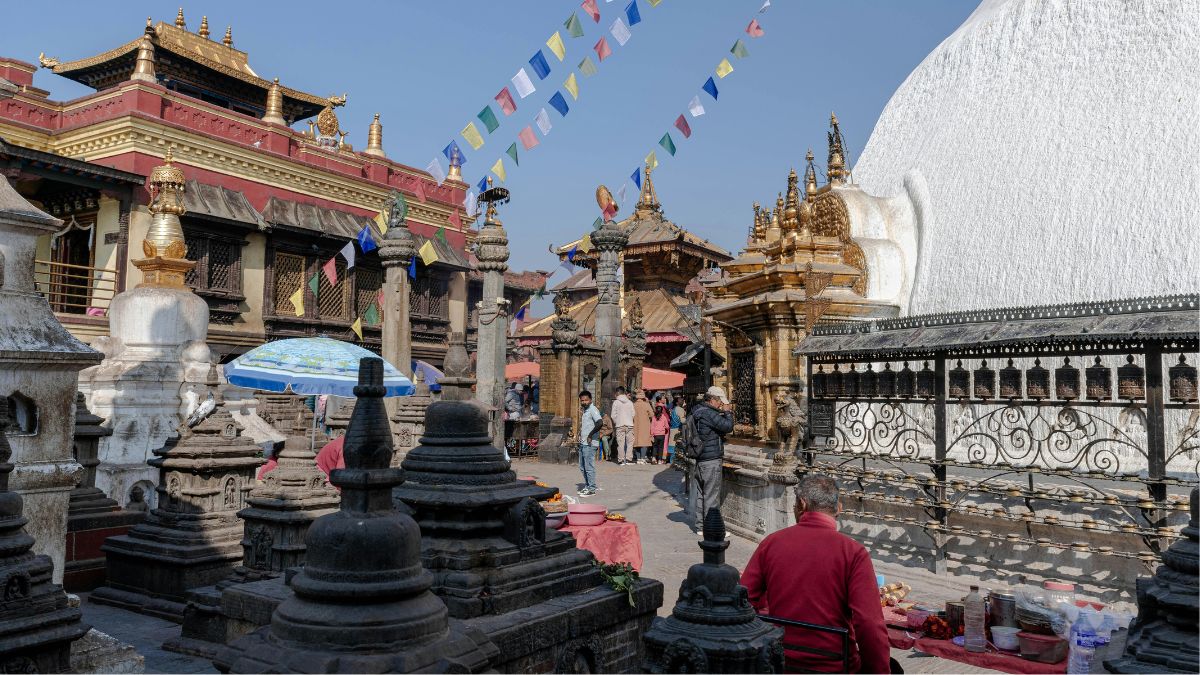
Sacred sites exist across every culture and continent, offering visitors a rare chance to connect with history, spirituality, and the traditions of communities that have honored these places for generations. Whether it is an ancient temple, a holy mountain, a ceremonial ground, or a historic place of worship, these locations carry a weight that demands a certain kind of awareness and respect. Travelers who approach sacred spaces with mindfulness not only honor the people and beliefs associated with them but also preserve the integrity of these irreplaceable places for future visitors. Understanding what not to do is just as important as knowing what to appreciate, and a little preparation goes a long way.
Loud Talking

Many sacred sites are active places of worship or quiet reflection, and loud conversation can be deeply disruptive to those engaged in prayer or meditation. Sound carries easily in stone temples, open-air shrines, and cathedral halls, making even casual chatter feel intrusive to others nearby. Visitors who speak in hushed tones demonstrate an awareness of the communal nature of these spaces. Keeping voices low is one of the simplest and most universally expected forms of respect at any sacred location.
Phone Calls
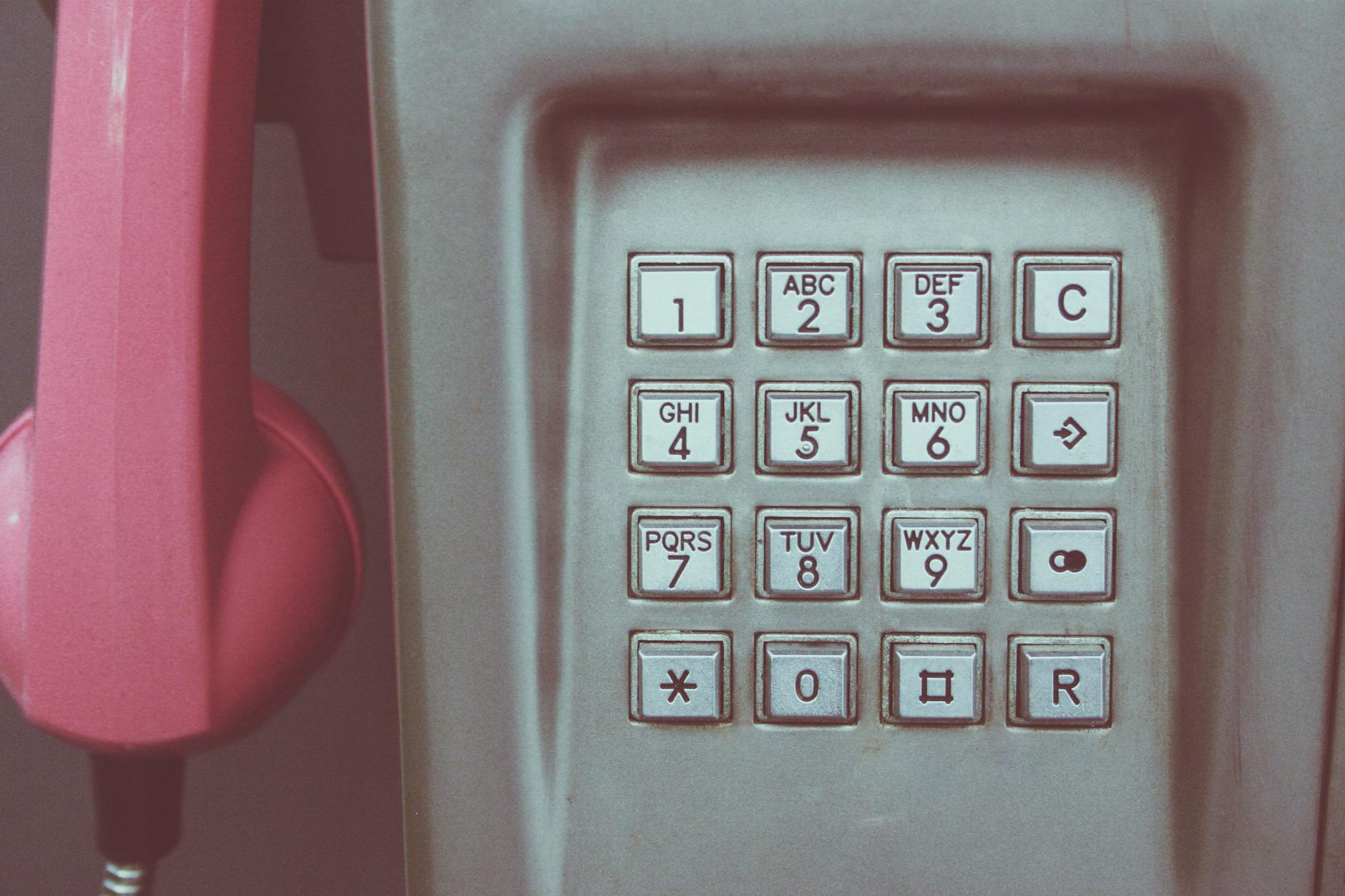
Taking or making phone calls inside a sacred site is considered disrespectful in virtually every religious and cultural tradition around the world. The noise of a ringing phone or an audible conversation breaks the atmosphere of reverence that these spaces are designed to cultivate. Many sites have signs explicitly requesting that phones be silenced upon entry, and these guidelines should be followed without exception. Stepping outside to take a call is always the appropriate course of action when communication cannot wait.
Flash Photography

Using flash photography inside temples, churches, mosques, and other sacred spaces can cause real damage to ancient frescoes, delicate textiles, and light-sensitive artifacts that have survived for centuries. Beyond physical harm, the sudden burst of light is jarring and disrespectful to worshippers and other visitors seeking a contemplative experience. Many sacred sites explicitly prohibit flash photography, and these rules should be observed even when staff members are not present to enforce them. Natural light or a camera with low-light capability offers a far more appropriate alternative for those wishing to document their visit.
Touching Artifacts
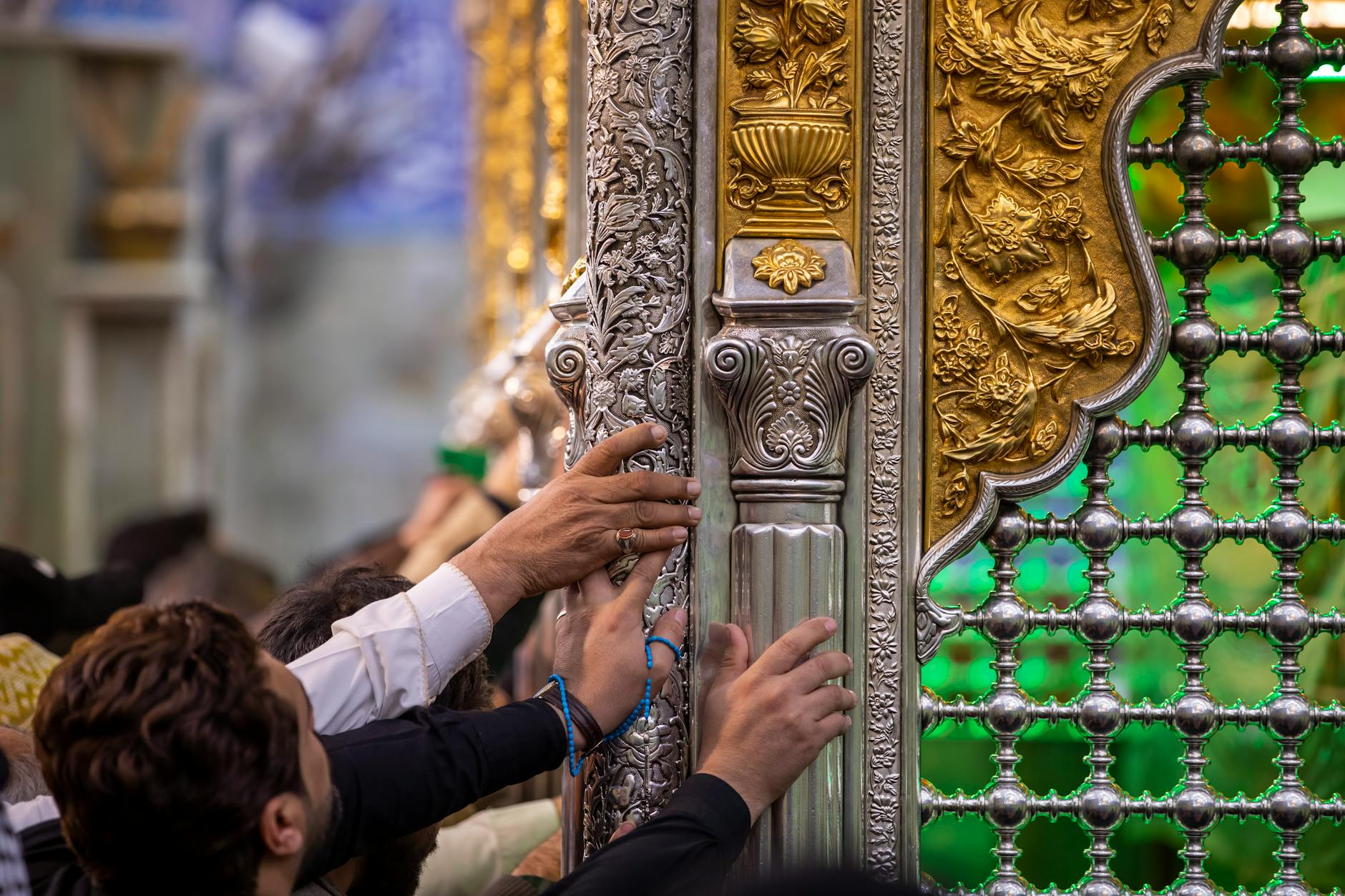
Reaching out to touch carvings, statues, relics, and sacred objects is one of the most harmful things a visitor can do at a heritage or religious site. The natural oils from human hands accelerate the deterioration of stone, wood, metal, and paint over time, and centuries of wear from visitors touching these objects can cause irreversible damage. Beyond the physical impact, many cultures consider sacred objects spiritually significant and believe that uninvited contact is a form of desecration. Unless a site explicitly invites touch as part of a ritual or tradition, hands should remain at one’s sides.
Ignoring Dress Codes

Most sacred sites around the world have established dress codes that reflect the spiritual values and cultural norms of the community they serve. Arriving in shorts, sleeveless tops, or other revealing clothing signals a lack of awareness or indifference toward local customs. Many temples, mosques, and churches provide coverings such as scarves or sarongs at the entrance for visitors who arrive unprepared, and using these offerings with gratitude is entirely appropriate. Researching the dress requirements of a site before visiting is a basic courtesy that costs nothing and communicates genuine respect.
Eating and Drinking

Consuming food or beverages inside the boundaries of a sacred site is widely regarded as inappropriate and disrespectful across most traditions. Eating is associated with the mundane rhythms of daily life and can feel out of place in environments set apart for prayer, mourning, or spiritual ceremony. Many sites display signs prohibiting food and drink, though the underlying expectation often extends to areas where signage is absent. Finishing meals before entering and storing snacks out of sight demonstrates a basic understanding of the space’s purpose.
Entering Restricted Areas
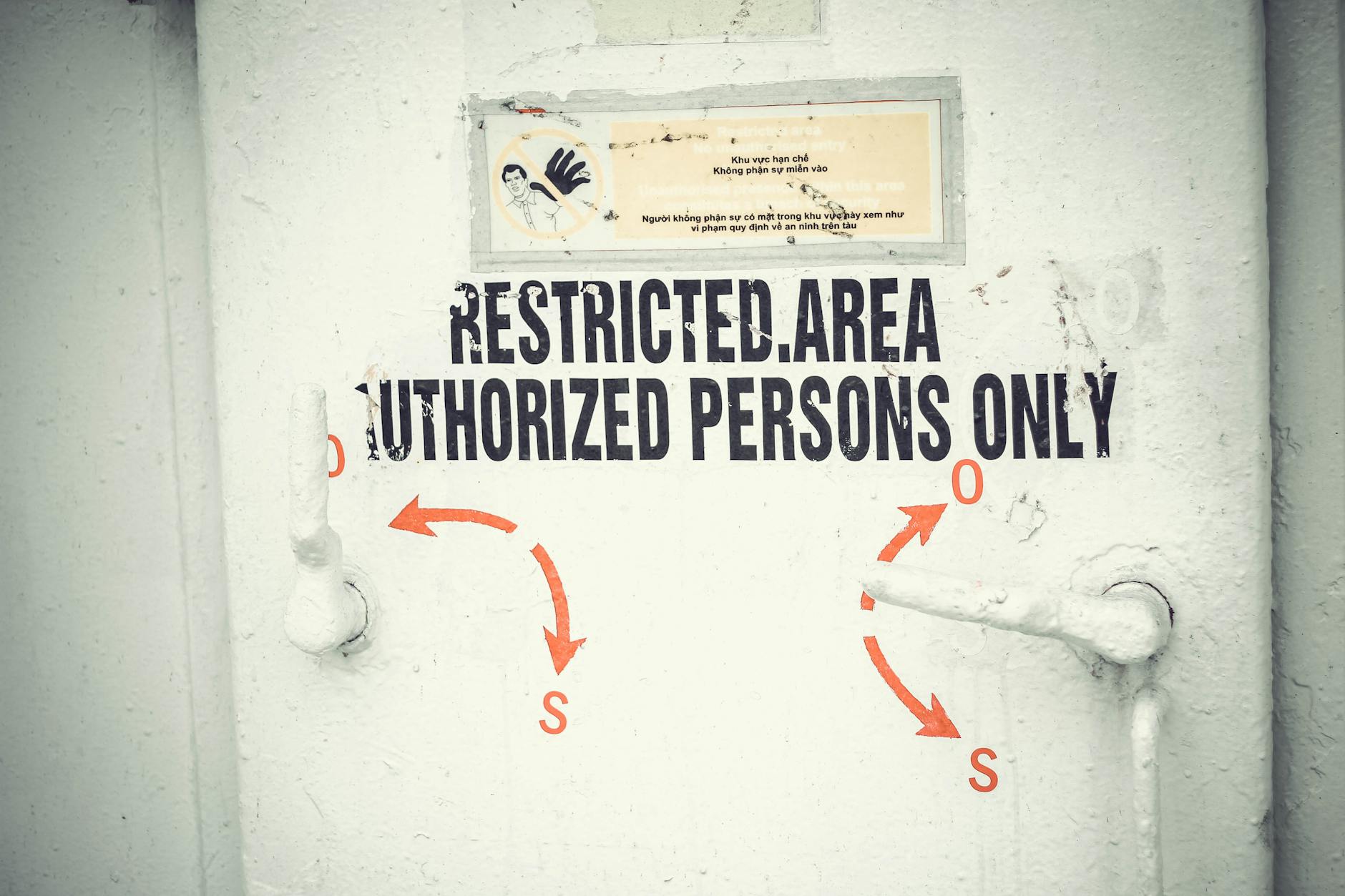
Sacred sites often include areas that are reserved exclusively for clergy, initiated members, or practitioners of a specific faith, and entering these zones without permission is a serious transgression. Ropes, barriers, signage, and the guidance of local staff all exist to communicate these boundaries clearly to visitors. Curiosity does not override the right of a community to maintain private or ceremonial spaces within their own sacred grounds. Staying within designated visitor areas ensures that the site’s religious functions can continue undisturbed.
Littering
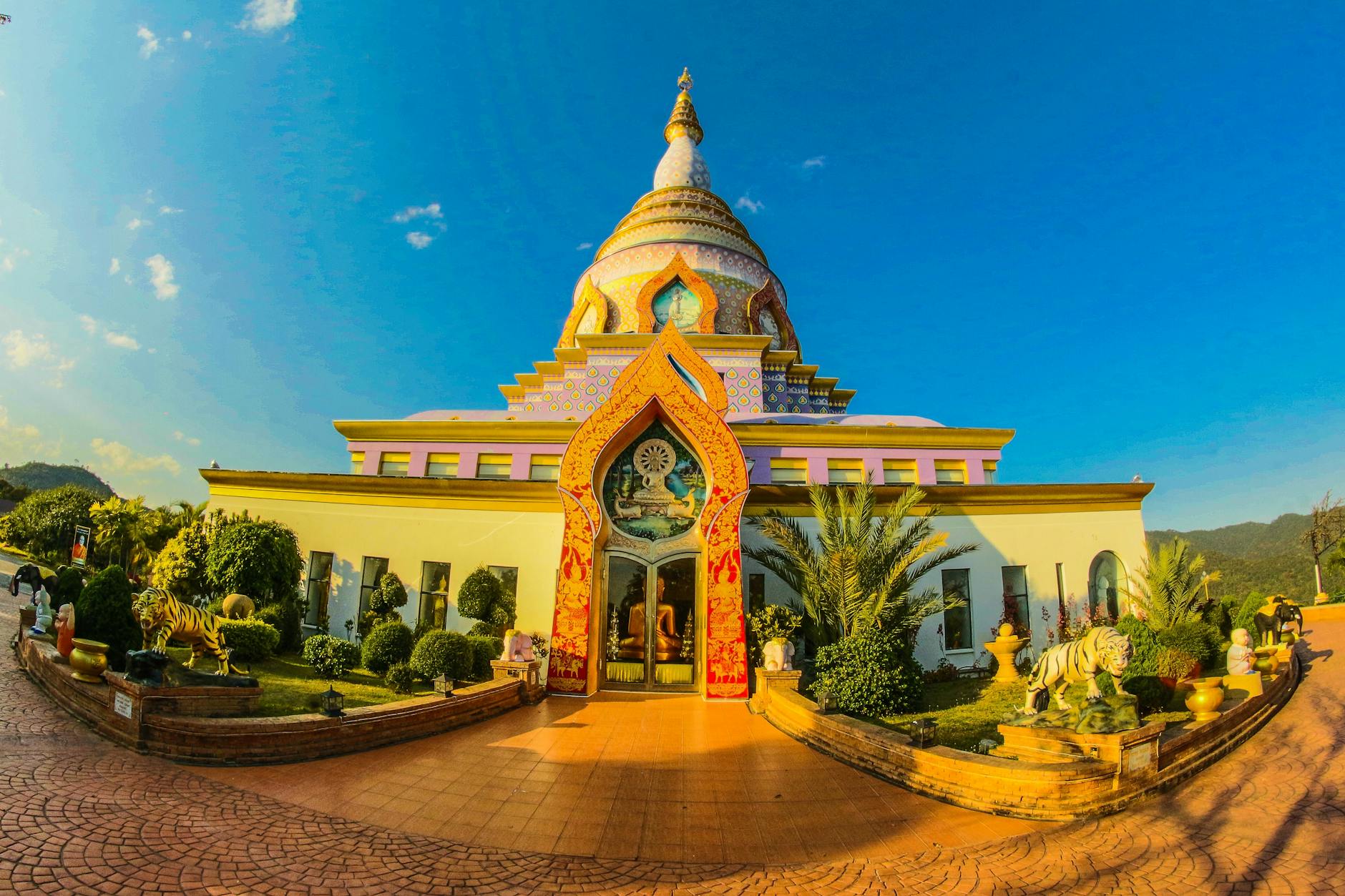
Leaving behind rubbish of any kind inside or immediately surrounding a sacred site is deeply disrespectful to the community that maintains and depends upon that space. Many sacred sites are tended by volunteers or small religious communities who dedicate significant time and resources to keeping them clean and welcoming. Even biodegradable items such as fruit peels or paper can disrupt the visual sanctity of a carefully maintained environment. Carrying a small bag for personal waste until a proper disposal point is found is a straightforward habit that makes a meaningful difference.
Disruptive Behavior
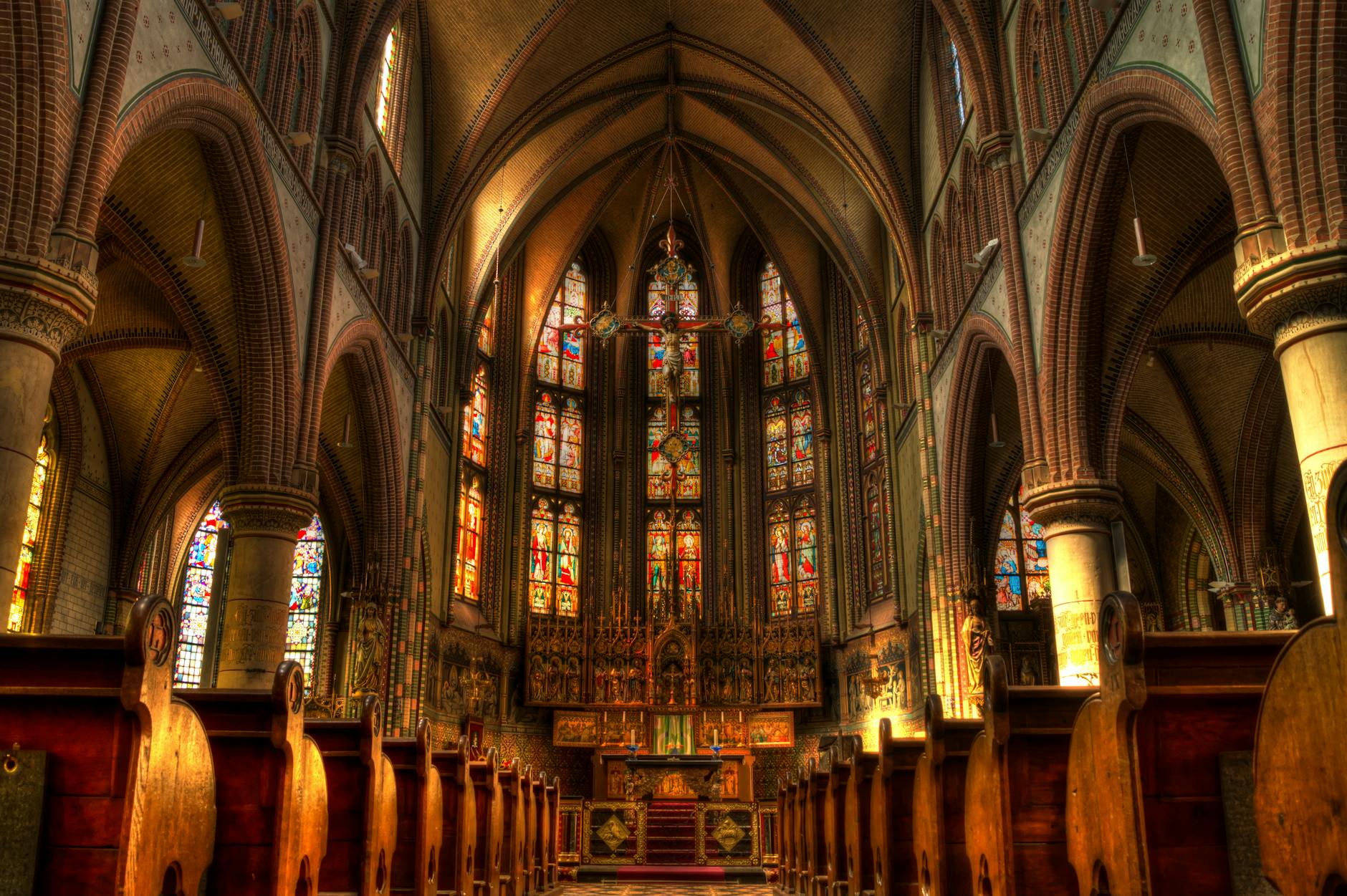
Laughing loudly, running, engaging in playful physical contact, or performing any behavior that would be out of place in a solemn environment is inappropriate within the boundaries of a sacred site. These spaces are designed to facilitate a particular kind of inner experience, and disruptive energy undermines that atmosphere for everyone present. Children should be gently guided to understand the expectations of the space before entering, rather than redirected after disruption has already occurred. Approaching the visit with the same composure one would bring to a formal or ceremonial occasion is always a sound guideline.
Ignoring Local Customs
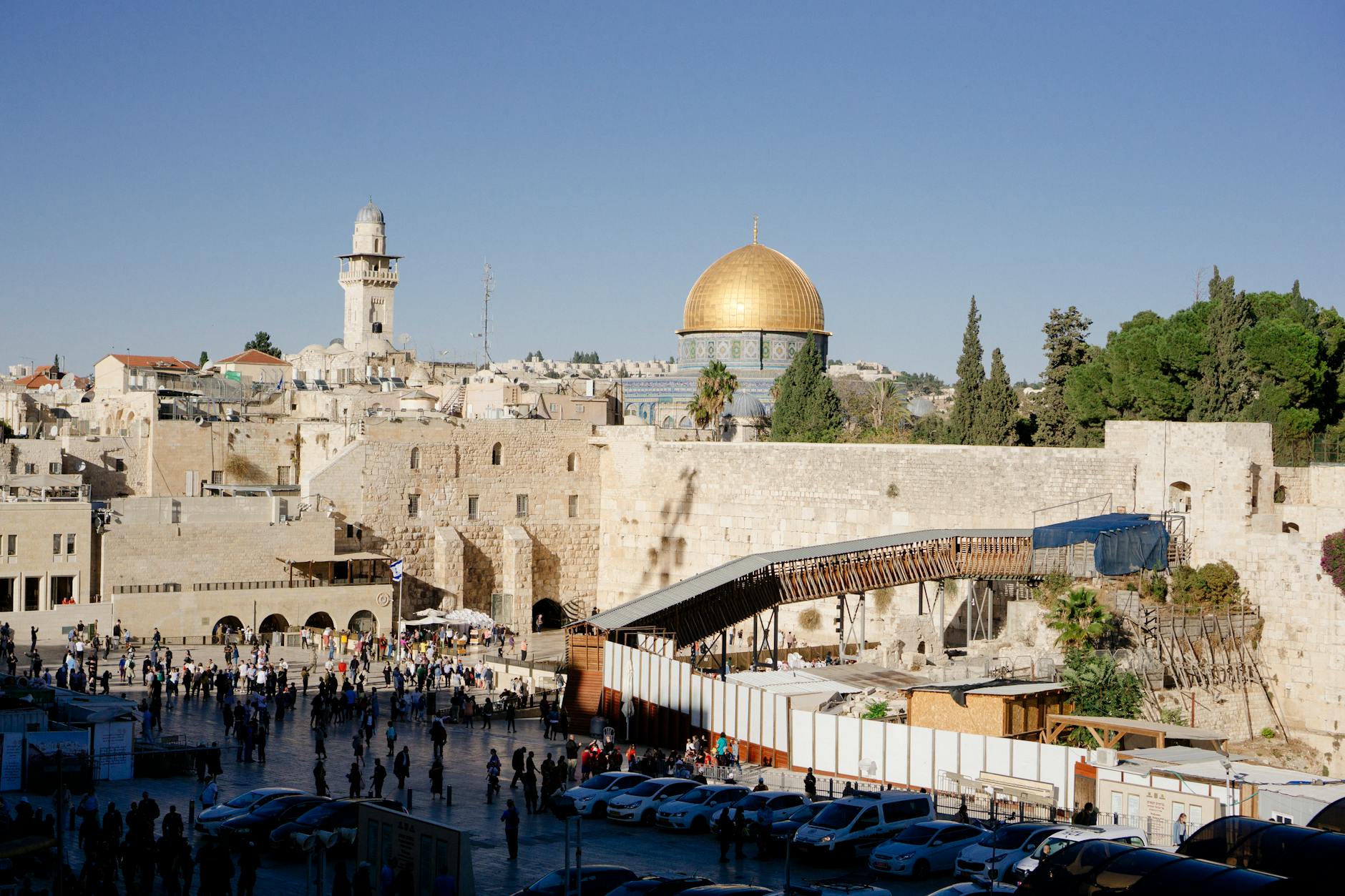
Every sacred site exists within a specific cultural and religious context that shapes the etiquette expected of all who enter. In some traditions, visitors are required to remove their shoes, bow upon entering, walk in a particular direction, or observe silence during specific times of day. Assuming that the norms of one’s own background apply universally can lead to unintentional offense and genuine harm to the relationship between tourists and local communities. Taking time to read about the customs associated with a site before visiting is an investment in a more meaningful and respectful experience.
Haggling Nearby
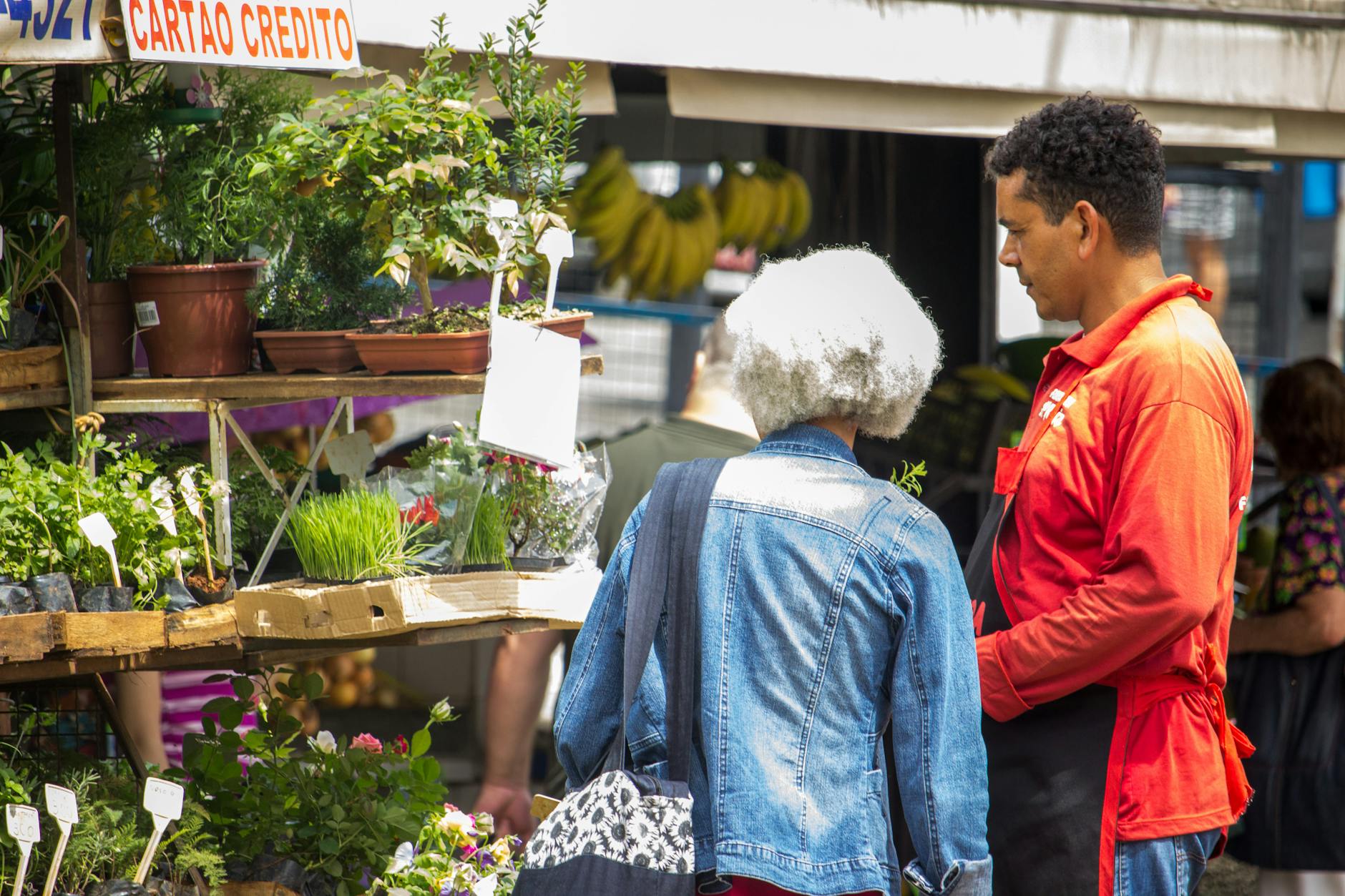
Attempting to negotiate prices or engage in loud commercial transactions directly outside a place of worship or at the entrance to a sacred precinct is widely viewed as disrespectful in cultures around the world. The area surrounding a sacred site is often considered an extension of its spiritual atmosphere, and market-style behavior clashes sharply with the tone these communities work to maintain. If local vendors operate near a sacred site, transactions should be conducted quietly and courteously. Moving away from the site’s immediate boundary before engaging in shopping is a simple way to honor the space.
Recording Ceremonies
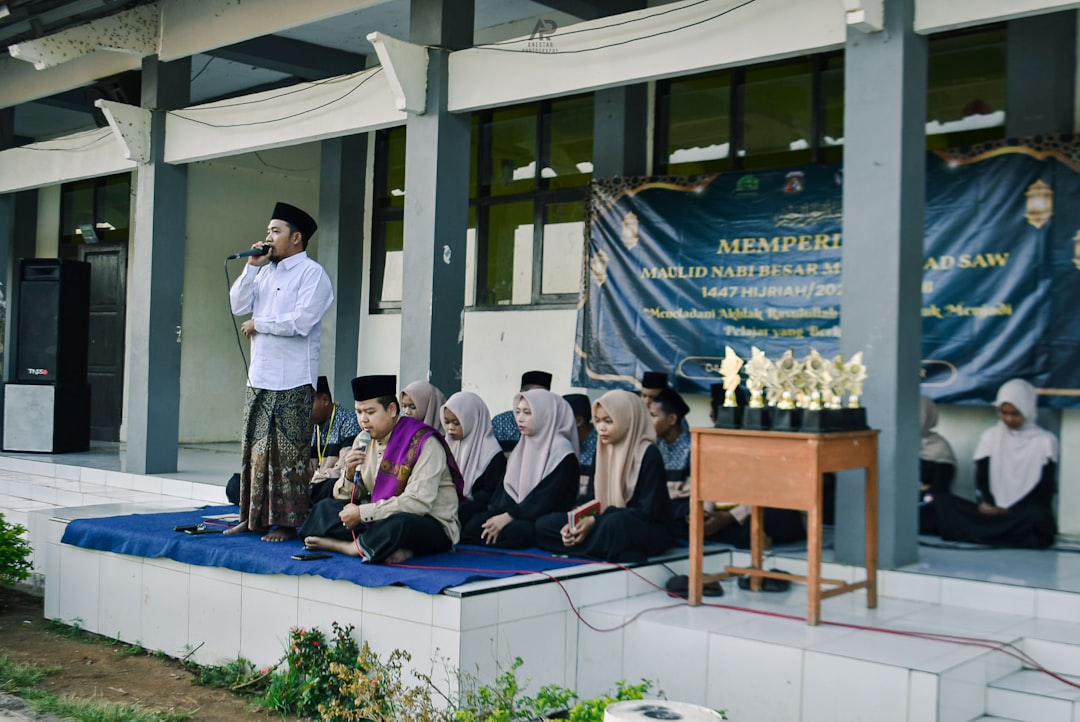
Filming or photographing active religious ceremonies, rituals, or prayers without explicit permission is an intrusion into deeply personal and communal acts of faith. What appears visually compelling to an outside observer may carry profound spiritual significance that is not meant to be documented or shared with a public audience. Some communities have experienced widespread harm from having their sacred practices exposed online without consent, leading to restrictions that affect all future visitors. When a ceremony is taking place, the appropriate response is respectful observation or a quiet withdrawal from the area.
Bringing Pets

Unless a service animal is required for accessibility purposes, bringing pets into or immediately around a sacred site is generally considered inappropriate and is prohibited at many locations worldwide. Animals can disrupt the atmosphere of reverence, frighten other visitors, and in some traditions, are considered spiritually impure within the boundaries of a holy space. Even well-behaved pets can cause distraction during moments of prayer or ceremony. Making arrangements to leave animals elsewhere before visiting a sacred site is both a practical and a respectful decision.
Sitting on Altars
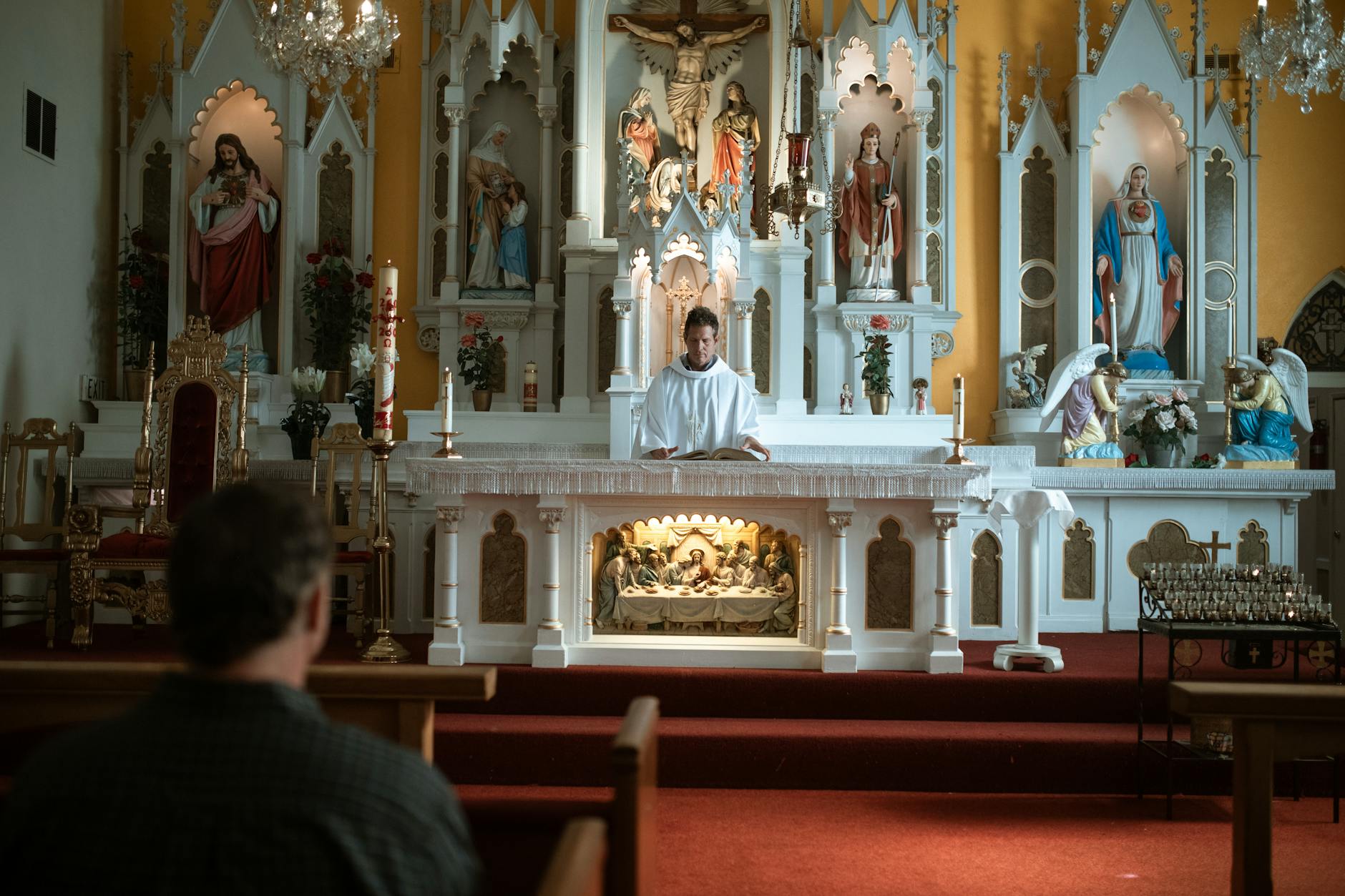
Altars, offering tables, memorial stones, and raised platforms within sacred sites are ceremonial structures that hold deep spiritual or symbolic meaning for the communities that created them. Using these surfaces as seating, a place to rest belongings, or a backdrop for photographs is considered highly offensive in virtually every religious tradition. The act communicates a fundamental misunderstanding of the object’s significance and can cause real distress to worshippers and site guardians who witness it. Treating every elevated or decorated structure as a sacred object unless clearly indicated otherwise is a reliable approach to avoiding this mistake.
Bargaining for Entry
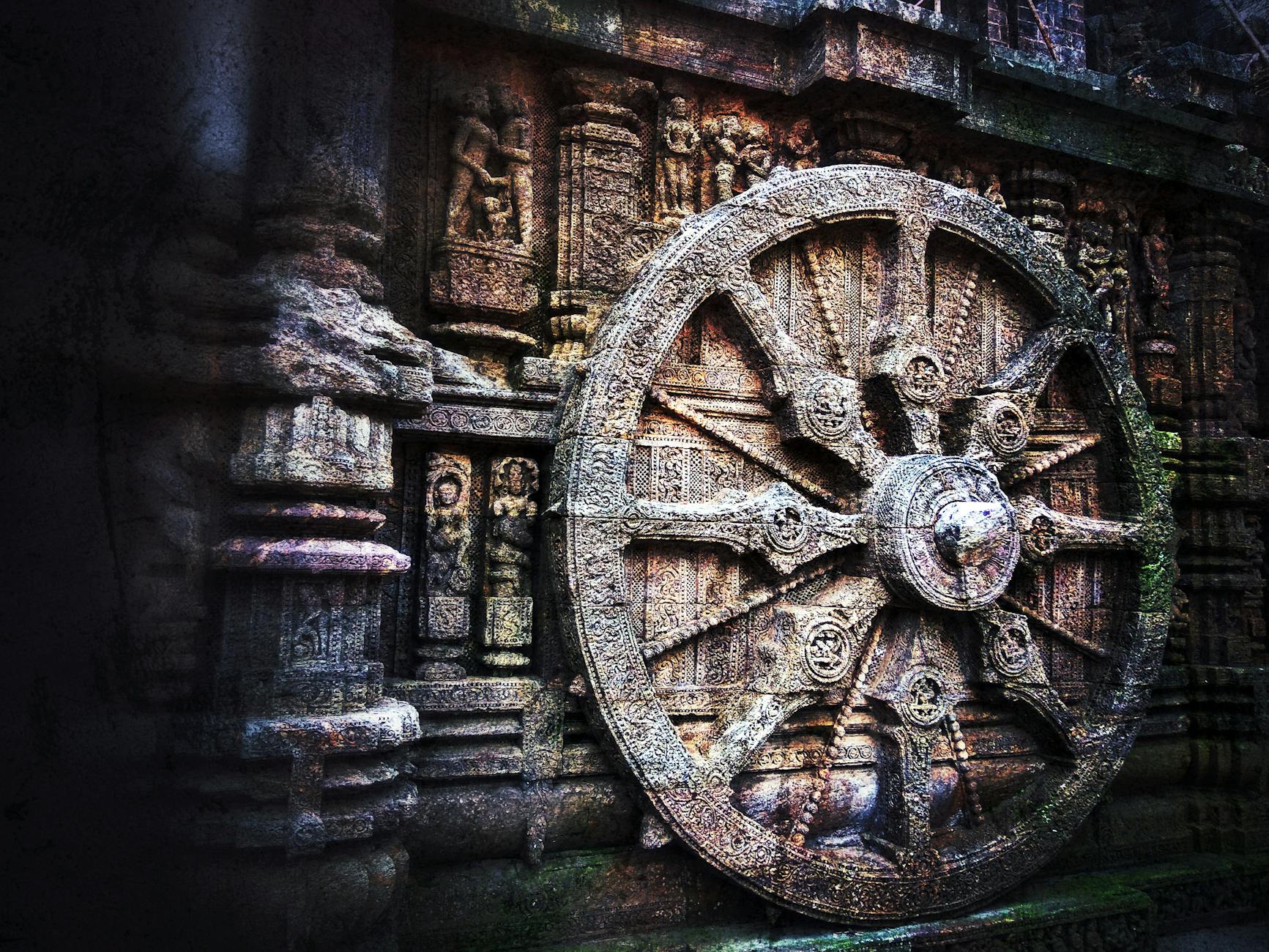
Attempting to negotiate the suggested donation or required entry fee at a sacred site places financial pressure on communities that often rely on visitor contributions to fund preservation and religious programming. These fees are rarely set arbitrarily and typically reflect the genuine cost of maintaining spaces that may be centuries or even millennia old. Treating a sacred site as a commercial venue where prices are negotiable misunderstands both the purpose of the fee and the nature of the space itself. Paying the requested contribution graciously is one of the most direct ways to support the continued existence of these irreplaceable places.
Have you visited a sacred site that left a lasting impression on you? Share your experiences and any etiquette tips you have picked up along the way in the comments.