The reusable bag sitting folded by your front door or crumpled in the back of your car is almost certainly carrying more than your last grocery shop. The shift away from single-use plastic bags was an important environmental step, but it introduced a hygiene variable that most households have never seriously addressed. Studies examining the bacterial load of reusable bags in regular use have found contamination levels that would be considered unacceptable in any food preparation context, yet the bags themselves continue to be used without a second thought. The habits that create these conditions are ordinary, unremarkable and almost universal, which is precisely what makes them worth examining. What follows are the practices that hygiene-conscious shoppers and food safety professionals consistently identify as the most significant risks associated with reusable bag use.
Raw Meat Storage
Placing raw meat directly into a reusable bag without any secondary containment allows blood and tissue fluid to seep through packaging seams and contact the bag’s interior fabric. The pathogens present in raw poultry, beef and pork including salmonella, campylobacter and E. coli are capable of surviving on fabric surfaces for periods that extend well beyond the typical interval between shopping trips. A bag that has carried raw meat and is then used for fresh produce on a subsequent shop creates a direct cross-contamination pathway that is functionally identical to placing unwashed produce on a surface where raw meat has rested. Dedicated bags used exclusively for raw meat and washed after every single use represent the minimum hygiene standard for this category of grocery item.
Floor Placement
Setting reusable bags on the floor at any point in their journey from shop to home exposes the base of the bag to a microbial environment that is among the most contaminated surfaces encountered in daily life. Public floors including supermarket aisles, car park surfaces, public transport floors and kitchen floors carry concentrations of fecal bacteria, environmental pathogens and chemical residues that transfer readily to fabric on contact. The base of the bag then contacts the surfaces where food is unpacked including kitchen counters and tables, creating a transfer pathway from floor to food preparation environment. Hanging bags from cart handles, placing them on conveyor belts rather than floors and unpacking directly onto a clean surface rather than setting the bag down on the counter are all habits that interrupt this contamination pathway.
Car Boot Storage
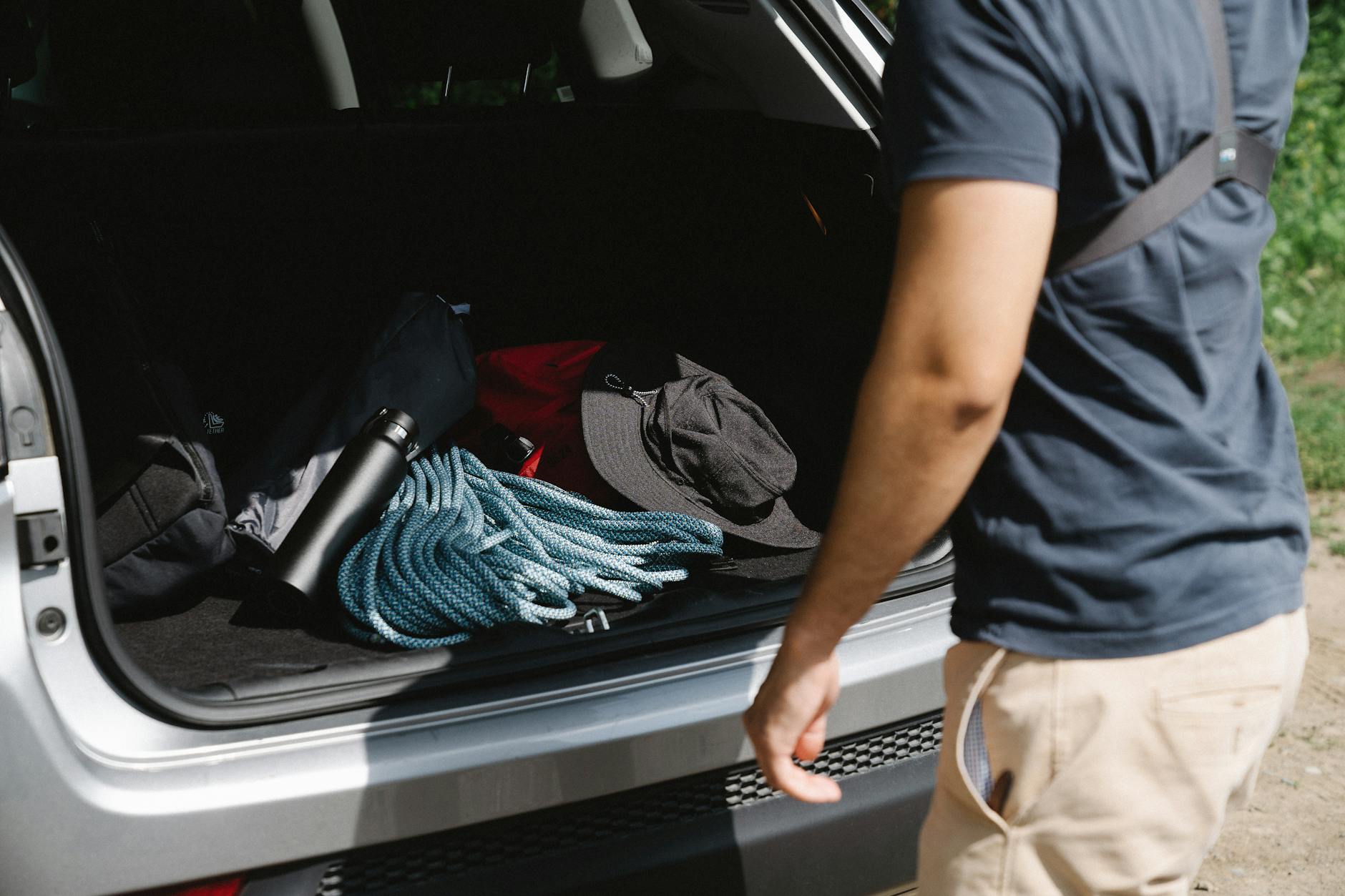
Storing reusable bags permanently in a car boot creates a hygiene environment that most people would not tolerate in any other food storage context. Boot temperatures in warm weather regularly exceed levels that accelerate bacterial multiplication on any organic residue remaining in the bag from previous shops. The dark, enclosed and poorly ventilated environment of a car boot provides conditions that favor mold growth on damp fabric and the accumulation of odors that indicate active microbial activity. Bags stored in the boot also accumulate contact with the full range of materials transported in that space over time, including soil from garden supplies, chemical residues from cleaning products and bacteria from sports equipment and shoes.
Produce Mixing
Using a single reusable bag to carry both unwashed raw produce and ready-to-eat items including bread, cooked foods or packaged snacks creates a cross-contamination risk that packaging alone does not fully mitigate. Soil, pesticide residues and naturally occurring bacteria present on the surface of unwashed vegetables and fruit transfer to the interior of the bag and subsequently to any other item that shares the space. Ready-to-eat foods whose packaging has small openings, perforations or porous surfaces are particularly vulnerable to absorbing contamination from the bag environment. Maintaining separate dedicated bags for raw produce, ready-to-eat foods and non-food items is the structural solution that eliminates this risk category entirely.
Skipping Washing
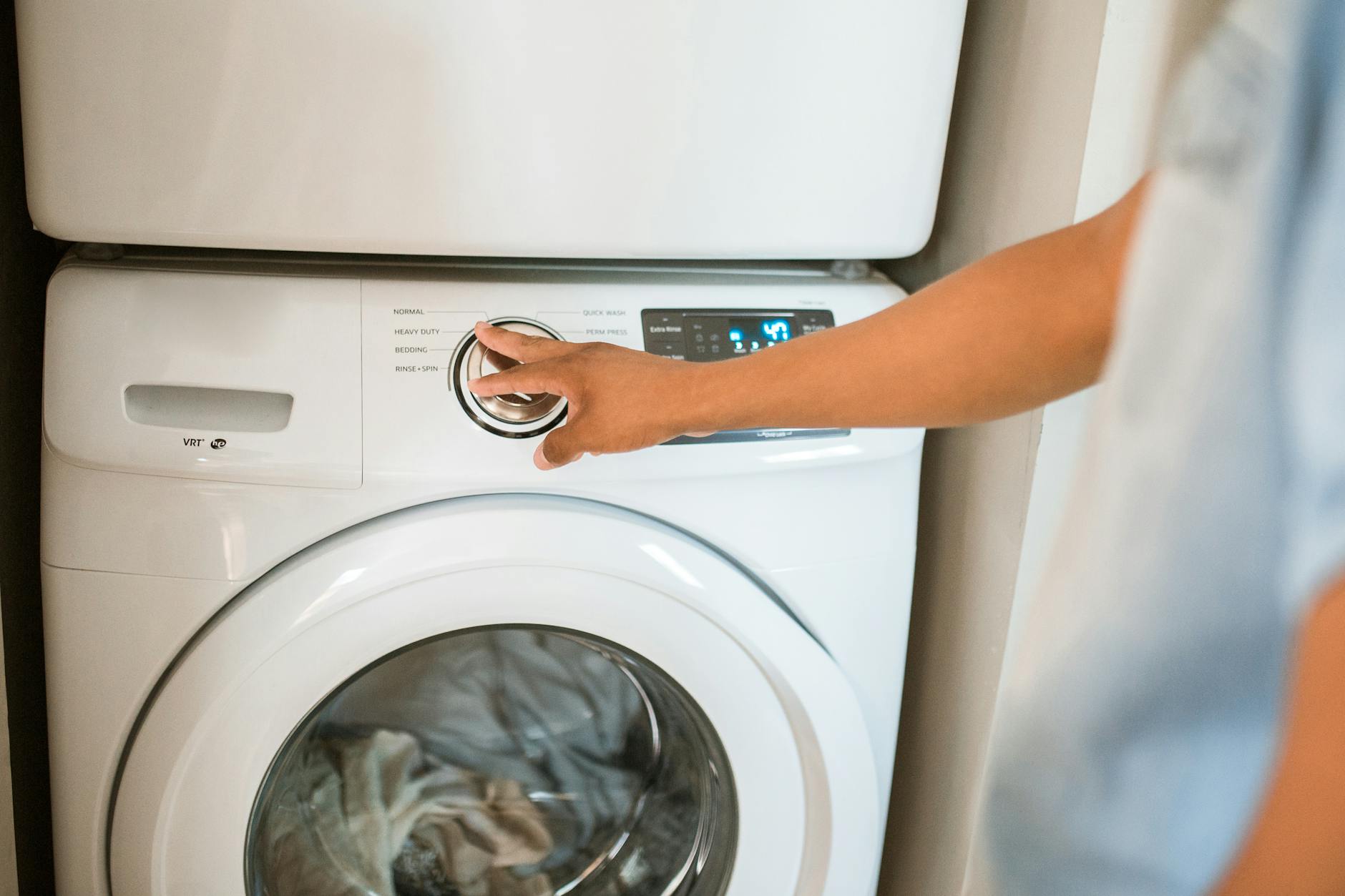
Failing to wash reusable bags at regular intervals allows a progressive accumulation of bacterial load that compounds with every subsequent shopping trip. Research has found total coliform bacteria counts in unwashed reusable bags that exceed safe thresholds for food contact surfaces by significant margins, with the contamination concentrated in the interior base where food items rest. Most fabric bags including cotton, canvas and polypropylene non-woven bags are machine washable and can be laundered effectively with standard detergent, yet the majority of reusable bag owners report washing their bags rarely or never. The reasonable minimum washing frequency for bags used for food shopping is after every two to three uses, with immediate washing required after any raw meat, fish or unwashed produce contact.
Damp Storage
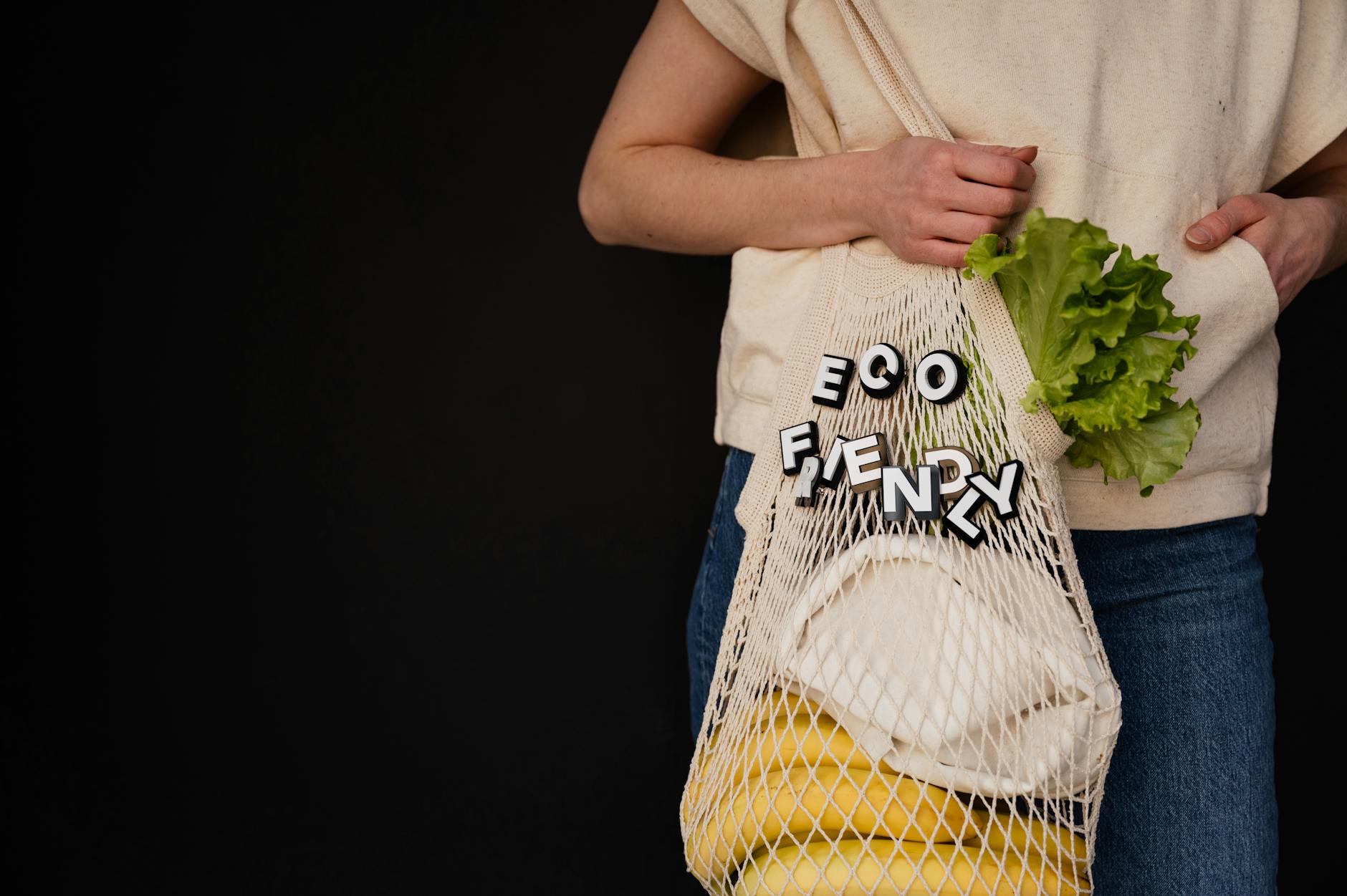
Folding and storing a reusable bag while it is still damp from condensation, spilled liquids or post-washing creates ideal conditions for mold and mildew growth within the fabric structure. Mold spores are ubiquitous in the environment and require only moisture, organic material and time to establish colonies that are extremely difficult to fully eliminate once embedded in fabric fibers. A bag that smells musty when opened is already harboring a fungal population that will transfer spores to any food item placed inside it. Bags must be fully air-dried before folding and storage, and bags that have developed a persistent musty odor despite washing should be replaced rather than continued in food use.
Chemical Co-Storage
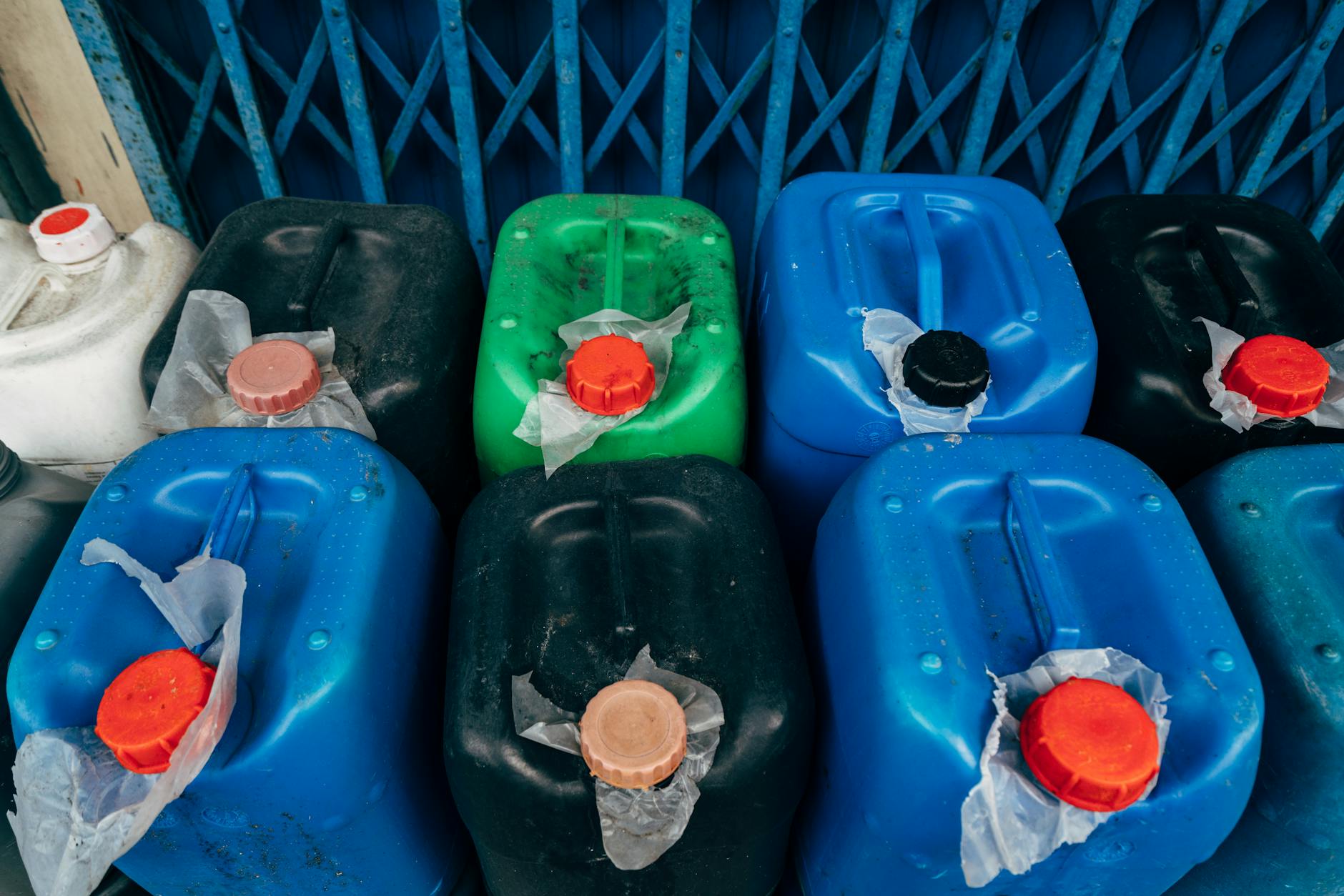
Storing reusable bags in the same space as household chemicals including cleaning products, pesticides, paint or automotive fluids creates a risk of chemical transfer to food contact surfaces through vapor absorption, accidental contact or residue on shared storage surfaces. Fabric bags are particularly susceptible to absorbing volatile organic compounds from nearby chemical containers, and the absorbed compounds do not dissipate during normal air drying. Food items placed in a bag that has absorbed chemical vapors may acquire trace contamination that is invisible and odorless but physiologically significant with repeated low-level exposure. Dedicated food bag storage away from any chemical products is a simple structural change that eliminates this risk entirely.
Sharing Bags

Sharing reusable bags between households or lending them to other users introduces an unknown microbial history to a bag’s contamination profile that the recipient has no way to assess or control. The personal hygiene habits, shopping patterns and washing frequency of the bag’s other users are variables that directly affect the bacterial load present when the bag is returned. Food safety principles applied in professional kitchen environments treat shared contact surfaces as a contamination risk by default and require sanitization before use regardless of apparent cleanliness. Reusable bags used for food shopping should be treated as personal hygiene items in the same category as towels and dishcloths rather than as neutral utility objects that can be freely shared without consequence.
Non-Food Item Mixing
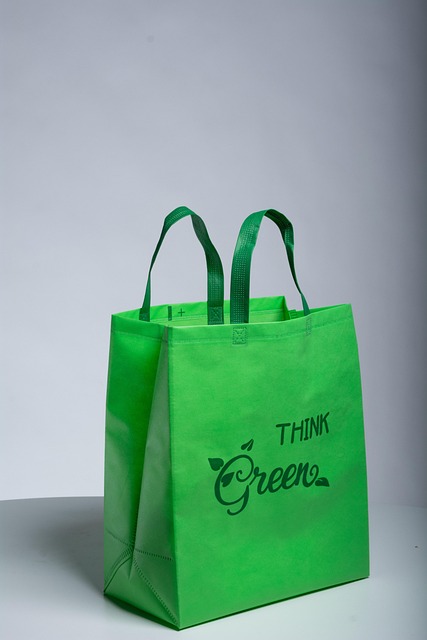
Carrying non-food items including gym clothing, shoes, pet supplies, gardening materials or children’s toys in the same bags used for food shopping transfers the specific microbial populations associated with each of those item categories into the food contact environment of the bag’s interior. Gym clothing and shoes carry high concentrations of skin flora, fungal organisms and environmental bacteria that are entirely inappropriate in a food contact context. Pet supplies including food bowls, toys and grooming tools carry zoonotic bacteria that represent a genuine cross-contamination risk to human food. Maintaining a strict separation between food bags and non-food bags is a habit that requires labeling or physical separation of the bag collection but produces a significant and lasting reduction in cross-contamination risk.
Overpacking

Forcing more items into a reusable bag than its design accommodates creates physical pressure that ruptures food packaging, causes liquid containers to leak and brings foods that should remain separated into direct contact within the compressed interior. The structural stress of overpacking also degrades the bag’s seams and base over time, creating micro-tears in the fabric where bacteria accumulate and become inaccessible to standard washing. Items packed under excessive pressure release moisture and organic material into the bag fabric at a higher rate than items carried with appropriate space, accelerating the bacterial accumulation between washes. Carrying an additional bag rather than forcing excess items into a single bag is the practical solution that protects both food integrity and bag hygiene simultaneously.
Unwashed New Bags
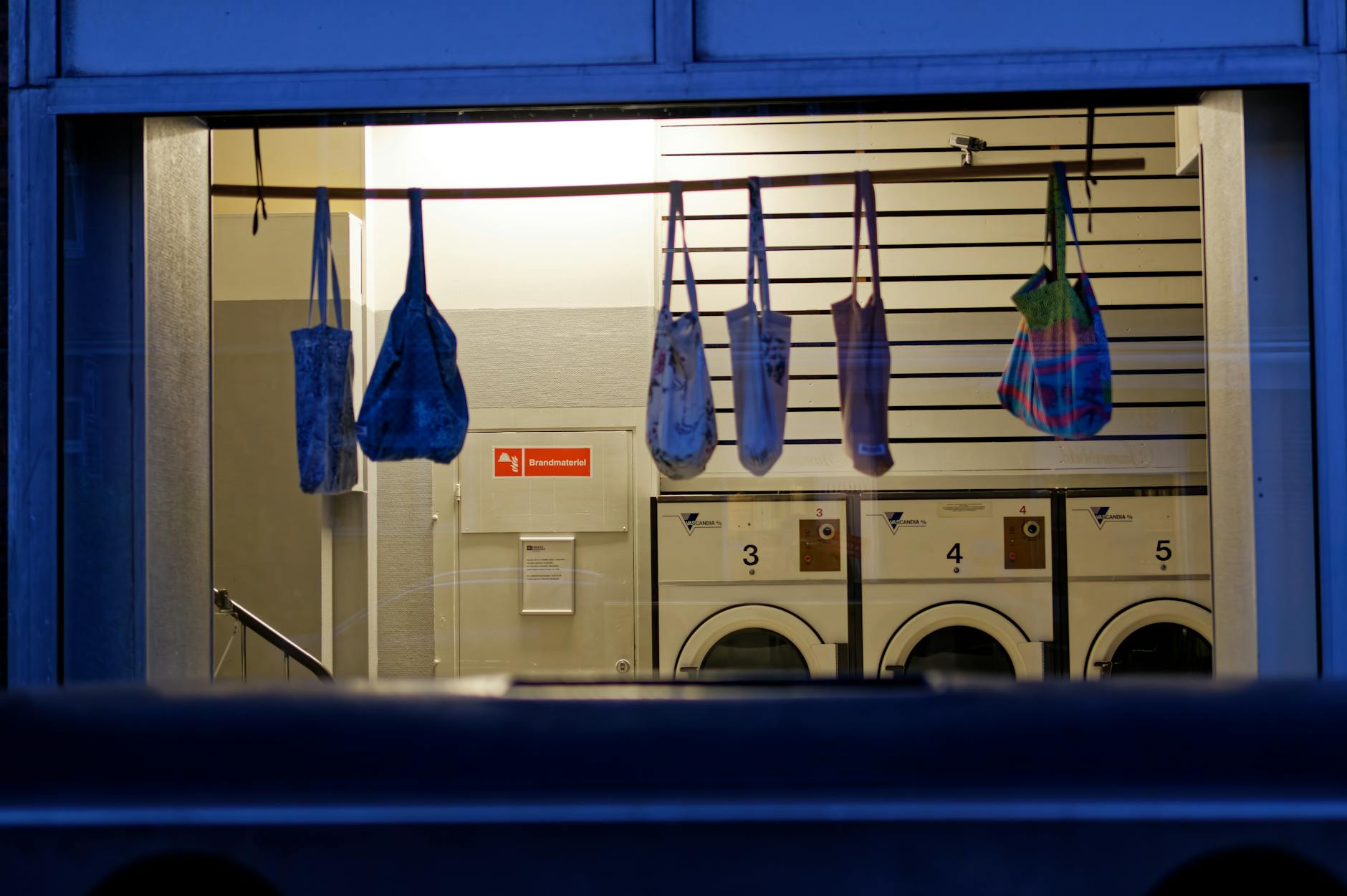
Using a brand new reusable bag for food shopping without washing it first exposes groceries to the manufacturing residues, dyes, sizing agents and storage environment contamination that are present on all new fabric items before their first wash. Textile manufacturing processes apply a range of chemical treatments to fabric that are not food-safe and are not removed by the packaging or storage process between production and retail sale. New bags are also handled by multiple people during manufacturing, quality control, packing and retail display, accumulating surface contamination before a single item of food is placed inside. Washing all reusable bags before their first use is a standard food safety recommendation that requires no additional effort beyond inclusion in the first laundry cycle.
Ignoring Spills
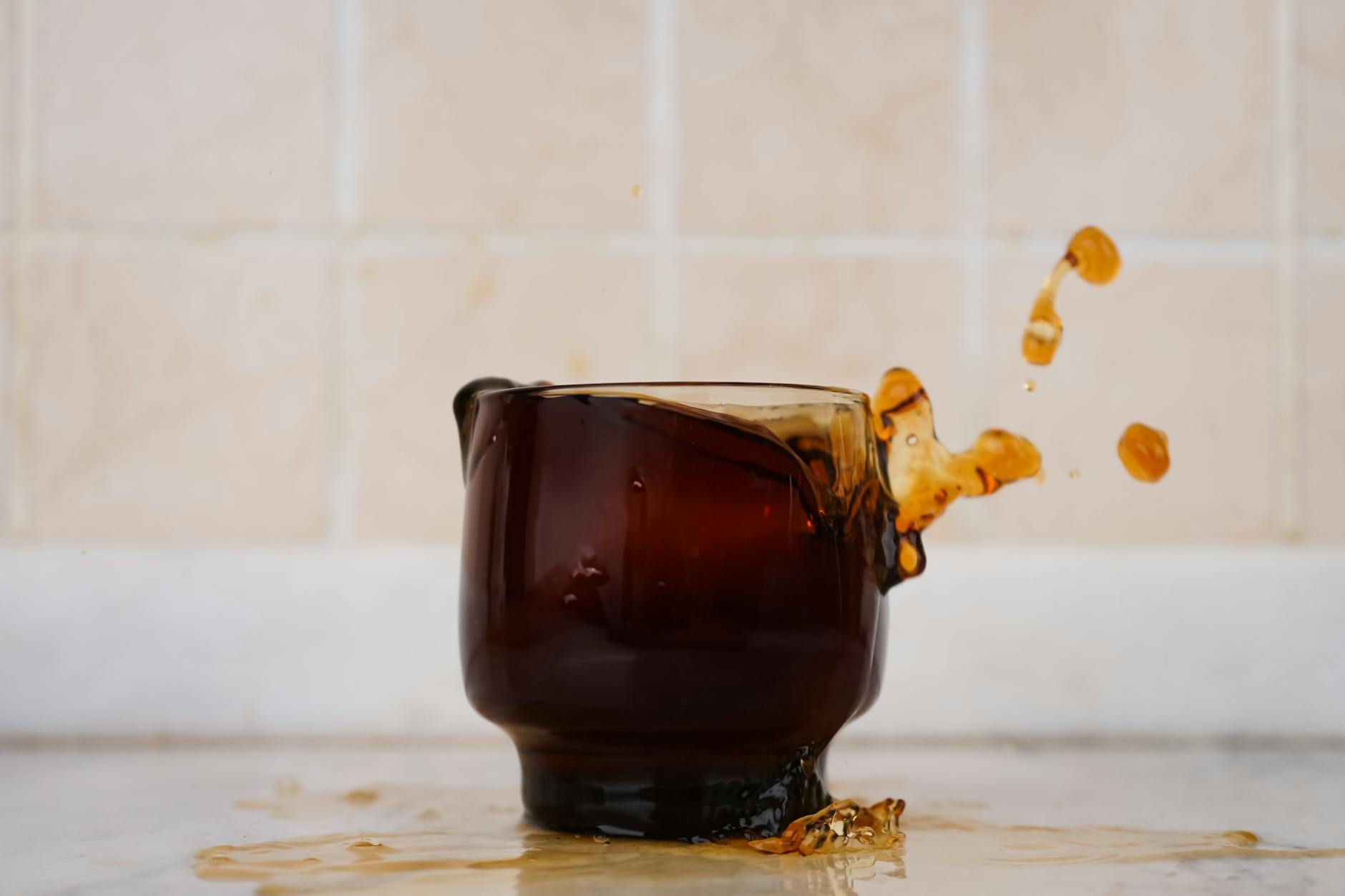
Failing to address spills inside a reusable bag immediately after they occur allows liquids including raw meat drip, fruit juice, dairy products and egg content to penetrate fabric layers and establish bacterial colonies that surface washing cannot fully reach. The organic content of food spills provides an ideal growth medium for the pathogens that are most likely to be present in a grocery shopping environment, and the warm and enclosed conditions of a stored bag accelerate their multiplication between uses. A bag that has experienced a significant internal spill and has not been immediately and thoroughly laundered should be considered contaminated for food use until a verified hot wash cycle has been completed. Keeping a small supply of food-safe surface spray in the kitchen specifically for immediate bag spot treatment provides a practical interim measure when immediate laundering is not possible.
Pet Access
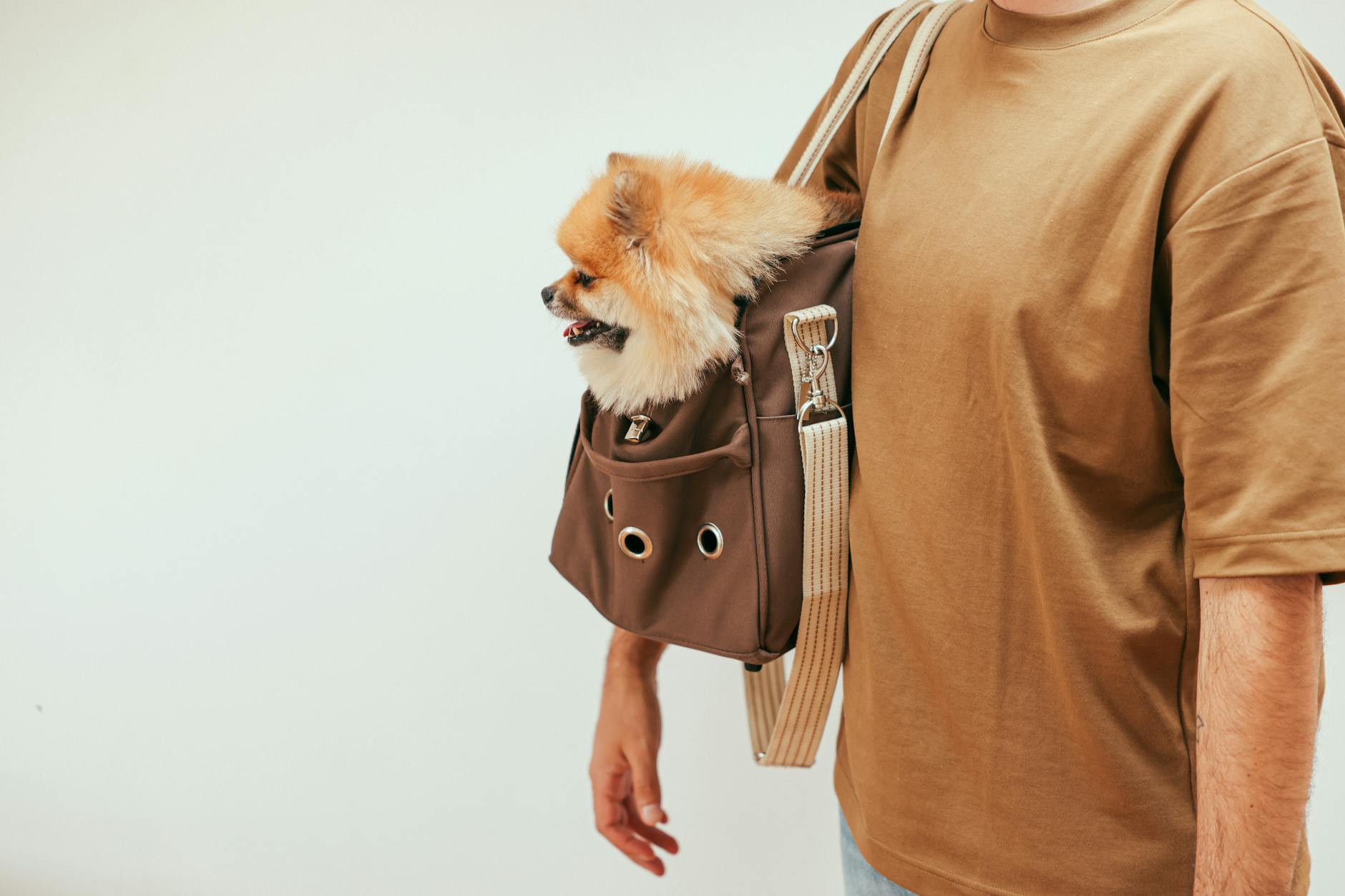
Allowing pets to access, sniff, chew or rest against reusable bags introduces zoonotic bacteria including pasteurella, capnocytophaga and various salmonella strains that are normal components of pet oral and coat flora but are inappropriate in a food contact environment. Dogs and cats are particularly drawn to bags that have carried food items and will investigate them thoroughly given the opportunity, depositing significant quantities of oral bacteria on contact surfaces in the process. Bags that have been mouthed or chewed by a pet should be considered contaminated and require a hot wash cycle before returning to food use regardless of whether visible soiling is present. Storing food bags in a closed cupboard or hanging position that is inaccessible to pets is the structural solution that prevents this contamination route entirely.
Reusing Meat Bags
Reusing a bag that has previously carried raw meat for any other purpose before washing is one of the highest-risk single actions in reusable bag hygiene. The pathogens transferred from raw meat packaging to bag fabric are not neutralized by drying or time and remain viable for food contact transfer through multiple subsequent uses if washing does not occur between them. Research specifically examining reusable bags used for meat shopping has found campylobacter survival on unwashed bag fabric at levels capable of causing illness with minimal transfer to food items. This risk is categorically different from other cross-contamination scenarios because the pathogen load associated with raw meat is reliably high and the consequences of transfer to ready-to-eat food are well-documented.
Hanging Near Waste Bins

Storing reusable bags in proximity to household waste bins allows airborne bacteria and odor compounds from decomposing organic waste to settle on and absorb into bag fabric during storage. The area immediately surrounding a kitchen waste bin has one of the highest ambient bacterial concentrations of any domestic surface, driven by the continuous release of volatile compounds and aerosolized particles from waste contents. Bags stored on hooks or in drawers near bin locations accumulate this contamination passively and continuously regardless of whether they come into direct contact with waste. Relocating bag storage to a position at least one meter from any waste receptacle and ensuring bags are closed or covered during storage produces a measurable reduction in ambient contamination.
Skipping Bag Rotation
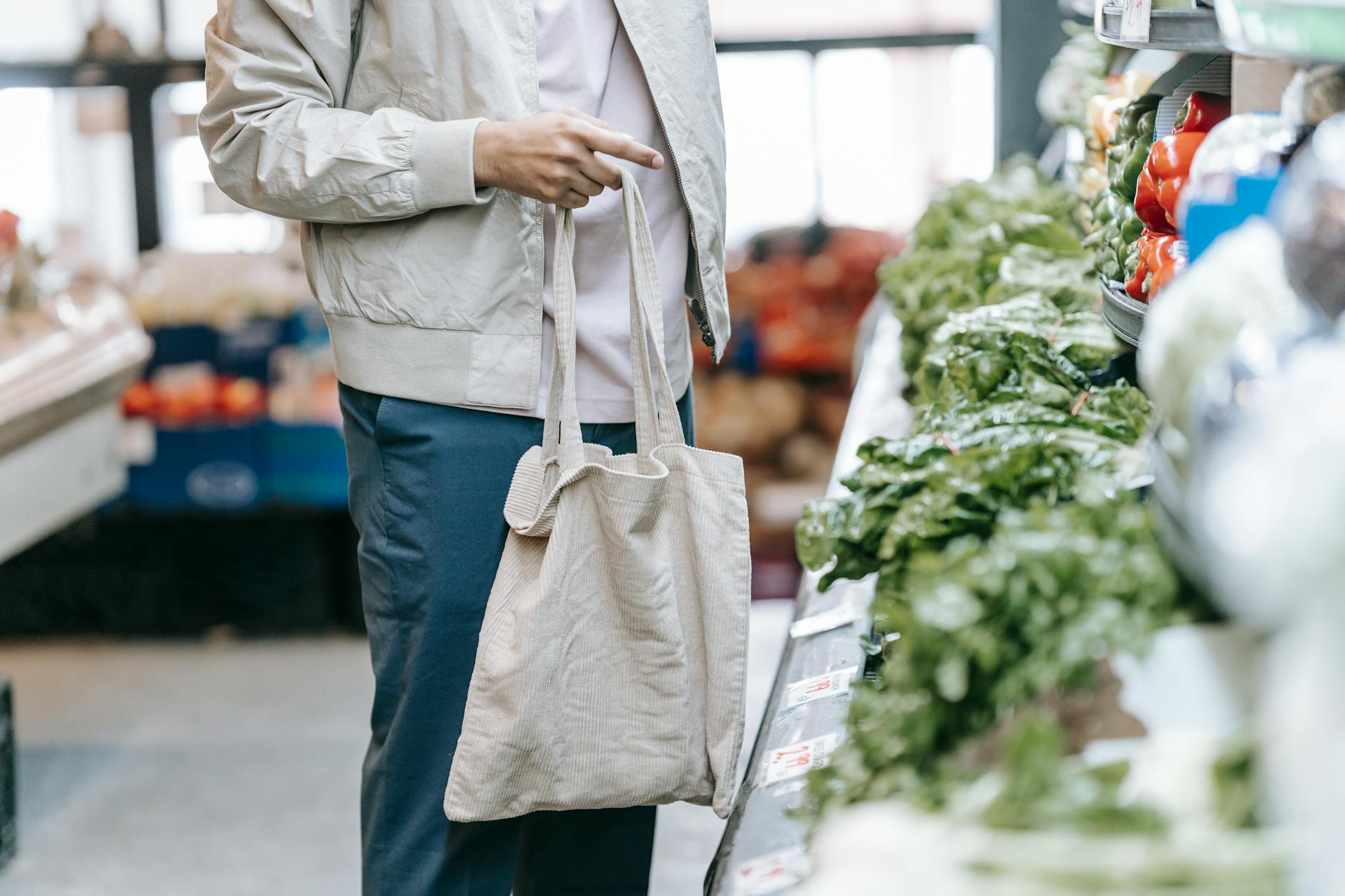
Using the same one or two bags for every shop rather than rotating across a larger collection reduces the recovery time available between uses for drying, airing and the dissipation of bacterial populations that decline naturally with time and exposure to light and air. A bag used multiple times per week without rotation never has sufficient time between uses to benefit from the passive antimicrobial effects of UV exposure, drying and ambient air circulation. Maintaining a collection of at least four to six bags and rotating their use allows each bag adequate recovery time and distributes the total contamination load across a larger number of surfaces. The rotation system also creates natural washing intervals as bags cycle through the collection, producing a more consistent hygiene standard than a single-bag approach ever can.
Ignoring Fabric Type
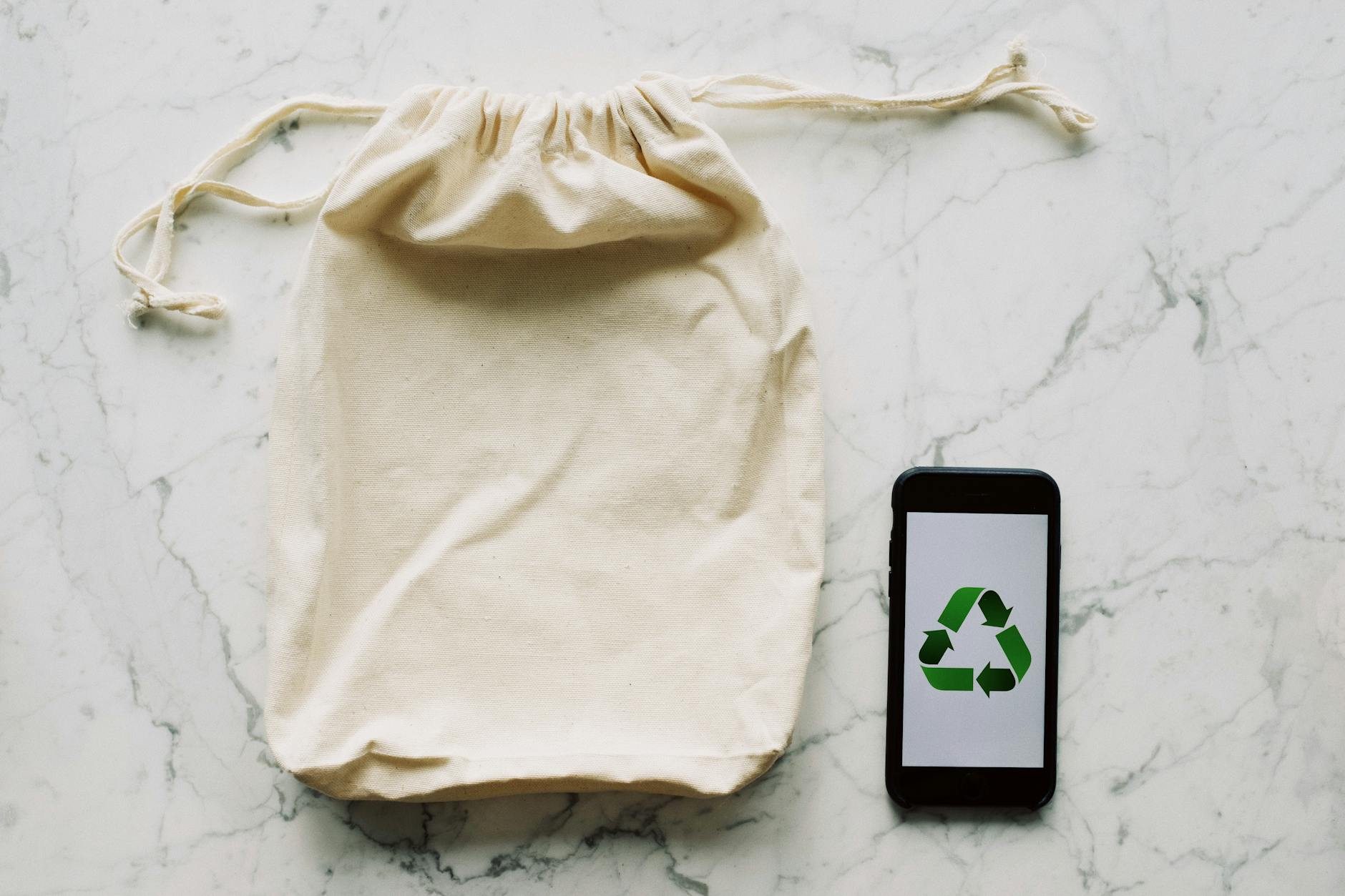
Treating all reusable bags as hygienically equivalent regardless of their material construction overlooks significant differences in bacterial retention, washability and surface porosity that determine how effectively a bag can be cleaned and how quickly it accumulates problematic contamination. Woven polypropylene bags have a surface texture that traps organic material in a way that smooth-surface alternatives do not, while some coated bags cannot be machine washed without damage to the waterproofing that makes them otherwise hygienic. Cotton and canvas bags are the most washable and most effectively sanitized by hot washing but also absorb moisture most readily, requiring thorough drying to prevent mold establishment. Understanding the specific material properties of each bag in a collection and applying the appropriate cleaning protocol rather than treating all bags identically is a foundational step in maintaining a hygienically sound reusable bag system.
Post-Gym Use
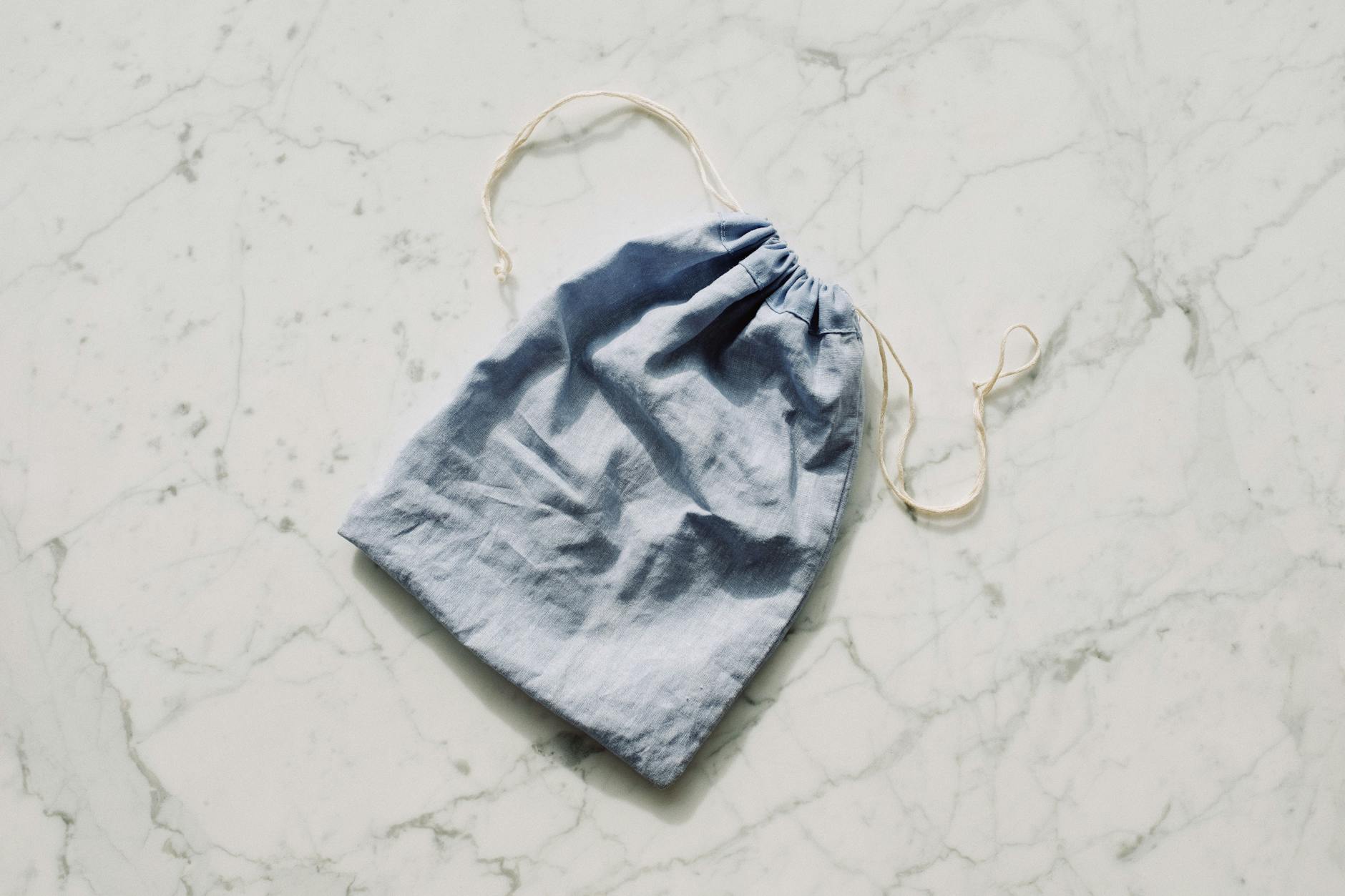
Using reusable shopping bags that have previously carried gym clothing, wet swimwear or exercise equipment for food shopping without intervening washing introduces a concentration of skin flora, fungal organisms and sweat-borne bacteria that is inconsistent with food safety standards. Wet gym clothing in particular creates ideal conditions for rapid bacterial multiplication within the bag during transport, and the resulting contamination is distributed across the entire interior surface and any items it contacts. Athletes and regular gym-goers who consolidate their bag use for convenience purposes are among the most consistently high-risk groups identified in research examining reusable bag contamination. Maintaining a physical separation between sports bags and food bags supported by visual differentiation such as color coding or labeling is the most reliable behavioral solution for this specific risk pattern.
Skipping Base Inspection
Failing to regularly inspect the base and interior seams of reusable bags for signs of soiling, staining, mold growth or fabric breakdown allows deteriorating hygiene conditions to persist invisibly between washes. The base of a bag accumulates the highest concentration of contamination from every use and is the area least likely to be noticed during casual inspection or handling. Staining that penetrates the fabric structure rather than remaining on the surface indicates bacterial or mold activity that surface cleaning cannot address and that signals the need for replacement rather than continued use. A brief visual and olfactory inspection of each bag before use takes under thirty seconds and provides a meaningful hygiene checkpoint that prevents the repeated use of bags that have passed the threshold of effective cleaning.
Airline and Travel Use

Repurposing food reusable bags for travel use including as carry-on organizers, beach bags or hotel laundry holders and then returning them to food shopping use without washing introduces contamination from environments with entirely different and uncontrolled microbial profiles. Airport floors, hotel room surfaces, beach sand and public transport all carry pathogen populations that are not part of the domestic food contact risk profile the bags were managed against. Sand in particular is a reservoir for a wide range of environmental bacteria and parasites that embed in fabric fibers and are not fully removed by standard household washing. Any bag used for travel purposes should be treated as requiring a full hot wash cycle before returning to food use regardless of whether visible soiling is present.
Ignoring Handles
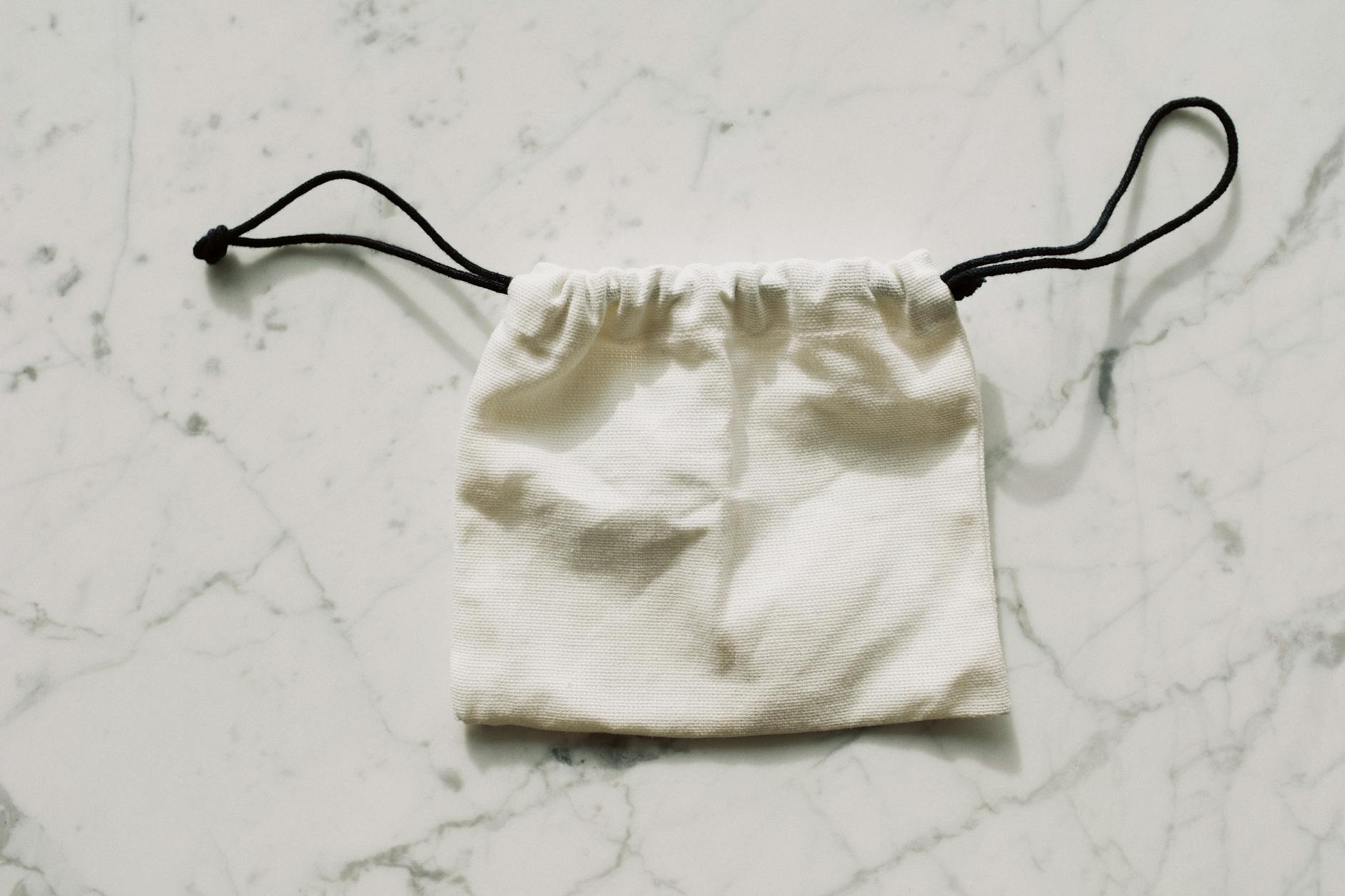
Focusing cleaning attention on the interior of reusable bags while neglecting the handles overlooks one of the highest-contact and most heavily contaminated surfaces on the entire bag. Handles are touched at every stage of the shopping trip by hands that have been in contact with trolley handles, shelf surfaces, payment terminals and product packaging, all of which carry significant bacterial populations in a retail food environment. The accumulated contamination on bag handles then transfers to hands during unpacking and from hands to food preparation surfaces, completing a contamination pathway that interior bag hygiene alone cannot interrupt. Wiping handles with a food-safe antibacterial surface cleaner between washes and including them specifically in the scrubbing process during laundering closes this frequently overlooked gap in reusable bag hygiene.
Bulk Bin Cross-Contact
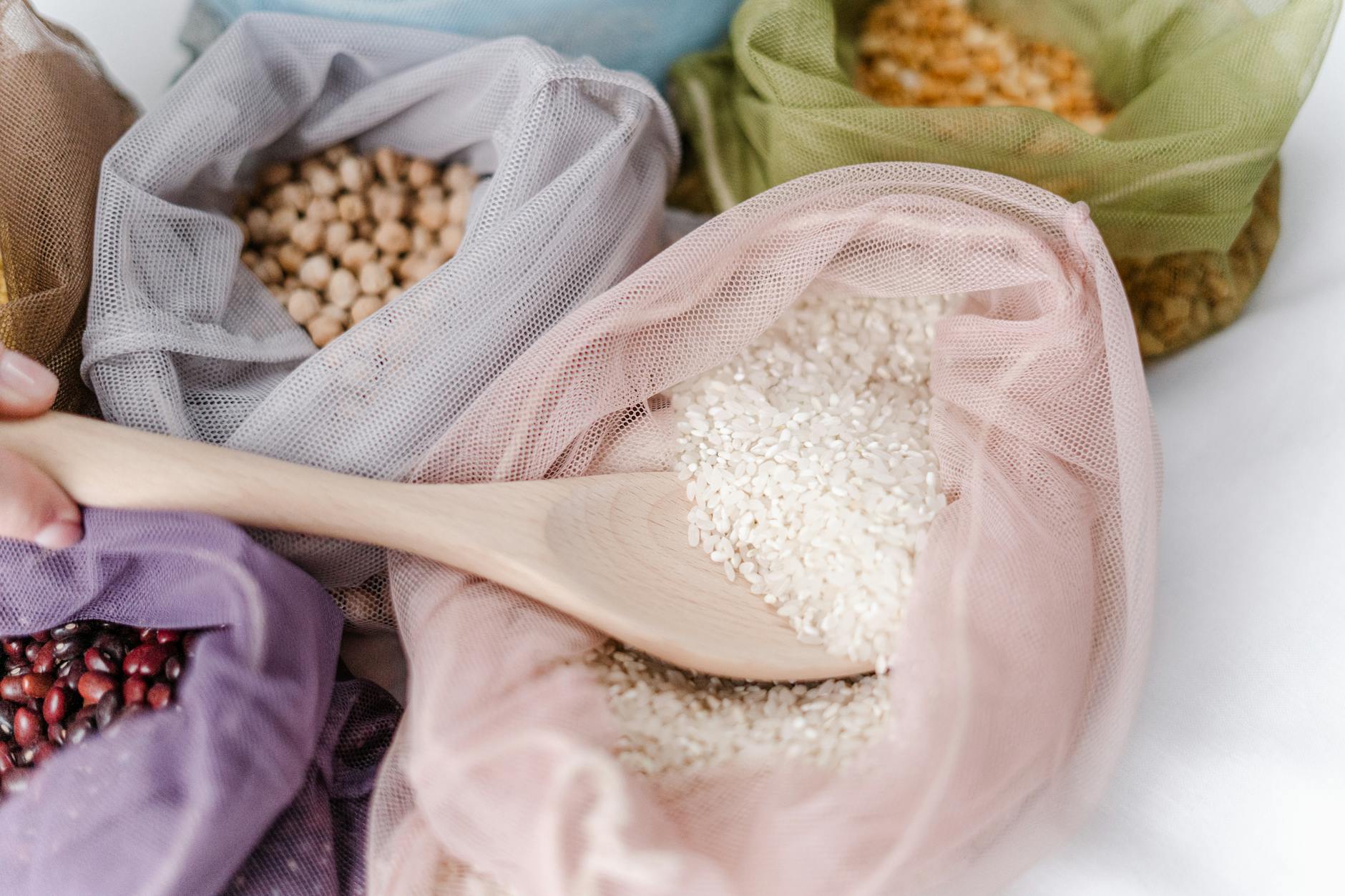
Using reusable bags that have previously carried items from bulk bins including grains, nuts, dried fruit and legumes without washing between uses creates a risk of cross-contamination through residual dust, organic particles and the insects that are occasionally present in bulk bin environments. Bulk bin items carry a higher surface contamination load than pre-packaged equivalents because of their exposure to the open retail environment and multiple customer interactions, and the residues they leave in bags are correspondingly higher in bacterial and pest risk. Grain dust and flour residue in particular provide an excellent growth medium for mold within bag fabric if any moisture is introduced during subsequent use. Bags used for bulk bin shopping should be washed after every single use rather than on the extended interval that may be appropriate for pre-packaged shopping.
Sharing With Children
Allowing children to use food shopping bags as toy carriers, dress-up props or craft material holders and then returning them to food use without washing introduces a contamination profile that reflects children’s characteristically high contact with environmental surfaces, soil and their own oral flora. Children interact with bags differently from adults, including placing them on the ground repeatedly, putting handles in their mouths and transferring hand contamination from play environments that adults do not typically encounter. The specific bacterial populations associated with children’s play environments including sandpits, playground equipment and nursery surfaces include strains that are not part of the standard domestic food safety risk profile. Food bags used by children for any non-food purpose require a full wash cycle before returning to food contact use.
Wrong Water Temperature
Washing reusable bags in cold water rather than the warmest temperature the fabric can tolerate without damage significantly reduces the effectiveness of the laundering process in reducing bacterial load to safe levels. Cold water washing removes visible soiling and reduces odor but does not achieve the thermal kill effect on food-contact pathogens that warm and hot water washing produces. Most cotton and canvas reusable bags can withstand a sixty-degree wash cycle that provides meaningful pathogen reduction, while synthetic bags should be checked for their maximum wash temperature before selection of the laundering program. Using the correct wash temperature for each bag’s material composition rather than defaulting to a universal cold wash is the single most impactful variable in the effectiveness of the cleaning process.
Ignoring Bag Lifespan

Continuing to use reusable bags beyond the point at which their material integrity can support effective cleaning perpetuates food contact exposure to a hygiene risk that no amount of washing can fully address. Fabric that has thinned, pilled, torn or developed permanent staining has a compromised surface structure that harbors bacteria in a way that intact fabric does not, and the physical changes that indicate this state are visible to any attentive inspection. Most reusable fabric bags have a practical hygienic lifespan of one to three years depending on use frequency, washing regularity and material quality, after which replacement is the appropriate hygiene response regardless of the bag’s structural integrity. The environmental benefit of reusable bags is best maintained by replacing worn bags with higher-quality alternatives that support longer hygienic lifespans rather than continuing to use degraded bags in a food contact role.
Skipping Airing
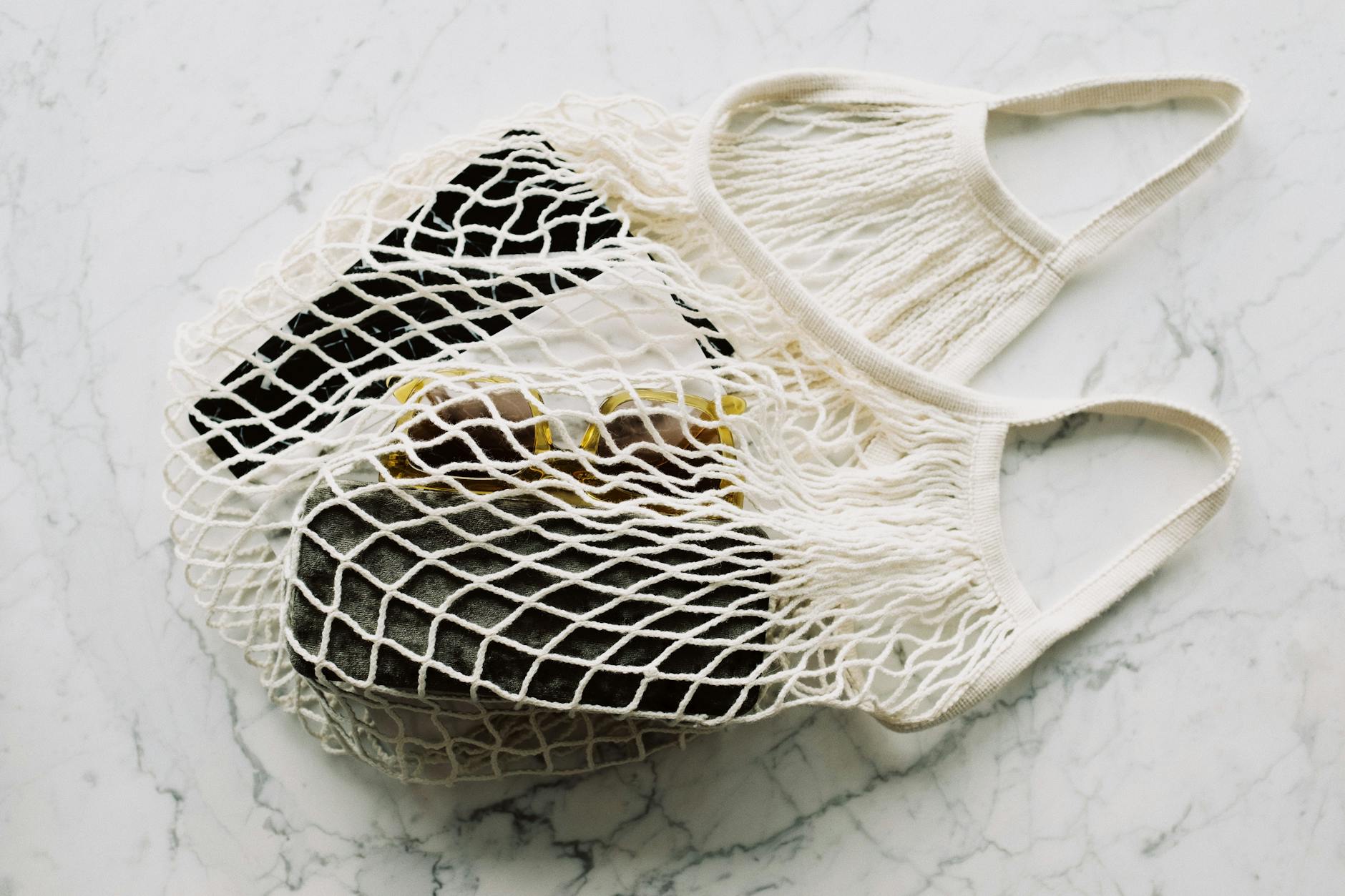
Storing reusable bags in a folded and enclosed state immediately after use without airing them out first traps residual moisture, food odors and the metabolic byproducts of bacterial activity within the fabric in conditions that favor continued microbial growth between uses. Airing bags by hanging them open in a well-ventilated space after each use allows moisture to dissipate, reduces the anaerobic conditions that favor the most concerning pathogen species and exposes fabric surfaces to ambient UV light where natural light is present. The practice requires no additional effort beyond hanging rather than folding after unpacking and produces a passive hygiene improvement between washes that compounds over the bag’s entire use life. Bags that are aired consistently between uses require less frequent washing to maintain an equivalent hygiene standard than bags that are stored folded and enclosed after every use.
If these habits have changed how you think about your reusable bags or if you have hygiene practices that belong on this list, share your thoughts in the comments.