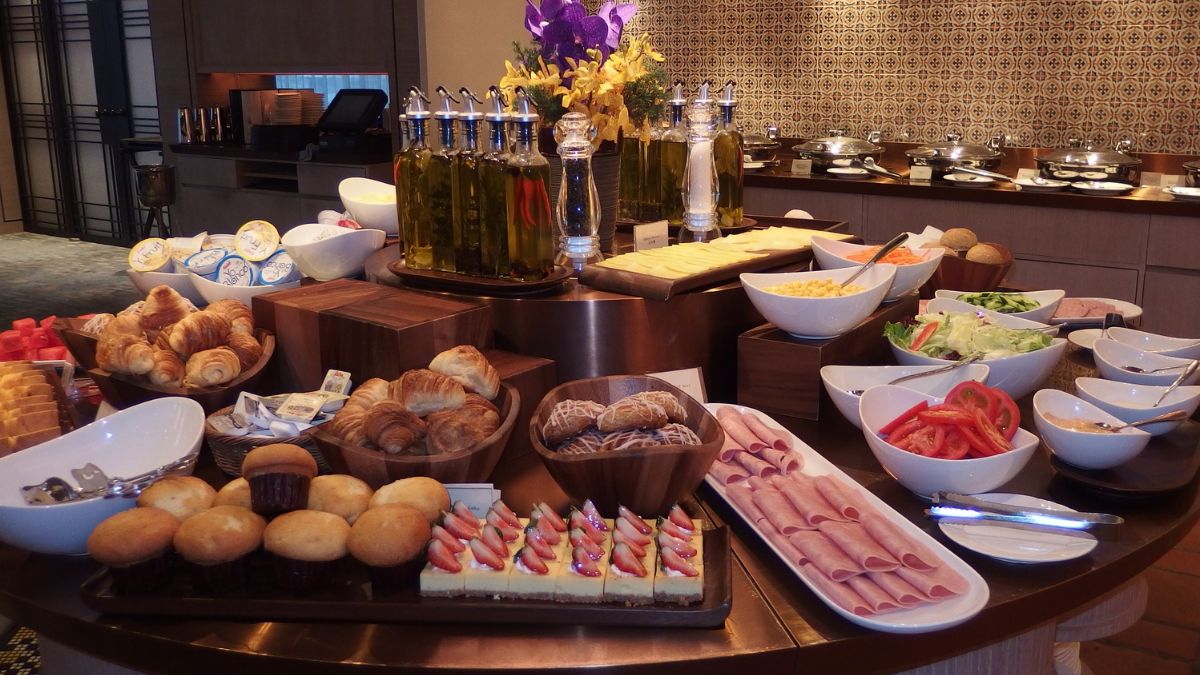
Hotel breakfast buffets are a beloved travel ritual, but not everything on display is as fresh or safe as it appears. Understanding which items to skip can make a real difference in how you feel for the rest of your travel day. Some foods are simply poor candidates for sitting out in open-air warming trays or chilled displays for hours at a time. These fifteen items are the ones most worth avoiding the next time you reach for a plate at the buffet line.
Scrambled Eggs
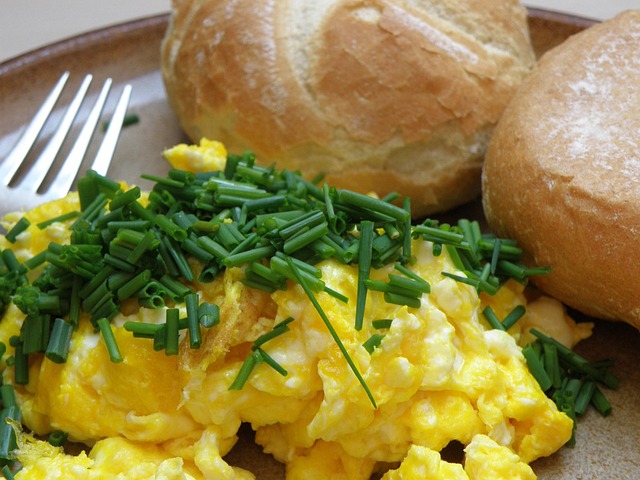
Scrambled eggs are one of the most commonly held foods at hotel buffets, and they are also one of the riskiest. Eggs require precise temperature control to remain safe for consumption, and buffet setups rarely maintain the ideal heat consistently. When eggs sit in a warming tray for extended periods, they dry out and develop a rubbery texture that signals they have been sitting far too long. Bacteria multiply rapidly in egg dishes that fall into the temperature danger zone between warm and hot. Opting for a made-to-order egg station when available is always the smarter choice.
Hollandaise Sauce
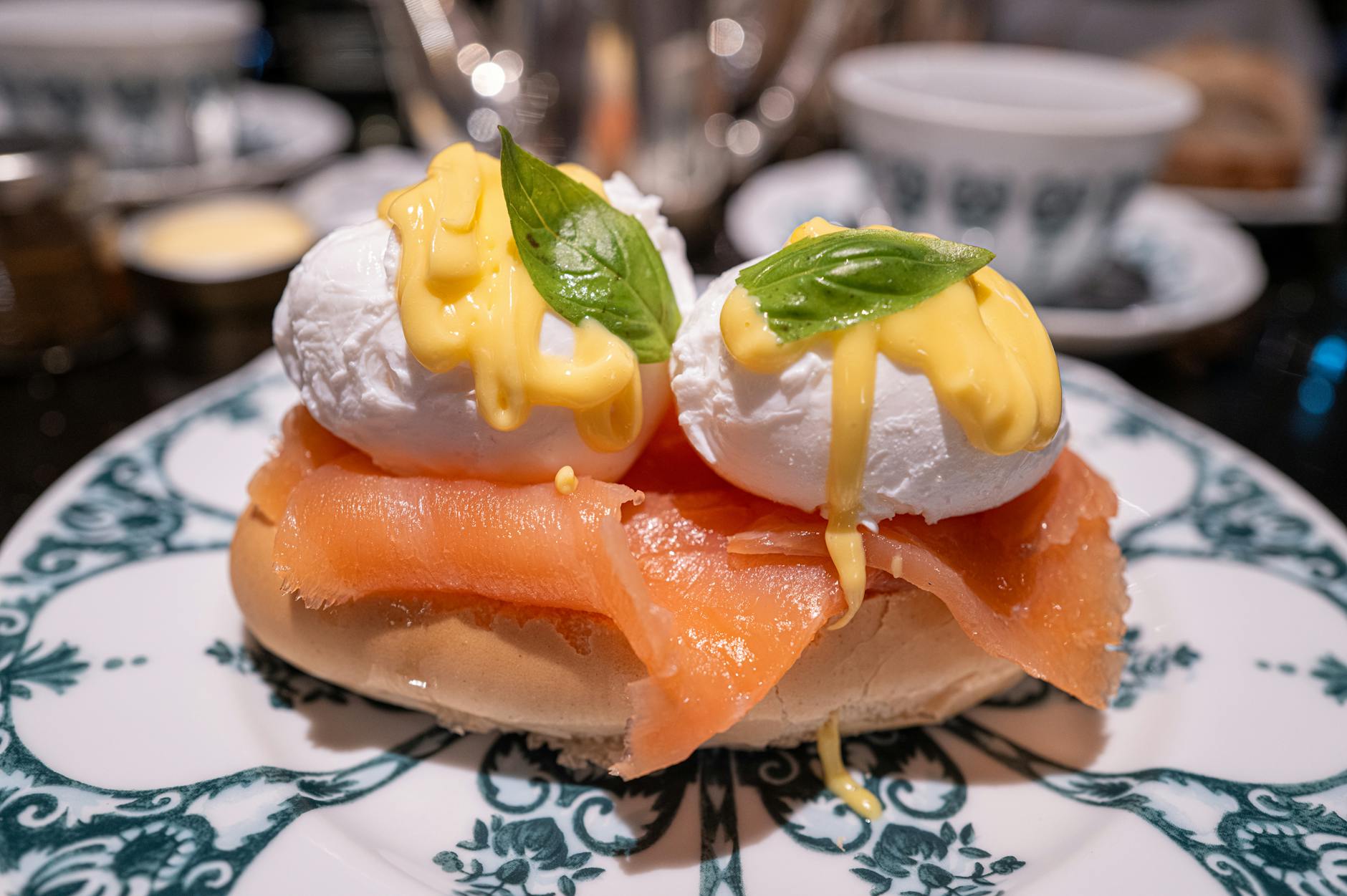
Hollandaise is a notoriously delicate sauce made primarily from raw egg yolks and butter, which makes it one of the most high-risk items at any buffet. It requires careful temperature management that is nearly impossible to maintain over the course of a long breakfast service. At improper temperatures, it becomes a breeding ground for salmonella and other harmful bacteria. The sauce also separates and deteriorates quickly once it has been sitting out, becoming unpleasant in both texture and flavor. This is one condiment best enjoyed in a restaurant where it is prepared fresh to order.
Smoked Salmon
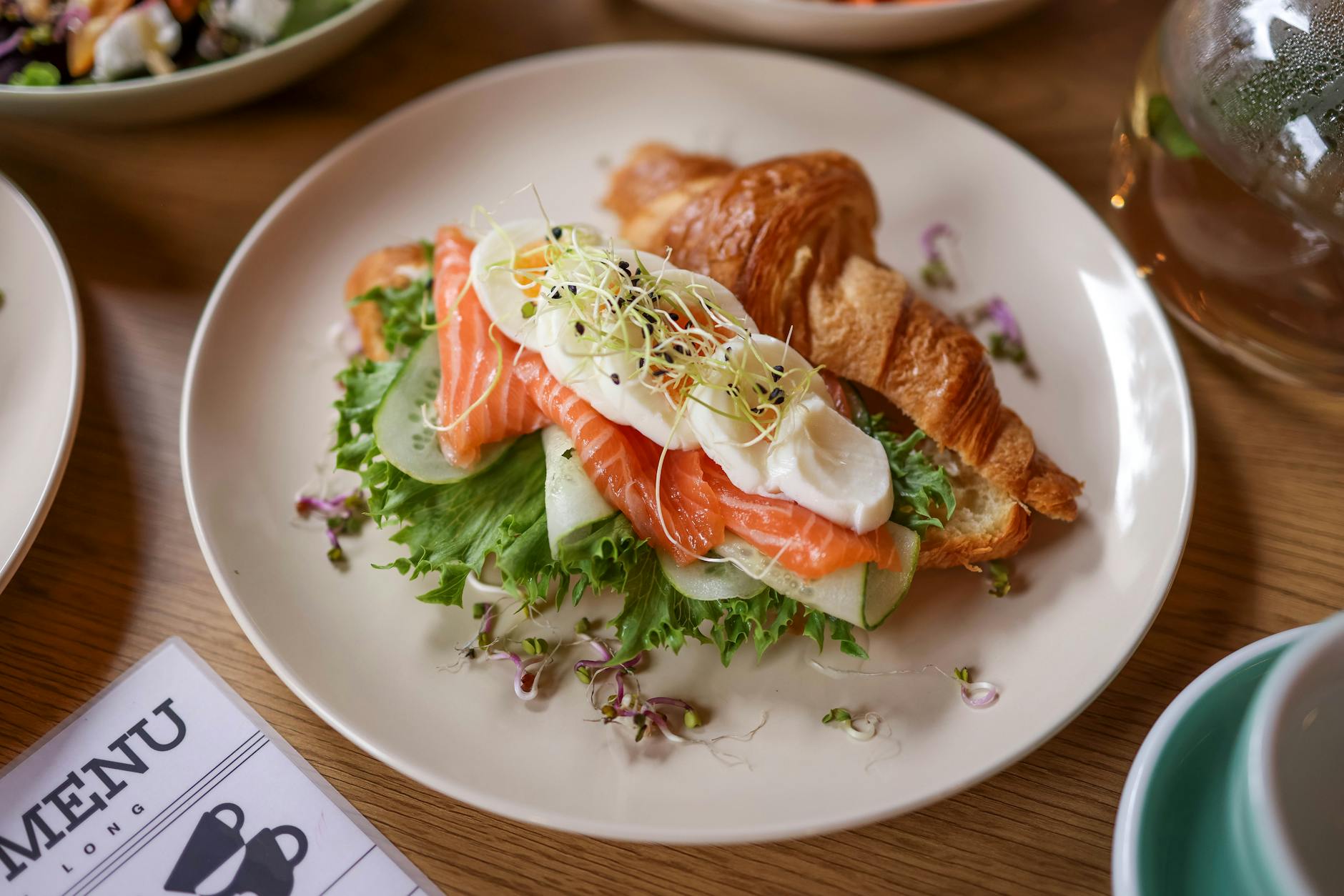
Smoked salmon may look elegant and appetizing at a hotel buffet spread, but it carries significant food safety concerns when left at room temperature for extended periods. This fish is classified as a ready-to-eat product that must be kept consistently cold to prevent the growth of listeria. Buffet displays often allow the surrounding temperature to creep up as the morning rush causes the refrigeration unit to work harder. Cross-contamination from shared serving utensils is also a concern when multiple guests are handling the same platter. Travelers with compromised immune systems or who are pregnant should avoid it entirely in a buffet setting.
Sliced Melon
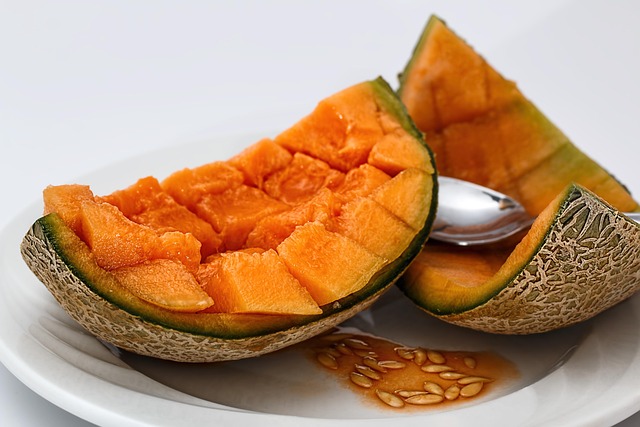
Sliced melon ranks among the most frequently cited culprits in foodborne illness outbreaks linked to buffets and catered events. The moist, exposed flesh of cantaloupe and honeydew provides an ideal environment for bacteria such as salmonella and listeria to thrive. Melons are grown close to the ground and their rinds carry significant microbial loads that can transfer to the flesh during cutting. Once sliced and left uncovered in a buffet setting, the risk increases considerably with every passing hour. Whole pieces of fruit from a separate display are a much safer option at the breakfast table.
Pastries and Croissants
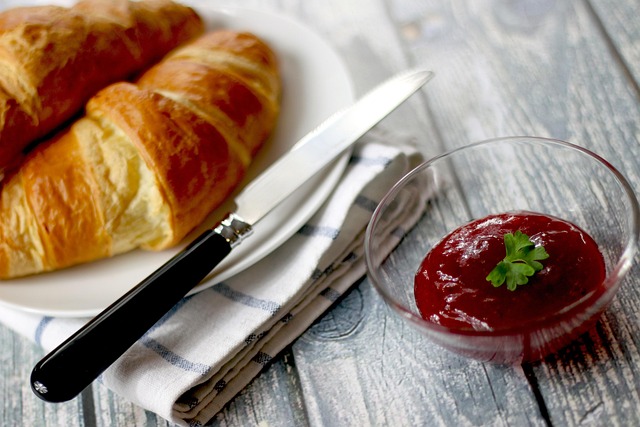
Pastries and croissants at hotel buffets are often baked in large batches the evening before and simply reheated or left out overnight to be served the following morning. While they may look freshly baked, the texture and quality have typically declined significantly by the time guests arrive. Many establishments use pre-packaged industrial pastries that are high in refined sugars and hydrogenated fats with minimal nutritional value. Fillings such as custard or cream in Danish pastries pose an additional food safety concern when left at room temperature. Starting the day with something more substantial will provide far better energy for sightseeing or meetings.
Bacon
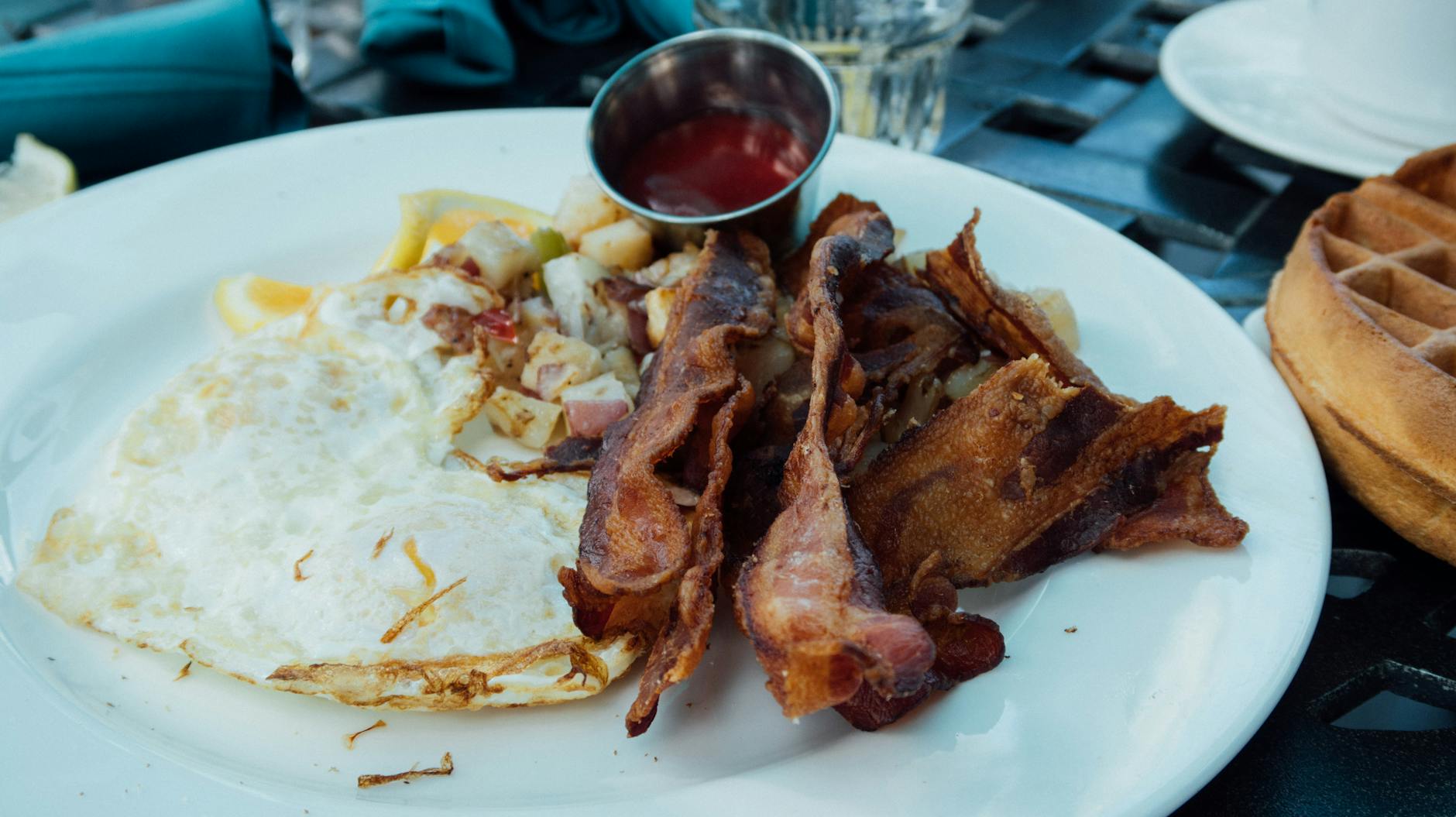
Buffet bacon is almost universally overcooked, dried out, and left sitting under heat lamps that continue to degrade its quality throughout service. The fat content of bacon means it can quickly become rancid when subjected to extended heat exposure in open warming trays. Commercially prepared bacon served at scale in hotels is typically very high in sodium and preservatives even before the buffet preparation process begins. Cross-contamination is also a concern when serving tongs are shared across multiple trays by dozens of guests. The occasional strip may seem harmless, but the overall quality rarely justifies the health trade-off.
Sausages
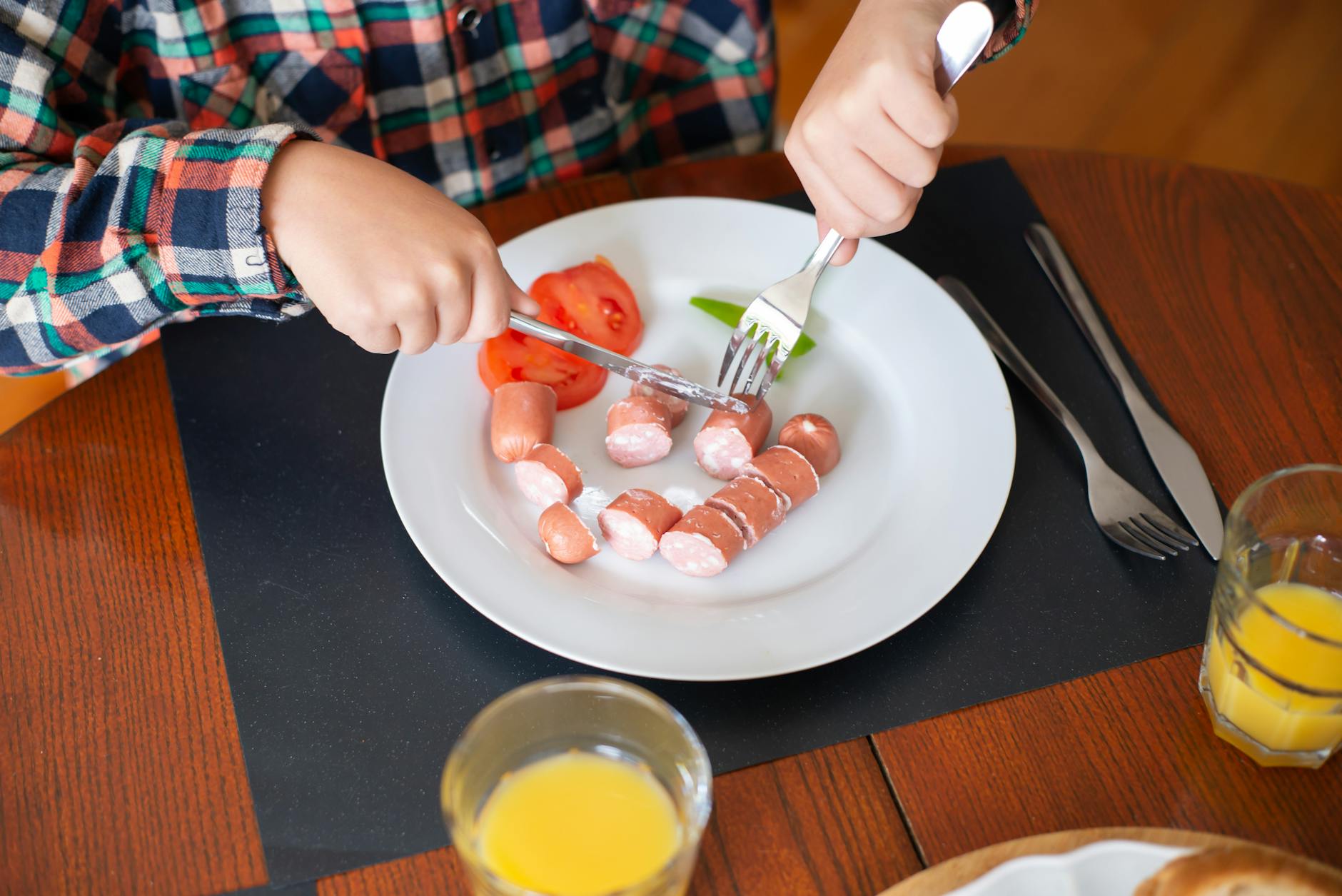
Pre-cooked sausages sitting in warming trays are frequently held at temperatures that are not quite hot enough to prevent bacterial growth. The interior of a sausage can remain at an unsafe temperature even when the outer surface appears adequately hot to the touch. Many hotel sausages are made from lower-quality meat blends and fillers that are already nutritionally poor before the buffet preparation makes them worse. Guests with sensitivities to additives or preservatives may find that these sausages trigger digestive discomfort later in the day. A piece of whole food protein from a more reliable source is the better way to start a travel morning.
Hash Browns
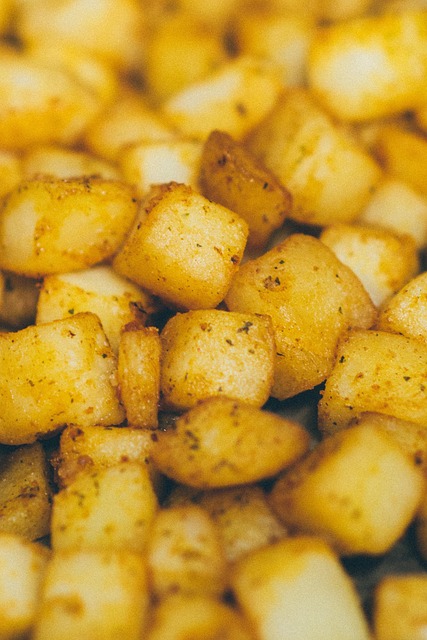
Hash browns at hotel buffets are typically prepared in enormous batches and then held in warming trays where they continue to cook and lose moisture long after they reach peak quality. The result is often a soggy or alternatively over-crisped product that bears little resemblance to a properly made hash brown. Many commercial preparations are made from reconstituted or frozen potato products rather than fresh potatoes, which affects both nutritional value and taste. The high sodium content in industrial potato products makes them a poor choice for travelers already dealing with the dehydrating effects of air travel. A piece of whole fruit or a bowl of oatmeal provides far more sustainable morning fuel.
Yogurt Parfaits
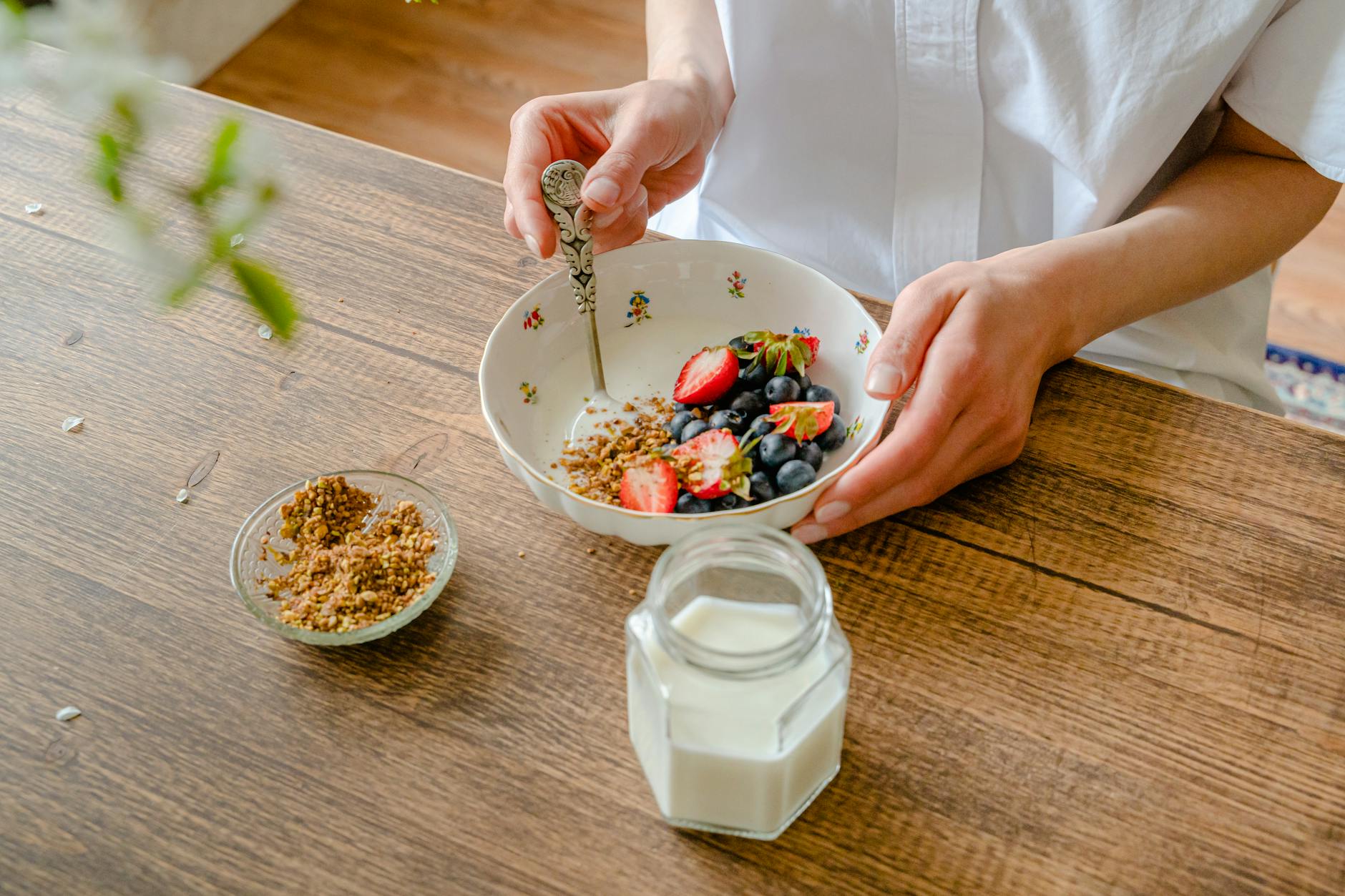
Pre-assembled yogurt parfaits at hotel buffets often contain sweetened fruit compotes, granola with added sugars, and flavored yogurt with high fructose corn syrup, making them far less healthy than they appear. These assembled cups frequently sit in chilled displays that are not cold enough to properly maintain dairy safety over a full morning service. The granola absorbs moisture from the yogurt and fruit layers, becoming soft and losing any textural benefit it might have offered. Toppings can also introduce allergens that are not clearly labeled for guests with dietary restrictions. Plain yogurt from a sealed individual container is a significantly safer and more nutritious alternative.
Baked Beans
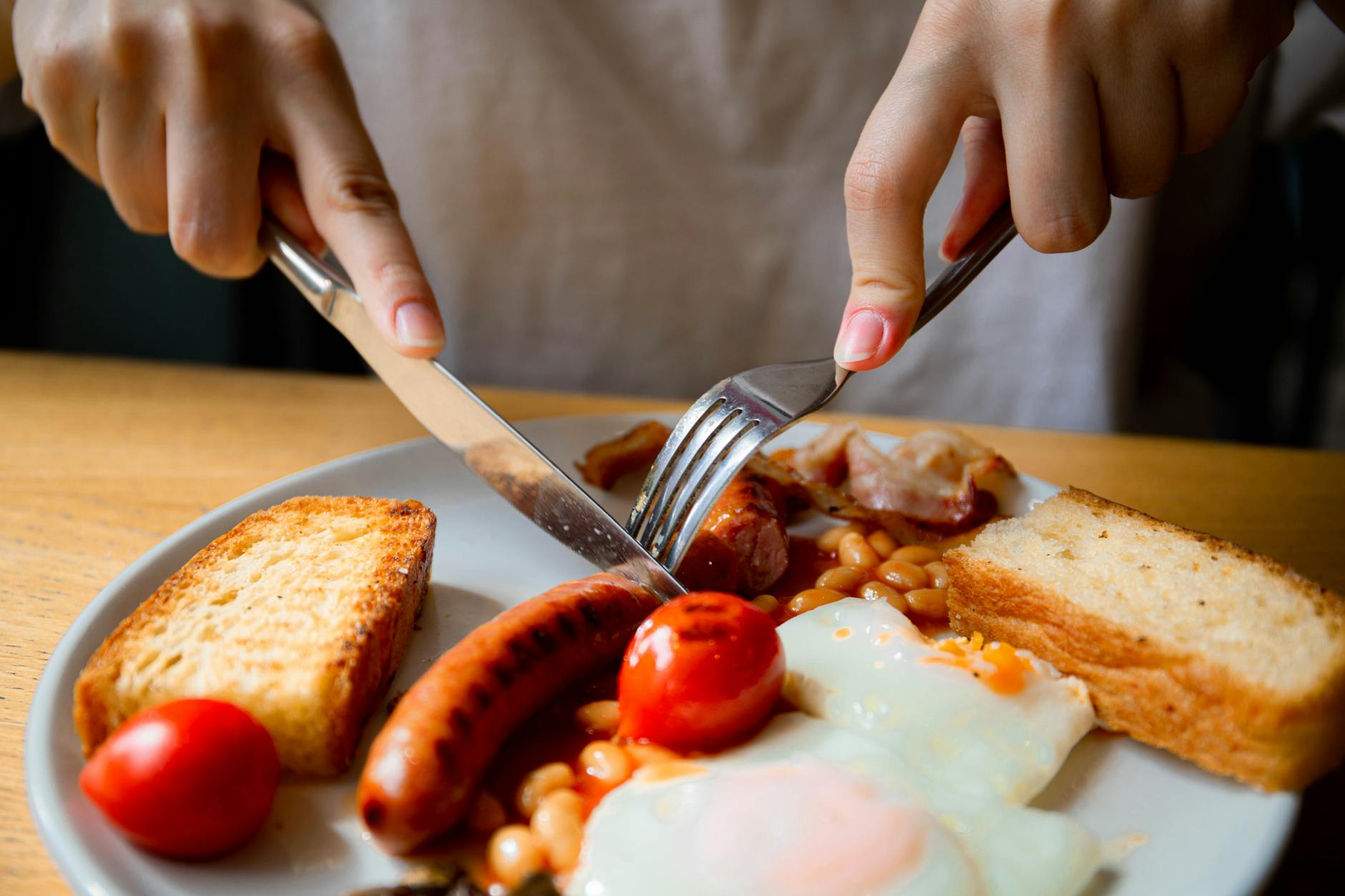
Baked beans in hotel buffets are often held in warming trays at temperatures that fluctuate considerably depending on how recently the tray was replenished or checked. The high moisture content and sugar present in baked beans create conditions that promote bacterial growth when temperatures drop even slightly. Pre-made baked beans used in commercial hotel settings are typically very high in sodium and often contain artificial sweeteners and flavor enhancers. Large batches also mean that the product on display may have been prepared many hours before breakfast service even begins. Travelers prone to digestive sensitivity should be especially cautious about this particular buffet staple.
Fried Rice
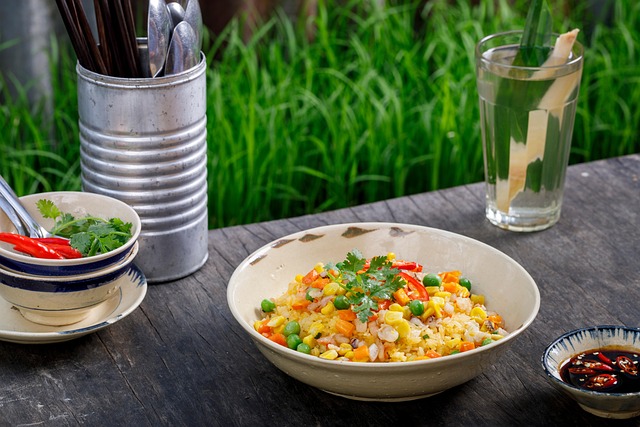
Fried rice offered at hotel breakfast buffets in certain regions is one of the most well-documented sources of bacillus cereus food poisoning. Cooked rice that is left to cool and then reheated is particularly vulnerable to this heat-resistant bacteria that can survive the cooking process. When fried rice sits in a buffet warming tray after preparation, the risk only grows as hours pass during the breakfast period. The dish is often made from leftover rice from the previous evening’s dinner service, which has already gone through one cooling and reheating cycle. Food safety experts consistently flag this item as one to skip in buffet environments worldwide.
Fresh Juice
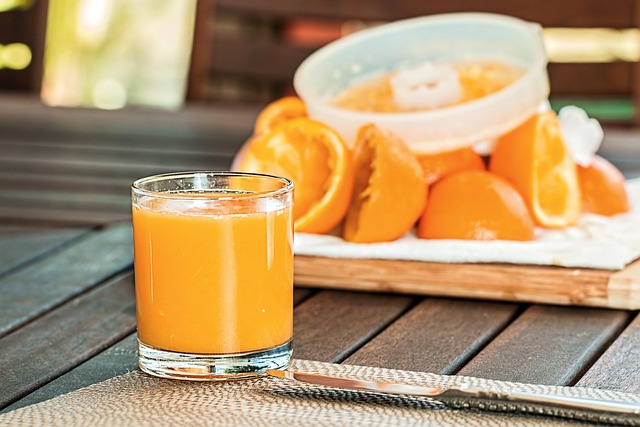
Fresh orange juice or mixed fruit juices at hotel buffets may look vibrant and healthy, but they are among the most susceptible items to rapid bacterial growth. Freshly squeezed juice lacks the pasteurization process that gives commercially packaged juice a longer safe shelf life at cool temperatures. Display pitchers allow juice to warm up steadily throughout the morning, particularly in warmer climates where maintaining cold temperatures requires extra effort. Vitamin C in fresh juice also degrades quickly once the fruit is cut and exposed to air, diminishing the nutritional benefit that makes the option seem appealing. A sealed bottle of water or a whole piece of fruit provides a safer and equally refreshing alternative.
Soft Cheeses
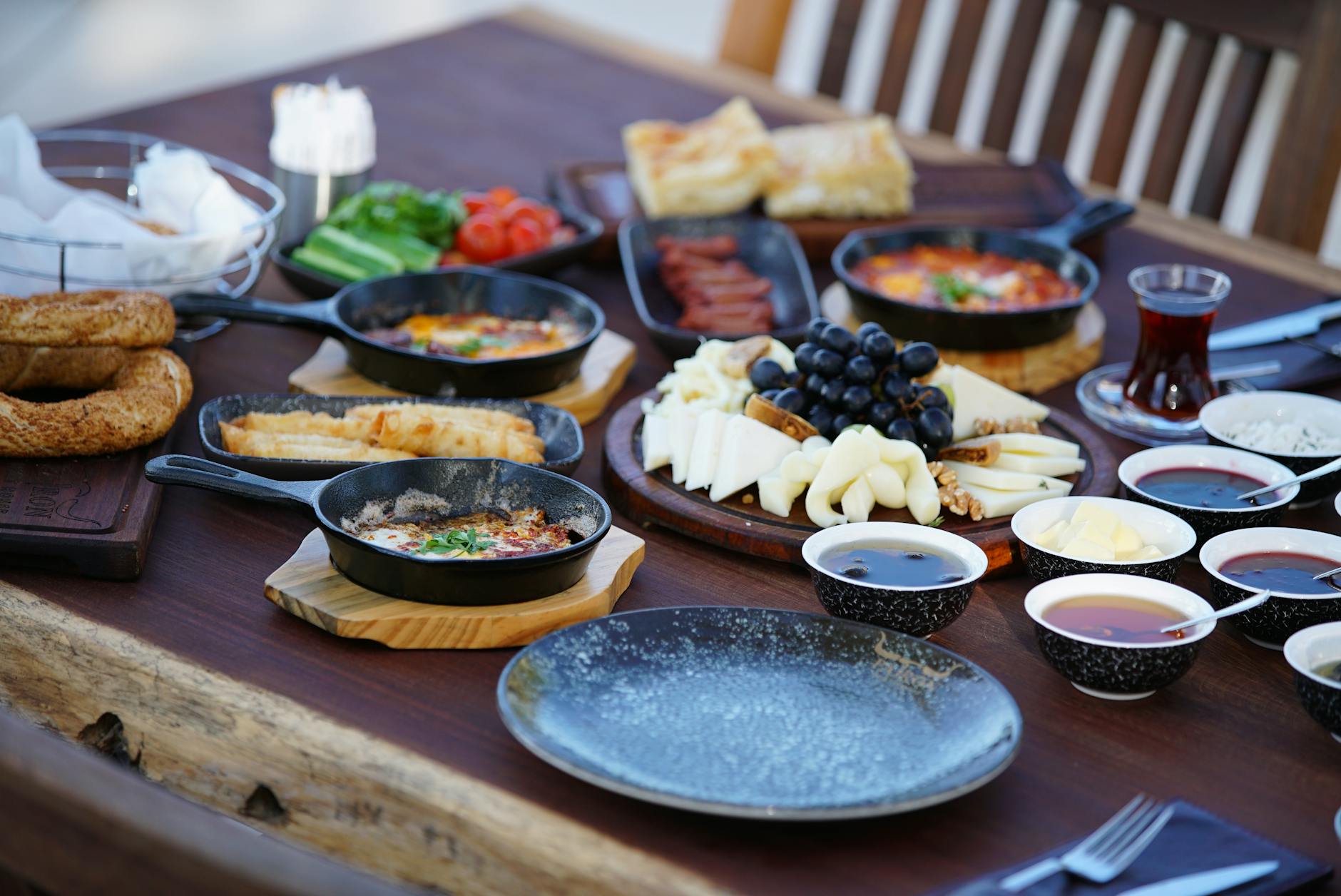
Soft cheeses such as brie, camembert, and cream cheese-style spreads are frequently displayed at hotel breakfast buffets without adequate refrigeration. These varieties are significantly more perishable than hard cheeses and can develop harmful bacteria within just a couple of hours when held above safe temperatures. Shared spreading knives are a major cross-contamination concern, as they come into contact with dozens of different surfaces and guests throughout the morning. Cream cheese blocks that develop a shiny or wet appearance on the surface are a clear sign they have been sitting too long. Individually sealed portions are a much safer choice when available.
Reheated Fish
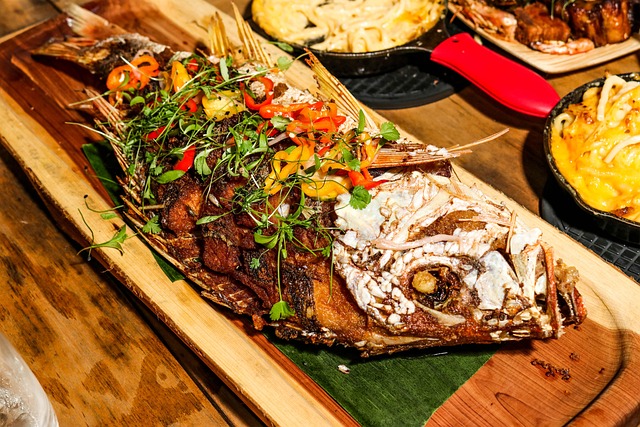
Reheated fish dishes at hotel breakfast buffets are a particularly risky choice for a number of overlapping reasons. Fish degrades in both flavor and safety more rapidly than almost any other protein when subjected to the temperatures and extended holding times typical of a buffet environment. The smell of reheated fish is often masked by sauces or spices, making it difficult for guests to assess freshness by aroma alone. Certain types of fish can cause scombroid poisoning even when they appear and smell acceptable, a condition that results from improper temperature storage before or during service. Avoiding all fish dishes at a hotel breakfast buffet is generally the safest approach for most travelers.
Whipped Cream Dishes
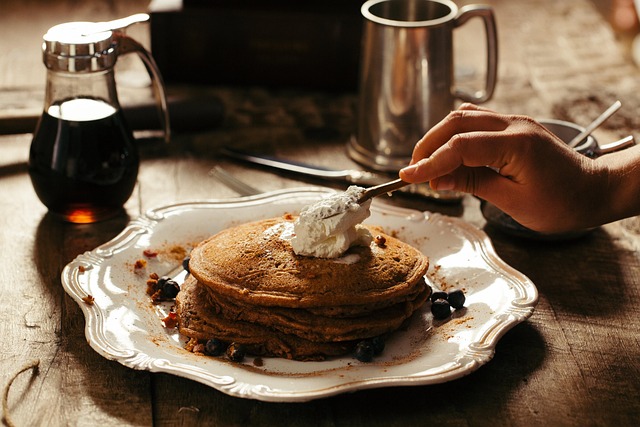
Whipped cream toppings and dishes featuring cream-based components are among the most temperature-sensitive items present at a breakfast buffet. Dairy-based creams provide an ideal growth medium for bacteria such as staphylococcus when they are not kept consistently cold throughout service. Many hotel buffets use non-dairy whipped topping alternatives that contain a long list of artificial stabilizers, emulsifiers, and hydrogenated oils. These products may hold their visual shape longer than real cream but offer no nutritional benefit and often contain significant amounts of added sugar. Avoiding cream-topped items and opting for simpler whole food choices is the best strategy for feeling well throughout a day of travel.
Share your own hotel breakfast experiences and the items you always skip in the comments.