Wedding buffets are a beloved and practical choice for couples looking to feed a large and varied crowd with warmth and generosity. However, the sheer scale of catering for hundreds of guests introduces a set of food safety and quality considerations that most people never think about while filling their plates. From dishes that deteriorate rapidly at room temperature to items that carry hidden preparation risks in bulk cooking environments, not everything on a wedding buffet table deserves a spot on your plate. Understanding which foods present the greatest risks can help you enjoy the celebration without spending the following day in bed. Here are 27 items that experienced food safety professionals and seasoned wedding guests know to approach with caution or avoid entirely.
Hollandaise Sauce
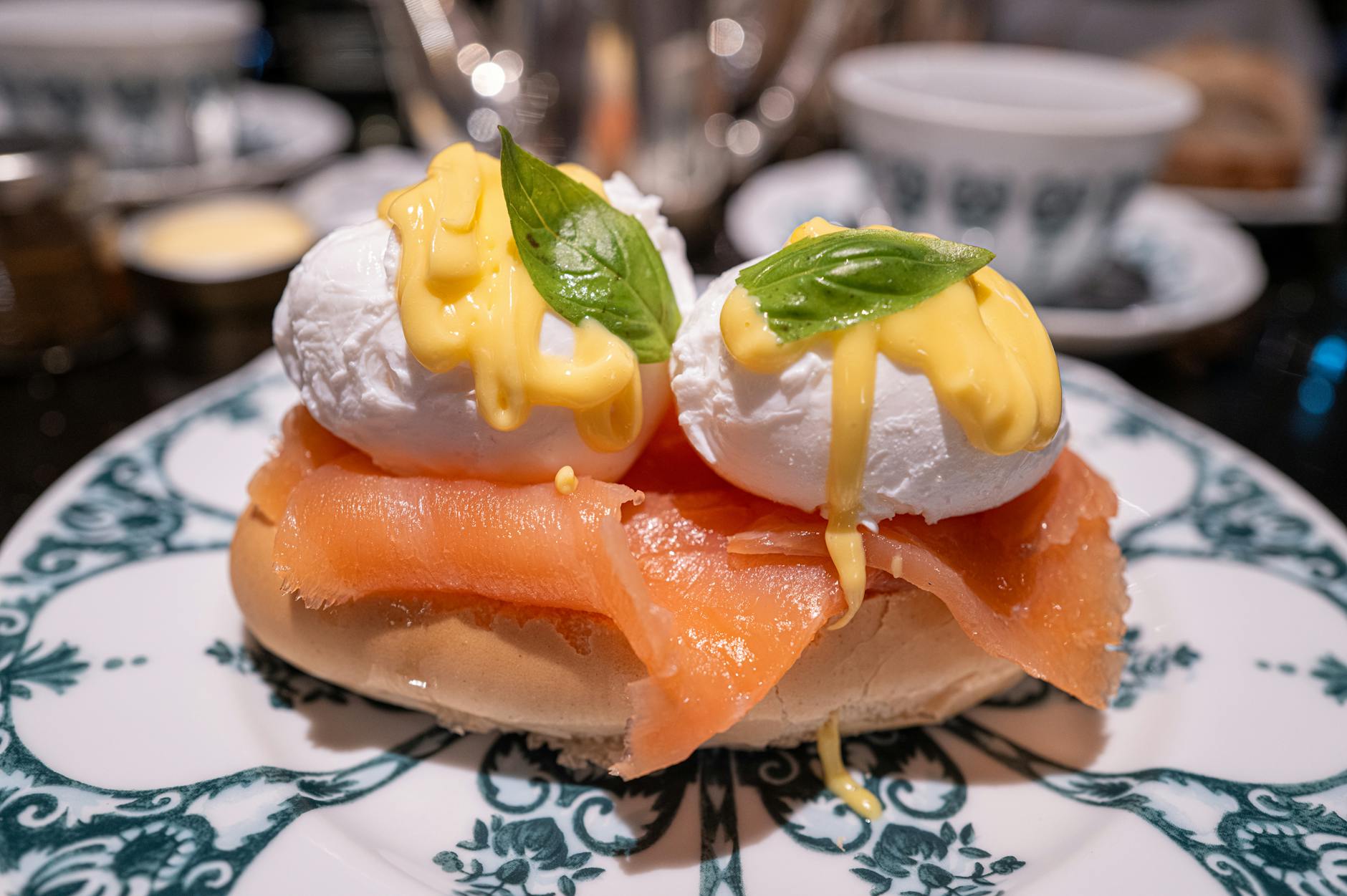
Hollandaise is one of the most notoriously unstable sauces in classical cooking and has no business sitting on a buffet table for extended periods. It is made from raw egg yolks emulsified with butter at a temperature range that is warm enough to grow bacteria but not hot enough to eliminate it. Holding it safely requires precise temperature control that is extremely difficult to maintain in a large-scale buffet environment. Even freshly made hollandaise deteriorates in flavor and safety within an hour of preparation. Any eggs benedict or asparagus dish accompanied by hollandaise sauce at a wedding buffet is a food safety risk worth avoiding.
Rare Beef
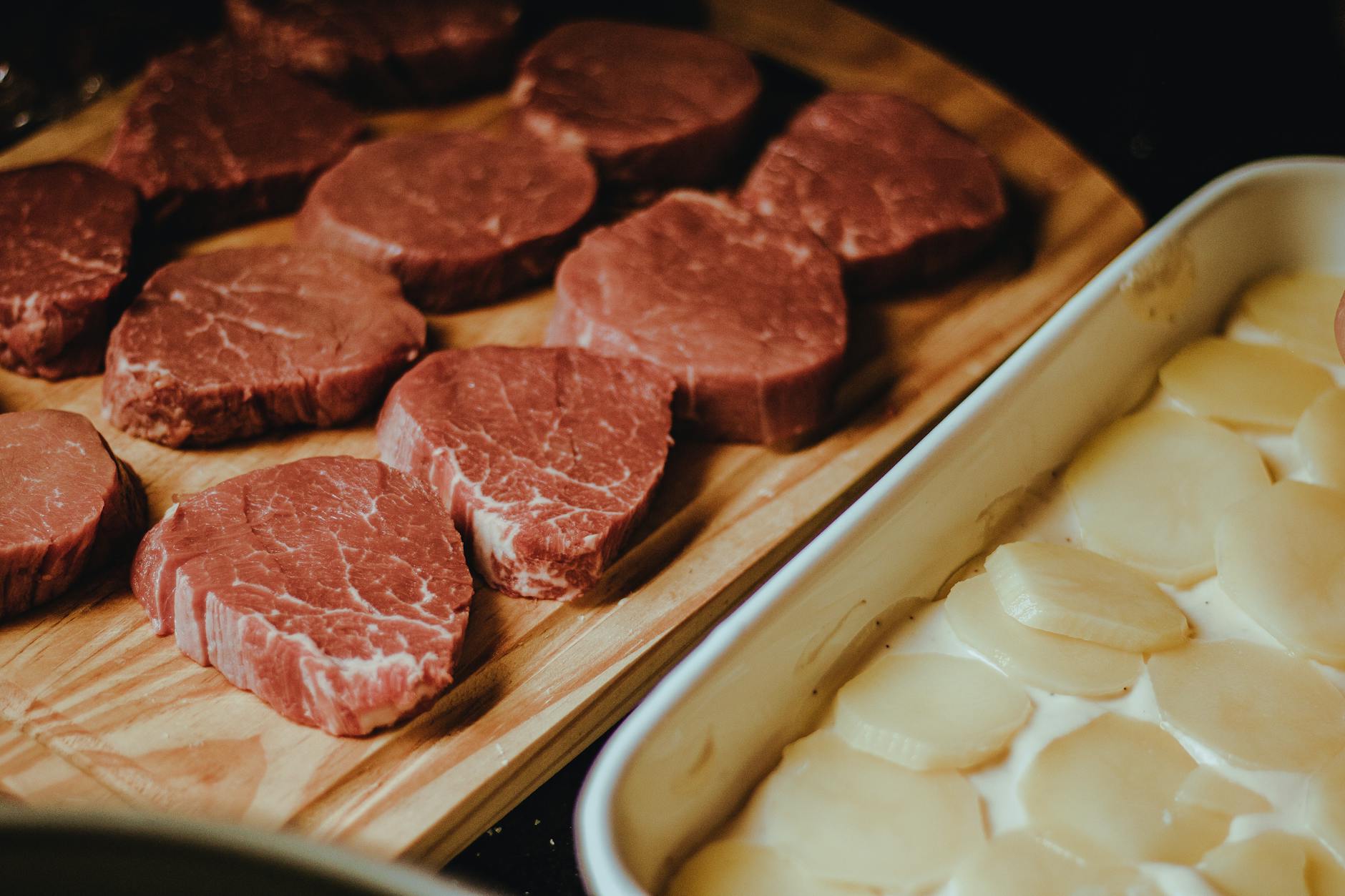
A whole roast or carved beef station is a common and impressive centerpiece at wedding receptions but rare or medium-rare slices carry a meaningful food safety consideration in a buffet context. As carved beef sits on a serving platter it continues to carry over in temperature unevenly while exposed to ambient air and repeated contact with serving utensils. Cross-contamination from other dishes and the hands of multiple guests handling the same serving tools adds a further layer of risk. Large roasts cooked for a crowd may also not reach a consistent internal temperature throughout the joint during preparation. Guests with compromised immune systems, pregnant women, and young children should be especially cautious around any undercooked meat on a buffet line.
Shellfish
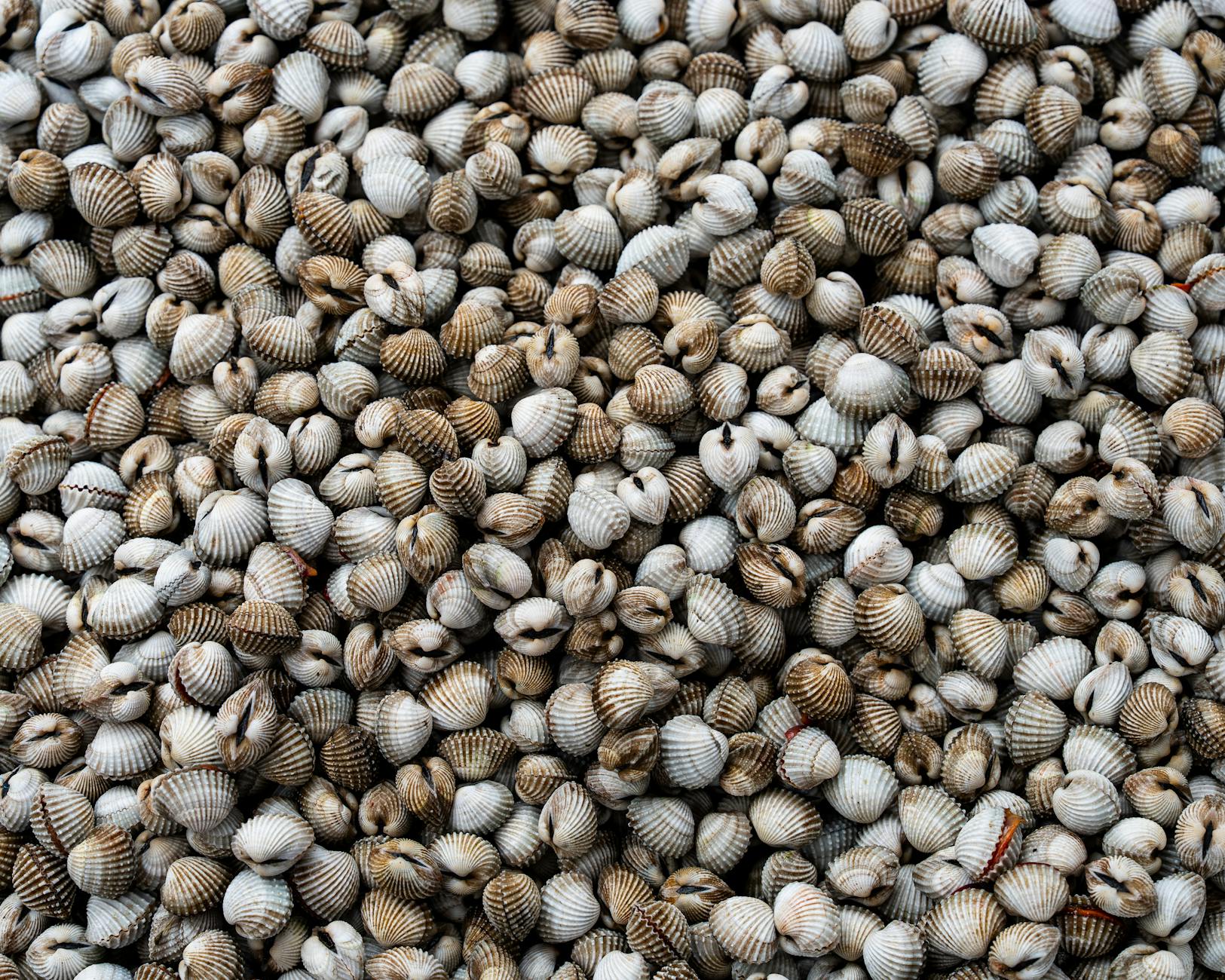
Shellfish including prawns, oysters, mussels, and scallops are among the highest-risk foods available at any large catering event. They require precise and rapid temperature control from delivery through preparation and service, and any break in that chain creates ideal conditions for bacterial growth. The volume demands of wedding catering make it particularly challenging to ensure that every piece of shellfish has been stored, handled, and cooked to the required standard. Shellfish allergies are also among the most severe and potentially life-threatening of all food allergies, and cross-contamination on a shared buffet is almost impossible to prevent entirely. Even guests without allergies should consider how long the shellfish has been sitting before helping themselves.
Homemade Mayonnaise Dishes
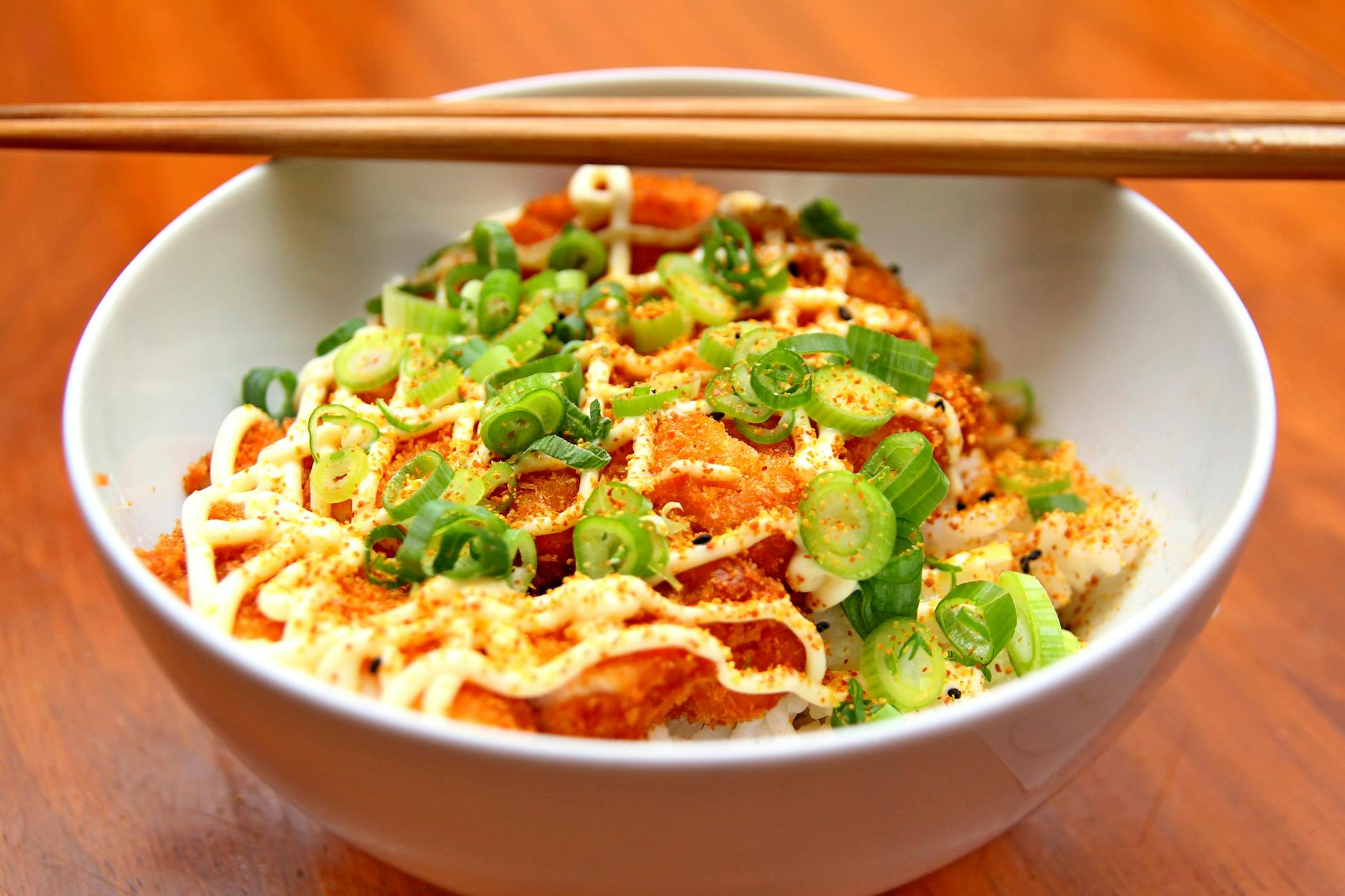
Pasta salads, coleslaw, potato salads, and sandwich fillings made with mayonnaise are a buffet staple and also a well-documented source of foodborne illness. The risk multiplies significantly when the mayonnaise used is homemade rather than commercially produced, as it lacks the preservatives and precise pH balance that make store-bought mayonnaise relatively shelf-stable. At room temperature, these dishes enter the bacterial danger zone within two hours and can become genuinely hazardous well before the evening is over. Wedding caterers preparing these dishes in bulk often make them hours in advance, increasing the total time the food spends at unsafe temperatures. Exercising restraint with mayonnaise-heavy salads at a buffet that has been running for several hours is always wise.
Sushi
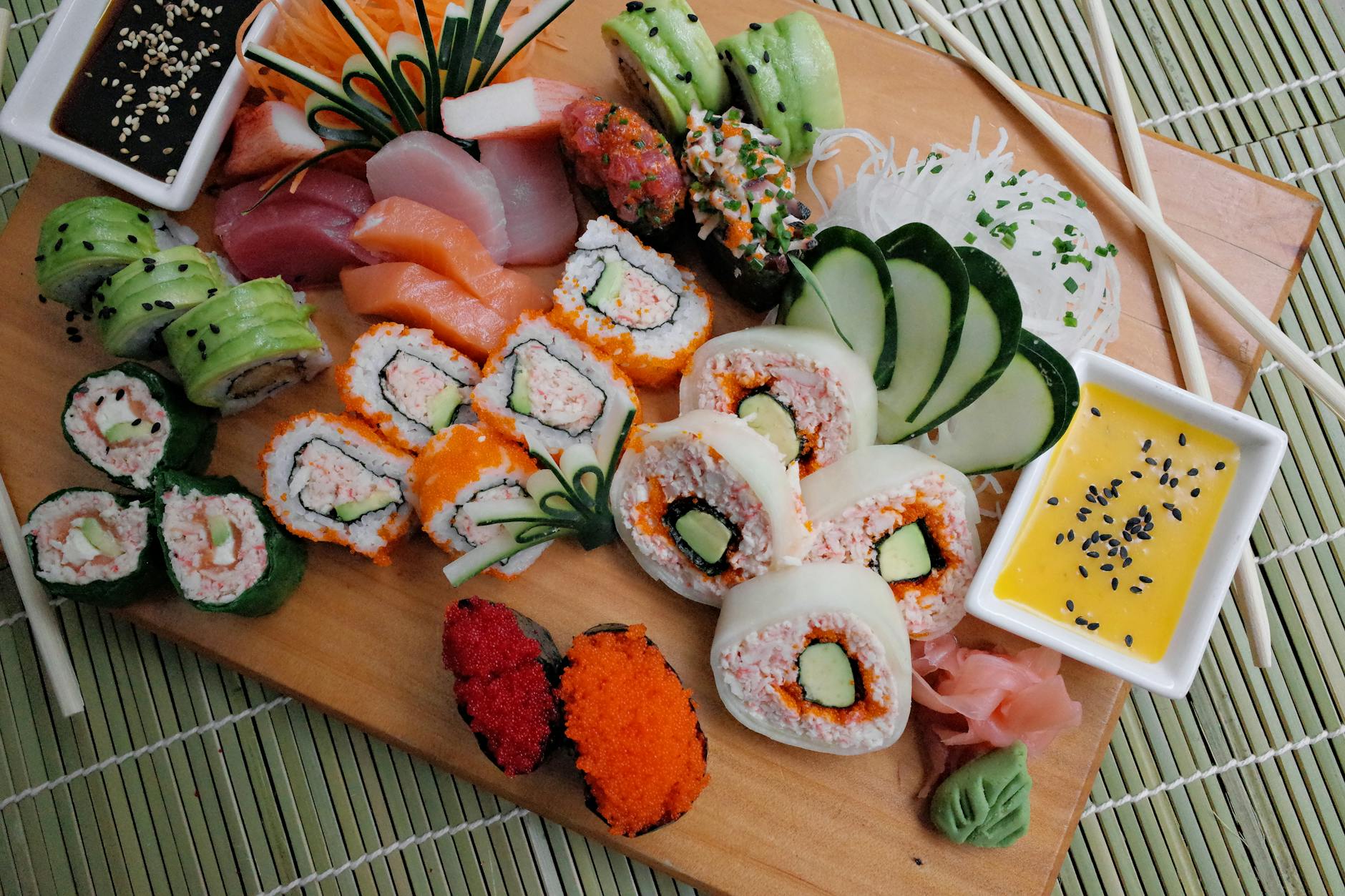
Sushi and sashimi have become fashionable additions to upscale wedding menus but they are among the least appropriate foods for a buffet setting. Raw fish deteriorates rapidly at room temperature and the cold chain required to keep it safe is nearly impossible to maintain across a long reception service. Sushi rice prepared in bulk also often sits at a temperature that falls squarely within the range most favorable to bacterial proliferation. The skill and precision required to prepare sushi safely at scale is rarely matched in a general wedding catering context. Unless the sushi is being served by a dedicated specialist station with strict temperature controls, it is one of the buffet items most likely to cause illness.
Cream-Filled Pastries
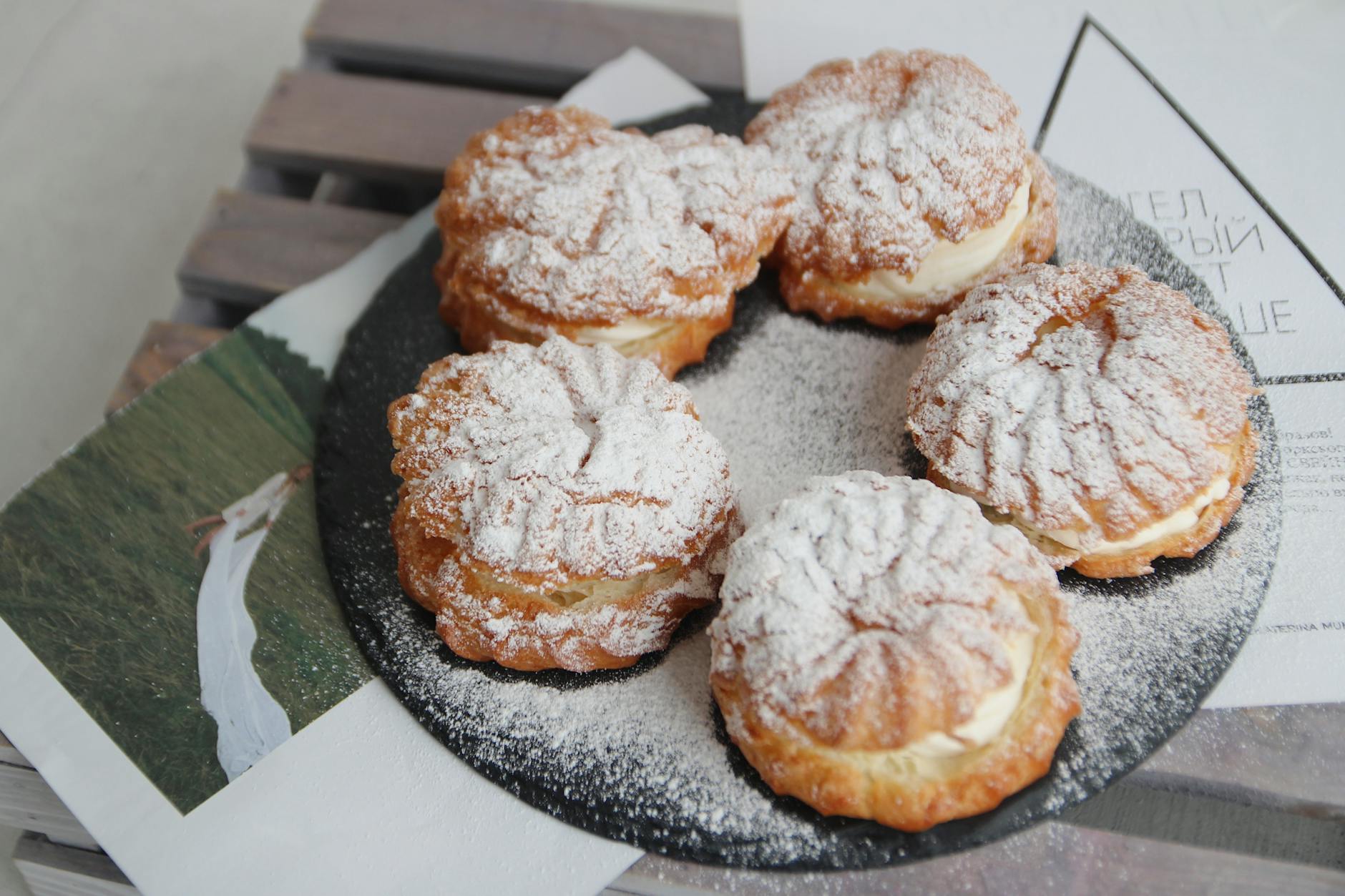
Eclairs, profiteroles, cream horns, and other pastries filled with custard or whipped cream look spectacular on a dessert table but are among the fastest deteriorating items at any buffet. The dairy-based fillings provide an ideal environment for bacterial growth once the pastries leave refrigeration. At a wedding buffet that has been running for several hours in a warm venue, cream-filled pastries served near the beginning of the evening may have been sitting at room temperature for far longer than is advisable. The outer pastry also softens and loses its structural integrity quickly, which is a reliable visual sign that it has been sitting too long. Opting for dry pastries, fruit tarts with firm fillings, or chocolate-based desserts that do not require refrigeration is generally safer.
Lukewarm Soup
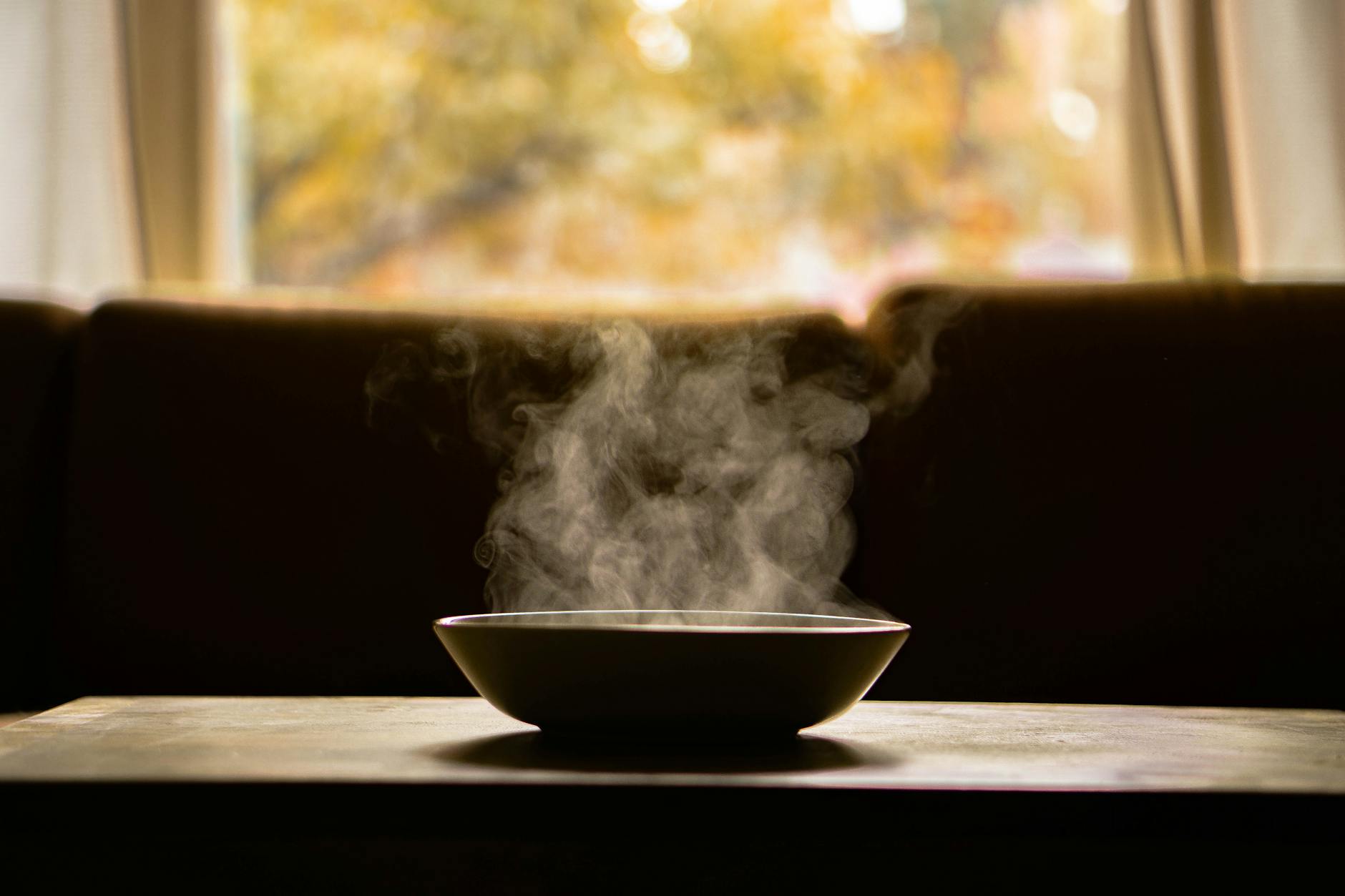
Soup served from a buffet station should be steaming hot without exception and any bowl that arrives at merely warm temperature is a significant warning sign. Hot soups need to be held at a minimum of 60 degrees Celsius to remain safe for consumption and maintaining this in a large serving vessel over the course of a long reception is logistically challenging. Cream-based soups are particularly vulnerable once they drop below the required holding temperature and can become unsafe surprisingly quickly. Soup that has a skin forming on the surface or that does not steam visibly when ladled is soup that has been sitting too long. A polite inquiry to a member of the catering staff about when the soup was last refreshed is entirely reasonable before accepting a bowl.
Eggs Benedict
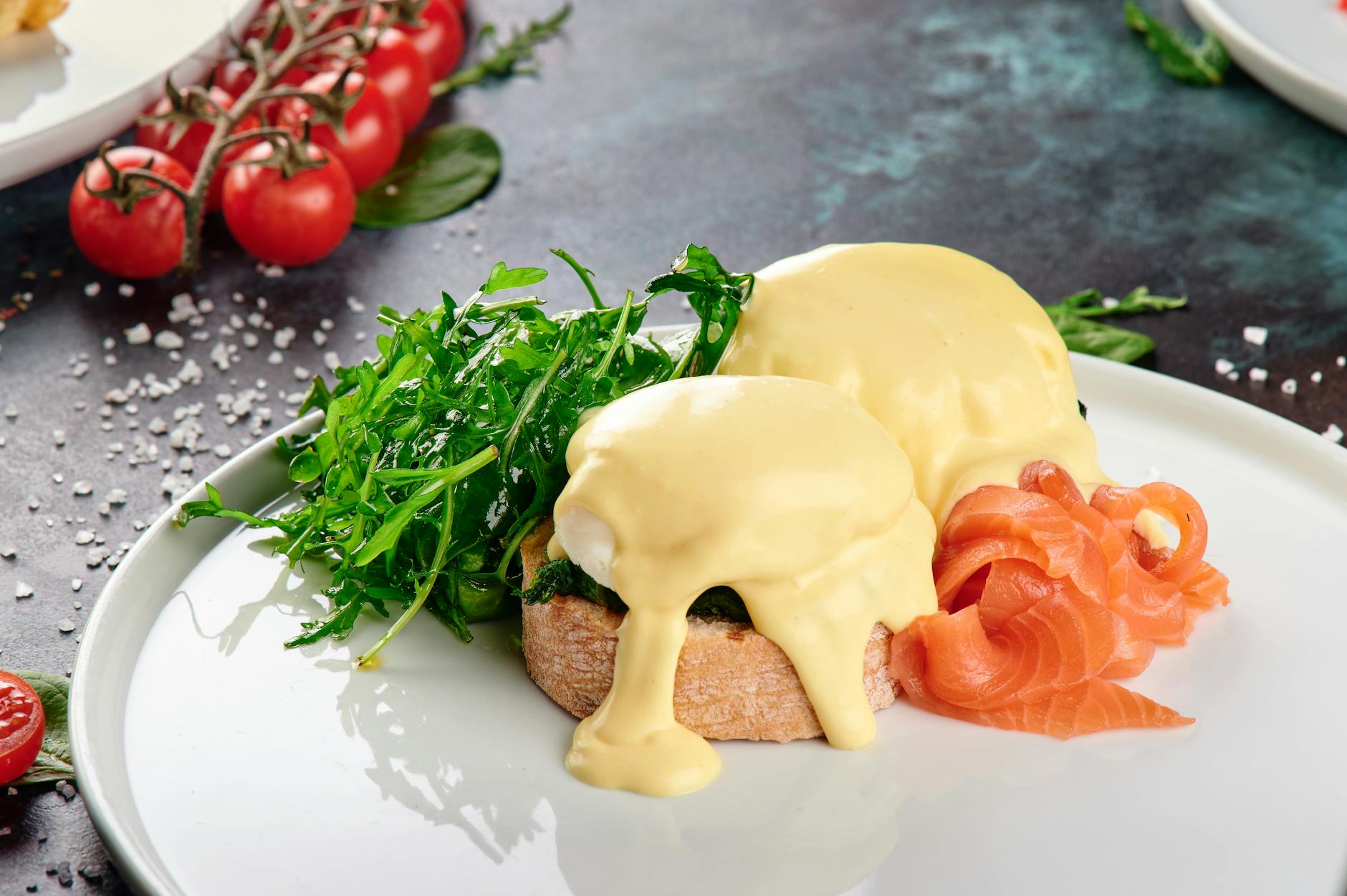
Beyond the hollandaise issue addressed earlier, eggs benedict as a whole dish presents multiple compounding food safety challenges in a buffet environment. The poached eggs at the center of the dish must be served immediately after preparation to be both safe and culinarily acceptable. Holding poached eggs in warm water or under a heat lamp quickly degrades their texture to an unpleasant rubbery consistency while doing very little to keep them at a genuinely safe temperature. The combination of a soft poached egg with hollandaise that has been sitting creates a confluence of food safety vulnerabilities concentrated in a single dish. Eggs benedict is a restaurant dish designed for immediate individual service and its presence on a wedding buffet should always give a guest pause.
Cold Cooked Rice
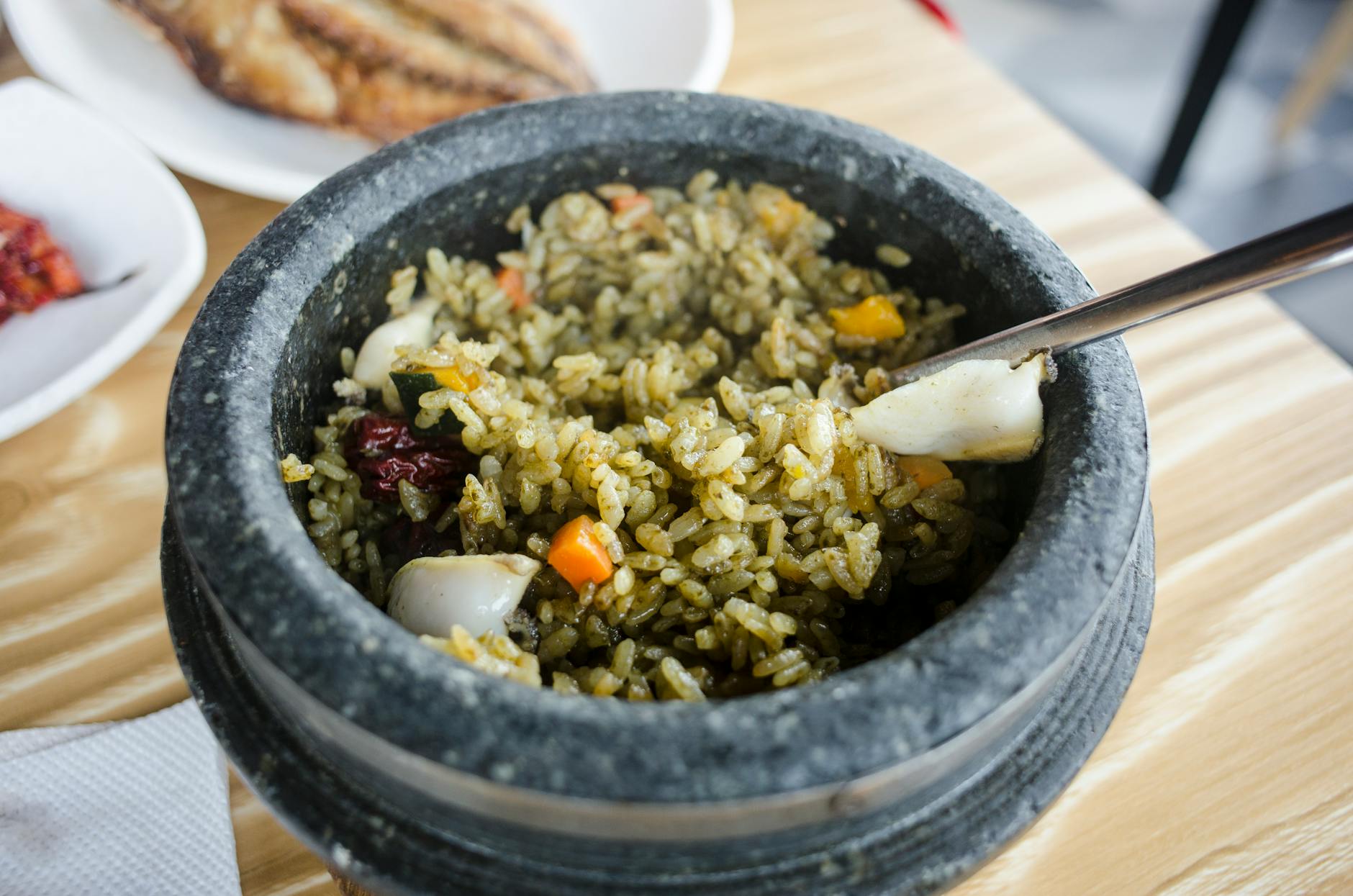
Rice is one of the most commonly misunderstood food safety risks and cold or room-temperature cooked rice at a buffet represents a genuine hazard. Bacillus cereus is a spore-forming bacterium that survives cooking and produces toxins when cooked rice is cooled slowly or held at unsafe temperatures. The toxins produced are heat-stable, meaning that even reheating the rice does not render it safe once contamination has occurred. Wedding caterers preparing large volumes of rice dishes hours in advance and holding them at improper temperatures create precisely the conditions under which this bacterium thrives. Rice dishes that are not served piping hot from a freshly refreshed tray are best avoided at any large catering event.
Soft Cheeses
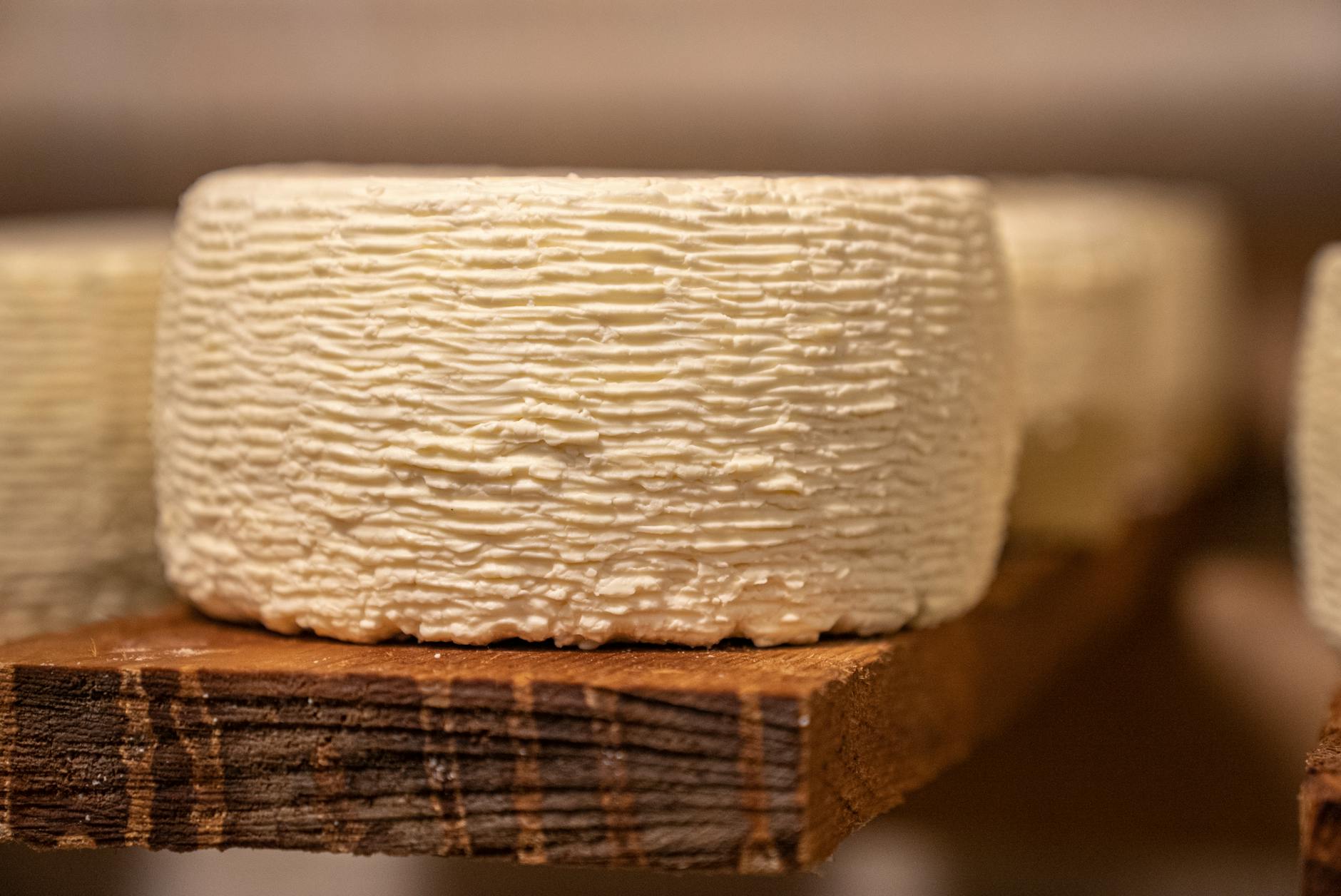
A cheese board is an elegant and popular feature of wedding receptions but soft varieties including brie, camembert, and blue cheese require careful temperature management that open buffet display rarely provides. These cheeses can harbor listeria even when properly handled and stored, and the risk increases substantially once they have been sitting at room temperature for an extended period. Pregnant women are specifically advised by health authorities to avoid soft and mould-ripened cheeses entirely due to the listeria risk. A cheese board that has been on display since the beginning of a long reception with no visible temperature control is one that has been sitting in the bacterial danger zone for potentially several hours. Hard cheeses like cheddar or aged gouda are considerably more stable and represent a safer choice at any cheese station.
Improperly Labeled Dishes
Wedding buffets frequently lack complete ingredient labeling and for guests with allergies this creates a genuinely dangerous situation. Dishes containing common allergens such as nuts, gluten, shellfish, and dairy can be difficult to identify by appearance alone in a large buffet spread. Well-intentioned caterers sometimes inadvertently introduce allergens through shared utensils, cooking oils, or sauces that are not visible in the final dish. Guests with serious allergies should always speak directly with the catering manager before approaching the buffet and never rely solely on a brief verbal description from another guest. Any dish whose ingredients cannot be confirmed with certainty by a member of staff is a dish that an allergic guest should decline.
Warm Dips
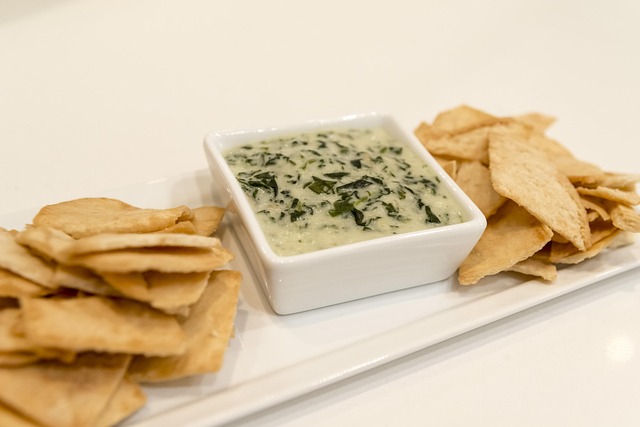
Dips served warm including spinach and artichoke dip, queso, or any cream cheese-based preparation cool down rapidly once placed on an open buffet table. As they fall from serving temperature to room temperature the dairy and protein components become increasingly hospitable to bacterial growth. Dips that have been scraped back and refilled from the same serving dish without replacing the vessel entirely carry an added risk of contamination from accumulated residue. A dip that appears to have formed a skin or crust on the surface has clearly been sitting without adequate heat maintenance for too long. Either verify with staff that a warm dip has been recently refreshed or steer toward room-temperature preparations like hummus or guacamole that are more stable at ambient temperatures.
Raw Sprouts
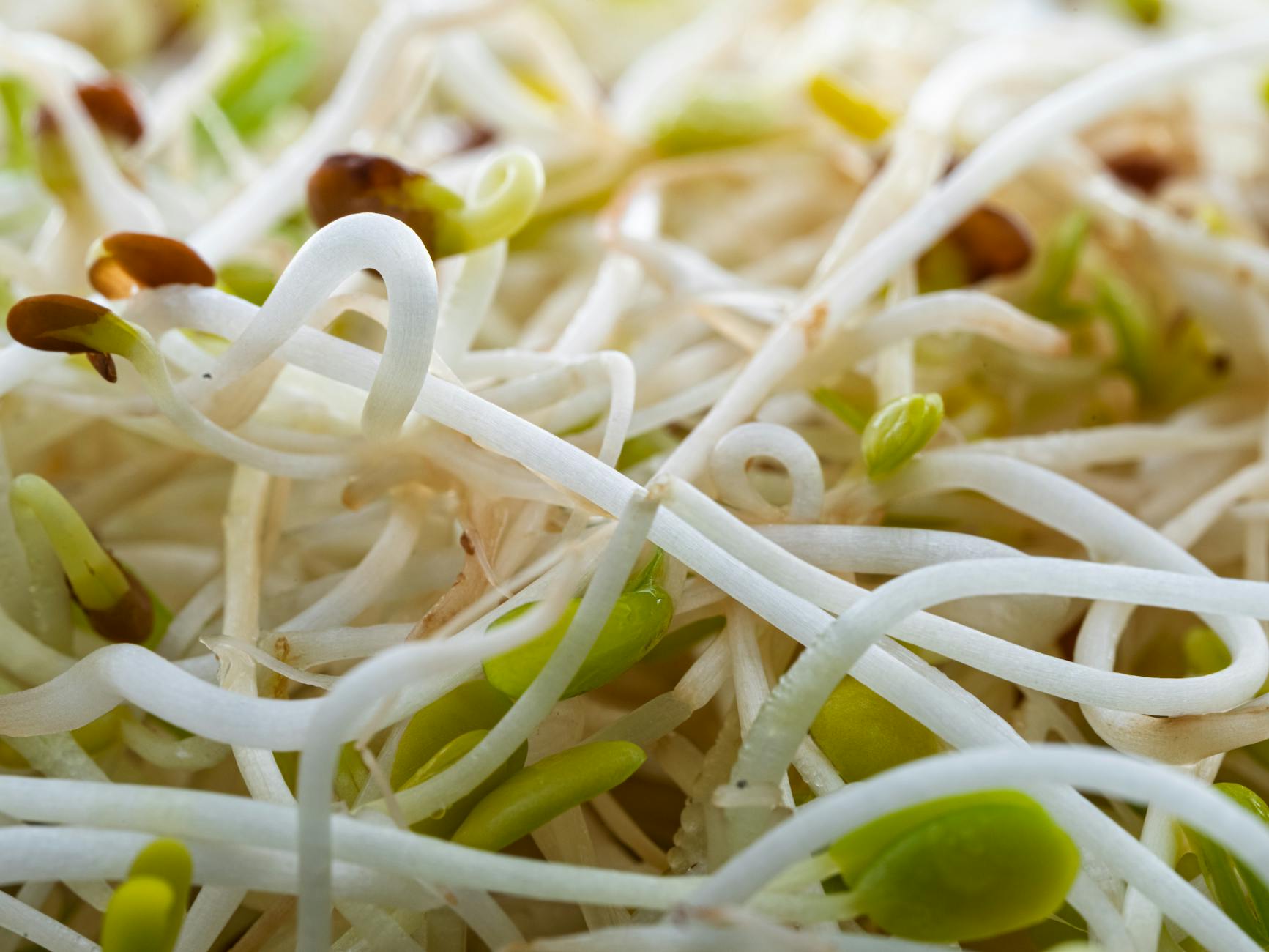
Raw bean sprouts and alfalfa sprouts are among the most consistently flagged foods in food safety guidance due to the conditions under which they are grown. The warm and humid environment required to cultivate sprouts is simultaneously ideal for the proliferation of bacteria including salmonella and E. coli. Washing does not reliably remove these pathogens and cooking is the only effective method of making sprouts safe for most consumers. Their presence as a raw garnish or salad component on a wedding buffet is an easily overlooked but meaningful risk. Pregnant women, older adults, young children, and immunocompromised individuals are advised by health authorities to avoid raw sprouts entirely in any setting.
Tiramisu
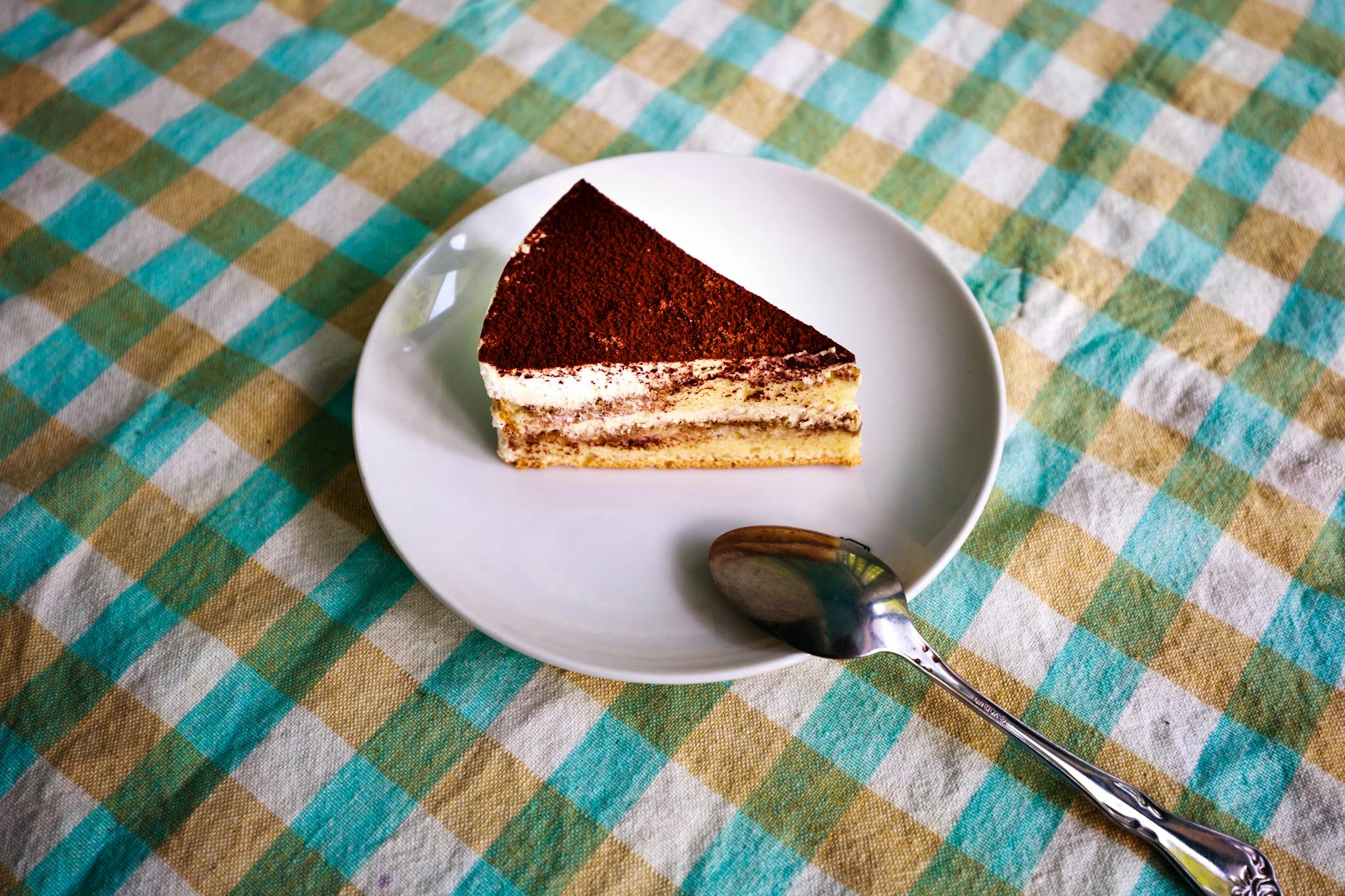
Tiramisu is a universally loved dessert that poses several food safety challenges in a buffet environment. Traditional recipes use raw egg yolks and raw egg whites that are not cooked at any stage of preparation, relying instead on the mild acidity of the mascarpone and alcohol content of the coffee liqueur to inhibit bacterial growth. In a large-batch catering context these natural inhibitors may be diluted or inconsistently incorporated, reducing their protective effect. Tiramisu also contains mascarpone cheese which requires careful refrigeration and deteriorates quickly once removed from cold storage. A tiramisu that has been sitting on a dessert table for more than an hour in a warm reception venue is one where the risk-to-reward calculation has shifted unfavorably.
Dressed Salad Leaves
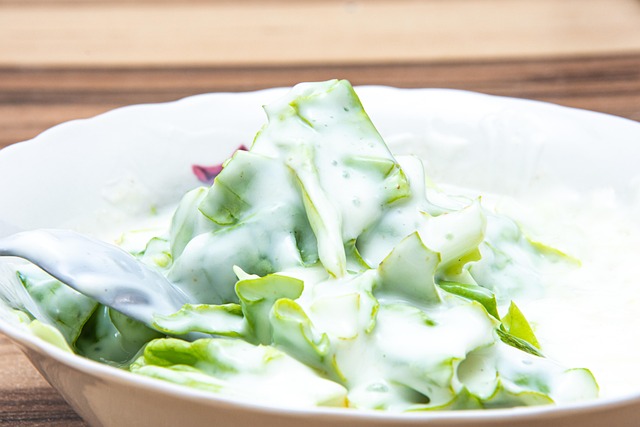
Pre-dressed salad leaves deteriorate extremely quickly once the dressing has been applied and left to sit. The acid in the dressing begins to break down the leaf structure within minutes, resulting in wilted, soggy, and unappetizing greens that also provide a less effective barrier against contamination. A salad dressed at the beginning of a buffet service and still sitting on the table an hour or two later has lost most of its nutritional value and a significant portion of its food safety integrity. Undressed salad components kept separately and dressed to order at a dedicated station represent a far safer and more culinarily sound approach. Any salad with visibly wilted or discolored leaves should be skipped without hesitation.
Stuffed Mushrooms
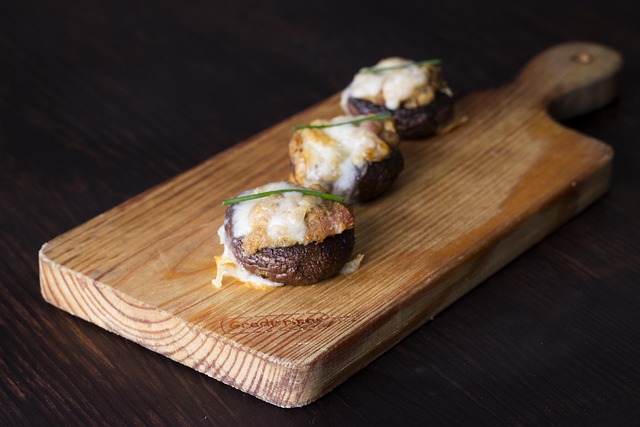
Stuffed mushrooms are a popular hot appetizer that presents a specific heating challenge in bulk preparation. The dense filling packed inside each mushroom cap insulates the interior from the heat source, meaning the center of the mushroom may remain at a lower temperature than the surface even when it appears fully cooked. Once moved to a warming tray or buffet chafing dish, stuffed mushrooms are difficult to maintain at the correct serving temperature throughout service. Fillings typically containing cream cheese, breadcrumbs, and sometimes meat provide multiple components that can harbor bacteria when inadequately heated or held at inconsistent temperatures. Mushrooms at the bottom of a serving tray that have been sitting in residual liquid for a prolonged period are a specific version of this risk to watch for.
Pate and Terrines
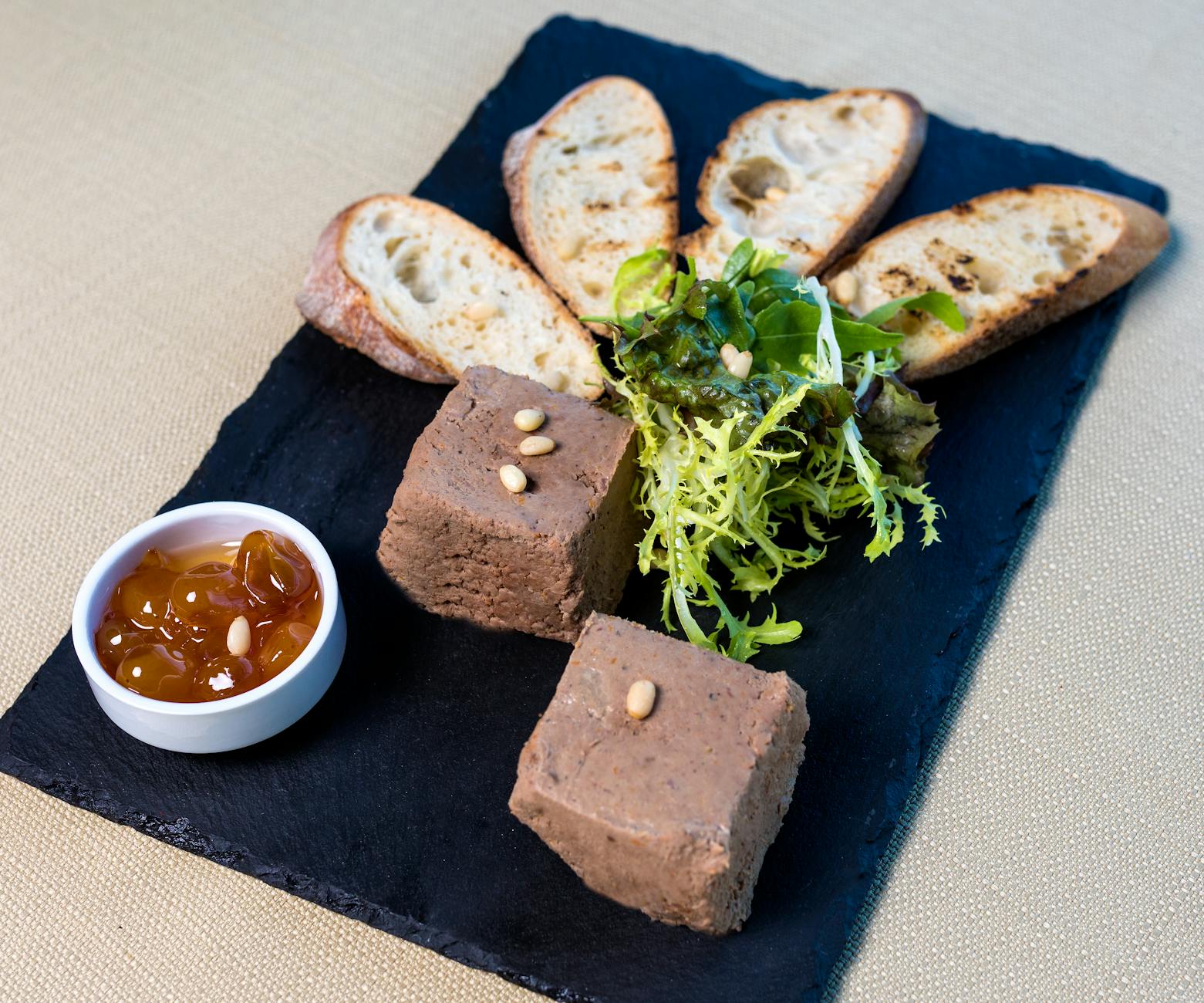
Liver pate and meat terrines are considered delicacies but they rank among the highest-risk foods in a catering context due to their dense composition and specific handling requirements. They must remain continuously refrigerated and any time spent at room temperature on an open buffet represents a food safety window that compounds with every passing minute. Pregnant women are advised to avoid all forms of pate due to the elevated risk of listeria present in these products regardless of how they are prepared. Terrines sliced and plated hours before service and displayed at room temperature with no visible temperature control are a particular concern. The rich and often strongly flavored nature of these products also makes it difficult to detect any early signs of spoilage by smell or taste alone.
Deviled Eggs
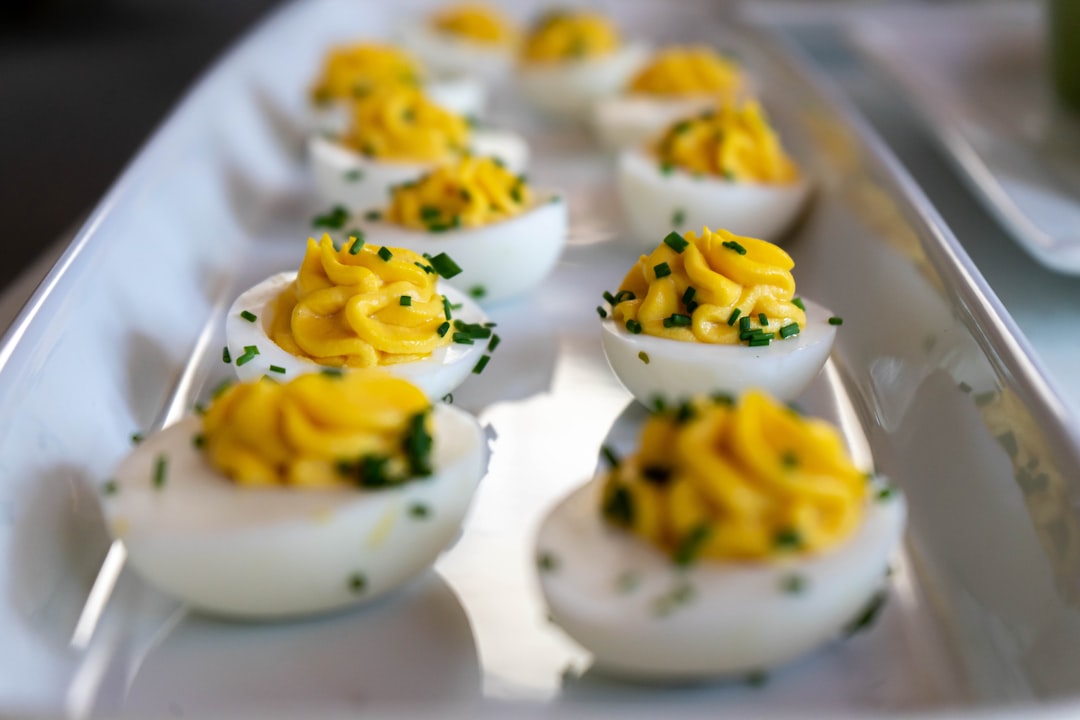
Deviled eggs are a buffet classic that also happens to be one of the most temperature-sensitive items that commonly appears on reception tables. The egg white and yolk filling are both high-protein foods that support rapid bacterial growth once they rise above refrigeration temperature. They are almost always prepared well in advance in large catering environments and the time between preparation and consumption can easily exceed the two-hour guideline for perishable foods at room temperature. Deviled eggs sitting on a platter that is not actively chilled should be treated with the same caution as any other cooked egg product held at ambient temperature. Checking whether the platter is resting on ice or has been recently replaced from refrigeration is a useful indicator of how long they have been sitting.
Carved Poultry
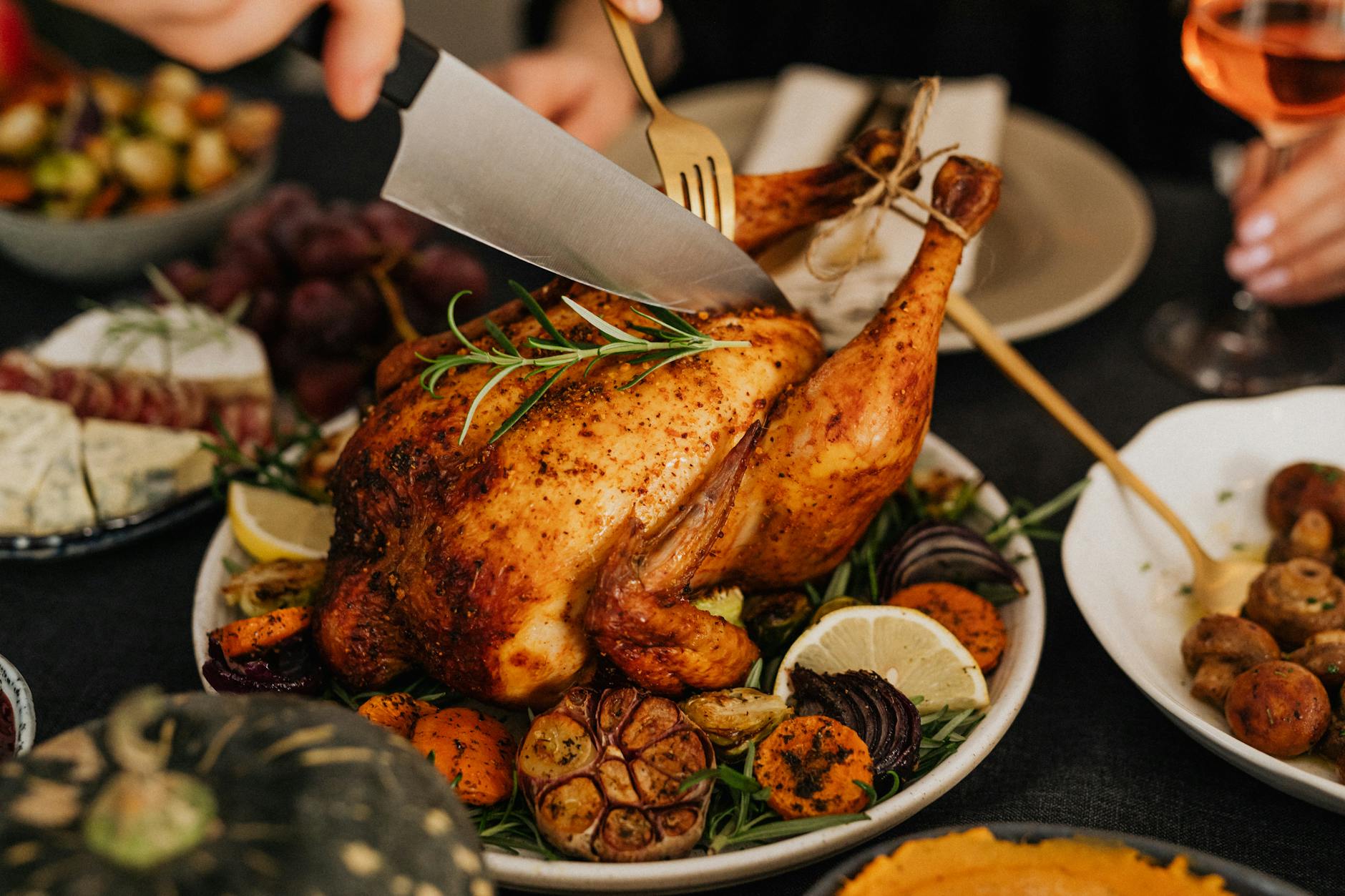
Carved turkey, chicken, or duck served at a carvery station introduces food safety risks that are more significant than carved beef due to the internal temperature requirements for safely cooked poultry. Poultry must reach a minimum internal temperature of 74 degrees Celsius throughout in order to be safe, and achieving this consistently across a large bird prepared for a crowd is challenging even for experienced caterers. Once carved and sitting on a serving platter, the pieces cool quickly while continuing to be exposed to ambient air, serving utensils, and the general buffet environment. Pink meat near the bone in carved poultry is a clear visual signal to select a different portion or decline the dish entirely. The consequences of undercooked poultry including salmonella infection are among the most serious food safety outcomes associated with catering events.
Cream-Based Soups Left Out
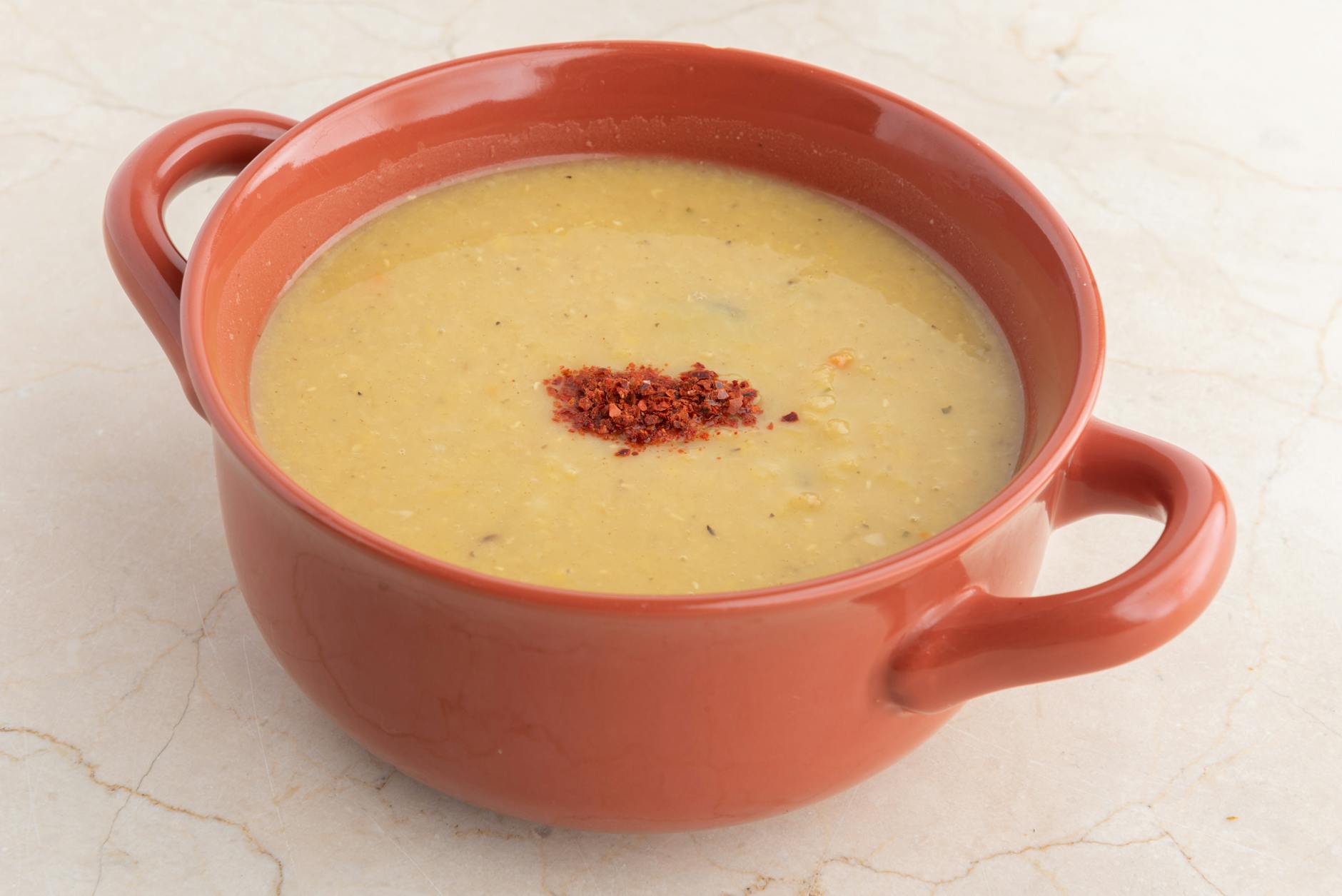
Cream-based soups that have been sitting in a partially depleted chafing dish without being replenished deserve specific attention beyond the general soup caution raised earlier. As the liquid level drops in a chafing dish, the remaining soup is exposed to more surface area relative to its volume, causing it to cool more rapidly and unevenly. A thick cream of mushroom or lobster bisque sitting in a half-empty chafing dish at the tail end of a buffet service represents a food safety situation that the original catering plan did not account for. The dairy fat in cream soups also separates and develops an unpleasant texture and oily surface sheen as a visible sign of temperature loss. Any cream-based soup that is not visibly steaming and fully replenished should be politely declined.
Fruit Salad in Warm Rooms
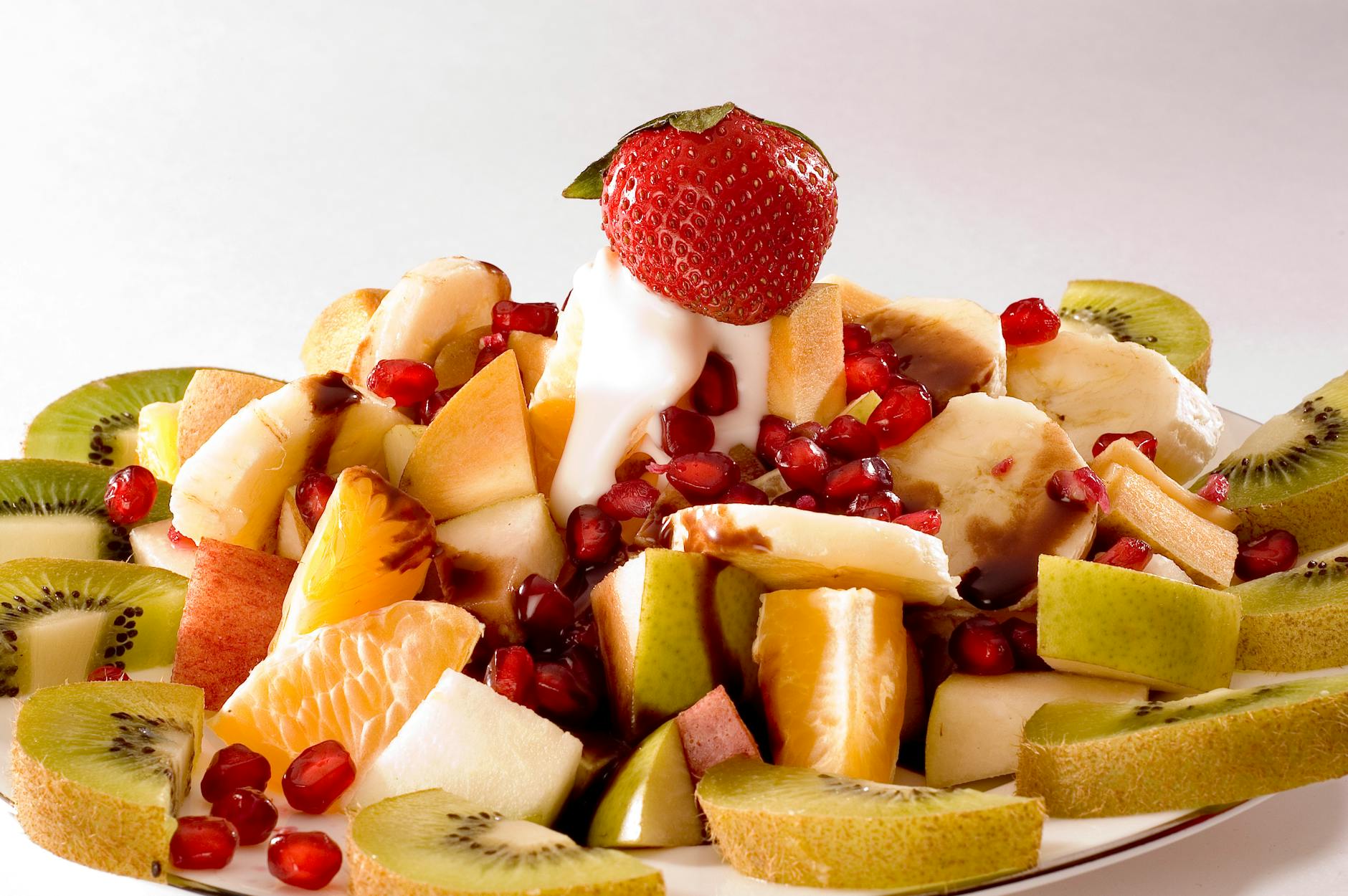
Pre-cut fruit salad sitting in a warm reception venue without visible refrigeration deteriorates both in safety and in quality surprisingly quickly. Cut fruit surfaces release juice that pools at the bottom of the serving bowl, creating a warm and sugary liquid that accelerates fermentation and microbial activity. High-water-content fruits including melon, pineapple, and strawberries soften and break down faster than others, providing early visual evidence of how long the salad has been sitting. A fruit salad with browning banana slices or waterlogged melon cubes floating in murky liquid at the bottom of the bowl is one that has clearly been on the table far too long. Whole fruit or a freshly prepared fruit station with active chilling is a far safer alternative.
Smoked Salmon
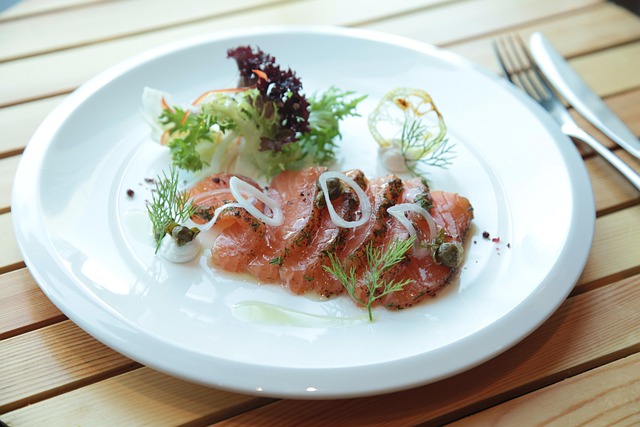
Smoked salmon is a premium ingredient that appears on many upscale wedding buffets and also carries a specific set of food safety considerations that are easily overlooked. Despite its cured nature, smoked salmon is classified as a ready-to-eat product that requires continuous refrigeration and has a very limited safe window once removed from cold storage. It is a known source of listeria monocytogenes and is specifically listed by health authorities as a food that pregnant women and immunocompromised individuals should avoid. Smoked salmon sitting on a platter at room temperature for more than an hour in a warm venue has moved well beyond the safe serving window. The delicate pink color and relatively neutral smell of smoked salmon also make it very difficult to assess its safety by visual or olfactory inspection alone.
Mousses
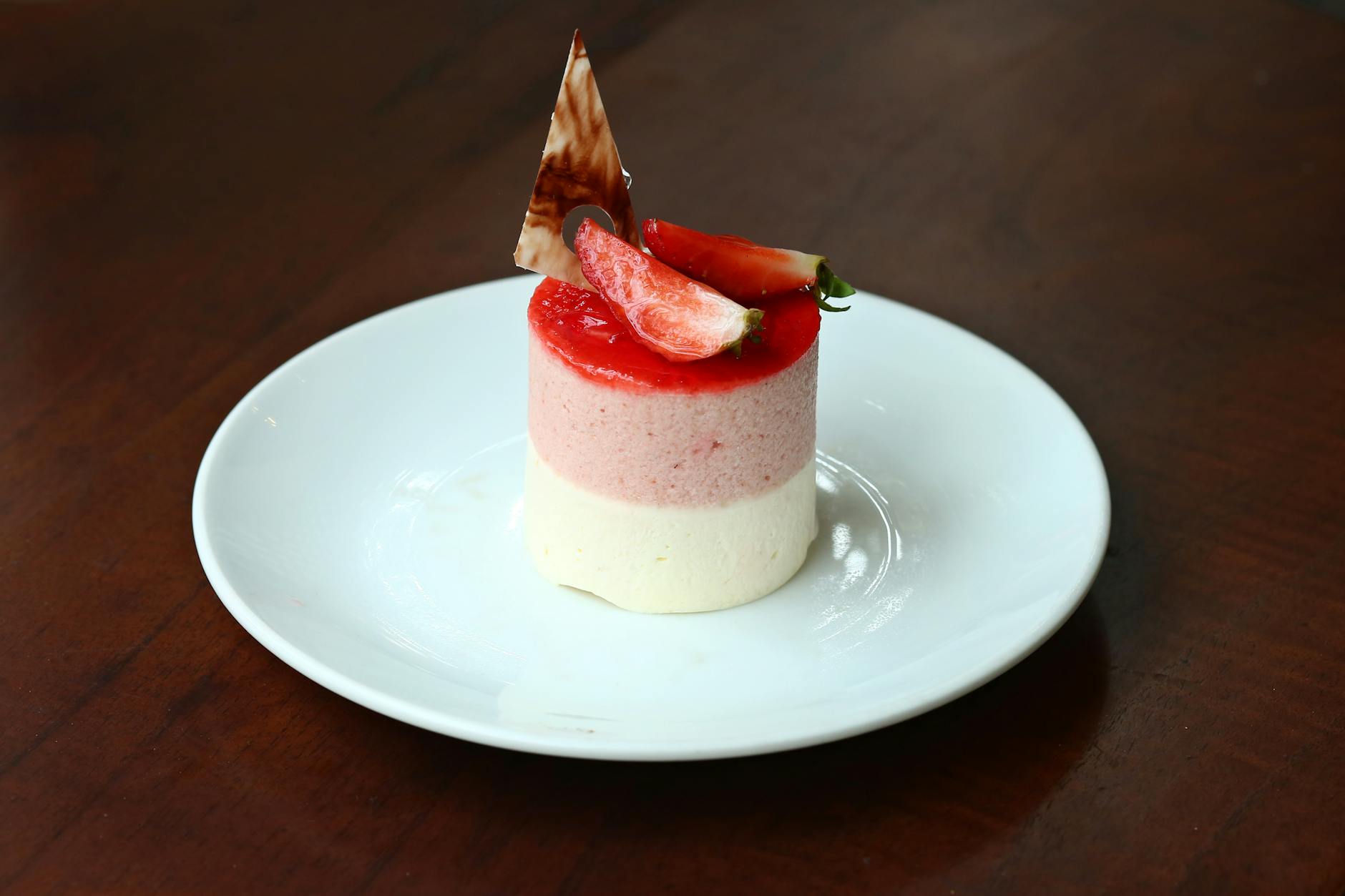
Both savory and sweet mousses rely on whipped egg whites or whipped cream as a structural base, meaning they are temperature-sensitive, fragile, and quick to deteriorate once removed from refrigeration. A chocolate mousse or salmon mousse sitting on a buffet table in a warm room begins losing its airy texture and safe temperature simultaneously within the first hour of service. The raw or minimally processed egg components used in many traditional mousse recipes carry a salmonella risk that is not fully mitigated through the preparation process. Individually portioned mousses served cold from a refrigerated display are safer than a shared serving bowl scooped by multiple guests using the same spoon. Any mousse that has lost its defined shape or appears to be weeping liquid at the base has exceeded its safe serving window.
Underheated Chafing Dishes
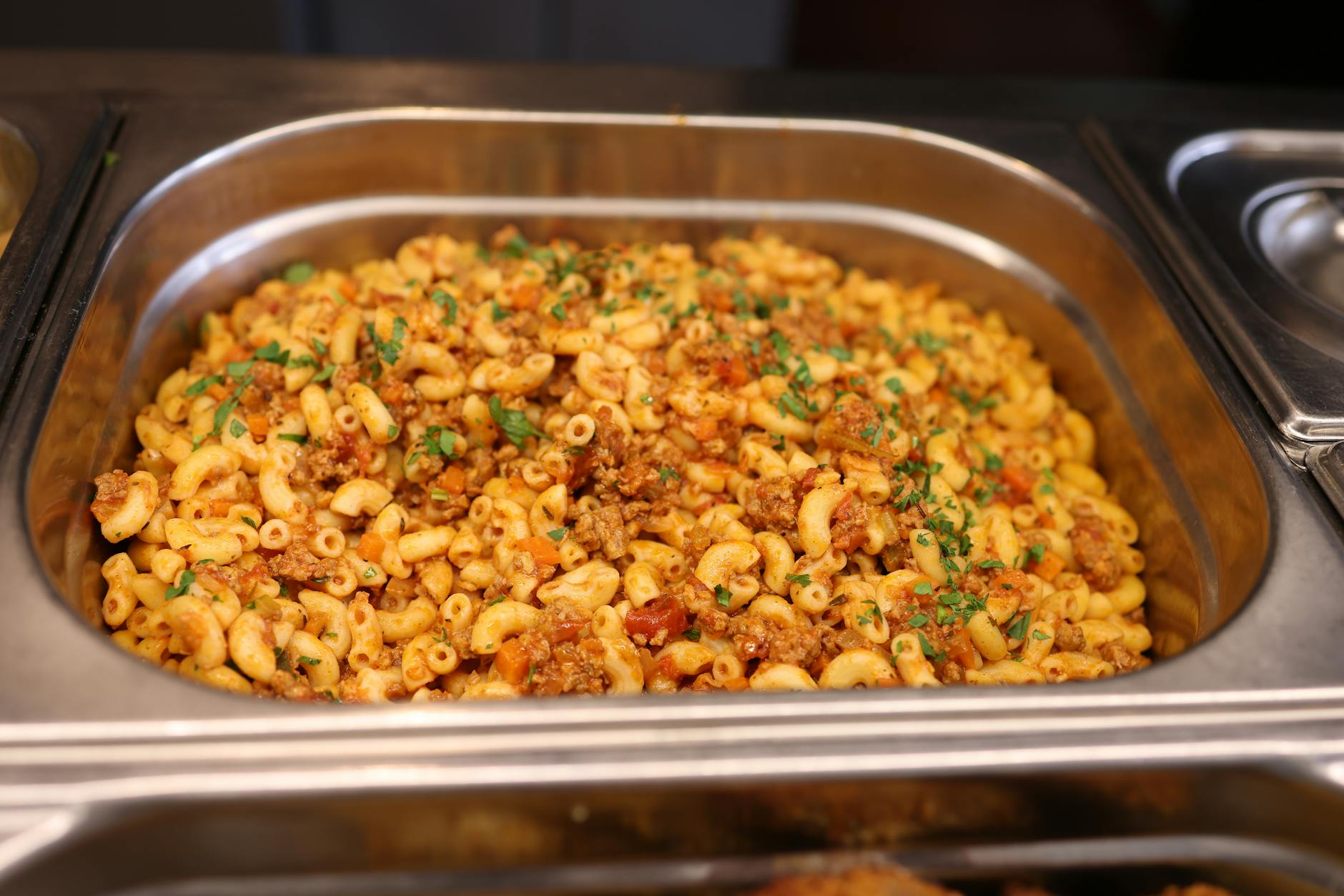
Chafing dishes that are visibly not maintaining adequate heat throughout service are a systemic food safety risk rather than a dish-specific one. A chafing dish that is lukewarm to the touch on the outer surface is almost certainly not keeping the food inside at or above the required safe holding temperature. Caterers sometimes allow the water bath underneath the chafing dish to run dry without immediate replenishment, causing the food temperature to drop rapidly. Any hot dish served from a chafing dish that does not produce visible steam when lifted with a serving spoon should be treated with caution regardless of what it contains. Reporting a cold chafing dish to a member of the catering staff is both appropriate and potentially beneficial to every guest at the reception.
Unidentified Meat Dishes
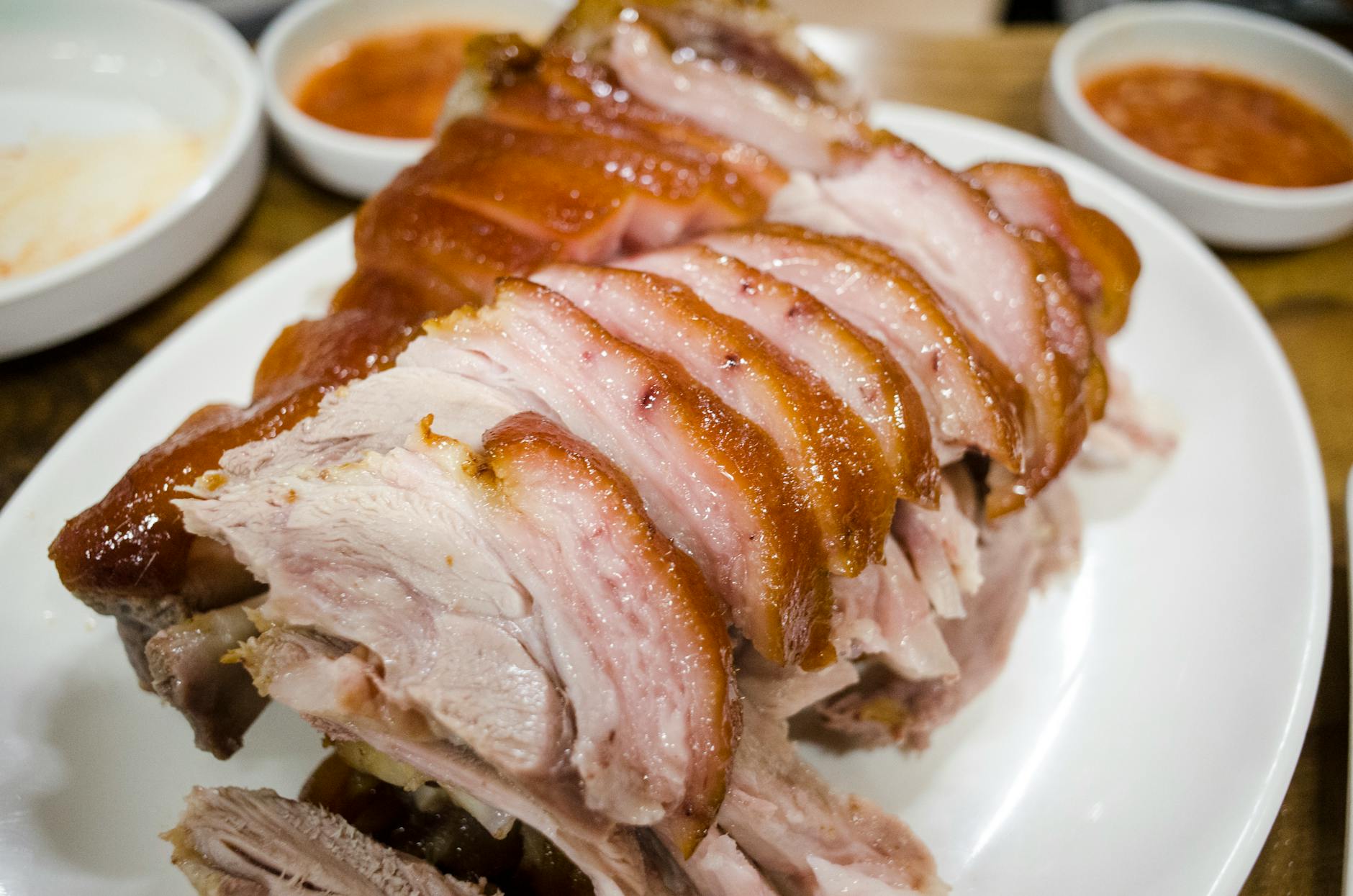
Casseroles, stews, and composite meat dishes whose contents cannot be clearly identified or confirmed by catering staff present a problem for both food safety and allergy management. Mixed meat preparations are more difficult to cook to a consistent safe temperature than whole cuts, and the complexity of their composition makes allergen identification particularly challenging. Well-intentioned guests who are not catering staff sometimes provide confident but inaccurate information about dish contents when asked, which creates a false sense of security. A dish that appears to contain mixed proteins or that a staff member cannot specifically identify or describe should be avoided by anyone with dietary restrictions. Sticking to clearly identifiable whole-ingredient dishes where the contents are visually apparent is always the safer strategy.
Anything From the Bottom of a Chafing Dish
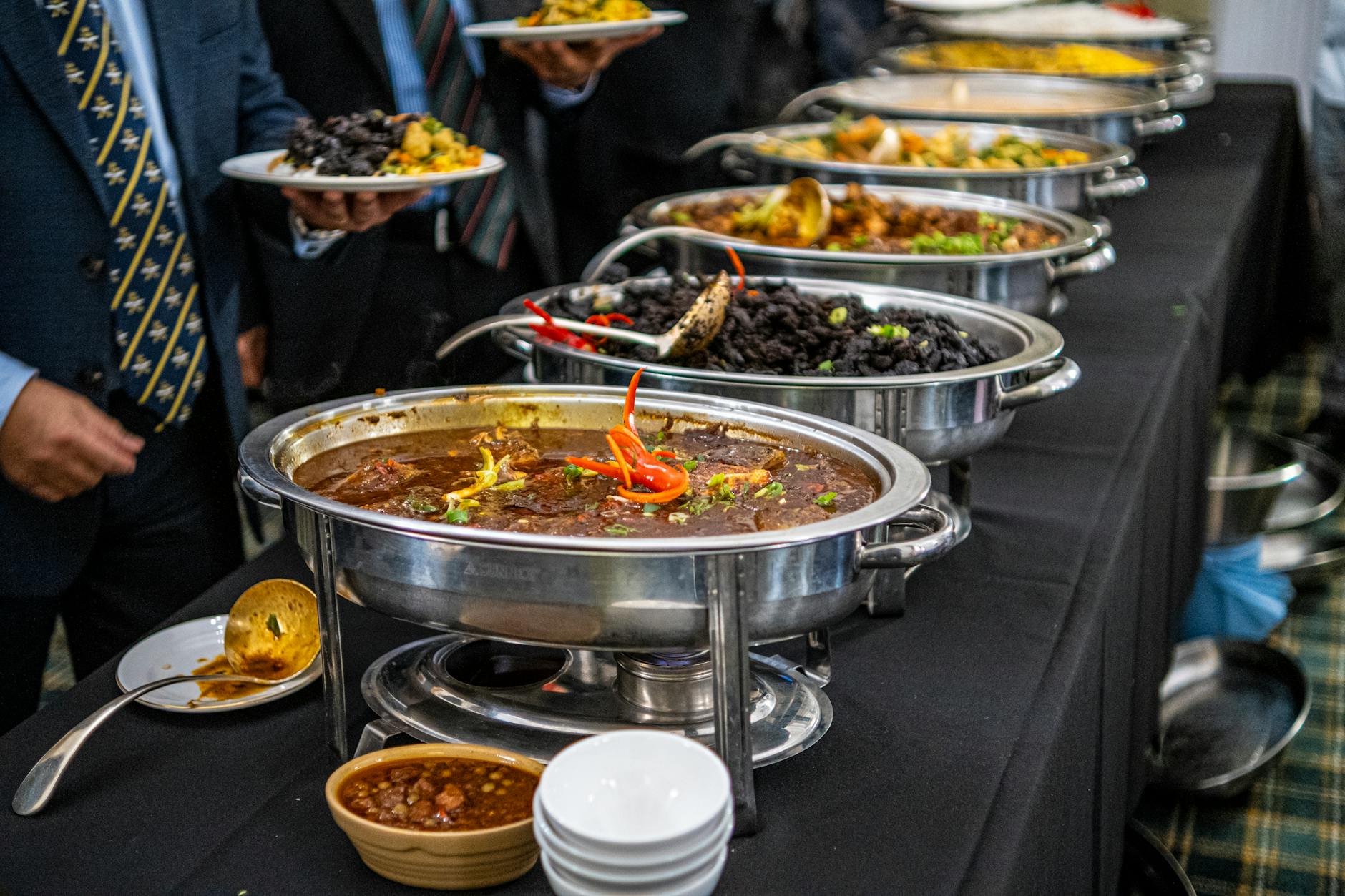
The very bottom layer of food in any chafing dish sits in the most direct contact with the heat source and also with any accumulated liquid, fat, and residue that has settled during service. This combination of prolonged heat exposure and moisture creates a zone where food frequently overcooks, becomes rubbery, or develops an unpleasant concentrated flavor that differs noticeably from the freshly served portions above it. In meat dishes the bottom layer often dries out and then rehydrates in accumulated cooking juices in a way that compromises both texture and taste. Waiting for a chafing dish to be refreshed or selecting from a newly opened tray is always preferable to scraping the remnants of a nearly empty serving vessel. The final portions at the bottom of any shared hot dish are invariably the lowest quality and the least appetizing of everything on the buffet.
Shellfish Cocktails Left on Ice
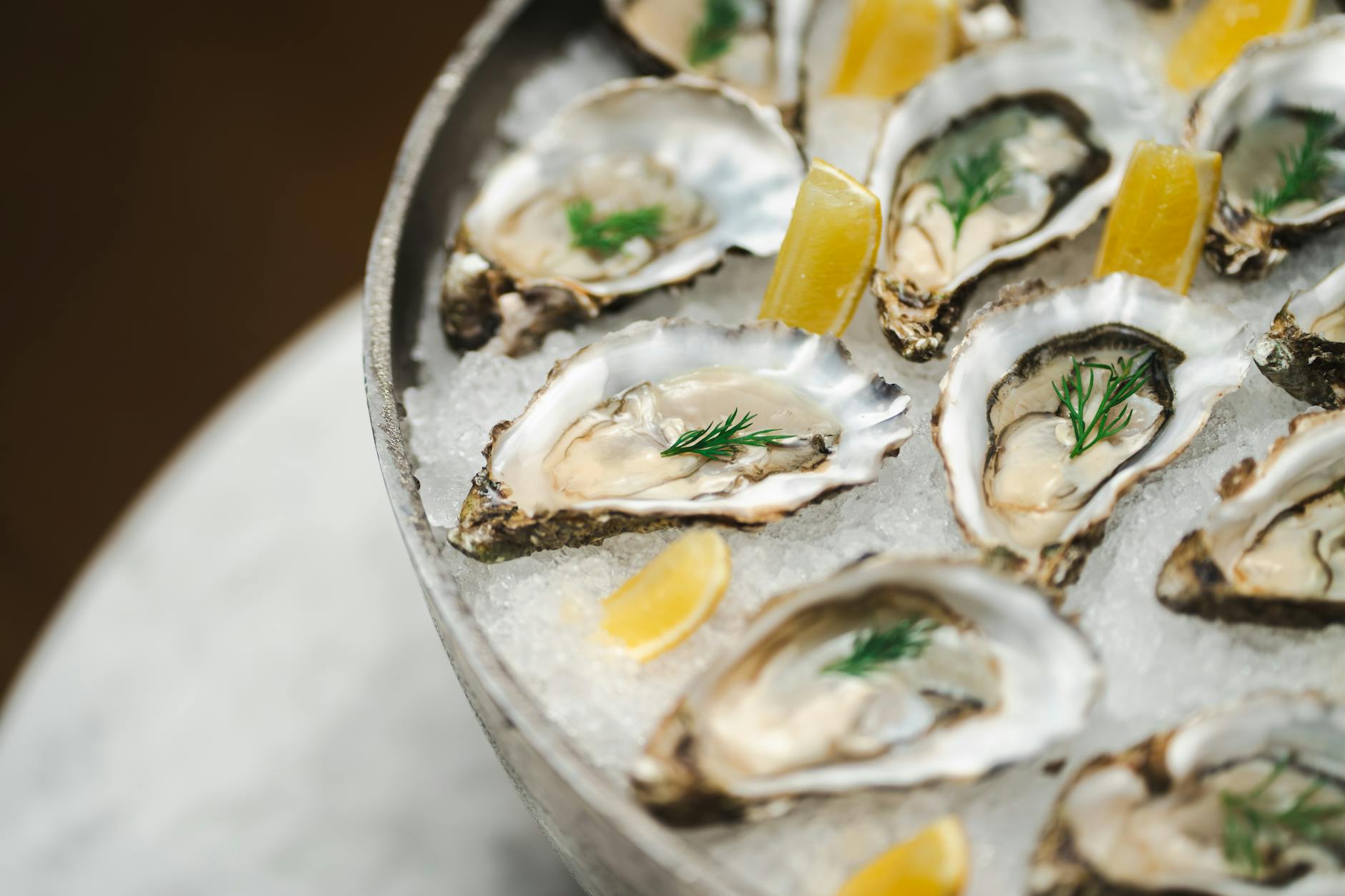
Shrimp cocktail and other shellfish preparations served on ice look elegant and professionally presented but the ice beneath them is doing far less thermal work than most guests assume. As the ice melts over the course of a reception the shellfish sits in cold water that gradually warms to room temperature, creating conditions that accelerate bacterial growth in a food that is already classified as high risk. Pre-cooked and chilled shellfish cocktail that has been on display for more than ninety minutes in a warm venue has moved well beyond the point at which a food safety professional would consider it acceptable for service. The visual appeal of a gleaming shellfish display is deliberately designed to suggest freshness that the actual food safety situation may not reflect. When in doubt about timing, declining the shellfish station entirely is the most conservative and arguably most sensible choice available.
If you have witnessed a catering disaster at a wedding or have strong opinions about what belongs on a buffet table, share your thoughts in the comments.