
Starting the day with the wrong foods can send blood sugar levels on a rollercoaster that affects focus, mood, and productivity for hours. Many popular breakfast choices are marketed as healthy or convenient but contain hidden sugars, refined grains, and artificial additives that undermine stable energy. The foods on this list consistently rank among the most disruptive choices for morning metabolic balance. Understanding what to avoid is just as powerful as knowing what to reach for when building a high-energy daily routine.
Fruit Punch

Fruit punch and similar juice-based drinks are loaded with added sugars that cause an immediate spike in blood glucose. Without fiber or protein to slow absorption the energy rise is followed almost instantly by a steep crash. Many commercial varieties contain very little actual fruit and rely on artificial flavoring and sweeteners. This kind of drink stimulates hunger again within an hour making it one of the least satisfying breakfast choices available.
Pop-Tarts
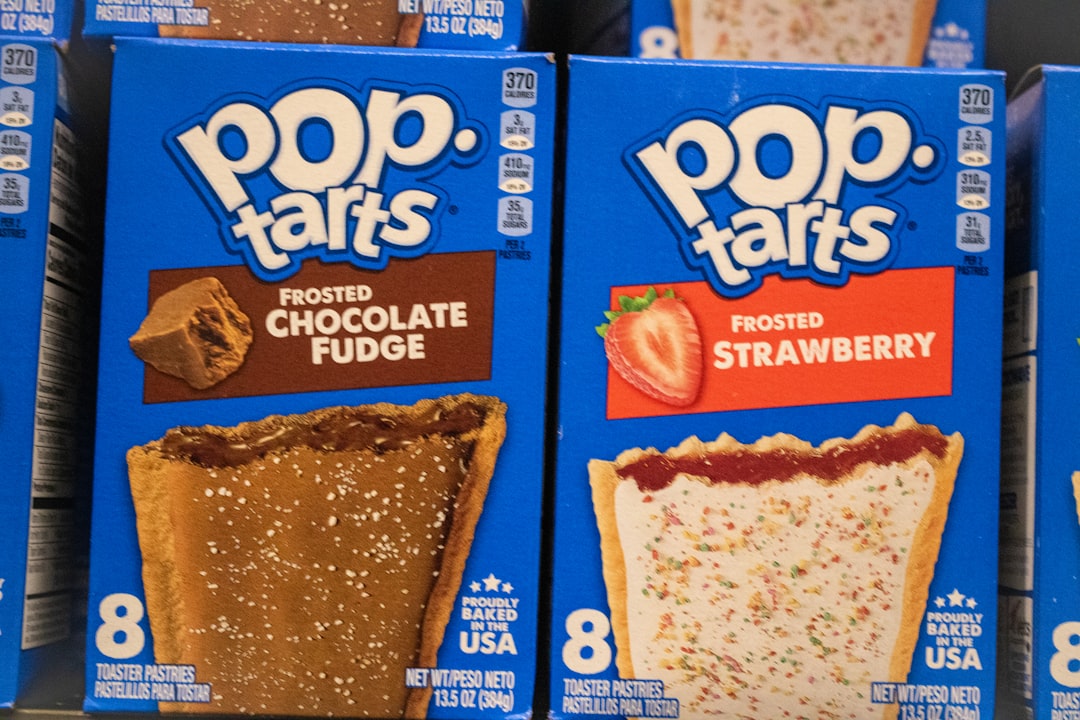
Pop-Tarts are made almost entirely from refined white flour sugar and hydrogenated oils with almost no nutritional value. The frosting and filling add an additional layer of concentrated sugar that hits the bloodstream rapidly after consumption. Each pastry provides very little fiber or protein meaning satiety disappears quickly after eating. Regular consumption of ultra-processed toaster pastries has been linked to increased cravings and afternoon energy slumps.
Soda

Drinking soda in the morning introduces a large quantity of refined sugar or artificial sweeteners into an empty stomach. The carbonation can also cause bloating and digestive discomfort that lingers through the first part of the day. Even diet versions have been associated with disrupted hunger hormones and increased cravings later on. Starting the day with soda provides no nutritional foundation and sets an unstable metabolic tone from the first hour.
Cotton Candy Grapes

Despite their natural origin these grapes have been bred to contain significantly higher sugar levels than standard grape varieties. Eating them on an empty stomach without protein or fat causes a rapid rise in blood sugar with no buffer. They offer minimal fiber relative to their sugar content making them a poor standalone breakfast option. Their sweet flavor can also trigger cravings for more sugary foods throughout the morning hours.
Packaged Muffins

Store-bought muffins are often closer in composition to cake than to a balanced breakfast food. A single packaged muffin can contain as much sugar and refined flour as a dessert item despite its breakfast branding. The lack of protein and healthy fat means energy from these muffins is metabolized and depleted very quickly. Many varieties also contain preservatives and seed oils that contribute to inflammation and sluggishness over time.
Flavored Oat Packets
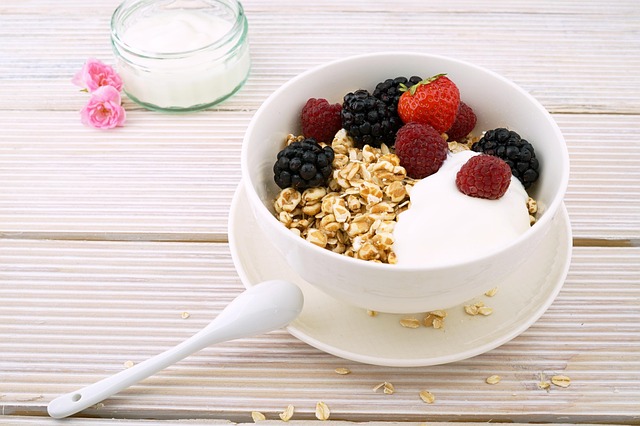
Instant flavored oatmeal packets are heavily processed and contain added sugars that far exceed what plain oats naturally provide. The quick-cook format breaks down the oat structure in a way that raises the glycemic index considerably compared to steel-cut or rolled oats. Flavors like maple brown sugar or strawberries and cream often list sugar as the second or third ingredient. The result is a breakfast that feels wholesome but behaves metabolically more like a sugary snack.
Pancake Syrup

Commercial pancake syrup is almost entirely high-fructose corn syrup with added coloring and artificial maple flavoring. Even a modest serving poured over pancakes or waffles adds a concentrated sugar load that spikes insulin rapidly. Unlike real maple syrup it contains no trace minerals or beneficial compounds to offset its glycemic impact. When combined with refined flour pancakes or waffles it creates one of the most blood-sugar-disruptive breakfasts commonly consumed.
Energy Drinks
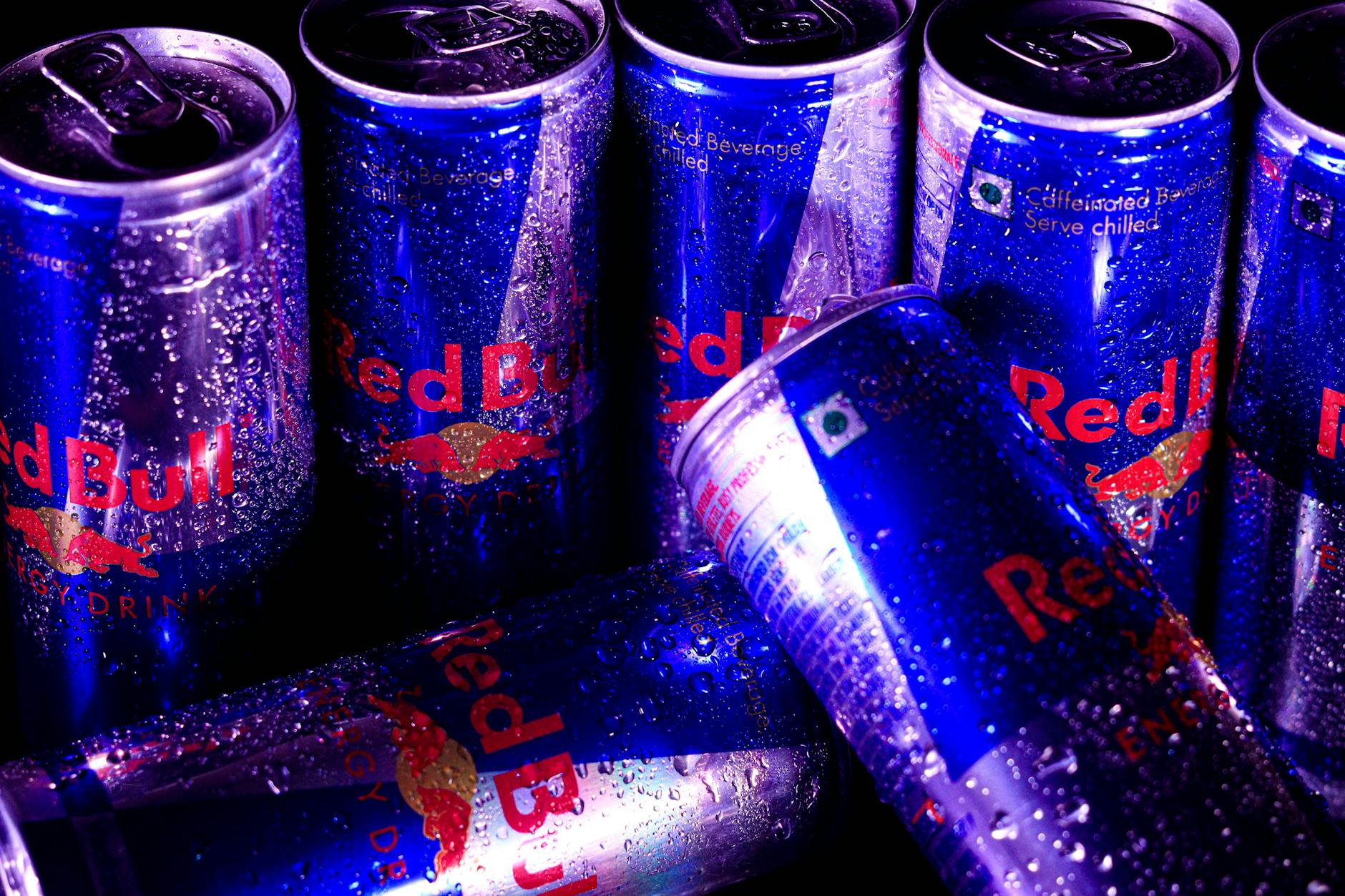
Caffeinated energy drinks deliver a sharp stimulant hit alongside large quantities of sugar and synthetic additives. The combination of caffeine and sugar creates an artificial peak in alertness that collapses dramatically within a few hours. Many brands also contain B vitamins in doses that can cause jitteriness or flushing when consumed on an empty stomach. Relying on energy drinks at breakfast establishes a dependency cycle that makes natural energy regulation more difficult throughout the day.
Cereal Bars
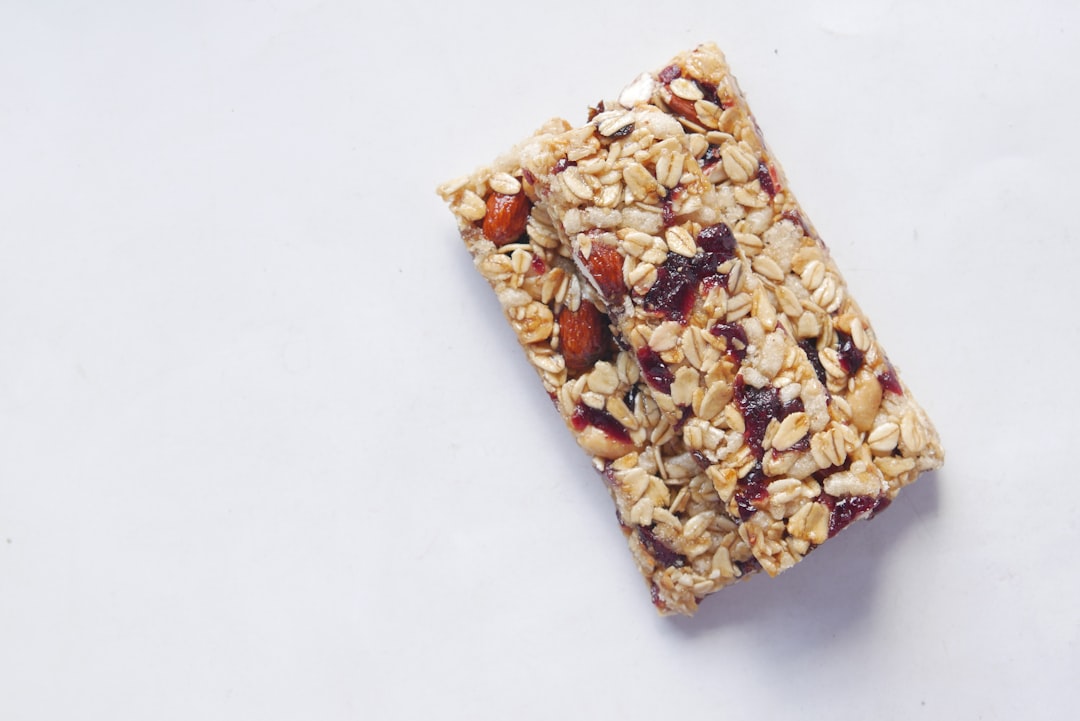
Cereal bars are frequently positioned as a grab-and-go health option but most contain the same ingredients as candy bars in a compressed form. The binding agents and coatings used to hold them together are typically sugar-based syrups with a high glycemic load. Protein content is usually negligible making them incapable of sustaining fullness or stable energy for any meaningful period. Reading the ingredient label on most popular cereal bar brands reveals sugar listed multiple times under different names.
Bagels

A standard white bagel is equivalent in refined carbohydrate content to eating four or five slices of white bread in one sitting. The dense refined flour structure breaks down rapidly during digestion causing a pronounced blood sugar spike shortly after eating. Bagels are also very low in fiber and protein unless paired thoughtfully with nutrient-dense toppings. Consuming them plain or with cream cheese provides almost no metabolic stability for the hours that follow.
Flavored Yogurt

Flavored yogurts marketed to mainstream consumers often contain as much sugar per serving as a small dessert. The fruit compotes and sweet syrups blended into these products frequently appear before live cultures on the ingredient list. While plain yogurt is a genuinely nutritious choice the flavored varieties undermine its benefits with their sugar content. Many also use thickeners and stabilizers that reduce the quality of the protein and probiotic content found in whole-food versions.
Croissants

Croissants are made through a lamination process using large quantities of butter and white flour that creates a product very high in refined carbohydrates and saturated fat. While the fat content slows digestion slightly the lack of fiber or protein still results in poor long-term satiety. The caloric density relative to nutritional value makes the croissant one of the least efficient breakfast foods for sustained output. Regular consumption has been associated with increased total daily caloric intake due to recurring hunger signals.
Breakfast Cookies

Breakfast cookies borrow the marketing language of nutrition while retaining the fundamental composition of a standard dessert cookie. Ingredients like oats or nuts are often present in small amounts relative to the sugar flour and oil that make up the bulk of the recipe. The portion sizes listed on packaging are frequently unrealistically small compared to how the product is actually consumed. These cookies trigger the same blood sugar dynamics as eating a traditional cookie with very little functional difference despite their health-oriented branding.
Doughnuts

Doughnuts combine deep-fried refined dough with sugar glazes fillings and toppings in a format that delivers almost no beneficial nutrients. The frying process adds oxidized fats that can contribute to systemic inflammation when consumed regularly. Blood sugar rises sharply after eating a doughnut and the absence of fiber or protein accelerates the subsequent crash. They remain one of the most widely recognized examples of a breakfast food that actively works against stable daytime energy.
Frozen Waffles

Commercial frozen waffles are made from refined flour with added sugar and are designed primarily for convenience rather than nutritional value. Toasting them does not meaningfully alter their glycemic impact and standard toppings like syrup compound the blood sugar effect significantly. The texture and processing of frozen waffles mean they are digested quickly leaving the body without fuel well before mid-morning. Even varieties labeled as whole grain often contain only a minimal percentage of actual whole grain flour.
White Toast

Plain white toast made from refined bread provides a rapid glucose hit with almost no accompanying fiber to moderate the absorption rate. The milling process that creates white flour removes the bran and germ which are the parts of the grain that contain nutrients and slowing agents. A breakfast of white toast alone lacks the protein and fat needed to support cognitive function during the first part of the working day. The monotony of its nutritional profile makes it one of the most frequently cited contributors to mid-morning energy crashes.
Granola

Most commercial granola varieties are coated in oils and sweeteners to achieve their characteristic crunch and are calorie-dense in a way that is easy to underestimate. Serving sizes on granola packaging are often set at a quarter cup which is far less than the amount most people pour into a bowl. The sugar content in flavored granola clusters can rival that of sweetened breakfast cereals despite granola’s health-food reputation. Eating it with sweetened yogurt or juice further amplifies its glycemic impact on morning blood sugar levels.
Fruit Juice

Even 100 percent fruit juice removes the fiber from whole fruit and concentrates its natural sugars into a rapidly absorbed liquid form. A single glass of orange juice contains the sugars of several oranges without the pulp and skin that would normally slow digestion. The insulin response triggered by fruit juice in the morning can initiate a hunger and craving cycle that persists well into the afternoon. Nutritionists consistently recommend eating whole fruit over drinking juice when the goal is stable and sustained energy output.
Sweetened Coffee

Coffee beverages loaded with flavored syrups whipped cream and sweetened milk transform a calorie-neutral drink into a high-sugar morning meal replacement. Popular chain coffee drinks can contain upwards of fifty grams of sugar in a single serving which far exceeds what most people would consciously choose to consume at breakfast. The rapid sugar absorption paired with caffeine creates an intense but short-lived alertness that tends to collapse suddenly. These drinks also suppress genuine hunger signals making it harder to make balanced food choices later in the day.
Hash Browns

Fast food or frozen hash browns are cooked in refined oils at high temperatures and contain added sodium and stabilizers beyond their potato base. The frying method creates a product that is high in oxidized fats and refined carbohydrates without the fiber found in a whole baked potato. Consumed as a standalone breakfast they provide a brief energy boost from their starch content with no protein or micronutrient support. The combination of processed oil and refined starch creates a sluggish digestive response that can contribute to fatigue in the mid-morning window.
Pastries

Bakery pastries including turnovers danishes and sweet rolls are constructed from refined flour butter and sugar in ratios optimized for flavor rather than nutrition. The laminated doughs and sweet fillings used in most pastries produce a combined glycemic load that overwhelms blood sugar regulation quickly after eating. A single danish can contain more sugar than the recommended daily intake for added sugars in one sitting. Their widespread availability in workplace and cafe settings makes them an easy default choice with consistently negative consequences for afternoon energy levels.
Sugary Cereal

Brightly packaged breakfast cereals aimed at children and adults alike often list sugar as the primary ingredient after a base of refined grain. The recommended serving sizes on packaging are calibrated to make sugar content appear lower than what a typical bowl actually contains. Milk adds protein which provides some buffering effect but is rarely enough to offset the glycemic spike from highly sweetened cereals. Decades of research consistently identify sugary cereals as a leading driver of poor morning satiety and energy instability in regular consumers.
Flavored Instant Oatmeal

Flavored instant oatmeal packets bear little resemblance nutritionally to traditional whole oats despite sharing the same base ingredient. The pre-cooking and drying process used to create instant oats raises their glycemic index substantially compared to steel-cut or rolled varieties. Added flavorings and sweeteners in popular varieties push the sugar content to levels more appropriate for a dessert than a morning meal. The result is a food that mimics the appearance of a healthy breakfast while producing energy patterns closer to those of a sugary cereal.
Breakfast Burritos

Fast food breakfast burritos combine refined flour tortillas with processed meats high-sodium cheese and often hash brown filling in a single high-calorie package. The sodium content in a single burrito from a major chain frequently exceeds half the recommended daily intake which contributes to dehydration and fatigue. While the protein from eggs or meat offers some benefit it is often outweighed by the processed ingredients surrounding it. The high fat and refined carbohydrate combination creates a heavy digestive load that redirects energy toward digestion rather than supporting mental clarity.
Pancakes

Traditional pancakes made from refined white flour eggs and milk deliver a high glycemic load that triggers a significant insulin response shortly after eating. The light and fluffy texture that makes them appealing is a result of the same refined grain processing that strips away fiber and slows glucose absorption. Standard toppings such as syrup butter and powdered sugar compound the blood sugar effect considerably. Despite their cultural status as a classic breakfast food pancakes are among the least effective choices for anyone prioritizing consistent and lasting energy throughout the day.
Share your own breakfast habits and the foods you’ve cut out for better energy in the comments.