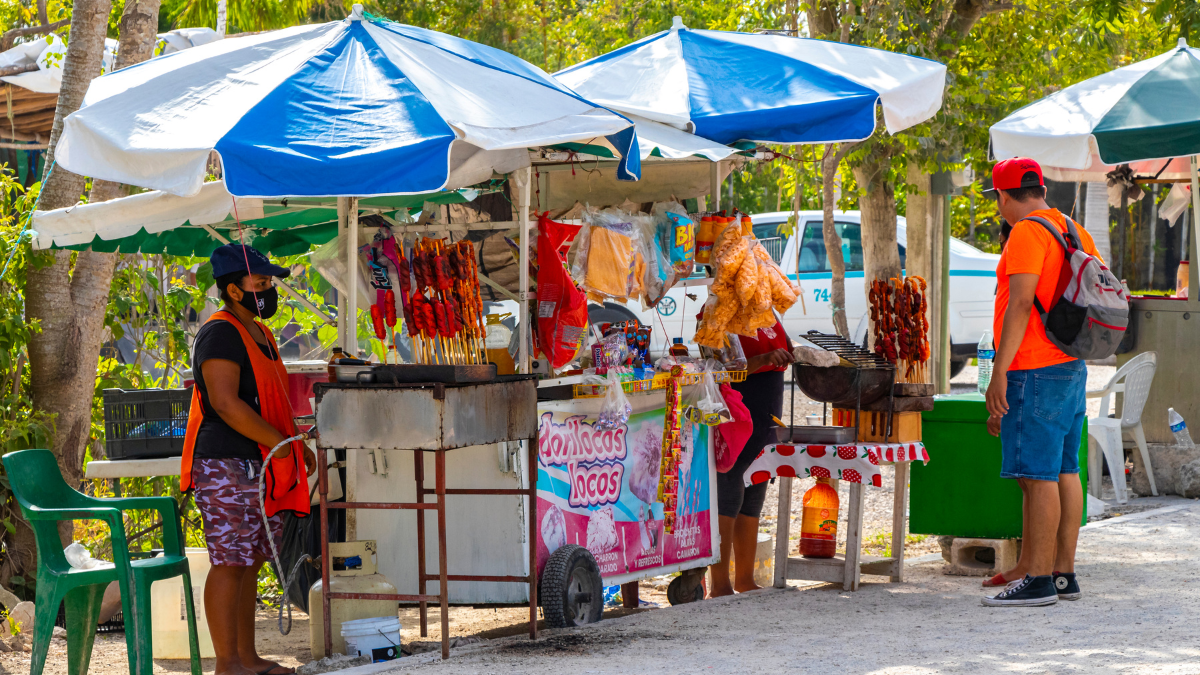
Street food is one of the great joys of travel and urban exploration, but not every dish from a roadside cart carries the same level of safety. Some foods require careful temperature control, strict hygiene standards, or short preparation windows that are genuinely difficult to maintain outdoors. Understanding which items carry the highest risk helps you make smarter choices without giving up the pleasure of eating outside. A little knowledge goes a long way when navigating busy markets, festival grounds, or unfamiliar city corners.
Raw Oysters
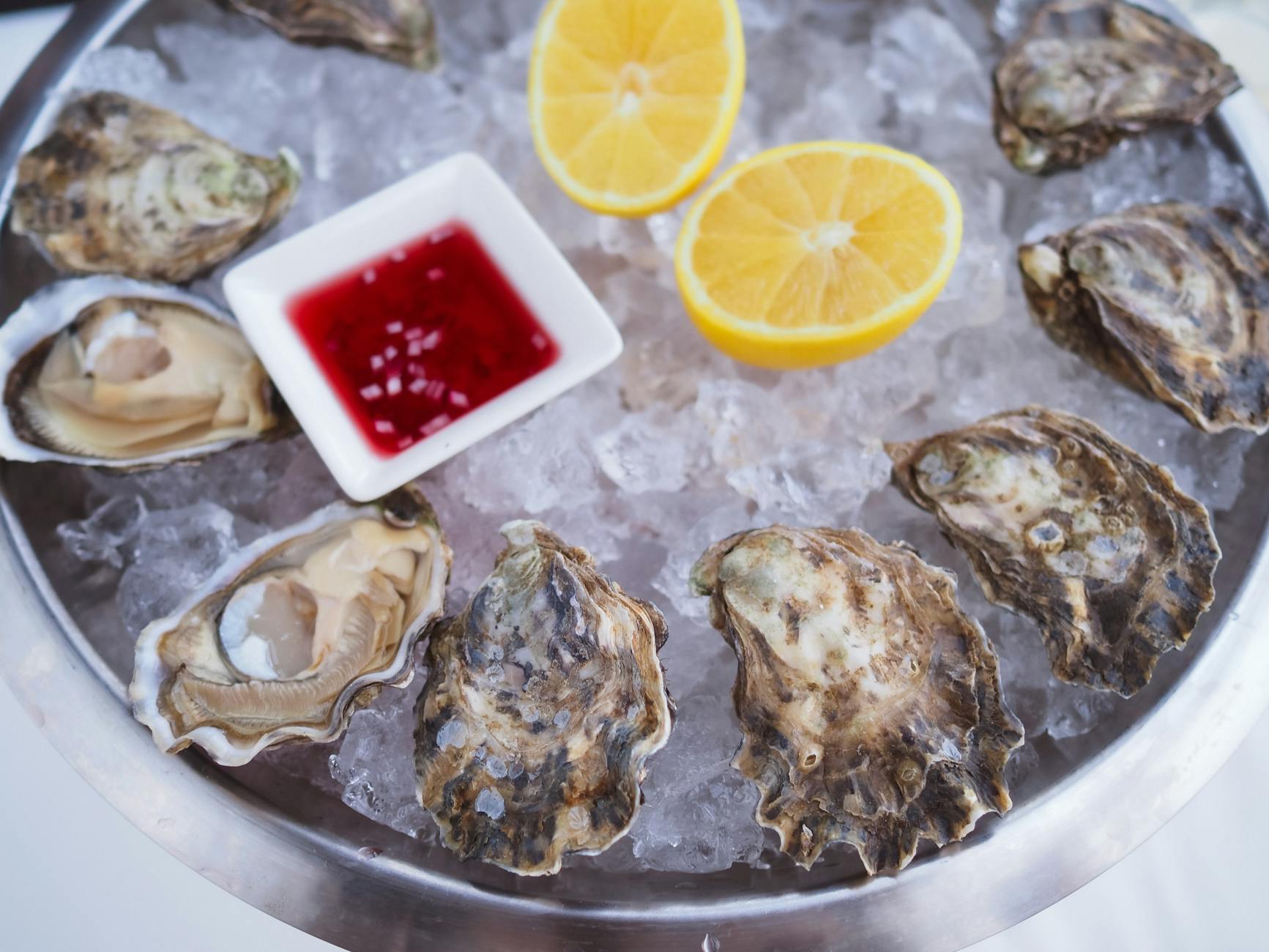
Raw oysters are among the most temperature-sensitive foods in existence, requiring constant refrigeration to remain safe for consumption. A street vendor operating without proper chilling equipment creates ideal conditions for harmful bacteria such as vibrio to multiply rapidly. Oysters filter large volumes of seawater and can accumulate contaminants that cooking would otherwise neutralize. Even a short window of improper storage is enough to turn a delicacy into a serious health hazard.
Raw Sprouts
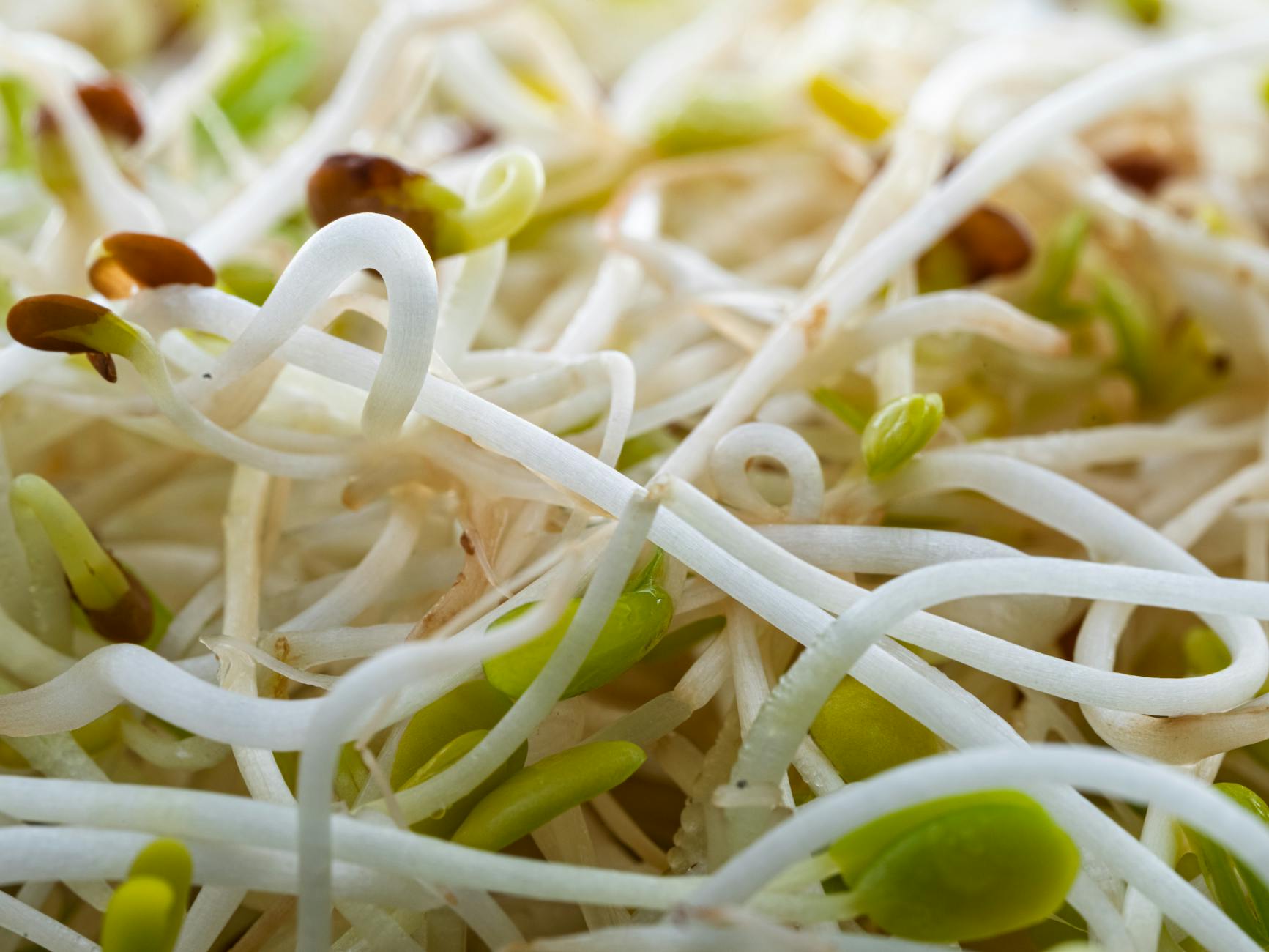
Raw sprouts are grown in warm and humid conditions that happen to be perfect for bacterial growth including salmonella and E. coli. The seeds themselves can carry contamination before the sprouting process even begins, making washing alone insufficient. Street vendors rarely have access to the kind of refrigeration needed to keep sprouts at a safe holding temperature. Consuming them raw from an outdoor stall significantly increases the risk of foodborne illness.
Hollandaise Sauce
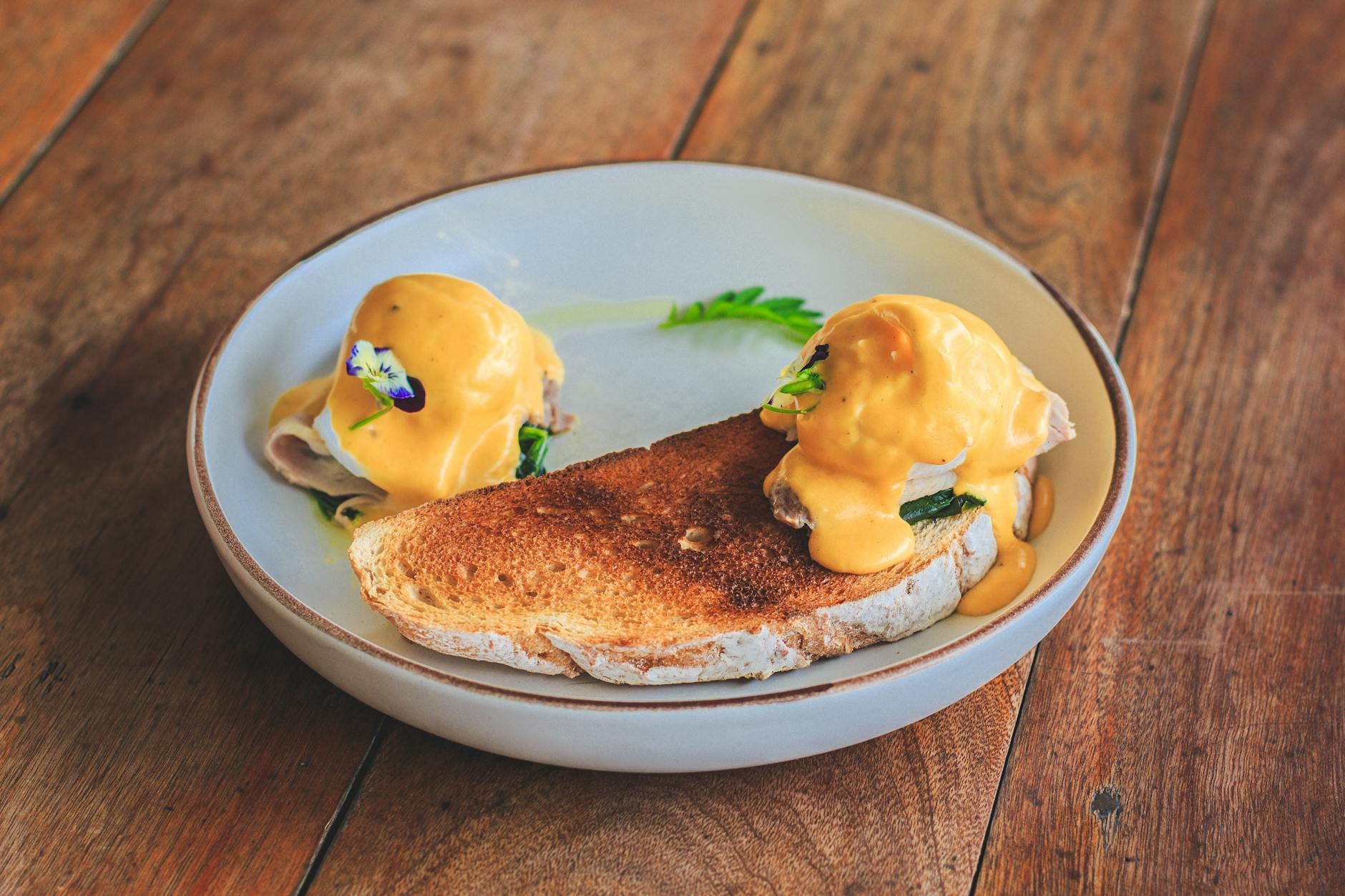
Hollandaise is a classic emulsified sauce made from egg yolks and butter that must be kept within a very narrow temperature range to stay safe. It cannot be fully cooked due to its preparation method, leaving it vulnerable to bacterial growth if left warm for too long. The outdoor environment of a street stall makes consistent temperature control nearly impossible. This sauce is best enjoyed in restaurant kitchens equipped with proper holding equipment.
Puffer Fish

Puffer fish contains tetrodotoxin, one of the most potent naturally occurring toxins known to science. Preparing it safely requires years of specialized training and precise knife skills to avoid contaminating the edible portions. Even licensed chefs in dedicated restaurants make this dish under strict regulatory oversight in countries like Japan. A street vendor setting is simply not equipped to handle the level of precision this fish demands.
Caesar Salad
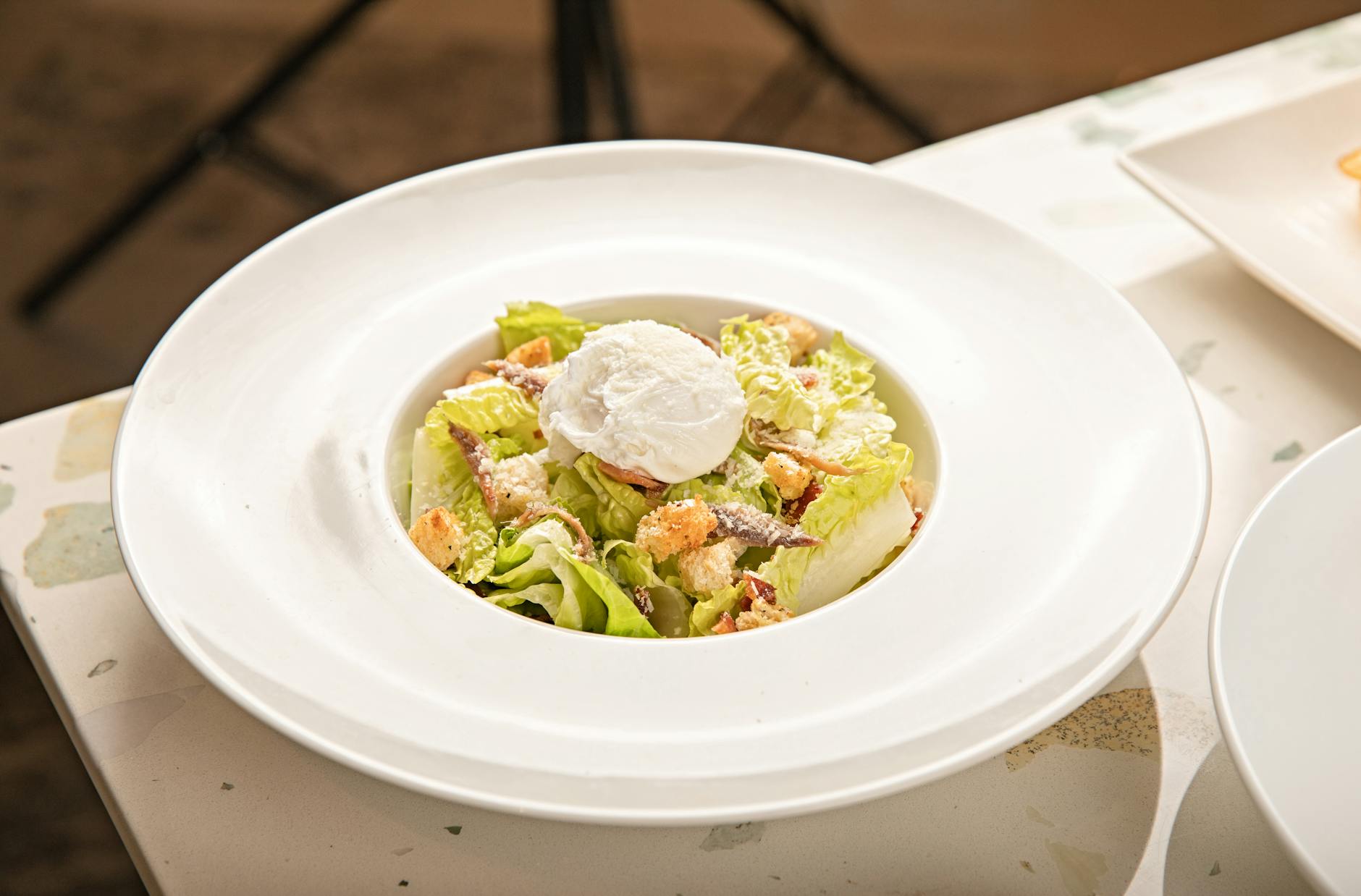
Traditional Caesar salad dressing is made with raw egg yolks that pose a salmonella risk when not properly handled or refrigerated. The lettuce itself requires thorough washing and cold storage to prevent contamination from soil or handling. Outdoor preparation environments expose both the dressing and the greens to fluctuating temperatures and airborne bacteria. This is a dish that depends heavily on freshness and cold chain management from start to serving.
Ceviche
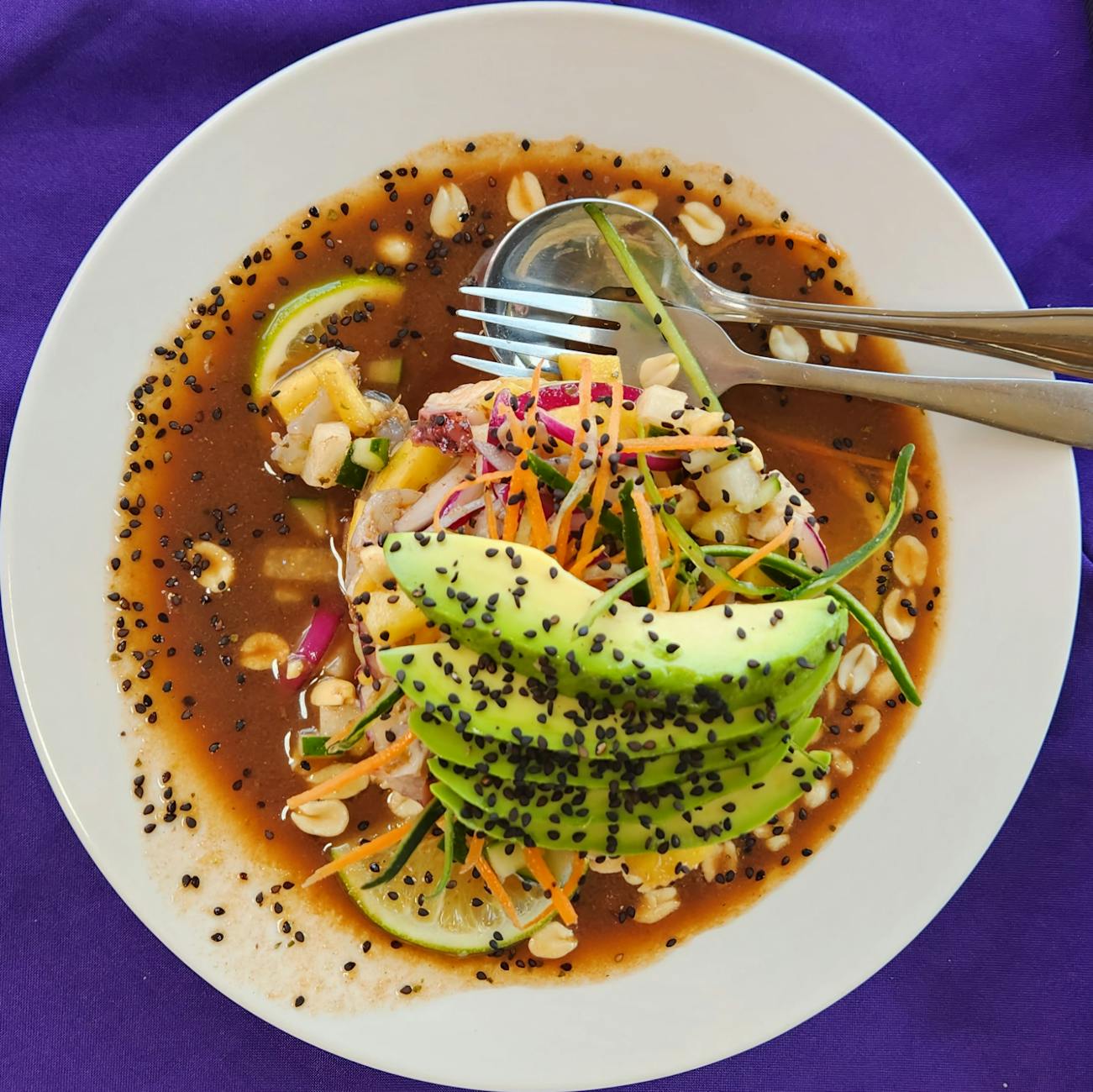
Ceviche relies on acid from citrus juice to denature proteins in raw fish rather than using actual heat, which means harmful pathogens are not destroyed in the same way cooking achieves. The raw seafood base requires pristine freshness and must be kept cold throughout preparation and service. Street environments with limited refrigeration create a narrow margin for error with this dish. Fish that is even slightly past its peak freshness becomes significantly more dangerous when served raw.
Rare Burgers
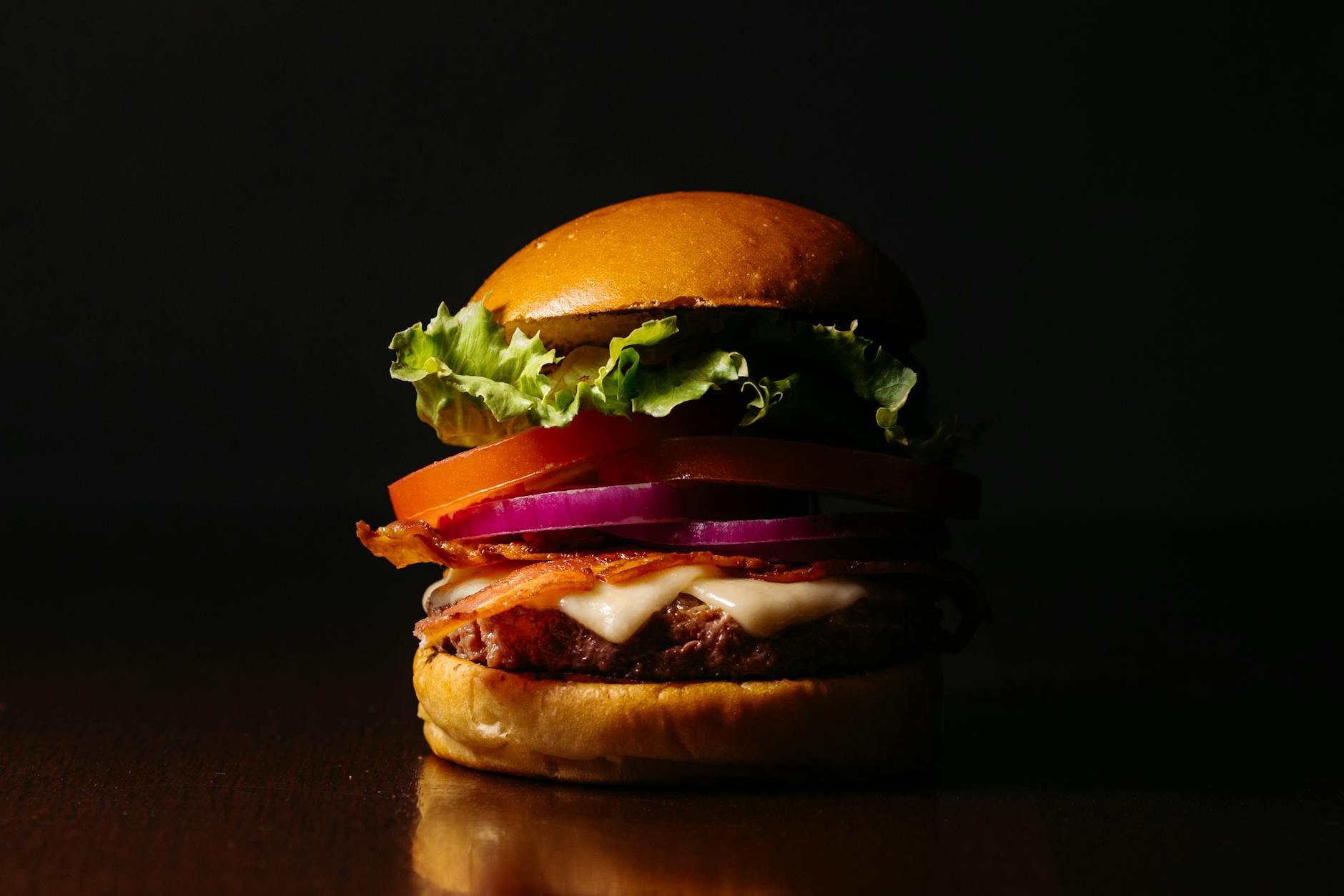
Ground beef carries a higher contamination risk than whole cuts because bacteria present on the surface of the meat gets mixed throughout during the grinding process. Cooking a burger to rare or medium-rare means the interior never reaches a temperature high enough to eliminate pathogens like E. coli O157:H7. A busy street vendor managing high customer volume is unlikely to monitor internal temperatures with precision. A fully cooked burger from a street grill is a far safer choice.
Unpasteurized Juice

Fresh-pressed juices sold without pasteurization can harbor bacteria from unwashed produce, contaminated equipment, or improper handling at the point of preparation. Fruits and vegetables carry microorganisms on their skins that standard rinsing does not fully eliminate. Without heat treatment, there is no reliable step in the process that removes pathogens before the juice reaches the customer. Children, elderly individuals, and anyone with a weakened immune system face the greatest risk from these products.
Stuffed Pasta
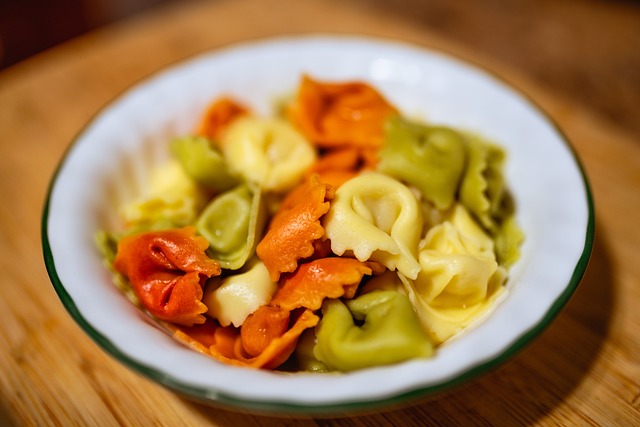
Fresh stuffed pasta such as ravioli or dumplings with meat or cheese fillings requires refrigeration at every stage from preparation through service. The combination of moist dough and protein-rich filling creates conditions where bacteria can multiply quickly at room temperature. A street cart without reliable cold storage has limited ability to maintain safe holding temperatures for these items. Pre-cooked stuffed pasta sitting in warm conditions is particularly high-risk.
Blood Sausage
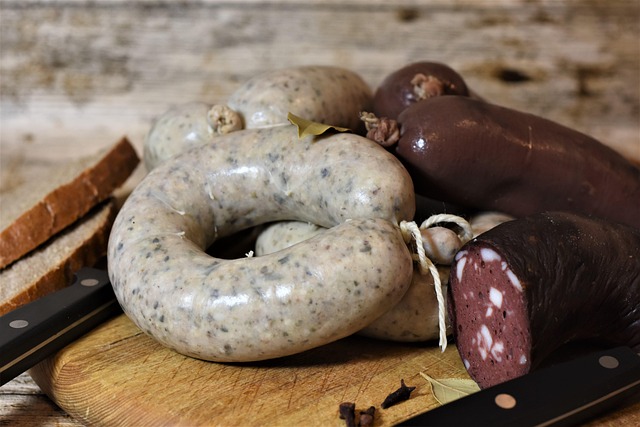
Blood sausage contains cooked blood and fat that spoil rapidly without consistent refrigeration or continuous high-heat holding. The dense interior of the sausage can retain pockets of lower temperature even after surface cooking, creating uneven heat distribution. Vendors operating in warm climates face even greater challenges in keeping this product safe throughout the day. It is a dish that carries a higher margin of risk when the cold chain cannot be guaranteed.
Buffet Rice
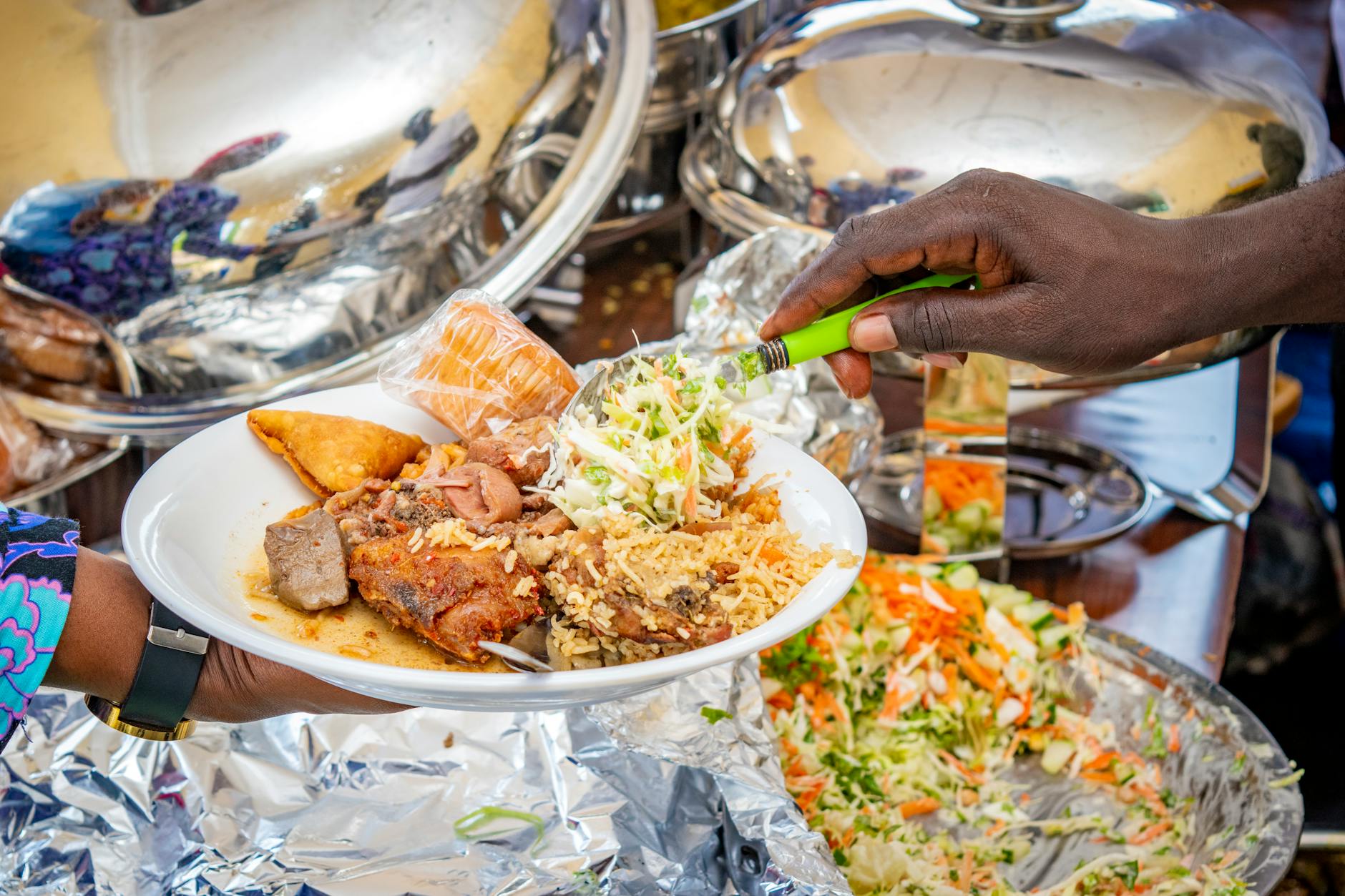
Rice is one of the most underestimated sources of foodborne illness because it can harbor bacillus cereus spores that survive cooking and produce toxins as the rice cools. Cooked rice left at room temperature for more than two hours enters a danger zone where bacterial activity accelerates. Street buffet setups often involve large volumes of rice cooked in advance and held without proper equipment. This risk is compounded on hot days when ambient temperatures accelerate spoilage further.
Cream Pastries

Pastries filled with cream, custard, or dairy-based fillings require constant refrigeration to prevent the growth of staphylococcus and other bacteria. A cream-filled eclair or mille-feuille sitting in a warm display case at a street stall moves quickly into unsafe territory. The visual appeal of these pastries can make it easy to overlook how rapidly the filling degrades outside of cold storage. Bakery items with cooked fillings that do not contain dairy are a much safer street food choice.
Lukewarm Soup
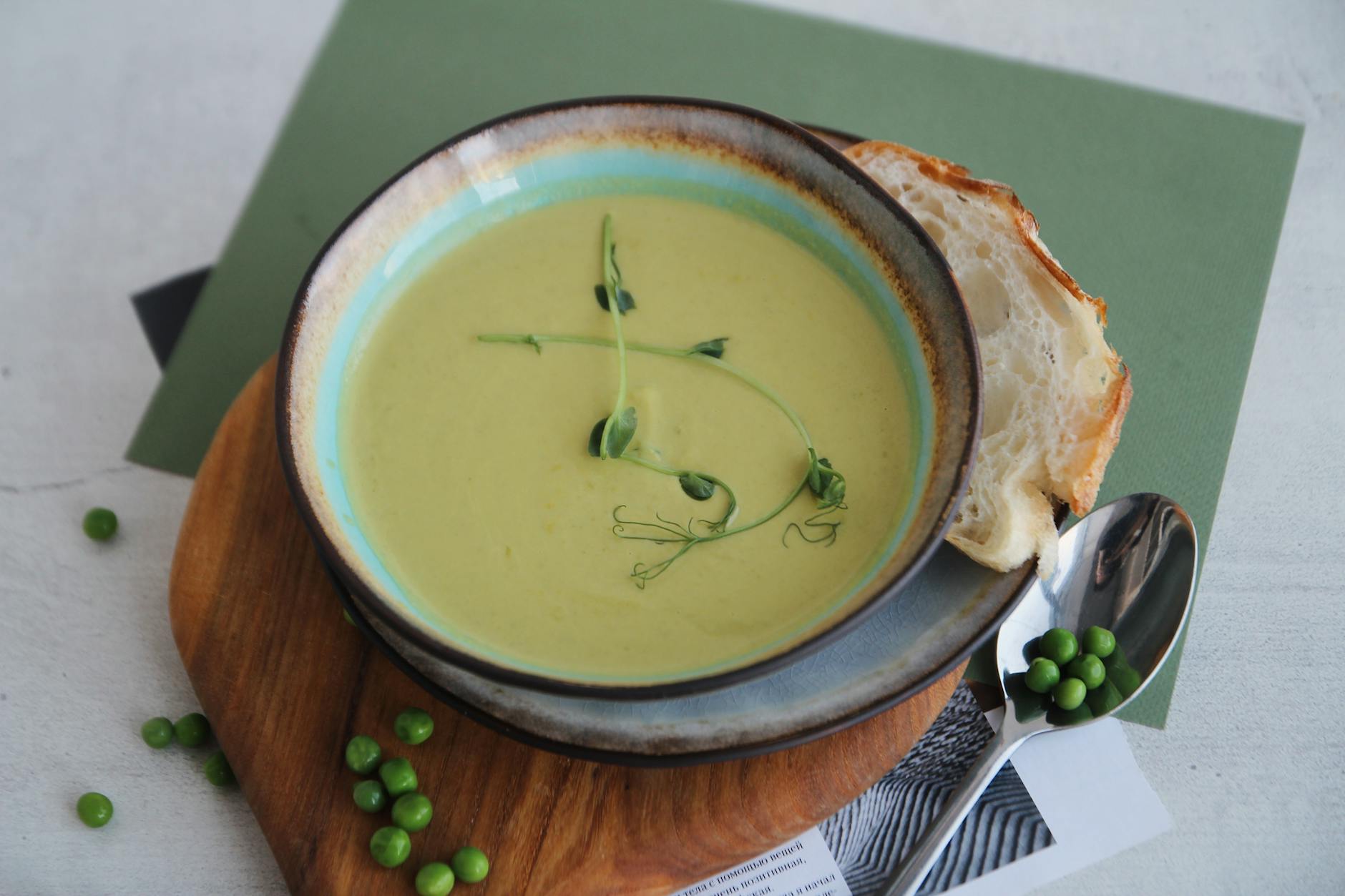
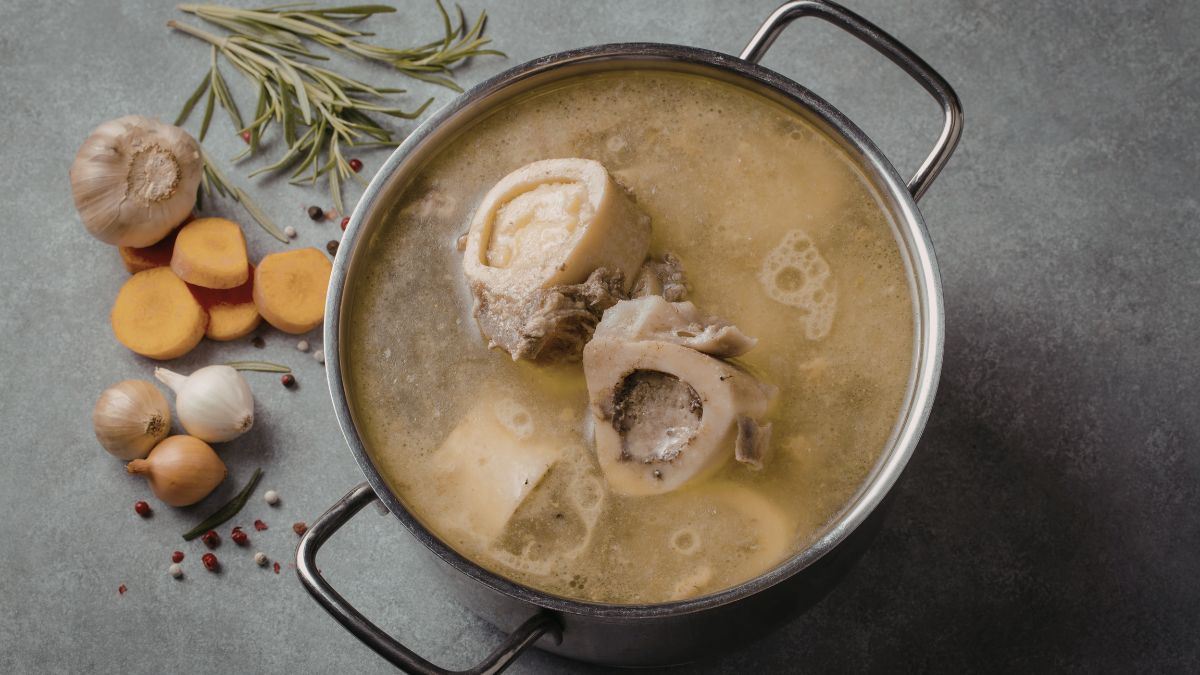
Soup and broth-based dishes are only safe when held at a consistently high temperature throughout service. A pot that has been sitting for hours without adequate heat beneath it creates ideal conditions for bacterial proliferation. Vendors who cook large batches in the early morning and sell throughout the day without reheating create a growing risk with each passing hour. A rolling boil at the point of serving is one of the most reliable indicators of safety for this category.
Chicken Skewers
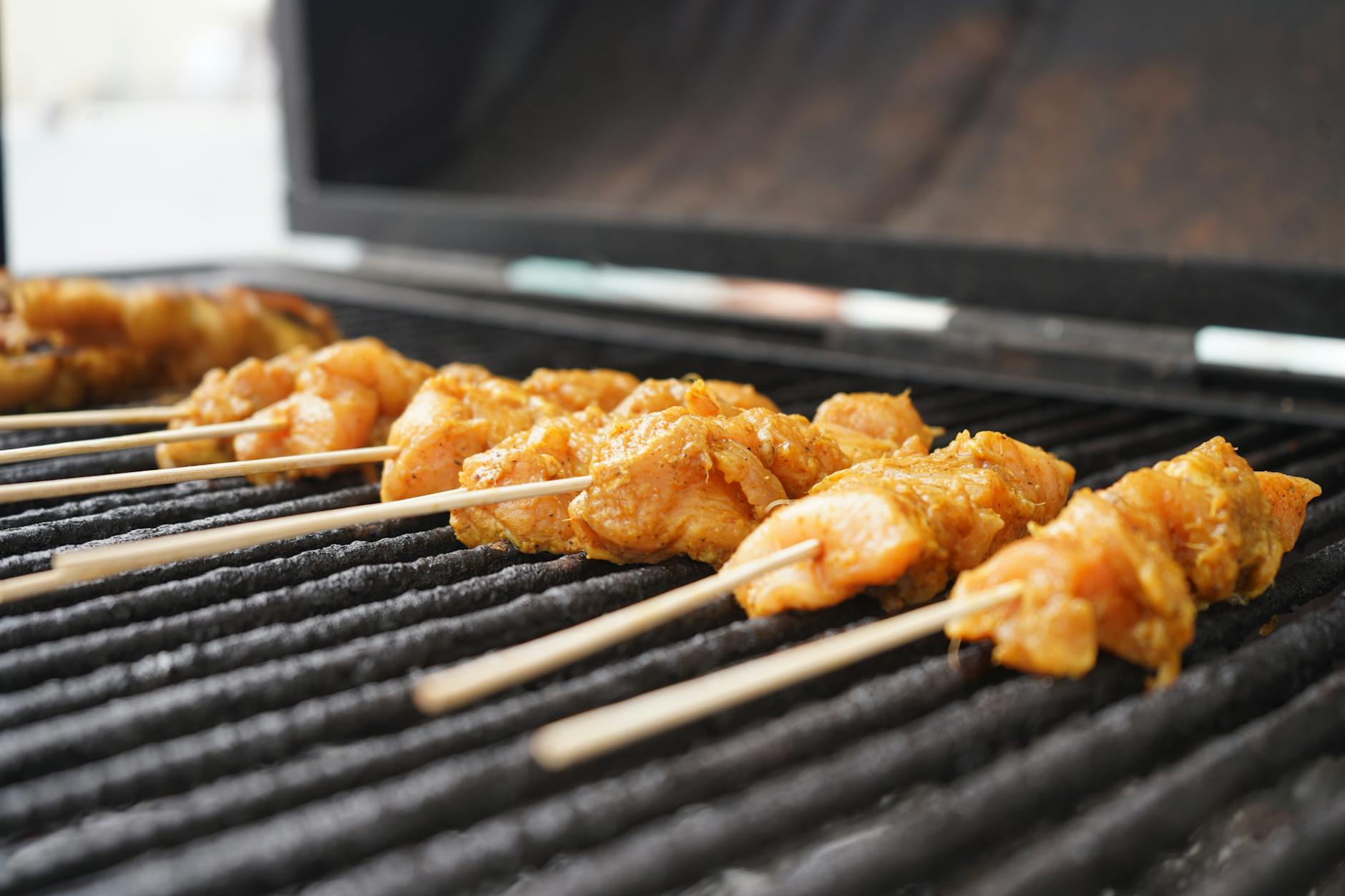
Chicken is one of the proteins most commonly associated with foodborne illness due to its susceptibility to salmonella and campylobacter contamination. Skewers cooked unevenly on a grill or left warming on a rack after cooking can easily harbor undercooked sections near the bone or in the thicker parts of the meat. Unlike beef, chicken must reach a specific internal temperature throughout the entire piece to be considered safe. When in doubt about whether a skewer has been cooked through, it is best to decline.
Tiramisu

Tiramisu is traditionally made with raw egg yolks and mascarpone that are not subjected to heat during preparation. The dessert also requires refrigeration throughout storage and service to prevent the dairy and egg components from spoiling. A street dessert stall is unlikely to have the refrigerated display capacity needed to keep this dish safe for extended periods. It is a dessert better suited to a restaurant or bakery with controlled cold environments.
Clams
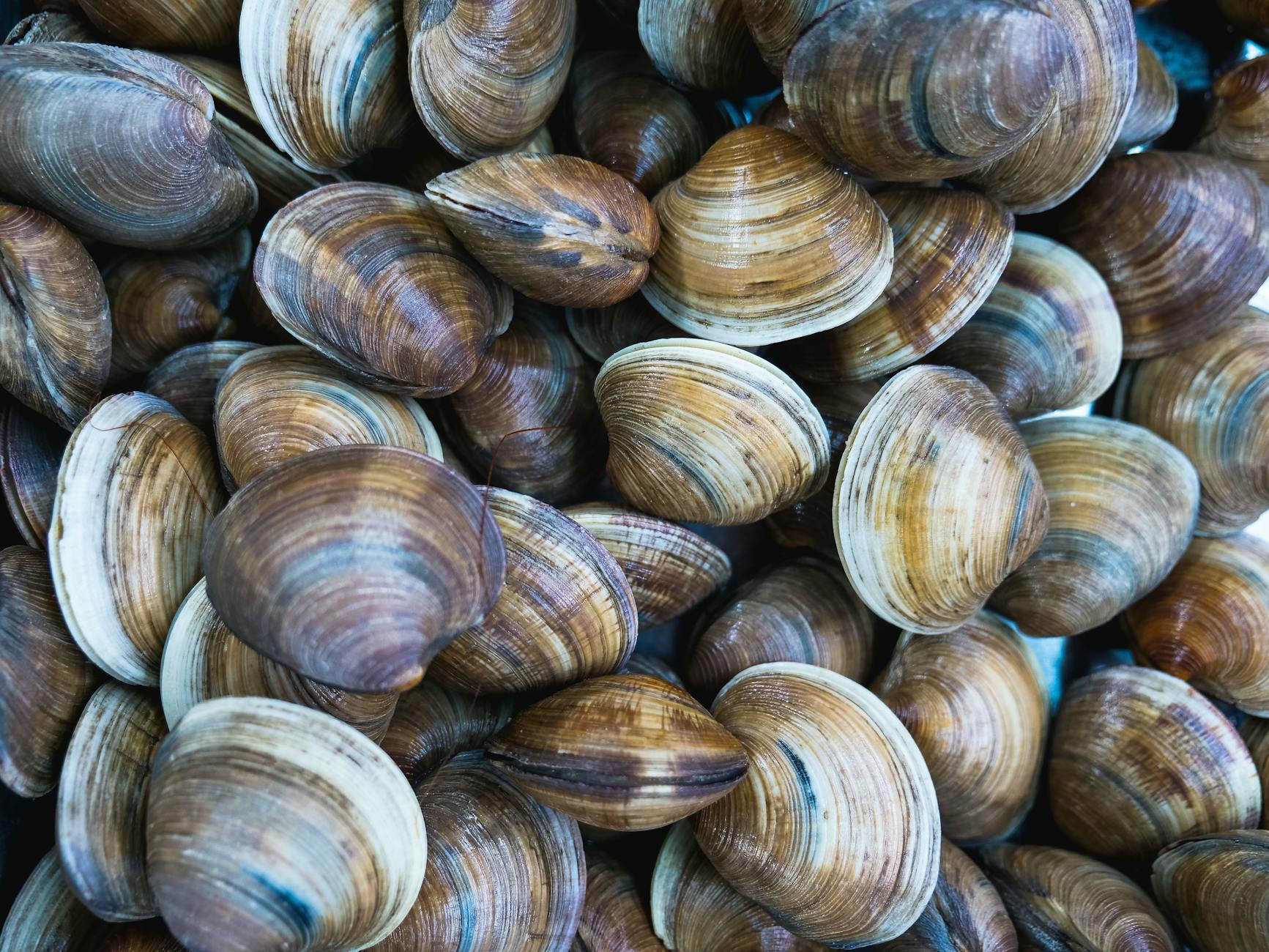
Like oysters, clams are filter feeders that can concentrate bacteria, viruses, and environmental toxins from the water in which they were harvested. Serving them raw or lightly steamed without adequate heating fails to eliminate risks like norovirus or hepatitis A. Cold storage is essential from the point of harvest right through to preparation and service. The traceability of shellfish origin is also nearly impossible to verify at a street stall, which removes a key layer of consumer protection.
Sushi Rolls
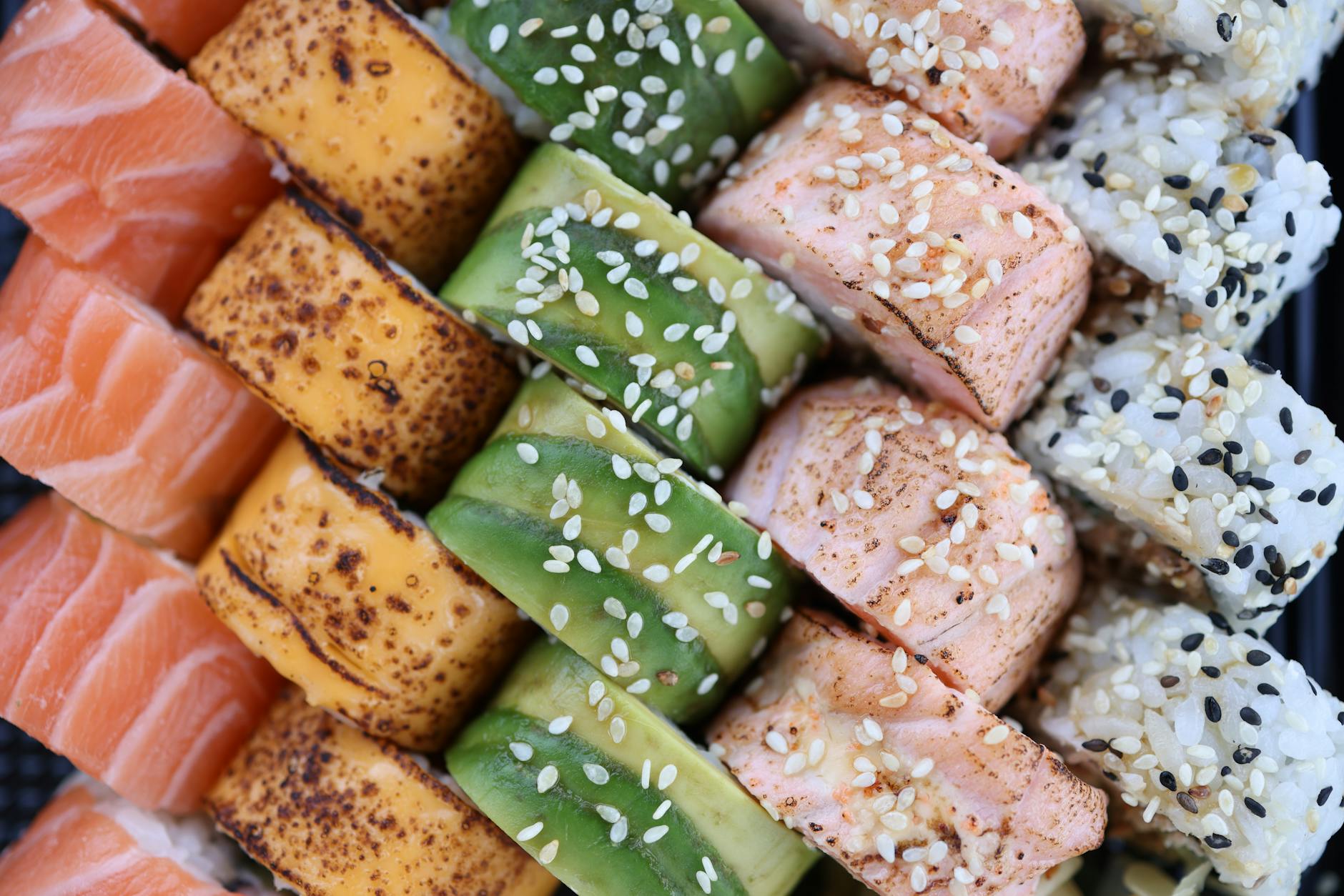
Sushi involves raw fish that must be of sashimi-grade quality, handled with strict hygiene protocols, and kept at precise temperatures from storage through preparation. Professional sushi chefs train for years to identify quality fish and handle it safely. The combination of raw fish, seasoned rice held at room temperature, and variable outdoor conditions makes street sushi an unusually high-risk food. Licensed sushi restaurants operate under health codes specifically designed for this type of cuisine.
Mayonnaise Salads
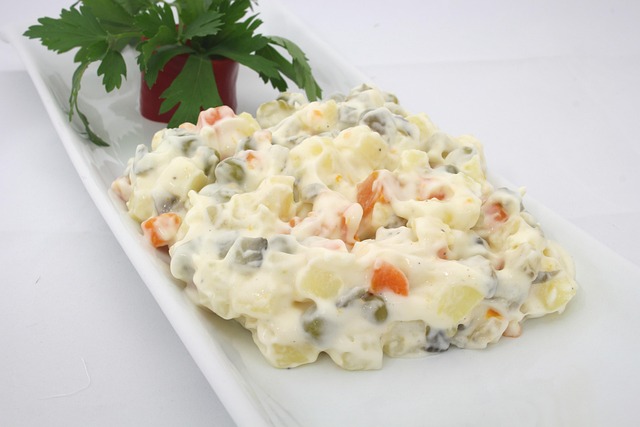
Salads bound with mayonnaise such as potato salad, pasta salad, or coleslaw are particularly vulnerable to bacterial growth because mayonnaise creates a moist, protein-rich environment at room temperature. Commercial mayonnaise contains preservatives but homemade or low-quality versions offer far less protection. Once a mayonnaise salad warms above safe holding temperatures, bacterial multiplication accelerates significantly. These dishes are best consumed immediately after preparation in a controlled kitchen environment.
Soft Serve Ice Cream

Soft serve machines require rigorous daily cleaning and maintenance to prevent bacterial biofilms from forming inside the dispensing mechanism. A machine that is not properly sanitized can introduce listeria and other pathogens directly into every serving it produces. Street vendors often lack access to the commercial cleaning equipment and protocols that soft serve machines demand. Hard-scooped ice cream from a sealed container carries a meaningfully lower risk profile.
Pork Belly Cuts
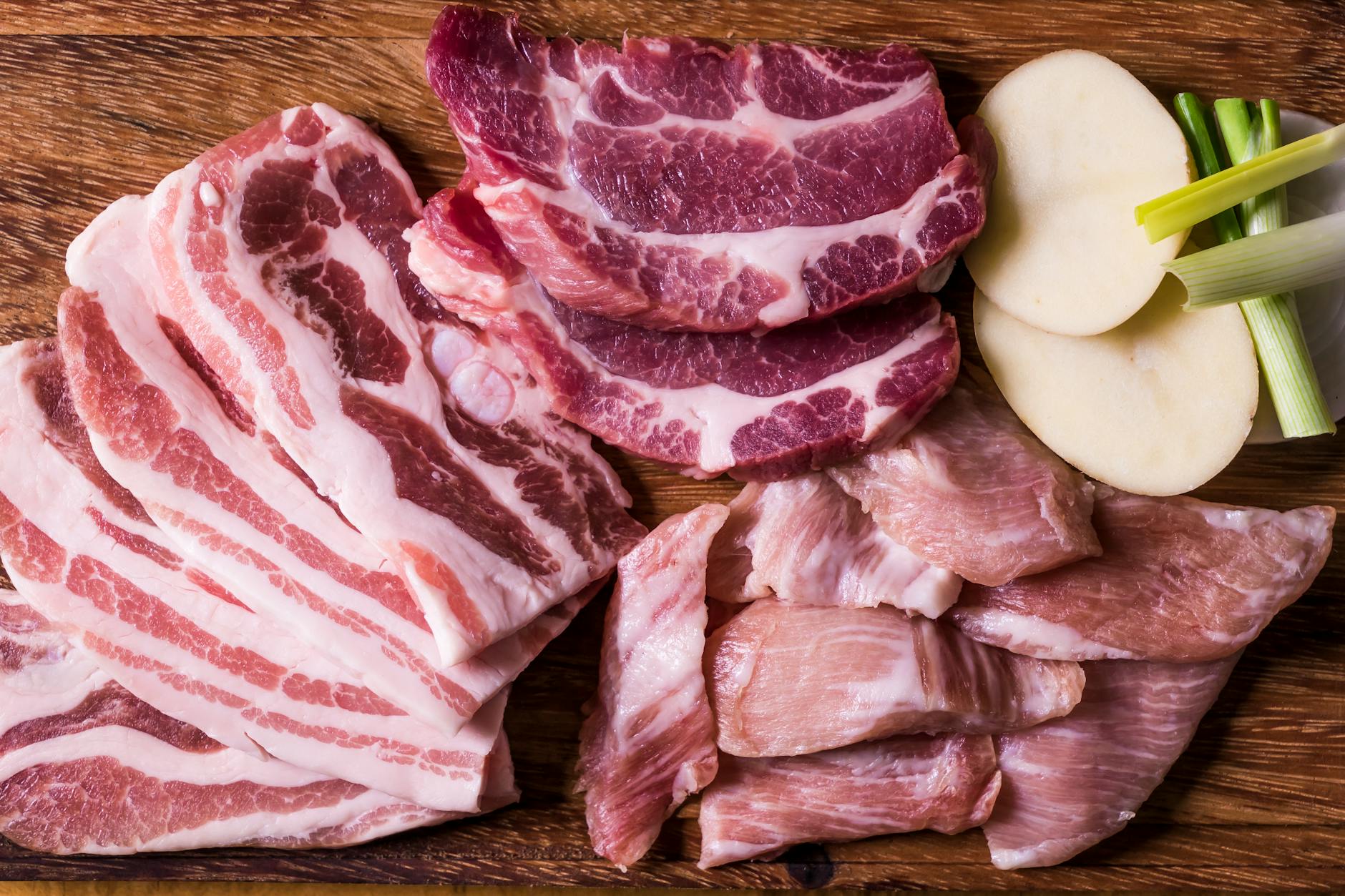
Thick cuts of pork belly require sustained high internal temperatures to safely eliminate trichinella and other pathogens that can reside in pork products. The fat content of pork belly means the exterior can appear fully cooked while the interior remains underdone. Achieving consistent internal temperature in a thick cut on a street grill is genuinely difficult without thermometer checks. Pork dishes that are sliced thin and cooked quickly on a flat griddle offer a much more reliable safety outcome in a street food setting.
Share your own street food experiences and which items give you pause in the comments.