Modern plumbing systems are engineering marvels designed to handle human waste and toilet paper exclusively. Many people treat their toilets as secondary trash cans without realizing the severe damage specific items cause to pipes and sewers. Flushing the wrong materials leads to expensive home repairs and significant issues for municipal water treatment facilities. Even products labeled as flushable often fail to break down quickly enough to prevent clogs. Understanding exactly what must stay out of the bowl helps preserve your plumbing and protects the local environment.
Baby Wipes

Manufacturers often market these durable cloths as flushable but they rarely disintegrate like toilet paper. The synthetic materials used in wipes remain intact and catch on rough spots inside narrow pipes. These accumulations eventually trap other debris to form massive blockages known as fatbergs. Municipal sewer workers spend countless hours removing these clumps from public water systems manually. You should always discard used wipes in a waste bin to avoid costly plumbing emergencies.
Cotton Balls
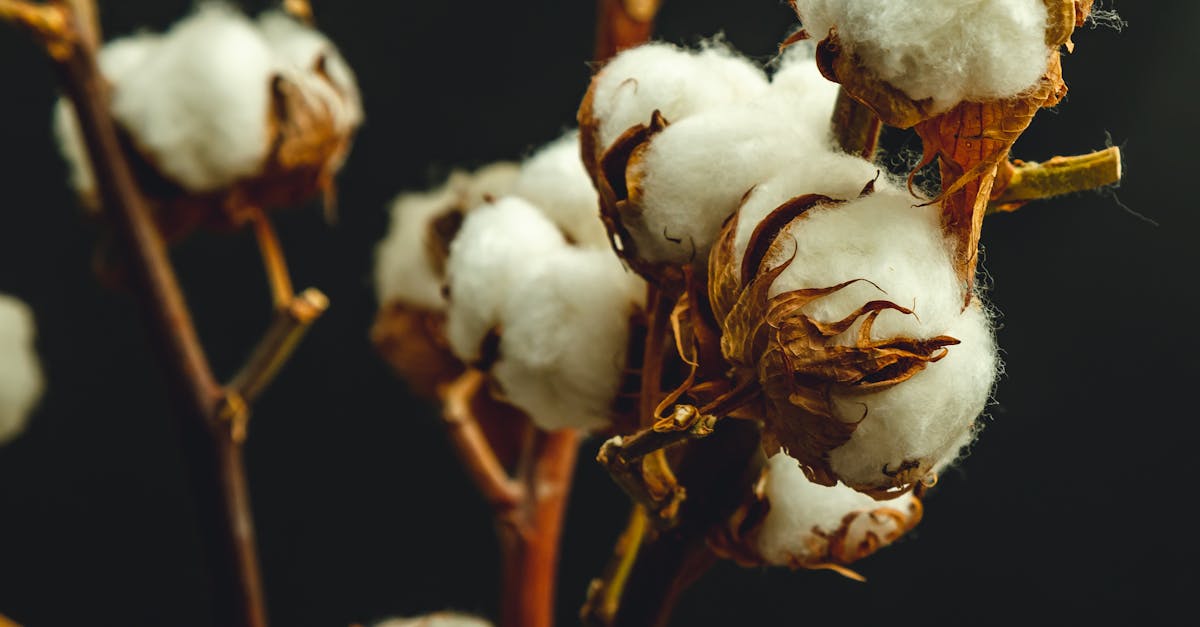
Cotton balls appear soft and harmless but they are actually quite dangerous for your plumbing system. They absorb water and expand significantly rather than breaking down into smaller pieces. This expansion allows them to accumulate in pipe bends where they trap other solid waste. The resulting blockage is difficult to dislodge without professional plumbing tools. Keeping a small trash can near the vanity encourages proper disposal of these cosmetic aids.
Paper Towels
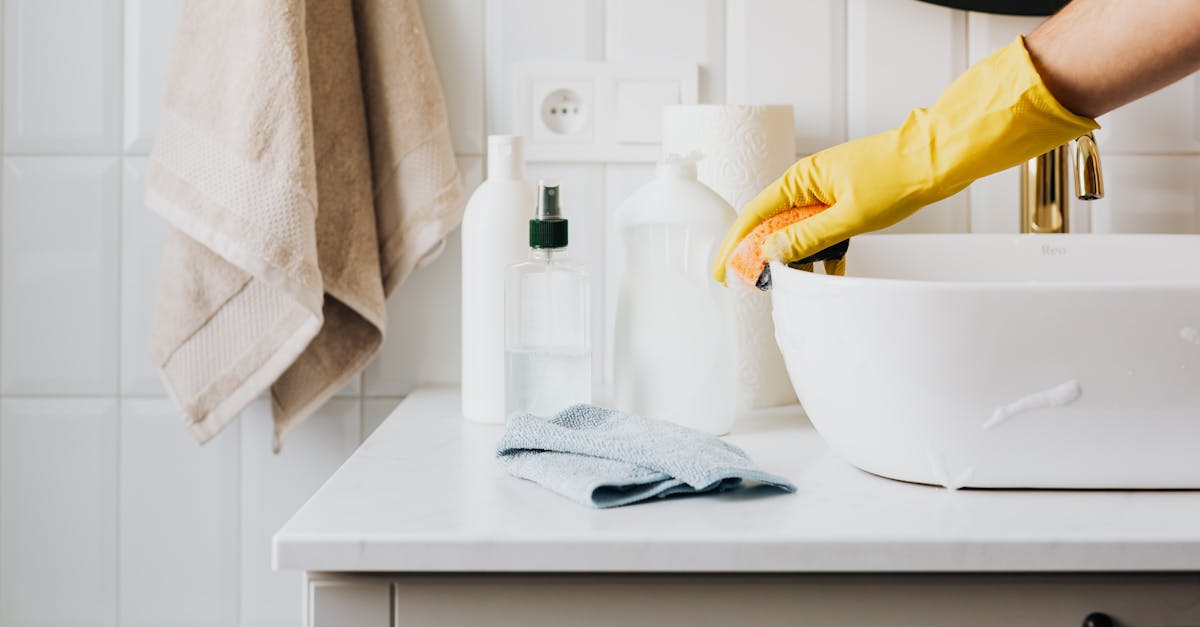
The absorbent design of paper towels makes them excellent for cleaning spills but terrible for flushing. They are constructed to hold together when wet so they do not dissolve in water like bath tissue does. This durability means they can easily clog the trap or the main drain line of a home. Even biodegradable versions take far too long to break down within a standard sewage system. Used paper towels belong in the compost or the garbage can.
Dental Floss

Dental floss is typically made from nylon or Teflon which are non-biodegradable materials that persist indefinitely. The stringy nature of floss allows it to wrap around other debris and create a net that catches solids. It can also wind tightly around the internal mechanisms of septic pumps and burn out the motors. This seemingly small item causes disproportionately large problems within residential and municipal pipes. Disposing of floss in the trash ensures it never has the chance to cause mechanical failure.
Feminine Hygiene Products
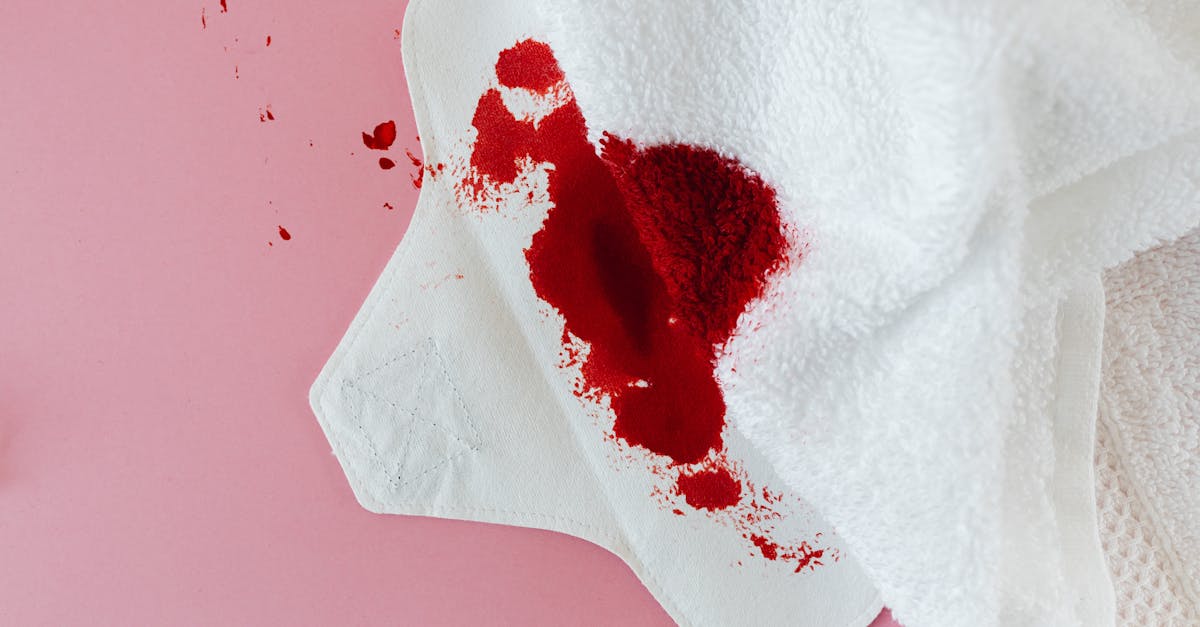
Tampons and pads are engineered to absorb liquid and expand which is the opposite of what flushable items should do. They drastically increase in size once submerged and can block the U-bend of the toilet instantly. The cotton and rayon materials resist breaking down and remain solid as they travel through the system. These products are a leading cause of sewer backups in both residential homes and public restrooms. Proper disposal always involves wrapping them and placing them in a designated sanitary bin.
Hair

Hair creates a net-like structure in drains that snares everything else that tries to pass through. It sticks to the sticky sludge often found on the walls of older pipes and builds up over time. Flads of hair are incredibly strong and difficult to remove without using a plumbing snake or harsh chemicals. Brushing your hair over the sink or flushing it from a brush down the toilet is a recipe for disaster. You should always toss loose hair directly into the garbage.
Medication

Flushing old pills or liquid medication introduces potent chemicals into the local water supply. Wastewater treatment plants are not designed to filter out complex pharmaceutical compounds from the sewage. These substances can eventually affect local wildlife and contaminate groundwater sources used for drinking. The proper way to dispose of unused medicine is through a local pharmacy take-back program. Keeping drugs out of the toilet is essential for environmental safety and public health.
Grease and Cooking Oil

Pouring hot grease into the toilet might seem like a quick cleanup solution but it is disastrous for pipes. The fat cools rapidly as it hits the water and solidifies against the interior walls of the plumbing. Over time this coating narrows the pipe diameter until water can no longer pass through freely. Grease is also a primary component of the massive obstructions that plague city sewer systems. You should collect fats in a jar and throw them in the trash once they harden.
Cat Litter
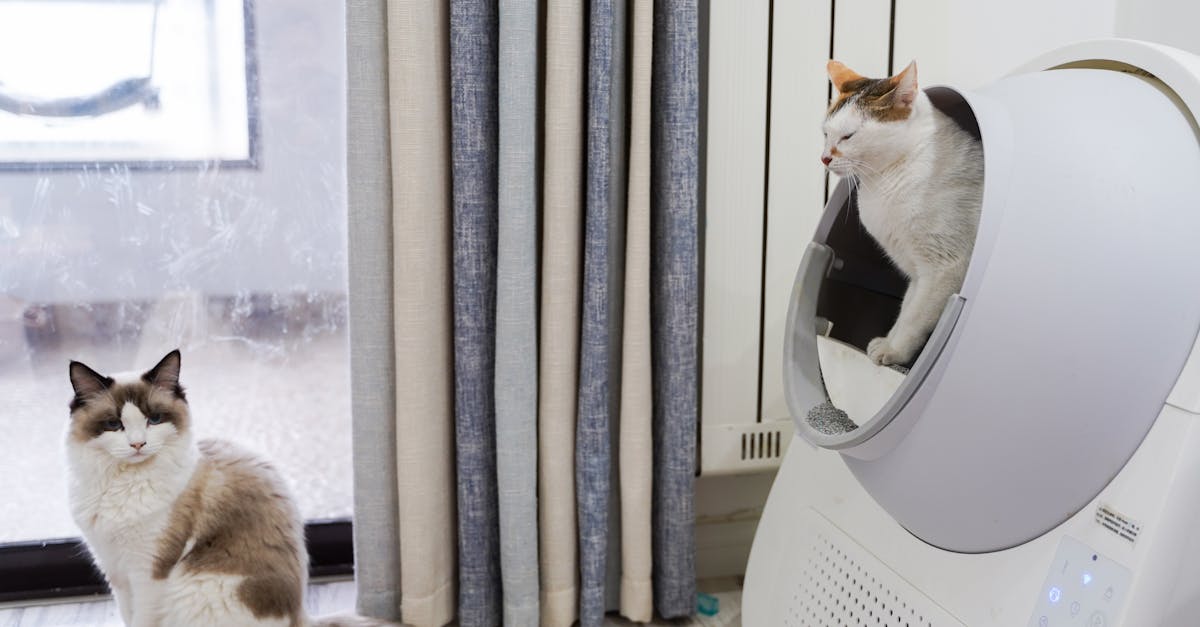
Cat litter consists of clay and sand particles designed to clump together when they absorb moisture. These clumps turn into concrete-like stones once they enter your plumbing and settle in the pipes. Even brands labeled as flushable can create sediment that damages septic systems and sewer lines. Cat waste also contains parasites that water treatment plants may not be able to eliminate effectively. Bagging litter and placing it in the trash is the only safe method of disposal.
Condoms

Latex condoms are designed to be durable and resistant to breaking which means they do not degrade in water. They can inflate like balloons and block pipes or fill with water and cause obstructions. Their material makes them likely to catch on tree roots or other snag points within the sewer line. Condoms eventually end up in water treatment plants where they must be removed by mechanical screens. Wrapping them in tissue and throwing them in the trash preserves your privacy and your plumbing.
Bandages
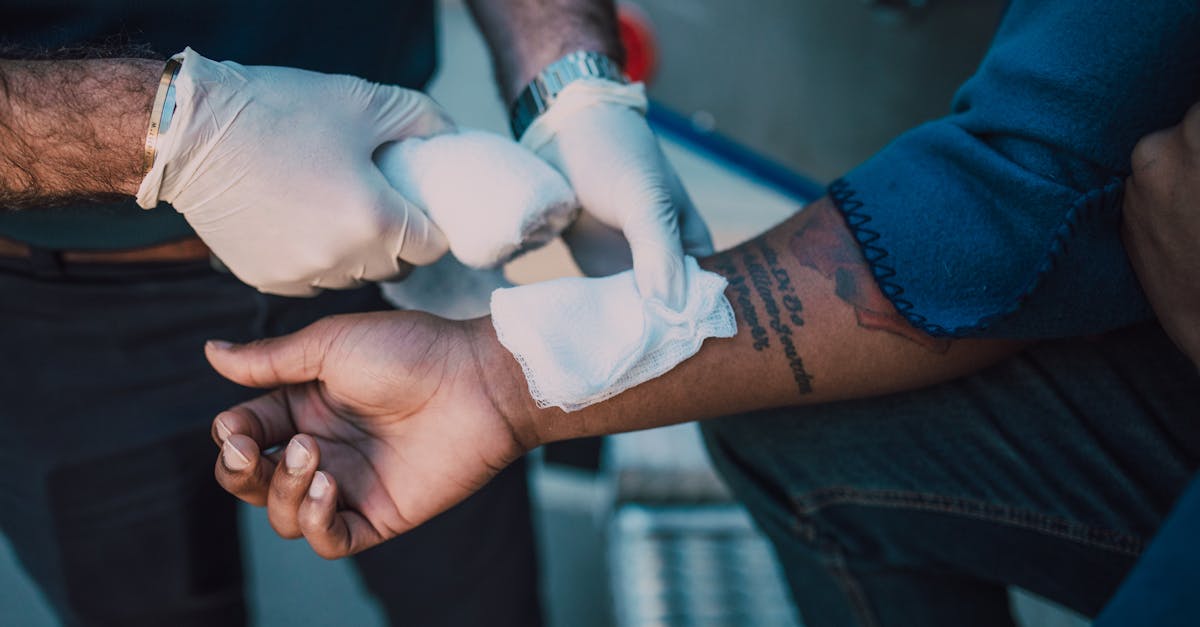
Most adhesive bandages are made from plastic and plastic-like materials that are not biodegradable. They can easily stick to the inside of pipes and begin collecting other waste items to form a clog. The adhesive on the back remains sticky even when wet which complicates the passage through sewer lines. Their small size deceives people into thinking they will flush away without issue. It is always better to toss used bandages into the wastebasket.
Cigarette Butts
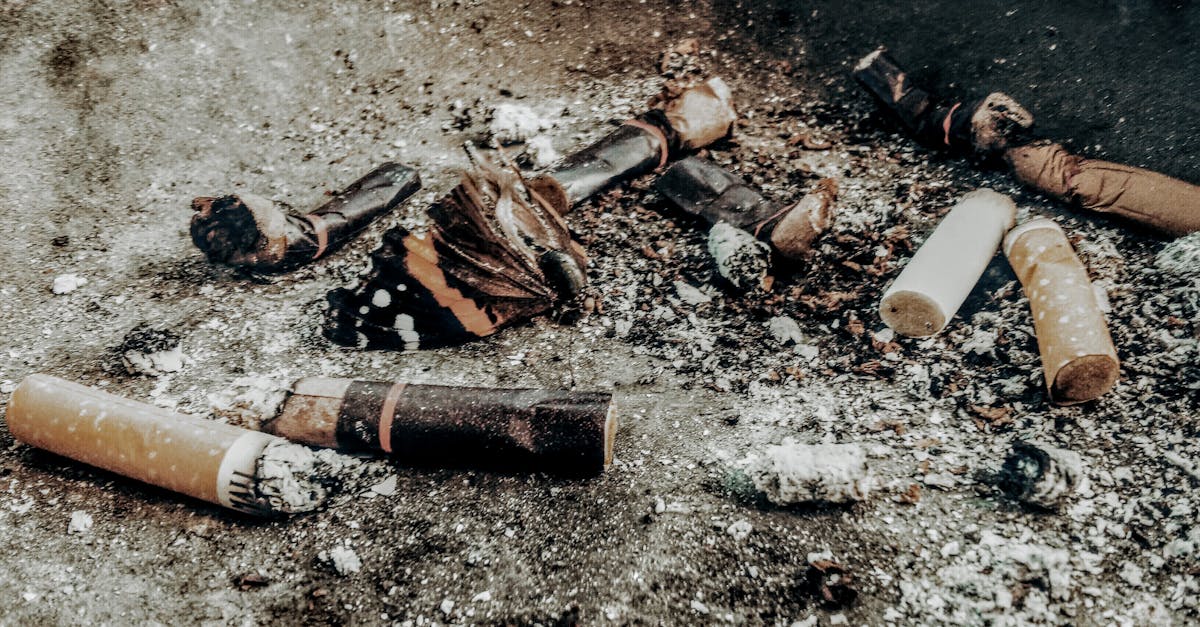
Cigarette filters are made from cellulose acetate which is a plastic that never dissolves in water. They swell when wet and can accumulate in the nooks and crannies of your plumbing system. The toxic chemicals trapped in the filters also leach out into the water supply and harm aquatic life. Flushing them wastes gallons of water for a tiny piece of trash that belongs in an ashtray. Disposing of them in the garbage prevents clogs and reduces water contamination.
Contact Lenses

Discarded contact lenses are small plastics that contribute significantly to microplastic pollution in waterways. They are flexible enough to pass through treatment plant filters and end up in rivers and oceans. Research shows that billions of lenses end up in the wastewater system every year in the United States alone. The lenses eventually break down into smaller particles that are ingested by marine life. Putting old lenses in the trash is a simple way to reduce plastic pollution.
Chewing Gum
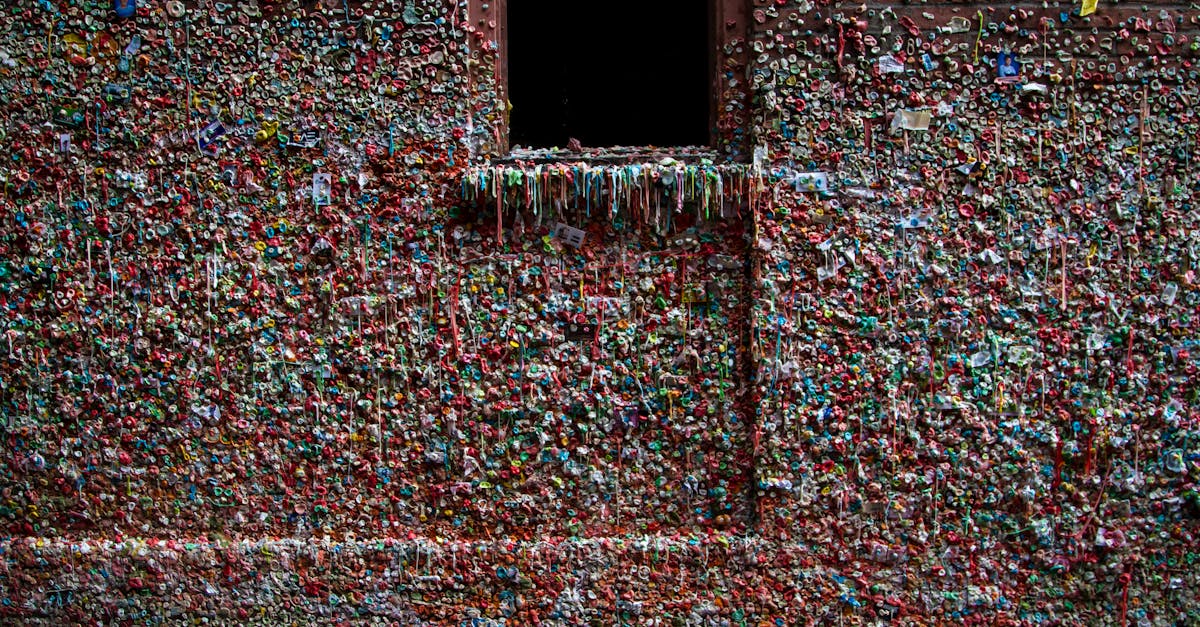
Gum is a sticky and cohesive substance that does not break down when submerged in water. It can adhere to the inside of pipes and trap other debris passing by to build a blockage. The cold water in the toilet hardens the gum and turns it into a persistent obstruction. Over time multiple pieces of gum can create a significant barrier to water flow. The trash can is the only appropriate place for finished chewing gum.
Disposable Diapers

Diapers are far too large and absorbent to ever pass through a toilet drain successfully. They are designed to hold massive amounts of liquid and will expand to fill the entire pipe diameter. Trying to flush a diaper is an almost guaranteed way to cause an immediate and severe overflow. Even the biodegradable inserts from cloth diapers often fail to break down quickly enough for modern plumbing. You must always dispose of diapers in a dedicated pail or the regular garbage.
Cotton Swabs

Cotton swabs combine a plastic or paper stick with cotton ends that do not dissolve in water. They easily wedge themselves into pipe bends horizontally and act as a dam for other solid waste. This accumulation builds up rapidly and stops the flow of water completely. The plastic sticks can also slip through treatment filters and end up polluting local waterways. Keeping these items out of the toilet prevents tricky clogs deep in the system.
Facial Tissues

Facial tissues are treated with chemical binders that help them hold their shape when you blow your nose. This wet strength prevents them from dissolving rapidly like toilet paper does when flushed. They settle at the bottom of trapways and contribute to the buildup of sludge in the lines. Using tissues as a substitute for toilet paper often leads to slow drains and backups. Throw used tissues in the trash bin to keep your plumbing running smoothly.
Food Scraps

Food waste decomposes much slower than human waste and can cause blockages in the meantime. Hard items like bones or corn cobs can get stuck in the curves of the toilet trap. Softer foods like pasta or rice absorb water and swell up to obstruct the pipe flow. Toilets lack the blades of a garbage disposal to break these items down into manageable pieces. Composting or using the kitchen trash is the correct way to handle uneaten food.
Paint

Latex and oil-based paints contain chemicals that are hazardous to the environment and the water supply. The paint can settle in the curve of the pipe and harden to constrict water flow permanently. Municipal authorities strictly forbid pouring paint into the sewer system due to its toxicity and viscosity. Cleanup water from painting tools should also be handled carefully according to local regulations. You should let leftover paint dry in the can or take it to a hazardous waste facility.
Bleach

Pouring straight bleach down the toilet can react dangerously with other substances in your plumbing. It is especially harmful to septic systems because it kills the beneficial bacteria needed to break down waste. The harsh chemical can also corrode the internal parts of the toilet and older metal pipes. Using bleach as a cleaner is fine in moderation but dumping excess amounts is damaging. Diluting cleaning agents or using milder alternatives protects your septic health.
Cosmetic Wipes

Makeup remover pads and cosmetic wipes are reinforced with synthetic fibers for strength. These fibers effectively resist the dissolving action of water and remain whole in the sewer lines. They tend to float and can easily clog the outlet pipe of the septic tank or sewer connection. Even if the package claims they are safe for flushing they are generally not suitable for residential pipes. A small bin in the bathroom is the best place for these used pads.
Nail Polish

Nail polish is a toxic chemical that hardens into a plastic-like substance when exposed to cold water. It coats the insides of pipes and adds layers of obstruction that are difficult to remove. The solvents in the polish can also degrade plastic piping and rubber seals within the plumbing system. It contaminates the water supply and introduces harmful agents into the treatment process. Dried polish bottles should go in the trash while liquid polish requires hazardous waste disposal.
Goldfish

Flushing a pet fish is a common trope but it is bad practice for several reasons. A dead fish does not break down quickly and can easily get stuck in the toilet trap. Live fish introduced to local waterways can become invasive species that destroy native ecosystems. The body of the fish creates a solid blockage that collects other waste products behind it. Burial or placing the fish in the trash is the respectful and practical disposal method.
Fruit Stickers

The tiny plastic stickers found on apples and bananas are made to last and do not biodegrade. They have a layer of adhesive that allows them to stick to the sides of drain pipes. These small bits of plastic can pass through screens at treatment plants and end up in bodies of water. They accumulate over time and contribute to the microplastic problem in the environment. Removing stickers and putting them in the bin is a small but helpful habit.
Dryer Sheets
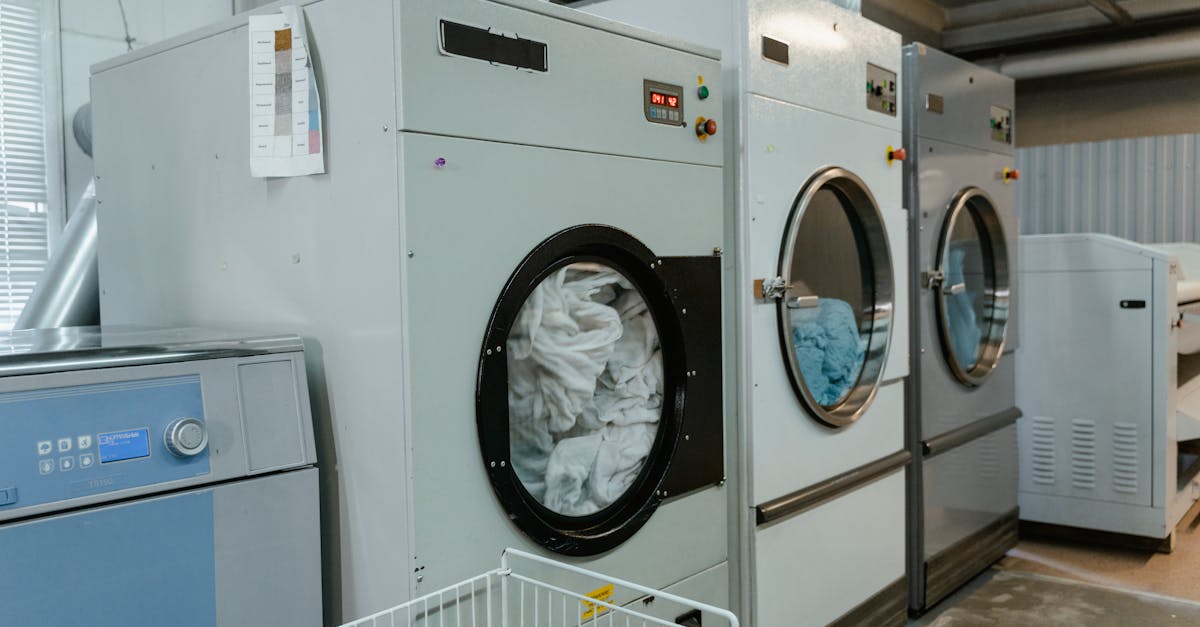
Dryer sheets are made from synthetic non-woven polyester that is completely impervious to water. They retain their shape and strength indefinitely while tangling with other solids in the sewer line. The chemicals used in dryer sheets can also introduce unwanted toxins into the water recovery system. These sheets are responsible for many difficult clogs that require professional snaking to clear. Reusing them for dusting before trashing them is a better way to extend their life.
Hair Dye
Chemical hair dyes contain harsh compounds that can alter the delicate chemical balance of wastewater. The strong pigments can stain porcelain and potentially corrode older pipe materials over time. Pouring excess dye down the drain introduces unnecessary toxins into the municipal water treatment cycle. It is better to mix only what you need to avoid having leftover chemicals to dispose of. Wipe out excess dye with a paper towel and toss it in the garbage.
Dust and Dirt

Sweeping dust and dirt into the toilet turns the bowl into a mud pit that can clog the siphon jet. The heavy particles of soil and sand settle at the bottom of the trap and refuse to move. This sediment builds up over time and reduces the efficiency of the flush. Large clumps of dust bunnies can also catch on pipe irregularities and start a blockage. Use a dustpan and brush to place debris in the trash can instead.
Plastic Wrappers

Wrappers from hygiene products or candy bars are not designed to disintegrate in water at all. They act as physical barriers that stop water flow and catch other solids immediately. The lightweight nature of plastic film allows it to float and obstruct the venting mechanisms of the plumbing. These wrappers will remain in the septic tank or sewer line forever until physically removed. Keeping a bin nearby ensures these wrappers never end up in the bowl.
Cleaning Sponges

Small pieces of cleaning sponge that break off during scrubbing should never be flushed away. Sponges are absorbent and will swell with water to become perfectly shaped pipe plugs. The material is synthetic and resistant to the bacterial breakdown that happens in septic tanks. Even natural sea sponges are too durable to pass through the plumbing system safely. Throw old sponges and sponge fragments directly into the kitchen or bathroom trash.
Sand or Soil
Washing sandy items or dumping potting soil in the toilet introduces heavy solids that water cannot easily push. The sand settles in the horizontal runs of the waste pipes and reduces the diameter for flow. It is incredibly difficult to flush sand out once it has settled into the plumbing lines. This sediment creates a permanent layer of grit that eventually requires pipe replacement to fix. Shake sandy gear outside or rinse it with a hose before bringing it indoors.
Please tell us in the comments which item on this list surprised you the most or if you have any plumbing horror stories to share.