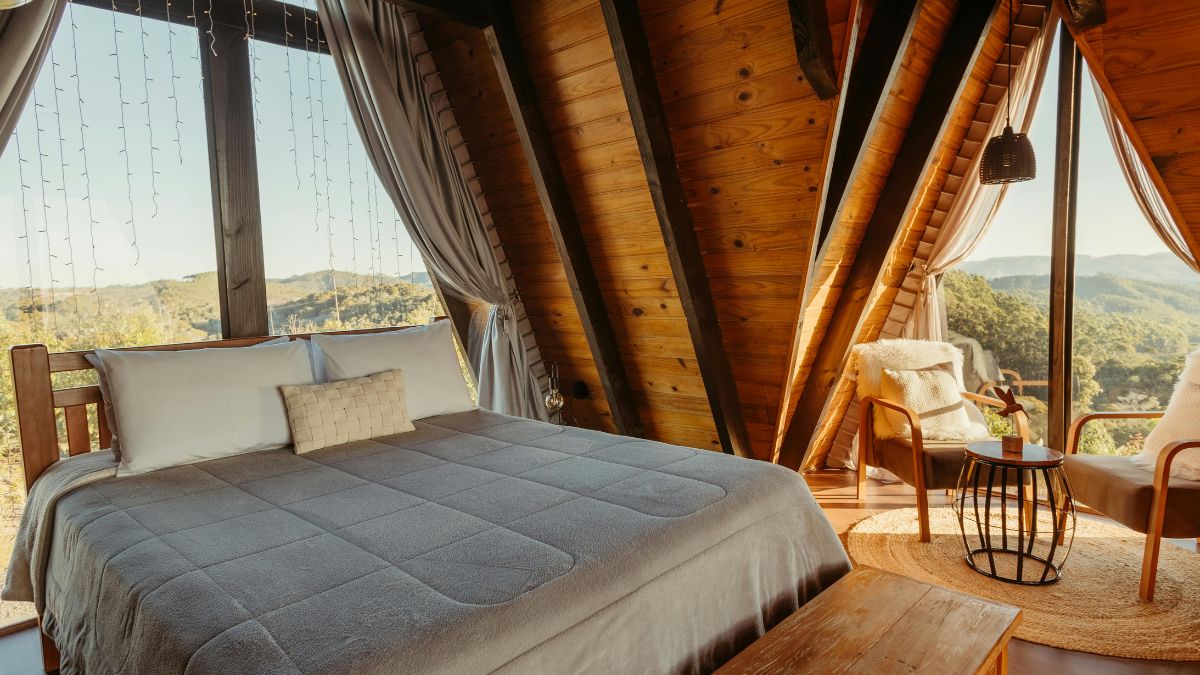
A staycation offers all the restorative benefits of a holiday without the stress of airports, itineraries or unfamiliar environments. Done well, it creates genuine disconnection from routine and delivers the mental reset that travel is supposed to provide. Many people underestimate how much intentional planning goes into making time at home feel truly like a vacation. The difference between a wasted long weekend and a deeply satisfying staycation often comes down to a handful of overlooked details. Here are 23 things you should never ignore when planning a staycation that actually feels like an escape.
Out of Office

Setting an out of office reply before a staycation begins is one of the most psychologically important steps a person can take. Without this boundary in place, the temptation to check and respond to messages remains constant throughout the time off. A clearly worded automated response removes the obligation to monitor incoming communication and signals availability expectations to colleagues and clients. Many people skip this step because they are not traveling, yet it is equally necessary when the time off is spent at home. Treating the staycation as a genuine absence from work responsibilities is what separates a restful break from an unproductive non-event.
Meal Planning

Deciding in advance what you will eat during a staycation prevents the daily decision fatigue that erodes relaxation. Spontaneous meals can feel like a treat but unplanned grocery gaps often result in stress, poor food choices or unnecessary trips to busy stores. Planning a mix of easy home-cooked meals, indulgent takeout nights and a special restaurant booking gives the week a sense of occasion. Food is deeply connected to the feeling of being on vacation, and deliberate choices around it elevate the entire experience. Stocking the kitchen before the staycation begins means less time problem-solving and more time enjoying.
Phone Boundaries
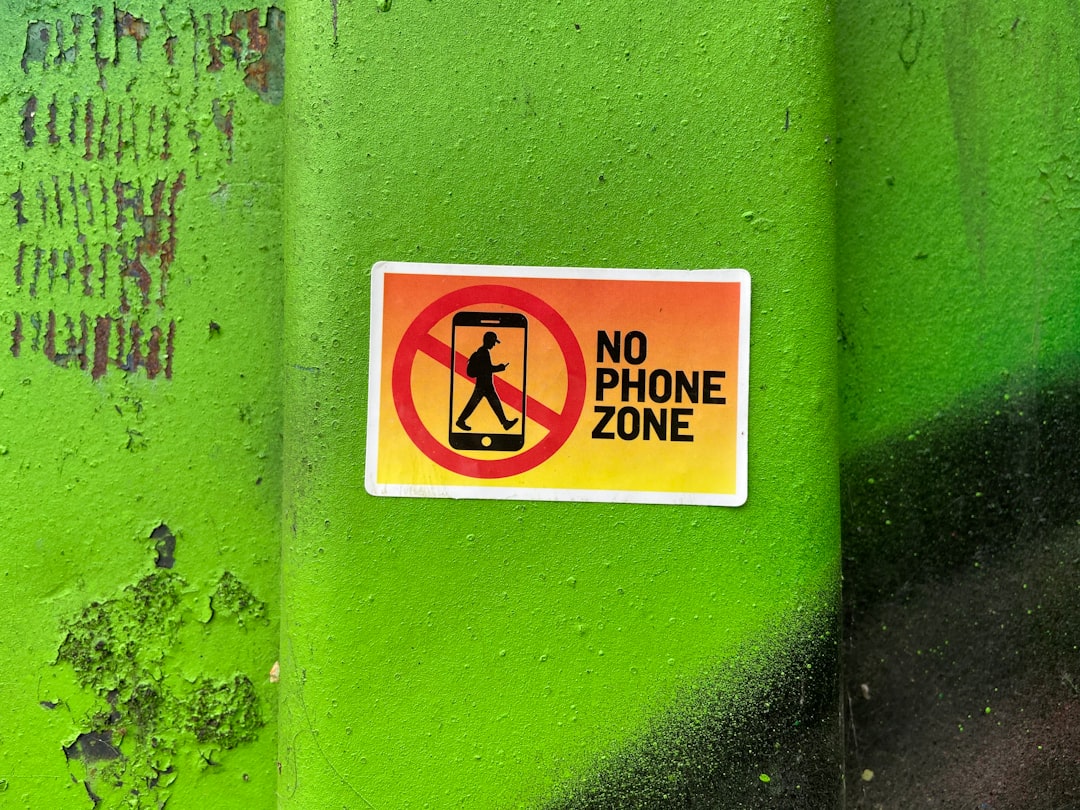
Establishing clear rules around phone and screen use is essential to achieving the mental distance that a staycation is meant to provide. Many people spend their time off scrolling through social media, which studies consistently associate with reduced feelings of rest and satisfaction. Designating phone-free hours, particularly during morning and evening periods, allows the nervous system to genuinely decompress. Notification settings should be reviewed and adjusted before the staycation begins rather than relied on willpower alone during it. A staycation without intentional phone boundaries frequently ends with the feeling of not having rested at all.
Room Refresh

Transforming the look and feel of a living space before a staycation begins dramatically shifts the psychological experience of being at home. Fresh bedding, rearranged furniture, new candles or a temporary declutter of visible surfaces all contribute to the sense of entering a different environment. Hotels and resorts invest heavily in atmosphere because spatial design directly influences mood and relaxation levels. Spending an hour or two creating a cleaner, more intentional version of the home environment pays dividends across the entire staycation. Small and low-cost changes to a room can make familiar surroundings feel genuinely new.
Local Experiences

Researching experiences available within a short distance of home is one of the most underutilized aspects of staycation planning. Many people live near museums, botanical gardens, food markets, historic sites or wellness centers they have never visited simply due to the pace of daily life. A staycation provides the perfect opportunity to experience the destination-worthy qualities of a familiar area with fresh eyes. Booking or noting two to three local experiences in advance prevents the mid-staycation drift toward passivity. Approaching the local area as a tourist rather than a resident fundamentally changes the quality of the time spent there.
Sleep Schedule
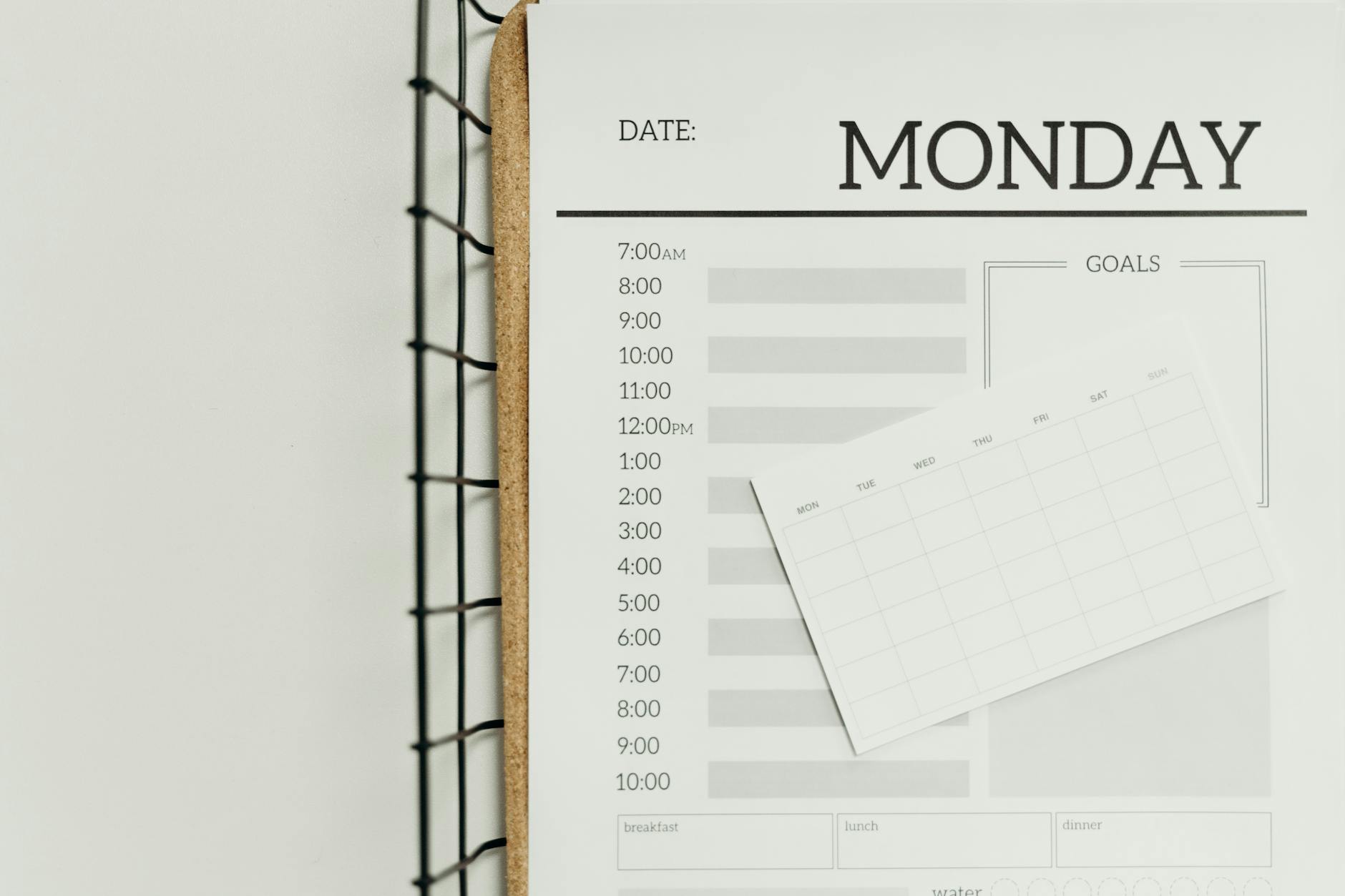
Allowing the sleep schedule to collapse entirely during a staycation often results in fatigue, mood disruption and a difficult return to routine. While sleeping in occasionally is one of the genuine pleasures of time off, complete abandonment of sleep consistency creates its own stress. Maintaining a rough sleep and wake window, even if slightly later than usual, supports the body’s natural recovery processes. Quality sleep during a staycation is what makes the rest of the time feel energized and purposeful rather than sluggish. Planning for restful nights is as important as planning for enjoyable days.
Budget

Setting a clear and realistic budget for a staycation prevents financial stress from undermining the relaxation it is meant to deliver. Staycations are often assumed to be free simply because there is no travel involved, but costs can accumulate quickly through dining, activities, subscriptions and impulse purchases. Allocating a specific amount to spend across the staycation period creates both freedom within that boundary and a sense of occasion around the spending. Tracking expenditure loosely during the break avoids the financial anxiety that often arrives after an unmonitored spending period. A well-planned staycation budget allows for genuine treats without post-break regret.
Wellness Ritual

Incorporating a daily wellness ritual into a staycation structure provides an anchor that prevents unstructured time from becoming aimless. This could take the form of a morning walk, an evening bath, a yoga session or a meditation practice depending on personal preference and lifestyle. Wellness rituals signal to the body and mind that the time being taken is genuinely restorative rather than simply idle. Many people discover during a staycation that rituals they have wanted to build into daily life are entirely feasible when protected time is available. Starting and ending each day with a consistent practice brings a sense of intentional living to the entire experience.
Entertainment Queue

Preparing a curated list of films, series, books, podcasts and music before a staycation begins prevents the frustrating experience of endlessly browsing without settling on anything. The paradox of choice is well-documented, and the abundance of content available across streaming platforms can make relaxation feel surprisingly effortful. A pre-selected queue removes the decision-making burden and allows genuine immersion in chosen content from the moment a session begins. Mixing formats across the staycation, such as alternating between reading and watching, prevents the numbing effect of excessive screen consumption. An entertainment plan is a small investment that significantly improves the quality of downtime.
Checkout Mindset
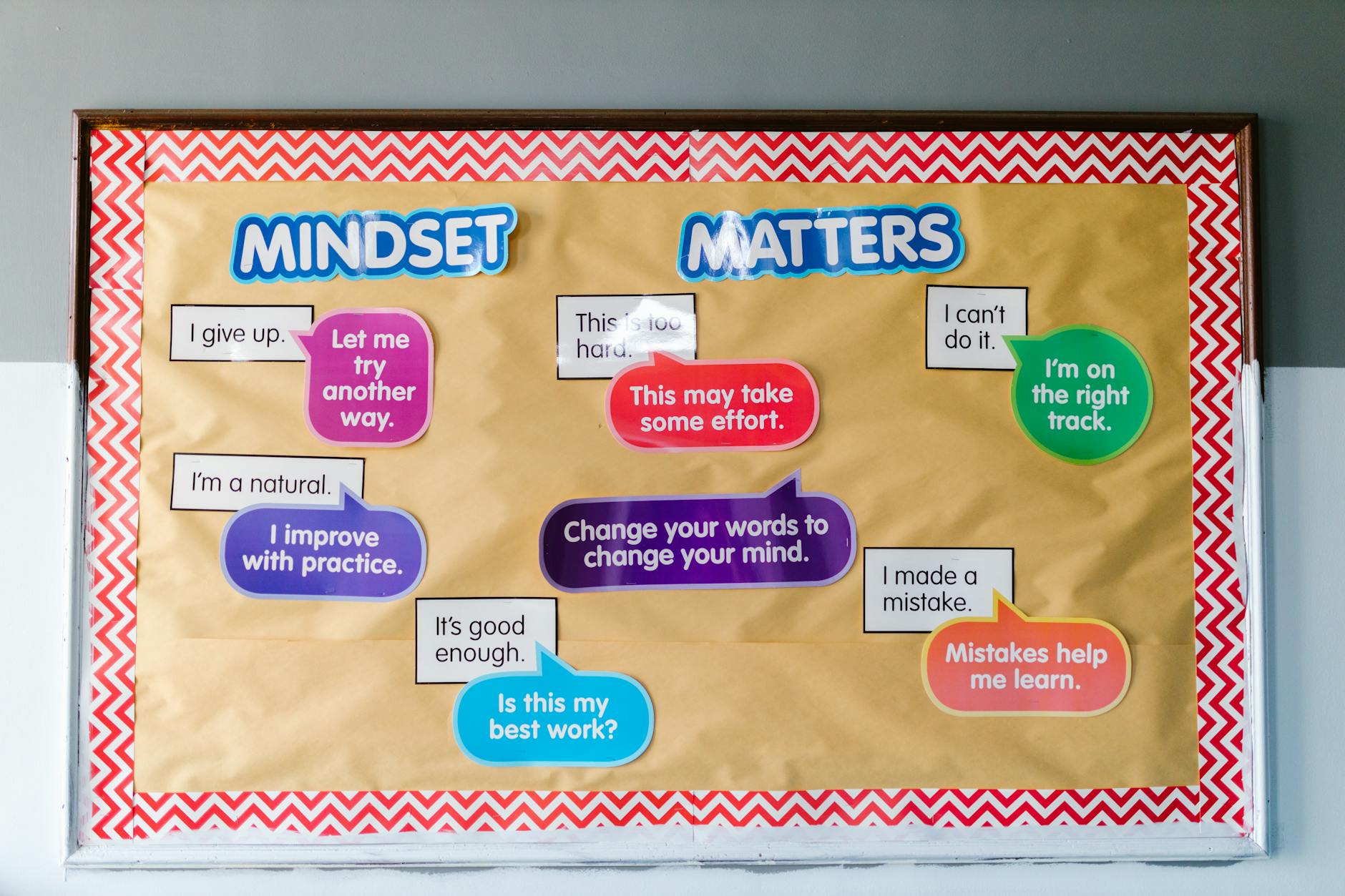
Adopting a checkout mindset means mentally committing to the staycation as a real vacation rather than a lesser substitute for travel. This psychological reframing is arguably the single most important factor in determining whether a staycation feels restorative or disappointing. People who approach time at home with the same sense of anticipation and intentionality they bring to a trip abroad consistently report higher satisfaction with the experience. Resisting the urge to run errands, attend to household tasks or engage with work-related thinking is part of the checkout process. The home environment is fully capable of being a vacation destination when the mindset supports it.
Housework Boundary
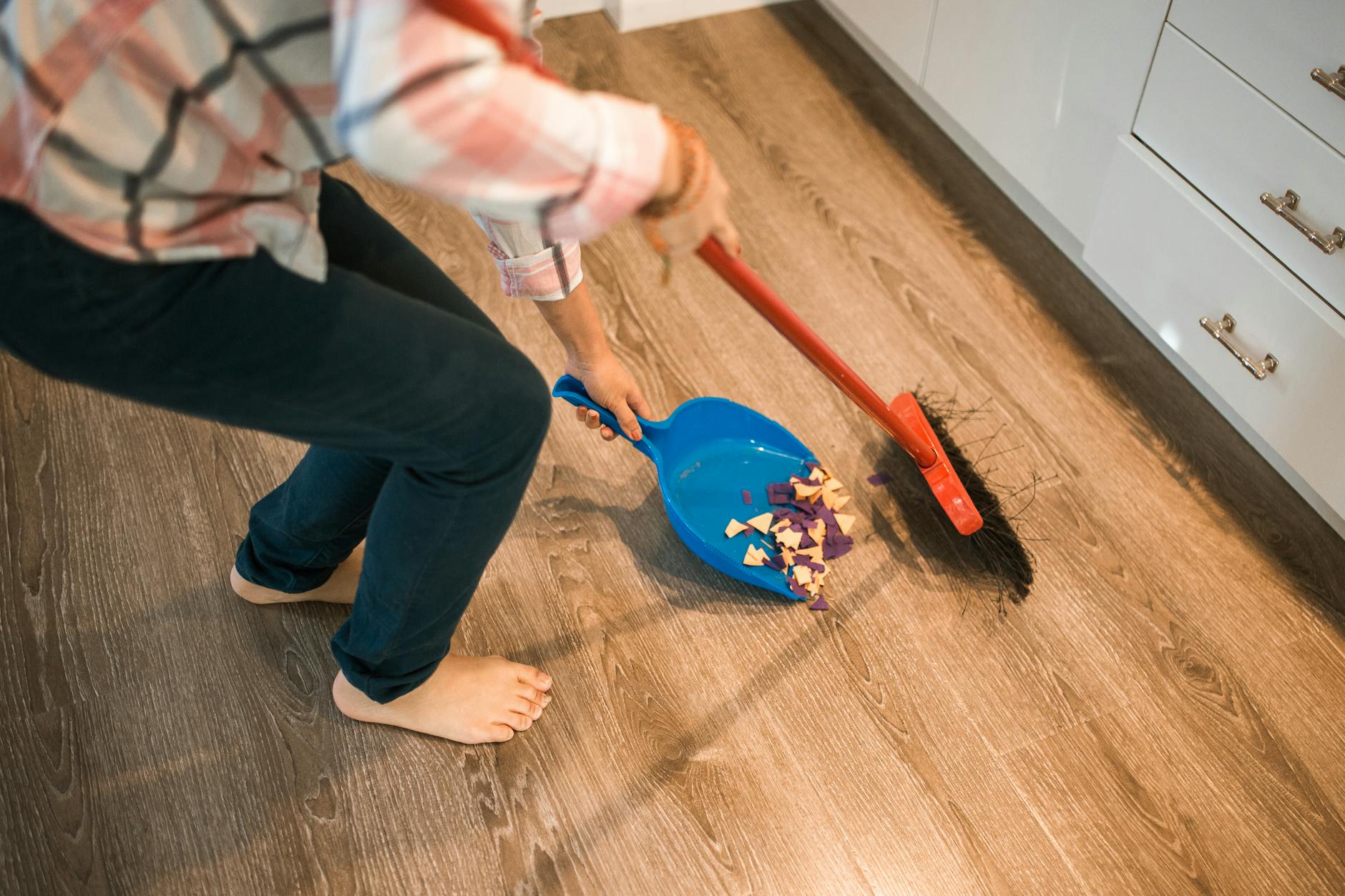
Completing all significant household chores before the staycation officially begins is a widely overlooked but critical preparation step. Dishes, laundry, vacuuming and tidying that remain undone throughout a staycation create a persistent low-level stress that prevents genuine relaxation. The brain continues to register incomplete tasks in the environment and allocates cognitive resources to them even when the person is consciously trying to rest. Getting the home into a clean and ordered state before day one means the space actively supports relaxation rather than undermining it. Building a one-time deep clean into the pre-staycation preparation is one of the highest-value actions a planner can take.
Nature Time

Spending deliberate time outdoors during a staycation is consistently linked to reduced cortisol levels, improved mood and enhanced feelings of wellbeing in environmental psychology research. Even a daily walk through a park, along a waterfront or through a green residential area provides measurable restorative benefit. Many staycation planners focus entirely on indoor activities without recognizing that outdoor time is one of the most effective tools for mental reset. Nature exposure does not require distance from home to be effective, which makes it ideally suited to the staycation format. Scheduling outdoor time as a fixed part of each day rather than leaving it to chance ensures it actually happens.
Scent and Atmosphere

Engaging the sense of smell is one of the fastest and most effective ways to shift the psychological atmosphere of a home environment. Diffusers, candles, linen sprays and fresh flowers all contribute to the sensory experience of a space in ways that support relaxation and mood elevation. High-end hotels deliberately engineer their scent environments because olfactory cues are deeply connected to memory, emotion and perceived comfort. Choosing a specific scent profile for the staycation that differs from the everyday home smell reinforces the sense of being somewhere special. This low-cost atmospheric investment has a disproportionately large effect on the overall staycation experience.
Activity Balance

Planning a deliberate balance between active and passive activities across the staycation prevents the restlessness that comes from too much inactivity and the exhaustion that comes from over-scheduling. A day of reading and films followed by a day of local exploration and physical movement creates a natural rhythm that mirrors the pacing of a well-designed holiday. Without this balance, staycations tend to drift toward either excessive screen consumption or a packed schedule that feels no different from a regular busy week. Reviewing the overall shape of the staycation before it begins and identifying where each type of activity falls helps maintain variety. Variety is one of the key ingredients that makes any holiday feel genuinely fulfilling.
Digital Detox Plan

Going beyond phone boundaries to a broader digital detox plan addresses the full range of screens and devices that fragment attention during time off. Computers, tablets, gaming consoles and smart home devices all create pathways for work, obligation and passive consumption to enter the staycation environment. A digital detox plan specifies which devices will be used, at what times and for what purposes across the staycation period. Research consistently shows that even partial digital detoxes during holidays improve sleep quality, reduce anxiety and increase feelings of presence and satisfaction. Planning this intentionally before the staycation begins is far more effective than attempting to moderate usage reactively.
Special Purchases

Making a small number of deliberate and enjoyable purchases before a staycation begins adds an element of novelty that the familiar home environment does not naturally provide. This might include a luxury food item, a new bath product, a book that has been on a reading list or a specific ingredient for a cooking project. The act of purchasing something specifically for the staycation creates a sense of occasion and forward anticipation that mirrors the experience of shopping for a trip. Novelty is one of the primary psychological drivers behind the excitement associated with travel, and it can be partially replicated at home through intentional small indulgences. These purchases do not need to be expensive to be effective.
Pet and Plant Care

Arranging care for pets and plants before a staycation begins, even when remaining at home, separates routine responsibilities from relaxation time. Pet feeding schedules, medication requirements and exercise needs can quietly structure and interrupt a day of rest if not accounted for in advance. Plant watering and maintenance, while less demanding, represents another background obligation that pulls attention toward routine rather than rest. When possible, arranging for a friend, neighbor or professional to handle these responsibilities for part of the staycation frees the planner from habitual caretaking duties. Reducing routine obligations during a staycation brings it closer to the freedom that travel provides.
Spa Experience

Recreating a spa-like experience at home is one of the most popular and effective staycation enhancements available at relatively low cost. A bath ritual using high-quality products, a face mask session, a home massage tool or a dedicated grooming routine all contribute to the physical pampering associated with luxury travel. Many people reserve these self-care experiences for professional settings and forget they can be replicated at home with a modest level of preparation. Dedicating a full afternoon or evening to a home spa experience gives the staycation a memorable centerpiece activity. The physical and psychological benefits of deliberate self-care during a break are well-supported by wellness research.
Weather Awareness

Checking the weather forecast before finalizing the staycation activity plan is a practical step that prevents disappointment and wasted preparation. Outdoor activities, garden plans and al fresco dining all depend on conditions that should be factored into the schedule rather than assumed. Weather awareness allows for contingency planning so that a rainy day has its own set of appealing indoor alternatives already prepared. Many staycation plans falter mid-week because unexpected weather disrupts the intended rhythm and no backup plan exists. Flexible scheduling that accounts for weather variability keeps the staycation feeling enjoyable regardless of conditions.
Alcohol and Caffeine

Being intentional about alcohol and caffeine consumption during a staycation significantly affects the quality of sleep, energy and overall mood across the break. Increased alcohol intake during time off is common but frequently results in disrupted sleep cycles, next-day fatigue and reduced emotional resilience. Caffeine consumed too late in the day delays sleep onset in ways that compound across a multi-day staycation. Planning in advance what the approach to these substances will be during the break brings a health-conscious dimension to the experience. A staycation that ends with the body feeling genuinely rested requires the same degree of nutritional awareness as any wellness-focused holiday.
Visitor Boundaries

Deciding in advance who will be invited to visit during a staycation and who will not is a boundary-setting step that many planners overlook entirely. Without a clear position on visitors, the staycation can gradually fill with social obligations, hosting duties and the energy expenditure of managing other people’s presence. Family and friends who are unaware of a staycation plan may assume availability and schedule drop-ins that fragment the time off significantly. Communicating boundaries kindly but clearly before the staycation begins protects the integrity of the planned experience. Choosing a small number of intentional social connections during the break, rather than responding reactively to whoever reaches out, preserves the holiday atmosphere.
Journaling

Keeping a simple journal during a staycation deepens the experience by creating a record of thoughts, feelings and observations that would otherwise pass unnoticed. Travel journaling is a well-established practice precisely because documenting experiences reinforces their emotional significance and aids memory retention. Applying the same habit to a staycation elevates it from a passive experience to an active and reflective one. Even brief daily entries noting what was enjoyed, observed or felt during each day add meaningful texture to the time off. A staycation journal becomes a personal record of rest and insight that can be returned to long after the break has ended.
Re-entry Planning

Planning the transition back to regular life before the staycation ends prevents the jarring emotional and logistical shock of re-entry that undermines much of the benefit gained. Laying out work clothes, reviewing the upcoming week lightly, prepping an easy first-day-back meal and setting a sensible bedtime on the final evening all ease the return to routine. Many people allow the last day of a staycation to be consumed by dread or reactive preparation, which retroactively colors the entire experience negatively. A calm and organized re-entry plan that is considered in advance keeps the final day genuinely restful. Protecting the quality of the last staycation day is as important as protecting the first.
Have you discovered any staycation planning secrets that transformed your time at home into a genuine escape? Share your tips in the comments.