
The human body communicates constantly through symptoms that are easy to rationalize away as stress tiredness or a passing phase. Mixed signals are particularly deceptive because they mimic ordinary discomfort while pointing toward something that requires genuine attention. Dismissing these patterns without investigation is one of the most common ways serious conditions escalate unnecessarily. These are the signals your body sends that deserve a closer and more honest look.
Unexplained Fatigue

Persistent tiredness that does not resolve after adequate sleep and rest is one of the most frequently dismissed yet diagnostically significant symptoms the body can produce. Fatigue that extends beyond normal life demands and sits at a baseline level regardless of sleep quality can indicate thyroid dysfunction autoimmune conditions anemia or early-stage cardiovascular disease. The misleading nature of this symptom lies in how normalized exhaustion has become in modern life making it easy to attribute to lifestyle rather than physiology. When fatigue begins interfering with daily function without a clear external cause a blood panel and clinical evaluation are always warranted.
Jaw Pain

Discomfort or tension in the jaw that comes and goes without an obvious dental explanation can be a referred symptom of cardiac stress particularly in women where heart attack presentation frequently diverges from the classic chest pain model. The vagus nerve and shared neural pathways between the heart and the jaw region create conditions where cardiac events can produce pain in locations that seem entirely unrelated to cardiovascular function. Jaw pain accompanied by fatigue shortness of breath or upper body discomfort should be treated as a potential cardiac signal until ruled out by medical evaluation. Dismissing recurring jaw tension as stress-related clenching without investigation has contributed to delayed diagnosis in documented cardiac cases.
Frequent Urination

Needing to urinate significantly more often than usual without increased fluid intake is a signal that intersects with several serious conditions including diabetes kidney disease bladder dysfunction and in men prostate changes. The body uses urinary frequency as a pressure-relief or filtration response to internal changes in blood sugar concentration kidney function or hormonal regulation. The mixed signal quality of this symptom comes from how easily it is attributed to increased coffee consumption anxiety or simply aging. Frequency that persists across different hydration levels and times of day without clear cause should prompt a clinical assessment rather than continued self-management.
Skin Texture Changes
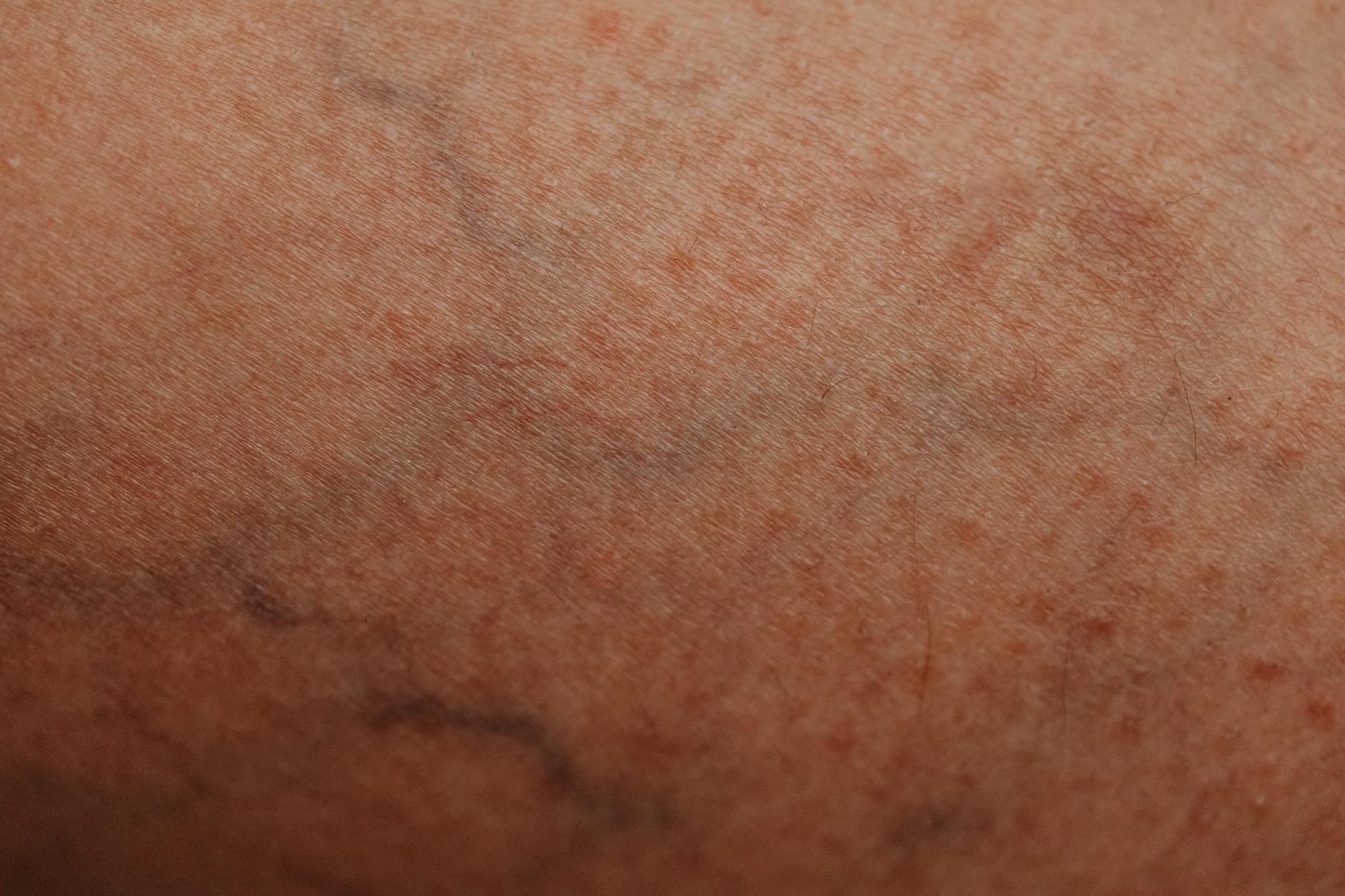
Sudden shifts in skin texture including new dryness patches of unusual smoothness thickening or subtle discoloration that appear without changes in skincare routine or season can reflect internal hormonal metabolic or autoimmune activity. The skin is the body’s largest organ and frequently serves as an external display of internal dysfunction particularly in relation to thyroid disease lupus diabetes and nutritional deficiencies. Changes that persist beyond four to six weeks or that spread progressively deserve dermatological and potentially systemic evaluation. Attributing all skin changes to environmental factors without considering internal causes is a gap in self-monitoring that delays diagnosis more often than most people expect.
Temperature Intolerance

Developing a new sensitivity to heat or cold that feels disproportionate to environmental conditions is a signal closely associated with thyroid dysfunction and autonomic nervous system irregularities. An underactive thyroid frequently produces cold intolerance while an overactive thyroid tends toward heat sensitivity and excessive sweating even in mild temperatures. The confusing nature of this signal is that it develops gradually making it easy to assume personal preference or aging rather than a measurable physiological shift. Tracking temperature sensitivity alongside energy levels weight changes and heart rate provides a pattern that is far more diagnostically useful than reporting any single symptom in isolation.
Bleeding Gums

Gums that bleed regularly during brushing are frequently normalized as a sign of aggressive technique or poor hygiene but can reflect systemic conditions including vitamin C or K deficiency blood clotting disorders or early-stage diabetes. The oral cavity is densely vascularized and the inflammatory response visible in gum tissue often mirrors systemic inflammation occurring throughout the body. Persistent bleeding that does not resolve with improved oral hygiene should prompt both a dental and a general health review. Treating this signal as purely cosmetic or oral in origin consistently delays the identification of underlying conditions that a simple blood test could reveal.
Heart Palpitations
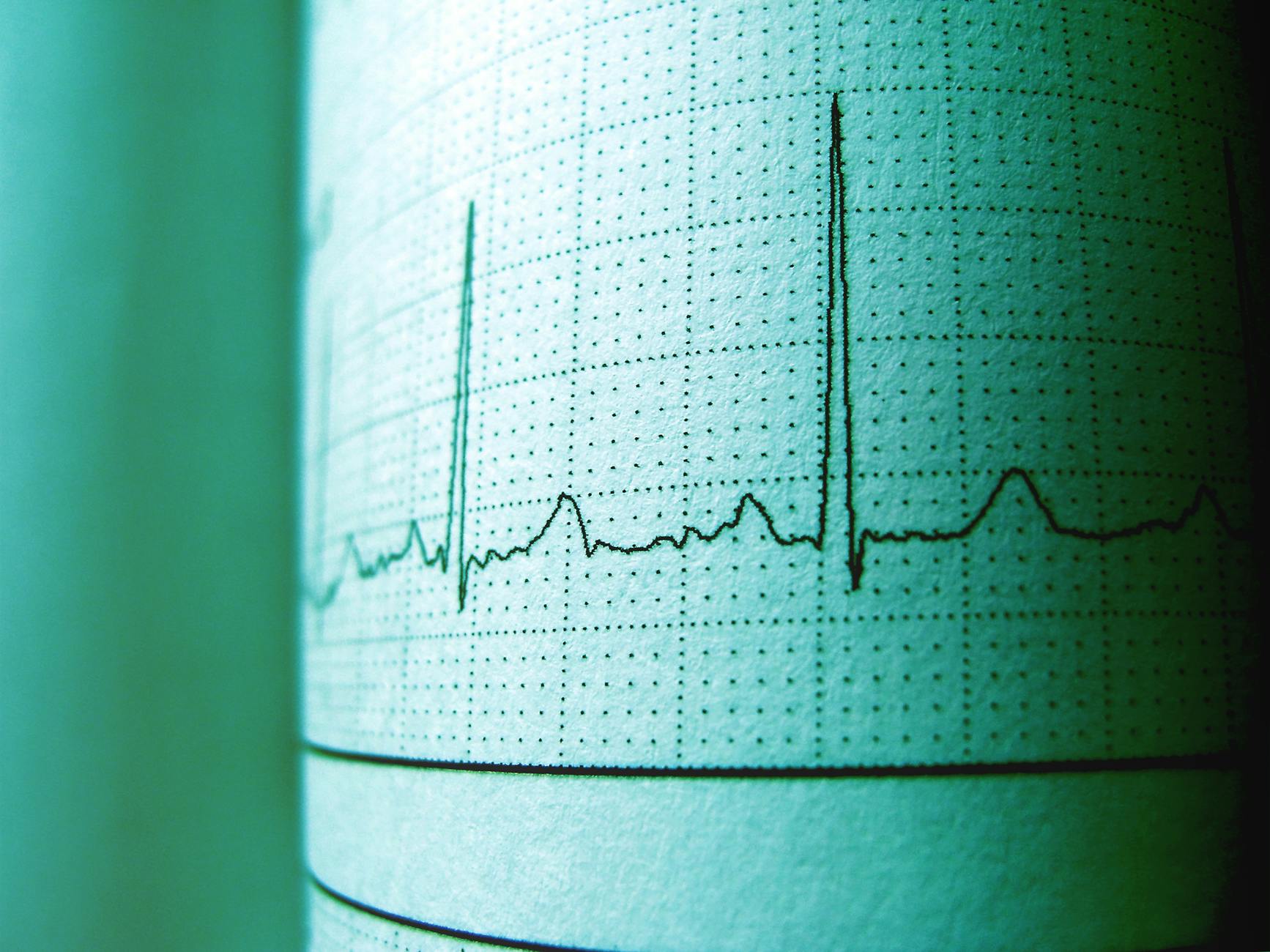
The sensation of a fluttering racing or skipped heartbeat is a mixed signal because it can arise from entirely benign causes including caffeine anxiety or dehydration as well as from arrhythmias thyroid conditions electrolyte imbalances and structural cardiac issues. The challenge lies in the fact that palpitations from benign and serious sources can feel identical and often occur in the same populations. Palpitations that occur at rest happen frequently are accompanied by dizziness or shortness of breath or persist despite removing obvious triggers require cardiac evaluation including an ECG and thyroid function testing. Self-reassurance based on the absence of chest pain alone is insufficient when palpitations are a recurring pattern.
Vision Fluctuations

Intermittent blurring double vision or brief episodes of visual disturbance that resolve spontaneously are signals the visual and neurological systems are not functioning within normal parameters. Transient visual changes can precede or accompany migraines but can also represent early warning signs of multiple sclerosis diabetic retinopathy hypertensive retinopathy or transient ischemic attacks. The self-resolving nature of these episodes is precisely what makes them dangerous as people consistently interpret resolution as reassurance. Any episode of sudden or unexplained visual change that occurs more than once warrants ophthalmological and neurological evaluation regardless of how briefly it lasted.
Night Sweats

Waking with drenching perspiration that requires changing clothing or bedding and is not explained by room temperature or heavy covers is a symptom pattern associated with hormonal shifts lymphoma tuberculosis HIV and certain autoimmune conditions. The mixed signal element comes from how frequently night sweats are attributed to stress perimenopause or a warm room without investigating whether a systemic cause is present. When night sweats occur alongside unexplained weight loss swollen lymph nodes or persistent fatigue the combination represents a cluster of symptoms that requires prompt medical evaluation. Isolated occasional warmth during sleep is different in character and frequency from the clinical presentation of true night sweats and distinguishing between the two matters.
Chronic Bloating

Abdominal bloating that is present most days regardless of specific food intake and does not respond to standard dietary adjustments is a signal pattern that overlaps with irritable bowel syndrome celiac disease ovarian dysfunction small intestinal bacterial overgrowth and in some cases early ovarian cancer. The body uses bloating as a generalized distress signal across multiple organ systems making it one of the more diagnostically complex abdominal symptoms to interpret without clinical investigation. Consistent daily bloating accompanied by changes in bowel habits unexplained weight changes or pelvic discomfort should not be managed through diet alone without ruling out structural or systemic causes. Normalizing persistent bloating as simply a digestive quirk delays investigation in a symptom profile that warrants it.
Hair Thinning

Progressive diffuse hair loss that goes beyond normal shedding cycles and affects the overall density of the scalp is a visible signal of internal disruption including thyroid disease iron deficiency anemia polycystic ovary syndrome nutritional deficiencies and chronic psychological stress affecting the hair growth cycle. The slow progression of hair thinning allows significant internal change to accumulate before the symptom becomes visually obvious making it a late indicator of conditions that began much earlier. Documenting changes in density over time through photographs provides useful comparative information for clinical assessment. Attributing all hair thinning to genetics without metabolic and hormonal investigation is a missed opportunity to identify and address a correctable underlying cause.
Appetite Shifts

A significant and persistent change in appetite whether a notable decrease or an unexplained increase that is not linked to lifestyle or emotional changes can reflect hormonal disruption metabolic dysfunction depression thyroid disease or early-stage gastrointestinal conditions. Appetite is regulated by a complex interaction of hormones including leptin ghrelin cortisol and insulin meaning that shifts in this signal touch multiple physiological systems simultaneously. The mixed signal quality comes from how naturally appetite variation is attributed to mood seasons or stress without considering that persistence beyond several weeks raises the threshold for clinical relevance. Changes in appetite accompanied by weight movement in either direction warrant investigation rather than passive monitoring alone.
Ringing Ears
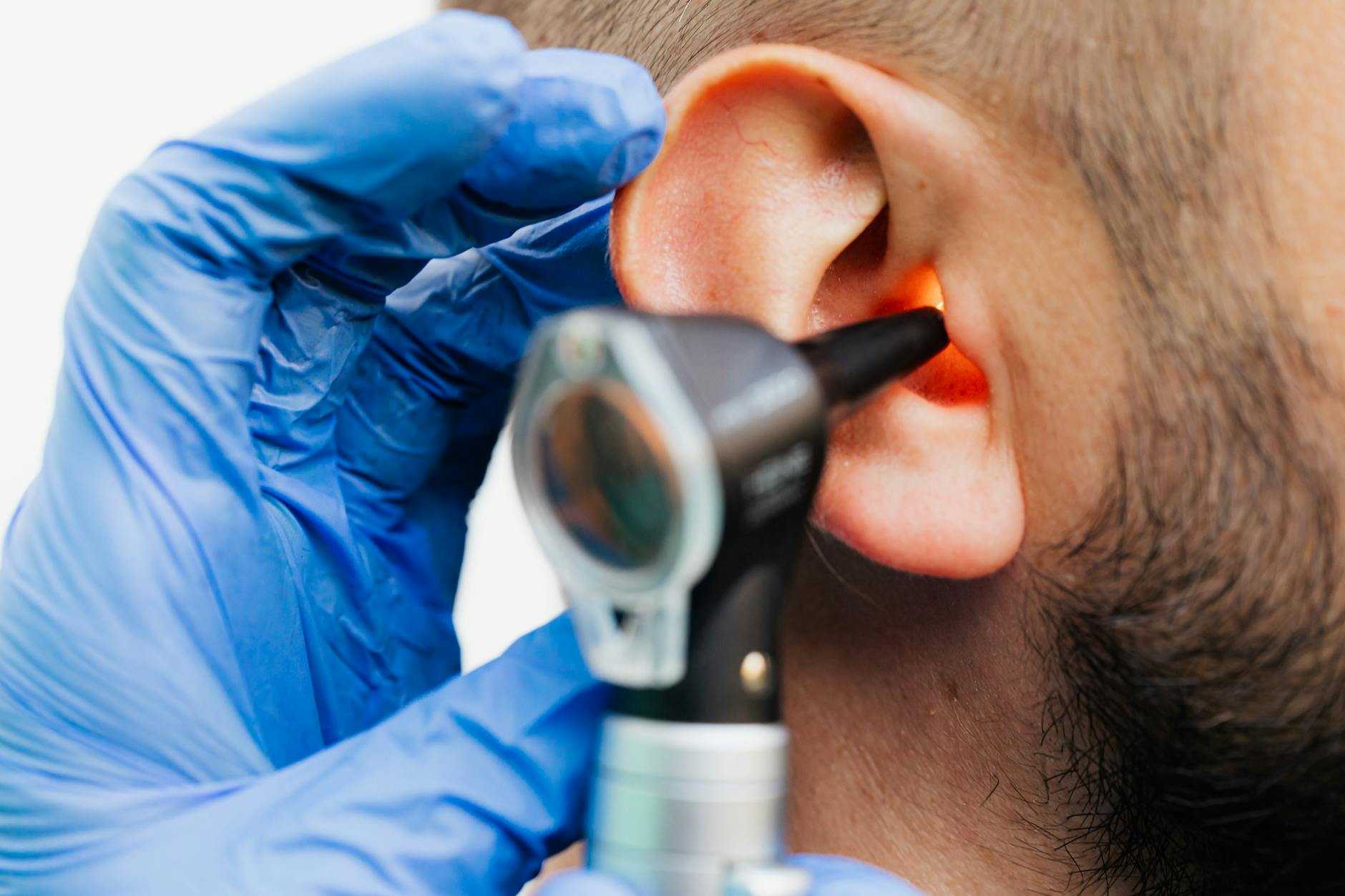
Tinnitus or a persistent ringing buzzing or hissing sound in the ears without external source is frequently dismissed as a nuisance quirk but can signal noise-induced hearing damage hypertension cardiovascular disease medication toxicity Meniere’s disease or neurological changes. The auditory system’s sensitivity to circulatory and neurological function makes it a useful early indicator of systemic changes that may not yet be producing more obvious symptoms elsewhere. Tinnitus that develops suddenly affects one ear is pulsatile in rhythm or accompanies hearing loss or balance changes requires prompt ENT and cardiovascular evaluation. Bilateral gradual onset tinnitus still warrants assessment though it presents a wider differential that includes both benign and more serious origins.
Mood Irregularity

Shifts in emotional baseline including new irritability flattened mood persistent low-grade anxiety or emotional reactivity that feels disproportionate to circumstances can be neurological hormonal or metabolic in origin rather than purely psychological. Thyroid dysfunction in both directions produces significant mood effects and is one of the most commonly missed physiological contributors to what is diagnosed and treated as a primary mental health condition. The mixed signal challenge here is considerable because mood changes are so readily attributed to external life circumstances that internal physical causes go uninvestigated for extended periods. A full hormonal and metabolic panel is a clinically appropriate first step when mood changes are significant persistent and not clearly explained by life events alone.
Swollen Lymph Nodes

Lymph nodes that enlarge in response to local infection are a normal immune response but nodes that remain swollen beyond two to four weeks after an illness has resolved grow progressively larger are firm or fixed or appear without any preceding infection require medical evaluation. The lymphatic system responds to both infection and malignancy meaning that persistent lymph node enlargement sits at a diagnostic intersection that cannot be reliably assessed through self-examination alone. Nodes in the neck armpit or groin that are painless and gradually enlarging carry a different clinical significance than tender nodes that accompany an obvious viral illness. Timing persistence location and accompanying symptoms together determine the urgency of investigation more reliably than any single characteristic.
Shortness of Breath
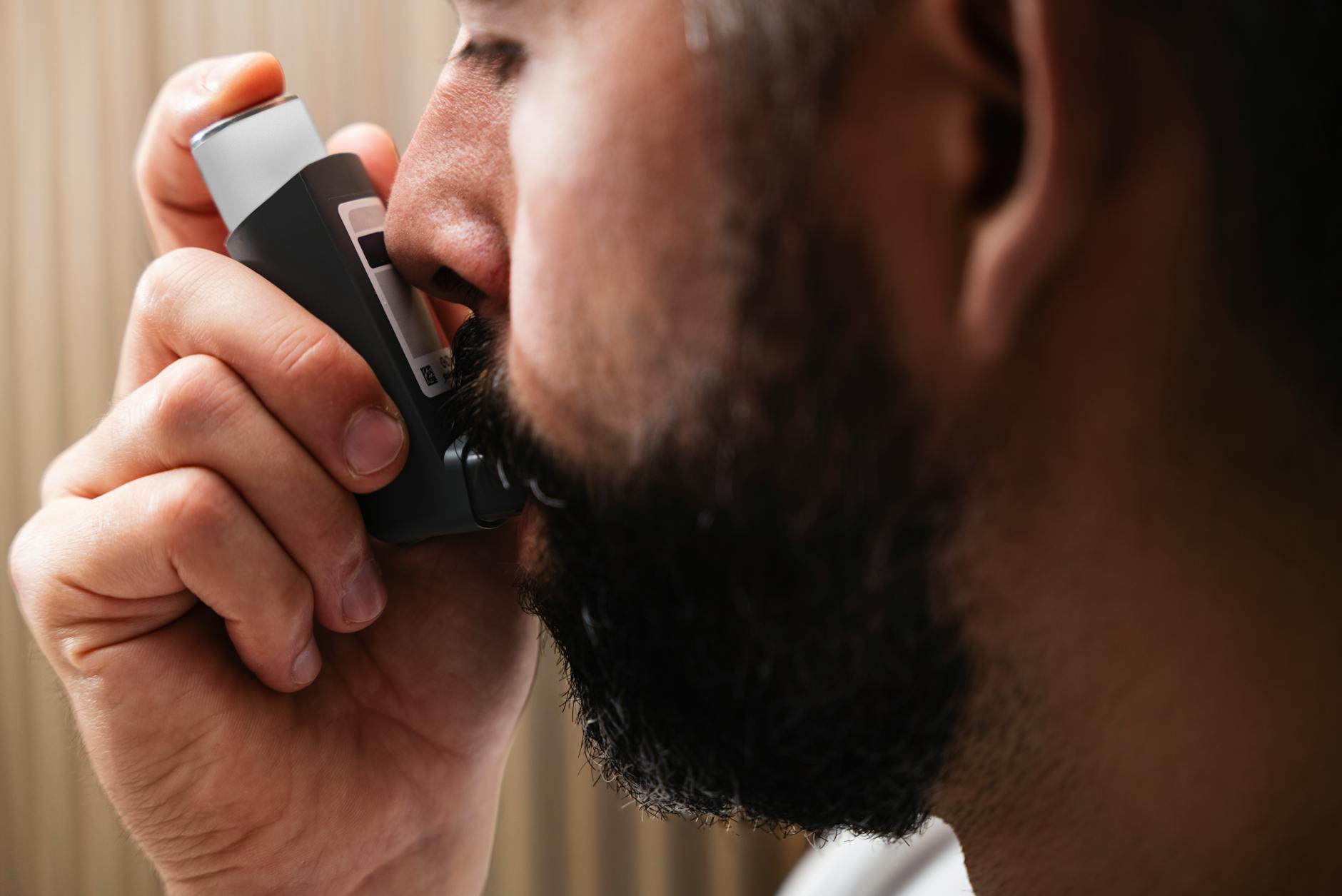
Breathlessness that occurs during activities that previously caused no respiratory difficulty or that appears at rest is a signal that spans cardiovascular pulmonary hormonal and hematological causes including anemia heart failure pulmonary embolism asthma and anxiety disorders. The body’s respiratory response is tightly regulated meaning that any deviation from baseline exertional capacity represents a measurable change in physiological function rather than simply a fitness variation. The mixed signal nature of breathlessness is compounded by how often it is attributed to deconditioning or weight change without clinical investigation of cardiac and pulmonary function. New or progressive breathlessness in any adult regardless of age or perceived fitness level deserves formal cardiorespiratory evaluation.
Heel Pain

Persistent pain in the heel that is worst during the first steps of the morning and gradually improves with movement is a classic presentation of plantar fasciitis but when bilateral or accompanied by lower back stiffness can also reflect ankylosing spondylitis or other seronegative inflammatory arthropathies. The body frequently uses enthesitis which is inflammation at the point where tendons attach to bone as an early indicator of systemic inflammatory joint disease before more characteristic joint symptoms develop. People who repeatedly treat heel pain as a mechanical overuse issue without improvement miss the investigative window for identifying a broader inflammatory condition. Morning stiffness lasting more than thirty minutes in multiple body regions alongside heel pain warrants rheumatological assessment.
Frequent Headaches

Headaches that occur multiple times per week represent a pattern distinct from occasional tension headaches and can signal hypertension hormonal imbalance sleep apnea cervicogenic dysfunction medication overuse rebound or in rarer cases intracranial pressure changes. The chronic nature of frequent headaches normalizes them in the minds of sufferers who adapt their lives around them rather than investigating the underlying driver. Pattern characteristics including timing location duration trigger profile and what relieves them provide clinically important differentiation that is lost when headaches are uniformly self-treated without documentation. A headache that is described as the worst of one’s life or that wakes a person from sleep is a specific red flag requiring emergency evaluation.
Persistent Thirst

Thirst that persists despite adequate and consistent fluid intake is a signal the body uses to communicate that its fluid regulation or blood chemistry is outside normal parameters. Diabetes mellitus and diabetes insipidus both present with persistent thirst as a primary symptom alongside frequent urination and when both signals appear together the diagnostic significance of the combination is considerably higher than either symptom alone. Certain medications including lithium and some diuretics can also produce persistent thirst as a side effect but the symptom always warrants clinical review rather than simple increases in water consumption. Tracking fluid intake against thirst and urination frequency for several days before a clinical appointment provides useful objective data to support accurate diagnosis.
Muscle Cramps

Frequent muscle cramps particularly at night or during low-intensity activity that cannot be explained by dehydration or exercise load can reflect electrolyte imbalances in magnesium potassium calcium or sodium as well as peripheral arterial disease spinal nerve compression thyroid dysfunction or early-stage neurological conditions. The mixed signal quality of cramping is significant because the symptom is so commonly experienced and so consistently attributed to dehydration or overexertion that systemic causes are rarely considered without a clinical prompt. Cramps that affect the same muscle group repeatedly occur without physical provocation or are accompanied by weakness numbness or skin color changes in the limb move beyond the range of benign cramping into a presentation that requires investigation. Documenting frequency location duration and accompanying sensations creates a clinical picture that is far more useful than the isolated report of cramping alone.
Bruising Easily

Developing bruises from minor contact that would not typically cause visible skin damage is a signal that platelet function clotting factor activity or vascular integrity has changed in a way that warrants investigation. Easy bruising can reflect vitamin C or K deficiency liver dysfunction blood clotting disorders including von Willebrand disease or side effects of medications including aspirin anticoagulants and certain supplements. The location size and pattern of bruising carry diagnostic relevance as bruising that appears in unusual locations without any recalled trauma has a different clinical significance than bruising on the shins from low-level daily contact. Tracking the frequency and circumstances of bruising over several weeks before seeking medical advice provides the pattern-based context that makes clinical assessment more productive.
Sudden Weight Changes

Gaining or losing a meaningful amount of weight over a period of weeks without intentional changes to diet or physical activity is a signal that the body’s metabolic hormonal or gastrointestinal regulation has shifted outside its normal operating range. Unexplained weight loss in particular carries a higher index of clinical suspicion and is associated with thyroid overactivity malignancy inflammatory bowel disease diabetes and depression among other conditions. Unexplained weight gain is similarly linked to thyroid underactivity hormonal imbalances fluid retention disorders and medication effects. The cultural tendency to assign moral or behavioral meaning to weight change rather than physiological meaning is one of the most significant barriers to timely investigation of what is often a measurable medical signal.
Digestive Irregularity

A persistent change in bowel habits whether toward looser more frequent stools or toward constipation that represents a clear departure from an individual’s normal pattern for more than several weeks is a signal that requires clinical attention rather than dietary self-management alone. Bowel habit changes are among the screening criteria for colorectal cancer and inflammatory bowel disease and the significance of the signal is proportional to its persistence and deviation from the individual’s established baseline rather than from any universal standard. The mixed signal challenge is that digestive variation is common and frequently attributed to diet stress or travel making it easy to monitor passively well beyond the window where earlier investigation would have been appropriate. Any change accompanied by rectal bleeding unexplained weight loss or abdominal pain narrows the differential and increases urgency.
Numbness or Tingling

Intermittent or persistent sensations of numbness tingling or pins and needles in the extremities that occur without an obvious postural explanation such as sitting on a leg represent a signal in the peripheral or central nervous system that requires investigation. These sensations can reflect vitamin B12 deficiency peripheral neuropathy associated with diabetes carpal tunnel syndrome multiple sclerosis or cervical and lumbar nerve compression depending on distribution pattern and accompanying features. Tingling that is bilateral affects the feet first and progresses upward over time carries a different diagnostic significance than unilateral hand tingling associated with specific wrist positions. Documenting when where and under what conditions the sensation occurs along with any accompanying weakness or coordination changes provides the pattern data most useful for neurological assessment.
Reduced Exercise Tolerance

A noticeable decline in the ability to sustain physical activity at previously comfortable levels without a period of detraining illness or injury to explain it is a signal that cardiac pulmonary hematological or metabolic function has changed in a measurable way. The body’s exercise tolerance is a sensitive indicator of cardiorespiratory reserve and even subtle declines in this capacity can precede more obvious symptoms of heart disease lung disease or anemia by months. The mixed signal quality of this symptom is that it develops gradually and is almost universally attributed to aging stress or reduced training without clinical investigation of underlying function. Any unexplained reduction in exercise capacity in an otherwise active individual deserves cardiovascular and pulmonary assessment as a baseline before fitness-based explanations are accepted.
Sleep Disruption

Chronic difficulty falling asleep staying asleep or achieving restorative sleep that persists beyond situational stress is a signal that intersects with cortisol dysregulation sleep apnea thyroid dysfunction pain conditions depression and neurological changes rather than simply representing a lifestyle or habit issue. The relationship between sleep and systemic health is bidirectional meaning that poor sleep both produces and is produced by a wide range of physiological and psychological conditions making it a signal that points in multiple directions simultaneously. The normalization of poor sleep as an unavoidable feature of modern life is one of the most consequential dismissals of a body signal that produces measurable downstream effects on cardiovascular immune cognitive and metabolic health. Persistent sleep disruption that does not respond to standard sleep hygiene adjustments over several weeks warrants clinical investigation rather than continued self-management.
If any of these signals resonate with something you have been ignoring or rationalizing share your experience and thoughts in the comments.