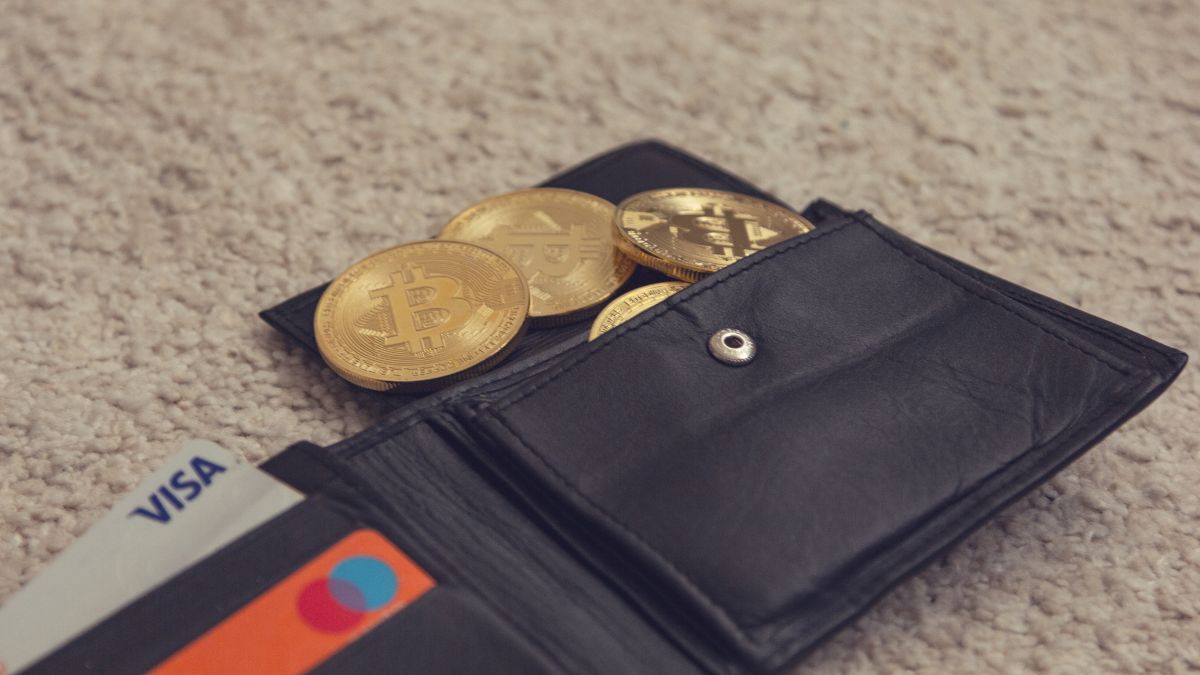
Your wallet is one of the most vulnerable items you carry every day, and what you store inside it can make the difference between a minor inconvenience and a full-blown identity theft nightmare. Most people tuck away far more sensitive information than they realize, leaving themselves exposed to serious financial and personal harm if a pickpocket or thief strikes. A little preparation goes a long way toward protecting yourself from the worst-case scenarios. Here are the things you should remove from your wallet right now before it ever goes missing.
Social Security Card
Your Social Security number is the master key to your entire financial identity, and carrying the physical card dramatically increases your risk. If a thief gets hold of it alongside your other identification, they can open credit accounts, file fraudulent tax returns, and cause damage that takes years to undo. You almost never need the physical card in your daily life since most institutions only ask for the number itself. Store it in a locked box at home and memorize your number instead.
Passport
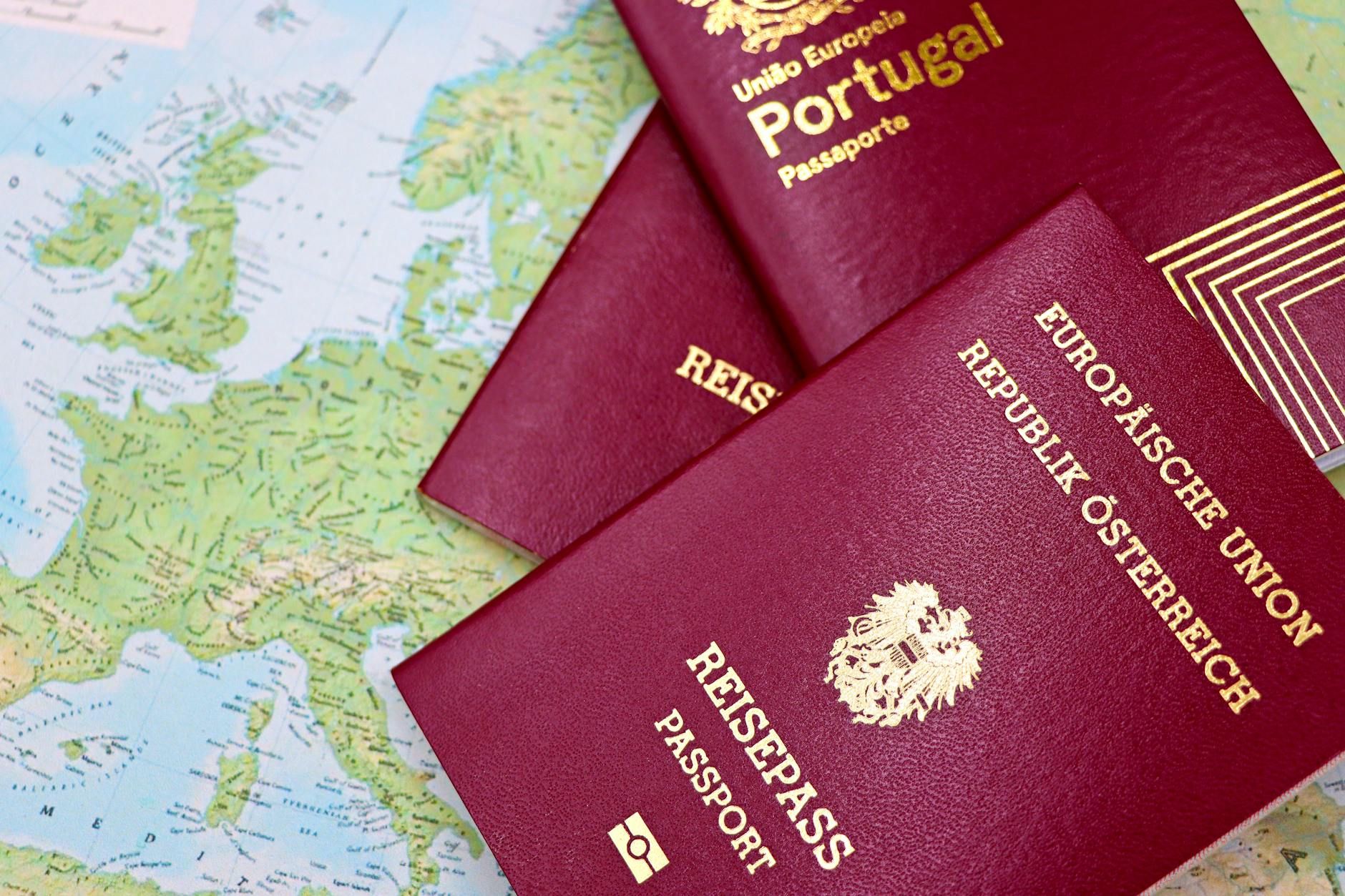
A full passport is one of the most valuable documents a thief can obtain, as it serves as both a travel document and a primary form of identification worldwide. Losing it abroad is a logistical nightmare that can strand you and involve lengthy embassy visits to resolve. Unless you are actively traveling internationally and specifically need it for check-in or border crossing, leave your passport secured at home or in a hotel safe. A photocopy kept separately can help in emergencies without exposing the original.
Multiple Credit Cards
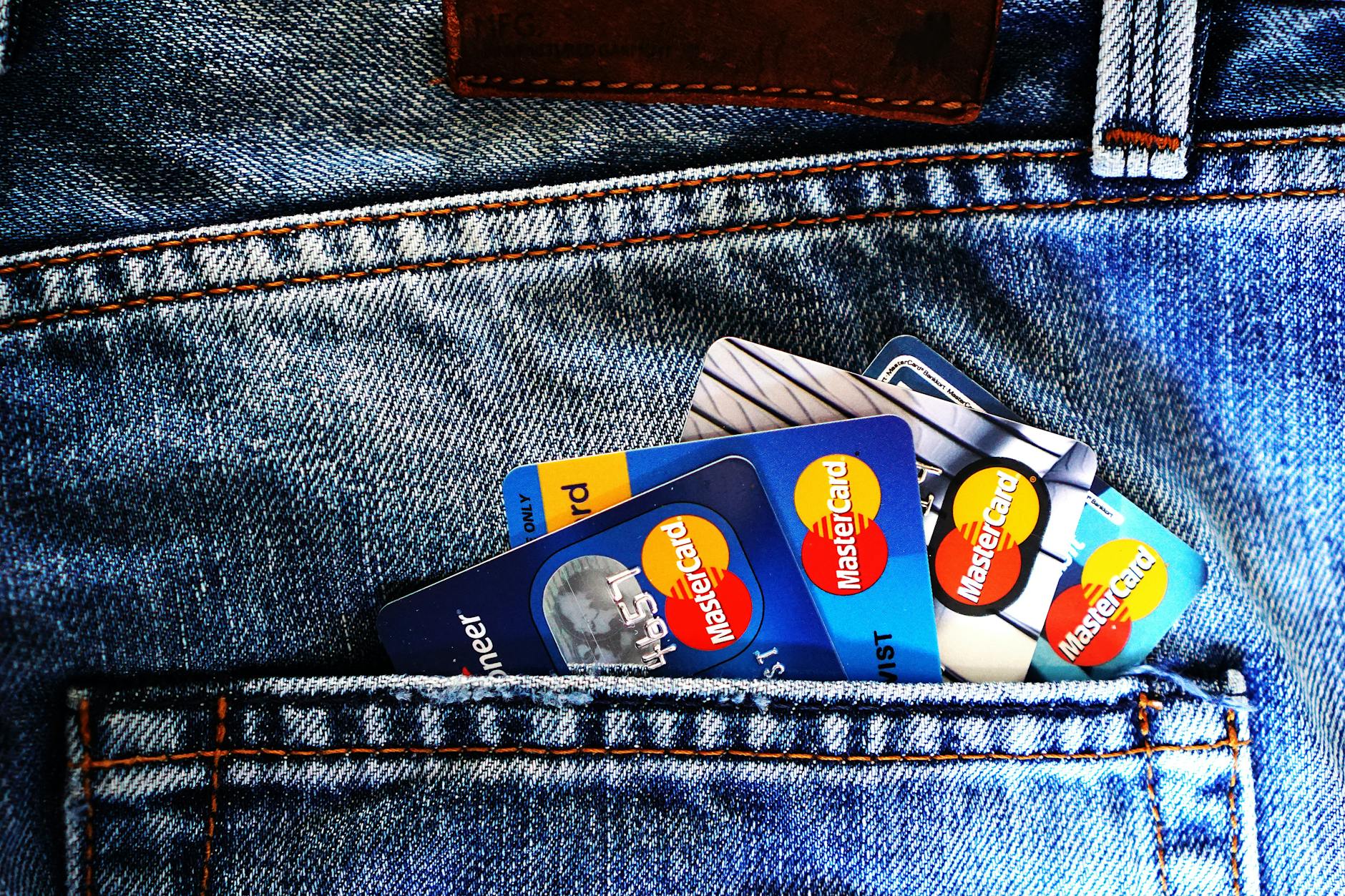
Carrying every credit card you own means handing a thief access to multiple lines of credit in one fell swoop. Limiting your wallet to one or two cards significantly reduces your exposure and makes it much easier to cancel and report quickly if something goes wrong. Rotating cards based on what you actually need that day is a practical habit that most financial experts recommend. The rest are far safer stored at home in a secure location.
Blank Checks
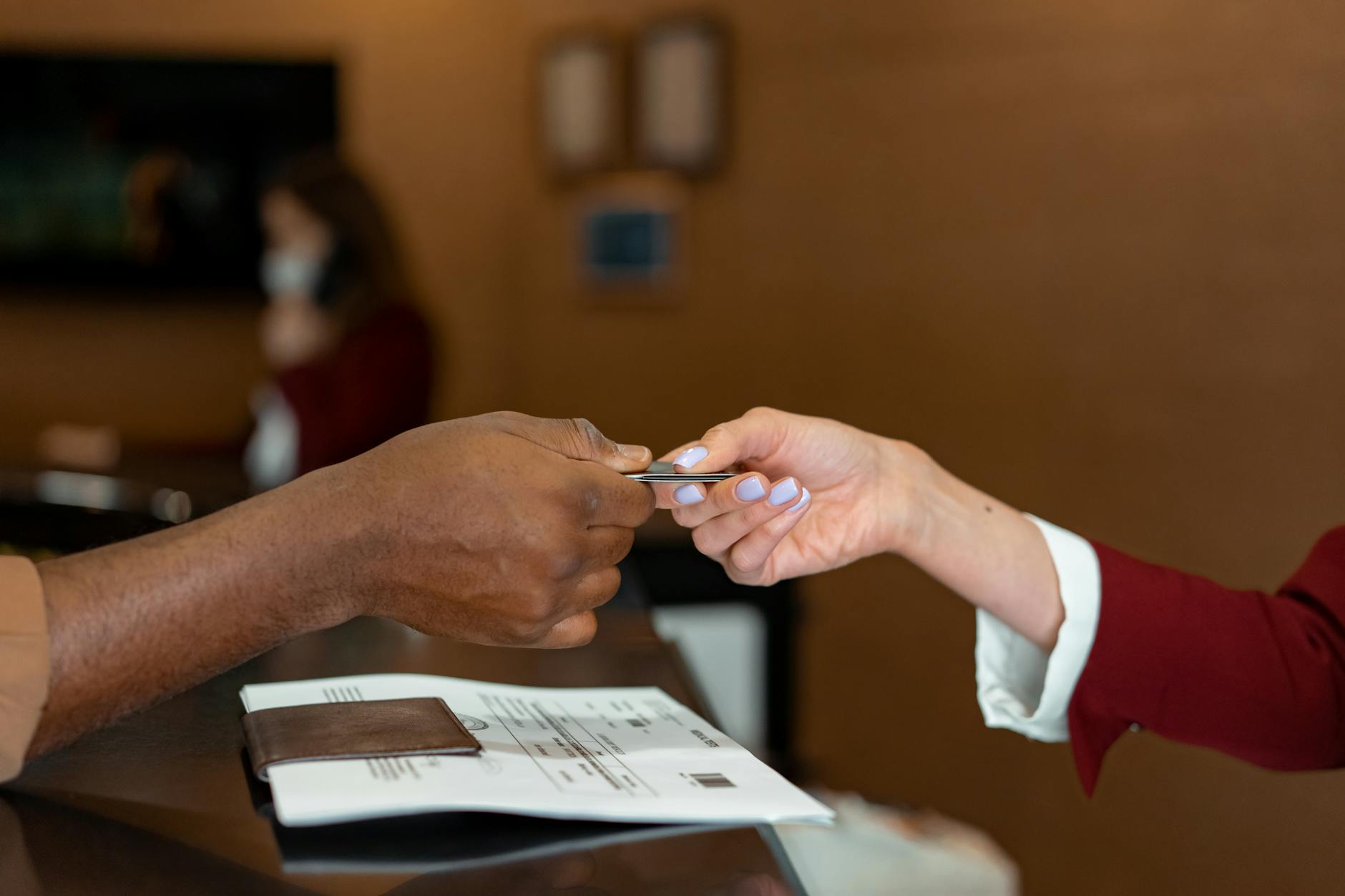
A blank check contains your full bank account number and routing number printed right on it, giving a thief everything they need to drain your account or write fraudulent checks in your name. Many people keep a single check tucked away for emergencies, but that habit poses a significant financial risk. Paying digitally or with a card covers virtually every modern transaction without the need for paper checks on the go. If you genuinely need one, bring only the specific check you plan to use that day.
Birth Certificate

Your birth certificate is a foundational identity document that can be used to obtain other forms of identification in your name, making it extremely valuable to identity thieves. There is virtually no everyday scenario that requires you to carry it outside your home. It should be stored with your other vital documents in a fireproof safe or secure filing system. A certified copy can always be obtained from your local records office if you ever lose the original.
Password List
Writing down passwords and PIN numbers on a piece of paper in your wallet is one of the riskiest habits in modern life. A thief who finds that list has instant access to your banking apps, email, and any other account you have noted down. Password manager apps offer a far more secure way to store and access login information from your phone. If you must write anything down, use code words or partial hints that only you would understand.
Spare House Key
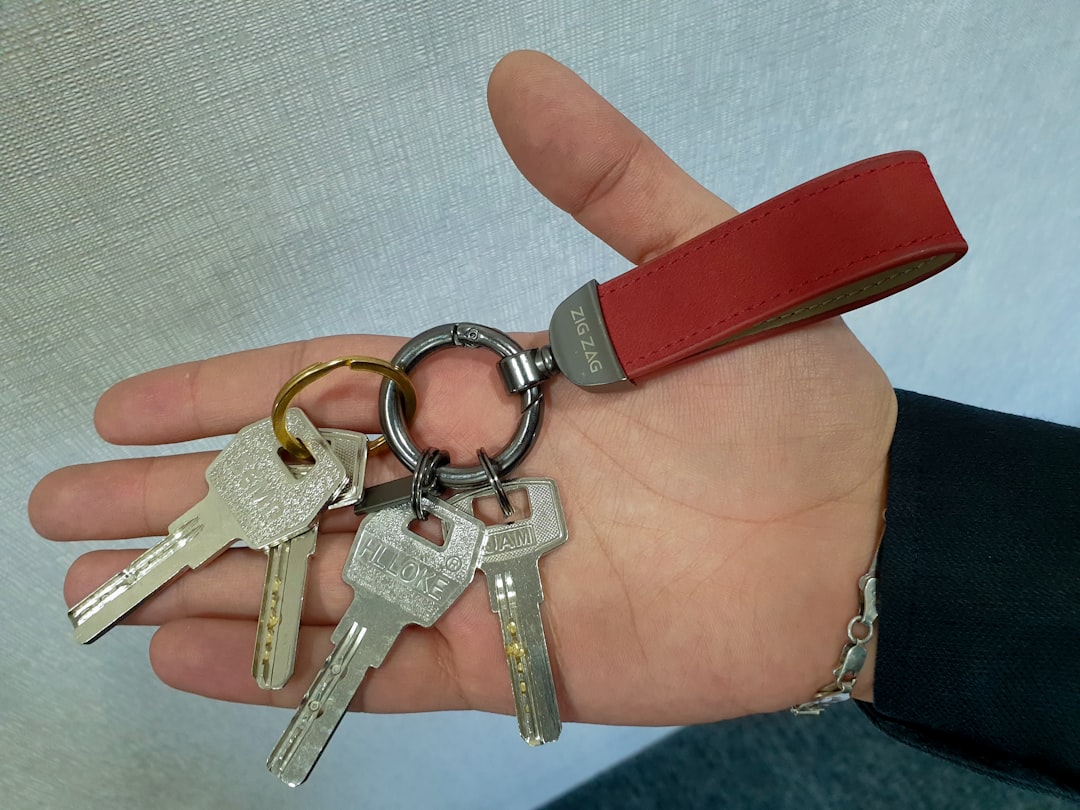
Tucking a spare house key into your wallet feels convenient until you consider that a stolen wallet often also contains your home address via your driver’s license. That combination gives a burglar both your address and a key to your front door at the same time. The risk is simply not worth the occasional convenience of having a backup key on hand. Leave spare keys with a trusted neighbor or family member instead.
Medicare or Insurance Cards
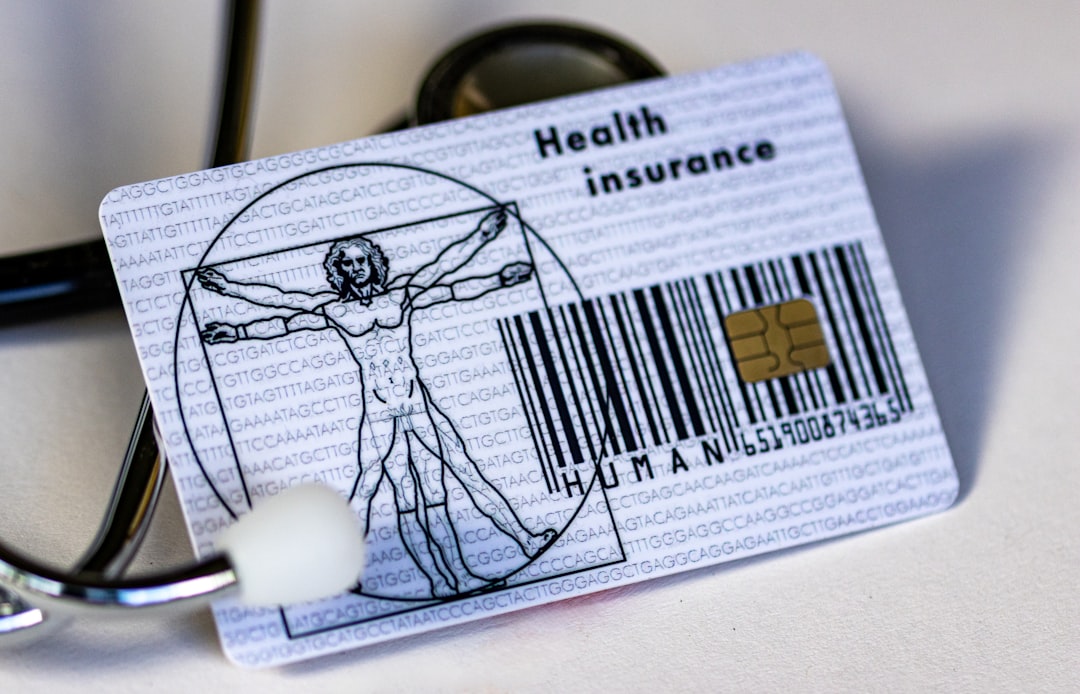
Original Medicare cards in the United States still display your Social Security number in some older formats, and other insurance cards contain policy numbers that can be exploited for medical identity theft. A thief can use stolen insurance information to fraudulently claim medical services or prescription drugs in your name. Photographing your card on your phone and leaving the physical copy at home is a safer approach for most everyday visits. Check with your provider about obtaining a replacement card that uses a unique member ID instead.
Car Title
Your vehicle title is a legal ownership document and carrying it in your car or wallet means a thief could theoretically use it in an attempt to sell or transfer your vehicle. It should be stored at home in your important documents file or a safety deposit box rather than kept on your person. If your car is ever stolen alongside your wallet containing the title, the complications multiply significantly. Registration documents required by law while driving are separate from the title itself.
Excess Cash
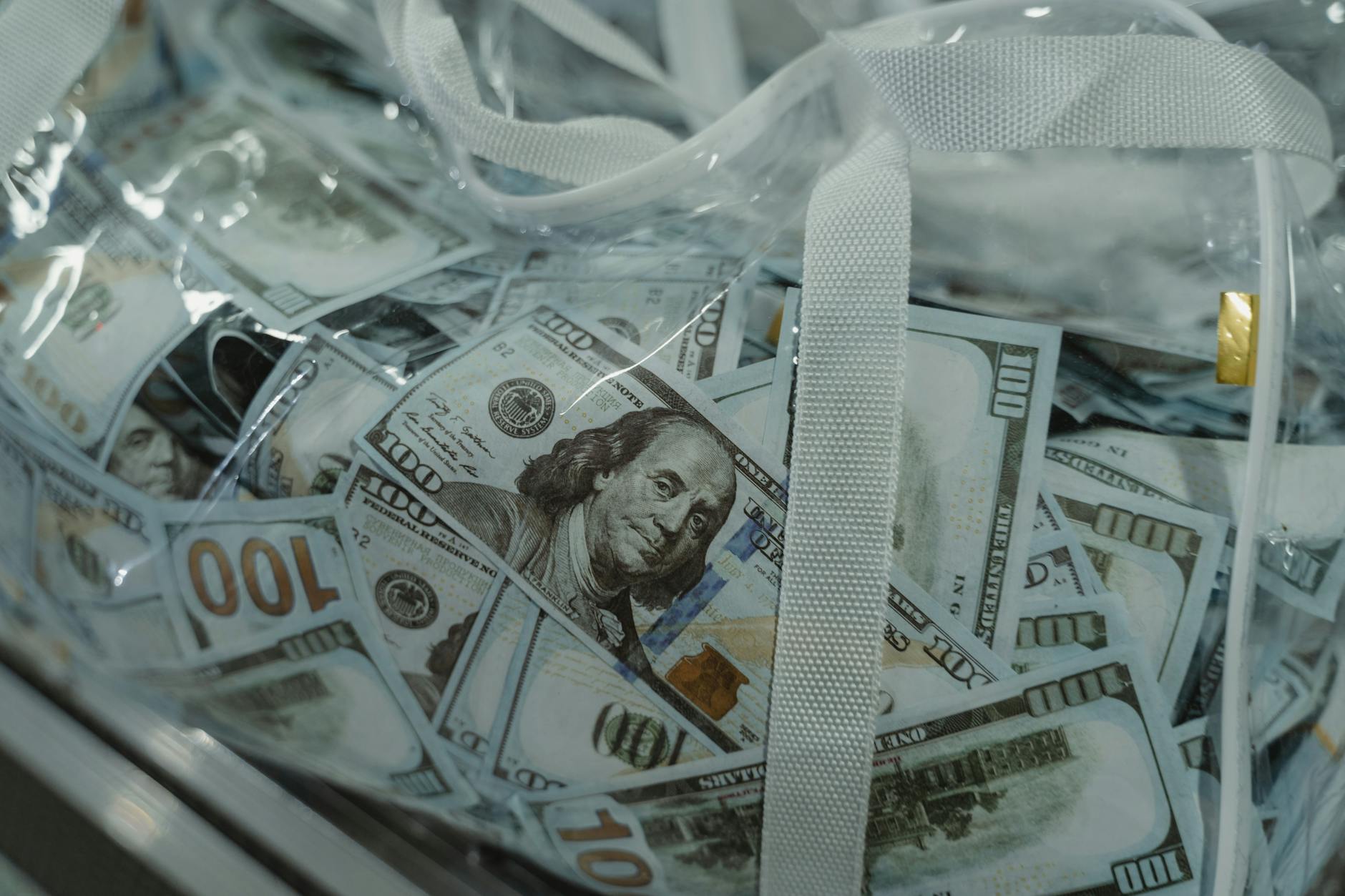
Carrying large amounts of cash in your wallet means that money is gone permanently the moment it is stolen, with no way to dispute the charge or recover the funds the way you might with a card. Most daily expenses can be covered with a modest amount of cash or a single payment card. Keeping only what you need for that specific day minimizes your loss significantly if the worst happens. Anything beyond that is better left in a secure location at home or accessible through an ATM when needed.
Store Loyalty Cards

A thick stack of loyalty cards and membership tags adds bulk to your wallet and, more importantly, gives thieves access to accumulated rewards points that can be redeemed instantly online. Most major retailers now offer digital versions of their loyalty programs through apps, making the physical card entirely unnecessary. Switching to app-based loyalty programs also makes it easier to track and manage your points in one place. Removing the physical cards from your wallet is a simple decluttering step with a real security benefit.
Gift Cards
Unused gift cards sitting in your wallet represent cash that is immediately accessible to anyone who steals them, particularly for online retailers where no PIN or ID is required to use the balance. Unlike a credit card, there is no fraud protection on a standard gift card and the funds are nearly impossible to recover once spent. Using gift cards promptly rather than storing them for months reduces this risk considerably. If you have cards you are saving for a specific occasion, keep them at home until you actually plan to use them.
Personal Checks With Full Details
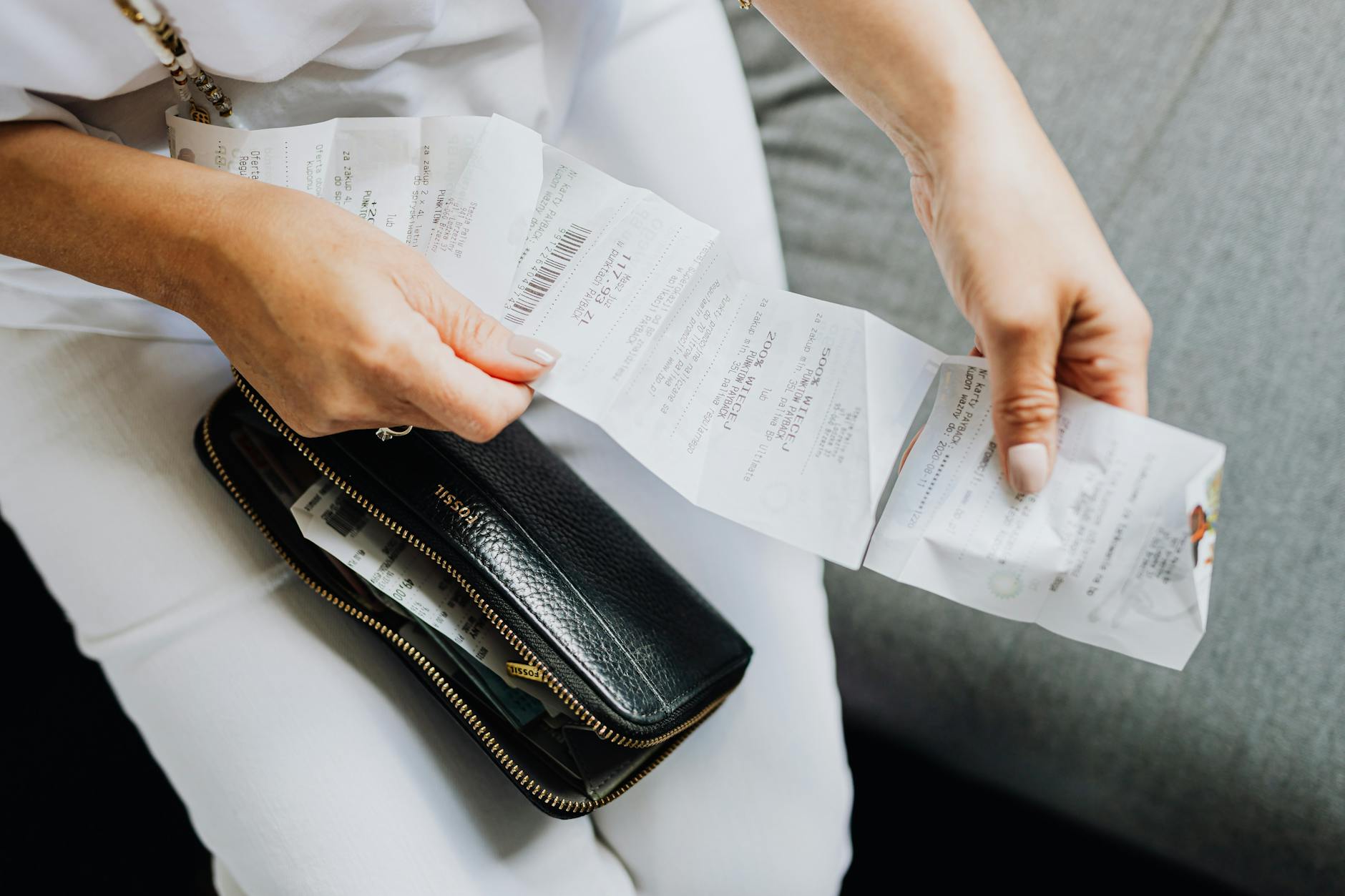
Pre-filled or partially filled checks that include your phone number, full address, or other personal details are a goldmine for someone committing fraud. Many older checkbooks include all of this information preprinted, which is now considered an unnecessary security risk. When ordering new checks, consider limiting the printed information to just your name and city. Never leave a checkbook in your wallet or purse where it can be easily lifted.
PIN Numbers Written Down
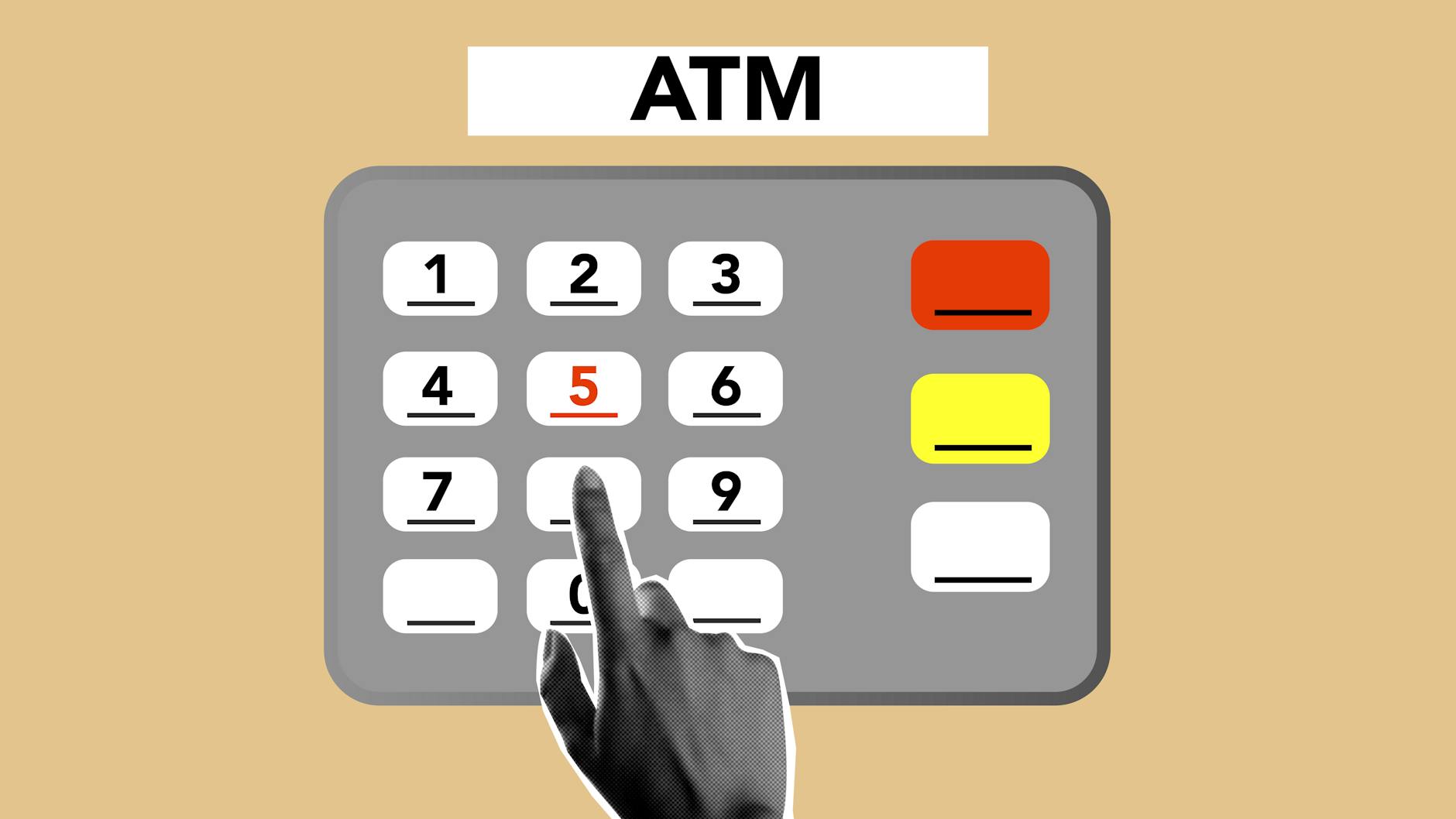
Even a discreetly noted PIN can be deciphered by a determined thief who correlates it with the cards found in the same wallet. It is a habit that many people develop out of convenience but that dramatically undermines the security that a PIN is designed to provide. If memorizing multiple PINs feels difficult, consider consolidating to a single PIN across accounts where your bank permits it. Using a secure digital vault on your phone is a much safer alternative than any physical note.
Spare Debit Card
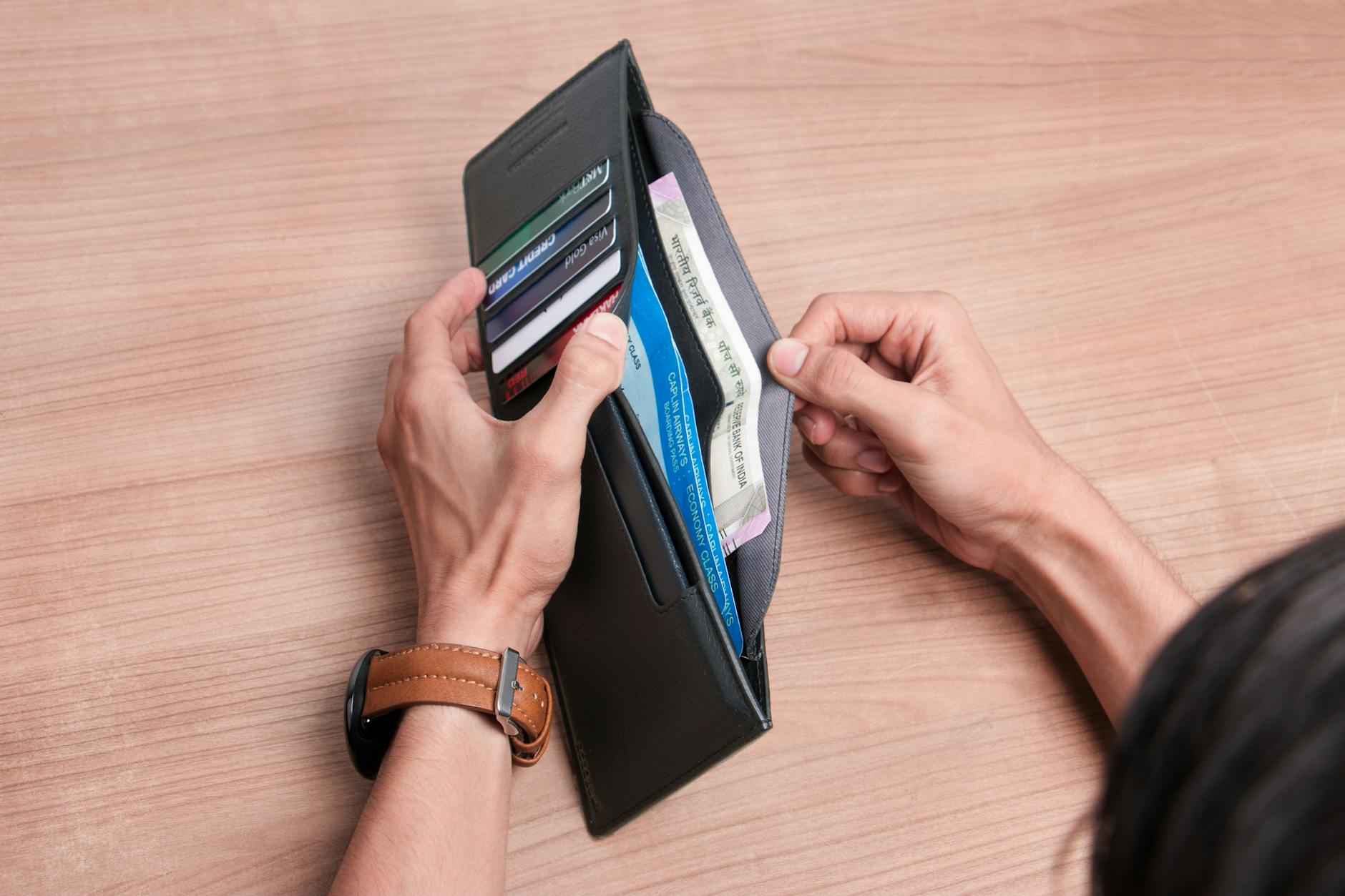
Keeping a backup debit card in your wallet alongside your primary one means a thief gains direct access to your bank account twice over in a single theft. Debit cards draw directly from your funds, and the window for reporting fraud and recovering money is narrower than it is with credit cards. Storing a spare card securely at home or in a separate bag means you still have access to your account if one card is lost or compromised. The inconvenience of fetching a spare is far preferable to losing your entire bank balance.
If you have ever had your wallet stolen or have tips on what to keep out of it, share your experience in the comments.