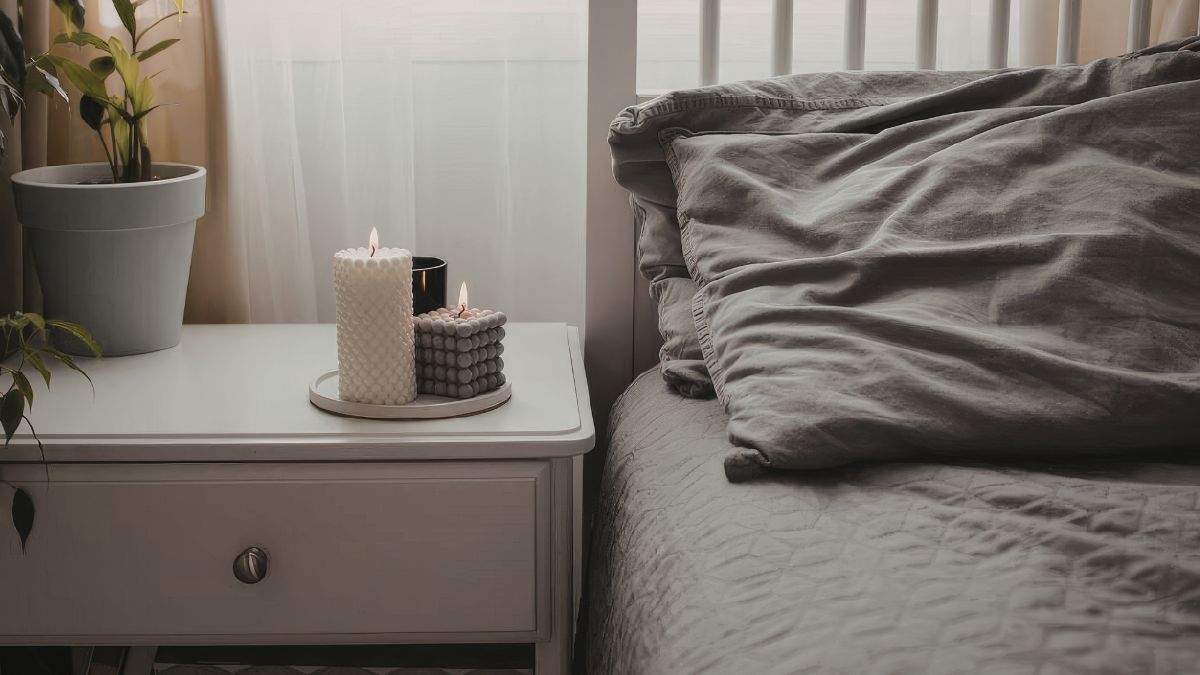
Your nightstand is one of the most intimate spaces in your home, and what sits on it can directly affect the quality of your sleep and the tone of your mornings. Clutter, blue light, and stress-inducing objects within arm’s reach have been linked to disrupted rest and elevated cortisol levels upon waking. Sleep researchers and interior designers alike recommend treating this small surface as a curated zone dedicated entirely to rest and recovery. The 26 items on this list are commonly found on nightstands yet consistently work against a restorative sleep environment.
Work Laptop
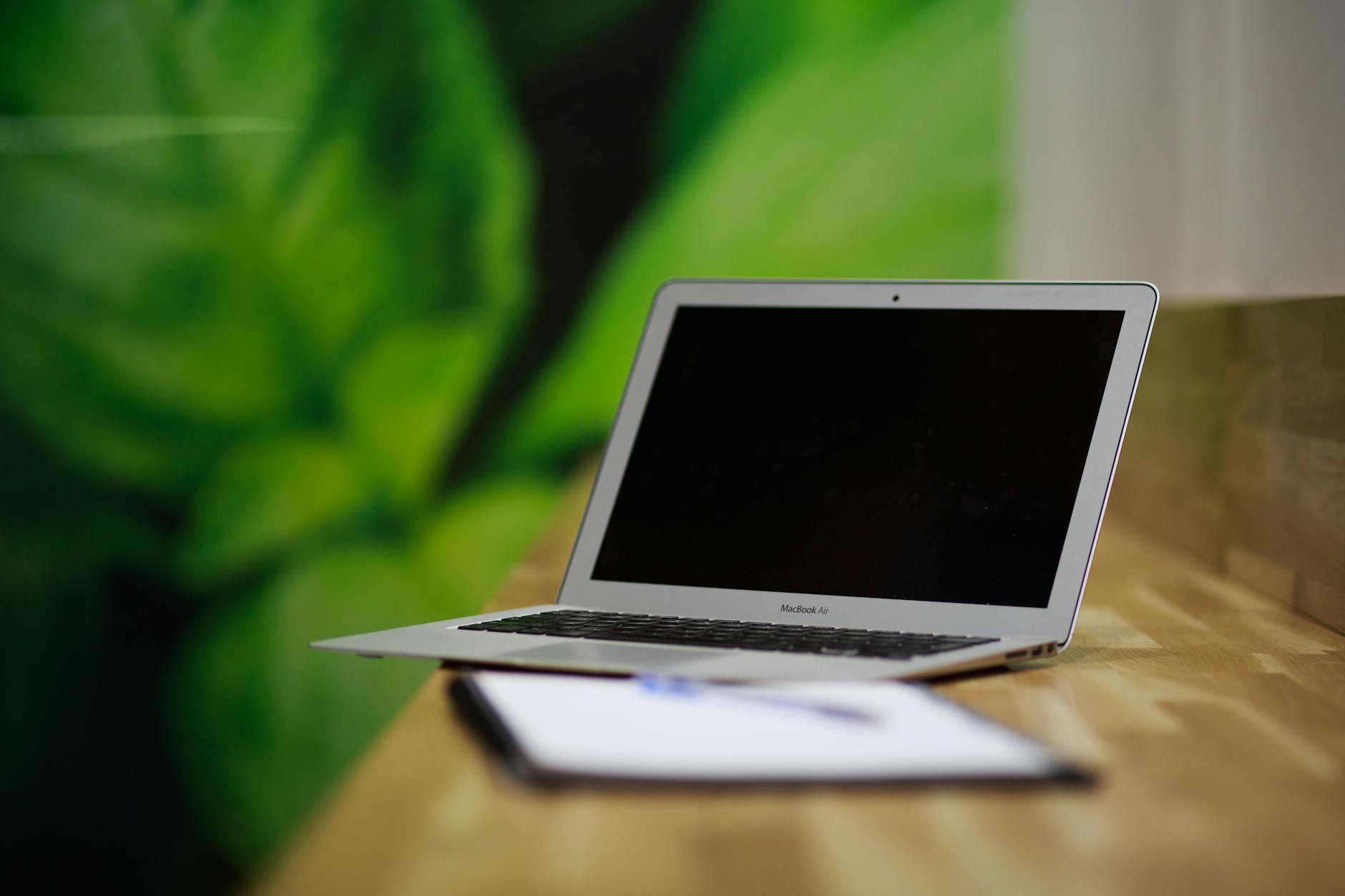
A laptop placed near the bed creates a psychological association between the sleep space and professional obligations. The blue light emitted from the screen suppresses melatonin production even when the device is simply sitting idle and charging. Studies in sleep science have repeatedly identified workspace technology in the bedroom as a contributing factor to insomnia and difficulty switching off mentally. Keeping work devices in a separate room reinforces a clearer boundary between professional and personal life.
Receipts

Paper clutter of any kind introduces a low-level sense of disorder that the brain registers even during the transition to sleep. Receipts in particular carry financial associations that can trigger anxiety or unresolved mental to-do lists. The visual noise of scattered paper has been identified by organizational psychologists as a subtle but consistent stressor in living environments. A dedicated filing system or a simple desk drawer elsewhere in the home is a far more functional home for financial paperwork.
Coins

Loose change scattered across a surface is among the most common forms of bedroom clutter and one of the easiest to eliminate. Coins carry bacteria and surface residue from extensive public handling throughout the day. Their presence contributes to the visual disorder that sleep specialists associate with a less restful pre-sleep mental state. A small dish or jar placed near the front door offers a practical and hygienic alternative for daily pocket contents.
Old Magazines

Magazines stacked on a nightstand represent unfinished reading and accumulate quickly into an overwhelming visual pile. The stimulating content found in most publications including news features and opinion pieces is poorly suited to the wind-down period before sleep. Paper materials also collect dust and can contribute to poor air quality in a small enclosed space like a bedroom. Digital reading apps with night mode settings offer a more sleep-compatible alternative for those who enjoy reading before bed.
Phone Charger
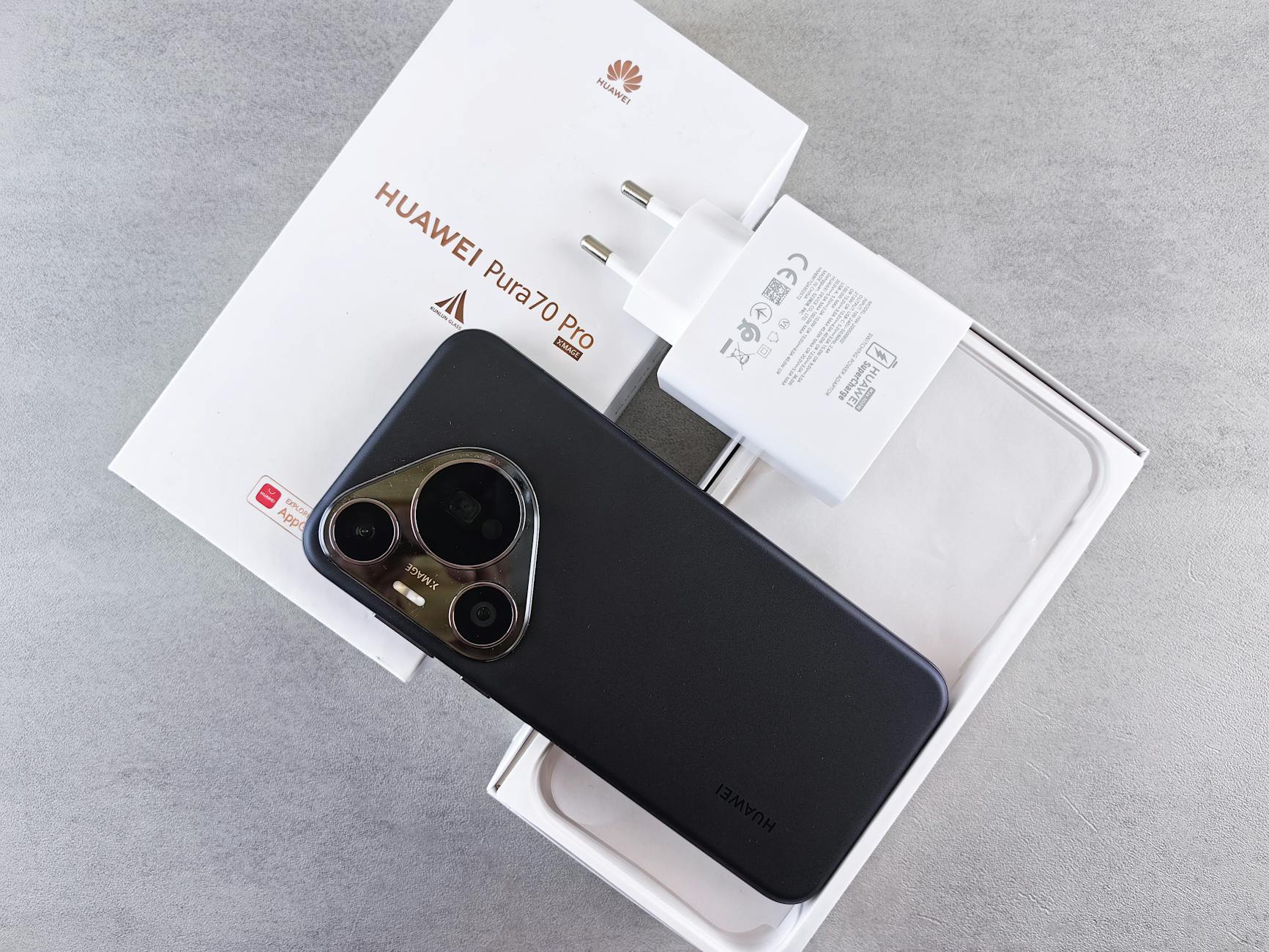
Charging a phone directly on the nightstand keeps the device within easy reach and dramatically increases the likelihood of late-night scrolling. Notifications received overnight create repeated micro-awakenings that fragment sleep cycles without the sleeper fully registering the disruption. The electromagnetic field emitted by charging devices has been a subject of ongoing discussion among wellness researchers focused on sleep hygiene. Charging the phone in another room or across the bedroom encourages more intentional boundaries around screen use at night.
Sugary Snacks

Keeping sweets or processed snack foods on the nightstand normalizes late-night eating patterns that are associated with disrupted blood sugar levels overnight. Consuming sugar close to or during nighttime hours interferes with the body’s natural metabolic slowdown that occurs during sleep. Crumbs and packaging also attract insects and contribute to an unsanitary sleeping environment over time. Nutritionists consistently recommend finishing eating at least two hours before lying down for optimal rest and digestion.
Energy Drinks

Caffeinated beverages of any kind placed on the nightstand send a contradictory signal to the body about the purpose of the space. Energy drinks contain not only caffeine but often additional stimulants such as taurine and B vitamins in doses calibrated to increase alertness. Even when consumed hours earlier, residual stimulant effects can linger in the system well into sleep hours depending on individual metabolism. Sleep coaches recommend replacing any stimulant beverages near the bed with plain water or a calming herbal tea.
Alarm Clock
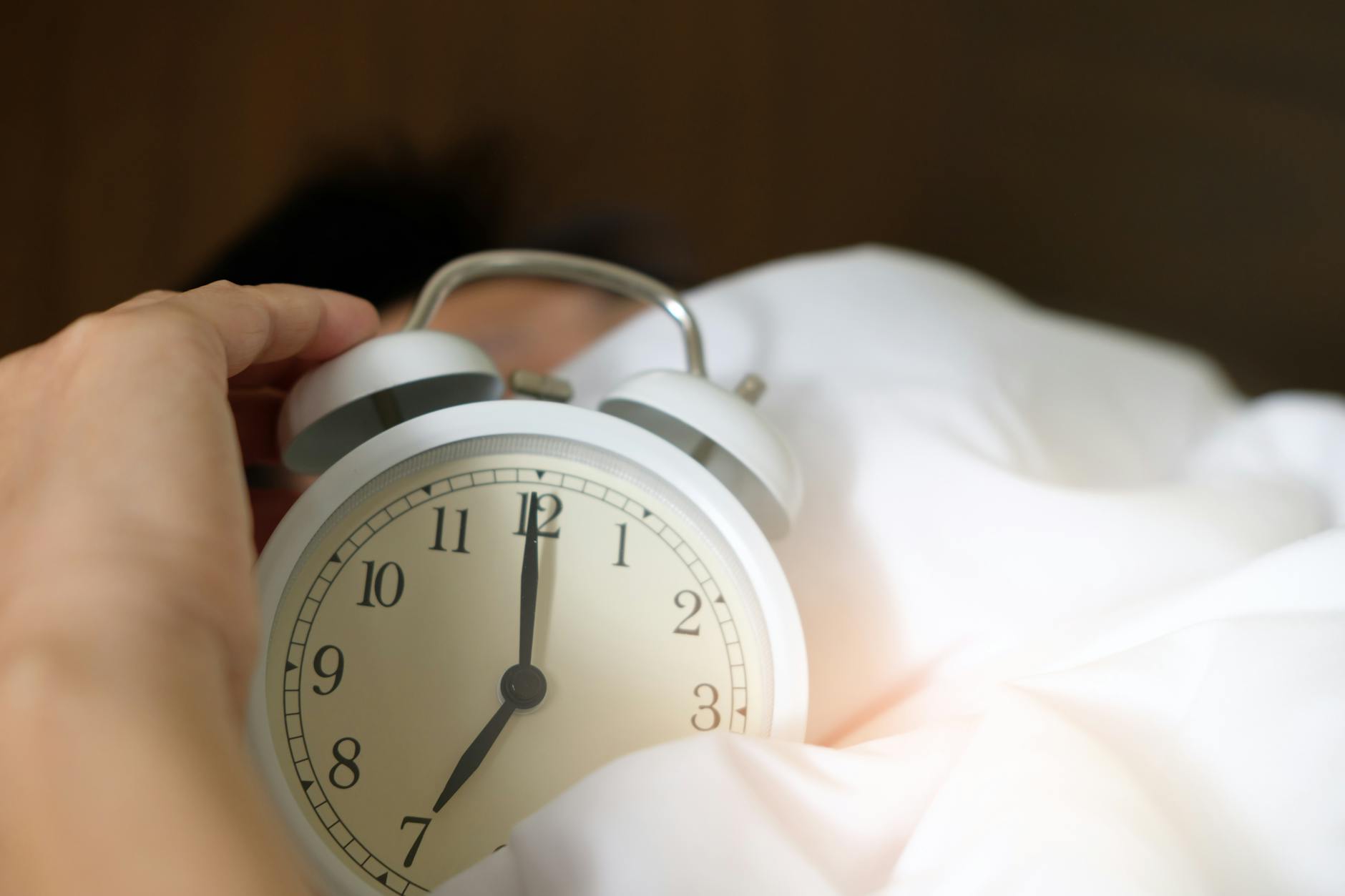
Traditional alarm clocks with illuminated displays introduce unnecessary light into the sleep environment throughout the night. Clock-watching behavior during periods of wakefulness is a recognized contributor to sleep-onset anxiety and performance pressure around falling asleep. Many sleep therapists advise removing visible time displays from the bedroom entirely to reduce this form of nighttime stress. Smartphone alarms placed across the room achieve the same wake-up function while keeping the display out of the direct line of sight.
Candles
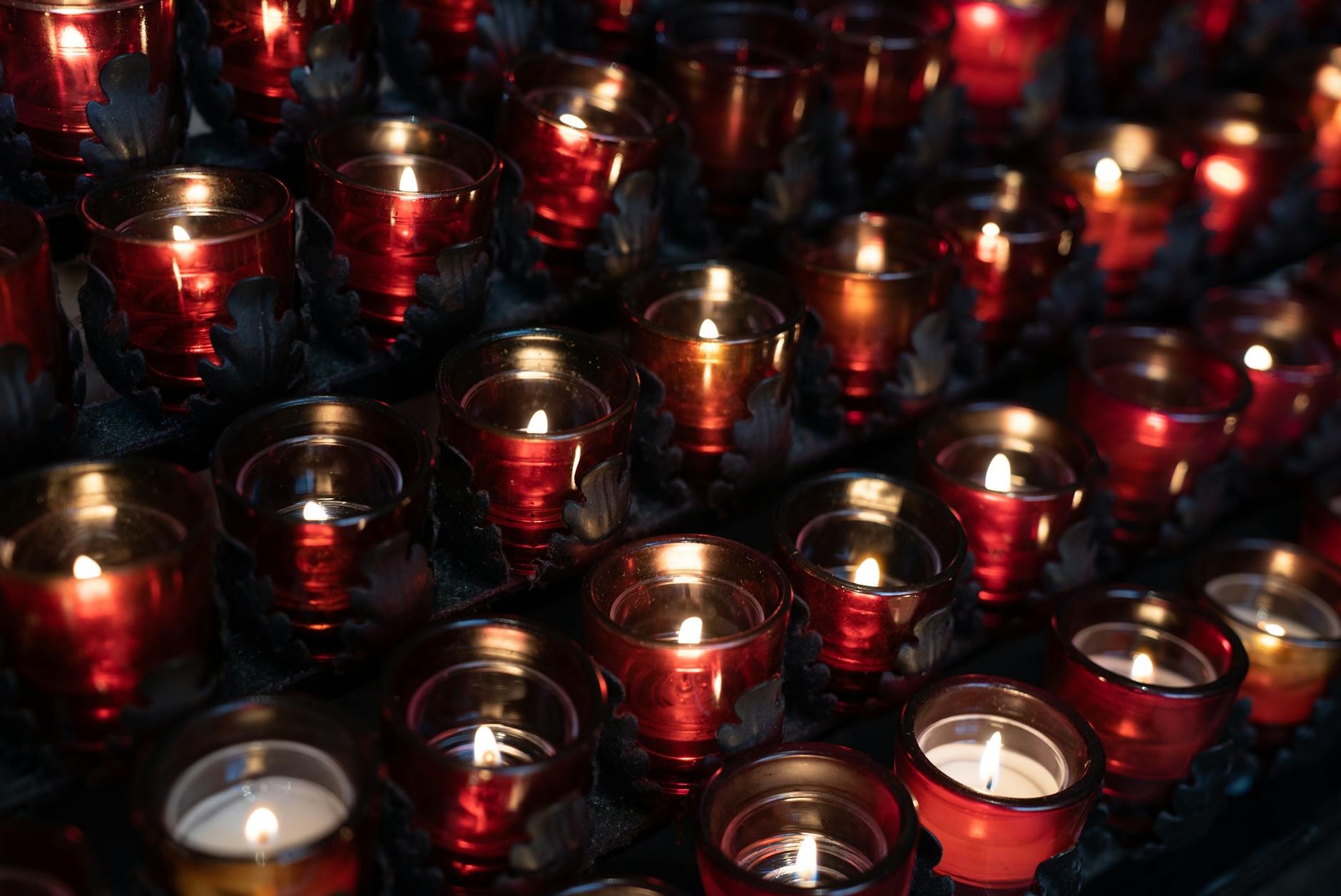
Decorative candles left on the nightstand pose a fire risk that is statistically highest in the bedroom due to the proximity of soft furnishings and the possibility of falling asleep mid-burn. Even unlit candles in large numbers contribute to surface clutter and can release low levels of fragrance compounds into a small enclosed space. Scented candles specifically contain synthetic or natural aromatic molecules that may affect respiratory comfort during sleep for sensitive individuals. Battery-operated flameless alternatives deliver the same ambient aesthetic without any of the associated safety concerns.
Jewelry
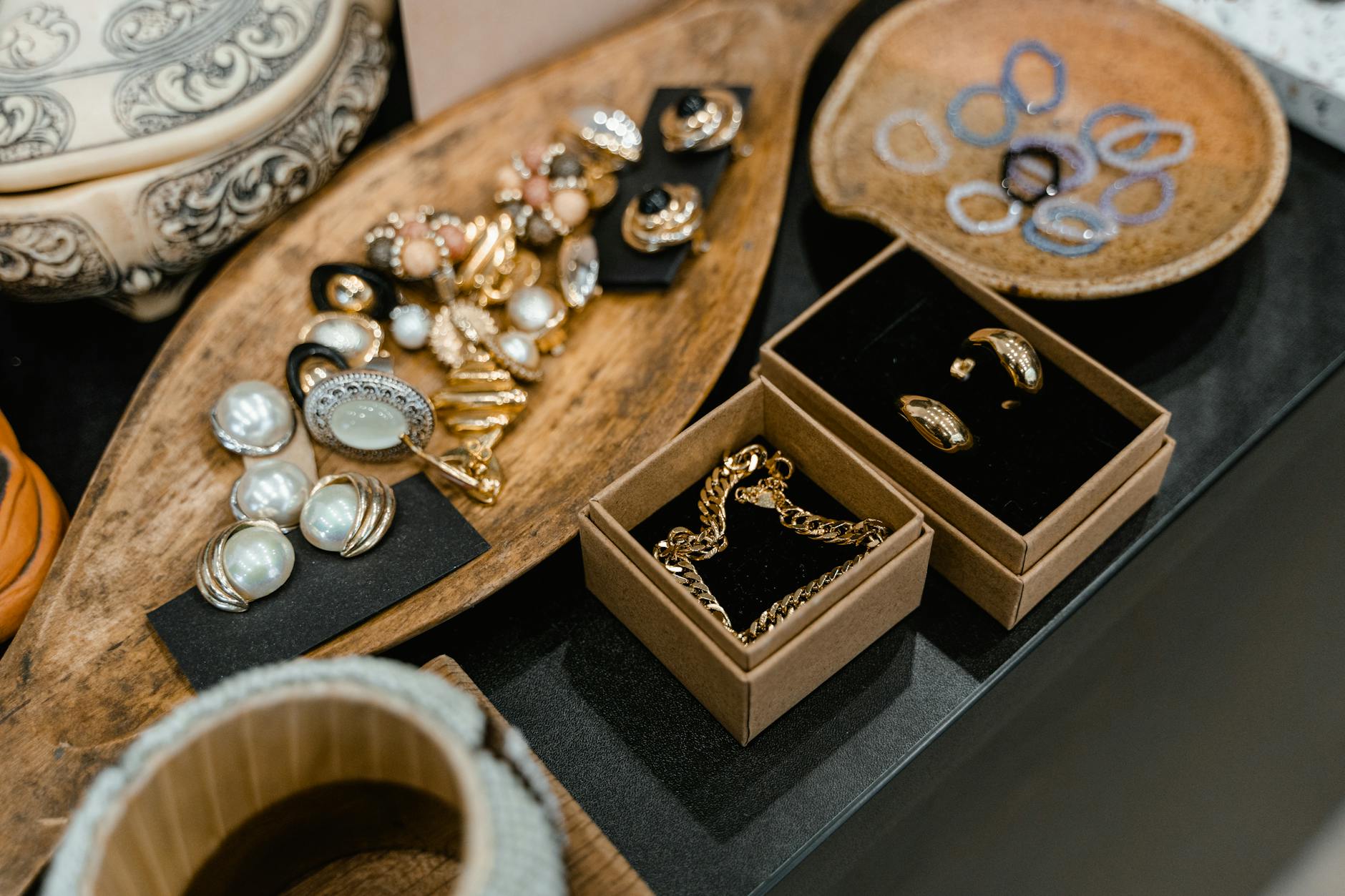
Leaving rings, necklaces, and earrings on the nightstand creates a habit that increases the risk of loss, damage, and tangling over time. Metal jewelry placed near electronic devices can be scratched or degraded by repeated contact with charging cables and other hard surfaces. The presence of small valuable items also adds a layer of low-level mental vigilance that is counterproductive to genuine relaxation before sleep. A designated jewelry dish or box placed on a dresser creates a more intentional and protective storage habit.
Notebooks With To-Do Lists
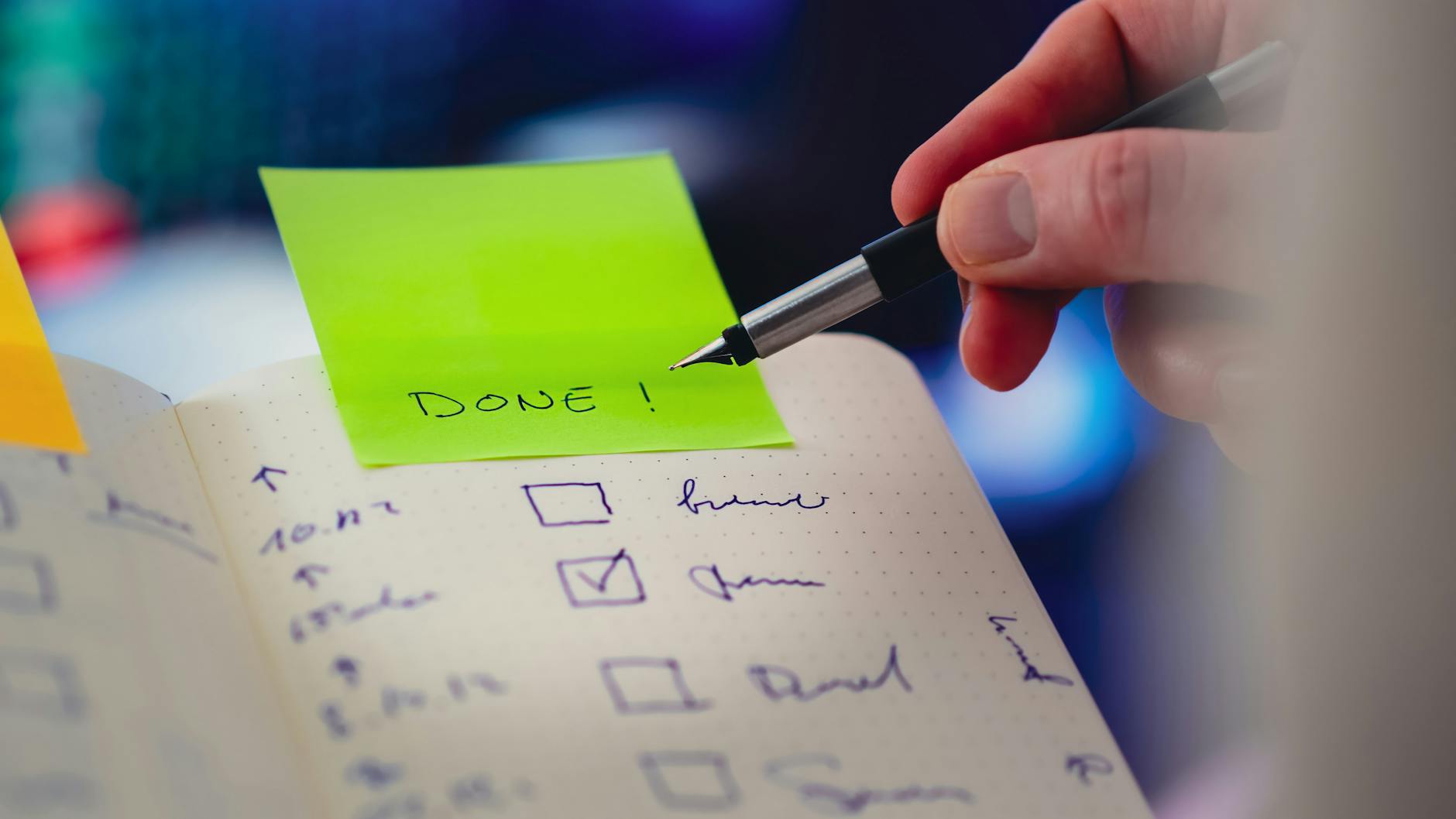
Productivity tools kept within arm’s reach of the bed keep the planning and problem-solving parts of the brain primed for activity rather than rest. A to-do list viewed before sleep can trigger a mental rehearsal of upcoming tasks that delays sleep onset and fragments the early stages of rest. Research into pre-sleep cognitive arousal consistently identifies unfinished task planning as one of the primary psychological barriers to falling asleep quickly. Completing any necessary list-making at least one hour before bed and storing the notebook in another room supports a cleaner mental transition into sleep.
Prescription Bottles

Storing medication on the nightstand is a common convenience habit that carries several overlooked risks. Fluctuating bedroom temperatures and humidity levels can degrade the efficacy of certain medications stored outside of recommended conditions. Visible prescription bottles can also serve as an unwanted cognitive reminder of health concerns during the wind-down period before sleep. Most pharmacists recommend cool, dry, and secured storage locations such as a bathroom cabinet or a dedicated medicine box kept out of the bedroom.
Multiple Pillows
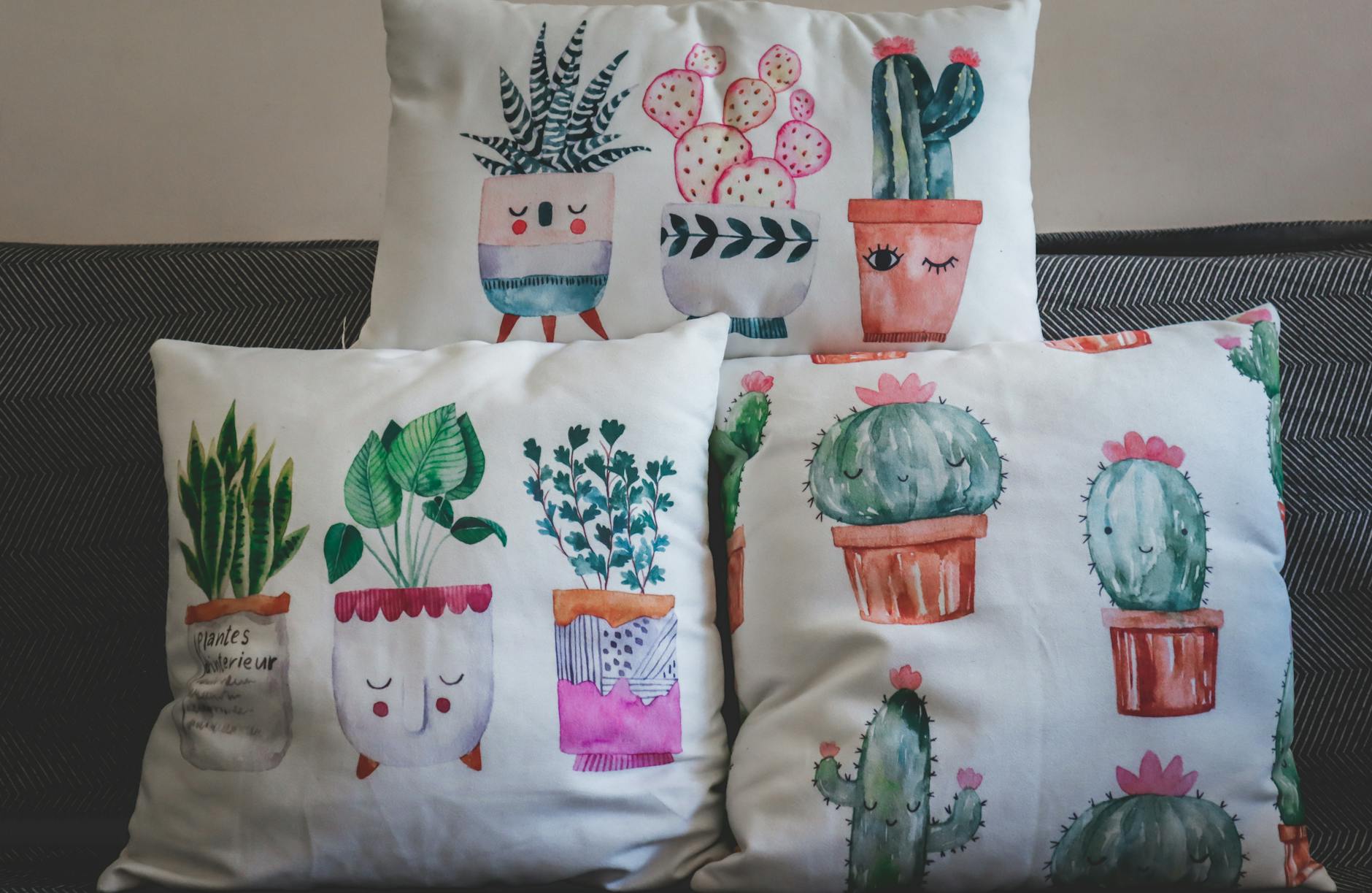
Excess decorative pillows piled on or around the nightstand reduce the available surface area and contribute to a visually overcrowded sleep environment. Pillows not used for sleeping accumulate dust mites at a comparable rate to those in active use, adding to the allergen load of the bedroom. The habit of stacking decorative cushions near the bed also creates an additional pre-sleep task of removal that can subtly disrupt the ease of the bedtime routine. Sleep environment designers recommend limiting the sleep space to only the pillows actively used during the night.
Portable Speakers
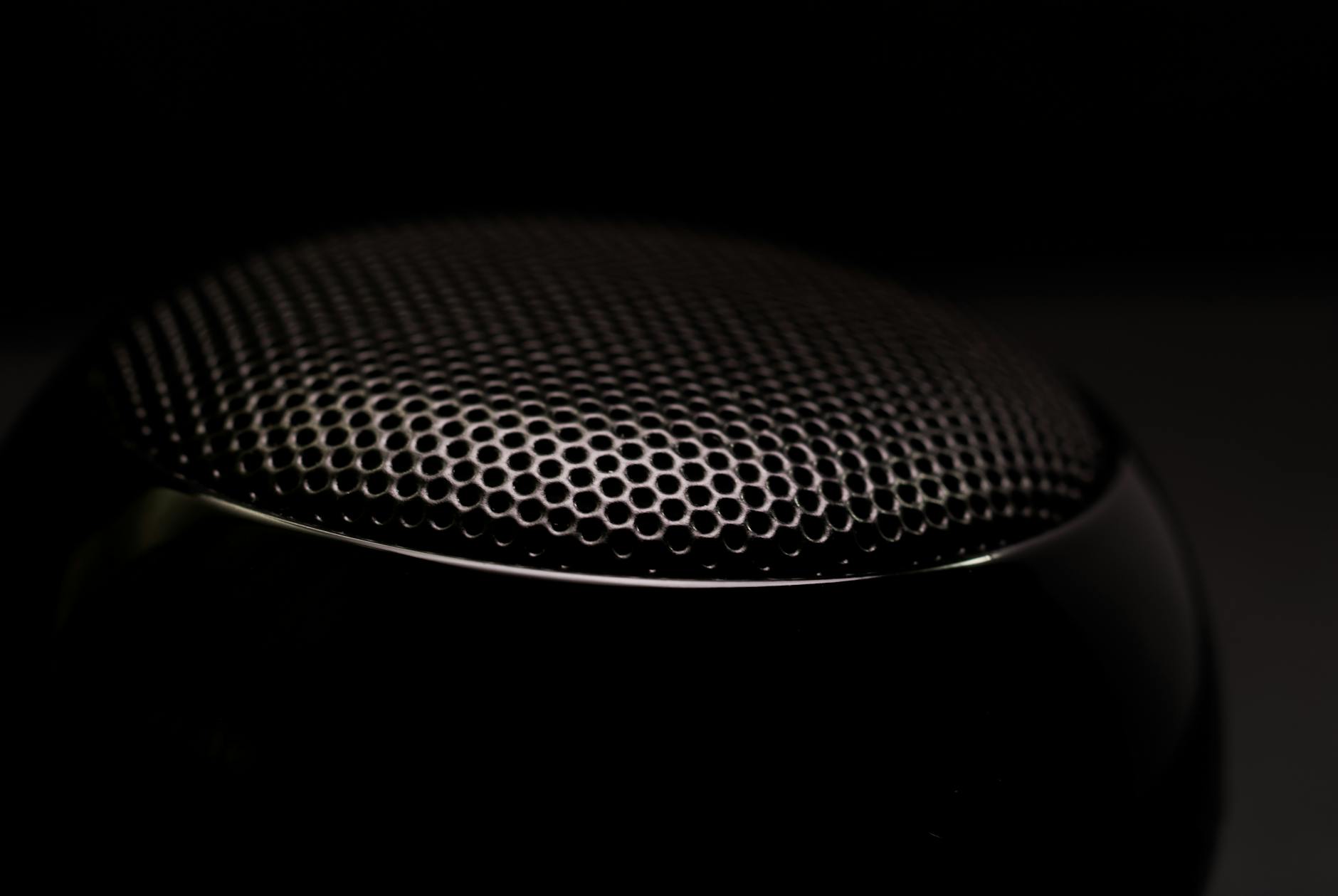
Bluetooth speakers placed on the nightstand are frequently used for late-night audio content that extends the period of mental stimulation before sleep. Even when used for relaxing playlists or white noise, having a speaker within reach creates the temptation to interact with a connected phone to adjust or change content. The device itself adds to surface clutter and often requires its own charging cable, compounding the tangle of electronics near the bed. A dedicated white noise machine or a smart speaker placed across the room achieves audio goals without the same proximity-driven distraction potential.
Children’s Toys
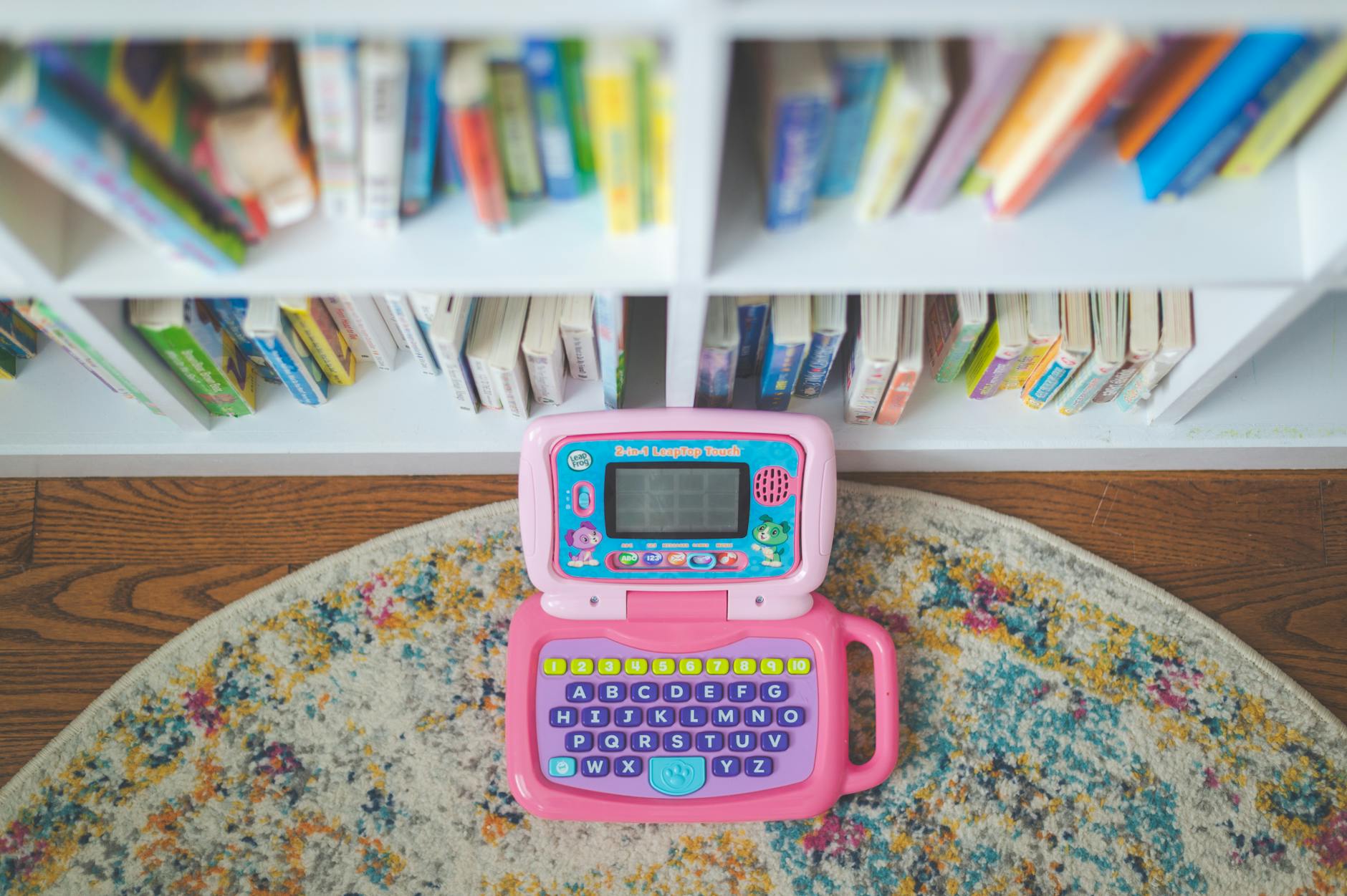
Toys belonging to children or pets that accumulate on the adult nightstand blur the psychological function of the space as a personal rest zone. Small toy parts and accessories represent a clutter category that grows quickly and is difficult to contain on a limited surface. The visual presence of objects associated with caregiving responsibilities can maintain a low-level state of parental alertness that interferes with deep relaxation. Establishing a clear boundary around the nightstand as an adult-only surface supports both personal rest quality and household organizational habits.
Unread Books

While reading before bed is widely recommended by sleep specialists, an accumulating stack of unread books introduces a visual reminder of intellectual backlog. A pile of books represents a form of aspirational clutter that is associated with a subtle undercurrent of guilt or incompleteness. Interior designers working within sleep-focused environments recommend keeping a maximum of one active book on the nightstand surface at any given time. The remainder of a personal reading collection is better stored on a dedicated shelf or bookcase elsewhere in the bedroom or home.
Sunglasses
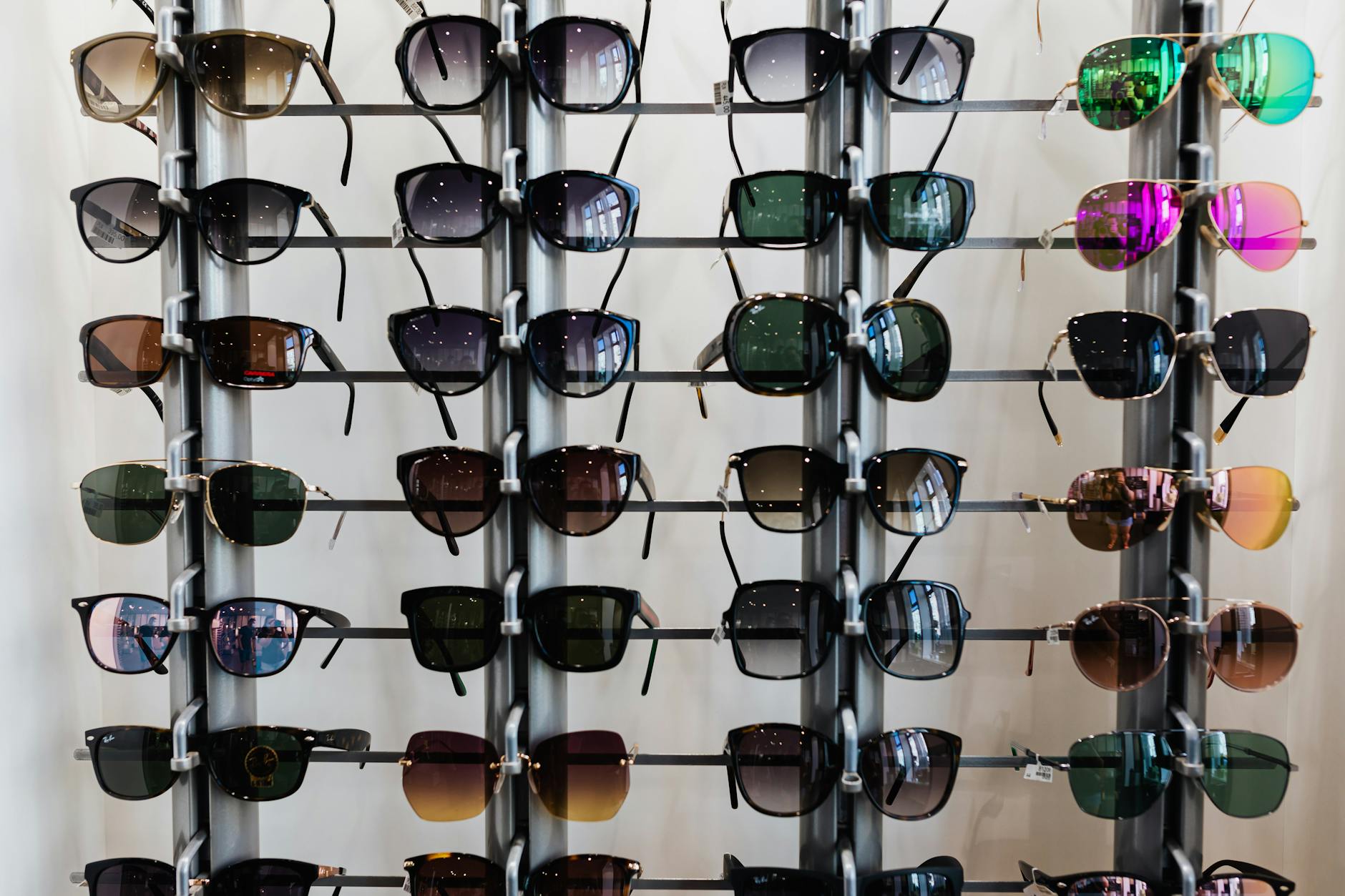
Eyewear left on the nightstand is a misplacement habit that typically results in scratched lenses and missing accessories over time. Nightstand surfaces are frequently cleared hastily in the morning, making small items like glasses frames vulnerable to being knocked to the floor. The presence of everyday carry items near the bed reinforces a general lack of intentional organization around the sleep space. A consistent drop zone near the front entrance or a dedicated eyewear case on a dresser is a more practical and protective storage solution.
Empty Glasses

Multiple used glasses or cups left on the nightstand create a visual and hygienic issue that compounds quickly over several days. Residual liquid in glasses encourages bacterial growth and can attract insects particularly in warmer climates or seasons. The accumulation of dishware in the bedroom also contributes to the habit of eating and drinking across the home in ways that make kitchen management more difficult. One clean glass of water kept on the nightstand is considered optimal by sleep hygienists, with all other vessels returned to the kitchen nightly.
Fitness Tracker
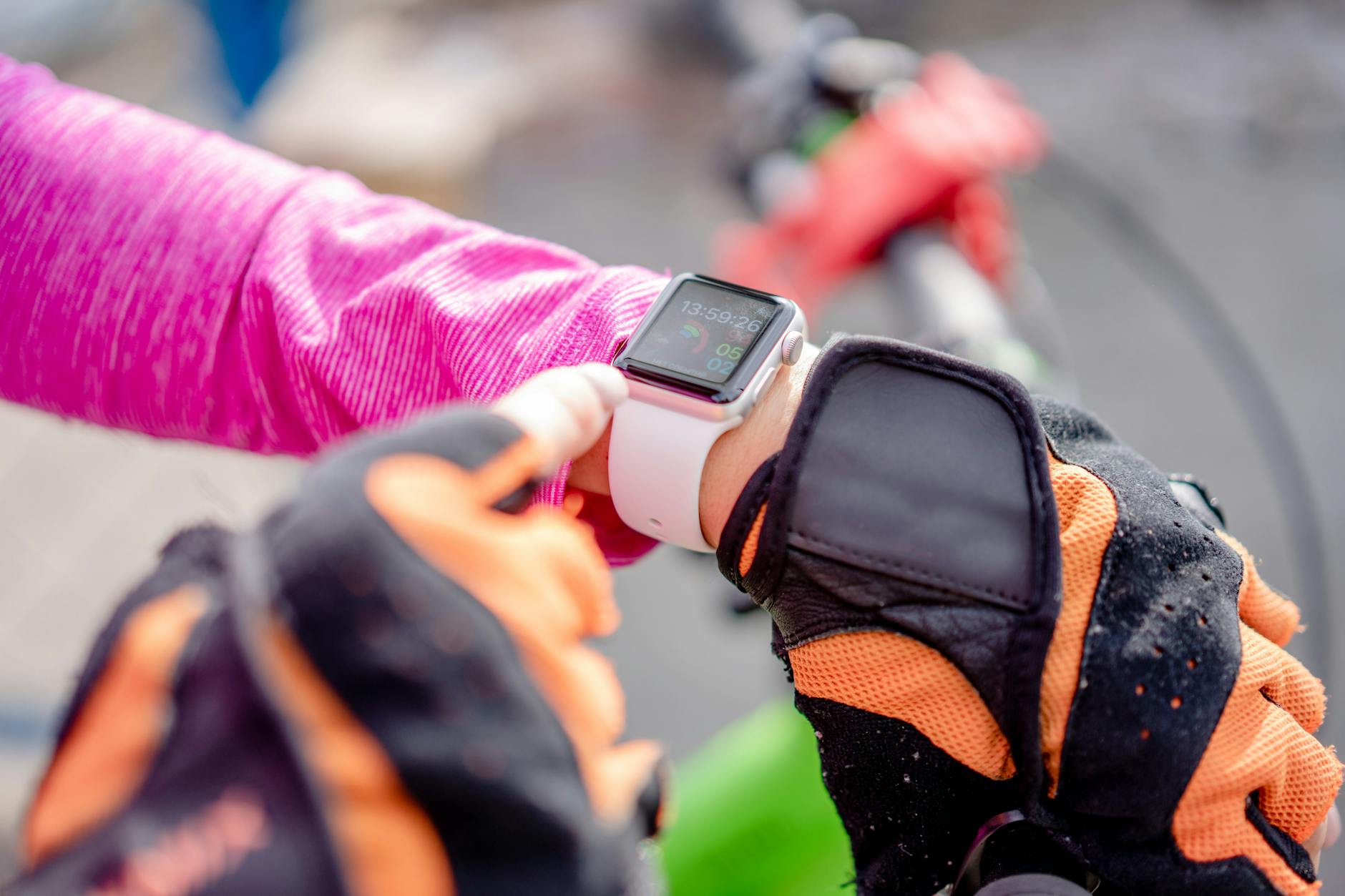
While wearable fitness trackers are widely used, placing the device on the nightstand and checking sleep scores immediately upon waking has been identified as a counterproductive habit. Orthosomnia is a recognized phenomenon in which individuals develop performance anxiety around achieving optimal sleep metrics tracked by wearable devices. The constant proximity of a data-generating device near the bed reinforces a quantified self-monitoring mindset in a space intended for unstructured rest. Sleep researchers increasingly recommend reviewing tracker data at a neutral time during the day rather than as the first activity upon waking.
Old Receipts and Notes

Scraps of paper and informal handwritten notes that accumulate without a clear organizational system represent one of the most common forms of nightstand clutter across all household types. These items are rarely acted upon once they migrate to the nightstand and instead function as visual static in the sleep environment. The presence of unresolved paper items maintains a background cognitive load that researchers associate with difficulty in fully disengaging from daytime thinking patterns. A single dedicated inbox tray in a home office or kitchen is the most effective way to intercept this category of clutter before it reaches the bedroom.
Skincare Overload

While a streamlined nighttime skincare routine is well-supported by dermatologists, keeping an extensive collection of products on the nightstand creates unnecessary surface congestion. Multiple open containers increase the risk of spills on bedding and electronic devices during nighttime reach. The visual complexity of a crowded product lineup can also extend the mental decision-making load of the bedtime routine beyond what is functionally necessary. A bathroom shelf or a single small organizer tray limits the nightstand to only the one or two products applied as the final step before lying down.
Gaming Controllers
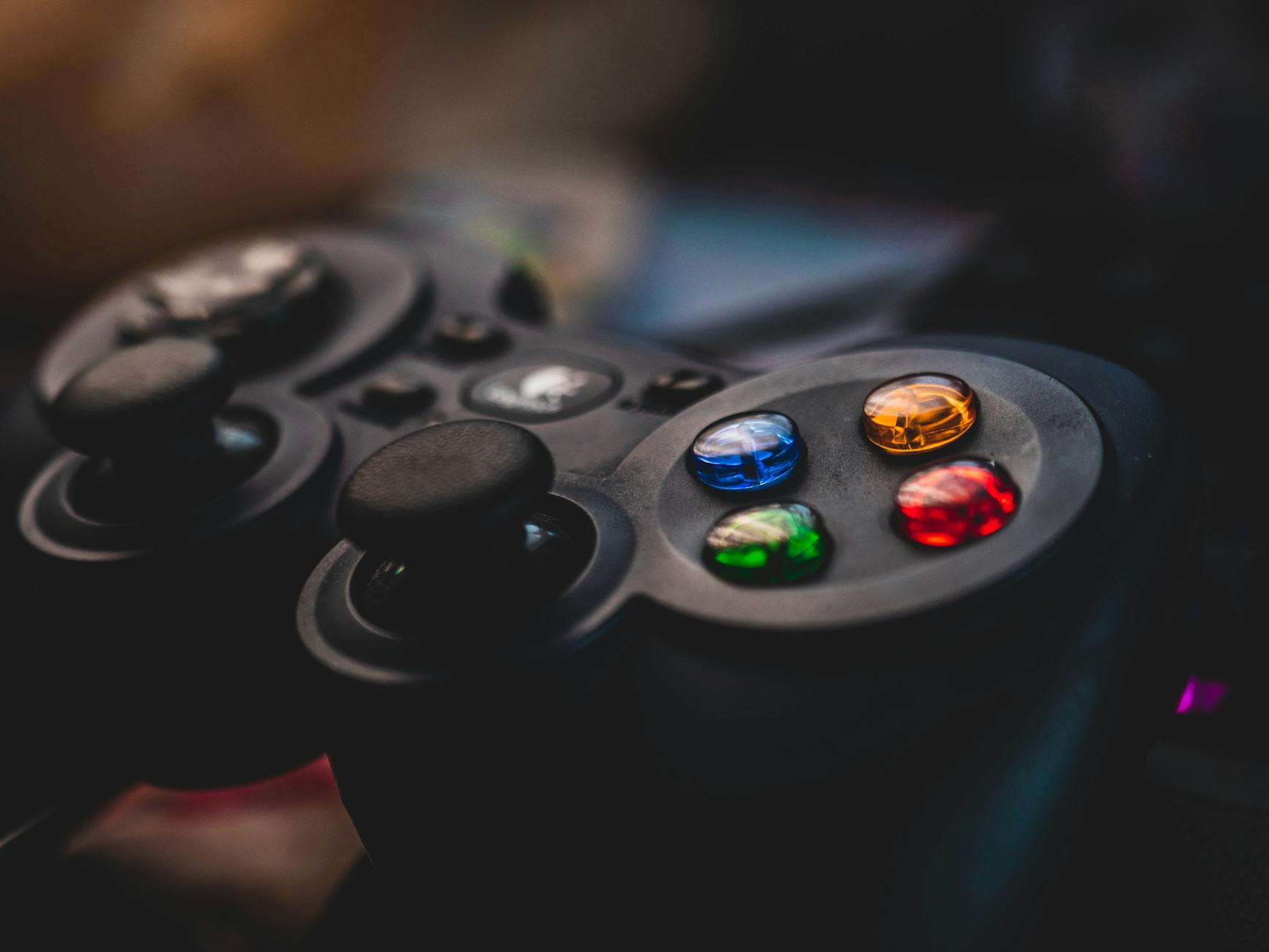
Video game controllers left on or beside the nightstand normalize gaming as a pre-sleep activity, which is one of the most stimulating forms of screen engagement due to its interactive and competitive nature. The cognitive arousal produced by gaming has been shown in multiple studies to significantly extend sleep onset latency compared to passive screen activities. Controllers also represent an invitation that is difficult to ignore during periods of nighttime wakefulness, creating a feedback loop of disrupted sleep and compensatory gaming. Storing controllers in the living room or gaming area as a matter of consistent habit is one of the more impactful changes a heavy gamer can make to improve sleep quality.
Expired Products

Expired medications, old vitamins, and outdated skincare items that remain on the nightstand well past their use-by dates represent both a health risk and an organizational failure point. Consuming expired supplements or applying degraded topical products can produce unintended effects ranging from reduced efficacy to mild adverse skin reactions. The presence of items that are no longer fit for purpose in an active daily-use space also signals a broader maintenance gap in the organization of the home. A quarterly audit of all nightstand contents is a straightforward habit that keeps the surface functional, current, and aligned with actual health needs.
Keys
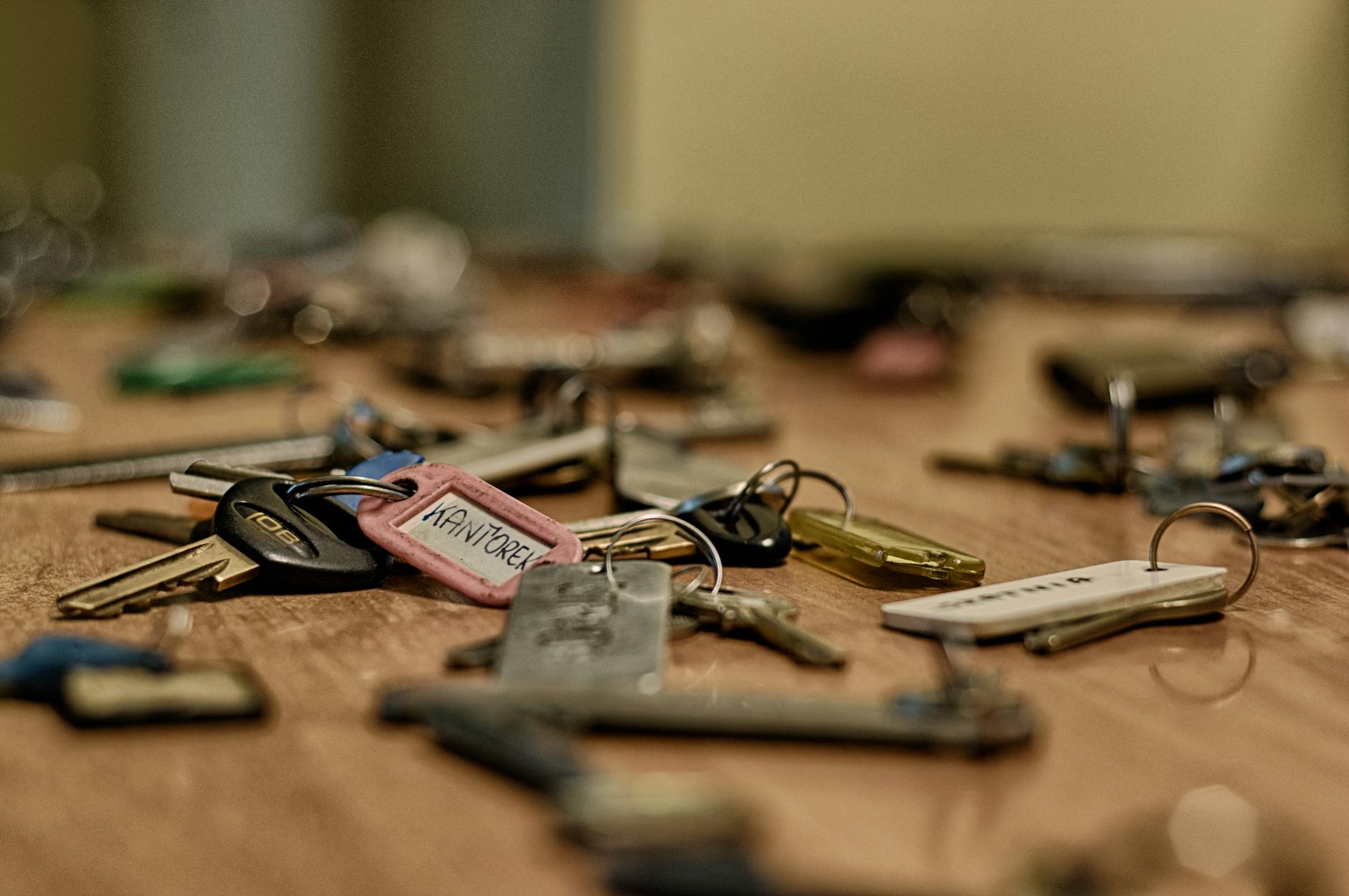
House keys, car keys, and keychains left on the nightstand contribute to the morning scramble mentality that many productivity researchers identify as a significant source of daily stress. Metal keys in particular create noise when shifted during nighttime movement and can scratch other surface items including phone screens and eyewear. The bedroom is generally considered a poor storage location for items needed exclusively at the point of leaving the home. A hook or tray positioned near the front door creates a far more functional and stress-reducing home for keys within the daily movement pattern of the household.
Stress Balls and Fidget Tools
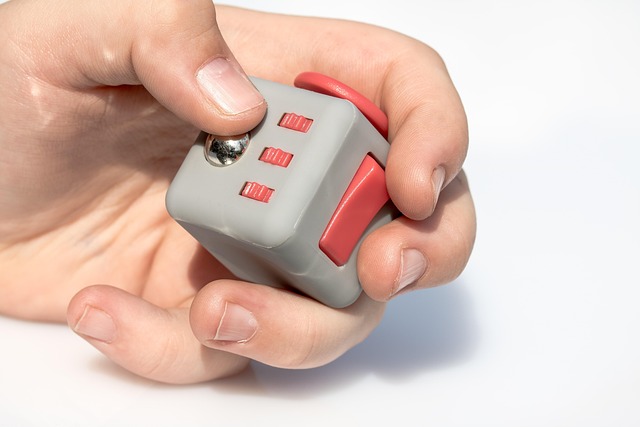
Stress-relief tools designed for active daytime use are counterproductive when kept on the nightstand because their presence signals to the brain that a state of stress management is the expected norm in the sleep environment. These items are typically associated with high-stimulation moments during the working day and carry behavioral conditioning that can reactivate alert states when encountered before sleep. Their physical presence also adds to surface clutter without contributing to any function that is relevant to rest or recovery. Keeping these tools at a work desk or in a daytime bag better preserves their intended function and maintains the bedroom as an unambiguous space for rest.
Television Remote
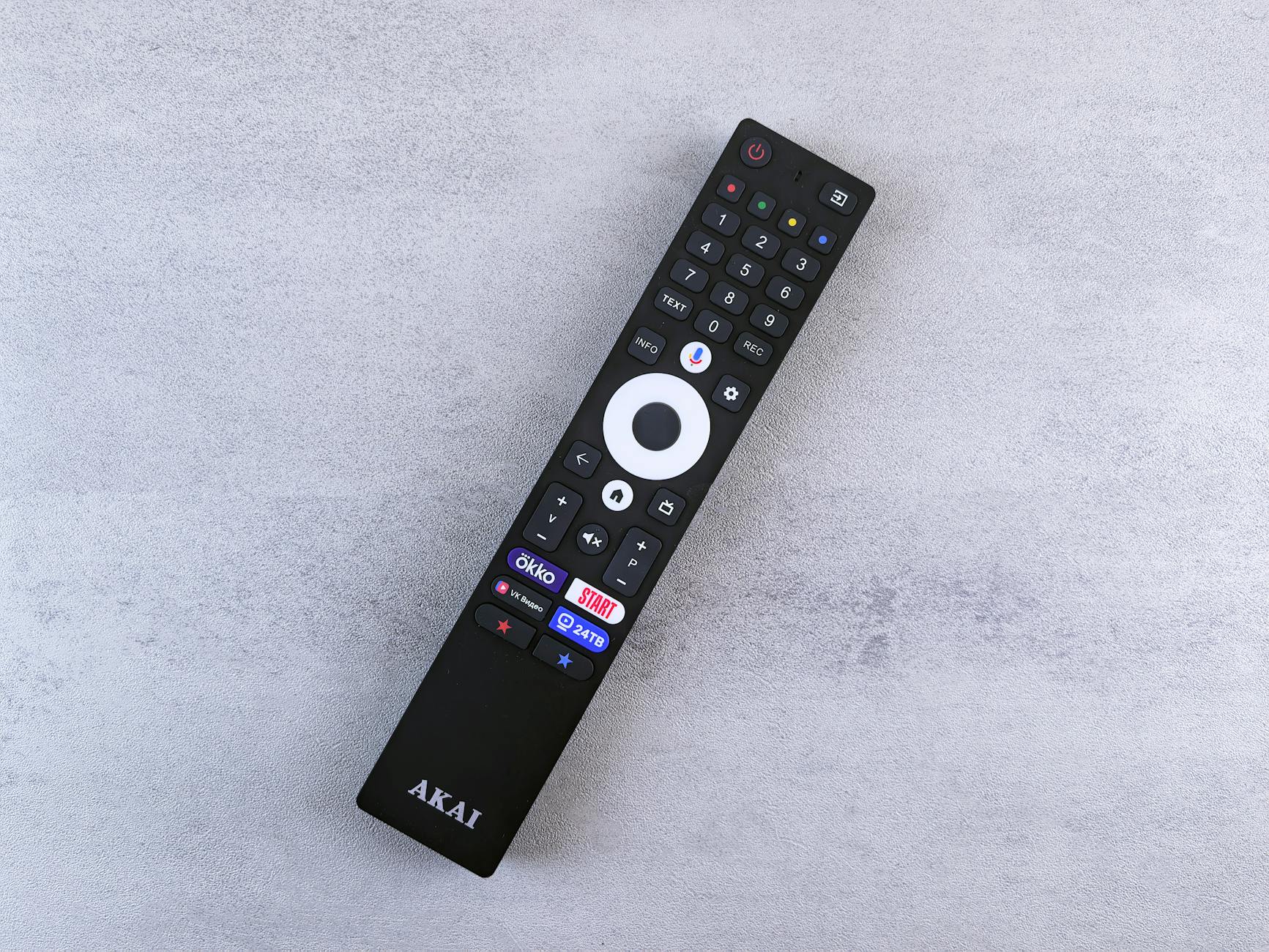
The television remote on the nightstand is one of the clearest behavioral invitations toward screen use in bed, a habit that sleep medicine consistently identifies as among the most damaging to sleep quality. Late-night television viewing exposes the eyes to blue light wavelengths and provides ongoing narrative stimulation that keeps the brain engaged rather than transitioning toward sleep. The automatic nature of the remote’s placement makes the habit particularly resistant to change because it requires no conscious decision to initiate. Moving the remote to the top of the television set or to a drawer across the room introduces a small but meaningful friction that can meaningfully reduce the frequency of late-night viewing.
Share your thoughts about which of these nightstand habits you are ready to change in the comments.