Fast food menus often dazzle customers with vibrant photography and promises of convenience or value. Many popular items hide excessive amounts of sodium or sugar that can derail nutritional goals instantly. Hygiene standards sometimes vary regarding specific machines and dispensers that are difficult to clean thoroughly during busy shifts. Understanding how certain dishes are prepared or stored can help diners make safer and healthier choices on the go. This guide highlights menu options that industry insiders and nutritionists frequently suggest avoiding.
Ice From the Dispenser

Restaurant investigations frequently identify ice machines as major hotspots for bacteria and mold growth due to improper cleaning. The damp and dark interior of the machine creates an ideal environment for biological contaminants to thrive unnoticed. Employees may occasionally scoop ice with unwashed hands or leave the scoop sitting directly in the bin. Ordering beverages without ice eliminates this specific hygiene risk and maximizes the amount of liquid in the cup. Many health inspectors cite ice machines as the most consistently cited violation in routine checks.
Lemon Wedges

Garnishes like lemon wedges often sit in open containers at room temperature for hours at a time. Staff members may grab these slices with bare hands or reuse tongs that have touched other surfaces. Studies have shown that a significant percentage of restaurant lemons carry microbial growth on the rind or flesh. The acidity of the fruit is not strong enough to kill all the bacteria present on the skin. Skipping the fruit garnish is a simple way to avoid unnecessary exposure to germs.
Grilled Chicken Sandwiches
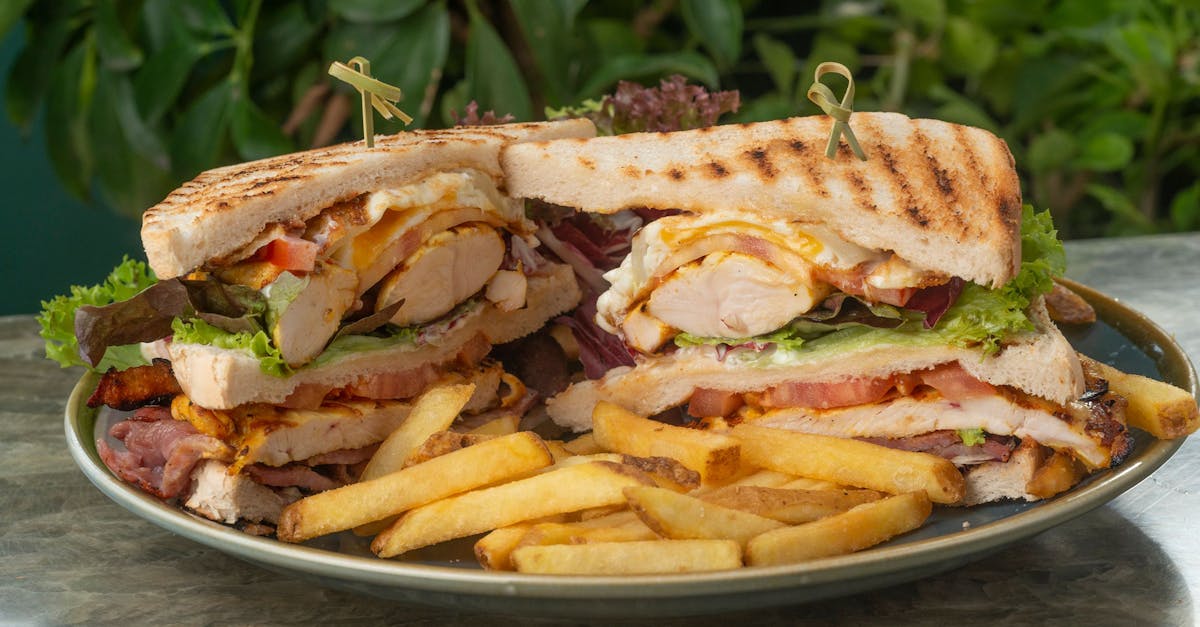
Customers often choose grilled chicken assuming it is a fresh and healthy alternative to fried options. Many fast food chains use pre-cooked poultry that has been frozen and injected with saline solutions for preservation. The grill marks are sometimes painted on or stamped during the manufacturing process rather than created in the kitchen. These patties can sit in warming trays for extended periods and become rubbery or dry before serving. You are often paying a premium price for a processed product that lacks genuine fresh flavor.
Fast Food Chili

Chili is frequently used by restaurants as a method to reduce food waste and repurpose unsold inventory. Leftover hamburger meat that has dried out or sat too long is often chopped up and thrown into the soup pot. This means the meat in your bowl might be significantly older than the other ingredients on the menu. The heavy seasoning and spicy sauce effectively mask any stale flavors or old textures. Diners seeking fresh protein should stick to standard burgers that are cooked to order.
Fish Sandwiches

Unless it is the peak of the Lenten season or the restaurant specializes in seafood, fish fillets move slowly. These breaded squares often sit under heat lamps much longer than burgers or chicken products. The result is a patty that is soggy on the bottom and dried out on top. Tartar sauce is applied generously to cover up the lack of moisture and freshness in the fish. It is safer to order fish only when you know the kitchen is busy enough to fry it fresh.
Green Salads
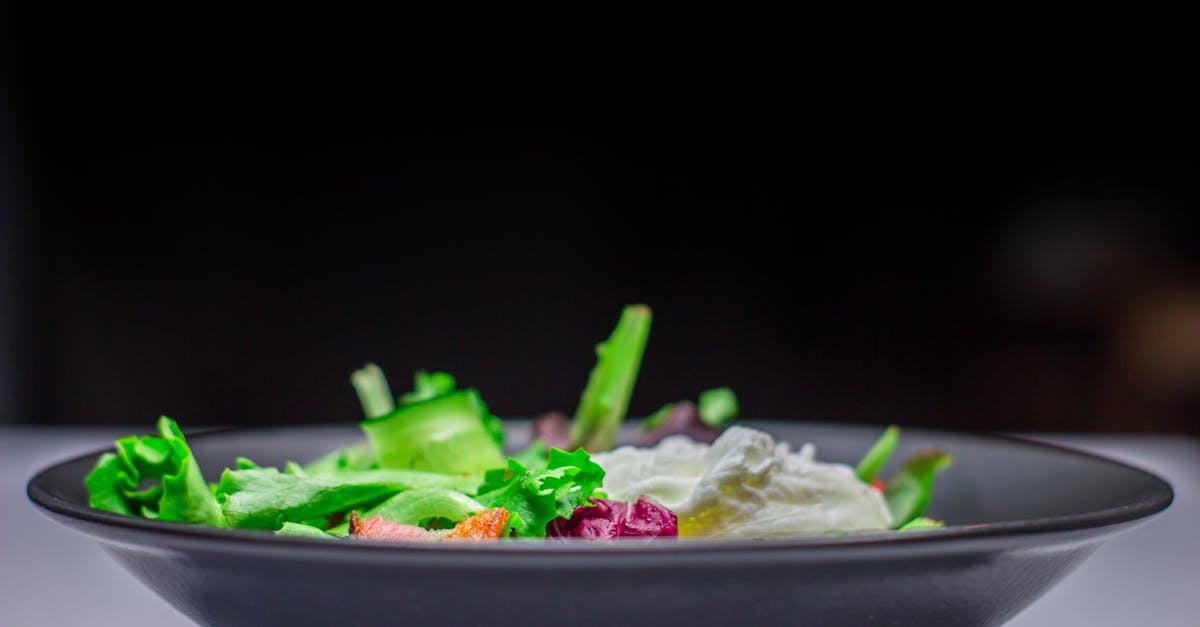
Salads at burger chains often disappoint because the lettuce is chopped days in advance and treated with preservatives. The greens frequently wilt or become slimy after sitting in plastic containers in the refrigerator. High-calorie toppings like cheese and croutons and creamy dressings often make these bowls more caloric than a Big Mac. The price point is usually high for the low quality of vegetables provided in the meal. You are better off visiting a dedicated salad shop where turnover ensures crisp ingredients.
Soda Fountain Drinks
The nozzles on self-serve soda machines are notoriously difficult to clean and require daily disassembly. Sugar syrup residue builds up in the tiny crevices and attracts mold or gnats if not scrubbed perfectly. Many locations neglect this detailed maintenance and allow buildup to accumulate over weeks. The sugary environment combined with moisture creates a breeding ground for bacteria that flows directly into your cup. Bottled water or beverages from the cooler case offer a much more sanitary hydration choice.
Special Dipping Sauces

Signature house sauces are usually just mixtures of mayonnaise, ketchup, and sugar with a few spices. These condiments add hundreds of empty calories and grams of fat to an otherwise moderate meal. The sugar content in these sauces can be shockingly high and contribute to an energy crash later in the day. Restaurants mark up the price of these dips despite the low cost of the basic ingredients involved. Using standard mustard or hot sauce provides flavor without the nutritional penalty.
Milkshakes
Fast food milkshakes often contain more chemicals and thickeners than actual dairy products to maintain their texture. A single large shake can contain more than the entire recommended daily intake of sugar and saturated fat. The machines used to mix these treats are prone to buildup if not disassembled and sanitized every night. Consuming this much sugar in one sitting spikes insulin levels and promotes rapid fat storage. It is essentially a melted dessert disguised as a beverage that accompanies a full meal.
Chicken Nuggets

The meat found in many nuggets is a mixture of chicken parts that are ground into a slurry and formed into shapes. Fillers and binding agents are necessary to keep the patty together during the frying process. The breading absorbs a large amount of frying oil and drastically increases the calorie count. Investigating the ingredient list reveals a high number of preservatives and artificial additives. Whole muscle tenders are generally a higher quality option if you must have fried chicken.
Onion Rings

Most fast food onion rings consist of minced onion pieces held together by binders rather than whole slices. The ratio of batter to vegetable is heavily skewed toward the fried coating. This means you are essentially eating deep-fried dough with a hint of onion flavoring. They act as sponges for the cooking oil and carry a heavy grease load. The nutritional value is virtually non-existent compared to other vegetable sides.
Sweet Tea

This popular beverage is often brewed in massive batches and saturated with an enormous amount of sugar. A large cup can rival or exceed the sugar content found in full-calorie sodas. The tea sits in dispensers at room temperature which can encourage bacterial growth if the urns are not scrubbed daily. The caffeine combined with the sugar crash can leave diners feeling sluggish shortly after eating. Unsweetened tea with a lemon packet is a far superior choice for health.
Large Combo Meals

Ordering a predetermined combo meal tricks the brain into consuming more food than necessary. The “value” pricing encourages customers to eat a side and a drink they might not have otherwise ordered. Portion sizes for fries and sodas in these meals are often excessively large for one person. This marketing tactic leads to a significant intake of extra calories and sodium without increasing satiety. Ordering items a la carte allows for better portion control and financial savings.
Breakfast Sandwiches

The eggs found in many breakfast sandwiches are often pre-made yellow patties containing glycerin and silicone. The biscuits or croissants are loaded with trans fats and sodium to preserve their shelf life. Processed breakfast meats like sausage and bacon add dangerous levels of nitrates to the morning meal. Eating such a heavy and salty meal first thing in the morning can cause dehydration and bloating. Oatmeal or fruit are lighter options that provide sustained energy without the heavy processing.
Condiment Pumps

Large communal pumps for ketchup and mayonnaise are touched by hundreds of people throughout the day. The tops of the dispensers are rarely wiped down and harbor germs from numerous customers. The product inside can sit for long periods and may not be rotated correctly by the staff. Room temperature mayonnaise carries risks if the cooling mechanisms in the station are not working perfectly. Requesting sealed packets is the only way to ensure the condiments are sanitary and fresh.
Loaded Potato Skins
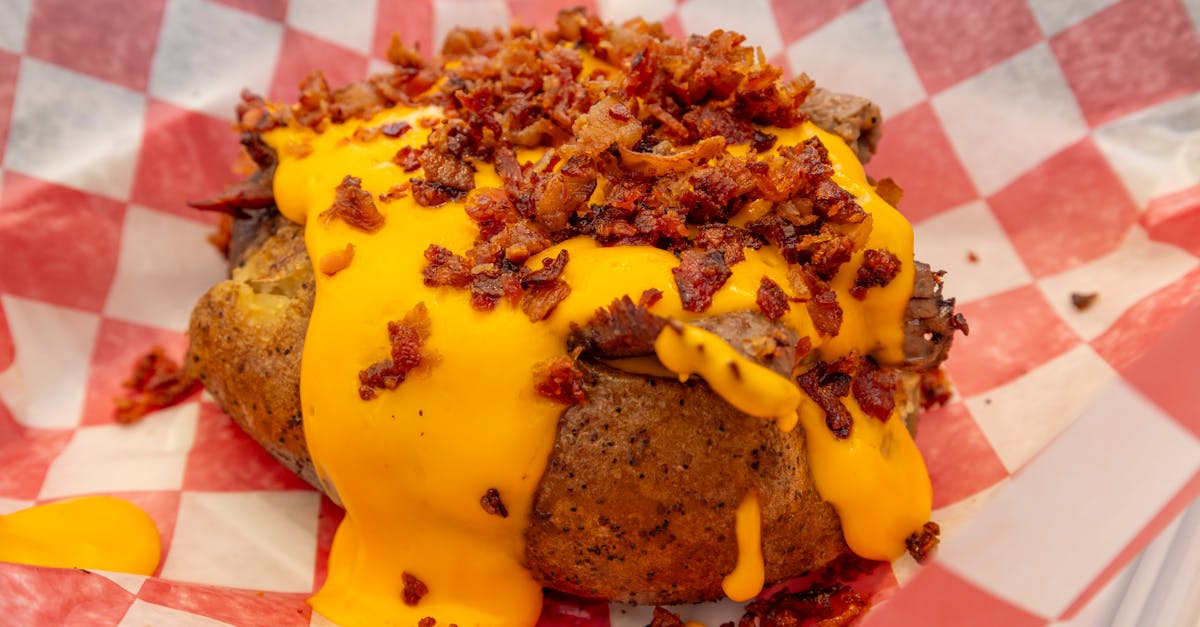
Potato skins are often deep-fried to crisp them up before being smothered in processed cheese sauce. The bacon bits used as toppings are frequently soy-based imitations or preserved meat products. This appetizer contains very little actual potato and relies heavily on salt and fat for flavor. They retain heat poorly and often arrive at the table lukewarm and greasy. A plain baked potato offers the same comfort without the excessive caloric load.
Tuna Sandwiches

Tuna salad in fast food establishments is typically made with an overwhelming amount of mayonnaise to extend the volume. The mixture is often prepared in large batches that sit in the refrigerator for several days. Freshness is difficult to gauge until you have already taken a bite of the sandwich. The risk of foodborne illness increases as the fish salad ages and temperature fluctuates. It is safer to order items that are cooked to order rather than scooped from a cold bin.
Pizza at Burger Joints

Ordering pizza from a restaurant that does not specialize in it guarantees a frozen and reheated product. These pizzas are mass-produced in factories and lack the texture and flavor of fresh dough. The cheese is often a distinct blend designed to melt easily rather than provide genuine flavor. You will pay a restaurant price for a product that is identical to a grocery store frozen pizza. Sticking to the core menu items ensures you get food the kitchen is equipped to prepare well.
Frappés

These blended coffee drinks are closer to coffee-flavored milkshakes than actual espresso beverages. The base is usually a pre-mixed powder or syrup loaded with high fructose corn syrup. Whipped cream and caramel drizzle add even more sugar to an already sweet concoction. They provide very little caffeine satisfaction while delivering a massive caloric hit. A standard iced latte with a splash of milk offers a better coffee experience.
Rib Sandwiches

The pork used in limited-time rib sandwiches is a restructured meat product pressed into the shape of a rack of ribs. High levels of salt and liquid smoke are used to mimic the flavor of slow-cooked barbecue. The texture is uniform and spongy rather than tender and fibrous like real meat. The barbecue sauce is applied heavily to mask the lack of natural meat juices. Real barbecue requires time and technique that fast food kitchens simply cannot replicate.
Mozzarella Sticks
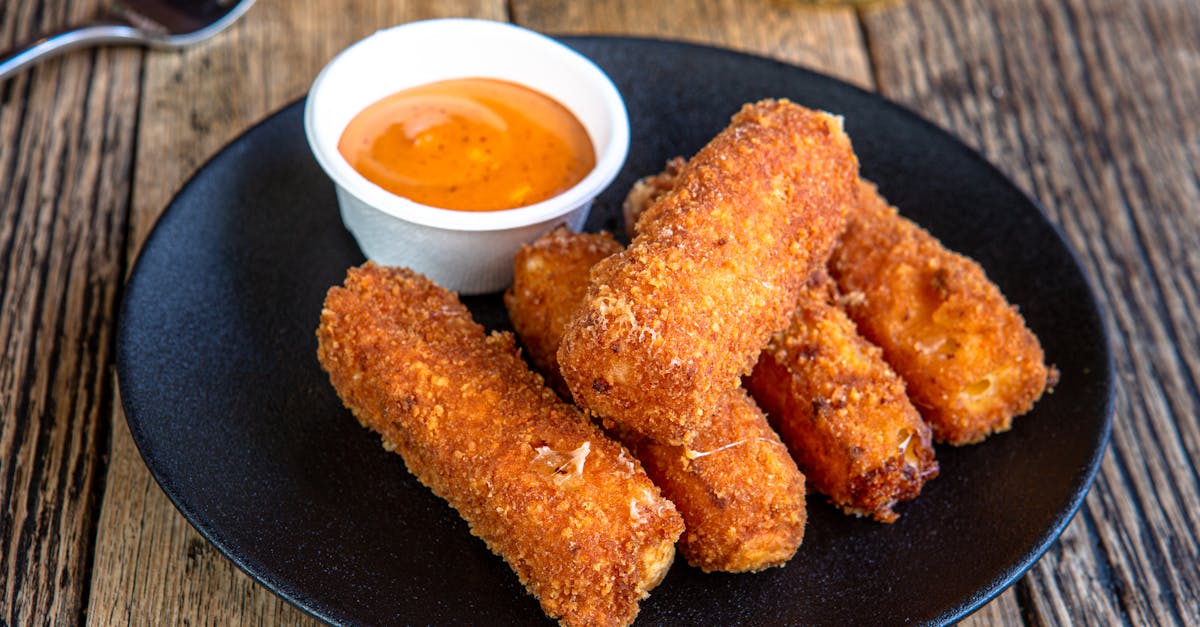
Fast food cheese sticks are often processed frozen items that contain very little real mozzarella. The breading is thick and absorbs old fryer oil that may flavor the cheese unpleasantly. If they are not cooked for the exact right time they arrive either frozen in the middle or completely hollow. The accompanying marinara sauce is usually cold and overly sweet. This item is a high-calorie filler that rarely satisfies a craving for quality cheese.
Coleslaw

Raw cabbage dishes rely heavily on mayonnaise and must be kept at strict temperatures to remain safe. Fast food kitchens can get hot and coleslaw containers may sit out during the lunch rush. The dressing can mask the smell or taste of cabbage that has begun to spoil. Bacteria multiplies rapidly in creamy salads that are not kept constantly refrigerated. A cooked vegetable side or a side salad without dressing is a safer bet.
Late Night Burgers
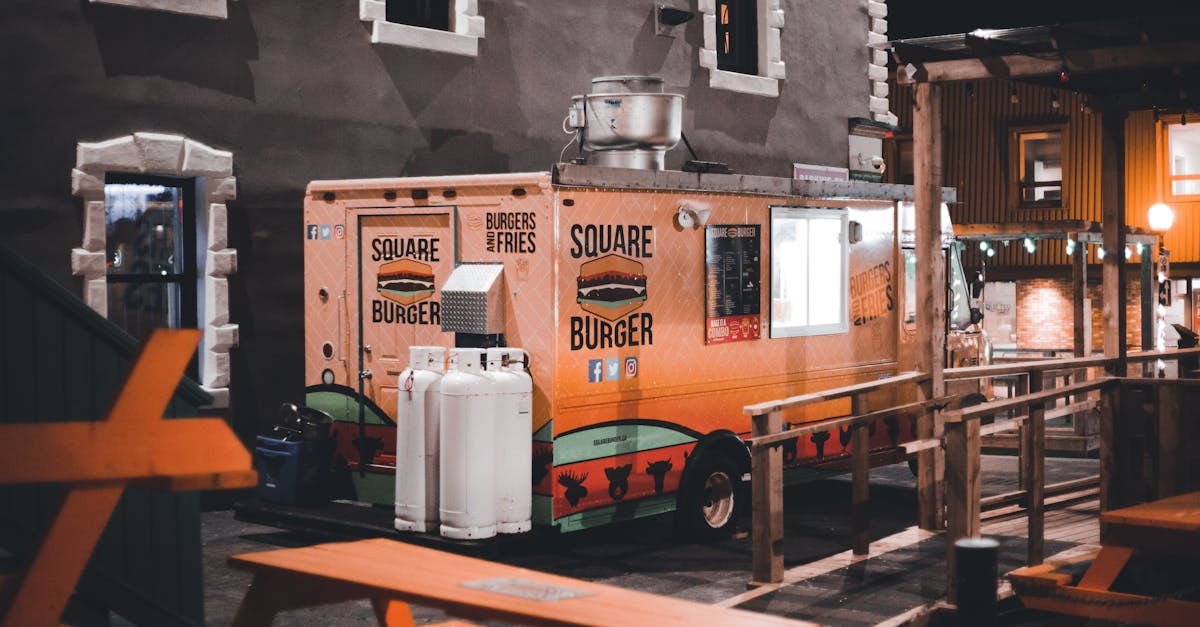
Ordering a burger just before closing time increases the risk of receiving a patty that has been sitting for hours. Staff members are focused on cleaning and closing duties rather than cooking fresh food. The meat may be dry and the bun stale from prolonged exposure to the warmer. Food safety protocols might be relaxed as employees rush to finish their shifts. It is better to visit 24-hour locations that cook continuously rather than standard spots at closing.
Apple Pie

The fruit filling in fast food pies is a sugary gel that contains very few actual apple slices. The crust is made with hydrogenated oils to ensure it remains shelf-stable for long periods. These pies are kept in heater vents that are essentially dangerous hot zones for the mouth. The molten filling can cause severe burns if eaten immediately after purchase. Fresh fruit or a yogurt parfait is a dessert choice that offers some nutritional benefit.
Smoothies

Fast food smoothies are rarely made with whole fresh fruit and instead rely on fruit purées and juice concentrates. These bases are packed with added sugars to make the drink taste consistently sweet. You miss out on the beneficial fiber found in whole fruit while consuming liquid calories. The “healthy” halo of the smoothie marketing often misleads customers into thinking they are making a good choice. Eating a whole apple or banana is significantly better for blood sugar regulation.
Biscuits and Gravy

This classic breakfast item is a sodium bomb that provides almost no nutritional value beyond calories. The gravy is typically made from a powder mix that is high in salt and preservatives. The biscuits are dense with saturated fat and refined white flour. Consuming this combination creates a heavy feeling of lethargy that can last for hours. It is a dish best reserved for homemade occasions where ingredients can be controlled.
Double or Triple Burgers

Stacking multiple patties on a single bun creates a meal that exceeds the digestive capacity of most people. The ratio of meat to bread and vegetables becomes completely unbalanced and overwhelming. Sodium levels in these massive sandwiches can skyrocket to dangerous daily limits. The structural integrity of the bun often fails and creates a messy eating experience. A single cheeseburger satisfies the craving without the gluttonous aftermath.
Hot Dogs
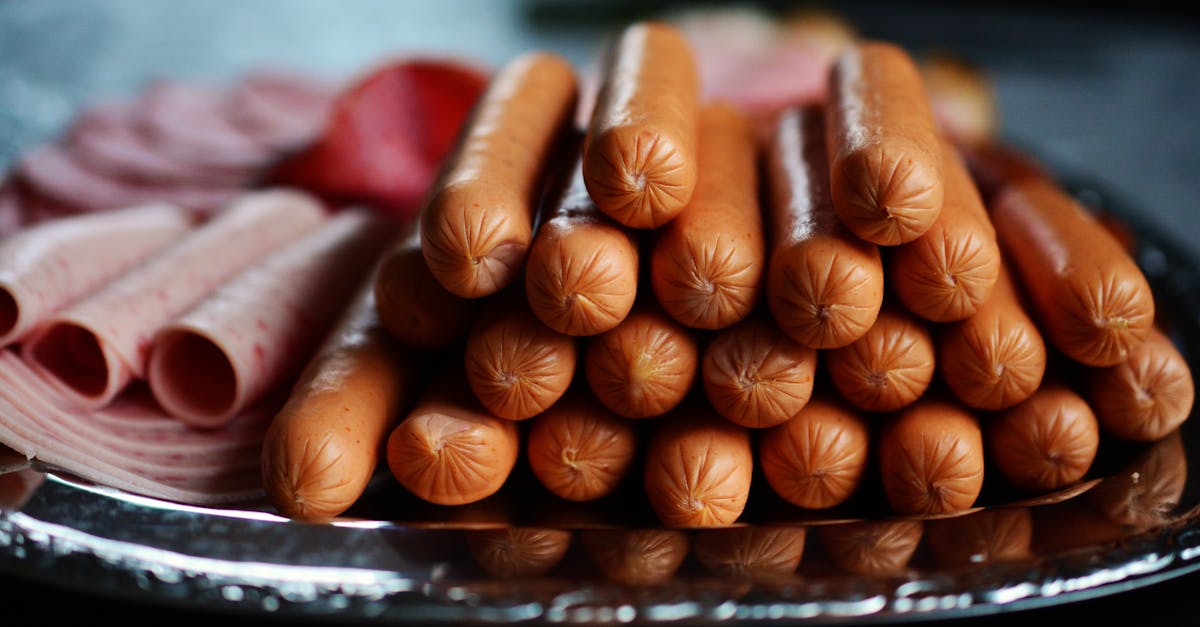
Fast food hot dogs are often made from low-quality meat trimmings and contain high levels of nitrates. They can sit on rolling grills for an entire day until the casing becomes tough and wrinkled. The buns are frequently steamed until they become gummy and stick to the teeth. You are paying a premium for a product that costs pennies to make at home. There is very little protein quality to justify the sodium and chemical intake.
Clam Chowder

Soup in fast food places is often delivered in plastic bags and heated in a water bath. Clam chowder specifically is thickened with heavy starches and loaded with sodium to preserve the shelf life. The clams are often chewy and sparse within the thick white liquid. The creamy base masks how long the soup has actually been sitting in the warmer. It is a processed approximation of a soup that requires fresh ingredients to be good.
Egg Salad
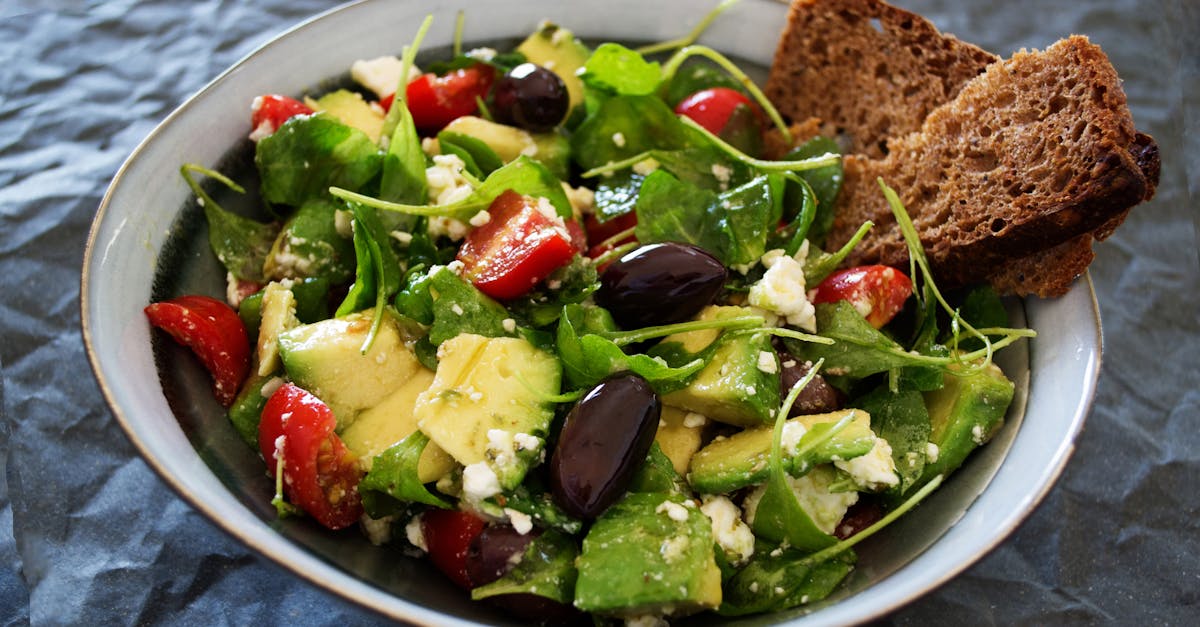
Similar to tuna salad the egg salad at sandwich shops is a high-risk item for spoilage. The sulfur smell of the eggs can become potent and unpleasant if not stored at perfect temperatures. Mayonnaise binds the ingredients but also acts as a medium for bacterial growth. The texture often becomes watery as the ingredients separate over time. Freshly cracked eggs are always a superior choice to pre-mixed egg salad.
Meatball Subs
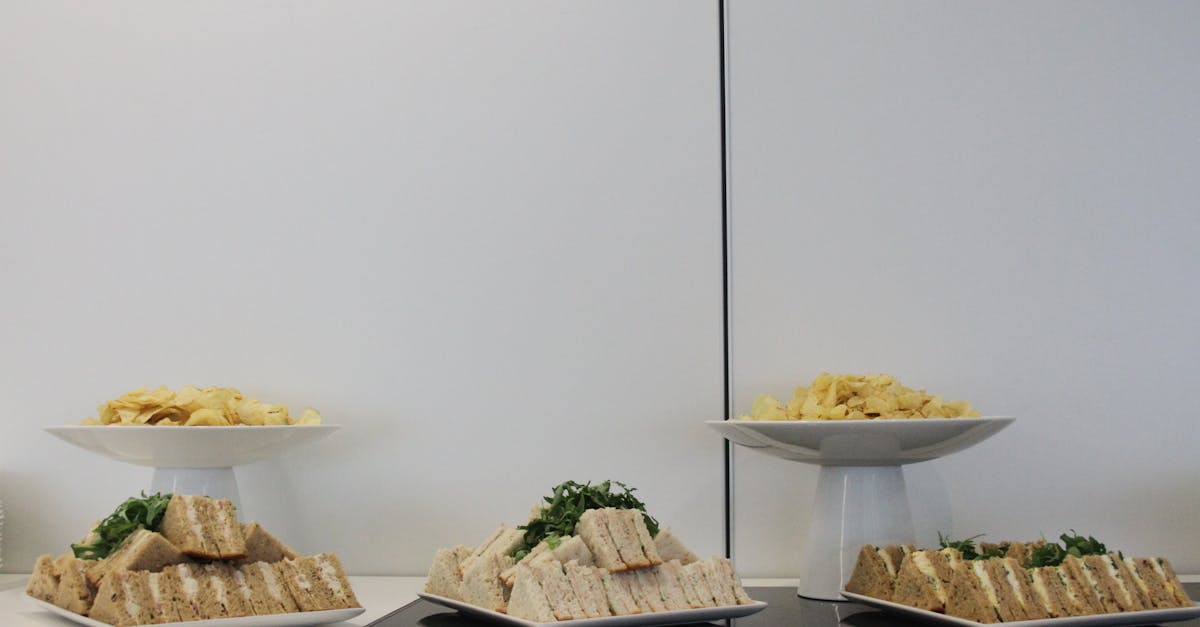
The meatballs used in sub chains are often filled with soy protein and breadcrumbs to reduce costs. They sit in a bath of marinara sauce that breaks down their texture until they become mushy. The sauce itself creates a soggy bun that falls apart before you can finish the sandwich. The sodium content in the processed meat and the sauce is extremely high. Grinding your own meat or ordering a fresh deli sandwich is preferable.
Veggie Burgers

While seemingly healthy some plant-based patties at fast food chains are ultra-processed foods. They are often cooked on the same grill as beef burgers which defeats the purpose for strict vegetarians. Many contain high amounts of sodium and seed oils to mimic the mouthfeel of beef. The bind can be weak causing the patty to crumble into a mess upon the first bite. Reading the nutritional information is crucial as some have more calories than their beef counterparts.
Secret Menu Items
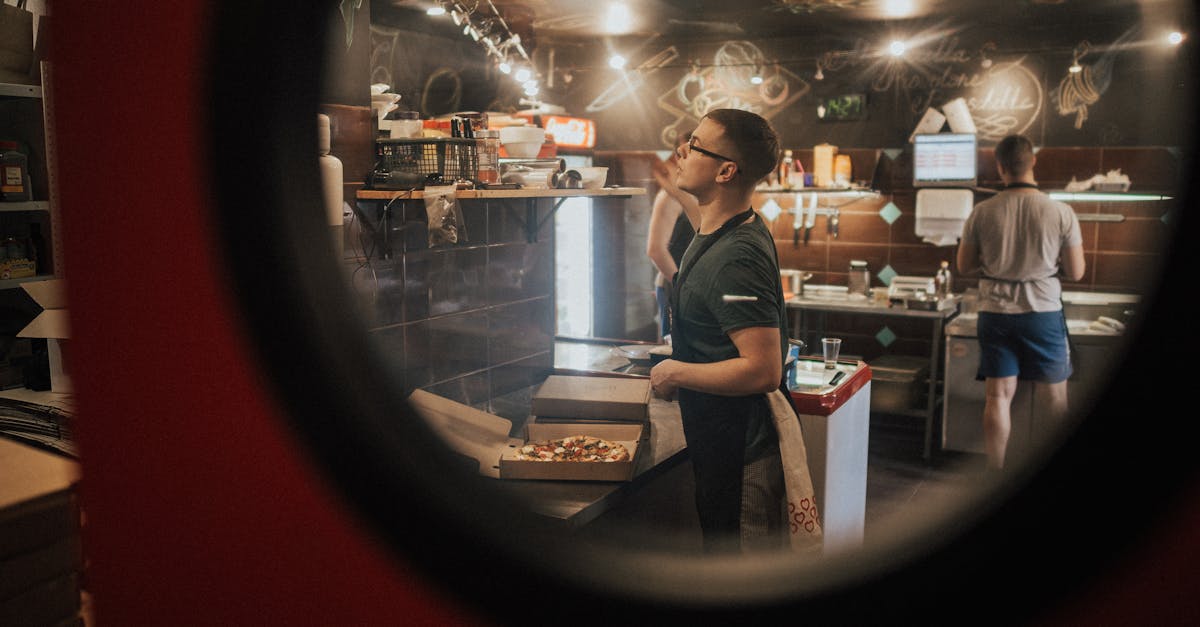
Ordering from a “secret menu” often frustrates employees who may not be trained on how to make those specific items. These custom orders slow down the line and can lead to inconsistent pricing or portions. Ingredients for these items might not be readily available on the assembly line. The result is often a hastily thrown-together meal that fails to live up to the internet hype. Sticking to the official menu ensures you get a meal that has been tested for quality.
Nachos
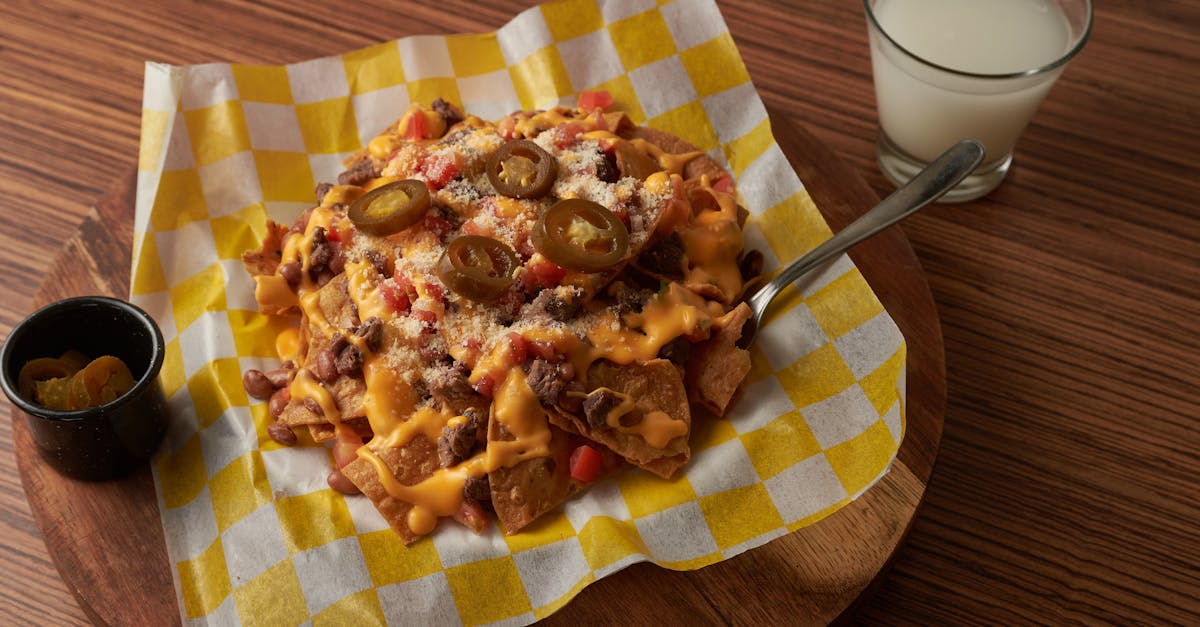
Fast food nachos usually consist of stale chips covered in a plastic-like cheese sauce. The chips become soggy almost immediately after the warm toppings are applied. The jalapeños are typically canned and lack the crunch and heat of fresh peppers. The distribution of toppings is rarely even which leaves many chips dry and flavorless. This item is messy to eat and offers poor value compared to fresh tacos.
Large Fries
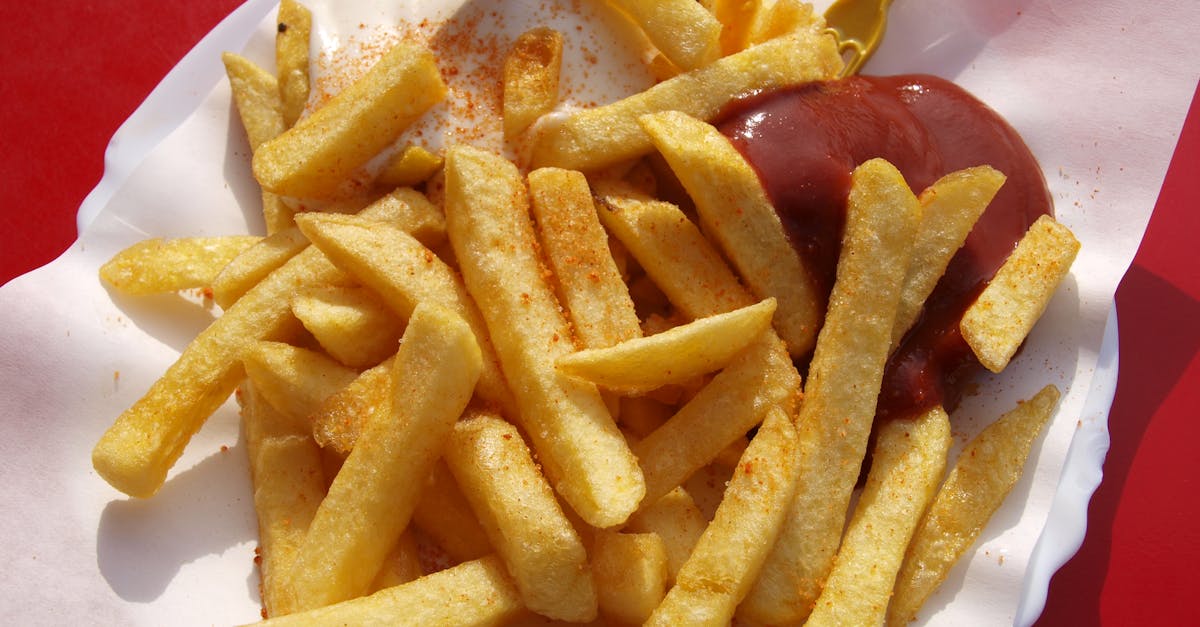
The difference in quantity between a medium and large fry is often negligible despite the price jump. Fries lose their heat and texture rapidly and a large portion guarantees the last third will be cold. Consuming that much deep-fried potato loads the body with excessive trans fats and salt. The massive spike in blood sugar is followed by a crash that leaves you hungry again soon. Sharing a small order is a wiser way to enjoy the taste without the excess.
Share your own experiences with fast food disappointments or menu avoidances in the comments.