Maintaining a functional kitchen requires understanding exactly what your plumbing system can safely handle. Many common household items seem harmless but actually cause massive destruction to the delicate grinding mechanisms of sink appliances. Plumbers spend countless hours repairing jammed motors and clearing severe pipe blockages caused by improper waste disposal. Learning which materials to keep away from the drain saves significant money and prevents frustrating kitchen floods. The following items represent the most dangerous threats to your daily household plumbing operations.
Coffee Grounds
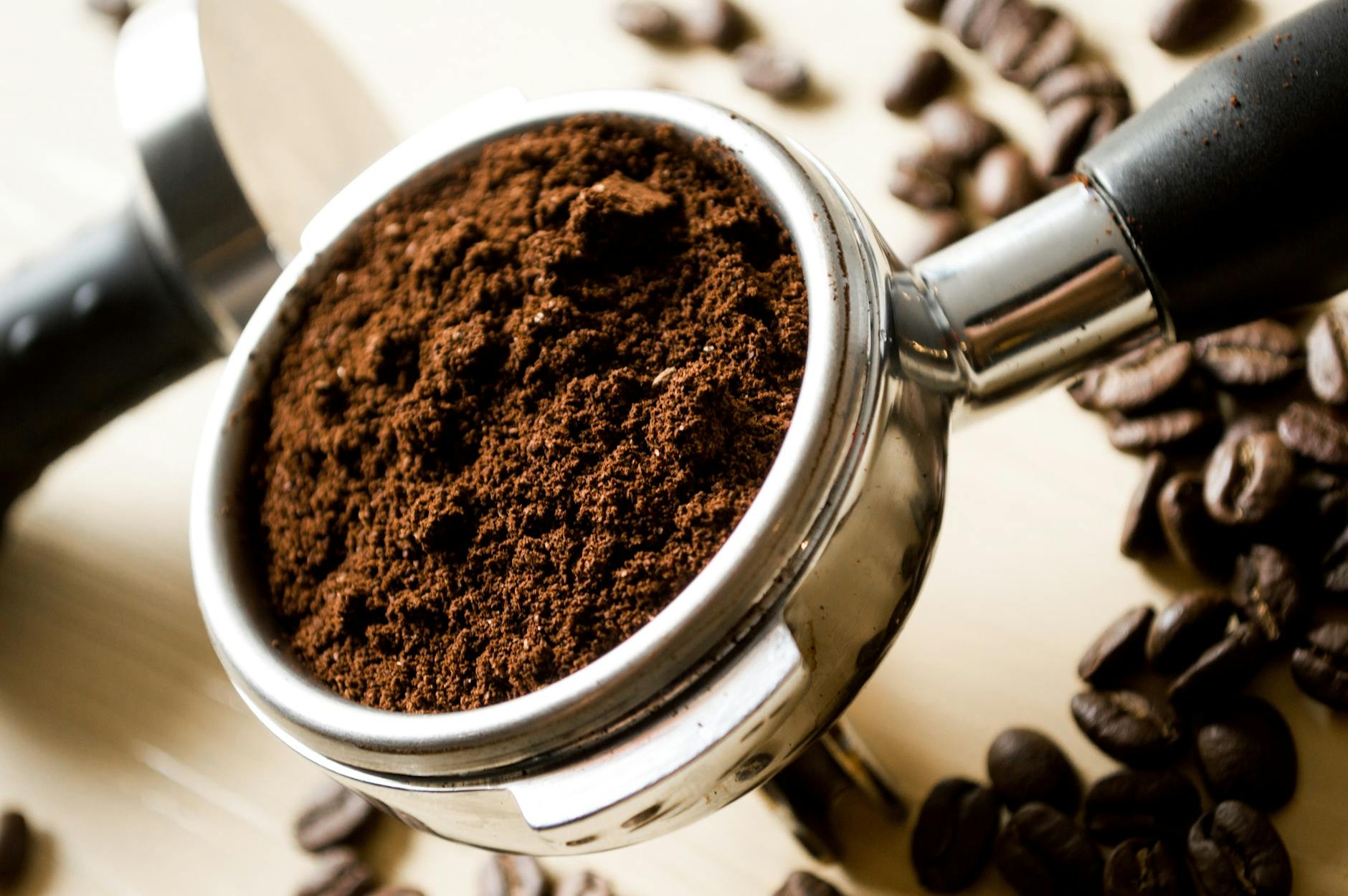
Many people believe that washing coffee grounds down the sink helps eliminate foul odors. These dense particles actually clump together when mixed with water and form a sludgy paste inside your pipes. Over time this thick accumulation catches other food scraps and creates severe blockages deep within the plumbing system. Plumbers frequently cite coffee grounds as one of the most common causes of kitchen sink backups. Throwing them in the compost bin or regular trash offers a much safer alternative for your home.
Eggshells
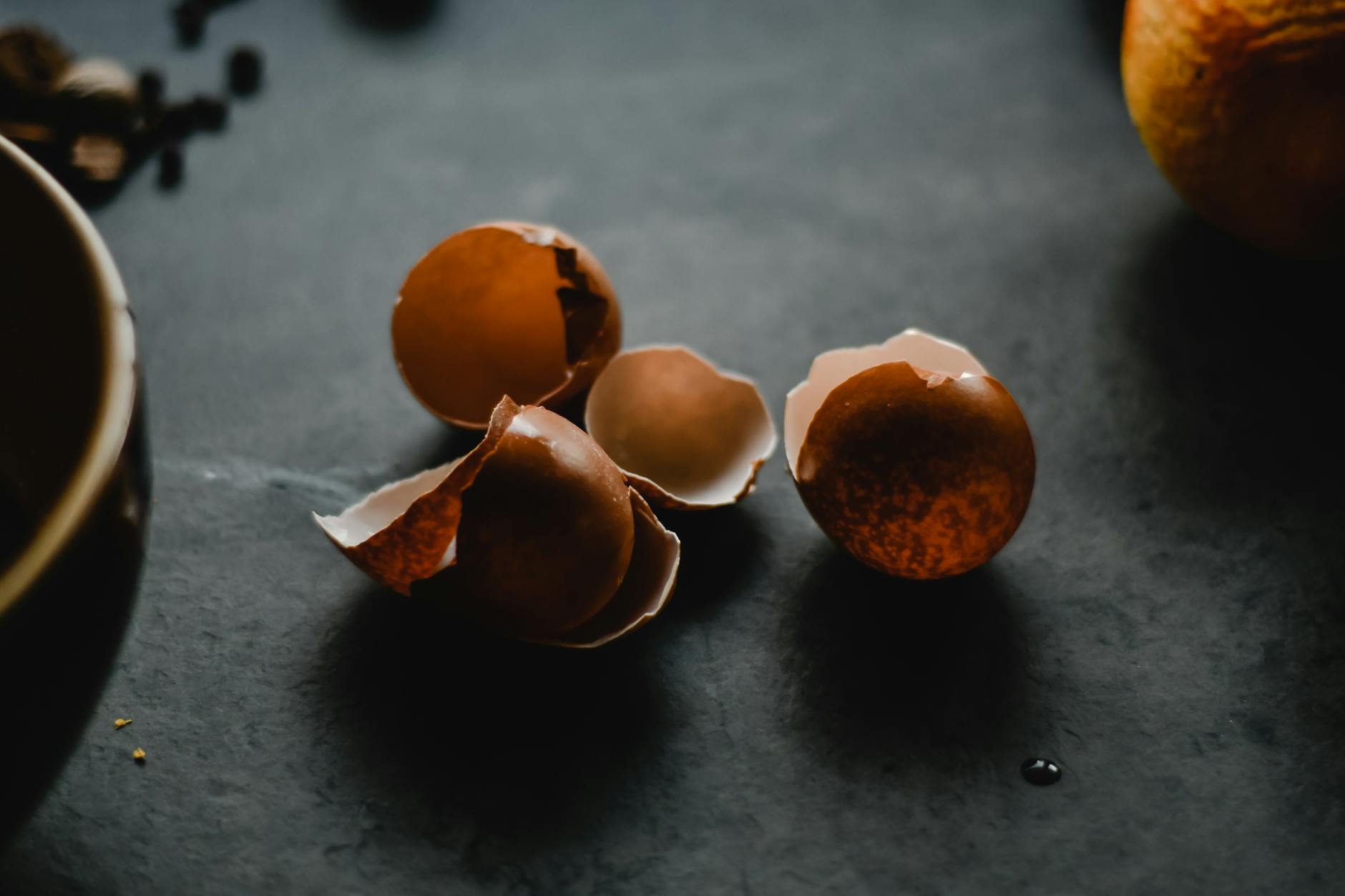
A popular myth suggests that grinding eggshells sharpens the blades of a garbage disposal unit. The reality is that the delicate membrane on the inside of the shell can detach and wrap around the grinding ring. These ground shells also turn into a fine sand that settles in the P trap of your plumbing. This abrasive sand combines with fats to create a cement like blockage that resists normal drain cleaning methods. Composting eggshells provides excellent calcium for gardens instead of damaging expensive kitchen appliances.
Cooking Grease

Pouring liquid fats and oils down the drain seems like an easy cleanup method after frying meals. These substances quickly cool down and solidify once they enter the darker and colder plumbing pipes. The hardened grease coats the inside walls of the pipes and traps passing food particles to create massive clogs. Liquid plumbers rarely dissolve these solid fat accumulations completely. Cooks should pour warm grease into a disposable container and throw it in the trash once it hardens.
Potato Peels
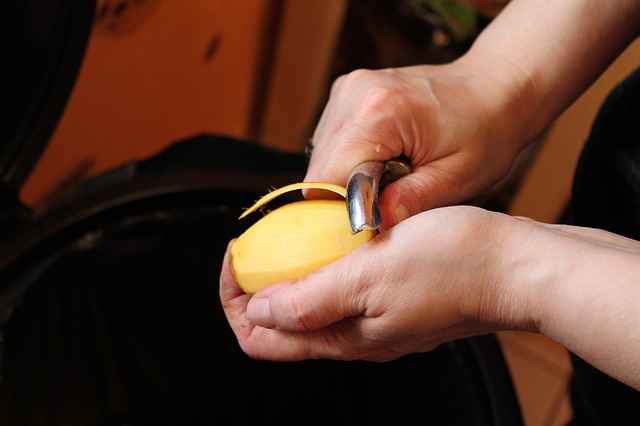
Raw potato skins contain large amounts of starch that turn into a thick paste when pulverized with water. This sticky mixture easily coats the gears of the disposal unit and slows down the grinding mechanism. The peels often slip past the blades entirely and collect in the drain pipe where they swell up with moisture. A large collection of potato starch eventually seals off the pipe completely and requires professional removal. Peeling potatoes directly over a trash can prevents this costly plumbing disaster.
Pasta
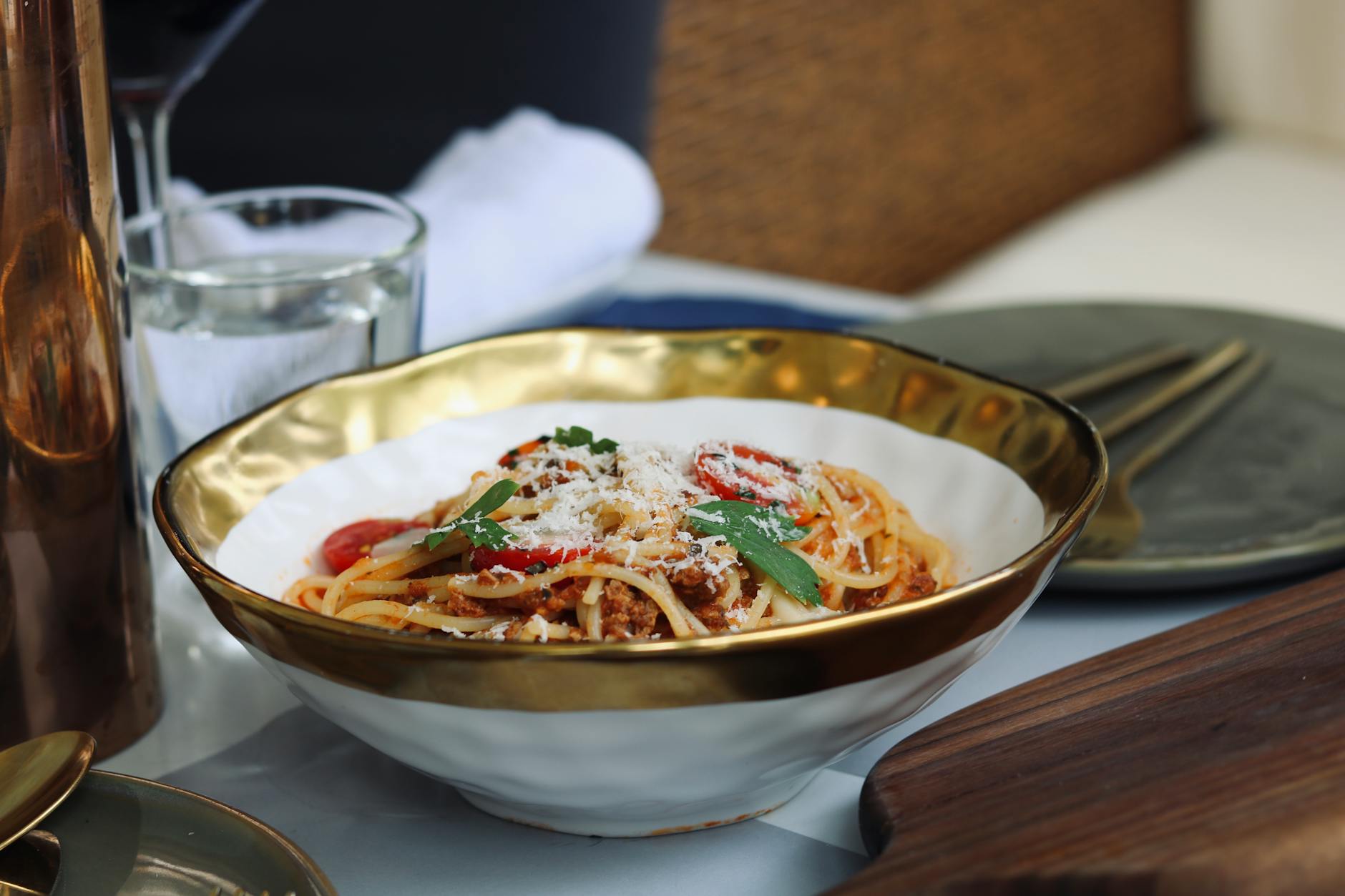
Cooked noodles expand significantly when they absorb water during the boiling process. This expansion continues even after the pasta is washed down the drain and sits in the plumbing. The sticky and starchy nature of the dough causes it to cling to the disposal blades and the pipe walls. Large clumps of spaghetti or macaroni quickly form impassable barriers that prevent proper water drainage. Scraping leftover pasta dishes directly into the garbage bin protects the delicate balance of your sink drain.
Rice
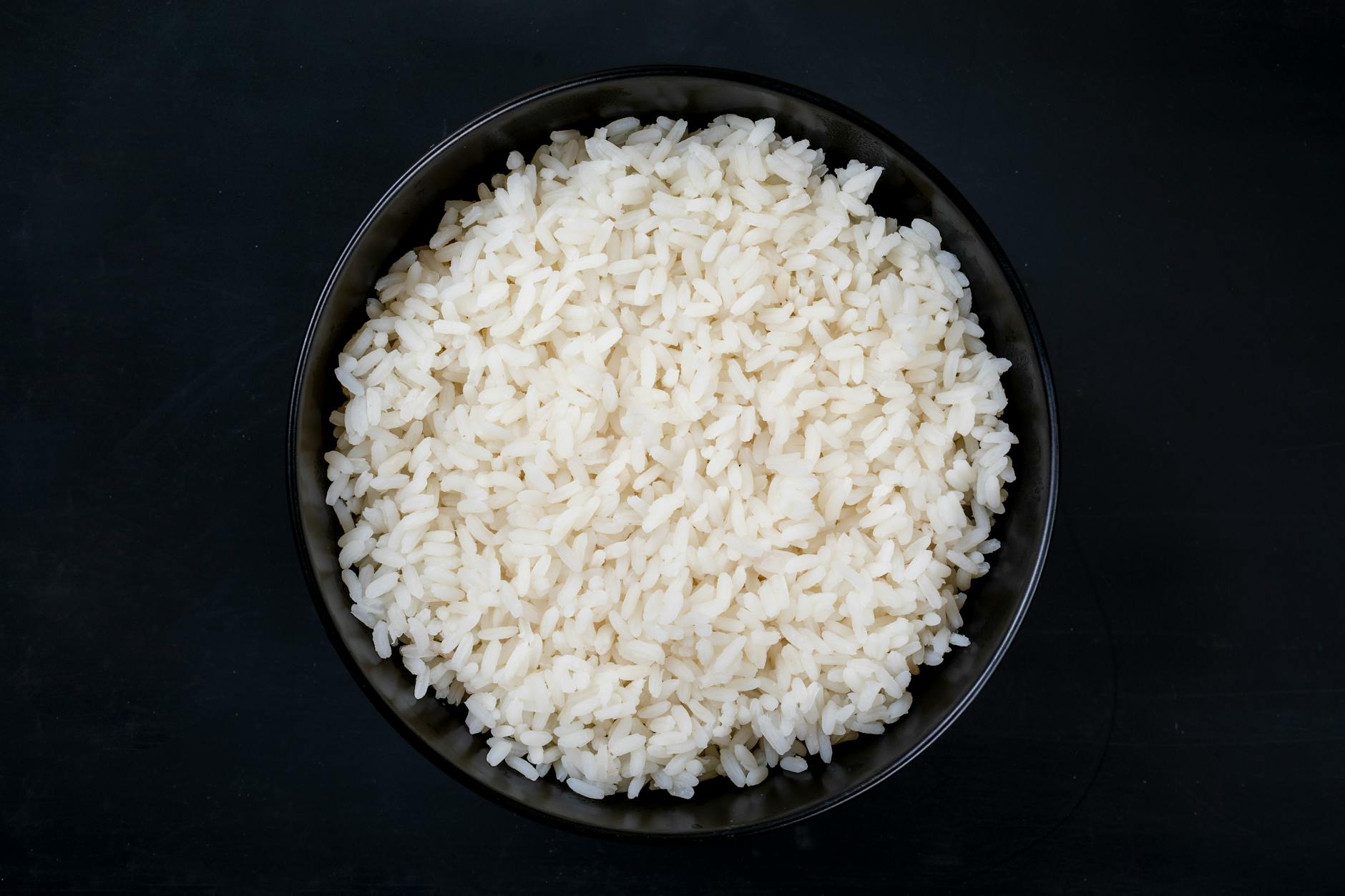
Tiny grains of rice might seem small enough to pass safely through a kitchen sink drain. These grains absorb massive amounts of water and swell up to several times their original size. A handful of leftover rice easily transforms into a solid gelatinous mass that blocks water flow completely. The sticky texture catches other debris and compounds the severity of the clog over a short period. Throwing uneaten rice into the trash remains the most effective way to avoid these frustrating blockages.
Onion Skins
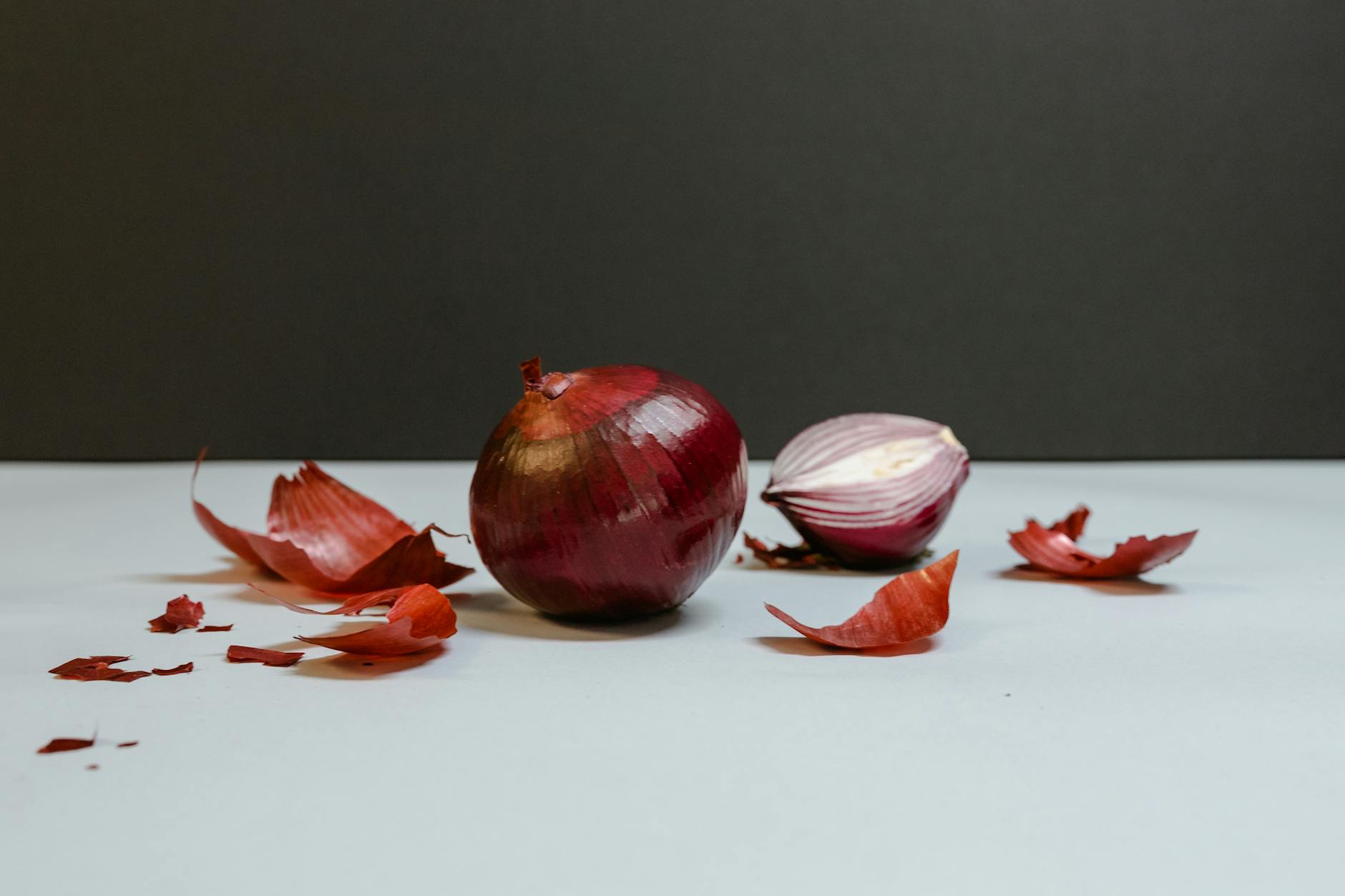
The papery outer layers of an onion are incredibly light and thin. These flexible skins frequently pass through the disposal blades without getting chopped or ground up at all. The intact skins then act like small nets that catch other food scraps traveling down the pipe. This webbing effect creates a localized traffic jam of food waste that completely stops water from draining. Dropping onion skins into the compost pile ensures your plumbing remains clear and fully functional.
Celery
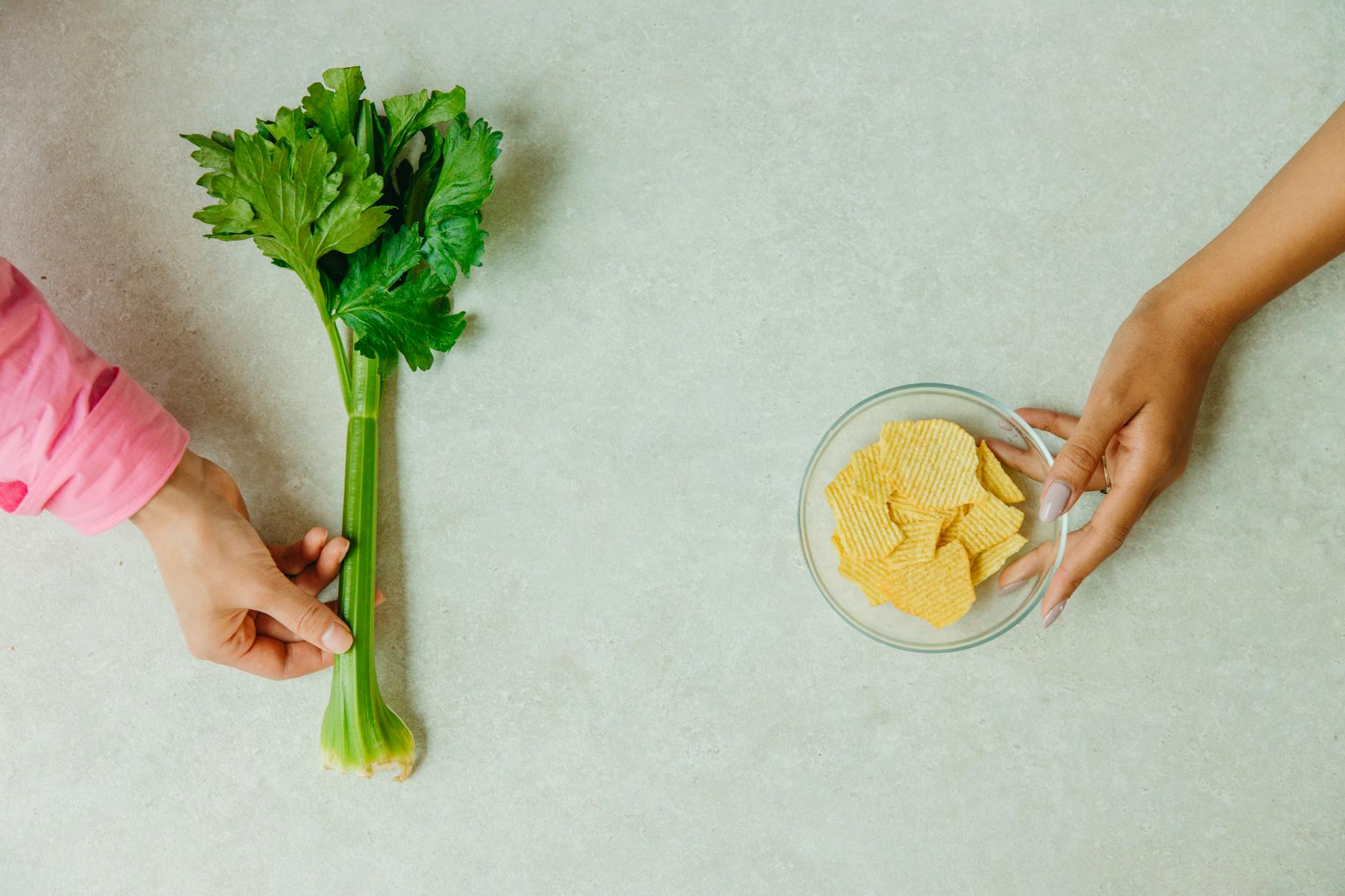
Fibrous vegetables present a unique challenge for the mechanical components of a garbage disposal. The long and stringy fibers of celery wrap tightly around the spinning impellers of the machine. This entanglement forces the motor to work harder and can eventually cause the entire unit to burn out. Untangling these tough fibers requires users to manually reach into the disposal unit or hire a repair service. Chopping celery into tiny pieces or tossing it in the garbage prevents this mechanical failure.
Animal Bones

Most residential garbage disposals lack the industrial power required to pulverize hard skeletal structures. Beef and pork bones bounce around the grinding chamber and severely damage the metal impellers. Small chicken or fish bones sometimes slip through the blades and lodge themselves horizontally across the pipe. These trapped bones act as structural scaffolding that catches grease and other debris to build an impenetrable wall. All meat scraps and bones belong strictly in the regular garbage receptacle to maintain appliance longevity.
Fruit Pits
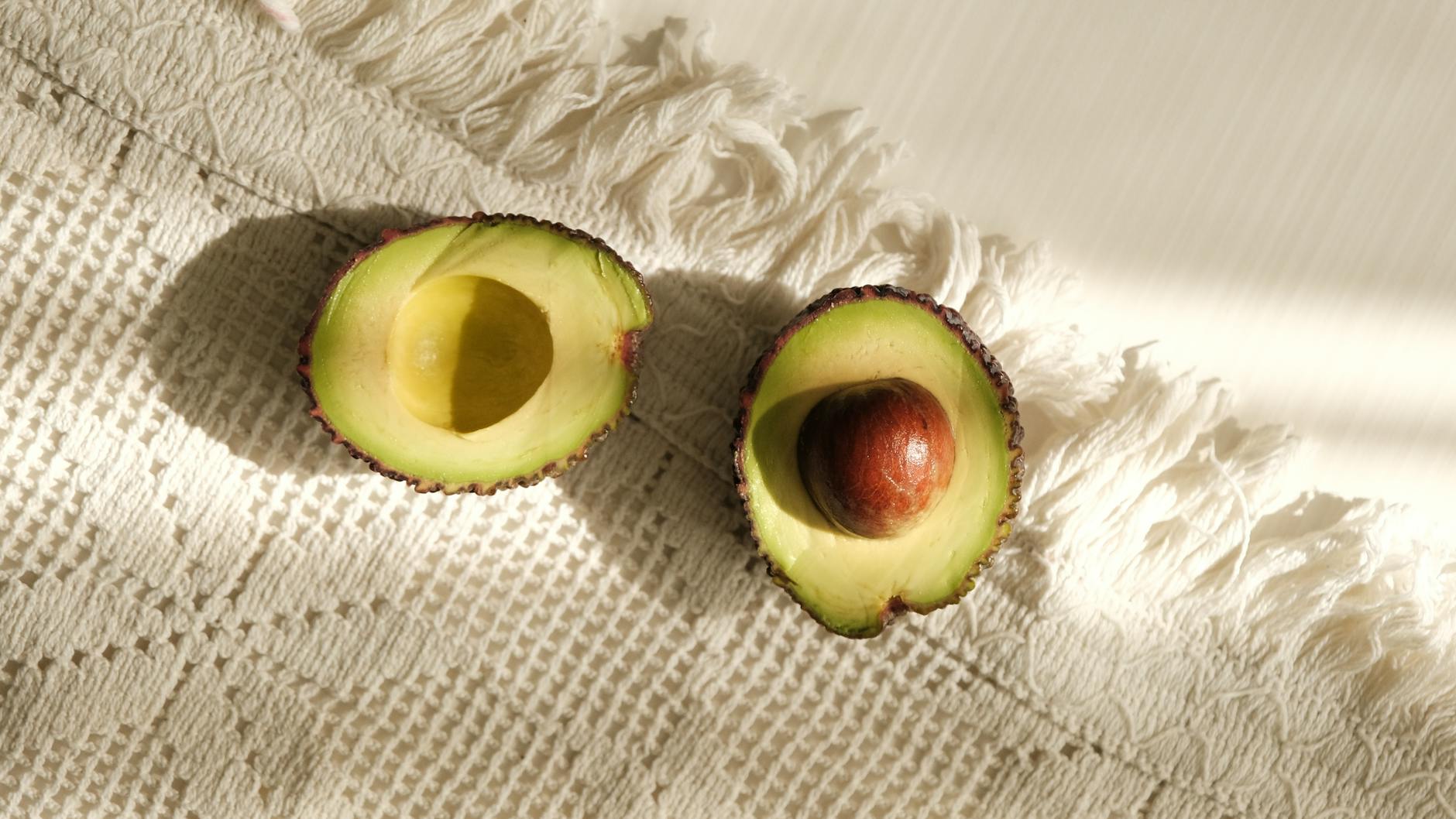
Peach and avocado pits are incredibly dense objects that easily rival wood or plastic in hardness. Dropping these large seeds into a disposal unit creates a terrifying racket as they bounce against the metal housing. The blades simply cannot break down such solid organic material and often become dented or completely bent. A damaged grinding ring loses its efficiency and struggles to process even soft foods afterward. Throwing pits directly into the compost or trash bin keeps your appliance running smoothly and quietly.
Seafood Shells
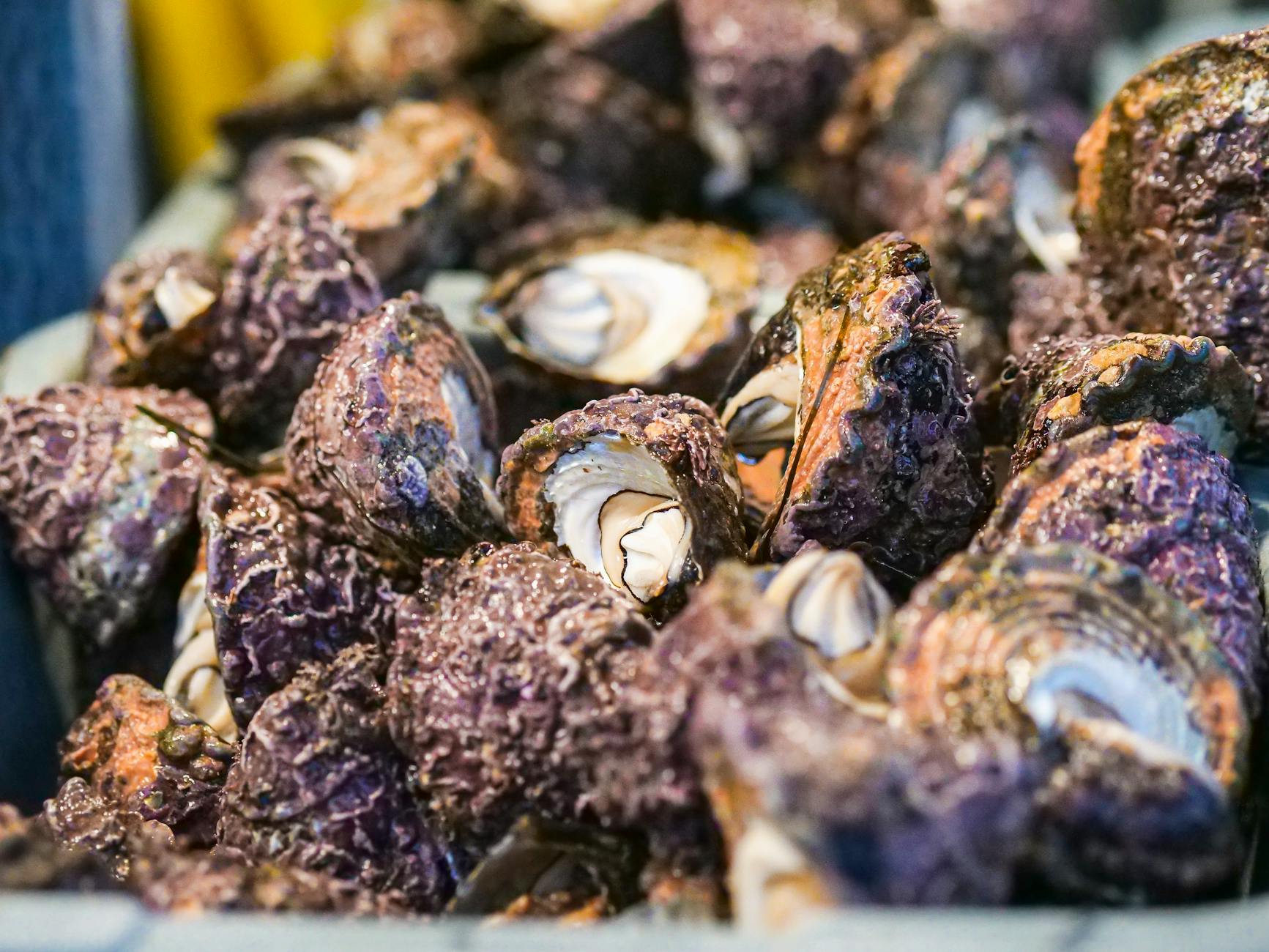
Oyster and clam shells possess a hard calcified structure that destroys delicate kitchen appliances. The disposal blades struggle to crush these tough exterior armor pieces and suffer immediate wear and tear. Small fragments of shattered shell act like gravel and settle at the lowest points of the plumbing system. This sharp debris traps smaller food particles and creates dense blockages that require mechanical augers to clear. Bagging seafood waste securely and placing it in the trash bin protects both your nose and your sink.
Corn Husks
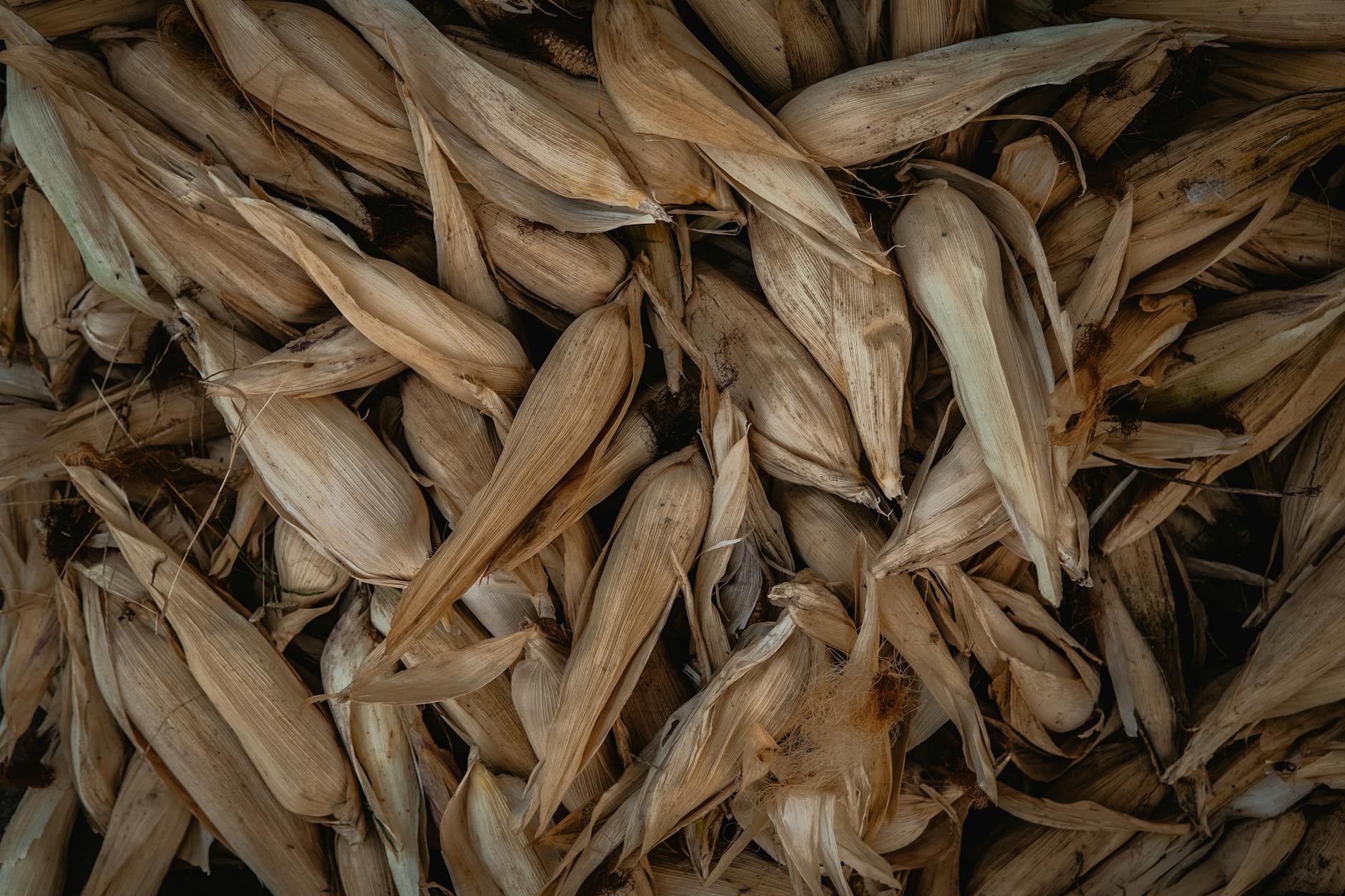
The tough outer leaves and silky threads of a corn cob share similar properties with celery stalks. These strong fibers easily survive the grinding process and tangle themselves around the central rotating shaft. A heavy accumulation of corn silk binds the motor completely and trips the electrical breaker in the unit. Removing these tangled messes often requires specialized tools and significant time spent underneath the kitchen sink. Throwing summer produce scraps into the yard waste bin eliminates the risk of a seized disposal motor.
Artichoke Leaves
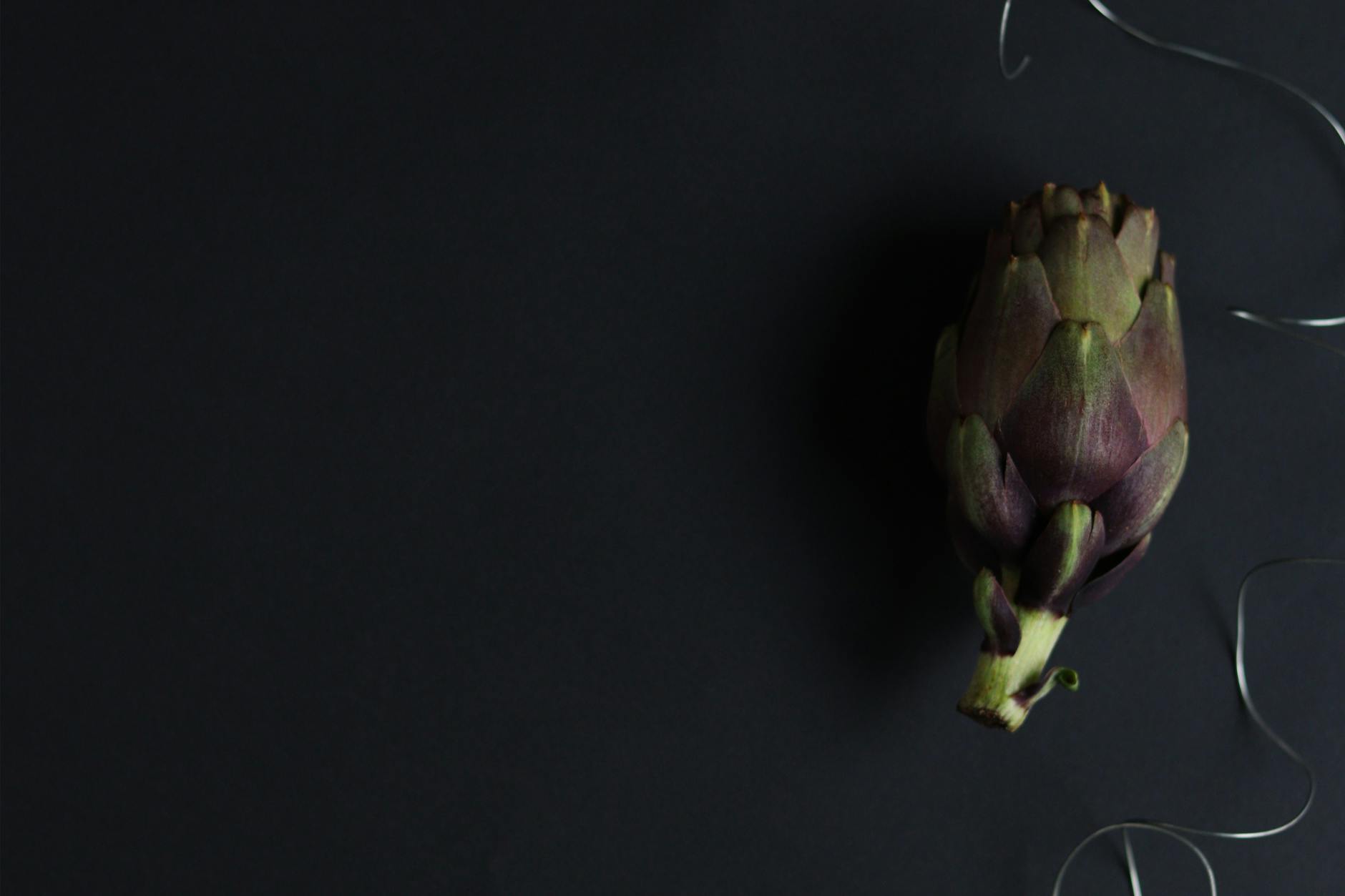
Artichokes feature thick and woody leaves that are notoriously difficult for humans to chew. These rigid plant parts prove equally challenging for the mechanical teeth of a standard household garbage disposal. The tough fibers resist being shredded and instead wedge themselves between the grinding plate and the outer ring. This wedging action jams the spinning mechanism and forces an immediate halt to the disposal operation. Composting these leftover vegetable parts provides the safest and most environmentally friendly disposal method.
Asparagus
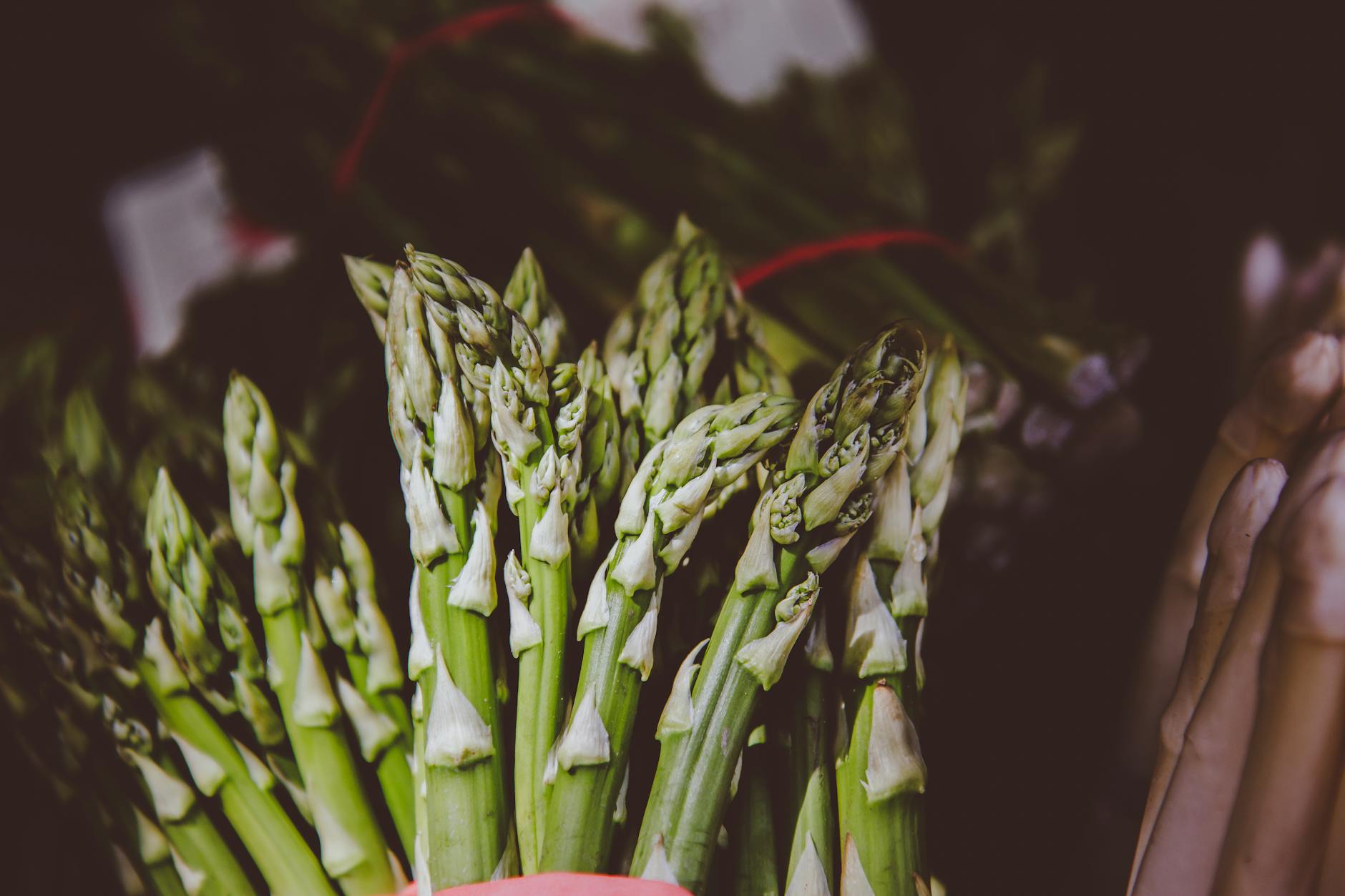
Fresh asparagus stalks contain long structural fibers that run the entire length of the vegetable. These tough strings separate during the grinding process and create a dense hair like mat inside the machine. This fibrous mat wraps around the impellers and suffocates the drain opening completely. Water and other food waste cannot penetrate this tangled barrier and back up into the kitchen sink basin. Homeowners should cut asparagus ends into a trash bag to keep their drains flowing freely.
Nuts
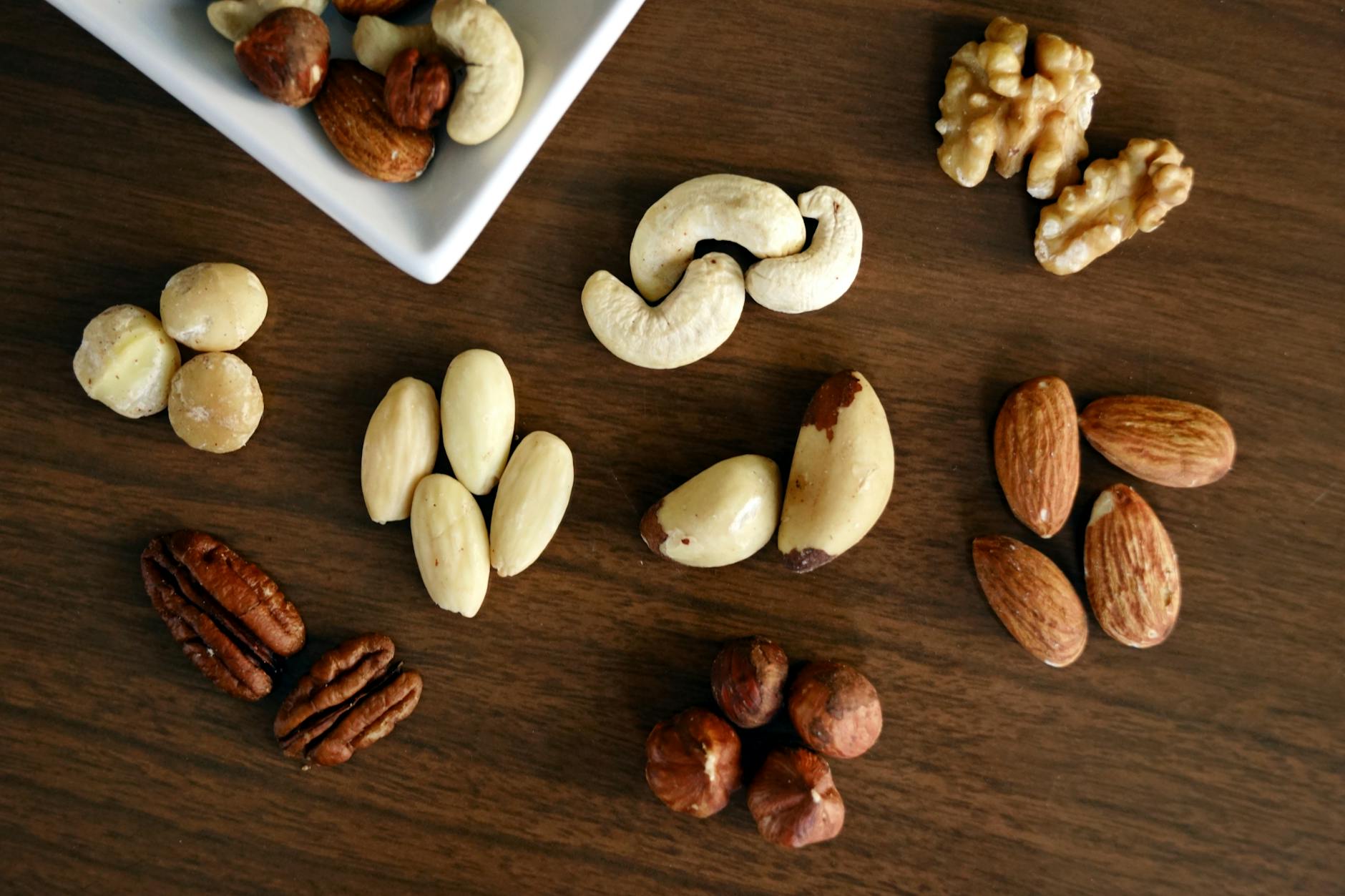
Commercial peanut butter is created by grinding roasted nuts into a thick and oily paste. Your garbage disposal performs the exact same process when you pour a handful of whole nuts down the drain. The resulting sticky butter coats the walls of the pipes and adheres strongly to the spinning impellers. This thick residue catches other debris and becomes incredibly difficult to wash away with normal tap water. Discarding old or stale nuts in the garbage can prevents the accidental creation of plumbing paste.
Flour
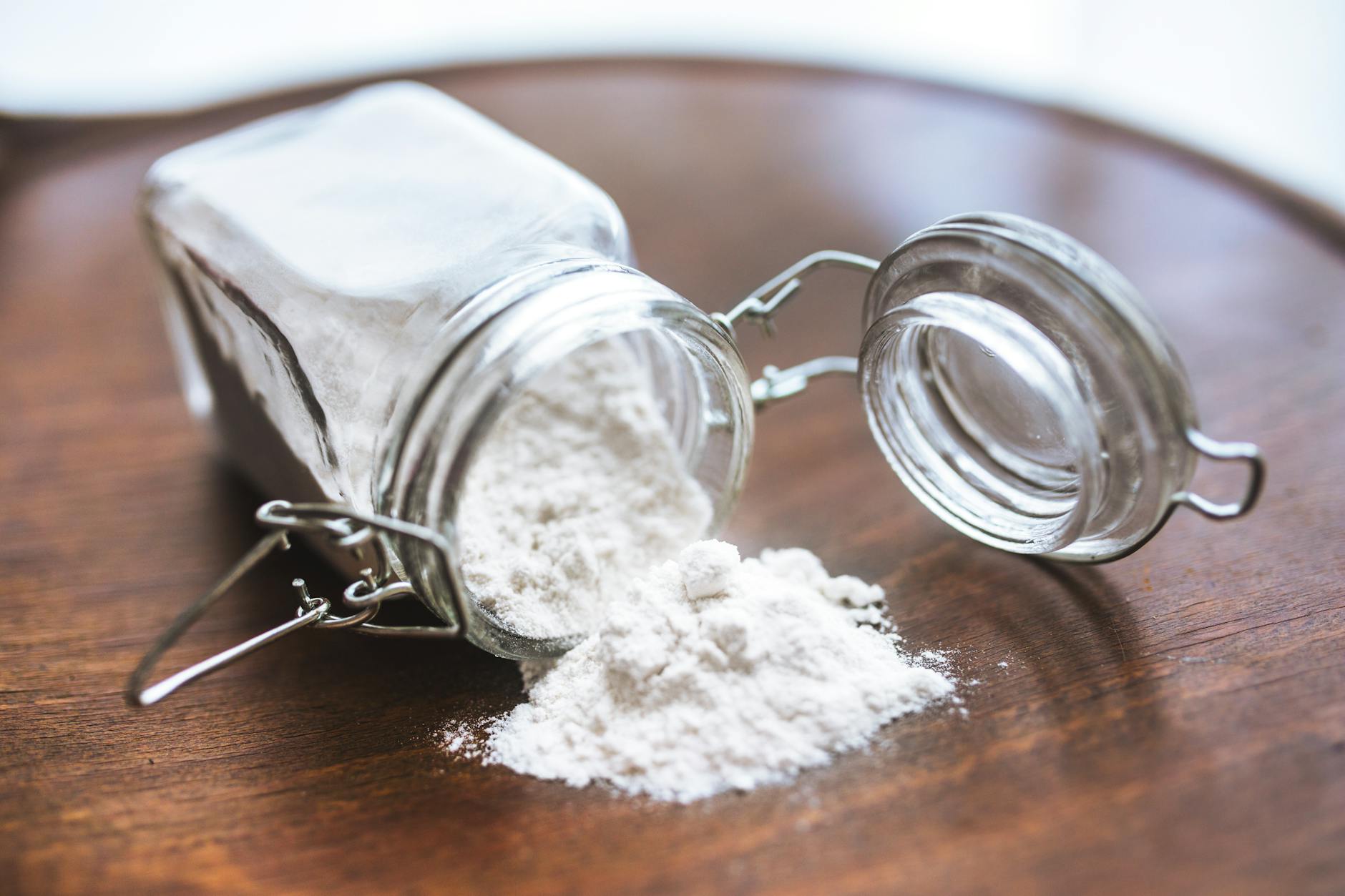
Baking ingredients like flour behave predictably when introduced to liquid inside a plumbing environment. The dry powder absorbs sink water immediately and transforms into a thick doughy glue. This sticky substance hardens onto the walls of the pipes and catches stray food fragments as they float past. A thick layer of hardened flour restricts the interior diameter of the pipe and slows drainage significantly. Wiping excess flour off cutting boards into the trash bin stops this glue from forming in your drain.
Oatmeal
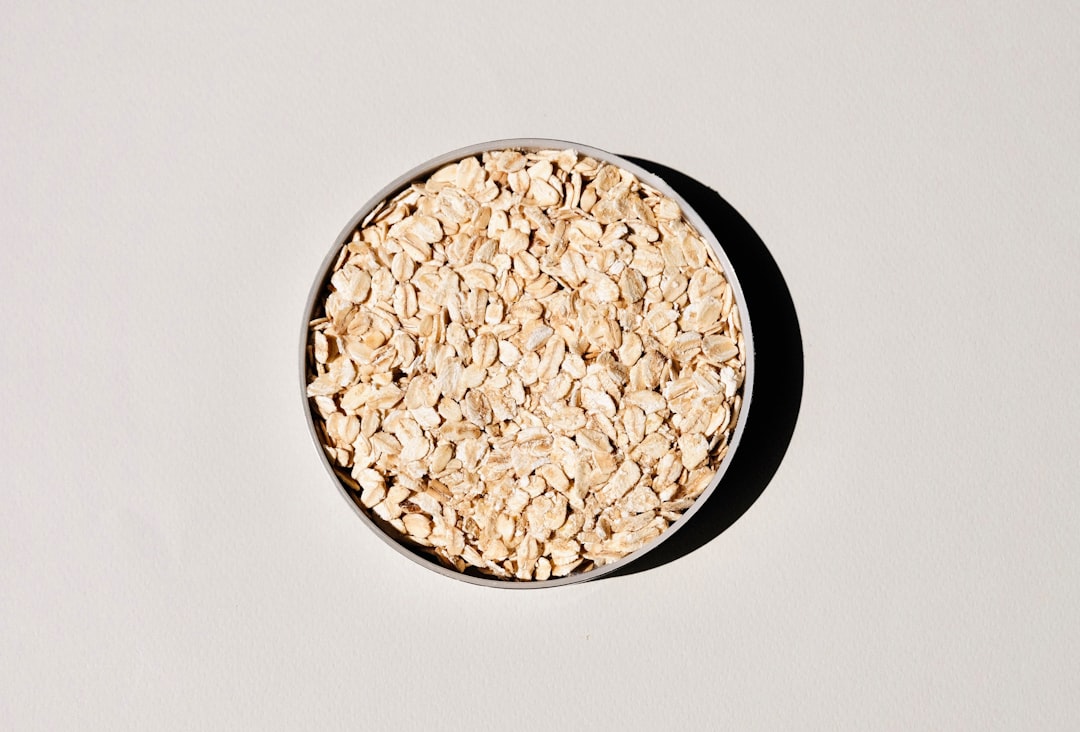
Uncooked oats expand rapidly and become incredibly sticky when exposed to hot water in the sink. Washing a bowl of leftover porridge down the drain introduces a thick and sludgy mass to your plumbing. The gelatinous texture of the oats clings stubbornly to the inside of the P trap and resists flowing water. This organic material ferments over time and creates terrible odors that rise back up into the kitchen. Scraping breakfast bowls directly into the garbage saves your plumbing from these slow moving clogs.
Pumpkin Guts
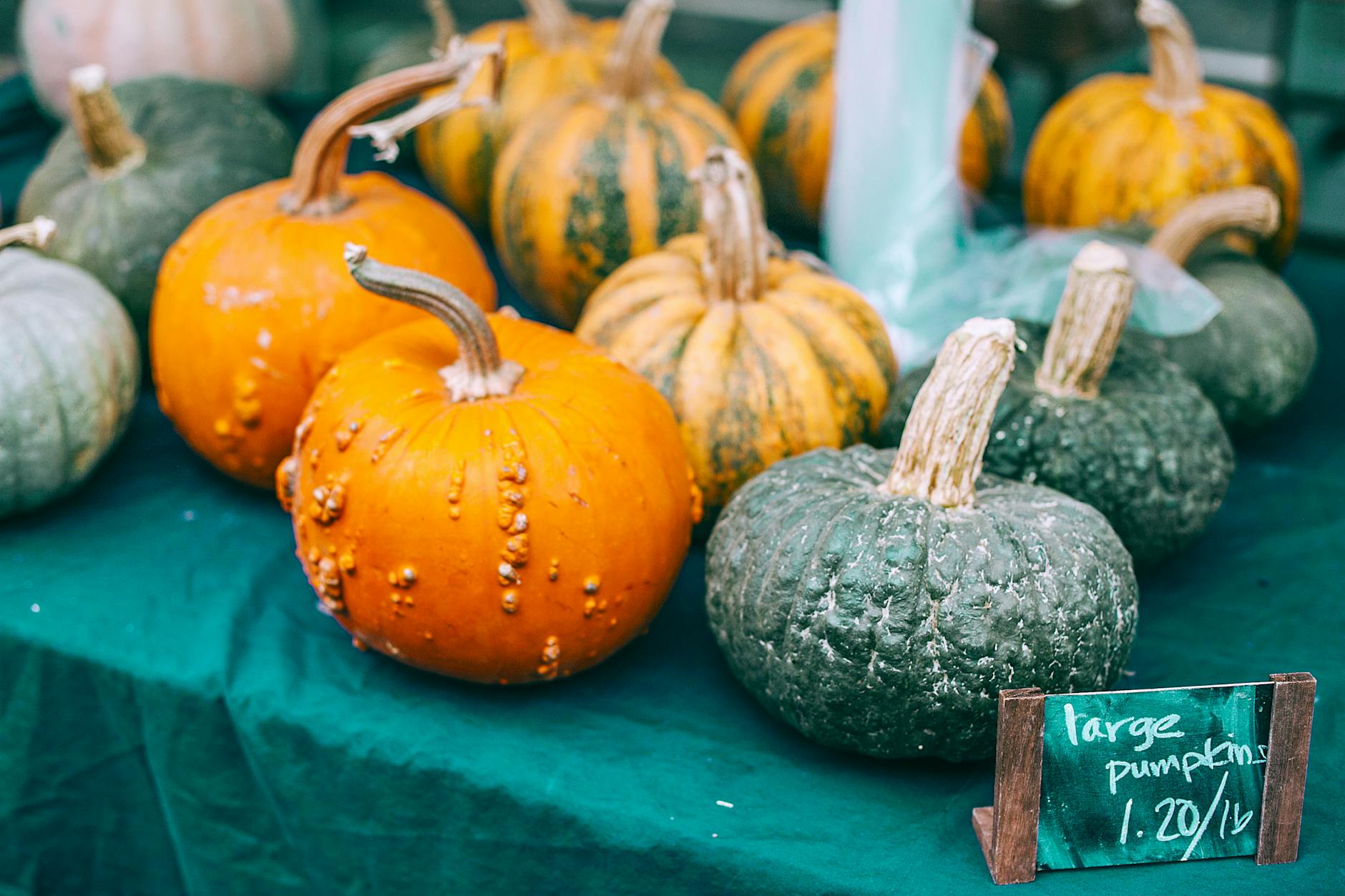
Carving jack o lanterns generates a large amount of stringy pulp and slimy seeds. This sticky orange mess turns into a dense and impassable blockade when shoved down a sink drain. The slimy texture prevents the blades from gripping and chopping the material effectively. The seeds and pulp dry out inside the pipes and harden into a cement like plug that stops all water flow. Scooping pumpkin innards onto newspaper and rolling them into the trash prevents holiday plumbing emergencies.
Non Food Items
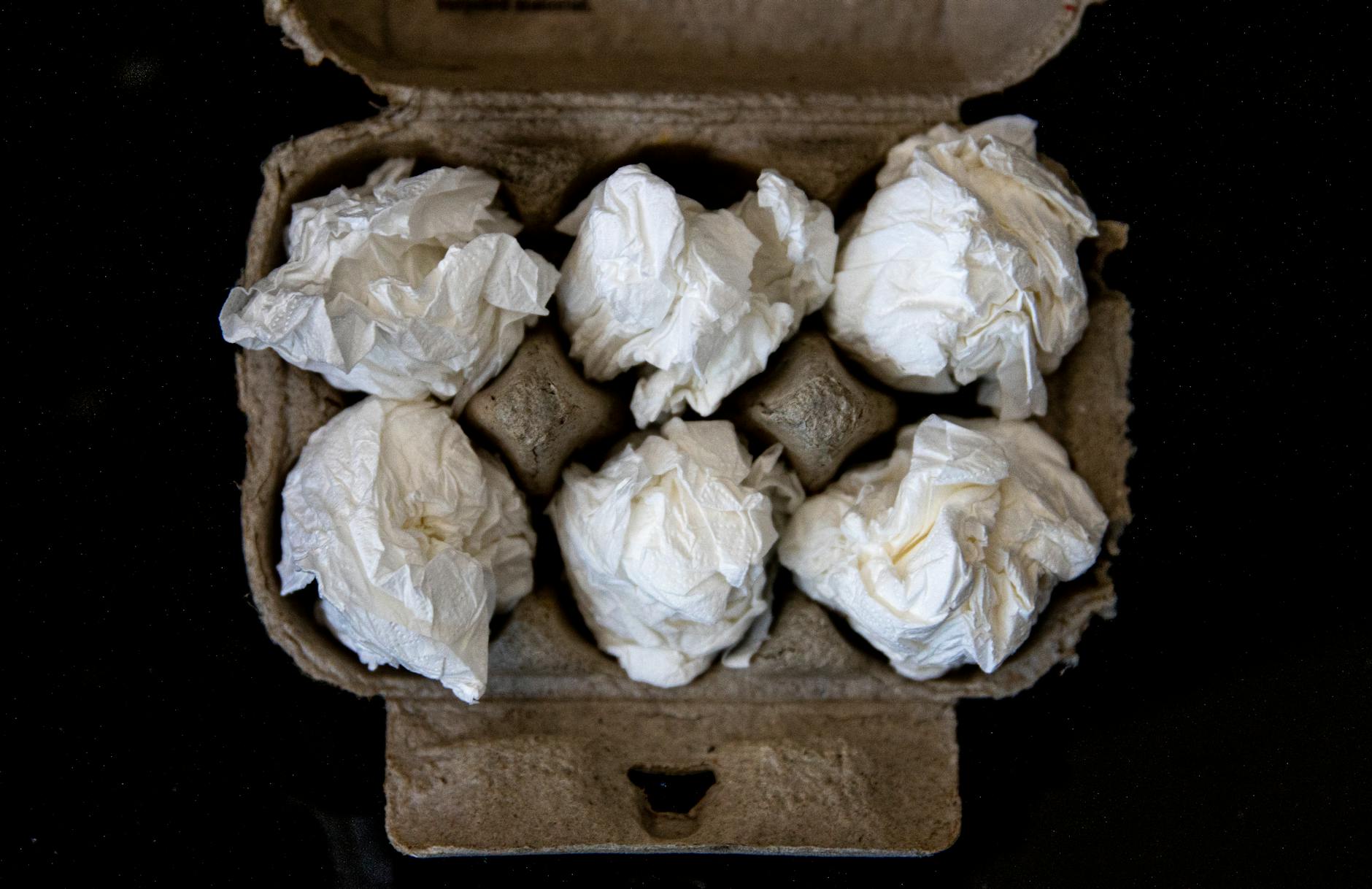
Kitchen sinks frequently collect stray rubber bands and twist ties and small pieces of plastic packaging. These artificial materials cannot be broken down by the grinding action of the disposal unit. Plastic wrappers melt from friction or hot water and coat the metal components with an impenetrable seal. Rubber bands wrap tightly around the moving gears and slowly choke the electrical motor until it dies. Careless disposal of trash guarantees an expensive call to the local plumbing repair service.
Paint

Washing paint brushes in the kitchen sink introduces dangerous chemicals and heavy solids to the water system. Latex and oil based paints coat the inside of the pipes and narrow the passageway as they dry. These chemical substances also upset the bacterial balance at local water treatment facilities. The heavy pigments settle in the P trap and slowly turn into a solid rock that requires pipe replacement. Cleaning painting supplies in a dedicated utility sink or outside protects your vital kitchen infrastructure.
Please share your thoughts on which of these dangerous disposal hazards surprised you the most by leaving a reply in the comments.