Navigating conversations with someone who has recently experienced a loss requires deep empathy and careful word choice. Well-intentioned phrases often inadvertently cause more pain during an incredibly vulnerable time. Understanding which common expressions to avoid helps create a truly supportive environment for the bereaved. Learning the psychology behind grief communication empowers friends and family to offer genuine comfort instead of empty platitudes.
Everything Happens for a Reason

This common phrase attempts to apply logic to an intensely emotional and painful situation. Grieving individuals often perceive this statement as invalidating their current suffering and profound sense of unfairness. Meaning cannot be forced onto a tragedy immediately following a devastating loss. Supportive listeners should instead acknowledge the senselessness of the pain without trying to justify the event. Finding purpose is a personal journey the bereaved might undertake much later on their own timeline.
I Know Exactly How You Feel

Grief is a highly individualized experience shaped by unique relationships and personal coping mechanisms. Even someone who has endured a similar loss cannot truly understand the exact emotional landscape of another person. Stating this phrase often shifts the focus of the conversation away from the grieving individual and onto the speaker. A better approach involves asking the person how they are feeling today and simply listening to their response. Acknowledging the unique nature of their pain validates their specific emotional experience.
They Are in a Better Place Now

Religious or spiritual beliefs vary wildly and the grieving person might not share the specific theology implied by this statement. Even if they hold similar beliefs they are currently mourning the physical absence of their loved one in their everyday life. This phrase subtly bypasses the immediate earthly pain of separation that requires processing. True support recognizes that the bereaved desperately want the person here with them rather than in an abstract better place. Comfort comes from sharing memories rather than offering theological reassurances.
Be Strong for Your Family

Placing the burden of emotional fortitude on someone who is already depleted creates unnecessary stress. Grief requires immense energy and demanding strength denies the person the space to fully experience their natural sorrow. Crying and showing vulnerability are essential components of the healing process rather than signs of weakness. Family members actually benefit from seeing healthy modeling of grief expression rather than a stoic facade. Giving permission to fall apart temporarily offers much more relief than demanding resilience.
At Least They Lived a Long Life
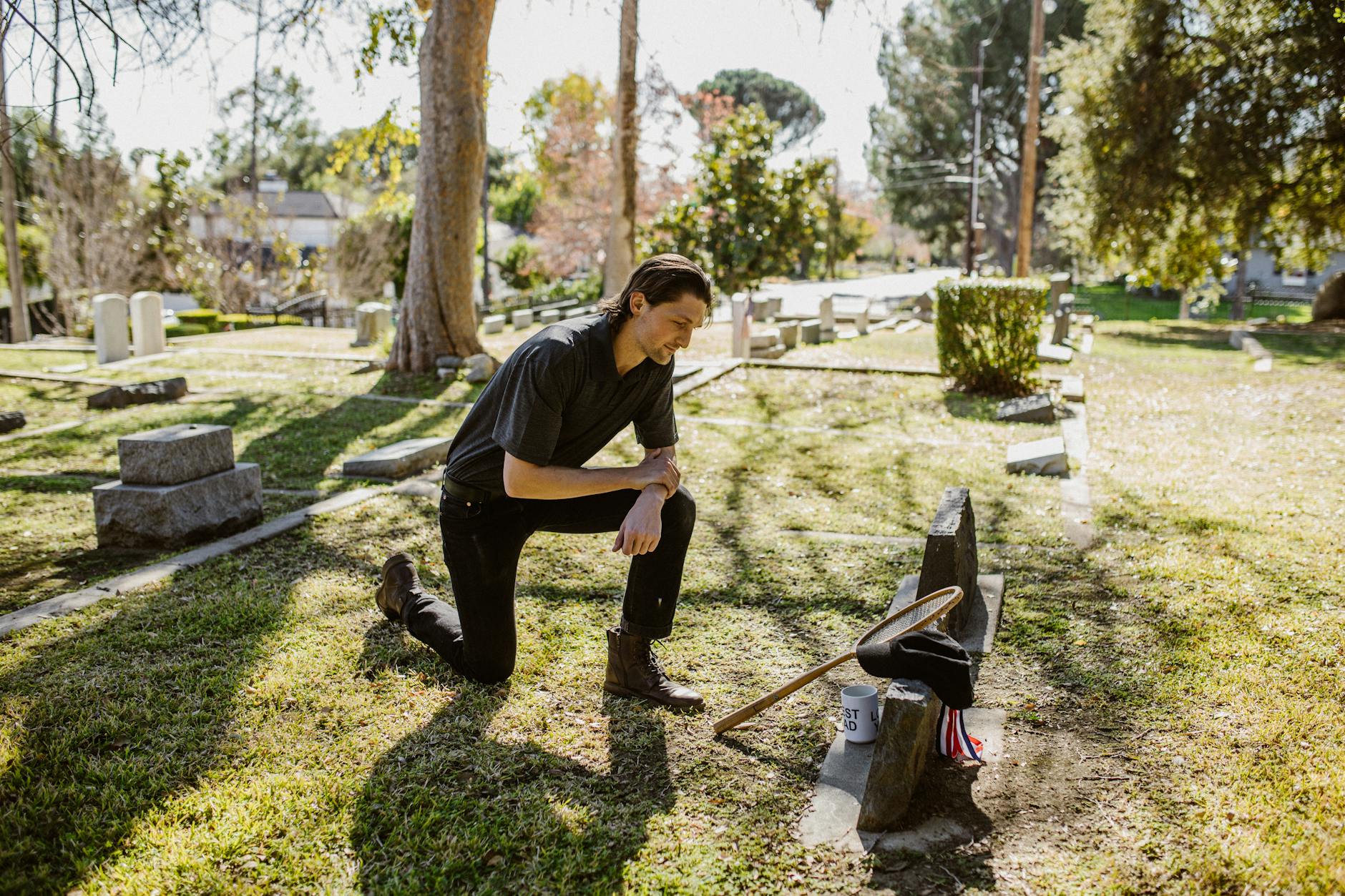
The length of a life does not diminish the intensity of the love felt or the depth of the resulting grief. Losing a companion of many decades often leaves a massive void that cannot be filled by simply acknowledging their advanced age. This statement minimizes the immediate shock and sorrow experienced by the surviving family members. Every loss brings acute pain regardless of whether the passing was anticipated or the individual had reached old age. Friends provide better support by validating the significance of the loss irrespective of the lifespan.
Time Heals All Wounds
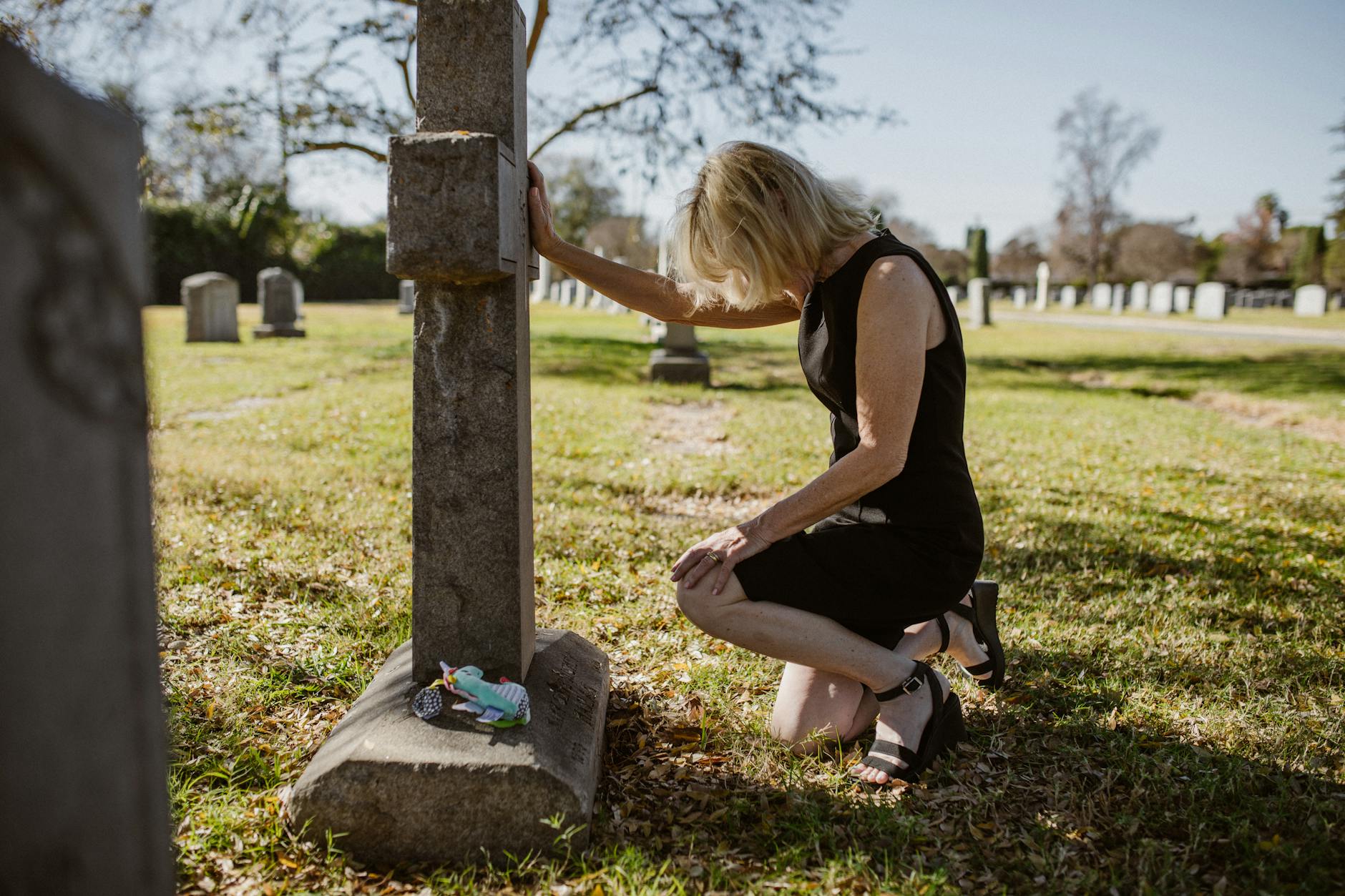
This overused saying sets up a false expectation that grief has a definitive endpoint and will eventually disappear completely. Psychology experts suggest that people do not simply move on from loss but rather learn to move forward with the loss integrated into their lives. Suggesting that time alone cures pain ignores the active emotional work required during the grieving process. The intensity of the sorrow may change over the years but the scar of the absence remains permanent. Validating the enduring nature of their love offers more realistic comfort than promising a complete emotional erasure.
Let Me Know if You Need Anything

While offered with the best intentions this vague statement places the administrative burden of asking for help squarely on the exhausted bereaved. Grieving individuals rarely have the mental bandwidth to identify specific tasks and delegate them to friends. Providing concrete options takes the pressure off the person navigating the immediate aftermath of a loss. Bringing dinner on a Tuesday or offering to walk the dog provides immediate tangible relief without requiring a formal request. Proactive assistance always surpasses passive offers of future help.
You Are Holding Up So Well

Commenting on a grieving person appearing composed often makes them feel pressured to maintain a socially acceptable facade. Outward appearances rarely reflect the chaotic and painful internal reality of mourning a significant loss. This type of praise can make the bereaved feel isolated and unable to express their true feelings around the speaker. Authentic support creates a safe environment where the person feels free to express messy and complicated emotions. Acknowledging the difficulty of the situation allows them to drop the brave face and be honest.
God Will Never Give You More Than You Can Handle

This expression often rings hollow and deeply insensitive to someone who currently feels completely crushed by their circumstances. It implies a divine test that the grieving person did not ask for and certainly does not want. The sheer weight of grief frequently exceeds a normal capacity to cope during the early stages of mourning. Statements involving spiritual platitudes often backfire and alienate the person from their support network. Simply sitting with them in their overwhelming sadness proves much more effective than offering theological justifications.
It Is Time to Move On

Dictating a timeline for another person to process their grief is both unrealistic and highly inappropriate. The mourning process is circular and unpredictable rather than a straight line with a neat conclusion. Pressuring someone to return to normal implies that their ongoing sorrow is somehow inconvenient or pathological. Healthy grieving involves honoring the deceased continuously while gradually adapting to a changed reality. Friends must remain patient and allow the bereaved to navigate their unique emotional landscape at their own pace.
Did They Suffer at the End
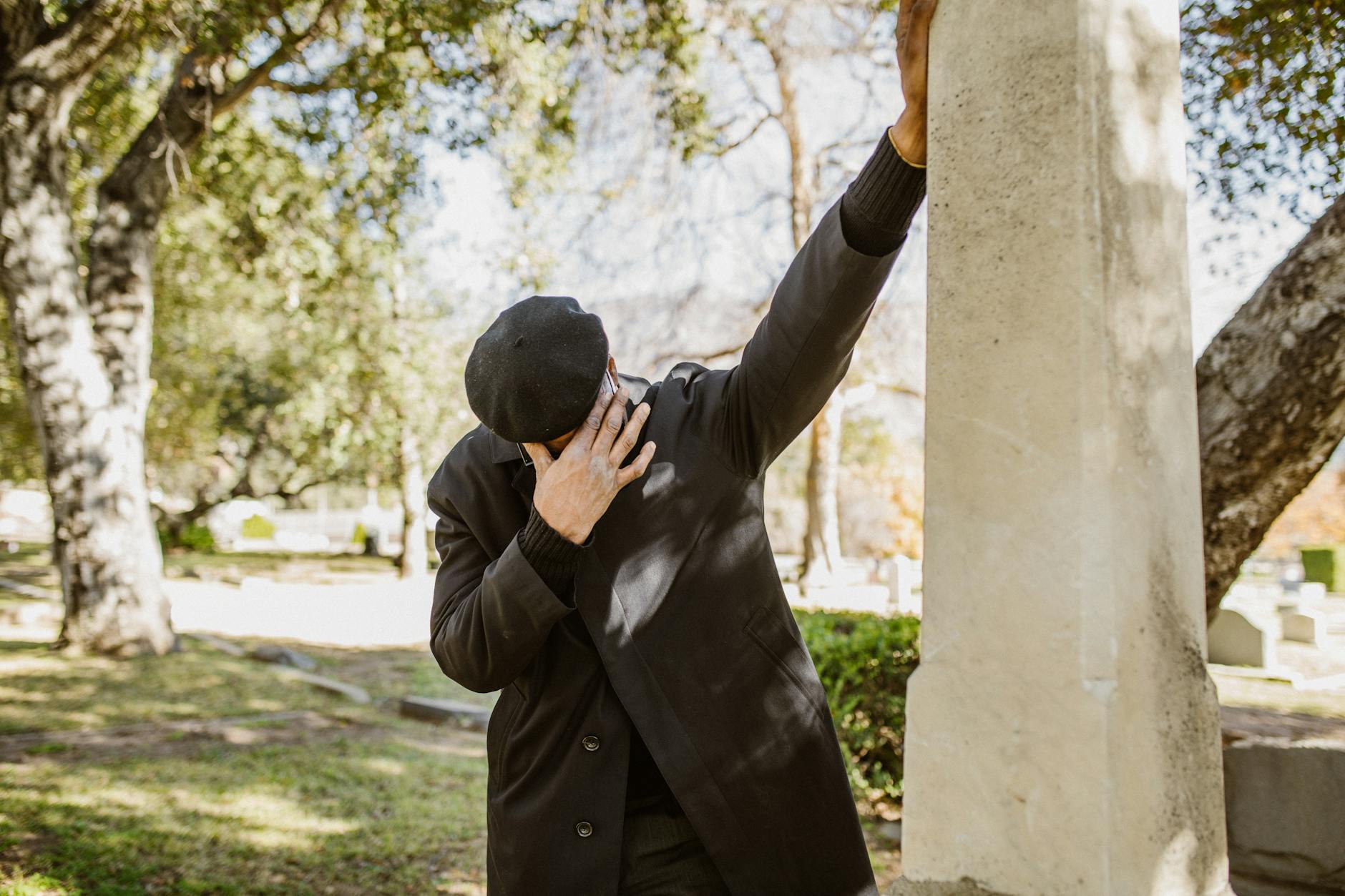
Prying into the physical details of a loved one passing forces the grieving person to relive highly traumatic moments. This morbid curiosity serves the listener rather than providing any actual comfort to the bereaved. The final days or hours of a life are profoundly private and should only be discussed if the mourning individual initiates the topic. Focus should remain squarely on celebrating the life lived and supporting the survivors in the present moment. Offering a gentle listening ear is infinitely more helpful than conducting an unsolicited interrogation.
You Should Be Over This by Now

Societal expectations often impose arbitrary deadlines on grief that conflict with psychological reality. Imposing artificial time limits on mourning only adds guilt and shame to an already heavy emotional burden. Grief resurfaces intensely during holidays and anniversaries or entirely at random moments years after the actual loss. True companions recognize that missing a deeply loved individual is a lifelong process of adjustment. Providing steadfast support months and years down the line demonstrates genuine care and understanding.
You Will Find Someone Else

Directing this comment at a grieving widow or widower completely disrespects the unique bond they shared with their deceased partner. People are not interchangeable objects that can be easily replaced to cure the pain of loneliness. The thought of a new relationship is usually repulsive and deeply distressing to someone in the throes of acute mourning. Healing involves processing the specific loss of that exact individual before any new chapters can even be considered. Companionship must be offered through friendship rather than through inappropriate suggestions of future romance.
Stay Positive

Toxic positivity has no place in the healthy processing of a devastating personal loss. Forcing a cheerful outlook upon someone in mourning invalidates their very real and necessary pain. Grief demands to be felt and attempting to bypass the sadness only prolongs the psychological distress. A supportive presence allows the grieving person to express anger and despair without judgment or immediate correction. Acknowledging the darkness of the situation is a crucial step toward eventually finding the light again.
I Could Never Survive What You Are Going Through

This statement shifts the focus from the person experiencing the tragedy directly onto the anxieties of the speaker. It subtly implies that the grieving person has some supernatural strength when they actually just have no other choice but to survive. The bereaved are often simply putting one foot in front of the other to make it through the day. Such comments isolate the mourning individual by making their experience seem unfathomable and completely alien. Expressing deep sorrow for their pain centers their needs and offers a much better foundation for support.
Please share your thoughts on navigating grief and supporting loved ones in the comments.