Pregnancy is a transformative period that involves significant physical and emotional changes for expectant mothers. Friends and strangers often feel compelled to offer advice or comments that can be unintentionally intrusive or hurtful. Navigating conversations with pregnant women requires empathy and a keen awareness of personal boundaries. This guide highlights common phrases that are best left unsaid to ensure supportive and respectful interactions.
Are You Having Twins?

Asking this question usually implies the woman looks larger than expected for her stage of pregnancy. It can make an expectant mother feel self-conscious about her weight gain or body shape. Every pregnancy is different and women carry babies in various ways based on their body type. Comments about size are generally unwelcome and can cause unnecessary insecurity during a sensitive time.
Was This Planned?

This question invades the personal privacy of the parents regarding their reproductive choices. It implies a judgment about the timing or circumstances of the pregnancy that is none of your business. Couples may have struggled with fertility or faced other challenges that make this topic painful. Assuming the pregnancy was accidental or planned creates an awkward dynamic that serves no positive purpose.
Sleep While You Can

Telling a pregnant woman to bank sleep is physically impossible and offers no practical solution for current fatigue. This phrase dismisses the discomfort she may currently be feeling such as insomnia or physical pain. It also frames the arrival of the baby as a negative event characterized solely by exhaustion. New parents will adapt to their sleep schedules when the baby arrives without this unhelpful warning.
Can I Touch Your Belly?

Touching a pregnant woman without explicit permission is a violation of her personal space and bodily autonomy. Many women feel uncomfortable with people reaching out to touch them simply because they are expecting. The baby bump is still a part of her body and not public property for others to handle. You should always wait for an invitation or keep your hands to yourself.
You Look Ready to Pop

This comment is often perceived as a remark on how large the woman has become. It suggests impatience with the pregnancy timeline or judgment about her appearance. Many women feel heavy and uncomfortable in the final stages and do not need reminders of their size. It is more polite to ask how she is feeling rather than commenting on her physical state.
You Look Like You Are Having a Girl

Guessing the gender based on the shape of the bump or the mother’s appearance is an old wives’ tale with no scientific basis. It can be annoying for parents who have chosen to keep the gender a surprise or who already know the sex. These comments often come with stereotypes about how a woman carries weight or how her skin looks. It is better to wait for the parents to share the news themselves.
I Hope It Is a Boy

Expressing a preference for the baby’s gender can be hurtful if the parents are hoping for the opposite or already know the outcome. It places external pressure on the parents and implies that one gender is superior to the other. Gender disappointment is a real issue for some parents and your comment might trigger negative emotions. The health of the baby and mother should always be the primary focus of well wishes.
Are You Disappointed It Is a Girl?

Asking a parent if they are unhappy with the gender of their child is insensitive and rude. It creates a situation where the mother feels forced to defend her feelings or feign excitement she may not feel yet. Most parents are simply happy to have a healthy child regardless of the sex. This question introduces unnecessary negativity into what should be a celebratory time.
I Hate That Name

Criticizing the name choice of a future child is one of the quickest ways to offend expectant parents. Names are deeply personal decisions that often hold sentimental value or cultural significance. Negative opinions can cast a shadow over a name the couple has already fallen in love with. If you cannot say something nice about the chosen name it is best to say nothing at all.
Let Me Tell You About My Horrible Labor

Sharing traumatic birth stories with a pregnant woman creates unnecessary fear and anxiety. Every birth experience is unique and hearing about complications does not help her prepare. She likely has enough worries of her own without carrying the burden of your negative experience. Supportive conversations should focus on empowerment rather than fearmongering.
You Should Not Get an Epidural

Offering unsolicited medical advice about pain management ignores the mother’s personal agency and medical needs. Every woman has a different pain threshold and birth plan that works for her specific situation. Judgment about using anesthesia implies that unmedicated birth is the only valid or noble way to deliver. The goal is a healthy baby and mother regardless of the method of pain relief.
You Are Too Small for How Far Along You Are

Comments about a small bump can cause panic that the baby is not developing correctly. Doctors monitor growth closely and casual observers are not qualified to assess fetal health visually. Carrying small is normal for many women depending on their torso length and muscle tone. Raising alarms about size usually creates baseless worry for the mother.
Are You Sure There Is Only One in There?

This joke is overused and centers entirely on the woman’s size in a derogatory way. It implies she is abnormally large which can be humiliating and hurtful. The mother is well aware of how many babies she is carrying based on her medical scans. Humor at the expense of a pregnant woman’s body image is rarely received well.
Just Wait Until the Baby Comes
This phrase is almost always followed by a negative prediction about how difficult life will become. It invalidates her current struggles by suggesting things will only get worse. New mothers need encouragement and support rather than ominous warnings about the future. It casts a shadow over the excitement of meeting the new baby.
You Look So Tired

Telling a pregnant woman she looks tired is essentially saying she looks worn out or haggard. Pregnancy places immense physical strain on the body that often results in visible fatigue. Pointing this out does not help her feel better and only highlights her exhaustion. It is kinder to offer help or simply ask how she is feeling.
Your Face Is Really Filling Out

Commenting on weight gain in the face or other body parts is insensitive. Pregnancy involves water retention and weight gain that is necessary but often makes women feel self-conscious. Remarks about facial swelling can be particularly stinging as it is difficult to hide. Compliments should focus on her glow or general happiness rather than specific body changes.
Should You Be Eating That?

Policing a pregnant woman’s diet is intrusive and treats her like she is incapable of making her own decisions. She is likely well aware of dietary restrictions and has discussed them with her healthcare provider. Occasional treats or specific cravings are a normal part of pregnancy. Unless you are her doctor you should refrain from monitoring her food intake.
Are You Drinking Coffee?

Questioning a woman’s caffeine consumption assumes she is being negligent with her baby’s health. Many doctors allow a limited amount of caffeine during pregnancy. This question puts the mother on the defense and implies she is uninformed. Trust that she is making responsible choices for herself and her child.
You Will Never Have Free Time Again
Exaggerating the loss of freedom that comes with parenthood is unhelpful and depressing. While priorities change it is untrue that parents never have time for themselves again. This statement creates a sense of doom regarding her personal identity and hobbies. It is better to discuss how she plans to balance her new role.
You Are Too Young to Be a Mom

Judging a woman’s age implies she is unprepared or immature. Age does not determine a person’s capability to be a loving and effective parent. This comment casts doubt on her ability to raise a child before she has even started. Support is more valuable than judgment regarding her life stage.
You Are Brave to Have a Baby at Your Age

This backhanded compliment highlights a woman’s older age and suggests her pregnancy is risky or unusual. Many women have healthy pregnancies and babies later in life. It draws attention to her biological clock in a way that can feel shaming. Simply congratulating her is the appropriate response regardless of her age.
Don’t Worry You Will Lose the Weight Fast
Focusing on postpartum weight loss before the baby is even born adds unnecessary pressure. The mother’s body is currently doing the important work of growing a human. Society places too much emphasis on bouncing back rather than recovering and bonding. This comment reinforces toxic beauty standards during a vulnerable time.
Is Your Husband Happy About This?
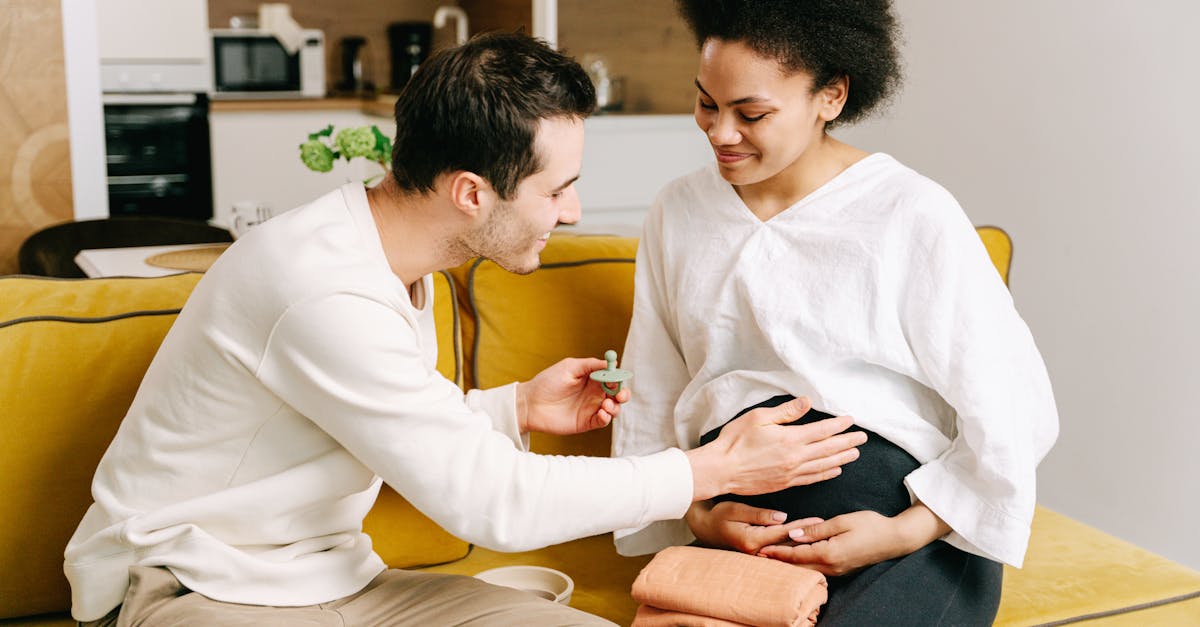
This question implies that the partner might be unwilling or trapped in the situation. It hints at relationship instability or that the pregnancy was a unilateral decision. The feelings of the partner are private and for the couple to discuss. It casts a shadow of doubt over what should be a shared joy.
Another One?

Expressing shock or judgment at the size of a growing family is rude. It implies the parents are irresponsible or that they have too many children. Family size is a personal choice and large families are a source of joy for many. Keep opinions about family planning to yourself.
Finally You Will Get a Boy
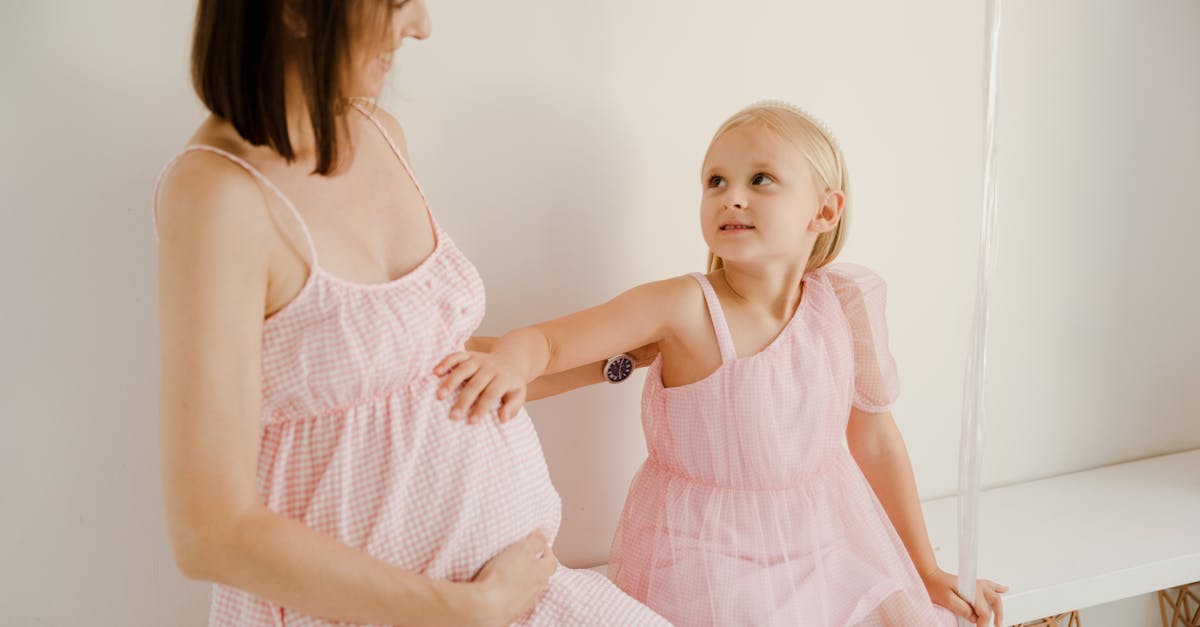
If a couple has several girls this comment suggests their previous children were inadequate. It implies the family was incomplete or unsuccessful until a specific gender arrived. Parents love their children regardless of gender order. This devalues the existing children and places strange expectations on the unborn baby.
You Must Be Miserable
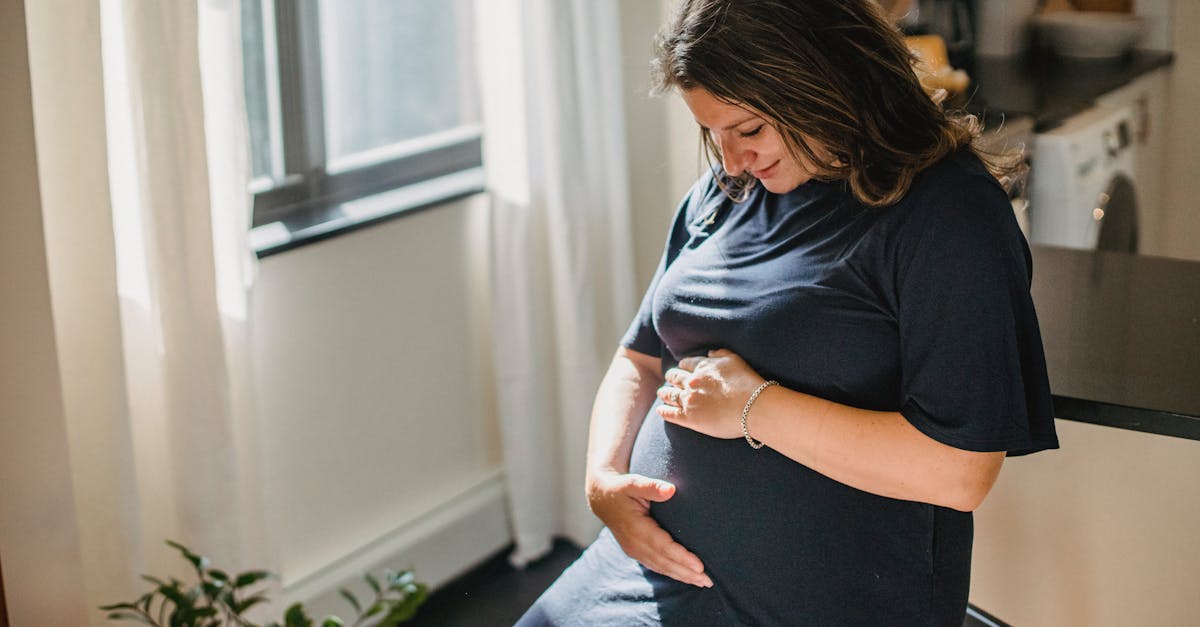
Assuming a pregnant woman is unhappy projects negativity onto her experience. While pregnancy has challenges many women enjoy the process and feel a connection to their baby. This statement puts words in her mouth and forces her to focus on the negatives. Ask open questions about her experience instead of making assumptions.
Are You Going to Breastfeed?
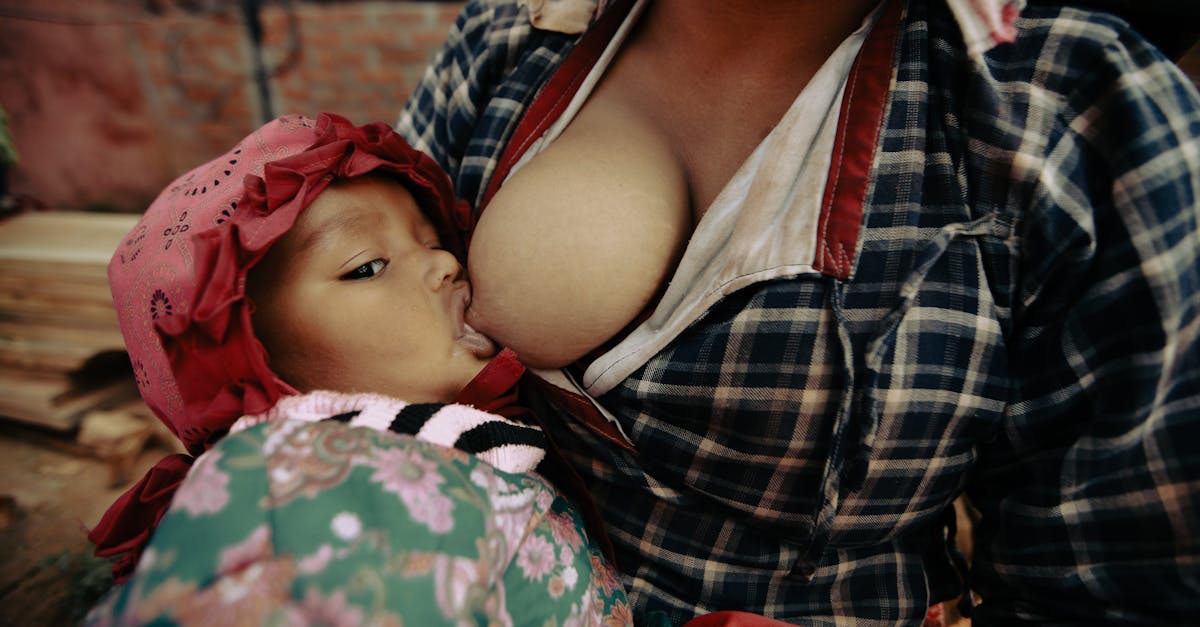
How a mother chooses to feed her baby is a personal decision involving her body and lifestyle. This question often serves as a segue into a lecture about the benefits of one method over another. Pressuring women to breastfeed or use formula ignores the nuance of her specific situation. Respect her choice without demanding an explanation.
You Should Really Enjoy Your Freedom Now

This implies that her life is effectively over once the baby arrives. It frames parenthood as a prison rather than a new chapter of life. The expectant mother is likely already preparing mentally for the lifestyle shift. Reminding her of what she is losing takes away from what she is gaining.
Is the Father in the Picture?
Asking about the father’s involvement is presumptive and potentially painful. Single motherhood by choice or circumstance is a valid family structure. If the partner is absent this question can bring up trauma or sadness. Let the mother volunteer information about her support system if she chooses.
You Are Huge
Using the word huge to describe a pregnant woman is never a compliment. It makes her feel like a spectacle rather than a person. Even if meant affectionately it highlights her size in a blunt way. There are many other adjectives to describe a pregnancy that are not offensive.
You Are Carrying Low

Comments on how a woman carries are often followed by myths about gender or labor timing. It creates an opportunity for unsolicited advice or scrutiny of her body shape. Every woman’s anatomy is different and determines how the bump sits. It is better to avoid analyzing her physical form.
Are You Scared of the Pain?

Asking a woman if she is afraid of childbirth reinforces fear and anxiety. Most women are already aware of the physical challenges of labor. Bringing up pain focuses the conversation on suffering rather than the arrival of the child. Positive affirmations are far more helpful than fear-based questions.
C-Sections Are Not Real Births
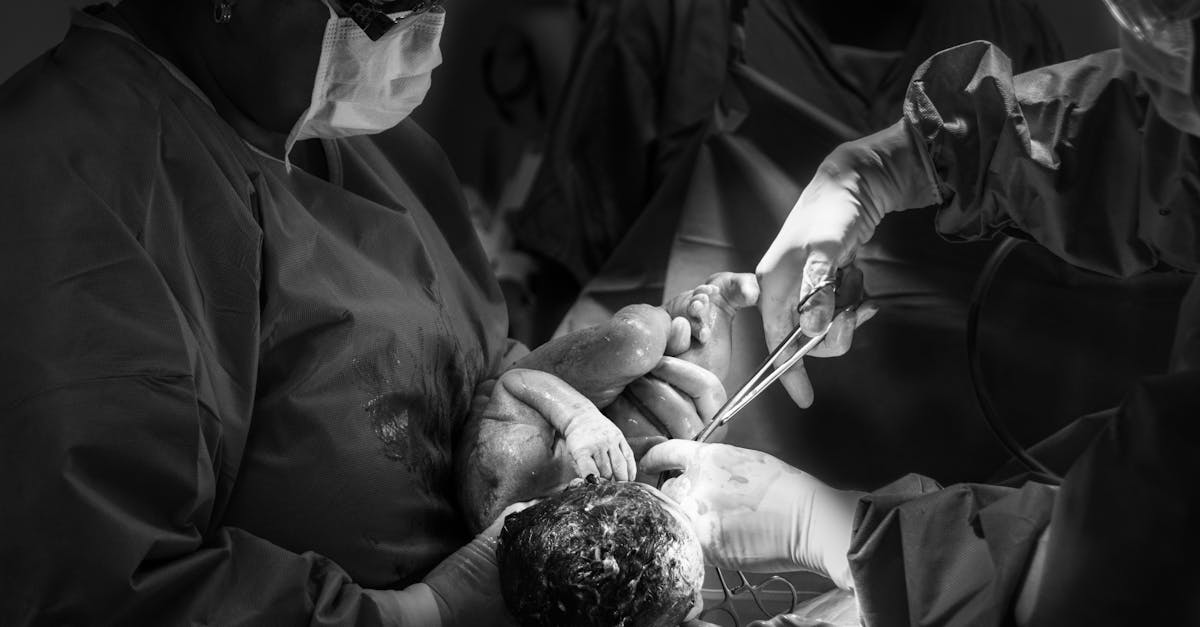
This statement is factually incorrect and deeply insulting to women who require surgical delivery. Cesarean sections are major surgeries undertaken to bring a baby safely into the world. It dismisses the recovery and difficulty associated with this method of delivery. All birth is valid and results in the same outcome of becoming a mother.
Inductions Are Unnatural

Criticizing medical interventions like inductions ignores the medical necessity often behind them. It implies the mother is taking the easy way out or harming her baby. Doctors recommend inductions for the safety of both patient and child. Shaming medical choices creates unnecessary guilt.
Do Not Lift That

Rushing to stop a pregnant woman from lifting reasonable objects treats her like an invalid. Women are generally capable of continuing their daily activities with some modifications. If she needs help she will ask for it. hovering over her creates a sense of helplessness.
Your Pets Will Hate the Baby

Predicting that family pets will be neglected or aggressive adds stress to the household transition. Most families successfully integrate new babies with their existing pets. It implies the parents have not thought about how to manage their animals. This negativity is unhelpful for animal lovers.
Your House Is Not Ready Yet

Pointing out that the nursery or home is unfinished increases the pressure on nesting parents. They are likely acutely aware of what remains on their to-do list. Adding to their mental load with observations about readiness causes panic. Offer to help with preparations instead of criticizing the timeline.
You Seem Very Hormonal

Dismissing a woman’s emotions as purely hormonal is gaslighting. Pregnant women have valid feelings and reactions that deserve respect. Blaming hormones invalidates her perspective and shuts down communication. Treat her emotions as real regardless of her pregnancy status.
You Should Not Be Working So Much

Criticizing a woman’s work ethic ignores her financial needs and career goals. Many women work up until their due date by choice or necessity. It implies she is neglecting her pregnancy by maintaining her professional life. Trust her to manage her own energy levels and schedule.
It Goes So Fast

While intended to be wise this phrase can feel dismissive when days feel long and difficult. It minimizes the current struggle of pregnancy or the newborn phase. To a woman in discomfort time often feels like it is standing still. Validate the present moment rather than rushing her through it.
You Must Be hoping for a Healthy Baby
This is a truism that implies the alternative is something she hasn’t considered. Of course every parent hopes for a healthy child above all else. Stating the obvious adds nothing to the conversation. It can also be painful if there are known medical complications.
I Gained Less Weight Than You

Comparing weight gain is competitive and insensitive. Every body reacts to pregnancy differently based on genetics and health factors. This comment serves only to make the speaker feel superior and the pregnant woman feel inadequate. Weight is a medical metric between a doctor and patient.
Those Stretch Marks Are Bad

Pointing out stretch marks or other skin changes is rude and hurts body image. These marks are a normal part of the skin stretching to accommodate the baby. The mother sees them every day and does not need them highlighted. Body comments should remain positive or nonexistent.
Just Wait Until They Are Teenagers

Projecting problems fifteen years into the future is absurdly premature. It creates a narrative that parenting is a lifelong burden of difficult stages. The expectant mother is focused on the newborn phase right now. Let her handle challenges as they come.
Are You Going to Keep Your Job?

Asking if a woman plans to be a stay-at-home mom or return to work is a loaded question. It invites judgment regardless of the answer she gives. Financial and career decisions are private and complex. Support her choice whatever it may be.
You Do Not Look Pregnant from Behind

This is an odd compliment that implies looking pregnant is negative. It suggests that retaining a pre-pregnancy figure is the ultimate goal. The woman is pregnant and her body shape is supposed to change. Avoid dissecting her figure from different angles.
Are You Planning to Use a Pacifier?

Questions about specific parenting tools often come with hidden judgments. Pacifier use is a controversial topic for some but a lifesaver for others. The parents will decide what works for soothing their child. Unsolicited opinions on minor parenting details are unnecessary.
Hand-Me-Downs Are the Best
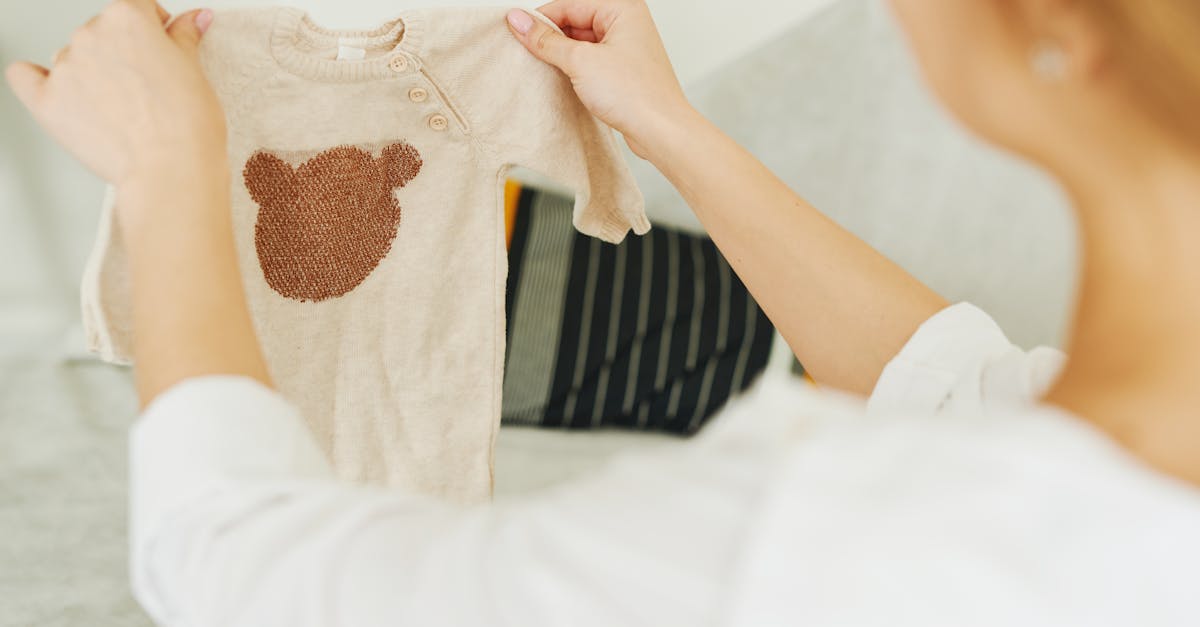
While offering used clothes is generous assuming she wants them can be presumptuous. Some parents look forward to buying new items for their first child. Pushing old items on her without asking can burden her with clutter. Ask if she is interested before bringing bags of items over.
Are You Sure Your Doctor Is Good?

Questioning the competence of her chosen medical provider creates anxiety. Unless you have specific safety concerns this undermines her trust in her care team. She has likely spent time choosing a provider she feels comfortable with. Trust her judgment in selecting her healthcare.
Your Life Is Over
This is the ultimate negative statement that frames a child as a destroyer of happiness. It completely ignores the joy and fulfillment that parenting brings. Telling a woman her life is over is depressing and simply untrue. A new chapter is beginning and it should be welcomed with optimism.
Share your own experiences with unwanted advice or add to this list in the comments.