Dining out is a popular leisure activity that relies heavily on smooth communication between patrons and hospitality staff. Service industry professionals often encounter recurring phrases that disrupt their workflow and create unnecessary friction during busy shifts. Understanding the etiquette of ordering and interacting with restaurant workers helps ensure a pleasant experience for everyone involved. This guide explores common statements that customers should avoid using when speaking with servers and bartenders.
Are You Ready for Me Yet
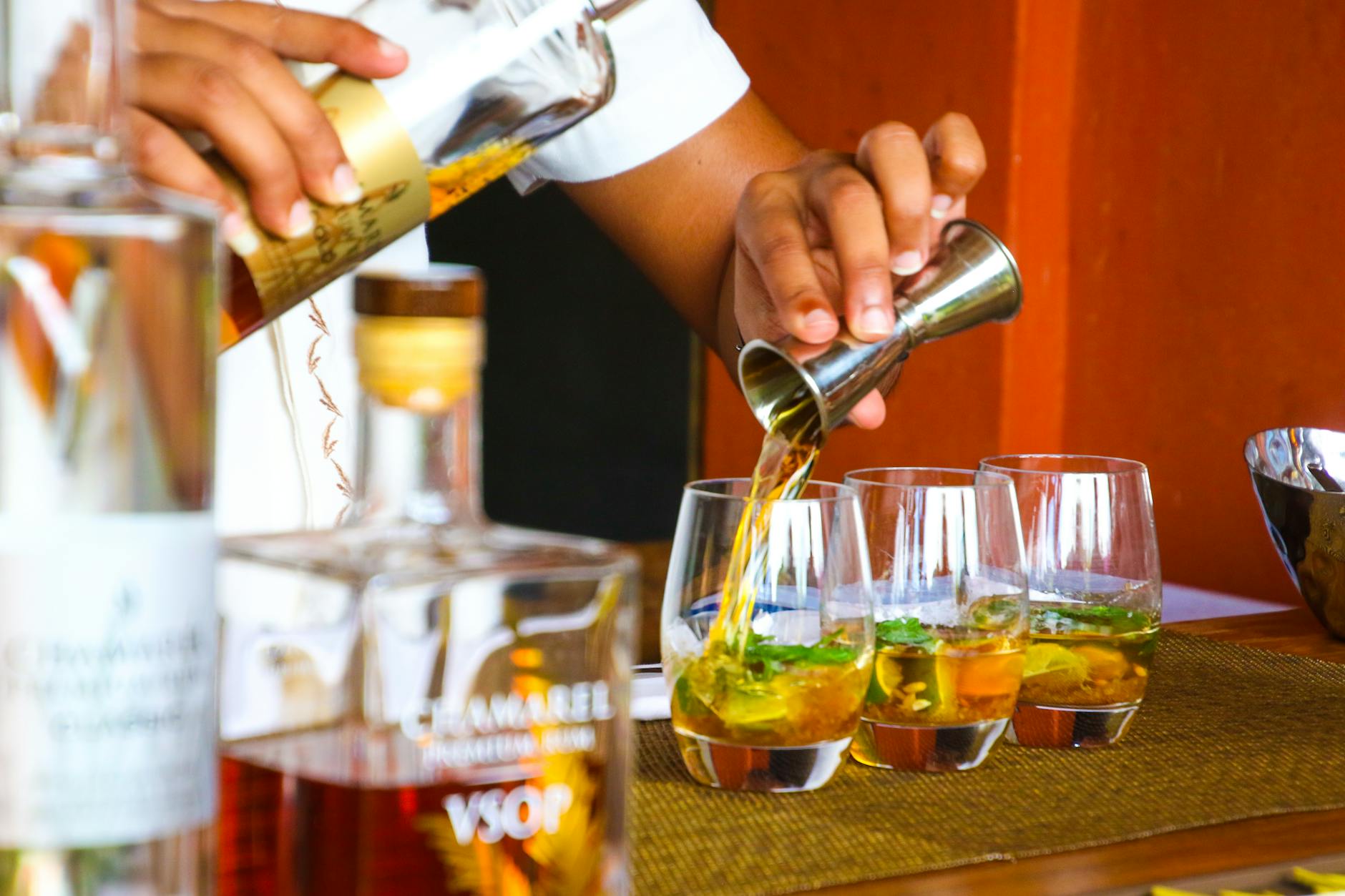
Approaching a busy bartender with this phrase often ignores the mental queue they have already established for serving patrons. Hospitality workers are constantly assessing the room and prioritizing tasks based on arrival times and order complexity. Asking this question implies impatience and fails to recognize the systemic workflow of a busy establishment. Waiting patiently for eye contact is a much more effective way to signal readiness to order without causing disruption.
Make It Strong
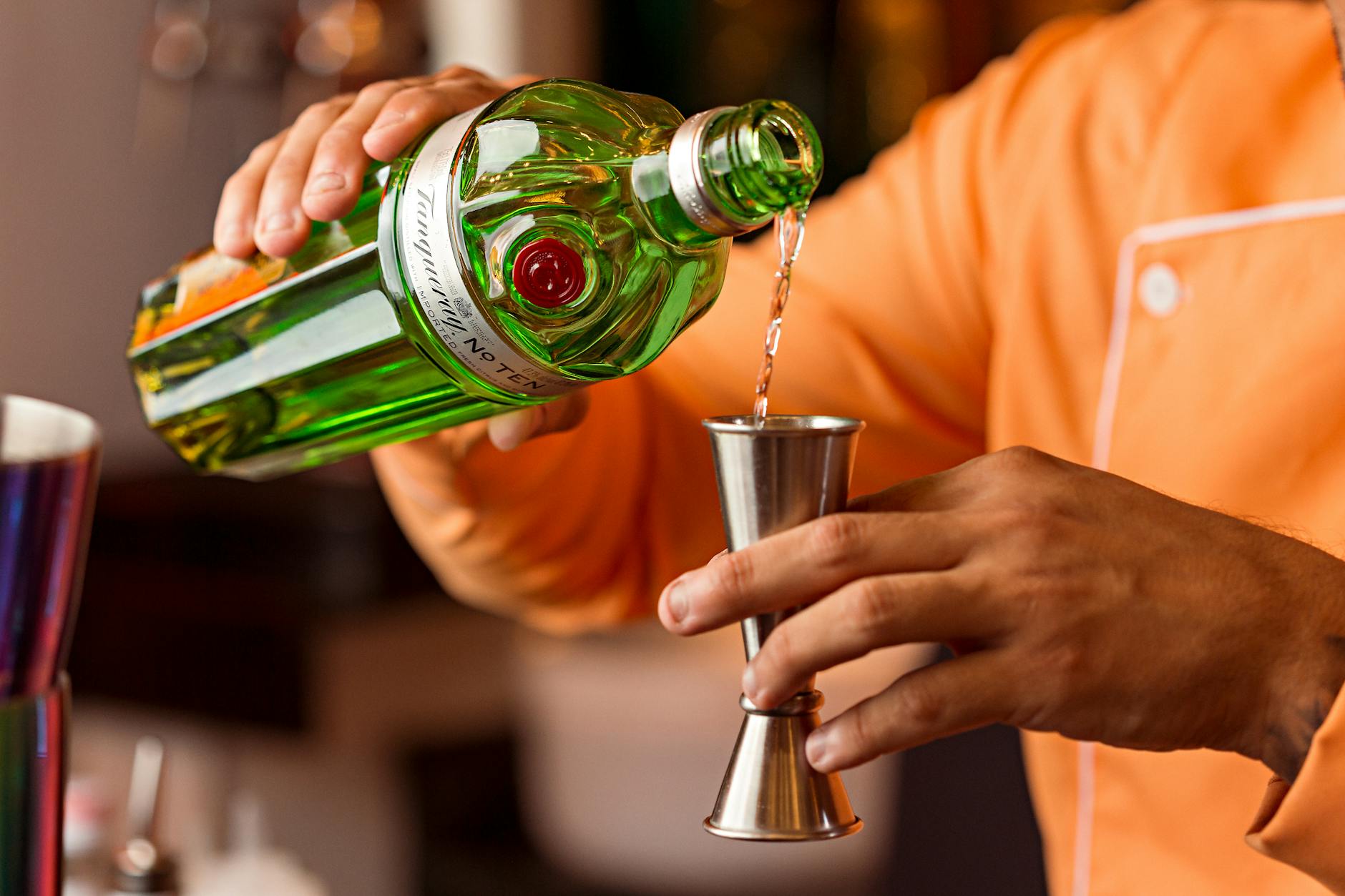
Requesting an excessively potent drink puts bartenders in a difficult position regarding standard recipe measurements and legal liability. Establishments strictly regulate alcohol pours to maintain consistency and manage inventory costs effectively. Professionals will measure spirits according to the standard cocktail specifications established by the venue management. Guests seeking a higher alcohol content should specifically order a double pour and expect to pay the corresponding price.
What Is Your Real Job
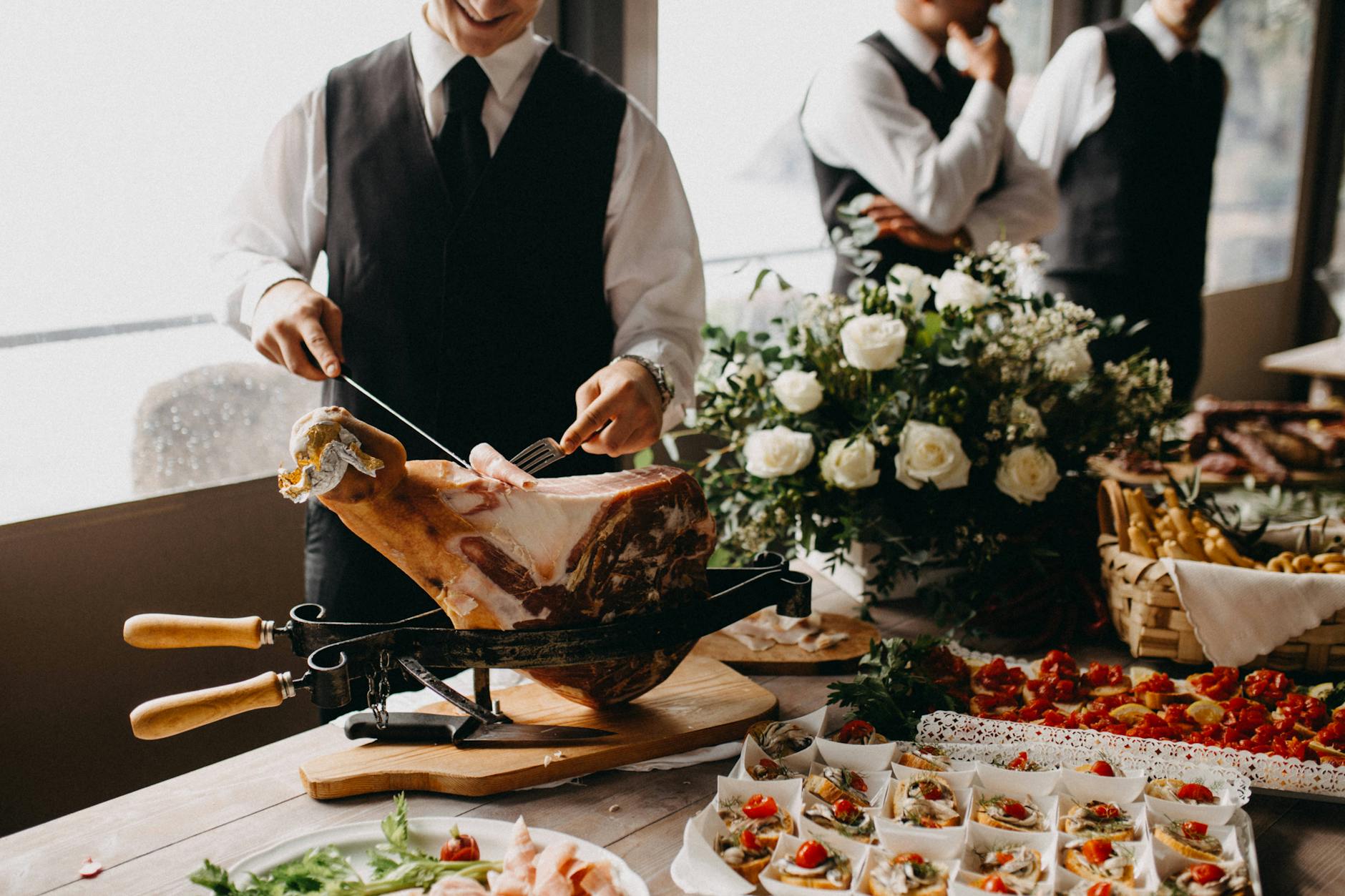
Inquiring about alternative career paths invalidates the professionalism and dedication required to succeed in the hospitality industry. Many servers and bartenders consider their current roles to be their primary careers and take great pride in their expertise. This question relies on outdated stereotypes that view service industry positions as temporary or less valuable than other occupations. Engaging staff about the menu or the history of the establishment shows much better conversational etiquette.
I Know the Owner
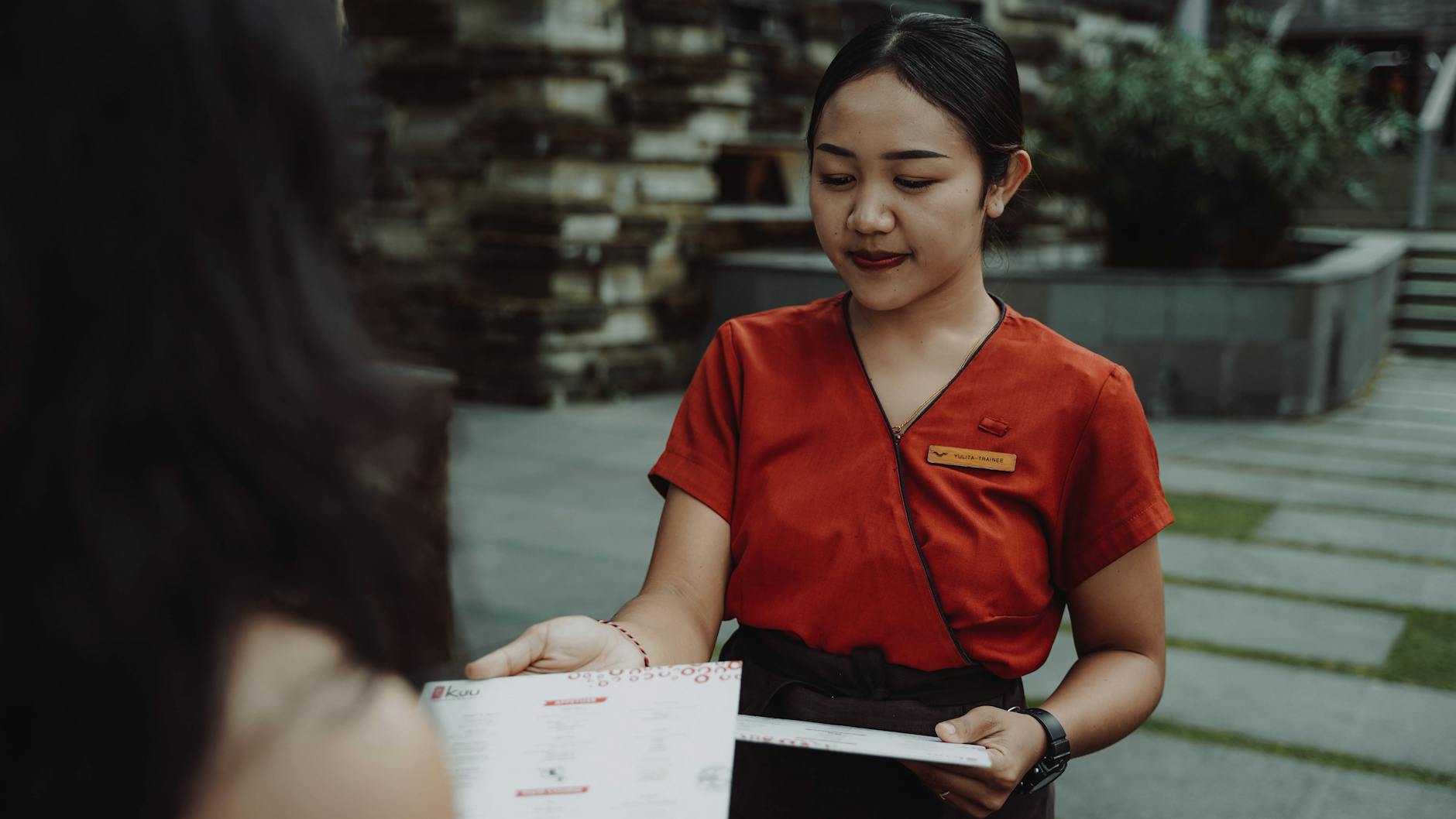
Mentioning a personal relationship with management to secure special treatment places immediate and unfair pressure on the floor staff. Restaurant owners usually communicate VIP arrivals to their team well before the guests actually walk through the front door. Employees must follow standard operating procedures for all patrons regardless of their external connections to the ownership group. Name dropping rarely results in faster service and often creates an awkward dynamic between the table and the server.
Smile More

Instructing a service professional to change their facial expression is an invasive demand that breaches standard social boundaries. Workers in busy restaurants endure high physical and mental stress levels while managing multiple tables and complex dietary requests. Their primary focus remains delivering accurate orders and ensuring food safety rather than maintaining constant performative cheerfulness. Professional service is defined by efficiency and courtesy rather than an emotional display forced by a patron.
Surprise Me
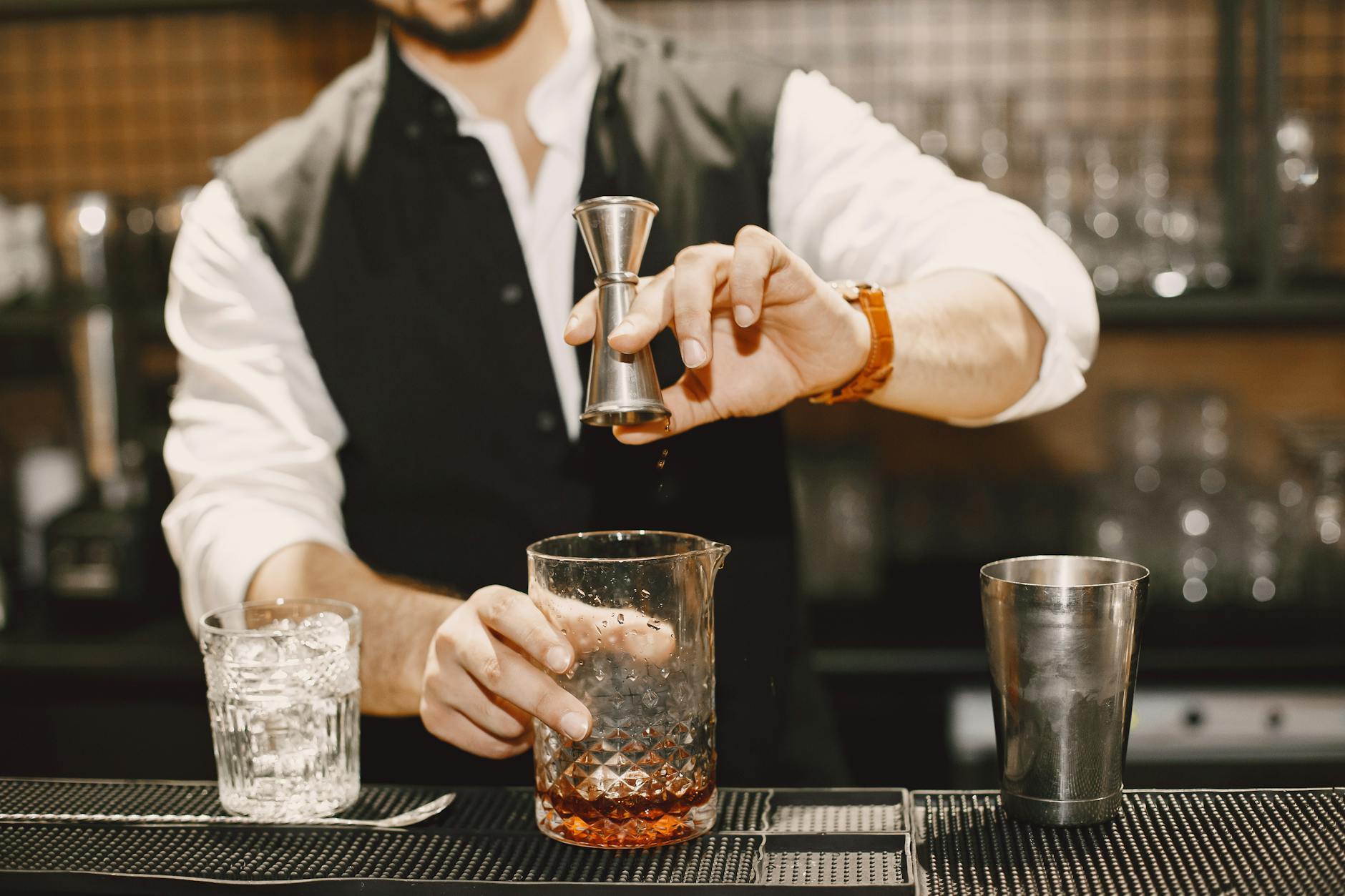
Asking a bartender to guess your flavor preferences during a busy service brings their entire workflow to a complete halt. Beverage professionals need specific parameters regarding spirit types and flavor profiles to craft a drink you will actually enjoy. A vague request often leads to wasted ingredients and an unsatisfied customer if the final product misses the mark. Providing guidance on whether you prefer sweet or spirit forward options ensures a much better custom cocktail experience.
We Are Ready to Order
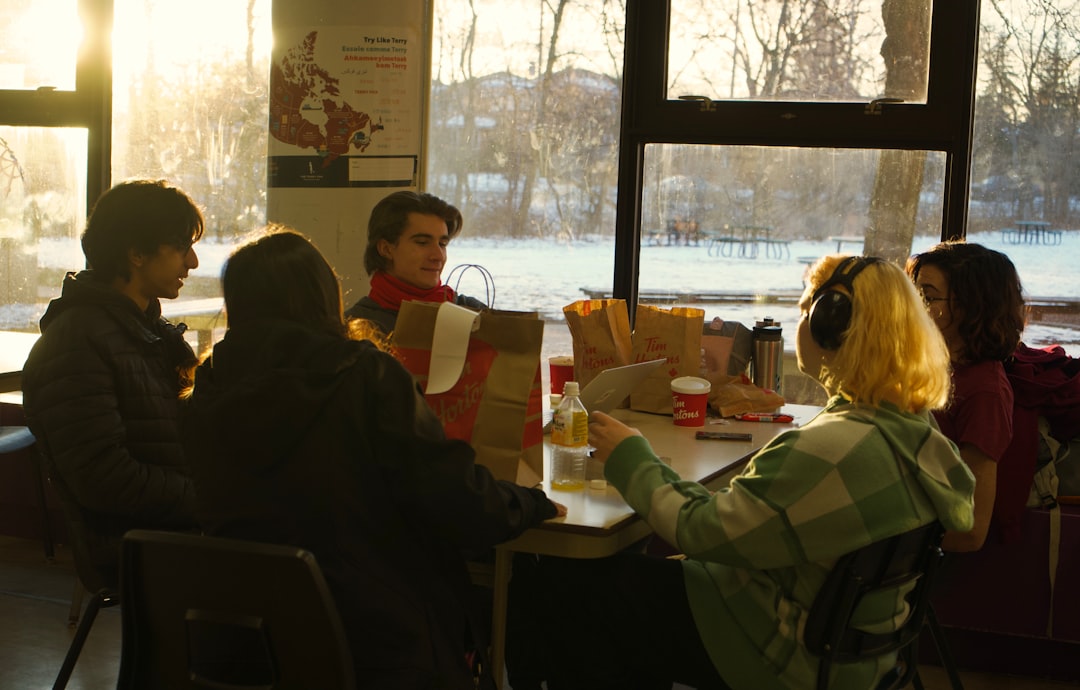
Claiming readiness and then pausing to read the menu completely derails the time management strategy of a busy server. Staff members constantly calculate their floor coverage and allocate specific windows of time for taking orders at each table. Standing idle while a group debates their appetizer choices prevents the server from attending to other waiting guests. Signaling for service should only happen when every person at the table knows exactly what they want to eat.
Do You Have Real Food
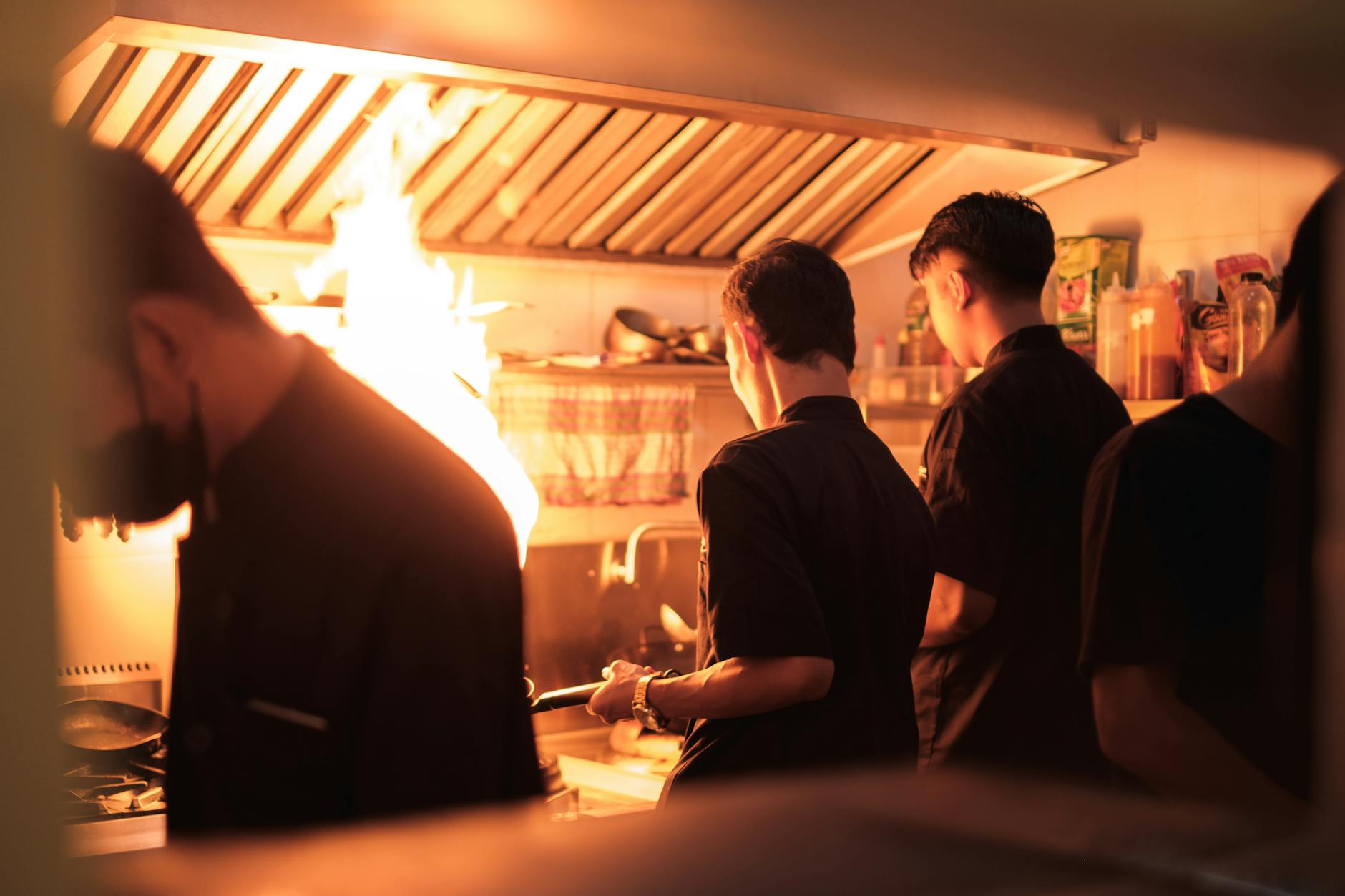
Questioning the legitimacy of a menu insults the culinary team who spent months developing the concept and sourcing ingredients. Many modern bars offer curated snack programs or tapas style dining instead of traditional heavy entrees. Establishments clearly advertise their culinary scope online to help guests set appropriate expectations before arriving. Customers seeking a full course meal should research dining options prior to visiting a venue specializing in craft cocktails.
Can You Put This on Separate Checks
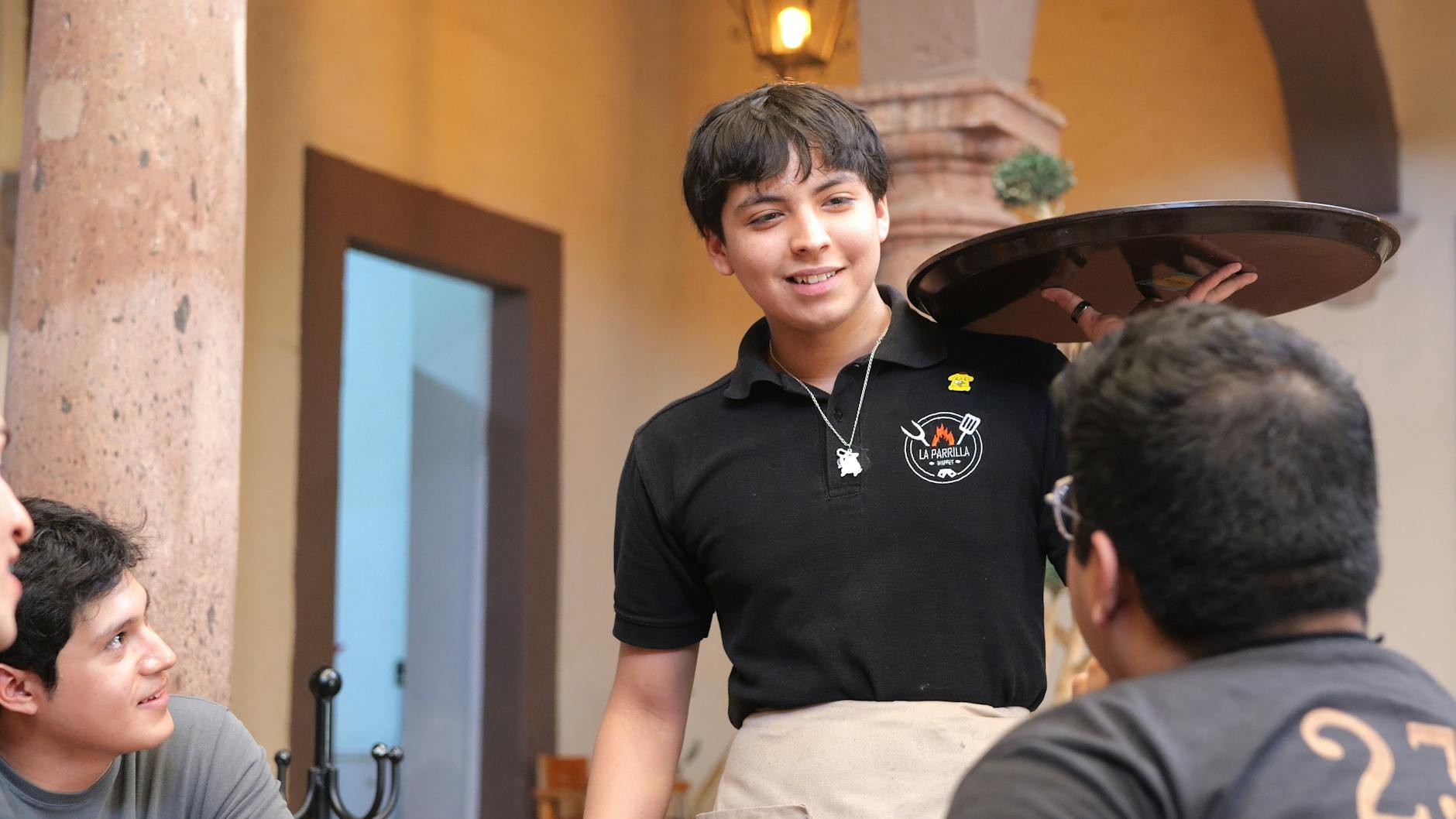
Announcing the need for individual bills after the meal has concluded creates a logistical nightmare at the point of sale. Modern ordering systems require servers to input items by specific seat numbers from the very beginning of the dining experience. Attempting to untangle shared appetizers and multiple rounds of drinks delays the payment process and keeps other tables waiting. Informing the server about payment splitting preferences before ordering water ensures a seamless and accurate checkout process.
Just Bring Me Whatever Is Cheapest
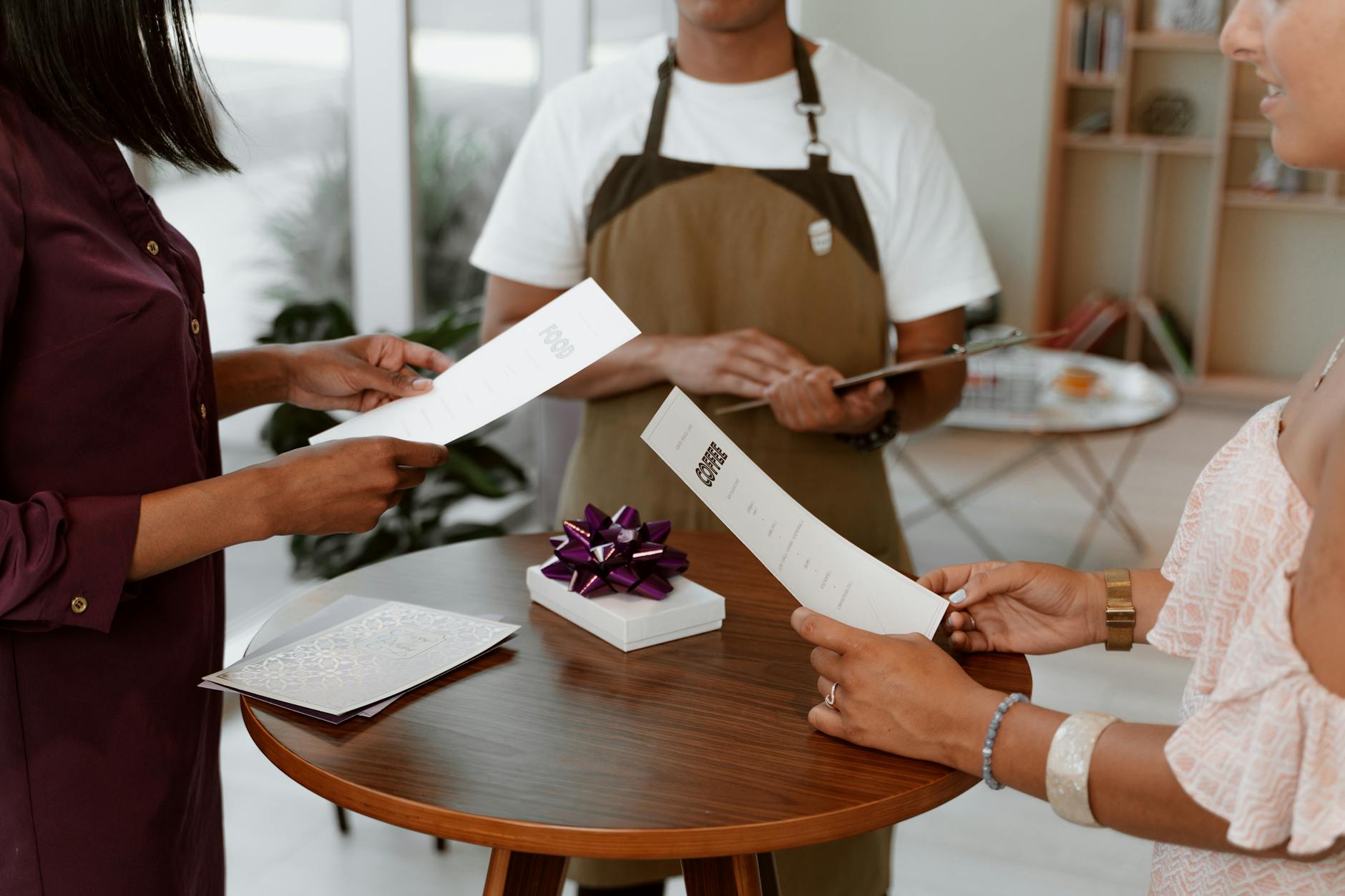
Requesting the least expensive item forces the server to navigate an uncomfortable conversation about budget constraints. Menus always display pricing clearly to allow patrons to make their own financial decisions without involving the floor staff. Asking for recommendations based on value rather than flavor ignores the culinary expertise of the person serving you. A better approach involves pointing to a specific price point on the menu and asking for the best option available.
Hook It Up
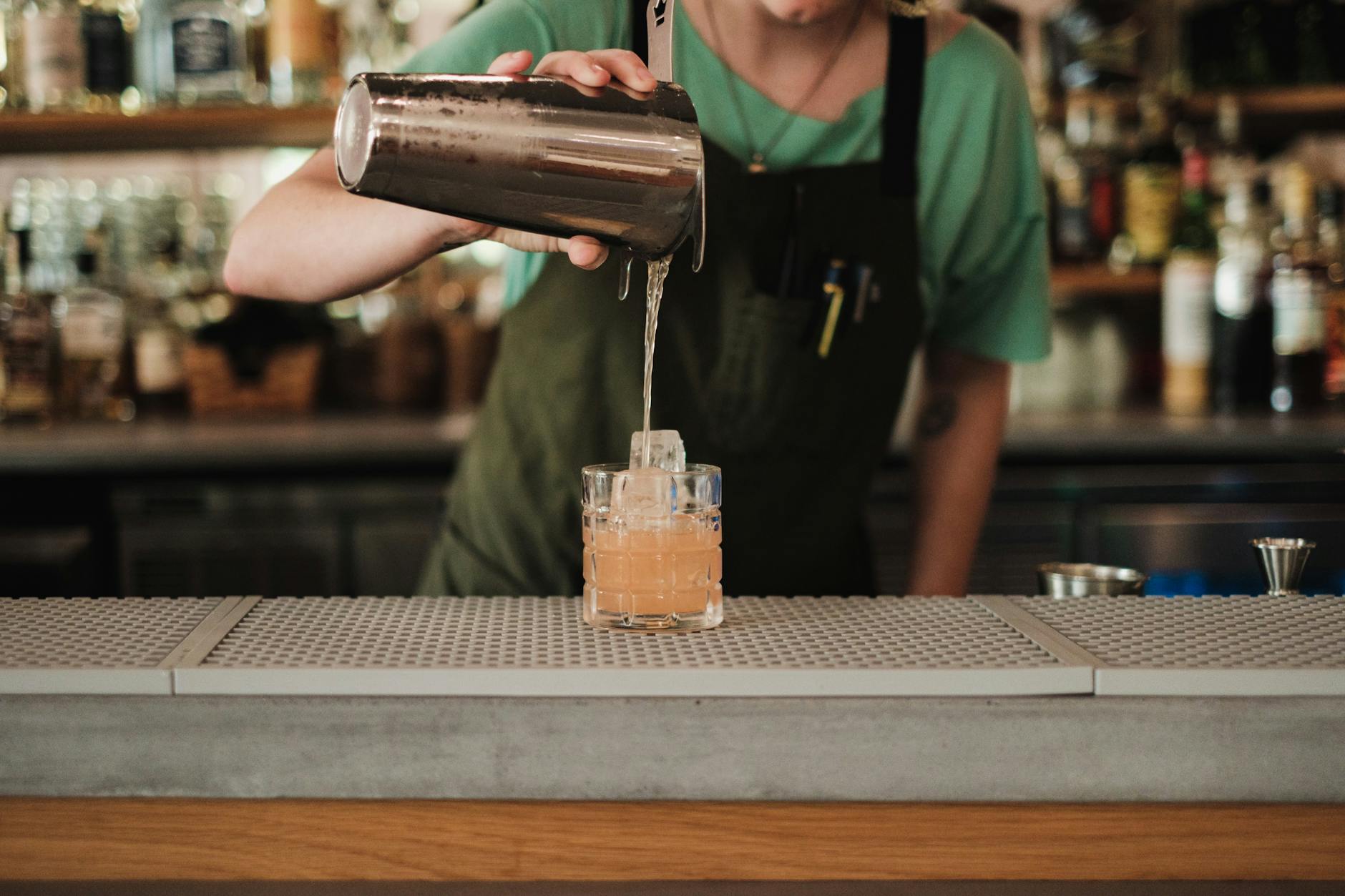
Asking for complimentary items or heavy pours implies that the staff member should steal from their employer on your behalf. Bartenders and servers undergo strict training regarding portion control and inventory management to maintain business profitability. Venues actively monitor stock depletion and will penalize employees for unauthorized giveaways or incorrect measurements. Guests who respect the pricing structure and order normally often receive the best possible service throughout their entire visit.
I Could Make This at Home
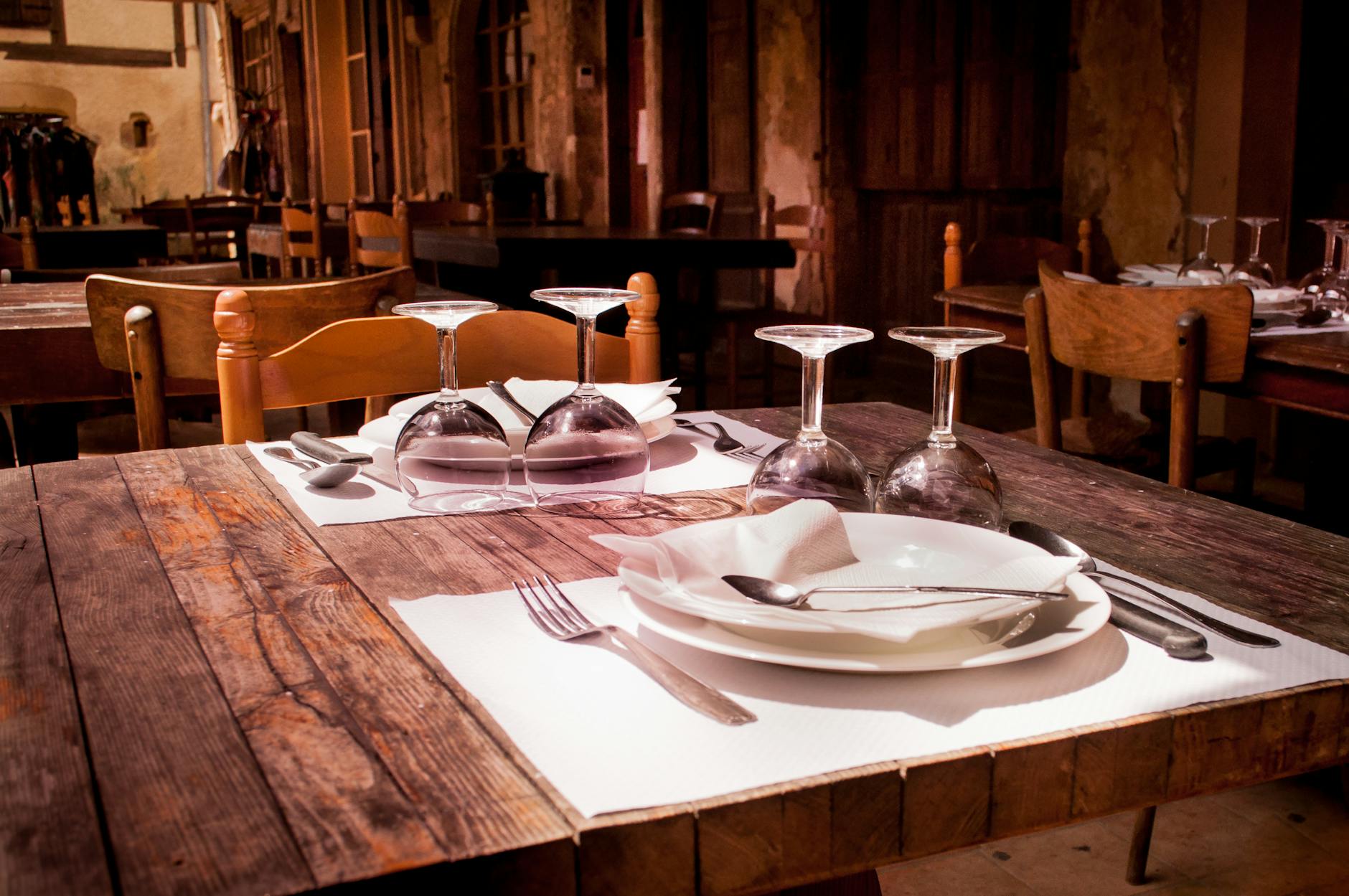
Criticizing the simplicity of a dish aloud diminishes the value of the labor and atmosphere provided by the restaurant. Dining out encompasses the entire experience of preparation and cleanup alongside the actual consumption of the meal. Establishments factor overhead costs like rent and utilities into their menu pricing rather than just the raw ingredient values. Patrons who prefer home cooking should embrace that choice instead of vocalizing complaints in a commercial dining space.
What Is Good Here
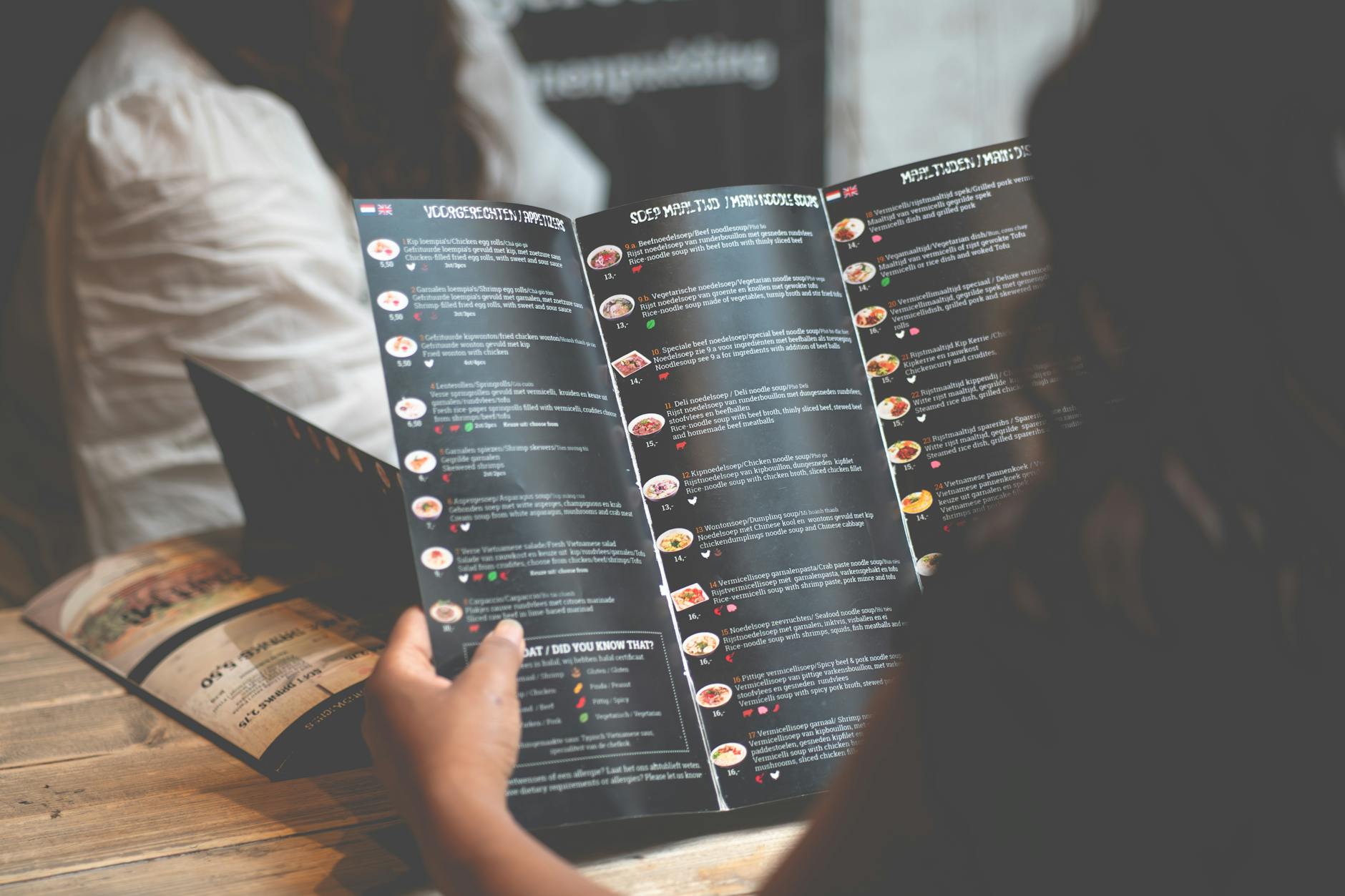
Presenting such a broad question forces the server to recite the entire menu without knowing your dietary preferences. Restaurants only list items they believe meet their quality standards and appeal to their target demographic. Staff members prefer guiding guests between two or three specific choices rather than guessing what a stranger might enjoy. Asking about the most popular dishes or the personal favorite of the server yields much more helpful recommendations.
Are You New Here
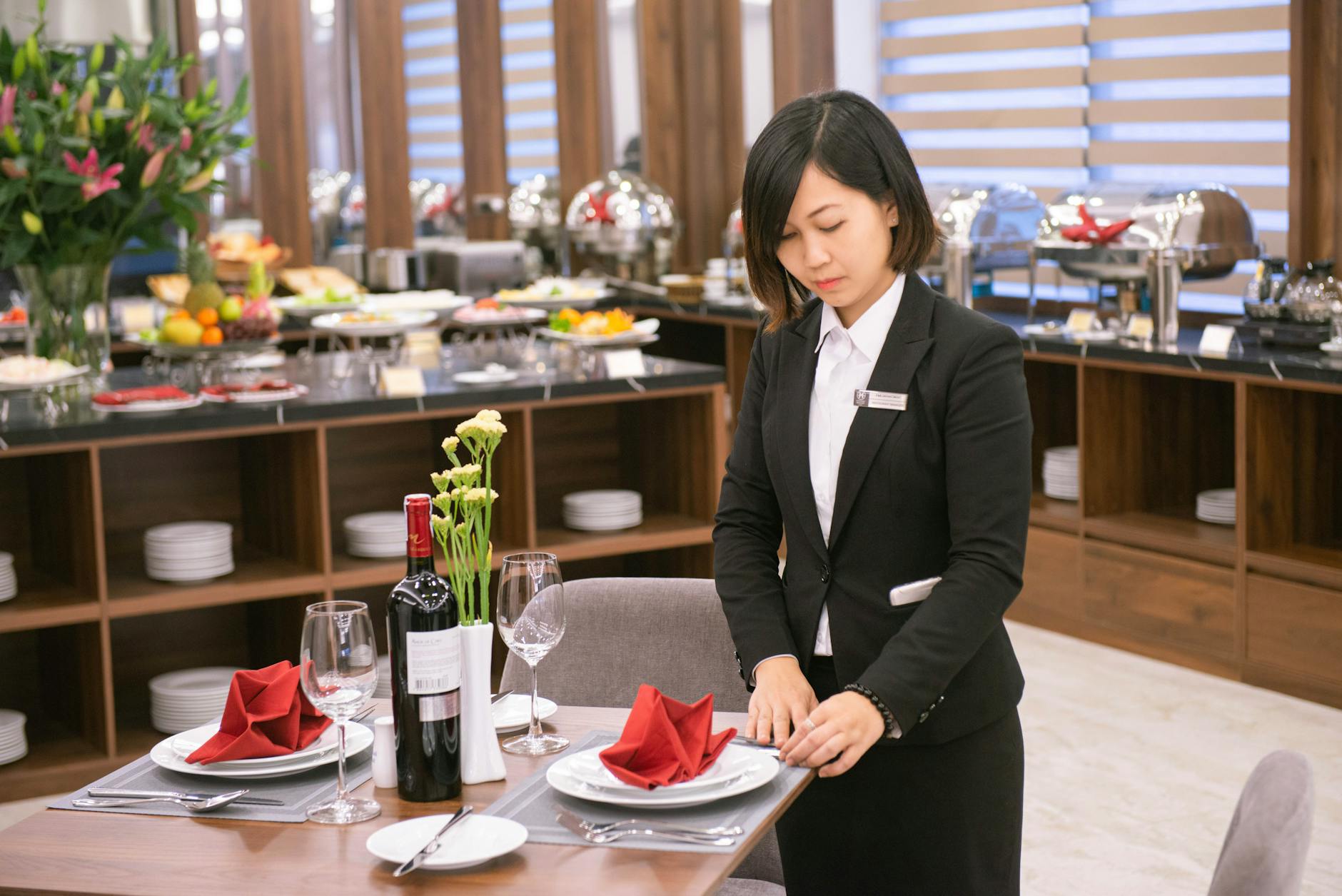
Questioning the tenure of a service professional usually follows a minor mistake and serves only to embarrass the worker. Every restaurant has unique operational quirks and learning curves that take time for even veteran hospitality workers to master. Mistakes happen during high volume service periods regardless of how many years a server has worked at the venue. Addressing any actual service issues with polite directness achieves better results than questioning the experience level of the staff.
We Are In a Hurry
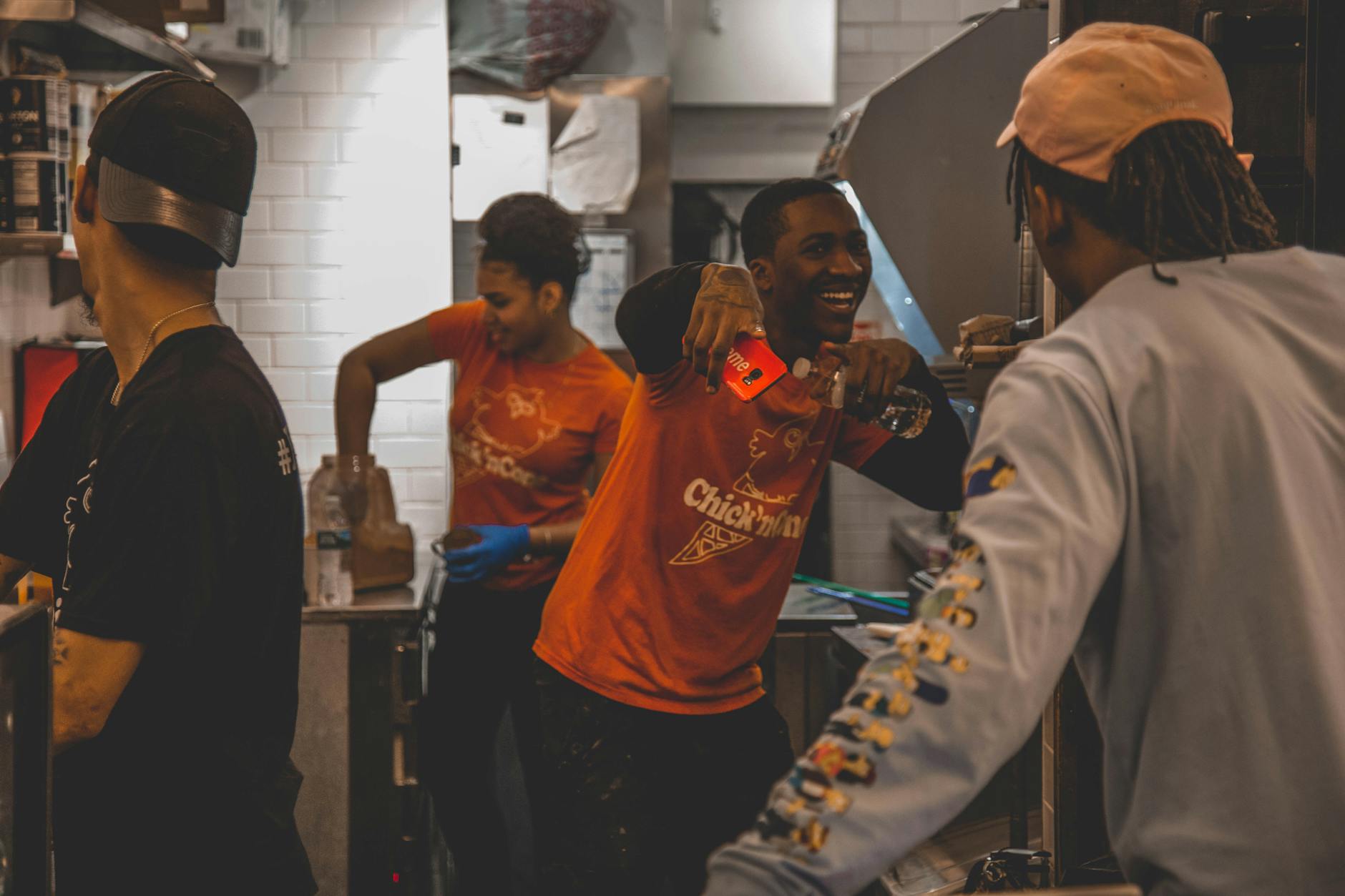
Announcing a tight schedule after sitting down at a full service restaurant places impossible demands on the kitchen staff. Culinary preparation requires specific cooking times that cannot be rushed without compromising food safety and quality standards. Guests with strict time constraints should inform the host before seating to determine if the kitchen can accommodate them. Choosing establishments designed for quick service is the only reliable way to guarantee a fast meal during a time crunch.
Please share your thoughts on proper hospitality etiquette and let us know what phrases you would add to this list in the comments.