When a teenager is going through a difficult time, the words adults choose can either open doors or close them entirely. Well-meaning phrases often land the wrong way, leaving young people feeling dismissed, judged, or more isolated than before. Understanding which responses to avoid is just as important as knowing what to say. The following are some of the most harmful things adults commonly say to struggling teens and why each one does more harm than good.
“Just Be Happy”

Telling a teenager to simply be happy minimizes the very real emotional pain they are experiencing. Happiness is not a switch that can be flipped on command, and suggesting otherwise sends the message that their feelings are invalid. This kind of instruction places an unfair burden on the teen, making them feel like they are failing at something basic. It shuts down conversation rather than encouraging the young person to open up. Struggling teens need acknowledgment of their emotions, not directives to feel differently.
“It Could Be Worse”

Comparative suffering is one of the fastest ways to make a teenager feel unheard and ashamed. When adults compare a teen’s struggles to greater hardships elsewhere, it implies their pain is not worthy of attention. Young people have limited life experience, which means their current challenges feel enormous and all-consuming to them. Invalidating that reality does not make the pain smaller but instead adds a layer of guilt on top of it. Every person’s suffering deserves to be acknowledged on its own terms.
“You’re Overreacting”
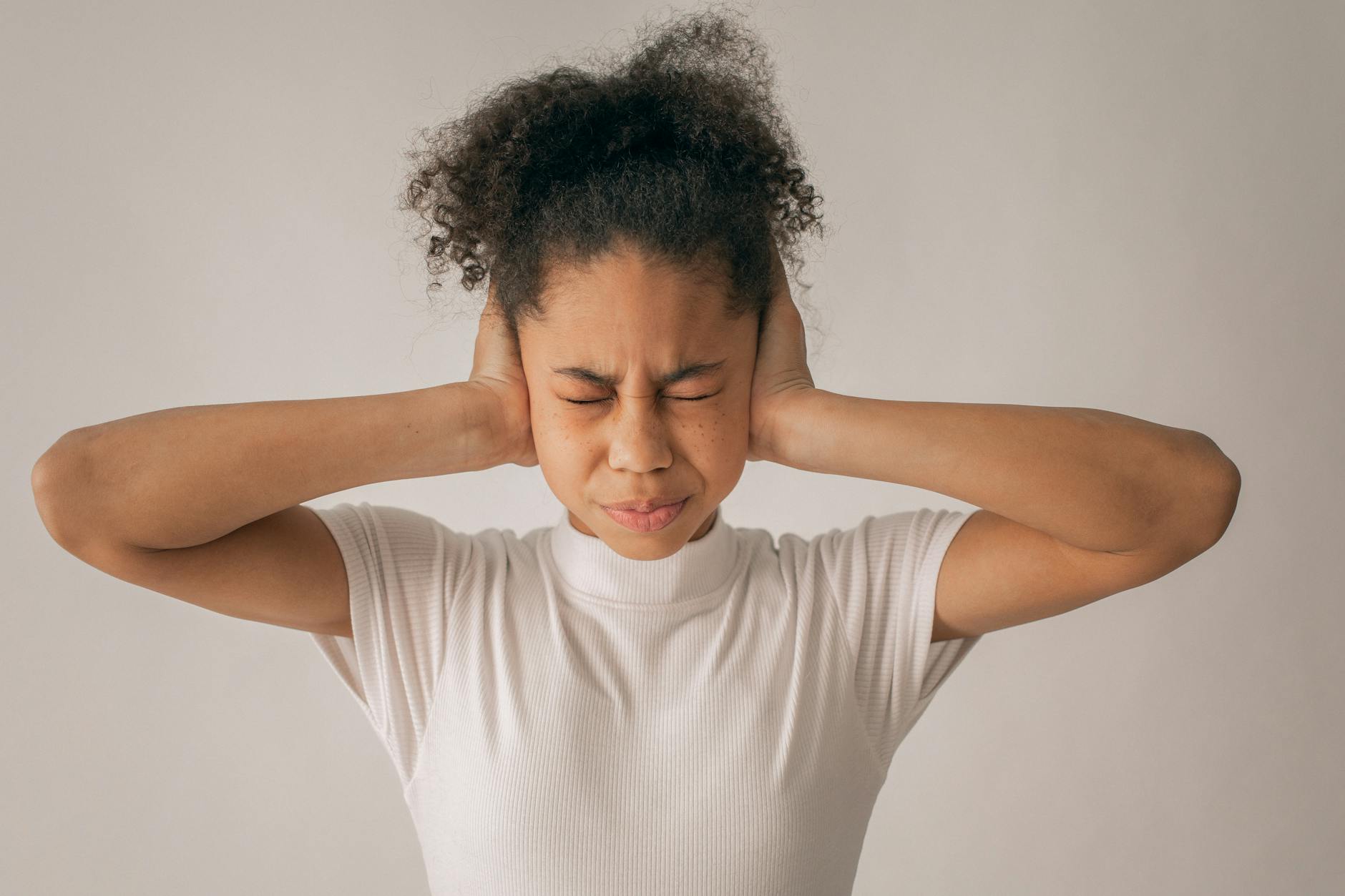
Labeling a teenager’s emotional response as an overreaction teaches them to distrust their own instincts and feelings. Adolescent brains are still developing the emotional regulation skills that adults take for granted, which makes intense reactions entirely normal. When adults dismiss those reactions, teens learn to suppress their emotions rather than process them in healthy ways. This suppression can lead to greater emotional difficulties down the road. Validating the intensity of their feelings is a far more supportive and constructive response.
“I Went Through Worse”

Framing a teen’s struggle through the lens of an adult’s past hardships redirects the focus away from the young person who needs support. It can come across as a competition rather than a conversation, signaling that the adult’s experiences are more significant. This approach also implies that suffering is something to be endured silently rather than addressed openly. Teenagers need adults who are fully present with them, not adults who are mentally revisiting their own past. The comparison, however well-intentioned, creates emotional distance when closeness is needed most.
“You Have It So Easy”

Suggesting that a teenager’s life is easy compared to the lives of others completely disregards the pressures unique to adolescence today. Social media, academic competition, identity formation, and peer dynamics create a complex and often overwhelming environment for young people. This phrase tends to provoke defensiveness and resentment, making the teen less likely to seek help in the future. It also reinforces the harmful idea that their struggles are a character flaw rather than a natural response to real challenges. Acknowledging the pressures of their world is a far more empathetic starting point.
“Stop Being So Sensitive”

Criticizing a teenager for their sensitivity sends the message that emotional awareness is a weakness rather than a strength. Many teens who are struggling are already dealing with shame about how they feel, and this phrase only deepens that shame. Sensitivity is often a sign of deep emotional intelligence and empathy, qualities worth nurturing rather than suppressing. Shaming a teen for their emotional responses pushes them further inward and makes them far less likely to seek support. Creating space for all kinds of emotional expression is essential for their long-term wellbeing.
“Other Kids Are Fine”

Using peers as a benchmark for how a teenager should be feeling is an unhelpful and inaccurate comparison. Mental health struggles do not follow social norms, and many of those peers are likely dealing with their own hidden difficulties. This phrase introduces a sense of abnormality that can deepen a teen’s feelings of isolation and shame. It suggests that struggling is an exception rather than a common part of human experience, which is simply not true. Every teenager deserves to be seen as an individual rather than measured against an imagined standard.
“Snap Out of It”
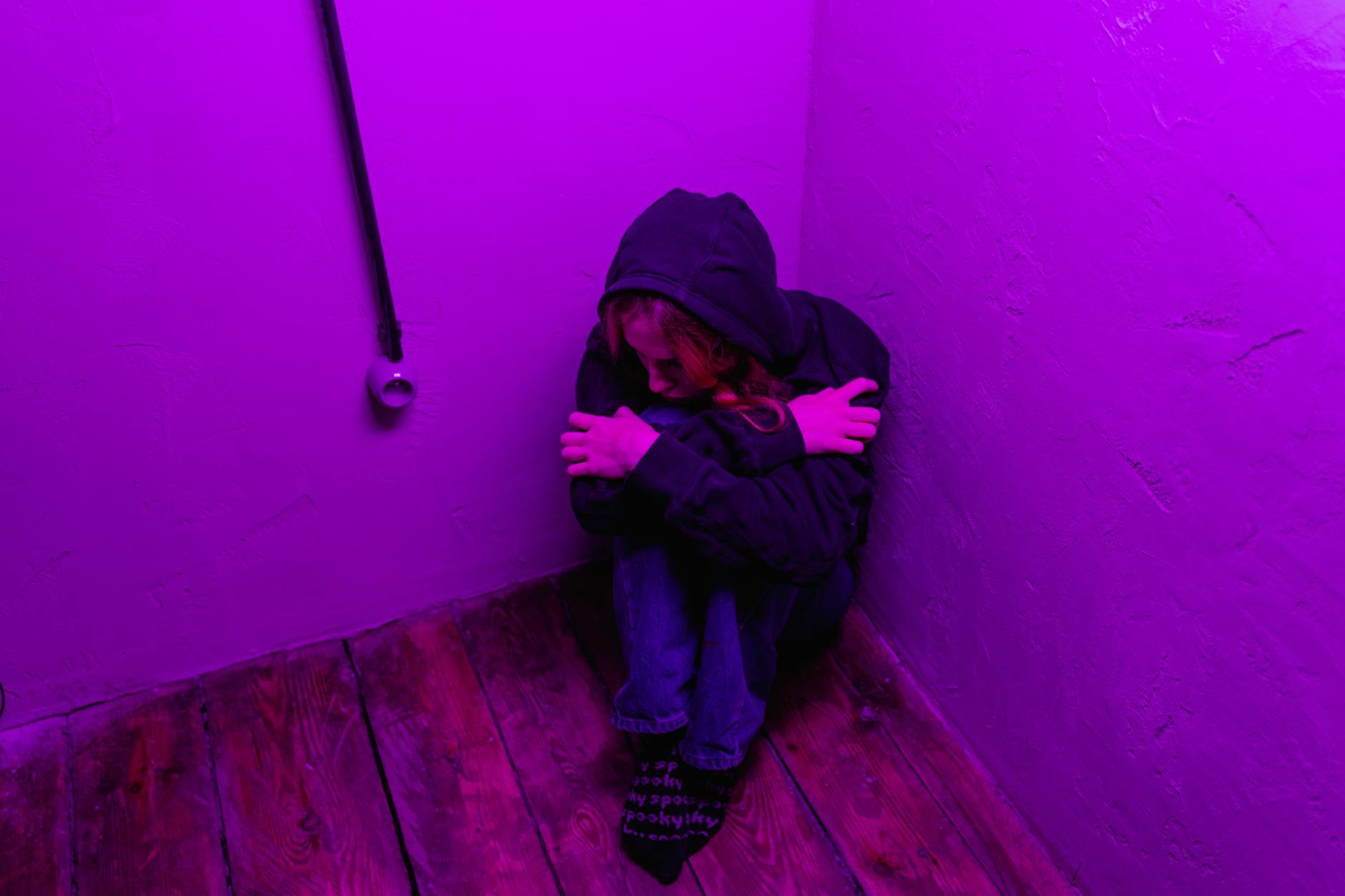
This phrase suggests that emotional distress is a choice a teenager is making, which is both inaccurate and deeply dismissive. Psychological and emotional struggles often have complex roots that cannot be resolved through sheer willpower alone. Telling a young person to snap out of it implies laziness or a lack of effort, adding a layer of moral judgment to what is already a painful experience. It also signals that the adult is uncomfortable with the teen’s emotional state and wants it resolved quickly for their own comfort. Patience and understanding are far more helpful than demands for immediate emotional compliance.
“What Do You Have to Be Sad About?”

Questioning the validity of a teenager’s sadness by pointing to external circumstances misunderstands how mental health works. Emotional pain does not require a visible or rational cause, and many of the most significant struggles happen beneath the surface of what others can see. This question teaches teens that they must justify their feelings before they deserve support, which is a harmful and counterproductive lesson. It also encourages young people to mask their true emotional state rather than express it honestly. Sadness is always worthy of a compassionate response, regardless of the circumstances surrounding it.
“You’re Being Dramatic”

Accusing a struggling teenager of being dramatic is one of the most effective ways to ensure they never confide in that adult again. What looks like drama from the outside is often a genuine and desperate bid for connection and understanding. This label weaponizes self-expression and teaches the young person that being vulnerable leads to ridicule rather than support. Over time, teens who hear this response learn to internalize their struggles rather than reach out for help. Taking every expression of distress seriously is a cornerstone of responsible and caring adult behavior.
“Man Up”
Gender-based directives like this one are particularly damaging because they attach a teen’s worth to their ability to suppress emotion. They reinforce outdated and harmful ideas about strength, masculinity, and emotional resilience that have been widely linked to poor mental health outcomes. Young people who are taught to equate vulnerability with weakness are far less likely to seek professional help when they need it most. This phrase creates a culture of silence around emotional struggle that can follow a teenager well into adulthood. Encouraging all teens to express their feelings openly regardless of gender is both modern and essential.
“You’re Ruining the Family”

Placing blame on a struggling teenager for the emotional climate of the household is a deeply unfair and harmful response. Young people who are already in pain do not have the emotional resources to also carry responsibility for everyone around them. This kind of statement can trigger intense guilt and shame, which are among the most counterproductive emotions when someone is trying to heal. It shifts the dynamic from one of support to one of punishment, making the teenager feel like a burden rather than a beloved family member. Home should be a place where struggling teens feel safe, not responsible for the wellbeing of others.
“Therapy Is for Weak People”

Stigmatizing mental health support in front of a teenager who may desperately need it can have serious long-term consequences. Therapy is a professional resource that helps people of all ages navigate complex emotional and psychological experiences, and framing it as weakness is both inaccurate and harmful. Teens who internalize this belief are more likely to avoid seeking help even when their struggles become severe. Adults have enormous influence over how young people perceive mental health care, and that influence carries significant responsibility. Normalizing therapy as a routine and courageous act of self-care is one of the most powerful things a caring adult can do.
“You’ll Get Over It”

Dismissing a teenager’s current pain with assurances that it will simply pass fails to address the immediate and very real experience they are having. While resilience is real and time does bring change, this phrase minimizes what the young person is going through in the present moment. It also implies that endurance is the only appropriate strategy, rather than active support, open conversation, or professional help. Teens who hear this response repeatedly may begin to feel that their struggles are too small to warrant real attention, even when they are not. Being present with a teenager’s pain today is far more meaningful than pointing toward a hypothetical better tomorrow.
“Why Can’t You Be More Like Your Sibling?”

Comparisons to siblings strike at the heart of a teenager’s individual identity and sense of worth within the family unit. This phrase creates resentment not only toward the adult who said it but often toward the sibling being held up as the example. Struggling teens are already navigating fragile self-esteem, and being measured against a family member deepens that fragility in lasting ways. Every child develops differently and faces their own unique combination of internal and external challenges. Celebrating a teenager for who they are rather than comparing them to others is a far more nurturing and effective approach.
What phrases do you wish more adults understood were harmful to say to struggling teenagers? Share your thoughts in the comments.