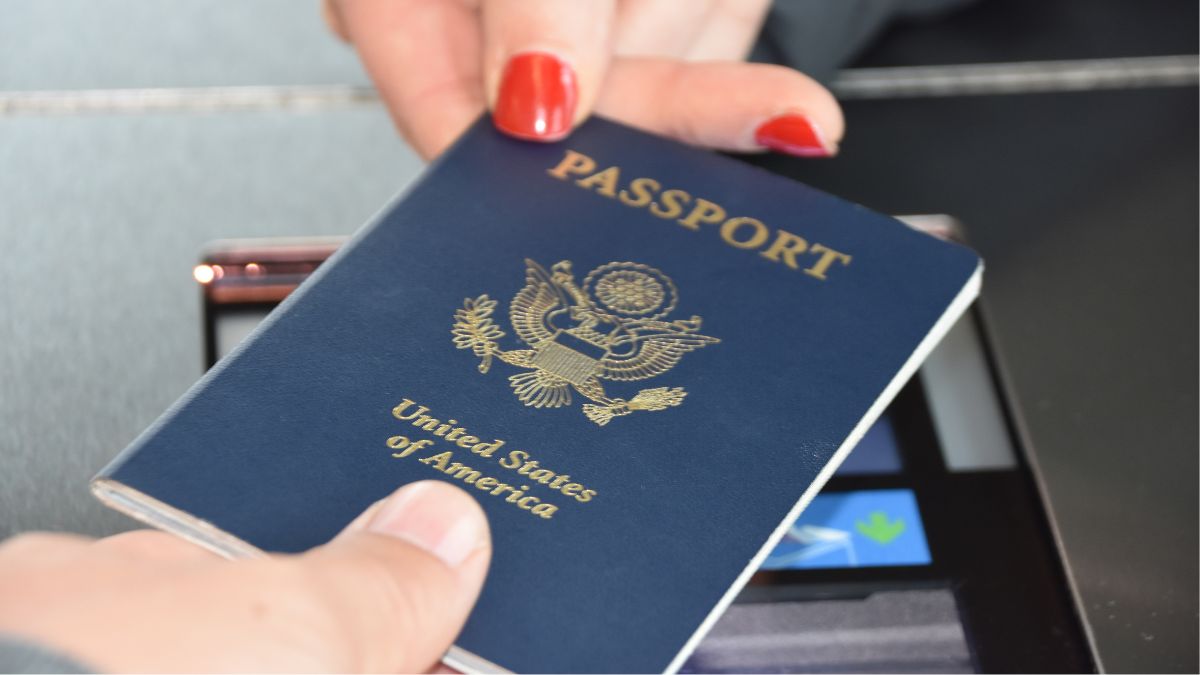
Navigating border control can be one of the most stressful parts of international travel, and the words chosen in those few minutes can make all the difference between a smooth crossing and a lengthy delay. Border agents are trained professionals who take their responsibilities seriously and are authorized to detain, question, and deny entry to travelers based on their interactions. Understanding what not to say is just as important as having the right documents in hand. A calm, polite, and straightforward approach will always serve travelers better than humor, vagueness, or defensiveness. These are the phrases and responses that consistently raise red flags at border crossings around the world.
Sarcastic Jokes

Humor rarely lands well at border control, and sarcastic comments are among the fastest ways to invite serious scrutiny. Agents are trained to take all statements literally and will act on any remark that could suggest a threat, even one clearly meant as a joke. Saying something like “just here to cause trouble” in a lighthearted tone can result in secondary questioning that delays travel by hours. Border agencies in countries like the United States and Canada have made it explicitly clear that joking about prohibited items or illegal activity is treated as a security concern. What feels like casual banter to a traveler can look like suspicious behavior to a trained agent.
Vague Itineraries
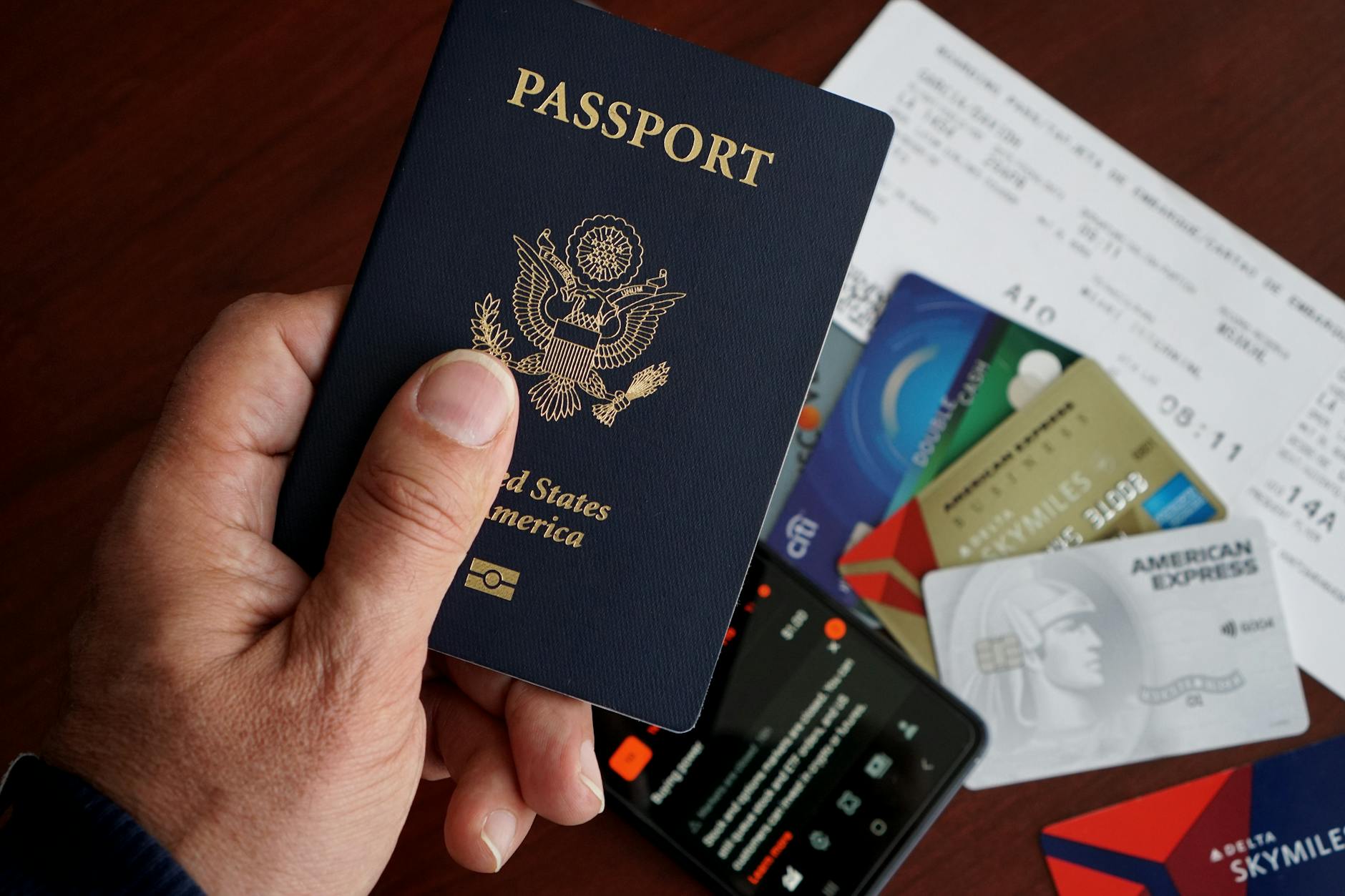
Travelers who cannot clearly explain where they are going or how long they plan to stay immediately attract additional attention. Border agents rely on consistent and logical answers to assess whether a visit aligns with the type of visa or entry status being claimed. Saying “just around” or “not sure yet” in response to questions about accommodation raises immediate concerns about the true purpose of the visit. Having a hotel name, a host’s address, or a return ticket ready to reference demonstrates preparation and transparency. Agents are far more likely to process a traveler quickly when the stated plans are specific and believable.
Oversharing Nervousness
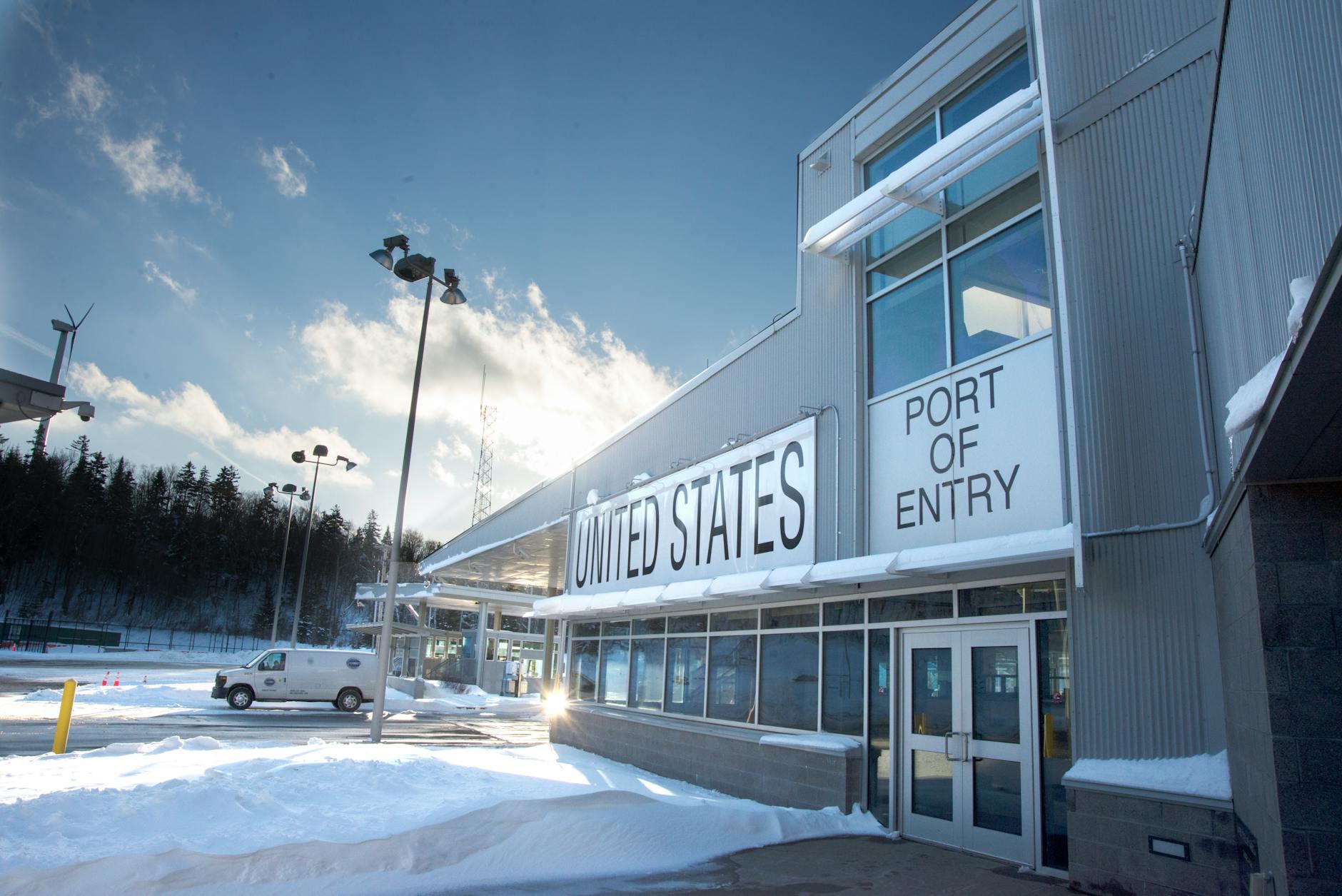
Volunteering excessive information about anxiety or repeatedly insisting that everything is fine can have the opposite of the intended effect. Agents are trained in behavioral detection and know that nervous overcommunicating is a common indicator of something being concealed. Saying things like “I promise I have nothing to hide” or “I always get nervous at these things” draws more attention rather than diffusing it. The best approach is to answer questions directly and concisely without elaborating beyond what is asked. Confidence and brevity are consistently interpreted as signs of a straightforward and honest traveler.
Challenging Authority

Questioning an agent’s right to ask certain questions or pushing back on the process is one of the most counterproductive things a traveler can do. Border agents operate under broad legal authority and are not obligated to justify their questions during an entry inspection. Phrases like “you have no right to ask me that” or “this is harassment” tend to escalate situations that could otherwise be resolved in minutes. Even if a traveler feels a question is intrusive, responding with calm compliance will always produce a faster and more favorable outcome. Travelers who appear confrontational are routinely flagged for extended secondary screening.
Unconfirmed Work Plans

Mentioning any intention to work in a country when entering on a tourist or visitor visa is a serious red flag regardless of how casually it is mentioned. Border agents are specifically watching for travelers who intend to work illegally and will note any statement that conflicts with the visa category being used. Even saying “I might do a bit of freelance while I’m there” can be enough to result in denial of entry or a formal record being created. The rules around work authorization vary significantly by country but are enforced consistently at points of entry worldwide. Travelers with legitimate work plans should always ensure they hold the correct visa category before arrival.
Inconsistent Answers
Changing or contradicting an earlier answer during questioning is one of the clearest signals that something may be wrong with a traveler’s stated intentions. Agents often ask the same question in different ways to check for consistency across a conversation. If the reason for a visit shifts from tourism to business to visiting family within a single interaction, the agent will take note. Preparing clear and consistent answers before reaching the booth is one of the most effective ways to ensure a smooth experience. Inconsistency does not have to indicate dishonesty to trigger further investigation and delay.
Aggressive Impatience

Expressing frustration about wait times or sighing loudly while approaching the booth sets a negative tone before the interaction has even begun. Agents process hundreds of travelers each shift and are not responsible for queue lengths or travel delays. Commenting on how long the line was or demanding to be processed quickly signals a lack of respect for the process and can put an agent on edge. A neutral and patient demeanor is far more effective at moving things along than any display of urgency. Travelers who appear cooperative and unbothered are typically processed faster than those who arrive with visible irritation.
Undisclosed Purchases

Failing to declare goods or downplaying the value of items purchased abroad is a mistake that can result in fines, confiscation, and permanent entry records. Many travelers assume that small purchases or gifts are not worth mentioning but customs thresholds are strictly enforced and vary by country. Saying “just a few things, nothing worth declaring” when asked about purchases can result in a bag search and additional questioning. Being caught with undeclared items not only delays the current trip but can also complicate future border crossings. Accurate and honest declaration is always the faster and safer option.
Odd Visit Purposes
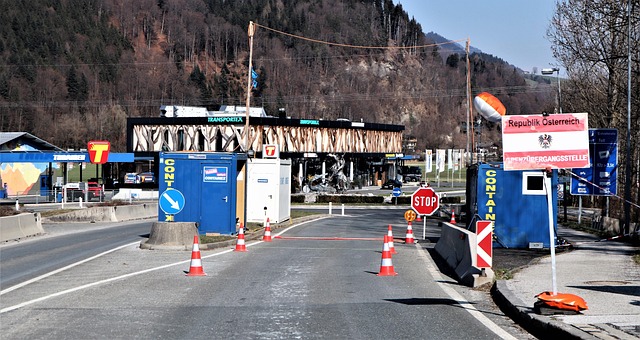
Giving an unusual or ambiguous reason for visiting a country without being able to substantiate it will almost always prompt additional questions. Reasons that fall outside the standard categories of tourism, business, study, or family visits tend to draw extra attention from agents. Saying something like “just felt like coming here” or “I had a feeling I should visit” without any concrete plans to back it up raises legitimate questions about the true intent of the trip. Agents are looking for logical, consistent, and verifiable explanations that align with the visa type being used. Preparing a clear and plausible narrative for the visit is an essential part of pre-travel planning.
Admitting Prior Overstays
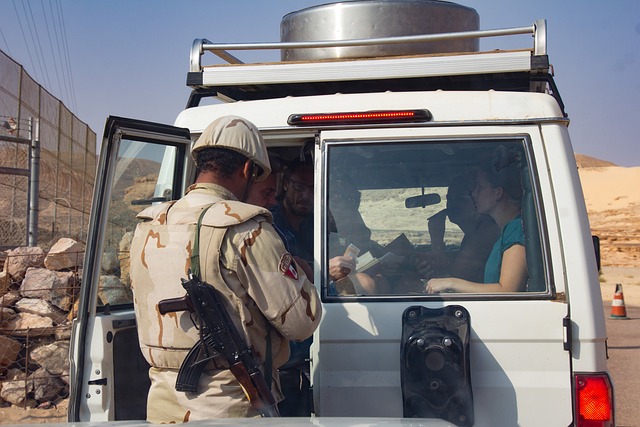
Casually mentioning a previous overstay or visa violation in conversation with a border agent is one of the most damaging things a traveler can do. Immigration records are often already visible to agents through international data-sharing systems, and volunteering this information without being asked can accelerate a denial of entry. Even describing a past overstay as accidental or minor will not mitigate the concern it creates during a current entry attempt. Travelers with prior immigration violations should seek legal advice before attempting to cross into countries with strict enforcement records. Transparency has its place but the border booth is rarely where a casual admission leads to a positive outcome.
What phrases or experiences have you encountered at border control that surprised you? Share your thoughts in the comments.