Building a healthy relationship with grandchildren requires mindful communication and a deep understanding of generational boundaries. Grandparents often mean well but certain phrases can accidentally undermine confidence or create unnecessary tension within the family dynamic. Modern parenting philosophies differ greatly from the past so adapting language helps foster a supportive environment. The phrases highlighted below represent common conversational pitfalls that caring relatives should avoid to maintain strong bonds with the younger generation.
You Have Put on Weight

Commenting on a grandchild’s physical appearance creates immediate anxiety and can trigger lifelong body image issues. Children and teenagers experience constant natural fluctuations in their bodies as they grow into adulthood. Shifting the conversation toward overall health rather than outward appearance builds a much stronger foundation for their self esteem. Praising their character and personal achievements always proves more beneficial than focusing on a number on the scale.
Why Are You Still Single

Inquiring about romantic status places unwarranted pressure on young people who may already feel stressed about their social lives. Society places less emphasis on early marriage today so many young adults prioritize education and career development instead. Continually asking about dating implies that their current solo life lacks value or fulfillment. Conversations flourish when relatives ask about personal passions and recent travel experiences rather than focusing exclusively on romance.
Your Parents Are Doing It Wrong

Criticizing the parenting methods of your own children places the grandchild in an uncomfortable position of divided loyalty. Every generation adopts new child rearing techniques based on updated pediatric guidelines and evolving psychological research. Presenting a united front with the parents gives the child a necessary sense of security and stability. Grandparents should express any concerns directly to the parents in private to avoid causing family discord.
When I Was Your Age

Drawing direct comparisons between past and present generations often dismisses the unique challenges modern youth face today. The world has changed dramatically regarding technology and economics making direct historical comparisons largely irrelevant. Listening to their current struggles with an open mind validates their feelings and builds intergenerational trust. Sharing historical family stories works best when offered as interesting heritage rather than behavioral instruction.
You Spend Too Much Time on Screens

Digital devices serve as the primary communication and educational tools for modern youth. Condemning technology alienates grandchildren who view their smartphones as essential connections to their peer groups. Showing genuine curiosity about their favorite apps or digital hobbies creates an avenue for shared screen time together. Setting healthy boundaries around dinner time works better than offering blanket complaints about their electronic habits.
Boys Do Not Cry

Enforcing outdated gender stereotypes prevents children from developing healthy emotional regulation skills. Suppressing natural feelings leads to long term psychological distress and difficulties forming intimate relationships later in life. Modern psychology encourages all children to identify and express their sadness or frustration in safe environments. Offering comfort and validation during upsetting moments helps young boys build resilience and deep emotional intelligence.
You Look Just Like Your Father

Comparing a grandchild to a parent might seem innocent but it can carry hidden emotional weight depending on family dynamics. Children naturally want to be recognized for their own unique identities rather than serving as a mirror for someone else. This comment becomes especially problematic if the child has a strained relationship with the parent being mentioned. Complimenting their distinct personality traits allows them to feel seen and appreciated as an individual.
Give Me A Hug Right Now

Demanding physical affection violates a child’s developing sense of bodily autonomy and personal boundaries. Forcing hugs teaches children that they must submit to unwanted physical contact just to please adult family members. Offering a high five or waiting for the child to initiate contact builds mutual respect and trust. Grandparents who respect physical boundaries often find their grandchildren naturally becoming more affectionate over time.
Are You Really Going To Eat All That

Questioning food choices directly contributes to eating disorders and an unhealthy relationship with nutrition. Growing bodies require varying amounts of caloric intake depending on growth spurts and daily physical activity levels. Maintaining a neutral attitude toward food at the dinner table ensures mealtime remains a positive family gathering. Serving balanced meals and letting the child determine their own fullness honors their natural internal hunger cues.
You Should Study Something More Practical
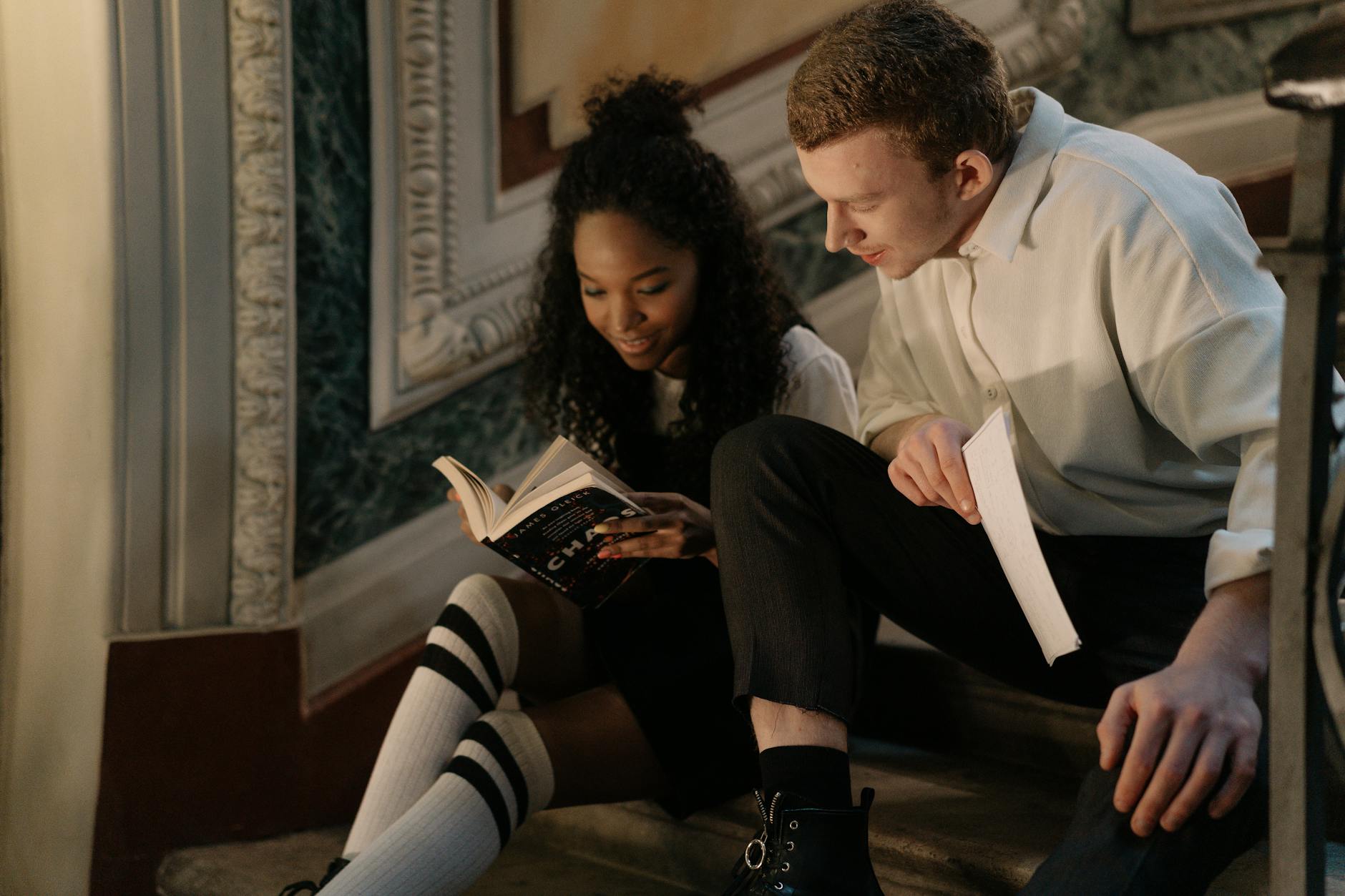
Dismissing a chosen academic path dampens the enthusiasm a young adult feels about their future career. The modern job market values diverse skill sets and unconventional career trajectories more than ever before. Supporting their passions encourages them to excel in their chosen field with confidence and determination. Engaging in conversations about what excites them about their studies shows genuine respect for their autonomy.
Your Sibling Is So Well Behaved

Pitting brothers and sisters against one another breeds immediate resentment and long lasting sibling rivalry. Every child possesses a unique temperament and develops behavioral control at their own specific pace. Focusing on each child’s individual strengths prevents toxic competition within the family unit. Praising good behavior without mentioning the other siblings ensures the compliment feels genuine and supportive.
Money Does Not Grow On Trees

Lecturing about finances using cliches rarely teaches children tangible skills regarding wealth management. Financial literacy requires open conversations about budgeting and saving rather than dismissive remarks about spending habits. Grandparents can offer valuable economic wisdom by sharing positive stories about how they saved for important life events. Teaching the value of a dollar works best through practical allowances and supervised spending exercises.
Stop Being So Sensitive

Invalidating a child’s emotional response tells them their natural feelings are unacceptable or wrong. High sensitivity often correlates with deep empathy and strong creative abilities that should be nurtured. Acknowledging their upset state helps them process the emotion and move forward much faster. Creating a safe space for emotional expression teaches grandchildren how to navigate complex feelings effectively.
You Are Too Young To Understand

Dismissing a child’s curiosity based on their age stifles their natural desire to learn about the world. Children often comprehend complex situations much better than adults initially assume. Providing age appropriate explanations shows respect for their intelligence and developing maturity. Answering difficult questions honestly builds a foundation of trust that will last throughout their teenage years.
Let Me Do That For You

Taking over a challenging task robs the child of a crucial learning opportunity and damages their self reliance. Frustration forms a natural part of the learning process when mastering new motor skills or solving puzzles. Offering verbal encouragement while letting them struggle slightly builds true confidence and problem solving abilities. Stepping in only when safety becomes an issue ensures they develop the independence they desperately need.
That Is Just A Phase

Diminishing a teenager’s current interests or struggles belittles their present reality and emotional experience. Even temporary passions contribute significantly to their journey of self discovery and identity formation. Treating their current hobbies or style choices with respect validates their search for individuality. Showing genuine interest in their evolving tastes keeps the lines of communication open during difficult developmental years.
You Should Dress More Appropriately

Criticizing clothing choices often creates an immediate defensive barrier between generations. Fashion serves as a primary outlet for self expression among adolescents and young adults. Focusing on their character rather than their wardrobe choices maintains a positive and supportive relationship. Keeping opinions about modern style trends quiet allows grandparents to focus on more meaningful conversation topics.
What A Waste Of Time

Judging a grandchild’s hobbies negatively discourages them from pursuing activities that bring them genuine joy. Video games and social media often involve complex strategy and essential social networking that older generations might miss. Attempting to understand the appeal of their chosen pastime bridges the generational gap beautifully. Celebrating their dedication to an activity validates their interests and boosts their self esteem.
You Need To Smile More

Commanding a young person to change their facial expression invalidates their true internal mood. People do not owe the world a cheerful appearance when they are feeling tired or contemplative. Asking how their day is going offers a much better approach to checking on their emotional state. Accepting their authentic moods encourages them to be honest about their feelings without fear of judgment.
I Never Allowed My Kids To Do That

Referencing past strictness subtly shames both the grandchild and their parents for current leniency. Modern parenting often prioritizes open dialogue and natural consequences over strict obedience and rigid rules. Respecting the boundaries set by the current parents maintains peace and harmony within the extended family. Observing different parenting styles without offering unsolicited commentary is the best approach for modern grandparents.
You Will Change Your Mind Someday

Brushing off a young person’s deeply held convictions feels incredibly dismissive and patronizing. Whether discussing career goals or personal beliefs young adults want their current worldview taken seriously. Acknowledging their firm stance on an issue shows respect for their growing intellect and independence. Asking thoughtful questions about their beliefs encourages healthy debate without making them feel minimized.
Nobody Wants To Hear You Complain

Silencing a grandchild’s grievances teaches them to internalize their problems rather than seeking help. Venting frustrations is a healthy coping mechanism that allows young people to process difficult situations. Listening actively to their complaints often diffuses their anger and helps them find their own solutions. Offering a sympathetic ear without immediately trying to fix the problem provides the exact support they need.
Just Ignore The Bullies

Minimizing peer harassment leaves children feeling incredibly isolated and completely unprotected in dangerous situations. Modern bullying often extends into the digital world making it impossible for victims to simply look away. Taking their social struggles seriously and informing their parents ensures they receive proper protection and guidance. Discussing concrete strategies for standing up for themselves builds their confidence in difficult social dynamics.
You Are Breaking My Heart

Using emotional manipulation to control a grandchild’s behavior places an unfair psychological burden on their shoulders. Children should never feel responsible for managing the emotional wellbeing of the adults in their lives. Communicating disappointment through clear and objective language prevents the child from absorbing unnecessary guilt. Setting firm boundaries without using guilt trips ensures a healthy and mature family relationship.
I Am Too Old To Learn That
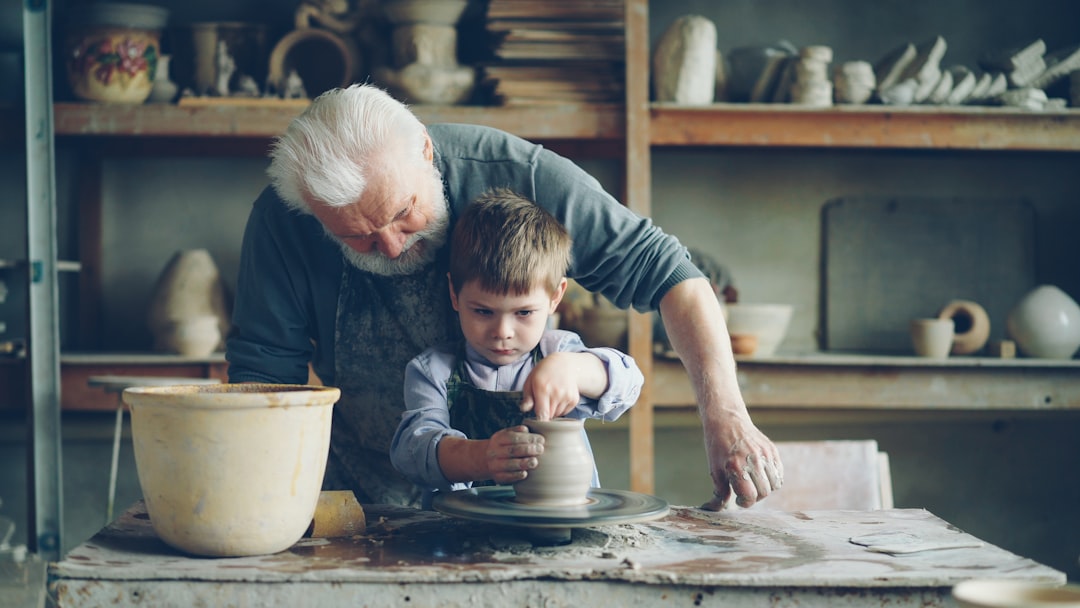
Refusing to engage with new concepts shows a lack of interest in the grandchild’s modern world. Remaining curious about their interests demonstrates a willingness to meet them where they currently are. Asking them to teach you a new skill empowers them and builds a beautiful collaborative dynamic. Embracing new ideas keeps the grandparent mind sharp while fostering deep connections with younger relatives.
Please share your own thoughts and experiences regarding generational communication in the comments.