The glove compartment is one of the most habitually misused storage spaces in the average person’s daily life. Its convenient location and enclosed design create a false sense of security that leads millions of drivers to treat it as a portable filing cabinet, medicine chest and general overflow drawer. What most people do not consider is that the interior of a parked vehicle is one of the most thermally unstable environments that everyday objects can be exposed to, with temperatures capable of reaching extreme highs and lows depending on season and climate. Beyond temperature vulnerability, the glove compartment presents specific legal, safety and privacy risks that vary by jurisdiction and circumstance. The following 25 items deserve a permanent home somewhere other than behind that small hinged door.
Prescription Medication

Pharmaceutical storage guidelines issued by drug manufacturers and pharmacological regulatory bodies universally specify that medications should be kept at controlled room temperature away from heat humidity and direct light. The interior of a parked vehicle routinely exceeds 60 degrees Celsius in summer conditions within a timeframe of less than 30 minutes even in moderate climates creating a thermal environment that degrades active pharmaceutical ingredients at an accelerated rate. Research in drug stability science has demonstrated that medications stored in vehicle environments show measurable reductions in potency and in some cases undergo chemical transformations that alter their pharmacological profile entirely. Beyond efficacy concerns medications stored in a vehicle present a significant theft risk as pharmaceutical burglary targeting parked cars is a documented pattern in law enforcement data across multiple countries. Individuals who require medication accessibility during travel are better served by an insulated travel case kept in a temperature-regulated bag rather than stored in the vehicle itself.
Passport
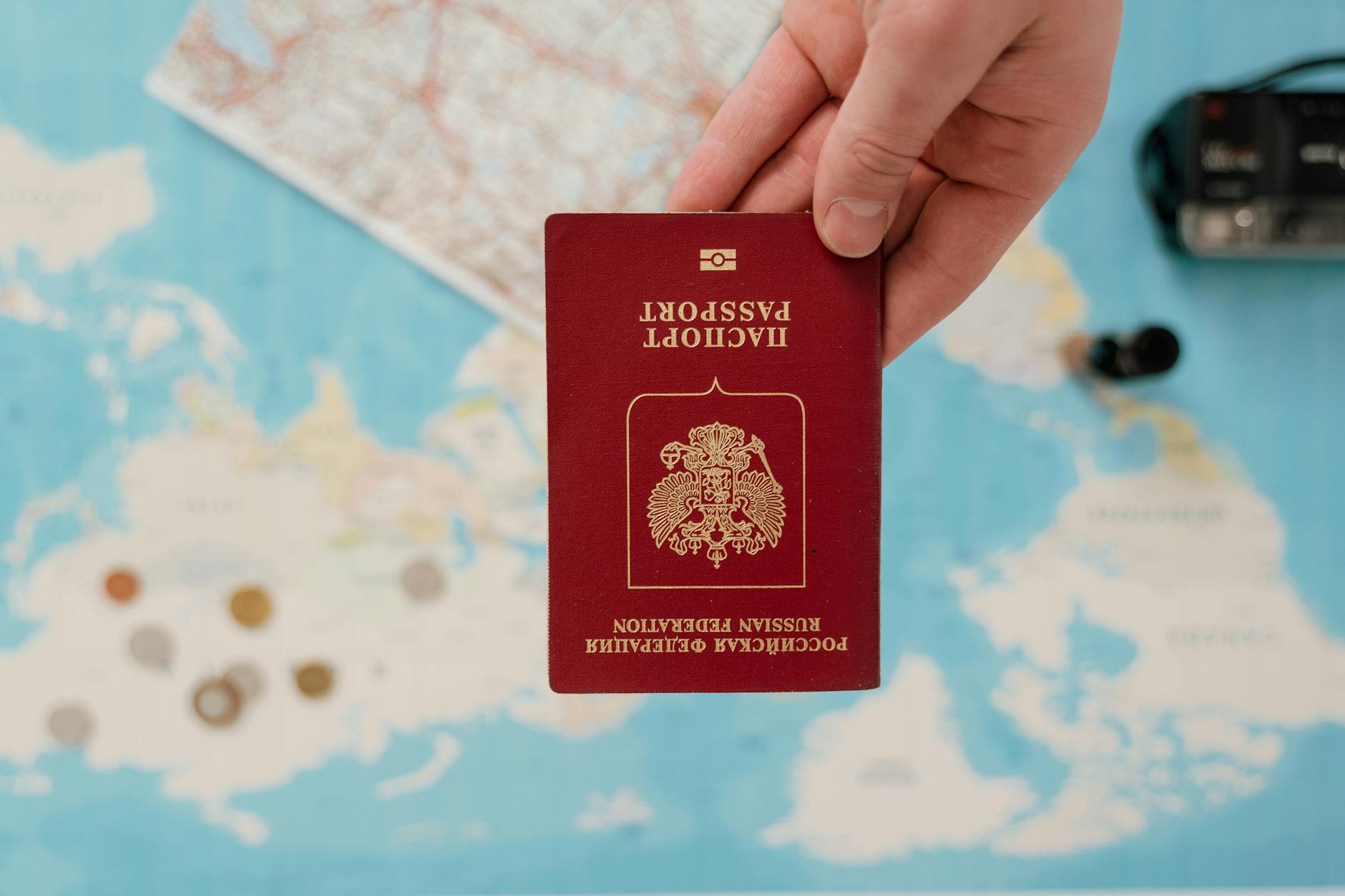
A passport stored in a glove compartment is simultaneously exposed to the thermal degradation risks that affect all documents in vehicle environments and the heightened theft vulnerability that comes with leaving a high-value identity document in an unsecured location. The electronic chip embedded in modern biometric passports is particularly susceptible to heat damage with temperatures above 50 degrees Celsius documented to corrupt chip data in ways that render the document unreadable by border control scanning systems. Identity theft specialists consistently identify vehicle break-ins as one of the most common methods by which passports enter the criminal supply chain particularly in tourist-heavy urban environments where opportunistic vehicle crime is elevated. Insurance and consular documentation requirements following passport theft from a vehicle often involve significantly more complex replacement procedures than theft from a personal bag or residence. Passports should be stored at home in a secure location and carried on the person only for the specific travel duration for which they are needed.
Hand Sanitizer
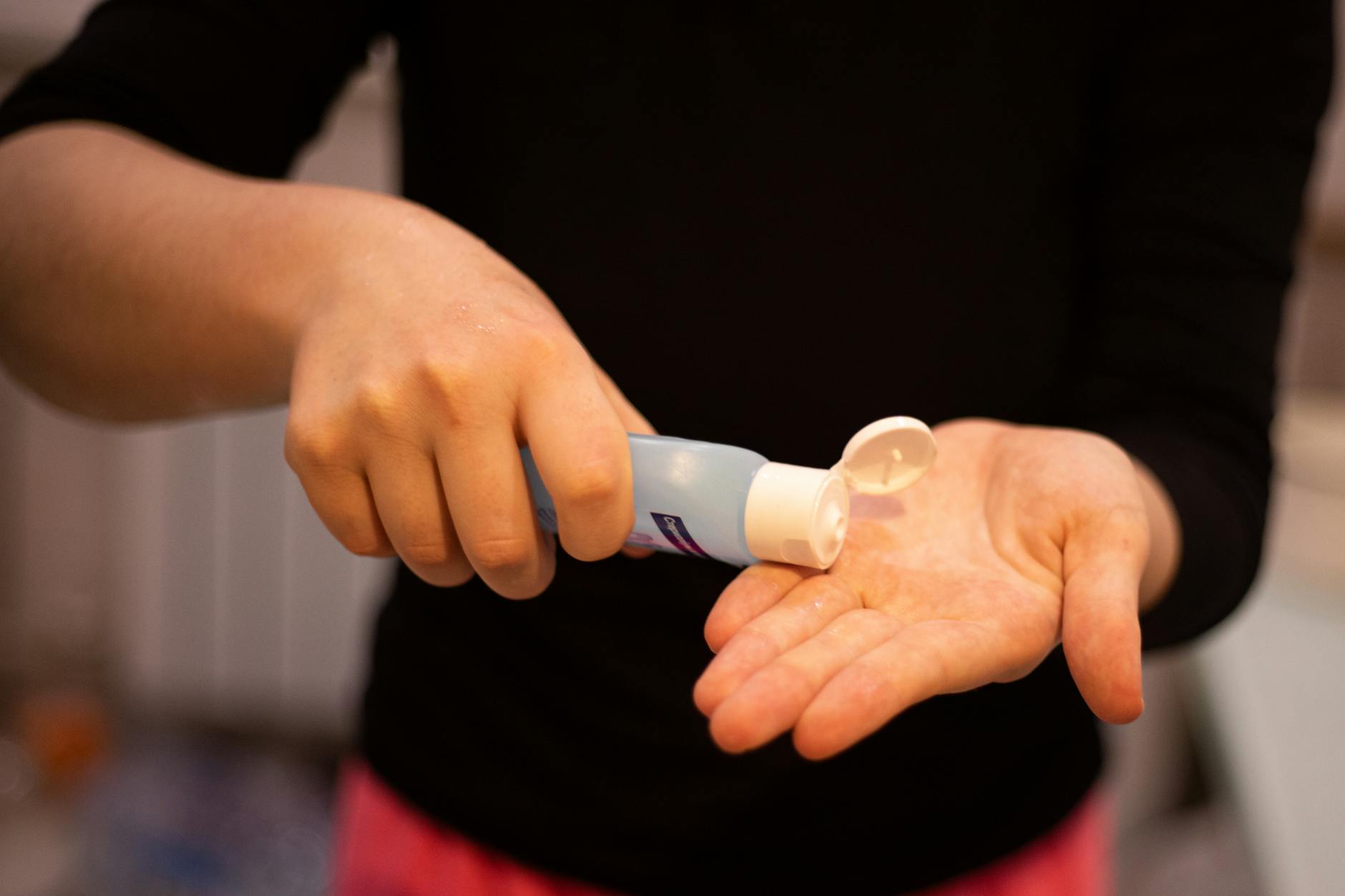
Alcohol-based hand sanitizers with ethanol concentrations of 60 percent or higher are classified as flammable liquids under most international transportation and chemical safety standards and their storage in a hot vehicle interior presents a genuine fire risk that is frequently underestimated by the general public. The flash point of ethanol-based sanitizer is low enough that in extreme summer vehicle interior temperatures the product can reach conditions approaching its ignition threshold particularly if the container has been compromised or is stored near a heat-concentrating surface such as the windshield shelf or dashboard area. Consumer safety organizations in the United States Europe and Australia have each issued guidance advising against storing hand sanitizer in vehicles during warm weather periods following documented incidents of container deformation leakage and in rare cases ignition. The container itself presents a secondary hazard as plastic sanitizer bottles subjected to repeated heat cycles can off-gas chemical compounds that accumulate in the enclosed vehicle interior. A small bottle carried in a personal bag kept inside an air-conditioned environment during hot periods is a functionally equivalent and significantly safer alternative.
Sunscreen
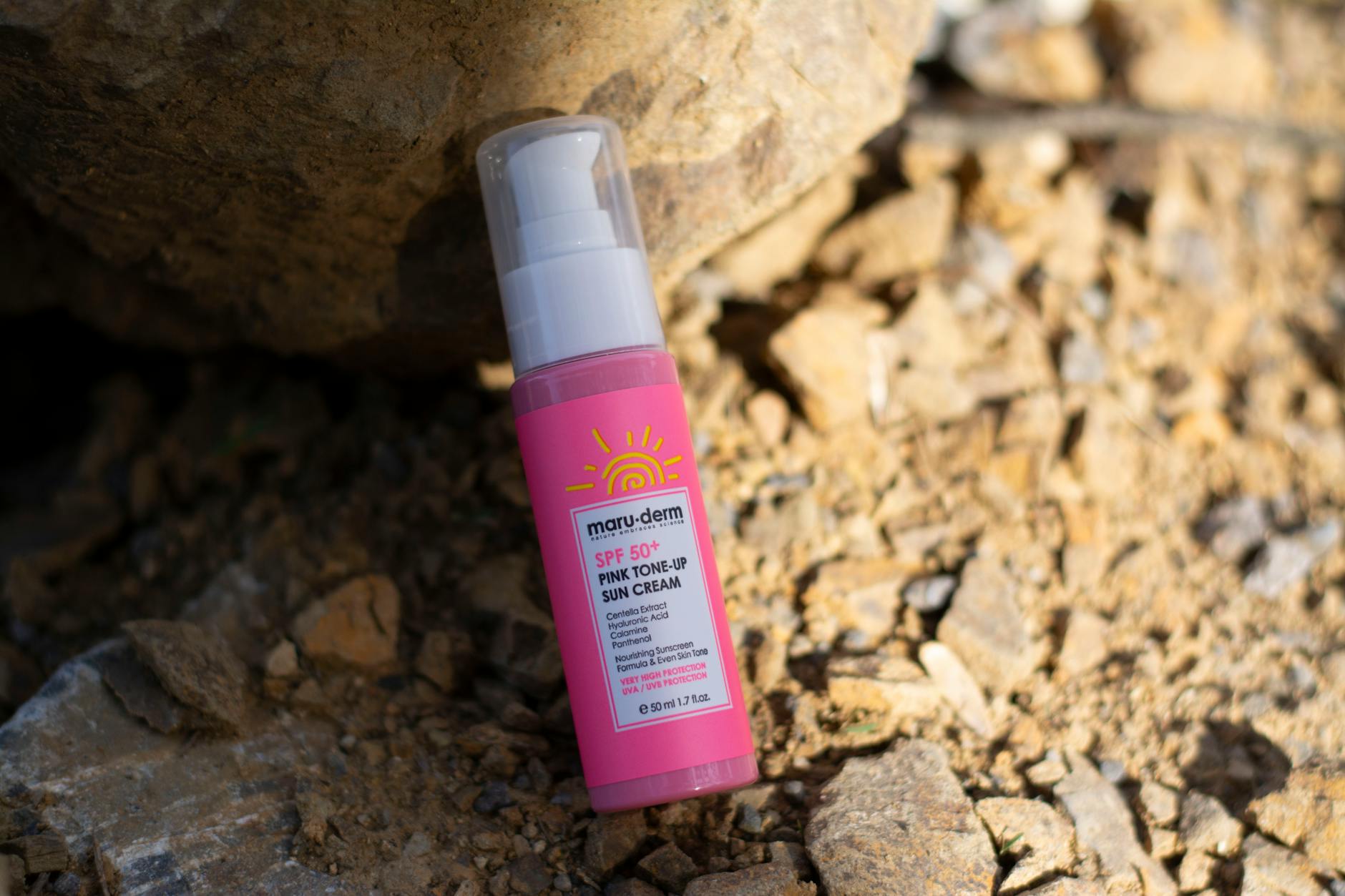
The thermal instability of cosmetic emulsions means that sunscreen products stored in a vehicle glove compartment are subject to ingredient separation preservative breakdown and ultraviolet filter degradation that collectively reduce their labeled sun protection factor before they are ever applied. Dermatological research on sunscreen stability identifies storage temperatures above 25 degrees Celsius as the threshold above which chemical filter degradation begins to accelerate with vehicle interior temperatures routinely exceeding this threshold by a factor of two or more during summer months. The physical appearance of a heat-compromised sunscreen often provides no reliable indication of its reduced efficacy as separation and reformulation can occur at the molecular level before any visible change in the product’s texture or color is apparent. This creates a particular public health concern because individuals applying heat-damaged sunscreen from a vehicle may believe they are adequately protected when in fact their SPF coverage is substantially lower than the label claims. Sunscreen is most effectively stored in a cool dry location and transported in an insulated pouch during outdoor activities to maintain its labeled protective efficacy.
Insurance Documents

Carrying complete original vehicle insurance documentation in the glove compartment creates a specific and well-documented identity fraud vulnerability that insurance industry security advisors consistently flag as an avoidable risk. An insurance document contains the policyholder’s full legal name home address date of birth vehicle identification number and policy number which collectively represent a highly usable package of personal information for identity theft and insurance fraud purposes. Law enforcement data indicates that vehicle break-ins targeting the glove compartment are frequently motivated by the known probability of finding exactly this type of document rather than valuables. Most jurisdictions that legally require proof of insurance during a traffic stop now accept digital proof via a smartphone application eliminating the practical necessity of keeping a physical document in the vehicle at all. Drivers who prefer a physical backup are advised to carry only a photographed copy of their insurance card rather than the complete policy document and to store the original in a secure home location.
Chocolate and Candy

Confectionery products stored in a vehicle glove compartment are subject to the full range of thermal degradation effects that make the enclosed car environment unsuitable for food storage of any kind. Chocolate in particular undergoes a process known as fat bloom when repeatedly cycled through melting and resolidification which causes cocoa butter to migrate to the surface of the product producing a white or grey coating and a significantly altered texture and flavor profile. Sugar-based candies stored in warm vehicle environments attract moisture during temperature cycling which initiates microbial activity and accelerates spoilage in ways that are not always visible before the product is consumed. Hard candies and gummies stored in hot conditions can fuse together leak colorants into surrounding surfaces and in some cases develop mold colonies in the pockets of moisture that form between candies as temperature fluctuates. Beyond quality concerns food residue in the glove compartment creates an environment that attracts insects and in some climates rodents creating a secondary hygiene and vehicle damage problem.
Spare Keys
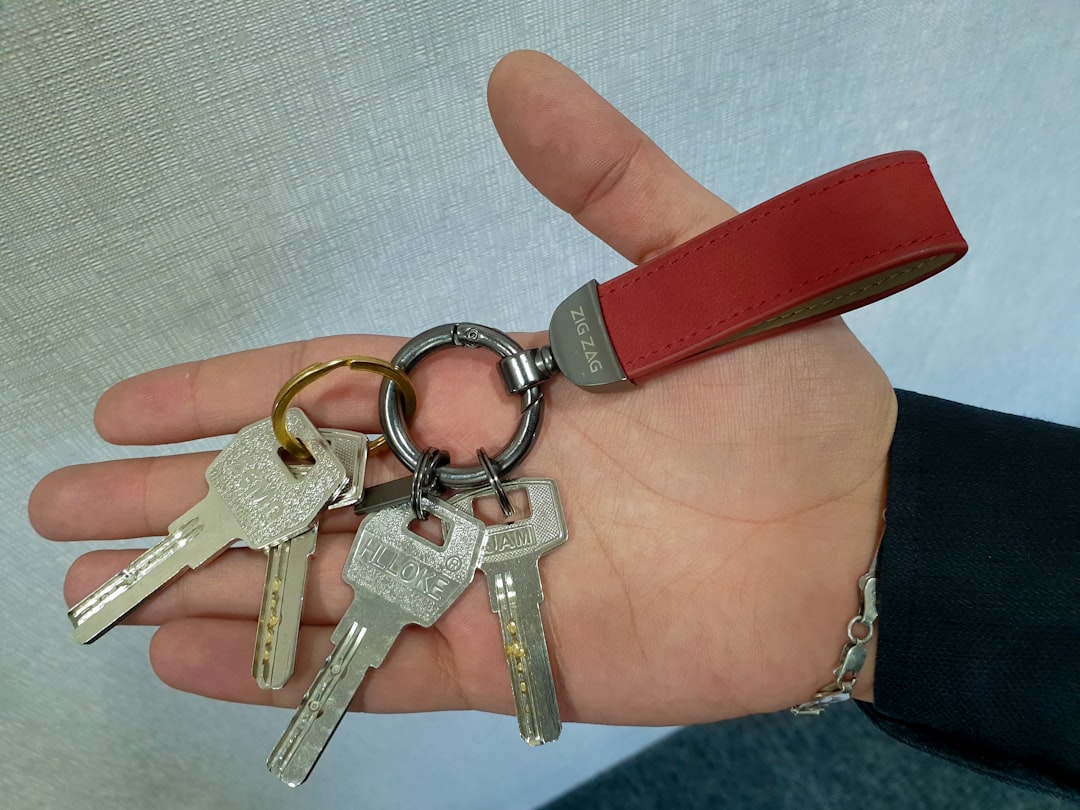
A spare vehicle key stored in the glove compartment of the same vehicle is among the most counterproductive security decisions a driver can make providing a thief who has already accessed the interior of the car with instant capability to drive it away or to return at a later time with full authorized-appearing access. Modern vehicle key fobs with proximity unlocking functions present an additional concern as a spare key stored inside the vehicle can interact with the car’s locking system in ways that affect the primary key’s performance particularly in vehicles with passive entry systems. Automotive security specialists consistently identify the glove compartment spare key as one of the most commonly exploited vulnerabilities in vehicle theft cases that do not involve forced entry or technical hot-wiring methods. The psychological comfort of having a backup key in the car is understandable but the security cost is disproportionate to the benefit when genuinely safe alternatives exist. Spare keys are most appropriately stored with a trusted person at a fixed address or in a secured key lockbox at a home location.
Laptop or Tablet

Electronic devices stored in a vehicle glove compartment are exposed to the full spectrum of thermal electrical and mechanical stresses that make the automobile interior one of the worst possible environments for sensitive computing hardware. Lithium-ion batteries which power virtually all modern laptops and tablets have documented thermal runaway characteristics that are activated at temperatures well within the range achievable in a parked summer vehicle creating both a fire risk and a battery degradation pattern that permanently reduces device capacity after repeated heat exposure. The data stored on an unencrypted device left in a vehicle represents a privacy and professional security risk that extends far beyond the replacement value of the hardware itself with corporate data personal financial information and private communications all potentially accessible to a thief who acquires the device. Screen delamination keyboard warping and internal solder joint failure are among the documented hardware consequences of repeated vehicle heat cycling that electronics manufacturers explicitly identify as voiding standard warranty coverage. Devices in transit are most safely transported in a padded bag that travels with the owner rather than remaining in the vehicle.
Aerosol Cans
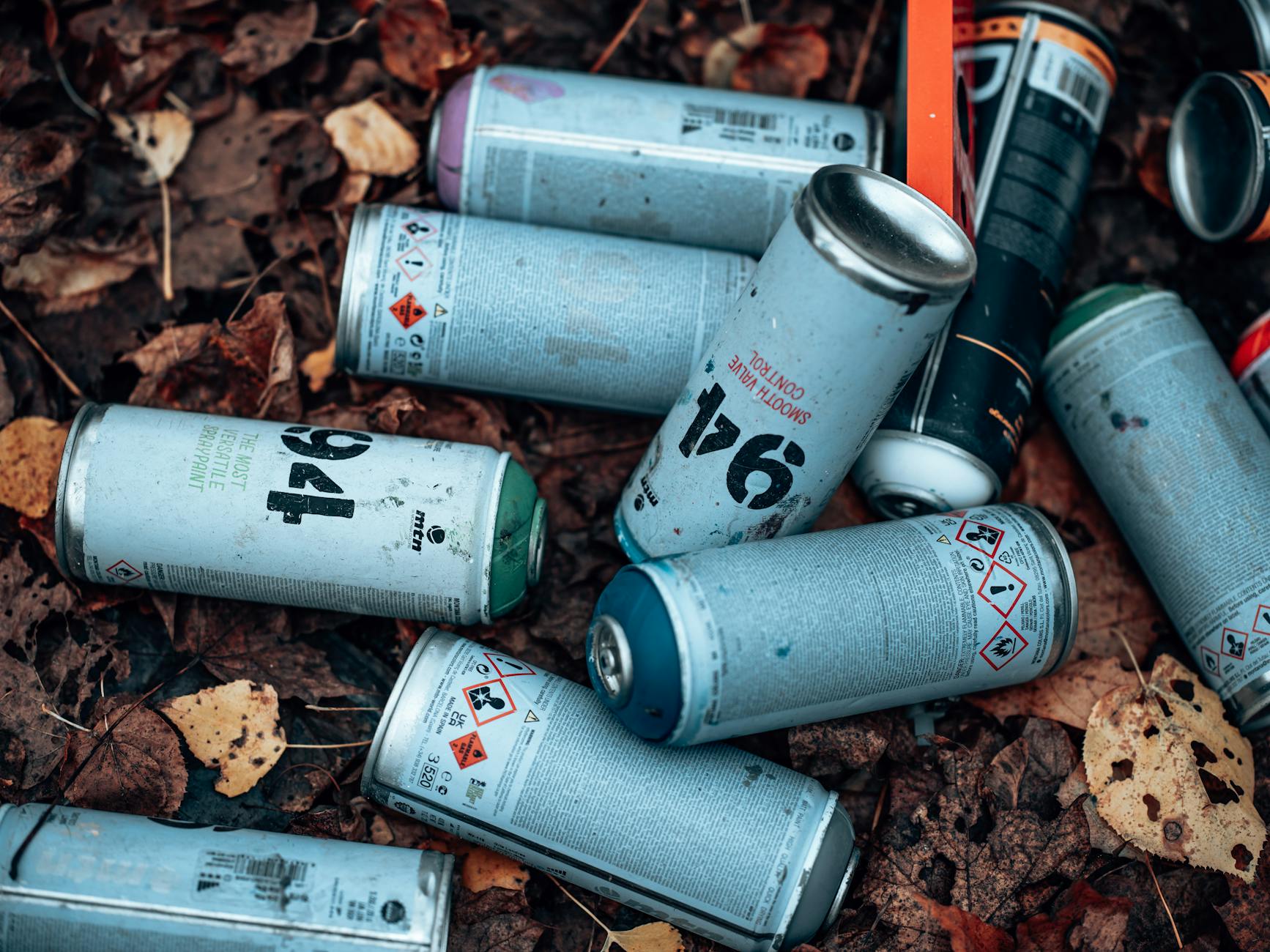
Pressurized aerosol containers including deodorant spray sunscreen spray dry shampoo and automotive products stored in a vehicle glove compartment are subject to pressure increases as the container’s internal temperature rises creating a burst risk that automotive safety organizations classify as a genuine vehicle hazard. The relationship between temperature and pressure in a sealed gas-containing vessel means that the ambient conditions achievable in a parked summer vehicle interior are sufficient to stress the seams and valves of standard consumer aerosol containers beyond their designed tolerance thresholds. Consumer product safety incident databases contain documented cases of aerosol containers stored in vehicles deforming rupturing and in isolated cases projecting their caps or contents with sufficient force to cause interior vehicle damage or personal injury upon opening the car door. The combustible propellants used in many aerosol formulations including butane and propane create an additional fire risk when released into the enclosed volume of a vehicle interior particularly when combined with a heat source such as a lit cigarette or an electrical fault. Any aerosol product needed during travel is most safely transported in a bag kept in the passenger compartment during use and removed from the vehicle when it is parked in warm conditions.
Glasses and Sunglasses

Optical lenses stored in a vehicle glove compartment without adequate protective casing are subject to thermal warping scratching from contact with hard surfaces and in the case of certain lens coatings chemical degradation that permanently alters visual clarity and UV protective performance. Plastic frames exposed to repeated heat cycling in the vehicle interior undergo a progressive softening and reshaping process that alters the frame geometry and affects the lens alignment in ways that can cause wearers to experience headaches or reduced visual acuity when using the glasses after storage. Anti-reflective and photochromic coatings applied to premium prescription lenses are particularly vulnerable to the thermal stress of vehicle storage with optometric industry data indicating that heat exposure is among the leading causes of premature coating failure and lens replacement. The cost implications of heat-damaged prescription eyewear are significant given that replacement lens and frame costs frequently reach several hundred dollars for standard prescriptions with specialty coatings. A rigid protective case stored in a shaded bag rather than in the glove compartment is sufficient to prevent the majority of heat and impact damage that makes vehicle storage problematic.
Financial Documents

Bank statements tax returns investment account summaries and any documents bearing account numbers routing codes or financial identity information stored in a glove compartment create a data exposure risk that personal finance security experts consistently identify as avoidable and unnecessary. The combination of full legal name residential address and financial account details contained in typical financial documents provides sufficient information for a variety of fraud types including account takeover unauthorized credit applications and tax identity theft. Vehicle interior environments also accelerate the physical deterioration of paper documents through humidity cycling which causes ink to fade paper to become brittle and any adhesive binding to fail creating a progressive loss of document legibility that affects their utility as records. Financial institutions and tax authorities universally recommend that sensitive financial documents be stored in a locked file system at a fixed residential address rather than transported in a vehicle. Digital access to financial records through secure banking applications has eliminated most practical reasons for carrying physical financial documents in a vehicle under normal circumstances.
Firearms

The storage of a firearm in a vehicle glove compartment regardless of the legal framework governing its carriage creates a convergence of safety security and legal risks that firearms safety organizations and law enforcement agencies consistently identify as among the most preventable sources of weapon-related incidents. Vehicle break-ins are statistically one of the most common pathways through which legally owned firearms enter criminal supply chains with data from the US Bureau of Alcohol Tobacco Firearms and Explosives identifying tens of thousands of firearms stolen from vehicles annually as a significant contributor to illegal weapons circulation. The glove compartment specifically is the first location searched by a vehicle thief with knowledge of typical firearm storage habits making it the least secure location available in the vehicle for a weapon of any kind. Thermal cycling in vehicle interiors can affect the mechanical tolerance of firearm components over time and lubricants used in firearm maintenance have documented degradation profiles in high-temperature storage conditions. Jurisdictional requirements for firearm storage in vehicles vary widely and legal compliance does not eliminate the practical safety and security concerns associated with this storage location.
Cash

Physical currency stored in a vehicle glove compartment is among the most immediately convertible assets a vehicle thief can acquire making its presence a direct financial incentive for opportunistic vehicle break-ins. Unlike electronic financial assets cash provides no fraud recovery pathway and its theft from a vehicle is rarely recoverable through insurance claims particularly when the amount is below standard deductible thresholds. Humidity and temperature cycling in the vehicle environment also cause physical deterioration of banknotes over time with repeated moisture exposure causing paper currency to become brittle discolored and in extreme cases stuck together in ways that central bank replacement processes require substantial documentation to resolve. Security researchers studying opportunistic vehicle crime consistently identify visible or known cash storage as one of the behavioral patterns that elevates an individual’s vehicle targeting probability across multiple crime categories. The availability of contactless payment through smartphones and bank cards has eliminated the practical necessity of carrying reserve cash in a vehicle for the overwhelming majority of daily driving situations.
USB Drives

Portable data storage devices including USB drives and external solid-state drives stored in a vehicle glove compartment are subject to the same thermal vulnerability as other electronic components with flash memory storage cells showing documented data retention degradation at sustained temperatures above 40 degrees Celsius. The compact size and high data density of modern USB storage devices means that a single device stored in a vehicle may contain an amount of personal professional or financial data whose exposure value significantly exceeds the replacement cost of the physical device. Corporate security policies in most large organizations explicitly prohibit the storage of unencrypted USB devices in vehicles and the regulatory environments governing industries such as healthcare finance and legal services impose significant liability for data breaches originating from vehicle thefts of unencrypted storage media. The physical durability of consumer USB devices is also frequently overestimated with the solder joints and connector interfaces of compact drives being particularly vulnerable to the mechanical vibration of vehicle use combined with thermal stress from storage. Sensitive data stored on portable media is most securely maintained on encrypted devices kept in personally controlled possession rather than left in a vehicle.
Wet Umbrella

A damp umbrella stored in the enclosed space of a glove compartment creates a persistent high-humidity microenvironment that accelerates the deterioration of surrounding materials including leather vinyl paper documents and electronic device components that may share the storage space. The combination of trapped moisture organic material from outdoor exposure and the warmth of a vehicle interior creates optimal conditions for mold and mildew growth both on the umbrella itself and on the interior surfaces of the compartment. Vehicle interior mold is a documented health concern particularly for individuals with respiratory sensitivities as mold spores released into the enclosed cabin air during driving can reach concentrations that trigger allergic responses and worsen asthma symptoms. The metal components of umbrella mechanisms including springs hinges and ribs undergo accelerated corrosion in the humid microenvironment created by a wet umbrella in a sealed space contributing to mechanical failure of the umbrella and potential staining of surrounding surfaces. A wet umbrella is most appropriately stored in a plastic bag in the boot of the vehicle where ventilation prevents the concentration of moisture that makes glove compartment storage problematic.
Children’s Medication

Pediatric pharmaceutical formulations including liquid suspensions chewable tablets and dissolvable strips are generally more thermally sensitive than adult tablet formulations because their active ingredient concentration calibrations and flavoring preservative systems are designed for a narrower stability range. The precise dosing requirements of children’s medications mean that even partial degradation of active ingredients resulting from thermal stress creates a clinical risk that is proportionally more significant in pediatric patients than in adults because of their lower body weight and narrower therapeutic margins. Liquid pediatric formulations stored in vehicle environments are additionally subject to the physical instability effects of vehicle vibration which can alter suspension homogeneity and affect the accuracy of dose measurement from a bottle that has been agitated inconsistently. Parental reliance on glove compartment medication as an emergency preparedness measure is understandable but the actual safety benefit is significantly reduced when the stored medication has been compromised by repeated heat exposure over weeks or months of vehicle storage. An insulated medication pouch kept in a temperature-controlled bag that travels with the family rather than remaining in the vehicle provides a functionally equivalent emergency option without the stability risks of fixed vehicle storage.
Jewelry

Personal jewelry stored in a vehicle glove compartment combines high monetary value high sentimental irreplaceability and significant theft attractiveness in a location that provides no meaningful security against opportunistic vehicle crime. Gemstone settings and metal clasps on fine jewelry are subject to thermal expansion and contraction cycles that progressively stress the microscopic mechanical connections between components leading to loosened stones weakened clasps and warped settings that may not be immediately noticeable but accumulate as structural vulnerabilities over time. Pearls and certain organic gemstones including coral amber and turquoise are particularly sensitive to the low-humidity high-temperature environment of a parked vehicle with dehydration causing surface cracking color change and structural fragility in these materials. Insurance coverage for jewelry stolen from vehicles frequently carries specific exclusions or significantly elevated deductibles compared to theft from a residential property reflecting the insurance industry’s actuarial assessment of vehicle storage as a materially higher risk category for jewelry loss. Jewelry not being actively worn is most appropriately stored in a residential safe or a bank safety deposit box rather than in any vehicle location.
Pet Food

Dry and wet pet food stored in a vehicle glove compartment is subject to the accelerated spoilage dynamics that apply to all organic food material in the thermally unstable vehicle environment with fat oxidation protein degradation and microbial activity all proceeding at substantially elevated rates compared to controlled storage conditions. The specific formulation of commercial pet foods including the preservative systems and moisture-activity balance of the product is calibrated for storage within defined temperature and humidity parameters that vehicle environments routinely and dramatically exceed. Opened wet food containers stored in a vehicle present an acute microbial hazard as the warm moist environment of a sealed glove compartment following opening of a product creates near-optimal conditions for pathogen growth including bacteria relevant to both animal and human health. The strong odors associated with certain pet food products stored in warm conditions can also permeate vehicle interior materials including seat fabric headliner and trim in ways that are difficult to remediate once established. Pet food for travel is most safely transported in sealed airtight containers in a cooled bag and removed from the vehicle at the end of each journey.
Legal Documents

Original legal documents including wills powers of attorney property deeds and contracts stored in a vehicle glove compartment are exposed to the physical deterioration risks of the vehicle environment and the identity and fraud risks associated with the personal information these documents contain. The legal standing of certain original documents particularly wills and property instruments depends in some jurisdictions on their physical integrity meaning that heat and humidity damage that alters the paper ink or signature appearance can create challenges in probate and conveyancing proceedings that require professional legal intervention to resolve. Powers of attorney documents stolen from a vehicle represent a particularly serious fraud risk as they convey legal authority that can in some jurisdictions be exercised by a person in possession of the document without additional identity verification at the point of use. Legal professionals universally advise that original legal instruments be stored in a fireproof lockbox or a bank safety deposit box with only certified copies used for reference purposes during activities that require document access outside the home. The practical need to carry original legal documents in a vehicle is extremely rare and most situations that appear to require it can be addressed through certified copies or digital verification alternatives.
Lip Balm and Cosmetics

Wax-based cosmetic products including lip balm lipstick and cream-format makeup stored in a vehicle glove compartment are subject to melting separation and structural collapse at temperatures well within the range regularly achieved in parked vehicle interiors. The reformulation that occurs when these products are melted and resolidified in an uncontrolled manner alters their texture application properties and in some cases their microbial stability as the homogeneous emulsion structure that prevents pathogen growth is disrupted by the phase separation of the melting process. Lip products that have been heat-cycled in this way may show no obvious visual change after resolidification but their changed physical structure can create application inconsistency altered skin feel and in products with active ingredients such as SPF filters a reduction in the efficacy of those functional components. The intimate application context of lip and eye area cosmetics makes the hygienic deterioration of these products particularly relevant from a consumer health perspective as heat-compromised products may support microbial growth that is then applied directly to mucous membrane areas. A small cosmetic pouch kept in a personal bag maintained at ambient temperature provides a straightforward alternative to vehicle storage for these products.
Spare Phone

A secondary or backup mobile phone stored persistently in a vehicle glove compartment is subject to battery degradation from thermal cycling login credential storage risks if the device is not secured and the same theft-related data exposure vulnerabilities that apply to other personal electronic devices in vehicle storage. Lithium-ion battery chemistry degrades irreversibly when exposed to repeated high-temperature cycles with battery capacity loss of 20 percent or more documented after a single summer season of vehicle storage in warm climates making the device significantly less reliable as an emergency communication tool. An unsecured spare phone that retains saved passwords cloud account credentials or messaging application sessions represents a data access risk if the vehicle is broken into that extends to every account and contact accessible through those stored credentials. Mobile network operators and device manufacturers both identify vehicle storage as among the most harmful environments for long-term battery health based on the combination of thermal stress and the partial charge state in which stored devices typically remain. A spare phone kept at home or maintained in a personal bag offers the same emergency utility without the battery degradation and security exposure associated with persistent vehicle storage.
Marijuana and Cannabis Products
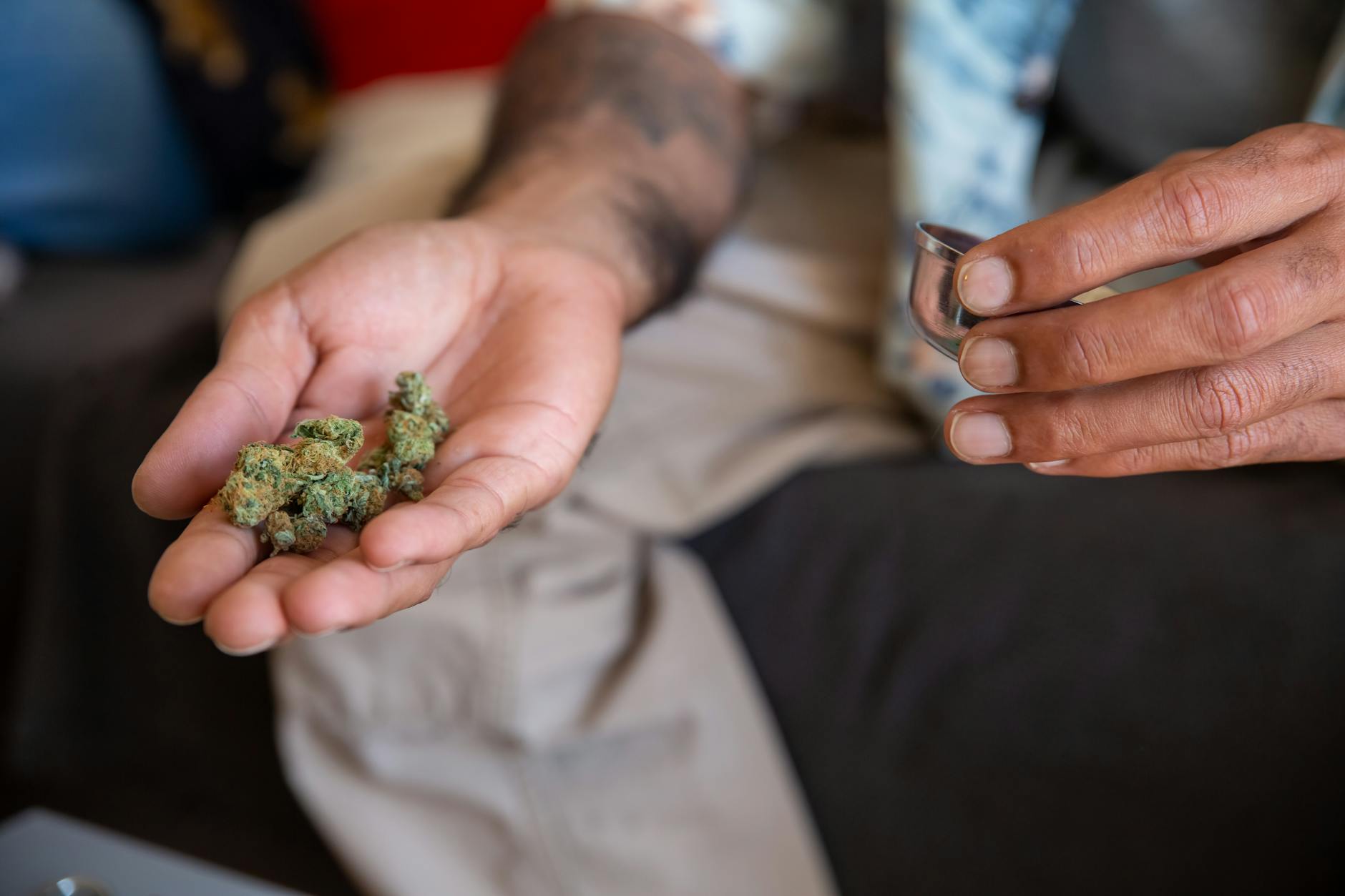
Cannabis products stored in a vehicle glove compartment create legal exposure that varies dramatically by jurisdiction but is universally more complicated than many drivers appreciate even in regions where personal possession has been decriminalized or legalized for recreational use. Vehicle-specific possession laws in most jurisdictions that have legalized cannabis impose requirements about container sealing passenger compartment separation and quantity limits that are distinct from general possession laws and are applied at the discretion of law enforcement officers during traffic stops with the glove compartment being among the first locations checked. The thermal environment of the vehicle accelerates the degradation of cannabinoid compounds particularly THC which undergoes oxidative conversion to CBN at elevated temperatures reducing the potency of stored products in ways that are not reversible. Edible cannabis products stored in vehicle environments present the same food safety concerns as other consumables stored in thermally unstable conditions with fat-based formulations such as infused chocolates and gummies being particularly susceptible to heat-related spoilage. The combination of legal complexity and product degradation makes vehicle glove compartment storage an objectively poor choice for cannabis products in any jurisdiction.
Birth Certificate

An original birth certificate stored in a vehicle glove compartment represents one of the highest-value identity documents that can be acquired through vehicle theft because of its central role as a primary identity verification instrument in passport applications driving license issuance and government benefit enrollment processes. Identity fraud specialists identify the birth certificate as the foundational document in synthetic identity construction meaning that its theft enables a cascade of subsequent fraudulent applications that can create years of remediation work for the legitimate document holder. Unlike financial fraud which has established institutional reporting and resolution pathways identity fraud enabled by foundational document theft often requires direct engagement with government agencies court systems and credit bureaus simultaneously creating a recovery burden that is disproportionate to the physical act of the original theft. The physical document itself is subject to the humidity and heat deterioration effects that apply to all paper documents in vehicle storage with government-issued security papers occasionally incorporating inks or features that are specifically sensitive to heat exposure. Original identity documents of this category should be stored exclusively in a residential lockbox or safety deposit box with certified copies or digital verification alternatives used for any purpose that requires identity documentation outside the home.
Glasses Repair Kit
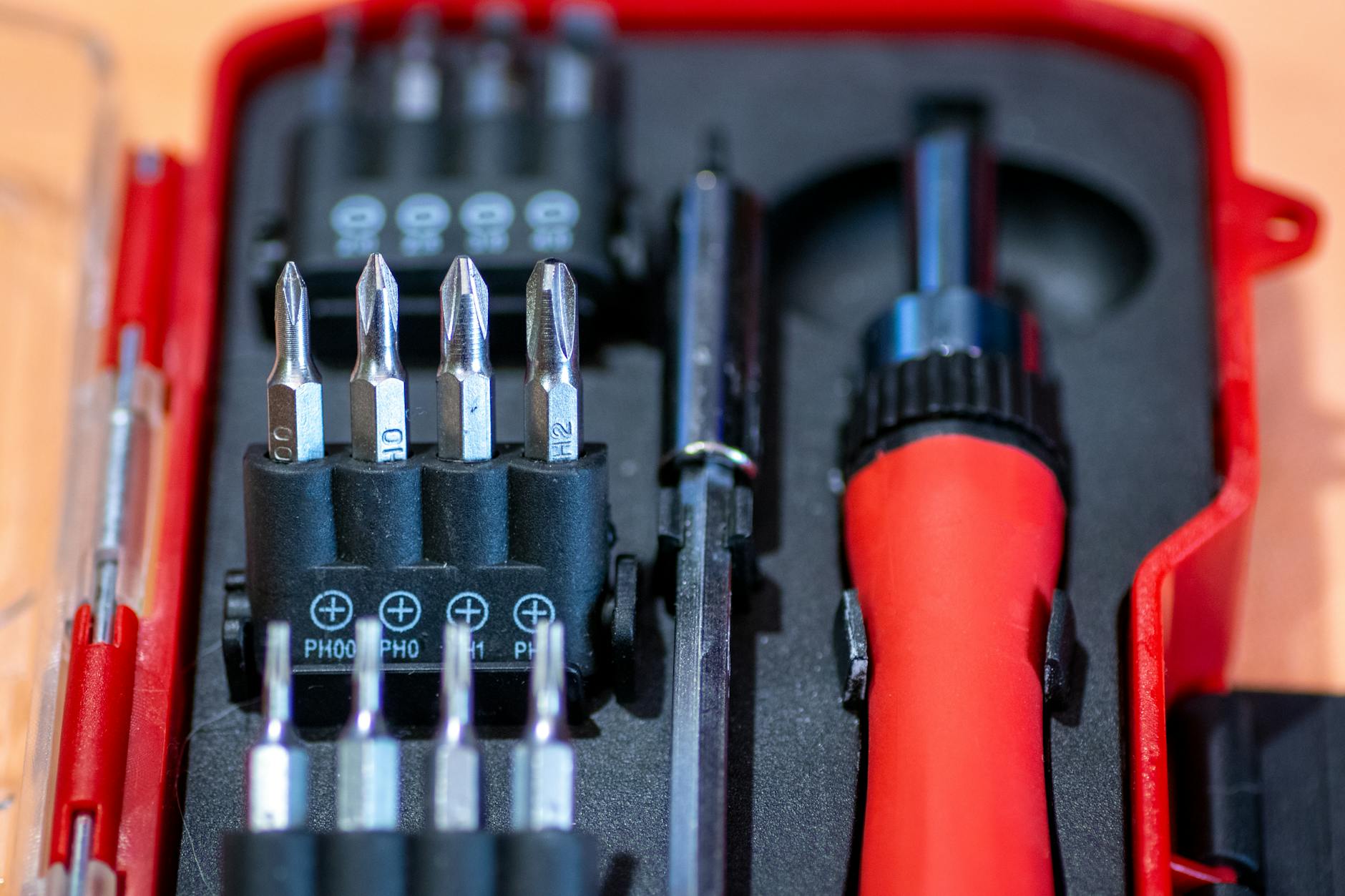
The miniature screwdrivers replacement screws and precision tools contained in a glasses repair kit stored in a vehicle glove compartment are subject to the thermal cycling effects that cause metal components to expand and contract progressively loosening tool handles compromising screwdriver tip precision and in the case of adhesive-based kits causing the adhesive to cure prematurely and become unusable. The microscopic replacement screws used in eyeglass frames are easily displaced within a kit container that has been subjected to the vibration of vehicle travel combined with the expansion effects of heat causing screws to escape into the general contents of the glove compartment where they become functionally unrecoverable. Optical adhesives included in repair kits are formulated with specific cure temperature requirements that are exceeded by vehicle storage conditions rendering the adhesive non-functional for emergency repairs at precisely the moment it is most needed. The overall utility of a glasses repair kit depends entirely on the integrity of its smallest and most thermally vulnerable components making the vehicle glove compartment one of the least suitable storage locations for this type of precision tool set. A repair kit stored in a glasses case kept in a personal bag maintains its functional integrity and is available in the circumstances where it is actually needed rather than being discovered as degraded or incomplete during a vision emergency.
Have you found any of these items in your own glove compartment? Share what you discovered in the comments.