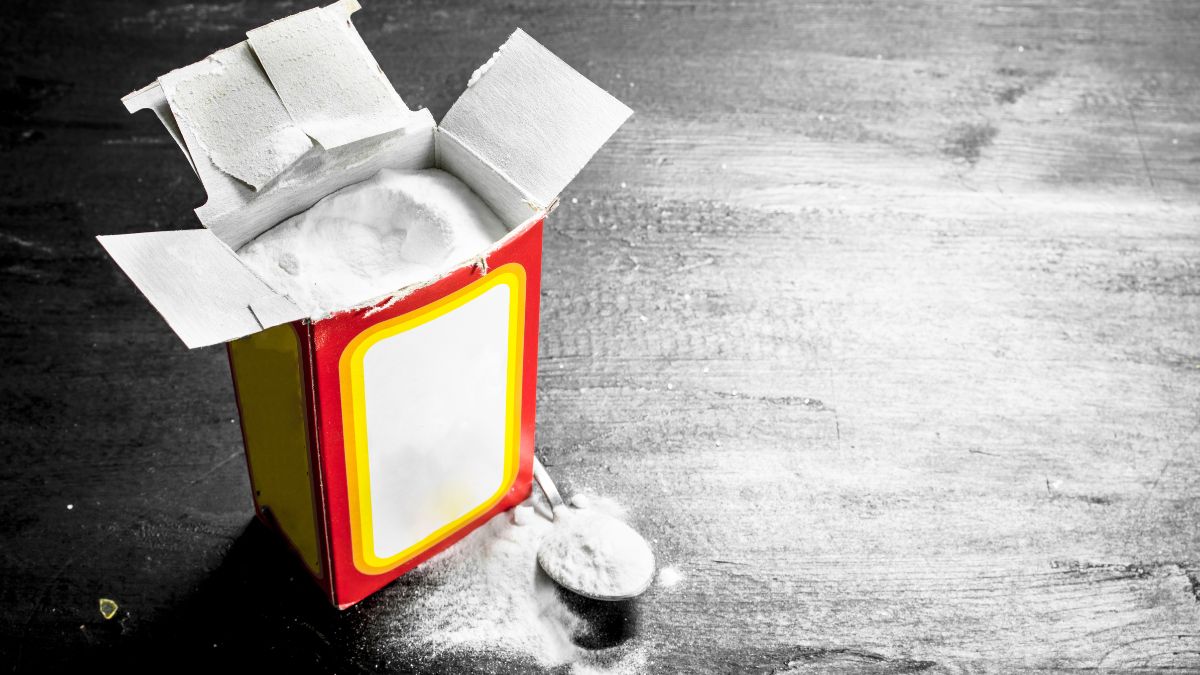
Baking soda is celebrated as one of the most versatile household cleaners, but its abrasive and alkaline nature makes it genuinely harmful to certain surfaces and materials. Many people assume that because it is natural and gentle on some things, it must be safe for everything around the home. The truth is that using baking soda in the wrong places can cause permanent damage, dull finishes, corrode metals, or ruin delicate fabrics. Understanding exactly where not to use it is just as important as knowing where it works wonders. These are the surfaces and materials that should always be kept far away from baking soda.
Hardwood Floors
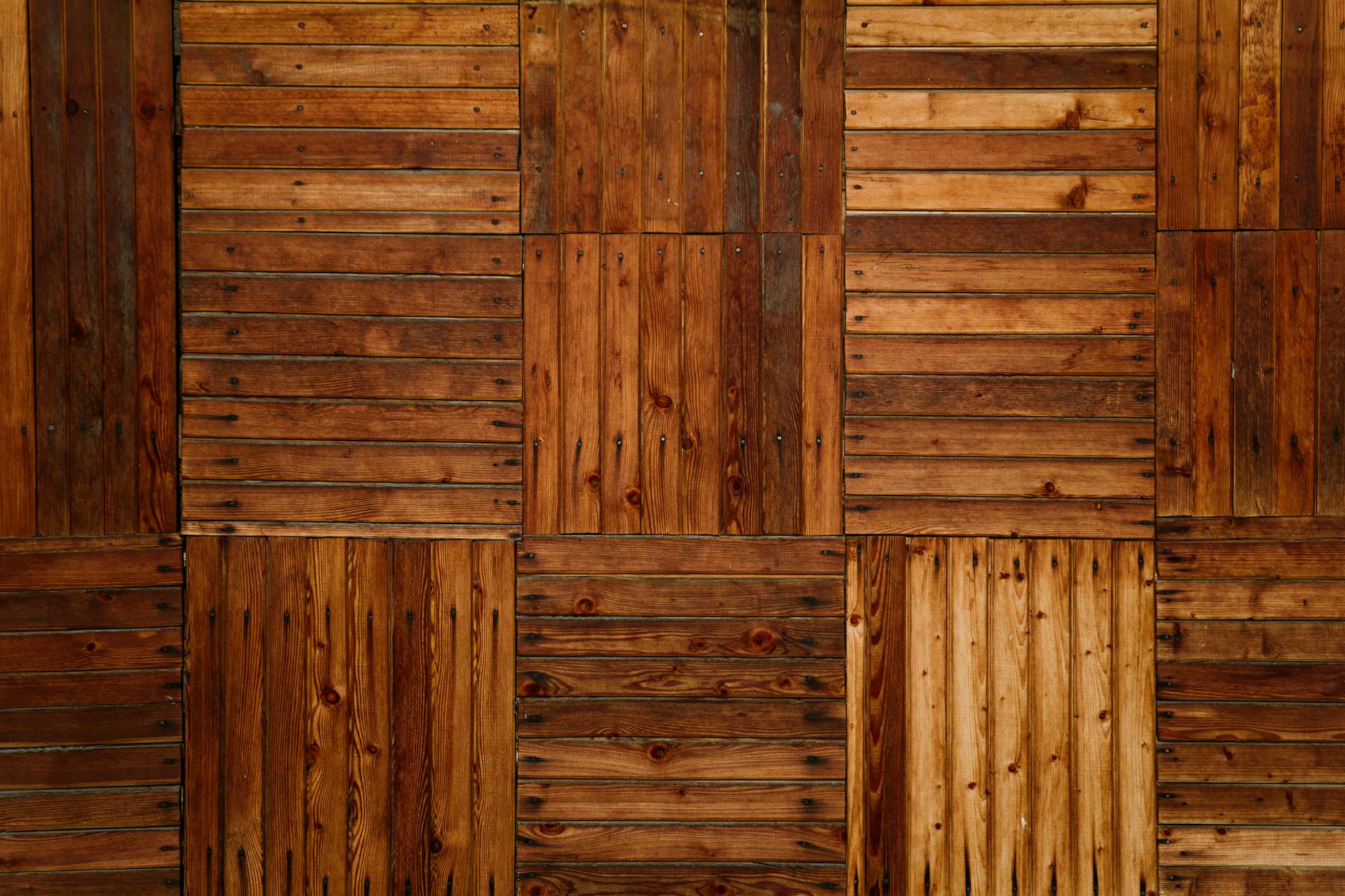
Hardwood floors have a protective finish that can be slowly stripped away by the alkaline properties of baking soda. Repeated contact with the substance causes the wood to lose its natural sheen and become increasingly dull over time. The fine abrasive particles can also leave micro-scratches across the surface that accumulate into visible damage. Moisture from a paste or wet application can seep into the wood grain and cause warping or swelling. Purpose-made hardwood floor cleaners are specifically formulated to clean without compromising the protective layer.
Marble
Marble is a calcium-based stone that reacts negatively with alkaline substances including baking soda. Even a single cleaning session can etch the surface and leave behind dull patches that are difficult or impossible to restore at home. The soft crystalline structure of marble is particularly vulnerable to abrasive particles that scratch and wear down its polished appearance. Acidic and alkaline products alike pose a serious risk to this material making pH-neutral cleaners the only safe choice. Professional restoration is often required once etching has occurred which makes prevention far more cost-effective.
Aluminum Cookware
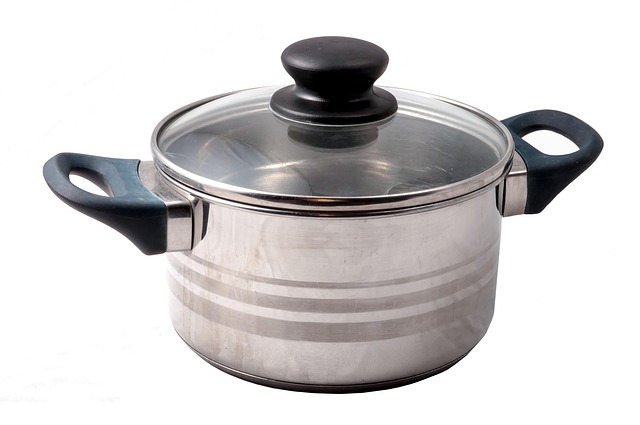
Aluminum is a reactive metal that oxidizes when it comes into prolonged contact with alkaline compounds. Baking soda accelerates this oxidation process and causes the surface of aluminum pots and pans to darken and pit over time. The resulting discoloration is not merely cosmetic as it can also affect the way the cookware conducts heat during cooking. Thin or older aluminum pieces are especially vulnerable and may begin to show damage after just one or two cleaning attempts. Mild dish soap and warm water remain the safest and most effective option for aluminum cookware.
Gold Plating
Gold-plated items have an extremely thin layer of gold bonded over a base metal and that layer is easily worn away by abrasives. Baking soda acts as a micro-abrasive that steadily removes this delicate coating with each application leaving the base metal exposed. Once the gold plating has been abraded away it cannot be restored without professional re-plating which is often costly. Jewelry pieces cutlery and decorative objects with gold plating are all at risk from this kind of damage. A soft damp cloth is sufficient for routine cleaning of most gold-plated surfaces.
Antique Silver
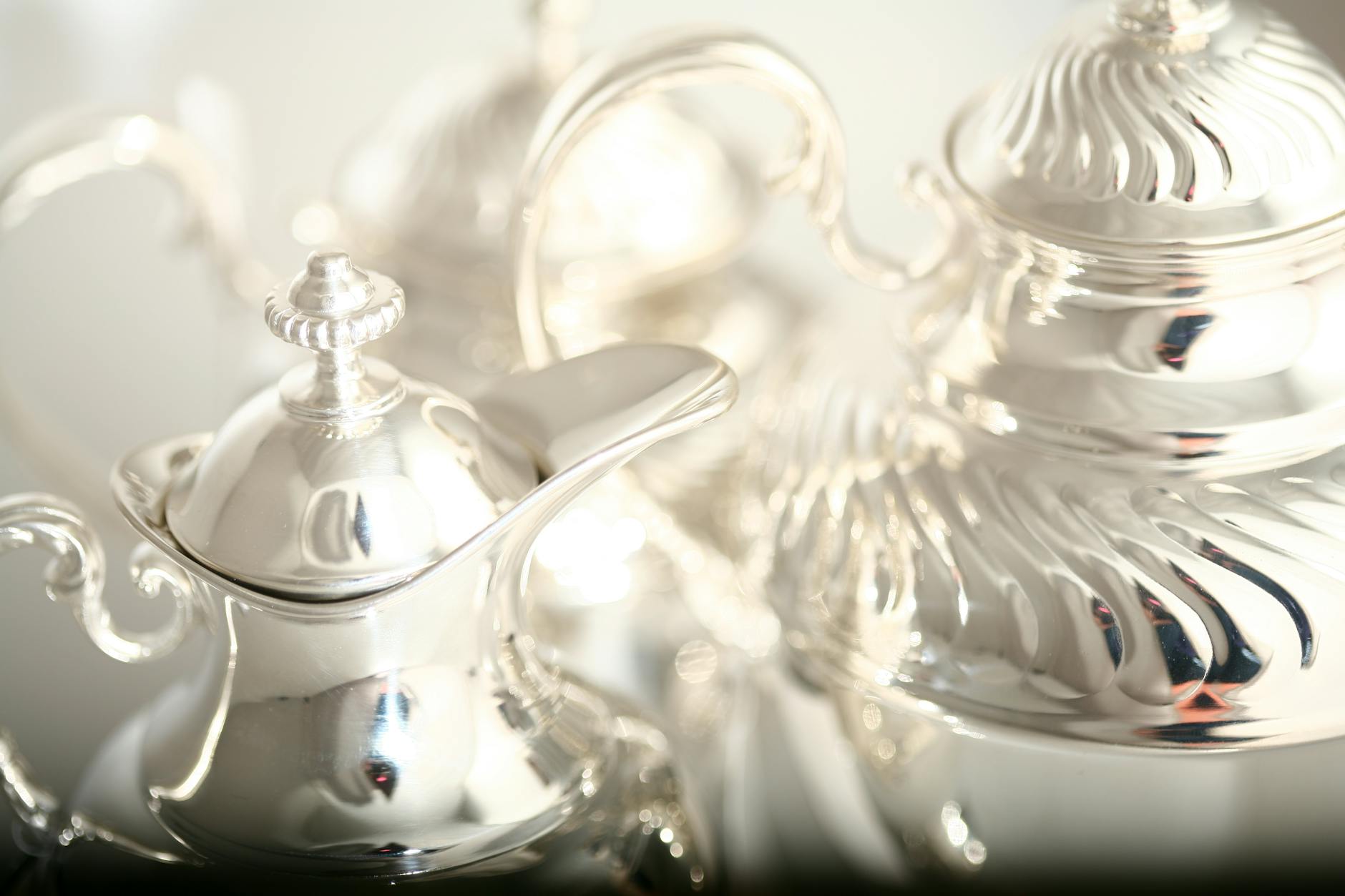
Antique silver develops a patina over decades that collectors and antique specialists consider an essential part of the item’s character and value. Baking soda is commonly recommended for silver polishing but on antique pieces it removes this patina along with any tarnish. The abrasive texture can also leave fine scratches across the surface that diminish both the appearance and the monetary value of the piece. Many antique dealers and conservators specifically warn against using household cleaning agents on pieces of significant age or historical importance. Conservation-grade silver cleaners applied with a soft cloth are the appropriate approach for antique pieces.
Ceramic Cooktops

Ceramic cooktops are manufactured with a smooth glass-ceramic surface that is highly susceptible to scratching from abrasive materials. Baking soda particles are coarse enough to leave permanent fine scratches across the surface that catch the light and become increasingly noticeable over time. Residue from baking soda can also become baked onto the surface if the cooktop is used before it has been thoroughly rinsed. These baked-on deposits are harder to remove than the original stain and often require specialist cleaning products. Manufacturers consistently recommend using only ceramic cooktop-specific cleaners and non-scratch cloths for these surfaces.
Leather
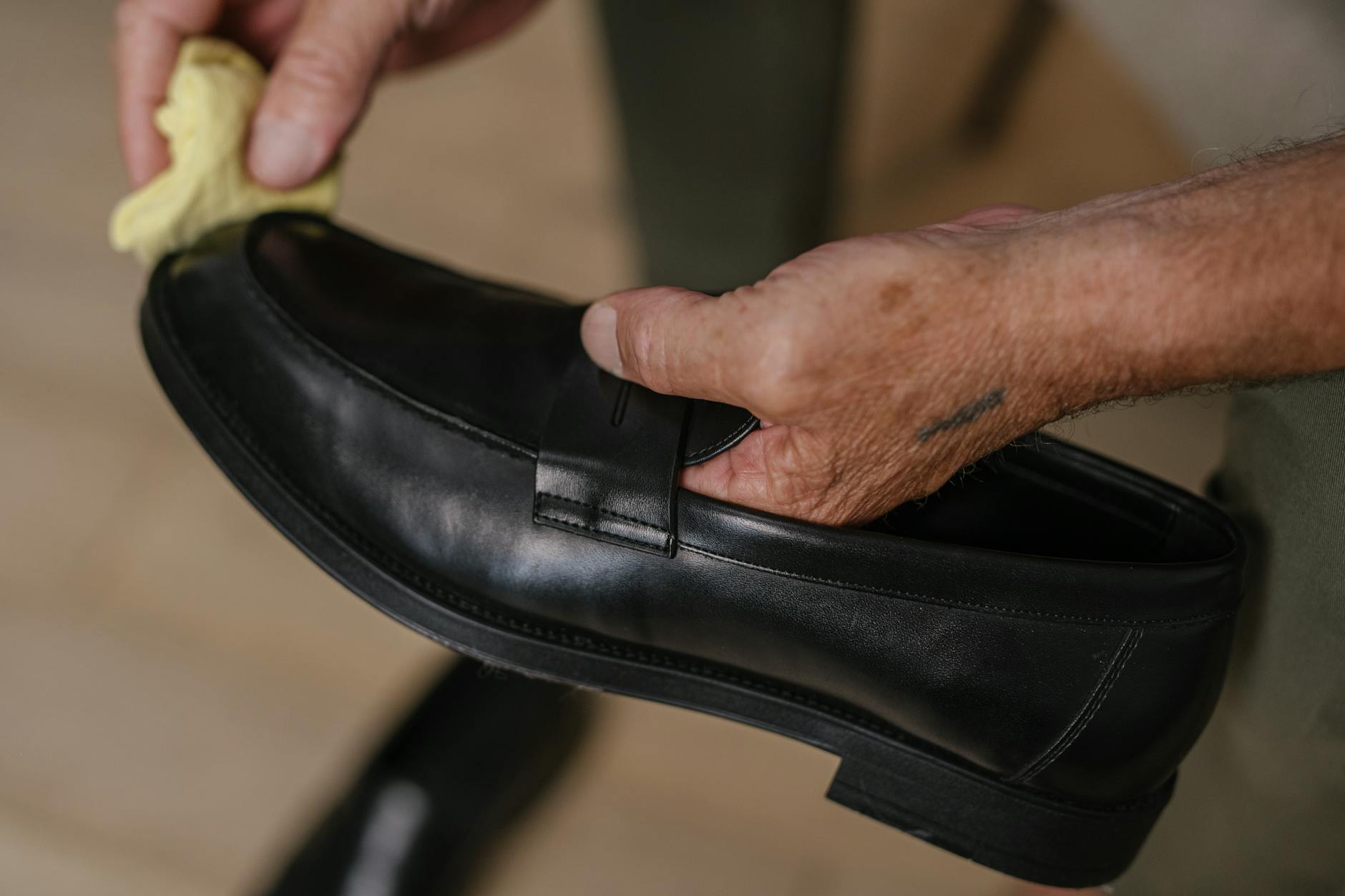
Leather is a natural material that requires specific conditioning and cleaning products to maintain its suppleness and surface integrity. Baking soda draws moisture out of leather which leads to drying cracking and a loss of the natural oils that keep the material flexible. The alkaline pH also disrupts the chemical balance of the leather and can cause discoloration particularly on dyed or treated pieces. Furniture upholstery handbags shoes and car interiors are all vulnerable to this kind of damage. Purpose-made leather cleaners and conditioners are the only products that clean the surface while simultaneously protecting the material.
Silk
Silk is one of the most delicate natural fibers and its protein-based structure is highly sensitive to alkaline substances. Baking soda can break down the sericin protein that gives silk its characteristic sheen and smooth texture leading to irreversible dullness. The abrasive quality of the powder can also snag or roughen the fine weave of the fabric at a microscopic level. Even a diluted solution poses a significant risk to colored silk as it can cause uneven fading or permanent staining. Specialist silk detergents with a neutral pH are the correct choice for cleaning any silk garment or fabric.
Cast Iron Pans
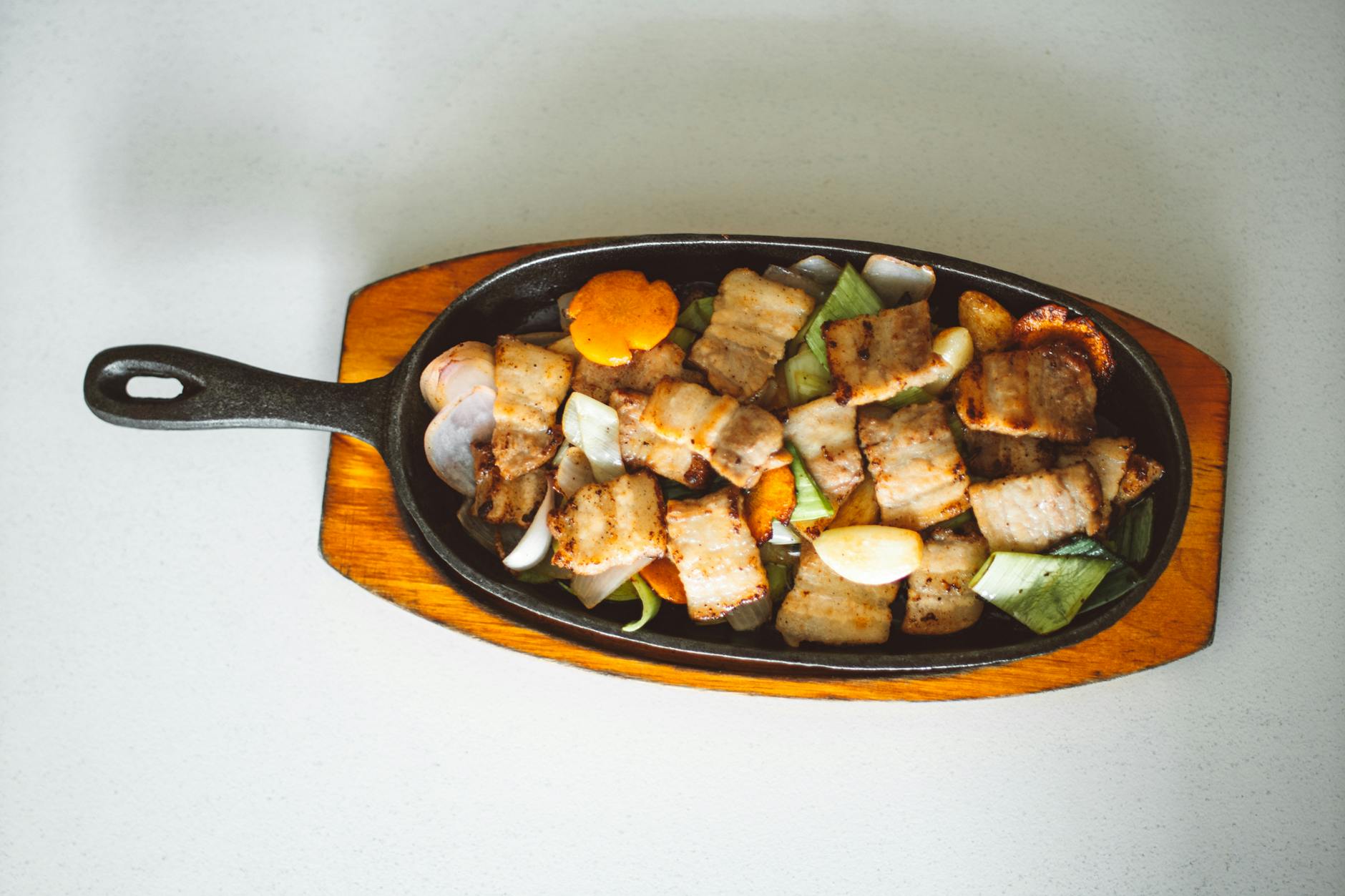
Cast iron cookware relies on a layer of seasoning built up through repeated use and oil treatments to create its non-stick surface and protect against rust. Baking soda is alkaline enough to strip this seasoning away with a single aggressive cleaning session. Without the protective seasoning layer the iron becomes exposed to moisture and oxidizes rapidly leading to rust formation. Re-seasoning a cast iron pan is a time-consuming process that many home cooks find frustrating and the results are never immediate. Coarse salt and a small amount of oil is the traditional and most effective method for cleaning cast iron without damage.
Pearls

Pearls are organic gemstones composed of calcium carbonate layers called nacre and they are among the most chemically sensitive materials found in jewelry. The alkaline composition of baking soda reacts with the nacre and gradually dissolves the outer layers causing the pearl to lose its characteristic luster. The abrasive texture of baking soda powder causes physical surface damage at the same time compounding the chemical deterioration. Both natural and cultured pearls are equally vulnerable and no distinction should be made when choosing a cleaning method. A soft damp cloth and occasional professional cleaning are the recommended approaches for maintaining pearl jewelry.
Oven Interiors with Self-Cleaning Function
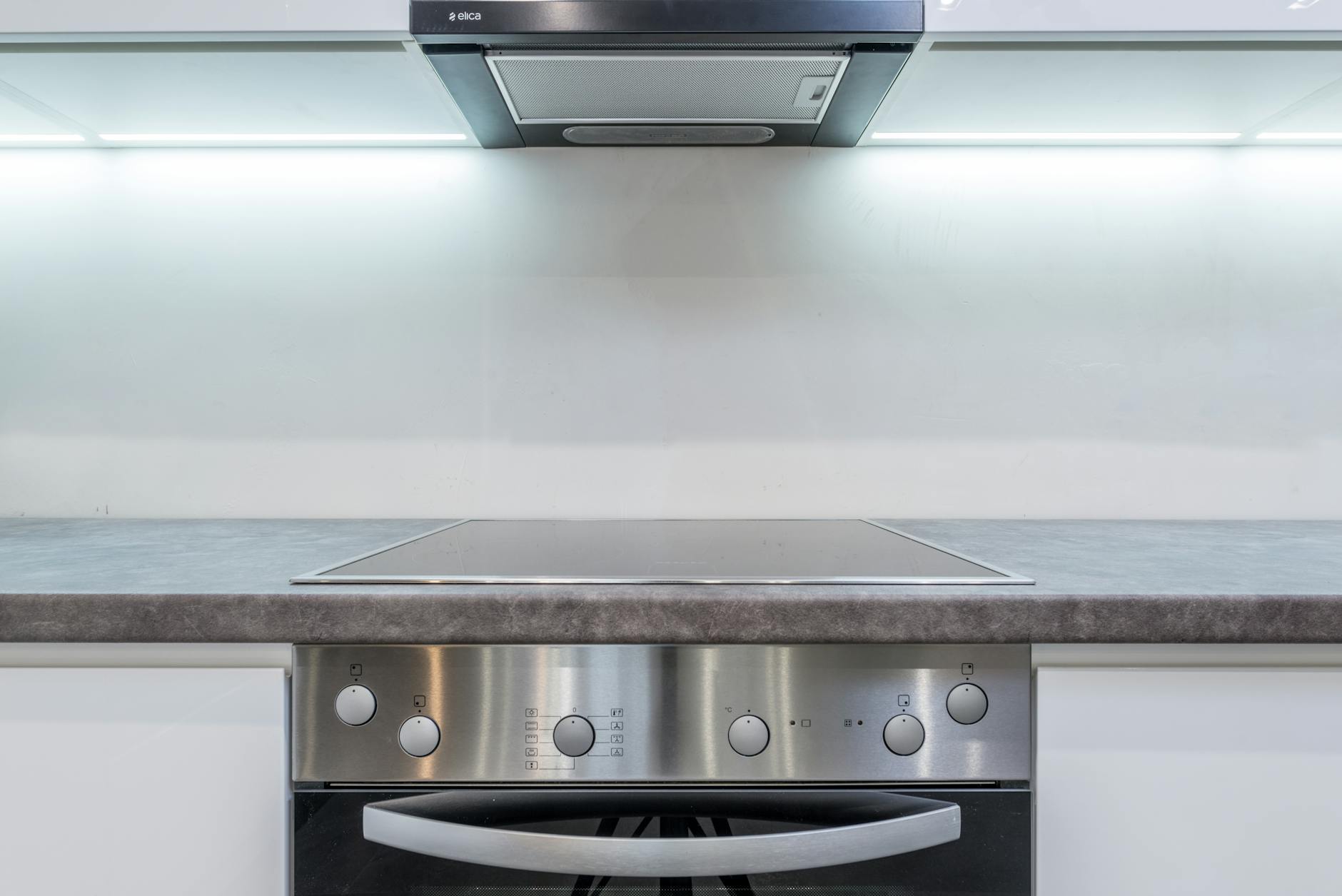
Modern ovens fitted with a self-cleaning function use an extremely high heat cycle to incinerate food residue into fine ash that can simply be wiped away. Applying baking soda inside a self-cleaning oven before or after the cycle can leave behind a chalky residue that is difficult to fully remove. This residue can interfere with the oven’s interior sensors or heating elements in some models. The self-cleaning function is specifically engineered to handle baked-on grease and food without any additional cleaning agents. Consulting the manufacturer’s care instructions is always the safest step before introducing any cleaning product to a self-cleaning oven interior.
Wooden Cutting Boards
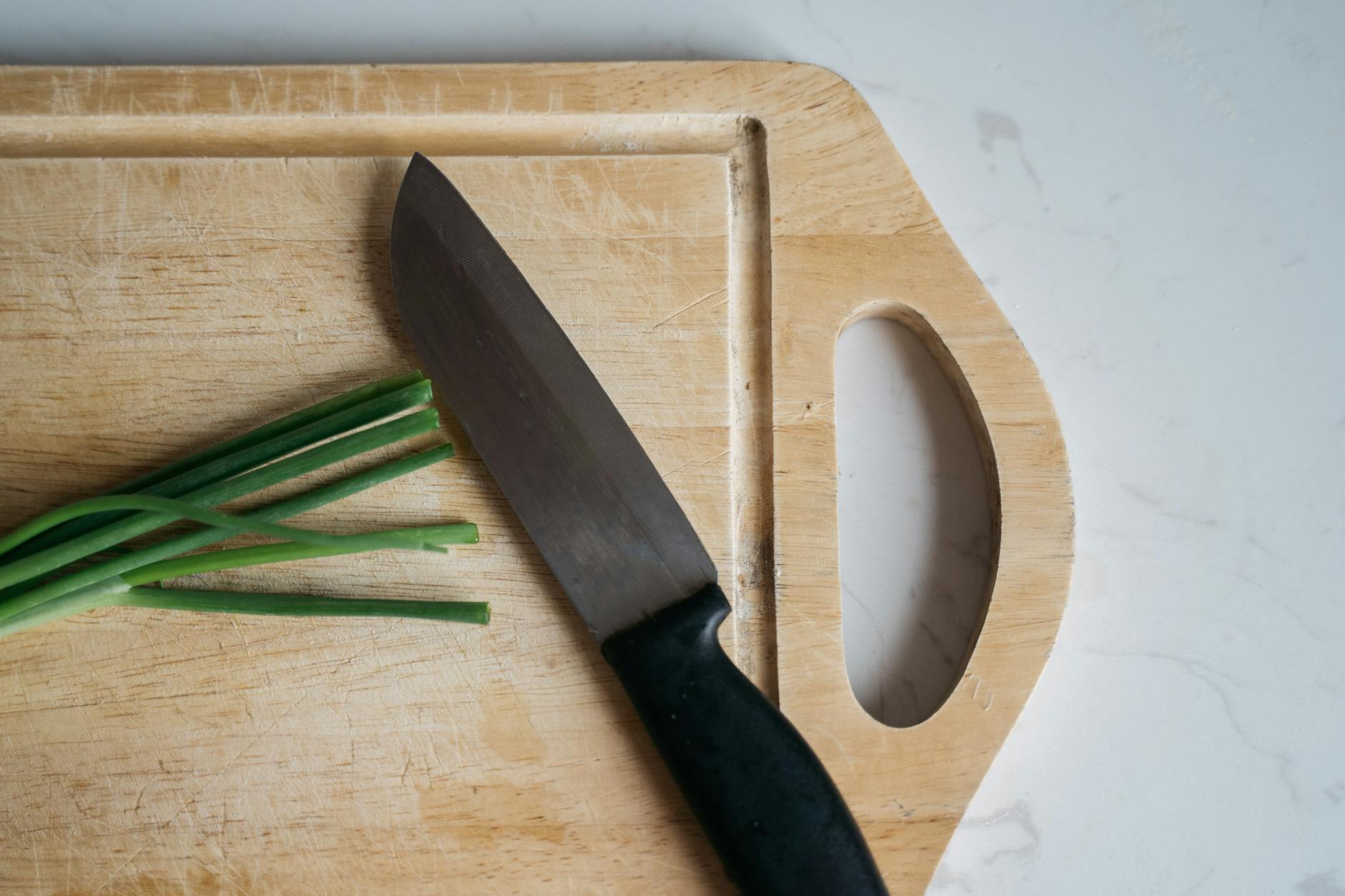
Wooden cutting boards are porous and absorb moisture and cleaning agents readily into their grain structure. Repeated baking soda applications raise the pH of the wood and dry it out leading to cracking splitting and the opening of fissures where bacteria can settle. The abrasive nature of the powder can also roughen the cutting surface over time creating more grooves for food particles and microbes to accumulate. A board that has been damaged in this way becomes a hygiene concern in addition to a practical one. Food-safe mineral oil applied after gentle cleaning with mild dish soap is the most effective way to maintain a wooden cutting board.
Car Paint

Automotive paint is a carefully layered system including primer base coat and clear coat that provides both protection and aesthetic finish. Baking soda is too abrasive and too alkaline to be used safely on any part of this layered system without causing micro-scratches and dulling. Polishing compounds specifically formulated for automotive use take into account the hardness of the clear coat and deliver cleaning action without damage. Detailing professionals uniformly exclude baking soda from their cleaning kits because the risk of surface degradation is well understood in the industry. pH-balanced car wash soaps and dedicated detailing products are the appropriate choice for maintaining automotive paint.
Mirrors
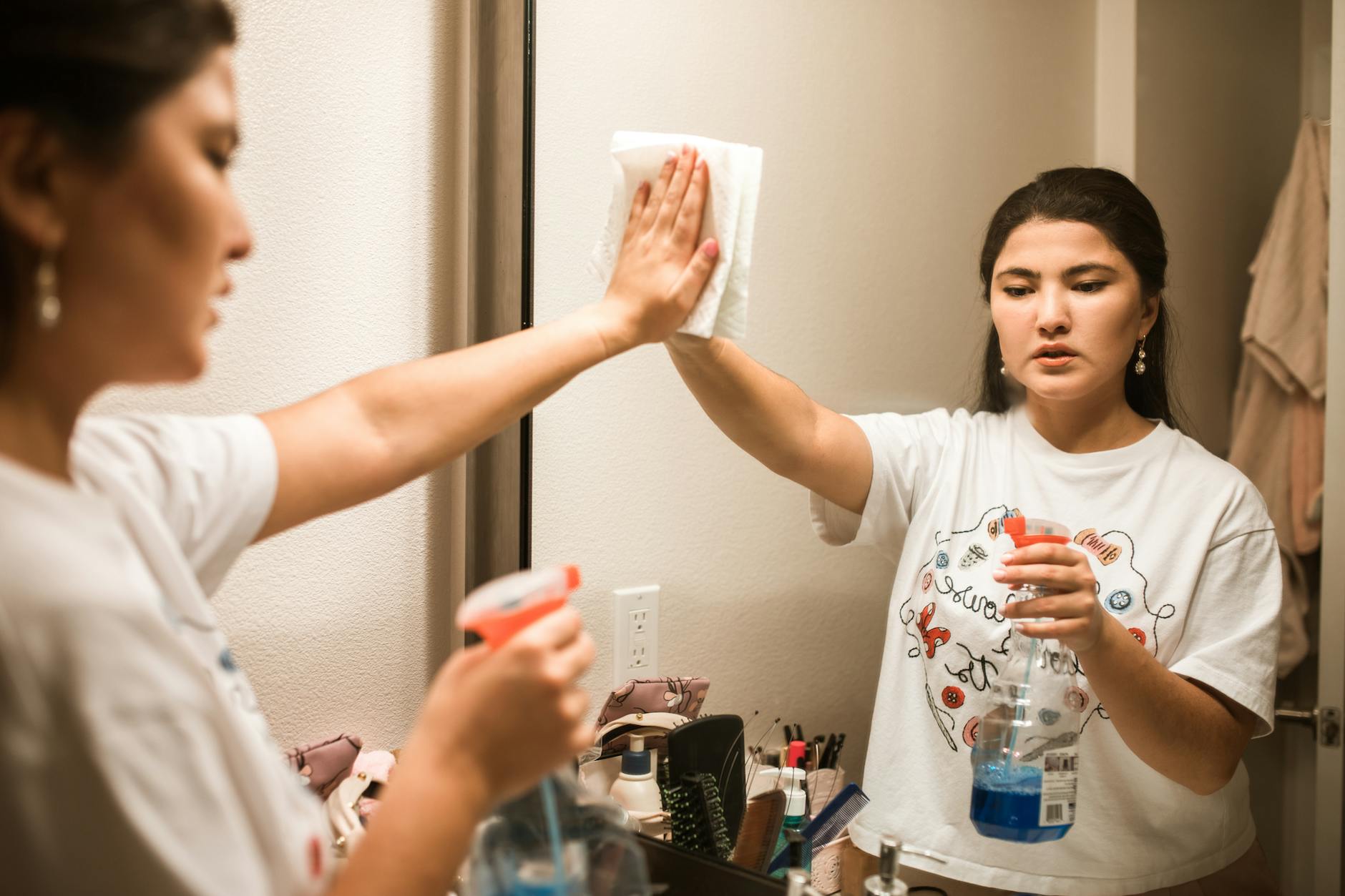
Standard mirrors have a reflective coating applied to the back of the glass but the front surface is also more delicate than it appears. Baking soda particles scratch the glass surface at a microscopic level and these scratches scatter light in ways that reduce the mirror’s reflective clarity over time. On antique or silvered mirrors the damage can extend to the edges where the reflective backing is most exposed to moisture and abrasive contact. Streaking is also a common problem as baking soda does not dissolve fully in water and leaves behind a fine white film. A dedicated glass cleaner applied with a lint-free microfibre cloth produces a streak-free and scratch-free finish on mirrors.
Stainless Steel
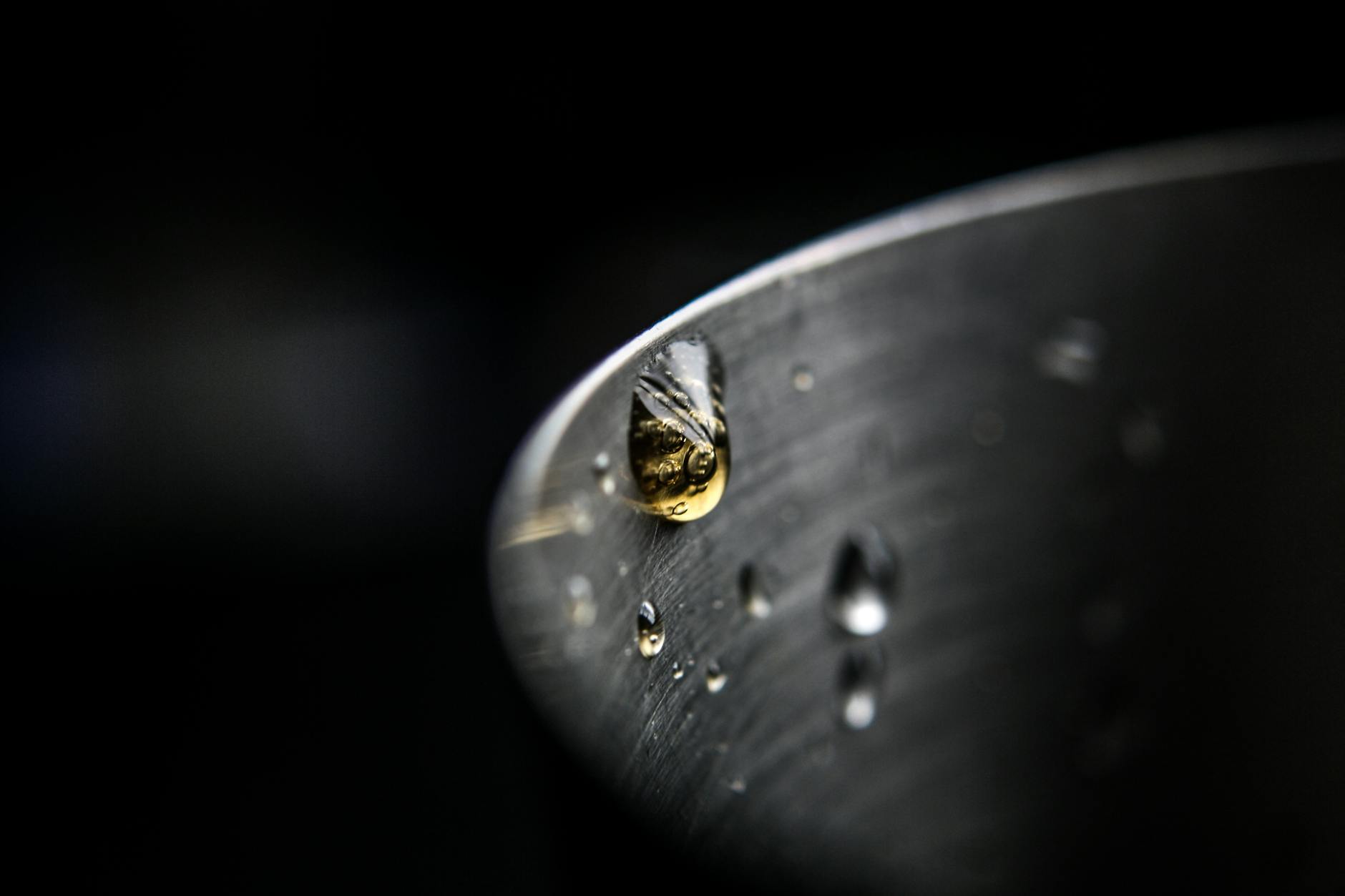
Stainless steel has a passive oxide layer on its surface that gives the material its corrosion-resistant properties and its characteristic appearance. Baking soda can disrupt this layer particularly when applied against the grain of the steel which is the direction of the fine lines visible on brushed finishes. Scratches made against the grain are far more visible than those running with it and they permanently alter the appearance of the surface. On kitchen appliances and sinks where aesthetics matter this kind of damage is especially problematic. Specialized stainless steel cleaners applied with a cloth moving in the direction of the grain are the correct approach for this material.
Wool
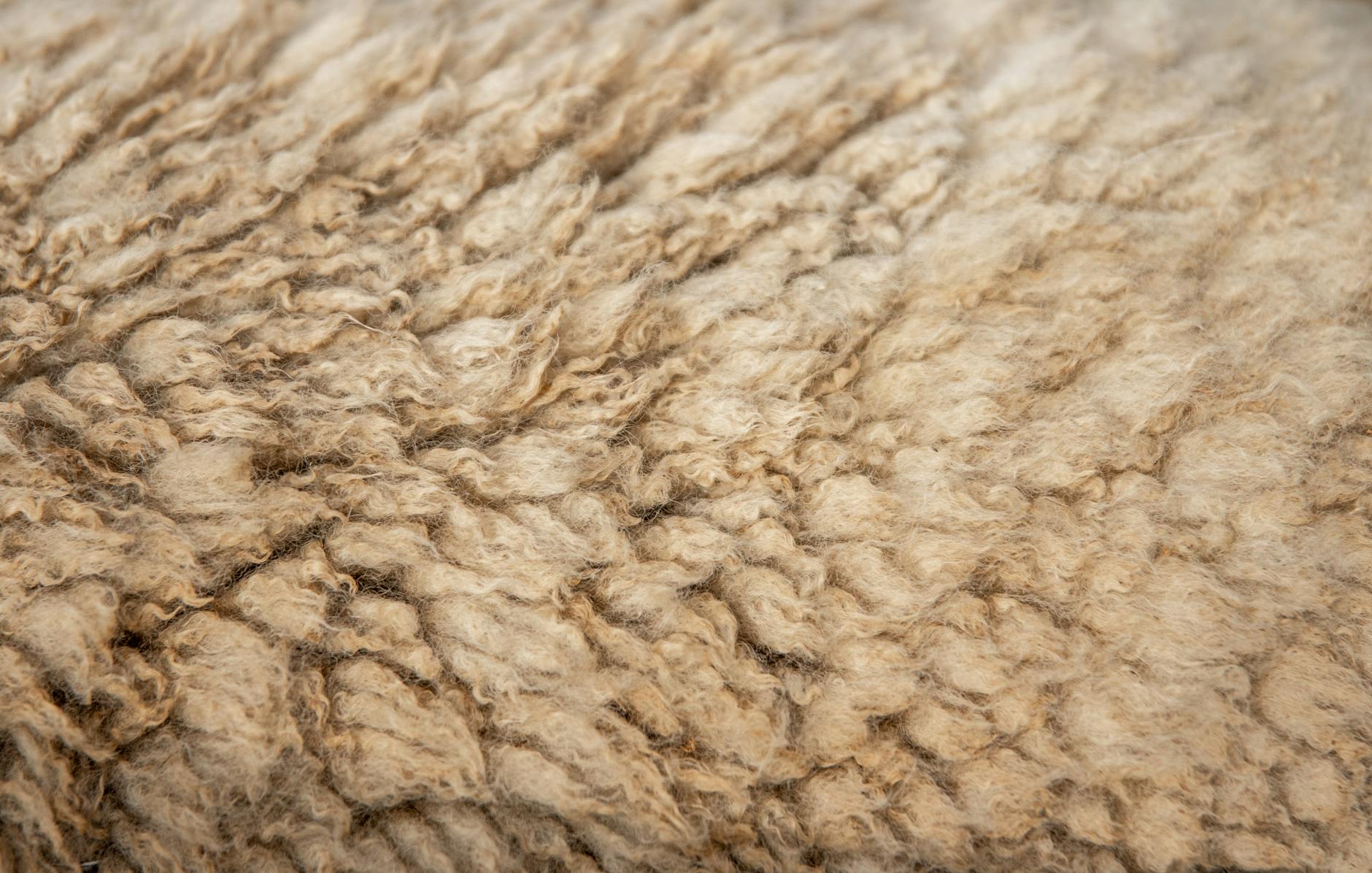
Wool fibers are coated with overlapping scales that give the material its warmth and texture and these scales are highly sensitive to alkaline conditions. Exposure to baking soda causes the scales to open up and interlock with neighboring fibers in a process called felting which permanently shrinks and thickens the fabric. The resulting structural change cannot be reversed and even partial felting significantly alters the appearance and wearability of a wool garment. Fine merino knitwear and handmade woolen pieces are especially vulnerable because of the fineness of their individual fibers. Wool-specific detergents formulated with a neutral or slightly acidic pH are the only products appropriate for washing wool safely.
Lacquered Surfaces
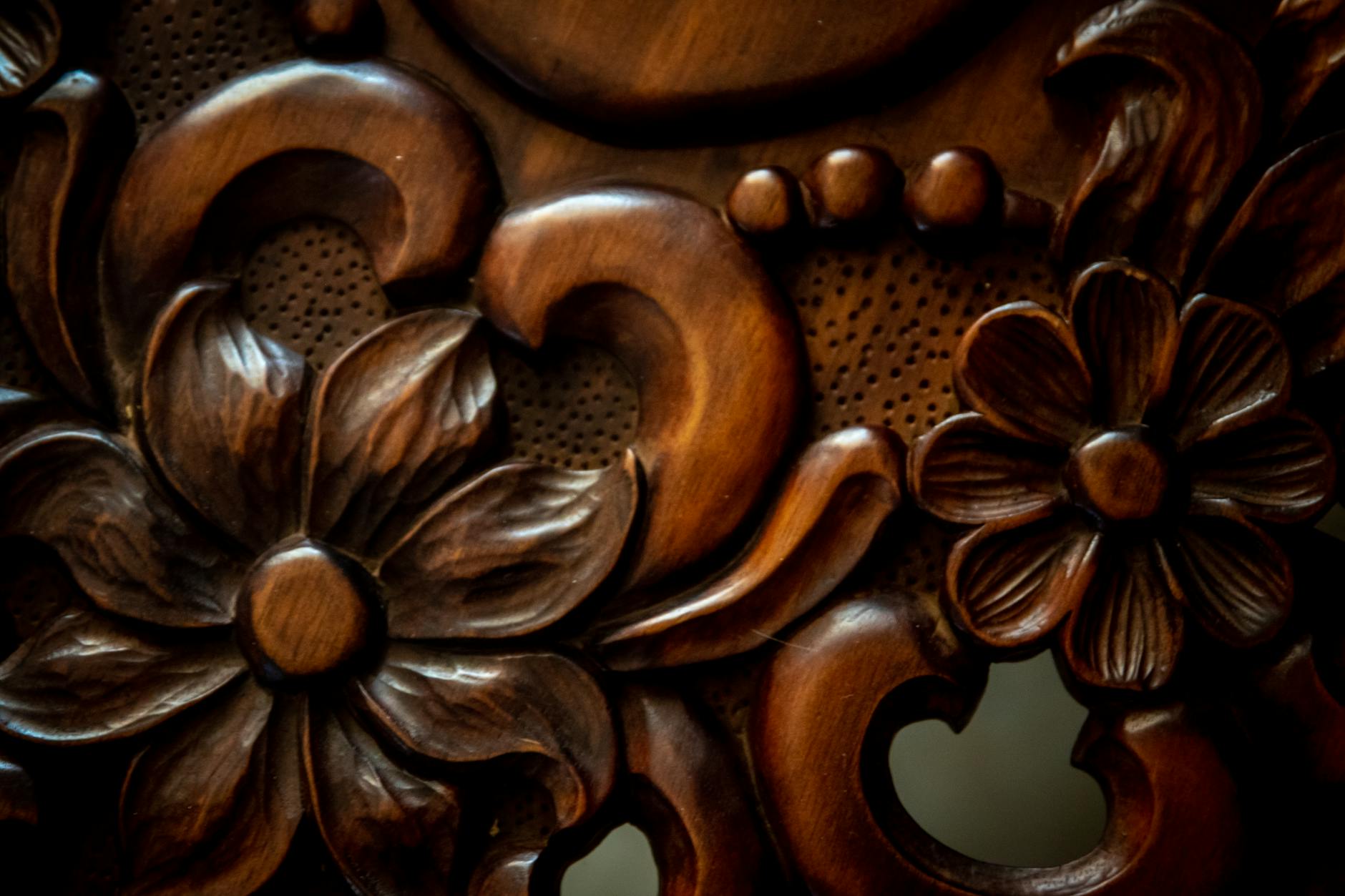
Lacquered wood furniture and decorative objects have a hard resinous coating that is designed to protect the underlying material and provide a high-gloss appearance. Baking soda cuts through this coating as an abrasive and its alkaline chemistry begins to break down the lacquer at a molecular level with repeated use. The finish becomes visibly dull hazy or streaked and in more severe cases begins to peel or flake away from the surface beneath. Antique lacquered pieces are particularly at risk as older lacquer formulations tend to be thinner and more brittle than modern alternatives. A soft cloth dampened with plain water or a product specifically recommended for lacquered finishes is the safest cleaning method.
Vintage Fabrics
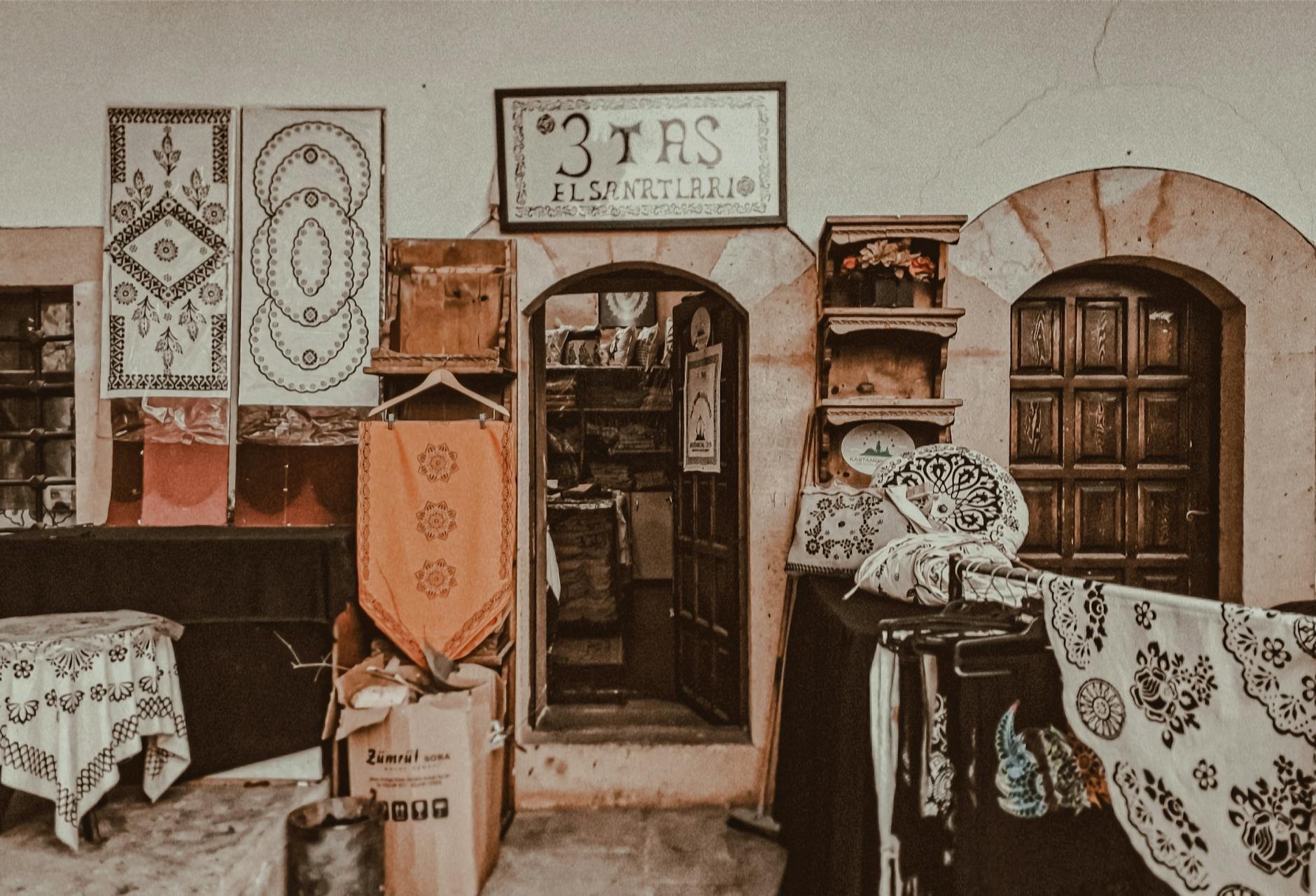
Vintage and antique textiles are often made from natural fibers that have already undergone decades of chemical and physical stress through age and previous use. The alkaline nature of baking soda can accelerate the degradation of these already fragile fibers leading to tearing pilling and color loss. Many vintage fabrics have been dyed with historical dye processes that are far more susceptible to pH imbalance than modern synthetic dyes. Museum conservators and textile restoration specialists consistently advise against any household cleaning products for pieces of significant age. Conservation-grade textile cleaners and the guidance of a professional textile conservator are the appropriate resources for valuable vintage fabrics.
Optical Lenses
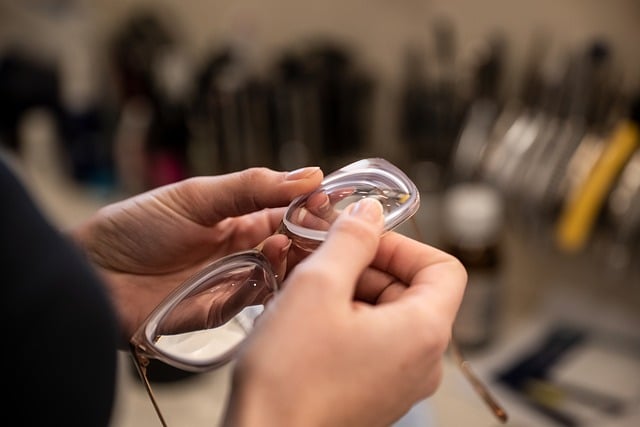
Optical lenses including eyeglasses camera lenses and binoculars have specialized coatings applied to their surfaces to reduce glare improve clarity and provide protection from ultraviolet light. Baking soda is abrasive enough to strip these coatings away in a single cleaning attempt leaving the lens functionally compromised. The anti-reflective anti-scratch and UV coatings are extremely thin and once removed they cannot be reapplied outside of a specialist optical laboratory. Even using baking soda on an uncoated lens leaves fine scratches that permanently degrade optical clarity. Lens cleaning solutions paired with purpose-made microfibre optical cloths are the only products that safely remove smudges and debris from optical surfaces.
Unsealed Grout
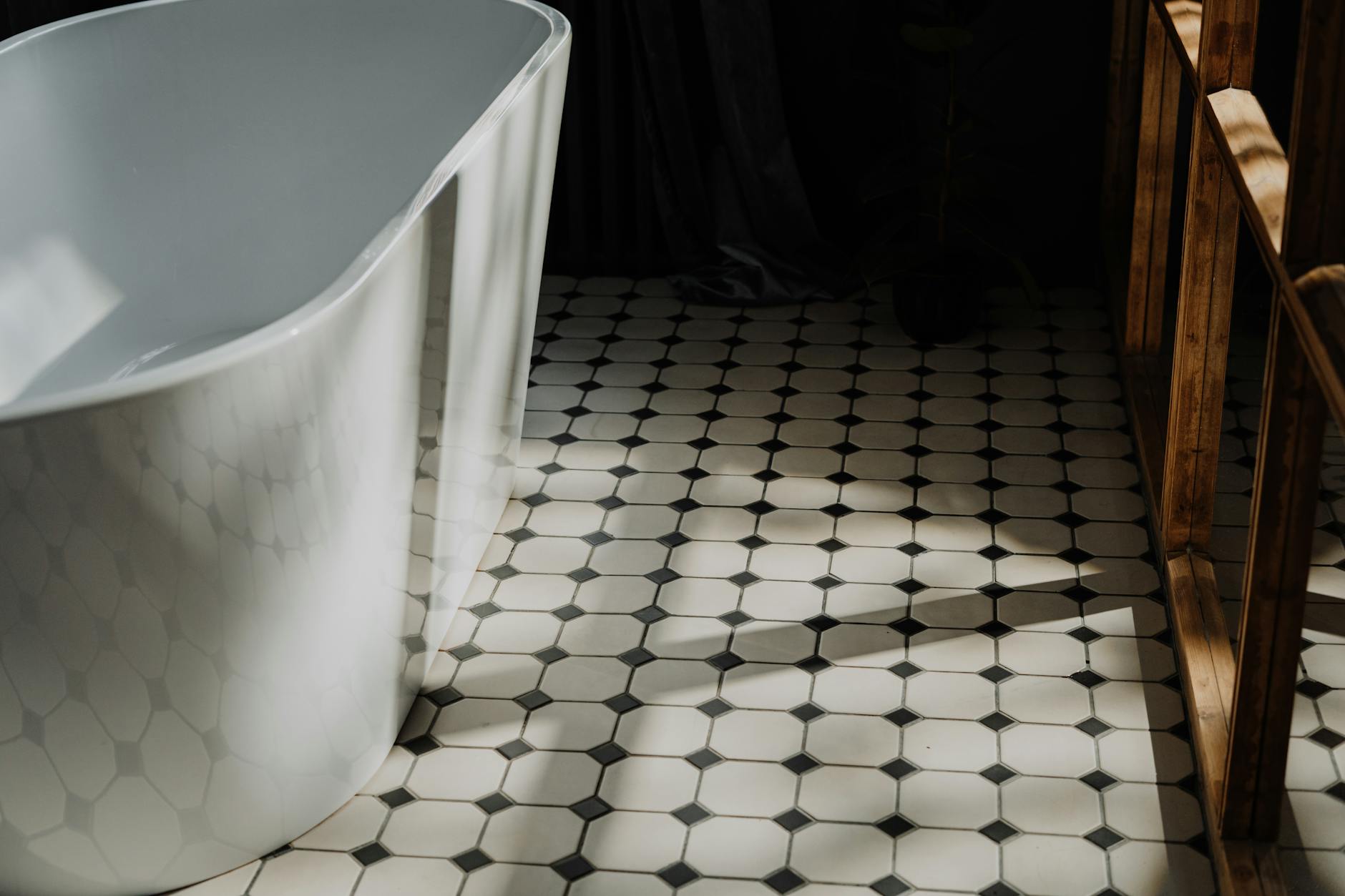
Grout that has not been sealed is a porous cement-based material that readily absorbs liquids and cleaning agents into its structure. Baking soda penetrates into the pores of unsealed grout and as it dries it can leave behind crystalline deposits that are difficult to flush out fully. Over time these deposits alter the color of the grout and create a chalky or faded appearance that is worse than the original staining. The alkaline residue also changes the pH environment of the grout surface making it more susceptible to certain types of mold growth over time. Sealing grout after cleaning with an appropriate pH-neutral cleaner is the most effective long-term strategy for maintaining tile and grout surfaces.
If any of these surfaces or materials are part of your home cleaning routine it is worth reconsidering your approach and sharing your own experiences and discoveries in the comments.