Navigating the delicate expectations of funeral attire requires a balance of tradition and personal restraint to ensure the focus remains on honoring the deceased. While modern dress codes have become increasingly relaxed in many areas of life a funeral remains a sanctuary of solemnity and collective grief. Choosing the right outfit is a non-verbal way to communicate deep respect for the grieving family and the significance of their loss. Selecting understated clothing helps maintain the dignity of the service while preventing any unnecessary distractions from the mourning process. The following list outlines specific items that are generally considered inappropriate for such a grave and formal occasion.
Neon Colors

Funerals traditionally require somber or neutral tones to show respect for the deceased and the grieving family. Wearing neon green or hot pink draws unnecessary attention to yourself rather than focusing on the occasion. These bright hues are often associated with celebration and high energy which clashes with the somber atmosphere. Opting for black or navy or dark grey ensures you blend in appropriately. The goal is to be present without becoming a visual distraction during the service.
Graphic T-Shirts
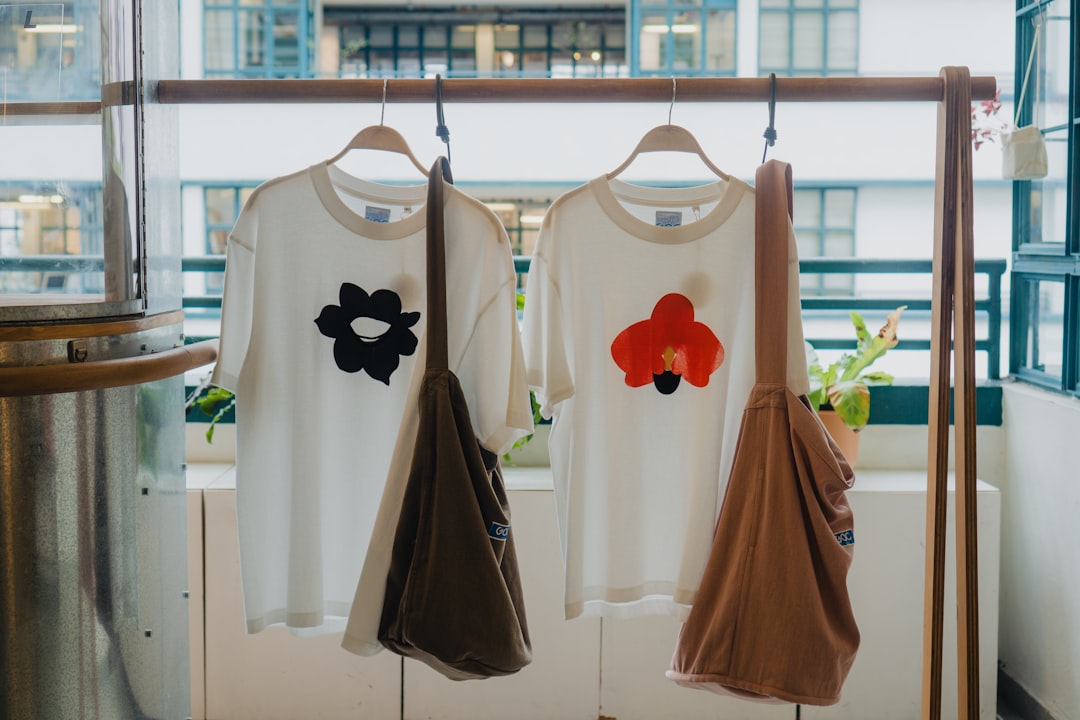
Clothing with slogans or large images often conveys a casual tone that is unsuitable for a memorial service. A shirt displaying a band logo or a funny phrase undermines the formality of the event. Even if the text is innocuous it can still be perceived as disrespectful or flippant. Funerals are formal gatherings where a collared shirt or a simple blouse is the standard expectation. Keeping your chest free of words helps maintain the dignity of the ceremony.
Ripped Jeans
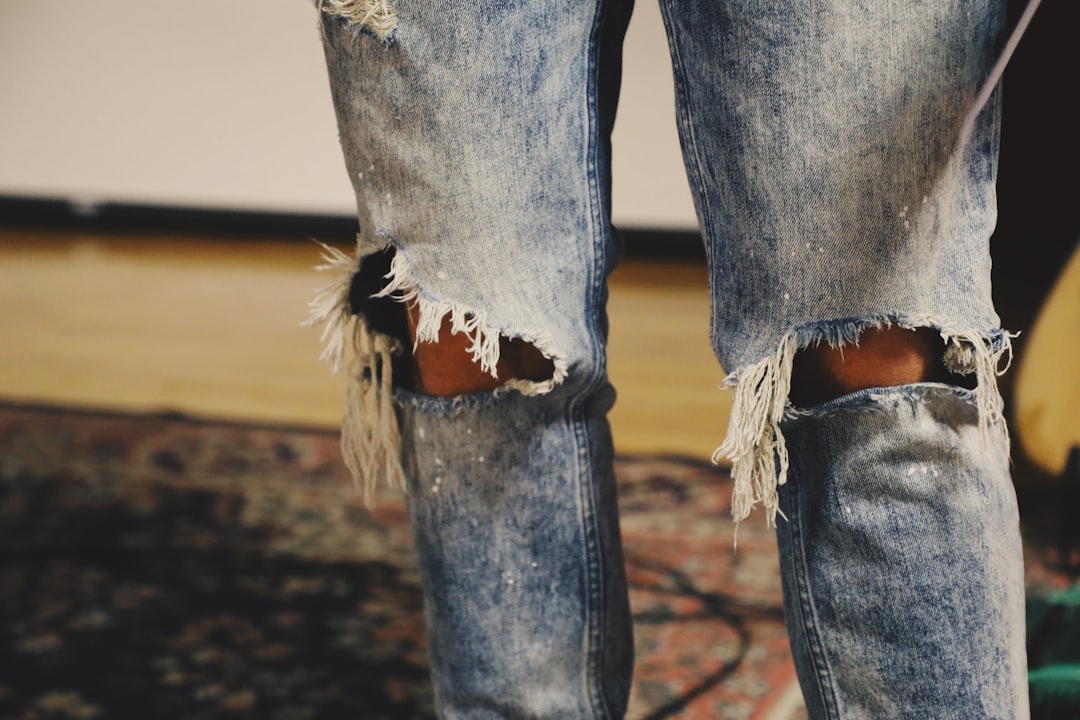
Denim is generally considered too casual for funerals and distressed denim is even less appropriate. The purposeful tears and frayed edges suggest a rebellious or relaxed attitude that does not align with mourning etiquette. Even designer jeans with intentional distressing can look unkempt in a church or funeral home setting. Trousers or a modest skirt are far better choices to demonstrate your respect. You want to present a polished appearance rather than a trendy one.
Flip-Flops
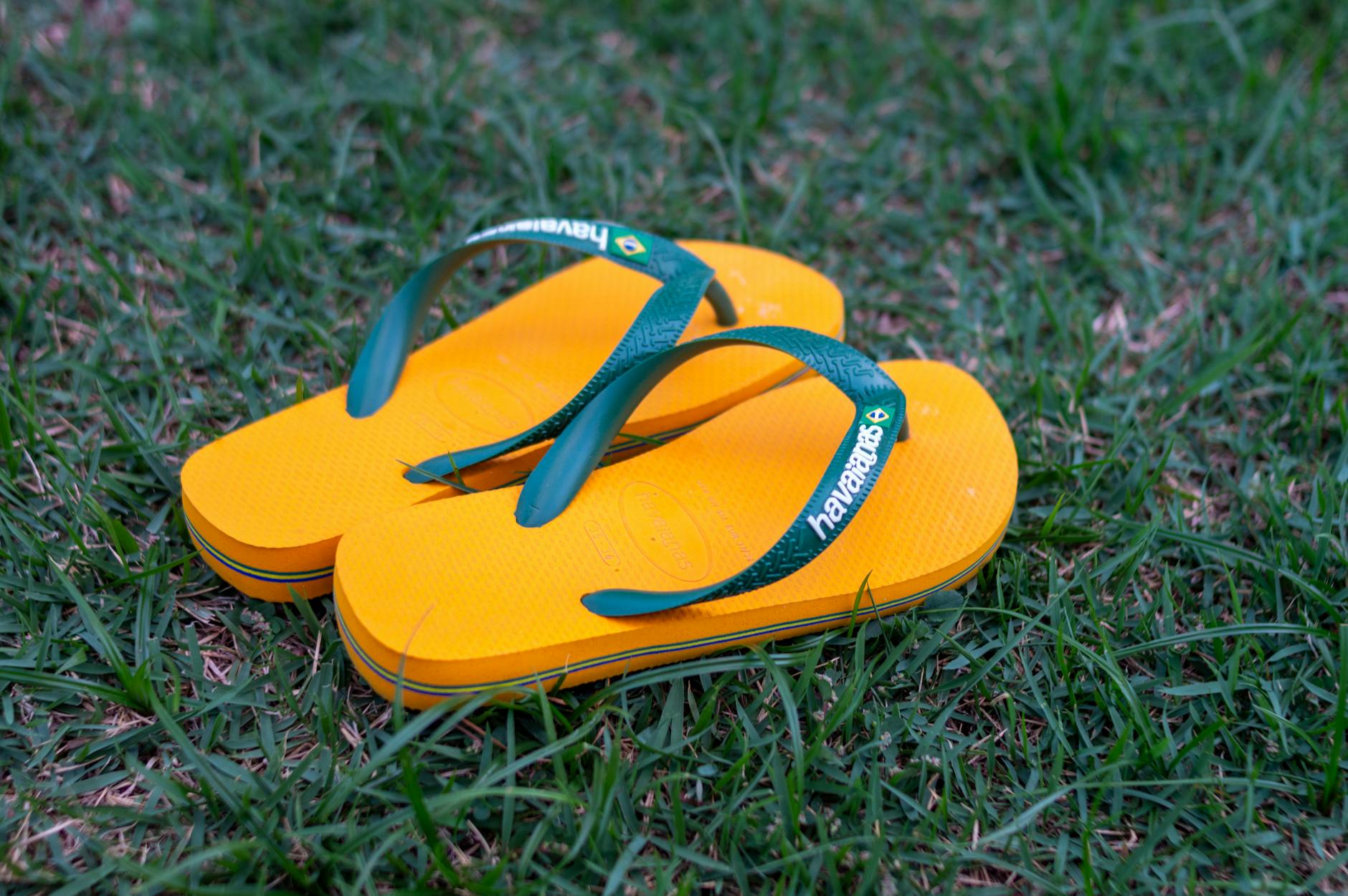
The sound of rubber slapping against heels is distracting during quiet moments of a service. Open footwear of this nature belongs at the beach or pool rather than a place of worship or remembrance. It creates an impression of nonchalance that might offend family members who have dressed formally. Closed shoes are the safest and most respectful option for both men and women. Your footwear should be silent and understated to match the gravity of the day.
Athletic Wear
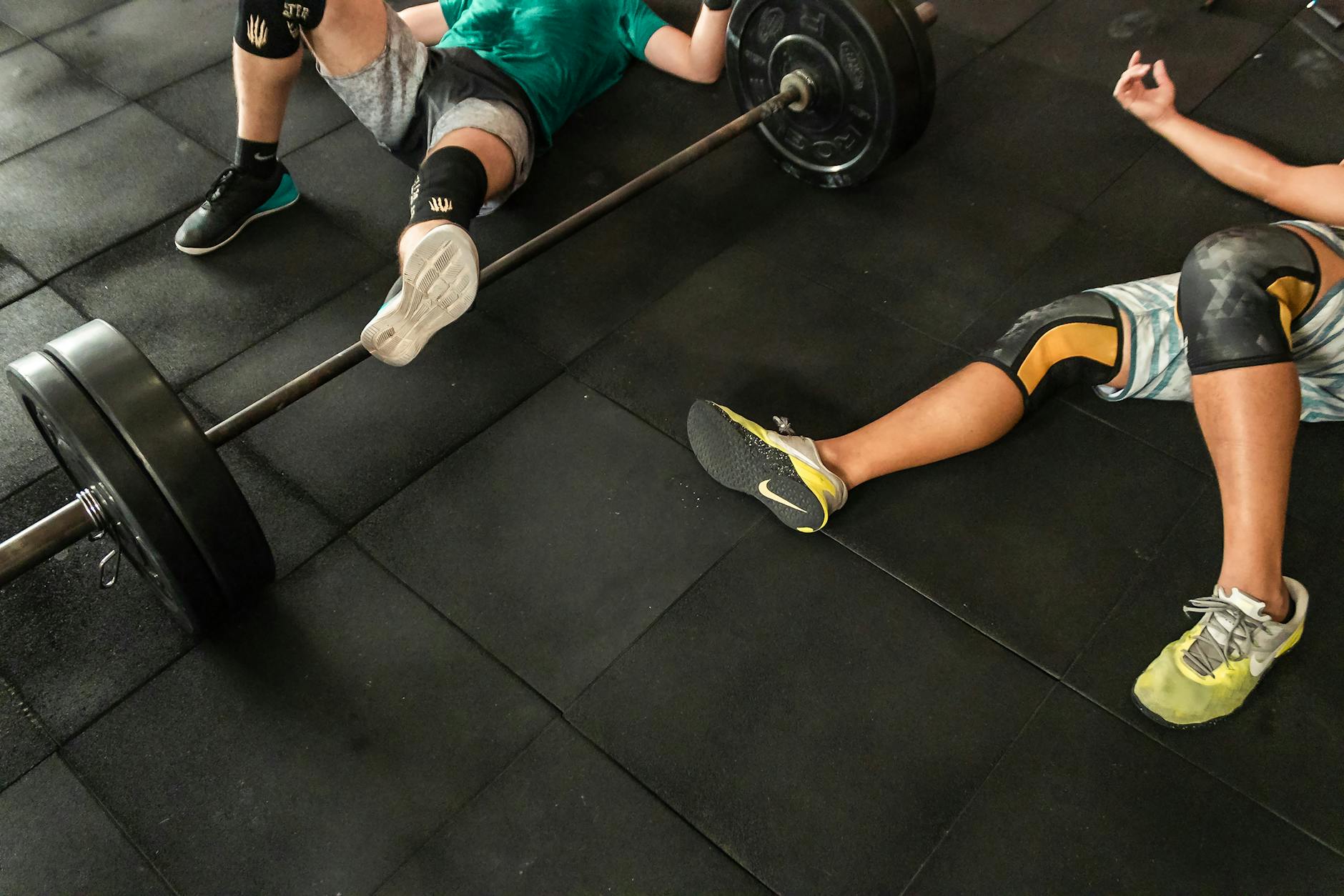
Gym clothes suggest you are heading to a workout rather than paying your final respects. Yoga pants and tracksuits prioritize comfort over the solemnity required for a funeral service. This attire signals a lack of effort or preparation for a significant life event. Changing into formal clothing shows the family that you value the time spent honoring their loved one. Save the moisture-wicking fabrics for the gym and choose structured fabrics instead.
Sequins and Sparkles
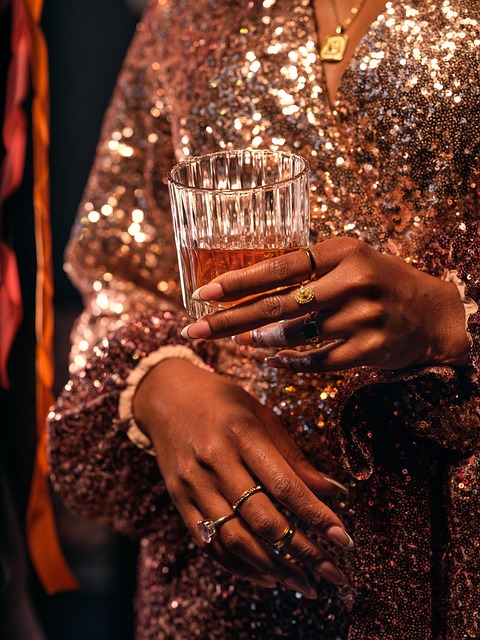
Light-reflecting materials are typically reserved for evening parties and festive celebrations. Wearing a dress or top covered in sequins can make you stand out in a way that feels inappropriate. The visual noise created by shimmering fabrics detracts from the somber mood of the gathering. Mourning attire is meant to be understated so the focus remains on the deceased. Matte fabrics in dark colors are always the superior choice for these occasions.
Shorts

Exposing your legs above the knee is widely considered too informal for a traditional funeral service. This rule applies regardless of the temperature or the gender of the attendee. Wearing shorts implies a casualness that borders on disrespect in a formal grieving environment. If the weather is hot you should choose lightweight breathable fabrics like linen trousers or a cotton maxi dress. Covering your legs is a sign of modesty and adherence to traditional etiquette.
Baseball Caps
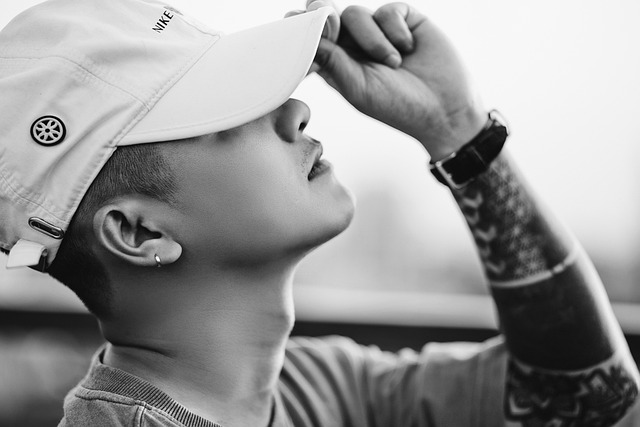
Hats should generally be removed when entering a building but baseball caps are specifically too casual for funerals. Keeping a cap on during a service is often seen as a breach of manners. It obscures your face and prevents you from making proper eye contact with the grieving family. Formal headwear might be acceptable in some traditions but sports merchandise is never the right choice. Leaving the hat at home or in the car is the respectful decision.
Plunging Necklines
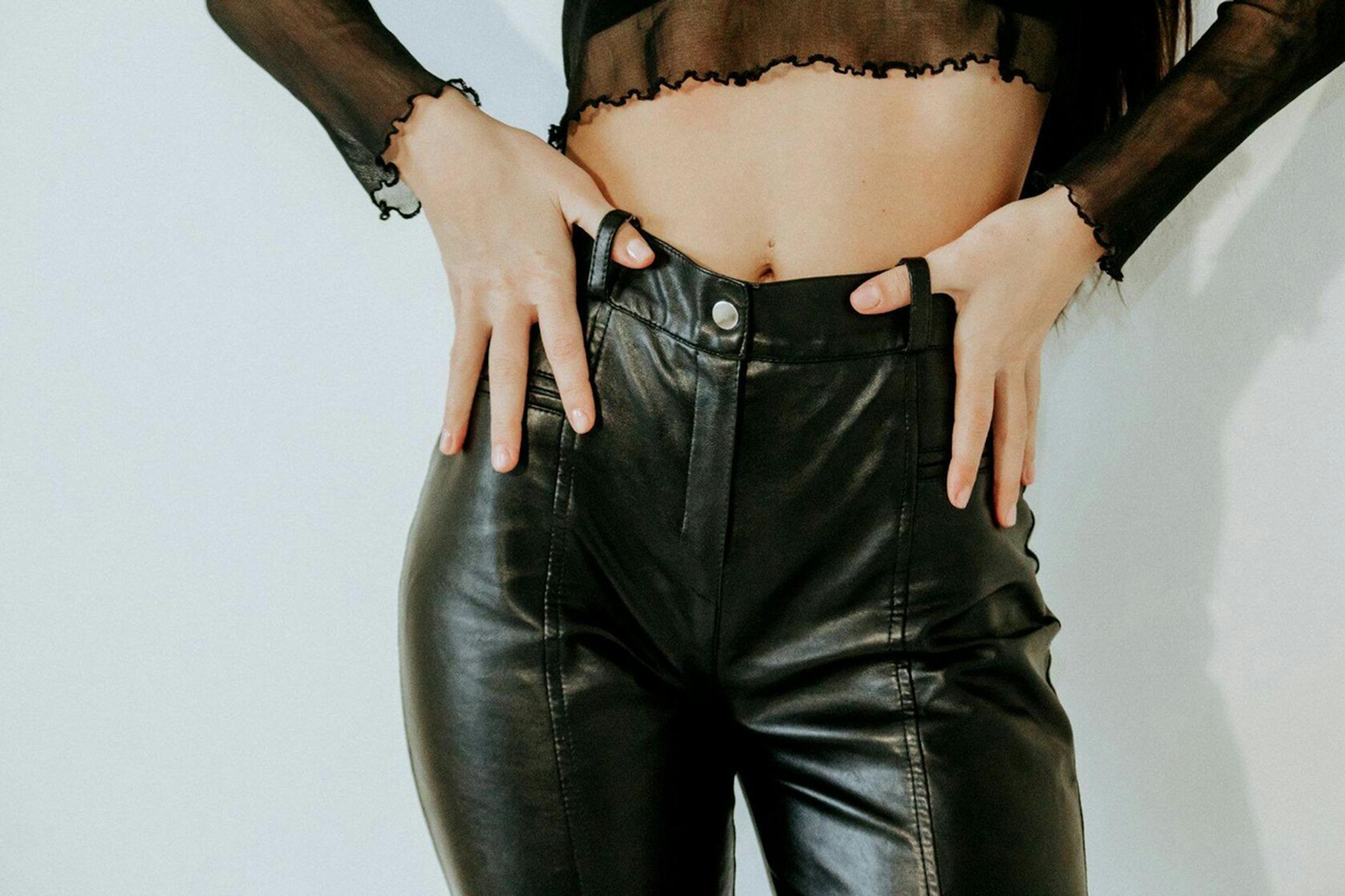
Modesty is a key component of appropriate funeral attire for all attendees. Tops or dresses that reveal a significant amount of skin can be distracting and seen as distasteful. The focus of the day is on the life of the person who has passed away. High necklines or conservative cuts ensure that your outfit does not become a topic of conversation. A simple cardigan or scarf can easily fix an outfit that might otherwise be too revealing.
Animal Prints

Bold patterns like leopard or zebra print are naturally eye-catching and aggressive. These designs are associated with fashion statements rather than somber reflection. Wearing such loud prints can clash with the muted tones worn by the immediate family. It is better to stick to solid colors or very subtle patterns like pinstripes. Your goal is to offer support without drawing attention to your personal style choices.
Dirty or Wrinkled Clothing
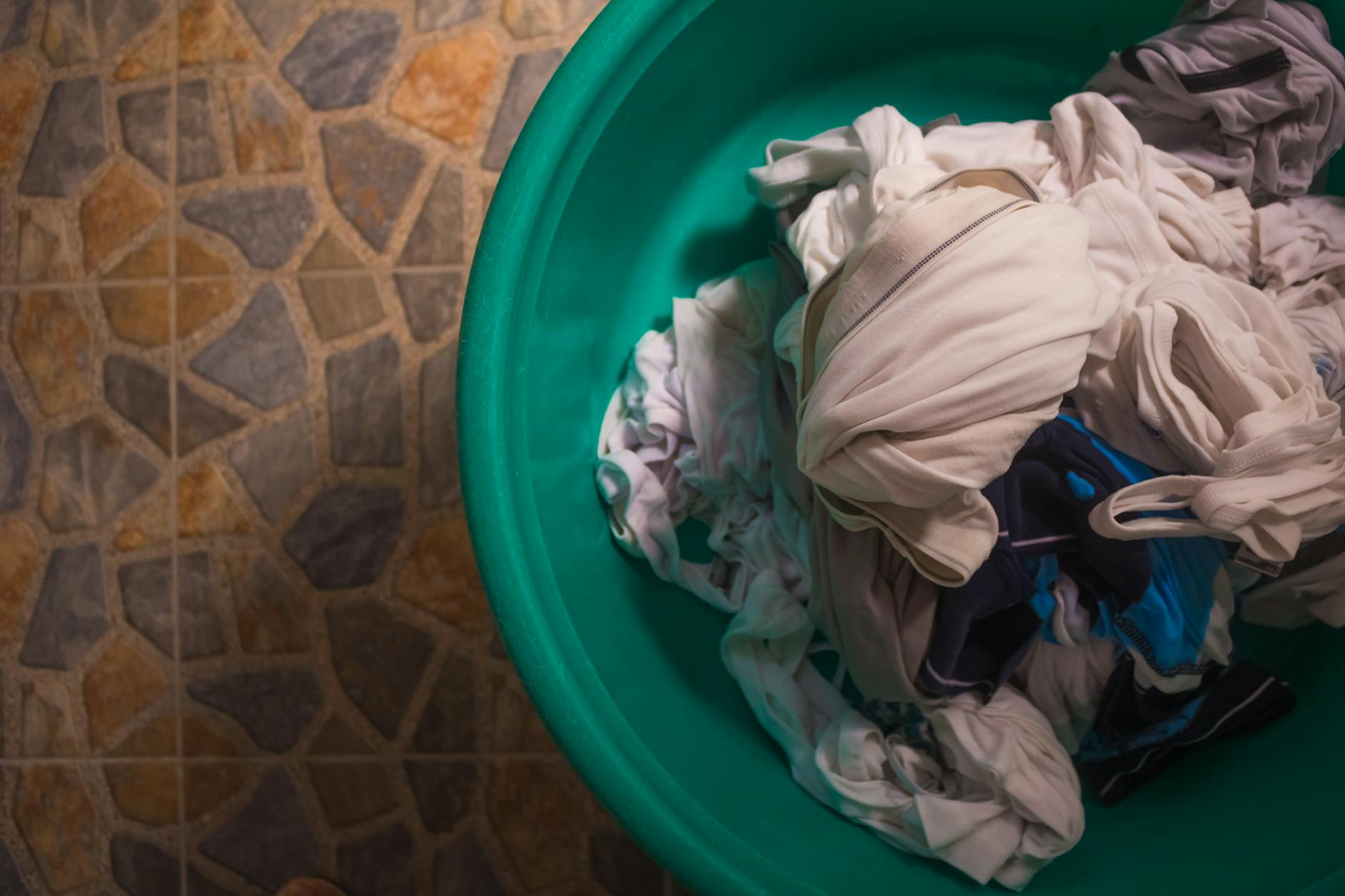
Arriving in clothes that look unwashed or unpressed shows a lack of preparation. It suggests that the event was not important enough for you to groom yourself properly. Even an expensive suit looks disrespectful if it is stained or covered in creases. Taking the time to iron your shirt or dry clean your dress demonstrates care. Presentation is a form of non-verbal communication that conveys your sympathy and respect.
Noisy Jewelry
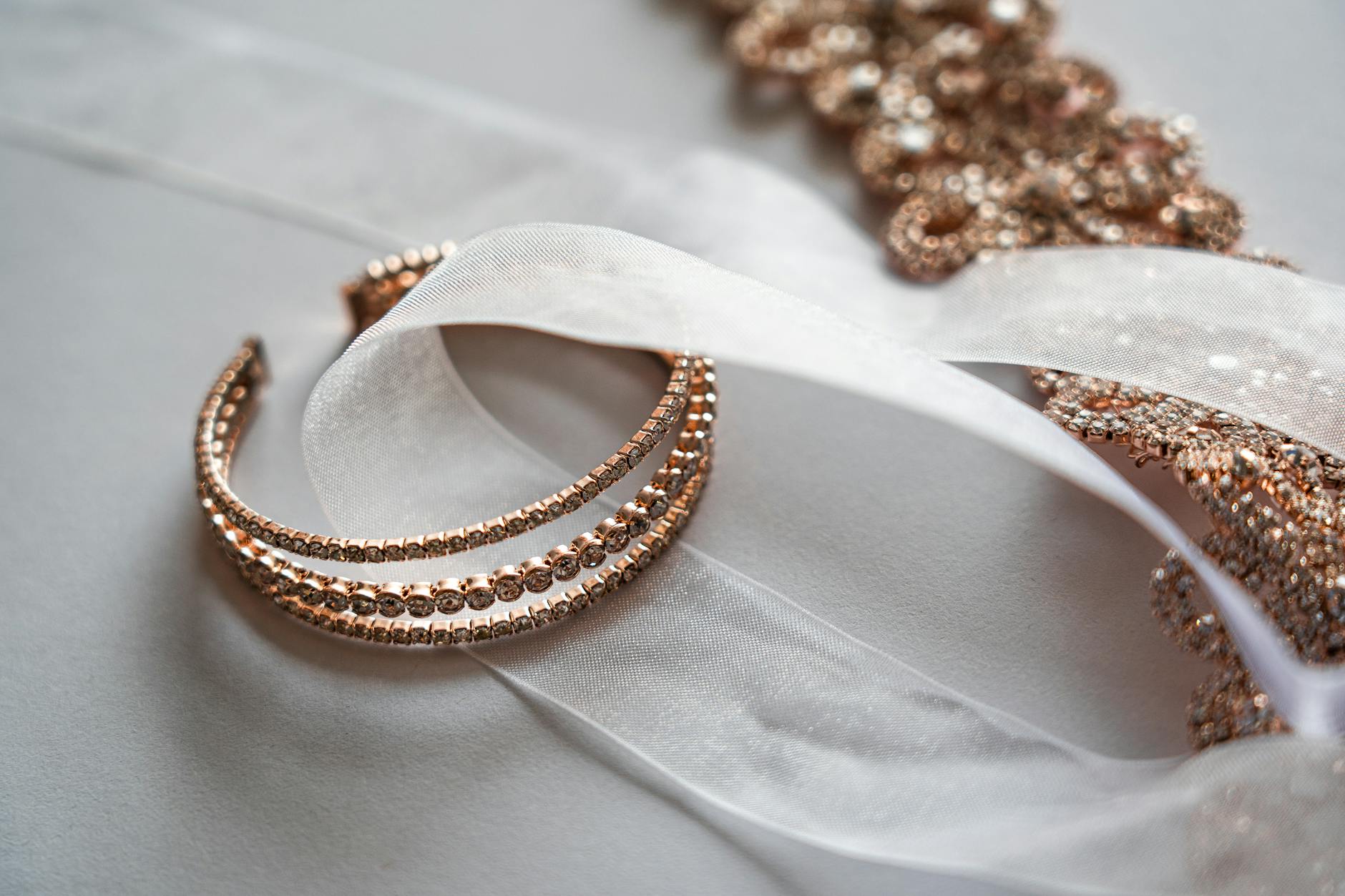
Accessories that clatter or jingle can be incredibly disruptive during silence or prayers. Large stacks of bangles or heavy metal necklaces create sound with every small movement. This auditory distraction pulls people out of their moments of reflection. Keeping jewelry minimal and silent allows the service to proceed without interruption. Simple studs or a wedding band are sufficient adornments for a funeral.
Sunglasses Indoors
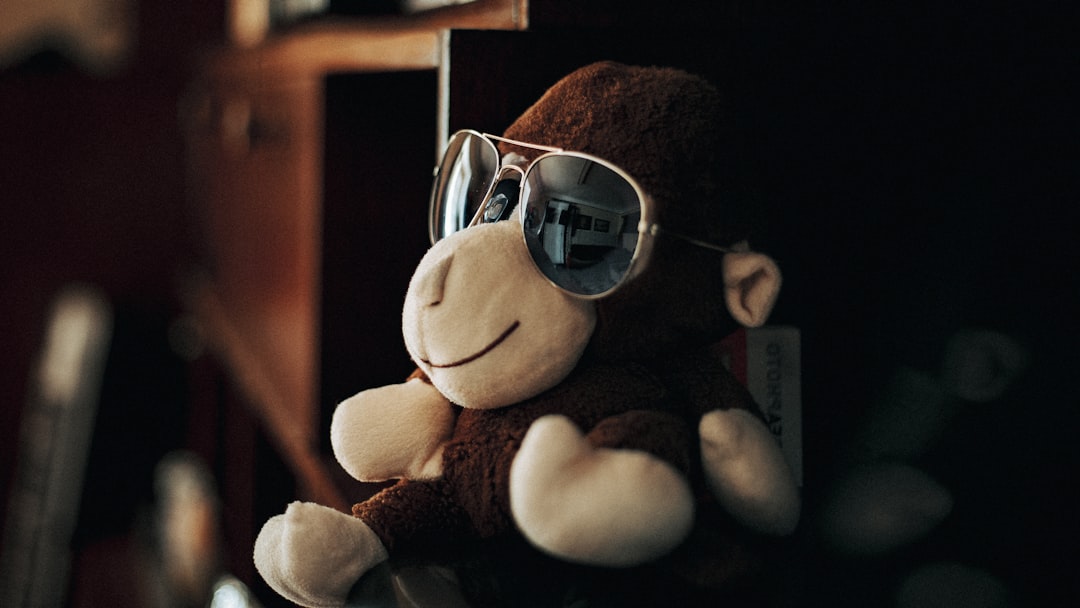
Wearing dark glasses inside a funeral home creates a barrier between you and other mourners. While they may hide tears they also prevent genuine connection when offering condolences. It can make you appear distant or unapproachable to those who need support. If you need them for emotional reasons it is polite to remove them when speaking directly to the family. Eye contact is a powerful way to convey empathy without words.
Midriff-Baring Tops
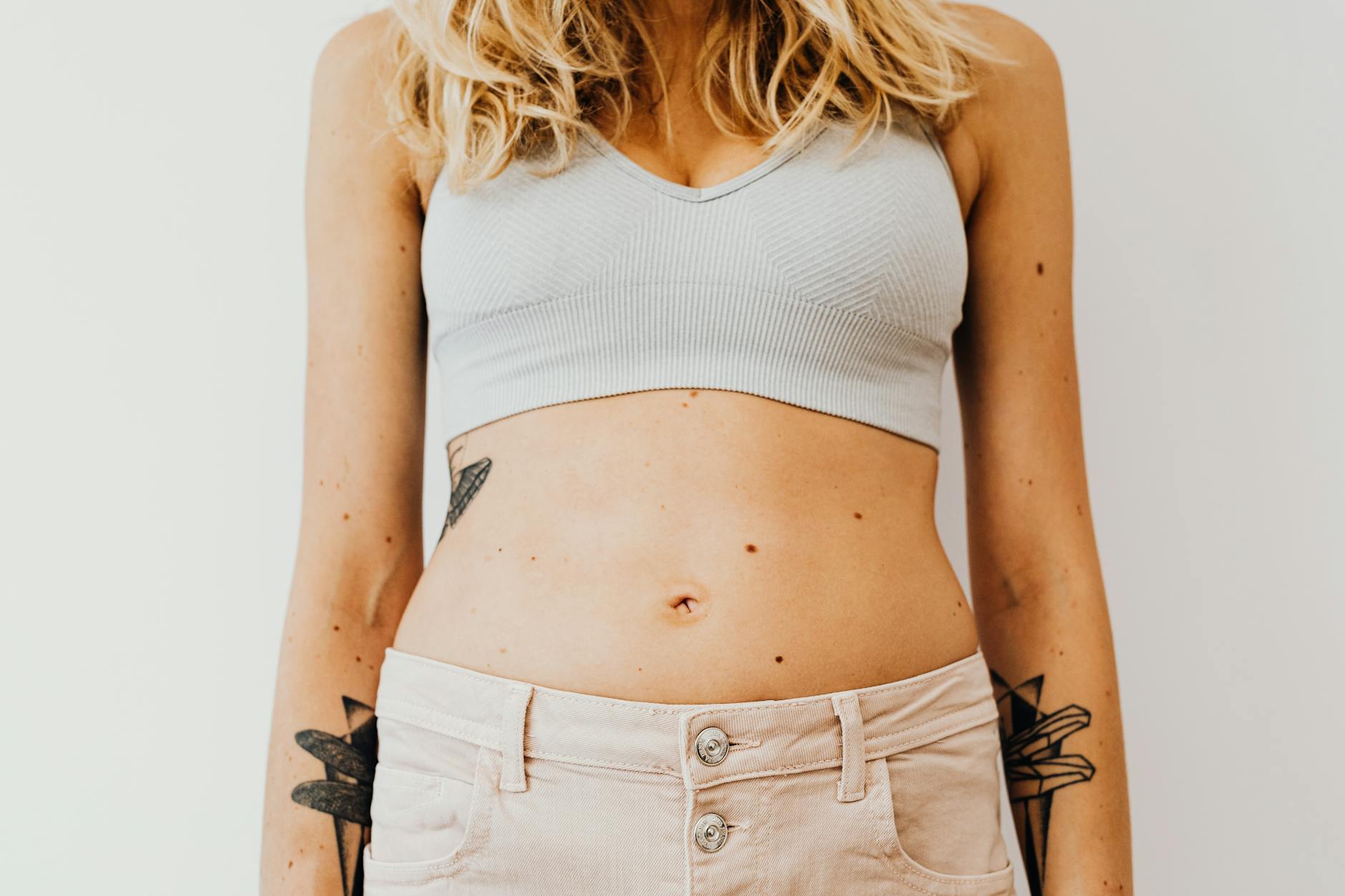
Crop tops and cutouts are fashion-forward items that have no place at a funeral. Showing the stomach area is far too casual and breaks the rules of modest dressing. This silhouette is associated with summer festivals or night clubs rather than memorial services. A funeral requires a continuous line of clothing from the neck down to the hem. Choosing a shirt that tucks in or a dress with full coverage is essential.
Prominent Logos
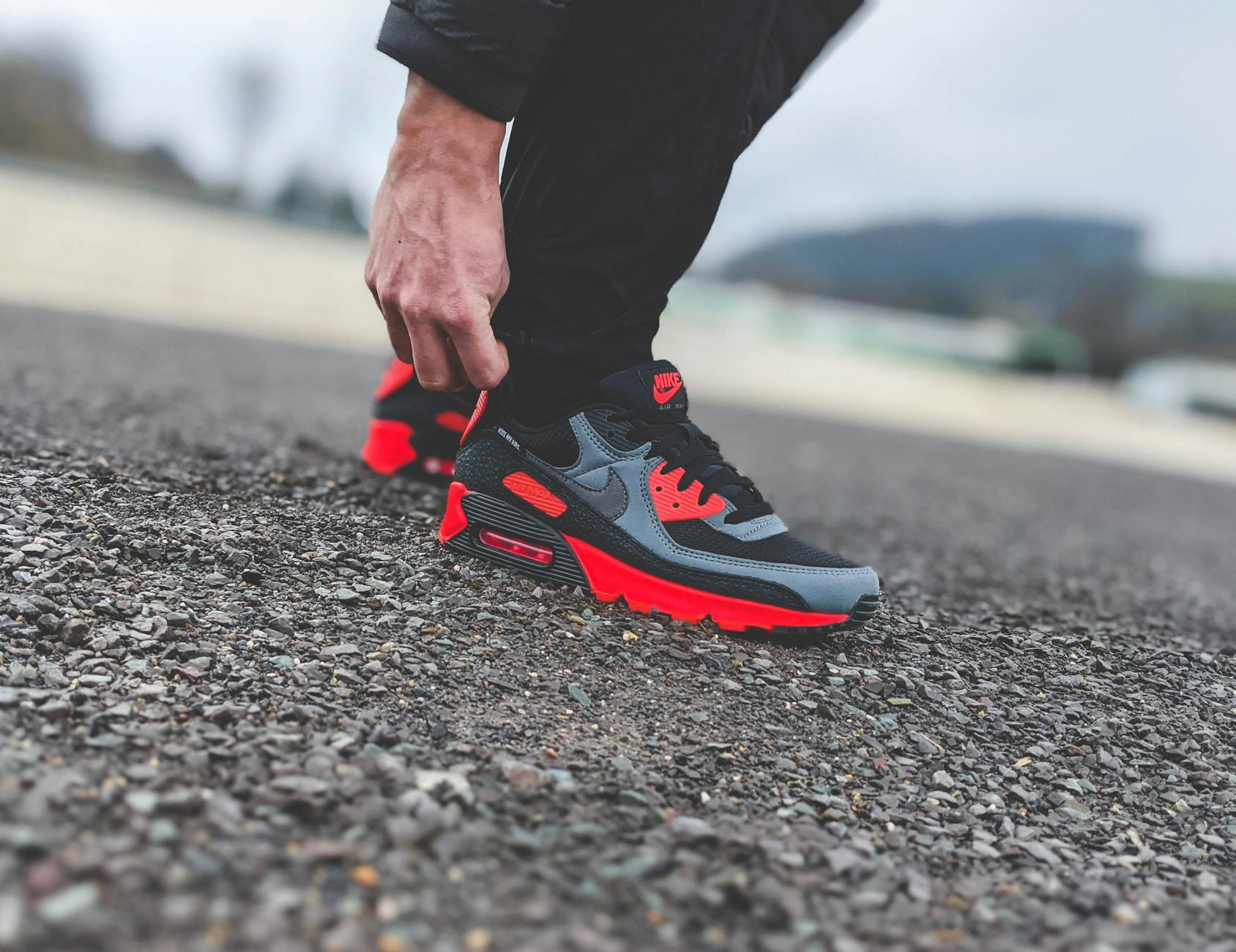
Walking into a funeral acting as a billboard for a brand is generally frowned upon. Large brand names or symbols across the chest or back distract from the purpose of the gathering. It commercializes an event that is deeply personal and spiritual. Clothing should be neutral and devoid of heavy marketing or corporate imagery. Subtlety is the hallmark of good taste when selecting an outfit for a funeral.
Please share your own experiences with funeral etiquette in the comments.