Selecting the right attire for a job interview is a critical step in making a positive first impression. Your clothing choices communicate your level of professionalism and respect for the potential employer before you even speak. A well-curated outfit allows the interviewer to focus entirely on your skills and experience rather than being distracted by fashion faux pas. Avoiding specific items ensures you present a polished and capable image suitable for a workplace environment. Understanding these wardrobe pitfalls is essential for anyone seeking to advance their career.
Flip Flops and Open Sandals
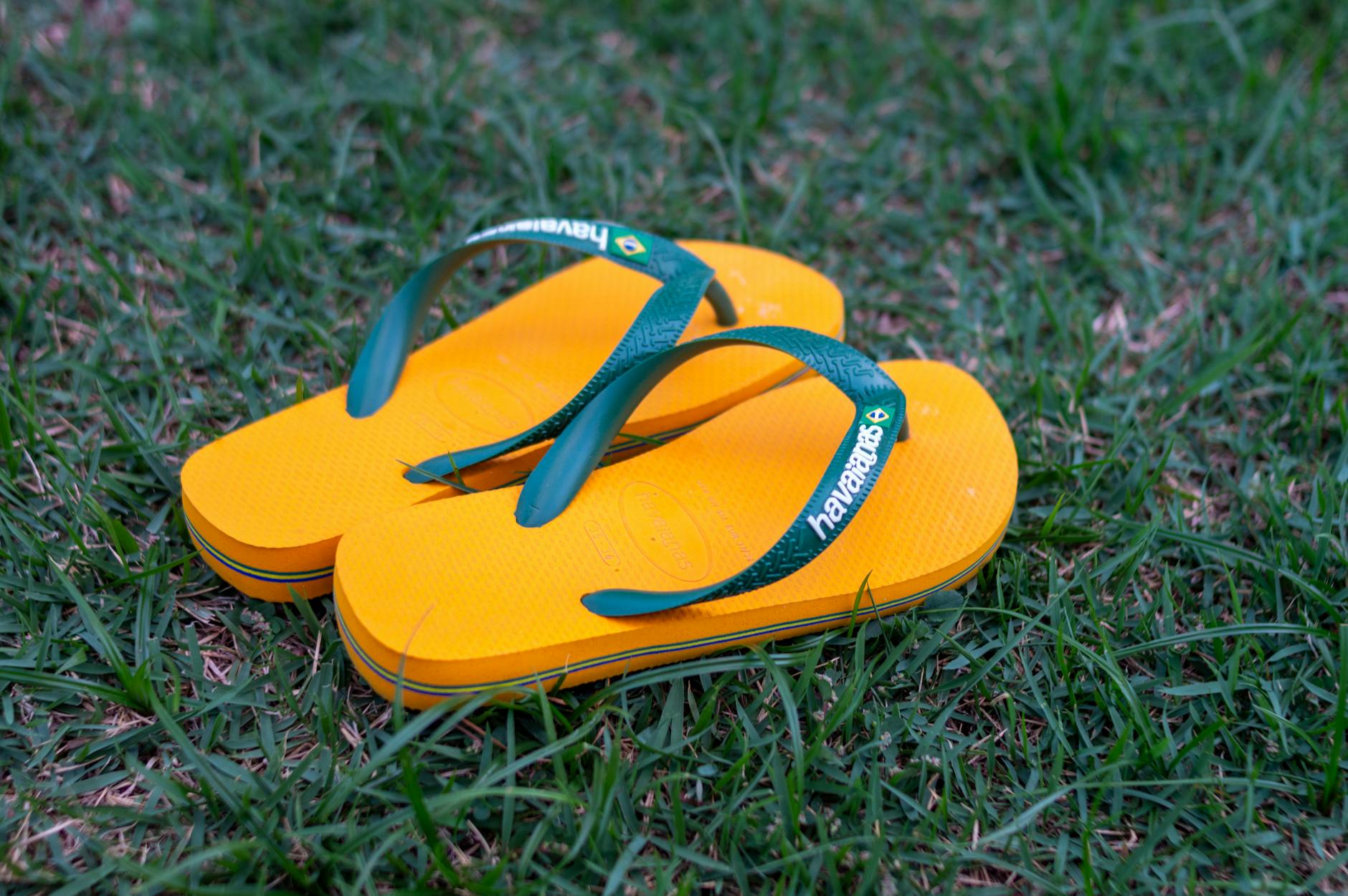
Footwear choice speaks volumes about professional preparedness and attention to detail. Wearing open shoes often suggests a lack of seriousness regarding the corporate environment. These casual items create unwanted noise while walking down quiet office hallways. Most employers view beach attire as a sign of disrespect toward the interview process. Opting for closed shoes ensures a polished and capable first impression.
Ill-Fitting Suits
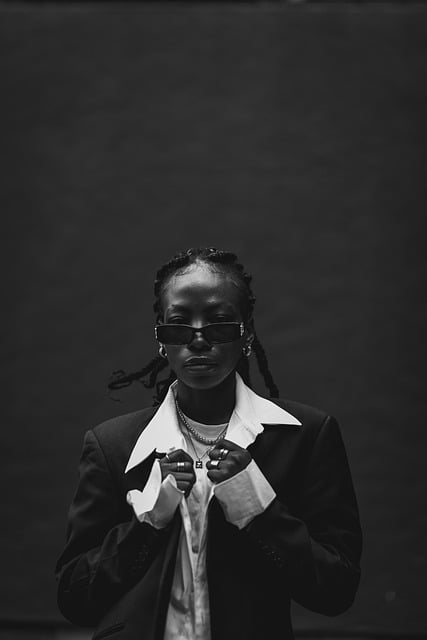
A suit that is too large or too tight can be distracting during an important conversation. Baggy fabric often makes candidates appear sloppy or unorganized to potential employers. Excessively tight clothing restricts movement and creates visible discomfort for everyone in the room. Tailoring ensures the outfit complements the wearer rather than overwhelming them. A proper fit demonstrates attention to detail and self-awareness.
Flashy Jewelry
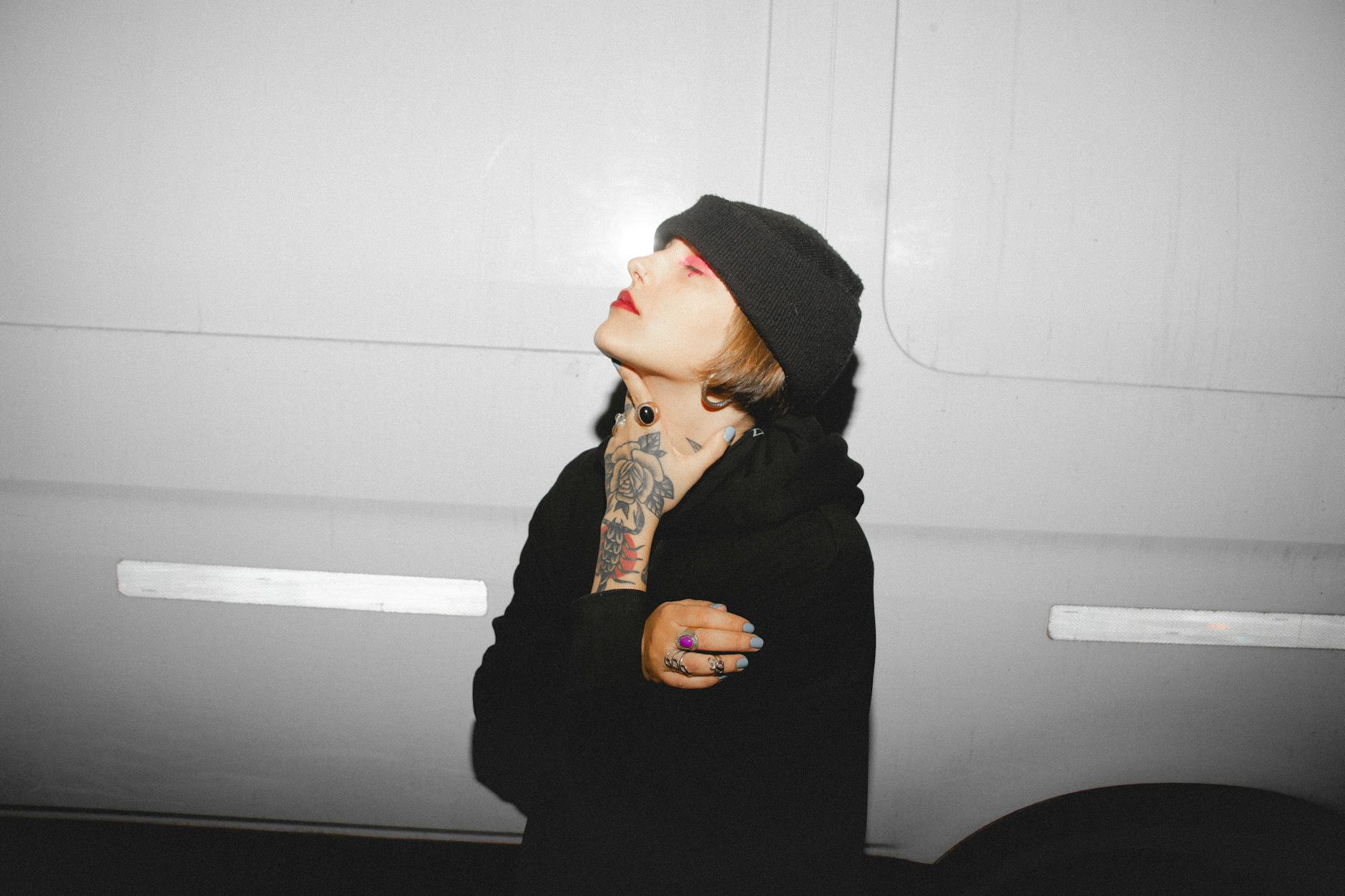
Large or noisy accessories often draw attention away from professional qualifications. Bracelets that clang together distract interviewers from listening to answers. Excessive bling can be interpreted as a lack of understanding regarding office norms. Subtle pieces allow the interviewer to focus entirely on skills and experience. Keeping accessories minimal maintains a clean and professional visual profile.
Strong Perfume or Cologne
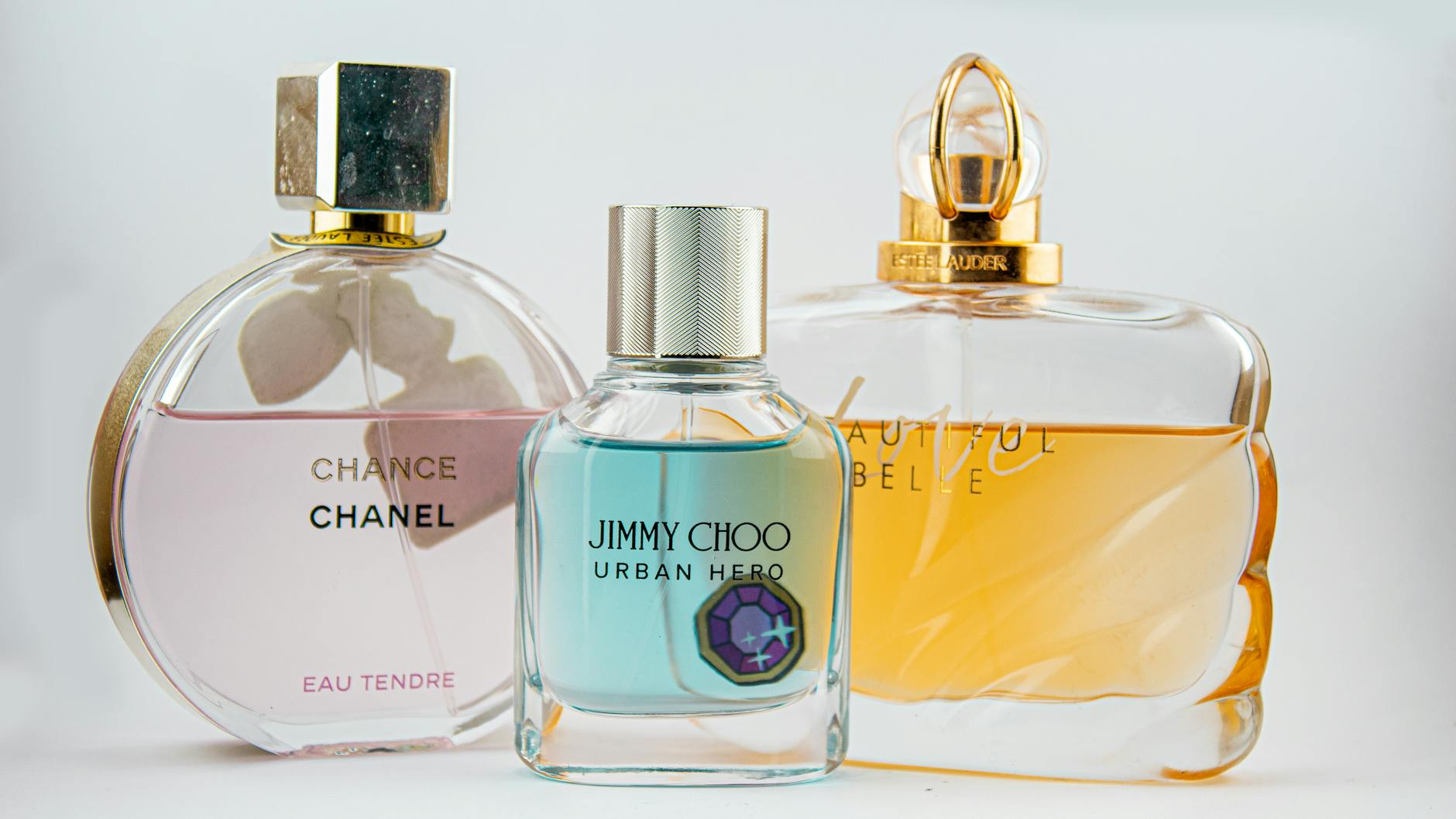
Scent is a powerful sense that can easily overwhelm a small meeting room. Many individuals have allergies or sensitivities to strong artificial fragrances. Heavy application of cologne might force a hiring manager to cut the meeting short. Being memorable for a smell rather than a resume is never the goal. Neutrality is the safest bet when preparing for close interaction.
Ripped Jeans
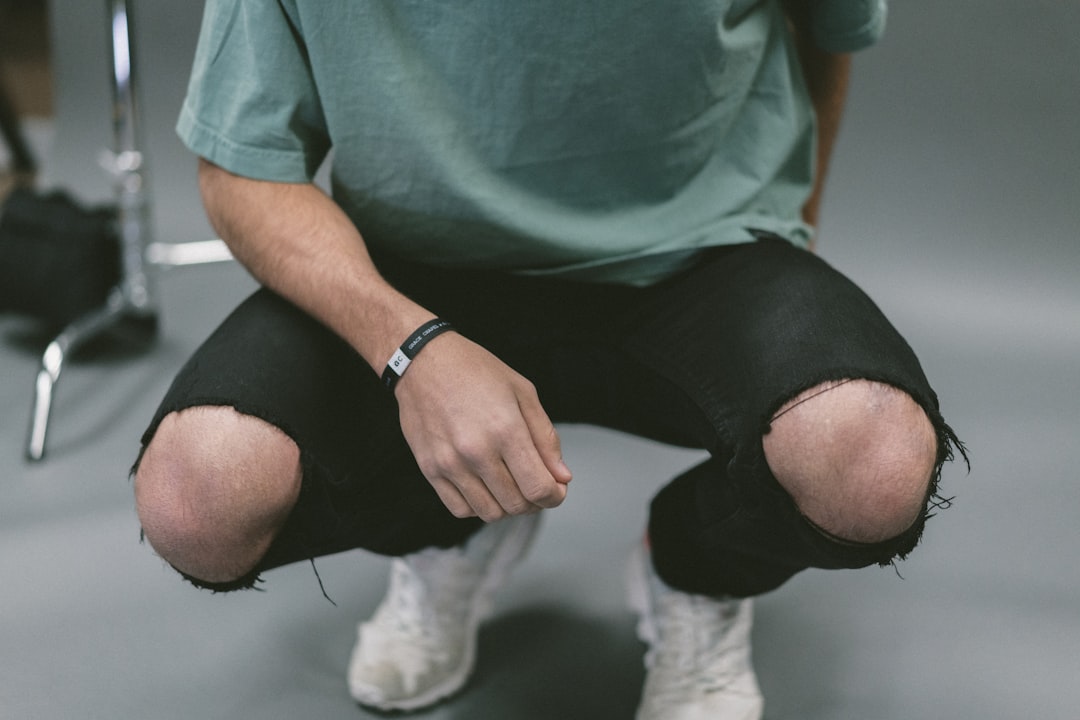
Distressed denim remains a staple of casual weekend fashion but fails in professional settings. Holes and tears in fabric communicate a relaxed attitude that clashes with business formality. Even creative industries generally prefer clean lines over intentionally damaged clothing. Candidates should prioritize trousers or dark denim without any imperfections. Polished attire signals respect for the opportunity and the company.
Graphic T-Shirts
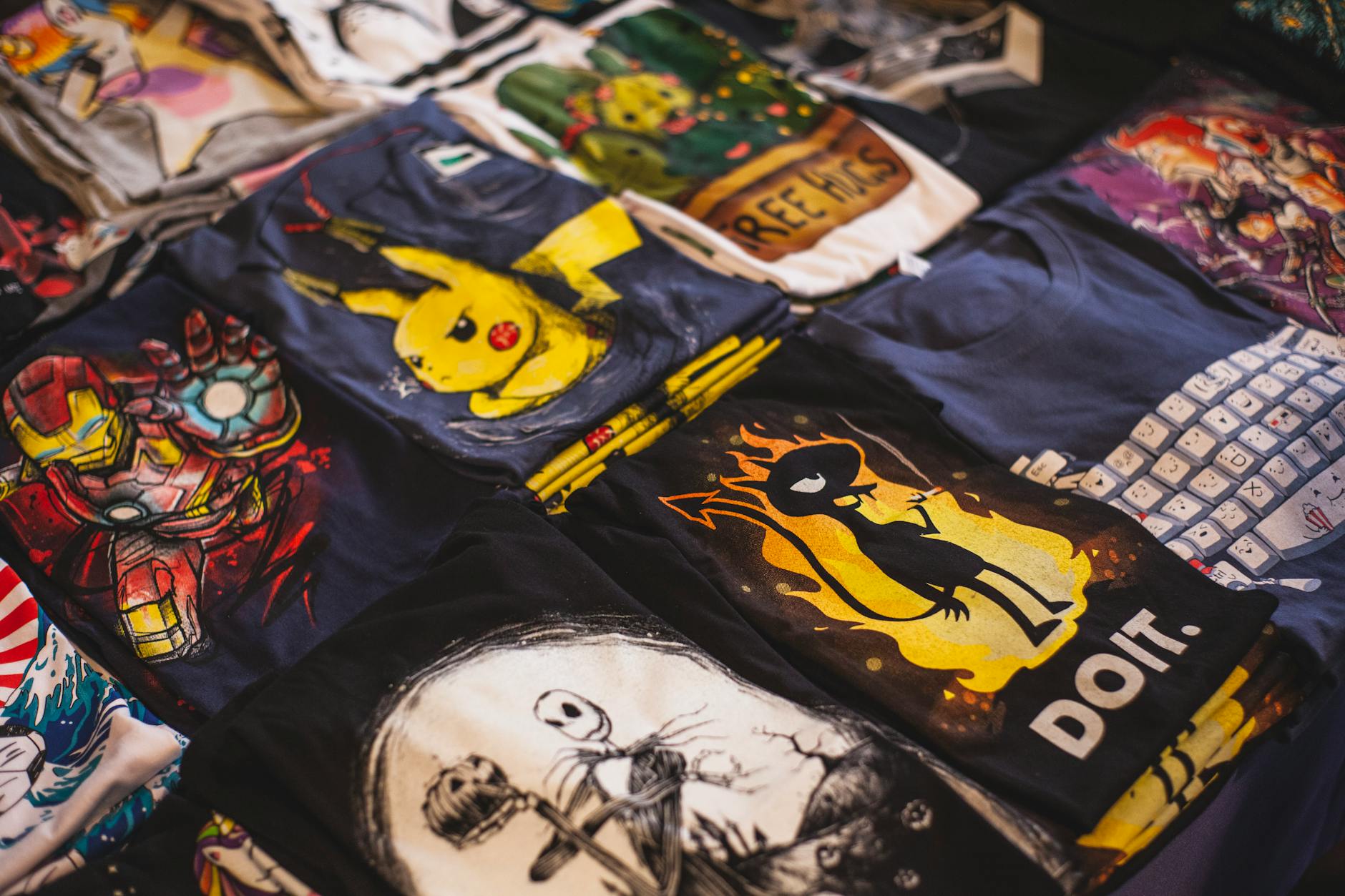
Shirts displaying slogans or large logos can inadvertently offend the interviewer. Visual noise on clothing distracts from the verbal communication necessary for a successful interview. Humor or political statements have no place in a first professional meeting. Plain solid colors allow the focus to remain on the candidate’s face and words. Professionalism requires presenting a neutral canvas for the employer to evaluate.
Athletic Wear
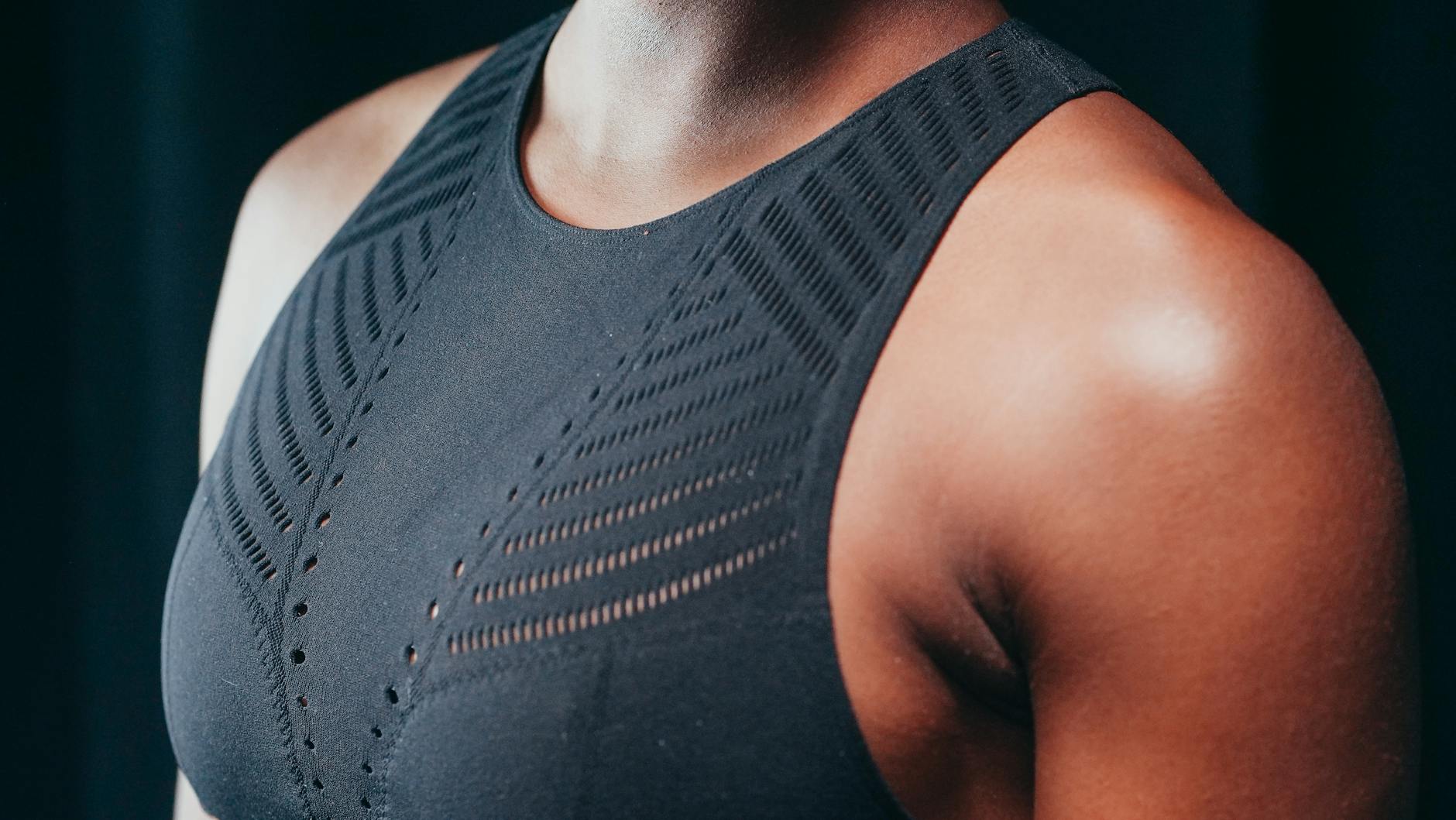
Yoga pants and tracksuits suggest the candidate is heading to the gym rather than a job. Athleisure implies a casual mindset that may not align with company culture. Comfort is important but should not supersede professional presentation standards. Hiring managers expect candidates to make a specific effort for the interview occasion. Structured clothing always conveys more authority than spandex or sweatpants.
Dirty or Scuffed Shoes
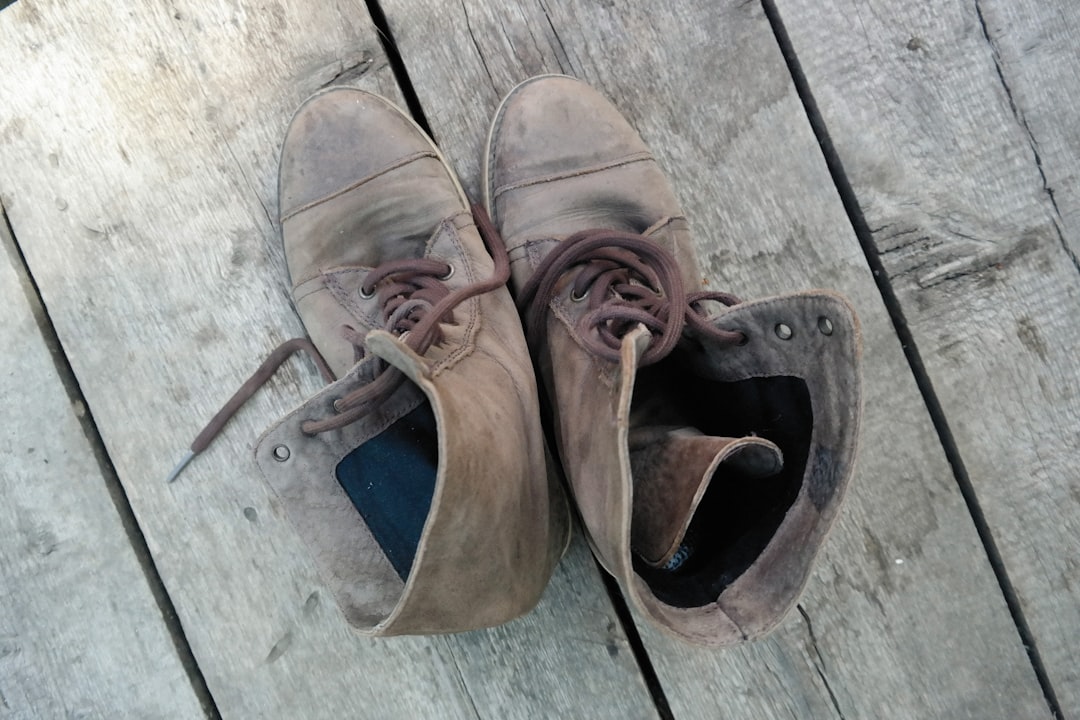
Footwear condition is often the first detail a hiring manager notices during the initial handshake. Muddy or scuffed shoes indicate a lack of preparation and poor attention to detail. Cleaning and polishing shoes requires minimal effort but yields maximum impact. This oversight can undermine an otherwise perfectly tailored outfit. Presenting a pristine appearance from head to toe shows genuine enthusiasm.
Short Skirts or Shorts
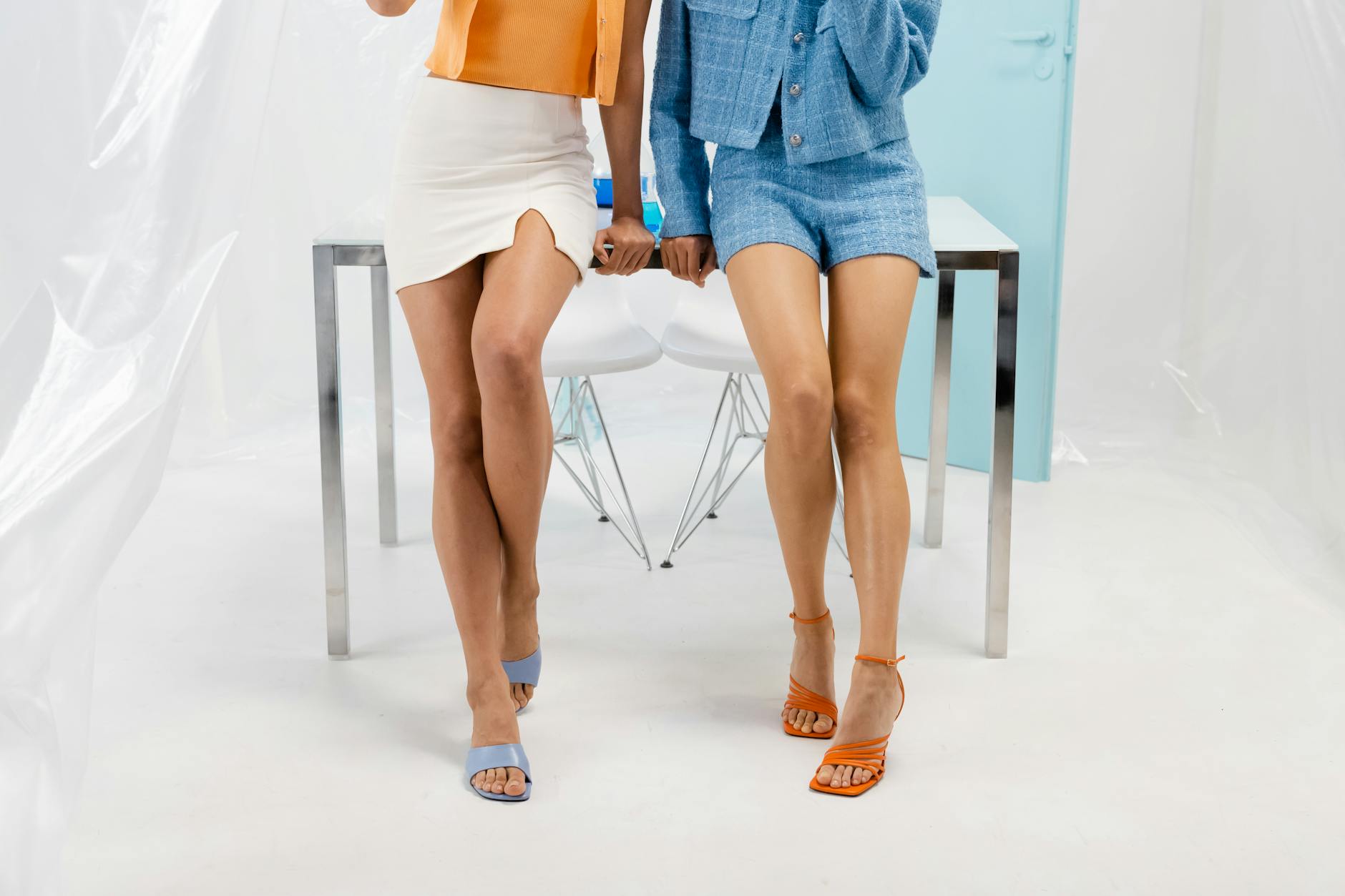
Hemlines that sit significantly above the knee can be distracting in a seated interview setting. Revealing too much skin often reads as unprofessional in a traditional office environment. Sitting down often causes shorter fabrics to ride up further and create discomfort. Modesty ensures the conversation remains focused on professional achievements. A safe length is generally at or just above the knee.
Wrinkled Clothing
Visible creases suggest the candidate rolled out of bed without checking the mirror. Ironing or steaming clothes demonstrates respect for the interviewer’s time. A disheveled appearance implies the applicant might handle work tasks with similar negligence. Crisp fabrics project competence and high organizational standards. Taking time to press a shirt is a small investment for a professional image.
Hats or Caps
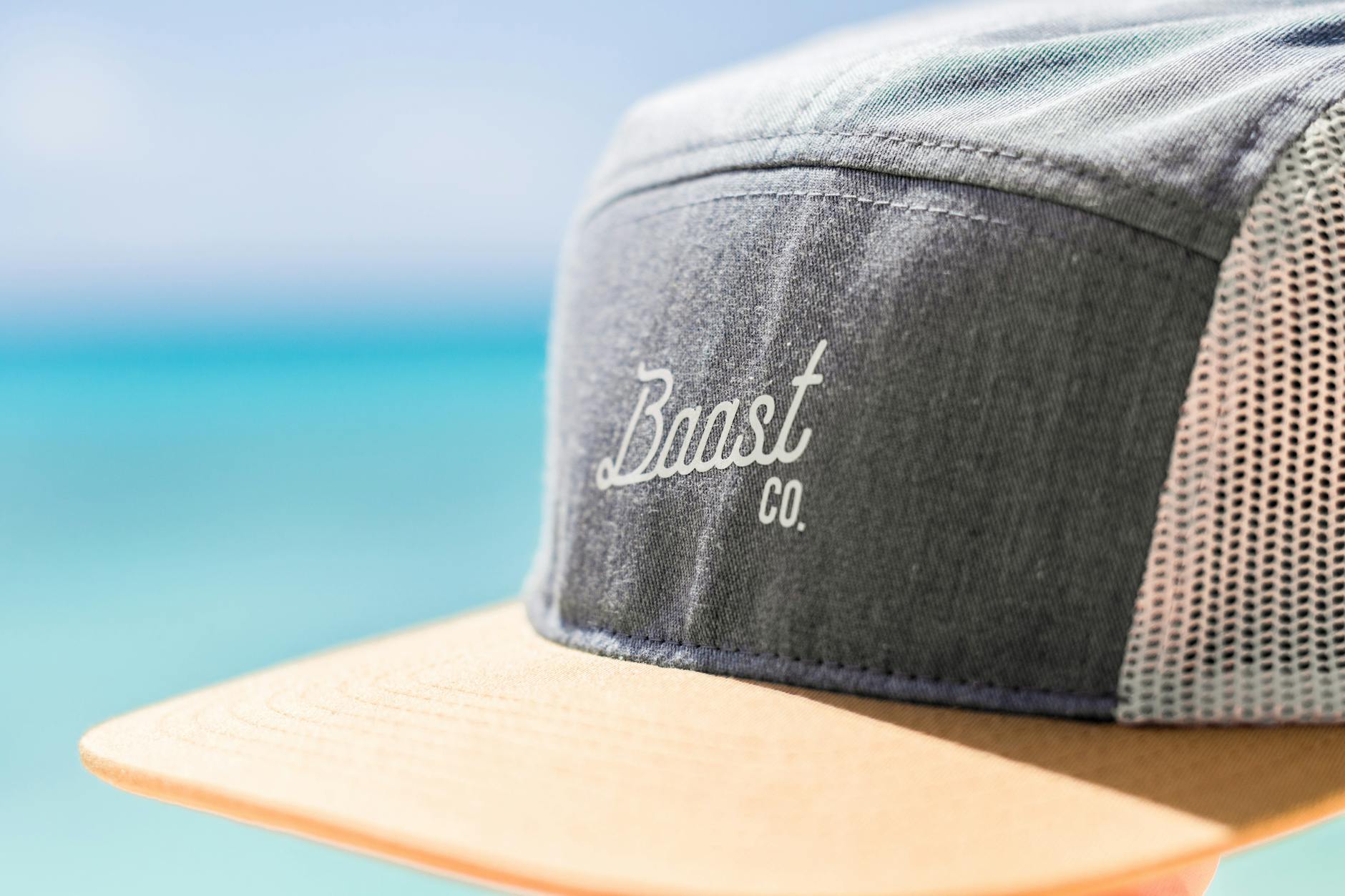
Headwear creates a physical barrier between the candidate and the hiring manager. Wearing a hat indoors is traditionally considered a breach of etiquette. It obscures facial expressions and eye contact which are crucial for building rapport. Removing outerwear immediately upon entering the building is standard protocol. Uncovered hair allows for open and honest nonverbal communication.
Visible Undergarments
Straps or waistbands showing through clothing create an unpolished and sloppy look. Sheer fabrics require appropriate layering to maintain professional modesty. Checking an outfit in bright lighting helps identify potential transparency issues. This distraction pulls focus away from the candidate’s answers and qualifications. A seamless silhouette ensures the interviewer sees the person rather than the wardrobe.
Neon Colors
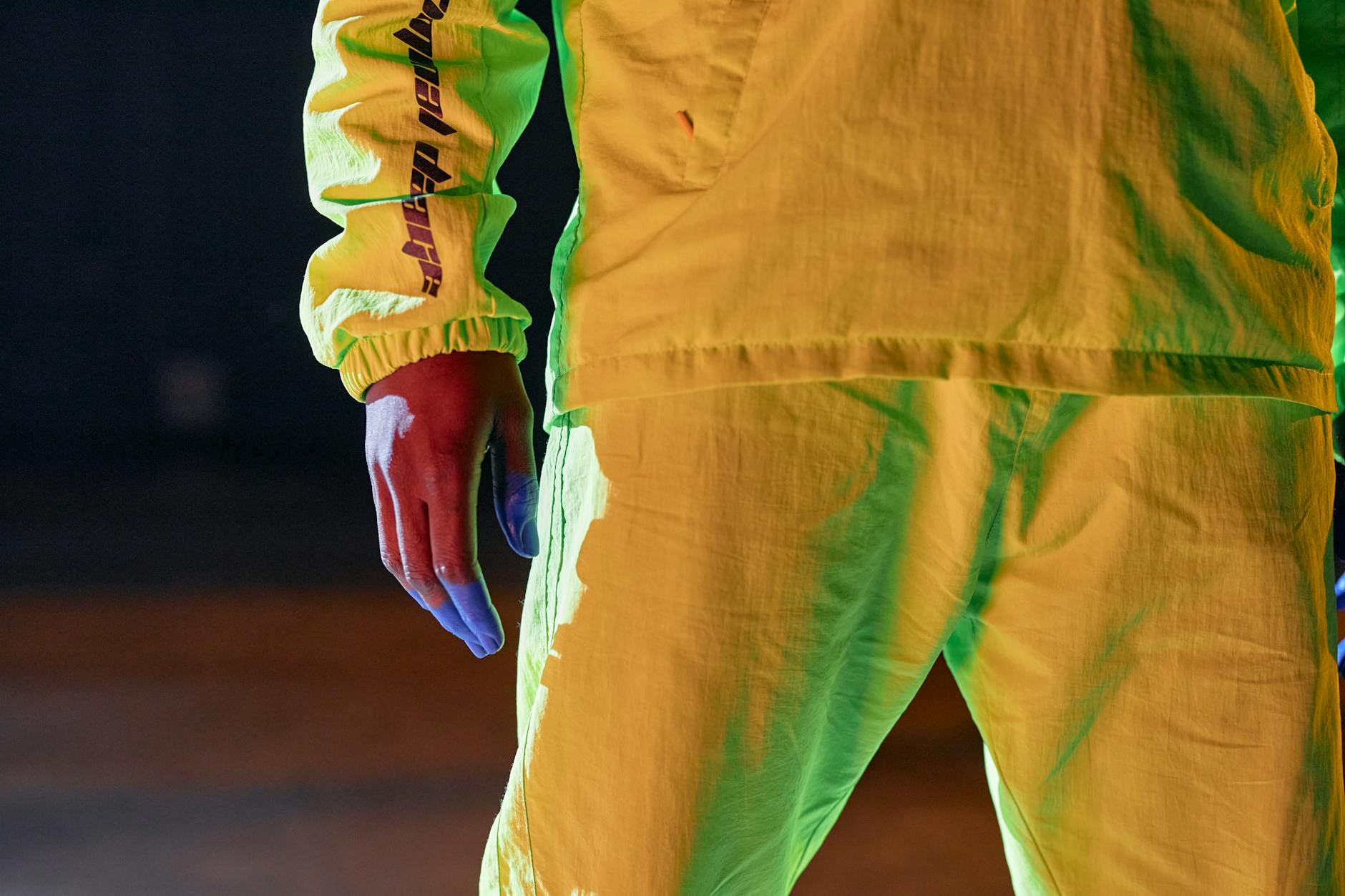
Extremely bright hues can be jarring to the eye in a fluorescent office setting. Neon greens and pinks often lack the gravitas required for serious business discussions. These colors can dominate the room and make the candidate seem less grounded. Muted tones or classic neutrals project confidence without shouting for attention. Subtlety suggests a candidate who lets their work speak for itself.
Sunglasses on Head
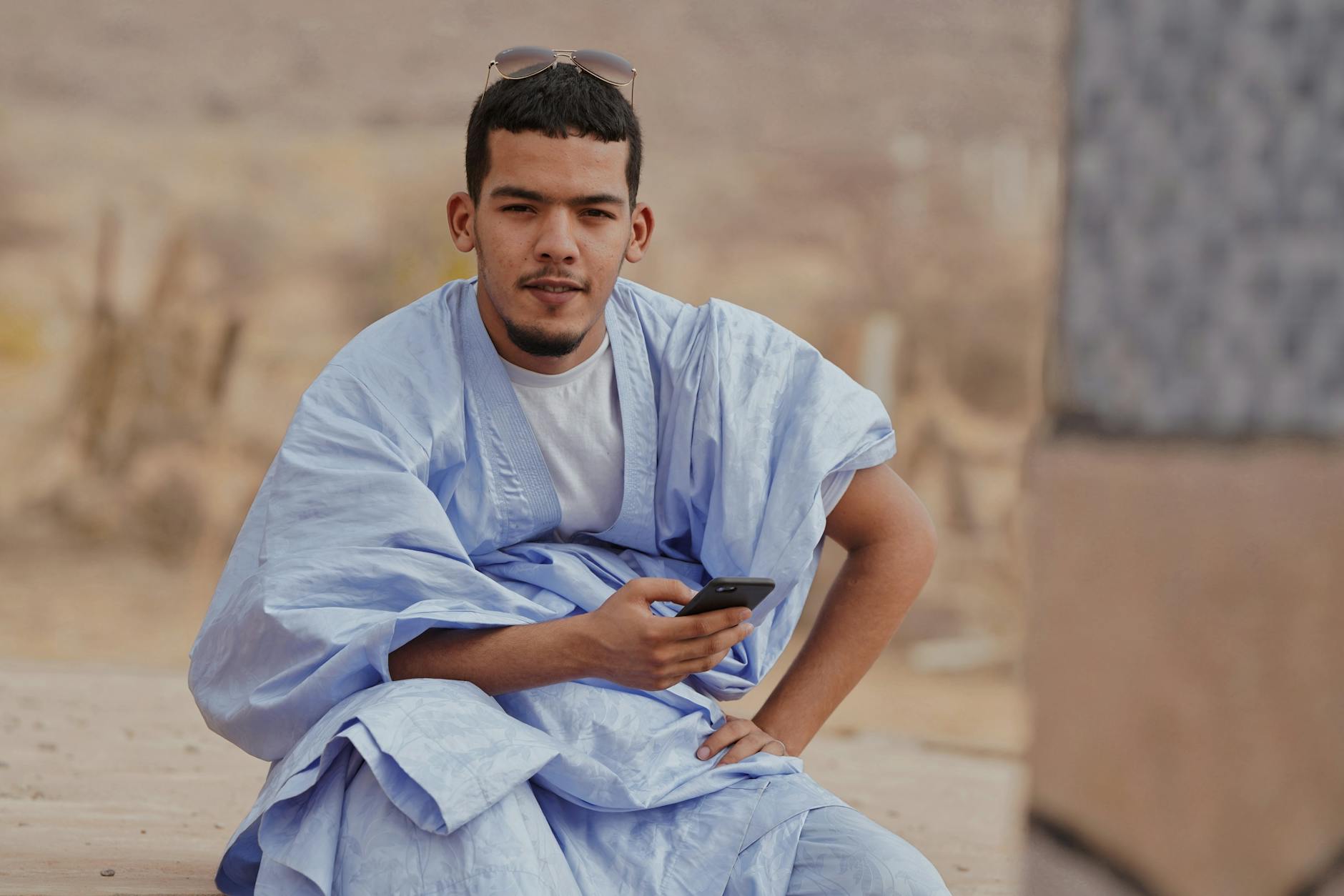
Resting eyewear on top of the head looks too casual and ready for the beach. It serves as a visual distraction and can ruin a polished hairstyle. Fidgeting with glasses during the interview displays nervousness or boredom. They should be stowed away in a bag or pocket before entering the building. Removing barriers helps establish a direct and professional connection.
Headphones or Earbuds
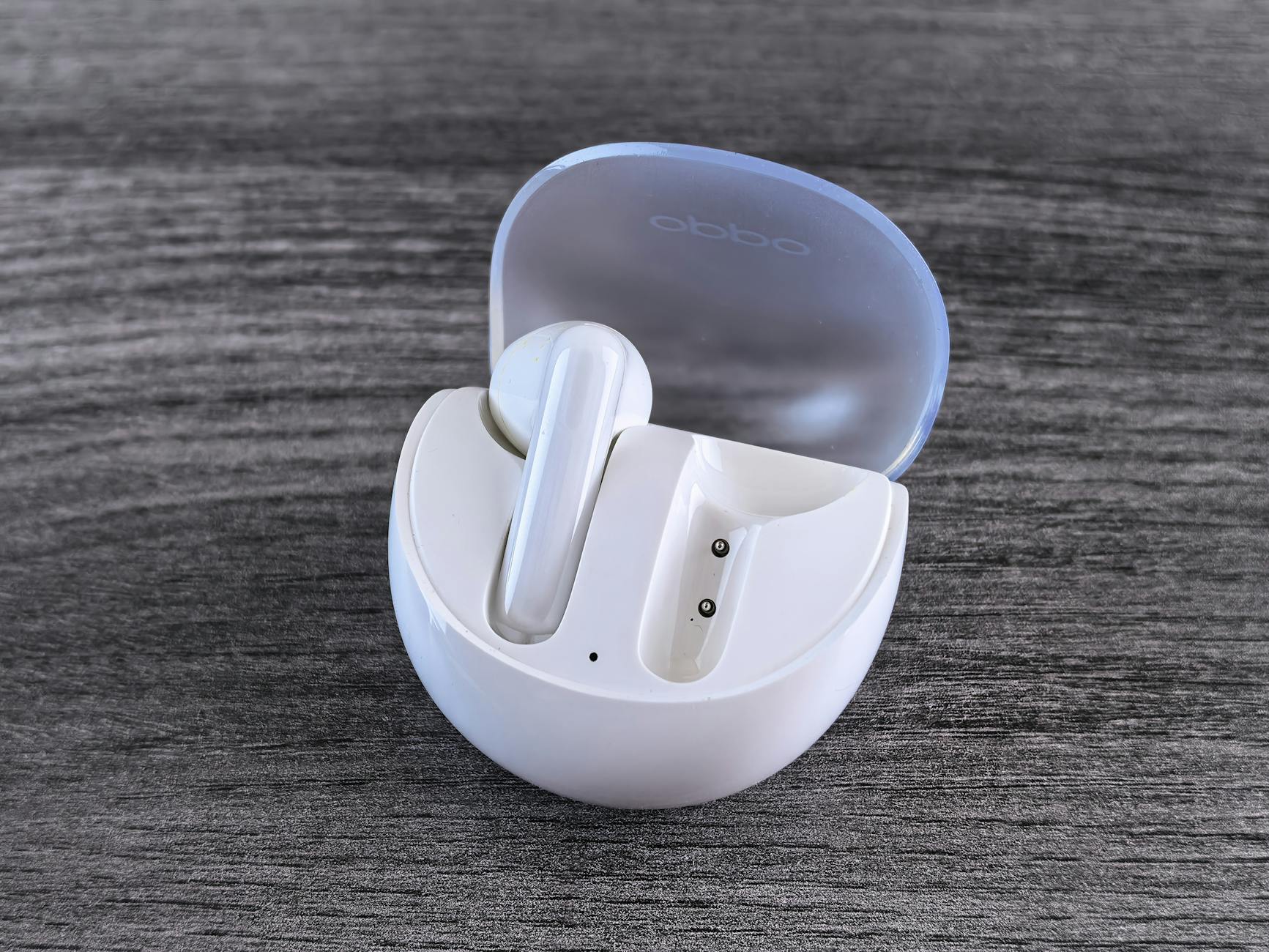
Wearing audio devices around the neck implies the candidate is distracted or tuned out. It creates a physical signal that the applicant is not fully present in the moment. Even when not in use these items look messy and out of place. Full engagement requires removing all electronic accessories before the meeting starts. Undivided attention is the highest form of respect in an interview context.
Tell us which interview fashion mistake you think is the worst in the comments.