Every workplace has its own culture, but certain clothing choices cross a universal line when it comes to professional environments. What you wear to the office communicates your level of seriousness, your respect for colleagues, and your understanding of workplace norms. Some items might feel comfortable or stylish in casual settings but send entirely the wrong message the moment you walk through the office door. The following pieces are widely regarded by style professionals and HR specialists as inappropriate for any office job, regardless of industry or dress code flexibility.
Flip Flops
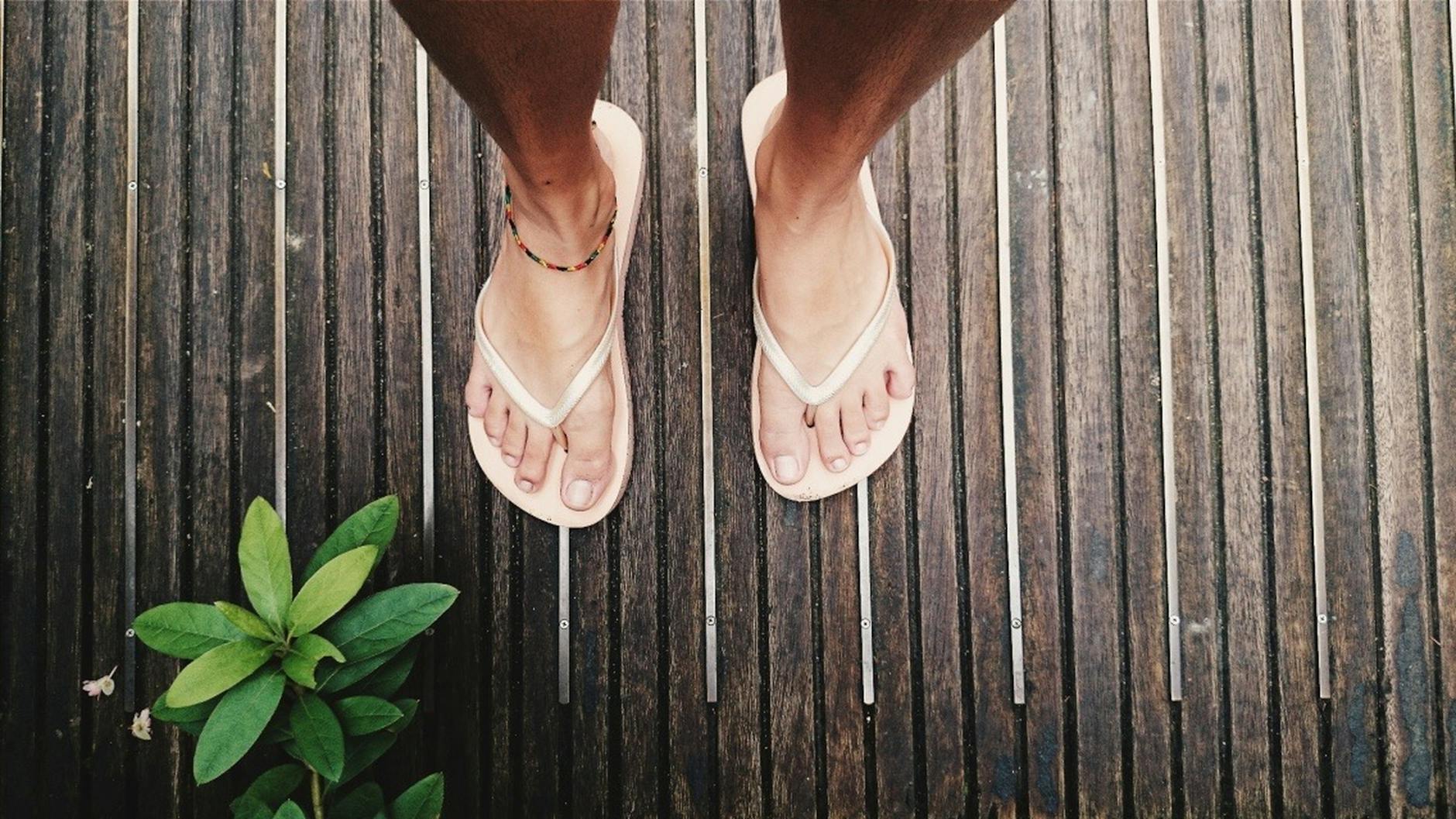
Flip flops are designed for the beach, pool deck, or casual outdoor settings rather than any kind of professional environment. They produce noise with every step, which can become a genuine distraction in quiet office spaces. Most workplace health and safety guidelines also discourage open-toed footwear that offers no foot protection whatsoever. Many hiring managers and senior colleagues associate them with a lack of preparation and professional awareness.
Graphic Tees
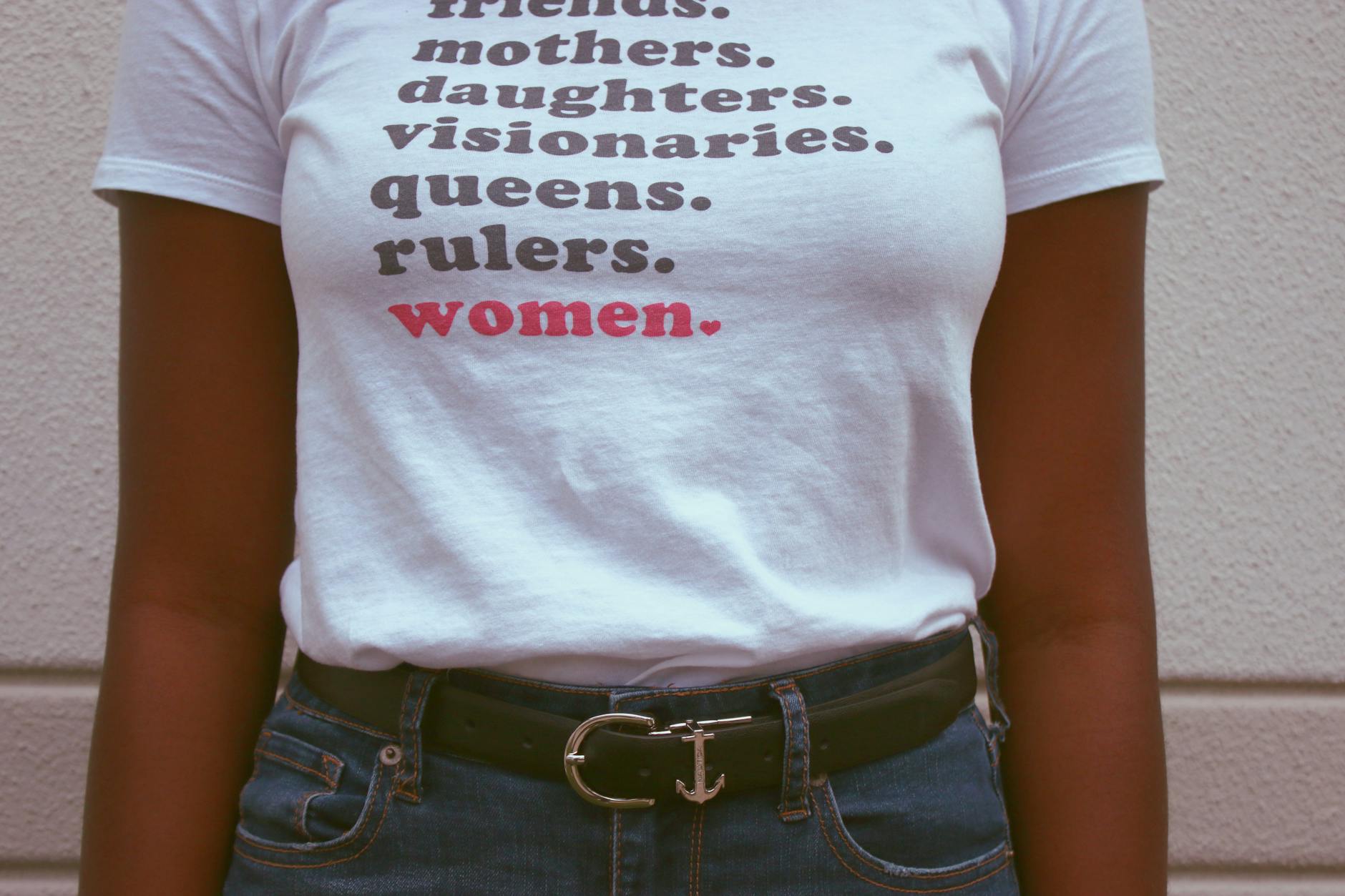
T-shirts featuring bold graphics, slogans, band names, or cartoon imagery fall firmly outside acceptable office attire in most workplaces. Even in creative industries where dress codes are relaxed, graphic tees can undermine the impression of professionalism during client-facing moments. The messages or images displayed can sometimes be misread, misinterpreted, or considered offensive by colleagues from different backgrounds. Plain or subtly patterned shirts in neutral tones are always a far safer and more polished choice.
Mini Skirts
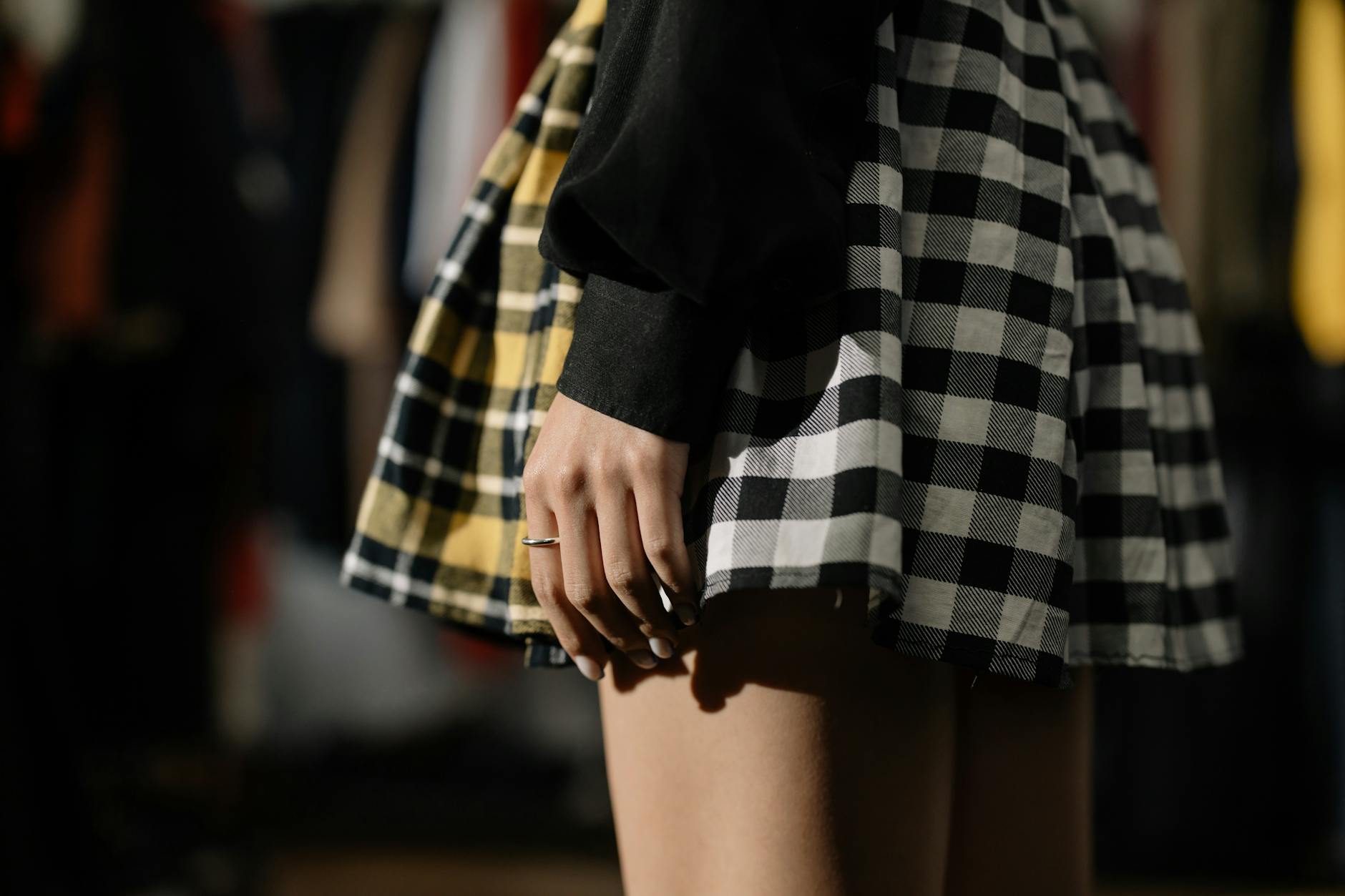
Extremely short skirts that sit well above the knee are broadly considered inappropriate for office environments across most industries. They can create discomfort for both the wearer and colleagues throughout a full working day of meetings, movement, and shared spaces. Professional dress guidelines in many corporate and public-facing roles specifically address hemline standards for this reason. Knee-length or midi-length skirts offer style and comfort while maintaining a polished and appropriate appearance.
Sportswear
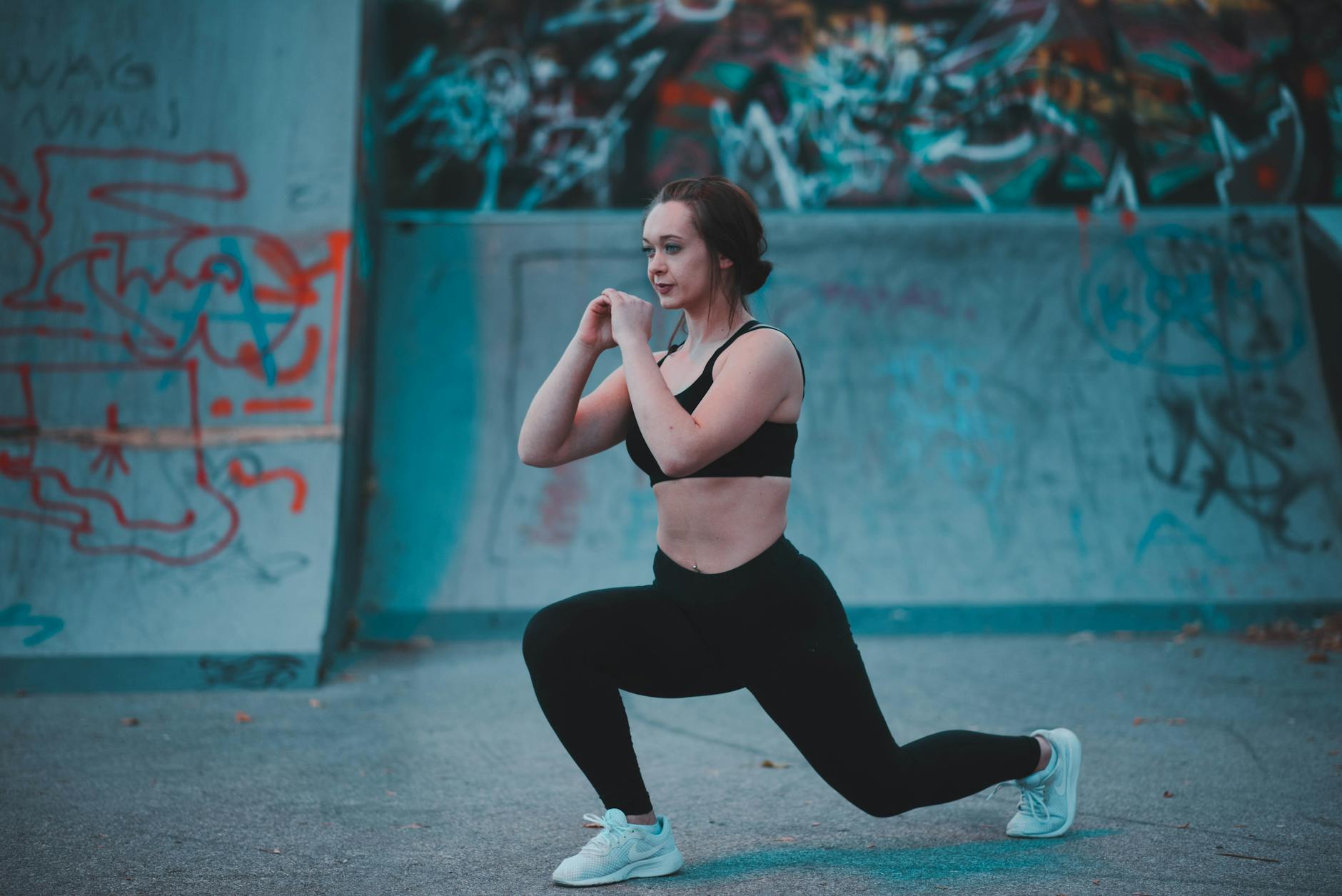
Athletic wear including joggers, leggings worn as trousers, and zip-up sports jackets belongs firmly in the gym or on the running track. Even high-end athleisure brands have not managed to shift the professional perception that sportswear signals a casual disregard for workplace standards. In client-facing roles especially, arriving in athletic clothing can create an immediately unfavorable impression. The growing popularity of smart casual dress codes does not extend to activewear in most office contexts.
Ripped Jeans

Distressed or heavily ripped denim remains one of the most commonly cited dress code violations in office environments worldwide. Even workplaces that permit jeans as part of a casual Friday policy typically draw a clear distinction between neat denim and heavily distressed styles. Tears and fraying communicate a deliberately undone aesthetic that conflicts with the professional image most employers expect. Dark, well-fitted, and intact jeans are generally the accepted standard where denim is permitted at all.
Crocs
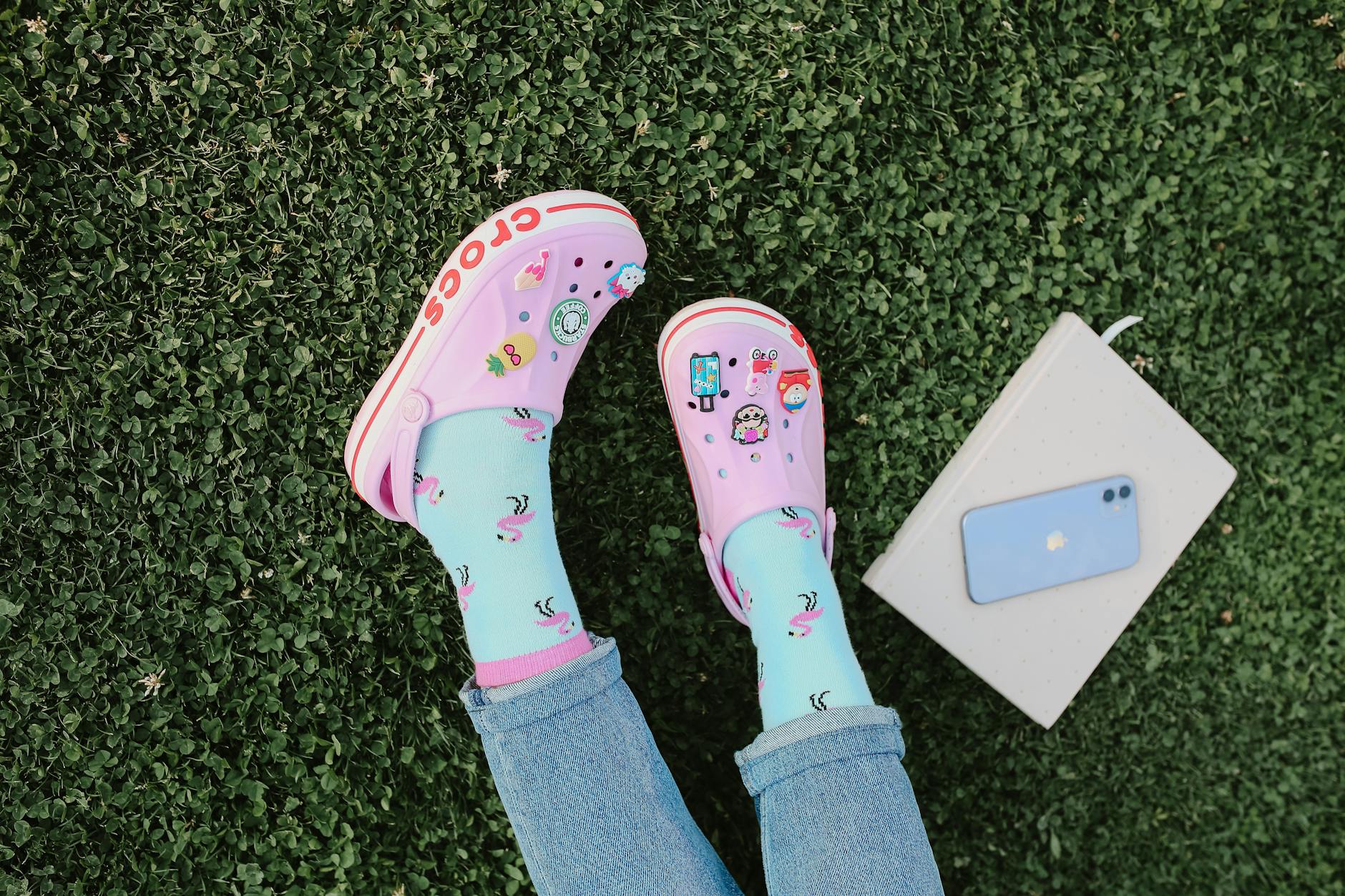
Crocs have developed a strong following in casual and creative spaces but remain firmly unsuitable for professional office settings. Their bulky silhouette and association with purely functional or recreational wear make them difficult to incorporate into any professional outfit. Like flip flops, they offer minimal foot coverage and produce sound when walking across hard office floors. Most style professionals consider them one of the easiest footwear choices to avoid when dressing for a workplace environment.
Sheer Tops
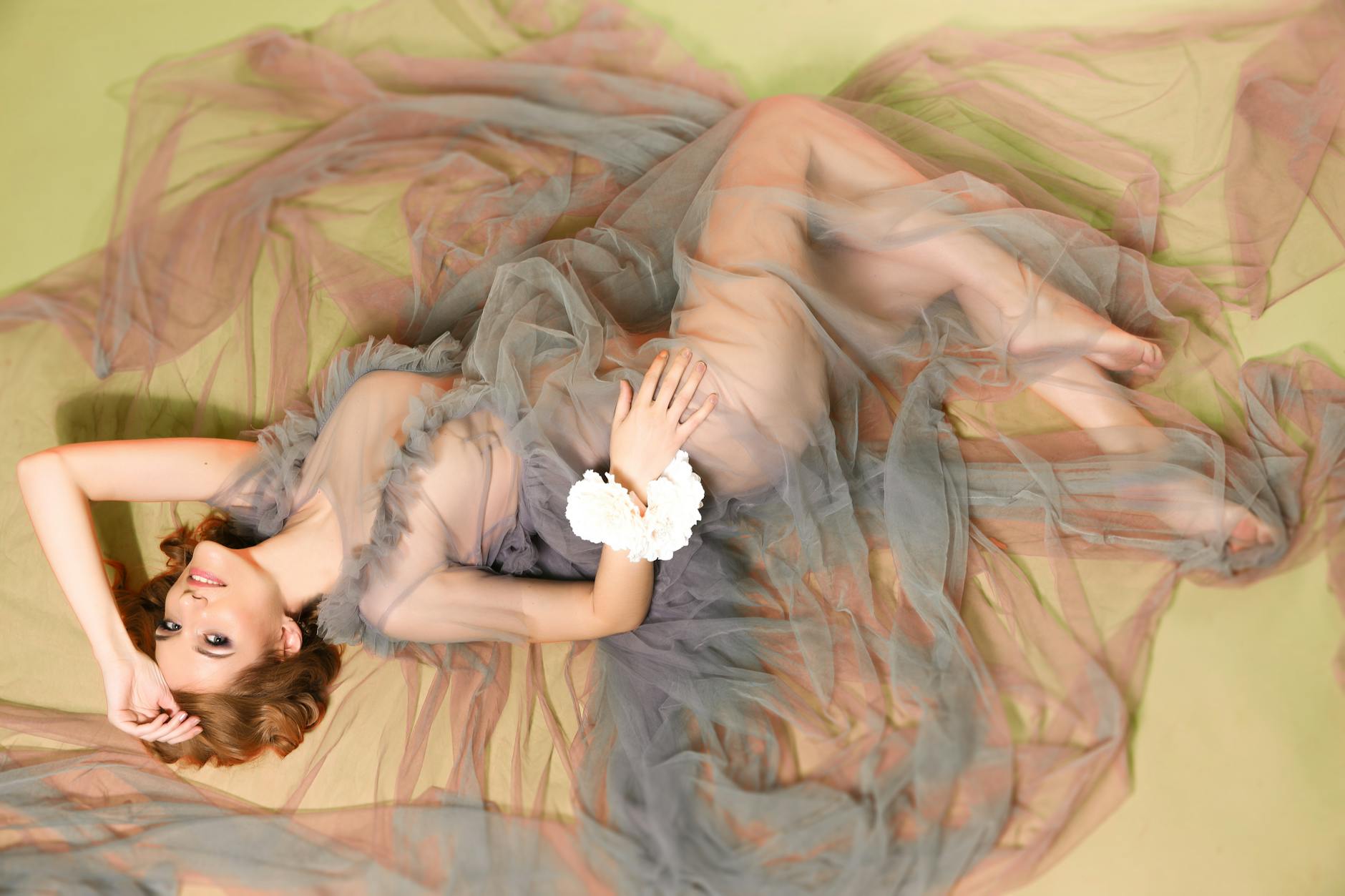
Tops made from sheer or see-through fabric without appropriate layering underneath are considered inappropriate in virtually all office dress codes. When worn without a camisole or undergarment that provides full coverage, they shift attention away from the professional setting in a way that most workplaces discourage. Sheer fabrics can work in office contexts only when fully layered or worn beneath a structured blazer or jacket. The general guideline is that undergarments should never be visible or the focal point of an office outfit.
Loungewear

Since the expansion of remote and hybrid working, loungewear has crept into the wardrobes of many professionals who occasionally blur the line between home comfort and office appearance. Matching sets designed for relaxing at home, including soft fabric co-ords and oversized knit sets, do not translate to a professional environment. Even in the most relaxed office cultures, arriving in clothing primarily designed for leisure sends a message of disengagement. The distinction between comfortable smart-casual clothing and actual loungewear is one every office professional needs to maintain.
Pajamas
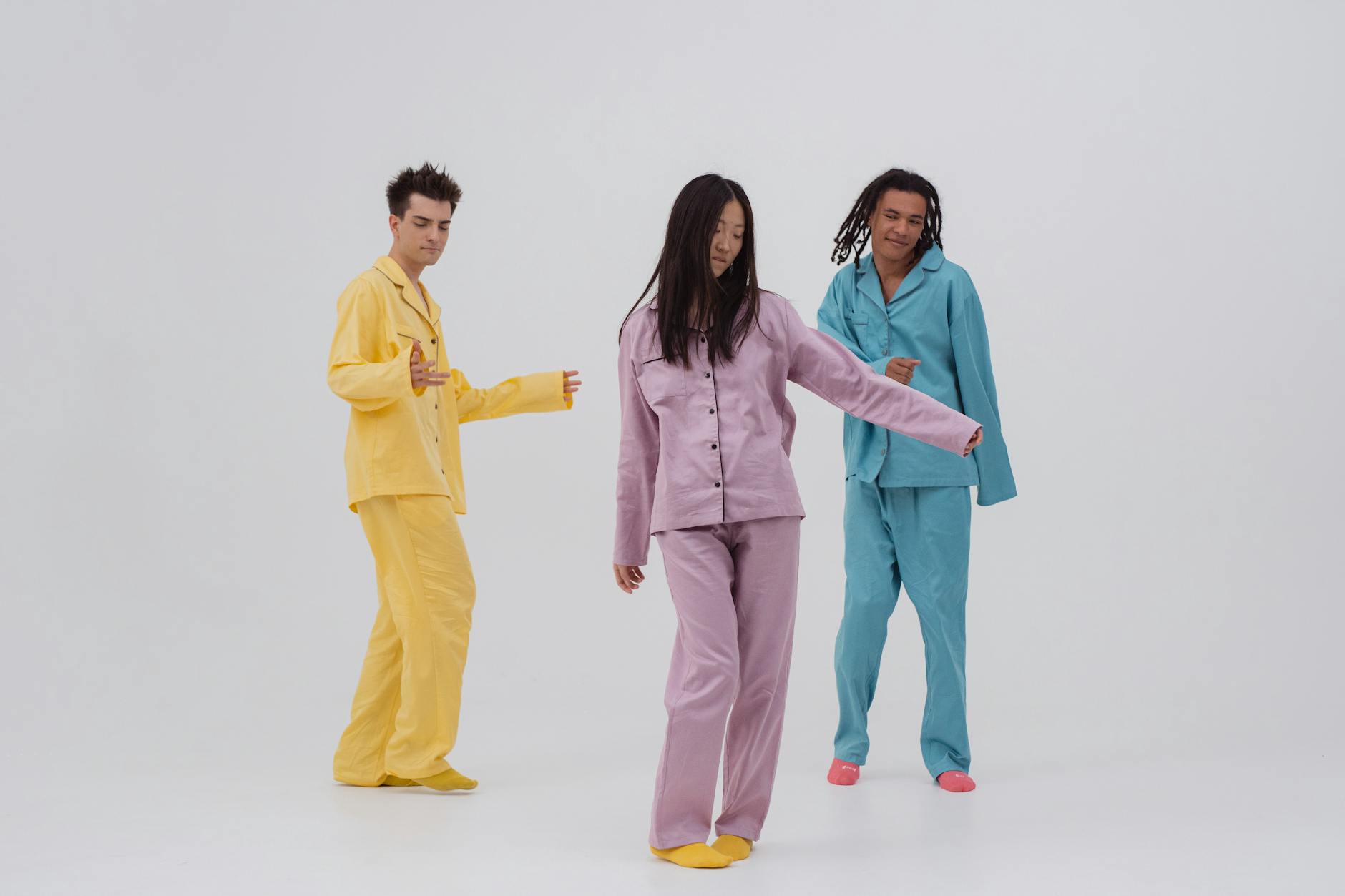
Pajamas in an office context might seem like an obvious point, yet novelty pajama sets and pyjama-style trousers have occasionally appeared as fashion trends that some people misguidedly carry into the workplace. No matter how high-end the fabric or how structured the cut, clothing that is categorically designed for sleeping in has no place in a professional setting. Silk pyjama-style blouses represent a separate category of garment and are sometimes acceptable when styled deliberately, but traditional pajama sets are not. The professional environment demands a clear visual separation between rest and work.
Micro Shorts
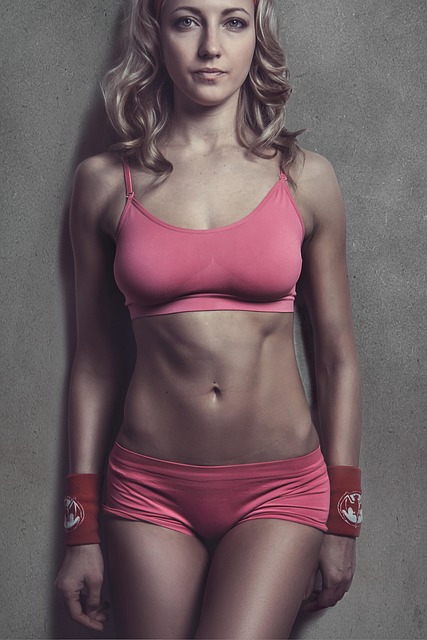
Extremely short shorts of any fabric or style are universally inappropriate for office settings across all industries. They restrict comfortable movement throughout a full working day and are consistently flagged in employee dress code handbooks as unacceptable. Even during warmer seasons when offices can become uncomfortable, the solution is breathable professional clothing rather than recreational shorts. Smart tailored shorts of an appropriate length are accepted in some creative workplaces but micro styles are never within those parameters.
Party Dresses

Bodycon dresses, sequined styles, cut-out designs, and other garments clearly intended for nightlife occasions do not belong in the office. These pieces prioritize a social evening aesthetic that clashes directly with the functionality and tone of a professional working environment. Wearing a party dress to work can suggest a disconnect between personal judgment and professional context. Shift dresses, wrap dresses, and structured midi styles serve as sophisticated alternatives that are genuinely office-appropriate.
Heavy Fur
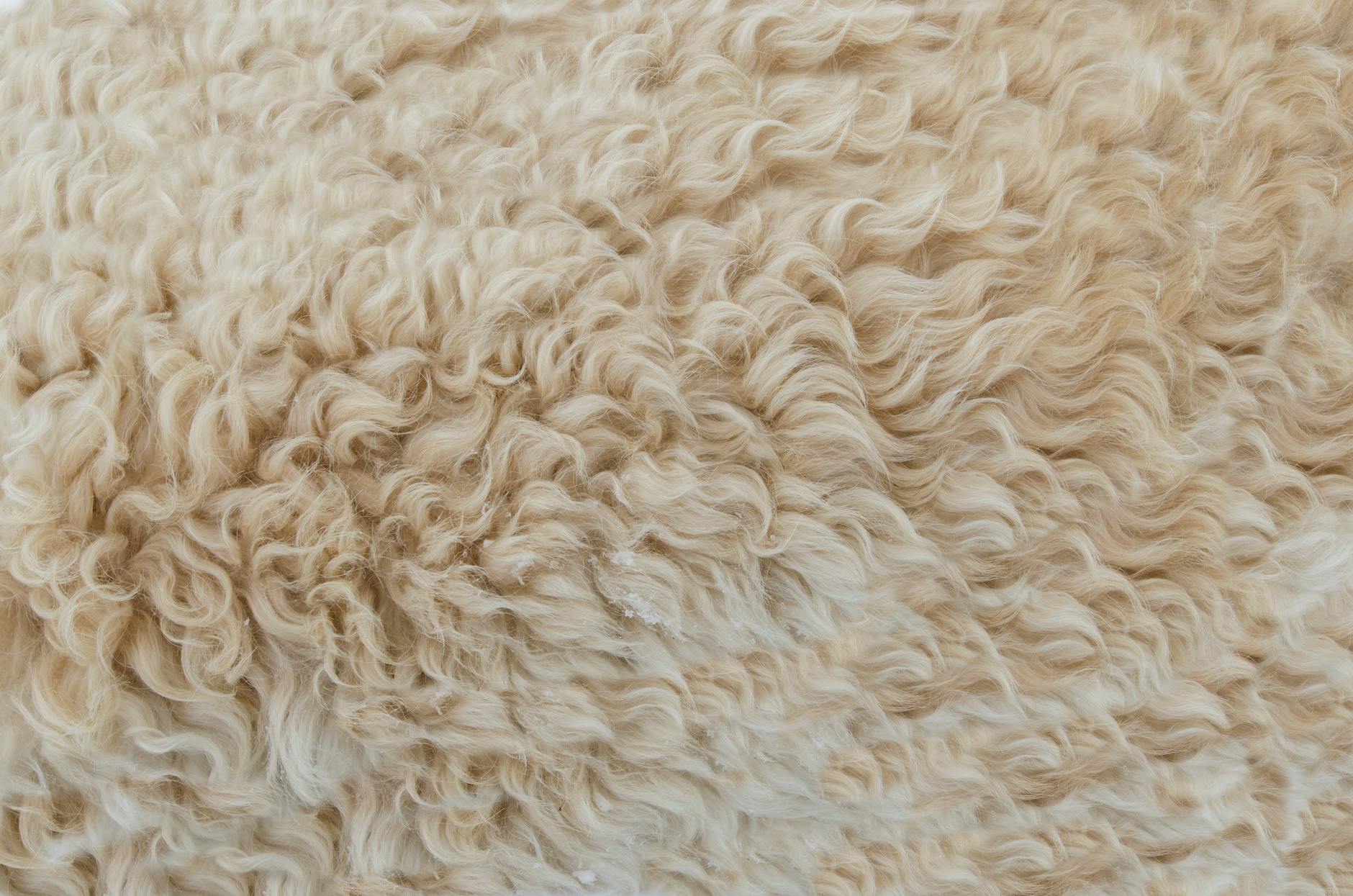
Coats or accessories featuring heavy real or faux fur trim are widely considered excessive and distracting in most office environments. While outerwear is naturally removed upon arrival, fur-trimmed cardigans, fur-collar jackets worn as indoor layers, or fur accessories at a desk can draw significant attention. Beyond aesthetics, real fur in particular generates ethical concerns in modern workplaces with diverse colleague perspectives. Tailored wool coats and clean-lined jackets are the professional standard for office outerwear and layering.
Dirty Sneakers
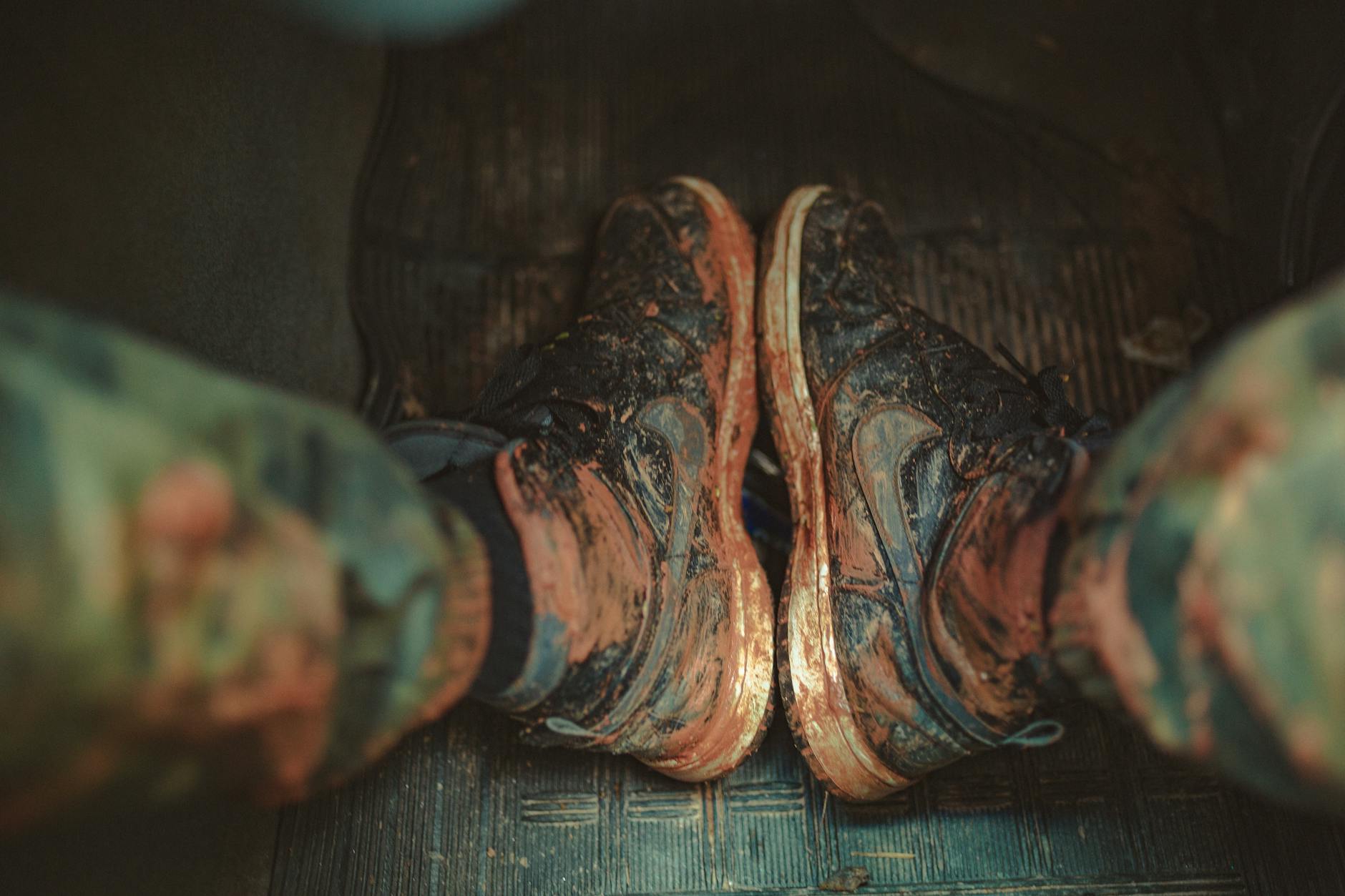
Sneakers have earned a legitimate place in many modern office dress codes, particularly in creative industries and tech companies, but only when they are clean and in good condition. Scuffed, mud-stained, or visibly worn-out sneakers immediately undermine an otherwise acceptable outfit by communicating carelessness about personal presentation. The condition of shoes is one of the first things noticed in professional settings and carries significant weight in first impressions. Any footwear brought into an office should be clean and well-maintained regardless of style.
Visible Undergarments
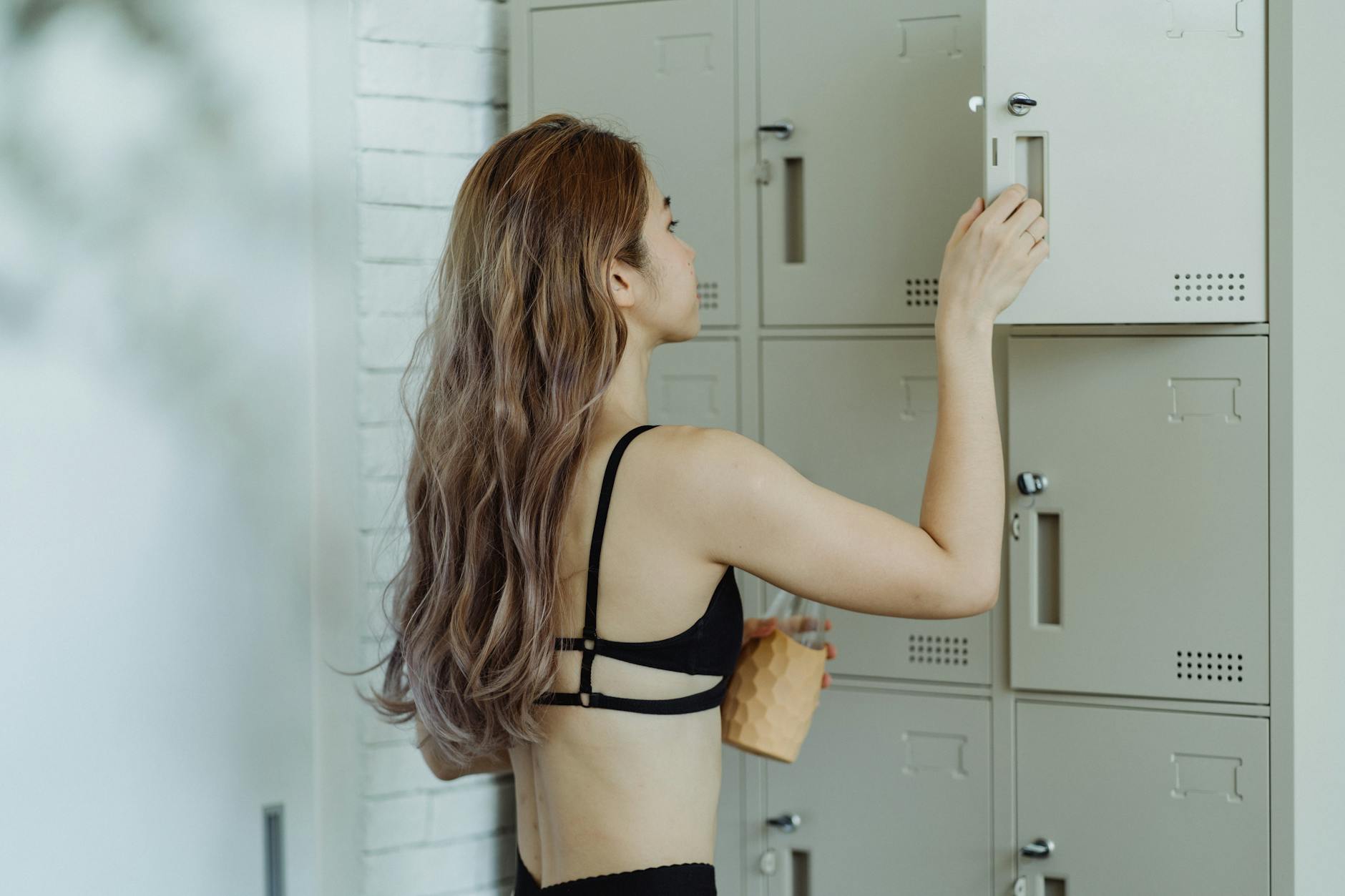
Bra straps worn visibly outside of a top, visible waistbands of underwear above trouser lines, and any similar exposure of undergarments are considered uniformly inappropriate in office environments. Most professional dress codes address this specifically because it is a relatively common and easily avoidable wardrobe issue. The standard expectation in professional spaces is that undergarments remain unseen and do not contribute to the visual appearance of an outfit. Thoughtful clothing choices and appropriate sizing make this straightforward to manage.
Festival Wear

Clothing associated with music festivals and outdoor events including crochet tops, floral crowns worn in the hair, fringe jackets, and heavily layered boho styles are unsuitable for office environments. These aesthetics are expressive and culturally significant in their proper context but communicate leisure and informality in a workplace setting. Even in industries where creative self-expression is encouraged, festival-inspired dressing can appear jarring and unprofessional to clients and senior colleagues. Office-appropriate ways to express personal style exist within clearly professional silhouettes and fabrics.
Stained Clothing

Arriving at work in clothing with visible stains is widely regarded as one of the most avoidable and damaging dress code mistakes a professional can make. It communicates a lack of attention to personal presentation that colleagues and managers are unlikely to overlook. Even a small stain on an otherwise appropriate and well-fitted outfit can shift the entire impression created by a professional. Basic garment care and a routine clothing check before leaving home are considered fundamental aspects of professional self-presentation.
Costumes

Halloween costumes or any themed fancy dress worn outside of an explicitly office-sanctioned event is inappropriate in a professional workplace. Even partial costume elements such as novelty headwear, oversized props, or costume accessories brought to a regular working day fall outside professional standards. Some workplaces do organize themed events where costumes are appropriate and encouraged, but these are limited exceptions with clear organizational endorsement. Wearing costume elements to a standard working day suggests a misunderstanding of professional context.
Overly Casual Hats

Baseball caps, beanies worn indoors throughout the workday, and novelty hats are consistently considered inappropriate in most office dress codes globally. Hat etiquette in professional environments has long established that casual headwear indoors communicates informality and occasionally a lack of respect for the setting. Some workplaces accommodate headwear worn for religious or medical reasons which represents an entirely separate and respected category. Standard casual hats however remain outside the bounds of office-appropriate dressing in virtually all professional environments.
Provocative Slogans
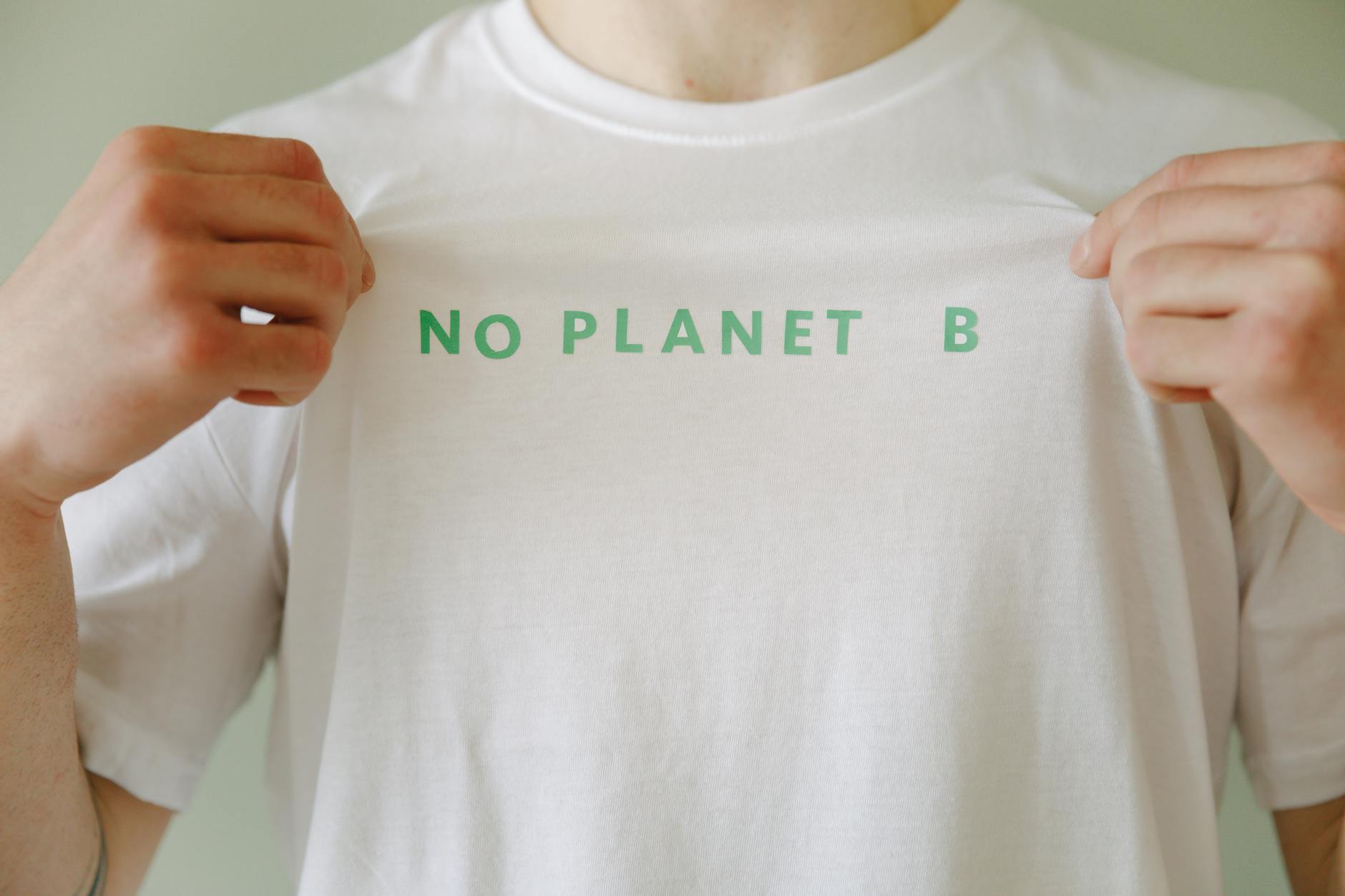
Clothing featuring provocative, political, offensive, or divisive slogans creates an immediate issue in any professional environment regardless of the wearer’s intent. Workplaces are shared spaces occupied by colleagues with a wide range of values, beliefs, and personal sensitivities. Many HR policies explicitly prohibit clothing with messaging that could be considered inflammatory or exclusionary in any direction. Plain clothing or pieces with minimal abstract patterns are always the safer professional choice over any slogan-based garment.
Beachwear

Sarongs, bikini tops worn as standalone garments, swim shorts, and any other items primarily designed for beach or pool environments are entirely out of place in an office setting. This extends to clothing that mimics beachwear aesthetics even if technically not designed for swimming. The practical and social expectations of a professional workplace are fundamentally incompatible with vacation-oriented dressing. No matter the season or the heat of the office, beachwear remains among the clearest possible dress code violations in any professional context.
Wrinkled Clothing
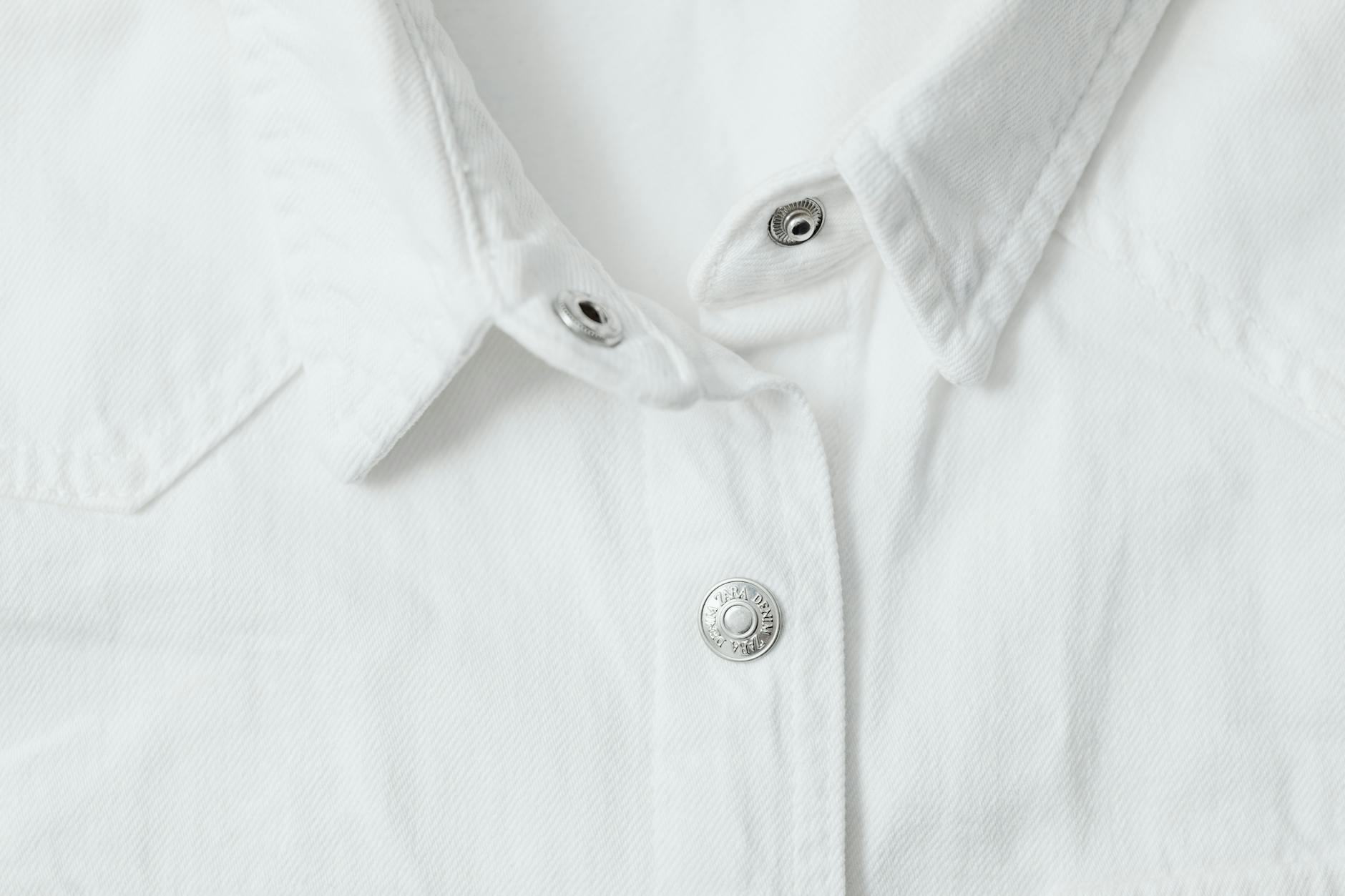
Heavily wrinkled or visibly creased clothing is consistently cited in professional style guidance as an avoidable presentation issue that undermines an otherwise appropriate outfit. A well-chosen blazer or tailored trouser loses much of its professional impact when worn in a visibly unkempt condition. Ironing and steaming clothing before the working week is a standard element of professional grooming recognized across all industries. The condition of clothing communicates the same level of care and attention as the clothing choice itself.
Excessively Torn Tights
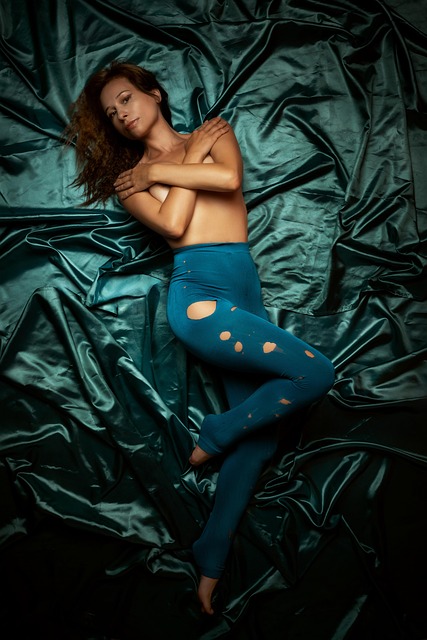
Tights or stockings with large runs, holes, or extensive laddering are considered inappropriate in most professional office environments, particularly in client-facing roles. Minor imperfections can occasionally be unavoidable, but arriving at work with visibly damaged hosiery suggests a lack of preparation. Most professional style guides recommend keeping a spare pair accessible specifically for this reason. The expectation across most office environments is that hosiery should be intact and contribute to a clean and polished overall appearance.
Overly Loud Prints
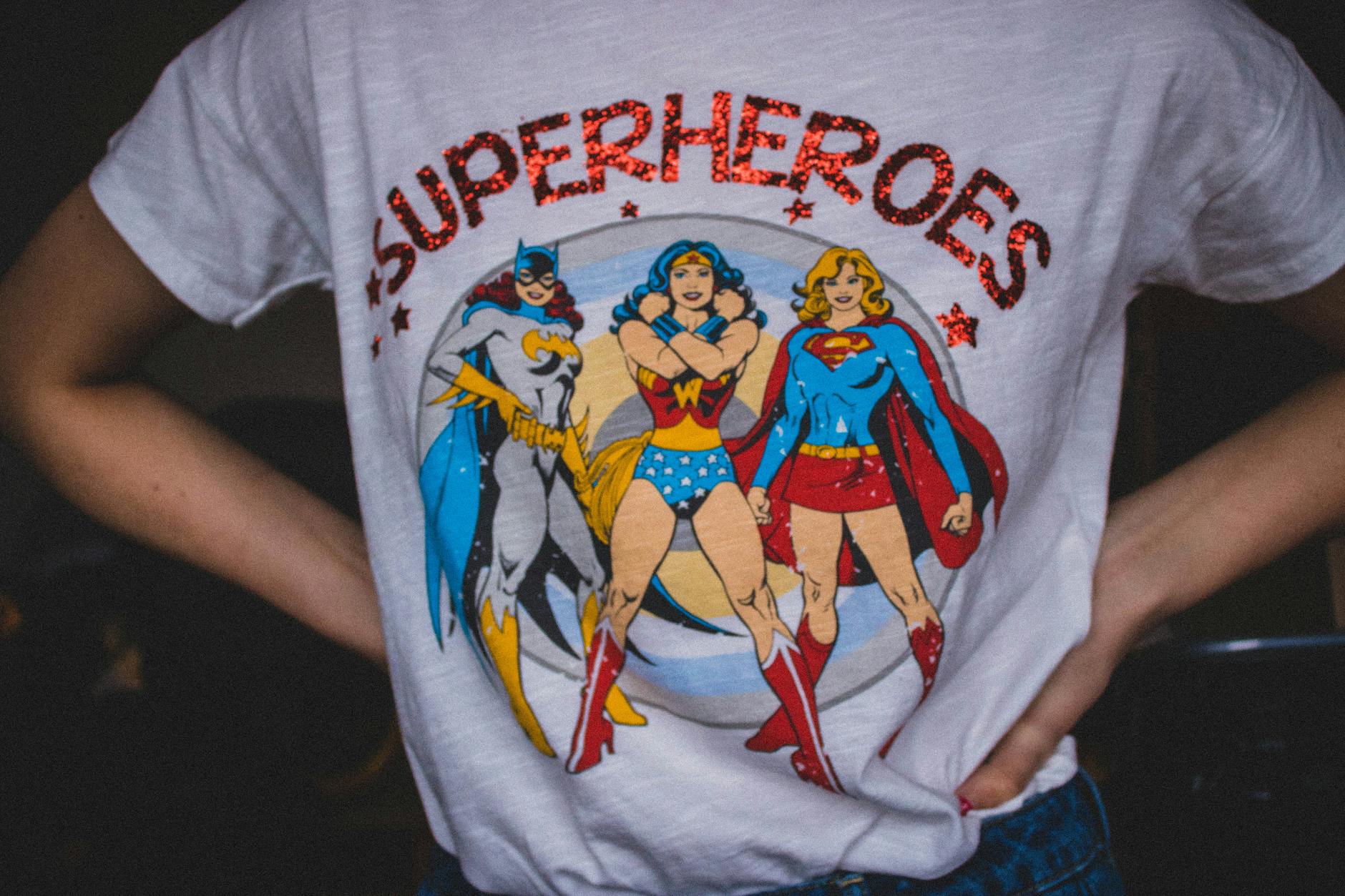
Extremely bold or clashing prints that dominate an entire outfit can become visually overwhelming in a professional setting where focus and communication are priorities. While prints are a legitimate and stylish element of office dressing when chosen thoughtfully, full head-to-toe clashing patterns can distract from professional presence. Many workplaces with creative cultures still draw an informal distinction between interesting print choices and visually chaotic combinations. A single statement print piece balanced with neutral clothing is broadly considered the professional standard for incorporating pattern into office attire.
Ill-Fitting Clothing
Clothing that is significantly too large, too small, or clearly not tailored to the wearer’s body creates an unpolished appearance regardless of how appropriate the item itself might be. Oversized trousers that drag on the floor, shirts with gaping buttons, or jackets with sleeves that cover the hands all signal a disconnect between intention and execution. Fit is considered by most professional stylists to be the single most important factor in creating a credible and authoritative professional appearance. Basic tailoring adjustments are an accessible and worthwhile investment for any office wardrobe.
Novelty Accessories
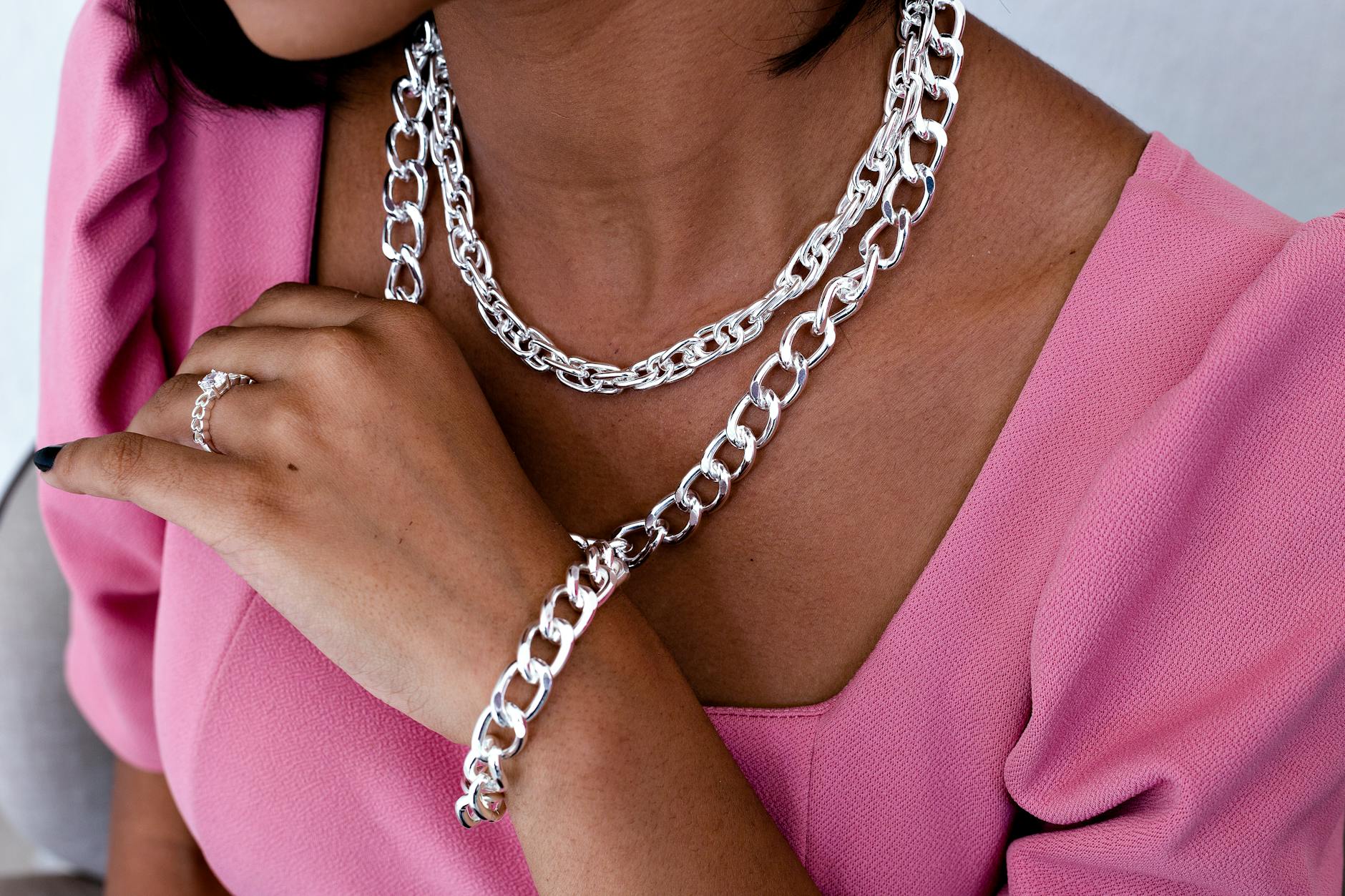
Excessively large novelty jewelry, light-up accessories, oversized cartoon-themed bags, and similar statement pieces designed primarily for humor or entertainment are broadly inappropriate in office environments. Accessories play an important role in professional dressing and can genuinely elevate an outfit when chosen with care and restraint. The general principle in most office style guidance is that accessories should complement rather than dominate a professional appearance. Timeless and well-proportioned pieces consistently serve office professionals far better than novelty alternatives.
Professional dressing is ultimately about communicating respect for your environment, your colleagues, and the work itself, so share your thoughts and experiences on office dress codes in the comments.