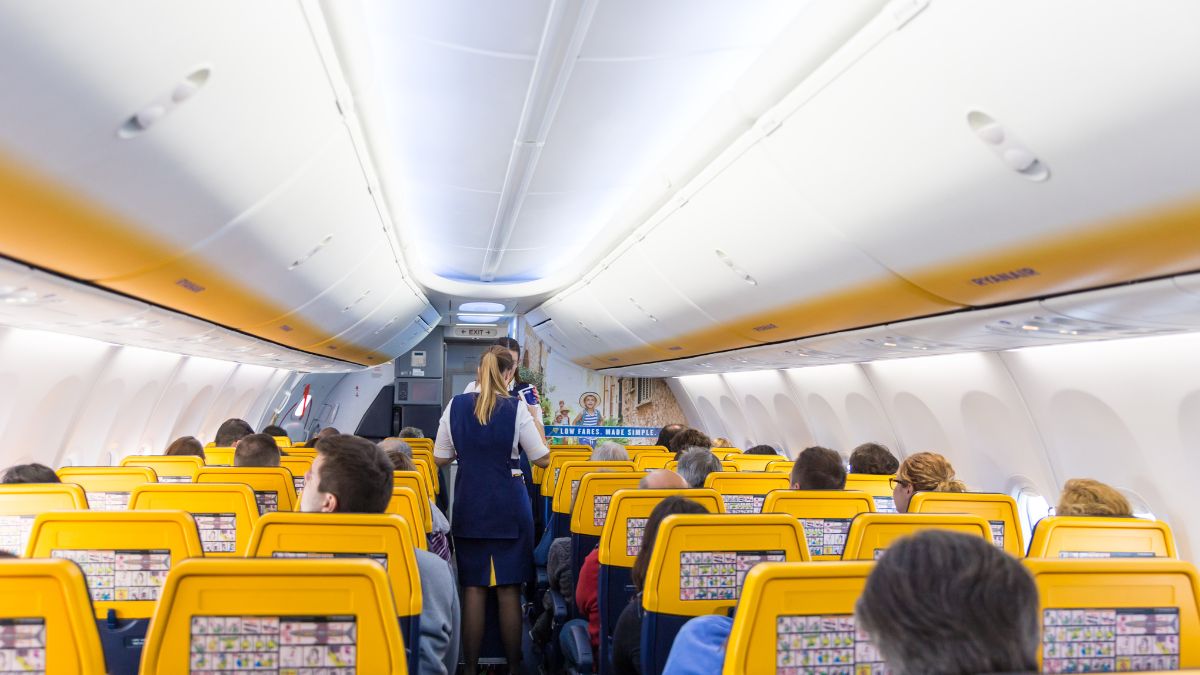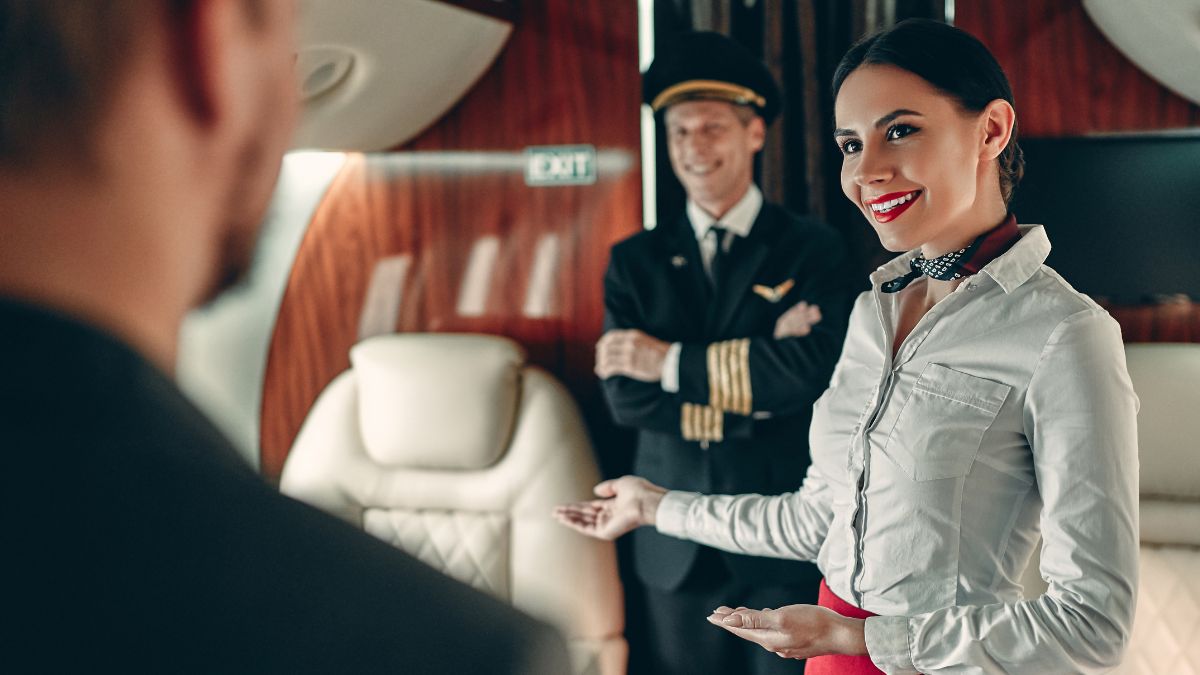
Flight attendants are trained professionals who spend more hours in the air than most people spend in their cars, and after thousands of flights, they develop a very sharp eye for passenger behavior. While they maintain a warm and welcoming smile throughout every journey, there is plenty happening behind that calm exterior that passengers never get to see. Certain habits, attitudes, and actions stand out immediately to crew members, and they are quietly noted from the moment you step through the cabin door. Here are the things that flight attendants are almost certainly sizing you up for every time you fly.
Boarding Manners
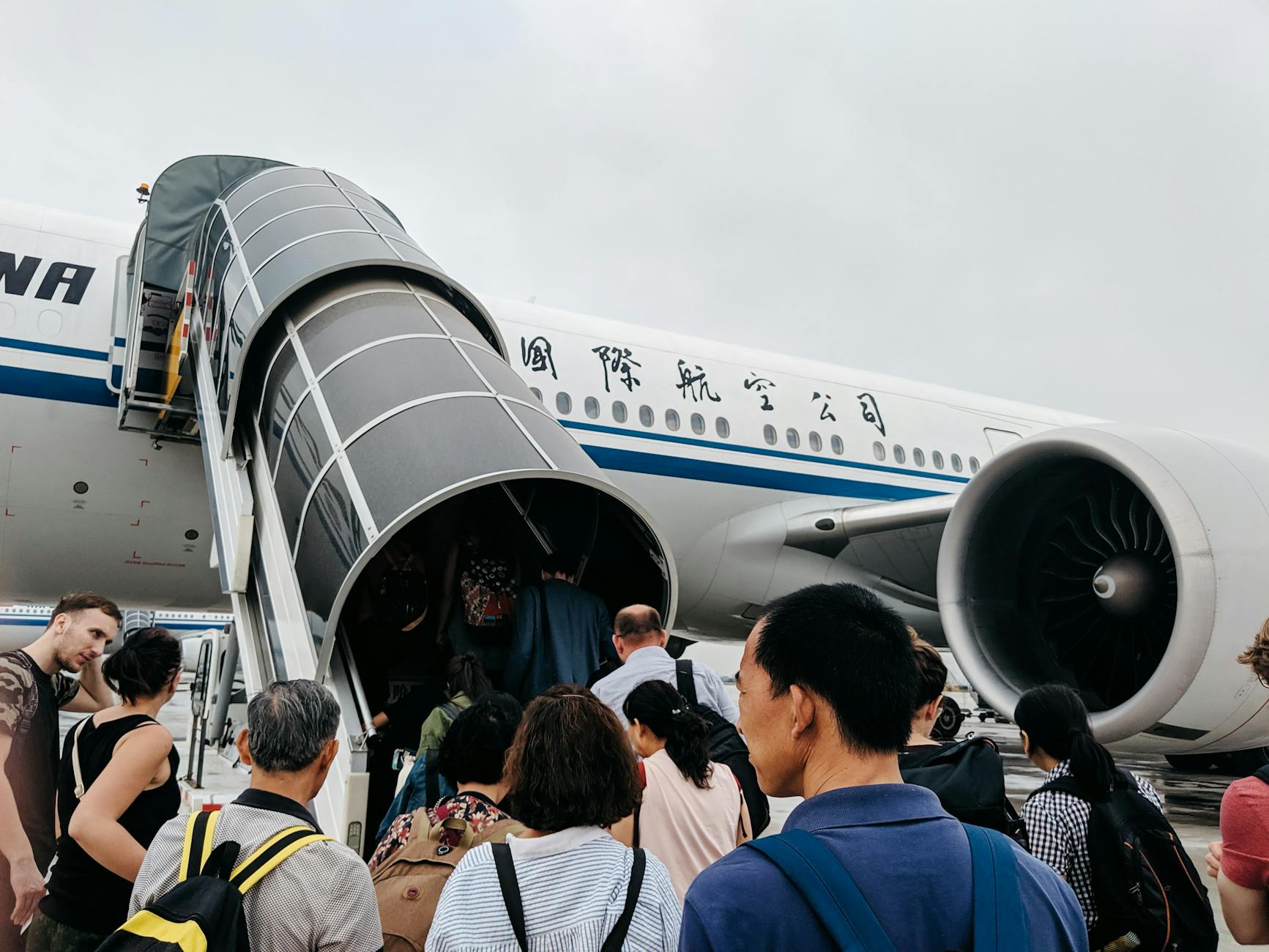
Passengers who shove past others during the boarding process are noticed immediately by the crew standing at the door. Flight attendants observe every interaction in that narrow aisle, and pushing behavior signals a lack of situational awareness right from the start. The boarding process is already stressful for the entire cabin, and those who escalate it draw quiet attention. Crew members often share notes with each other about passengers who create friction before the plane has even left the gate.
Overhead Bins
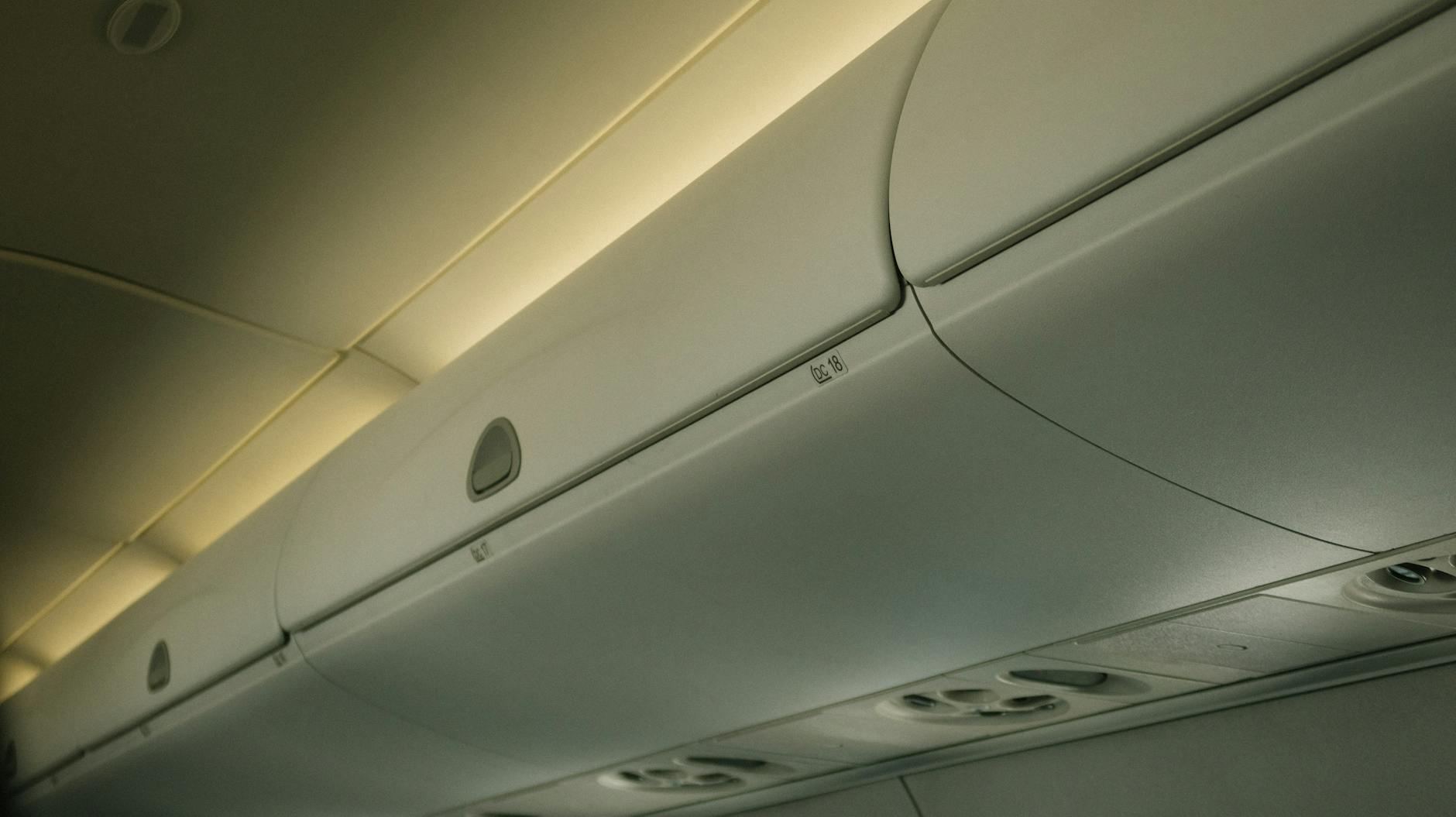
Hoisting an oversized bag into the overhead bin and blocking the aisle for several minutes is one of the most common frustrations for cabin crew. Flight attendants are responsible for ensuring boarding runs efficiently, and a single passenger wrestling with an impossible bag can delay the entire process. Attempting to claim far more bin space than your seat entitles you to is also noticed, particularly on full flights. The crew must often spend time redistributing bags because of poor overhead etiquette, which adds unnecessary work to an already demanding job.
Drink Orders
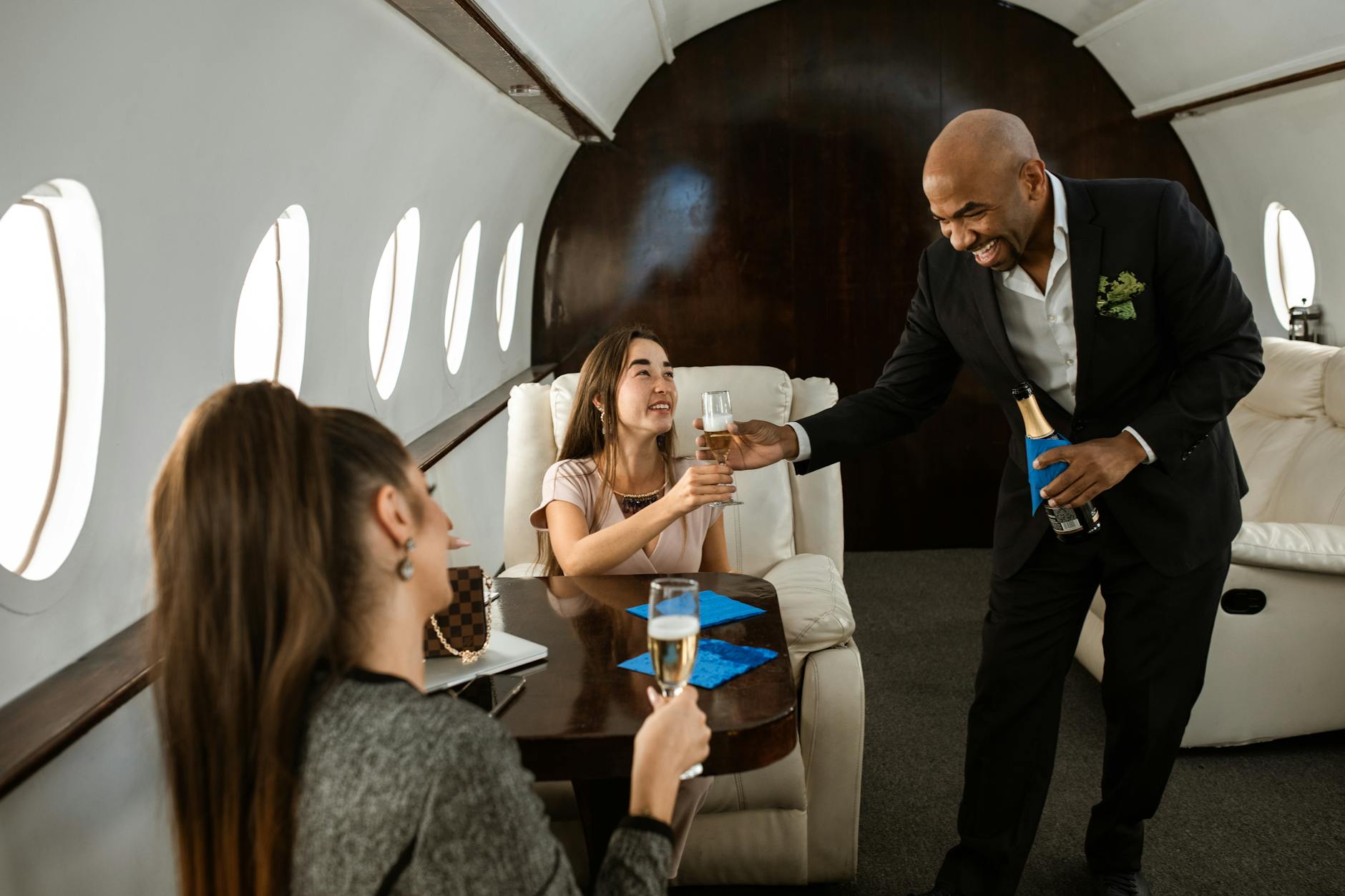
Passengers who treat the drink cart like a fine dining experience by deliberating endlessly over options are a familiar source of quiet exasperation. Flight attendants serve dozens of rows on a tight schedule, and a long pause at your row affects the entire cabin service. Making complicated requests that go well beyond what is available on board also registers. Being unprepared when the cart arrives after it has been visible rolling down the aisle for several minutes is a pattern the crew knows well.
Armrest Use
Claiming both armrests without any awareness of your neighbors is something flight attendants observe more than passengers realize. Cabin crew regularly monitor comfort levels throughout the cabin and notice when one person’s posture is encroaching on the space of others. This behavior is especially noted on long-haul flights where personal space becomes increasingly precious. It speaks to a broader lack of spatial consideration that crew members mentally file away early in the flight.
Call Button Use

Using the call button to request items that are readily available during standard service rounds is considered poor cabin etiquette by most flight attendants. The button exists for genuine needs and minor emergencies, not as a personal concierge system. Passengers who press it repeatedly for things like an extra napkin or a second snack are remembered throughout the flight. Crew members often track which seat numbers are generating the most unnecessary calls during a single journey.
Barefoot Walking
Walking through the cabin or heading to the lavatory in bare feet is one of the most universally disliked passenger behaviors among flight attendants worldwide. The cabin floor accumulates all manner of spills and debris throughout a flight, and going shoeless reflects a disregard for both hygiene and shared space. Flight attendants who witness this will almost certainly mention it to their colleagues. It also raises sanitation concerns that the crew is acutely aware of given how many people cycle through the same aircraft in a single day.
Lavatory Habits
Leaving the lavatory in a state of complete disarray is noticed and remembered by the crew responsible for monitoring it throughout the flight. Flight attendants check the bathrooms regularly and are very aware of which passengers have visited and when. Leaving paper towels on the floor, not flushing, or making no effort to tidy the basin reflects poorly on the individual. The lavatory is a shared space used by the entire cabin, and treating it otherwise is considered one of the clearest indicators of poor passenger character.
Headphone Etiquette
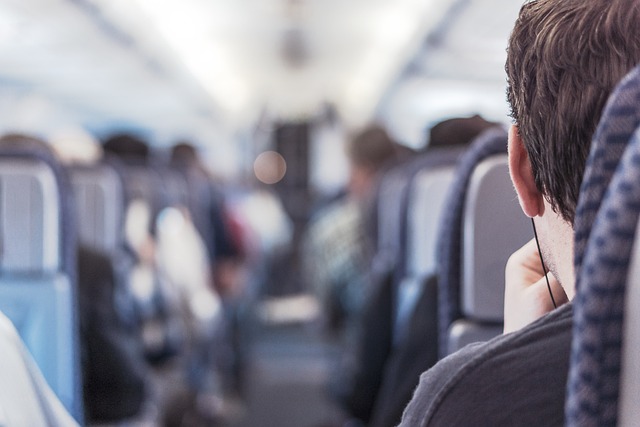
Passengers who keep their headphones on or continue watching their screen while a flight attendant is addressing them directly are considered dismissive of the crew’s time. It forces the attendant to repeat themselves or tap the passenger on the shoulder, neither of which is a good start. Flight attendants are delivering safety instructions or service information, and disengagement signals a lack of basic courtesy. This habit is particularly noted during the boarding phase and during safety demonstrations.
Seat Reclining
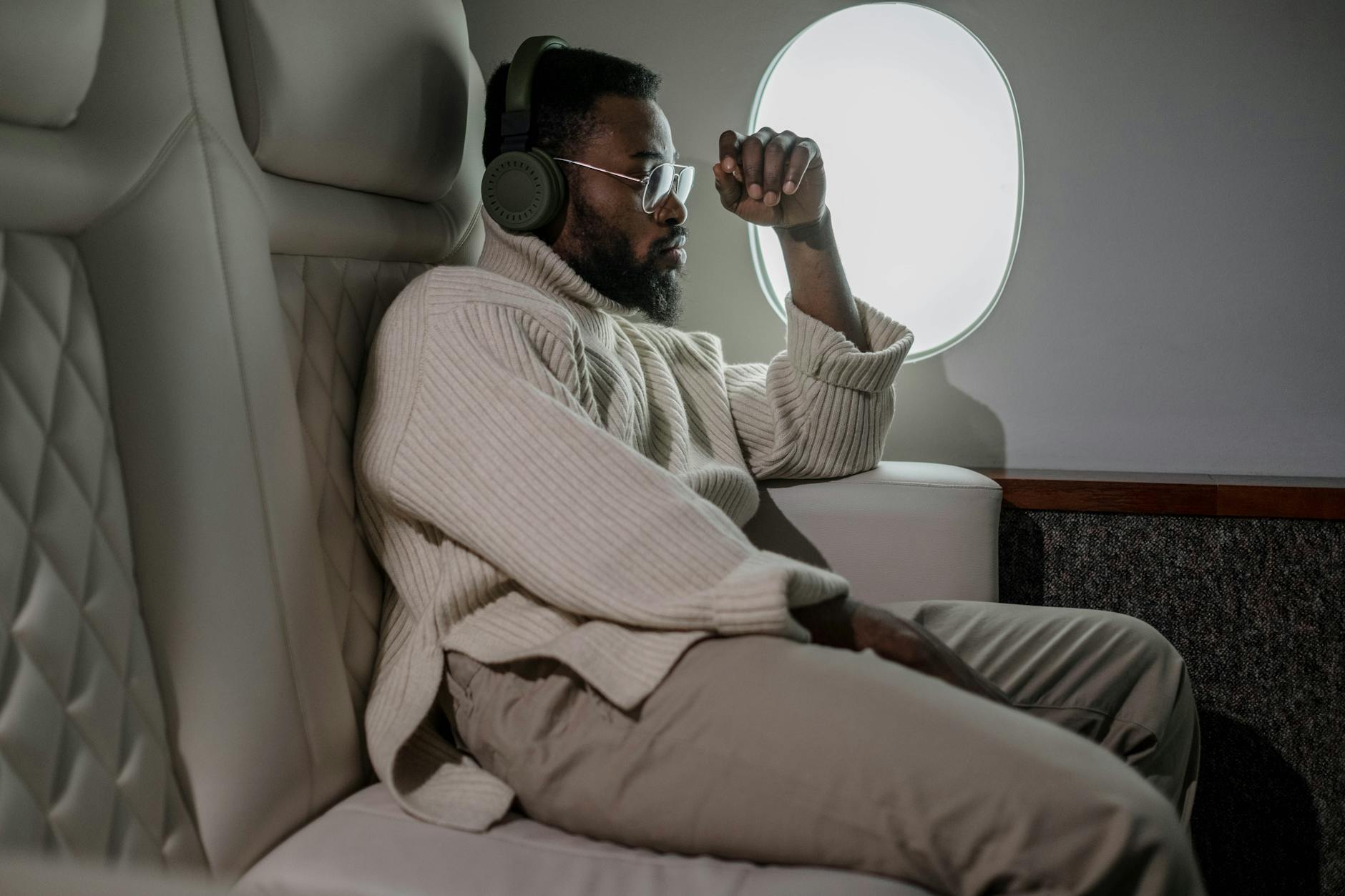
Reclining your seat fully the moment the plane levels off without any awareness of the person behind you is something flight attendants quietly note. While reclining is technically within a passenger’s rights, doing so abruptly or at mealtimes when the person behind you has a tray table deployed is considered inconsiderate. Crew members who witness confrontations between passengers over reclining know exactly whose behavior started the situation. It is a small act that reveals a great deal about how a passenger relates to those around them.
Gate Agents
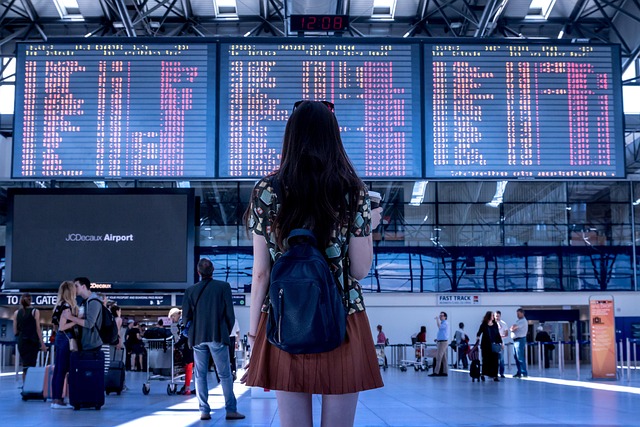
Passengers who arrive at the gate visibly agitated from a prior interaction with ground staff and then bring that energy onto the plane are flagged mentally by the crew. Flight attendants communicate with gate agents and are often aware of difficult passengers before they even board. Carrying frustration onto the aircraft and directing it toward cabin crew as though they were responsible for earlier delays is a pattern that does not go unnoticed. Starting a flight with a combative attitude puts you on the crew’s radar for the entire journey.
Luggage Tags
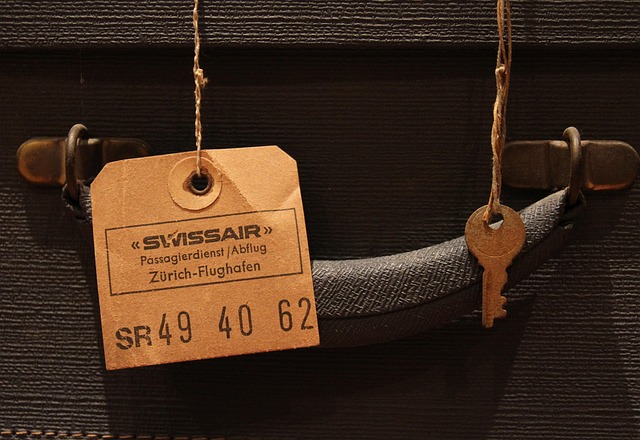
Passengers who board without proper identification on their bags are noticed during the overhead bin loading phase when bags sometimes need to be checked. Flight attendants understand that lost luggage is a genuine inconvenience, but a lack of tagging indicates someone who has not prepared adequately for travel. It reflects a broader pattern of expecting others to manage logistics that are ultimately the passenger’s responsibility. Crew members who handle bags regularly notice the absence of basic identification details.
Crew Greetings
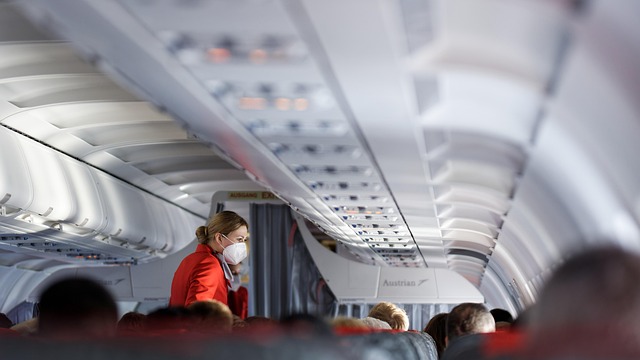
Walking past the crew members stationed at the door during boarding without any acknowledgment is noticed more than passengers might expect. Flight attendants stand at that entrance specifically to greet every single person who boards, and a complete lack of response registers immediately. A simple nod or a returned smile costs nothing and establishes a pleasant dynamic for the flight ahead. Passengers who ignore the greeting are often the same ones who later have difficulty getting attentive service.
Safety Demonstration
Passengers who visibly mock or laugh through the safety demonstration are not forgotten by the crew delivering it. Flight attendants are required by regulation to perform this briefing, and it contains genuinely important information regardless of how many times a frequent flyer has seen it. Rolling your eyes or audibly sighing during the demonstration sends a message about your overall attitude toward the crew’s professional responsibilities. It is considered one of the more disrespectful things a passenger can do before the flight has even begun to cruise.
Trash Habits
Leaving an enormous pile of wrappers, cups, and food packaging crammed into the seat pocket or spread across the tray table is one of the most telling signs of passenger consideration levels. Flight attendants pass through the cabin regularly for trash collection, making it easy to hand items over without any accumulation. Allowing rubbish to overflow onto the floor or adjacent seats is noticed and discussed among crew members. The state in which a passenger leaves their seating area at the end of a flight is one of the last impressions they make before deplaning.
Personal Space
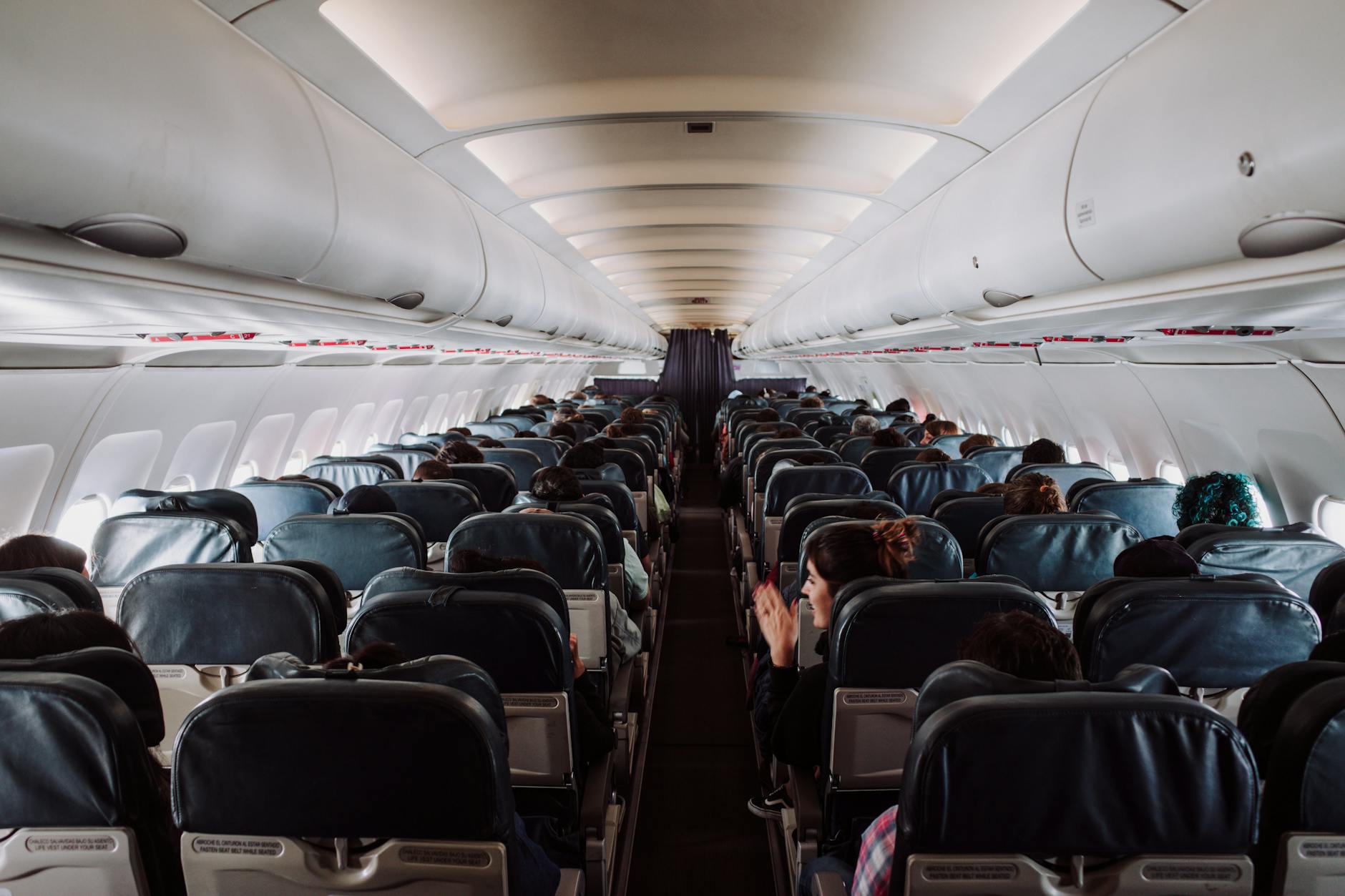
Passengers who lean into the aisle, stretch their limbs beyond their seat boundaries, or drape belongings into the space of neighboring seats are carefully observed by the crew. Flight attendants walk that aisle dozens of times per flight and notice exactly whose arms, bags, or legs are creating an obstacle. This kind of spatial unawareness affects other passengers and slows down cabin service. It is one of those behaviors that seems minor in isolation but accumulates into a clear picture of how self-aware a person is in a shared environment.
If you have ever witnessed any of these behaviors firsthand or have your own thoughts on in-flight etiquette, share your experience in the comments.