Renting a property comes with legal protections that ensure a safe and habitable living environment. The implied warranty of habitability requires property owners to maintain basic structural and safety standards. Understanding these obligations helps tenants recognize when maintenance requests are legally justified. Property owners must address these critical issues promptly to comply with local housing regulations.
Heating Systems
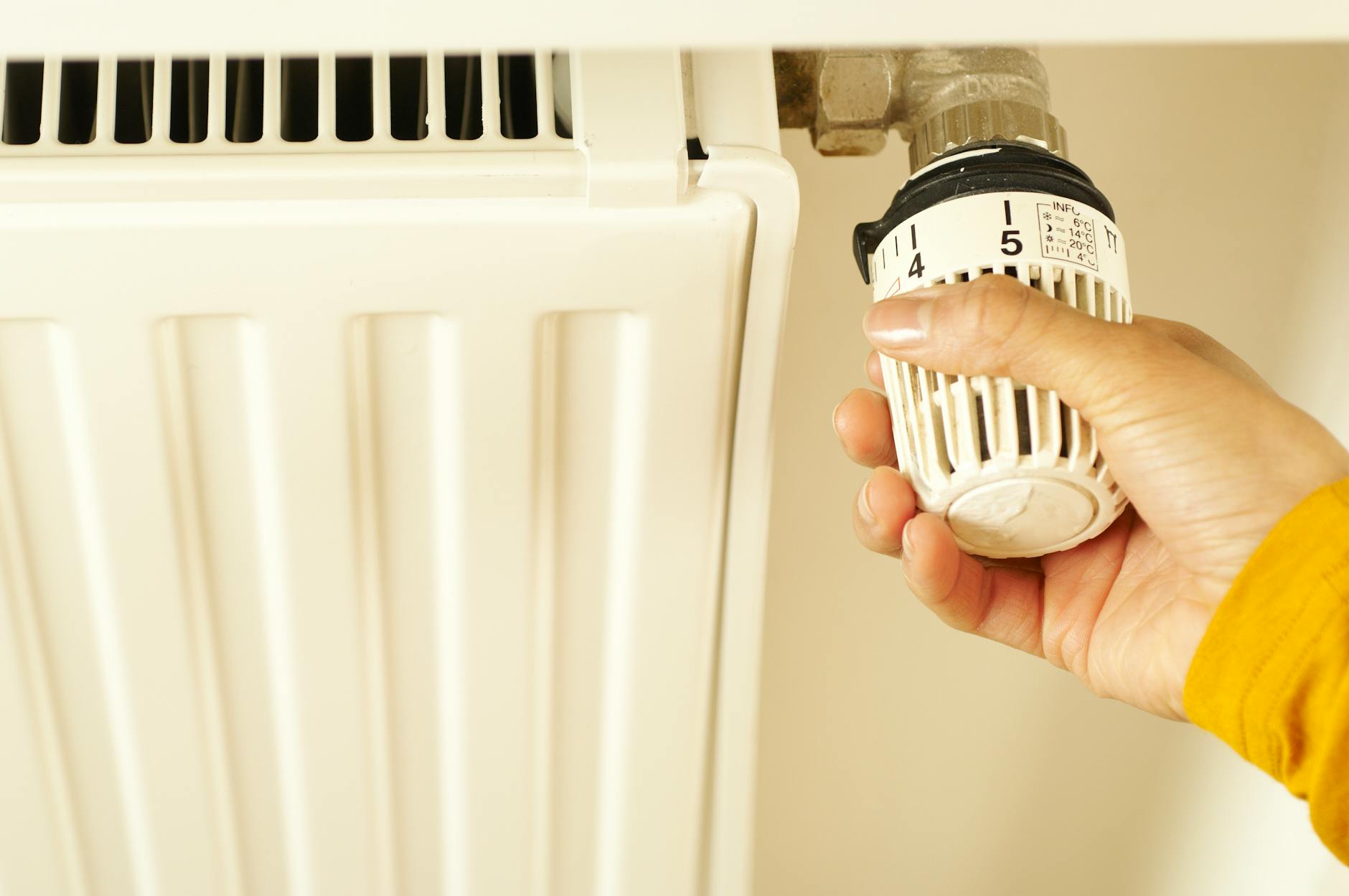
A functional heating system is a fundamental requirement for any residential rental property. Property owners must ensure that furnaces and radiators are capable of maintaining safe indoor temperatures during cold months. Regular maintenance and prompt repairs of heating equipment fall strictly under the owner responsibility. Tenants have the right to request immediate intervention if the heating system fails completely during winter.
Plumbing Leaks
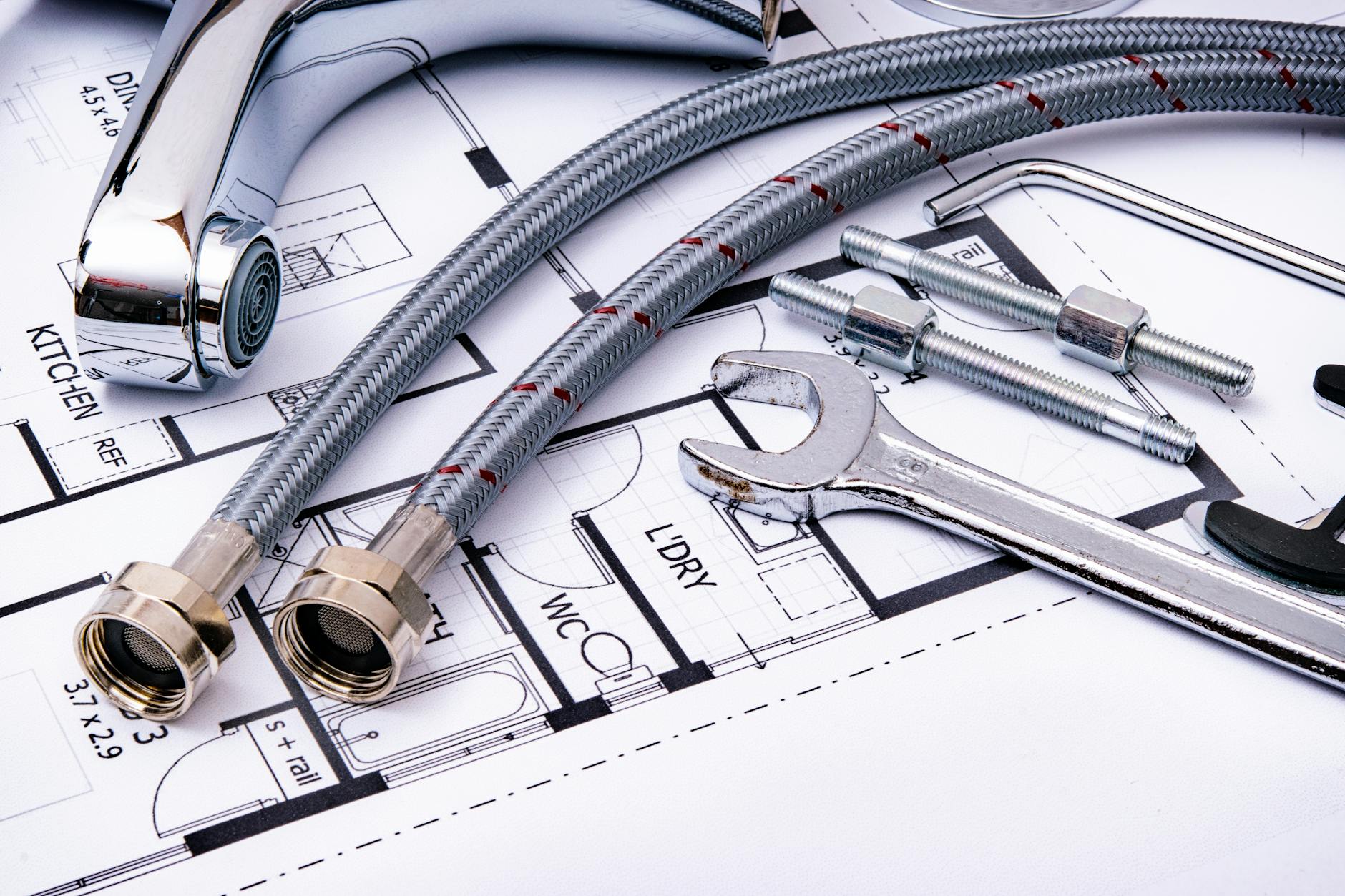
Active water leaks from pipes or fixtures compromise the safety and usability of a rental unit. Property owners must repair dripping faucets and leaking pipes to prevent water damage and mold growth. Tenants should report moisture issues immediately so that professionals can secure the plumbing infrastructure. Swift repairs protect the building materials and preserve the habitability of the living space.
Hot Water Supply
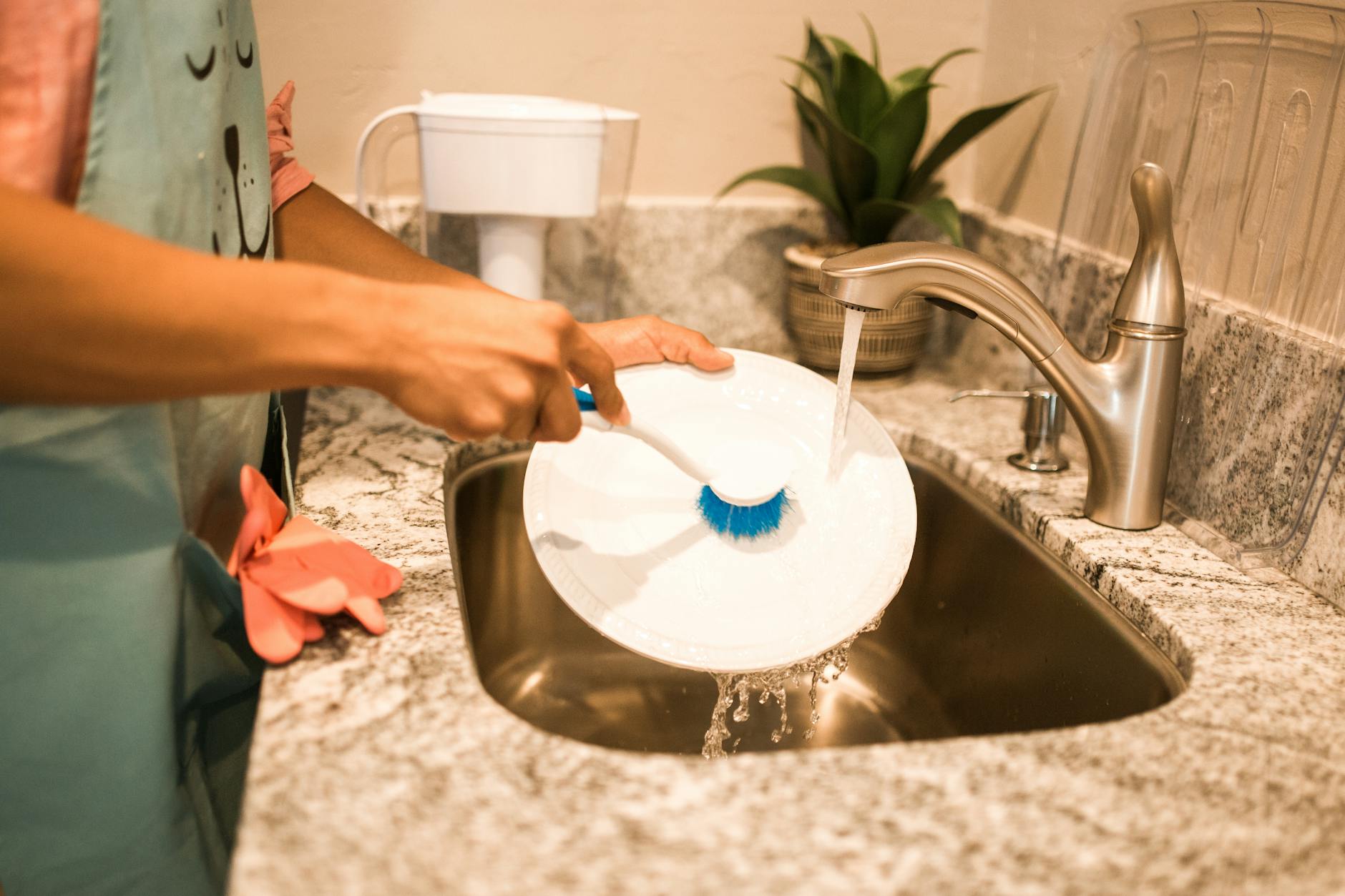
Access to reliable hot water is universally recognized as a mandatory habitability standard for rental homes. Water heaters must function correctly to allow tenants to bathe and clean effectively. Property owners are legally bound to repair or replace malfunctioning water heaters without unnecessary delays. Routine flushing and maintenance of the water heating unit also fall under landlord obligations.
Roof Leaks
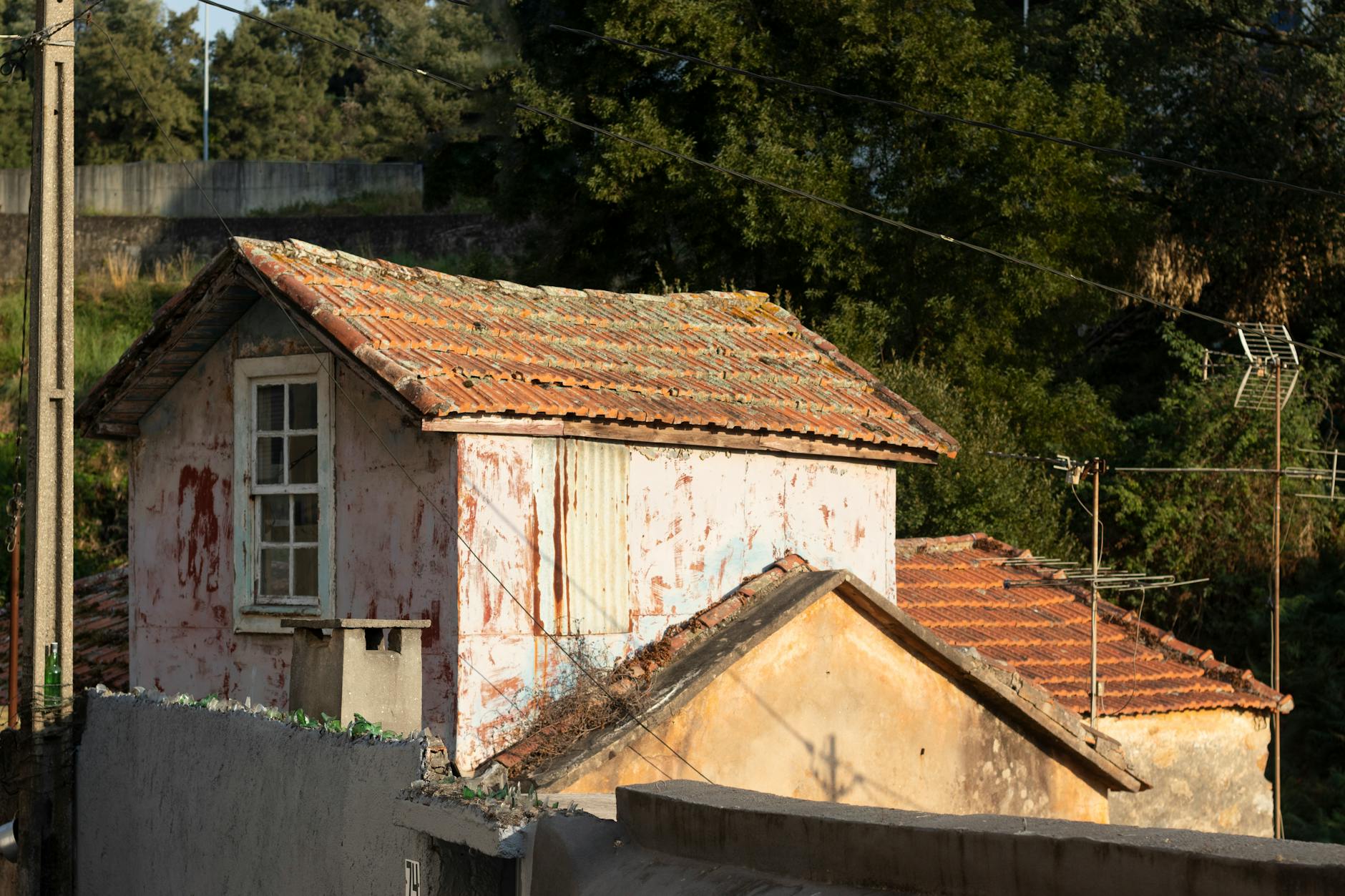
A watertight roof is essential for protecting the interior of a rental property from the elements. Landlords must repair damaged shingles and seal compromised areas to stop rainwater from entering the home. Unresolved roof leaks can lead to severe structural damage and create hazardous indoor conditions. Tenants are entitled to prompt roofing repairs whenever storms or age cause active leaks.
Electrical Wiring
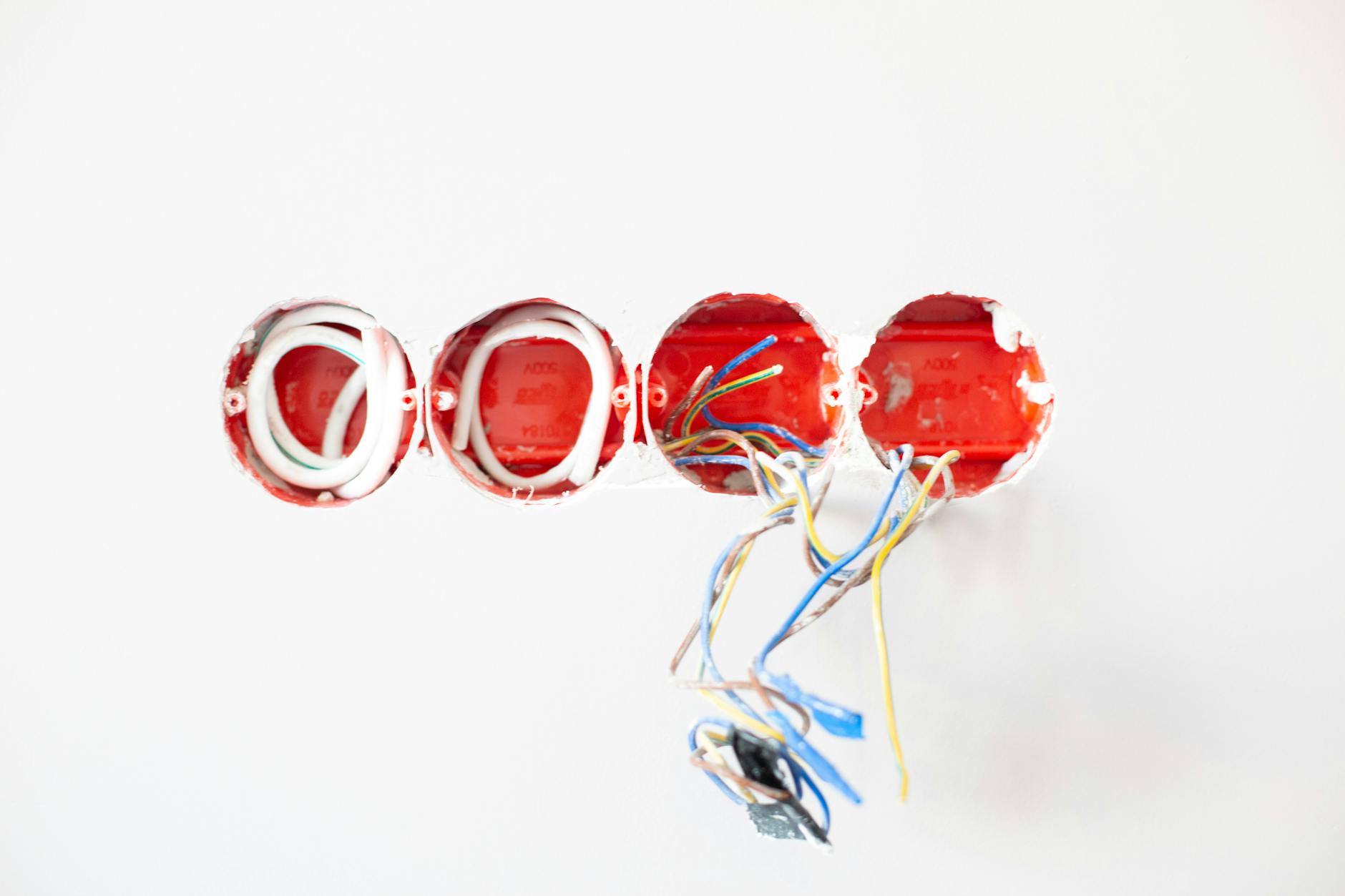
Safe electrical wiring prevents fire hazards and ensures that tenants can power their essential appliances. Property owners must fix exposed wires and faulty outlets to comply with residential building codes. Flickering lights or frequently tripped breakers indicate electrical issues that require immediate professional attention. Maintaining a stable and secure electrical grid is a nonnegotiable legal requirement for landlords.
Mold Infestations
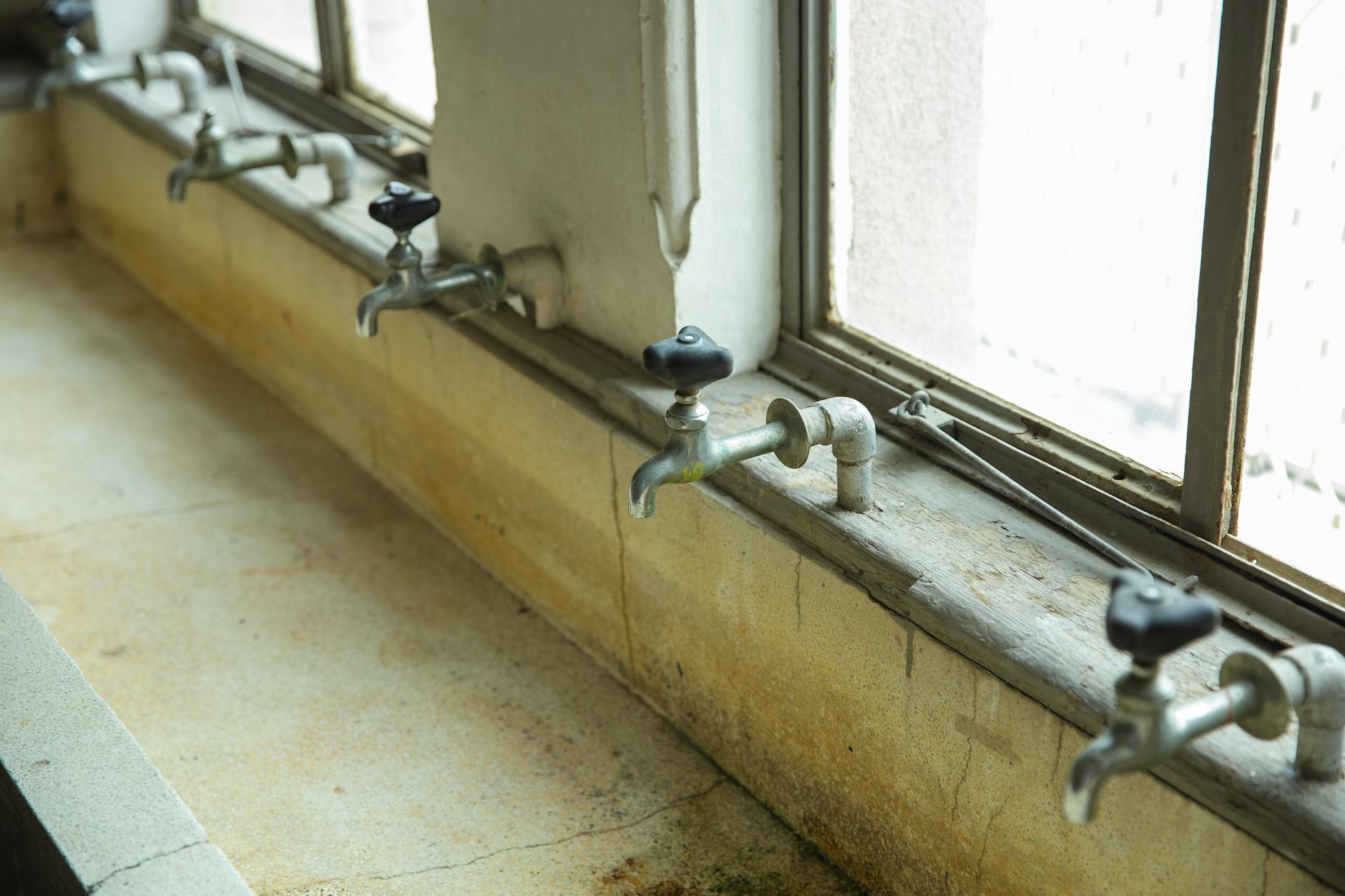
Significant mold growth poses severe health risks and renders a rental unit unfit for human habitation. Landlords are required to address the root cause of moisture buildup that fuels mold development. Professional remediation is often necessary to safely remove widespread mold from walls and ceilings. Property owners must act quickly to restore indoor air quality and prevent further contamination.
Pest Extermination
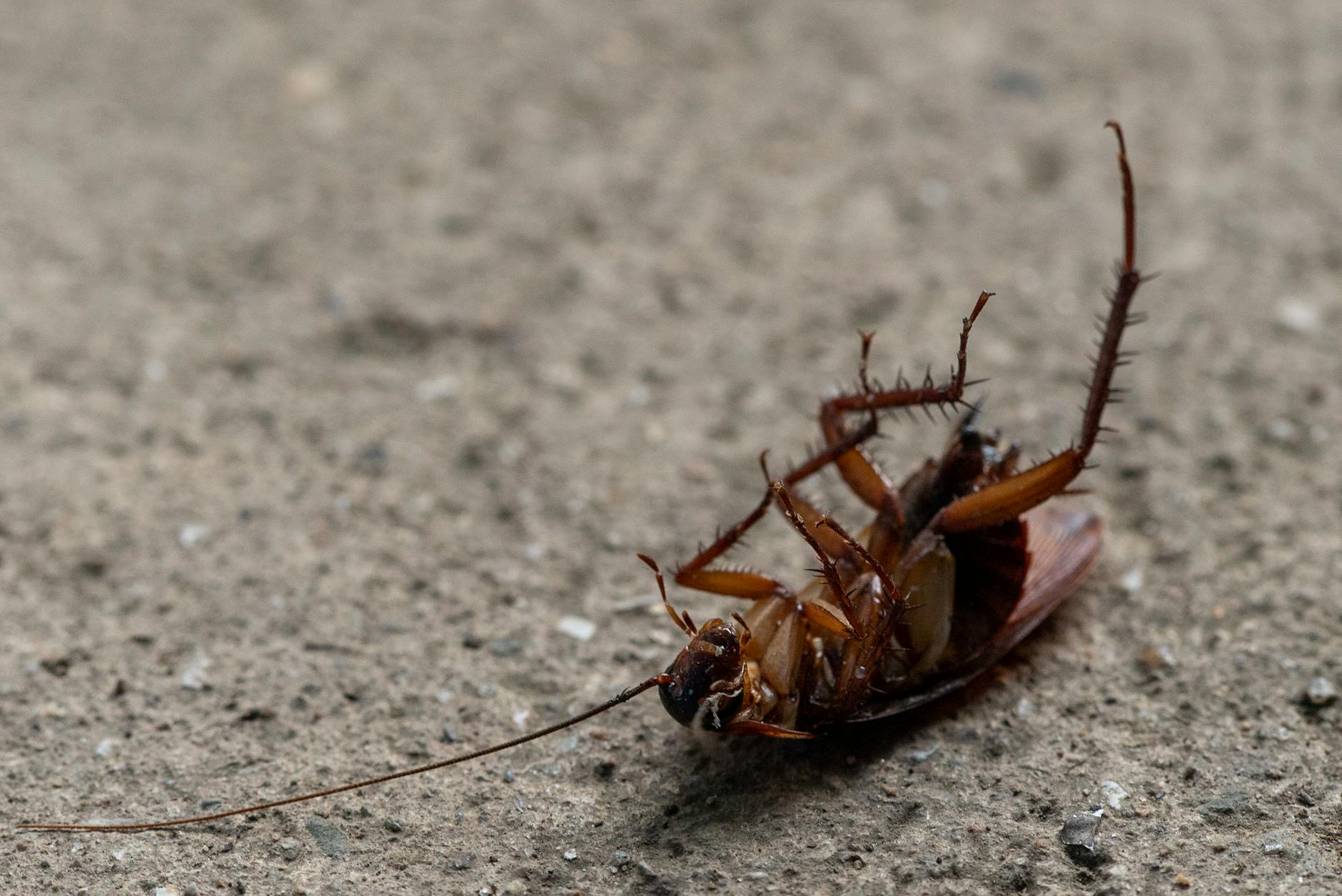
Severe infestations of rodents or insects violate the basic habitability standards of a rental agreement. Landlords generally hold the responsibility for hiring professional exterminators to clear out established pest populations. Sealing entry points and treating affected areas are critical steps in resolving the infestation. Tenants must maintain cleanliness but landlords handle structural vulnerabilities that invite pests.
Structural Integrity
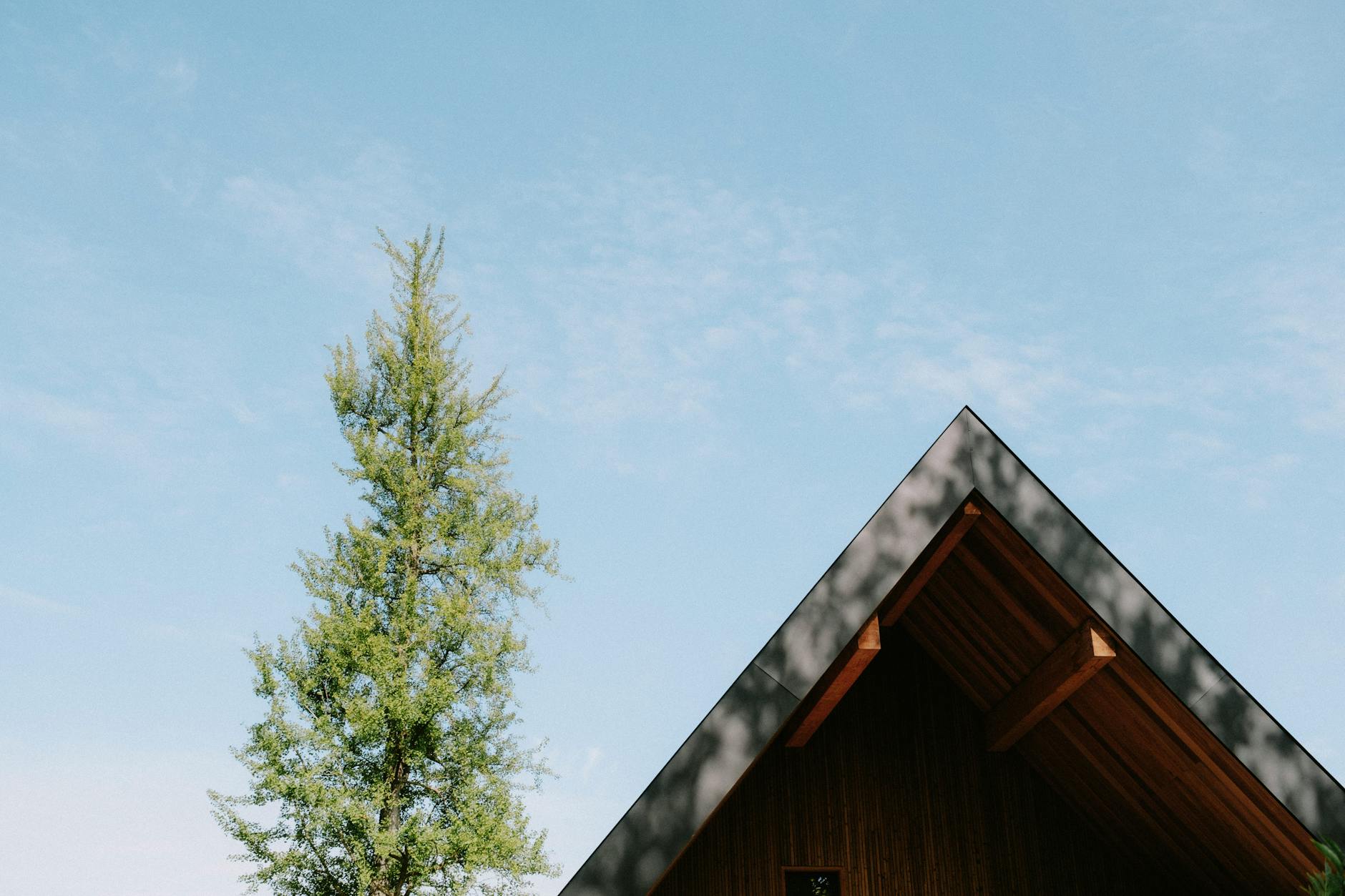
The physical framework of a rental building must remain sound and secure at all times. Landlords are obligated to fix crumbling foundations and sagging floor joists to prevent catastrophic collapses. Wall cracks and compromised support beams require immediate evaluation and repair by qualified contractors. A stable structure ensures the physical safety of everyone residing within the property.
Smoke Detectors
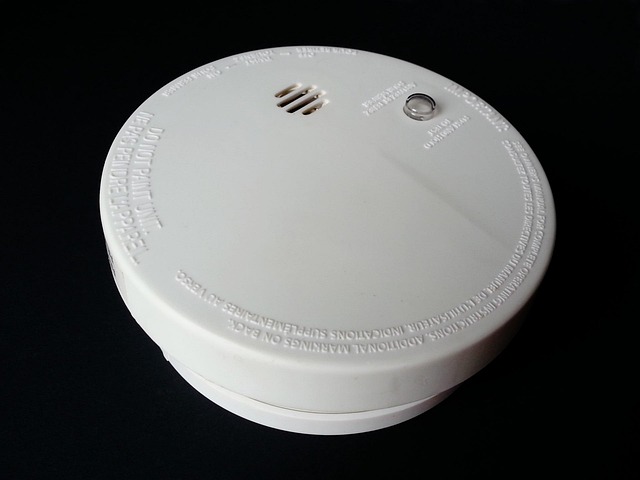
Functional smoke detectors are legally required safety devices in all residential rental units. Property owners must install and maintain these alarms in designated areas like bedrooms and hallways. While tenants often replace batteries the landlord must replace the entire unit if it malfunctions. Early fire detection saves lives and remains a strict compliance issue for property managers.
Carbon Monoxide Alarms
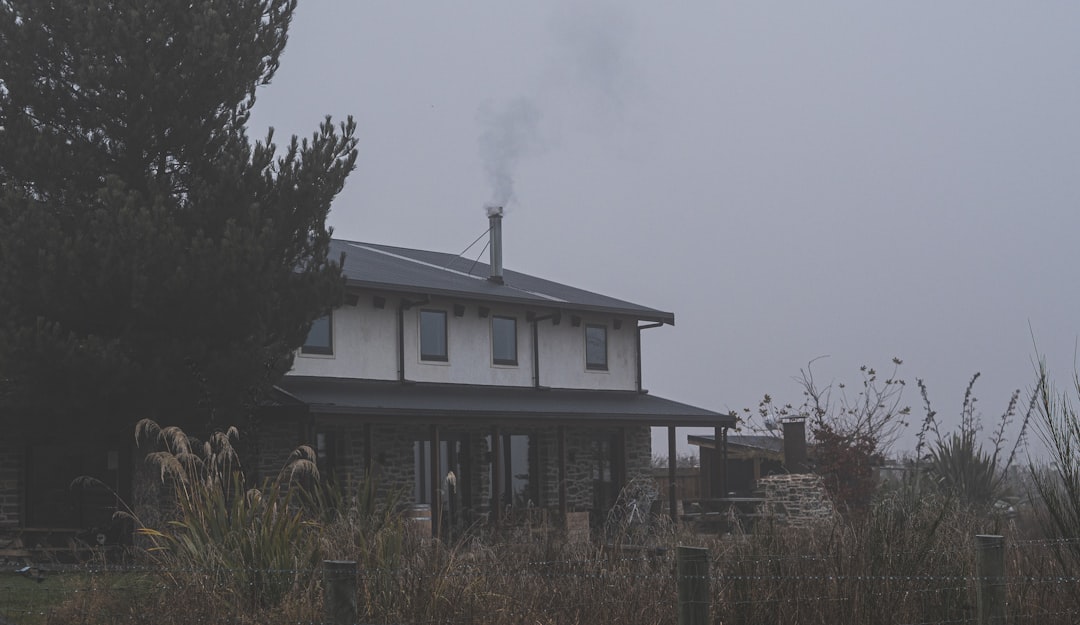
Carbon monoxide is an invisible and odorless gas that poses a lethal threat to indoor occupants. Landlords must install working carbon monoxide detectors near sleeping areas and fuel burning appliances. Regular testing and replacement of faulty units are mandatory under most local housing laws. Protecting tenants from carbon monoxide poisoning is a critical and heavily enforced legal duty.
Deadbolt Locks
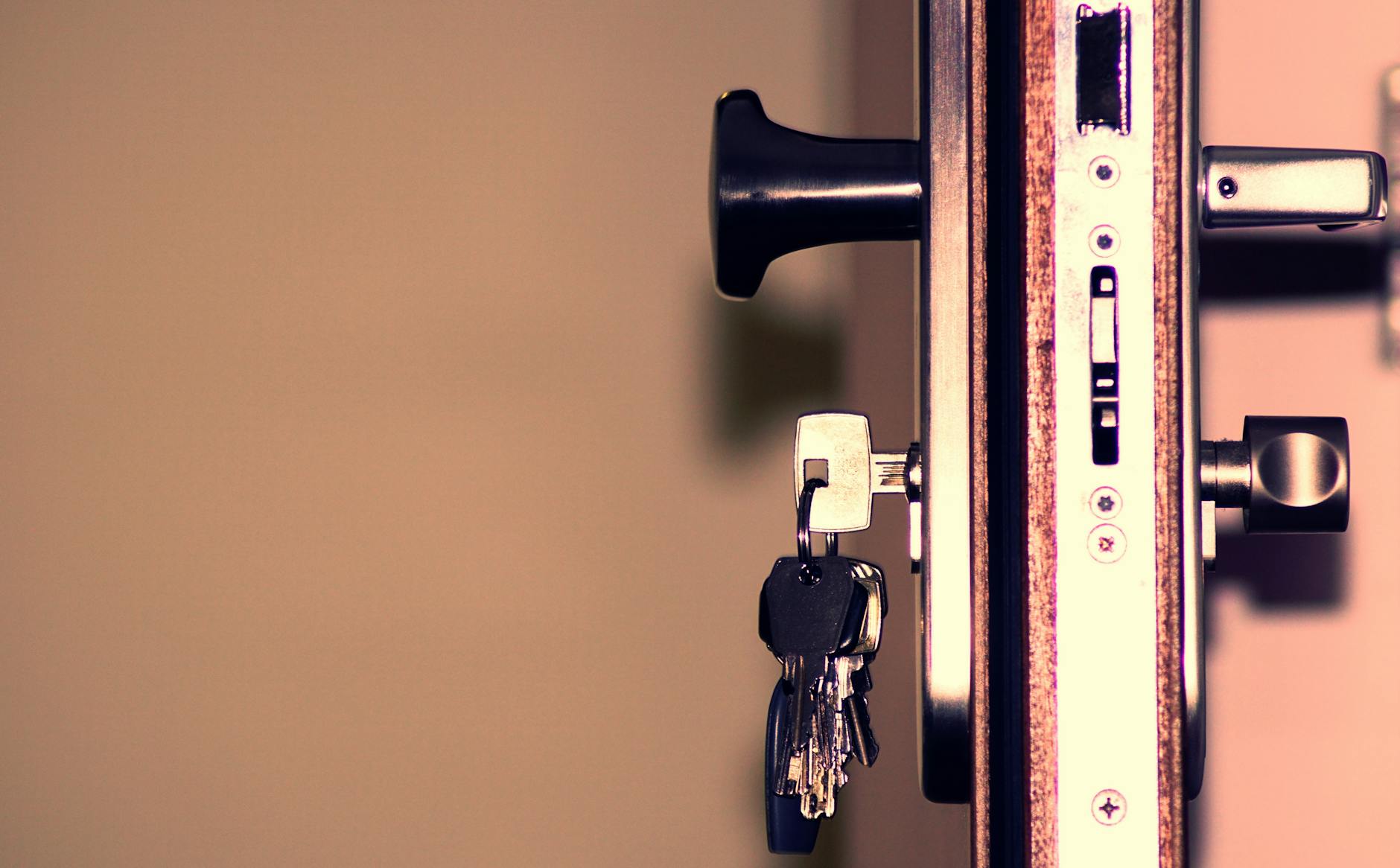
Secure entryways are necessary to protect tenants and their personal belongings from outside intrusions. Landlords must provide and repair functional deadbolt locks on all main exterior doors. Broken locks compromise the safety of the unit and must be fixed with extreme urgency. A secure living environment is a fundamental tenant right protected by housing regulations.
Window Security
Ground floor windows must feature operable locking mechanisms to deter intruders and ensure tenant safety. Property owners are required to repair broken window latches and replace shattered glass panels. Intact and secure windows also contribute to the weatherproofing of the rental unit. Landlords face legal liabilities if they ignore requests to secure damaged exterior windows.
Trash Receptacles
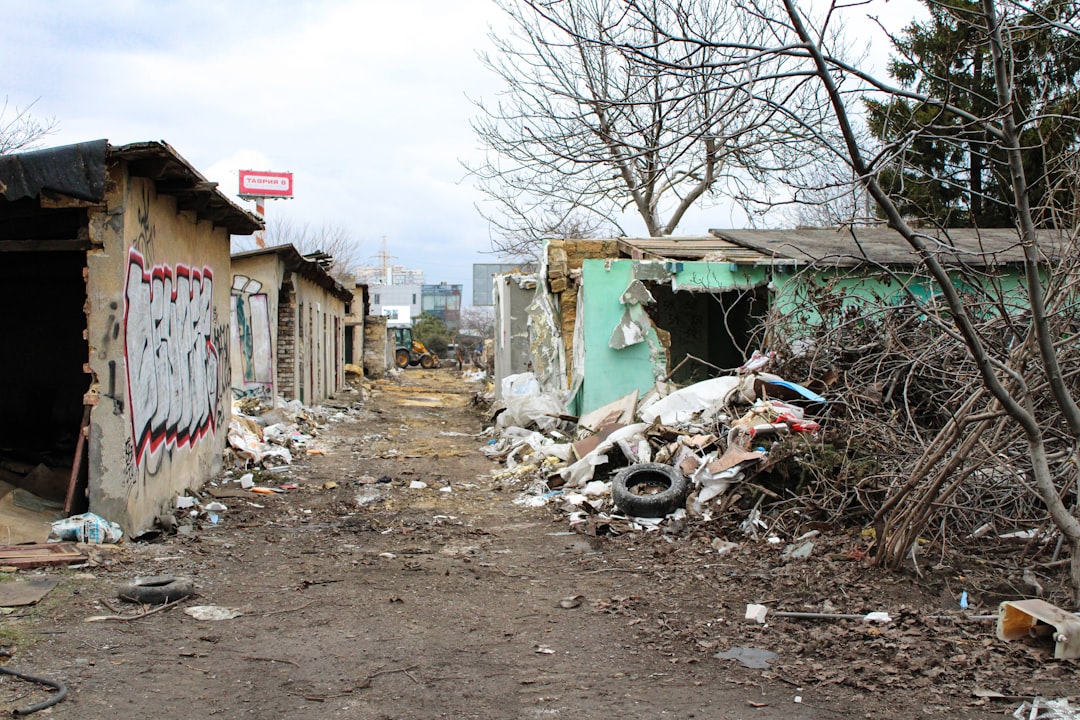
Adequate waste management facilities prevent unsanitary conditions and discourage pest infestations around the property. Landlords must provide sufficient and intact garbage bins for the number of residents in the building. Damaged receptacles that allow animals to access trash must be replaced promptly by the property owner. Proper waste disposal infrastructure is a basic requirement for maintaining community health standards.
Exterior Lighting
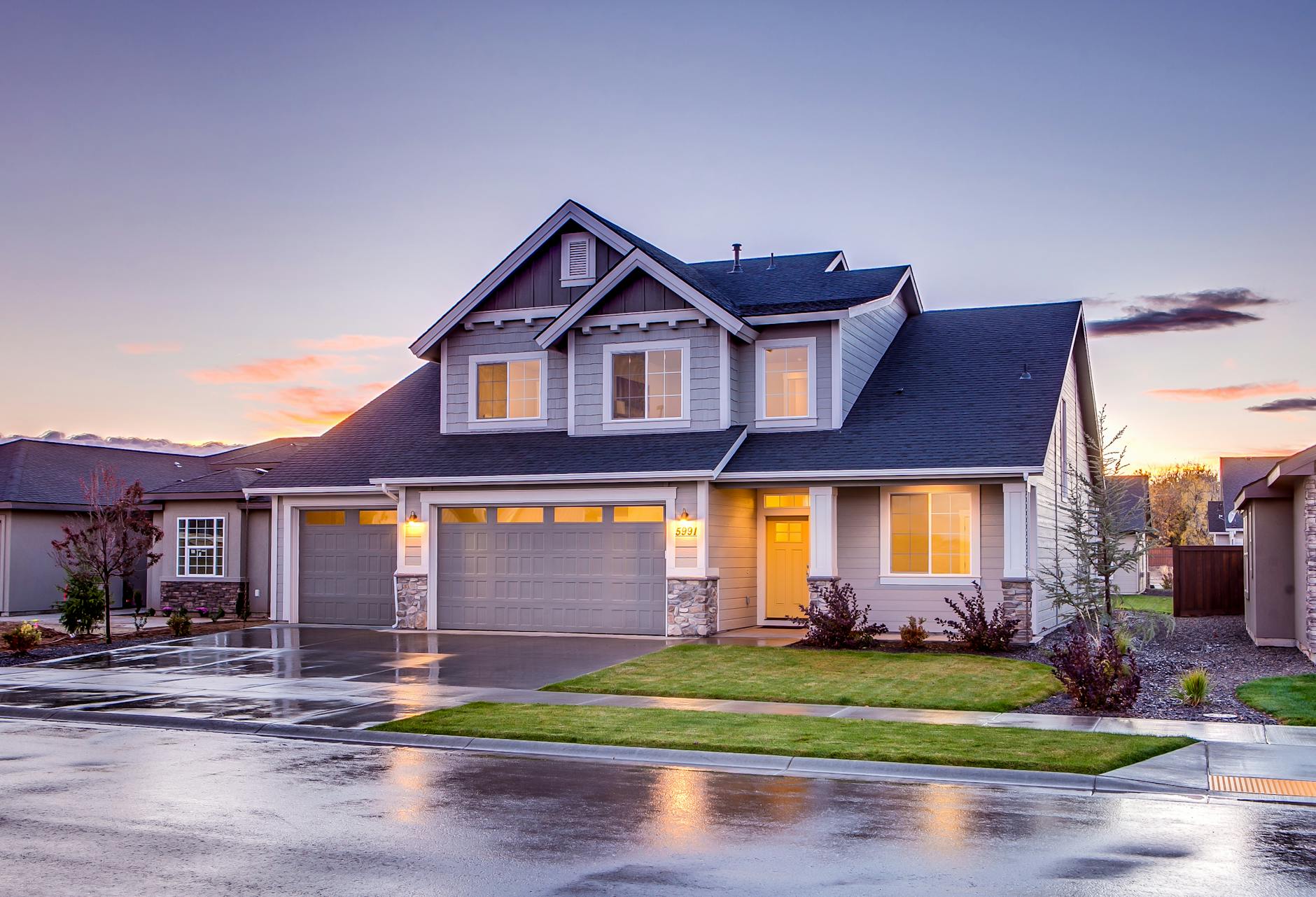
Well lit walkways and parking areas prevent accidents and deter criminal activity around rental properties. Property owners must replace burnt out bulbs and repair faulty light fixtures in all common outdoor areas. Adequate illumination is a recognized safety standard that protects residents moving at night. Landlords who neglect exterior lighting repairs expose themselves to premises liability claims.
Staircase Railings
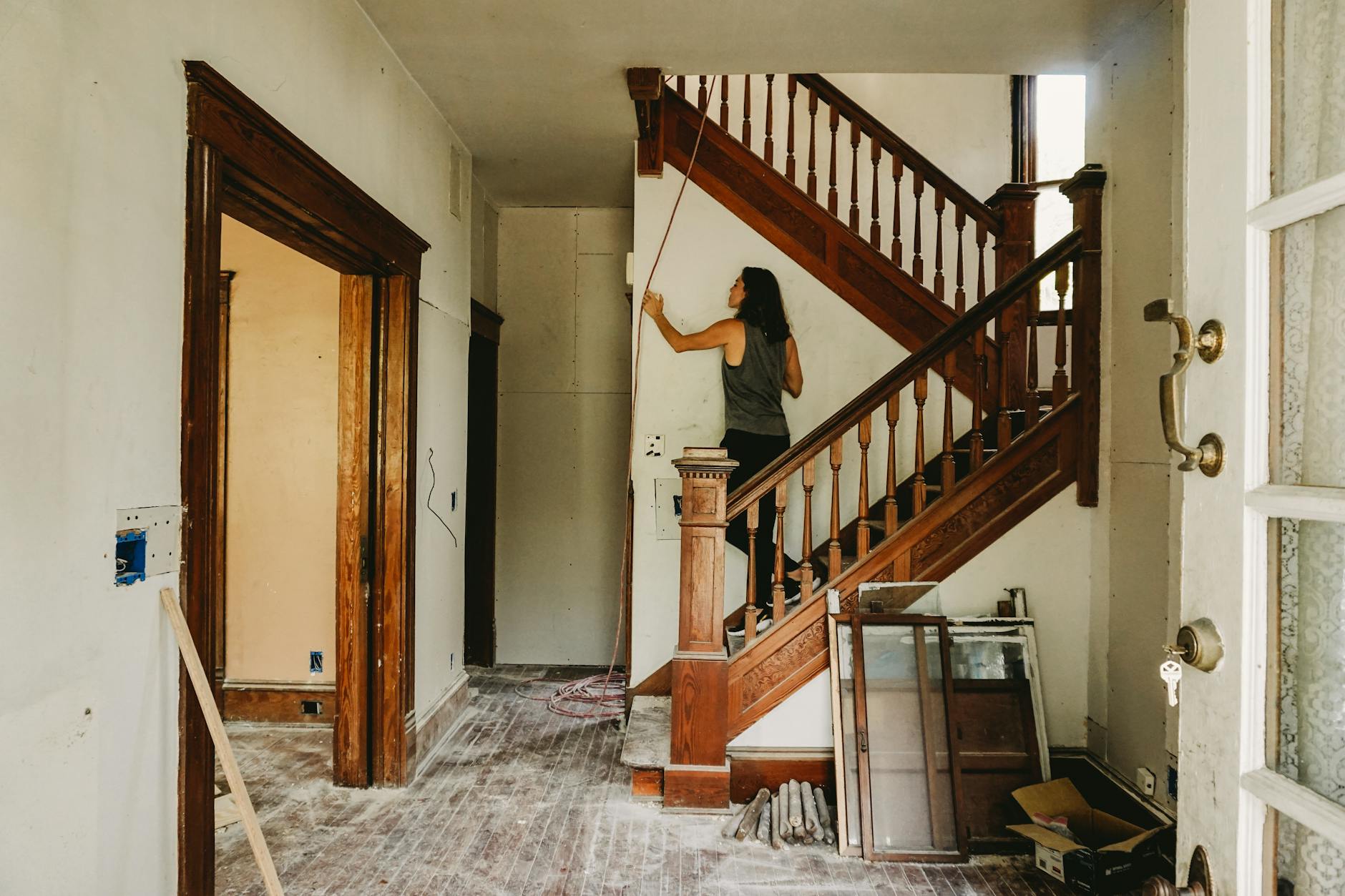
Secure handrails are vital for preventing dangerous falls on indoor and outdoor staircases. Landlords must tighten loose railings and replace broken banisters to meet building safety codes. Stairways must be safe to navigate for people of all ages and mobility levels. Ignoring requests to fix unstable railings creates a severe and immediate hazard for tenants.
Floor Boards
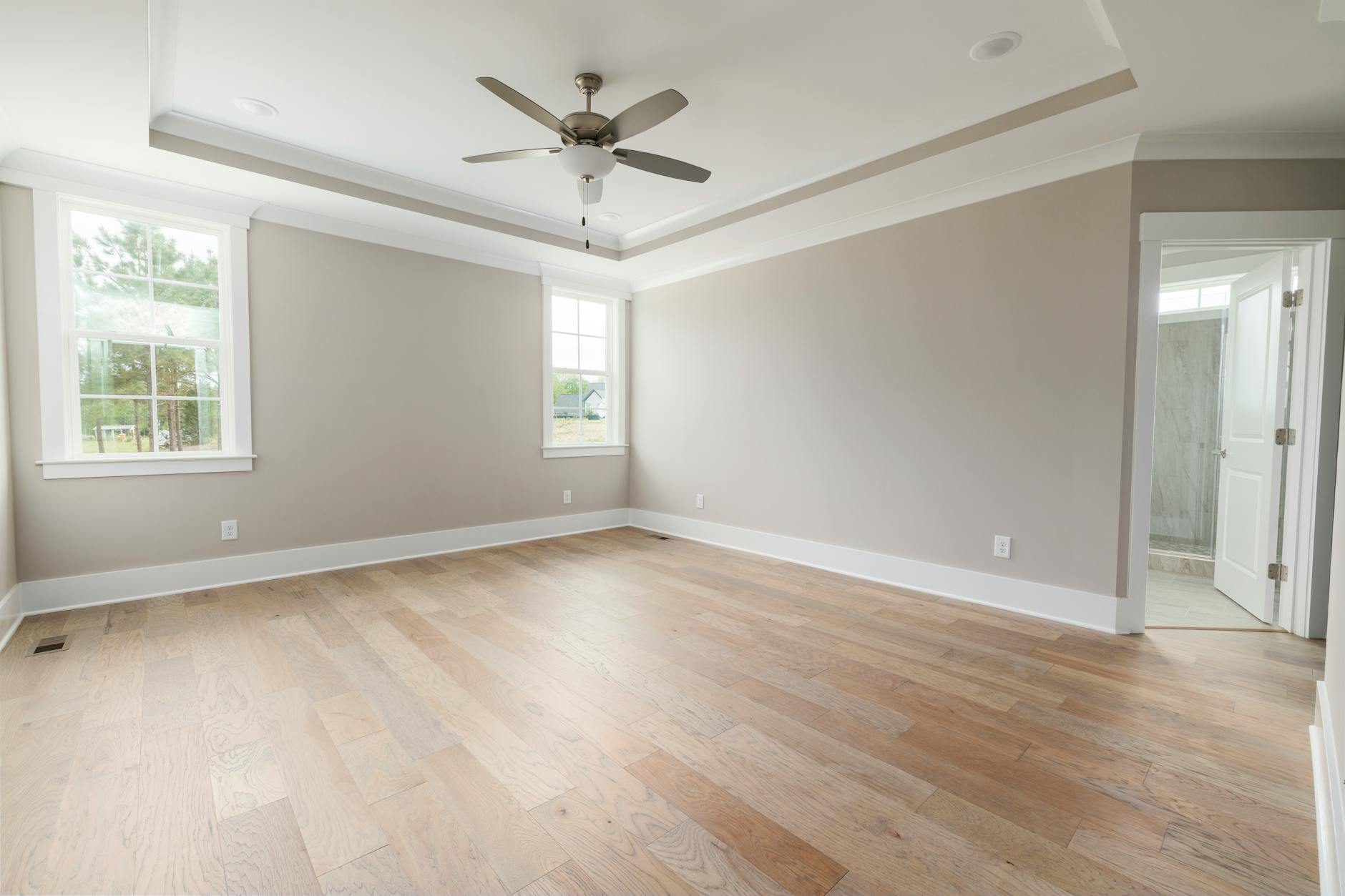
Intact flooring prevents tripping hazards and protects the structural subfloor of the rental unit. Property owners are required to fix warped floorboards and secure loose tiles in walking paths. Severely damaged carpets that pose a safety risk must also be repaired or removed. Providing a safe and level walking surface is an implied duty in residential leasing.
Gas Leaks
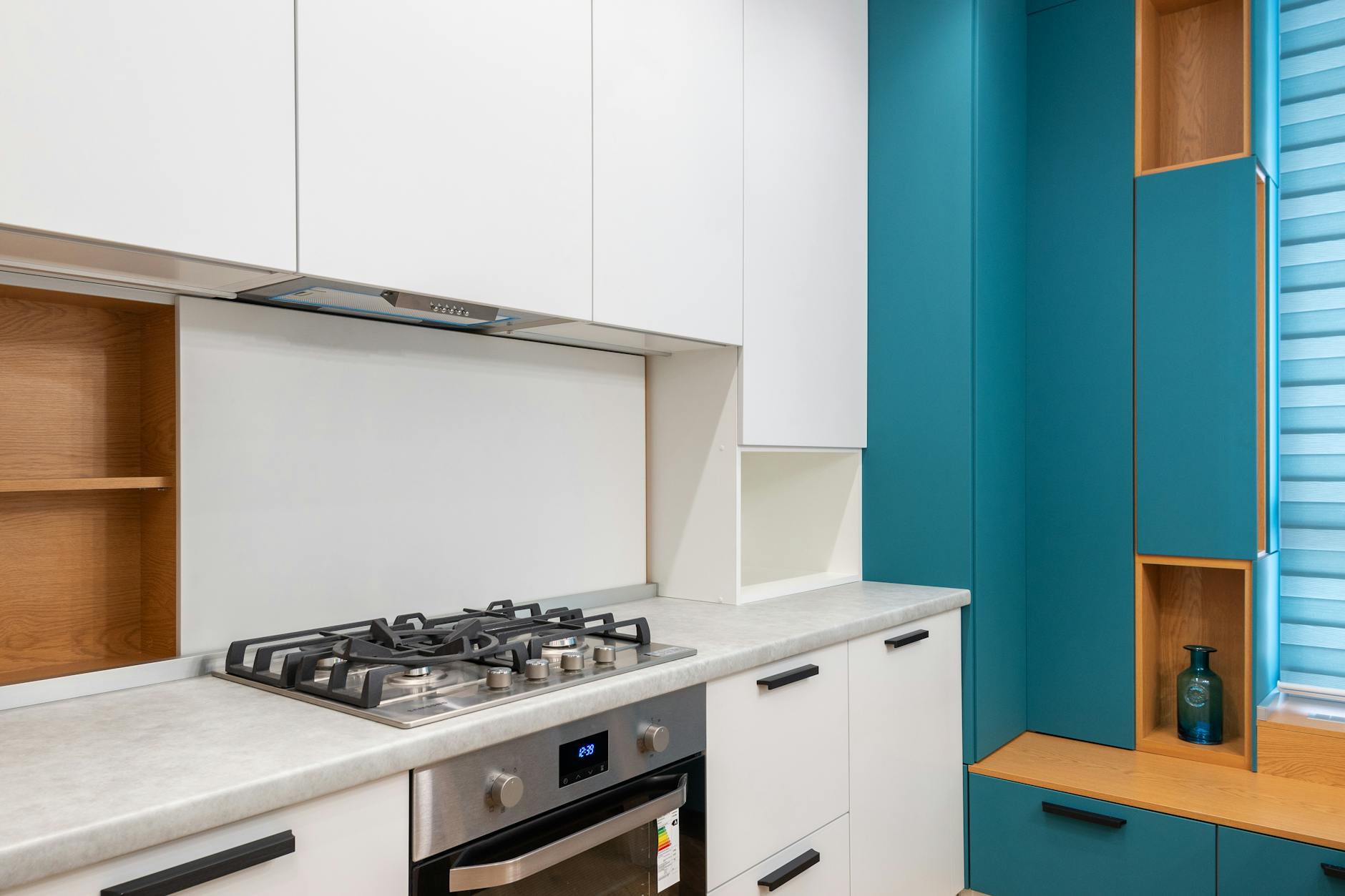
Leaking natural gas creates an immediate risk of explosion and severe respiratory distress. Landlords must facilitate emergency repairs the moment a tenant reports the smell of gas. Gas lines and appliance connections require strict maintenance to prevent catastrophic failures. This is universally considered a critical emergency that supersedes all other maintenance requests.
Peeling Lead Paint
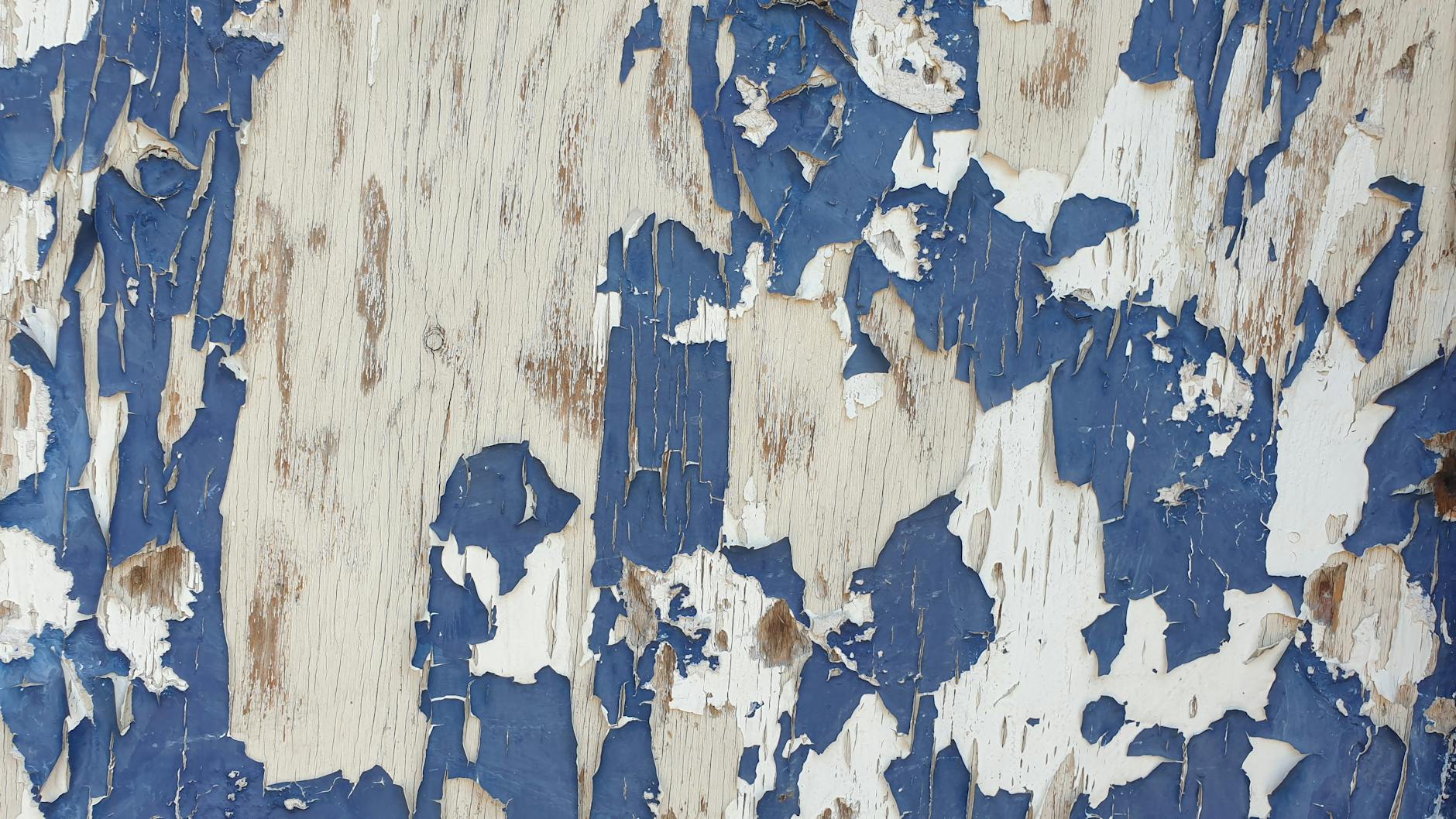
Older buildings often contain toxic paint that becomes highly dangerous when it peels or flakes. Property owners must safely remediate deteriorating surfaces to protect tenants from lead poisoning. Specialized contractors are typically required to handle the encapsulation or removal of the hazardous material. Strict federal and state laws govern the handling of this paint in rental properties.
Asbestos Hazards
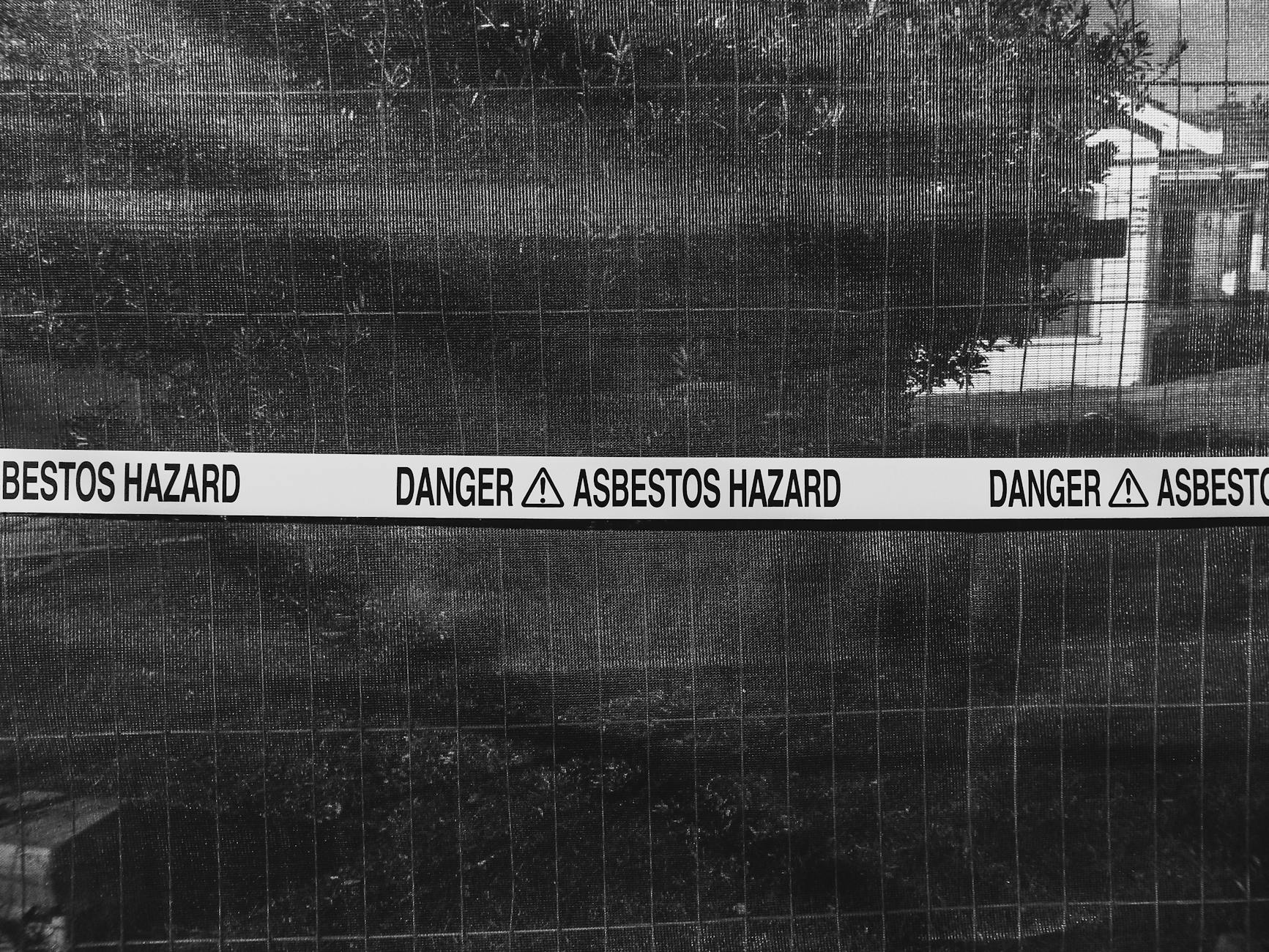
Disturbed asbestos insulation or flooring releases carcinogenic fibers into the indoor air. Landlords must hire certified abatement professionals to secure or remove damaged asbestos materials. Tenants cannot be exposed to these toxic dust particles under any circumstances. Proper containment of asbestos is a rigid environmental and housing safety requirement.
Running Toilets
A constantly running toilet wastes massive amounts of water and can indicate failing plumbing components. Landlords must replace worn flappers and faulty fill valves to restore proper toilet function. Ignoring this issue often leads to overflowing bowls and extensive bathroom water damage. Functional sanitary fixtures are nonnegotiable elements of a habitable living space.
Sewage Backups
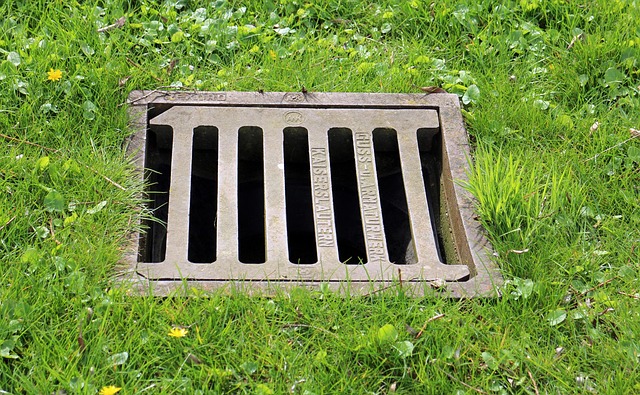
Raw sewage backing up into sinks or bathtubs creates a severe biohazard for the occupants. Property owners must dispatch emergency plumbers to clear the main sewer line blockages. Thorough cleaning and sanitization of the affected areas must follow the plumbing repairs. Tenants cannot safely inhabit a unit contaminated by untreated wastewater.
Ventilation Systems
Proper ventilation in bathrooms and kitchens prevents moisture buildup and dangerous indoor air pollution. Landlords must repair broken exhaust fans and ensure that air ducts remain clear of obstructions. Adequate airflow is essential for preventing mold growth and mitigating cooking exhaust. Maintaining these systems contributes directly to the overall respiratory health of the tenants.
Foundation Cracks
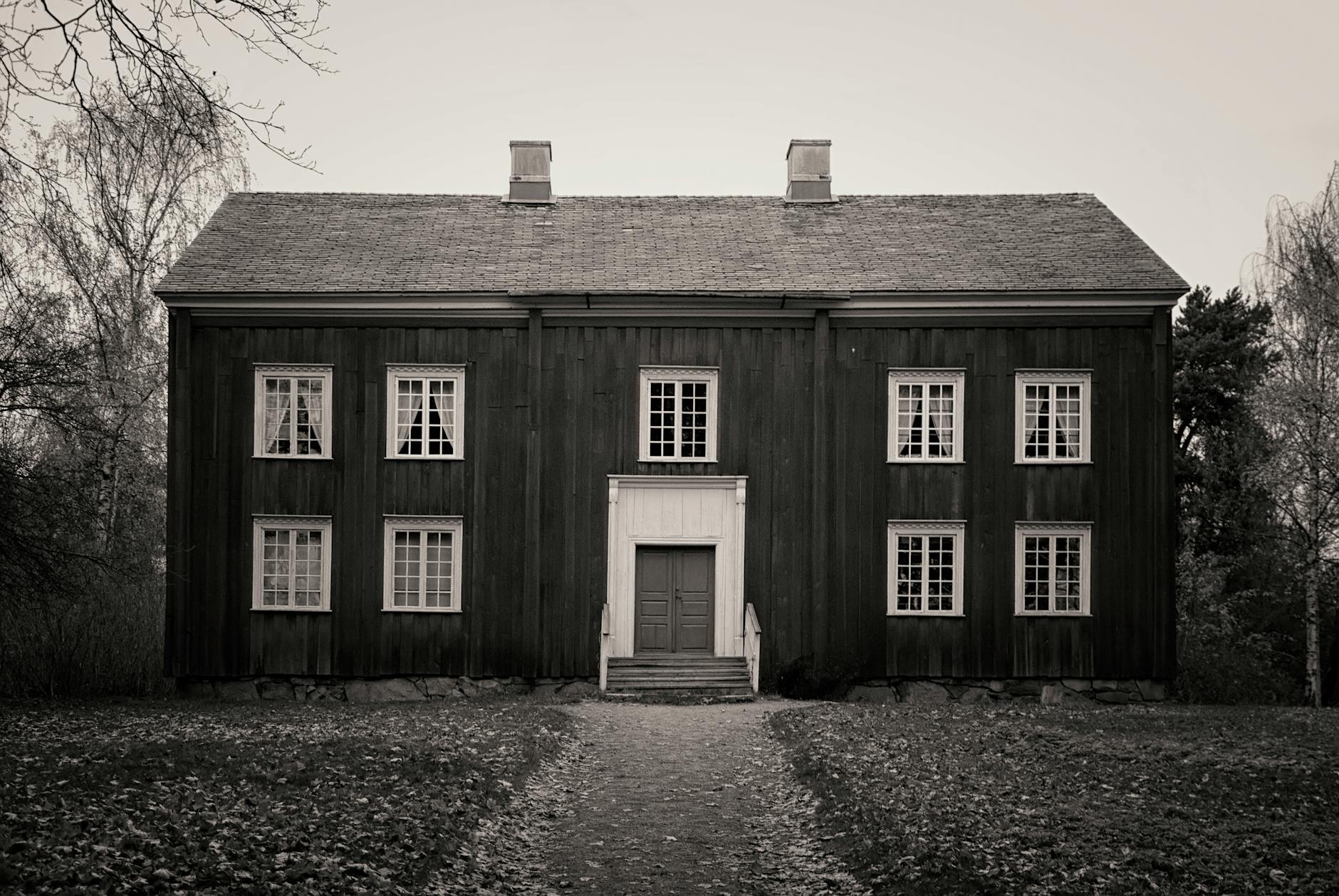
Large fissures in the foundation allow groundwater to flood basements and weaken the entire building. Landlords must seal active foundation leaks and reinforce the concrete to prevent structural failure. Ignoring foundation damage inevitably leads to severe interior damage and unsafe living conditions. Property owners bear the full financial responsibility for maintaining the structural base.
Common Area Maintenance
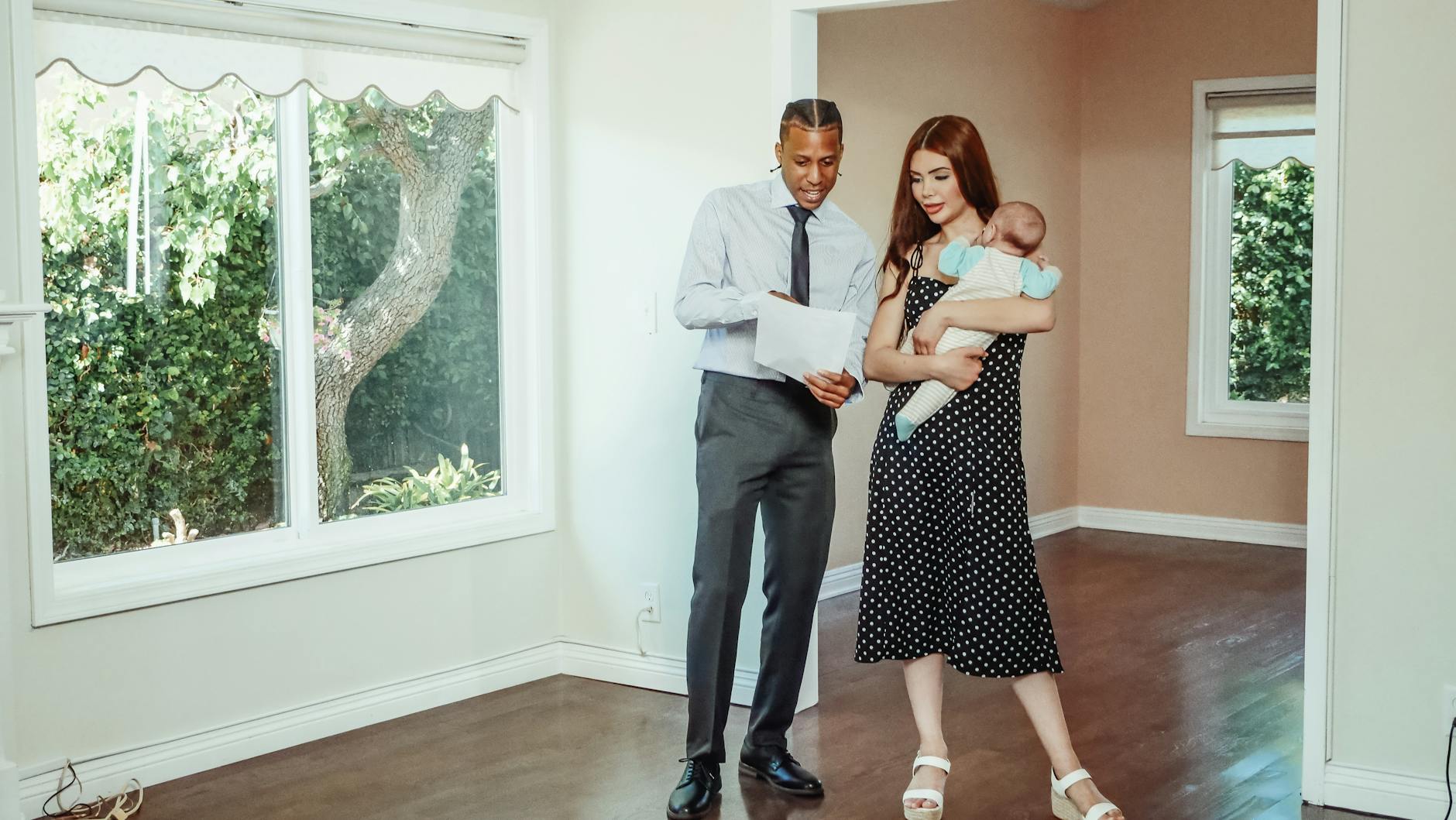
Hallways and shared laundry rooms must remain clean and safe for all building residents. Landlords are legally required to repair damaged drywall and fix broken amenities in these communal spaces. Regular upkeep prevents minor damages from escalating into larger safety hazards. Tenants pay for the use of these areas and expect them to be properly maintained.
Water Quality

Residential properties must supply clean and potable water suitable for drinking and bathing. Landlords must address rusty pipes and failing filtration systems that contaminate the water supply. Water testing may be required if tenants report strange tastes or odors coming from the tap. Safe drinking water is a fundamental human necessity protected by habitability laws.
Please share your experiences with landlord maintenance and rental repairs in the comments.