Owning a vehicle requires more than just filling the gas tank and washing the exterior occasionally to keep it running smoothly. Mechanics often see preventable issues that arise from simple misunderstandings or neglect of basic maintenance routines. Understanding the mechanical needs of a car can save thousands of dollars in repairs and extend the life of the vehicle significantly. The following insights offer a professional perspective on what every driver should know to maintain their automobile properly.
The Owner’s Manual Importance

This booklet contains the specific maintenance schedule designed by the engineers who built the vehicle. It provides the exact fluid types and capacities needed for proper operation under various conditions. Ignoring this resource leads to guessing games that can compromise vehicle performance and longevity. Reading it solves many common questions about dashboard features and service intervals.
Dashboard Warning Lights
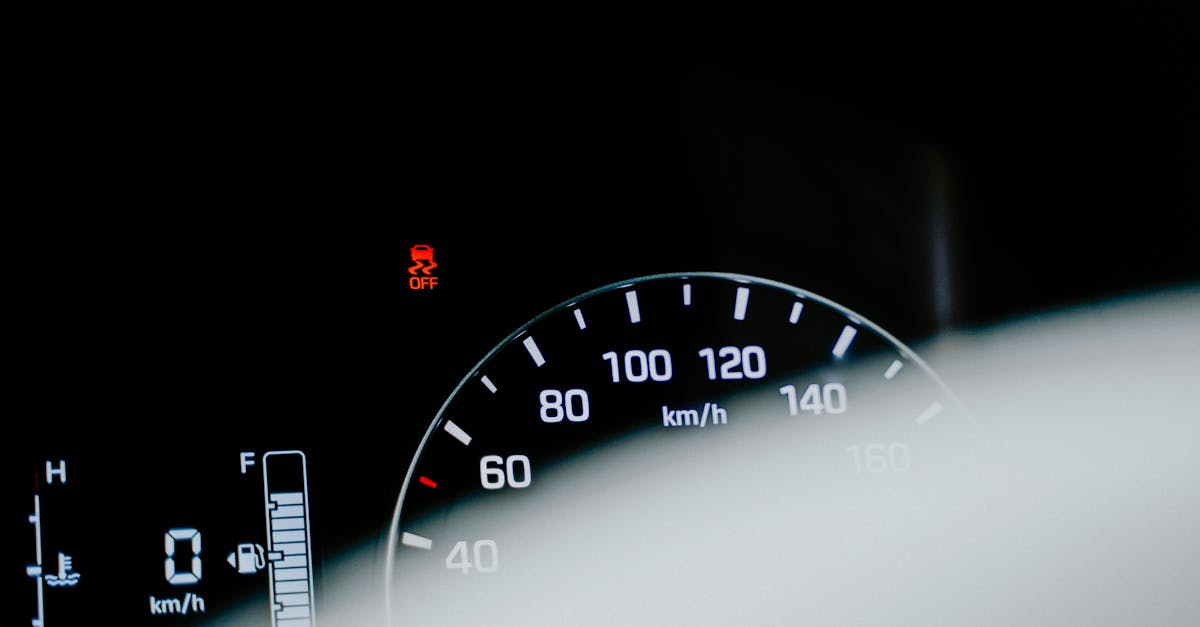
A flashing check engine light indicates a severe issue that requires immediate shutdown of the engine to prevent damage. Yellow or amber lights usually suggest a problem that needs attention soon but is not necessarily an immediate emergency. Ignoring these illuminated symbols often results in cascading failures that cost much more to fix later. Modern diagnostic tools are required to interpret these codes correctly rather than relying on guesswork.
Regular Oil Changes

Changing the oil is the single most important maintenance task for ensuring engine longevity and performance. Skipping these intervals allows sludge to build up and causes irreversible internal wear on moving parts. Synthetic oil often provides better protection and temperature resistance than conventional options for modern vehicles. Following the manufacturer schedule ensures the engine remains lubricated and cool during operation.
Tire Pressure Monitoring
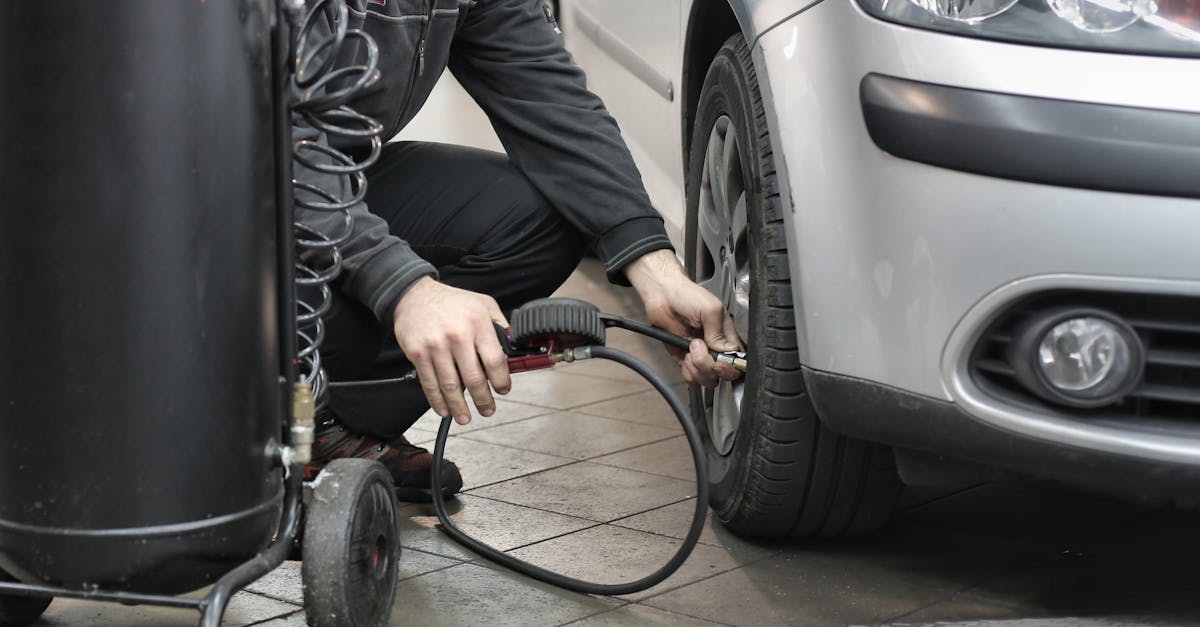
Modern tire monitoring systems are helpful but manual checks are still necessary for complete accuracy. Low pressure causes uneven wear patterns and significantly reduces fuel economy over time. Temperature changes often cause pressure fluctuations that require immediate attention to prevent blowouts. Keeping tires properly inflated extends their lifespan and improves vehicle handling during bad weather.
Coolant System Maintenance

The cooling system prevents the engine from overheating and seizing during operation. Coolant breaks down over time and becomes acidic which can corrode internal components like the radiator. Regular flushes remove old fluid and contaminants to keep the system flowing efficiently. Neglecting this simple service is a leading cause of roadside breakdowns during summer months.
Brake Pad Wear
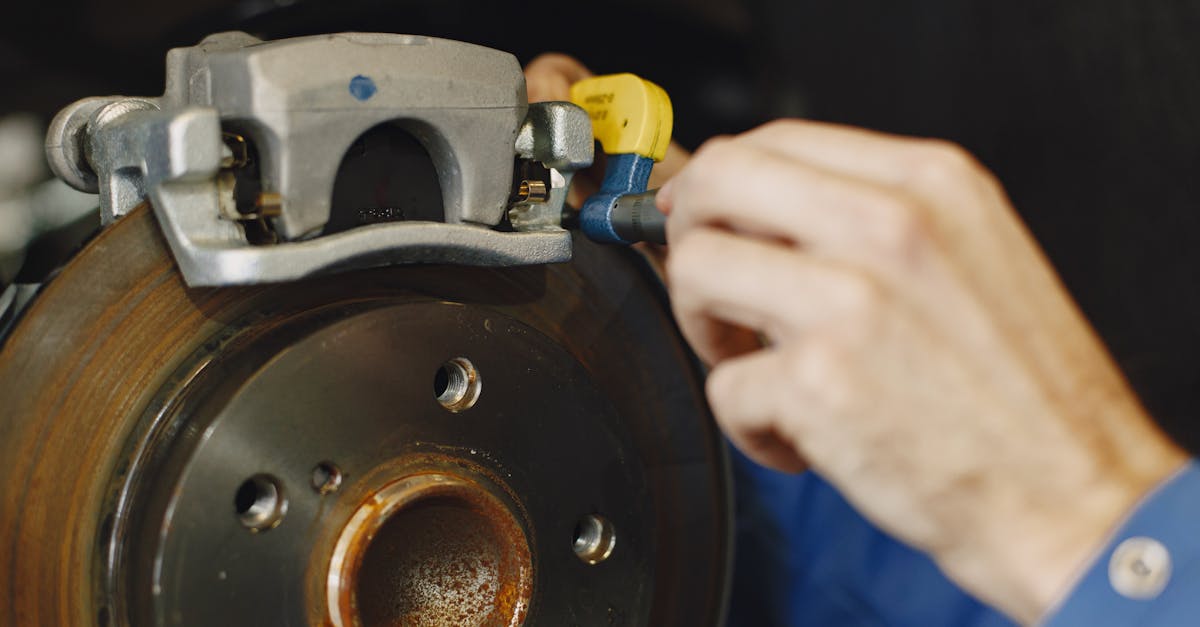
Squeaking or grinding noises are distinct audible indicators that the brake pads have worn down significantly. continuing to drive with worn pads will eventually damage the rotors and increase repair costs. Brake fluid also absorbs moisture over time and requires periodic flushing to maintain stopping power. Responsive brakes are the most critical safety feature on any vehicle.
Engine Air Filters

A clogged air filter restricts airflow to the engine and forces it to work harder to maintain speed. This restriction reduces fuel efficiency and can impact acceleration capabilities when merging onto highways. checking the filter at every oil change is a quick way to ensure the engine breathes freely. Replacement is an inexpensive maintenance item that yields immediate performance benefits.
Transmission Fluid Care

Transmission fluid lubricates gears and acts as a hydraulic fluid to facilitate smooth shifting. Many manufacturers claim this fluid is a lifetime fill but mechanics recommend changing it at specific mileage intervals. Burnt or low fluid leads to slipping gears and eventual transmission failure. Regular service helps avoid one of the most expensive repairs a car owner can face.
Belts and Hoses

Rubber components deteriorate over time due to constant exposure to extreme engine heat. A snapped timing belt can destroy an interference engine instantly and render the car useless. Small cracks or bulges in hoses are early warning signs that a leak or burst is imminent. Inspecting these items regularly prevents sudden failures while driving.
Battery Health

Car batteries typically have a lifespan of three to five years before they lose their ability to hold a charge. Extreme temperatures in both summer and winter accelerate the chemical degradation of the battery cells. Corrosion on the terminals can prevent the car from starting even if the battery is good. Testing the battery voltage annually helps predict failure before it leaves a driver stranded.
Listening to Noises

New sounds such as clicking or thumping usually indicate a mechanical part is failing or loose. Turning up the radio to drown out the noise allows the problem to worsen unnoticed. Describing the specific conditions when the sound occurs helps the mechanic diagnose the issue faster. Early detection of unusual noises often results in a cheaper and simpler repair.
Tire Rotation Patterns

Front tires wear differently than rear tires because they handle steering and braking forces. Rotating tires every six months promotes even tread wear and extends the usable life of the set. This simple service ensures that traction remains consistent across all four corners of the vehicle. uneven wear can lead to vibrations and compromised handling in wet conditions.
Wheel Alignment

Hitting potholes or curbs can knock the suspension out of alignment and cause the vehicle to pull to one side. Misalignment drags the tires sideways across the pavement and destroys the tread rapidly. Proper alignment ensures the steering wheel is centered and the car tracks straight down the road. This adjustment improves fuel economy by reducing rolling resistance.
Wiper Blade Condition

Wiper blades should be replaced every six months or whenever they begin to streak or chatter. Visibility is compromised during heavy rain or snow when blades are torn or brittle. Using winter-specific blades in colder climates prevents ice buildup on the windshield. Clear vision is essential for safe driving and accident prevention.
Low Fuel Levels

Driving consistently with the fuel light on can overheat the fuel pump located inside the tank. The gasoline acts as a coolant for the pump and low levels expose it to excess heat. Sediment at the bottom of the tank can also be drawn into the system and clog the fuel filter. Keeping the tank at least a quarter full protects these expensive components.
Spare Tire Pressure

The spare tire is often forgotten until a flat occurs and the driver realizes it is also flat. Checking the pressure in the spare should be part of the regular maintenance routine. A usable spare tire ensures that a minor puncture does not turn into a tow truck bill. Mechanics check this during inspections if the trunk is accessible.
DIY Repair Limits

YouTube videos make repairs look easy but often skip crucial safety steps or require specialized tools. Attempting complex repairs without proper knowledge can result in further damage or safety hazards. Mechanics often spend more time fixing a botched DIY attempt than if they had done the job originally. Knowing when to call a professional is a key part of responsible car ownership.
Diagnostic Charges

Paying a diagnostic fee compensates the mechanic for their time and the use of expensive equipment. Finding the root cause of a problem often takes longer than the actual repair itself. This fee ensures the correct part is replaced rather than throwing parts at a problem hoping for a fix. Accurate diagnosis saves money by preventing unnecessary repairs.
Quality Parts Matter

Aftermarket parts are often cheaper but may not fit perfectly or last as long as original equipment manufacturer parts. Mechanics recommend using high-quality components to ensure reliability and proper fitment. Cheap parts often fail prematurely and require the labor to be paid a second time. Investing in quality ensures the repair is done right the first time.
Engine Warm Up
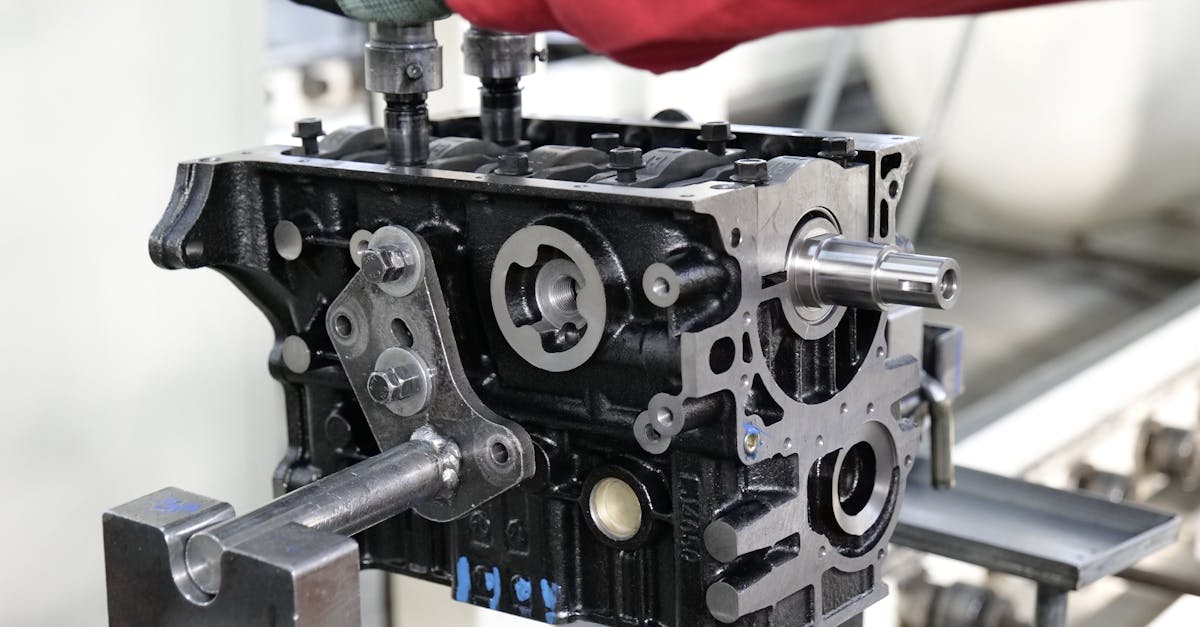
Modern cars do not need to idle for long periods to warm up even in cold weather. Driving gently allows the engine and transmission to reach operating temperature faster than idling. Idling for too long wastes fuel and can dilute the oil with unburned gasoline. Thirty seconds is usually sufficient before driving away.
Aggressive Driving Impacts

Rapid acceleration and hard braking place excessive stress on the engine and suspension components. This driving style wears out brake pads and tires much faster than conservative driving. Fuel economy drops significantly when the engine is pushed to high revolutions per minute constantly. Gentle driving preserves the mechanical integrity of the vehicle.
Service Records

Keeping a folder of all maintenance and repair receipts adds value to the vehicle when it comes time to sell. These records prove to potential buyers that the car was cared for properly. Mechanics can also use this history to see what work has already been performed. A well-documented history suggests a reliable vehicle.
Fluid Leaks

Spots on the driveway are clear indicators that a system is leaking and needs inspection. Different fluids have distinct colors that help identify the source of the leak. Ignoring a leak can lead to low fluid levels and catastrophic failure of the engine or transmission. Addressing leaks early prevents environmental contamination and major damage.
Rust Prevention
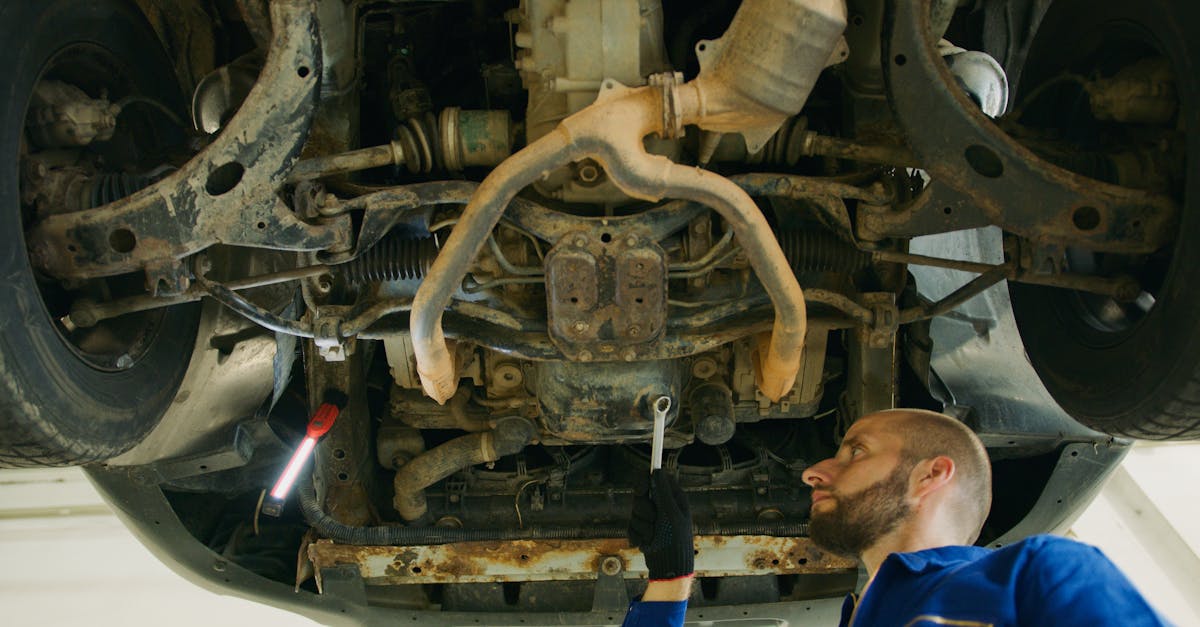
Washing the undercarriage of the vehicle is crucial in areas where salt is used on the roads. Salt accelerates corrosion on the frame and brake lines which creates serious safety hazards. Regular washes during winter months help neutralize the corrosive effects of road chemicals. Rust is difficult to stop once it begins eating into the metal.
Cabin Air Filter

The cabin air filter cleans the air entering the passenger compartment through the vents. A dirty filter can cause musty odors and reduce the airflow from the air conditioning system. This component is often overlooked but contributes significantly to passenger comfort and health. Changing it annually keeps the interior smelling fresh.
Headlight Restoration
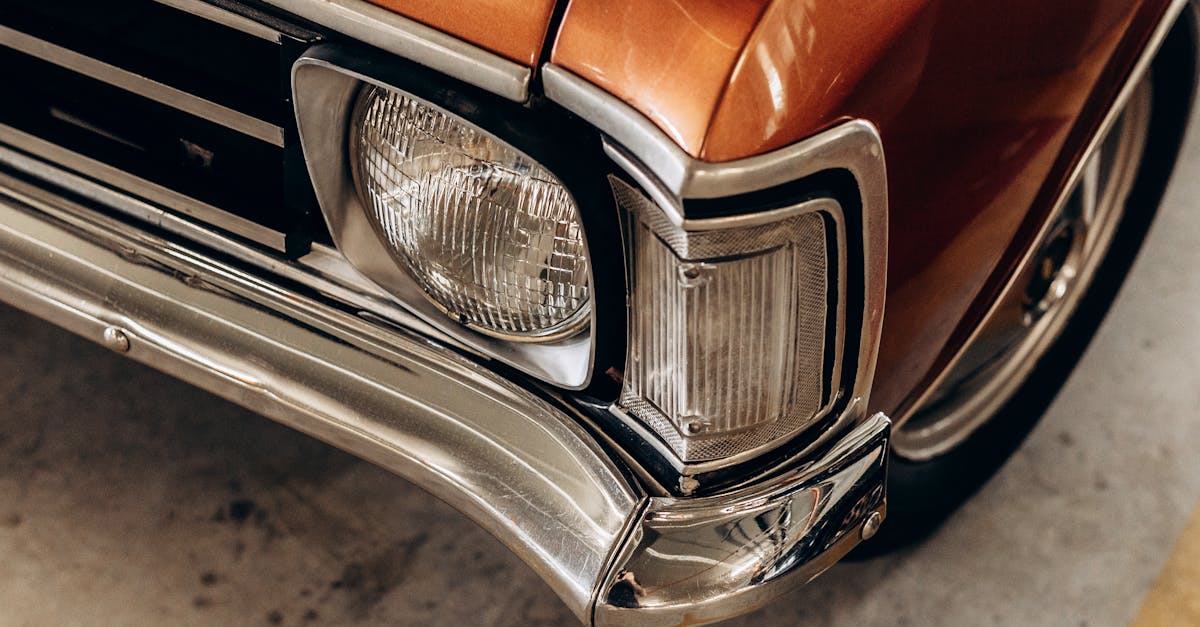
Cloudy or yellowed headlight lenses significantly reduce night visibility and safety. Ultraviolet rays from the sun damage the plastic coating over time. Polishing kits or professional restoration can restore clarity and improve light projection. Clear headlights are essential for seeing hazards on the road at night.
Timing Belt Intervals

The timing belt is a critical component that synchronizes the engine’s rotation. If the manufacturer recommends replacement at a certain mileage it must be done to prevent engine destruction. There are rarely warning signs before a timing belt snaps under load. This preventative maintenance is expensive but far cheaper than a new engine.
Suspension Health
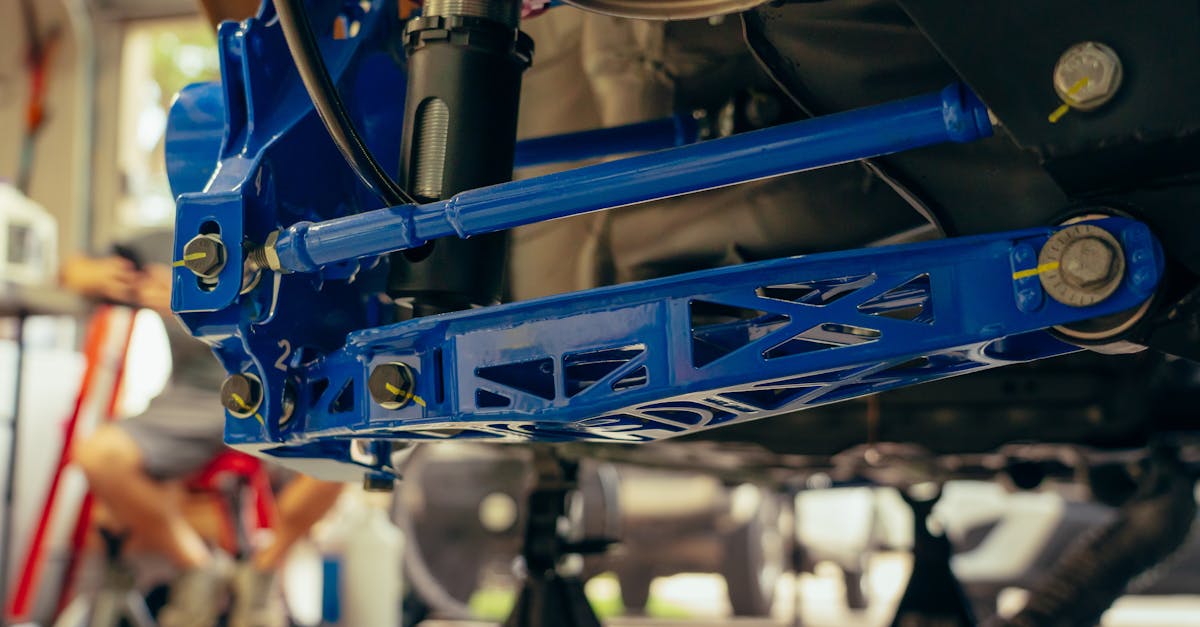
Worn shocks or struts increase stopping distances and cause the car to bounce excessively over bumps. The suspension system keeps the tires in contact with the road for stability and control. Ignoring suspension noise or a rough ride compromises the safety of the vehicle. Good suspension protects other components from excessive vibration.
Describing Problems

Describing the conditions when a noise happens is more helpful than trying to mimic the sound itself. Mechanics need to know if the issue occurs when the engine is cold or hot. Noting the speed or specific road conditions helps pinpoint the issue during a test drive. Clear communication aids in accurate and efficient diagnosis.
Scheduled Maintenance

Preventative maintenance is always cheaper and more convenient than emergency repairs. Following the factory schedule keeps the warranty valid and the car running reliably. Waiting for a breakdown causes stress and usually happens at the most inconvenient times. A proactive approach is the best way to manage vehicle ownership costs.
Please share your own experiences with car maintenance in the comments.